Hamburger
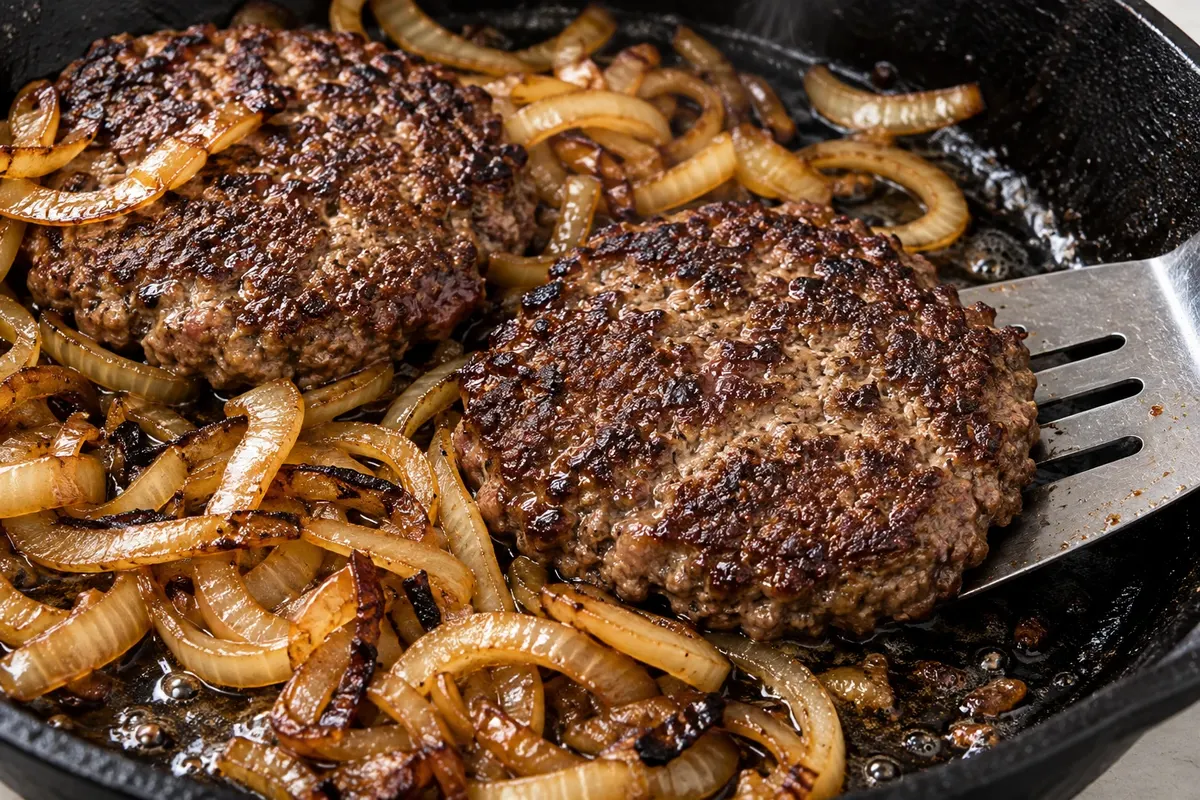
Ground beef shaped into a patty, grilled or cooked on a griddle and served inside a round bun. Several American cities claim the sandwich's origin, and it became one of the foods most associated with the United States.
Flavors · New Orleans
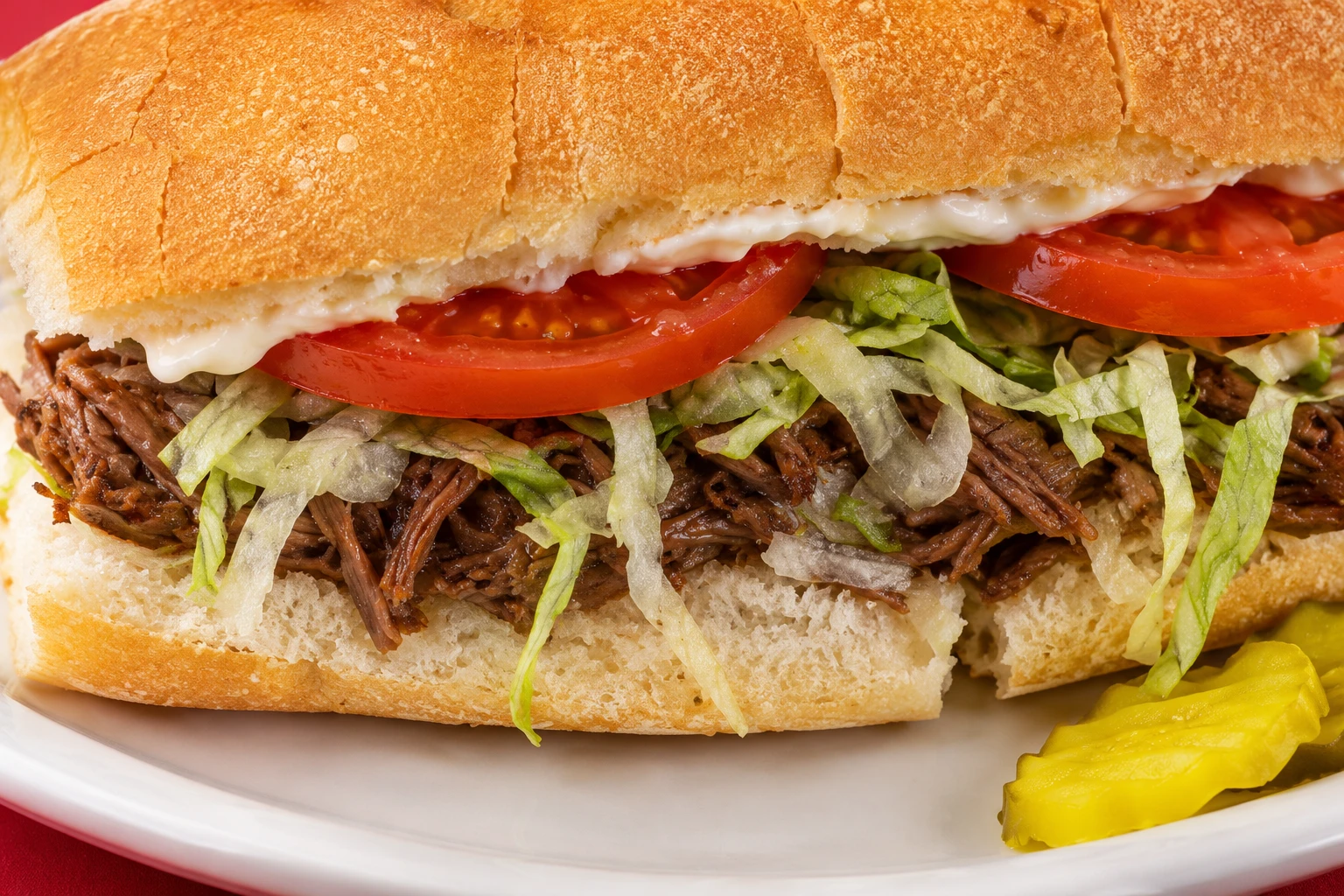
New Orleans sandwich made on the local French bread, with a thin, crisp crust, filled with fried shrimp or oysters, roast beef with gravy, or other fillings. The name is linked to the 1929 streetcar operators’ strike.
Traditional dish from New Orleans, Luisiana
Also known as: po-boy, poor boy, po boy
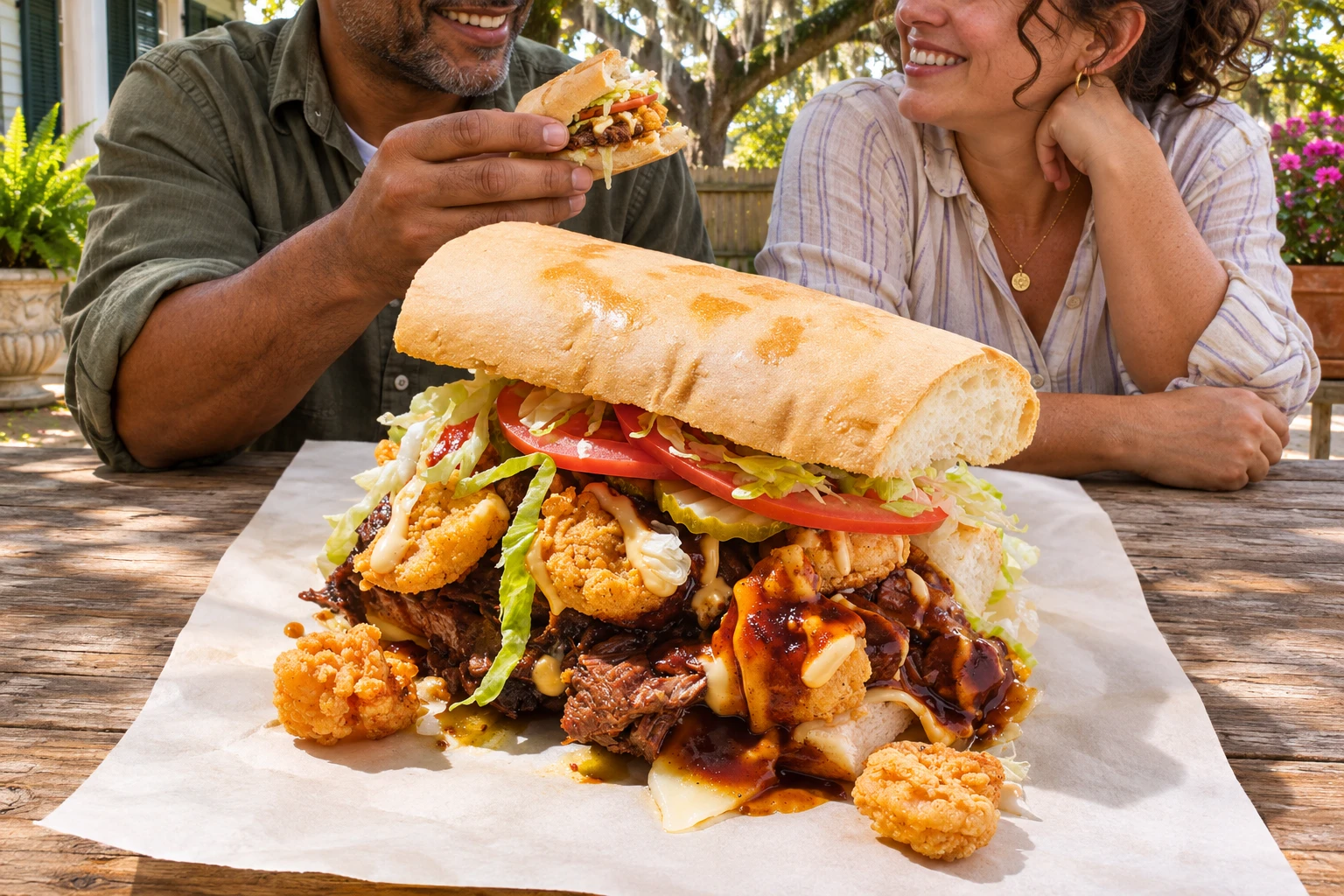
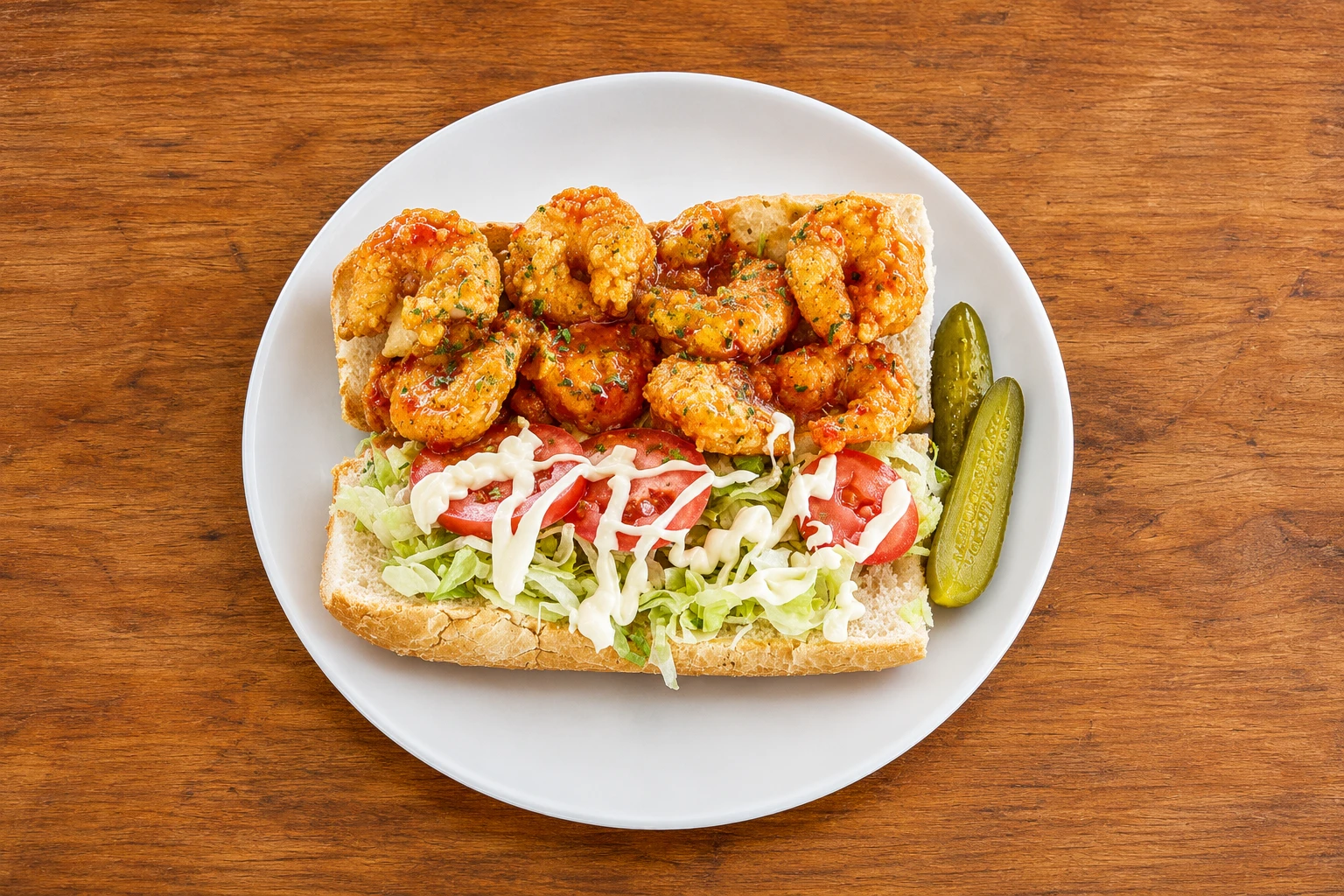
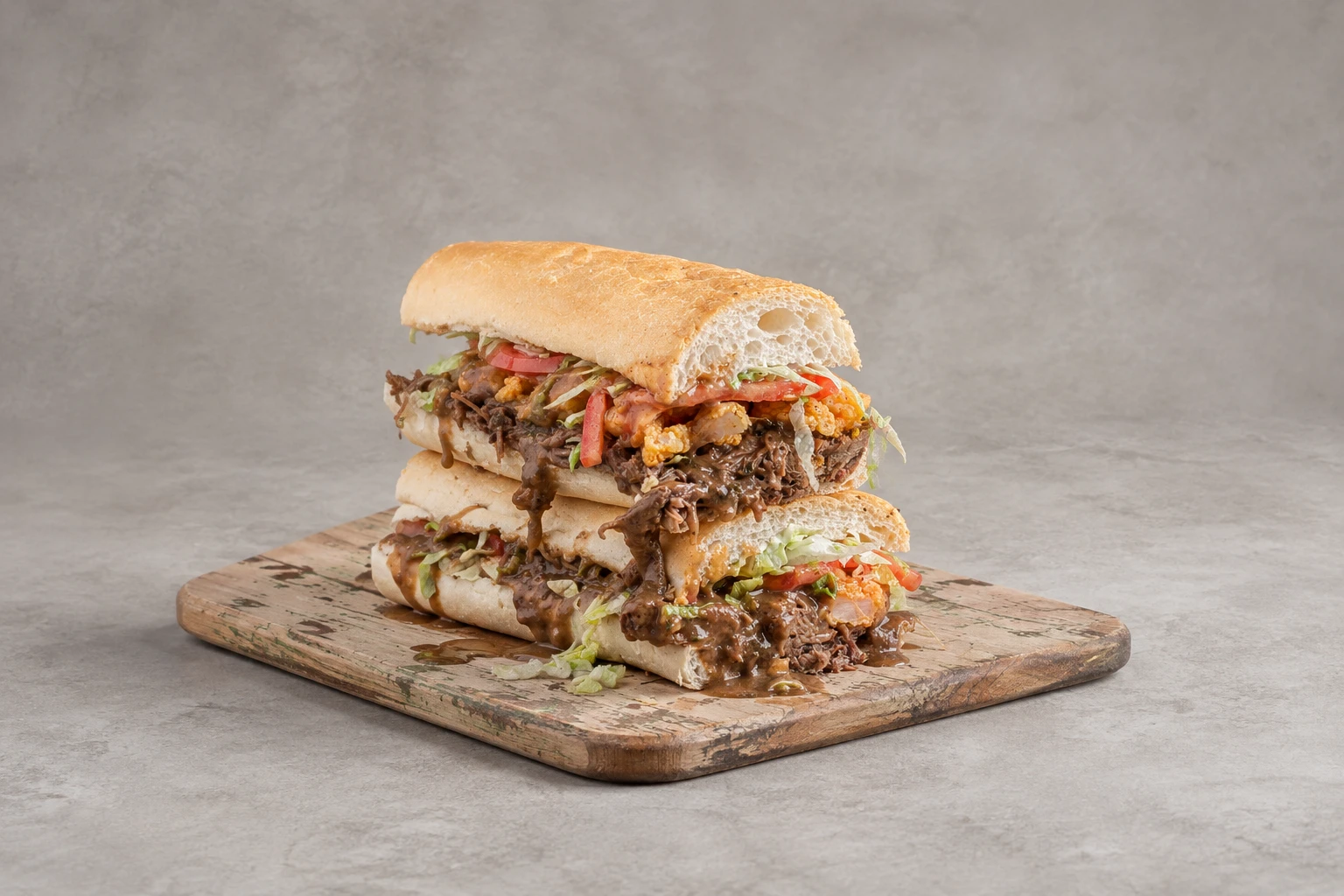
Illustrative images. The pictures in this guide are illustrations based on the real place, not photographs, and may differ from it.
Click a photo to enlarge it.
Po' boy — New Orleans, the United States
The po' boy is the everyday sandwich in New Orleans. What defines it is the bread: a long French roll with a very thin crust that flakes when you bite and a light crumb, made by bakeries in the city itself. The best-known fillings are fried shrimp, fried oysters and shredded roast beef in its own gravy, but there are po' boys with fish, sausage, ham and many other fillings.
The most told story connects the name to 1929. Brothers Bennie and Clovis Martin, former streetcar operators from Raceland in the state interior, had run a café at the French Market since 1922. When the operators went on strike in July of that year, the brothers offered to feed the strikers and, according to the account, would say to each man who arrived: here comes another poor boy. The term transferred to the sandwich and began to appear in newspapers and menus in the early 1930s. Historians note that this version was published only decades later and that French-roll sandwiches already existed earlier.
Ordering a po' boy dressed means with lettuce, tomato, pickles and mayonnaise; without that, it comes with just the filling. The roast beef version tends to drip gravy and release flakes of meat from cooking, called debris, and calls for a napkin.
Neighborhood sandwich shops, bars and fish markets serve po' boys throughout the city, whole or halved, wrapped in paper. New Orleans even has a festival dedicated to the sandwich.

New Orleans , Luisiana
New Orleans sandwich whose name is linked to the 1929 streetcar operators’ strike.
New Orleans French roll; fried shrimp, oysters or fish, or roast beef with gravy; for the dressed version, lettuce, tomato, pickles and mayonnaise.
By hand, whole or halved, wrapped in paper; the roast beef one needs a napkin.
Everyday lunch, year-round.
Your questions
It means with lettuce, tomato, pickles and mayonnaise. Without that, the sandwich comes with just the filling.
The most common version says that during the 1929 streetcar operators’ strike, the Martin brothers fed the strikers and called each man a poor boy. The name transferred to the sandwich.
Fried shrimp, fried oysters and roast beef with gravy. There are also fish, sausage and ham versions.
Flavors of the United States

Ground beef shaped into a patty, grilled or cooked on a griddle and served inside a round bun. Several American cities claim the sandwich's origin, and it became one of the foods most associated with the United States.

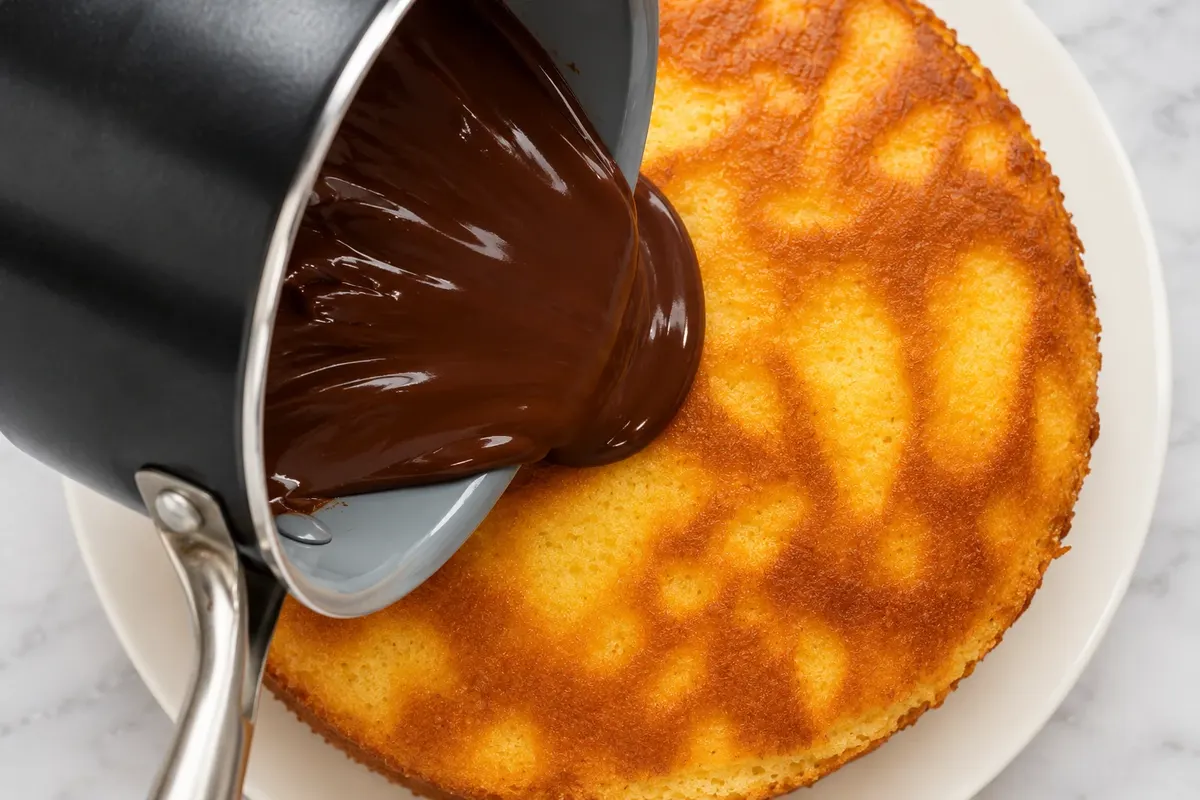
Two-layer sponge cake filled with pastry cream and topped with chocolate. Despite the name, it is not a pie. It originated in Boston in the 19th century and has been the official dessert of Massachusetts since 1996.

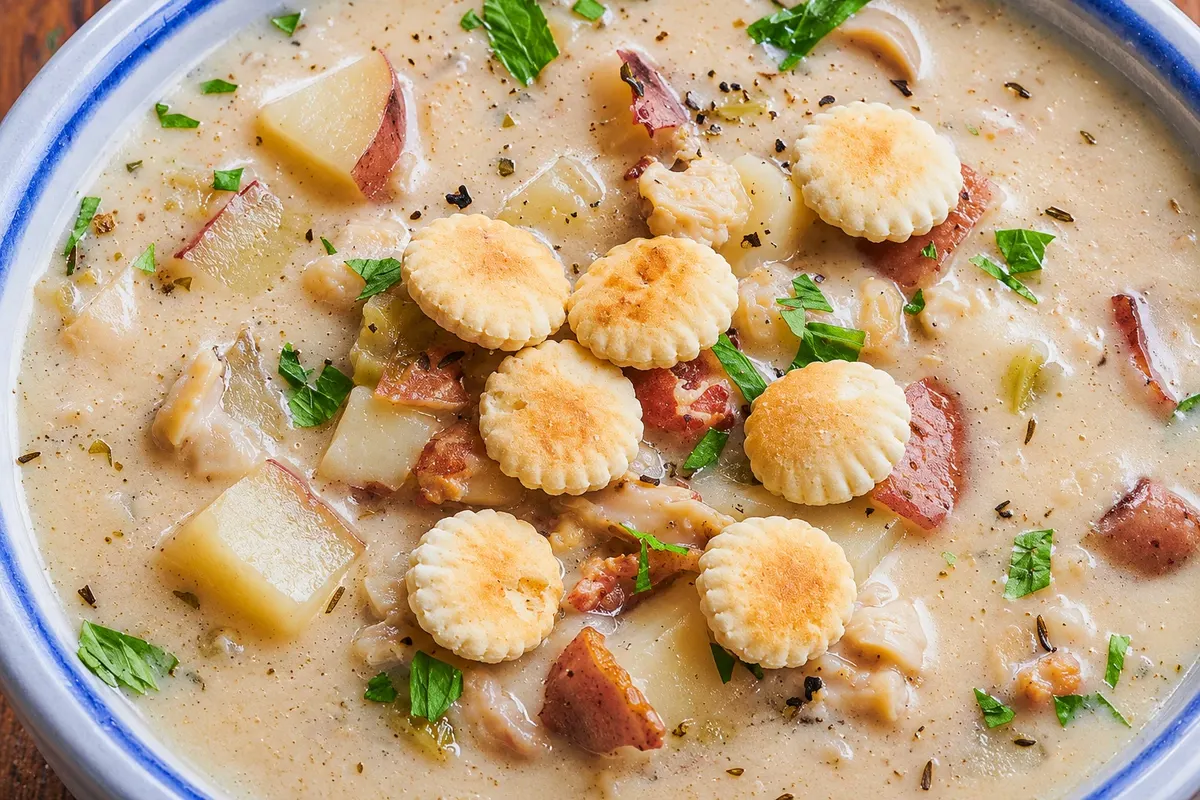
Creamy seafood soup with potato, onion and salt pork, thickened with milk or cream. It’s the dish most associated with Boston and the New England coast, and it’s usually served with small salted crackers.

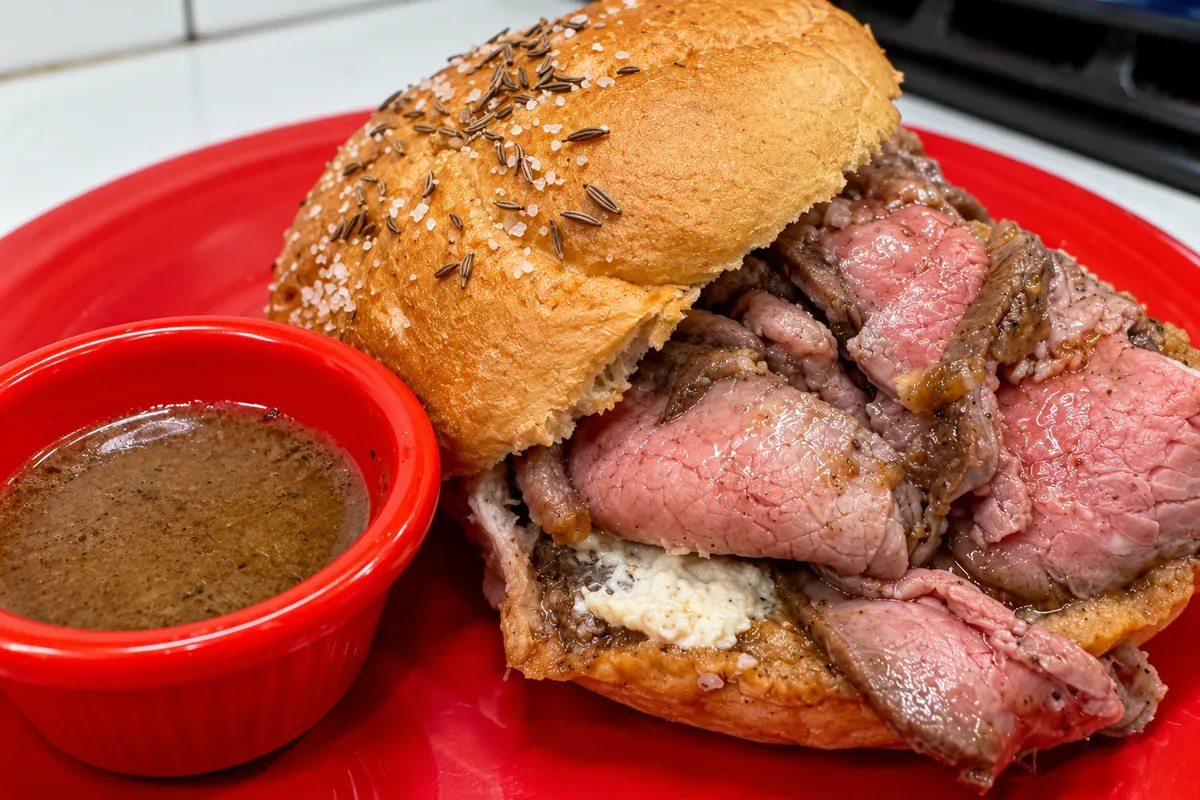
Rare roast beef sandwich on kummelweck roll, topped with coarse salt and caraway, with horseradish and the roll dipped in the roast jus. It’s a tavern specialty from Buffalo, older than the chicken wings.

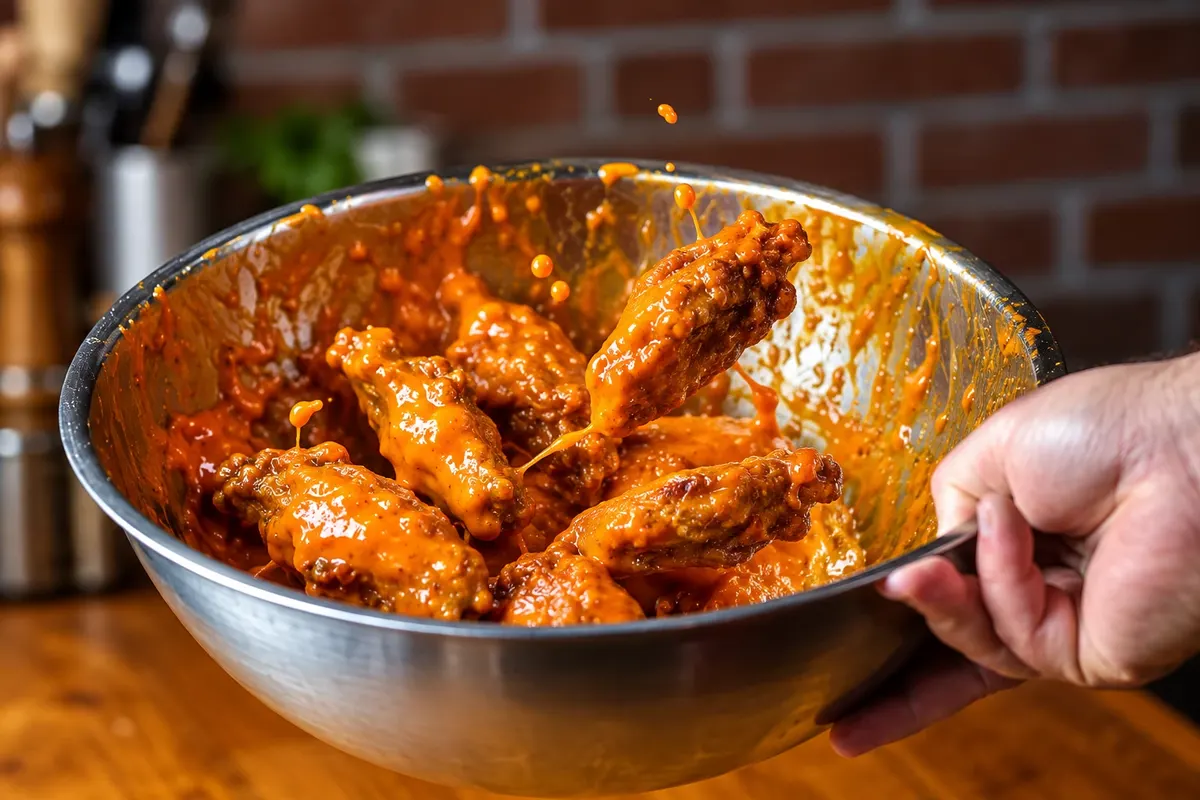
Fried chicken wings not breaded and coated in a hot pepper and butter sauce, served with celery and blue cheese dressing. They were created in Buffalo in 1964, according to the most accepted version.

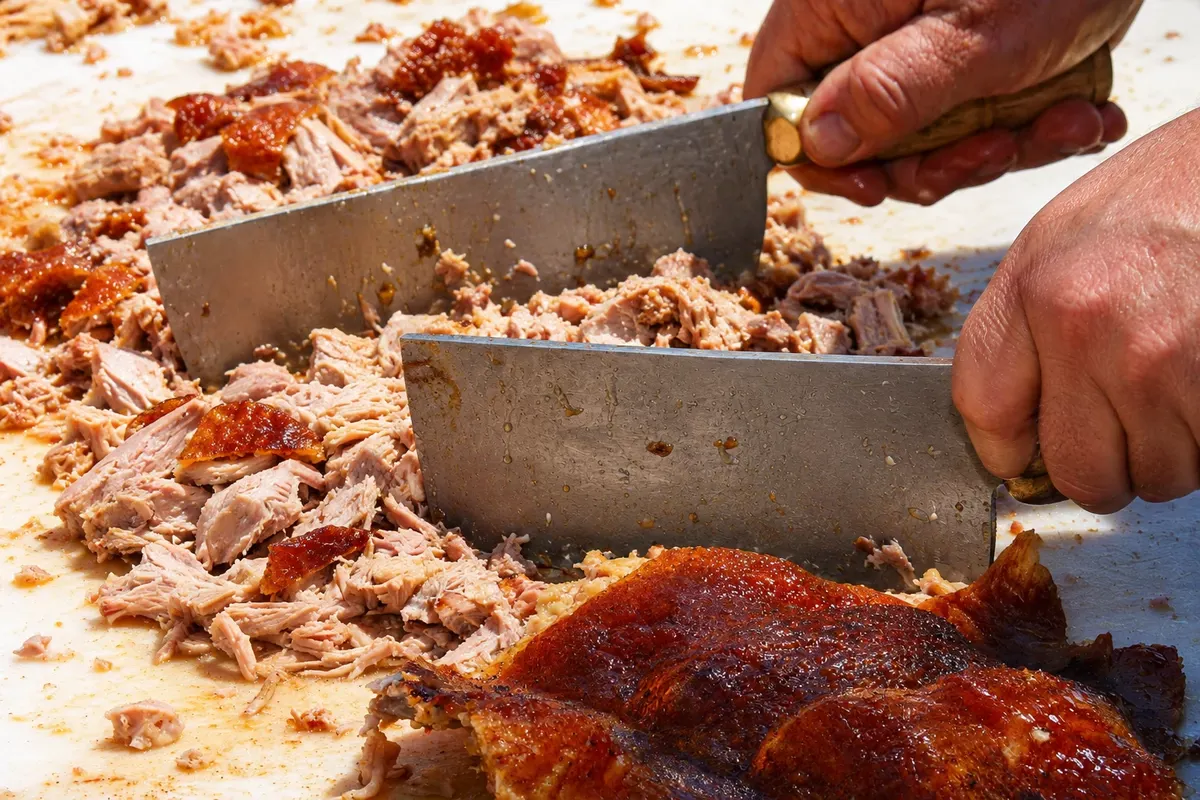
Slow-roasted pork over a wood fire, chopped or pulled and seasoned with a vinegar-and-pepper sauce. In the eastern part of the state the whole hog is roasted; in the Piedmont, the shoulder is used, with a sauce that includes a little tomato.

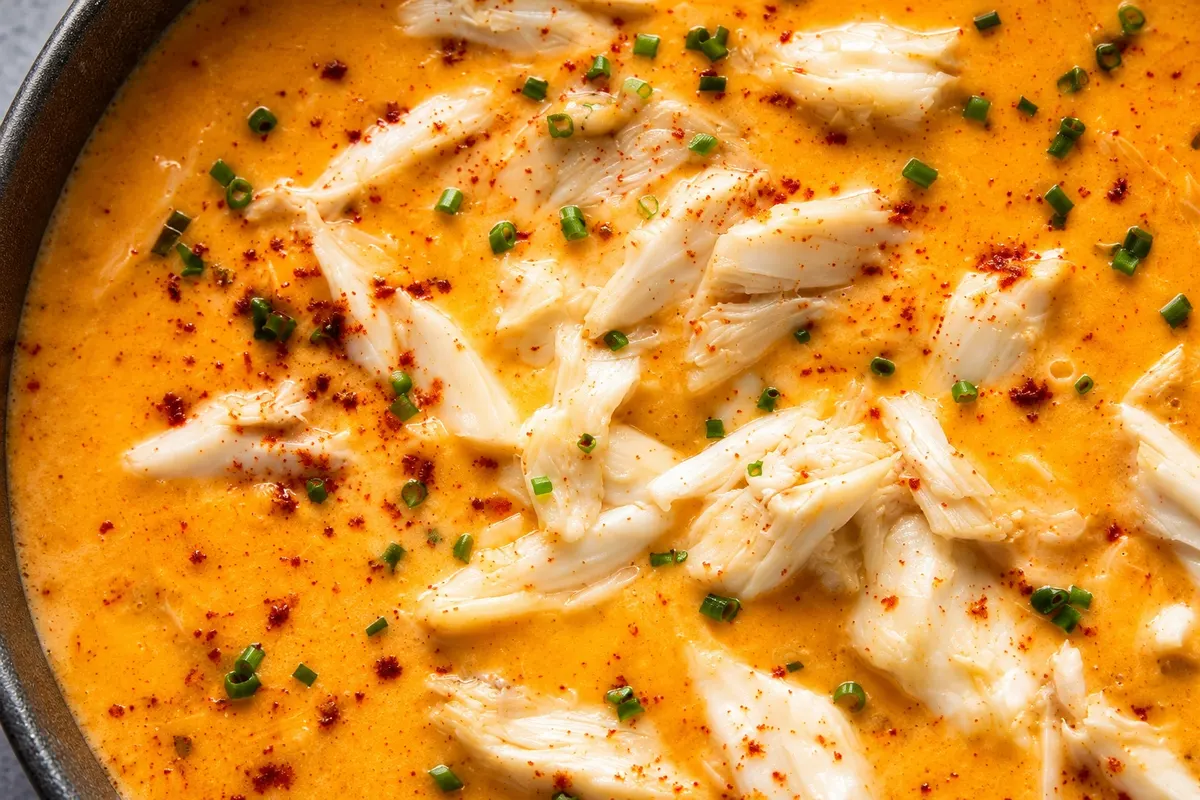
Creamy Charleston soup made with blue crab meat and the female’s roe, which give it an orange color and the dish its name; finished with a little sherry. The version that includes roe is attributed to William Deas, a cook for a local family, in the early 20th century.

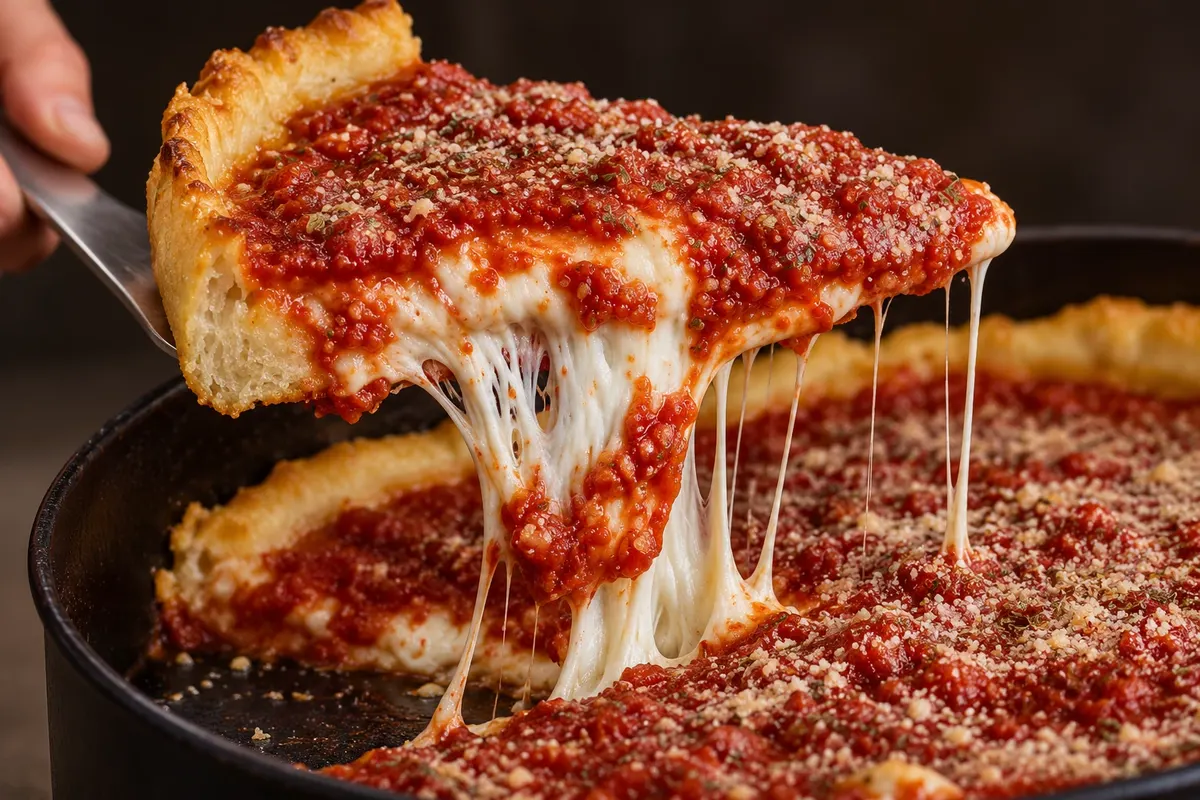
Pizza baked in a high-sided pan, with a buttery crust, mozzarella underneath, fillings in the middle, and chunky tomato sauce on top. It originated in Chicago in 1943 and is eaten with a fork and knife.

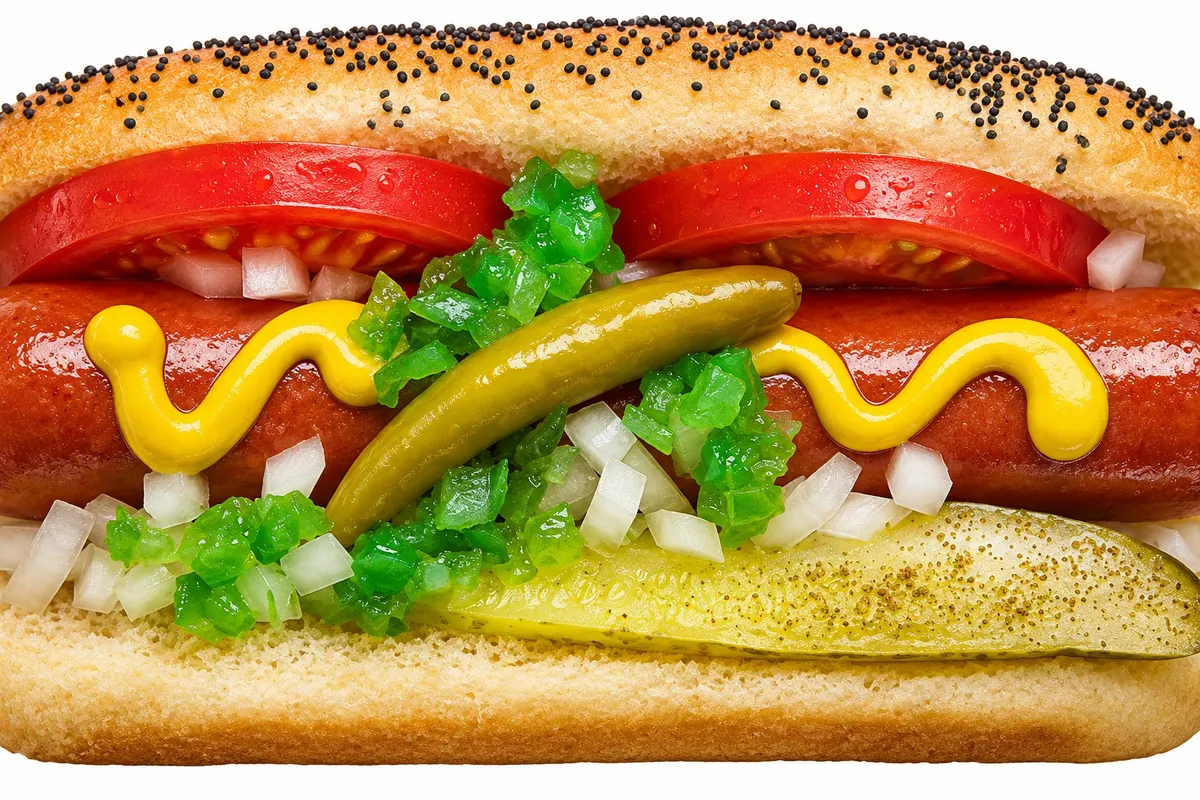
Beef sausage in a soft poppy-seed bun, topped with yellow mustard, bright green relish, chopped onion, tomato, pickle spear, pickled peppers and celery salt — “dragged through the garden,” as they say in Chicago. Ketchup is not included.

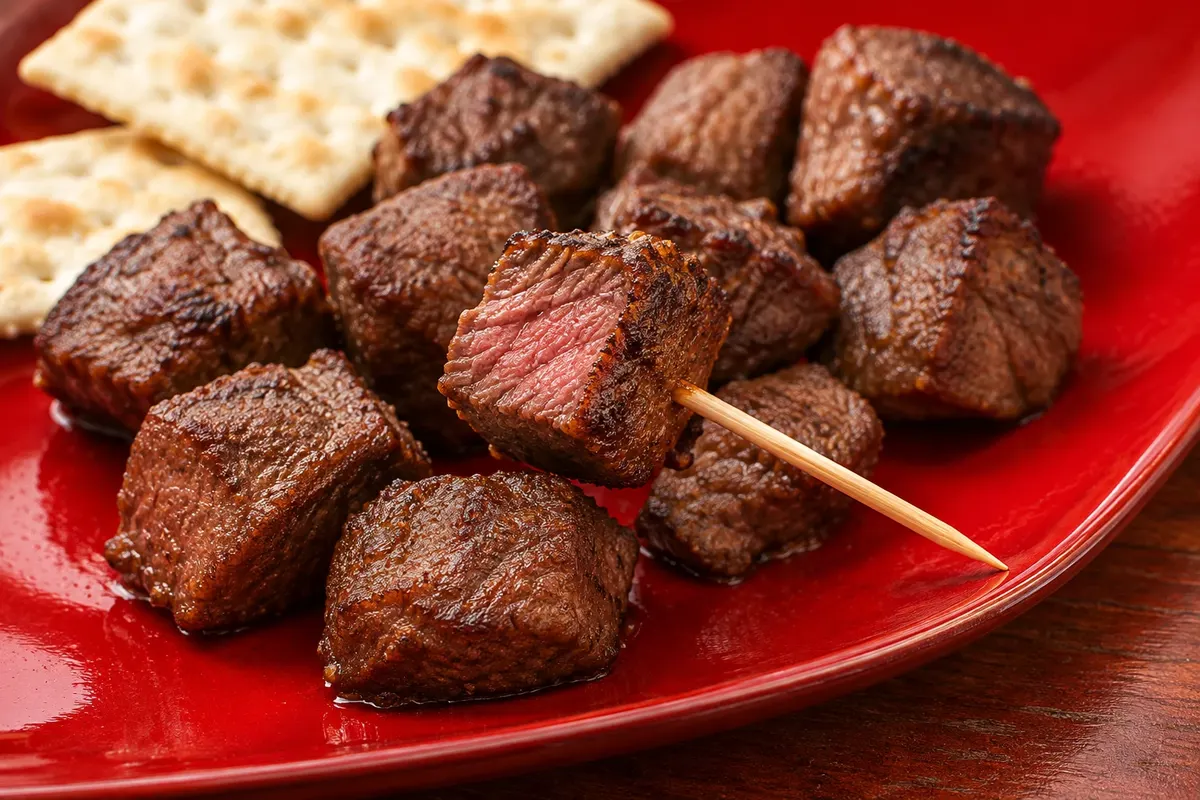
Cubes of meat — traditionally lamb or mutton — fried or grilled, seasoned with salt or garlic salt and served on skewers with saltine crackers. Brought by German-Russian immigrants in the 19th century, it has been South Dakota’s official nosh since 2018.

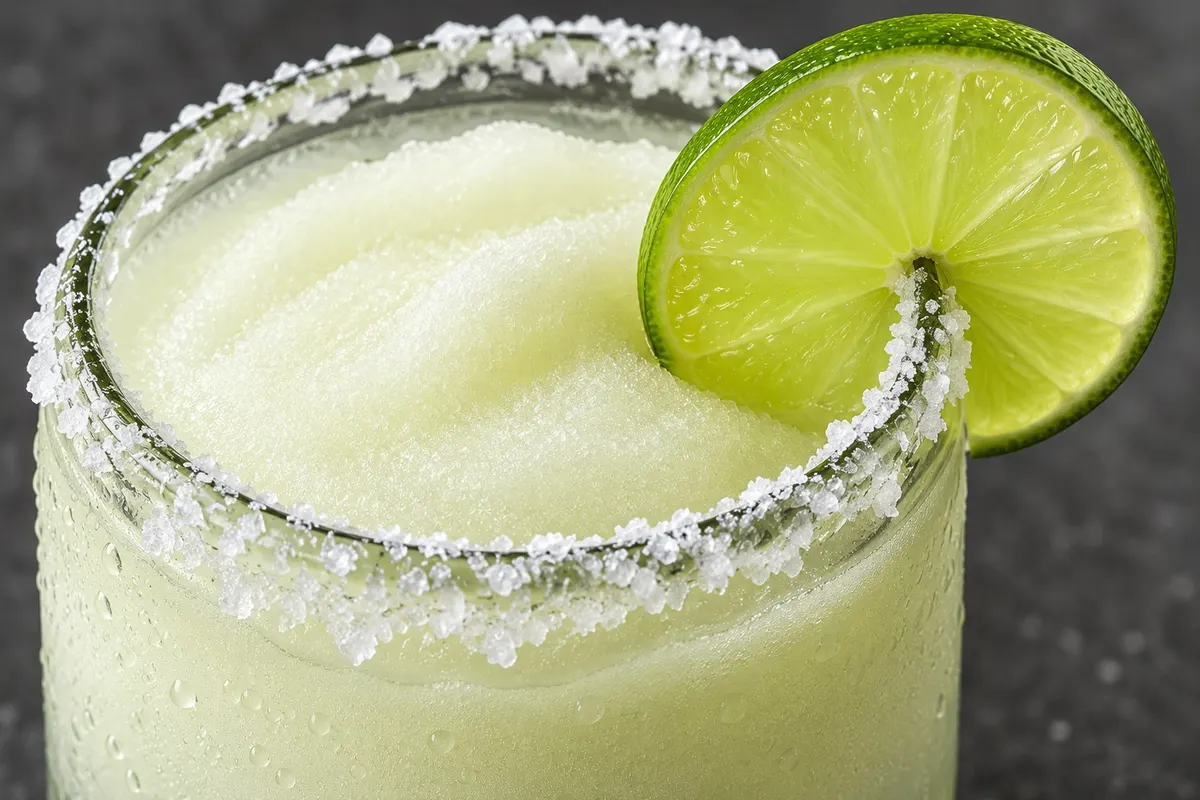
Tequila margarita, lime juice and orange liqueur turned into a slushy. In 1971, a young restaurateur from Dallas adapted a soft-serve ice cream machine to serve it consistently; the original machine is at the National Museum of American History in Washington.

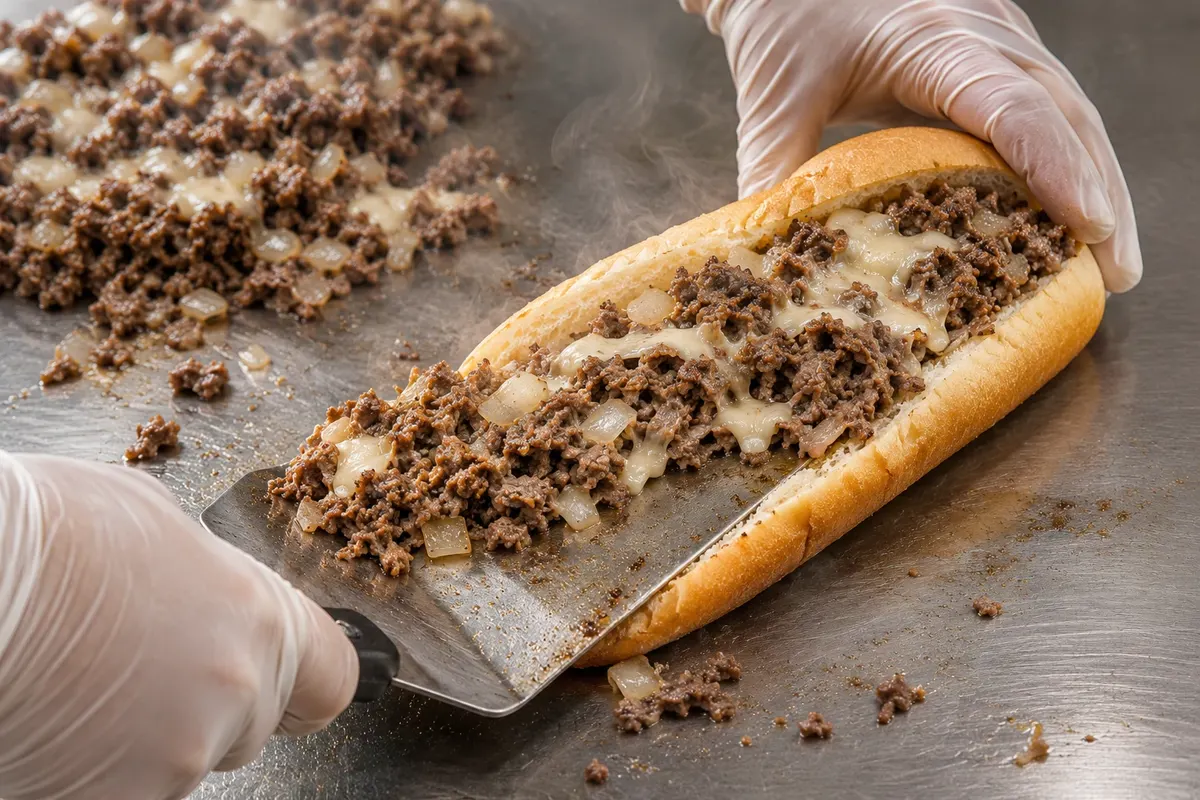
Philadelphia sandwich with thin slices of beef cooked on a griddle and melted cheese in a long Italian roll. The most accepted story links it to a hot dog vendor from the south of the city, in 1930.

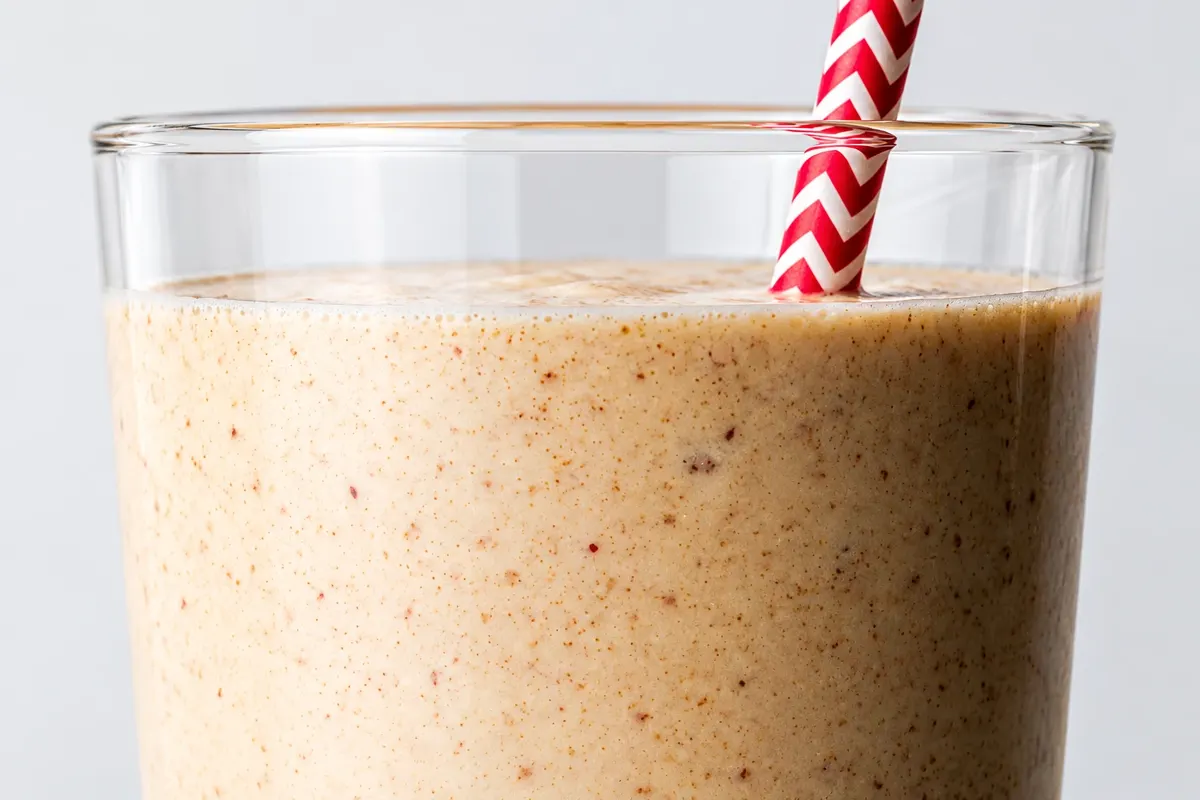
Thick date shake with vanilla ice cream, with a caramel-like flavor. It originated at roadside date shops in California’s Coachella Valley.

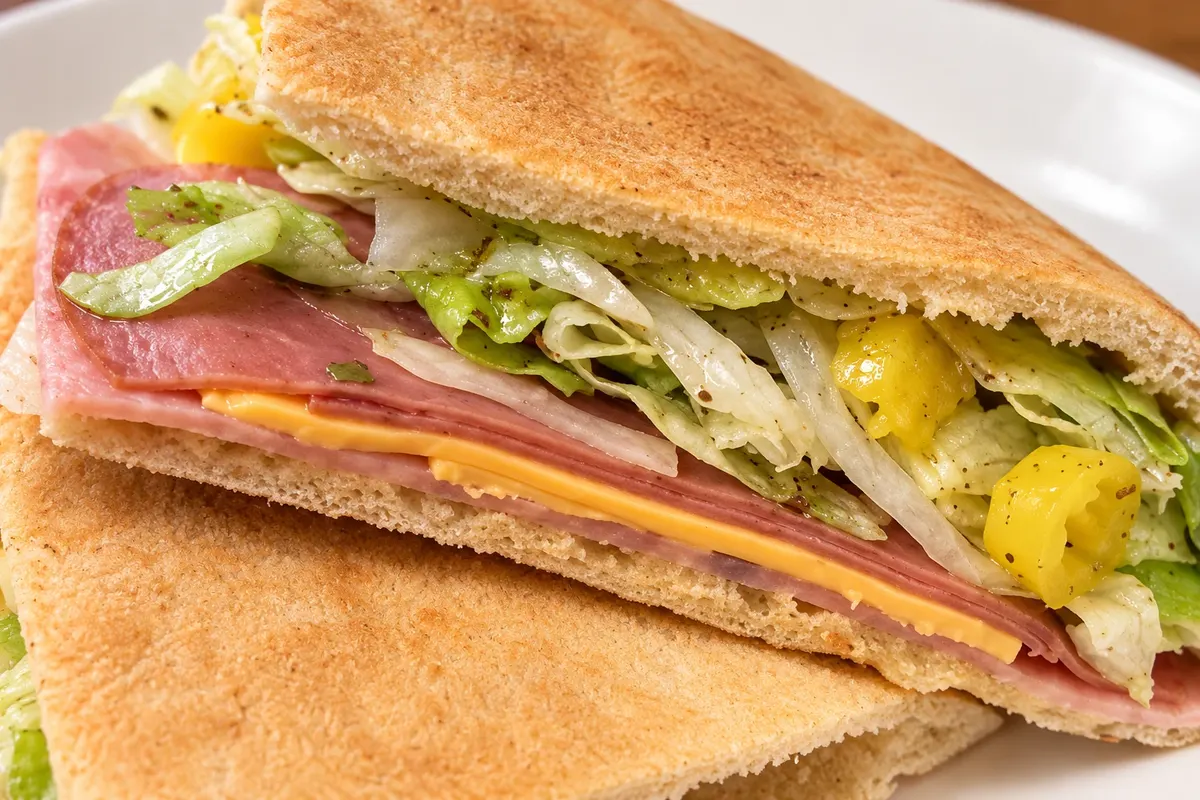
Pita bread with ham, salami and mortadella, salad and a tangy dressing. It originated with the city’s Arab immigrants and is often served with tabbouleh and cherry limeade.

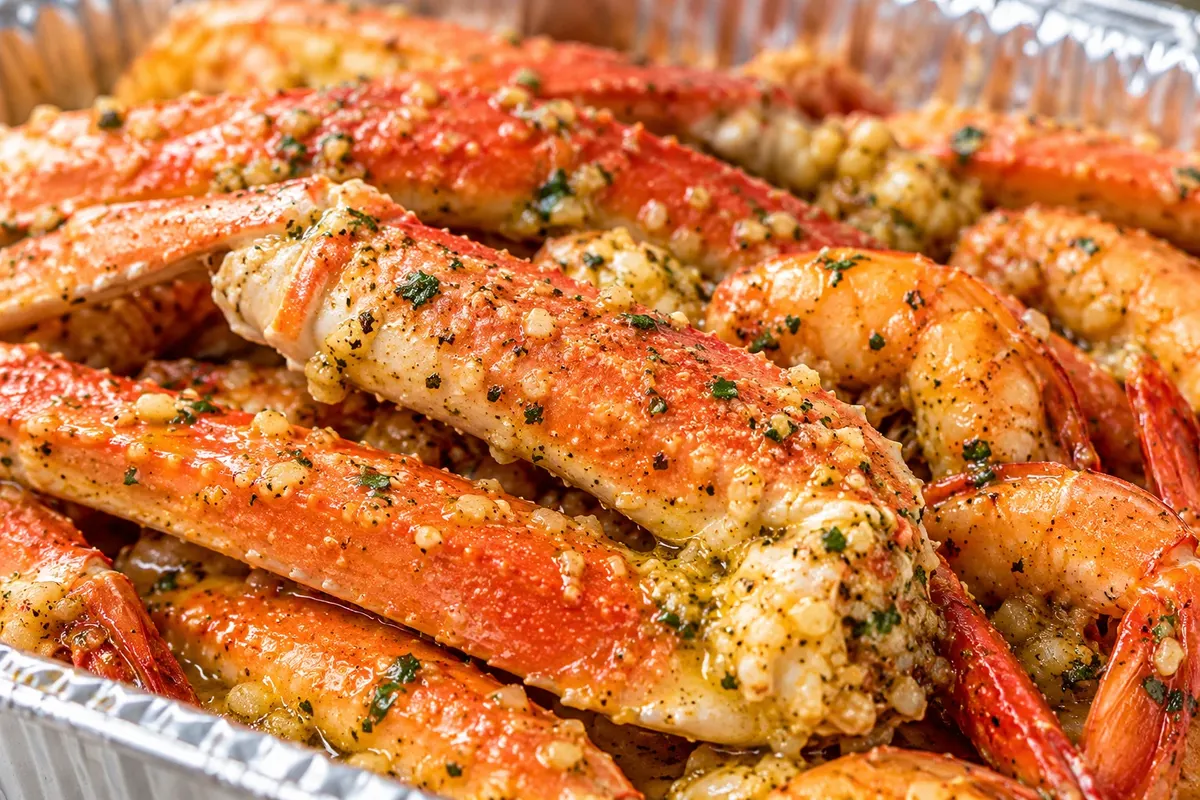
Blue crab cooked and covered in garlic butter, served with sausage, corn, potato and egg. A variation of the Gullah Geechee–rooted seafood boil, with dozens of specialist restaurants in Jacksonville.

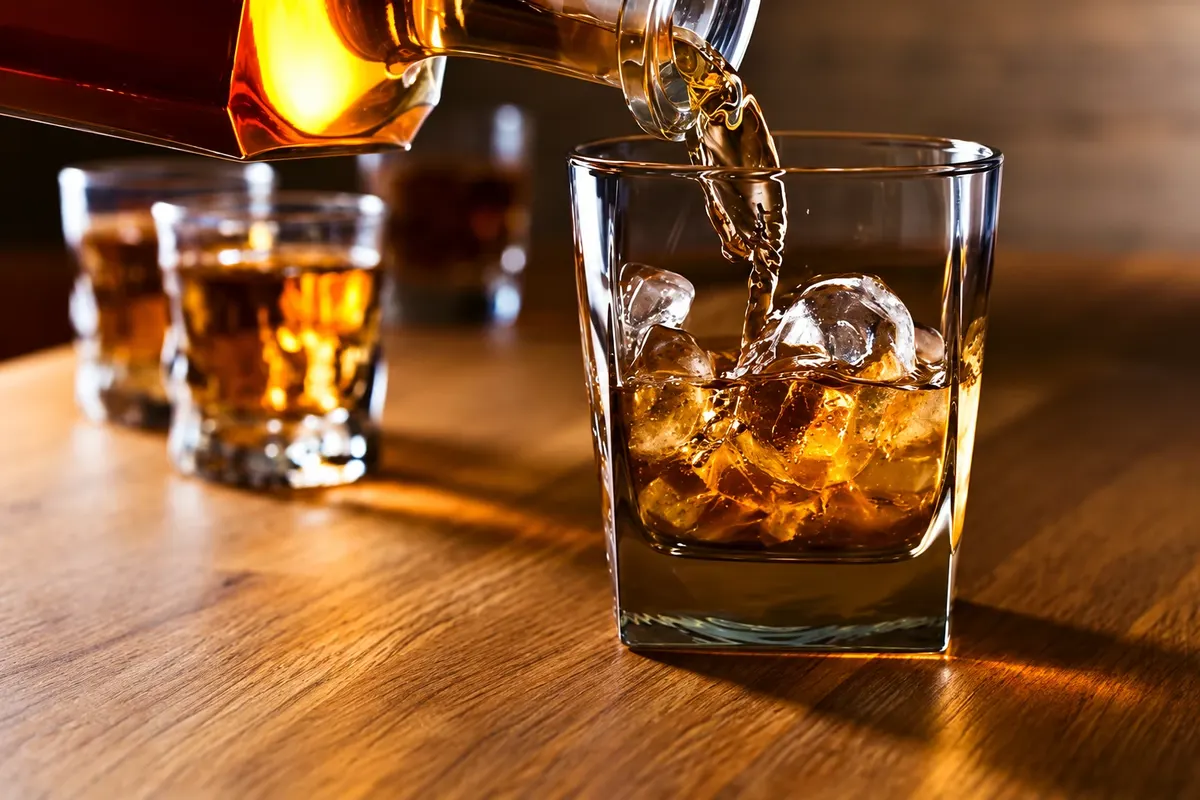
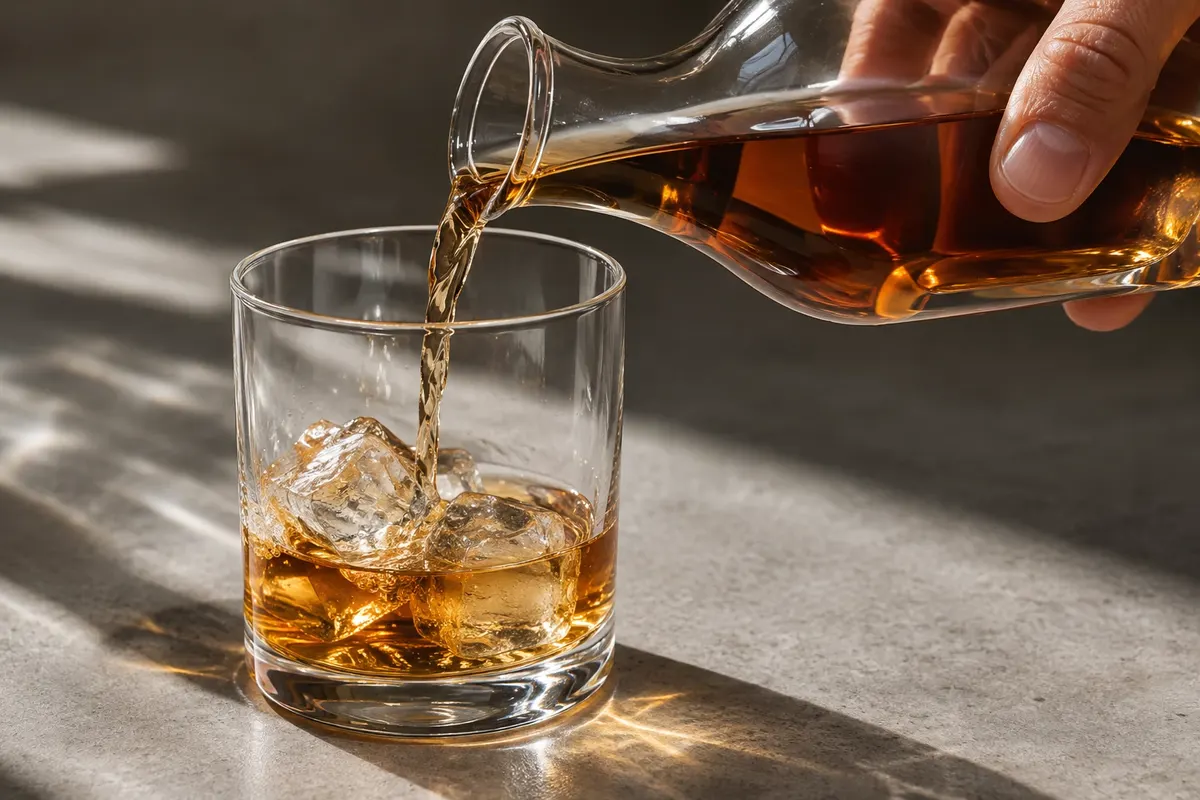
Whiskey made with at least 51% corn and aged in new charred oak barrels. The United States Congress recognized it in 1964 as a distinctive product of the country, and Kentucky concentrates most of its production.

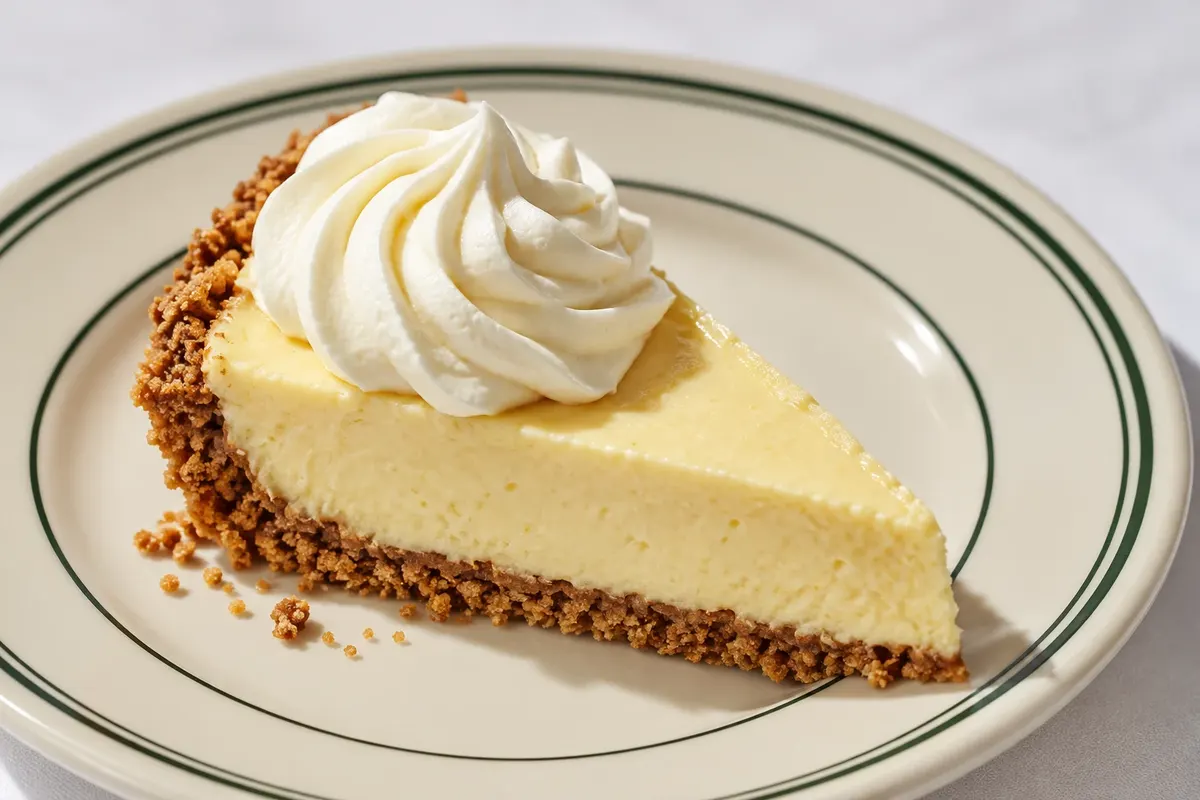
Key lime pie, made with the small yellow Key lime, condensed milk and egg yolks on a cookie crust. Associated with Key West since the late 19th century, it is the official pie of Florida.

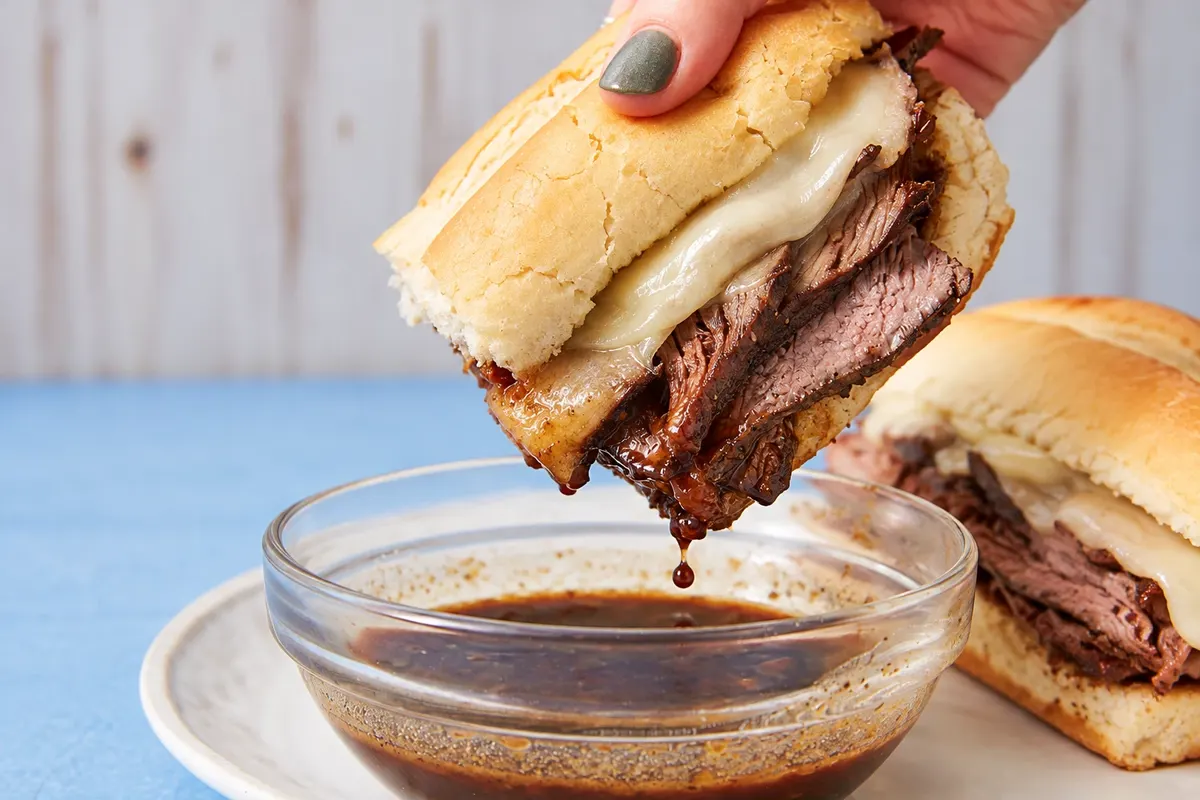
Sliced roast beef sandwich on French bread, with the bread dipped in the roast’s jus. Two downtown Los Angeles establishments, opened in 1908, claim its invention.

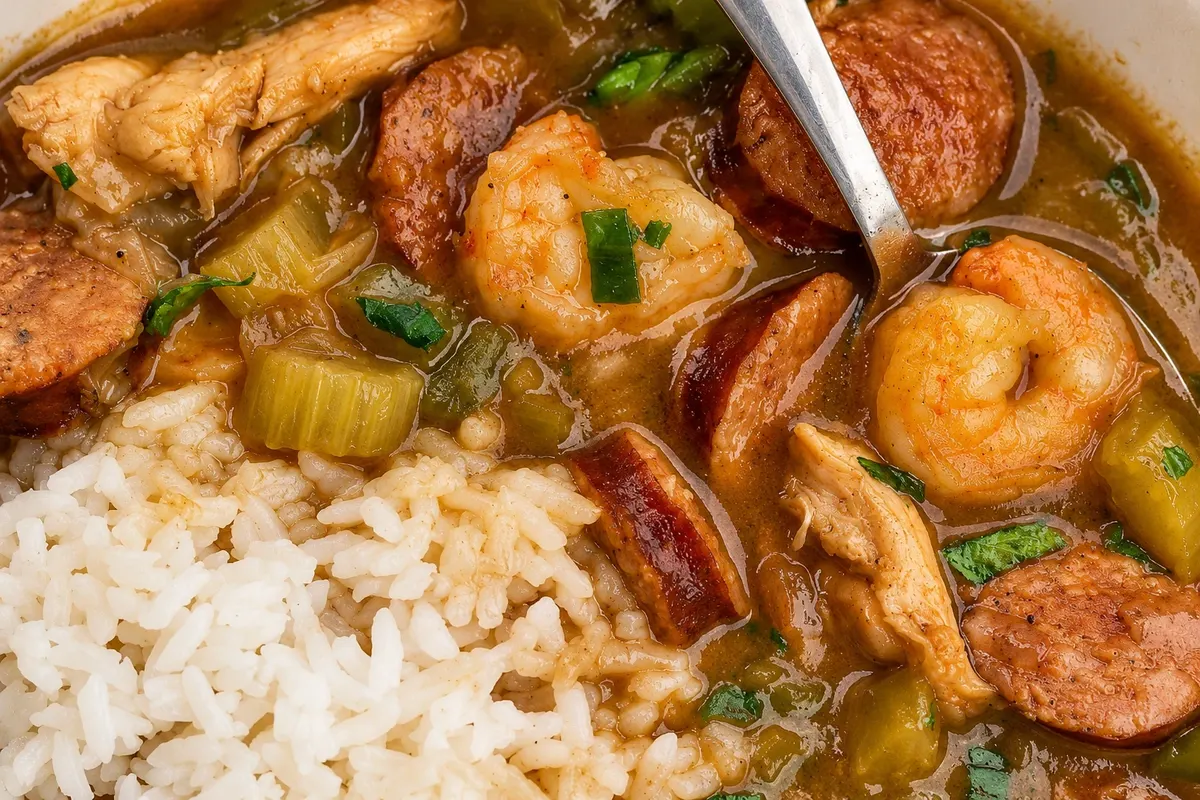
Thick Louisiana stew served over rice, made with a dark roux of flour and fat, the “holy trinity” of onion, celery and bell pepper, and seafood or chicken with sausage. It has been the state’s official cuisine since 2004.

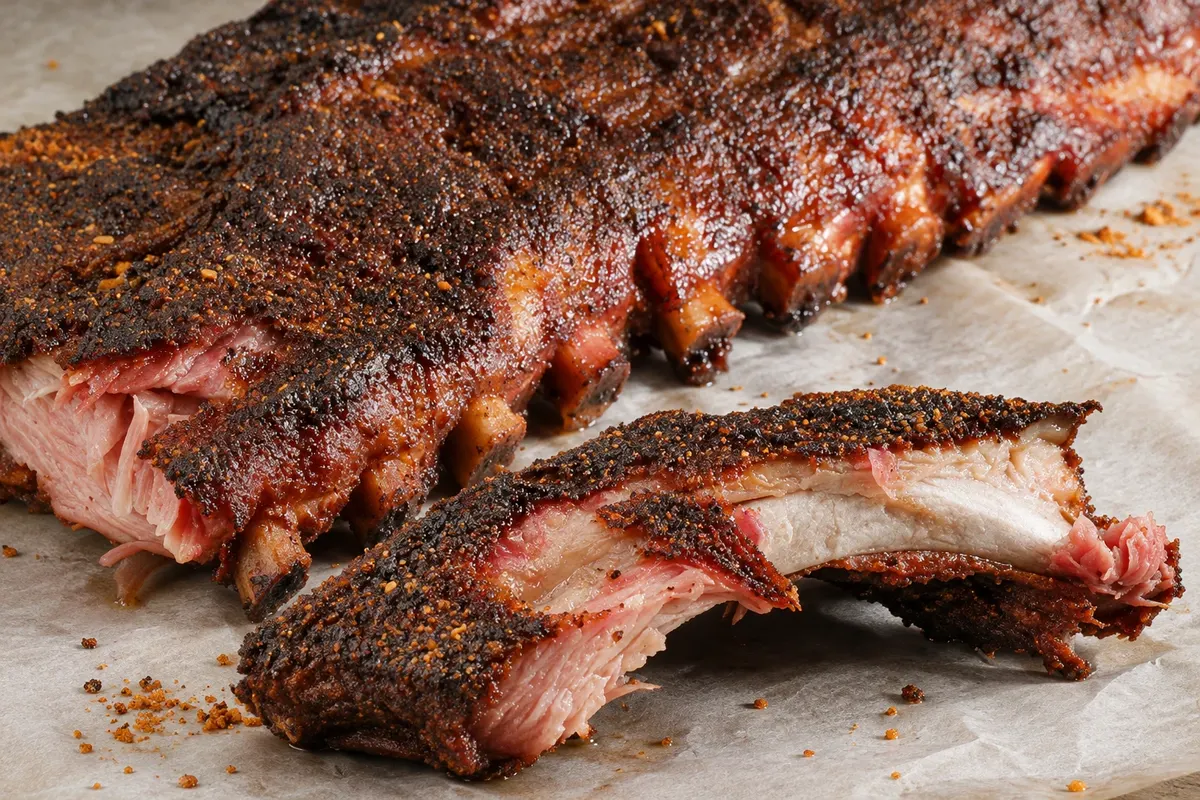
Memphis barbecue is pork: ribs seasoned with a dry spice rub or brushed with sauce (wet), and pulled pork shoulder served in a sandwich with coleslaw inside. In May the city hosts a barbecue competition on the banks of the Mississippi.

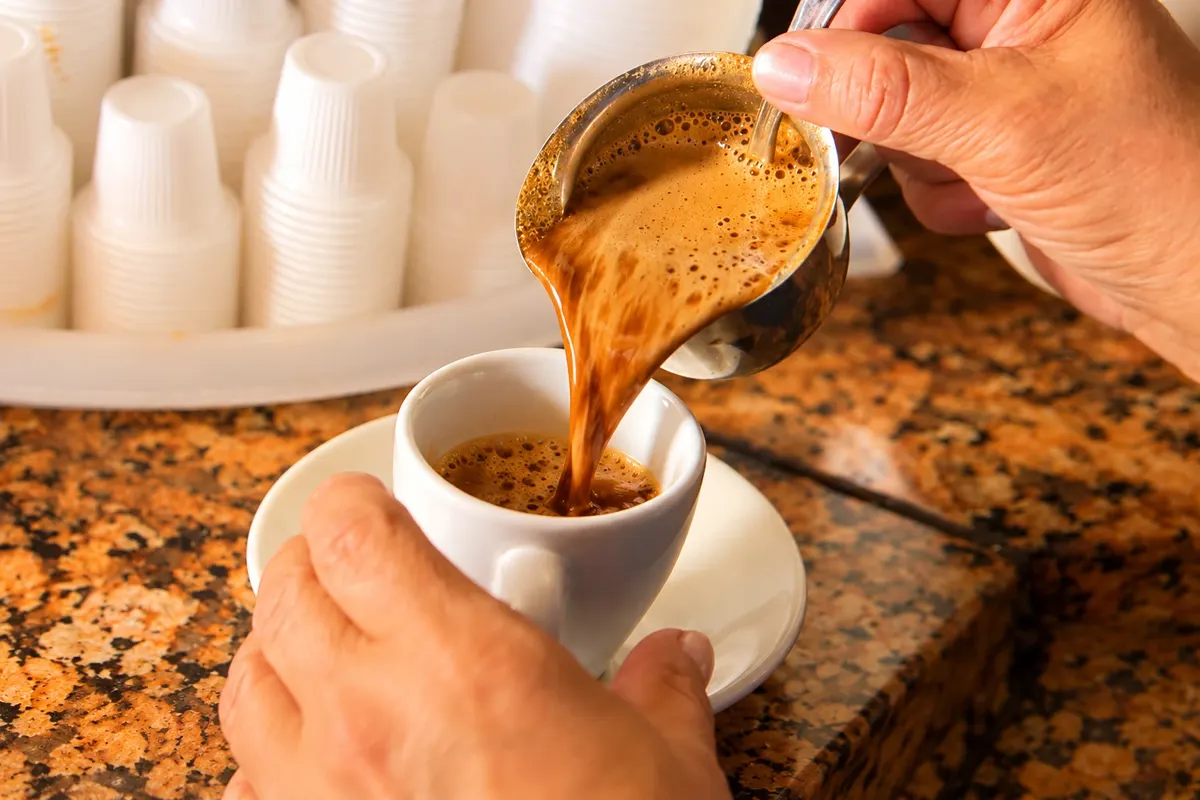
Cuban coffee: a short, strong espresso sweetened during preparation, with a sugar foam on top. It’s the everyday coffee of Miami’s Cuban community, served in small cups at café windows.

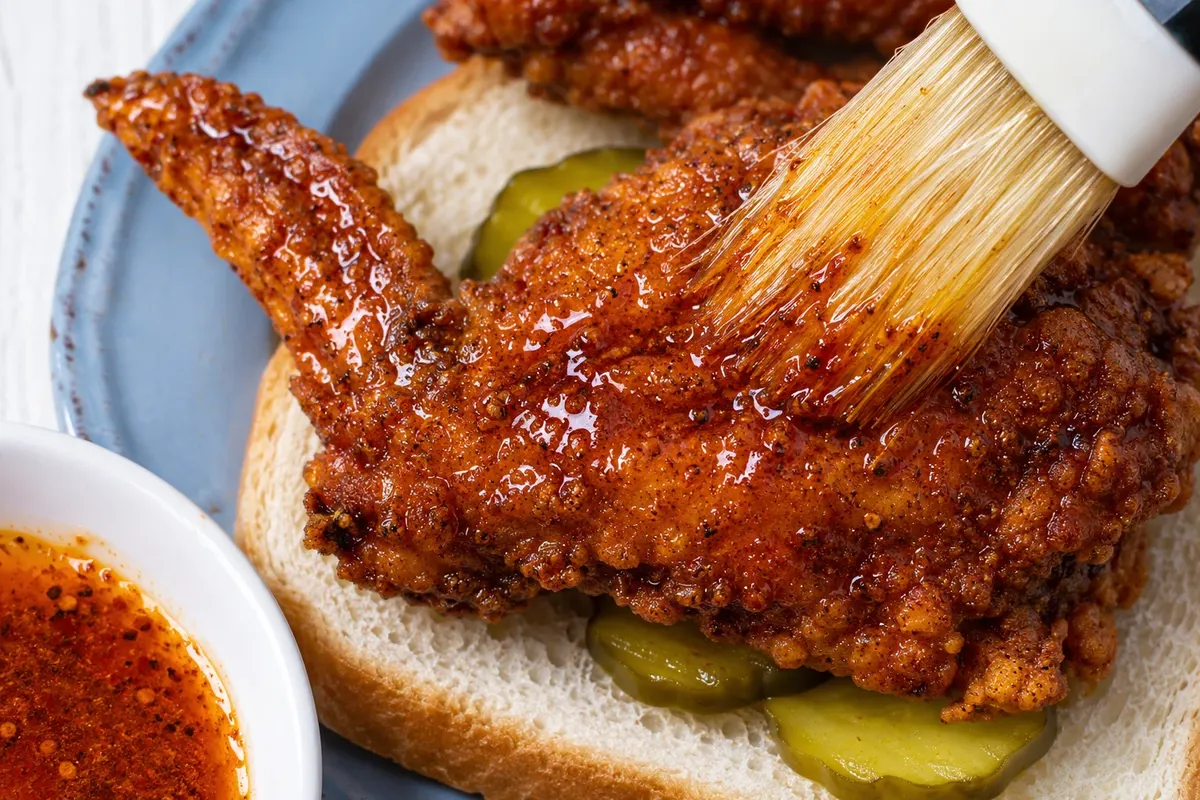
Nashville fried chicken coated with a cayenne pepper paste and hot frying fat, served on a slice of white bread with pickles. The recipe is credited to the Prince family in the 1930s.

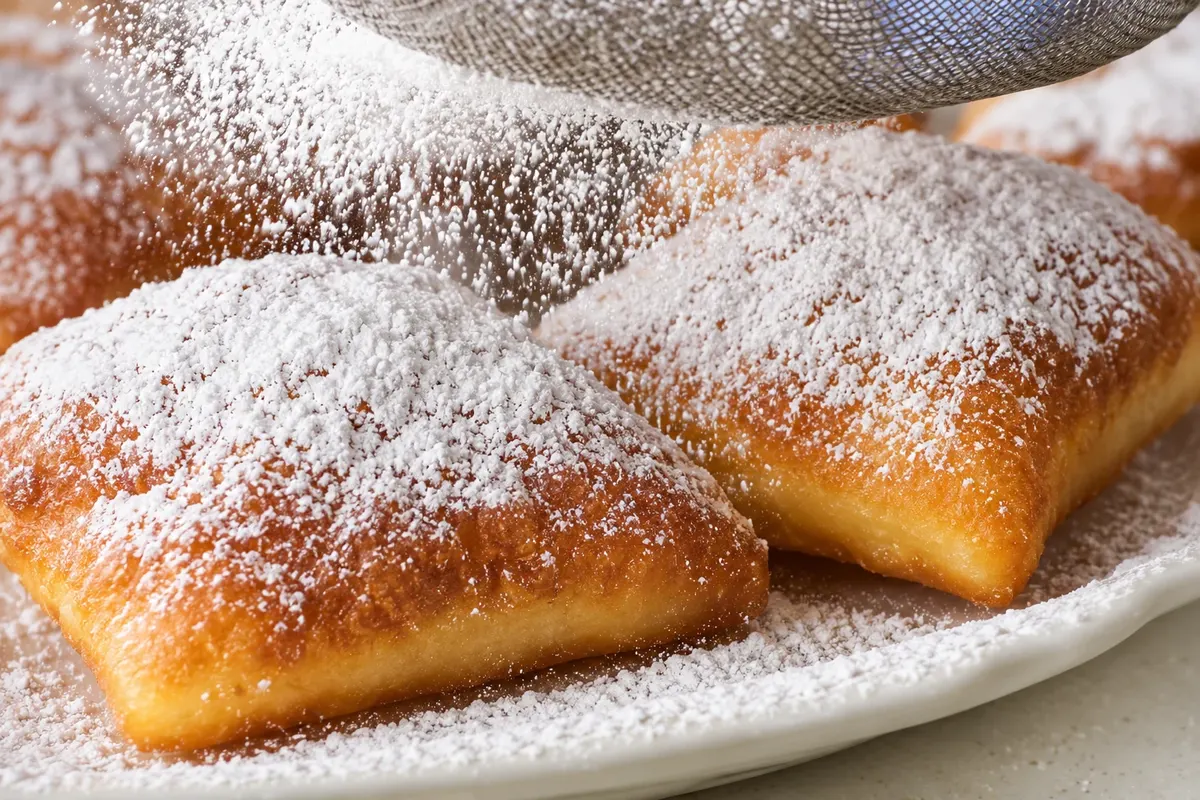
Square fritter made from leavened dough, without a hole, dusted with powdered sugar and eaten hot with café au lait. Popularized at the French Market in New Orleans, it has been Louisiana’s official doughnut since 1986.

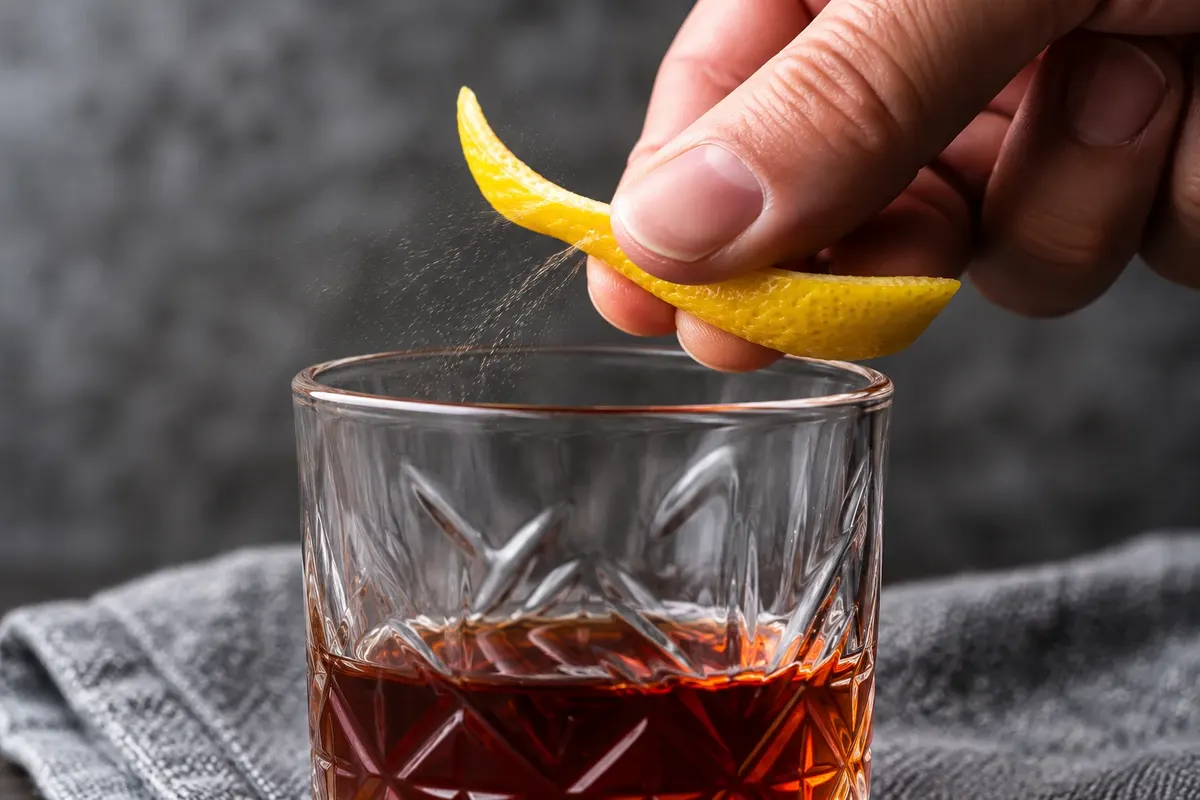
New Orleans cocktail with rye whiskey or cognac, sugar and the bitter created by Antoine Amédée Peychaud, served in a glass scented with absinthe and a lemon peel. It is the city’s official cocktail by a 2008 state law.

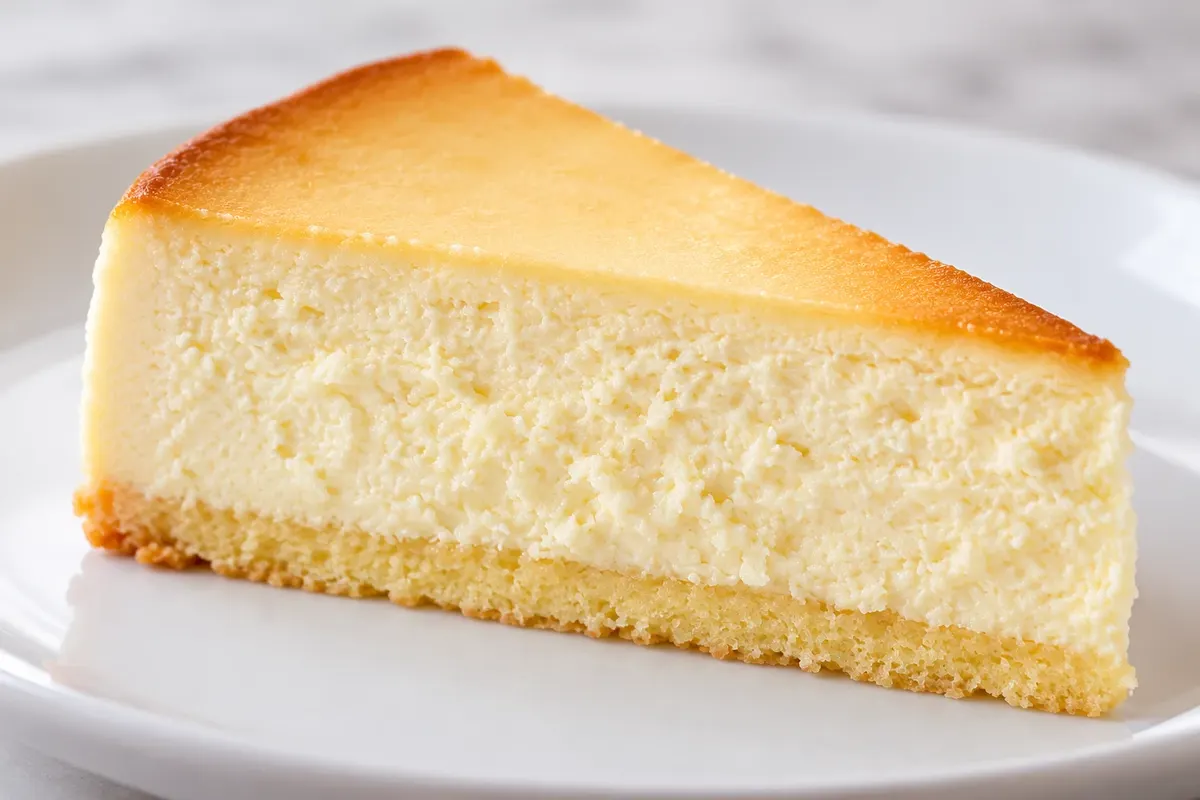
Dense, creamy tart made with cream cheese, eggs and cream on a cookie crust, served without topping.

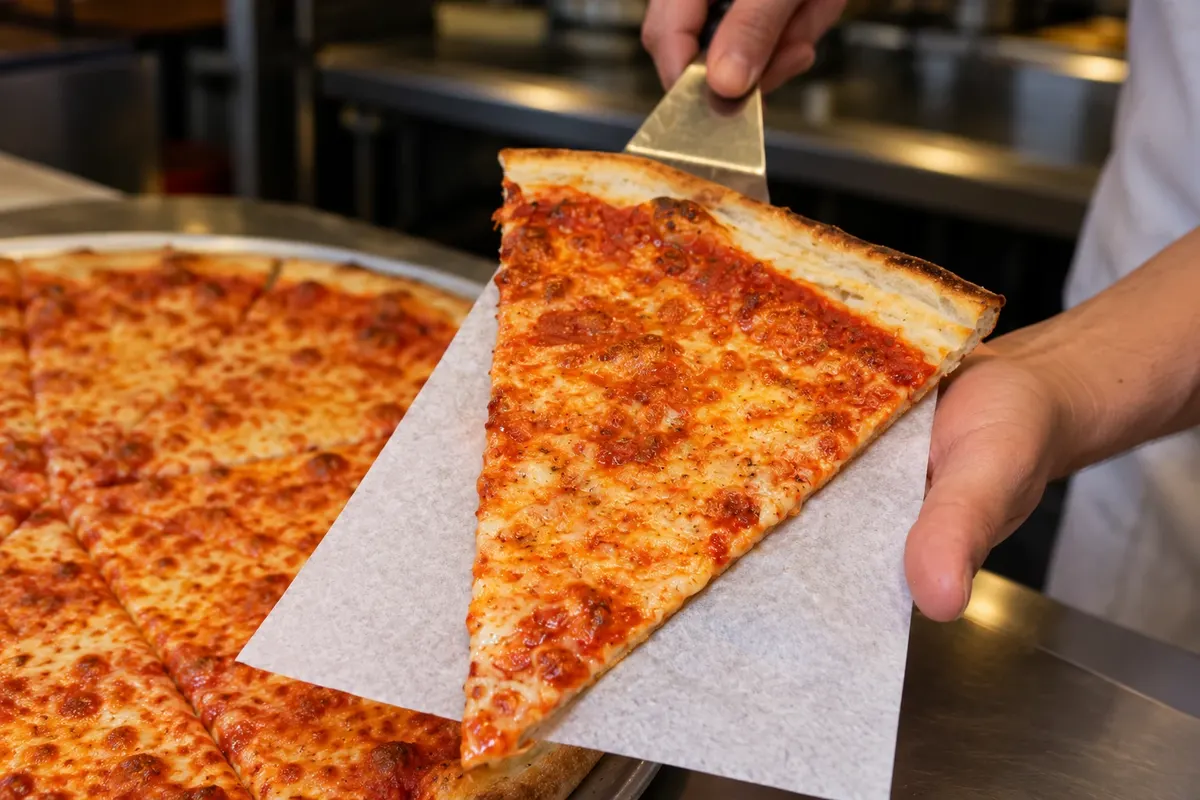
Large pizza with a thin, crisp yet flexible crust, thin enough to fold a slice in half. It originated among Neapolitan bakers in New York and is sold by the slice throughout the city.

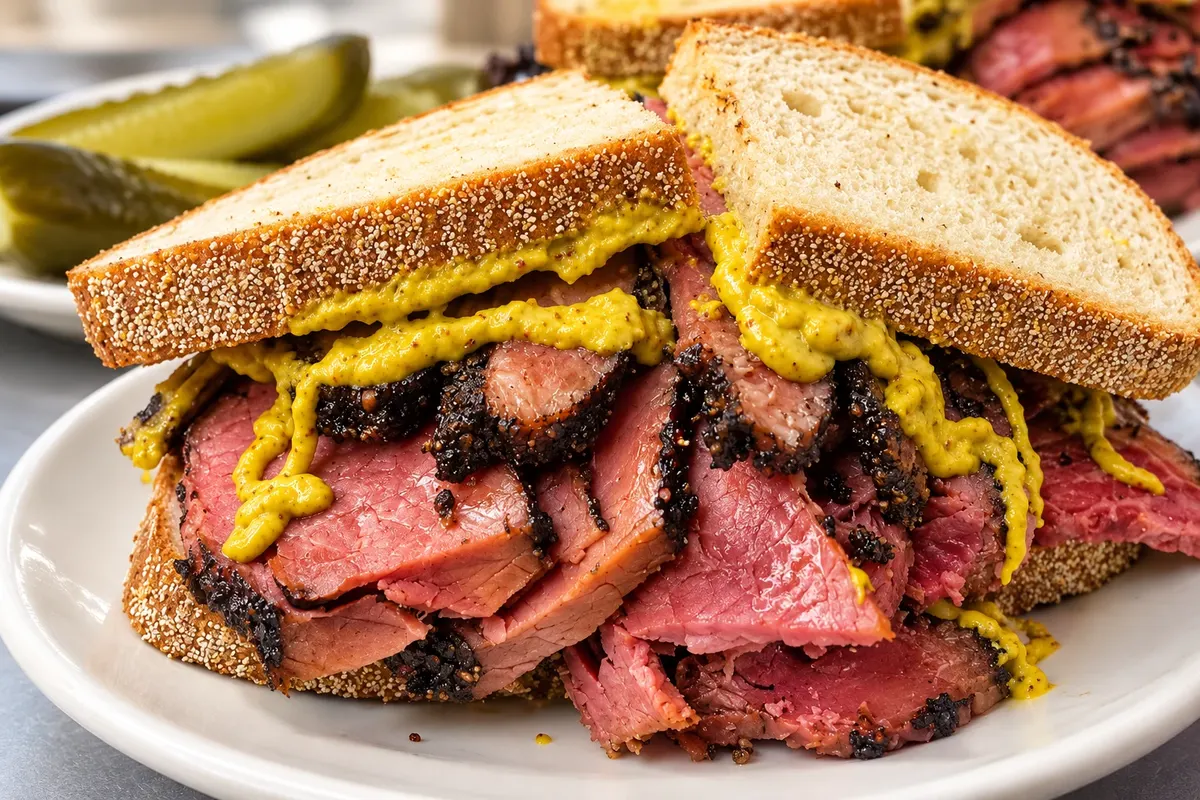
Pastrami sandwich: cured, seasoned and smoked beef, hot-sliced on rye bread with mustard. It’s the sandwich of New York’s Jewish delicatessens.

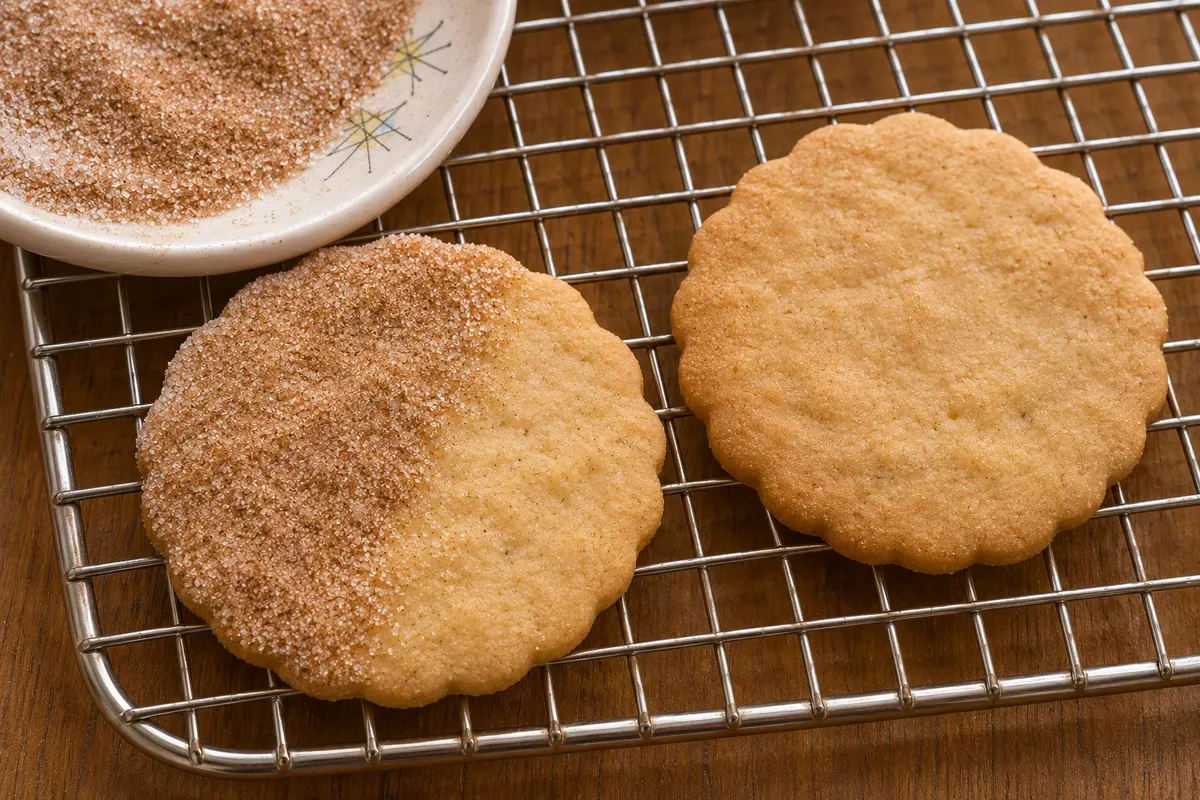
Buttery New Mexico cookie, traditionally made with lard, scented with anise and rolled in sugar and cinnamon. It has been the state cookie since 1989, the first official state cookie in the United States.

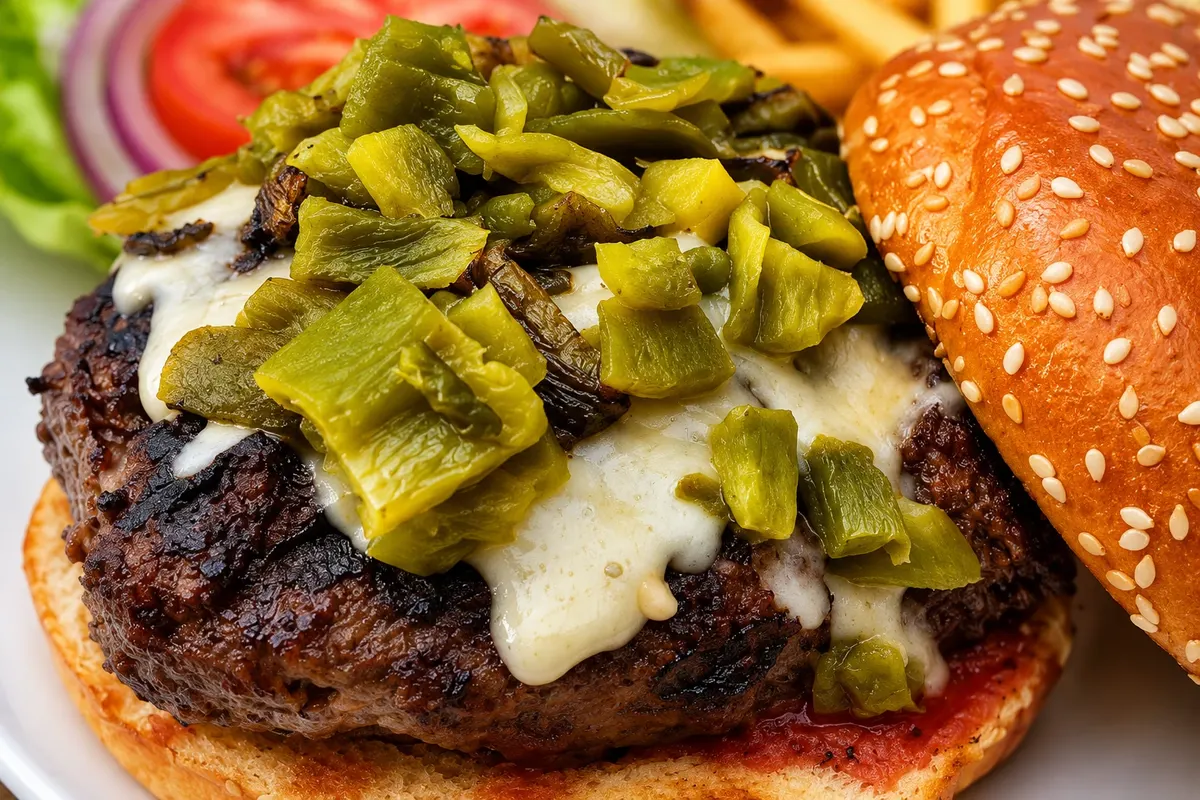
Hamburger topped with melted cheese and roasted, chopped New Mexico green chile. The state’s official tourism promotes a trail of restaurants that serve it, and several towns claim to have created it.

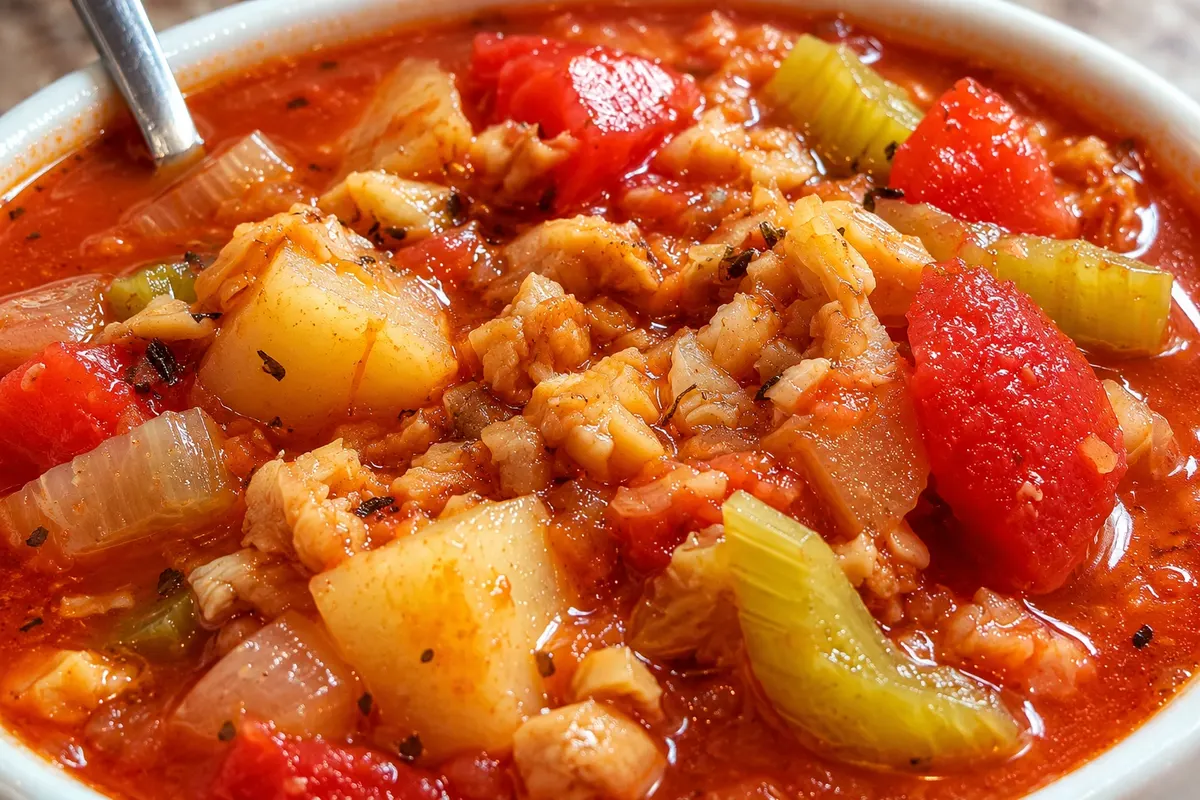
Clam and potato chowder in a tomato broth, with bacon and the sweet heat of datil pepper. A family recipe from descendants of Menorcan settlers in Saint Augustine.

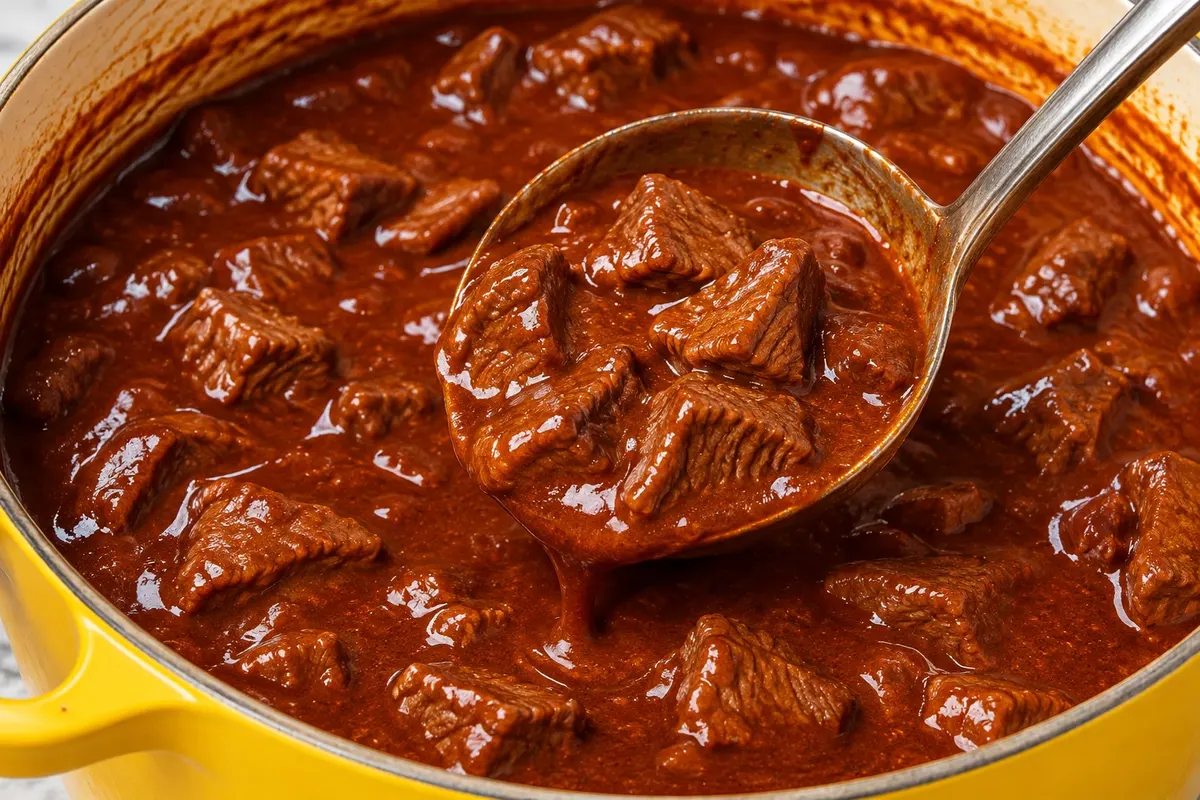
Beef stew in a sauce of dried chilies, cumin and garlic, in the Texan style, without beans. Chili queens sold it from booths in San Antonio plazas in the 19th century; it has been the official dish of Texas since 1977.

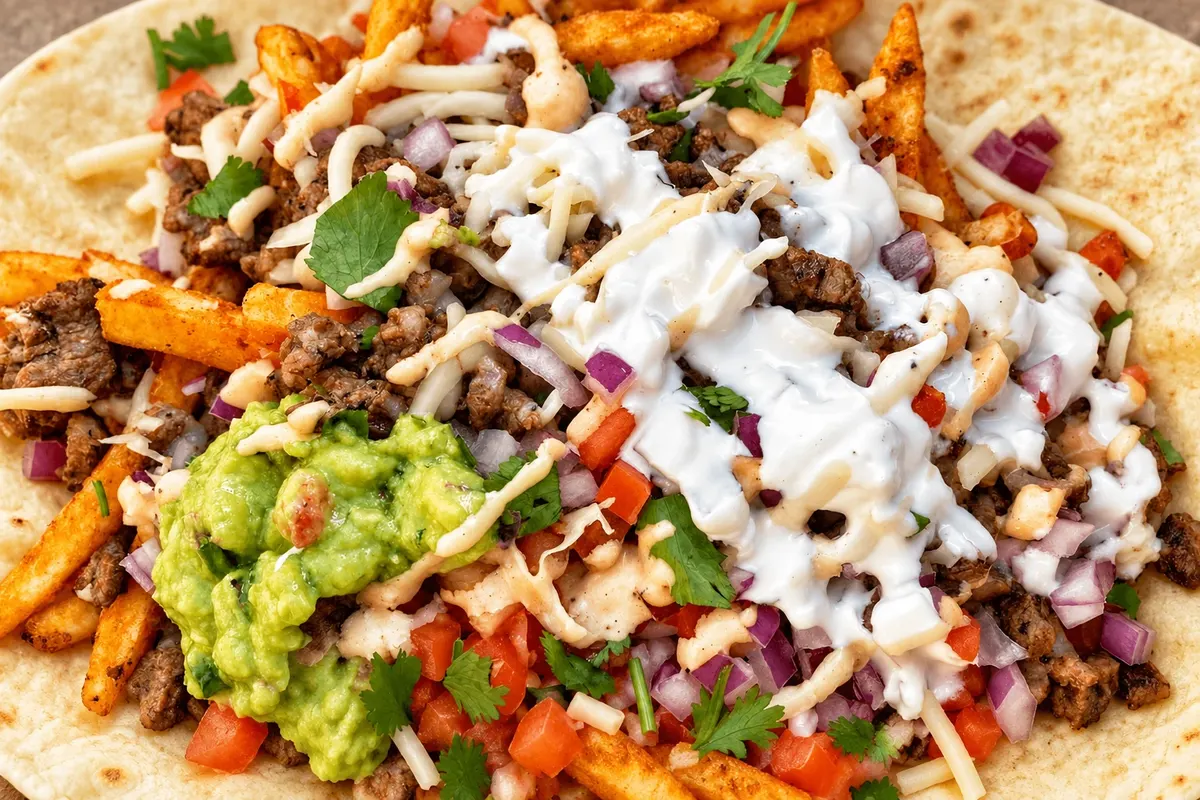
Carne asada burrito with French fries inside, cheese, pico de gallo, sour cream and guacamole. San Diego’s tourism authority presents it as a creation of the city from the 1980s.

Beef barbecue seasoned with salt, pepper and garlic and roasted over oak coals, served with pinquito beans, salsa, toasted bread and salad. The Santa Maria Valley chamber of commerce registered the menu in 1978.

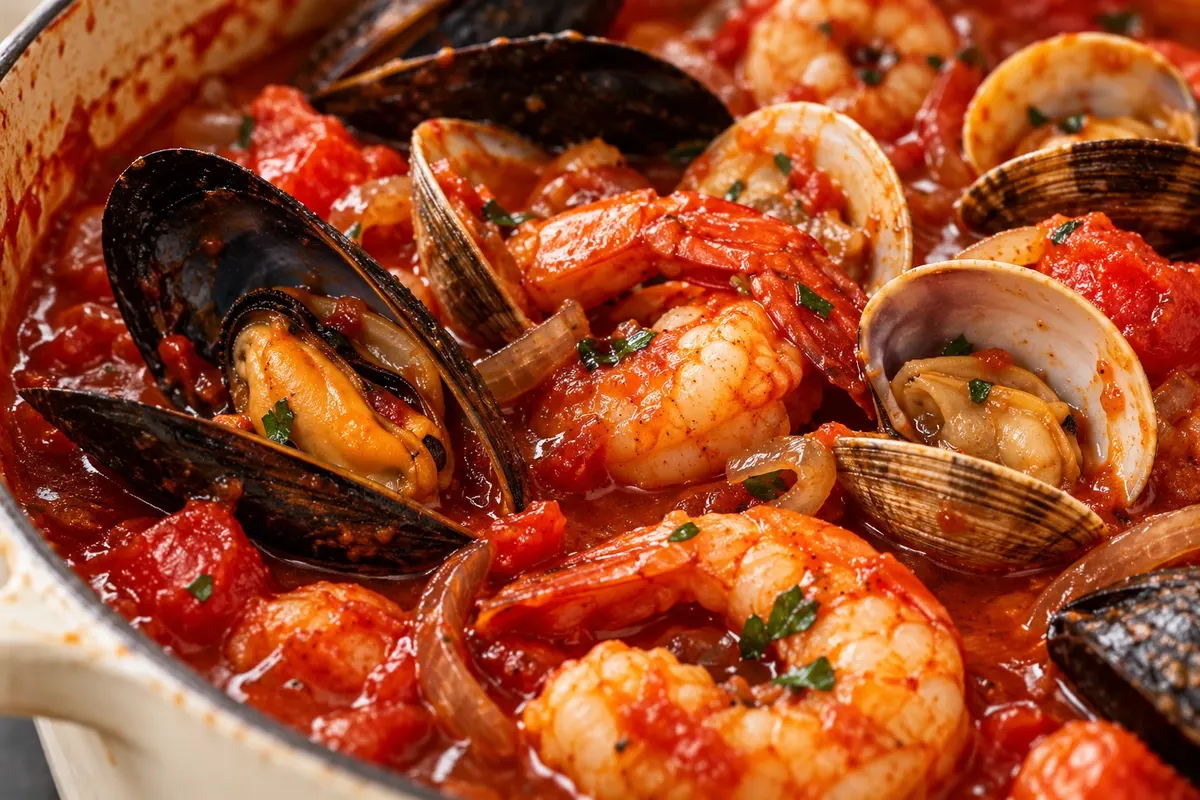
Stew of fish and seafood in a tomato-and-wine broth, created in the 19th century by Italian fishermen, mostly from Genoa, on the San Francisco pier. It is served with bread for dipping into the broth.

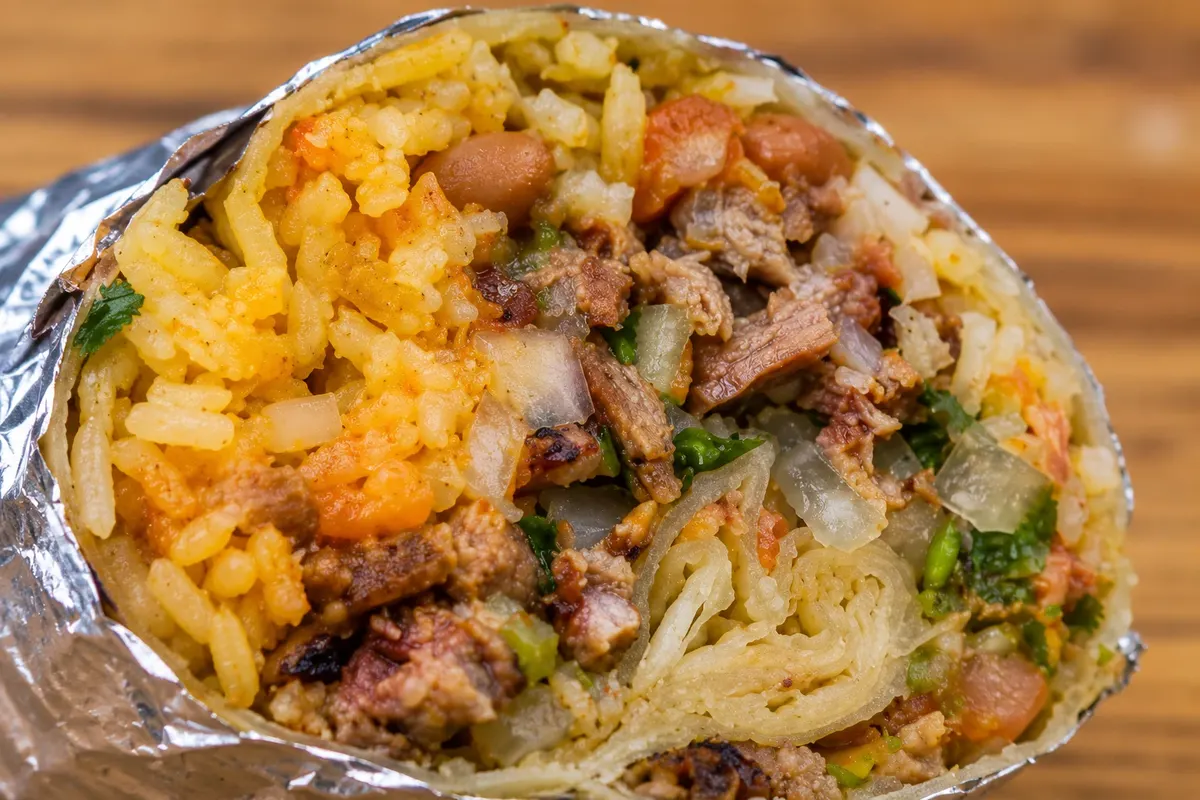
Large burrito made with a flour tortilla, filled with meat, rice, beans, salsa and sour cream, wrapped in aluminum foil. It originated in the taquerías of the Mission neighborhood in San Francisco in the 1960s.

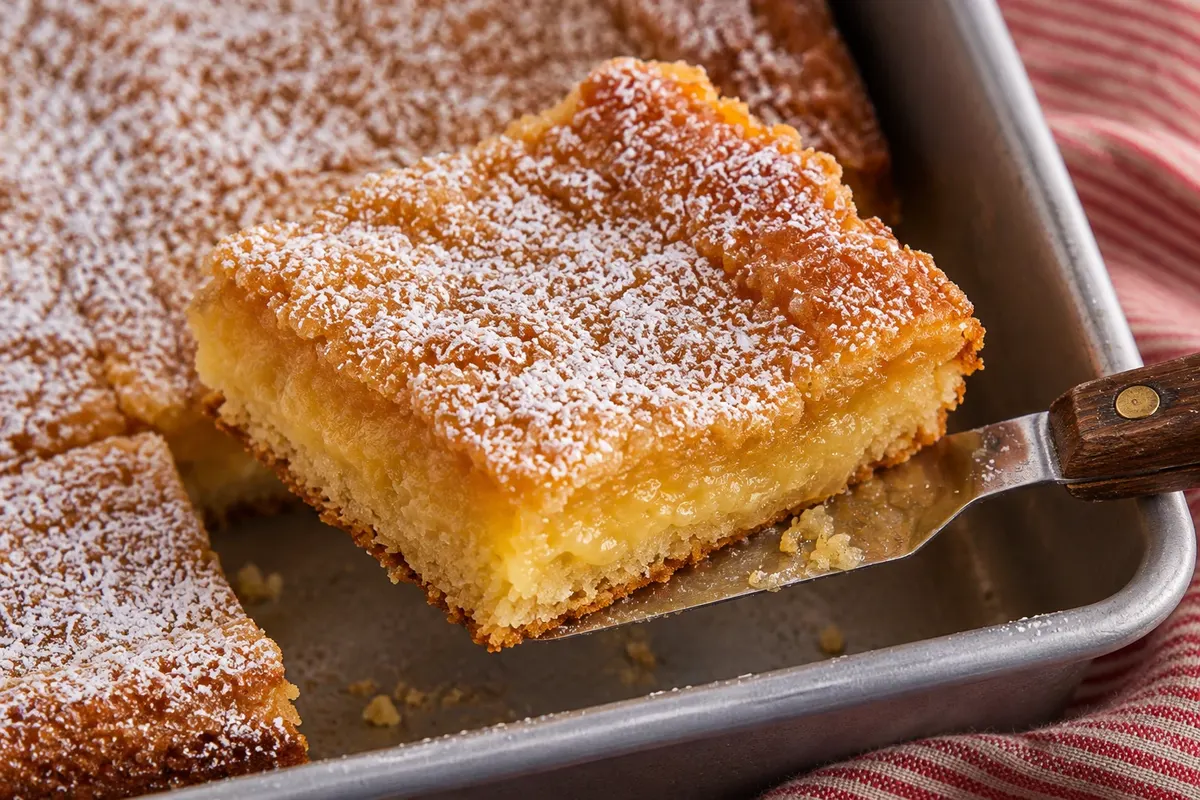
Low St. Louis cake with a dense, buttery base and a moist, sticky topping of butter, sugar and eggs, dusted with powdered sugar. Local tradition attributes it to a baker’s mistake in the 1930s.

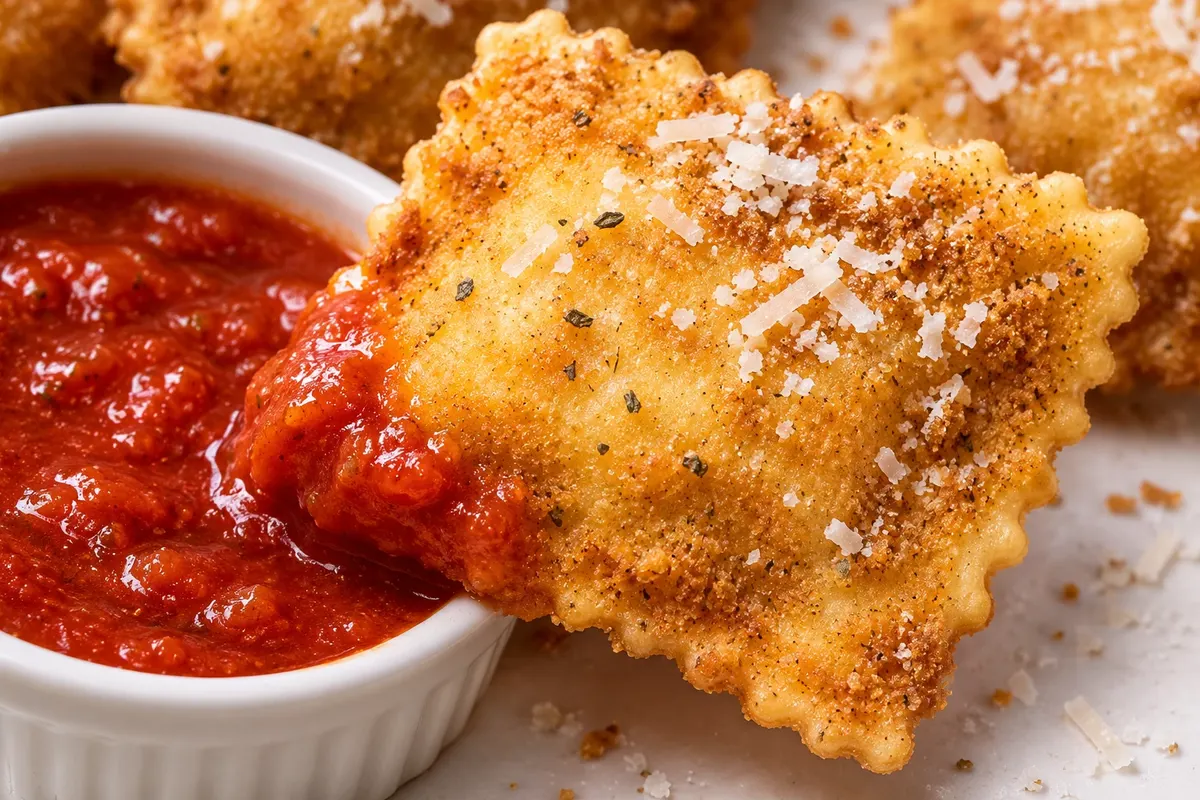
Ravioli filled with meat, breaded and fried until crisp, served with grated Parmesan and a tomato sauce for dipping. It originated in the Italian restaurants of the The Hill neighborhood in St. Louis around the 1940s.

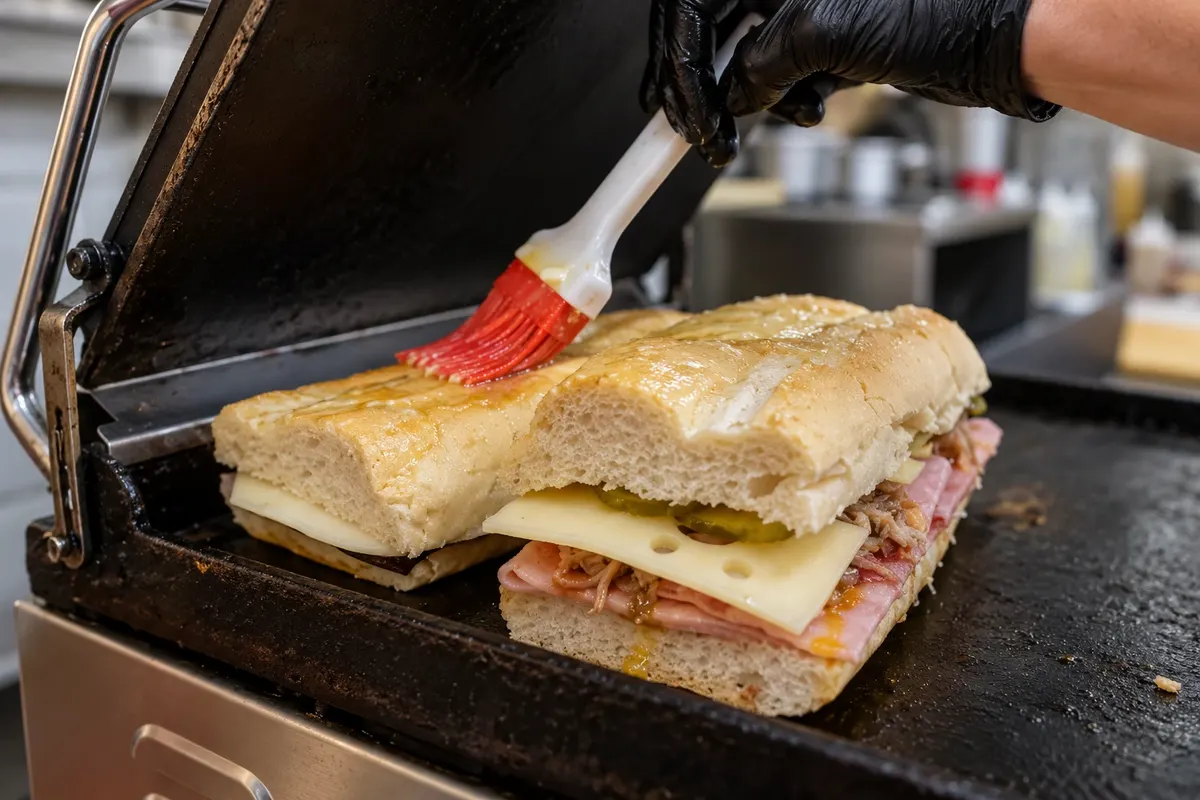
Cuban sandwich made with Cuban bread, roasted pork, ham, Swiss cheese, pickles and mustard, pressed on a griddle. In Tampa it also includes salami. The City Council declared it the city’s signature sandwich in 2012.

Whiskey made in Tennessee with at least 51% corn, filtered through sugar maple charcoal before aging in new toasted oak barrels. A 2013 state law defines what may use that name.

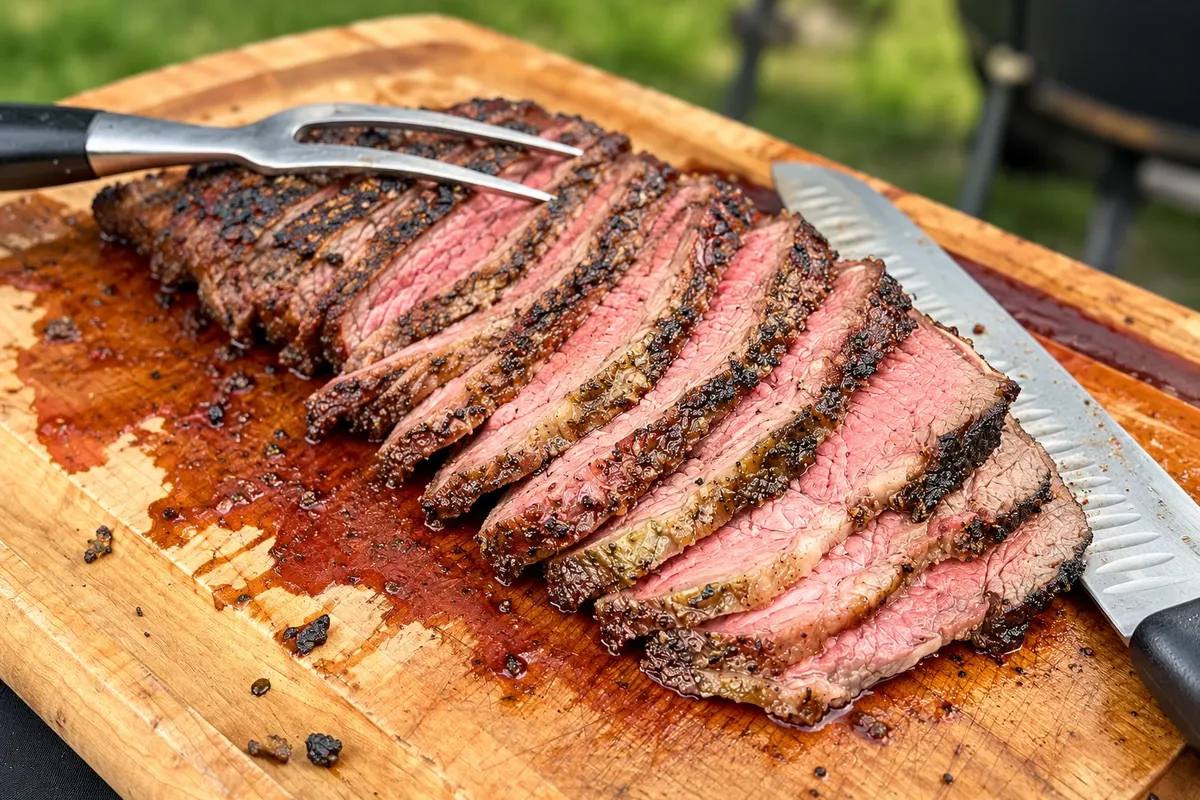
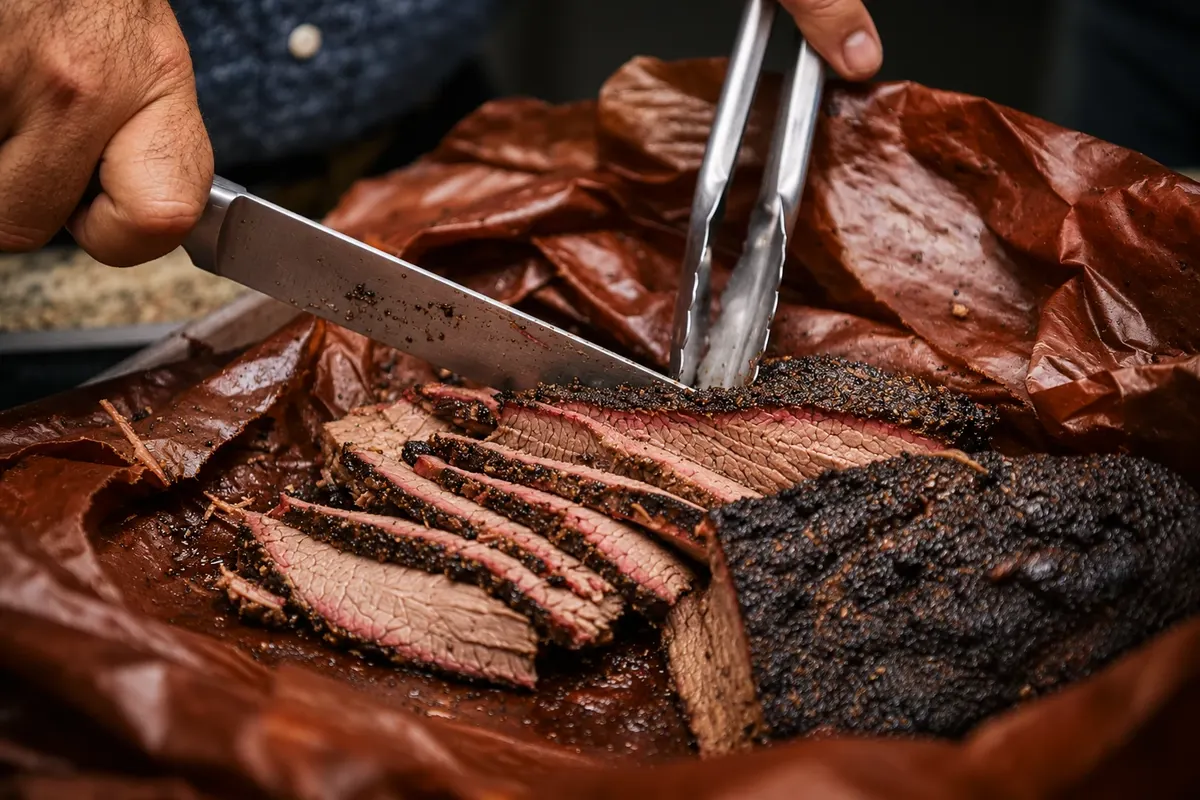
Texas barbecue centers on smoked beef brisket as its main dish: seasoned only with salt and black pepper, cooked for many hours in wood smoke and sliced, served on butcher paper with bread, pickles and onion.

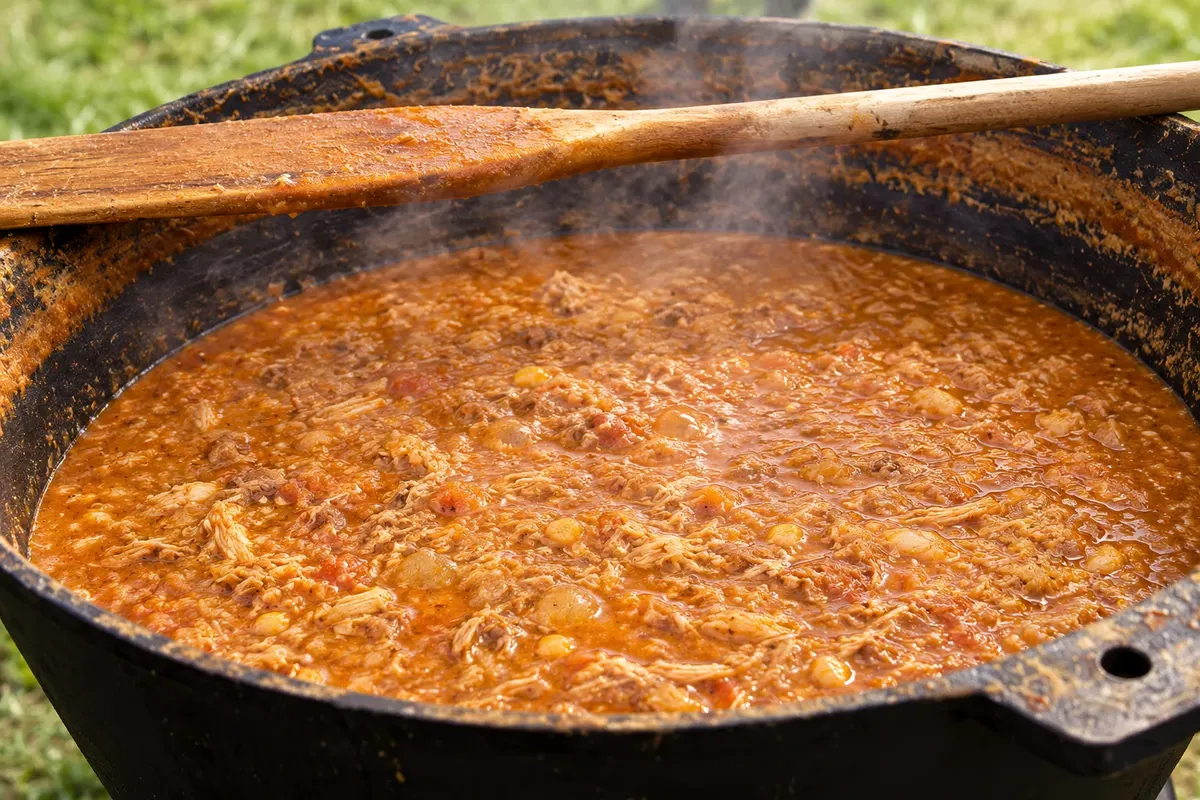
Thick stew of chicken, lima beans, corn and tomato, cooked for hours in iron pots. The Virginia General Assembly points to Brunswick County as the place of origin, in a long-standing dispute with Georgia.

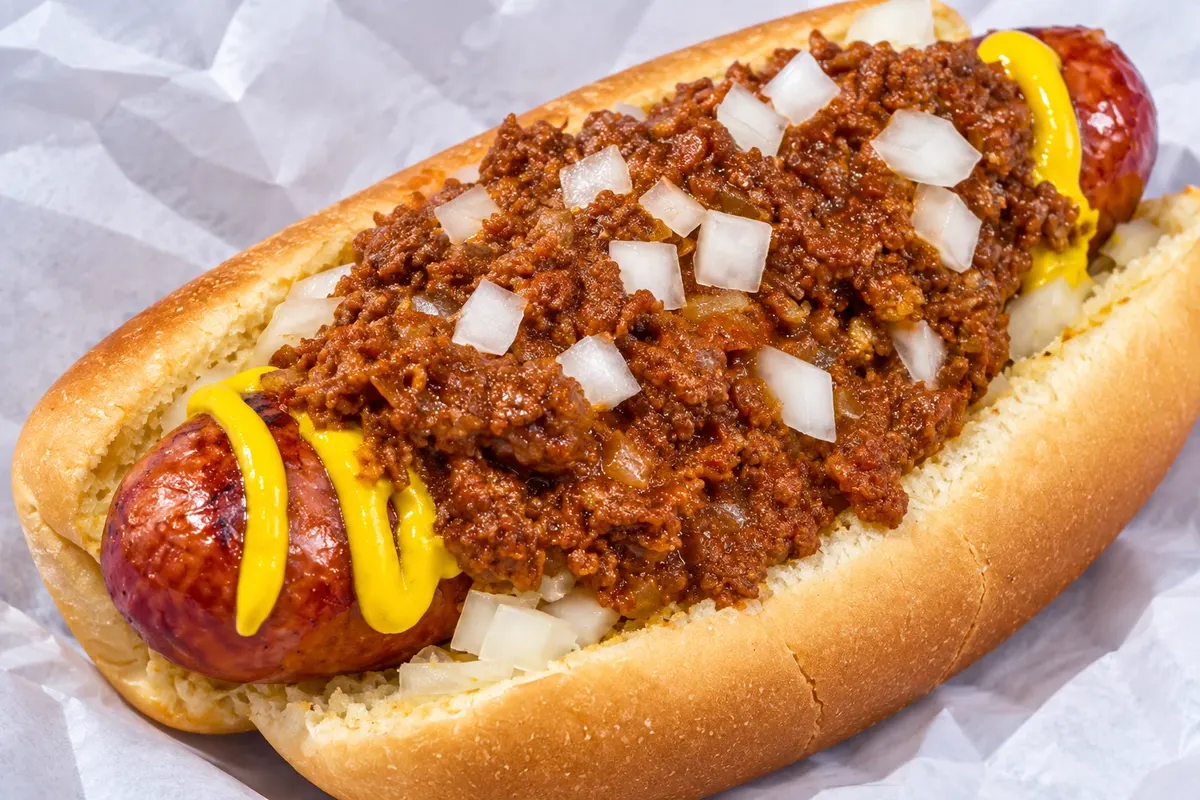
A sausage thicker and spicier than the hot dog, smoked and grilled, served in bread with chili, onion and mustard. Washington’s tourism agency calls it the city’s signature dish.