
Dish · Buffalo
Beef on weck
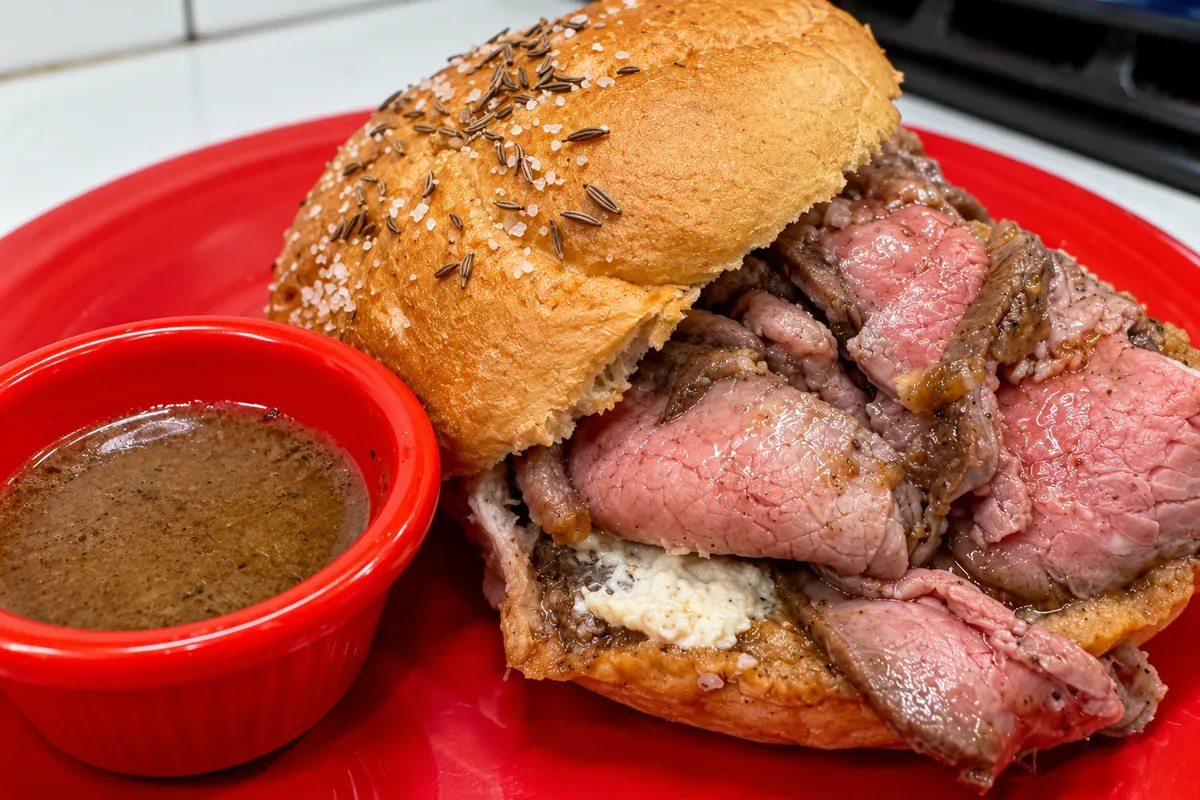
Rare roast beef sandwich on kummelweck roll, topped with coarse salt and caraway, with horseradish and the roll dipped in the roast jus. It’s a tavern specialty from Buffalo, older than the chicken wings.

 Search
 Brazil
 Argentina
 Bolivia
 Chile
 Colombia
 Ecuador
 Guyana
 French Guiana
 Falkland Islands (Malvinas)
 Paraguay
 Peru
 Suriname
 Uruguay
 Venezuela
 Germany
 Austria
 Belgium
 Croatia
 Denmark
 Spain
 Finland
 France
 Greece
 the Netherlands
 Hungary
 Ireland
 Iceland
 Italy
 Luxembourg
 Norway
 Poland
 Portugal
 the United Kingdom
 the Czech Republic
 Sweden
 Switzerland
 Turkey
 Canadathe United States
 Mexico
 the Dominican RepublicTurkey
 South Africa
 Australia
 Fiji
 New Zealand
 Papua New Guinea
Flavors · St. Augustine
Clam and potato chowder in a tomato broth, with bacon and the sweet heat of datil pepper. A family recipe from descendants of Menorcan settlers in Saint Augustine.
Traditional dish from St. Augustine, Flórida
Also known as: Menorcan clam chowder, Minorcan chowder
Illustrative images. The pictures in this guide are illustrations based on the real place, not photographs, and may differ from it.

Click a photo to enlarge it.

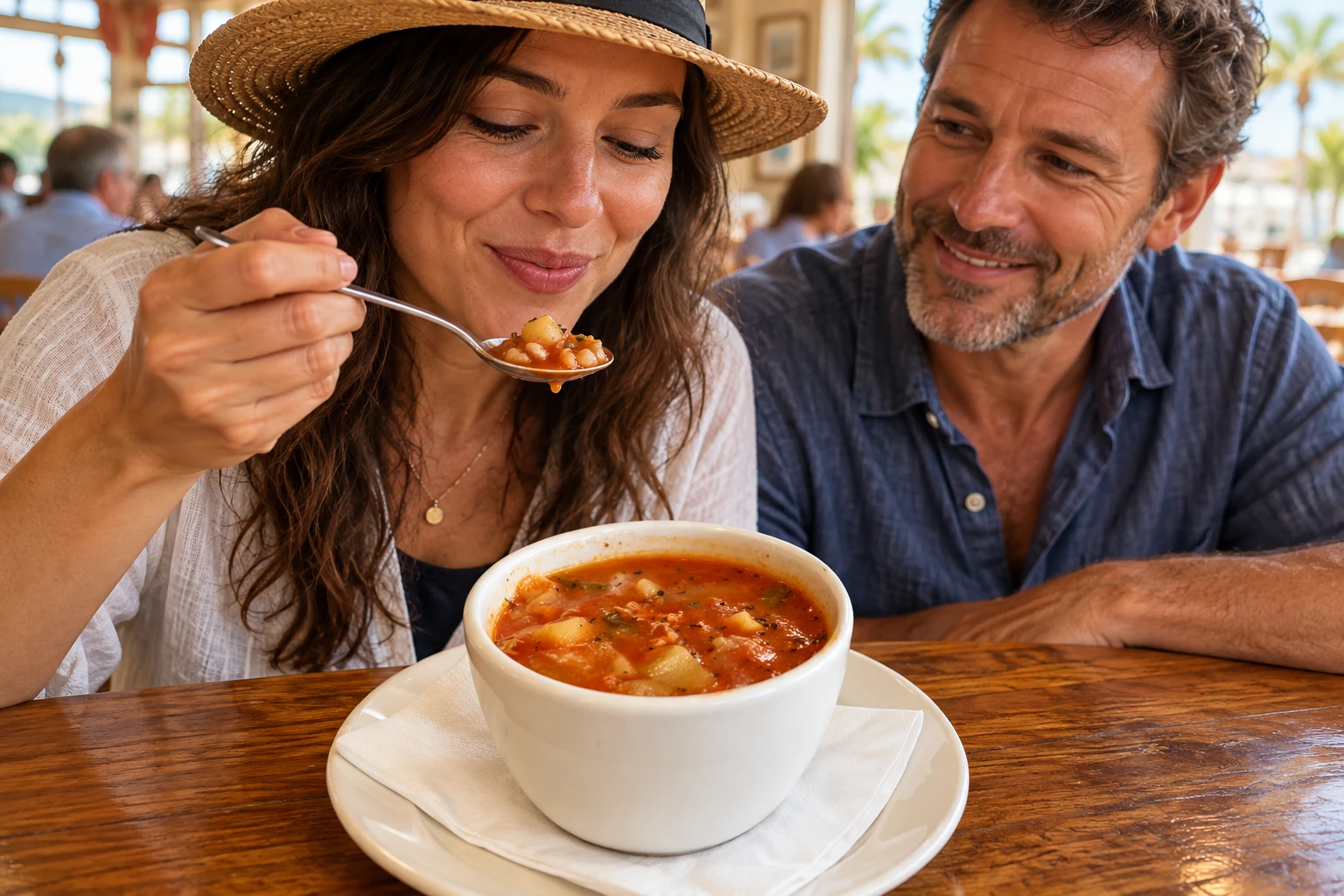
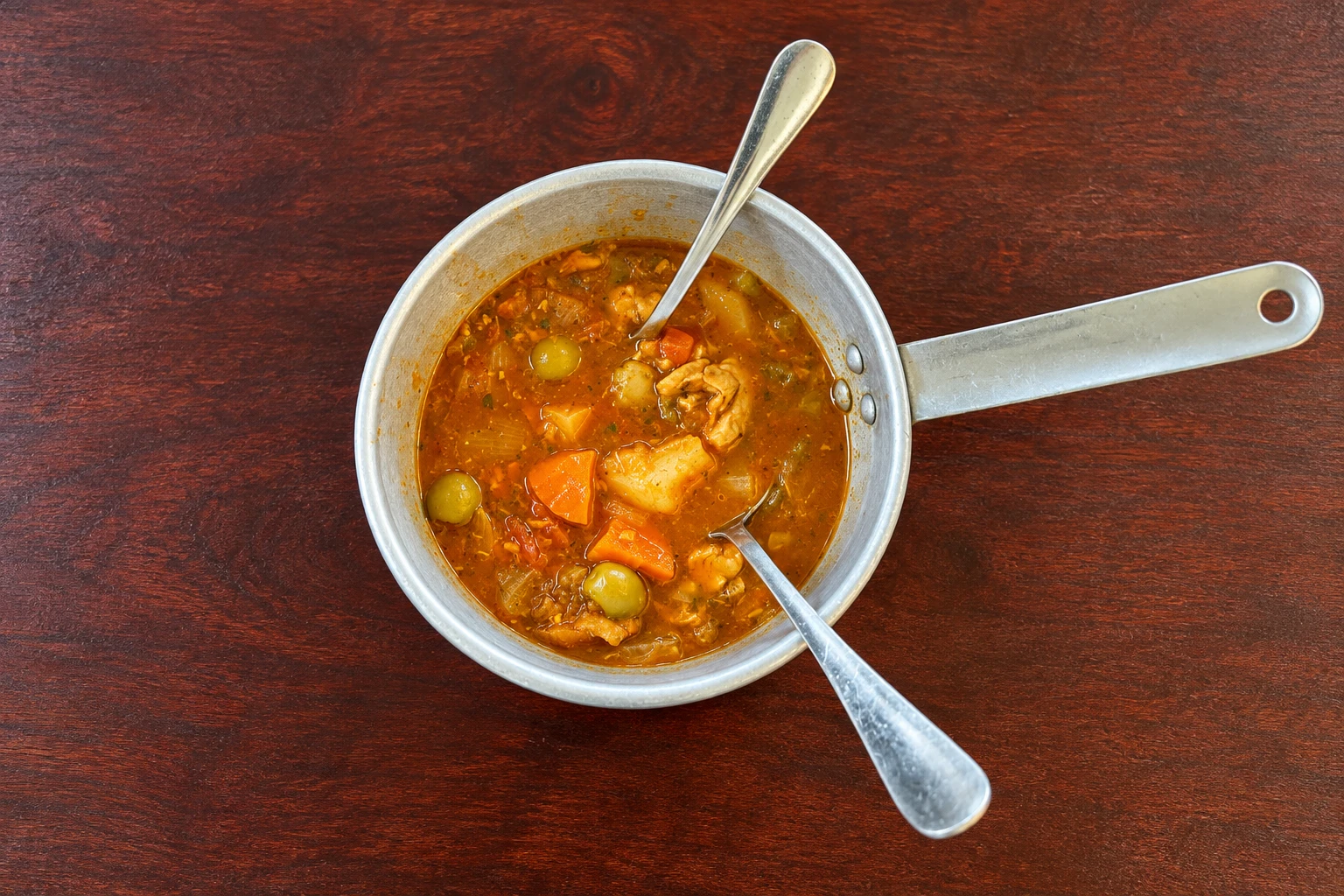
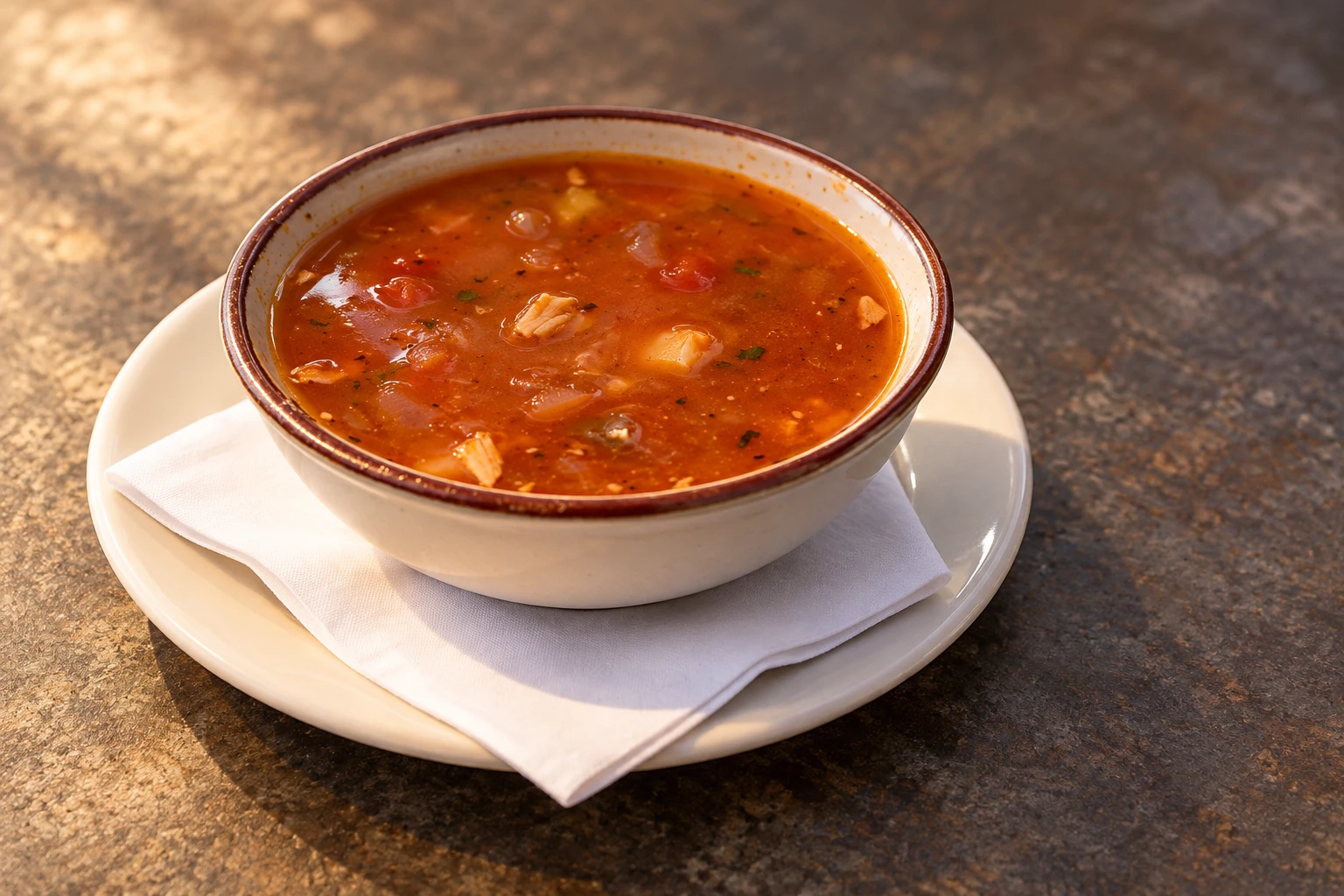
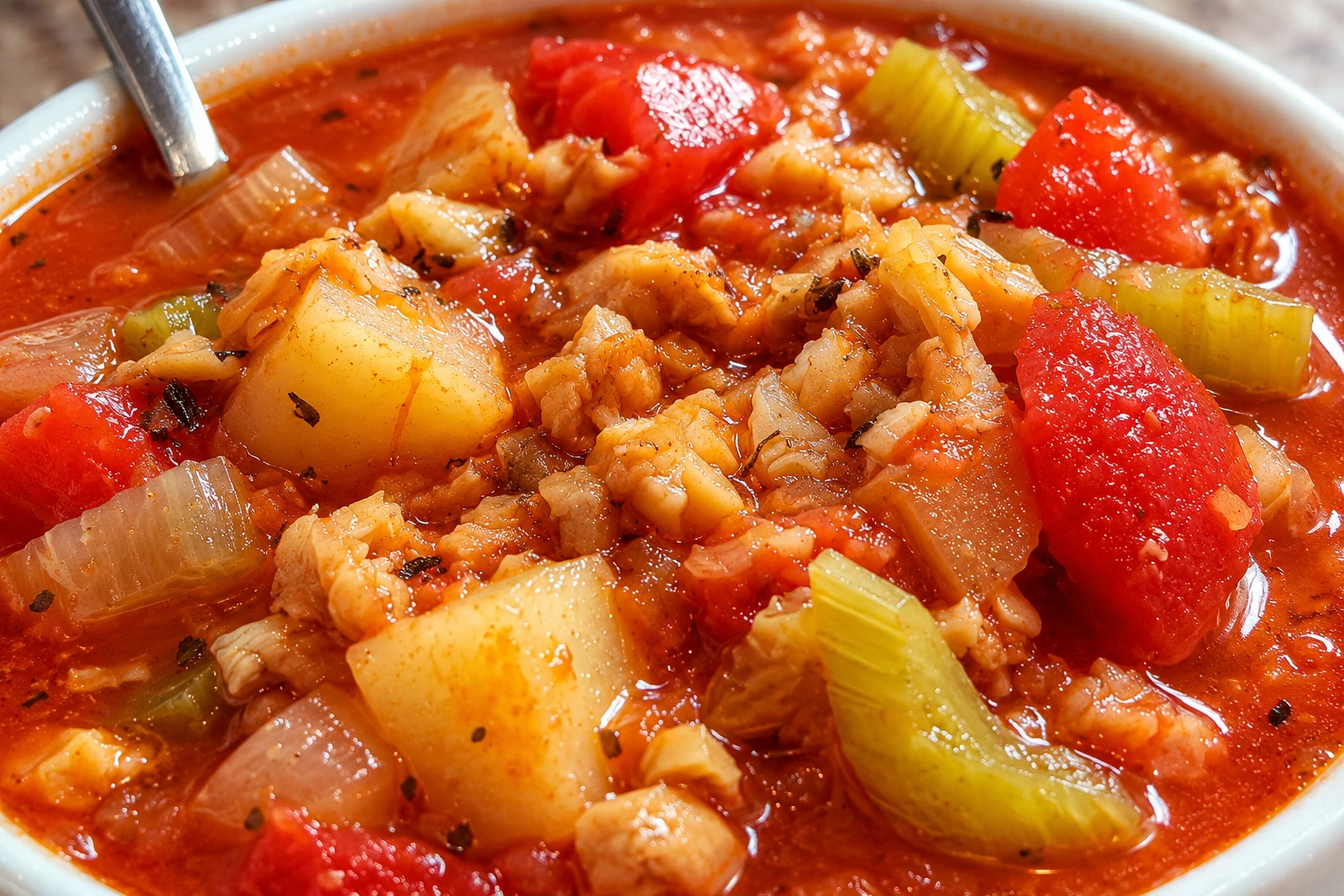
Minorcan clam chowder — St. Augustine, the United States
Minorcan clam chowder is a red-broth chowder: chopped clams, potato, onion, bell pepper and celery cooked in a tomato base, with bacon or salt pork. What sets it apart is the datil, a small, very hot pepper of the same species as the habanero (Capsicum chinense), grown mainly in the Saint Augustine area. It gives the broth a strong heat with a sweet, citrusy touch.
The dish is tied to the Minorcan community of Saint Augustine. In 1768, the Scotsman Andrew Turnbull brought to his New Smyrna indigo plantation, south of the city, more than a thousand indentured workers—most from the island of Menorca in the Balearics, along with Greeks and Italians. Conditions were harsh, and many died in the first years. In 1777 the survivors took refuge in Saint Augustine, where they were granted land; their descendants make up a sizable community in St. Johns County.
There are two versions of how datil arrived. Local tradition says the Minorcans brought seeds from Menorca, sometimes sewn into clothing. Researchers regard that as oral tradition, since the pepper is of Caribbean origin. A 1937 St. Augustine Record article credits its arrival to a local jam and preserve maker who allegedly brought seeds from Santiago de Cuba; local press places that event around 1880. Whatever the origin, datil was adopted by the Minorcan community and became a city symbol.
No single creator or date is known for the chowder. Each family has its own recipe, with more or less pepper and sometimes other seafood. The most common comparison is with Manhattan clam chowder, which is also tomato-based but lacks datil; New England clam chowder is a different style, made with milk or cream.
In Saint Augustine and nearby areas, Minorcan clam chowder appears in seafood restaurants and at church suppers, served at varying levels of heat. It shares the Minorcan table with pilau, a baked rice dish with tomato and meat, chicken or shrimp.
St. Augustine , Flórida
A dish of the Minorcan community of Saint Augustine, descendants of Menorcan settlers who took refuge in the city in 1777.
Chopped clams in their own juices, tomato, potato, onion, bell pepper, celery, bacon or salt pork and datil pepper; herbs and seasonings vary by family.
Hot, served in a bowl or cup, as an appetizer or light meal. The level of heat varies between recipes.
Year-round, at the region’s seafood restaurants and at church suppers and community festivals.
Your questions
It’s the red chowder of Saint Augustine, Florida: clams and potato in a tomato broth, with the heat of datil pepper, a legacy of descendants of Menorcan settlers.
It’s the typical Saint Augustine pepper, a relative of the habanero. It’s quite hot and has a sweet flavor, and is also used in the region’s sauces, jams and preserves.
Both are tomato-based and red; datil is what makes the Saint Augustine version much hotter. New England clam chowder is another style, made with milk or cream.
Flavors of the United States
Rare roast beef sandwich on kummelweck roll, topped with coarse salt and caraway, with horseradish and the roll dipped in the roast jus. It’s a tavern specialty from Buffalo, older than the chicken wings.
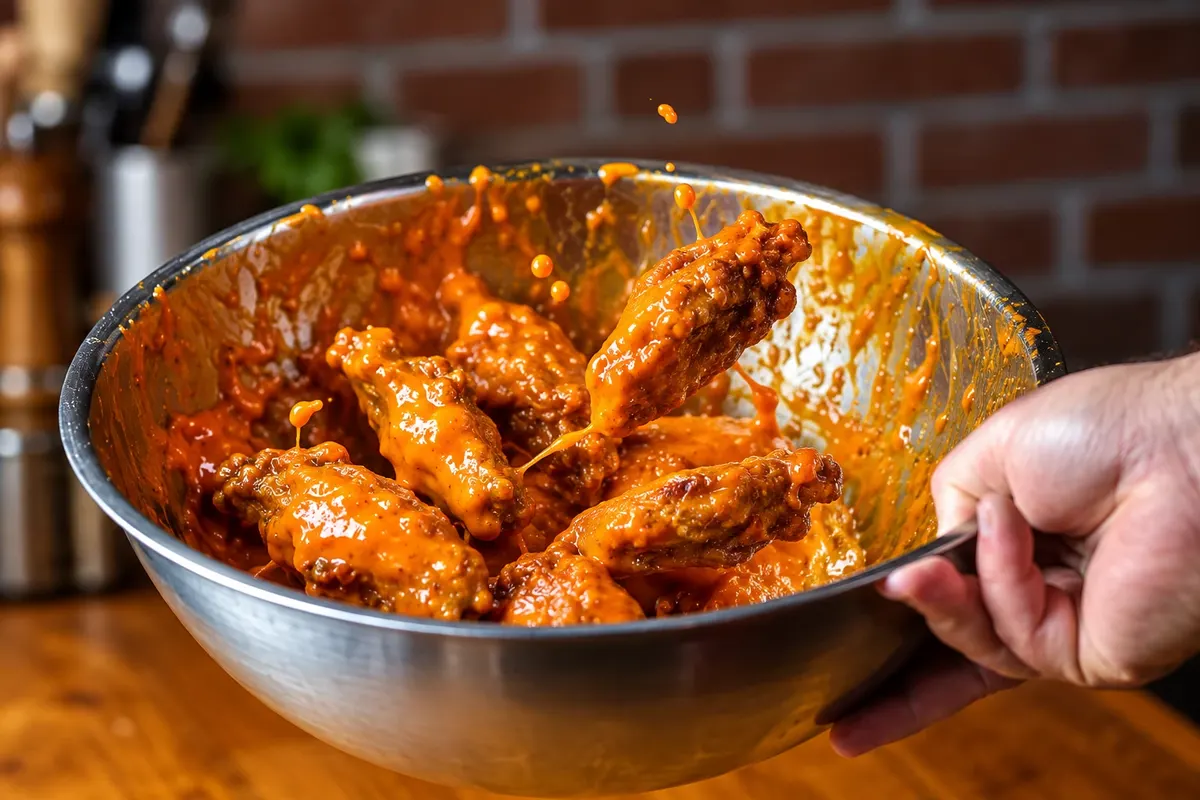
Fried chicken wings not breaded and coated in a hot pepper and butter sauce, served with celery and blue cheese dressing. They were created in Buffalo in 1964, according to the most accepted version.
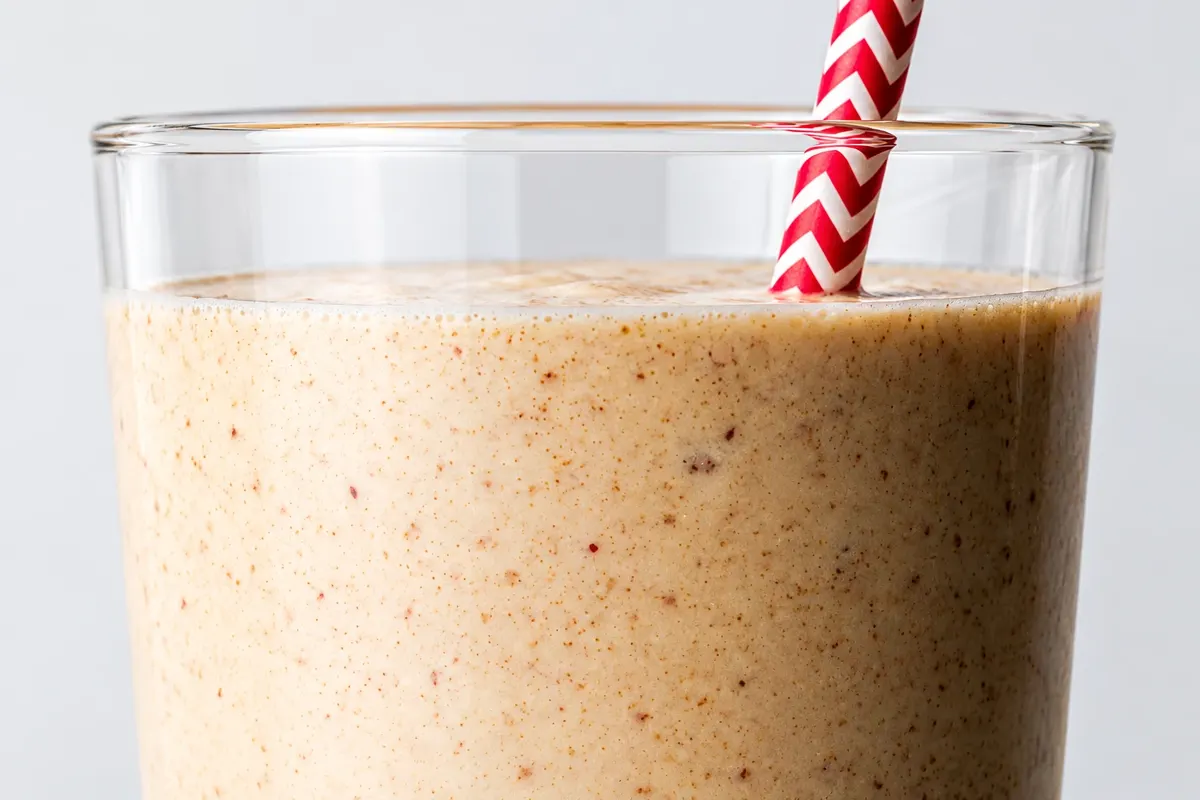
Thick date shake with vanilla ice cream, with a caramel-like flavor. It originated at roadside date shops in California’s Coachella Valley.
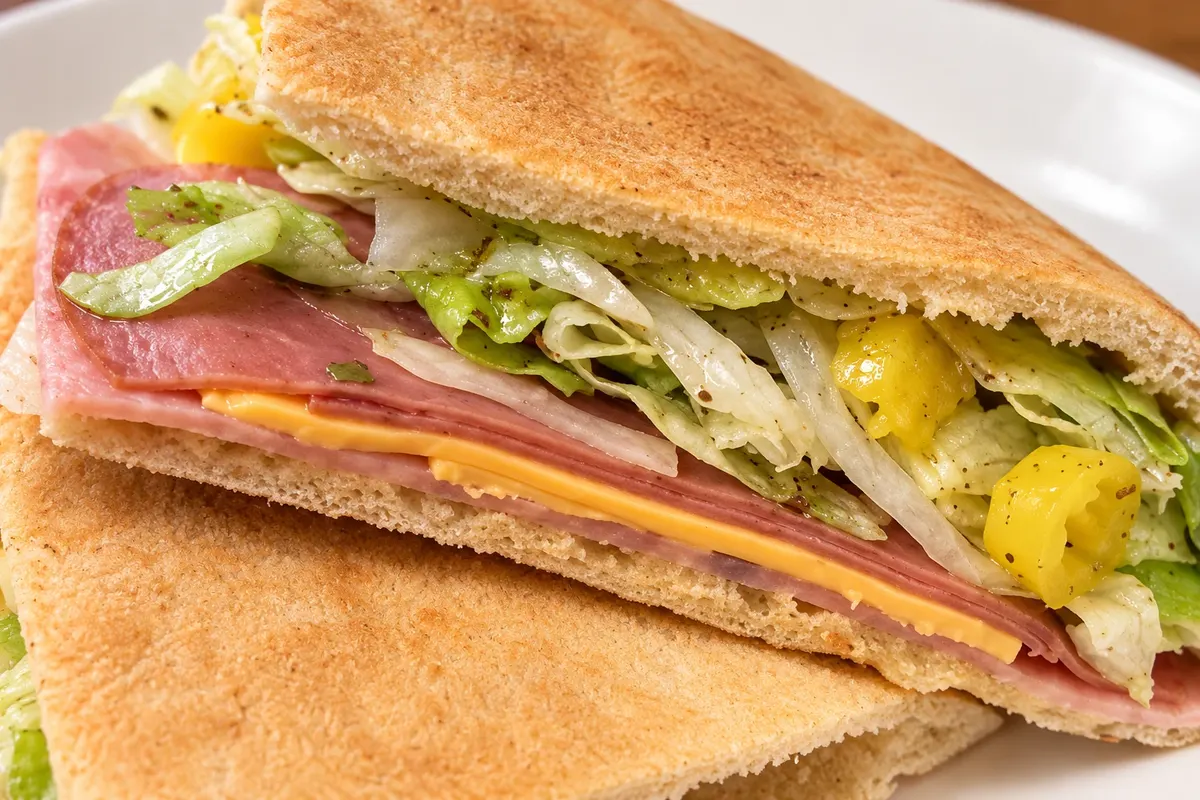
Pita bread with ham, salami and mortadella, salad and a tangy dressing. It originated with the city’s Arab immigrants and is often served with tabbouleh and cherry limeade.
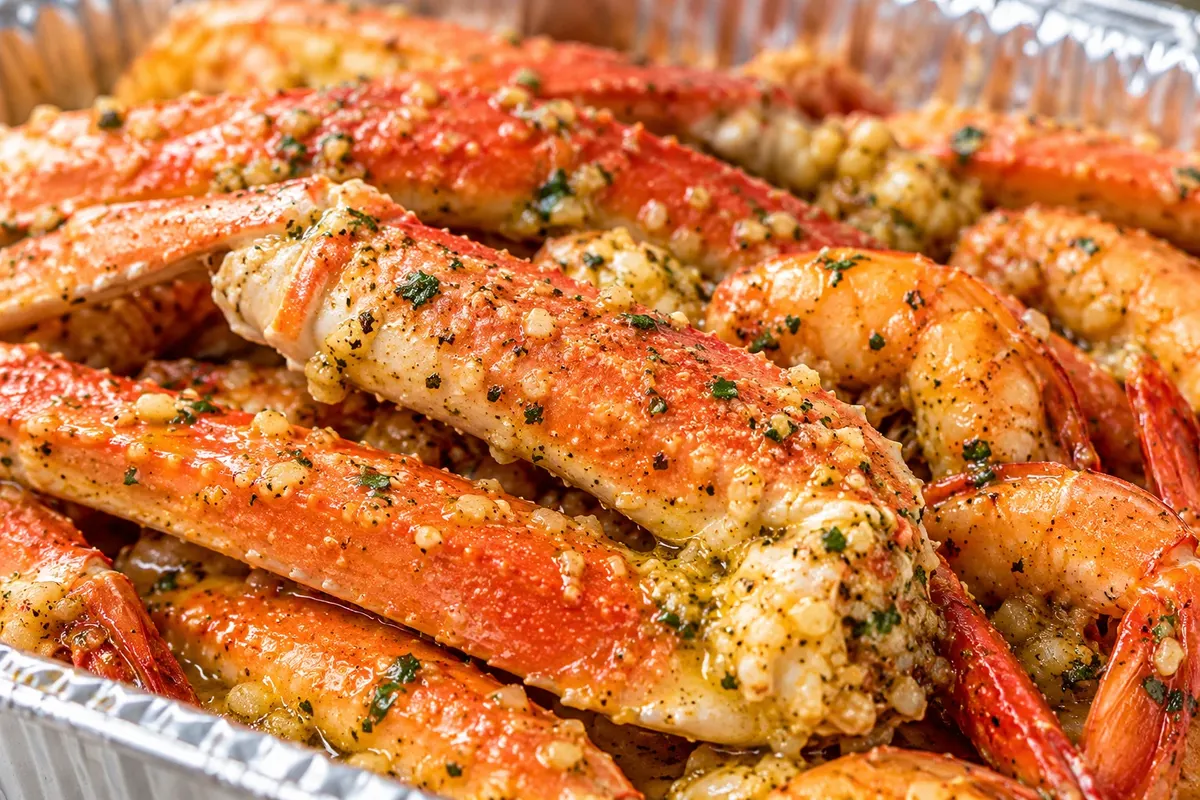
Blue crab cooked and covered in garlic butter, served with sausage, corn, potato and egg. A variation of the Gullah Geechee–rooted seafood boil, with dozens of specialist restaurants in Jacksonville.
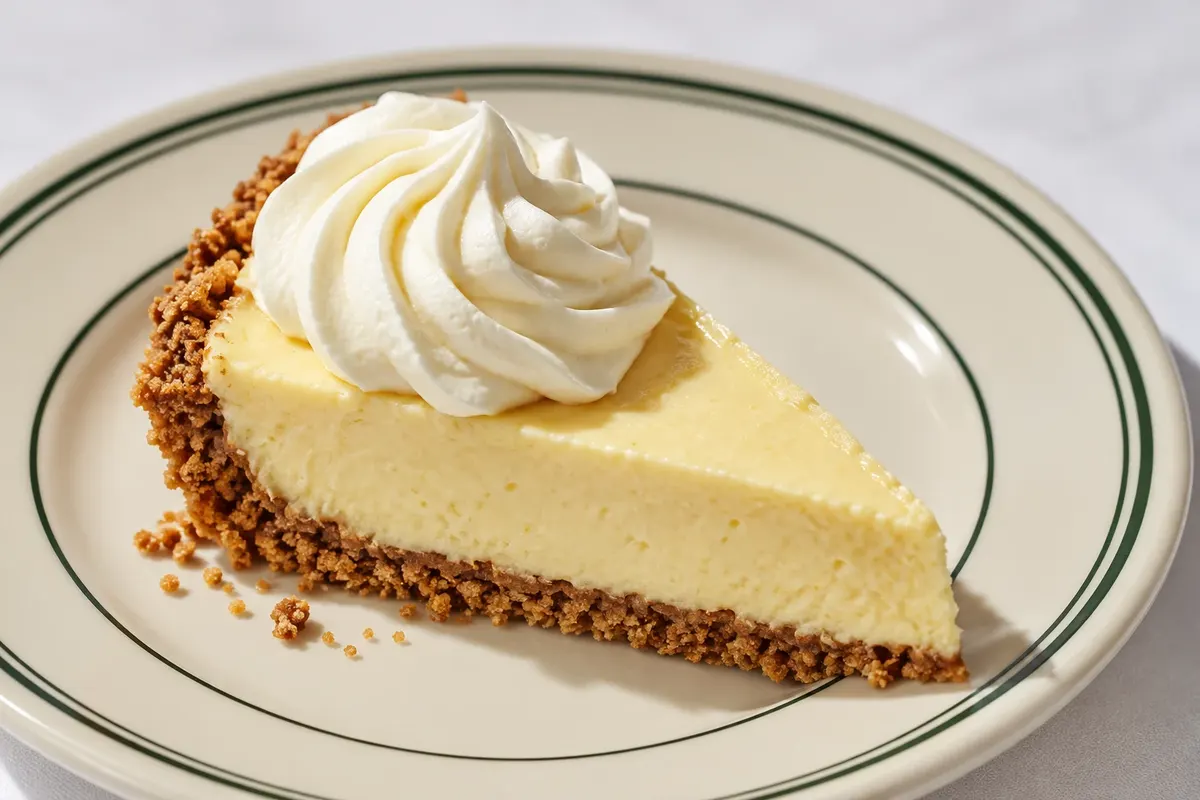
Key lime pie, made with the small yellow Key lime, condensed milk and egg yolks on a cookie crust. Associated with Key West since the late 19th century, it is the official pie of Florida.
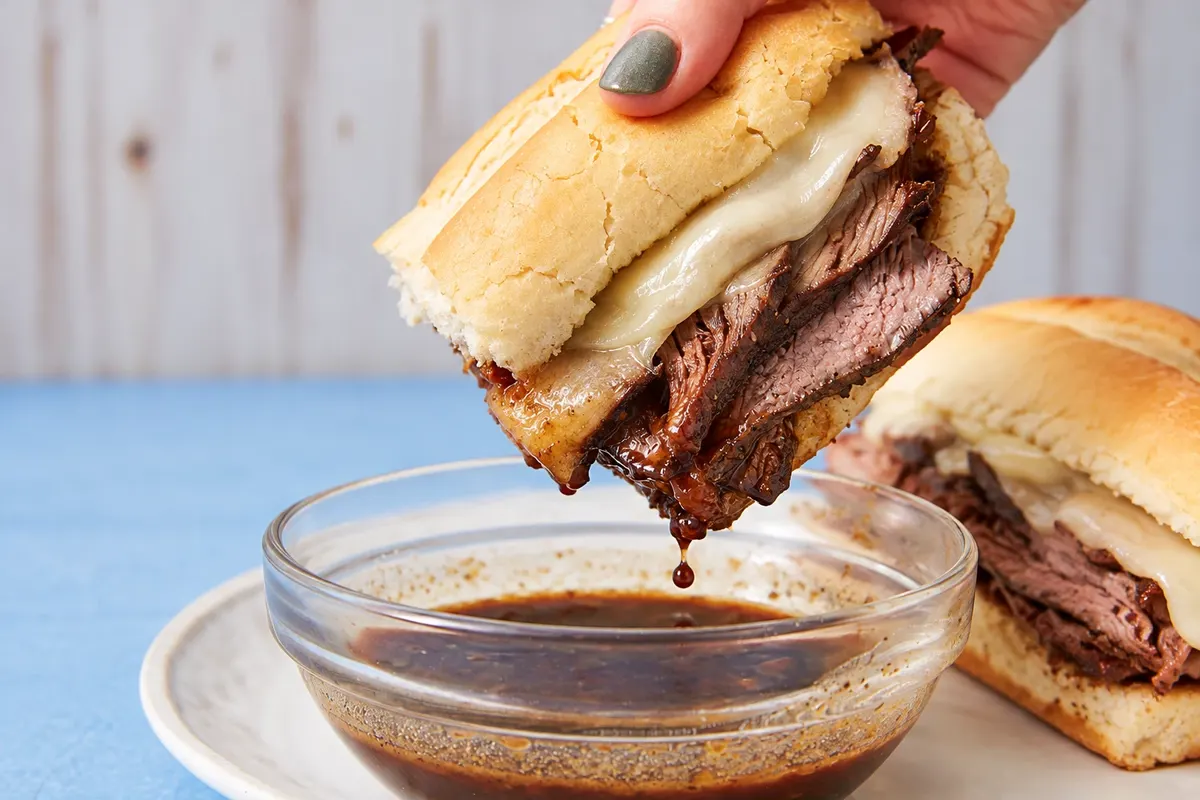
Sliced roast beef sandwich on French bread, with the bread dipped in the roast’s jus. Two downtown Los Angeles establishments, opened in 1908, claim its invention.
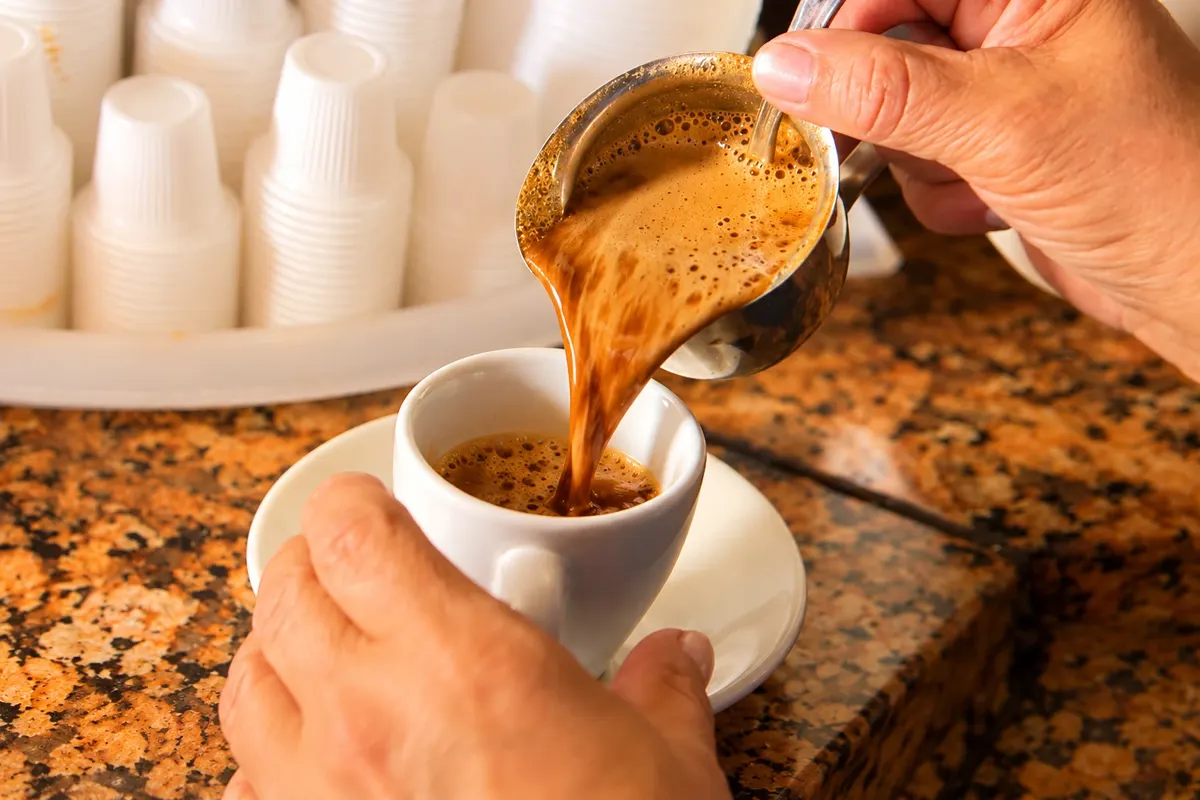
Cuban coffee: a short, strong espresso sweetened during preparation, with a sugar foam on top. It’s the everyday coffee of Miami’s Cuban community, served in small cups at café windows.
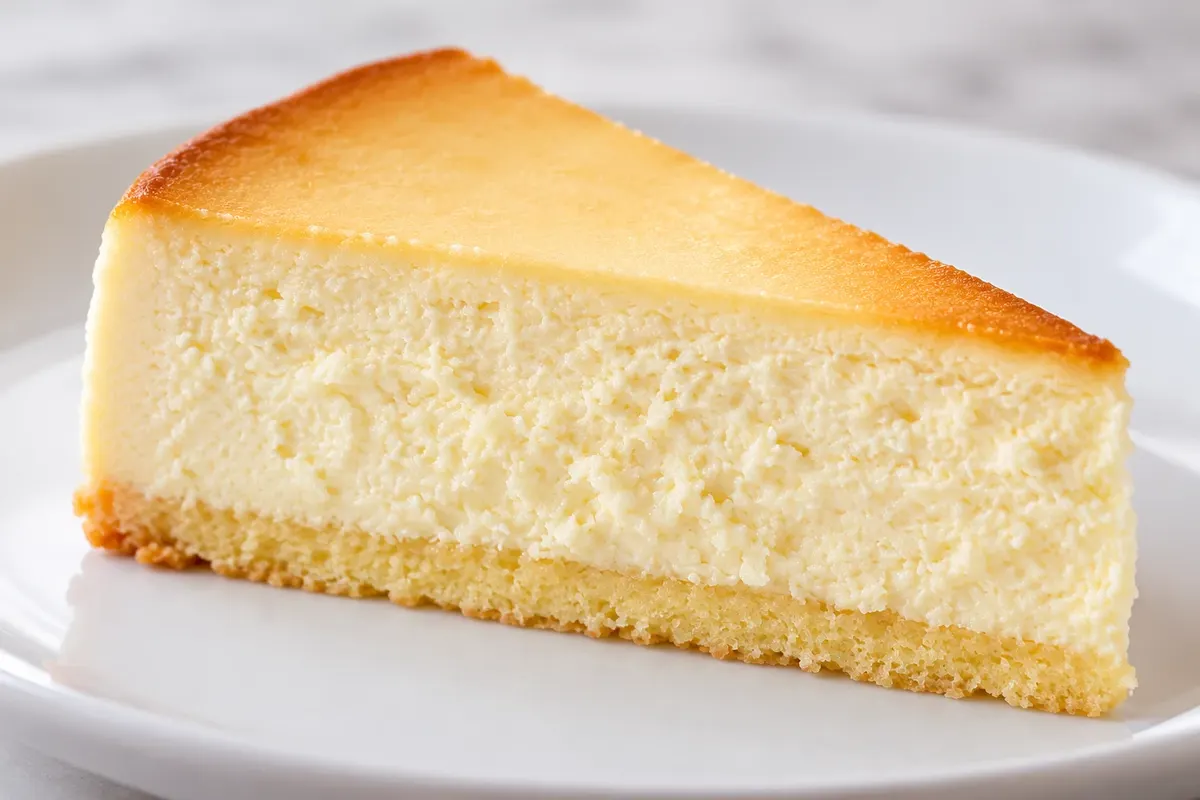
Dense, creamy tart made with cream cheese, eggs and cream on a cookie crust, served without topping.
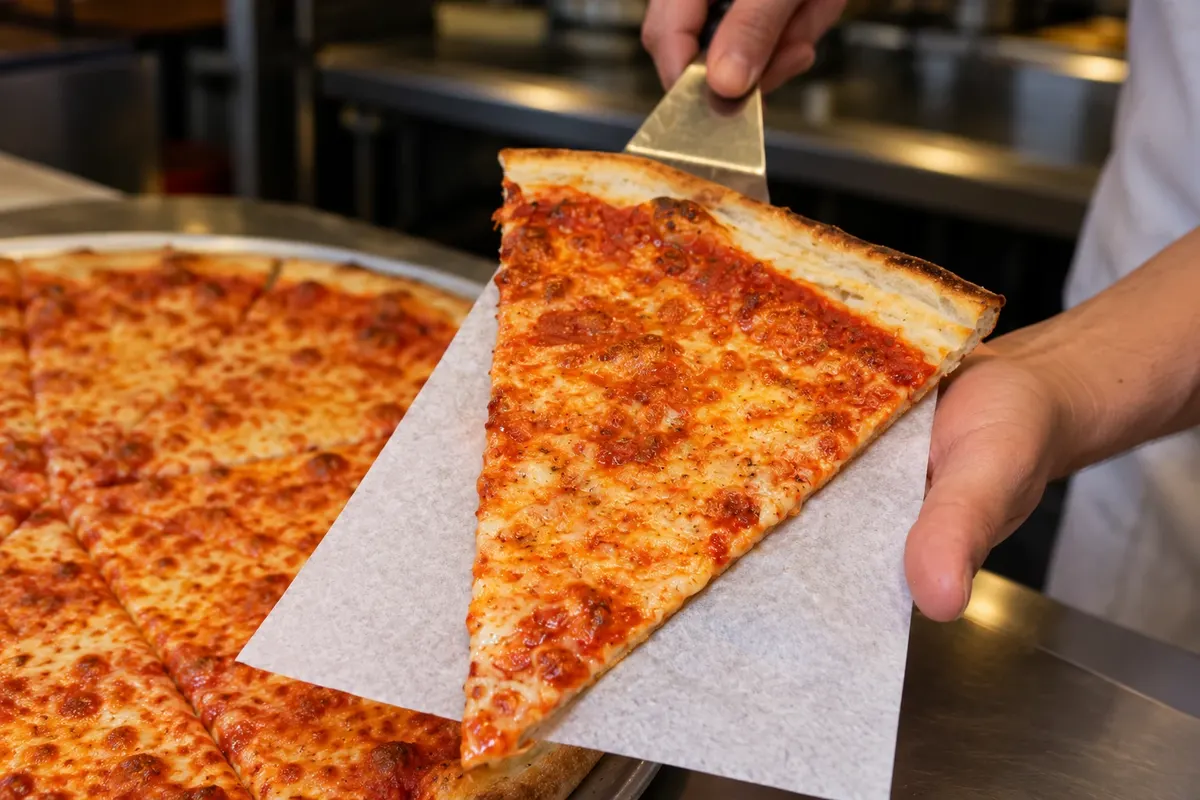
Large pizza with a thin, crisp yet flexible crust, thin enough to fold a slice in half. It originated among Neapolitan bakers in New York and is sold by the slice throughout the city.
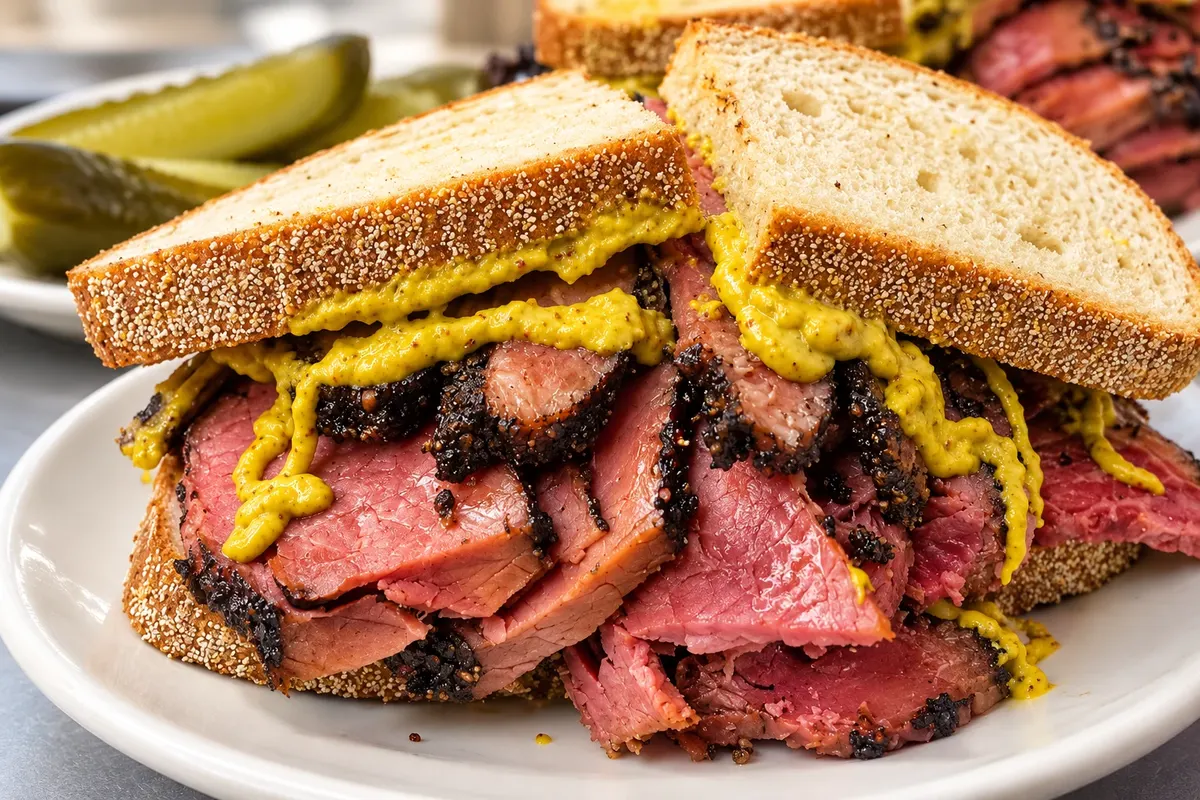
Pastrami sandwich: cured, seasoned and smoked beef, hot-sliced on rye bread with mustard. It’s the sandwich of New York’s Jewish delicatessens.
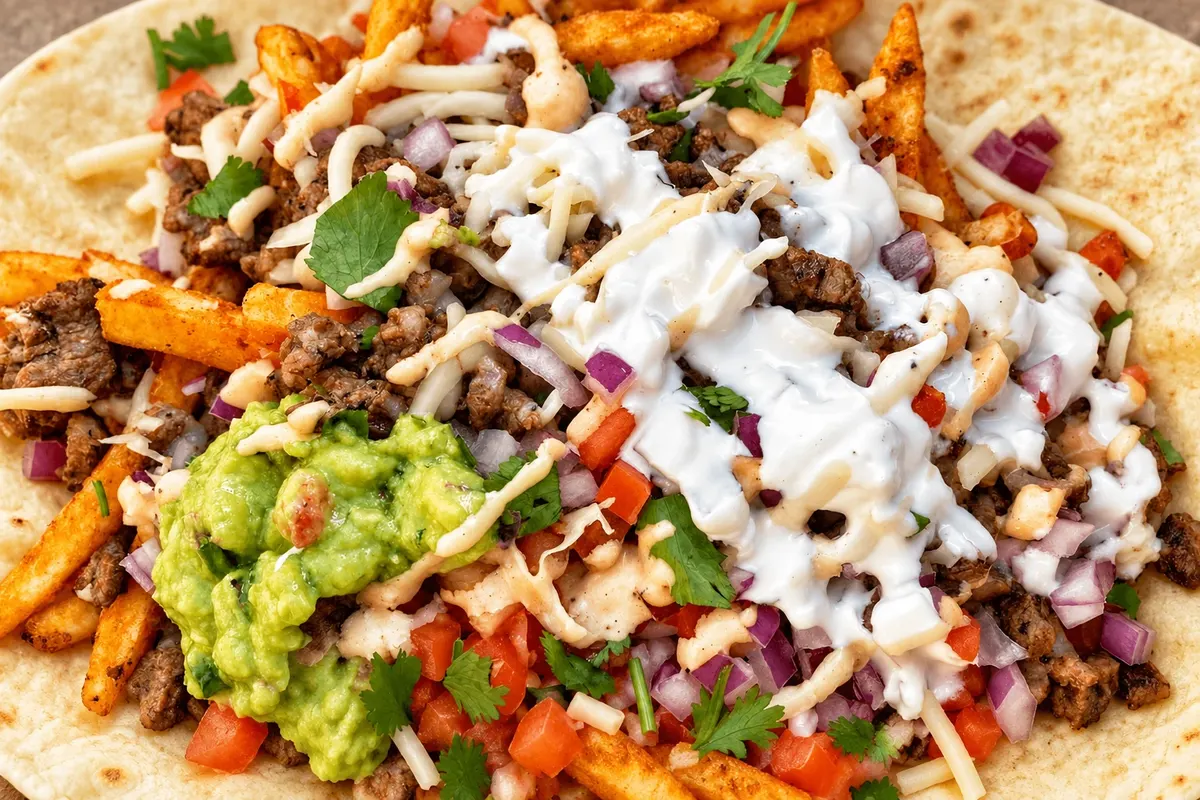
Carne asada burrito with French fries inside, cheese, pico de gallo, sour cream and guacamole. San Diego’s tourism authority presents it as a creation of the city from the 1980s.
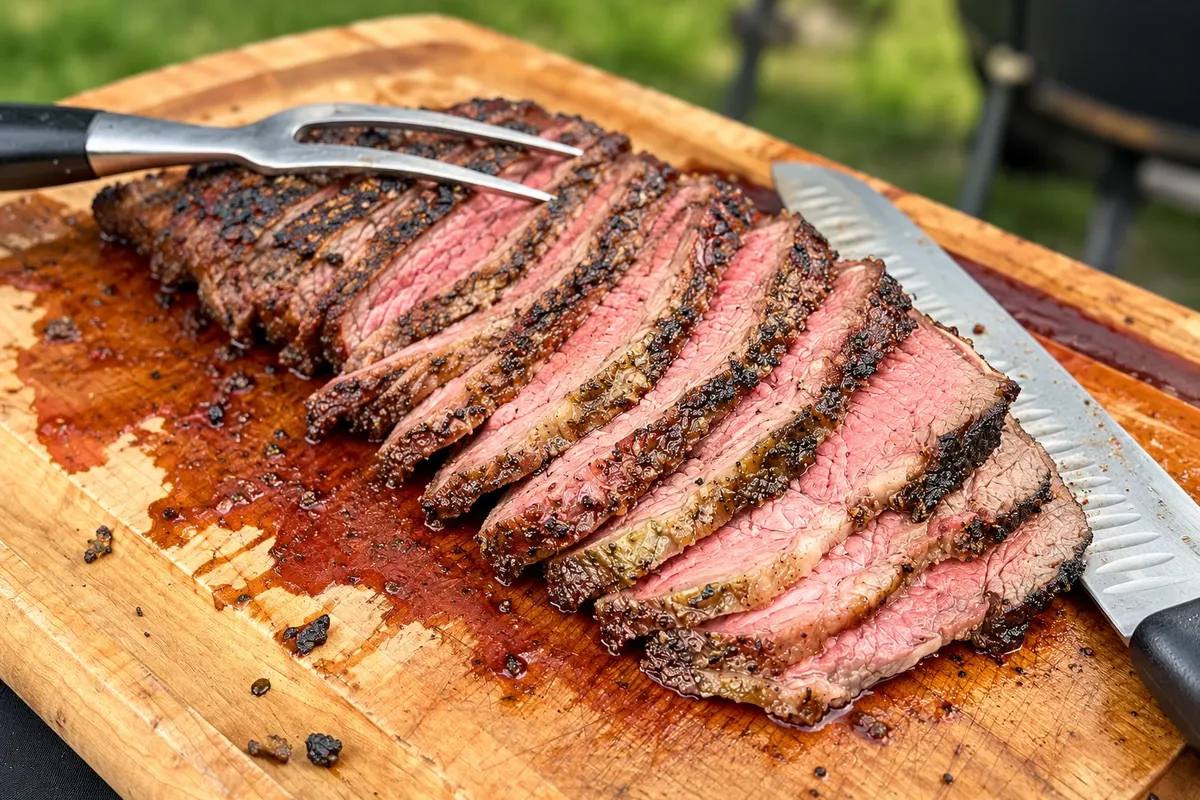
Beef barbecue seasoned with salt, pepper and garlic and roasted over oak coals, served with pinquito beans, salsa, toasted bread and salad. The Santa Maria Valley chamber of commerce registered the menu in 1978.
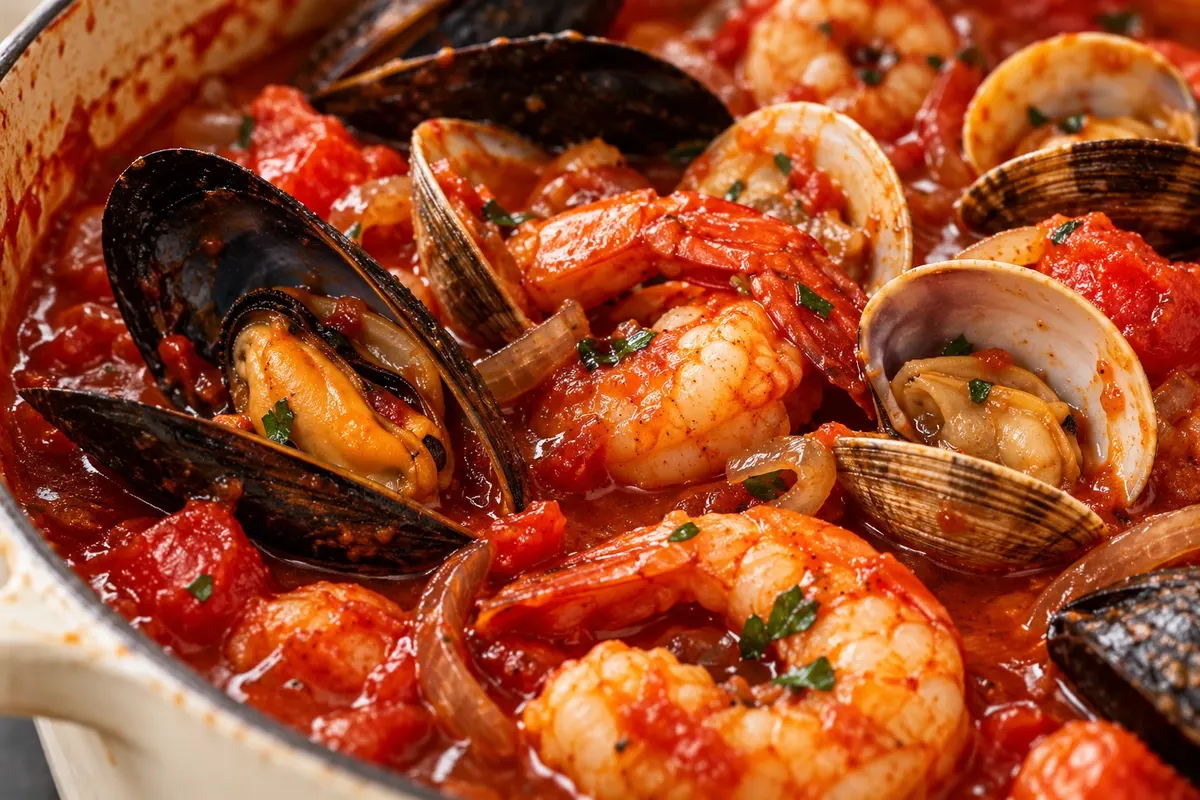
Stew of fish and seafood in a tomato-and-wine broth, created in the 19th century by Italian fishermen, mostly from Genoa, on the San Francisco pier. It is served with bread for dipping into the broth.
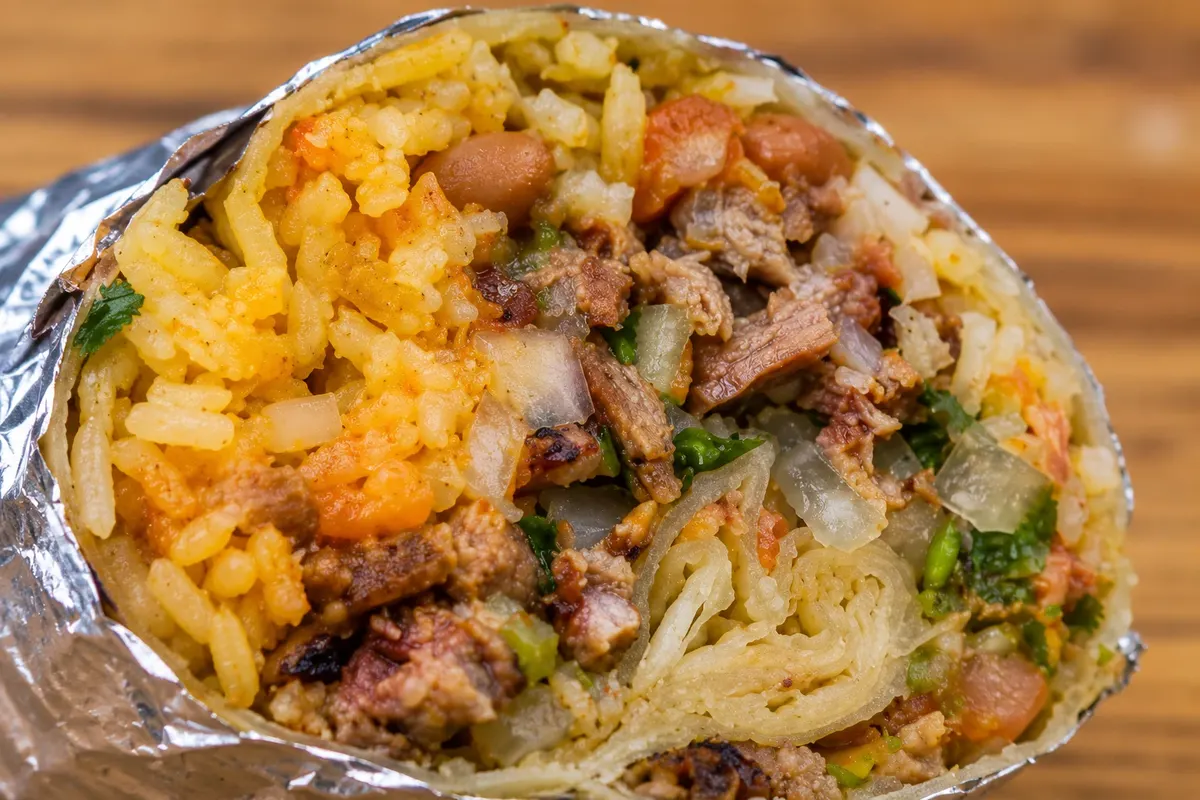
Large burrito made with a flour tortilla, filled with meat, rice, beans, salsa and sour cream, wrapped in aluminum foil. It originated in the taquerías of the Mission neighborhood in San Francisco in the 1960s.
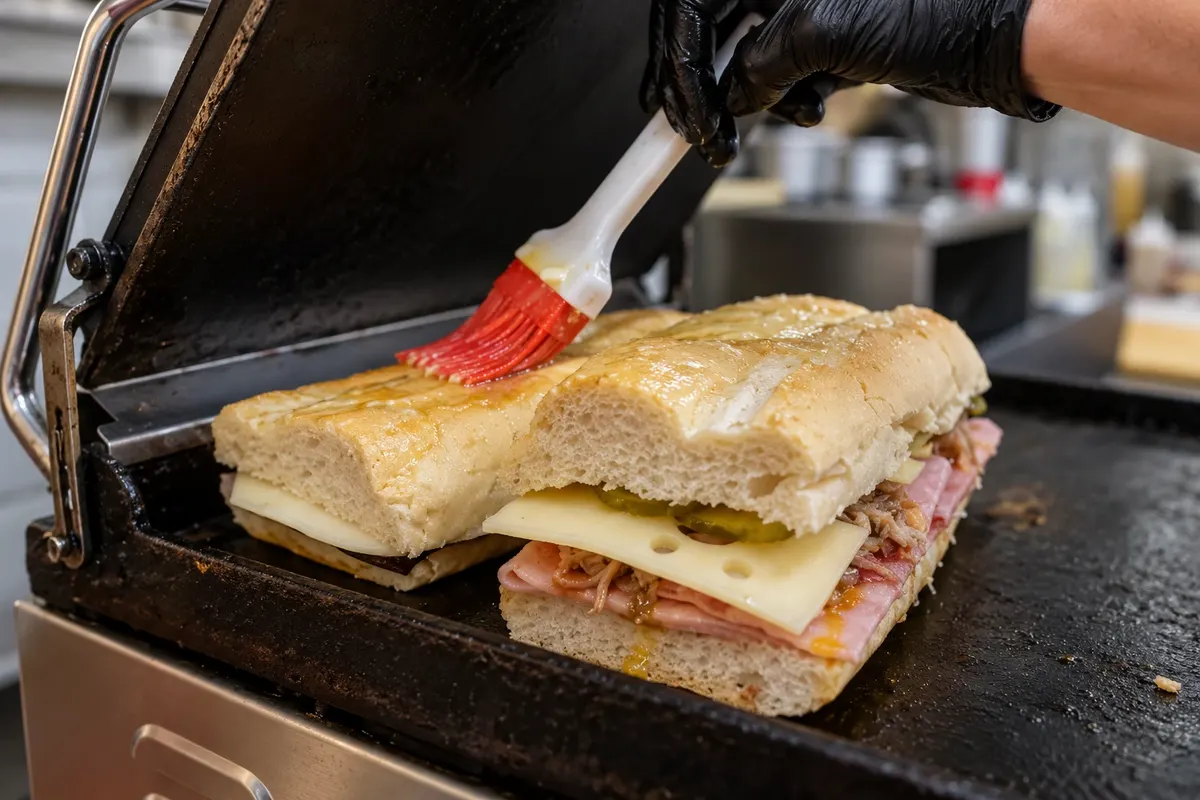
Cuban sandwich made with Cuban bread, roasted pork, ham, Swiss cheese, pickles and mustard, pressed on a griddle. In Tampa it also includes salami. The City Council declared it the city’s signature sandwich in 2012.
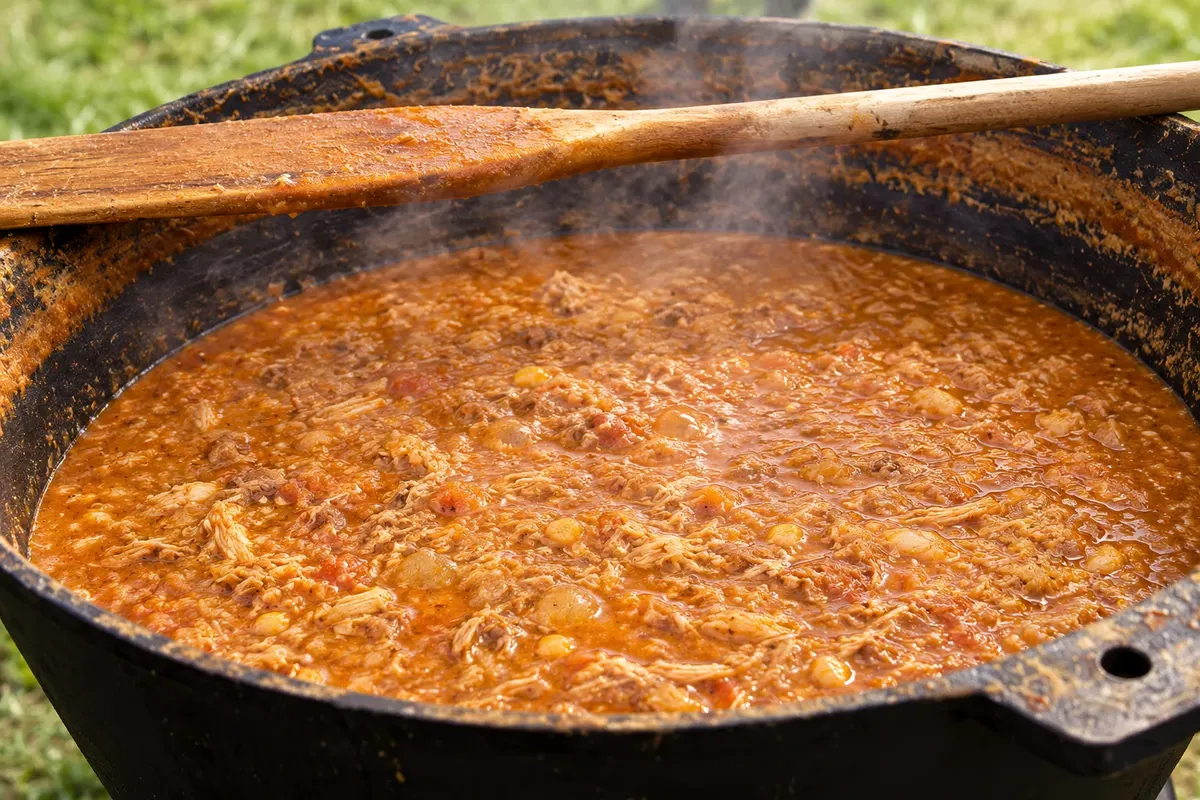
Thick stew of chicken, lima beans, corn and tomato, cooked for hours in iron pots. The Virginia General Assembly points to Brunswick County as the place of origin, in a long-standing dispute with Georgia.
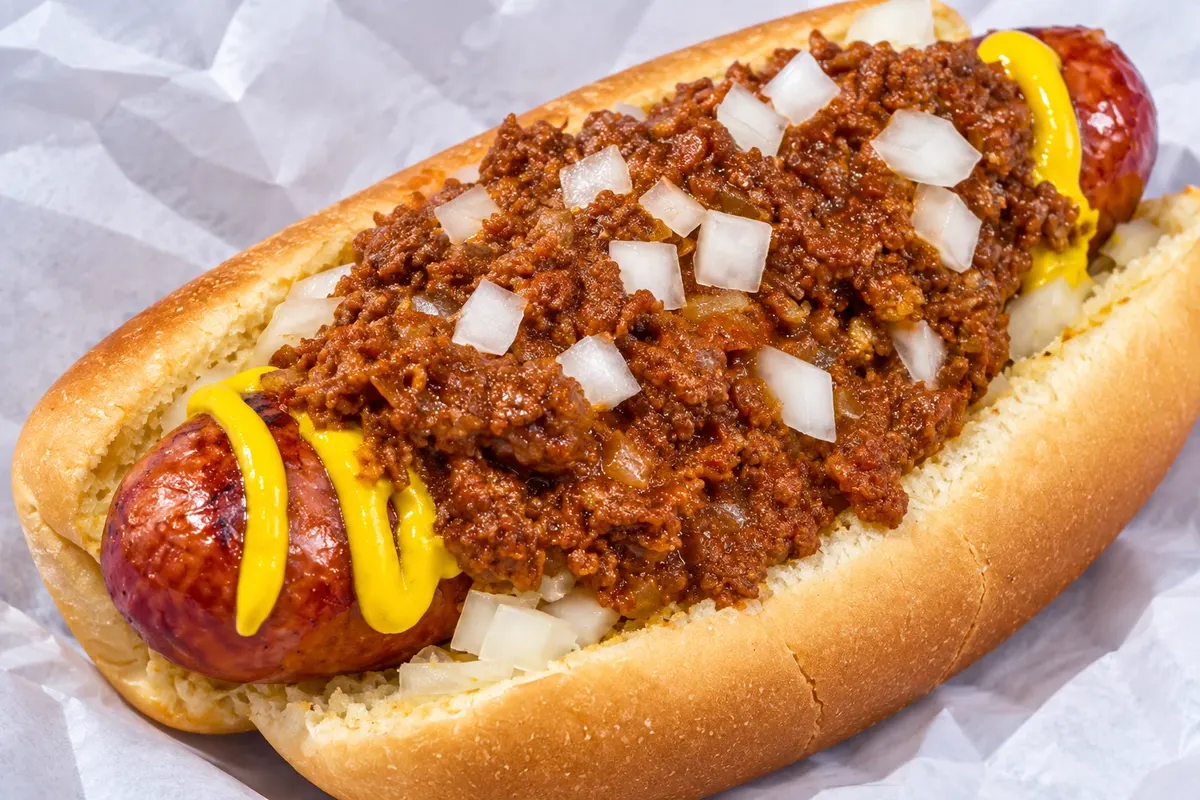
A sausage thicker and spicier than the hot dog, smoked and grilled, served in bread with chili, onion and mustard. Washington’s tourism agency calls it the city’s signature dish.