The state
Get to know Espírito Santo
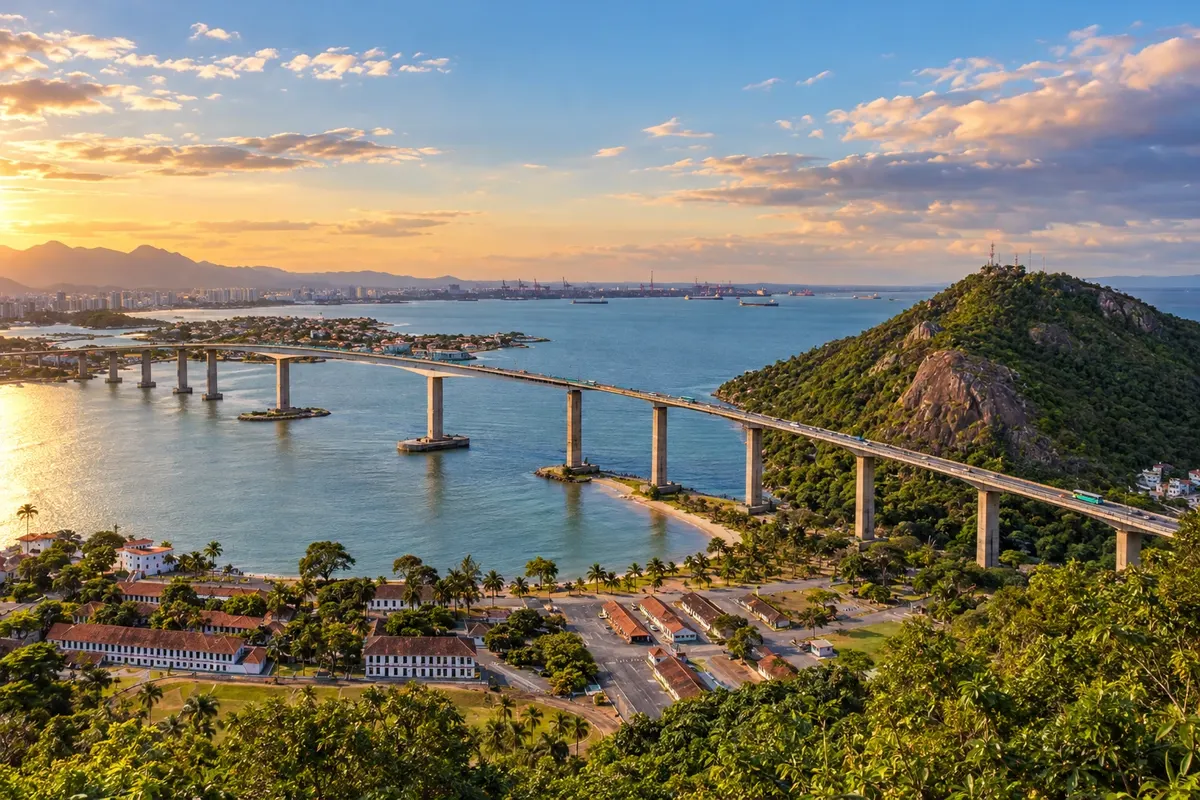
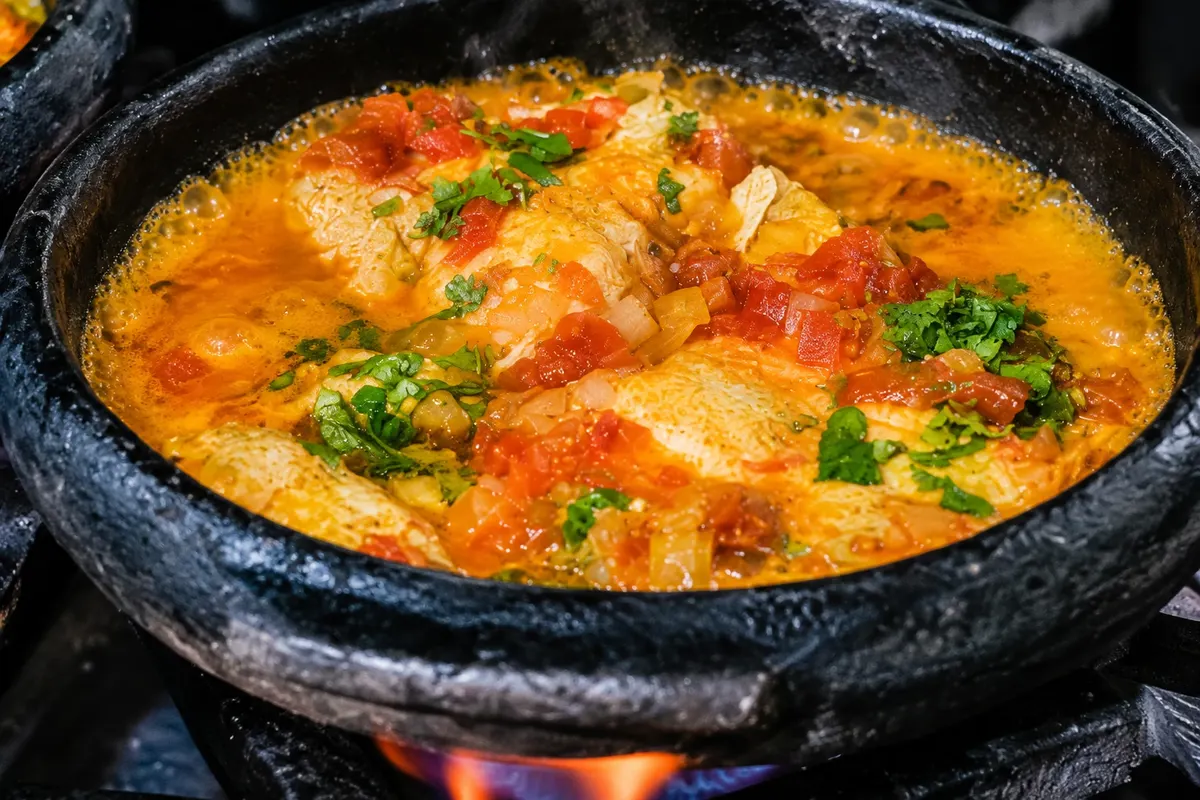
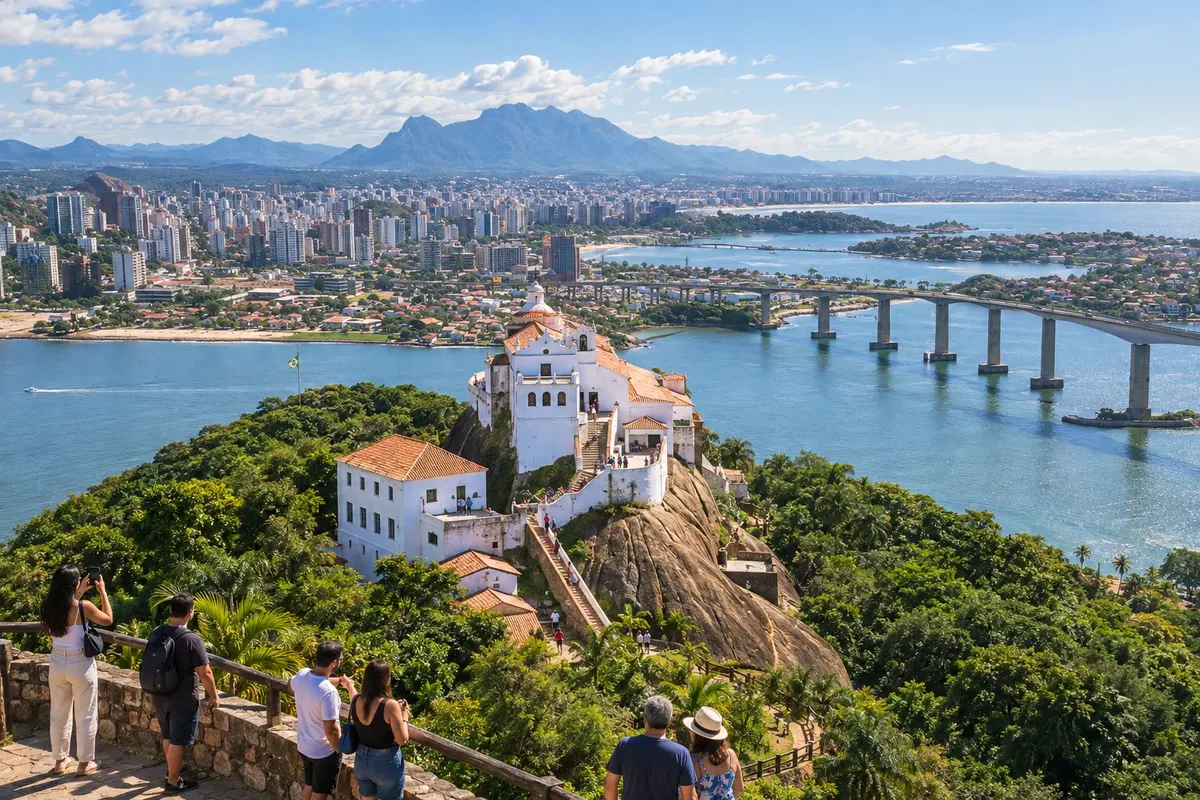
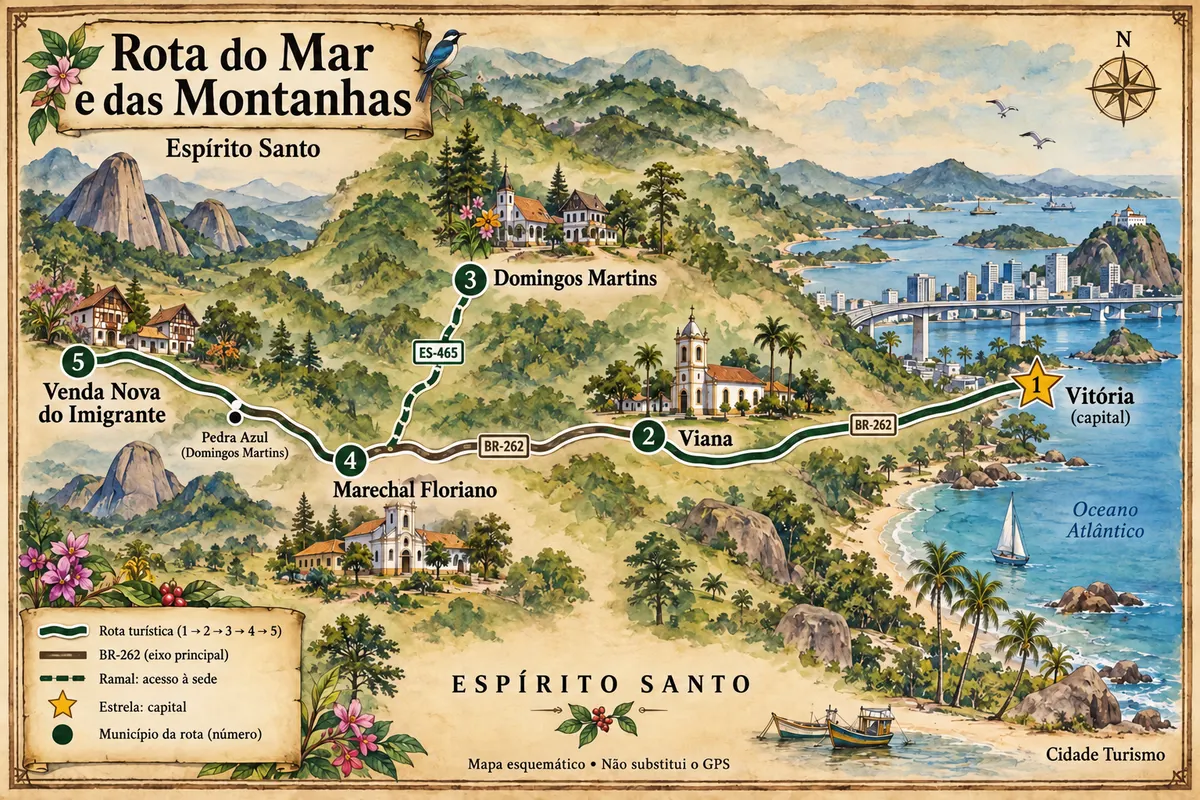
Vitória occupies an island in the bay of the same name, connected to the mainland by bridges. On the other side of the water, in Vila Velha, the Convento da Penha sits atop a hill since the 16th century and is the end point of the Festa da Penha, the region's largest religious celebration. In the capital, moqueca capixaba is made with fish, urucum, cilantro and oil—no coconut milk or dendê—and is brought to the table in the clay pot from the paneleiras of Goiabeiras, a craft registered as heritage by IPHAN. At Easter week, the table gains the torta capixaba, made with seafood.
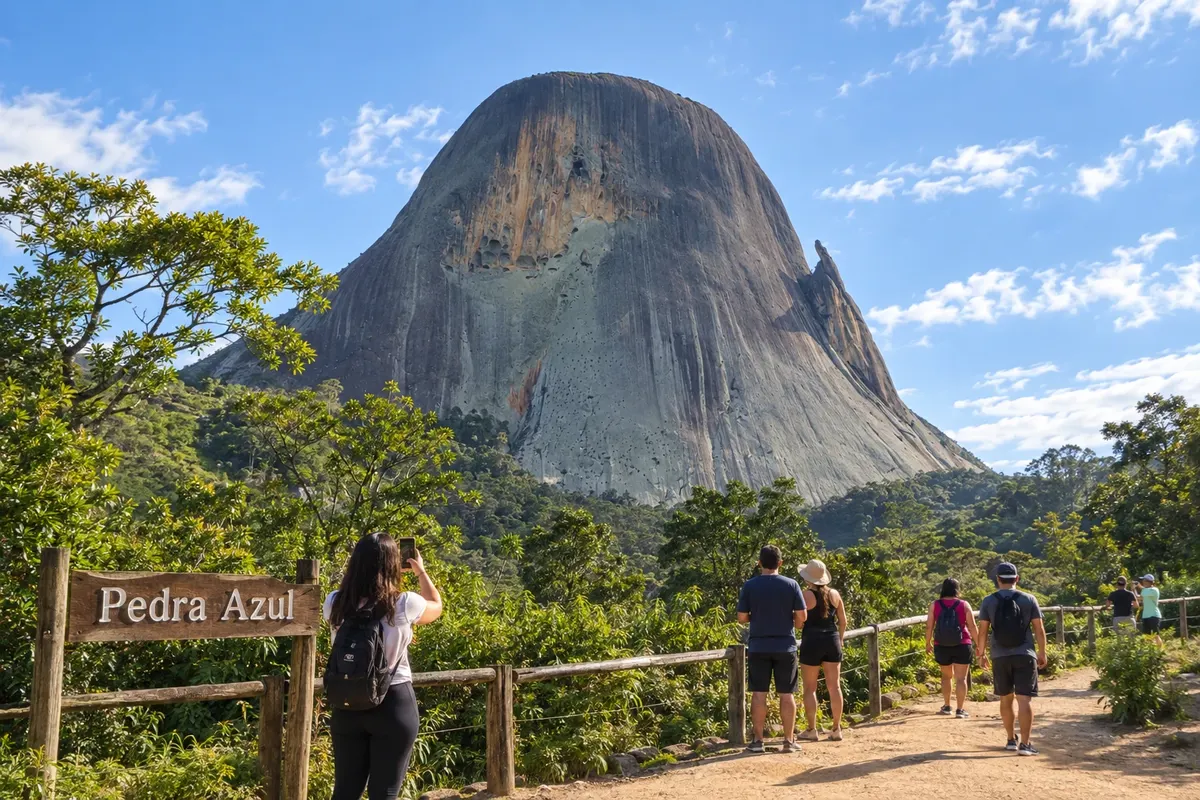
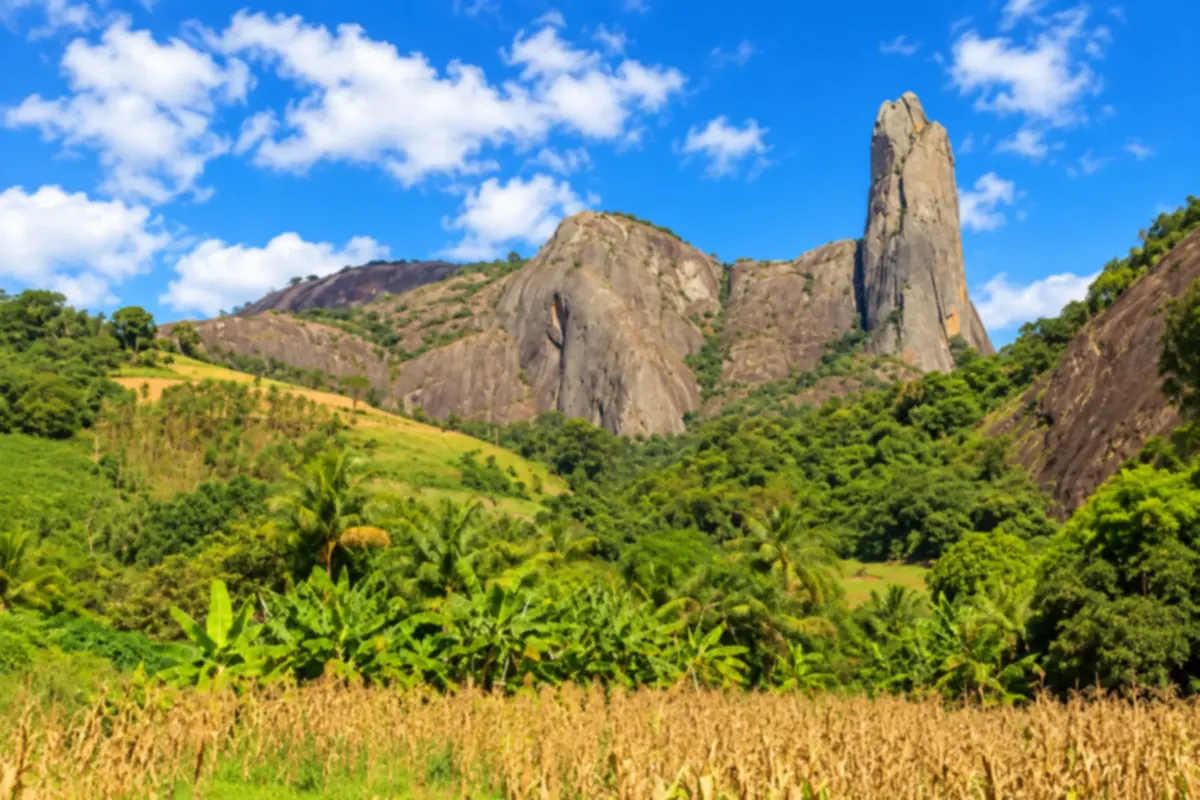
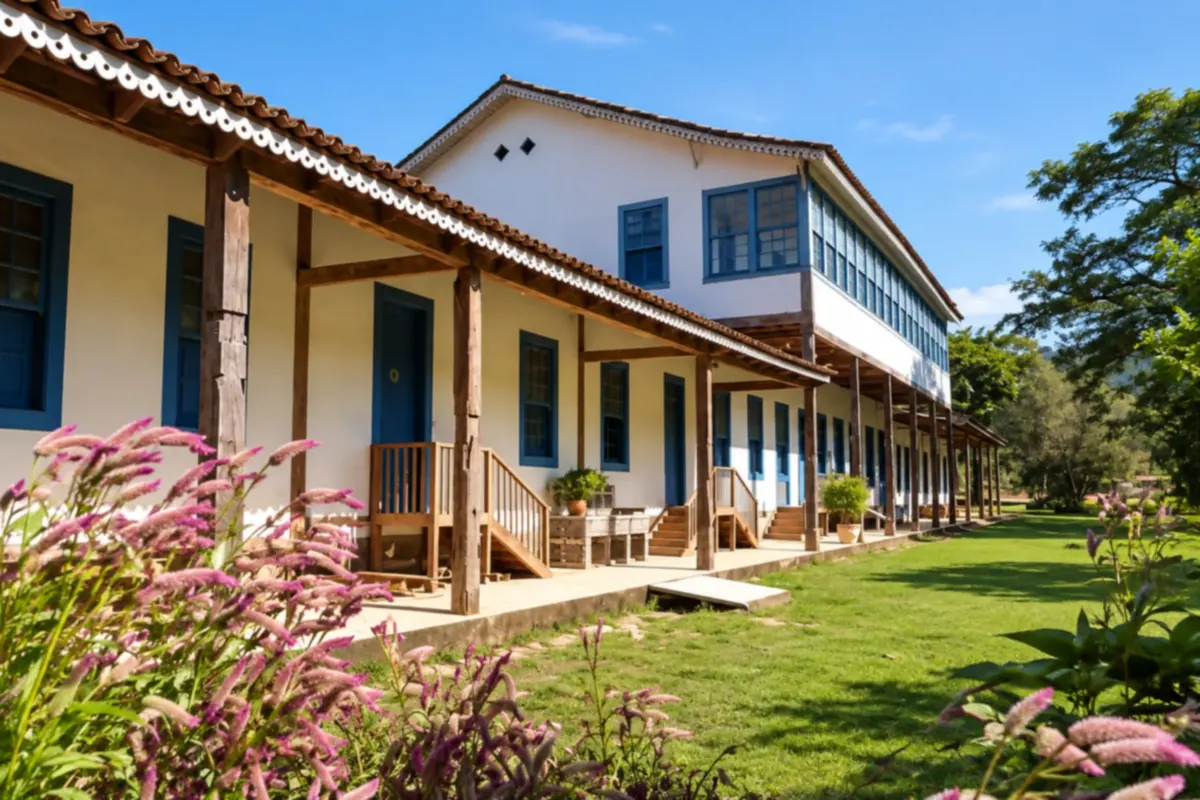
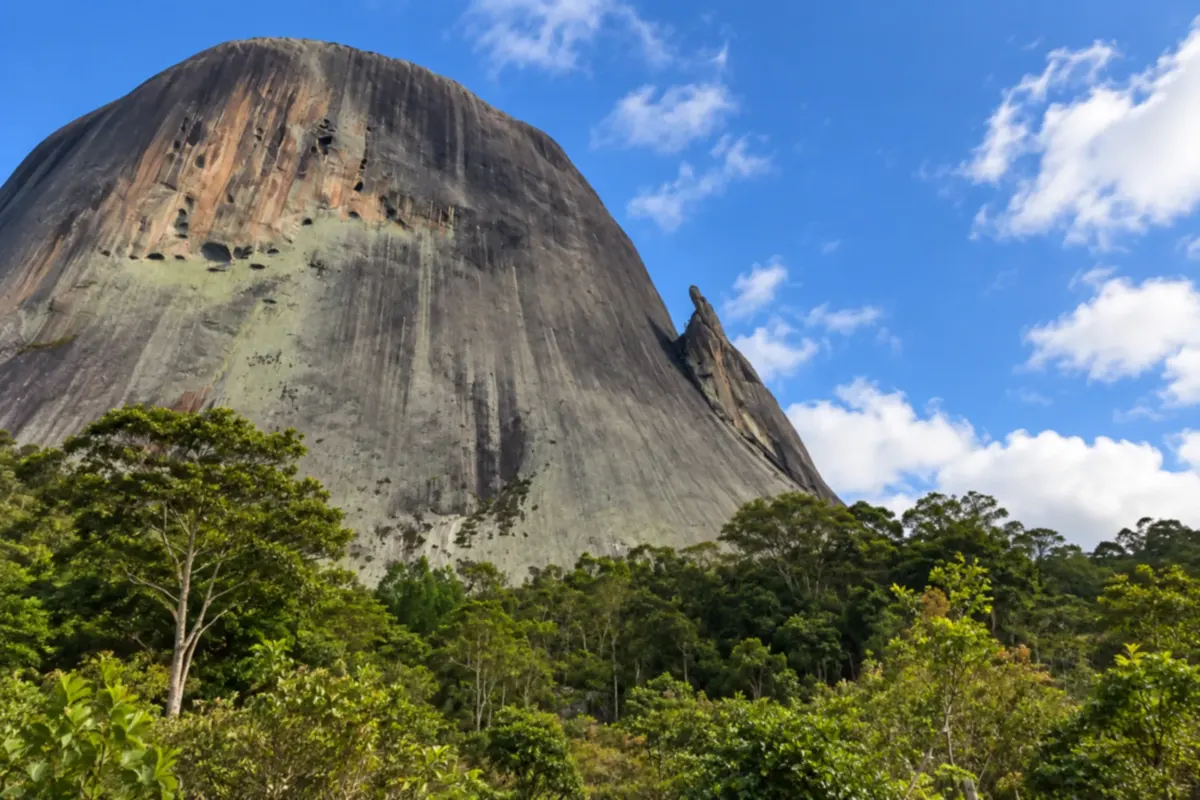
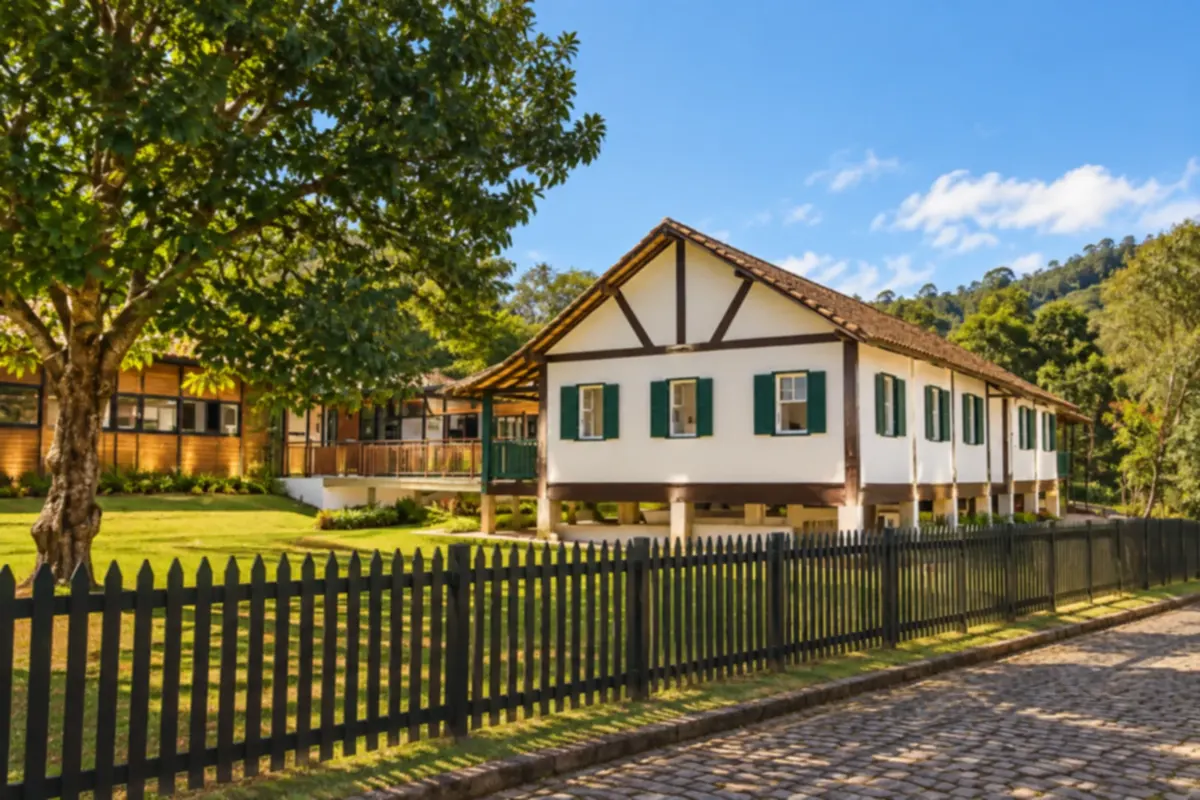
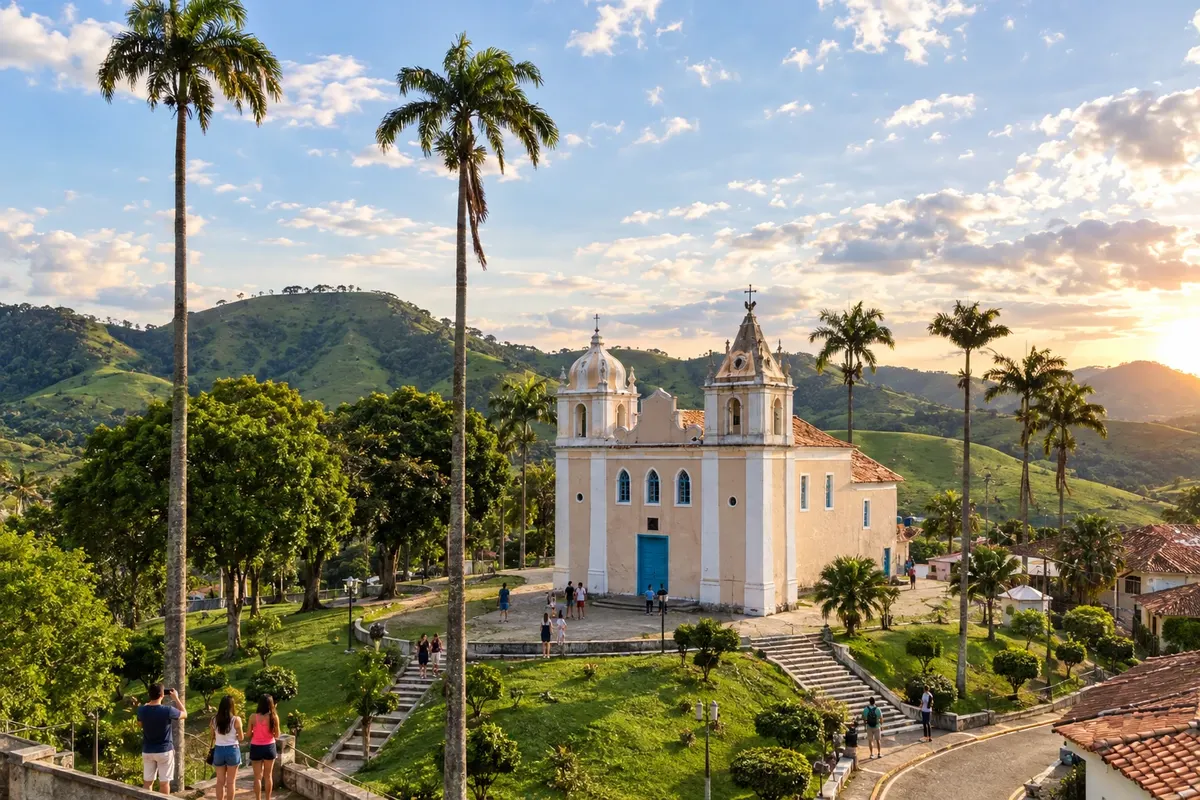
Going up the BR-262, the landscape changes quickly. The Montanhas Capixabas were colonized in the 19th century by German and Italian immigrants, and that shows in the houses, the food and the festivals. In Domingos Martins lies the Parque Estadual da Pedra Azul, with trails around the granite wall. Venda Nova do Imigrante is the birthplace of agritourism in the state: families open their properties to show coffee, cheese, cured meats and cachaça production, and in October the town holds the Festa da Polenta. In Castelo, the Parque Estadual do Forno Grande brings together forest and rocky outcrops.
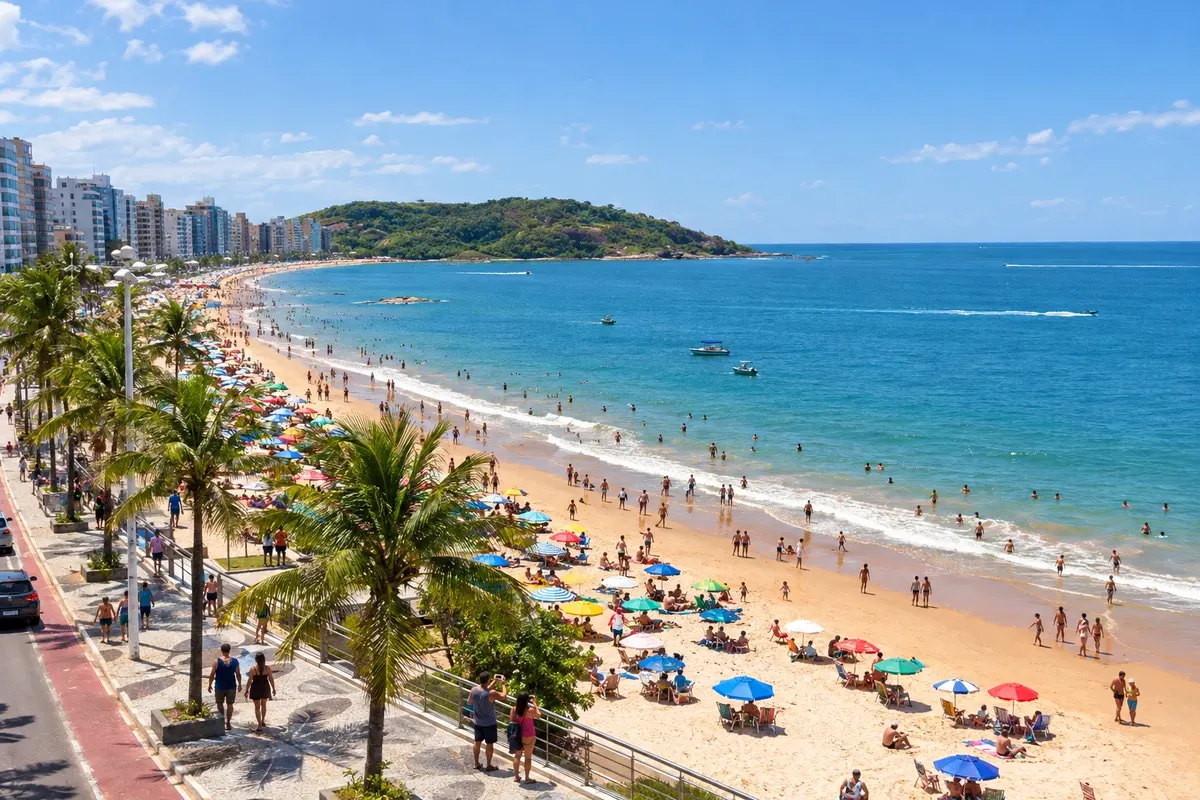
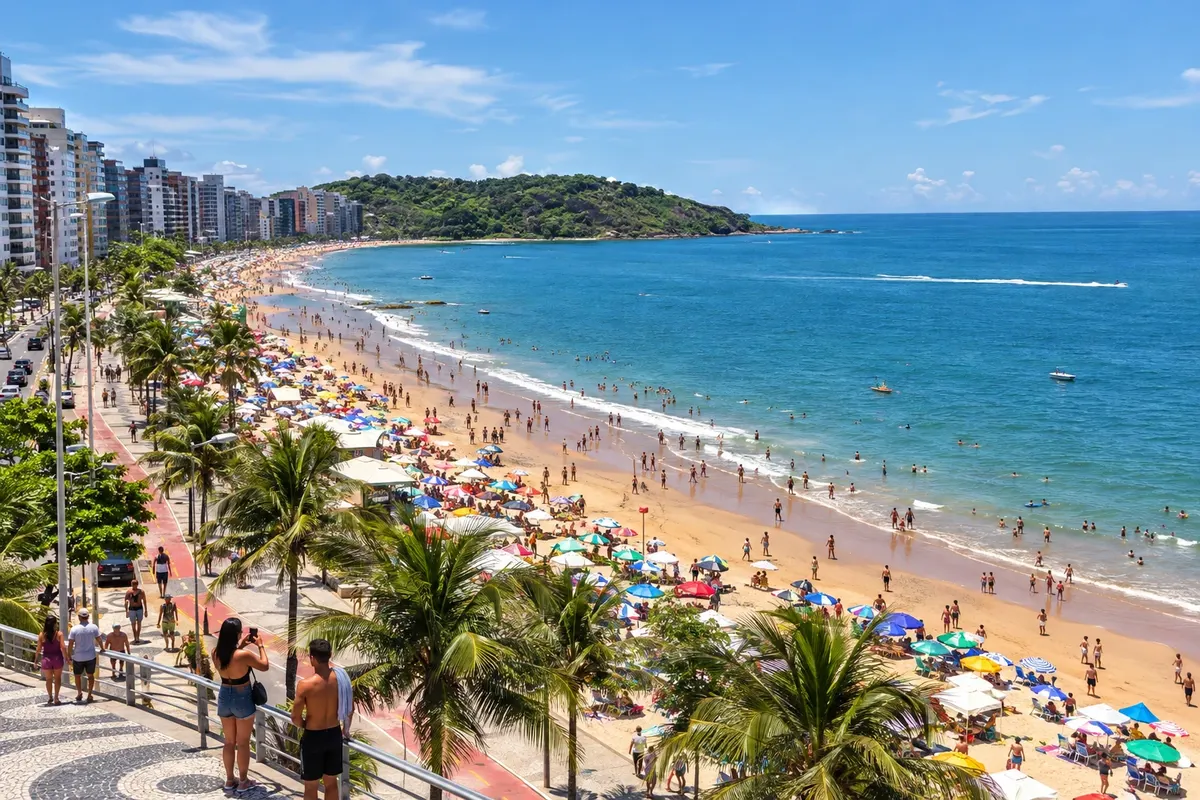
In the Região Metropolitana do Espírito Santo, Guarapari, south of Vitória, is the busiest beach town. The archipelago of Três Ilhas has calm waters for diving, including a deliberately sunk wreck to form an artificial reef. Further afield, the state also has the Parque Nacional do Caparaó, with the Pico da Bandeira on the border with Minas, and the dunes of Itaúnas in the far north.


 Antarctica
 Argentina
 Bolivia
 Chile
 Colombia
 Ecuador
 Guyana
 French Guiana
 Falkland Islands (Malvinas)
 Paraguay
 Peru
 Suriname
 Uruguay
 Venezuela
 Germany
 Austria
 Belgium
 Croatia
 Denmark
 Slovakia
 Slovenia
 Spain
 Finland
 France
 Greece
 the Netherlands
 Hungary
 Ireland
 Iceland
 Italy
 Luxembourg
 Norway
 Poland
 Portugal
 the United Kingdom
 the Czech Republic
 Sweden
 Switzerland
 Turkey
 Bermuda
 Canada
 the United States
 Greenland
 Mexico
 Saint Pierre and Miquelon
 the Dominican Republic
 Japan
 South Africa
 Egypt
 Australia
 Fiji
 New Zealand
 Papua New Guinea