Lençóis
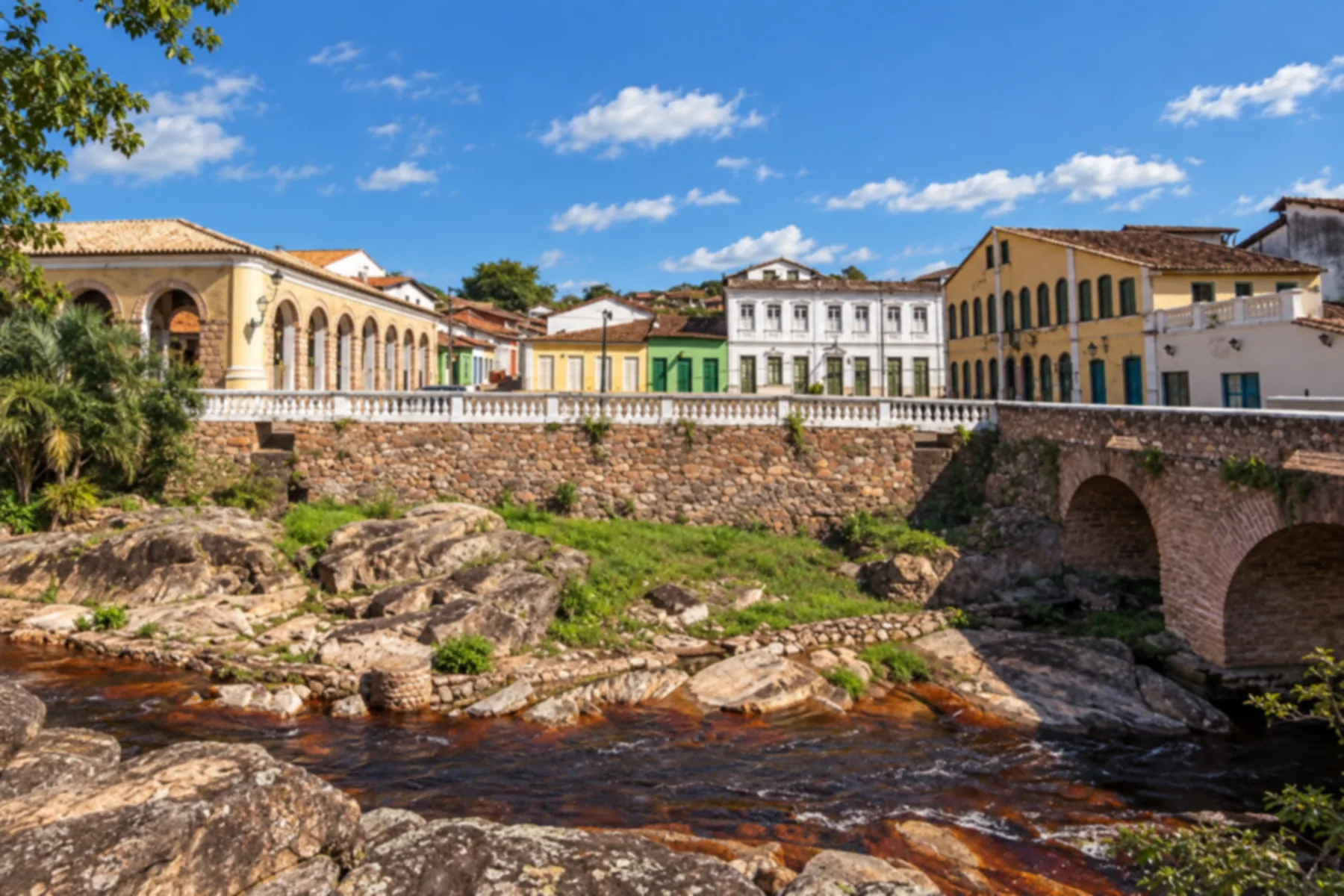
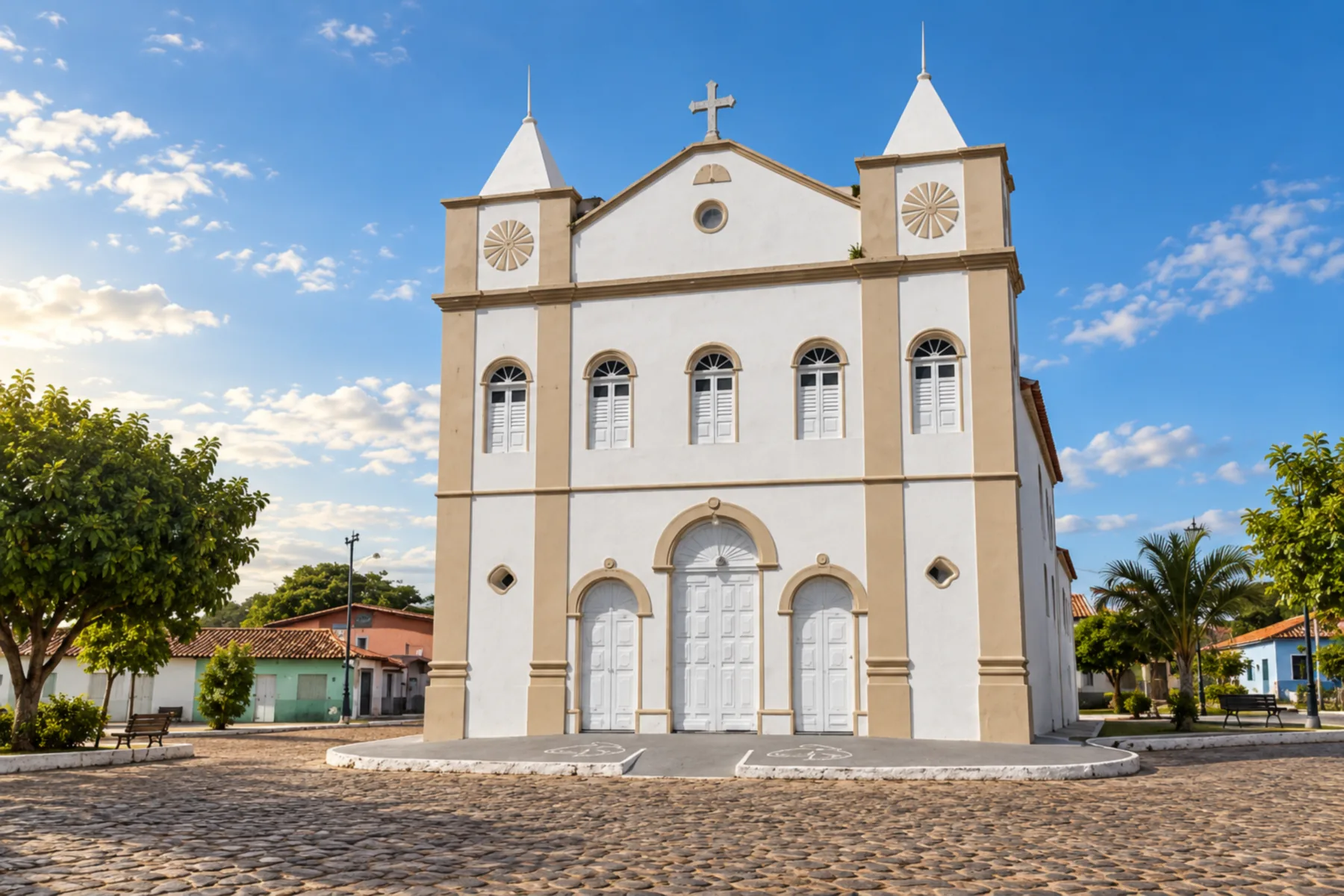
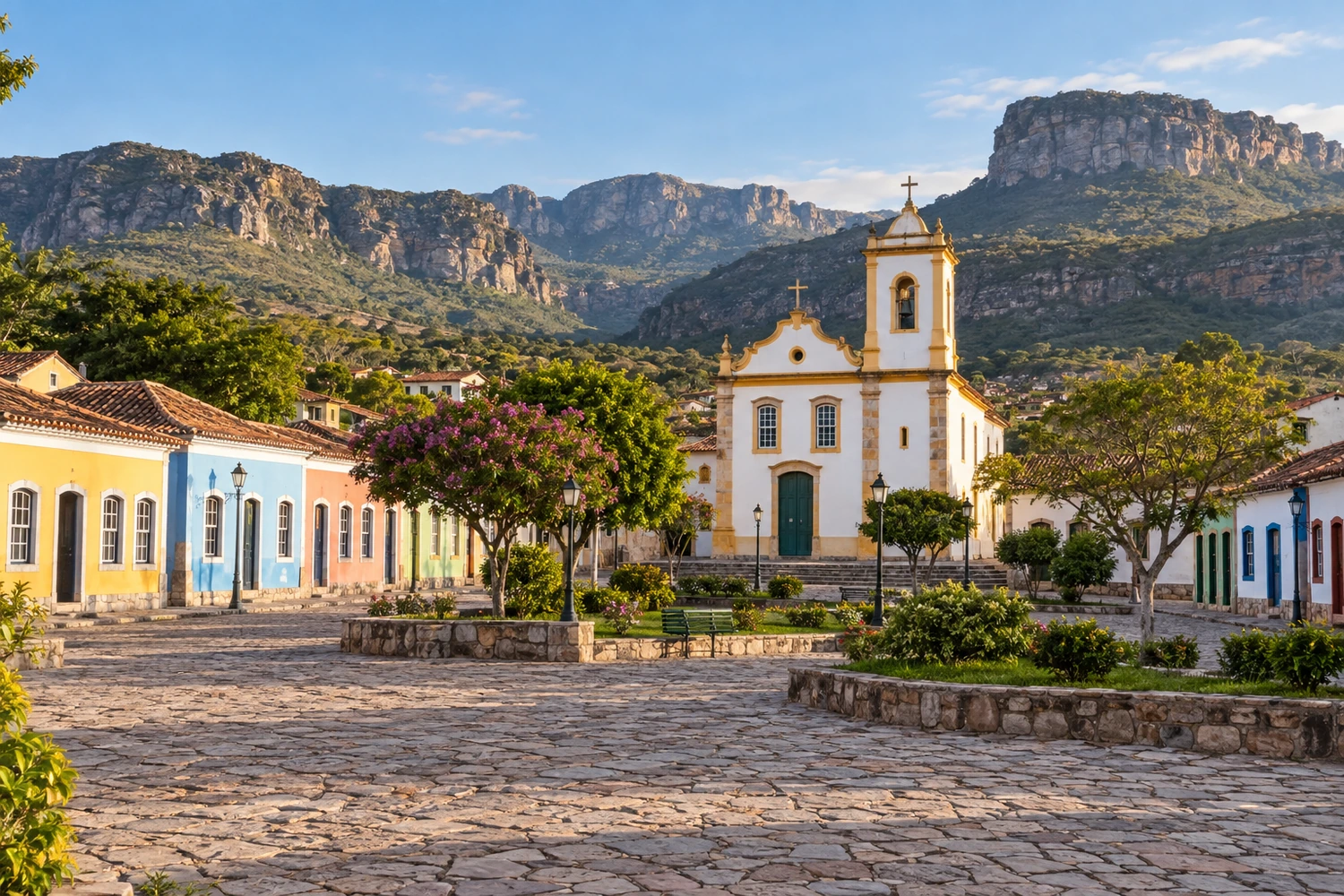
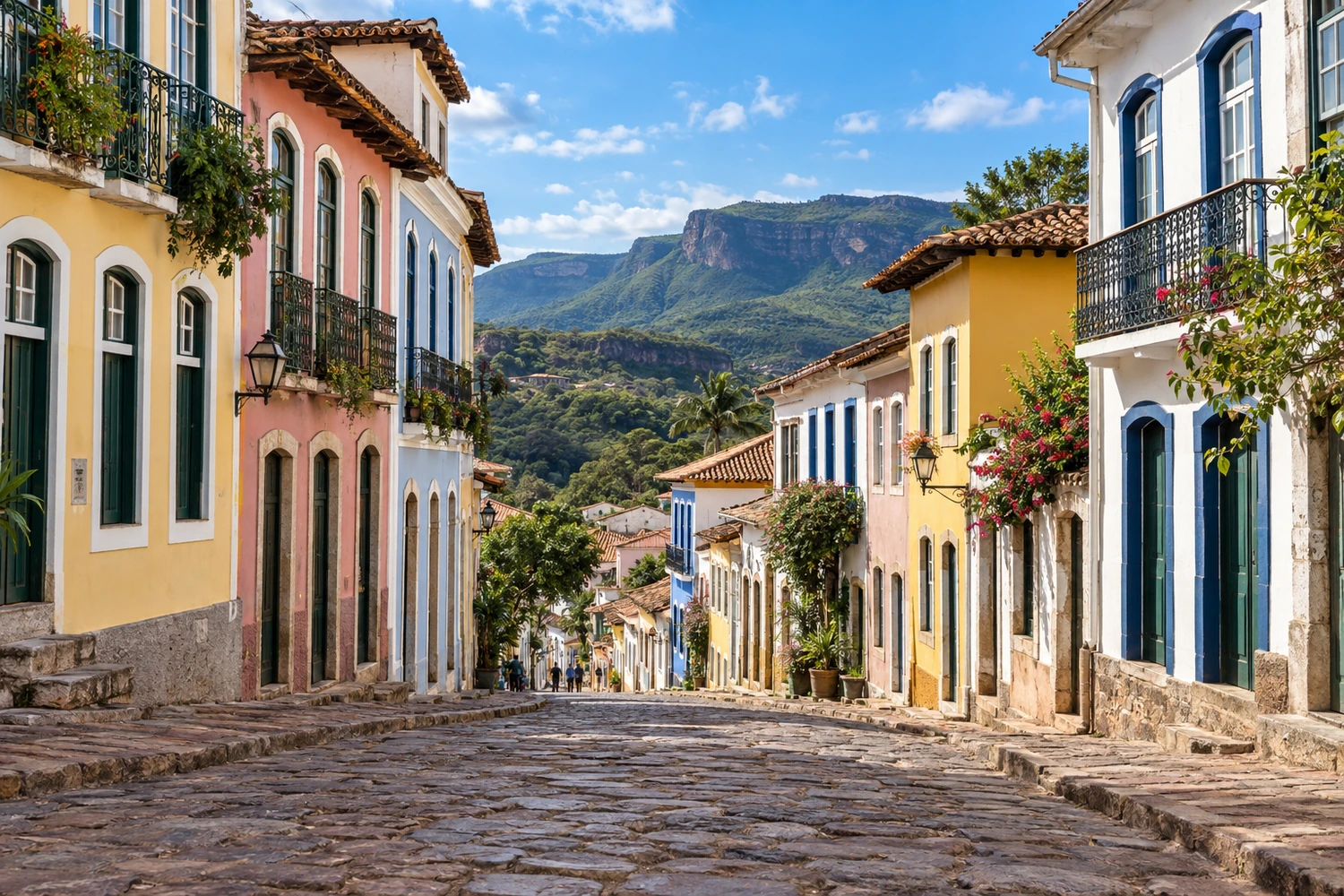
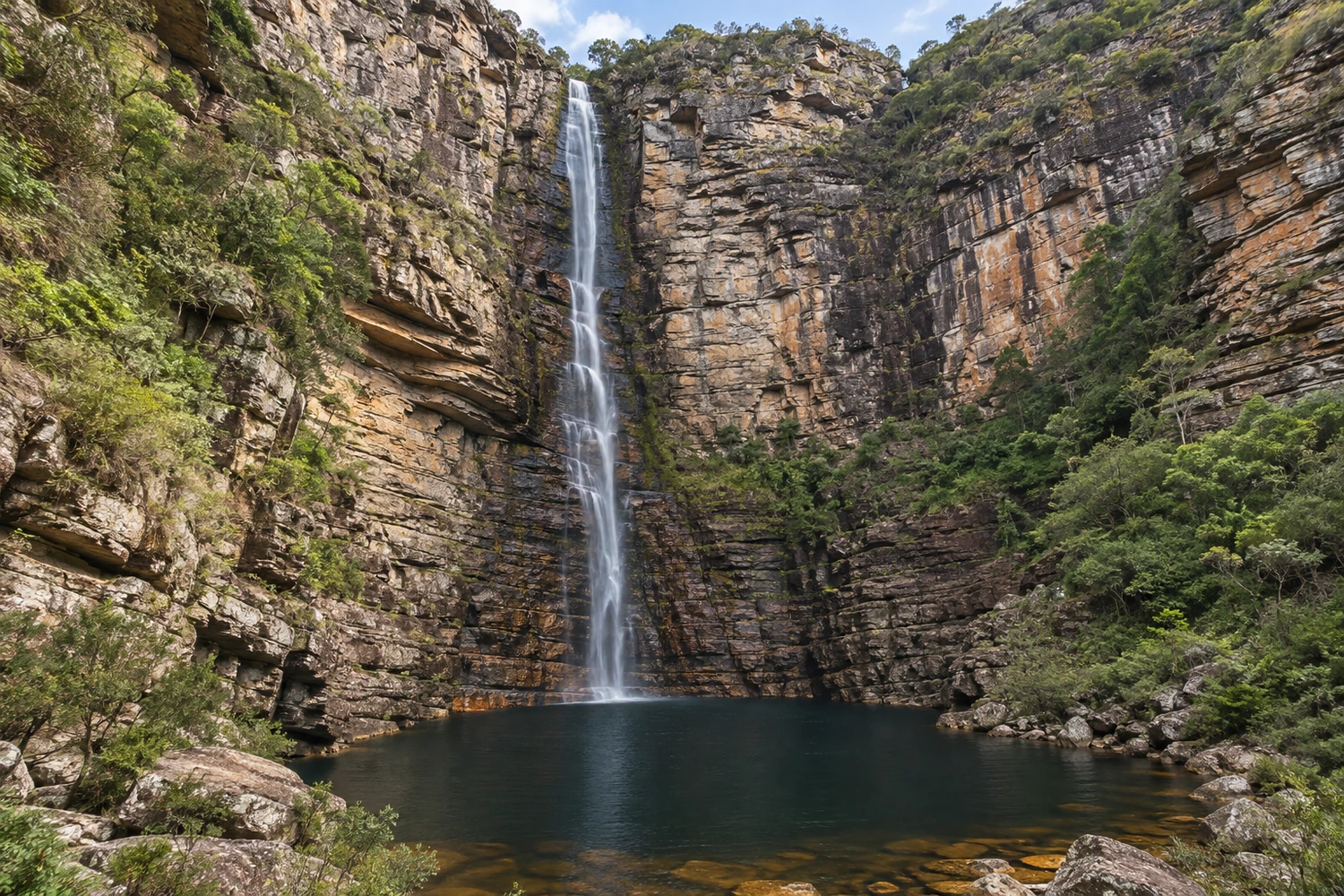
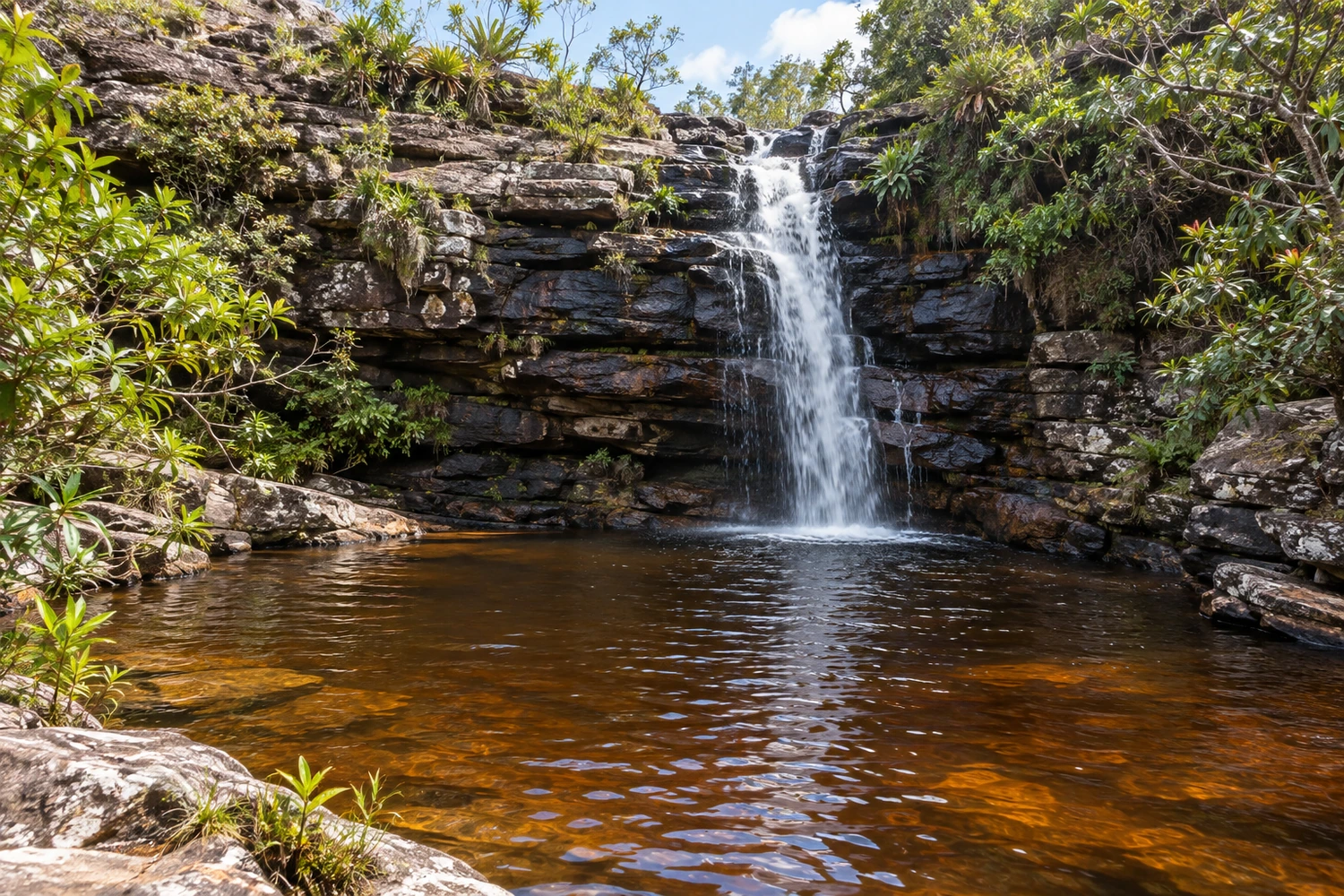
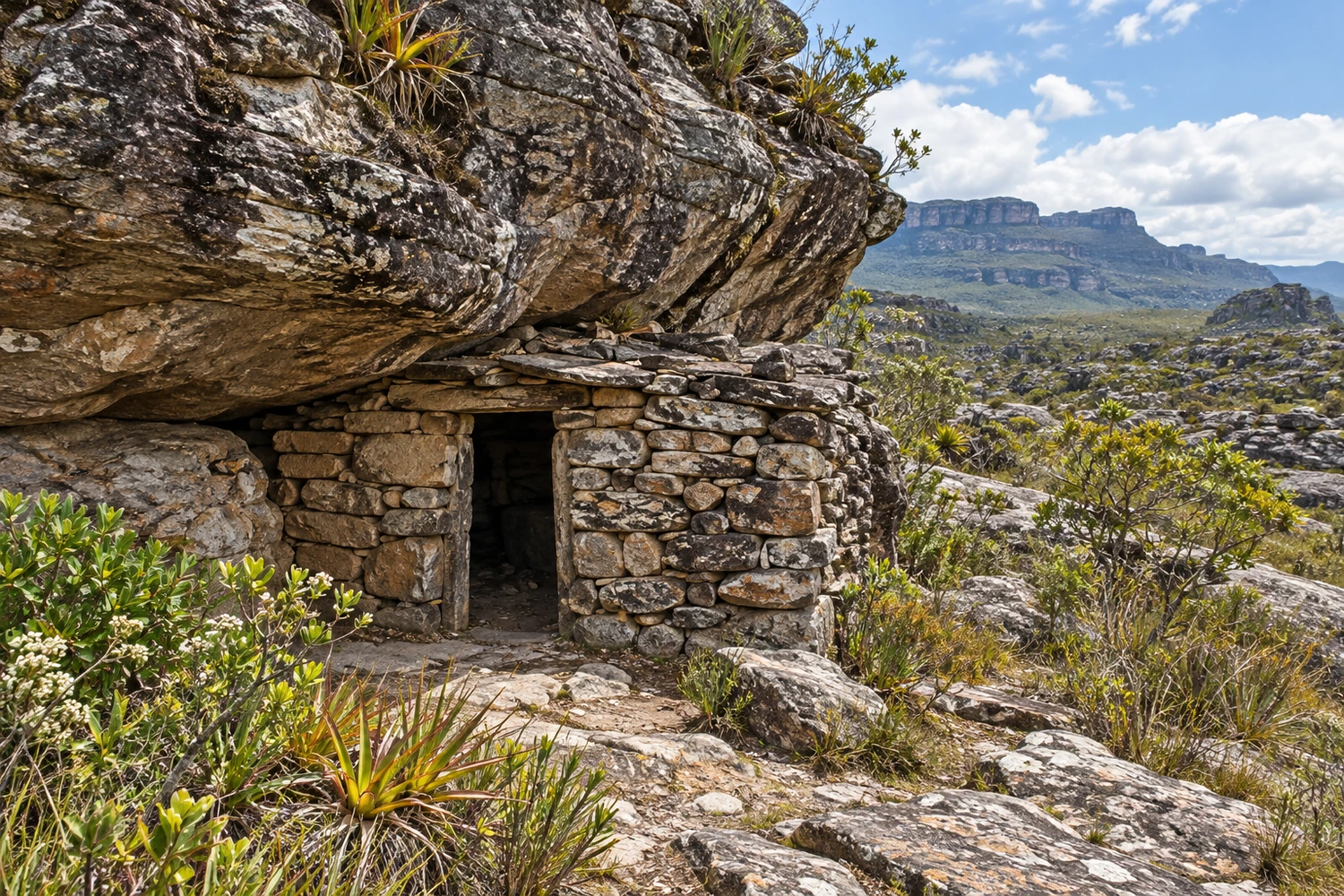
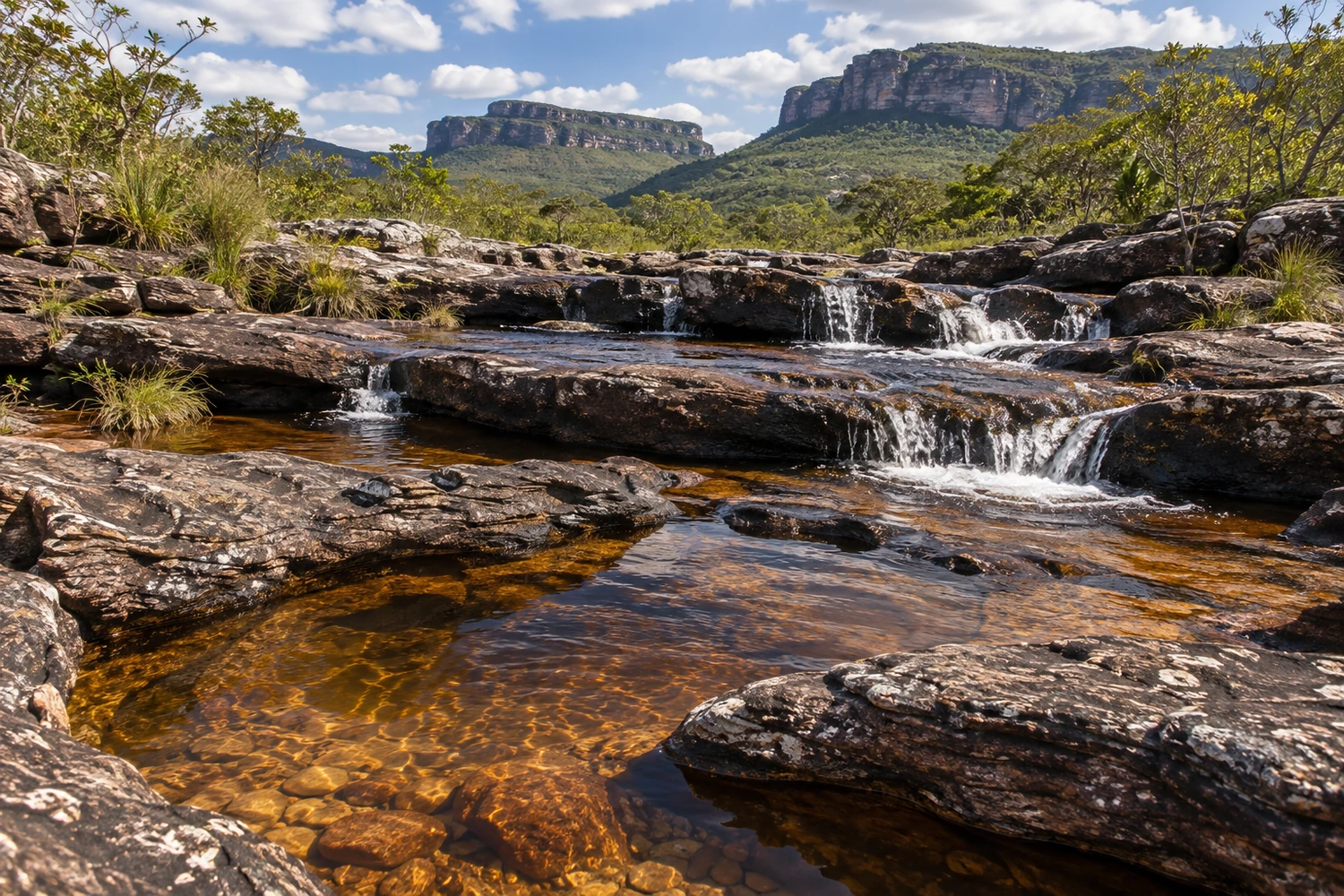
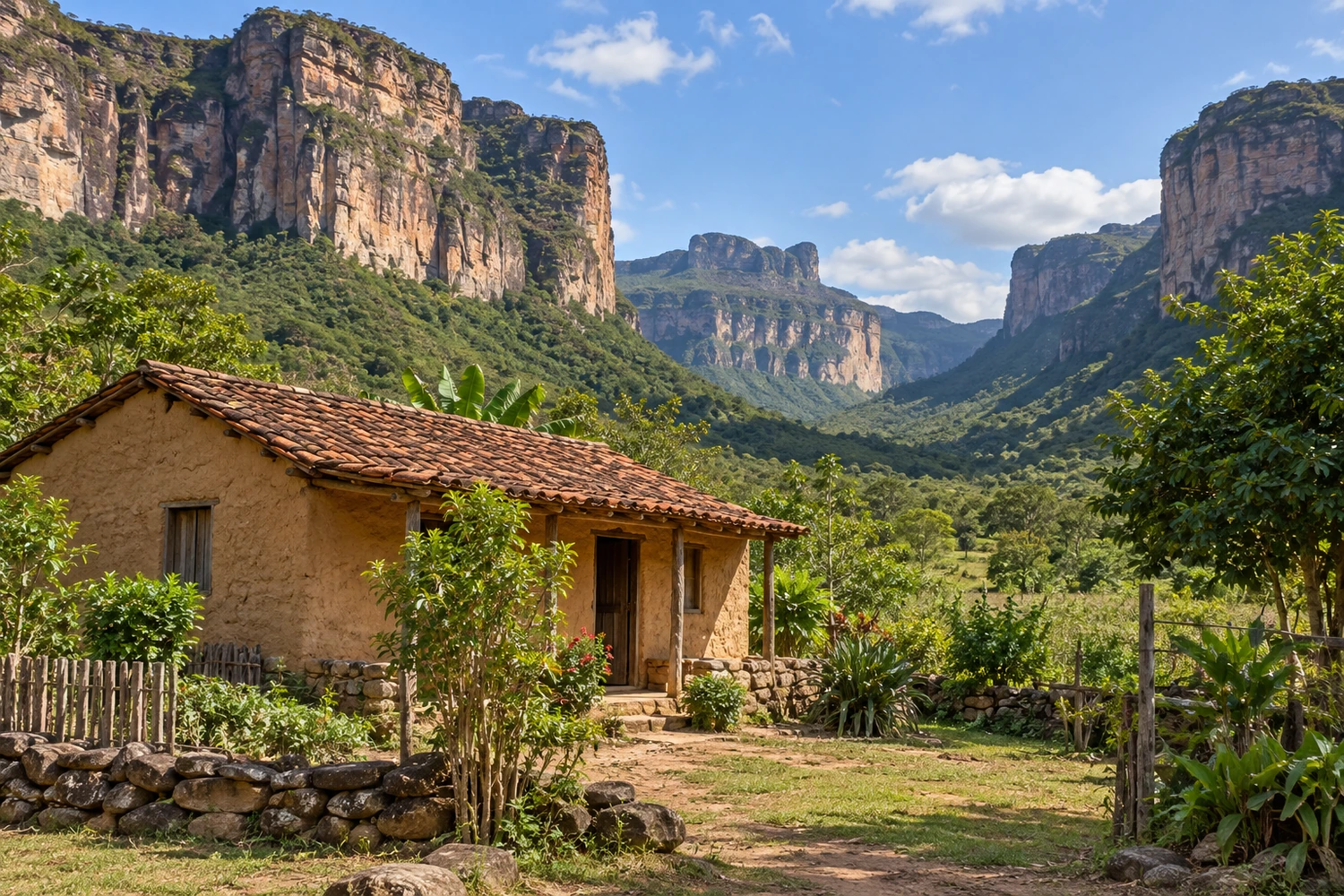
Lençóis preserves stone streets and houses tied to the history of diamond mining in Chapada Diamantina. The historic center and the paths to rivers and waterfalls combine heritage and nature in the same trip.
BA · Brazil
Waterfalls, canyons and old diamond-mining towns in the heart of Bahia.
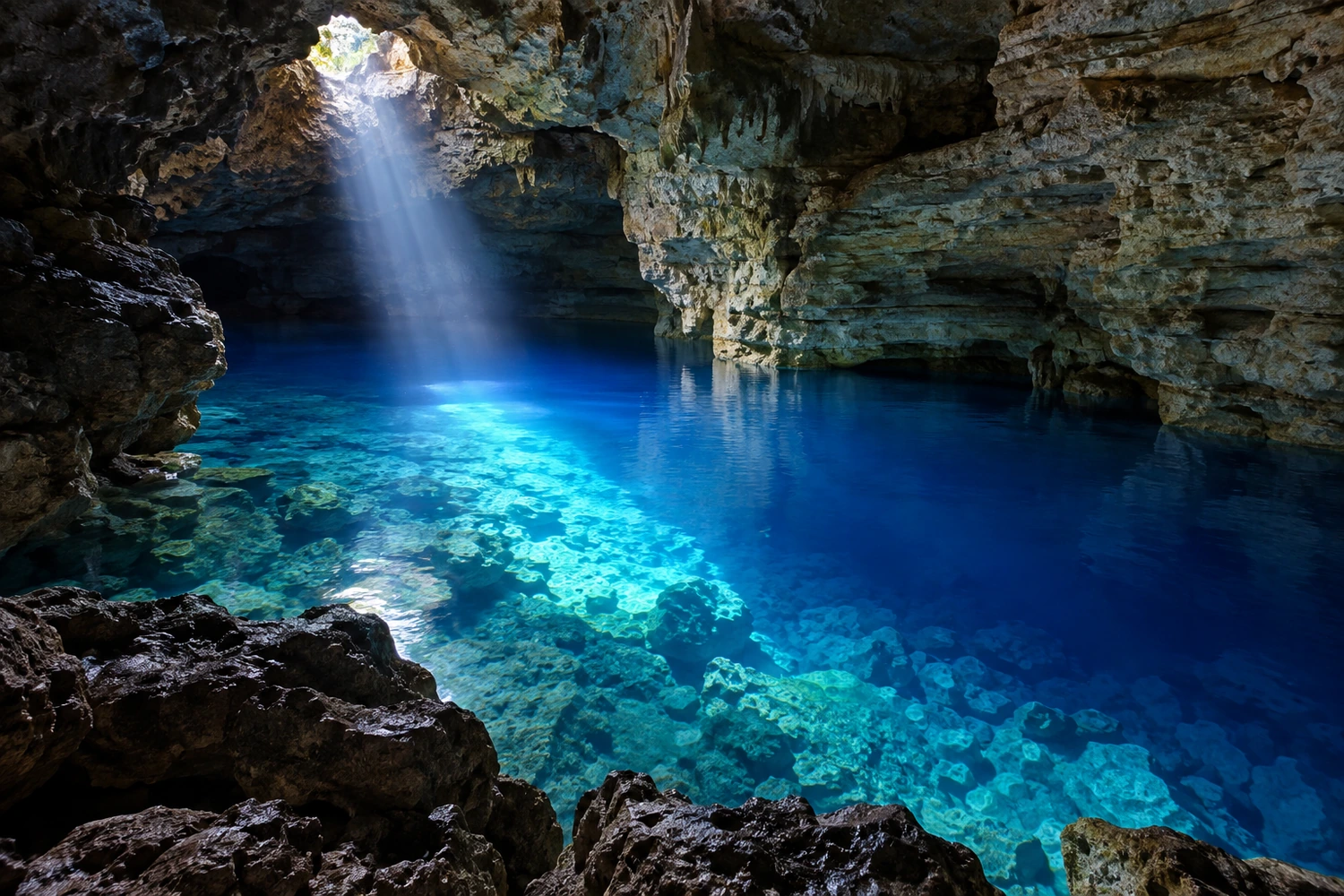
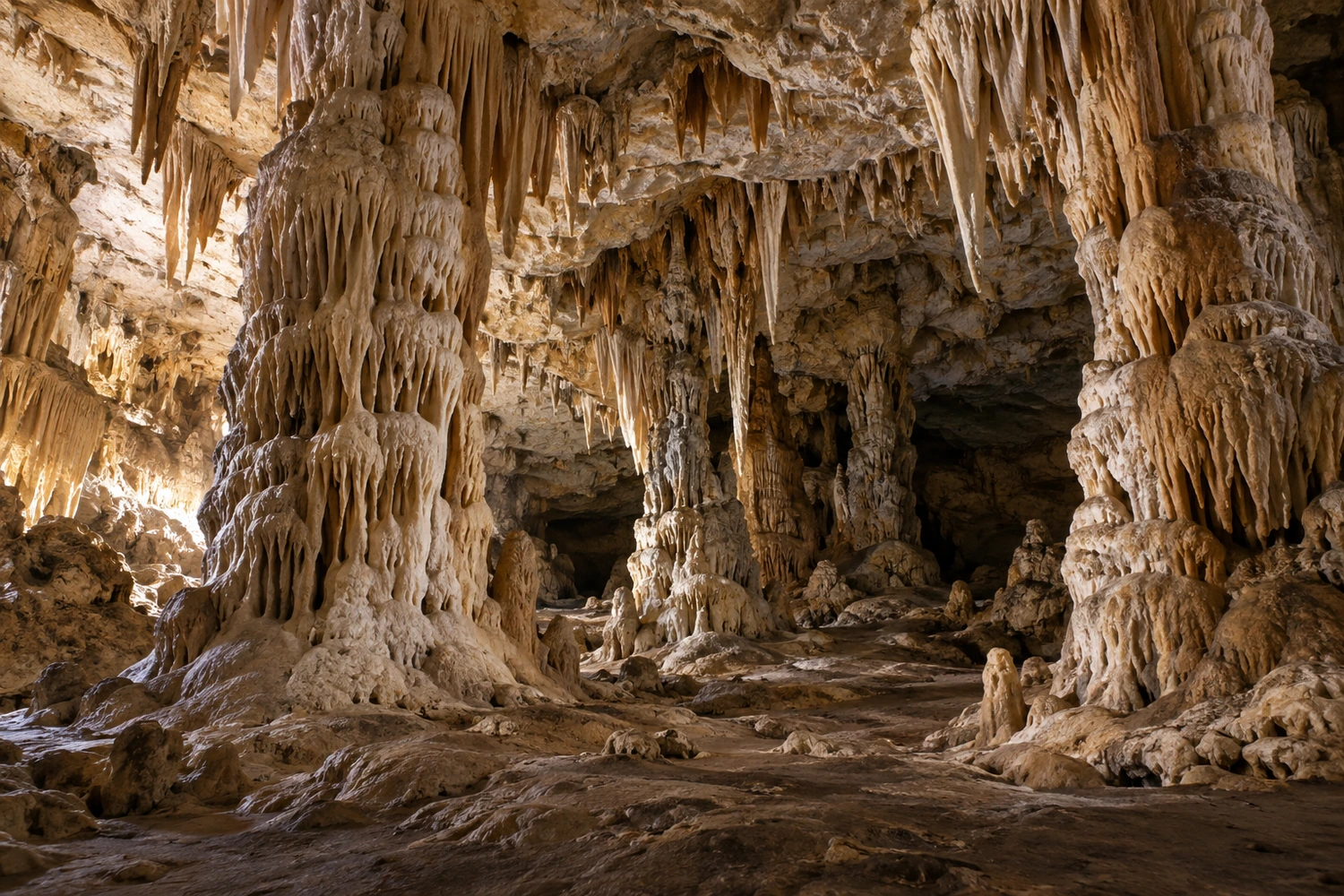
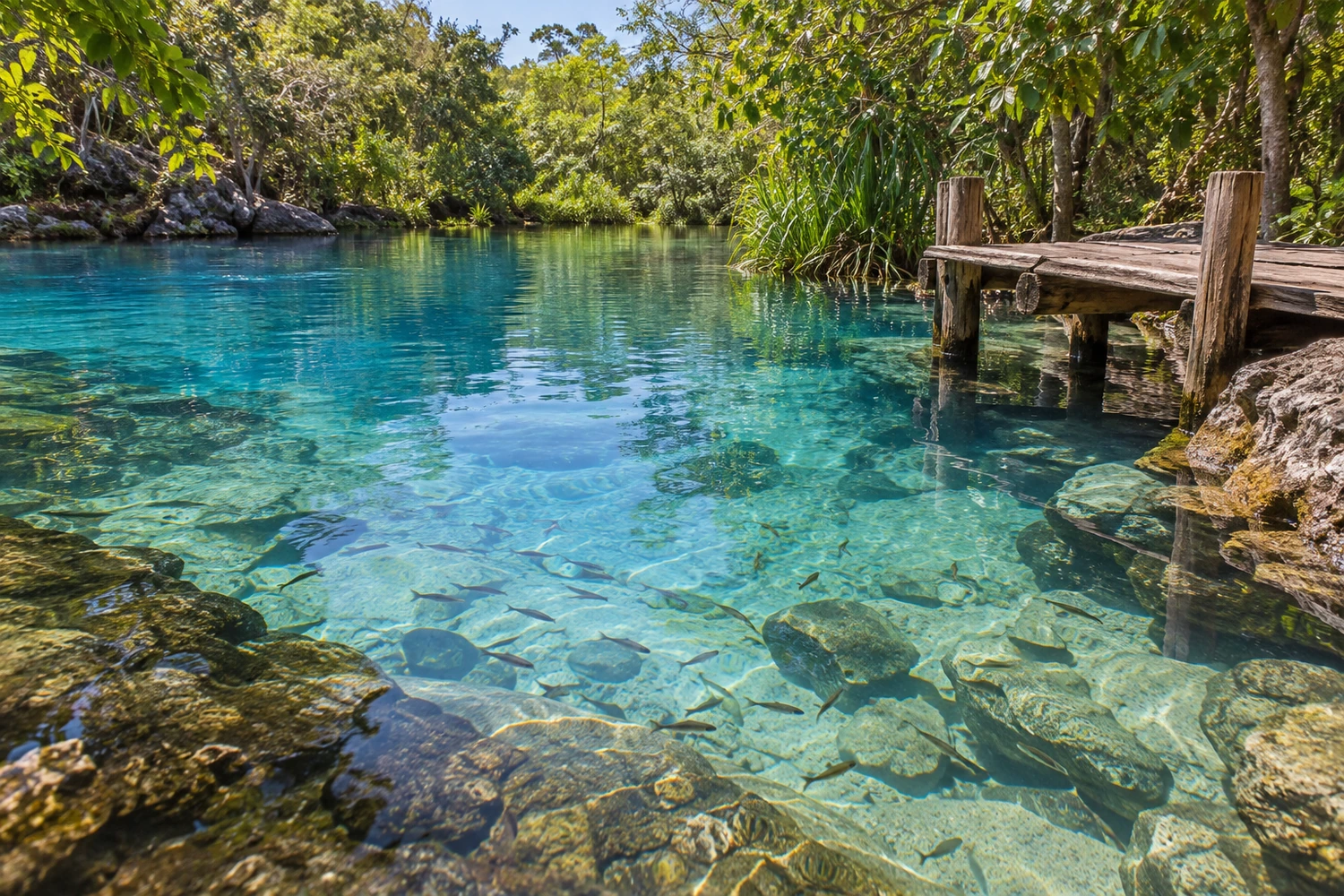
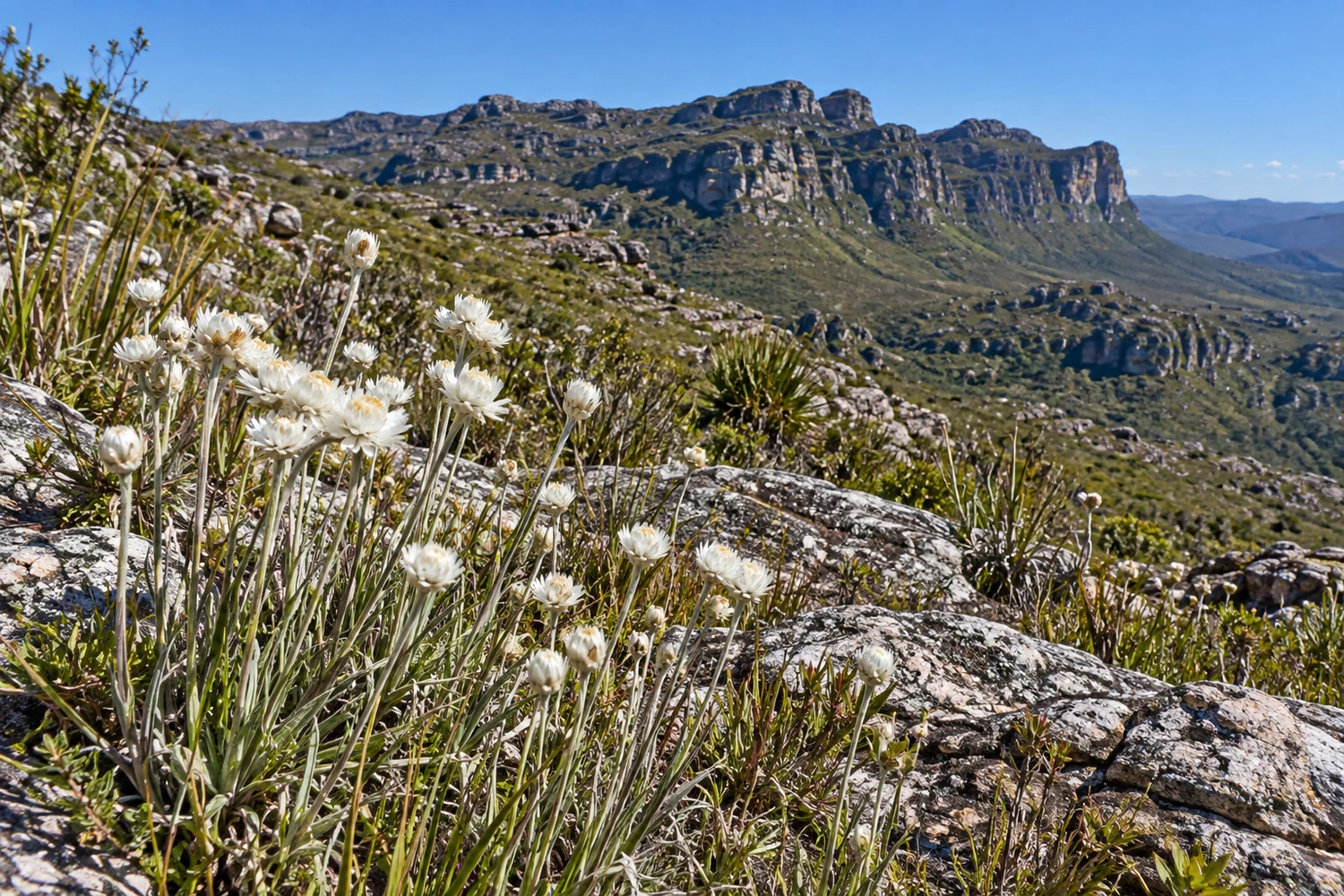
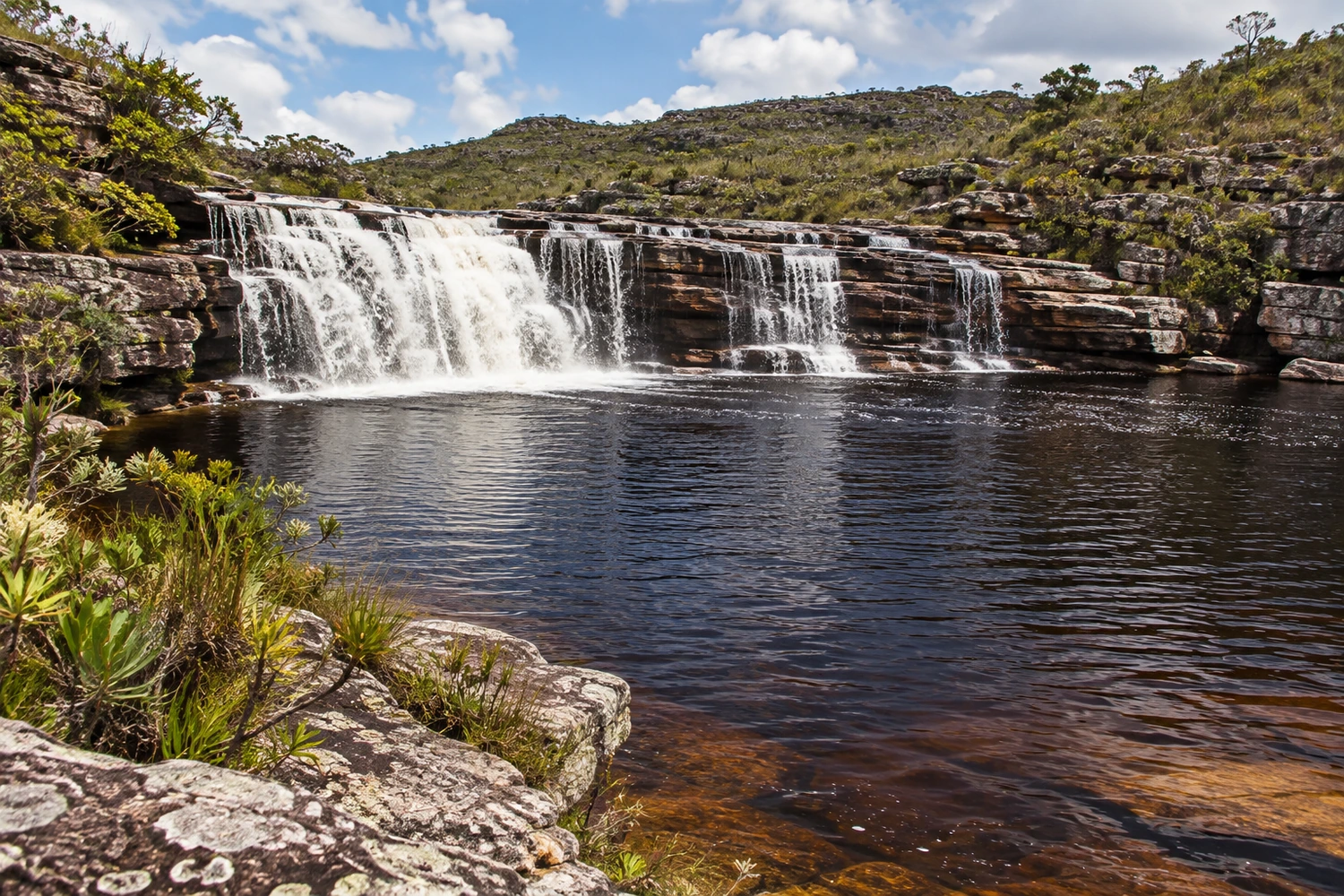
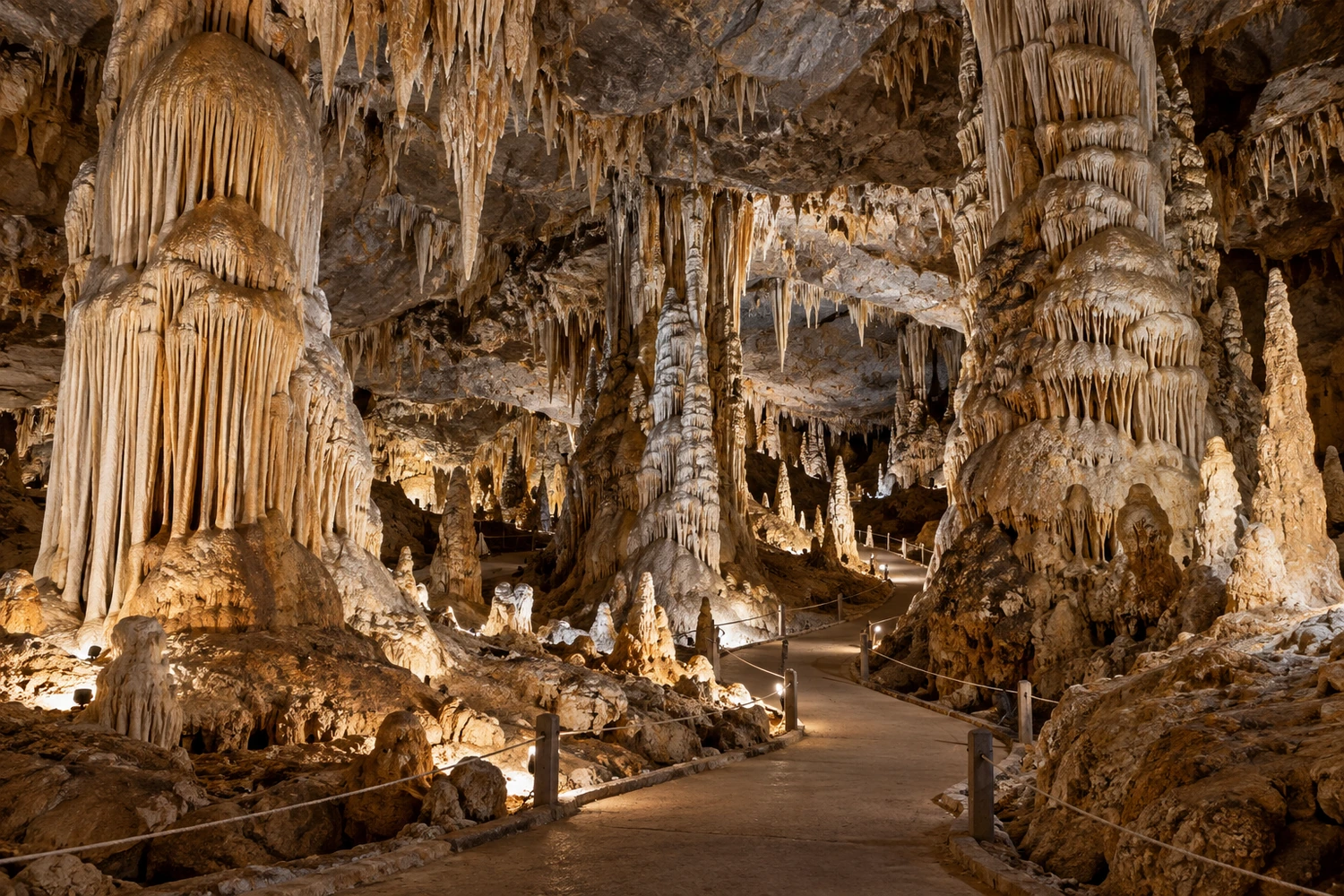
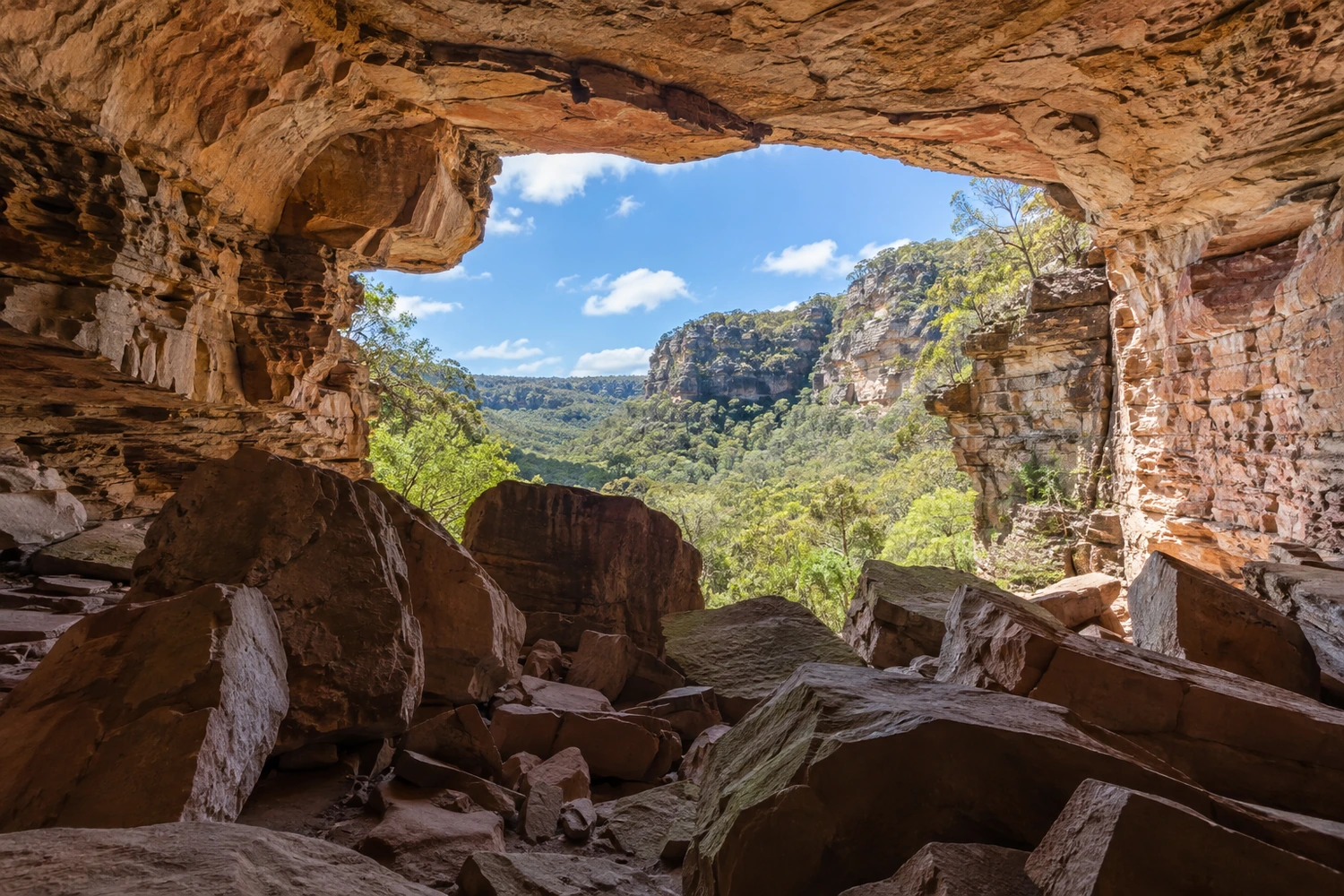
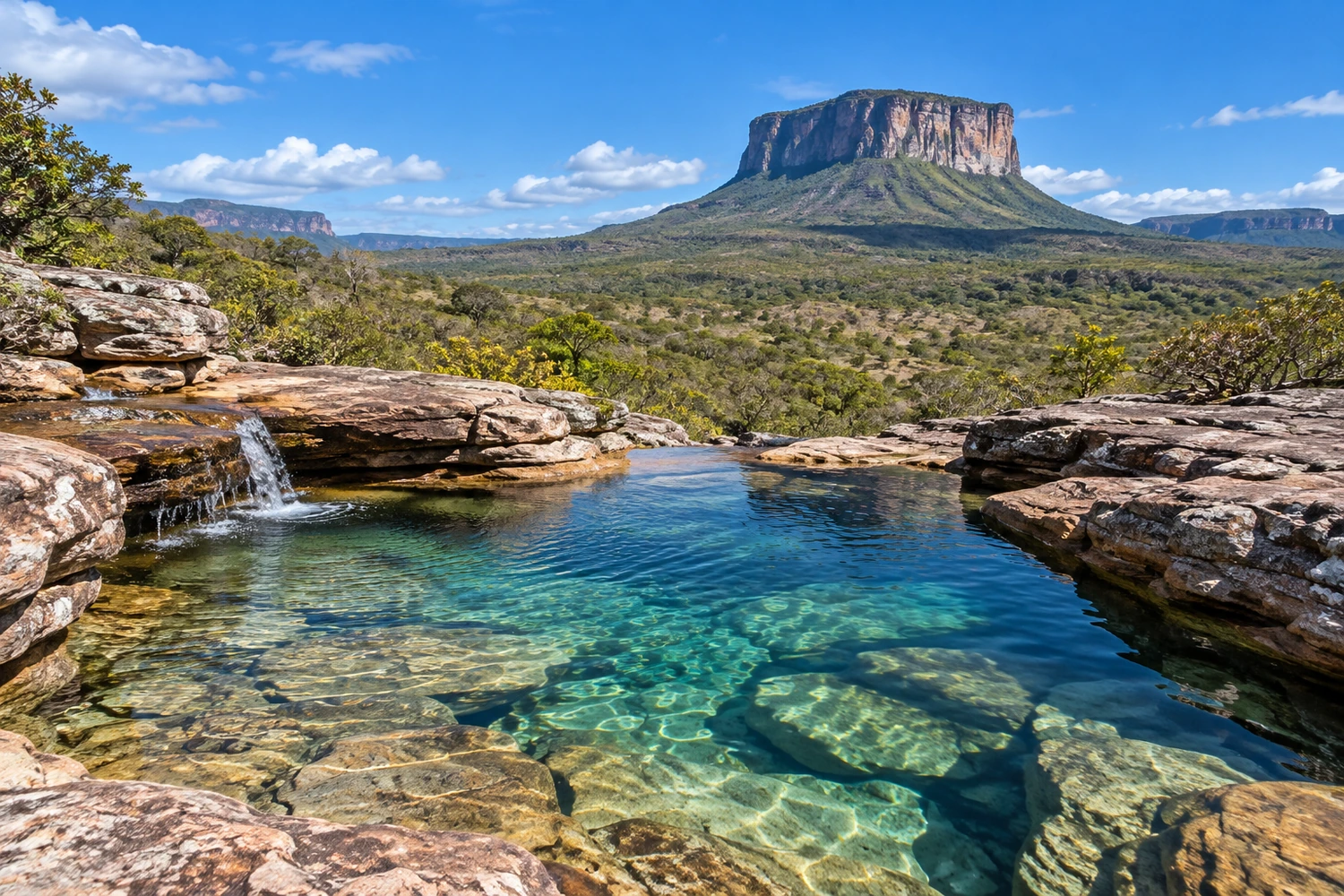
Illustrative images. The pictures in this guide are illustrations based on the real place, not photographs, and may differ from it.
Get to know the place
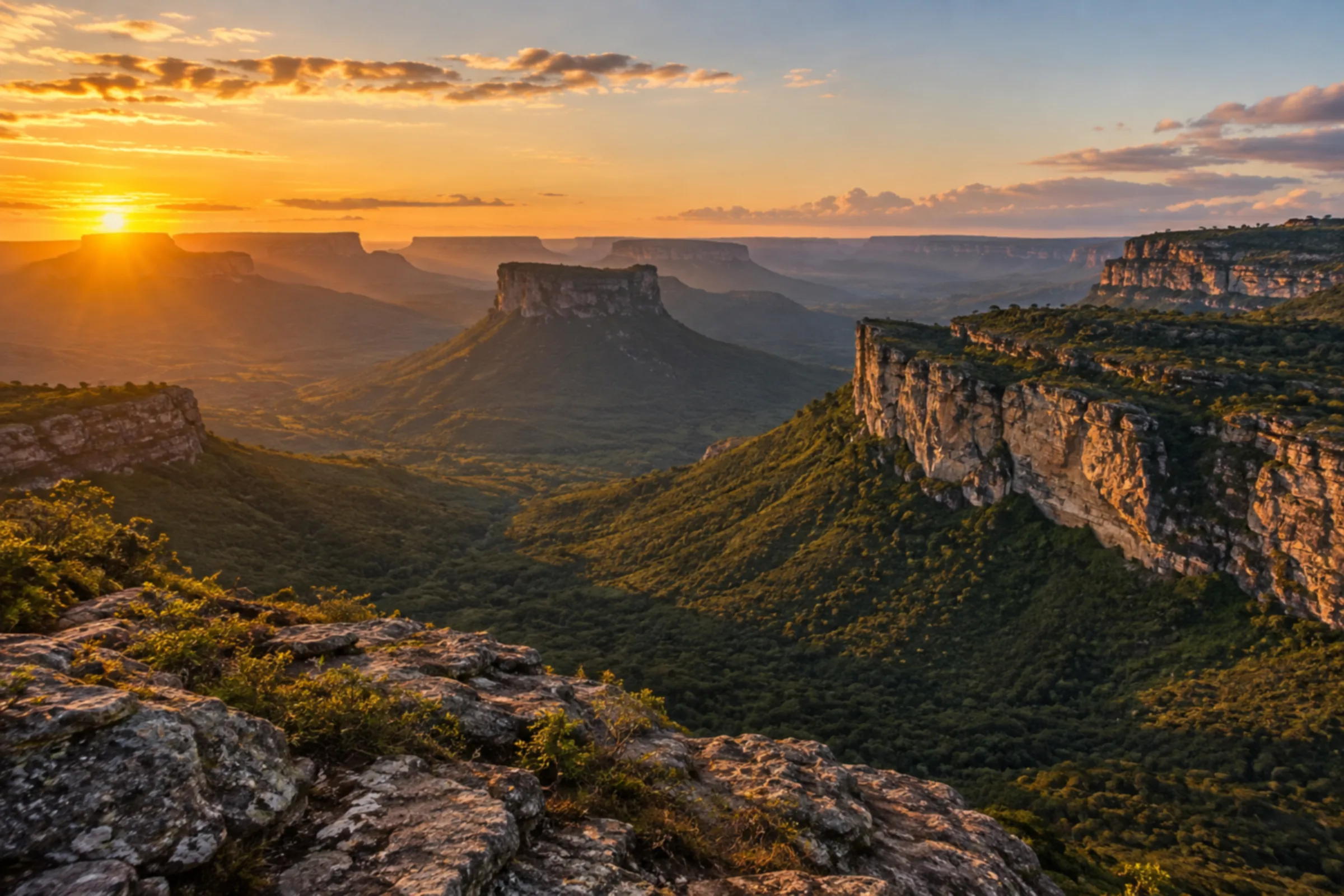
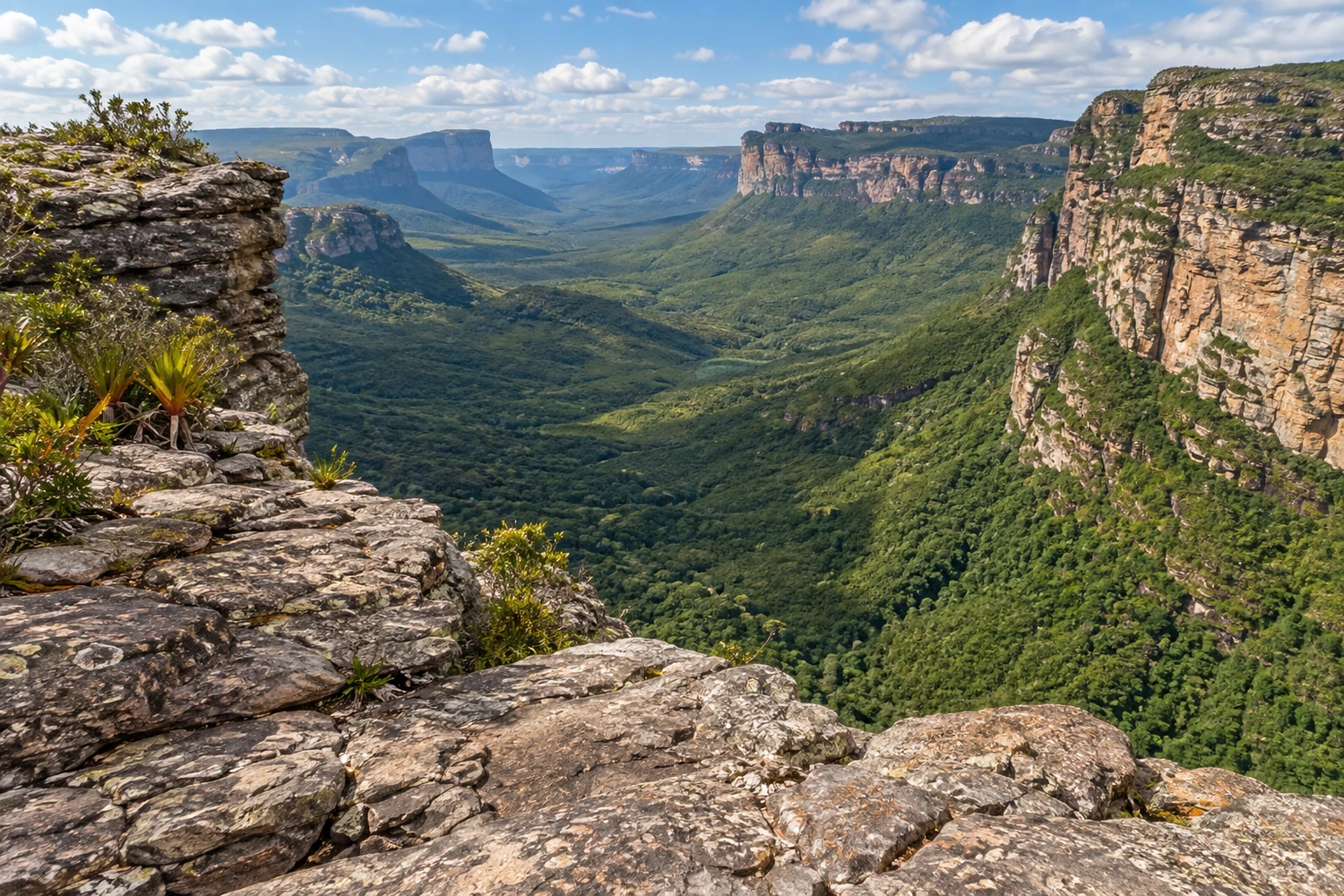
In the heart of Bahia, Chapada Diamantina brings together mountain ranges cut by canyons, caves with blue water and waterfalls that drop hundreds of meters. It is the place for travelers who want to swap the beach for hiking trails, river swims and villages of old houses that grew out of diamond mining.
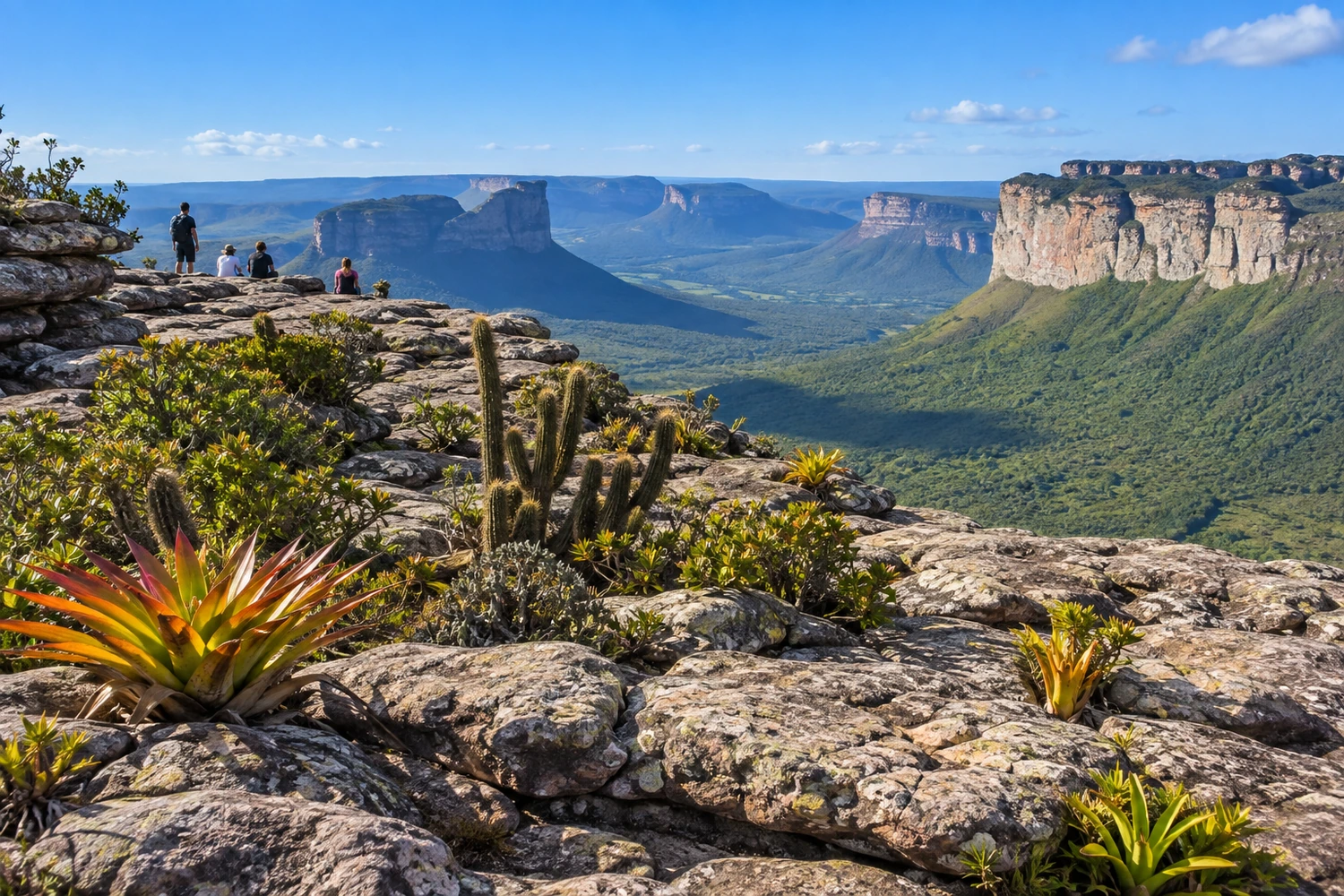
Lençóis, the main gateway, has a protected historic center and trails that start right in town, such as the one to Ribeirão do Meio. Palmeiras is home to Morro do Pai Inácio, with the most famous view in the Chapada, Cachoeira da Fumaça (waterfall) and Vale do Capão, the alternative village where many trails begin. Andaraí gives access to the village of Igatu, with its stone houses, and to Vale do Pati. Mucugê has the Byzantine Cemetery and houses from the mining days.
The caves and pools are a highlight of their own. Iraquara has Gruta da Lapa Doce, Gruta da Pratinha and Gruta Azul; Itaetê has Poço Encantado; Nova Redenção has Poço Azul, where sunlight shines into the water for part of the year. To the south, in Ibicoara, Cachoeira do Buracão falls into a narrow canyon. You can do easy day trips or take on multi-day treks, such as the one through Vale do Pati.
This destination brings together 8 cities: Lençóis, Palmeiras, Andaraí, Mucugê, Ibicoara, Iraquara, Itaetê, Nova Redenção.

A look at the place
These pictures are illustrations based on the real place, not photographs. They may differ from the place.
Click the picture to enlarge it.
One destination, many paths
Start with one city or combine several in your itinerary.
Lençóis preserves stone streets and houses tied to the history of diamond mining in Chapada Diamantina. The historic center and the paths to rivers and waterfalls combine heritage and nature in the same trip.
Palmeiras brings together valleys and rock formations that define the landscape of Chapada Diamantina. Morro do Pai Inácio and Vale do Capão are the starting points for exploring the region's viewpoints, trails and waterfalls.
Andaraí keeps historic houses and memories of diamond mining among the mountains of Chapada Diamantina. Walks around the center can be combined with trails, rivers and valley scenery in the area.
Mucugê preserves historic houses and traces of the diamond era at the foot of Serra do Sincorá. The Byzantine Cemetery, the stone streets and outings to rivers and trails reveal the town's identity.
Ibicoara brings together waterfalls and canyons in the southern part of Chapada Diamantina. Trails along rivers and cliffs lead to sights such as Buracão, in a region also shaped by farming and mountains.
Iraquara is known for the caves that reveal the limestone underground of Chapada Diamantina. Gruta da Lapa Doce and other formations in the area bring travelers close to chambers, rocks and underground landscapes.
Itaetê is home to Poço Encantado, a lake of clear water inside a cave in Chapada Diamantina. Rivers, waterfalls and rural communities round out the landscapes you can explore in the area.
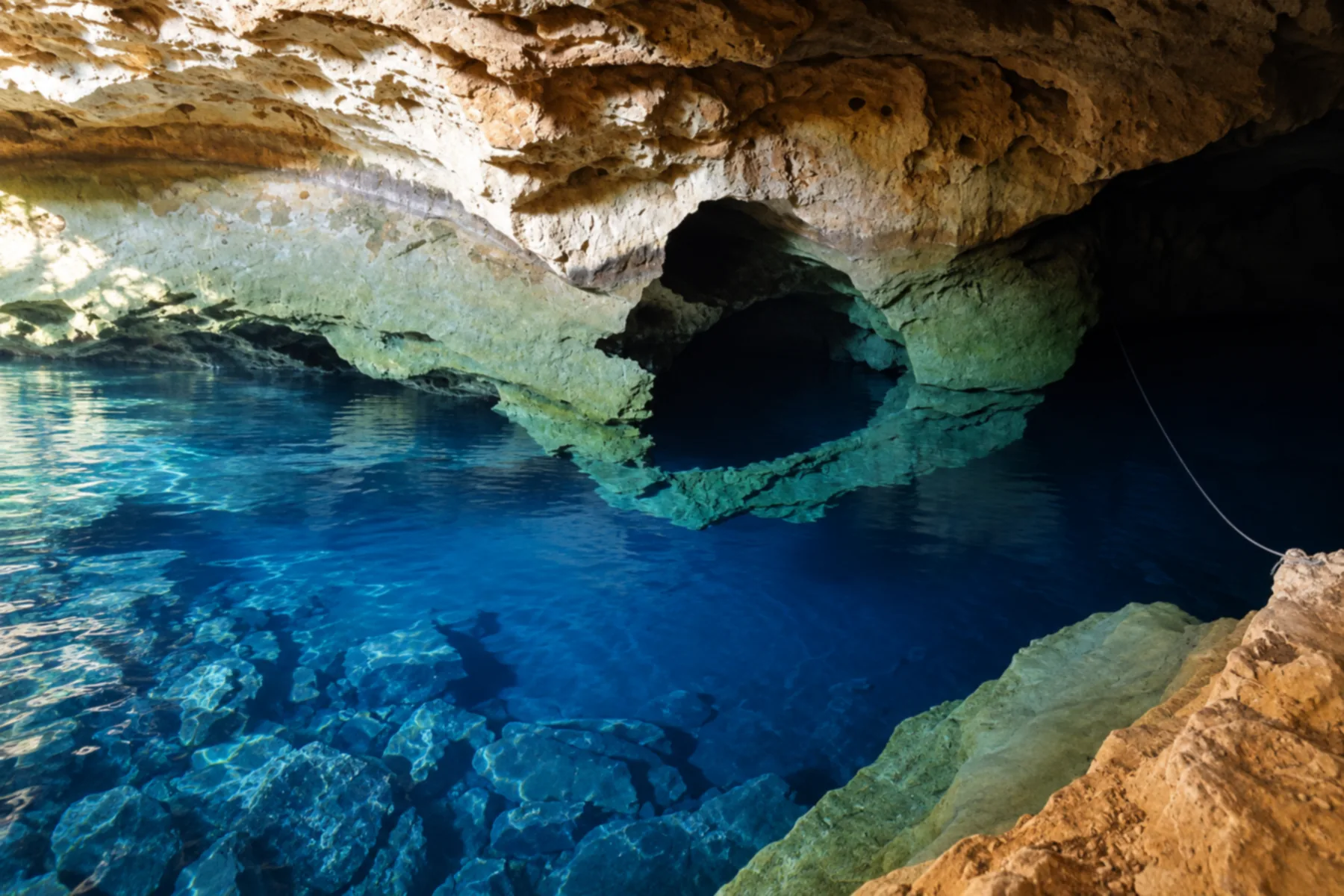
Nova Redenção has, in Poço Azul, one of the best-known sights in Chapada Diamantina. The cave's clear water and the scenery of the Paraguaçu River bring visitors close to the local nature.
The local experience
Founded after diamonds were discovered in the local river in 1844, the town ensemble was protected by Iphan (the national heritage institute) in 1980. It includes about 300 single-story houses and 10 two-story townhouses of adobe or stone from the second half of the 19th century, laid out in an L shape.
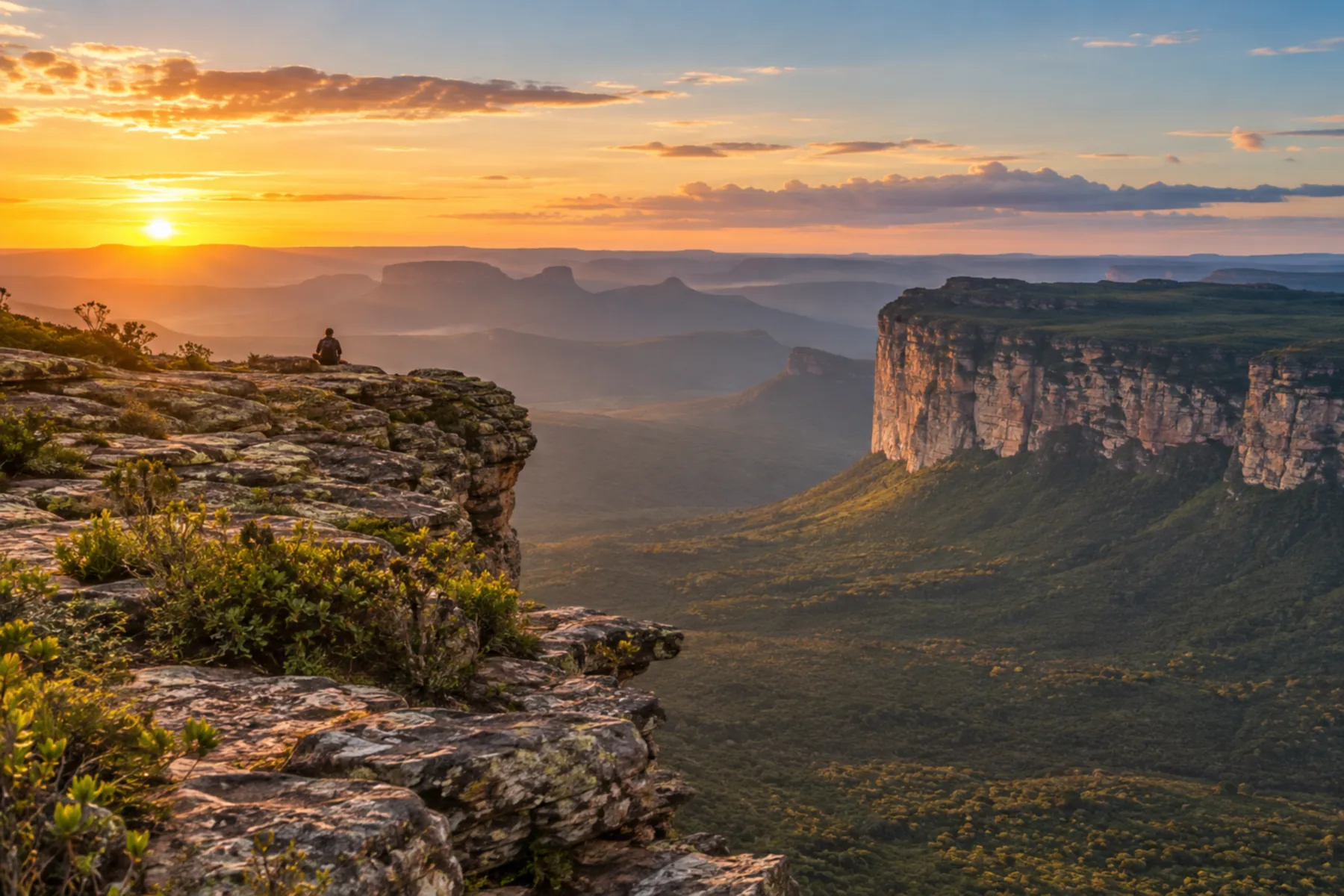
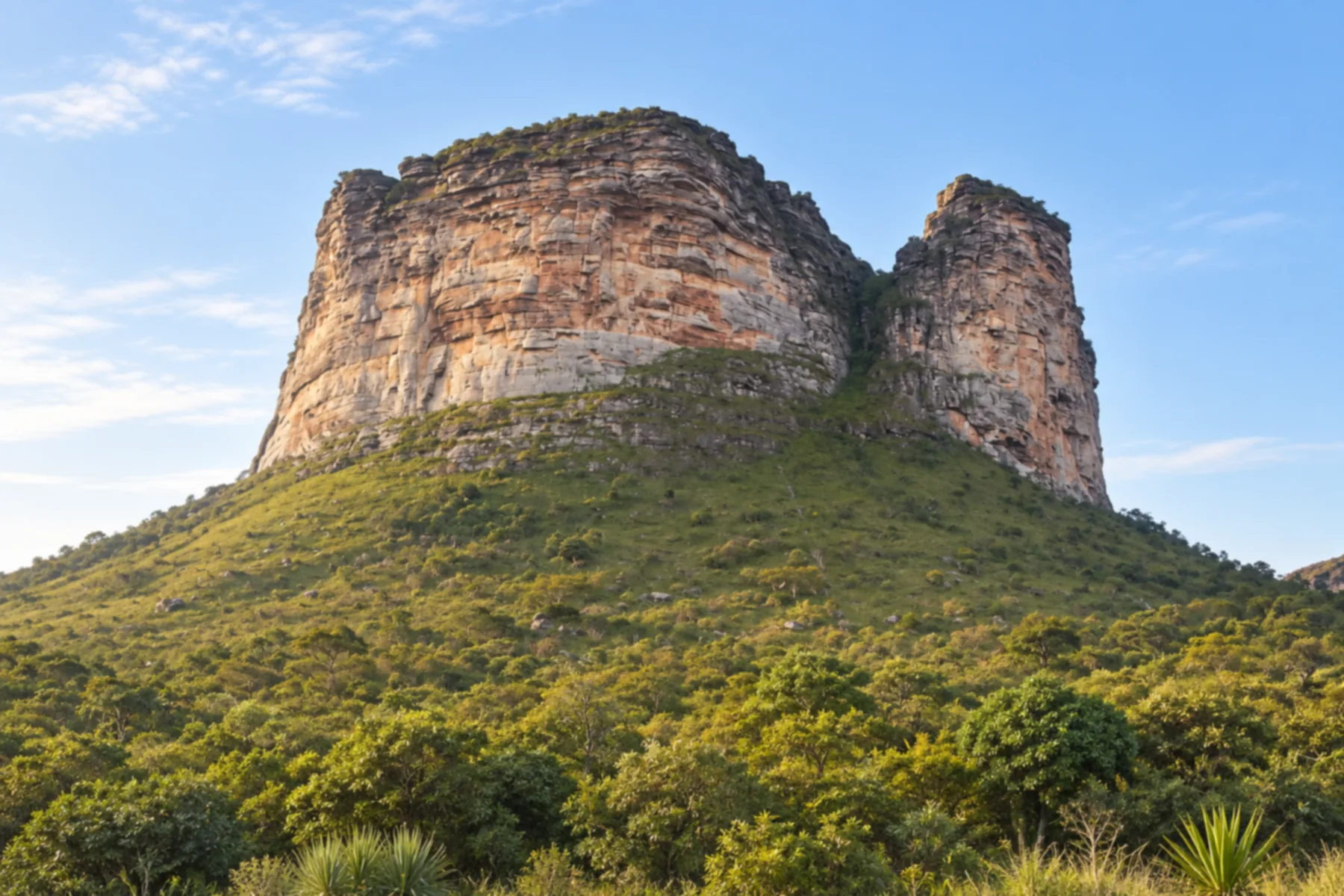
The climb is short and rewards you with the best-known view in the Chapada, with Vale do Capão and flat-topped hills opening up in every direction. It is the region's classic sunset spot.
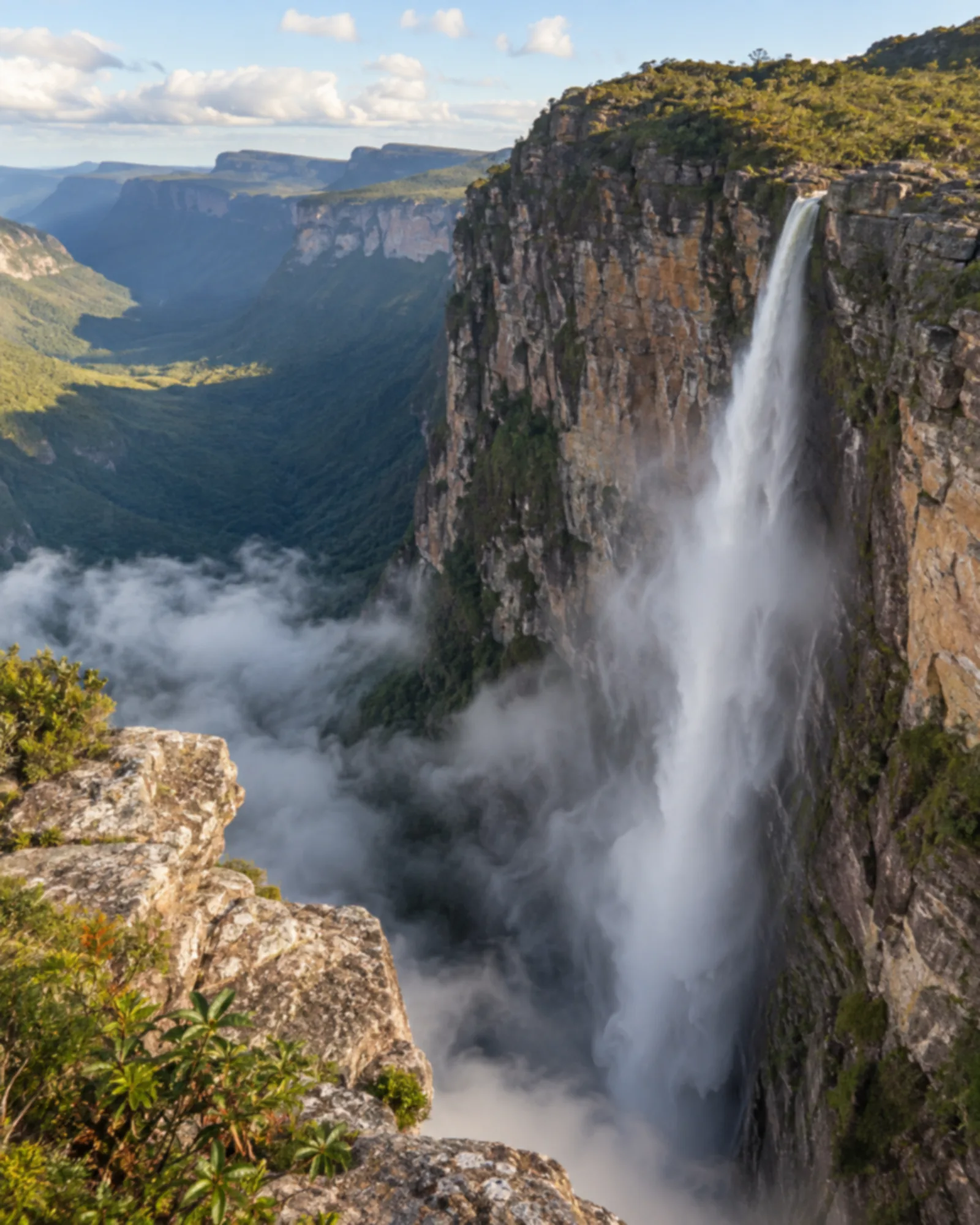
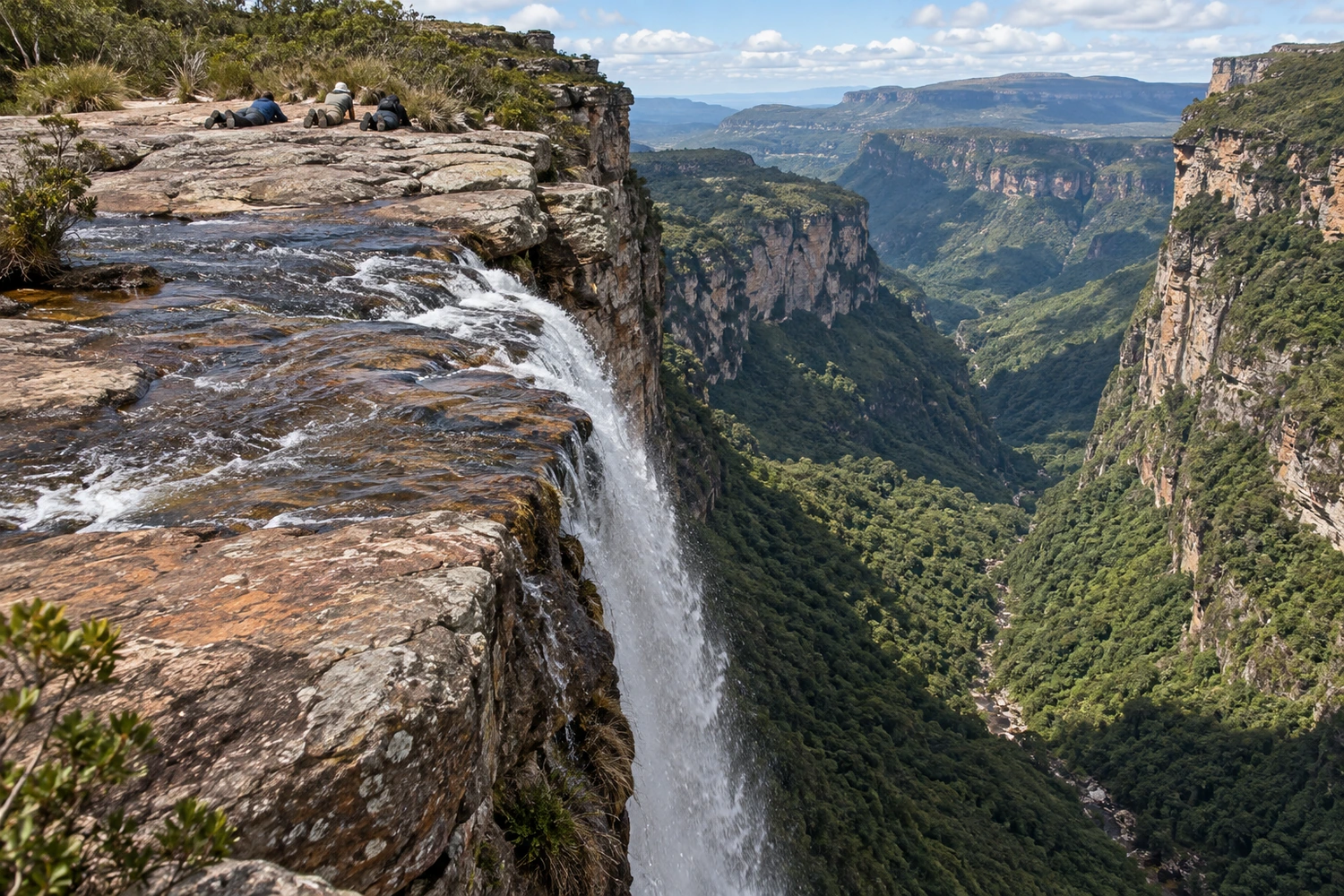
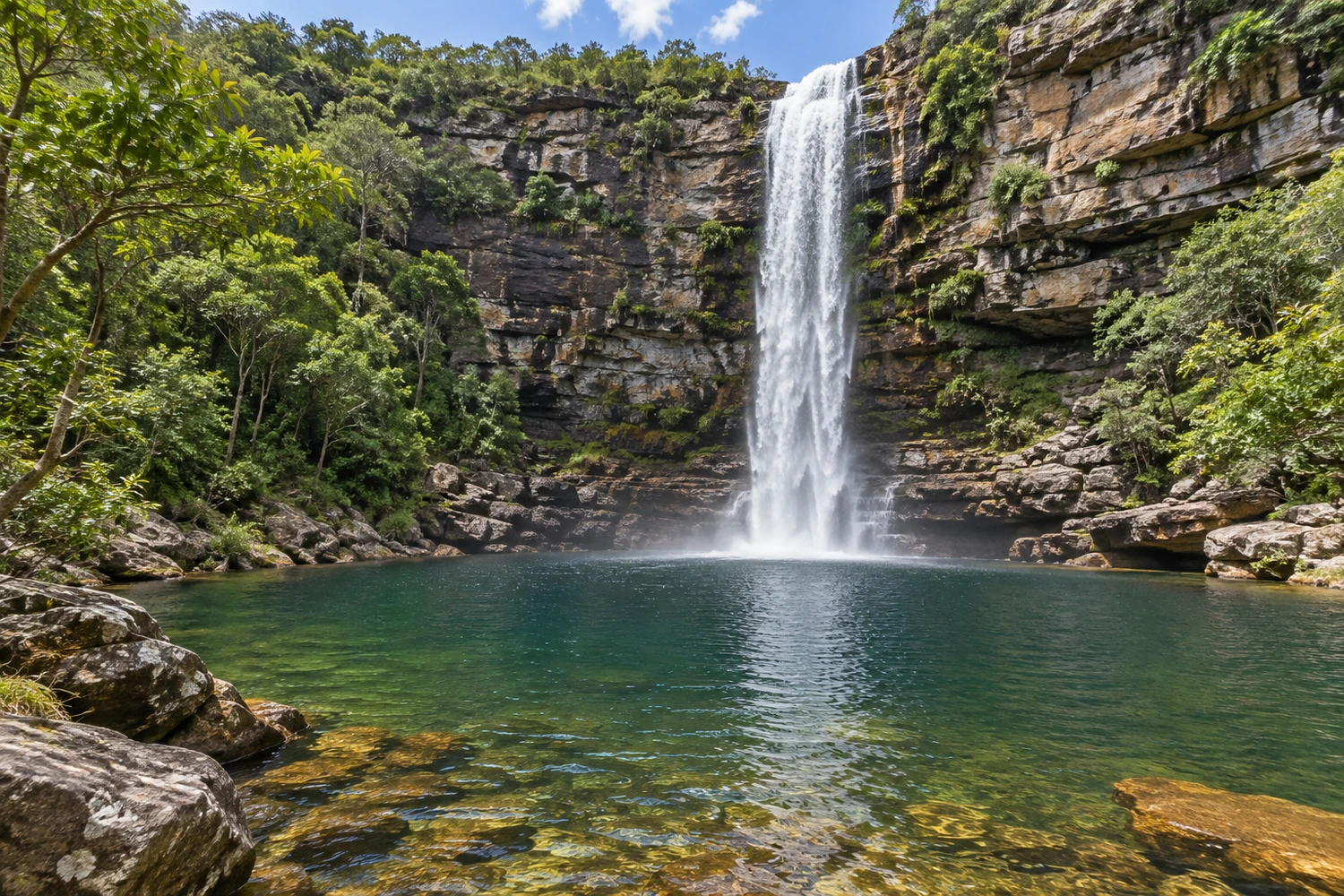
One of the tallest waterfalls in Brazil, so tall that the water turns to mist before it reaches the ground. The trail to the viewpoint, from Vale do Capão, takes about two hours.
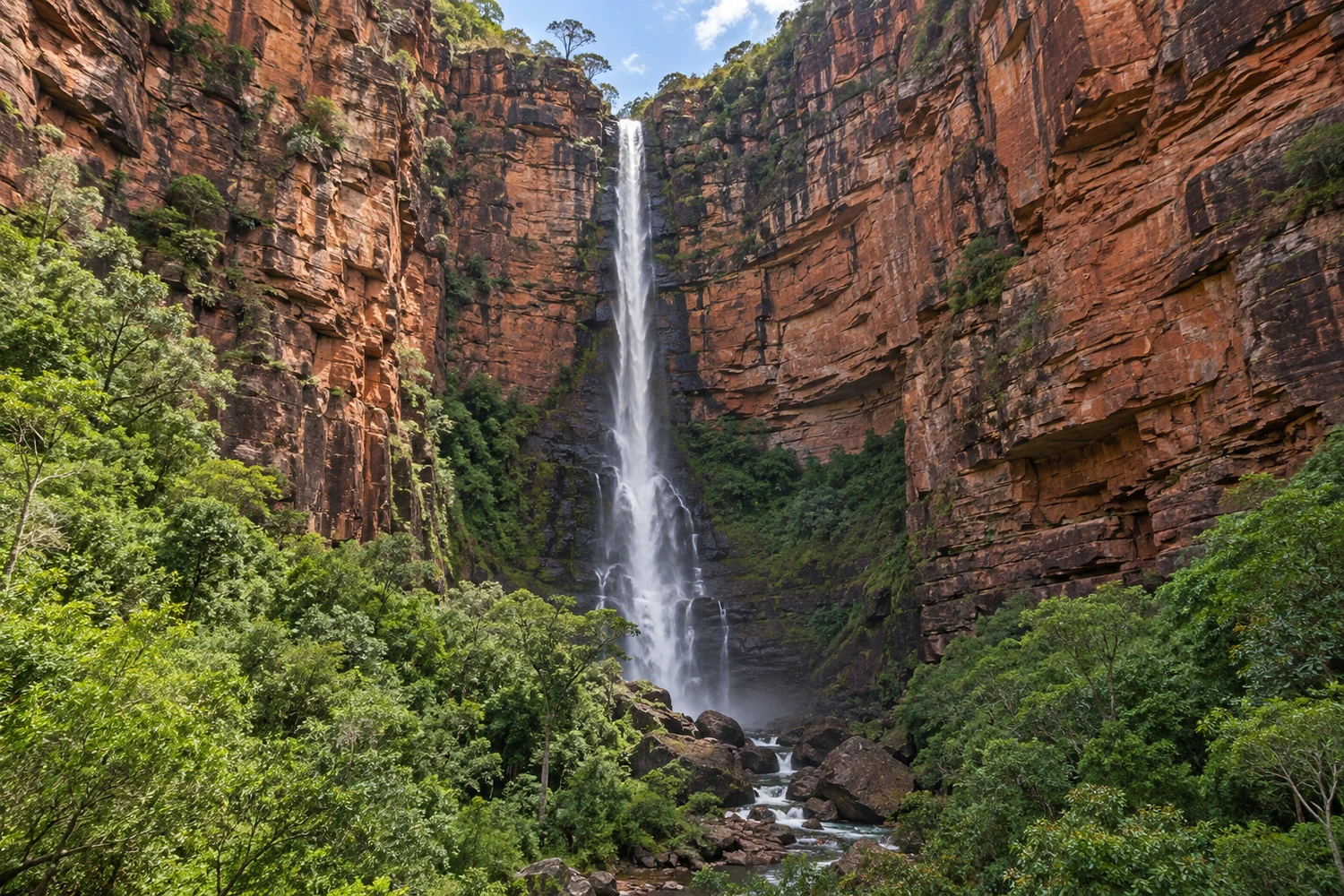
A waterfall of about 100 meters at the bottom of Cânion do Julião, with walls of roughly 280 meters, inside Parque Nacional da Chapada Diamantina. The trail leaves from the village of Baixão, has climbing sections and is not recommended in the rainy season.
Discover Cachoeira da Fumacinha
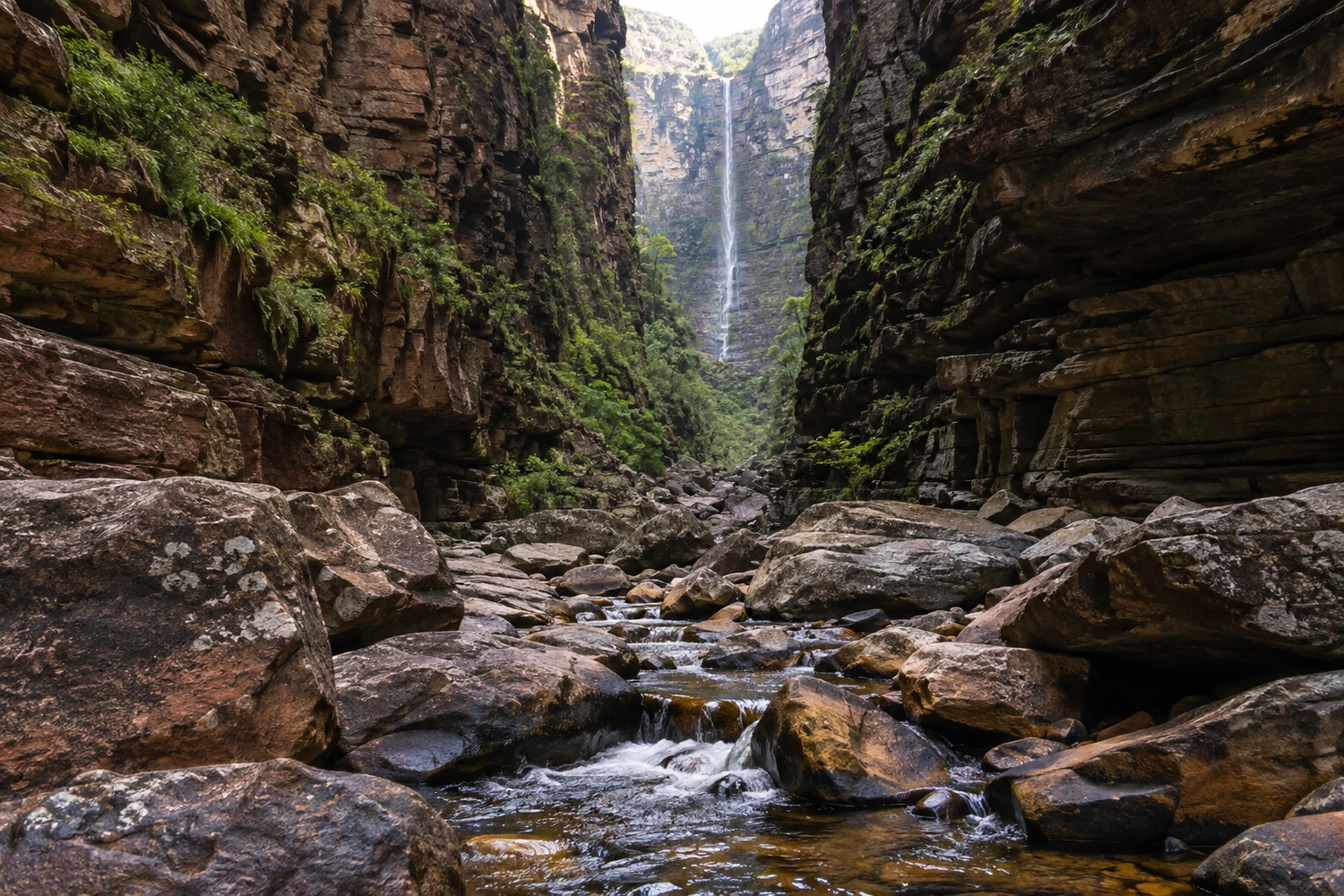
A waterfall of about 230 meters inside a canyon in Parque Nacional da Chapada Diamantina, roughly 32 km from town. The access trail is long and demanding, with river crossings and stretches of slippery rock.
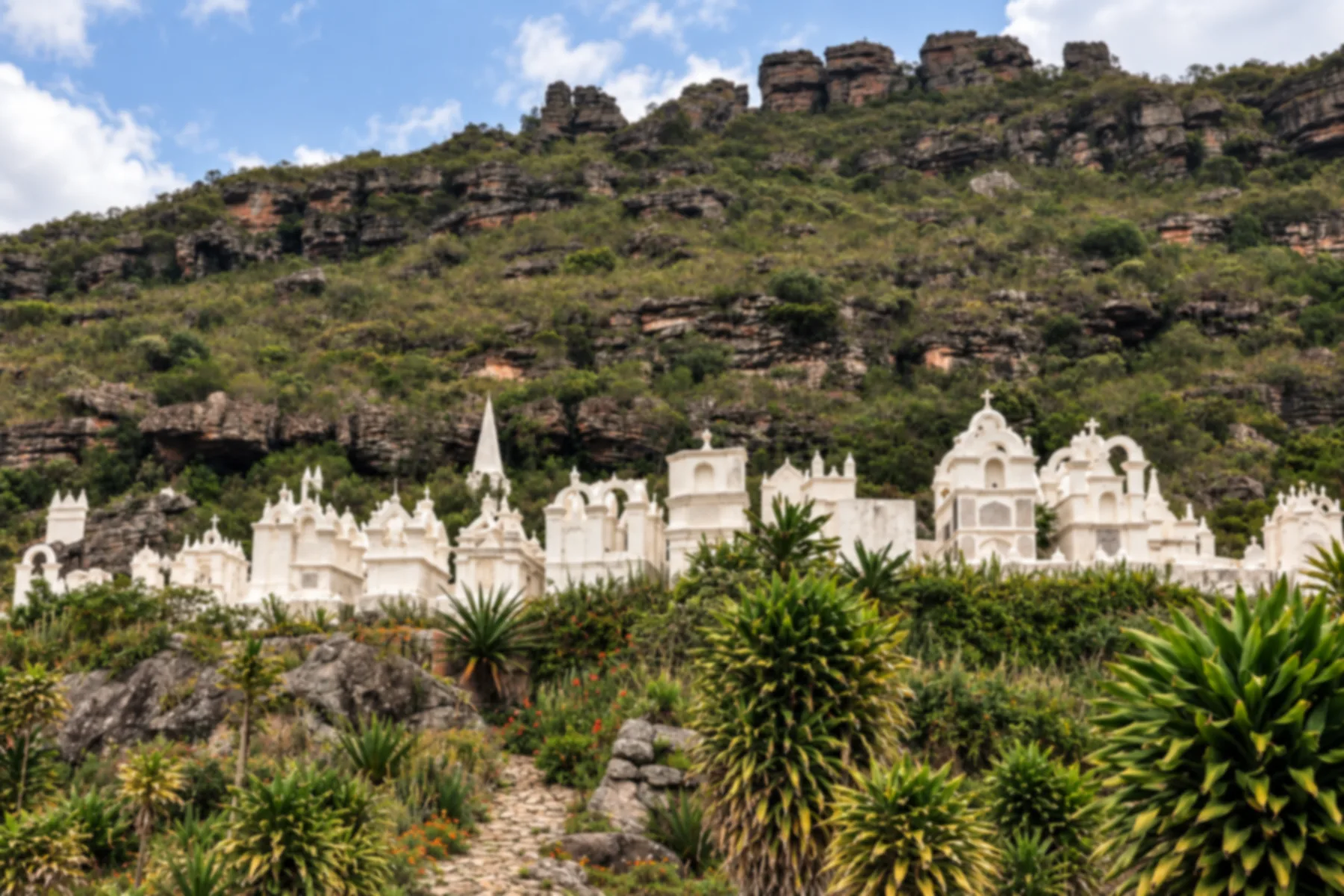
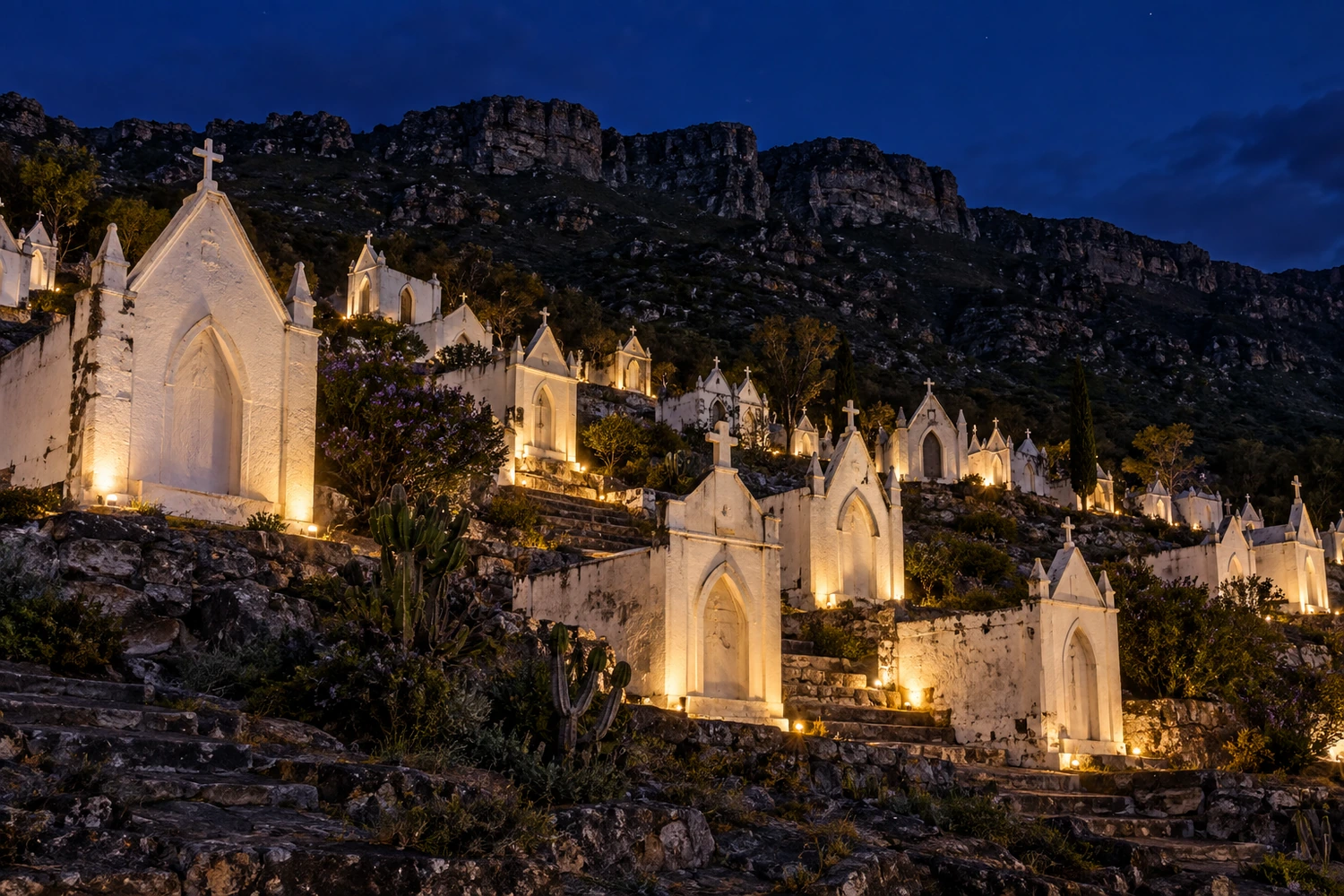
Built between 1854 and 1886 after a cholera epidemic, it has white neo-Gothic tombs, with domes that recall Byzantine architecture, set into the rocky hillside. At night, the tombs are lit in a bluish light.
Discover Cemitério Bizantino (Santa Isabel)
Formed during the diamond rush that began in 1845, the 19th-century ensemble of houses was protected by Iphan (the national heritage institute) in 1973 and includes about 570 buildings. The adobe and stone buildings have colorful facades and irregular streets that follow the slope of the mountains.
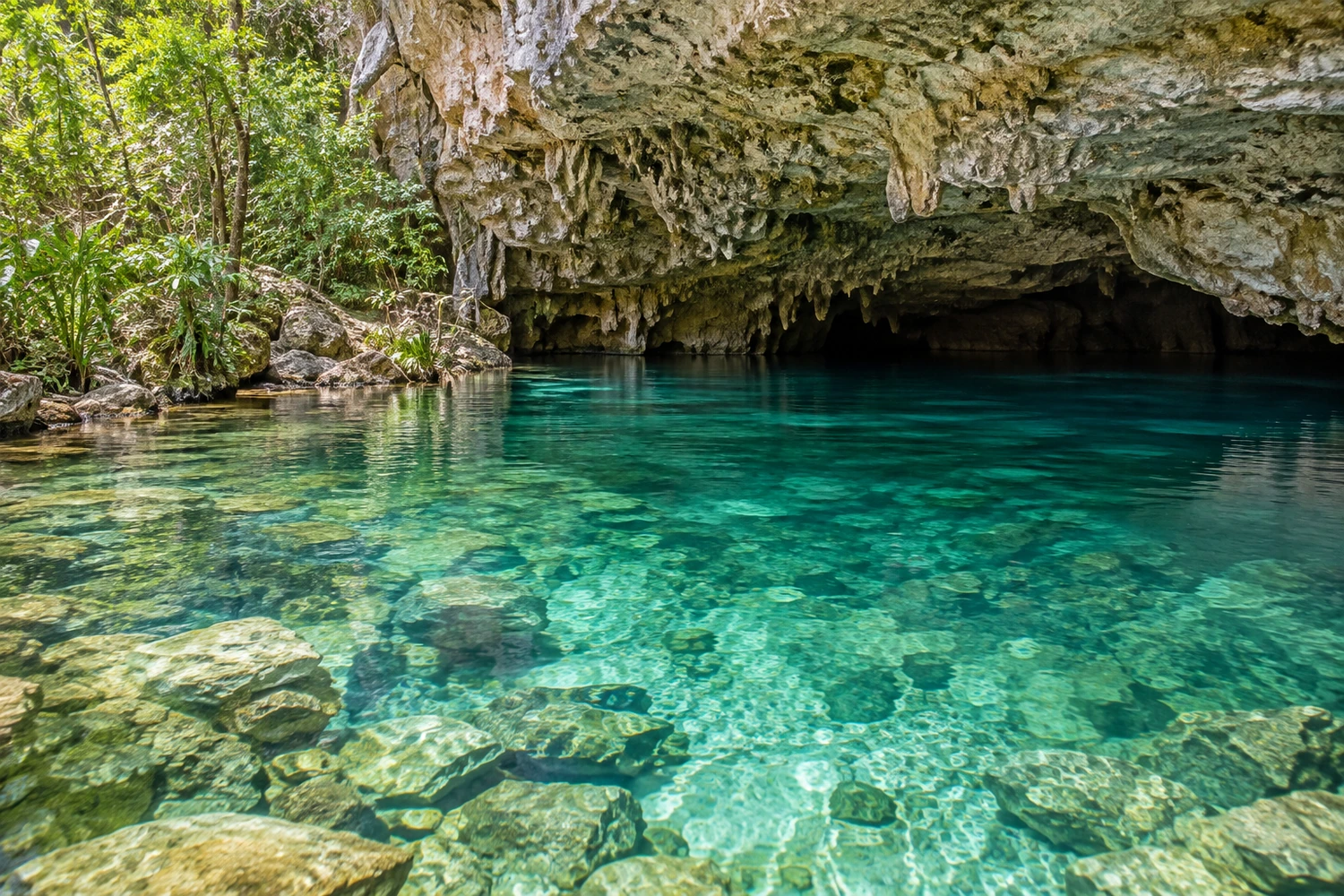
The cave is the source of the Pratinha River, which forms a small lake of clear water at the entrance, on private property. Visitors float with a mask and snorkel through the crystal-clear water, and the site also has a zip line.
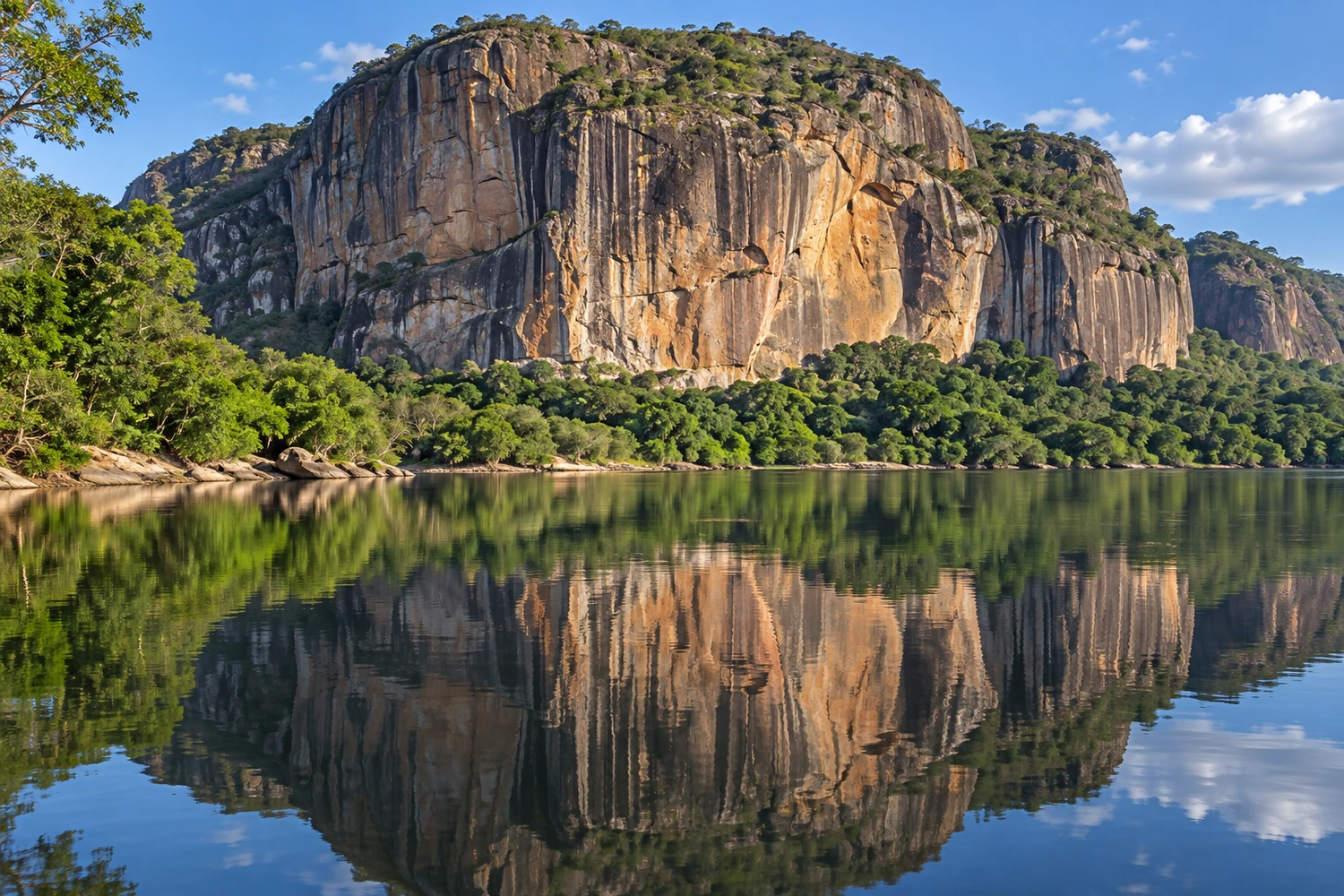
A rock wall of about 150 meters on the banks of the Paraguaçu River, reflected like a mirror in the calm water. The local eco park offers boat trips, river swimming and stand-up paddleboard rentals.
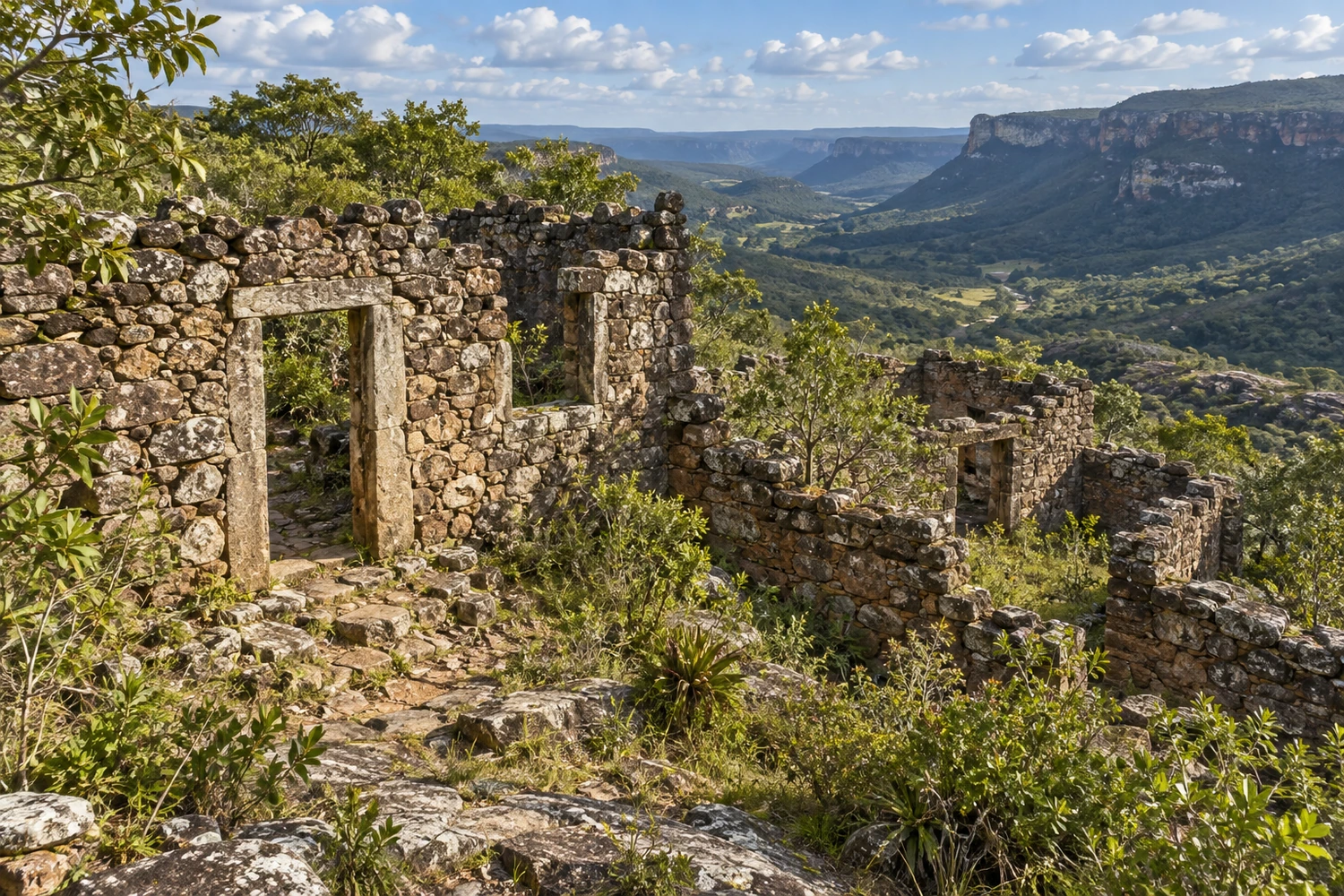
A district that was home to about 9,000 people at the height of diamond mining, in the 19th century, and today has a few hundred residents. Its stone houses and ruins, built without mortar, earned it the nickname "Machu Picchu of Bahia."
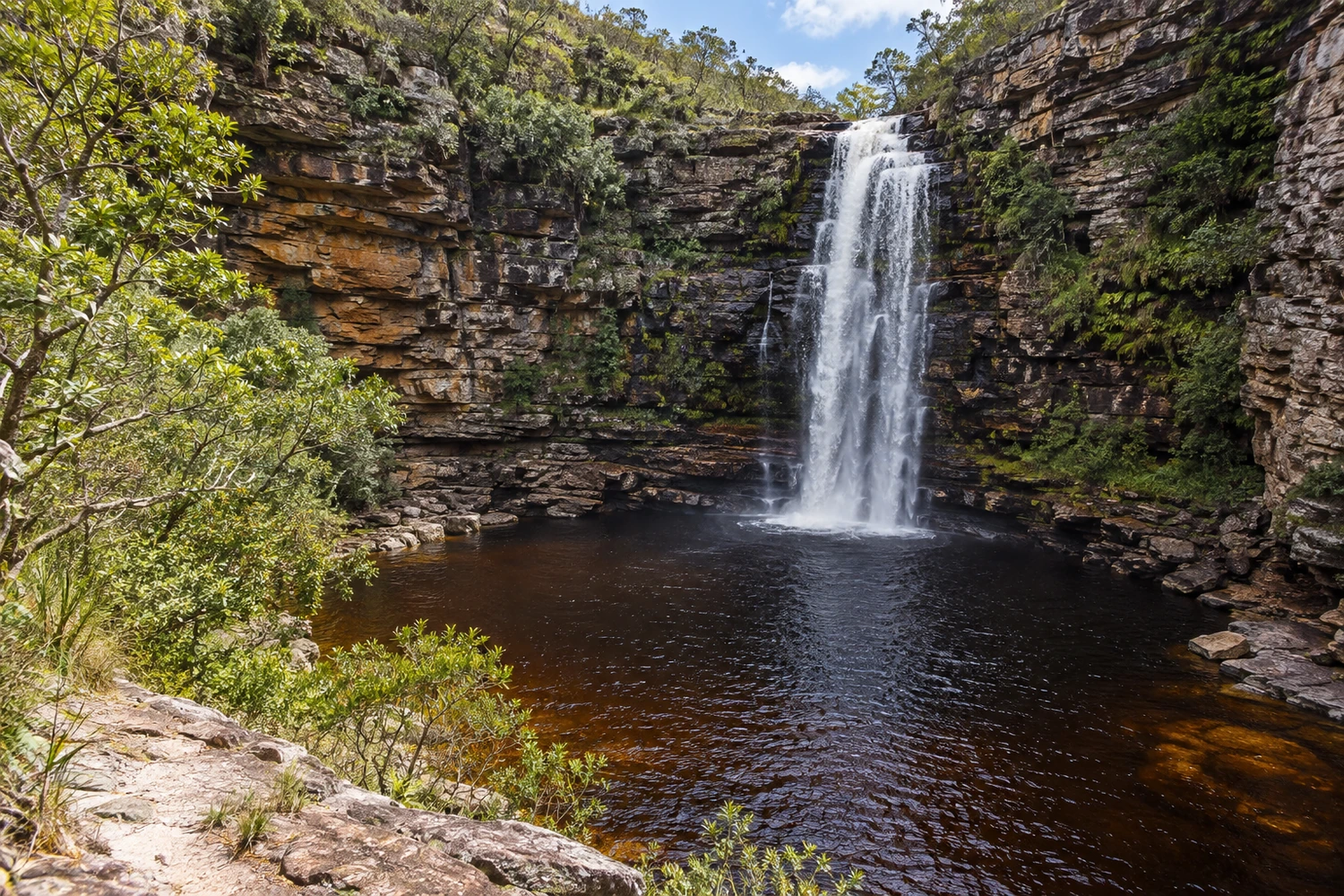
A waterfall of about 100 meters set into Serra do Sincorá, roughly 12 km from town, with a large natural pool at its base. The trail is considered easy and is usually less crowded than those in the nearby canyons.
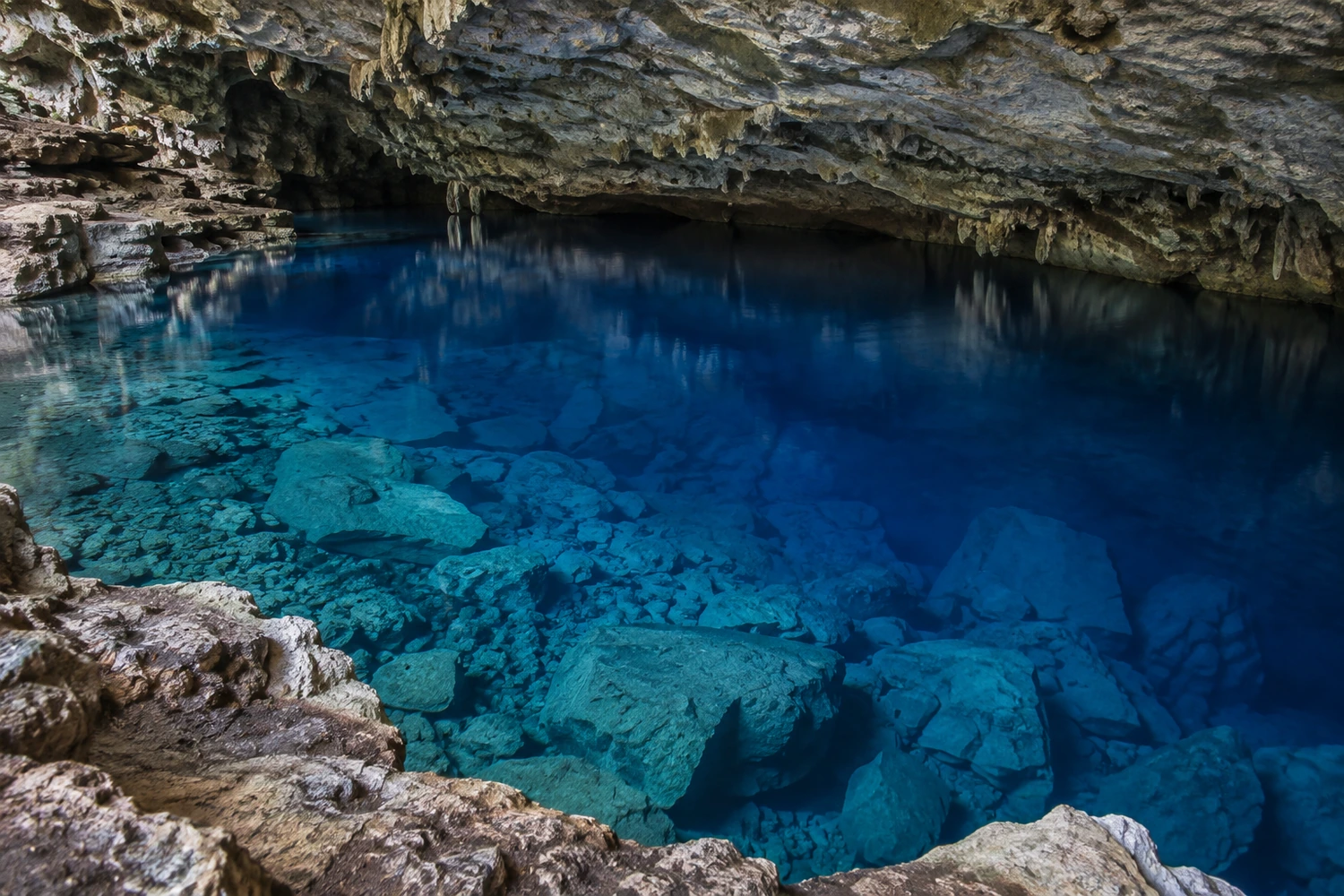
It is on the same farm as Gruta da Pratinha and is open for viewing only, with no swimming or walking inside. At certain times, sunlight coming through the opening casts a heart-shaped reflection on the blue water.
A cave of dry galleries and chambers with stalactites and stalagmites, about 18 km from town, near the BA-245. It is home to an endemic blind beetle, and access is blocked when the Una River floods, between December and January.
Discover Gruta da Lapa do Bode
A spring with blue, clear water near Poço Azul, home to small fish. A rustic wooden deck gives access for swimming and floating with a mask and snorkel.
Discover Olho d'Água da Urânia
A 270-hectare area where Projeto Sempre Viva, in partnership with UEFS (a state university), studies the reproduction of an endemic, endangered species of sempre-viva (everlasting flower). The park's trails lead to the Tiburtino and Piabinha waterfalls.
Discover Parque Municipal (Projeto Sempre Viva)
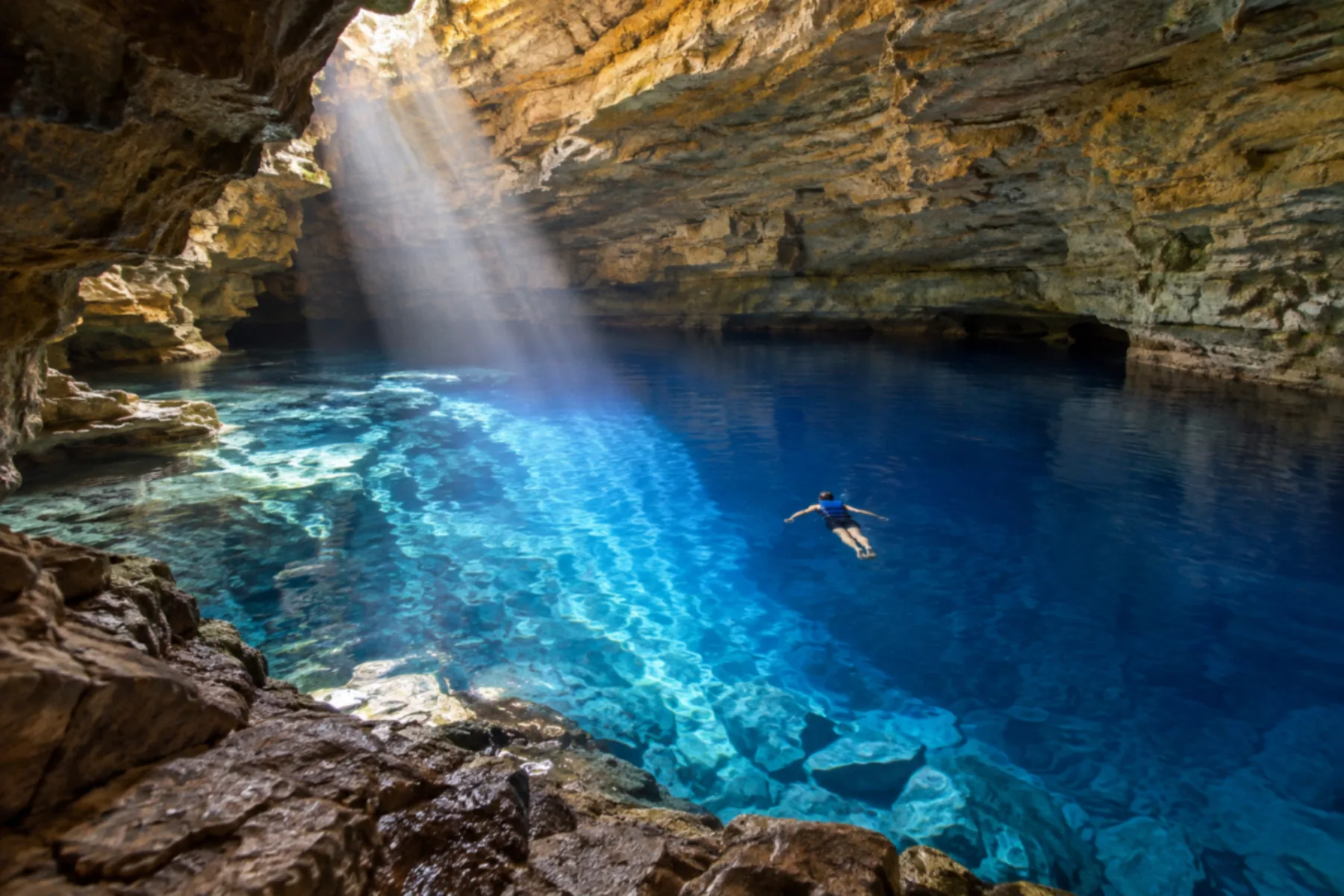
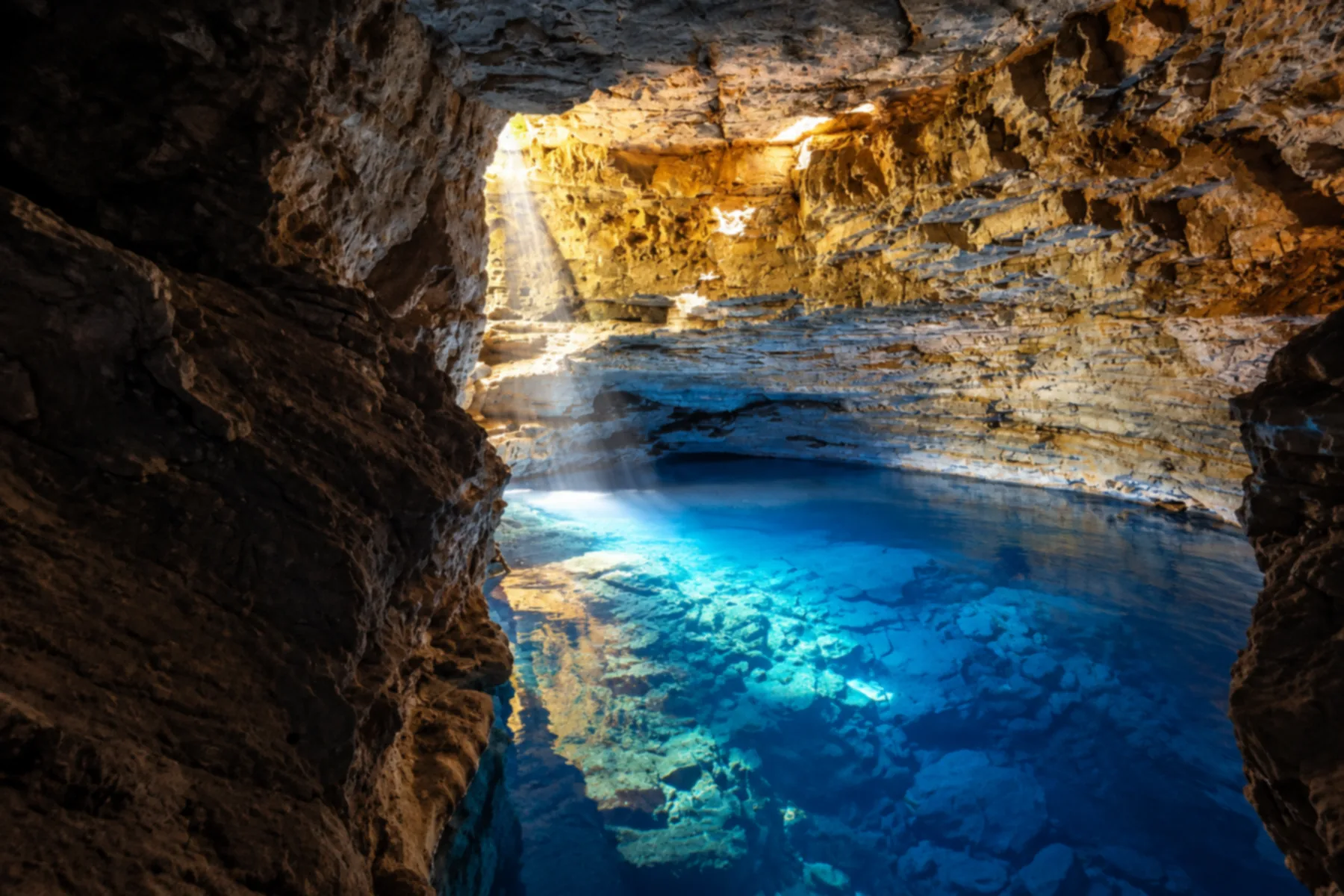
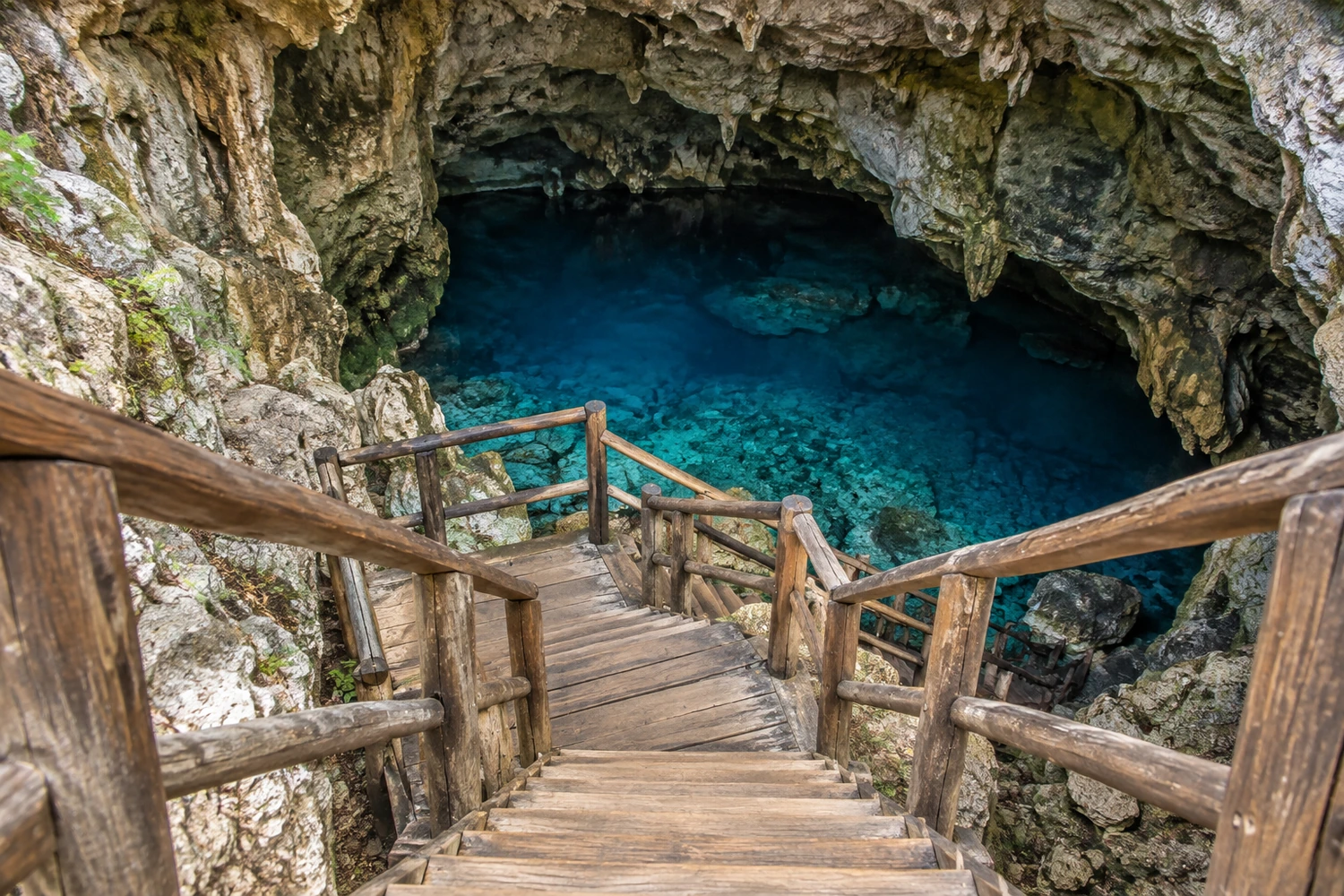
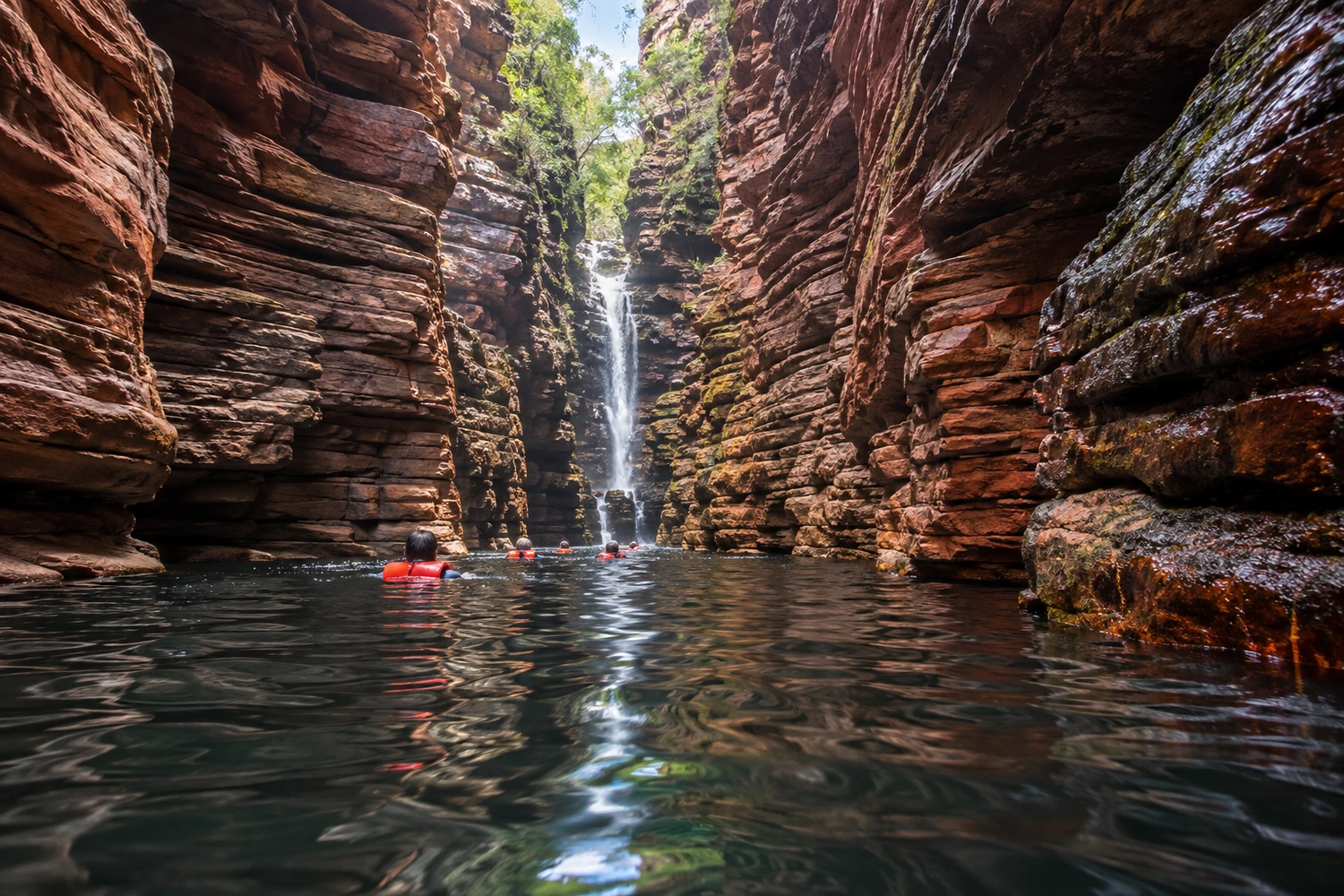
Inside a cave, sunlight comes through a crack and makes the water glow an almost unreal blue. Floating is done with a life vest and is only worth it at the right time of day.
A viewpoint in Parque Nacional da Chapada Diamantina overlooking the Paraguaçu River valley, where it meets the Pati River. Access is by a trail of about 7.5 km from the village of Igatu.
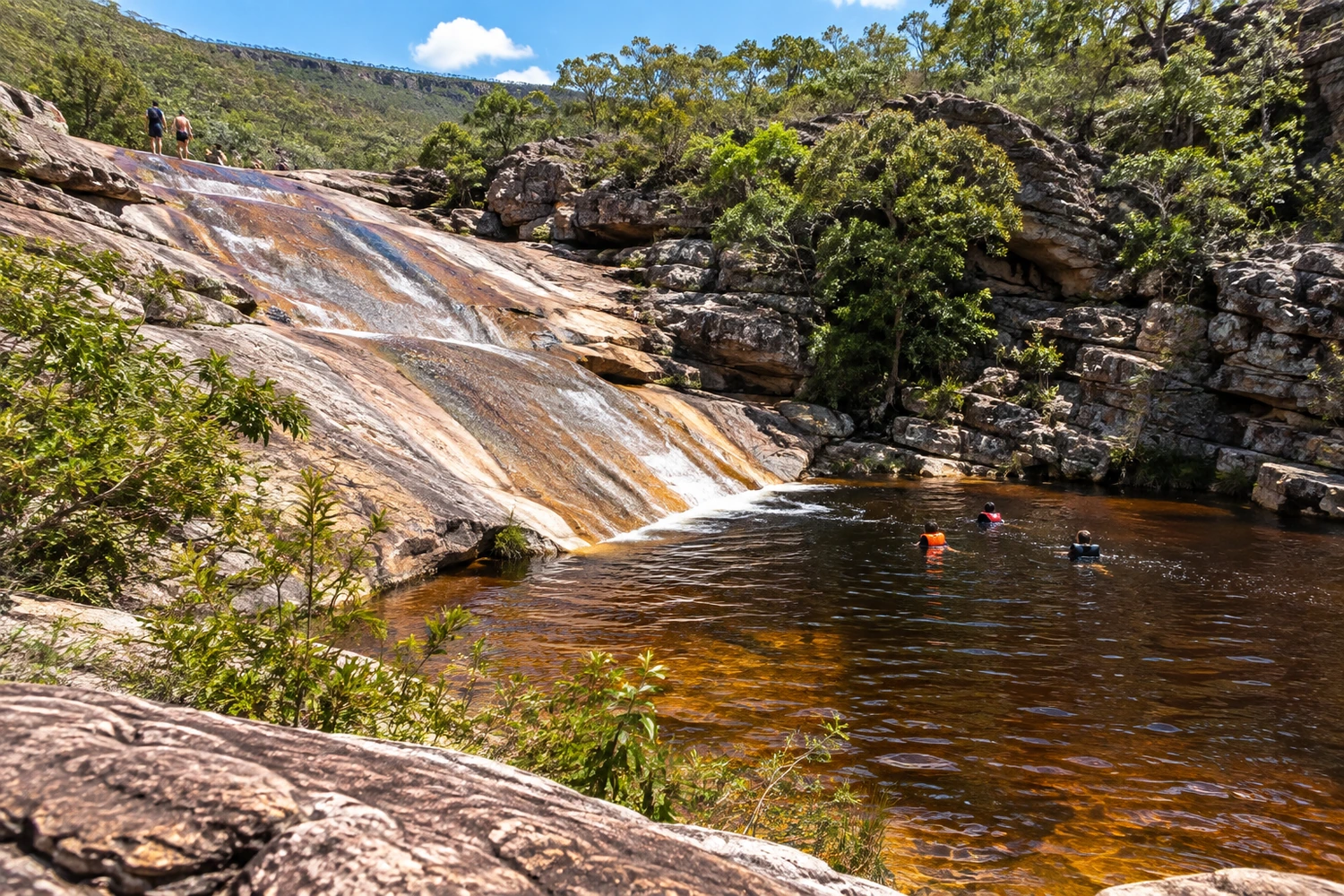
A clear-water pool about 3.5 km from downtown, reached by an easy trail of roughly 45 minutes. The main attraction is a natural rock slide that goes straight into the water, called Rala Bunda ("butt scraper") by locals.
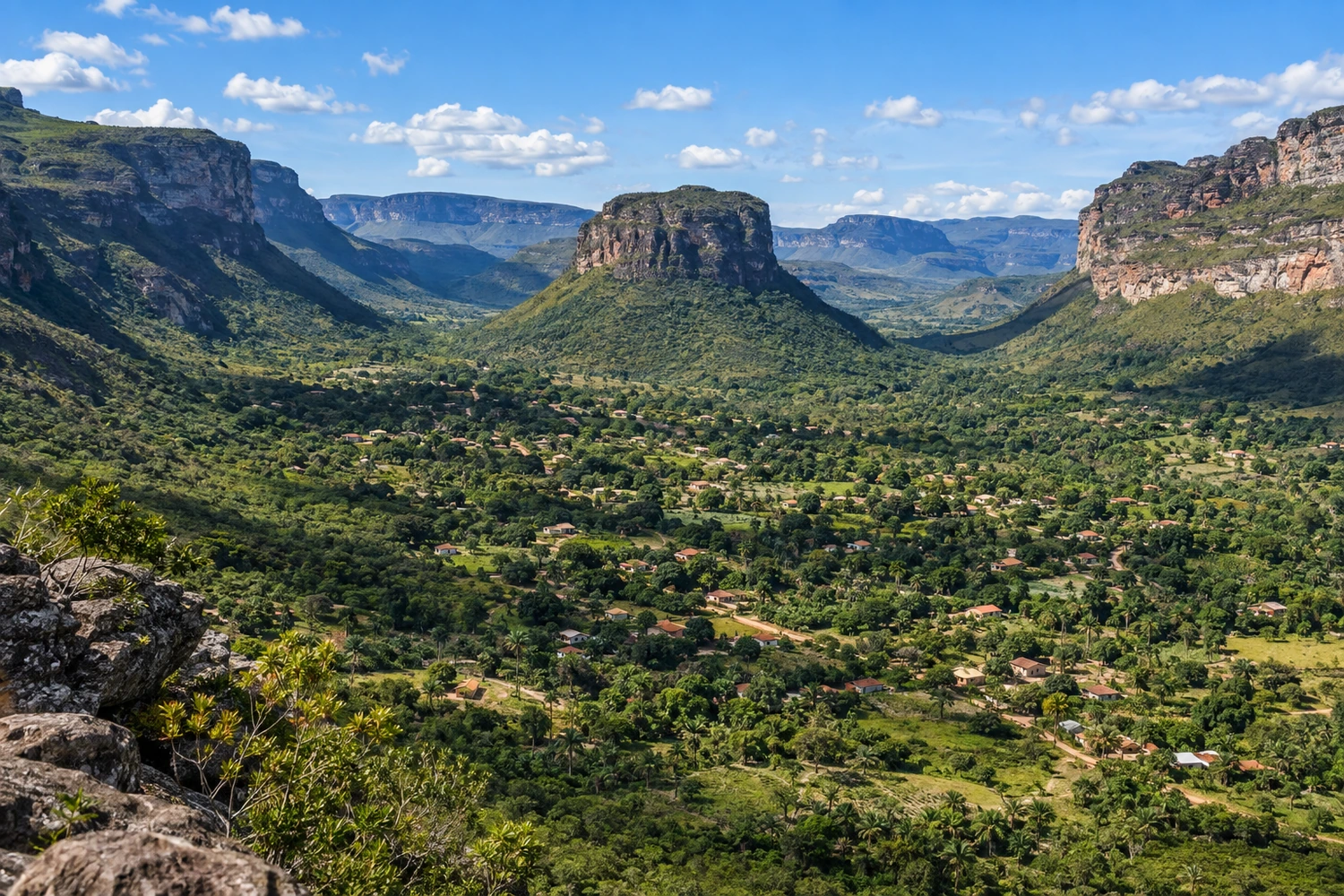
A valley of about 10 km in the district of Caeté-Açu, surrounded by the cliffs of Serra do Sincorá and by Morrão, a mesa that dominates the landscape. The village is the starting point for the trail to the top of Cachoeira da Fumaça and to other waterfalls in the valley.
A waterfall of about 90 meters in Parque Nacional da Chapada Diamantina, reached by a trail of roughly two hours through the Baiano River canyon. The path passes traces of old mining and Poço do Fervedor, and the volume drops in the dry season.
A waterfall of about 12 meters with a swimming pool, protected by Parque Natural Municipal do Riachinho. It is right by the road that links town to Vale do Capão and has easy access on foot.
Discover Cachoeira do Riachinho
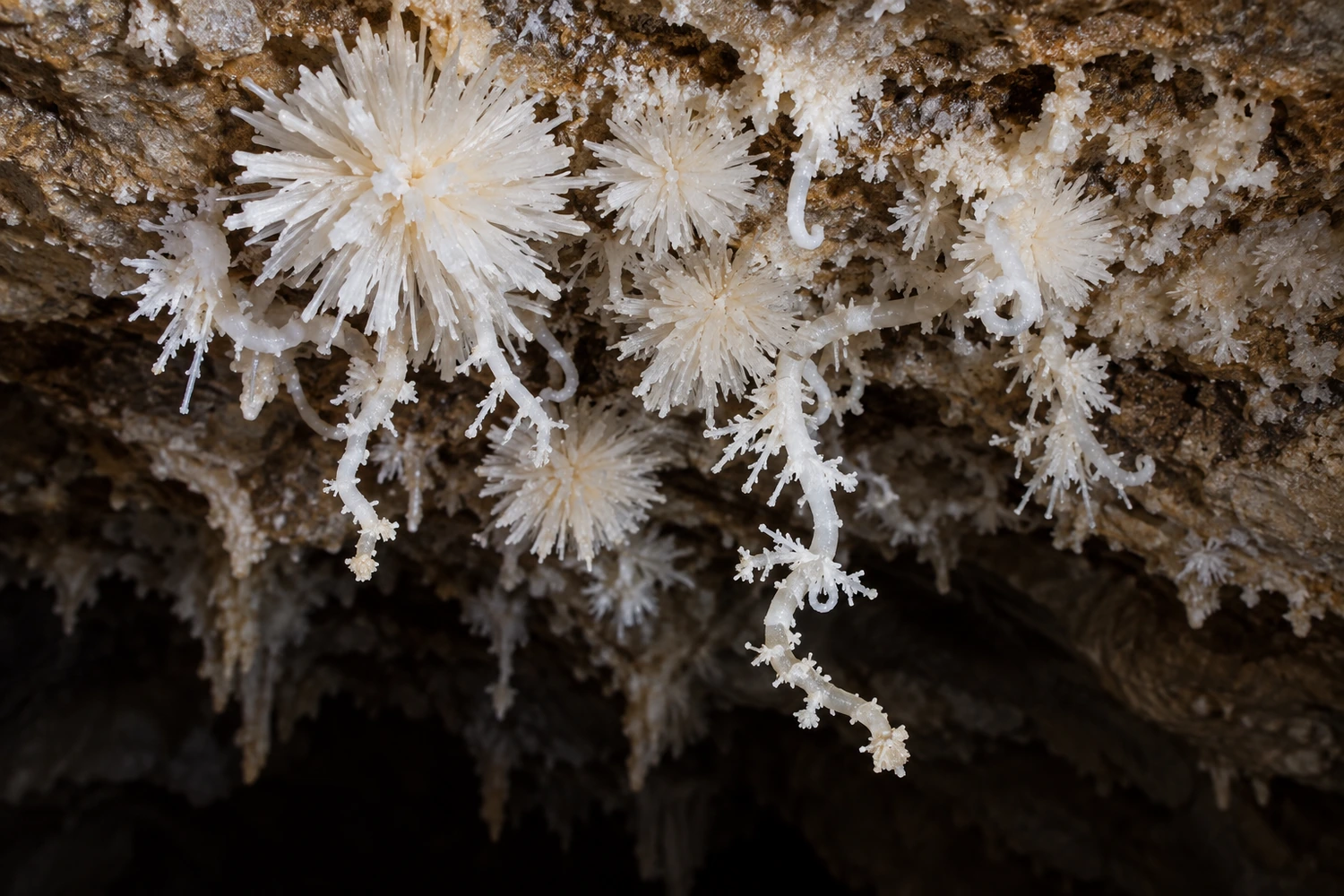
A cave in the village of Torrinha, about 15 km from town, with three guided tour routes. It holds rare formations such as aragonite flowers, helictites and gypsum needles, as well as underground lakes.
Set in a restored former miners' shelter inside the municipal park, it displays tools, clothing and diamond replicas from the mining era. Access is via the Trilha dos Polinizadores (Pollinators Trail), a flat 400-meter path.
Discover Museu Vivo do Garimpo
An underground lake of clear water where you can see submerged tree trunks on the bottom. Between April and September the sun comes through the cave opening and turns everything blue.
The Serrano caldeirões are natural pools carved into the rock, about 15 minutes on foot from downtown, at the spot where the first local diamond was found. 500 meters away is Salão de Areias Coloridas, with sands in shades of pink, red, yellow and purple.
Discover Serrano e Salão de Areias Coloridas
A waterfall on the Cumbuca River, reached by a trail of about 3 km through rocky grasslands and old mining areas. It has a wide pool for swimming and is part of the circuit that continues past Sete Quedas to Cachoeira do Funil.
Discover Cachoeira das Andorinhas
One of the largest caves in the country, explored on foot through enormous chambers full of stalactites and stalagmites. The tour is guided.
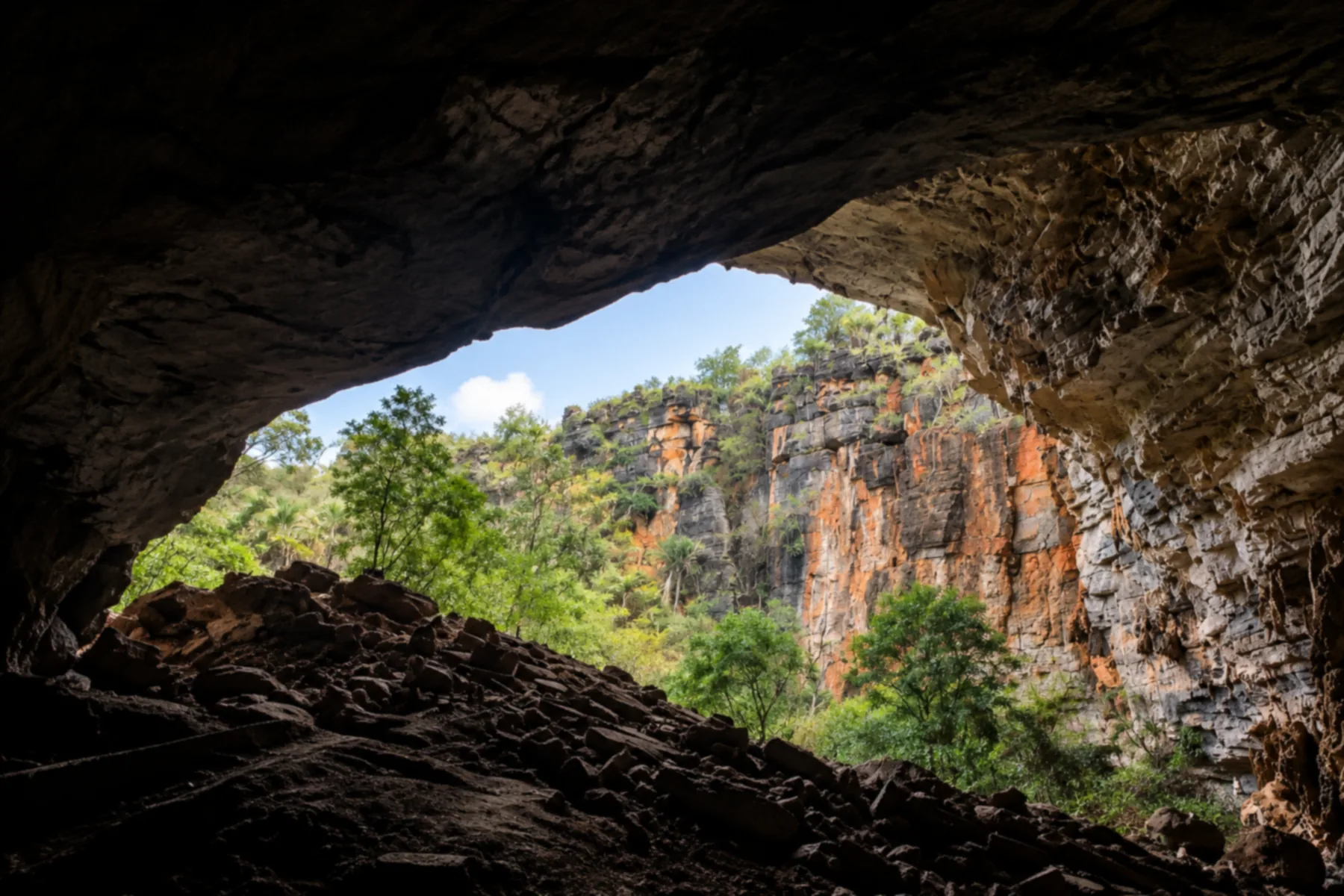
A sandstone and conglomerate cave in Parque Nacional da Chapada Diamantina, with an internal route of about 800 meters. The eastern entrance, 80 meters wide and 40 meters high, is said to be the largest in the country among caves in this type of rock.
A walk of about two hours, almost all of it flat, leads to three clear-water pools at the foot of Morrão, in Vale do Capão. The climb to the top of the hill takes more fitness, and hiring a local guide is recommended because of the forks in the trail.
Discover Trilha de Águas Claras e Morrão
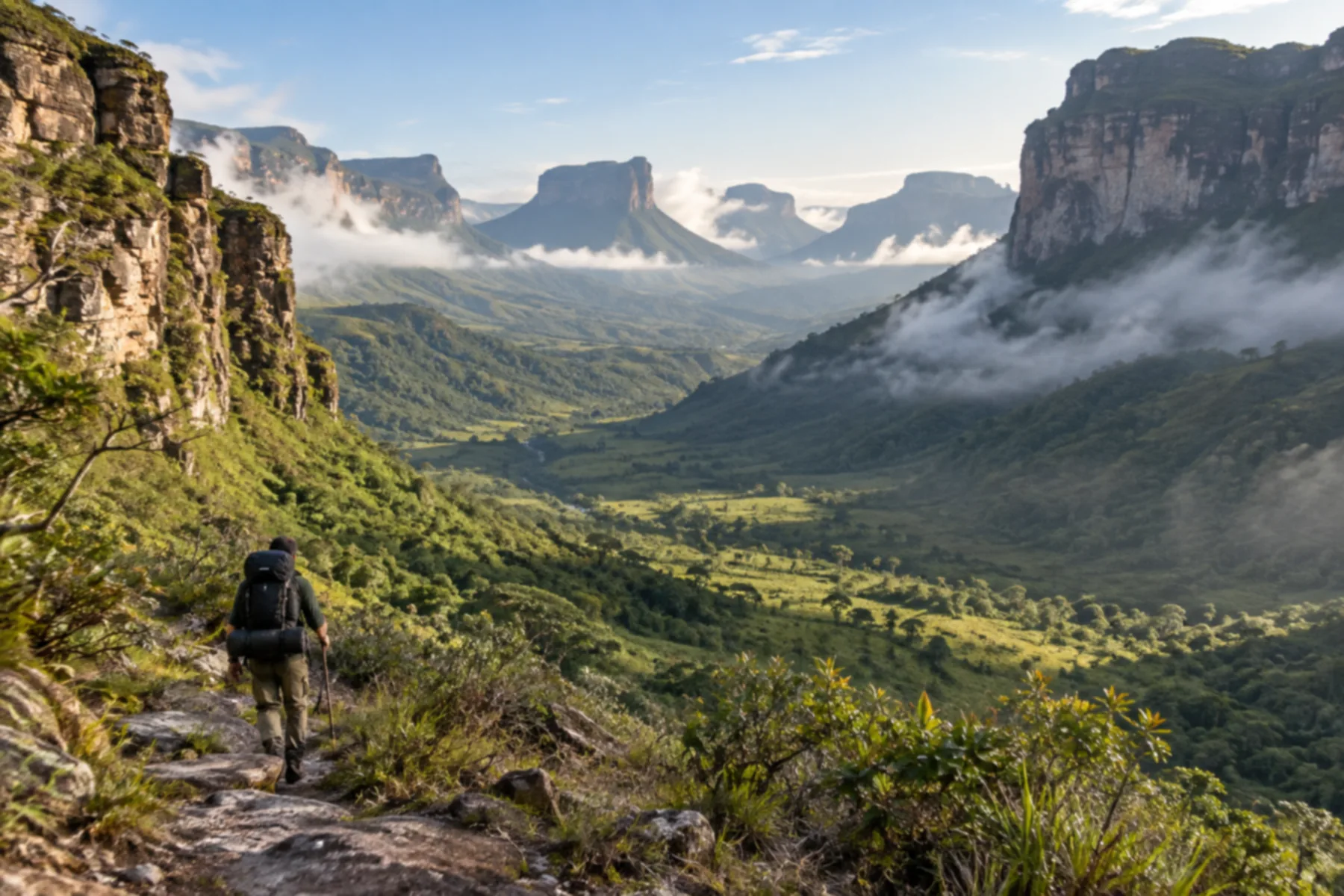
Considered one of the most beautiful treks in Brazil, it crosses the valley in three to five days, with nights in local residents' homes. The scenery alternates between cliffs, rivers and viewpoints.
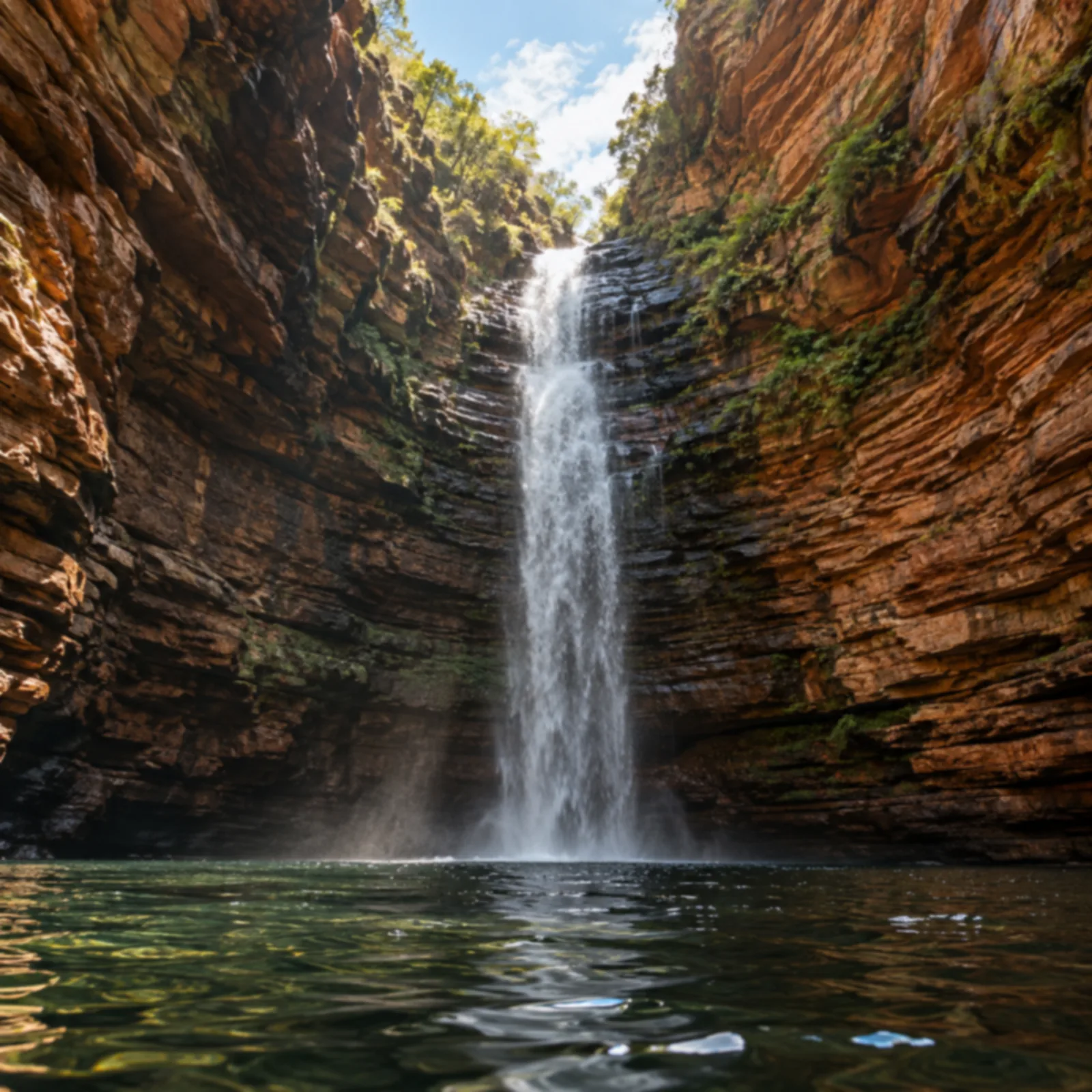
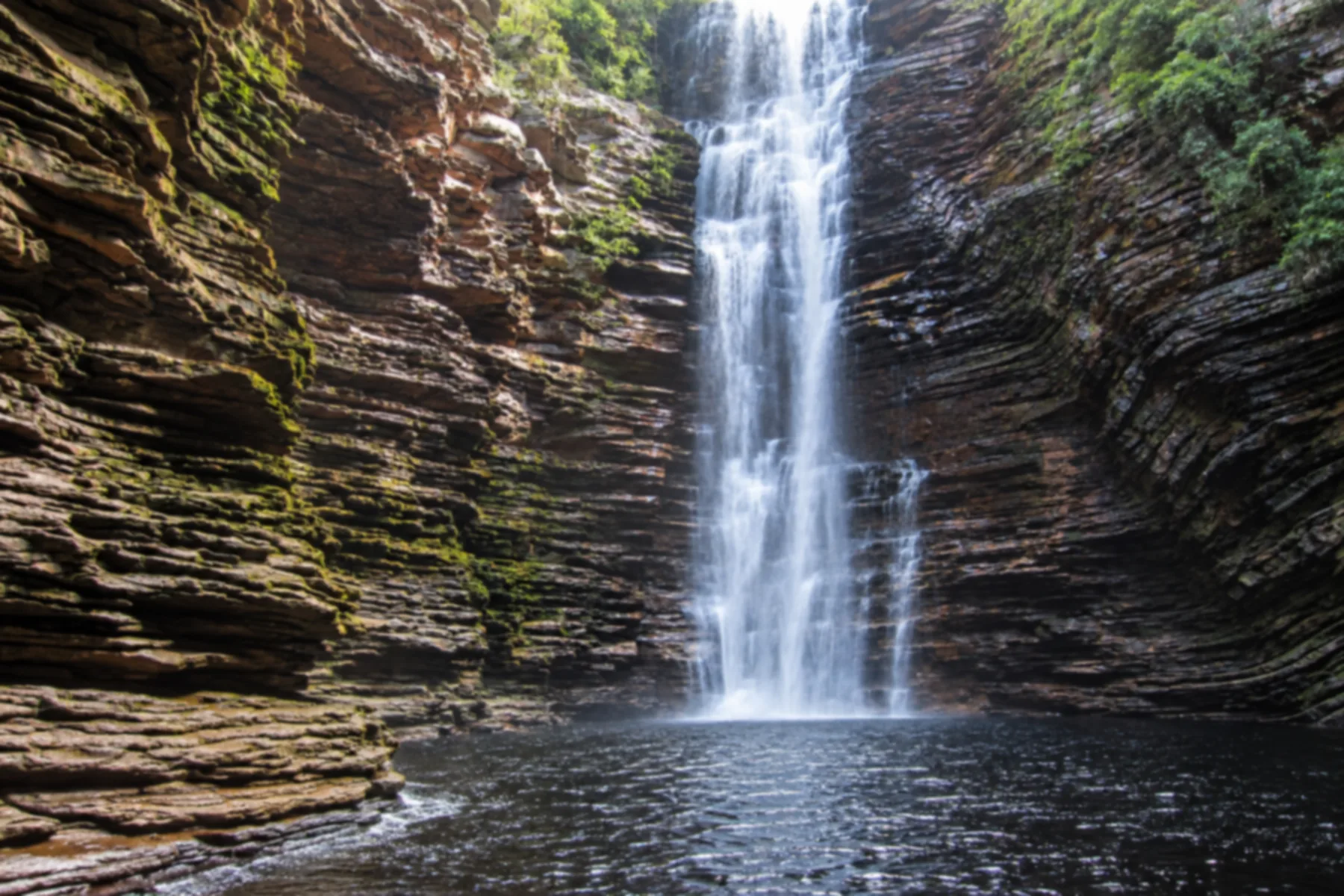
The water falls into a circular canyon with red walls, and the best view comes from swimming to the base of the falls. The trail is short, but includes a stretch in the water.
A wide waterfall on the Mucugezinho River that forms a deep pool of dark water, great for swimming. It is close to the road and fits even into half a day.
Your base to explore
Where you stay is part of the trip. Choose the area that best fits your itinerary.
A 49-room hotel on Rua Altina Alves, in the upper part of Lençóis, on large grounds with gardens and views of the colonial houses from the diamond era. It has a pool with a heated hot tub, a sauna and a restaurant with a regional and international menu, and suits travelers who want comfort a short walk from downtown.
A pousada (guesthouse) in the village of Caeté-Açu, in Vale do Capão, surrounded by the mountains of Chapada Diamantina and a few kilometers from the Cachoeira da Fumaça trail. It has a heated pool with a hot tub, a restaurant and homemade breakfast, and suits couples and families looking for peace and quiet in the valley.
A simple pousada on Rua 7 de Setembro, in downtown Iraquara, with its own restaurant and bar, covered parking and breakfast. It is a budget base for visiting the region's caves, such as Lapa Doce, Torrinha and Pratinha.
A pousada on Rua Sete de Setembro, in the historic village of Igatu, with stone buildings and organic shapes blended into the forest, trails and streams. It has a natural running-water pool, breakfast and rooms with balconies, and suits guests looking for quiet close to nature; the uneven terrain calls for care for people with reduced mobility.
A pousada on Estrada do Buracão, in Barrinha do Mel, surrounded by nature and close to the trails to Cachoeira do Buracão. It has a natural pool, a restaurant, a game room, breakfast and family rooms, and mainly caters to hikers.
A simple pousada at the entrance to Nova Redenção, on Avenida Antônio José Ribeiro, with basic rooms. It suits travelers visiting Poço Azul and the area's river beaches who prefer to sleep in town.
A 12-room boutique hotel on Rua Caetité, in the historic center of Mucugê, with views of the mountains of Chapada Diamantina. It has the Paraguassu restaurant, by chef André Chequer, massages, an outdoor fireplace and help planning hikes and outings, and suits couples who want comfort and good food.
A boutique hotel on Rua Sol Nascente, in Ibicoara, with suites facing Serra do Sincorá, a terrace and a barbecue area. It suits couples and families who want more comfort as a base for the region's waterfalls.
A hotel on Avenida Senhor dos Passos, in the historic center, with a veranda overlooking the Lençóis River. It has a pool, sauna, art gallery and the riverside restaurant Azul, and suits travelers who want to stay close to the old houses, the bars and the trailheads.
A pousada in downtown Nova Redenção, on Largo Joaquim José dos Santos, with its own restaurant at the same address. A practical option if you are using the town as a base for Poço Azul and for Poço Encantado, in neighboring Itaetê.
A 30-room pousada in a mansion on Rua Doutor Rodrigues Lima, in Mucugê's old center, near the Historical Museum and the town's restaurants. It has indoor and outdoor pools and a generous breakfast, and suits travelers who want to do everything on foot around the historic center.
A pousada on Rua São Sebastião, in the historic part of Igatu, next to the start of the historic trail and near the village restaurants. It has a natural running-water pool, a sauna, a restaurant and family rooms, some with a kitchenette.
A rural pousada beside the BA-122, on Fazenda Pratinha, a short walk from Gruta da Pratinha and Gruta Azul. It has air-conditioned rooms, breakfast, trails, horseback riding and a kids' area, and suits travelers who want to sleep near the caves and clear-water rivers.
A 12-unit pousada on Rua da Lagoa, in Vale do Capão, created by the couple Marcos and Vânia and surrounded by mountains, trails and waterfalls. It has a pool with mountain views, an ofurô (Japanese soaking tub), a panoramic sauna and activities such as yoga and meditation, and suits travelers looking for rest and a slower-paced trip.
A guesthouse in a colonial-style mansion in the village of Riacho do Mel, in the countryside of Iraquara. A good base for exploring the waterfalls and open highlands around the village, away from the crowds at the most visited caves.
A simple pousada on Rua Santa Bárbara, in the town of Andaraí, with spacious rooms, air conditioning and a restaurant. It suits travelers who want to stay in town, away from the busiest part of the Chapada, to explore the region.
An 18-room pousada on Rua Antonito Pina Medrado, a little away from downtown Mucugê, with views of the Byzantine Cemetery, the town's postcard image. It offers a highly praised breakfast, parking and arranges hikes and bike rides, and suits travelers looking for a simple, quiet base.
An 18-room pousada in the village of Caeté-Açu, near the small commercial center of Vale do Capão, with chalets set in a well-kept garden. Some rooms have a balcony and fireplace, and the location suits travelers who want to walk to the restaurants and trailheads.
A group of five individually decorated chalets in the countryside of Ibicoara, reached via Estrada das Cachoeiras, on a dirt stretch. Recommended for couples and travelers looking for seclusion in the mountains who use the town as a base for the waterfalls of the southern Chapada.
A pousada on Rua Alto do Bonfim, on the hillside above downtown, a few minutes' walk from the historic houses of Lençóis. It has an infinity pool, a yoga space and a small outdoor spa with a hot tub, and suits travelers looking to rest between outings in the Chapada.
Abrigo de Montanha Xique Xique is in the Igatu neighborhood, in Andaraí. It has a shared kitchen, a climbing wall, a green area and space for activities.
Pousada Licuri is in downtown Ibicoara. It has air conditioning, Smart TV, Wi-Fi, hot showers, breakfast and housekeeping.
Pousada Flor de Lótus is 2 km from downtown Ibicoara. It has breakfast, a restaurant, a wine cellar, games, a playground, Wi-Fi and parking.
Pousada Recanto da Chapada is in the Cidade Nova neighborhood, in Mucugê. It has private balconies with hammocks and a restaurant.
Lendas do Capão Pousada EcoCharme is in Vale do Capão, on the banks of the Capão River, in Palmeiras. It has breakfast, a heated pool, a spa, the Avalon restaurant, a natural swimming pond and a riverside deck.
Flavors of the destination
A bistro in Vale do Capão run since 2018 by chef Jakie Lessa, who mixes French, Brazilian and contemporary cooking with organic ingredients. It took part in the 2026 Festival Tempero Bahia with a fish dish with passion fruit gelée and suits travelers who want a more elaborate meal after the trails.
A restaurant on Avenida Rui Barbosa, downtown, where chef Deborah Doitschinoff combines Thai influences with Brazilian cooking and regional ingredients, with the kitchen in full view of the dining room. It follows the slow food approach and suits travelers who want an unhurried meal after the trails.
A buffet restaurant on Fazenda Lapa Doce, next to the entrance of the cave of the same name, one of the most visited in Iraquara. It serves home-style Bahian food, designed for lunch after the cave tour, and mostly hosts tour groups and families.
A home-cooking restaurant on Rua Direita do Comércio, in downtown Mucugê, where Dona Nena herself welcomes guests in her family's house. The pots sit on the wood-fired stove, where everyone serves themselves, and the place is recommended if you want a homemade meal, cooked on the stove and true to traditional flavors.
A restaurant at the entrance to Parque do Buracão, with views over the waterfall area. It serves regional home cooking, with vegetarian and vegan options, and is a lunch stop for hikers coming back from the trail.
The restaurant of Pousada Moura, on Largo Joaquim José dos Santos, in downtown Nova Redenção. It serves home-style meals to guests and visitors and is one of the few proper restaurants in town, handy if you are coming back from Poço Azul or the area's river beaches.
A chef-run vegetarian restaurant on Rua Sete de Setembro, in the village of Igatu, with signature dishes of Indian and Brazilian influence and vegan options. It follows an unhurried approach to food and caters to visitors to the historic village.
A simple restaurant in Igatu, in a central but quiet spot, with a terrace and tables under a grapevine. It serves regional food, with a house plate of carne de sol (sun-dried beef), baião de dois (rice and beans) and cassava purée, and caters to people exploring the village.
A bistro in Vale do Capão with signature, slow food-inspired cooking that uses produce from its own garden, unconventional edible plants and ingredients from local producers, in a dining room that is largely open-air. At the 2026 Festival Tempero Bahia it served lamb ragù with local rice and native honey, an option for an unhurried dinner.
A food and cultural space on Praça Tancredo Neves, in downtown Ibicoara, that brings together food, art and specialty coffees from Chapada Diamantina. It serves home-style dishes at lunch and recipes with edible flower salads, and suits travelers who want to eat downtown.
A simple restaurant in a wattle-and-daub house across from Gruta da Fumaça, in the countryside of Iraquara. The cooking is rural: cactus pads, green banana, carne de sol (sun-dried beef), okra, homemade sweets and fruit juices. It is a lunch stop for travelers touring the region's caves.
A small, simple restaurant on Rua da Baderna, downtown, run by two sisters who serve home cooking with Chapada Diamantina flavors. The menu includes shrimp moqueca (stew), jackfruit moqueca and carne de sol (sun-dried beef), and the place suits travelers who want to try regional food in a casual setting.
The restaurant of the Refúgio na Serra hotel, on Rua Caetité, in the historic center, with a glass dining room and a deck shaded by a flame tree. Chef André Chequer combines Chapada flavors with contemporary influences in dishes such as regional lamb with creamy baião de dois (rice and beans) and Bahian ravioli, good for a special dinner.
The restaurant at Vinícola Uvva (winery), on the BA-142 in Mucugê, led by chef André Chequer, serving contemporary Brazilian cuisine with Mediterranean influence. Among the dishes mentioned is sun-dried local lamb with plantain purée; in 2026 it made Wine Enthusiast's list of the best winery restaurants in the world.
A restaurant opened in 2026 in Vale do Capão by chefs Jean Lucas Carvalho and Elisa Caballero, who previously ran a food truck in the village for four years. The cooking combines professional technique with Chapada ingredients and traditions, as in the fish in an acarajé crust (black-eyed pea fritter dough) with yam purée served at the 2026 Festival Tempero Bahia.
A bistro and café on Rua Miguel Calmon, downtown, run by chef Ana Botelho and barista Túlio Saraiva, using regional ingredients. Among the dishes mentioned are smoked-meat risotto, crepes with smoked meat and jackfruit, and the coffee caipirinha, an option for lunch, dinner or a coffee break.
A café on Rua Fernando Neto, in downtown Ibicoara, with coffee, pies, soups, savory snacks, ice cream and the region's strawberry juice. It suits travelers looking for a snack or a coffee after the trails.
A family restaurant in Vila da Passagem, in the Causa Boa area of Andaraí. It serves home cooking with fish such as peacock bass, fried or baked in banana leaf, and tilapia moqueca (stew), with vegetables from the garden, in a simple, rustic setting.
A restaurant on Rua Simpliciano Lima, near Parque da Dolina, in Iraquara, run by chef Simone Alves, from Pernambuco. The menu includes daily specials, salads, artisanal burgers and feijoada (black bean stew) on Saturdays, in a relaxed setting popular with locals and travelers.
Before you go
A little planning leaves more time to enjoy the journey.
Fly into Salvador Airport (SSA), then drive about 400 km on the BR-324 and BR-242 to Lençóis, around 6 hours by car; there are daily buses from Salvador. Lençóis has a regional airport, with flights during part of the year. The towns of the Chapada are far apart, and the secondary roads have dirt stretches.
From April to October, in the drier season, with firm trails and clear skies. From December to March, the rains fill the waterfalls, but they can close trails and rivers for a few hours. At Poço Encantado and Poço Azul, sunlight shines into the water from April to September, at set times of day.
Plan at least 5 days to see the Lençóis and Palmeiras circuit, with Pai Inácio, Fumaça and the Iraquara caves. With a week, you can add Poço Encantado and Mucugê; with 10 days, the southern Chapada, with Buracão. The Vale do Pati trek takes 3 to 5 days on its own.
Lençóis is the most complete base, with pousadas (guesthouses), restaurants, tour agencies and guides, and it is close to the main sights in the northern Chapada. Vale do Capão, in Palmeiras, suits travelers looking for nature and an alternative vibe. For the southern Chapada, Mucugê and Ibicoara are the most practical bases. Because distances are long, many travelers split their stay between two bases.
Take your trash with you, follow the signs and support local businesses. In natural areas, follow the visiting guidelines.
Get your questions answered
On many trails, yes. Some attractions require a licensed guide, and on treks such as Vale do Pati a guide is essential for safety. Short, well-marked trails, like the one to Ribeirão do Meio, can be done on your own. You can hire guides through the associations and agencies in Lençóis, Palmeiras and the other towns.
It helps a lot, because the attractions are spread out and public transportation between towns is limited. If you don't drive, you can do everything on agency tours from Lençóis, which include transportation and a guide. Some access roads are dirt and call for care on rainy days.
It is a 3 to 5 day hike through an isolated valley, with waterfalls and viewpoints, and nights spent in the homes of local residents who host hikers. The trail can start in Guiné, Vale do Capão or Andaraí. It requires good fitness and should be done with a guide.
From April to September, at set times of day, sunlight passes through the cave opening and lights up the blue water. Outside this period, the visit is still beautiful, but without the beam of light. Poço Azul allows snorkeling; at Poço Encantado, swimming is not allowed.
Lençóis has more services, a historic center and easy access to the northern attractions. Vale do Capão is smaller, more rustic and surrounded by trails, such as the one to the top of Cachoeira da Fumaça. With a week, it is worth spending a few days in each.