The cuisine
Traditional food of Germany
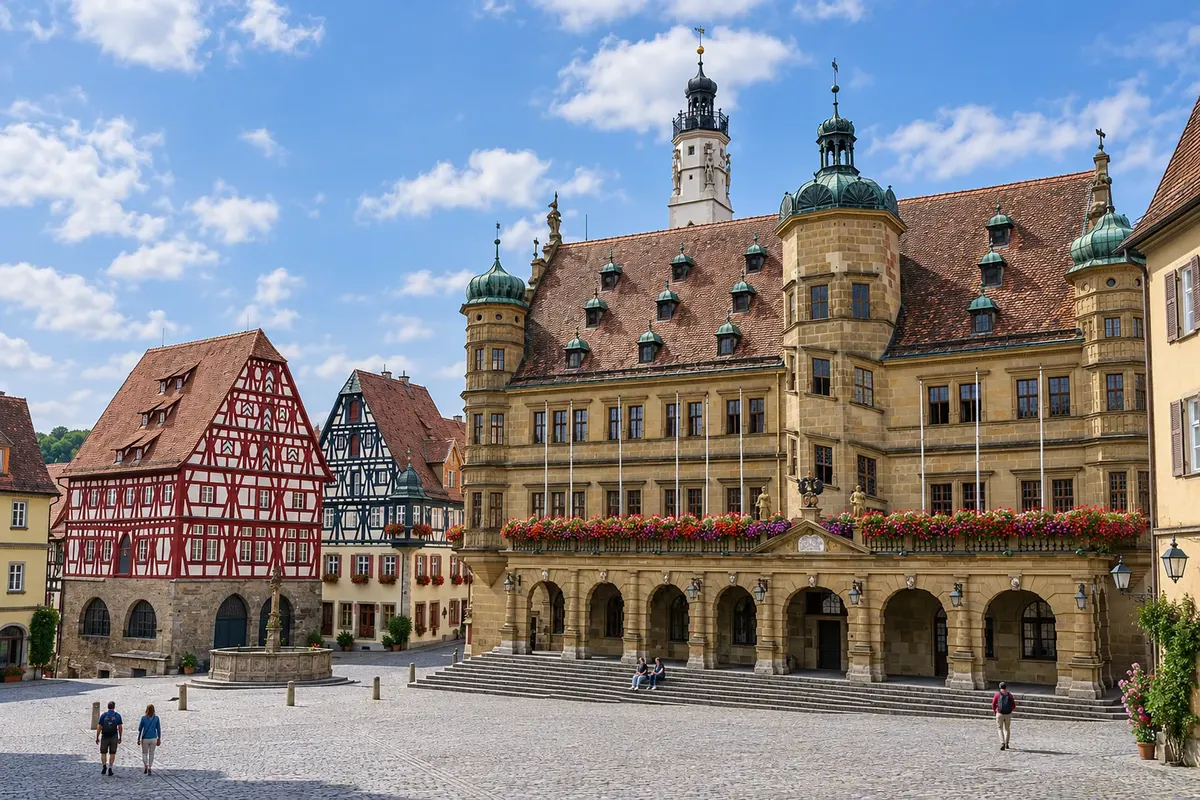
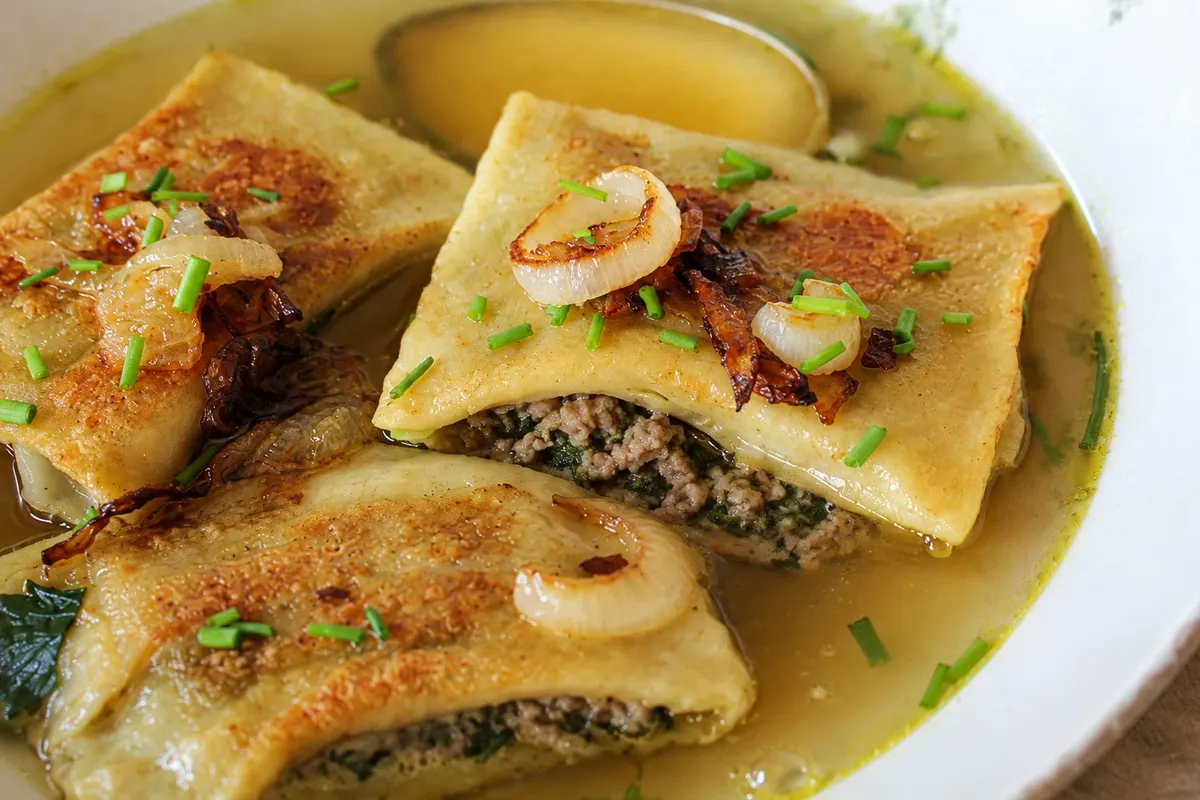
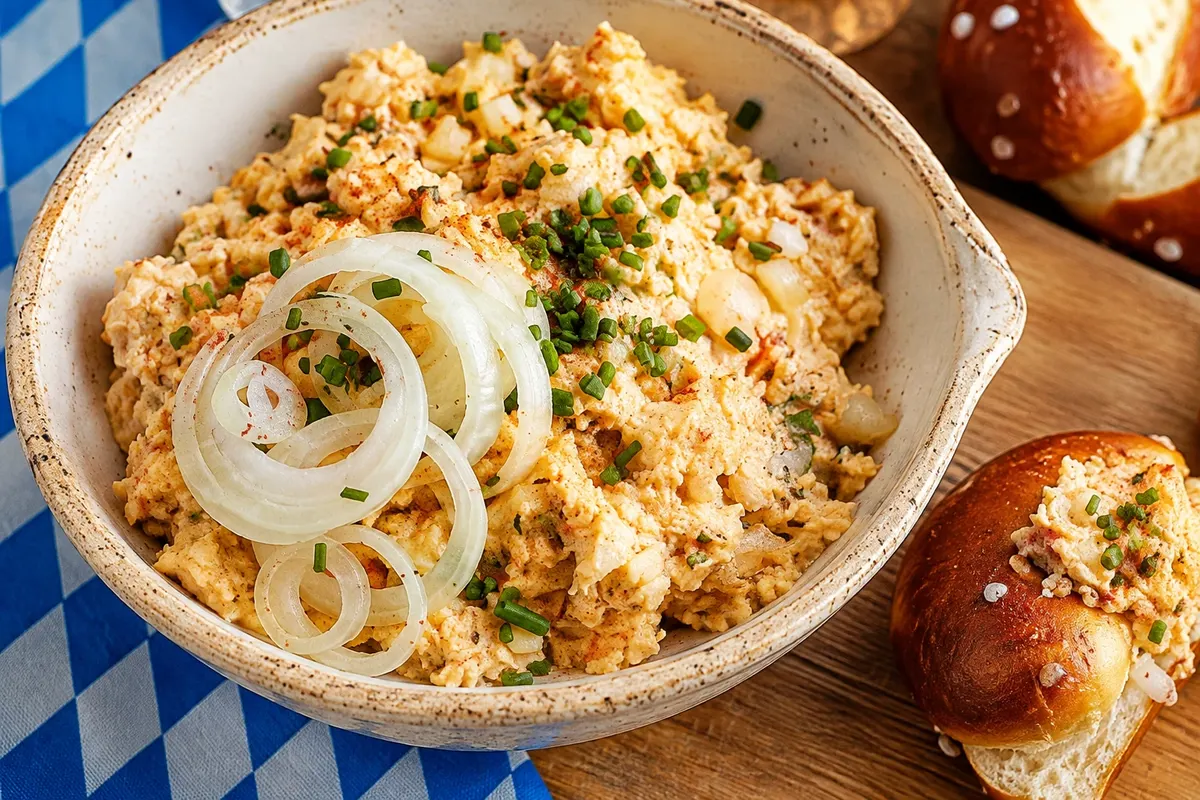
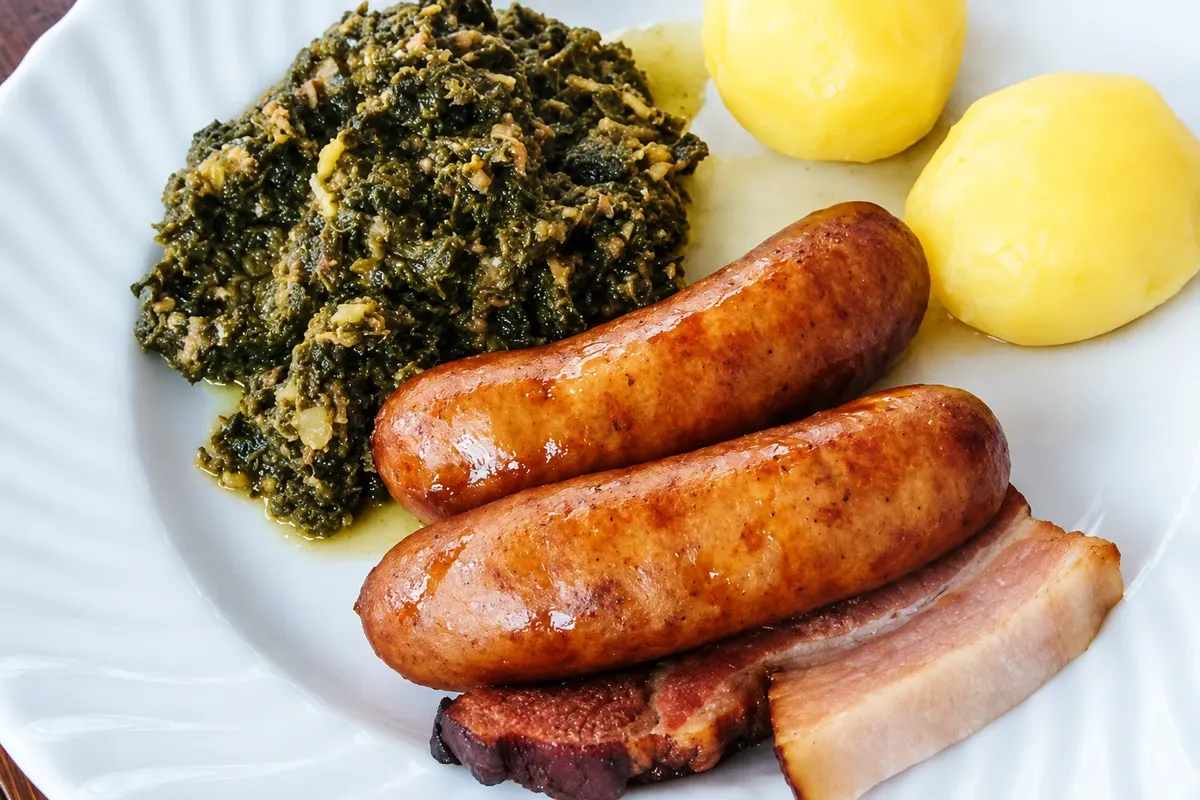
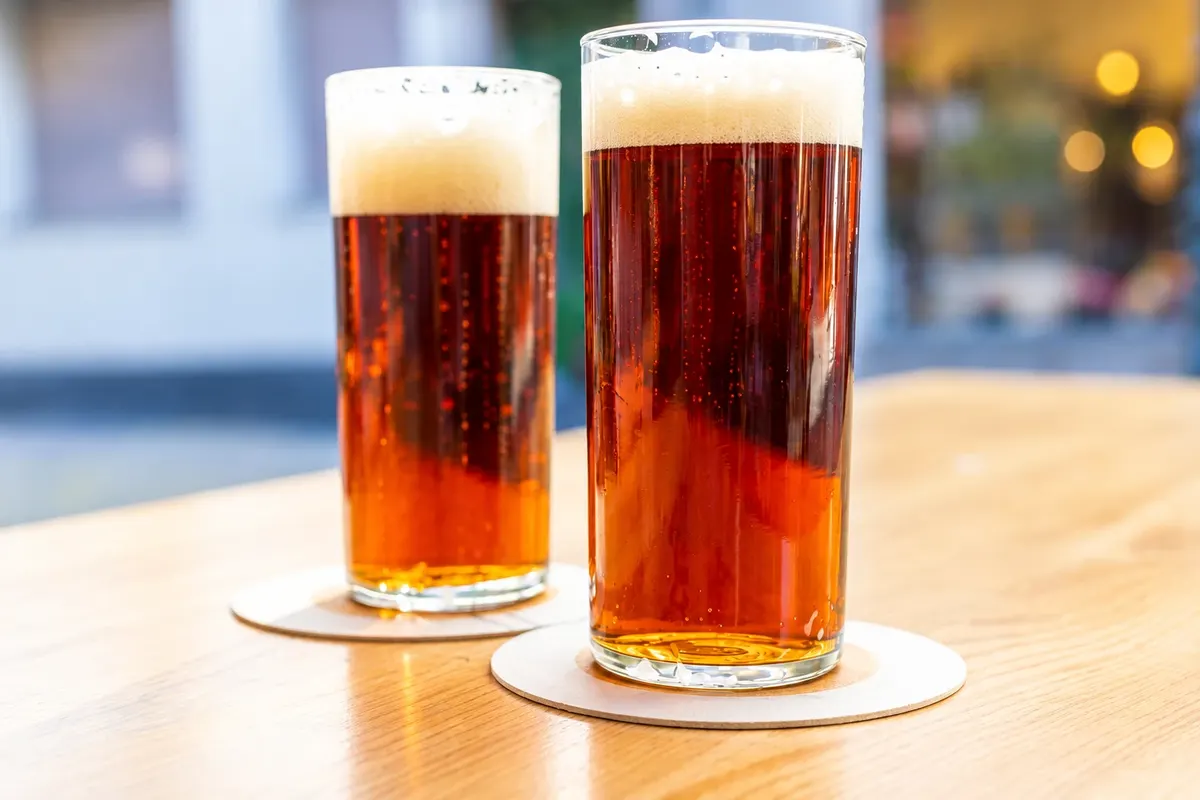
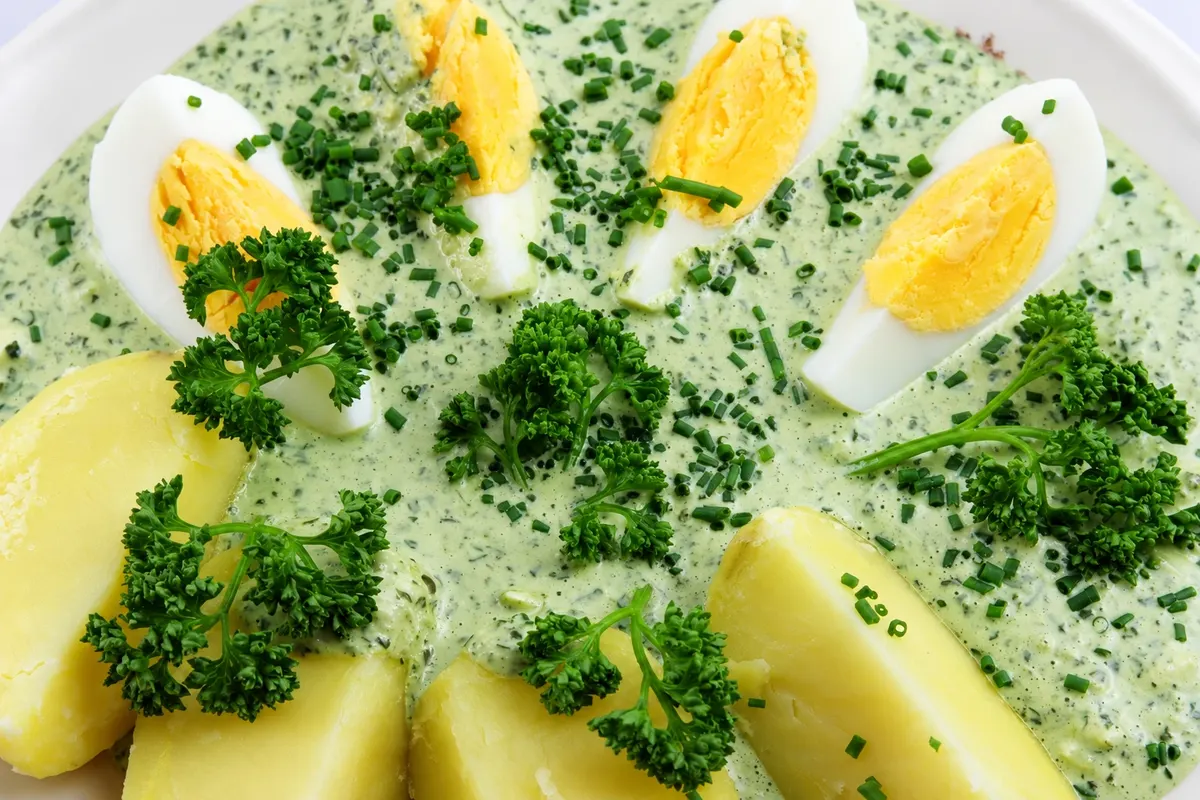
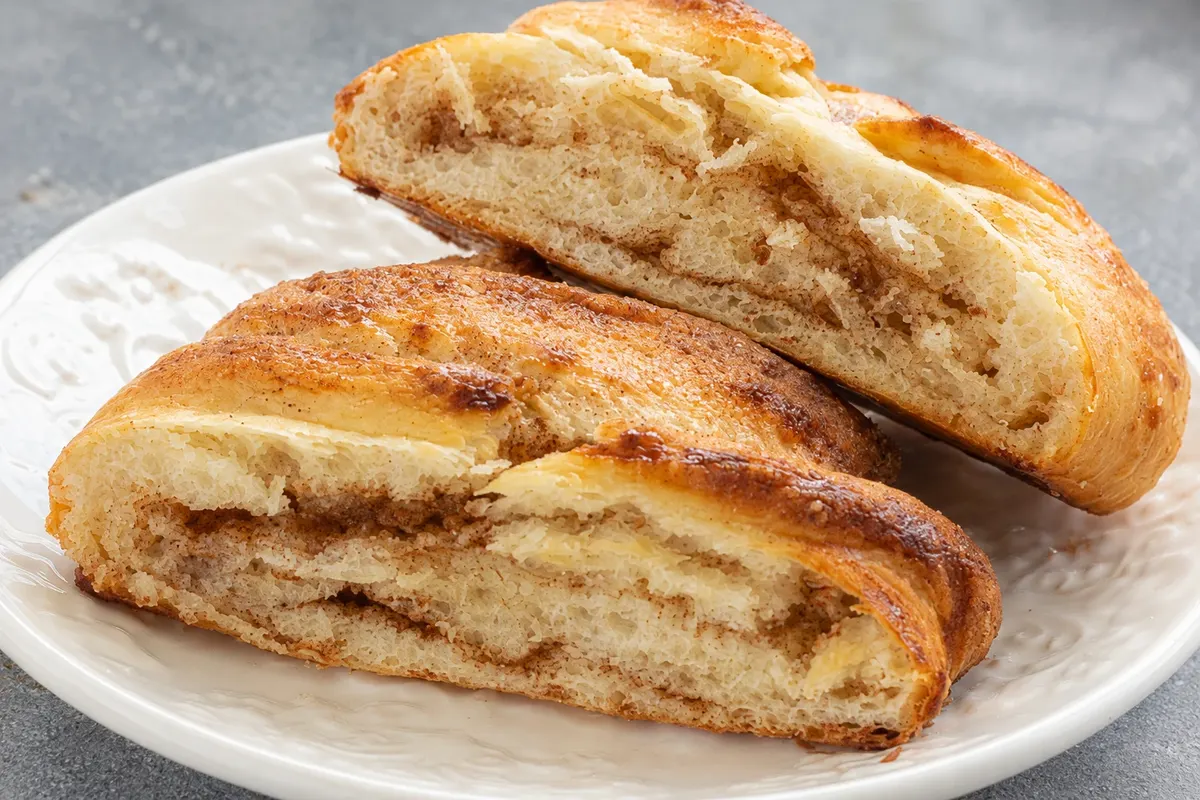
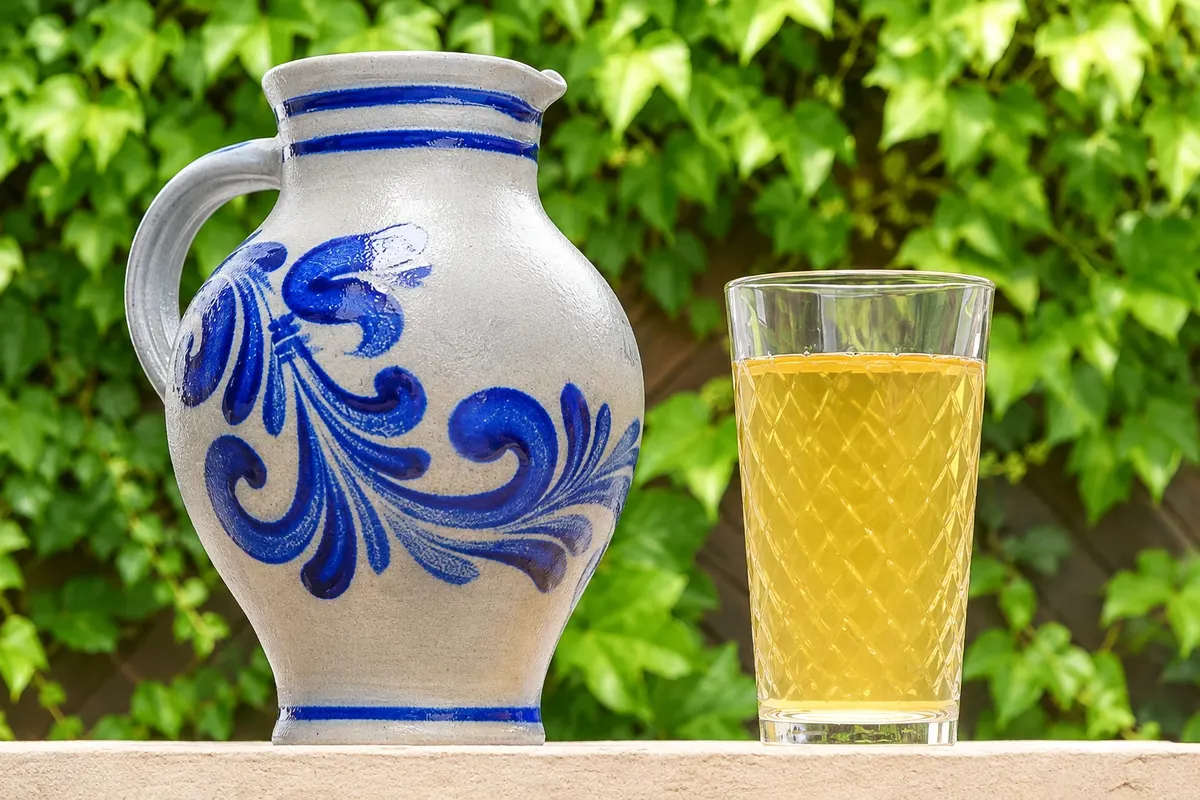
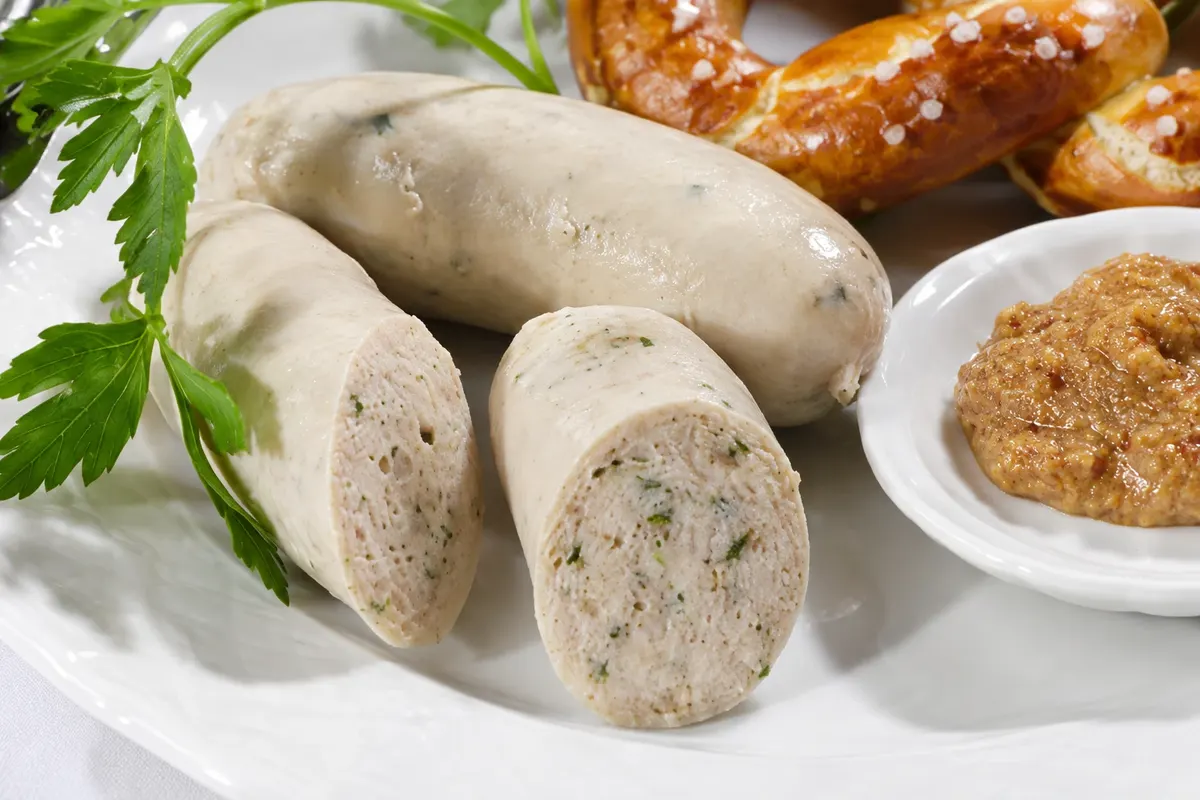
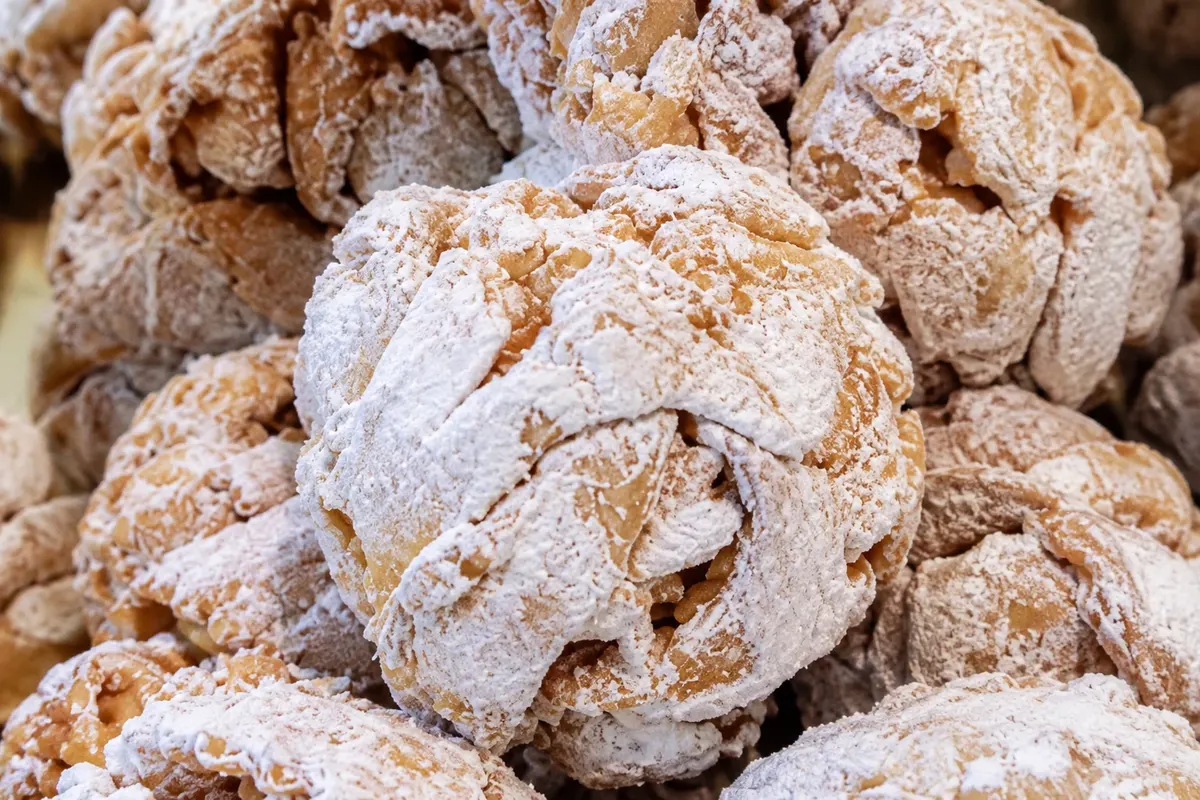
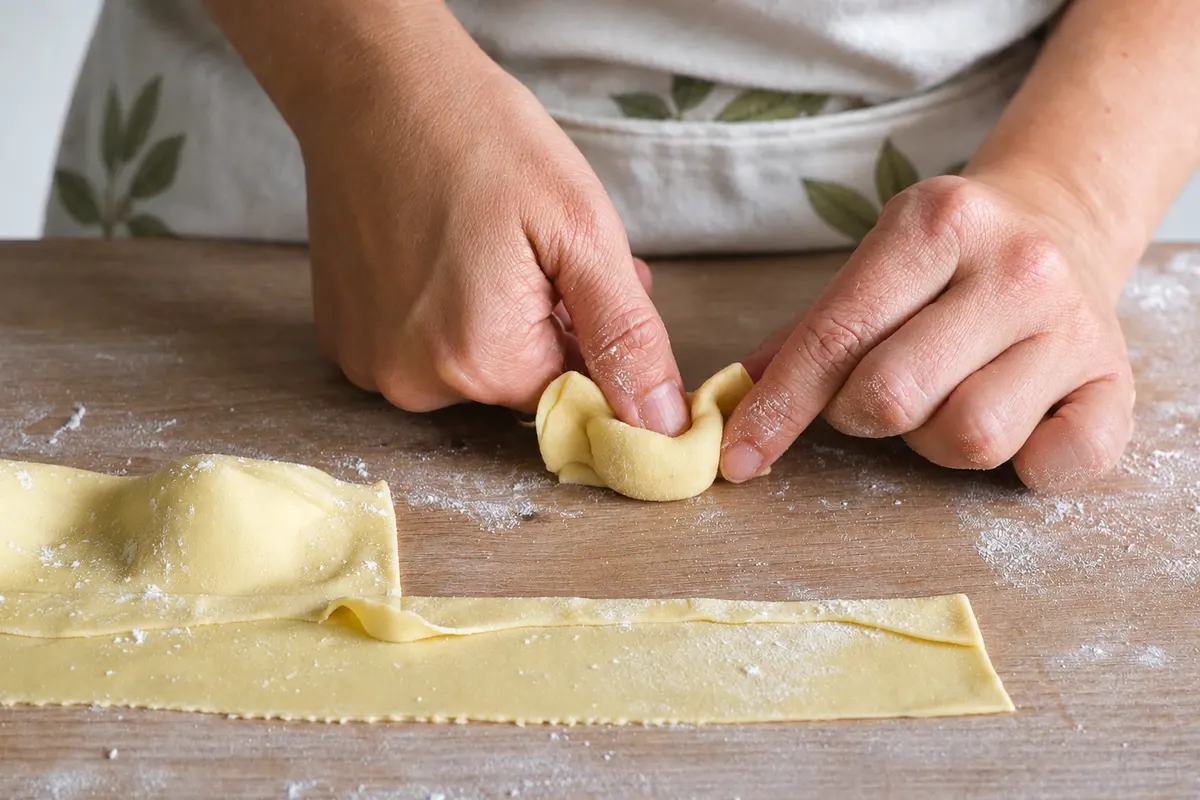
German cuisine varies considerably from one region to another. In the south, Bavaria and Swabia offer white sausages, beer-garden cheese spreads and filled pastas. In the north, near the sea and the Hanseatic ports, winter cabbage, marzipan and cinnamon-filled pastries are common. In the west, along the Rhine, each town defends its own beer, and in Hesse apple wine has its own glass and jug. In the east, Saxony and Thuringia preserve pastry and grill traditions that appear in documents over 500 years old.
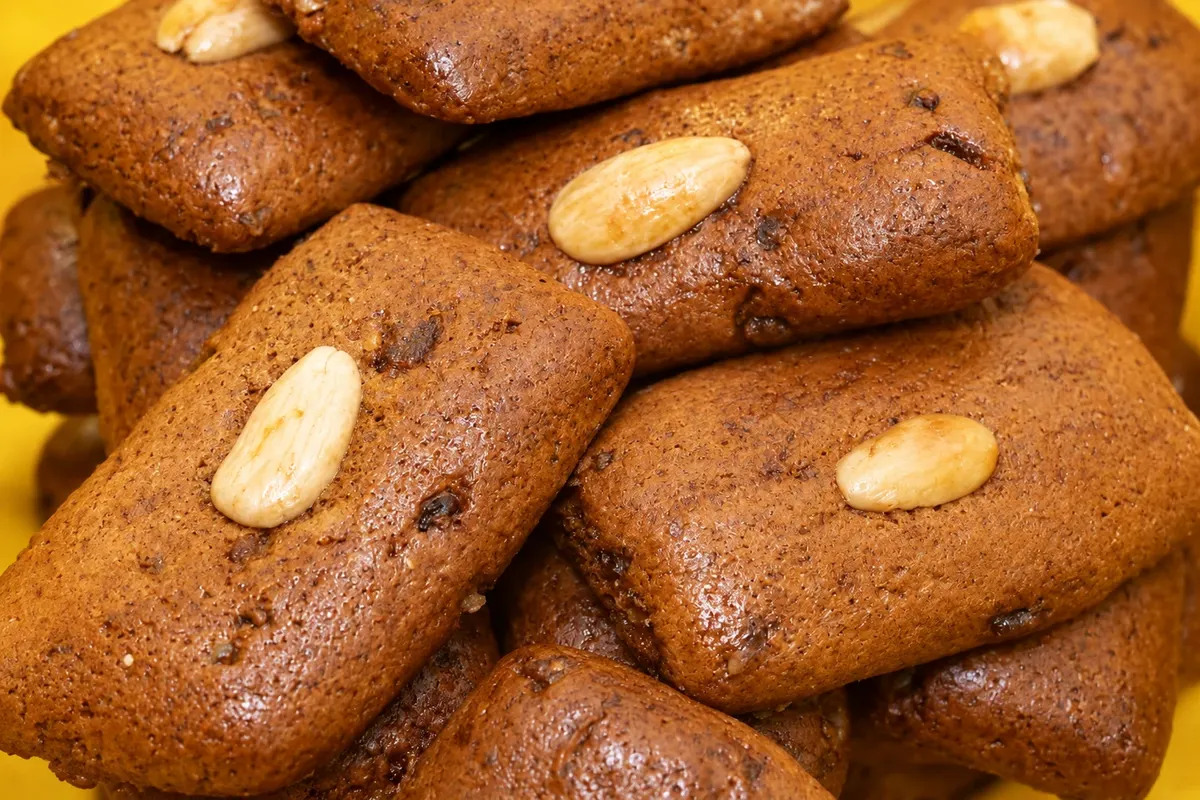
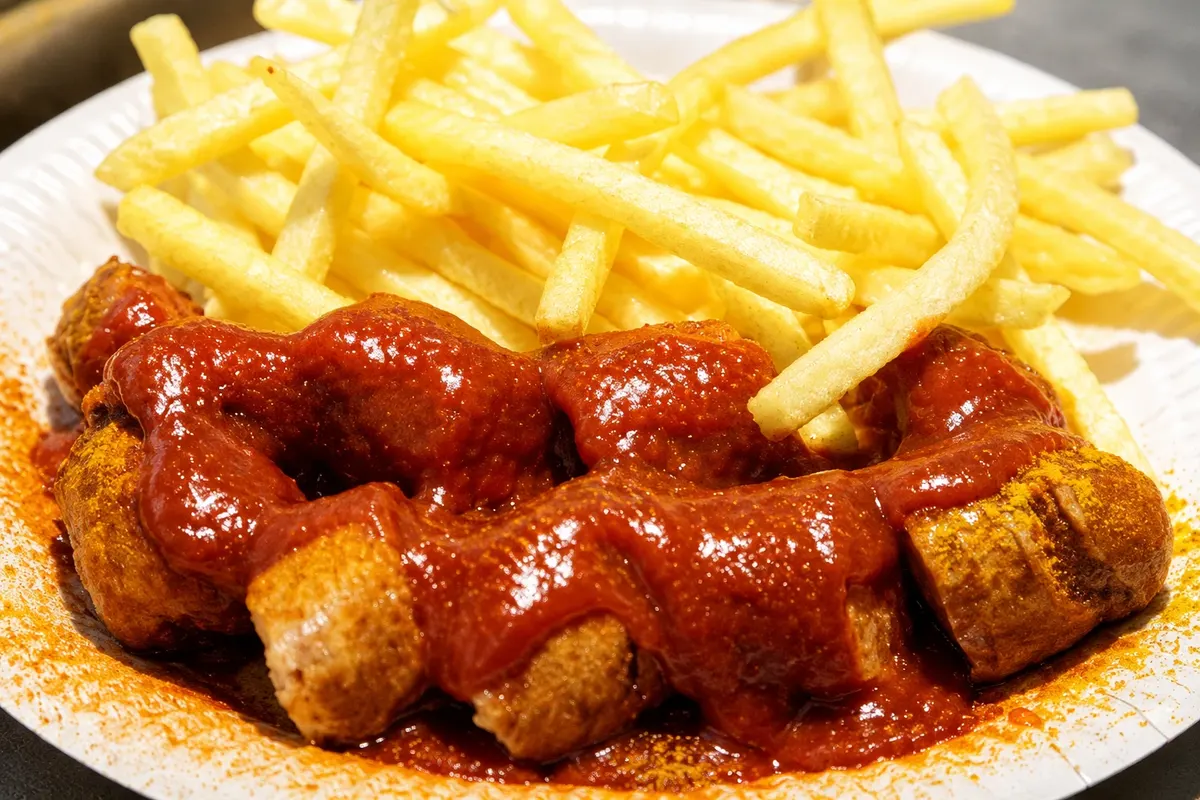
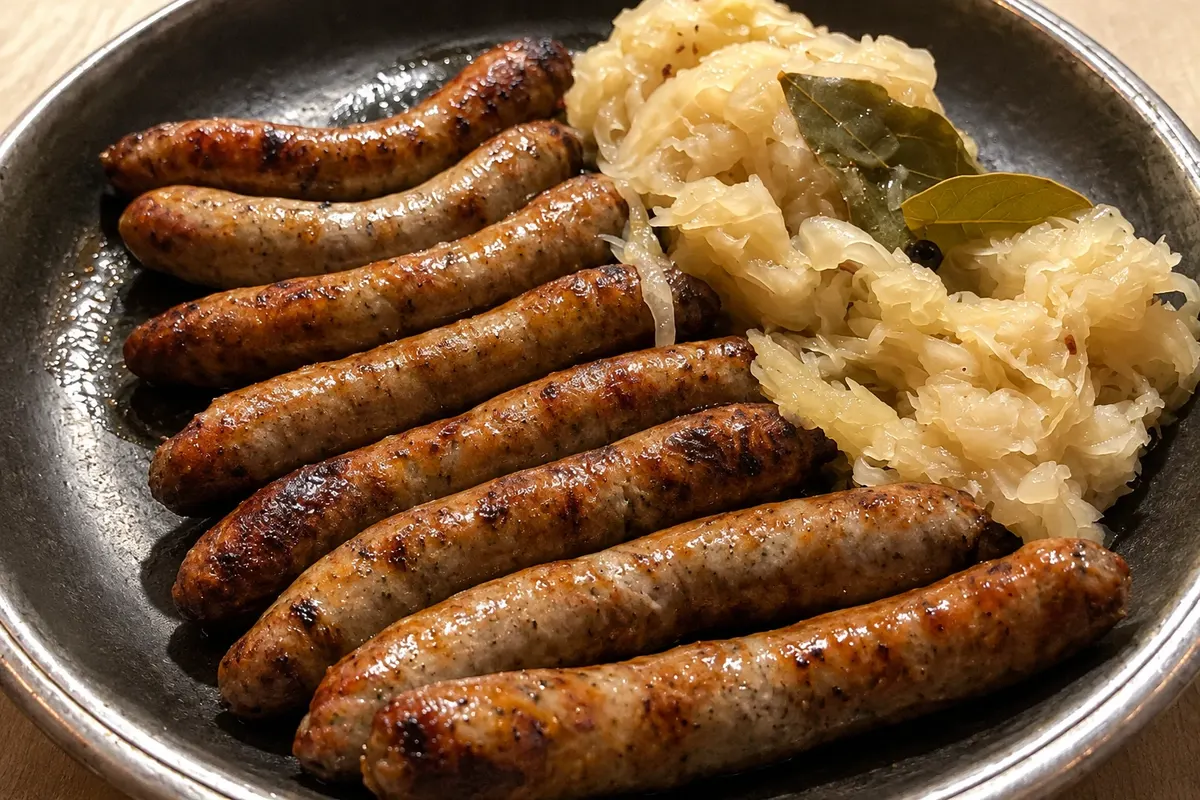
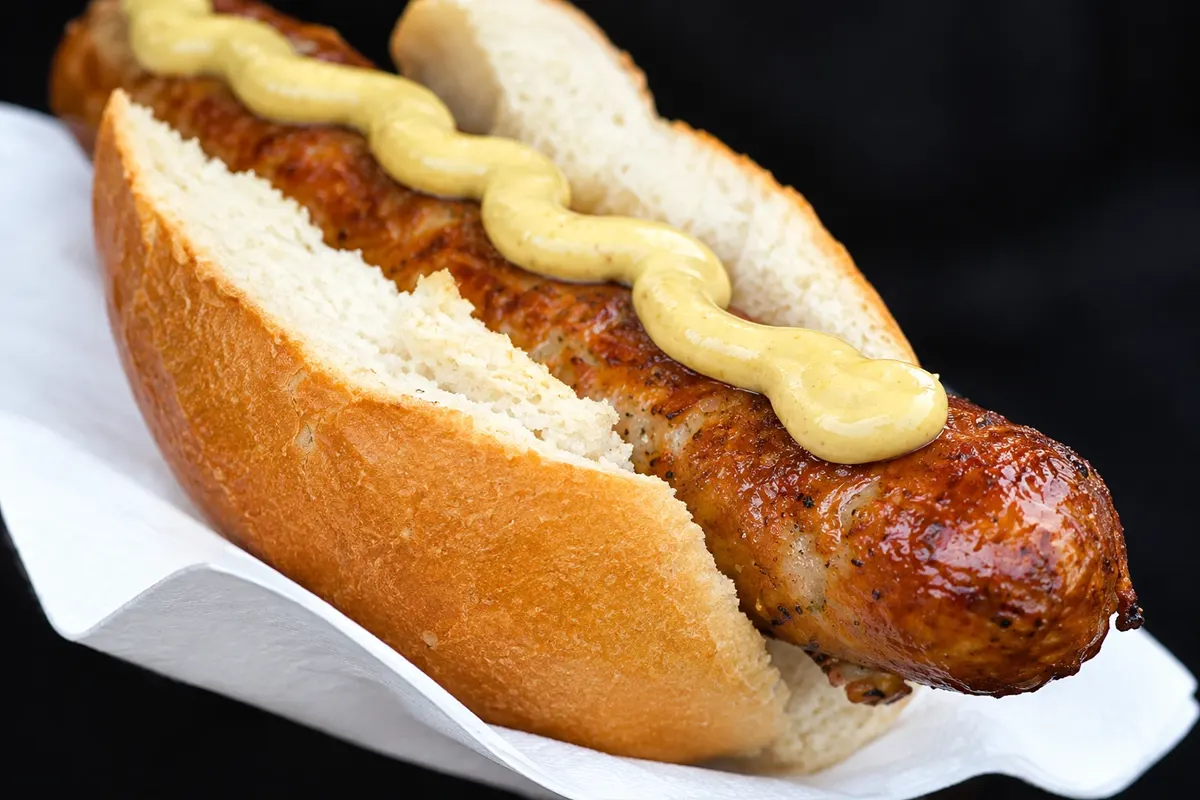
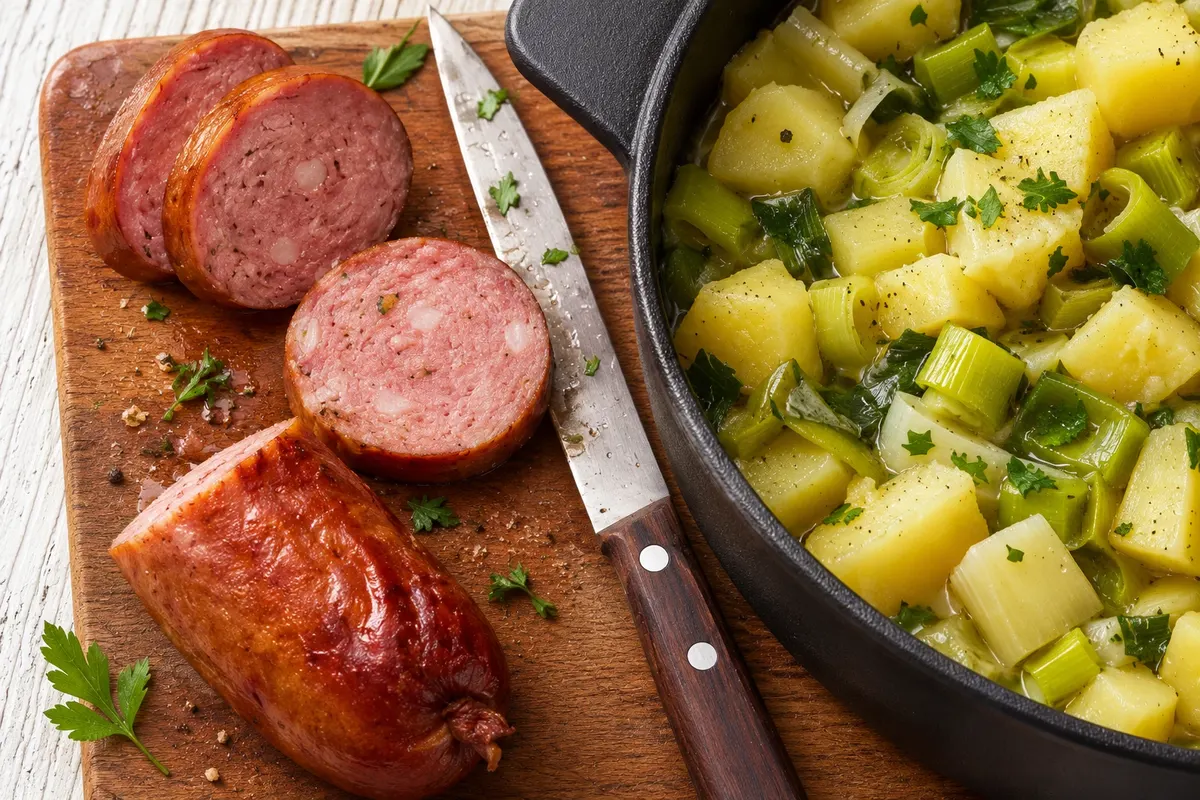
Sausage, bread and cake are broad terms in Germany. A Nuremberg sausage is not the same as one from Thuringia or Munich’s Weißwurst: size, seasoning and how it is served change from town to town. The same goes for spiced honey breads, which in Nuremberg are called Lebkuchen and in Aachen have a different name, recipe and history.
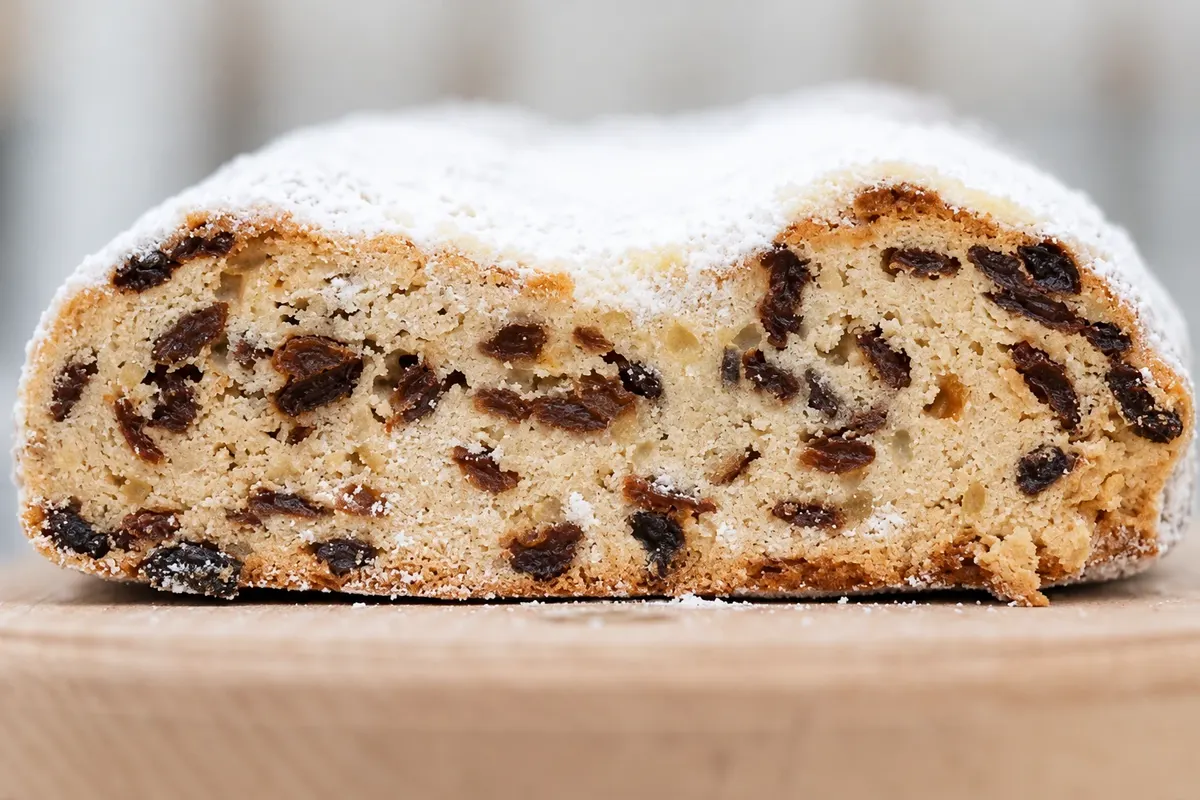
Many specialties have official protection. The European Union registers names such as Nürnberger Lebkuchen, Lübecker Marzipan, Dresdner Christstollen, Thüringer Rostbratwurst and Kölsch as protected geographical indications. That registration states where the specialty must be made and what defines it, without preventing variations from each bakery or kitchen. Others do not have that registration but have a documented link to the city, such as Hamburg’s Franzbrötchen and the Leipziger Lerche.
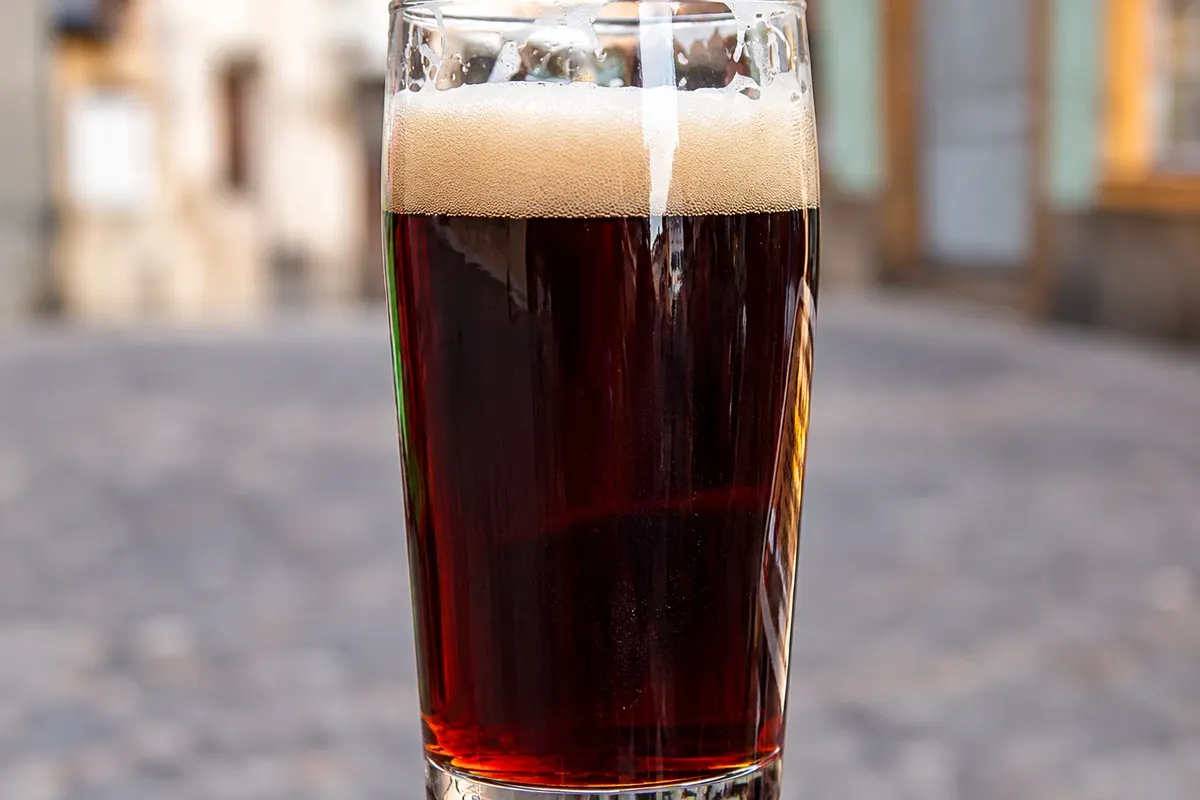
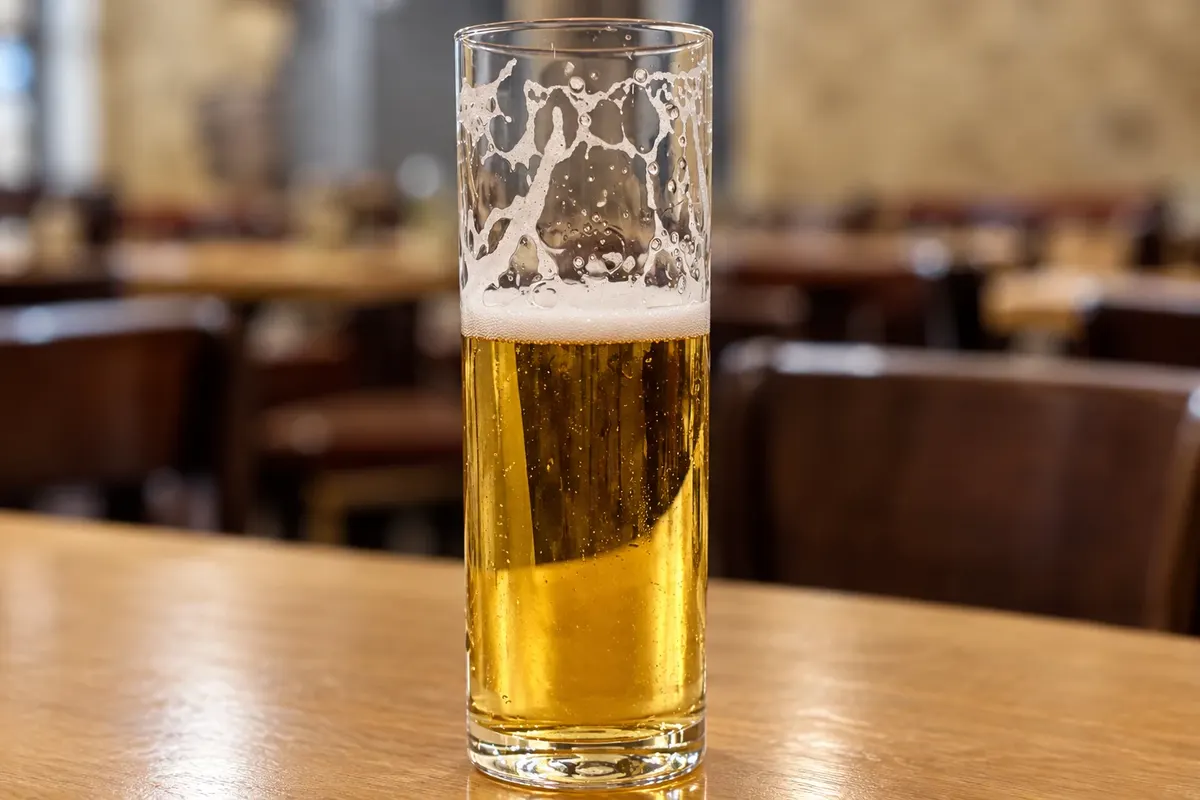
Beer and apple wine are part of the culture in several towns, each with its own style, glass and way of serving. They are enjoyed in moderation. There are also dishes tied to the calendar: some appear in winter, others at Easter or during Advent, when Christmas markets fill the squares.
Each specialty here is linked to a city or a state that represents it. That does not mean it is only eaten there: many have spread across the country. The page for each one explains its connection to the place, the ingredients and the custom of serving it.


 Brazil
 Antarctica
 Argentina
 Bolivia
 Chile
 Colombia
 Ecuador
 Guyana
 French Guiana
 Falkland Islands (Malvinas)
 Paraguay
 Peru
 Suriname
 Uruguay
 Venezuela
 Austria
 Belgium
 Croatia
 Denmark
 Slovakia
 Slovenia
 Spain
 Finland
 France
 Greece
 the Netherlands
 Hungary
 Ireland
 Iceland
 Italy
 Luxembourg
 Norway
 Poland
 Portugal
 the United Kingdom
 the Czech Republic
 Sweden
 Switzerland
 Turkey
 Bermuda
 Canada
 the United States
 Greenland
 Mexico
 Saint Pierre and Miquelon
 the Dominican Republic
 Japan
 South Africa
 Egypt
 Australia
 Fiji
 New Zealand
 Papua New Guinea