The cuisine
Traditional food of Greece
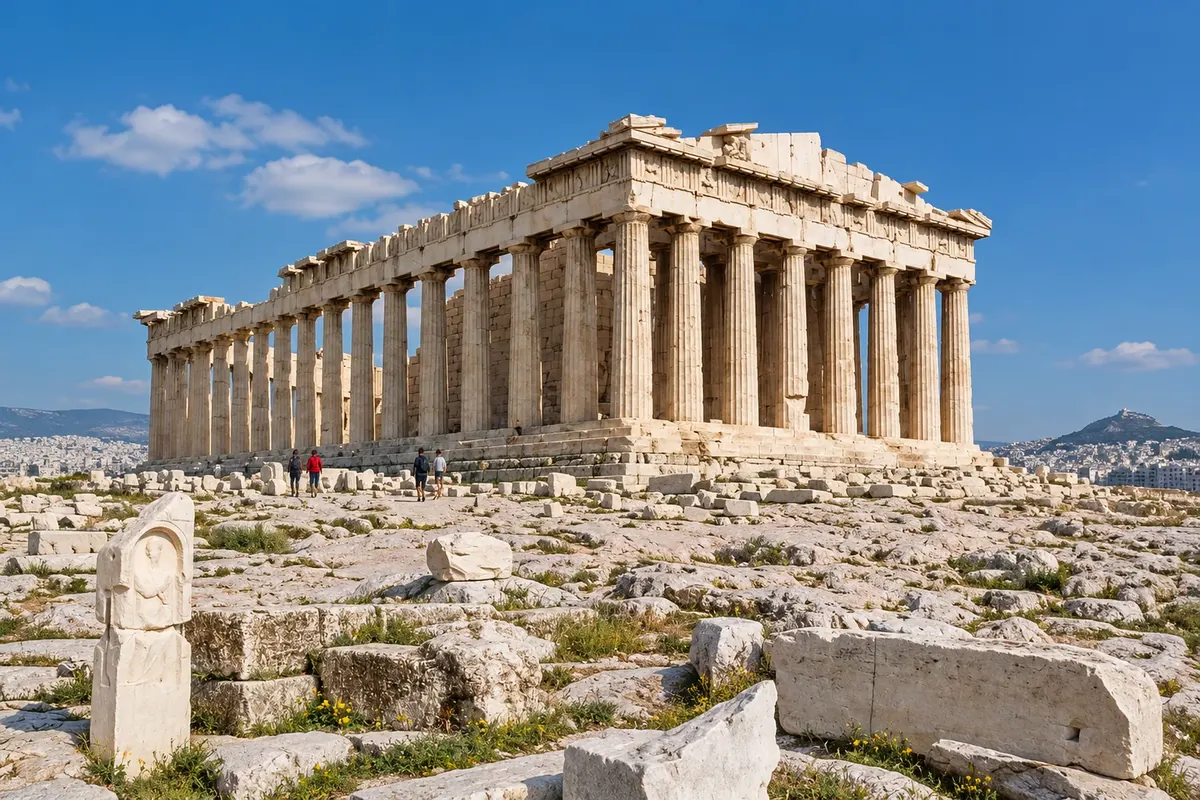
Greek cuisine rests on a few ancient elements: olive oil, wheat and barley, wine, sheep and goat cheese, honey, wild herbs and fish. Much of what is eaten in the country already appears, under other names, in Ancient texts, and the table is still organized around shared dishes, the mezedes, served with wine or with a spirit.
Each era left marks. Byzantium and the Ottoman Empire spread phyllo pastries, honey-and-nut sweets and many dish names. Venice ruled Corfu, Crete and several Peloponnese ports for centuries, and Venetian trade brought the sweet wine from Monemvasia to Europe. In 1923, the population exchange between Greece and Turkey brought families from Asia Minor to Thessaloniki and other northern cities, with recipes that became part of the local cuisine.
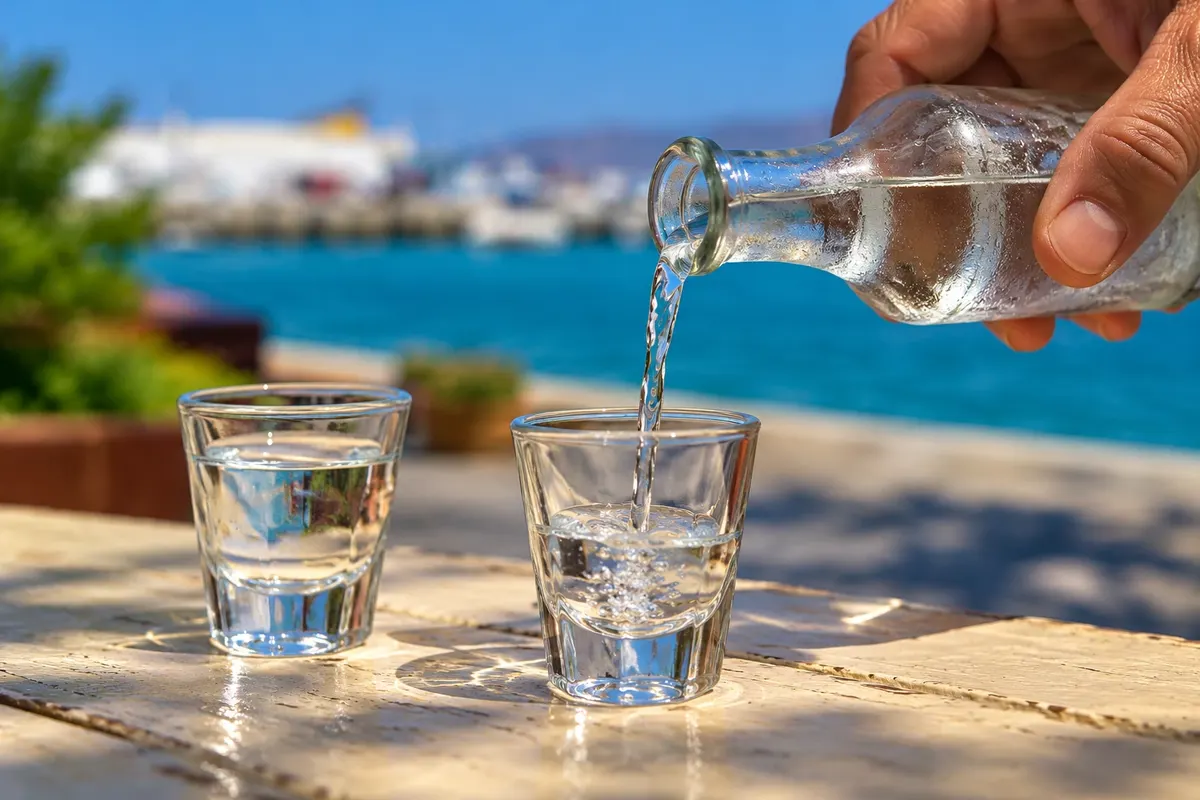
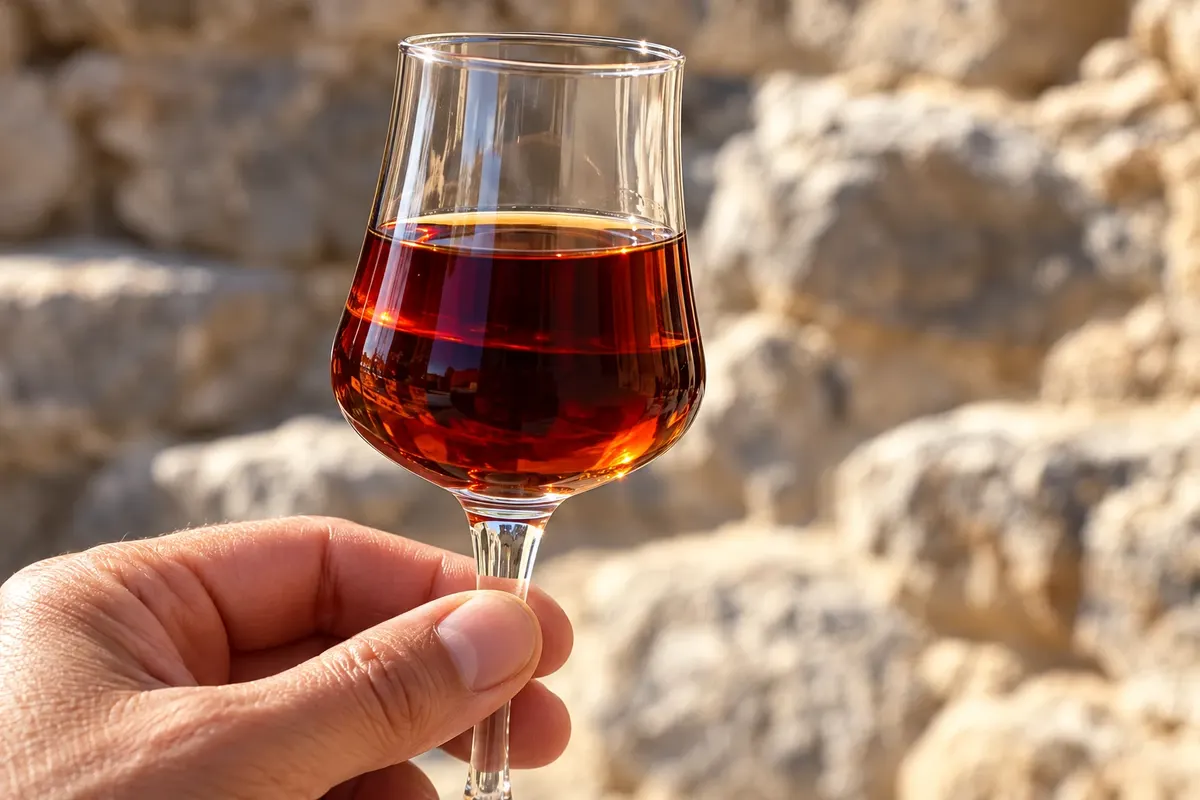
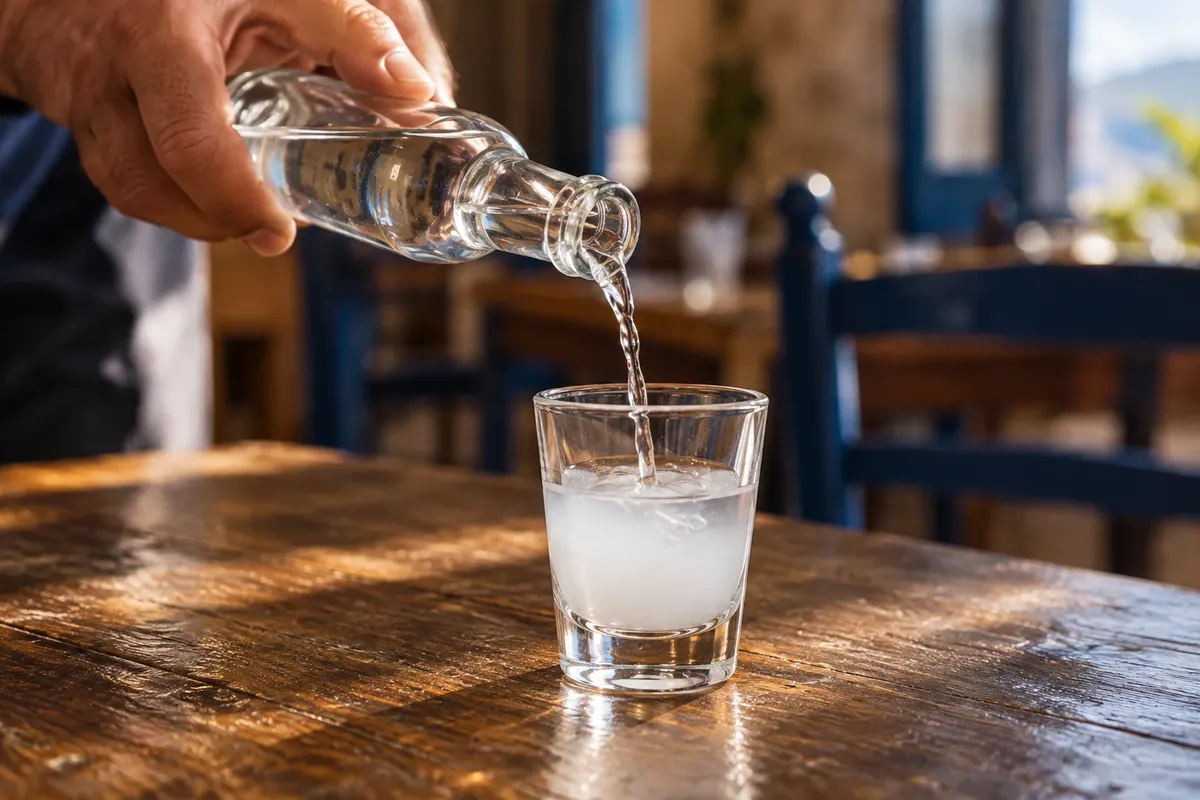
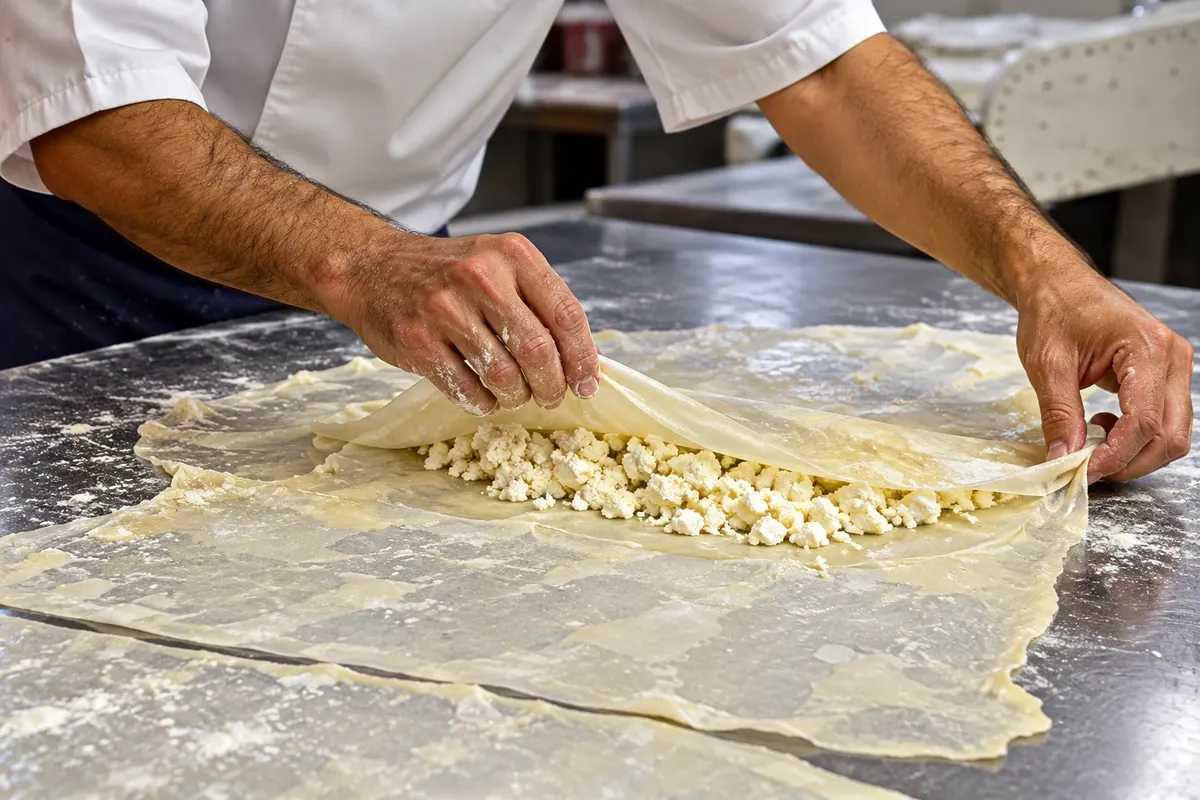
On the mainland, Thessaloniki is the city of bougatsa, a very thin pastry filled with cream or cheese and eaten in the morning. Patras gives its name to Mavrodafni, a sweet red wine aged in barrel, and Monemvasia revived the sweet wine that carried its Frankish name, Malvasia. Attica is the home of retsina, the white wine with pine resin, and Thessaly is the region of tsipouro, the grape-pomace spirit served in small bottles with snacks.
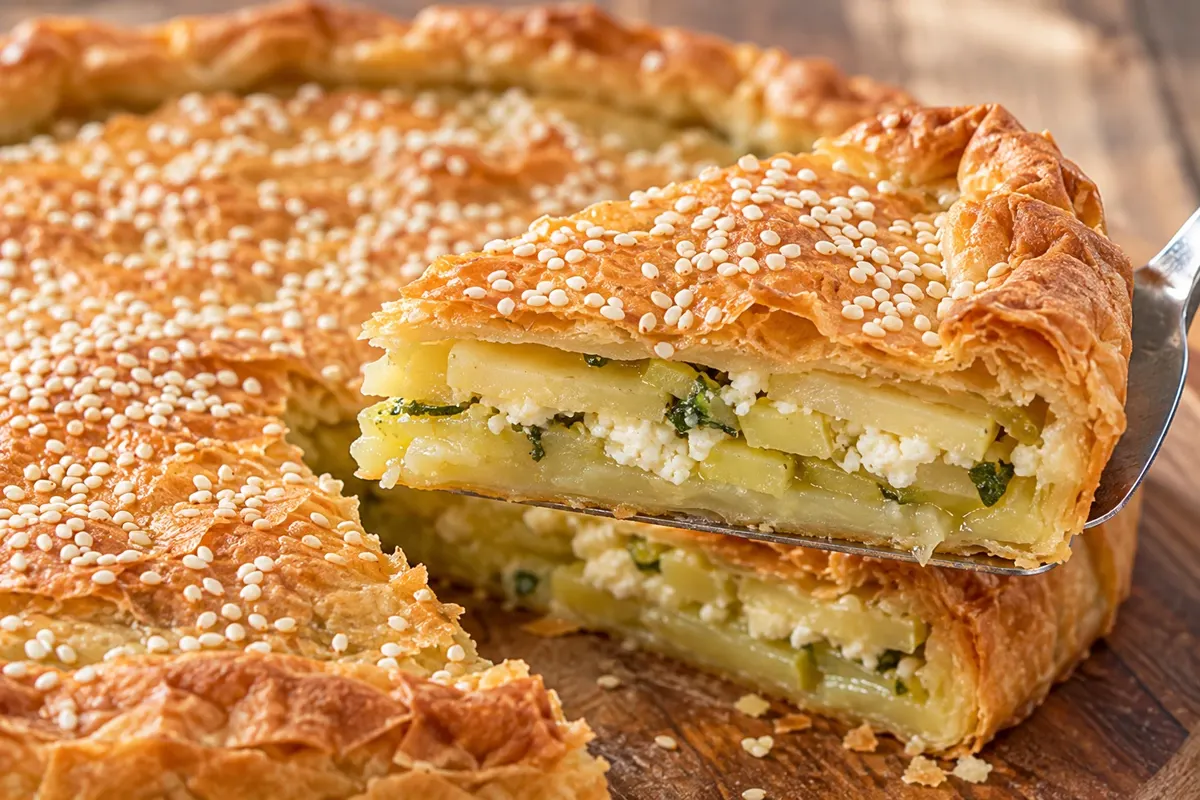
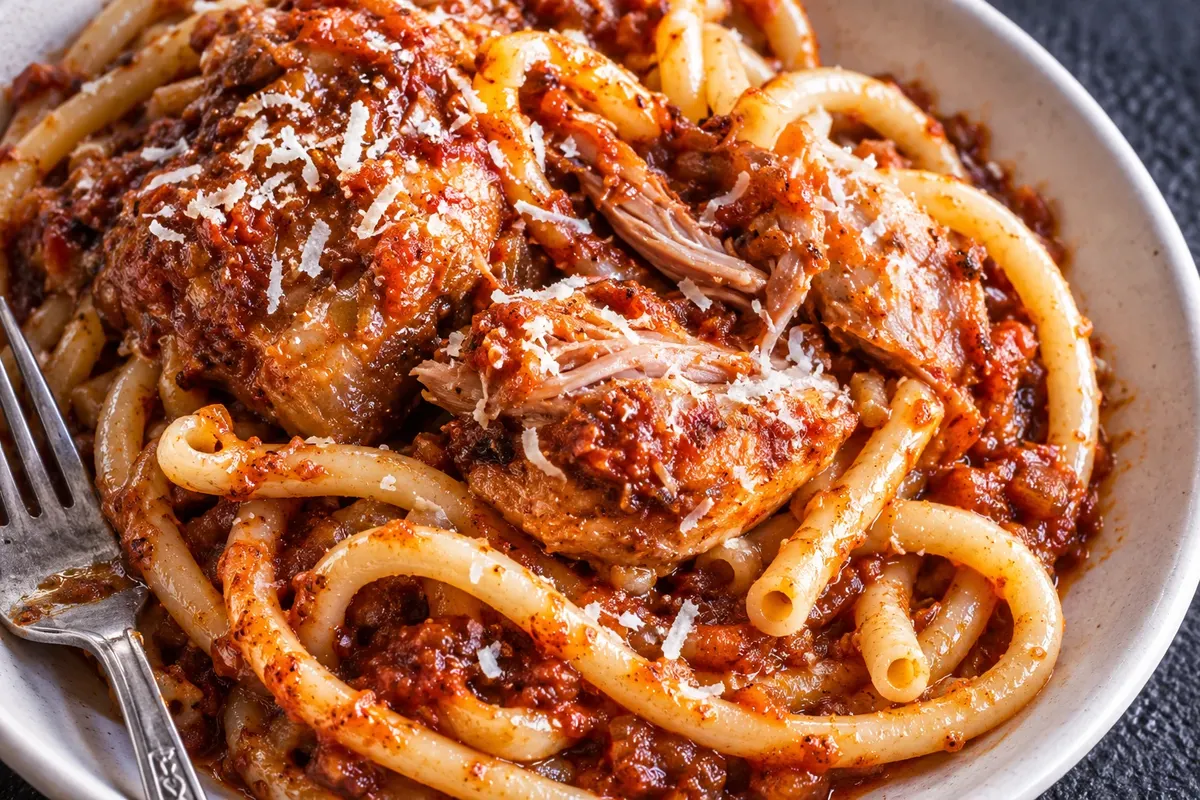
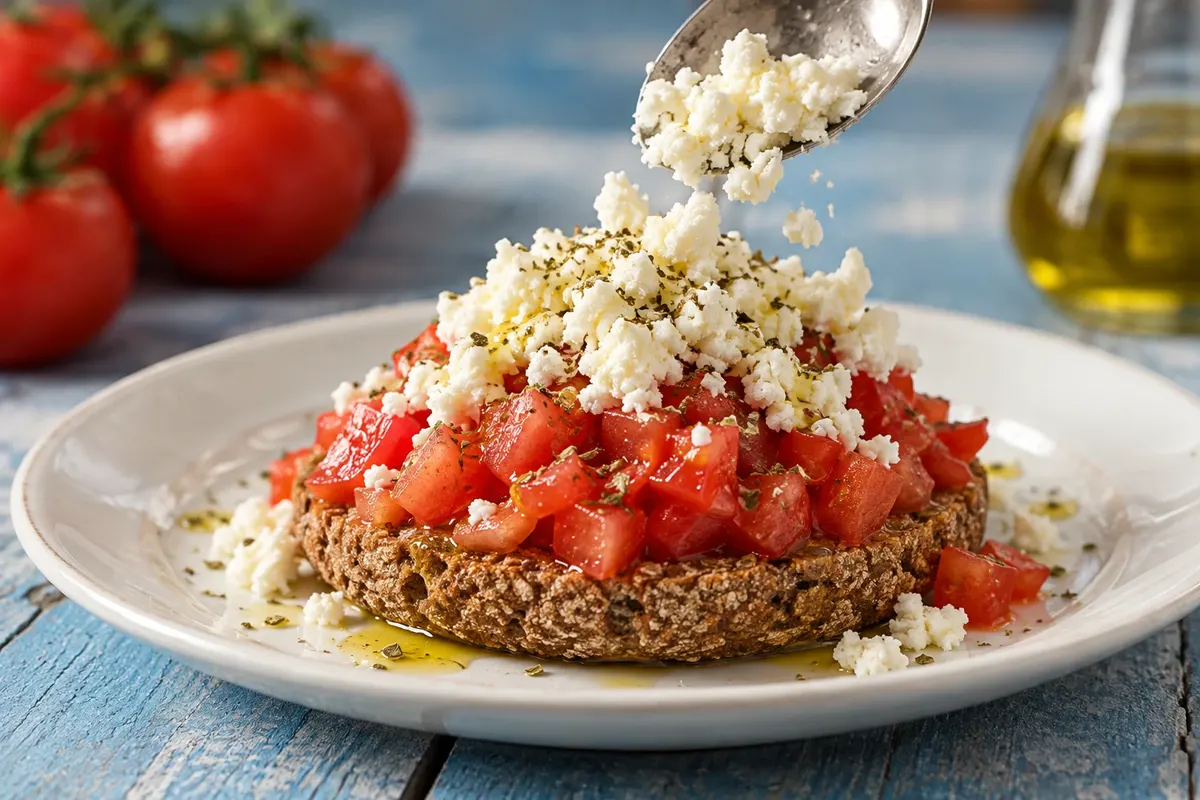
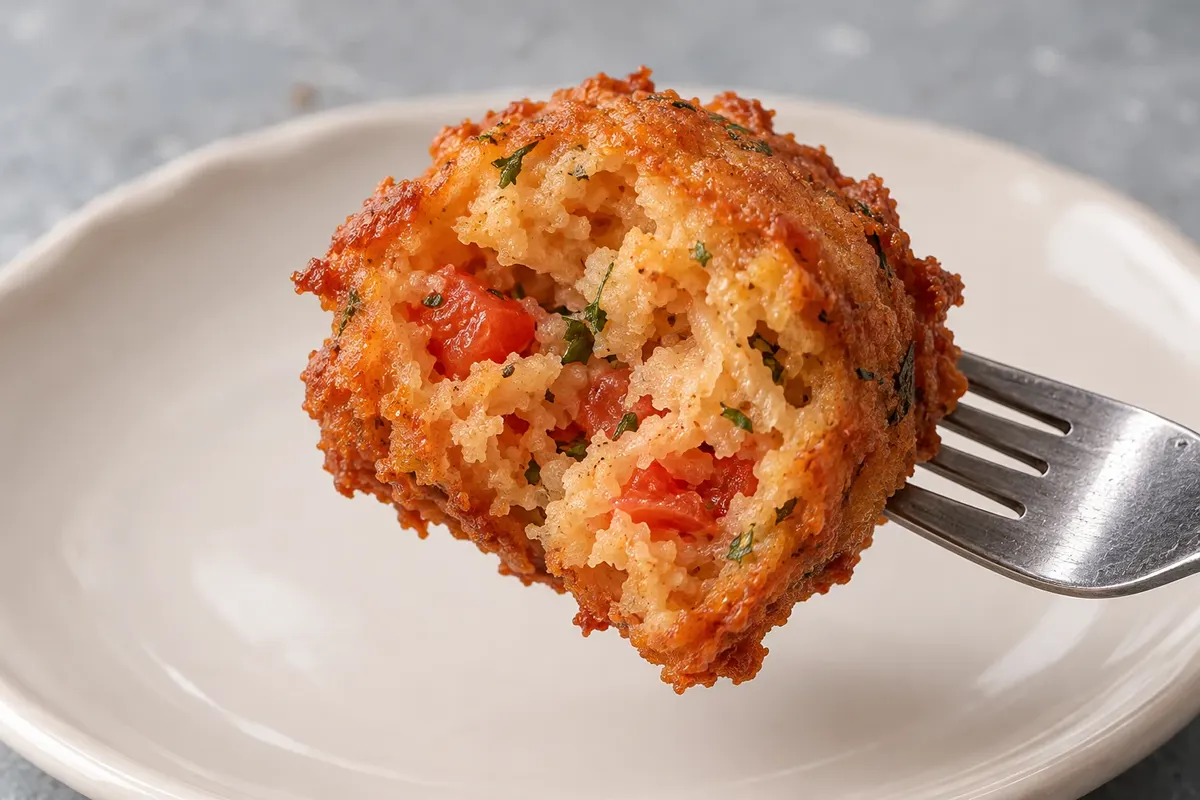
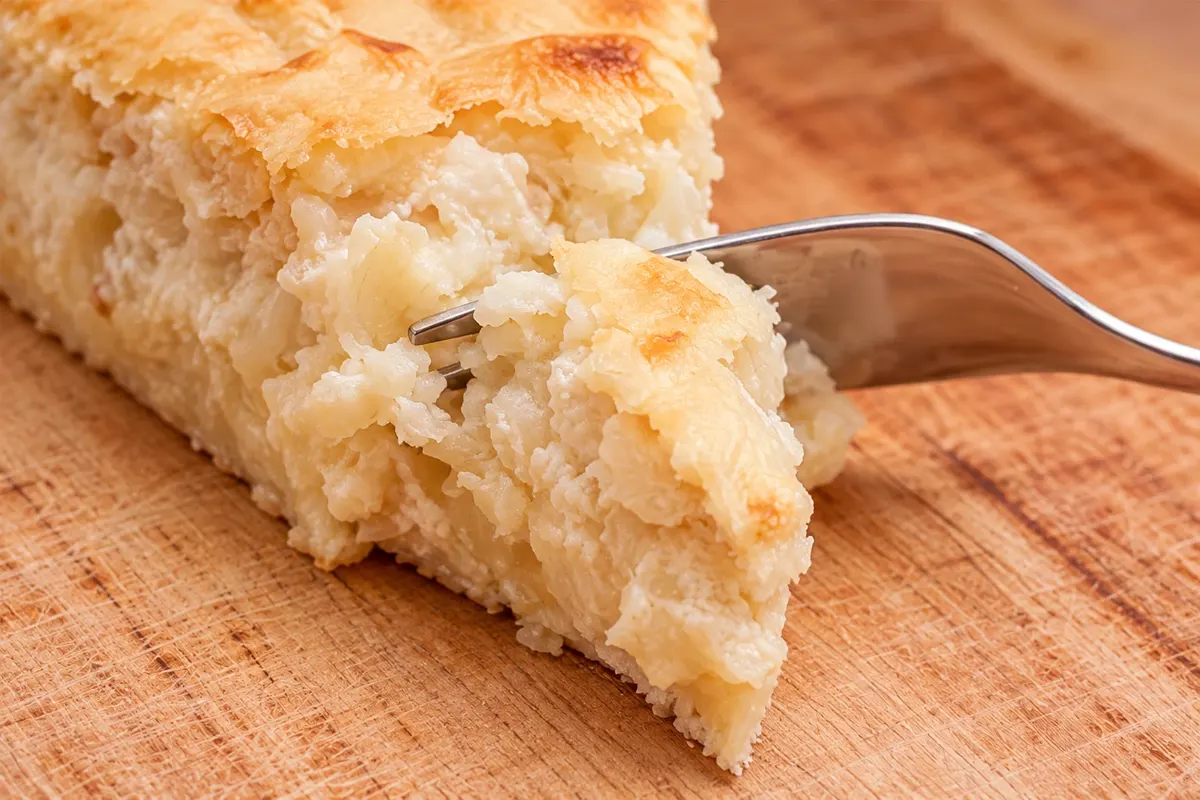
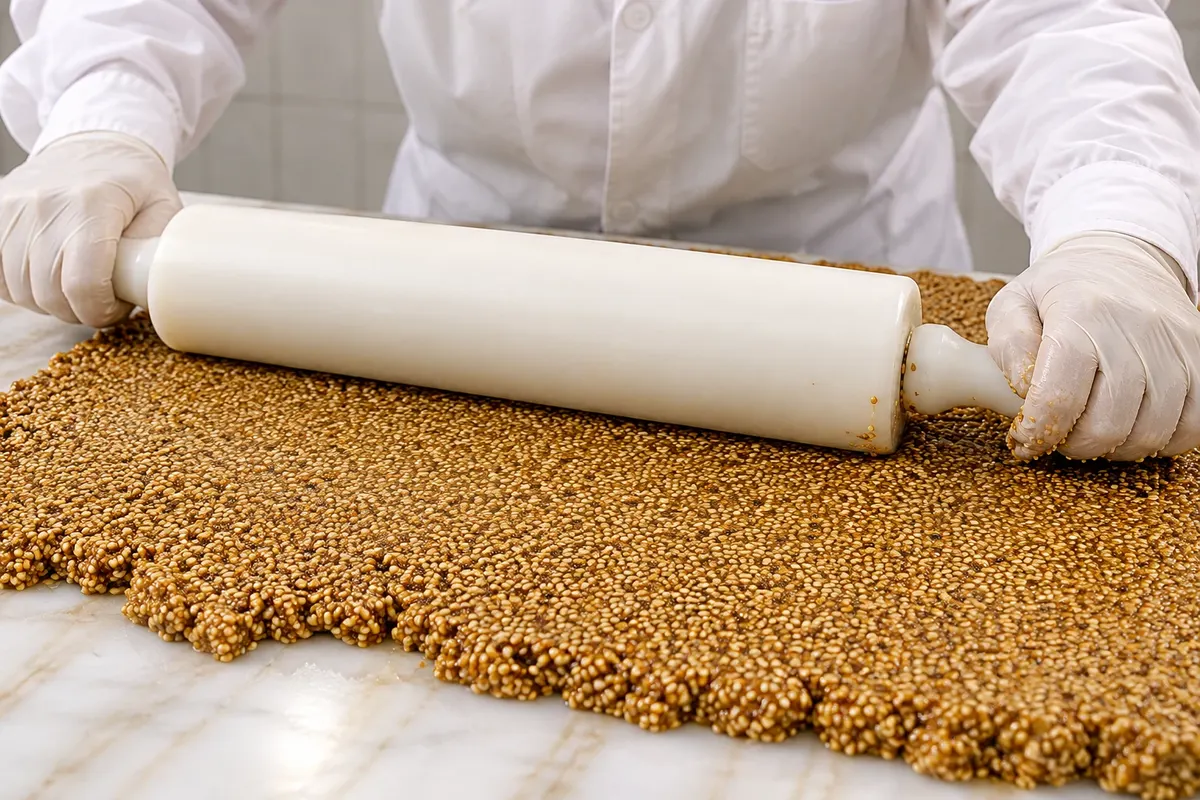
In the Ionian Islands, Corfu preserves dishes with Italian names, such as pastitsada and sofrito. In the Aegean, Santorini makes vinsanto with sun-dried grapes and fried cakes with the island’s tomato, Mykonos has an onion pie with local cheese, and Rhodes offers melekouni, a sesame-and-honey bar, at weddings. In Crete, tsikoudia accompanies almost every meal, dakos turns a dried barley rusk into a dish, and Chania bakes zucchini, potato and mizithra cheese in layers.


 Brazil
 Argentina
 Bolivia
 Chile
 Colombia
 Ecuador
 Guyana
 French Guiana
 Falkland Islands (Malvinas)
 Paraguay
 Peru
 Suriname
 Uruguay
 Venezuela
 Germany
 Austria
 Belgium
 Croatia
 Denmark
 Spain
 Finland
 France
 the Netherlands
 Hungary
 Ireland
 Iceland
 Italy
 Luxembourg
 Norway
 Poland
 Portugal
 the United Kingdom
 the Czech Republic
 Sweden
 Switzerland
 Turkey
 Canada
 the United States
 Mexico
 the Dominican Republic
 South Africa
 Australia
 Fiji
 New Zealand
 Papua New Guinea