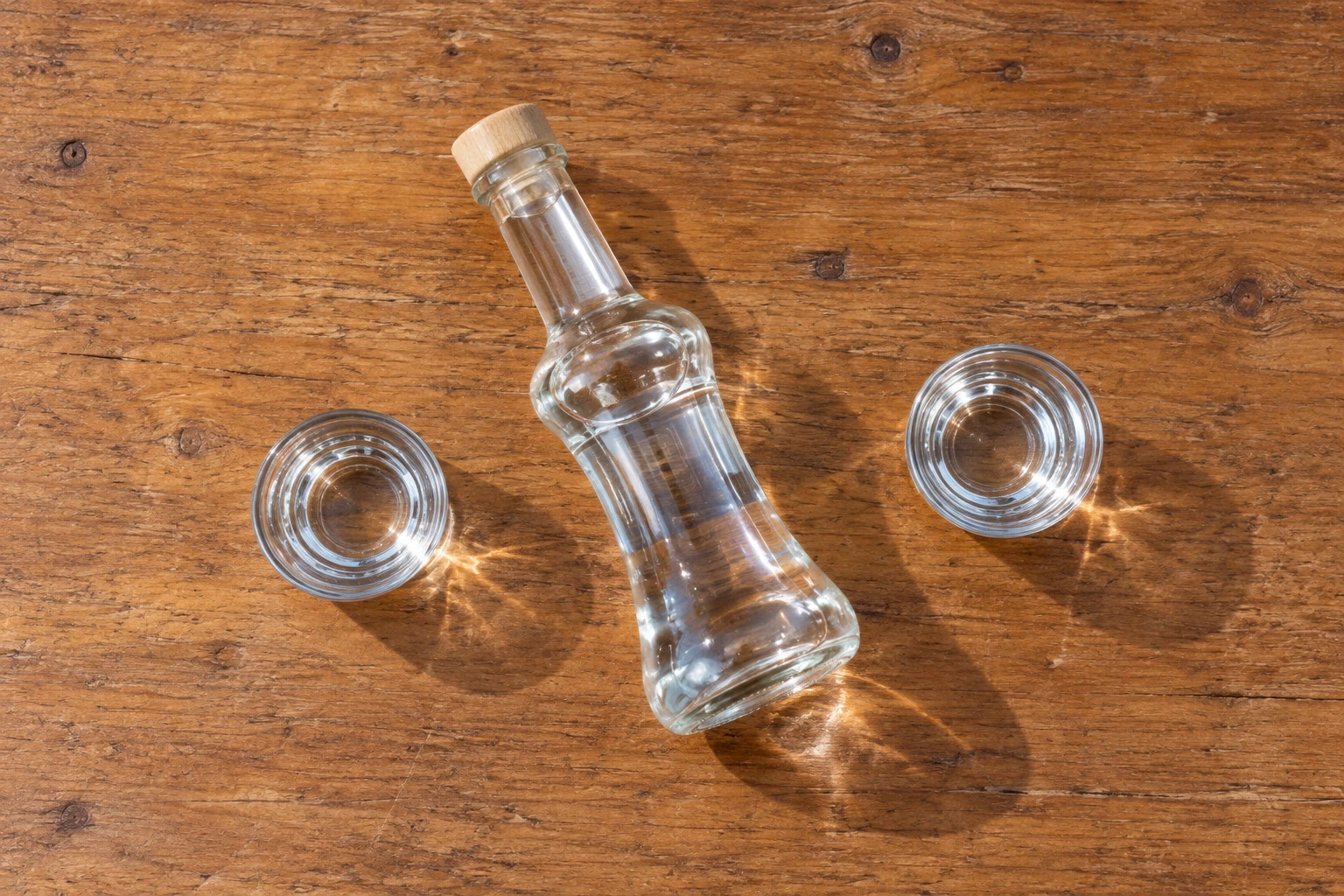
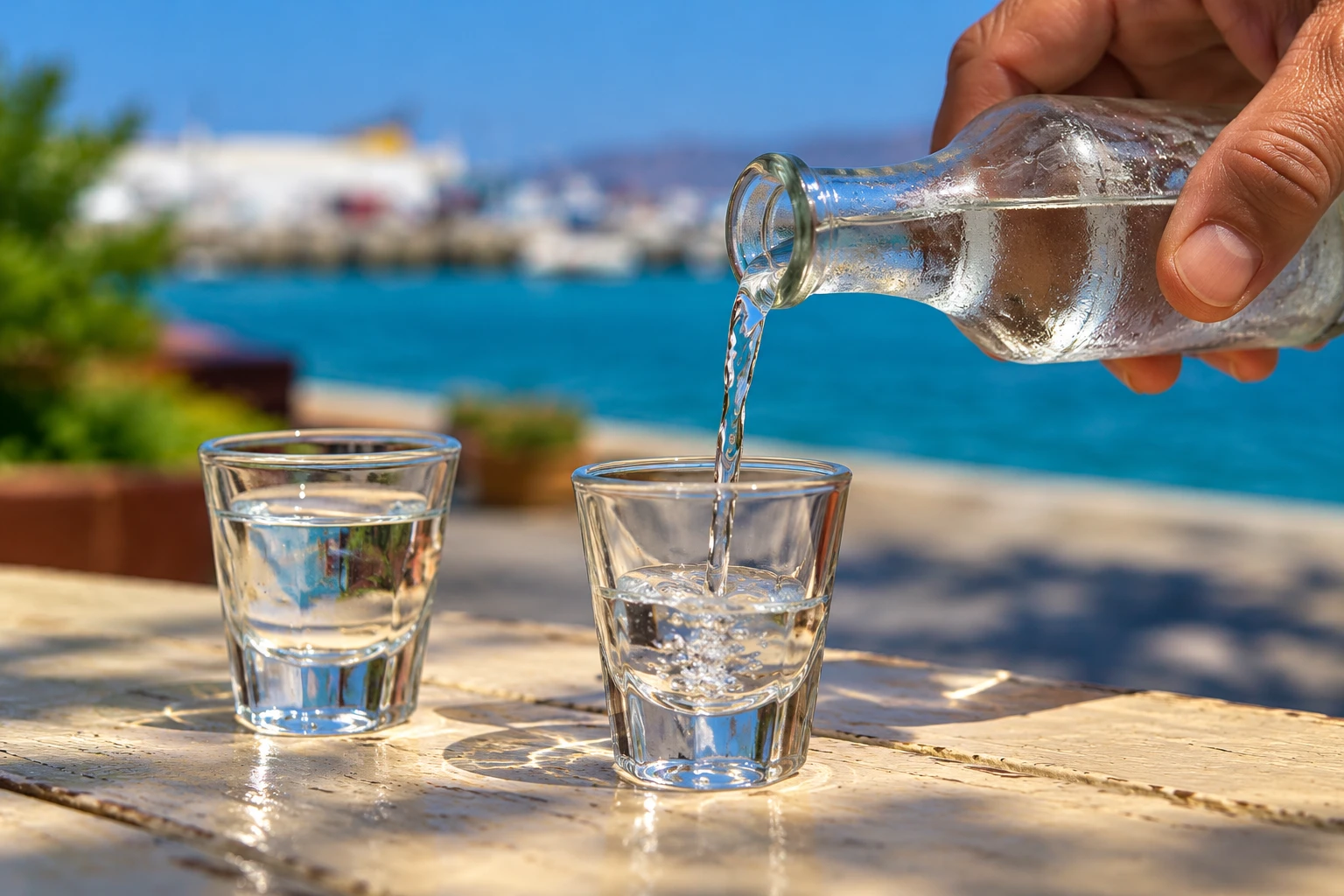
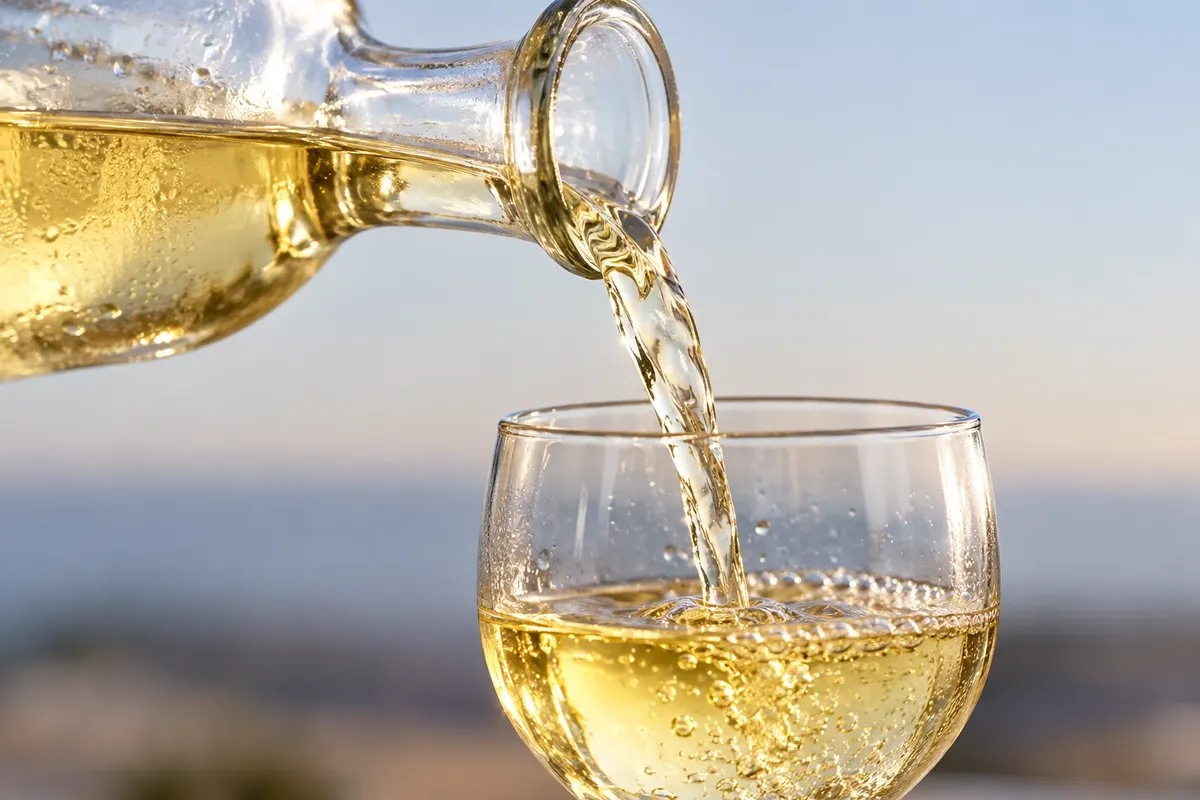
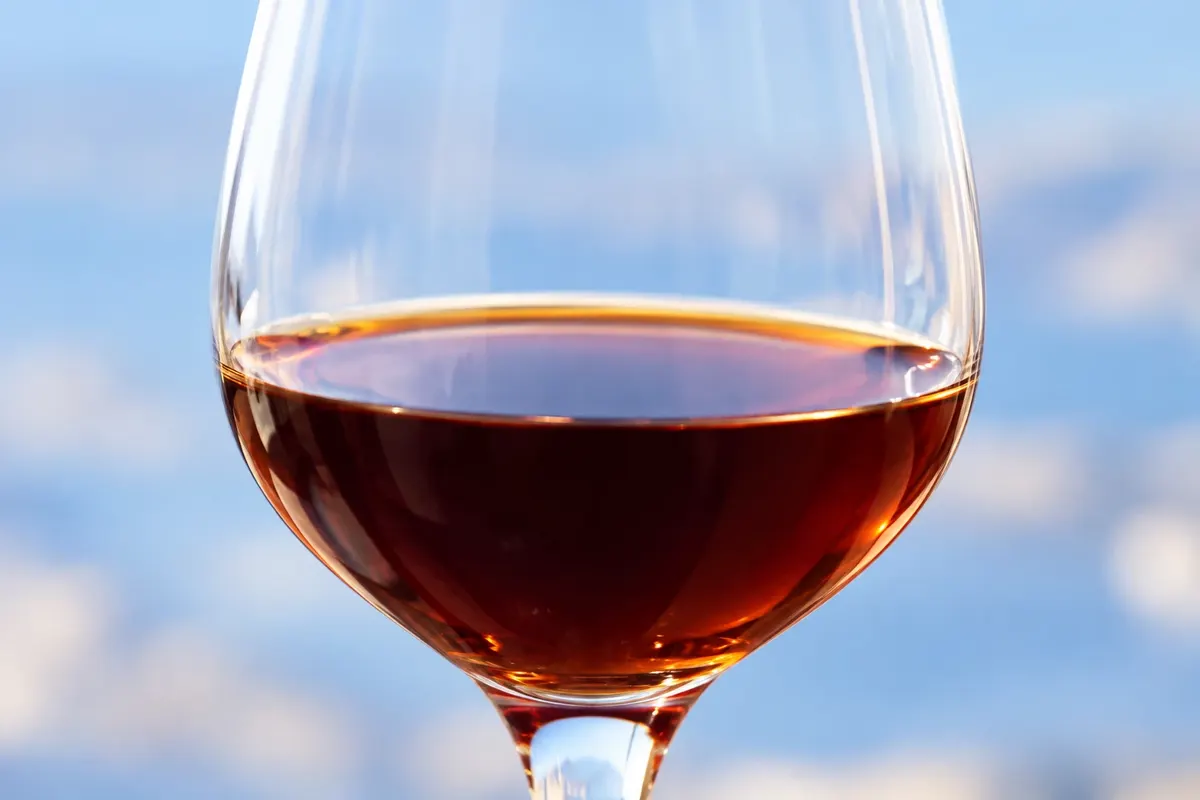
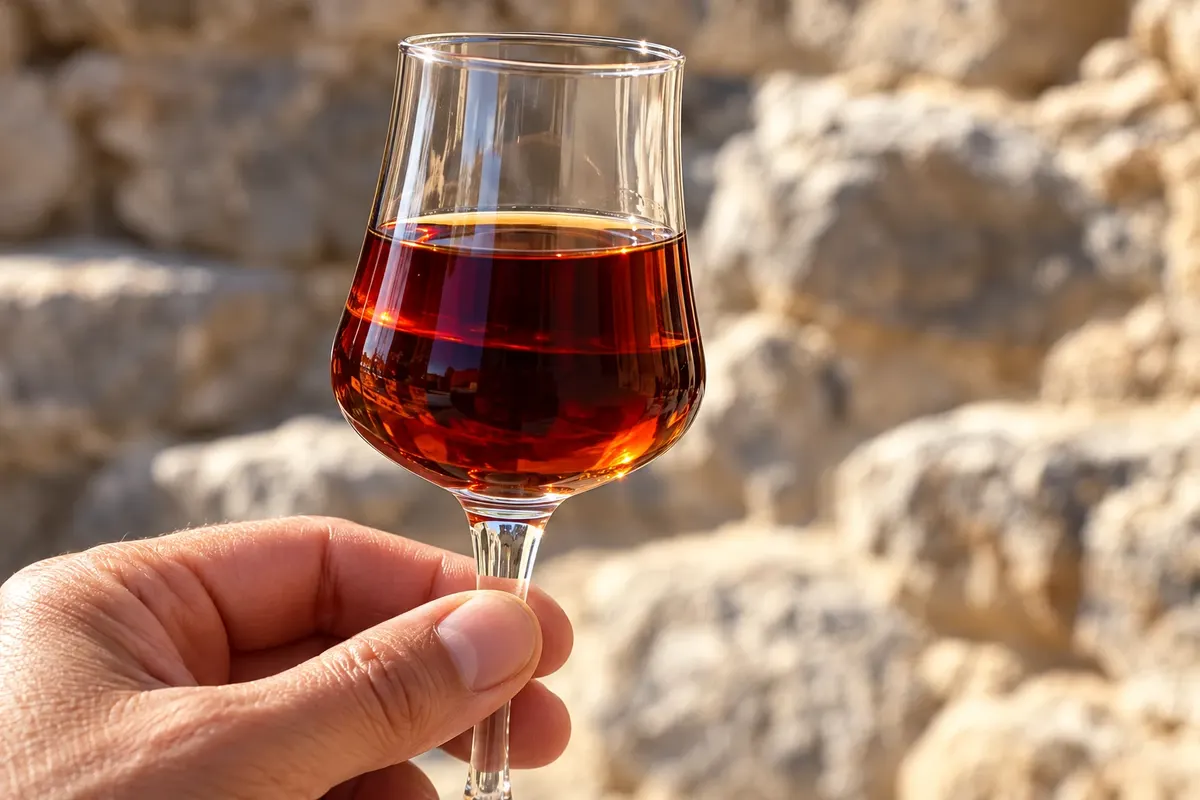
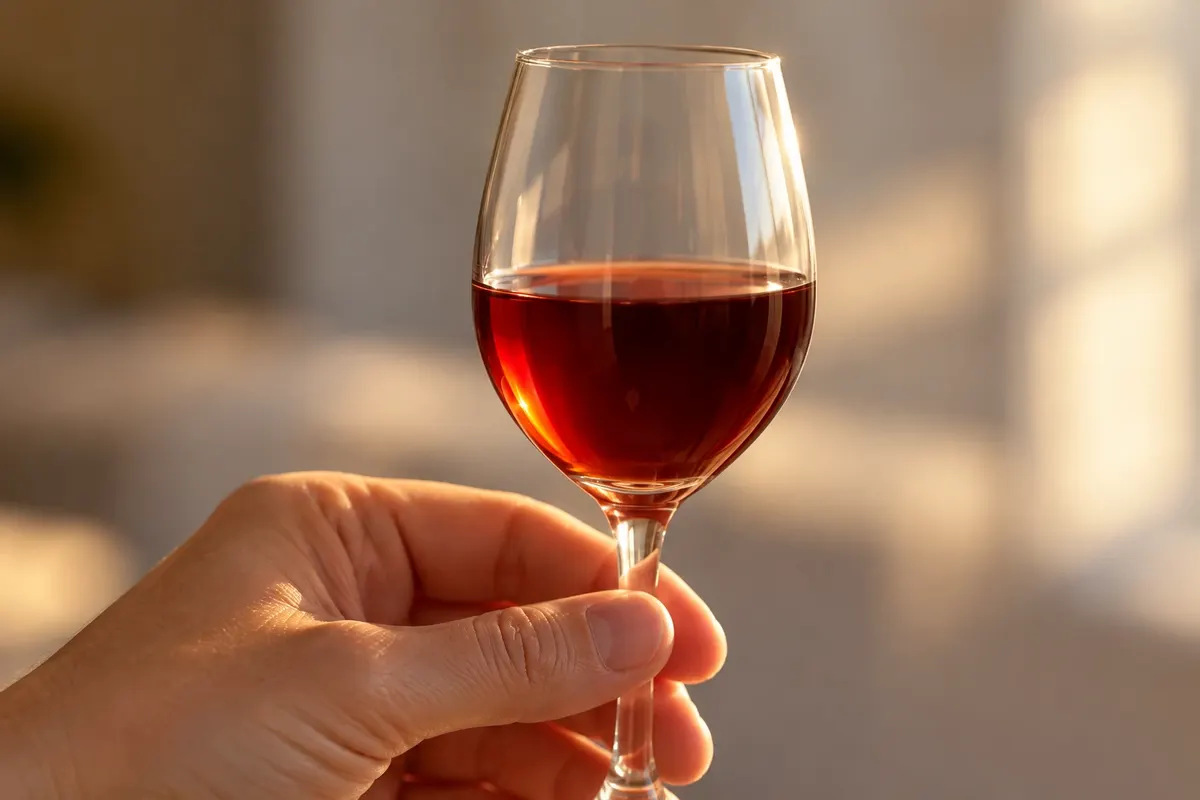
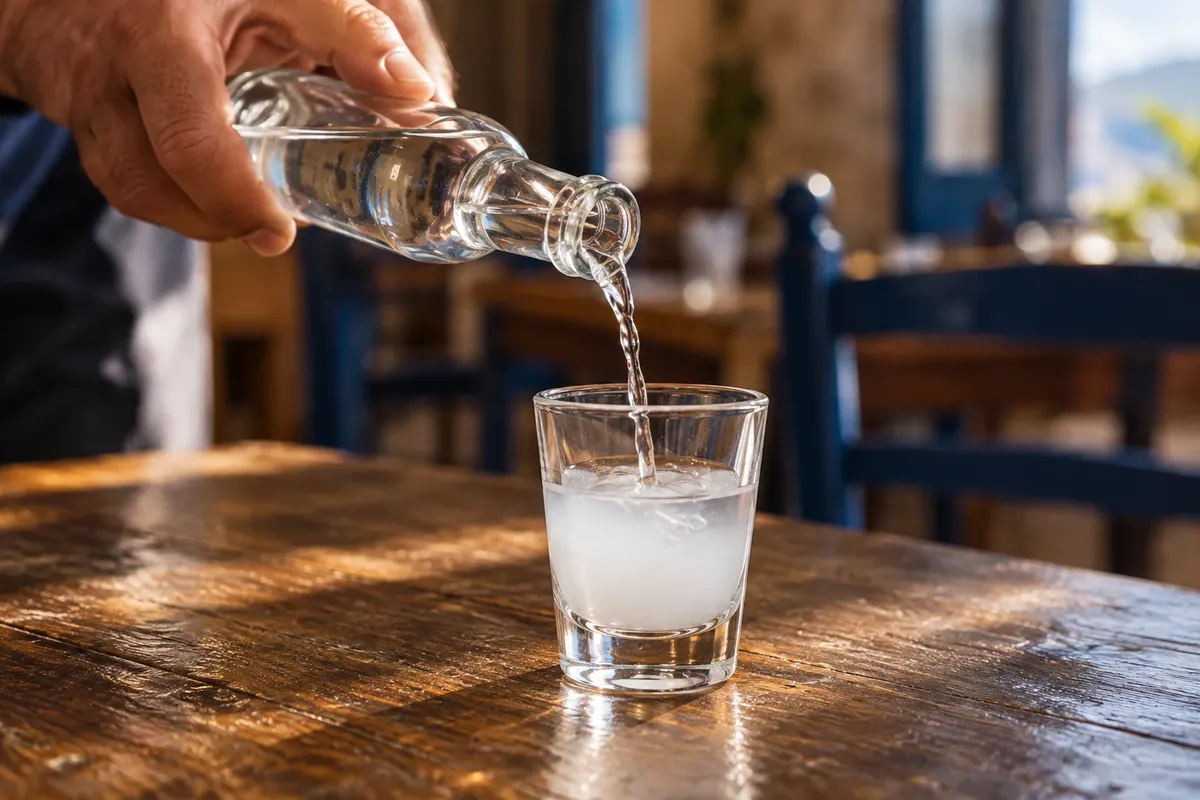
Tsikoudia is made from the marc left after pressing the grapes: skins, seeds and bits of pulp. The marc ferments and is taken to the still, where it is distilled. As with other marc brandies, the distiller separates the first portion, the “head,” and the last, the “tail,” and keeps the “heart,” the middle portion. In Crete, the drink is made without anise and remains clear.
The geographical indication Tsikoudia of Crete is on the official list of Greek spirit drinks and covers the whole island. In Crete the same drink is also called raki, a name that should not be confused with Turkish rakı, which contains anise.
Distillation takes place in autumn (September to November), after the grape harvest and wine production, and runs through November. Crete’s regional tourism board describes the cauldrons steaming in the villages at this time and the protoraki, the first tsikoudia to come off the still, with very high alcohol content. Distillation days, called rakokazana or kazanemata, bring neighbors and relatives together around the still, with food and music, especially in villages of the Rethymno area.
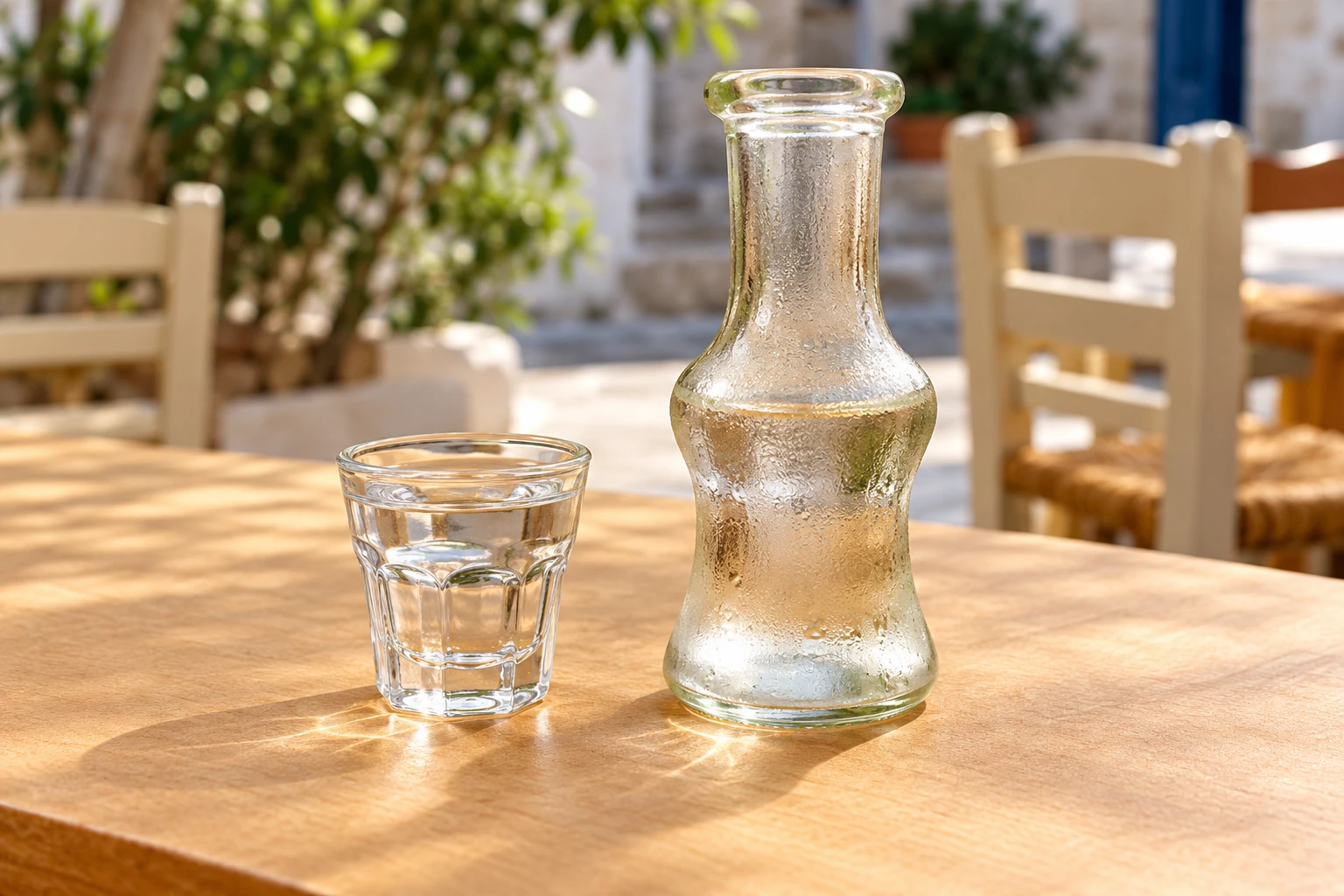
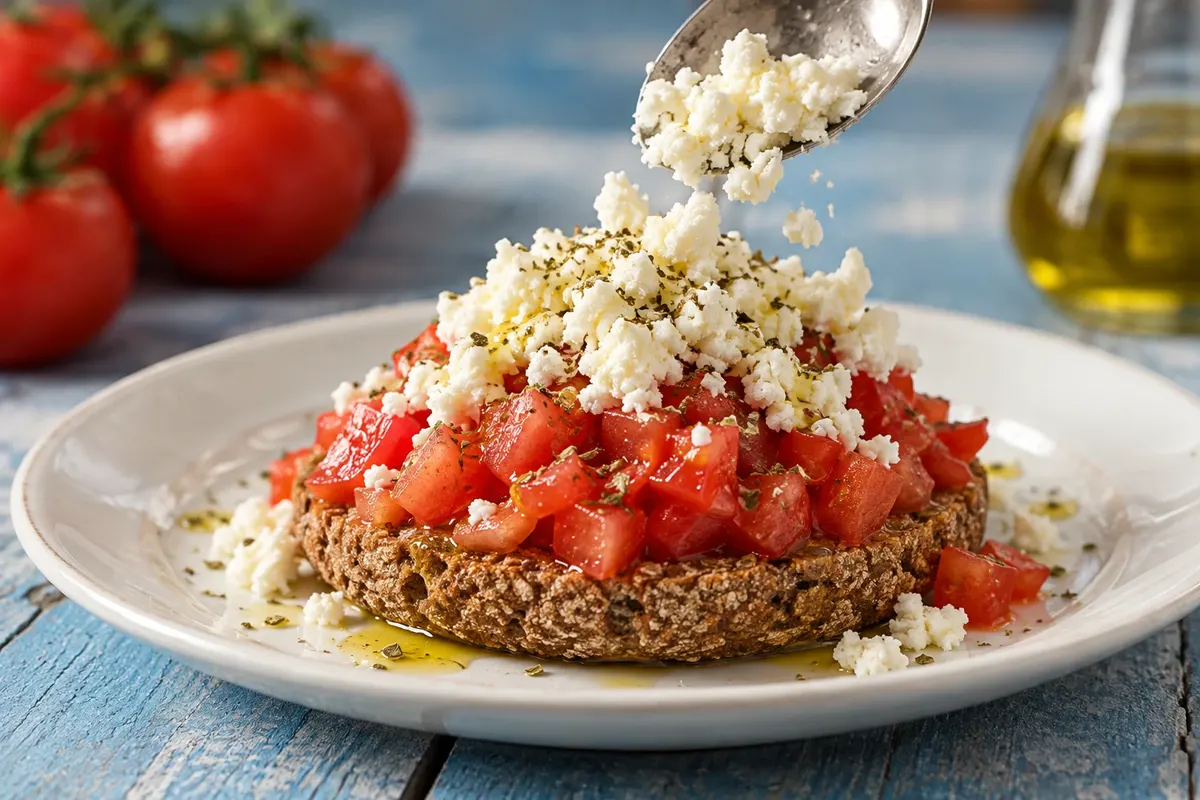
At the table, tsikoudia is served chilled, in small glasses, with snacks. It is offered as a welcome to visitors and also appears at the end of the meal, with fruit or a sweet.


 Brazil
 Argentina
 Bolivia
 Chile
 Colombia
 Ecuador
 Guyana
 French Guiana
 Falkland Islands (Malvinas)
 Paraguay
 Peru
 Suriname
 Uruguay
 Venezuela
 Germany
 Austria
 Belgium
 Croatia
 Denmark
 Spain
 Finland
 France
 the Netherlands
 Hungary
 Ireland
 Iceland
 Italy
 Luxembourg
 Norway
 Poland
 Portugal
 the United Kingdom
 the Czech Republic
 Sweden
 Switzerland
 Turkey
 Canada
 the United States
 Mexico
 the Dominican Republic
 South Africa
 Australia
 Fiji
 New Zealand
 Papua New Guinea