In the Middle Ages, Monemvasia was a fortified port on a rock in the southern Peloponnese, and the Franks and Venetians called it Malvasia. The sweet wine shipped there became known by the same name and circulated through European ports. The Greek Gastronomy Guide says this wine was already produced before the 13th century.
After the city passed into Ottoman rule in the 16th century, production moved to Crete and continued there until around 1800. In Monemvasia, the wine all but disappeared. The revival came from a recovery plan of about 14 years, which led to recognition of the protected designation of origin Monemvasia-Malvasia in 2010.
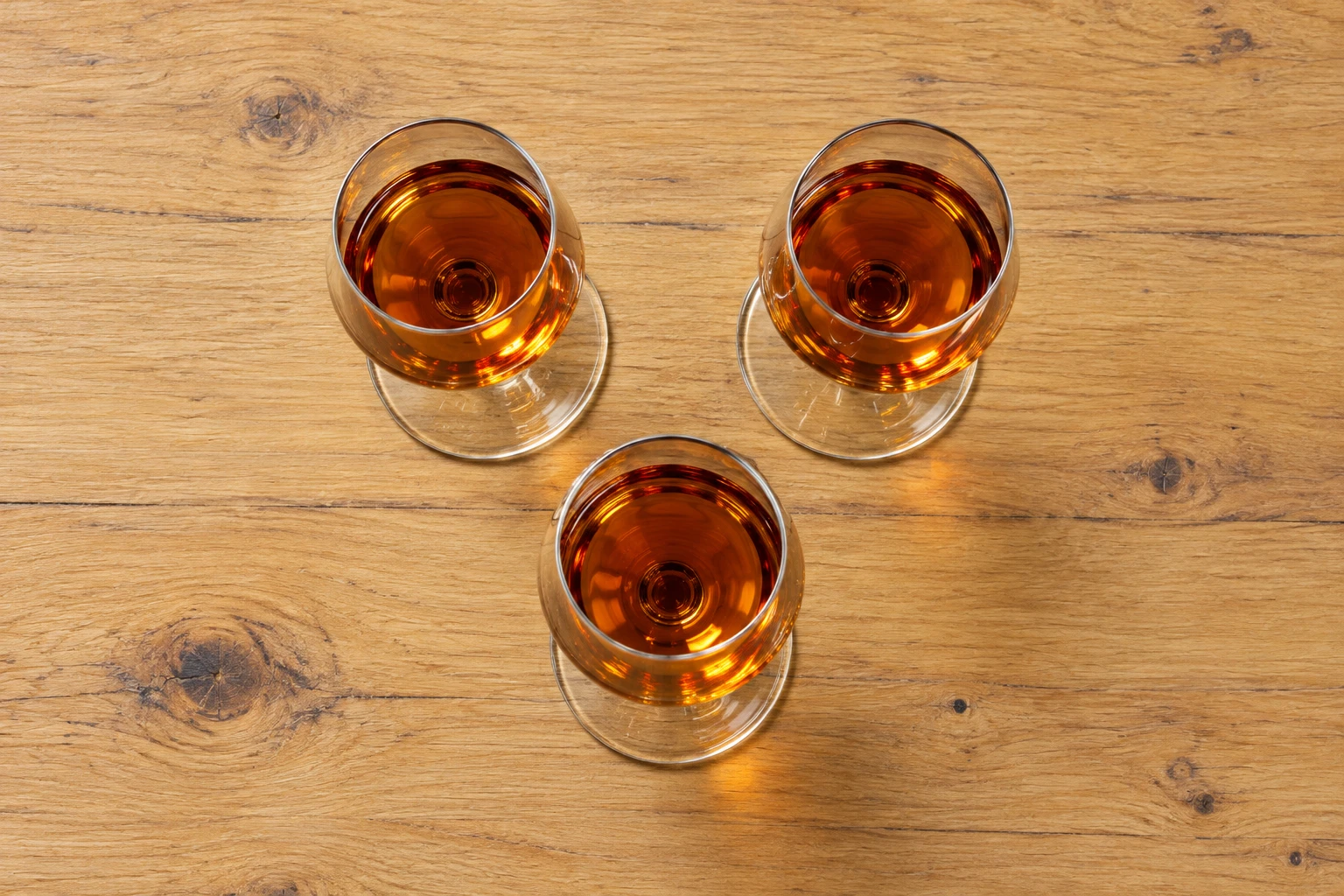
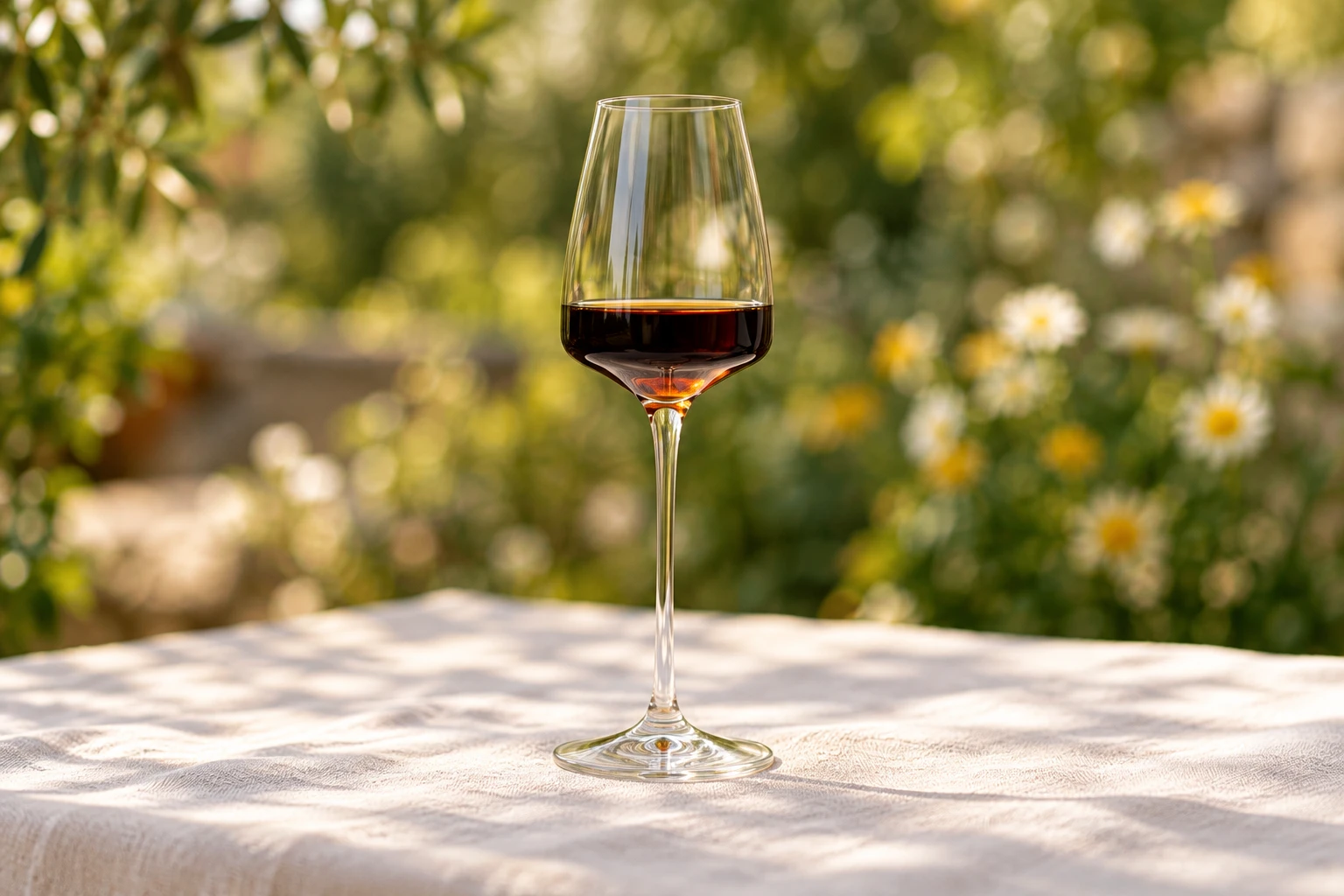
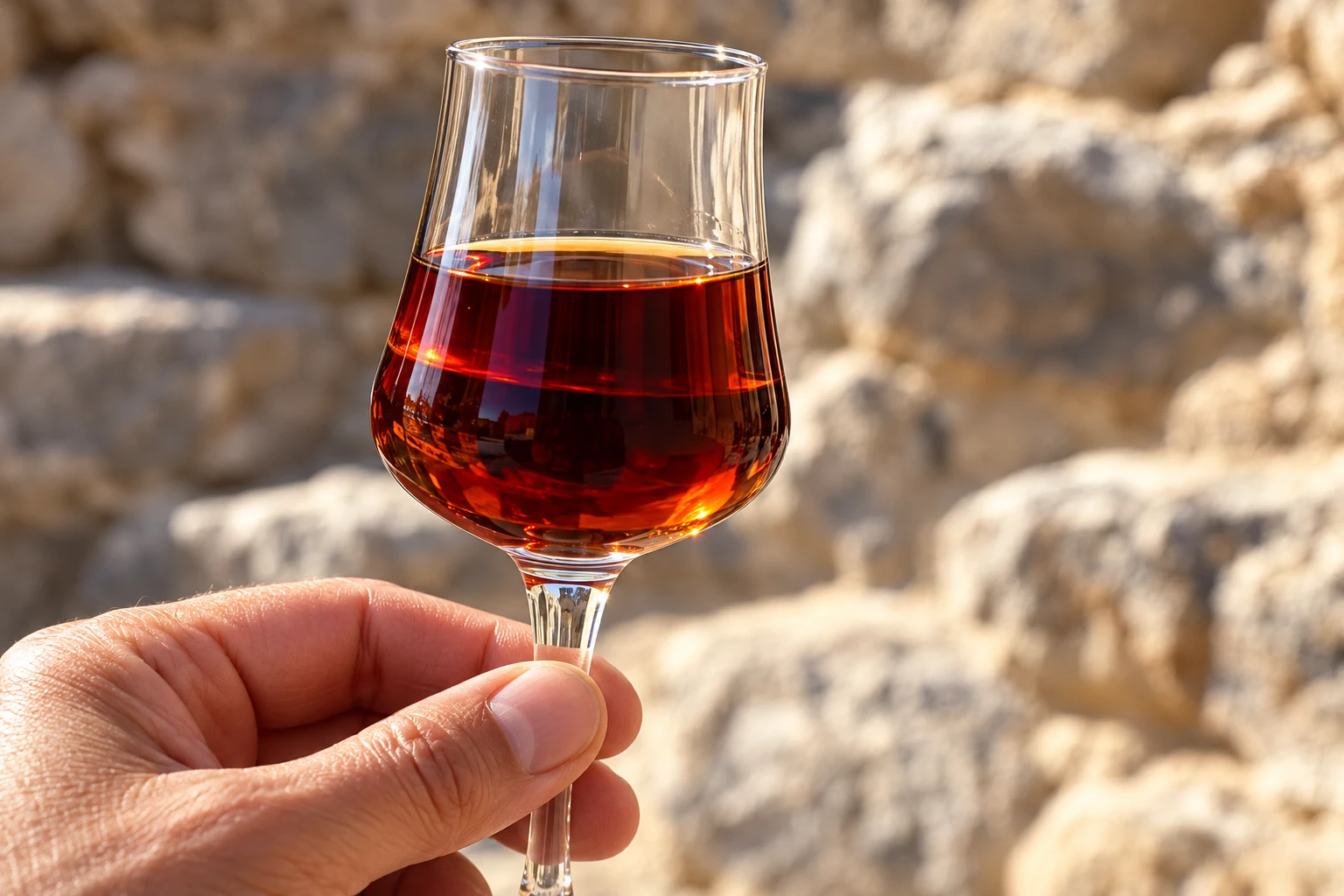
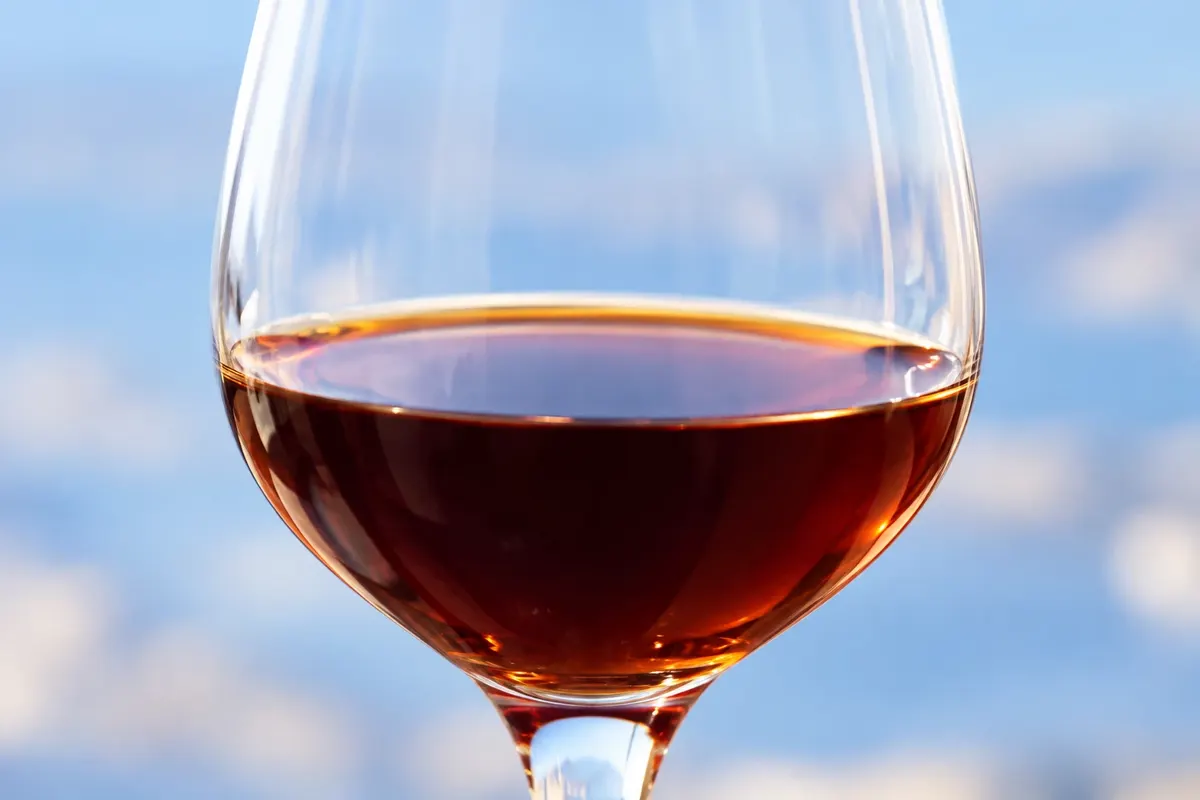
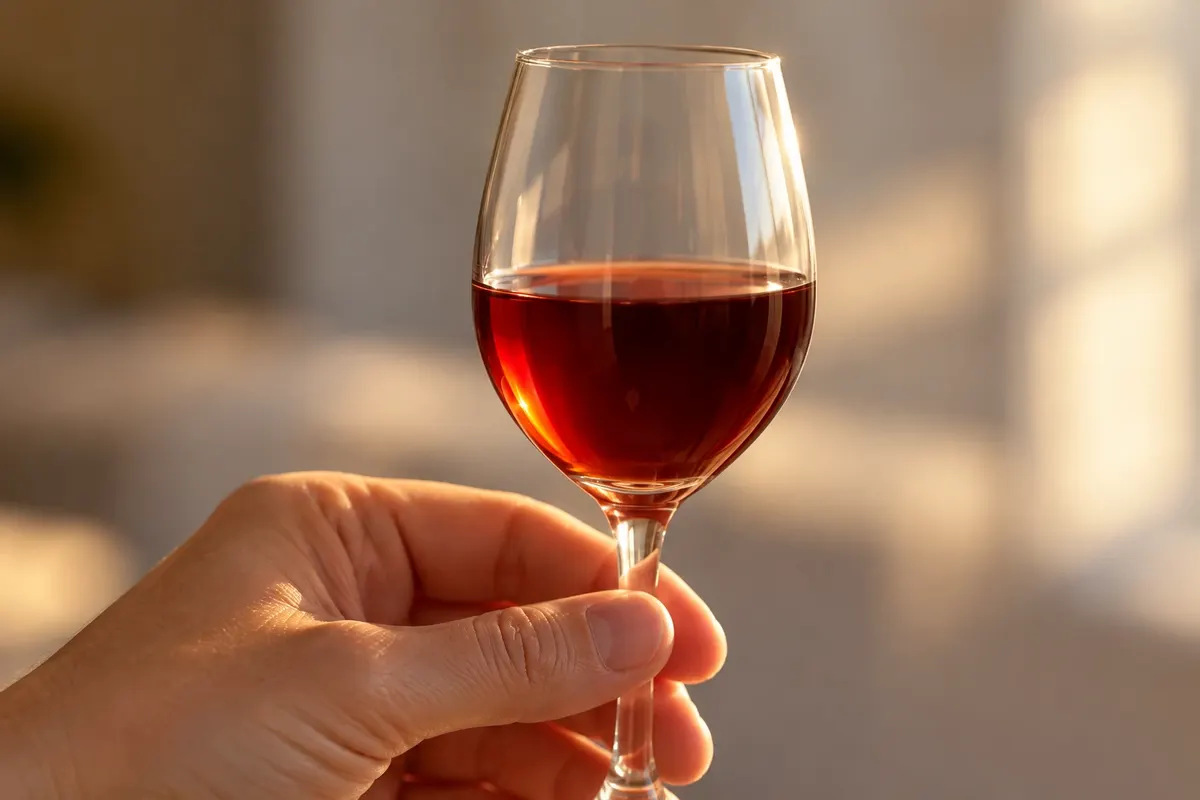
The designation allows two types: the sweet wine from sun-dried grapes and a fortified wine. The grapes are local: at least 51% Monemvasia, completed with Kidonitsa, Asproudes and Assyrtiko. After drying and fermentation, the wine ages in barrel for at least two years in contact with air, which gives it an amber color and aromas of honey, dried fruit and orange peel.
The production zone covers Monemvasia and the neighboring municipalities of Asopos, Vies and Molai. The dual name, with the town and the Frankish form, is mandatory on the label.


 Brazil
 Argentina
 Bolivia
 Chile
 Colombia
 Ecuador
 Guyana
 French Guiana
 Falkland Islands (Malvinas)
 Paraguay
 Peru
 Suriname
 Uruguay
 Venezuela
 Germany
 Austria
 Belgium
 Croatia
 Denmark
 Spain
 Finland
 France
 the Netherlands
 Hungary
 Ireland
 Iceland
 Italy
 Luxembourg
 Norway
 Poland
 Portugal
 the United Kingdom
 the Czech Republic
 Sweden
 Switzerland
 Turkey
 Canada
 the United States
 Mexico
 the Dominican Republic
 South Africa
 Australia
 Fiji
 New Zealand
 Papua New Guinea