Dish · Cork
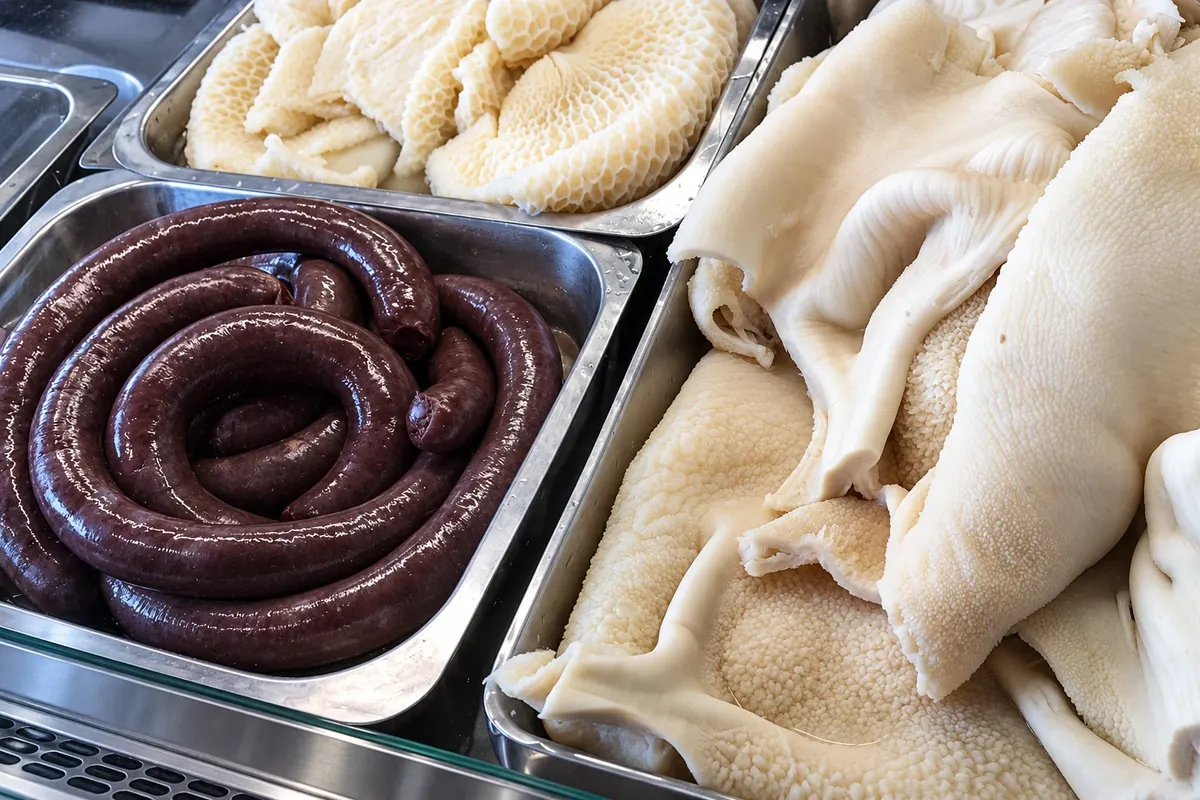
Tripe and drisheen
Beef tripe slow-cooked in milk with onion and served with drisheen, a blood sausage. It is a traditional dish of Cork, tied to the city’s history as a meat-exporting port.

 Search
 Brazil
 Argentina
 Bolivia
 Chile
 Colombia
 Ecuador
 Guyana
 French Guiana
 Falkland Islands (Malvinas)
 Paraguay
 Peru
 Suriname
 Uruguay
 Venezuela
 Germany
 Austria
 Belgium
 Croatia
 Denmark
 Spain
 Finland
 France
 Greece
 the Netherlands
 HungaryIreland
 Iceland
 Italy
 Luxembourg
 Norway
 Poland
 Portugal
 the United Kingdom
 the Czech Republic
 Sweden
 Switzerland
 Turkey
 the United States
 Mexico
 the Dominican RepublicTurkey
 South Africa
 Australia
 Fiji
 New Zealand
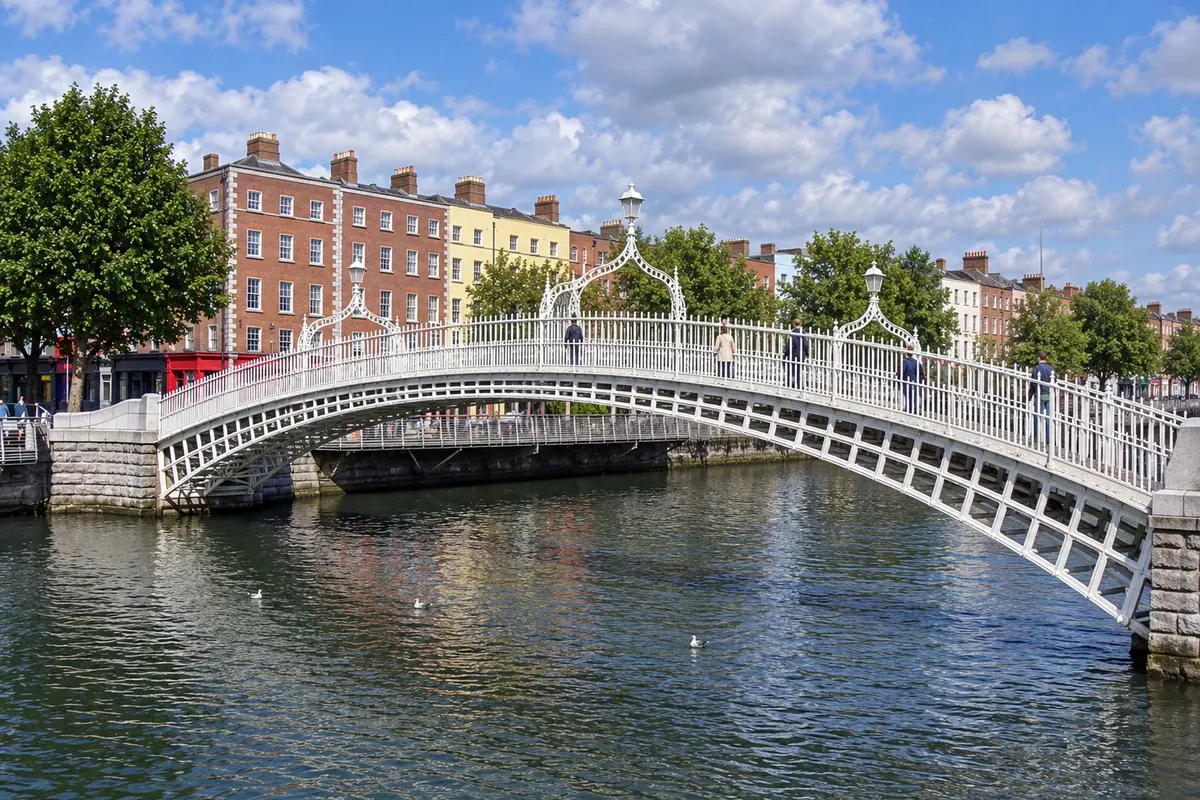
Traditional food · Ireland
Dublin sausage stew, tripe with drisheen from Cork, the Waterford blaa roll and Kerry lamb pies: Irish flavors tied to the places where they became famous.
In the photo: Ha'penny Bridge, Dublin
Illustrative images. The pictures in this guide are illustrations based on the real place, not photographs, and may differ from it.

The cuisine
Irish cuisine was born in the countryside and the sea: potato, lamb, pork, dairy, bicarbonate bread and fish from the Atlantic coast. Irish stew, colcannon and soda bread are found throughout the country. Some recipes, however, became tied to a city or a county and are still remembered by the place name today.
In Dublin, the coddle is the stew of the working-class neighborhoods: sausage, bacon, potato and onion slowly cooked in a covered pot. The city’s public library describes it as working-class food, and it appears in references to Dublin in James Joyce’s work.
For centuries Cork was an export port for meat, and offal remained in the city’s kitchen. Tripe cooked in milk with onion, served with drisheen, a blood pudding, is one of the traditions associated with the English Market, the covered market in the city centre.
In Waterford, the blaa is a soft white roll dusted with flour, which local tradition links to Huguenot refugees from the late 17th century. It has had European Union protected geographical indication since 2013. In County Kerry, the small lamb pies accompanied August fairs and religious festivals and are still made for the Pattern of Castlegregory.
4 flavors
Beef tripe slow-cooked in milk with onion and served with drisheen, a blood sausage. It is a traditional dish of Cork, tied to the city’s history as a meat-exporting port.
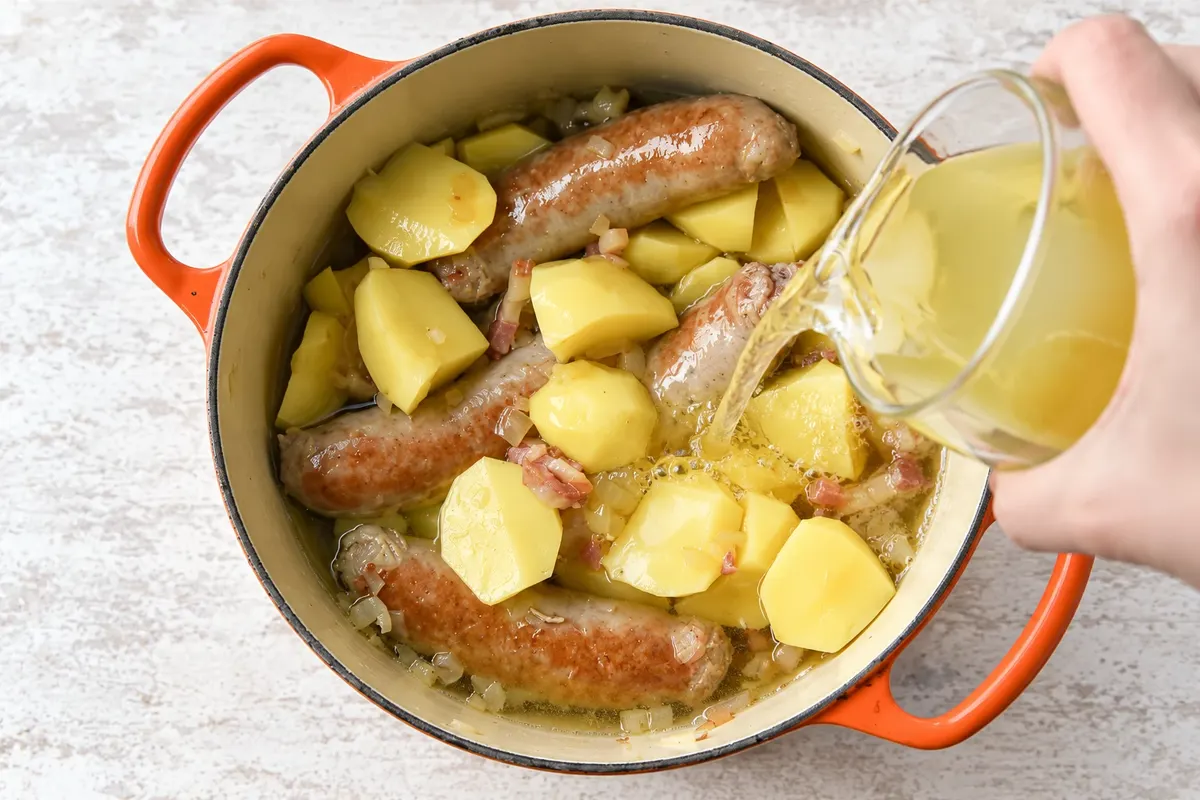
Stew of pork sausage, bacon, potato and onion, slowly cooked in a covered pot in a clear broth. It is the working‑class food of Dublin and appears in references to the city in the work of James Joyce.
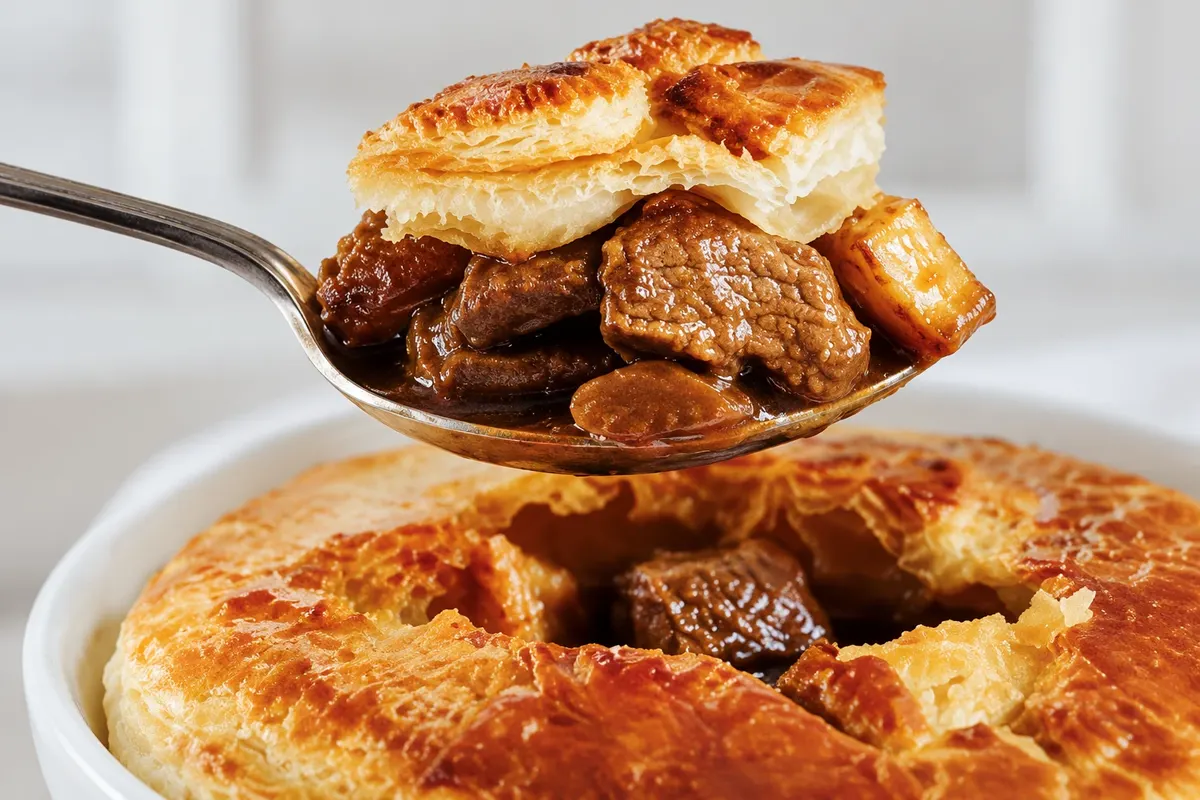
Small lamb pie with a firm crust, traditional at the markets and festivals of County Kerry, also called Dingle pie. It was served with a little of the cooking broth and is still made for the Pattern of Castlegregory in August.
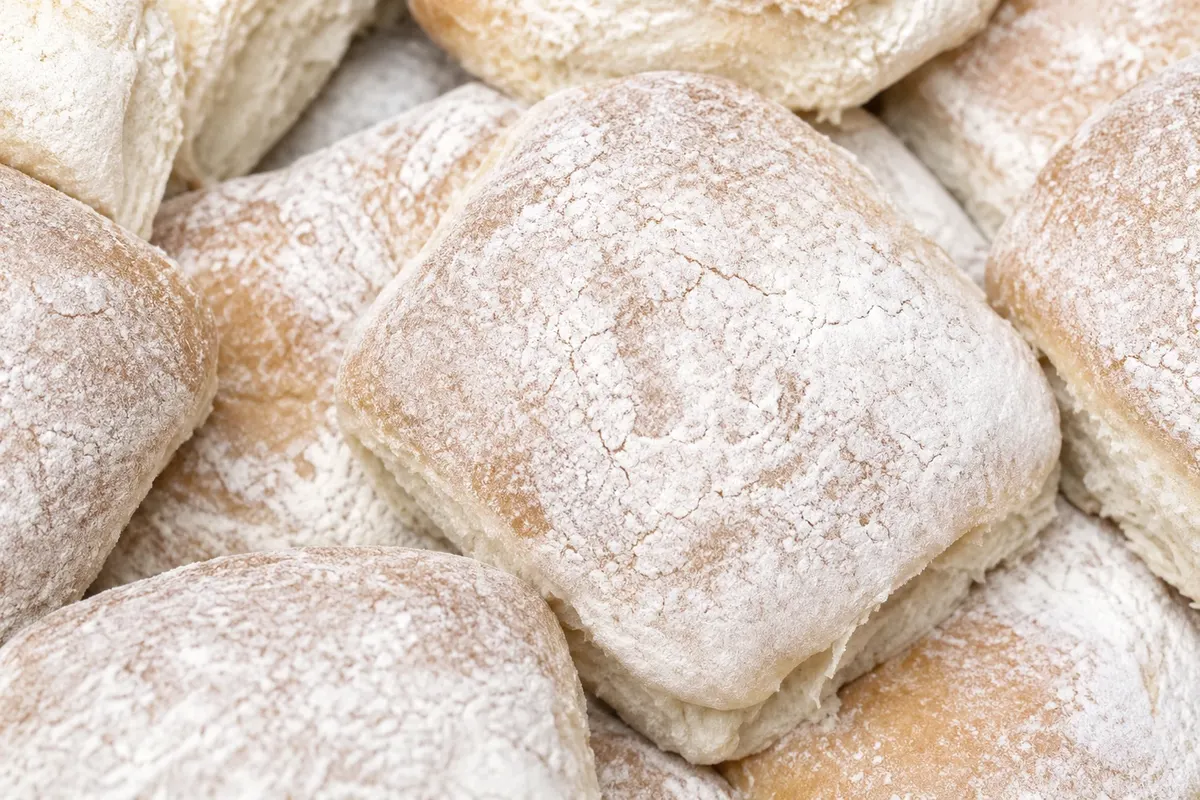
Soft white roll, dusted with flour, baked in batches with the rolls touching each other. It is Waterford’s specialty, has European Union protected geographical indication status since 2013, and is usually eaten at breakfast.
Suggest a traditional dish, sweet or drink of Ireland that is not here. We check the sources before adding it.
Flavors of the world
Pick a country to see its traditional dishes, sweets and drinks.
Your questions
Across the country people eat Irish stew (lamb stew with potato), colcannon (mashed potato with cabbage) and soda bread. Some specialties are tied to places: the coddle to Dublin, tripe with drisheen to Cork, the blaa to Waterford and lamb pie to County Kerry.
The dish most associated with the city is the Dublin coddle, a stew of sausage, bacon, potato and onion slow-cooked and eaten with bread to soak up the broth.
A soft white roll dusted with flour, made in Waterford. It has European Union protected geographical indication status since 2013 and is usually eaten at breakfast, filled.
A traditional blood sausage from Cork, served with tripe cooked in milk with onion. It also has a tradition in Limerick.