The cuisine
Traditional food of the United Kingdom
United Kingdom cuisine formed in a cold, wet climate, with sheep and cattle on the pastures, fish in the ports, and wheat, oats and potatoes in the fields. Roasts, stews, pies, griddle breads and baked sweets are the basis of many recipes, and tea time gave rise to cakes and sweet breads. Ports and industrial cities added workers’ and immigrants’ dishes to the mix.
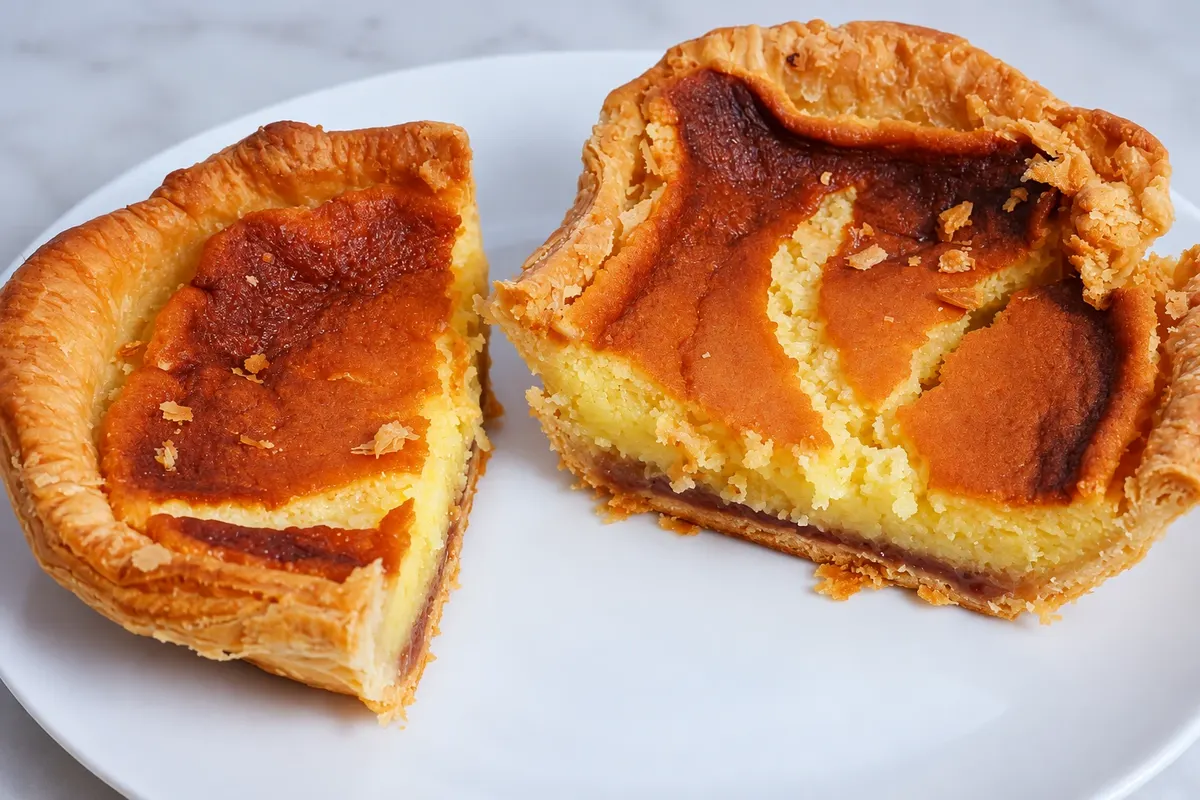
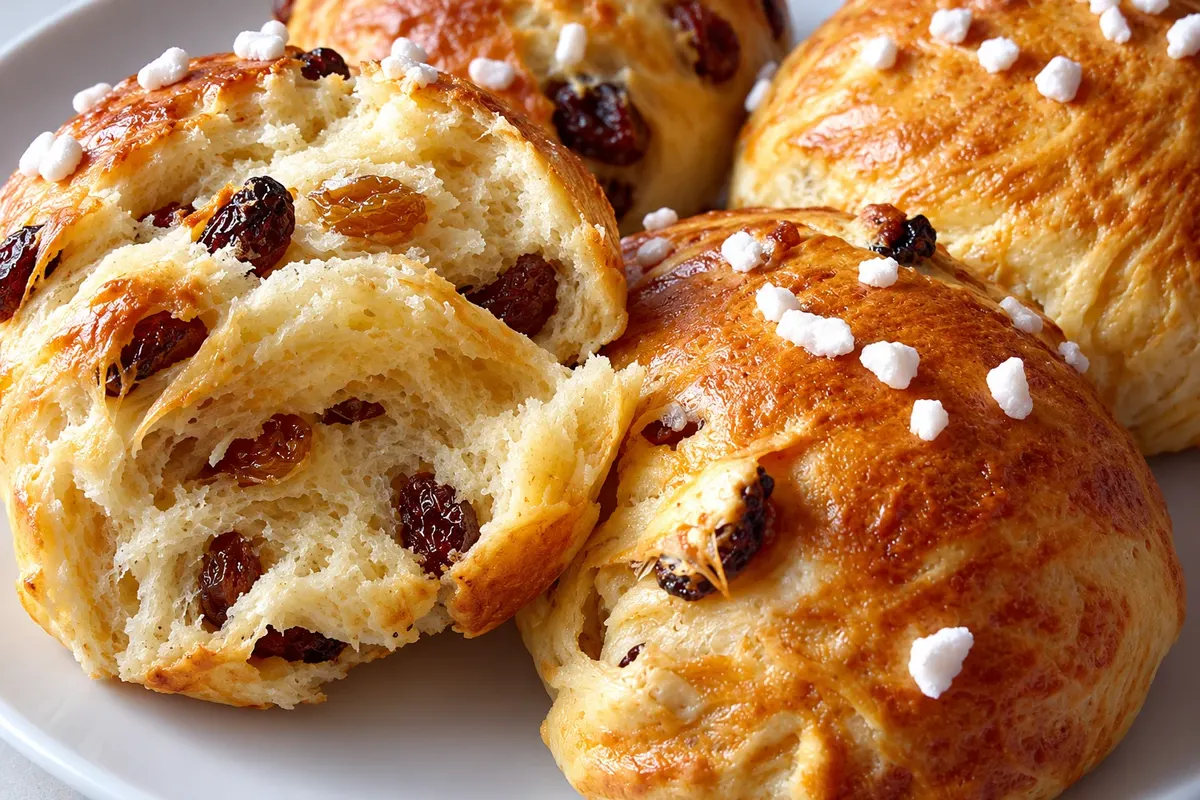
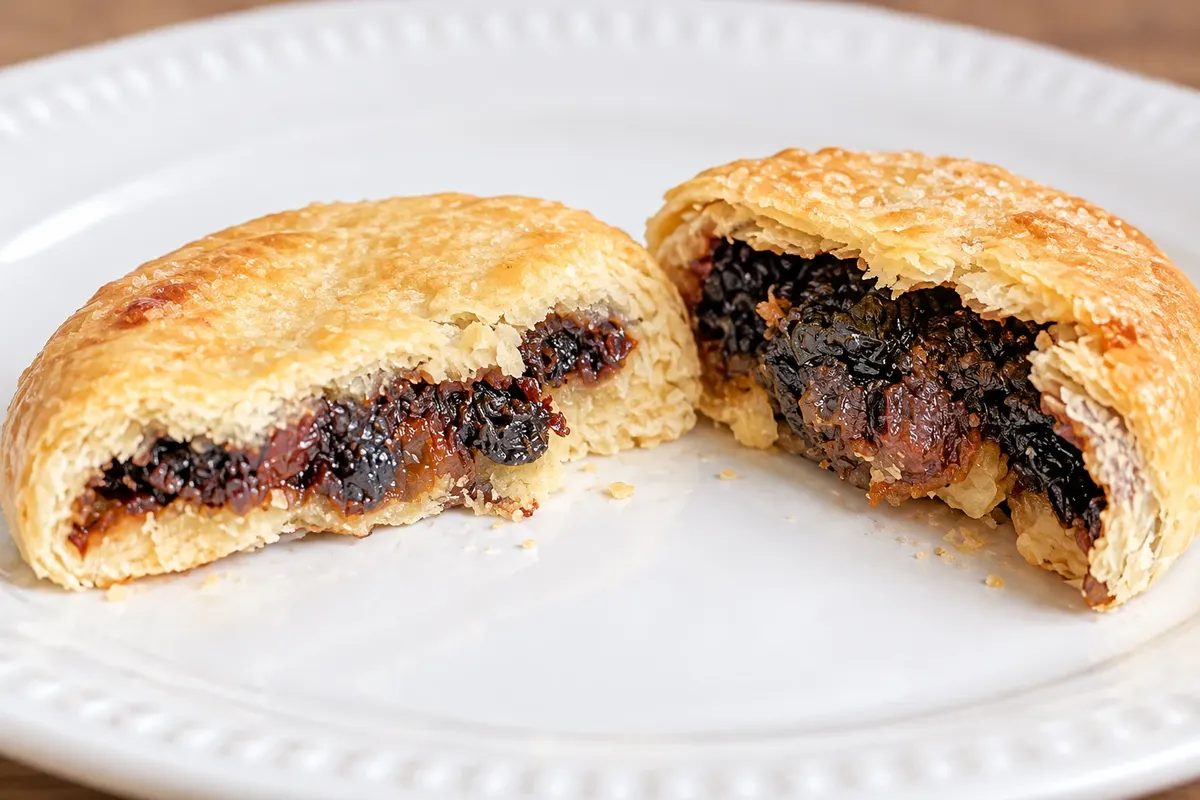
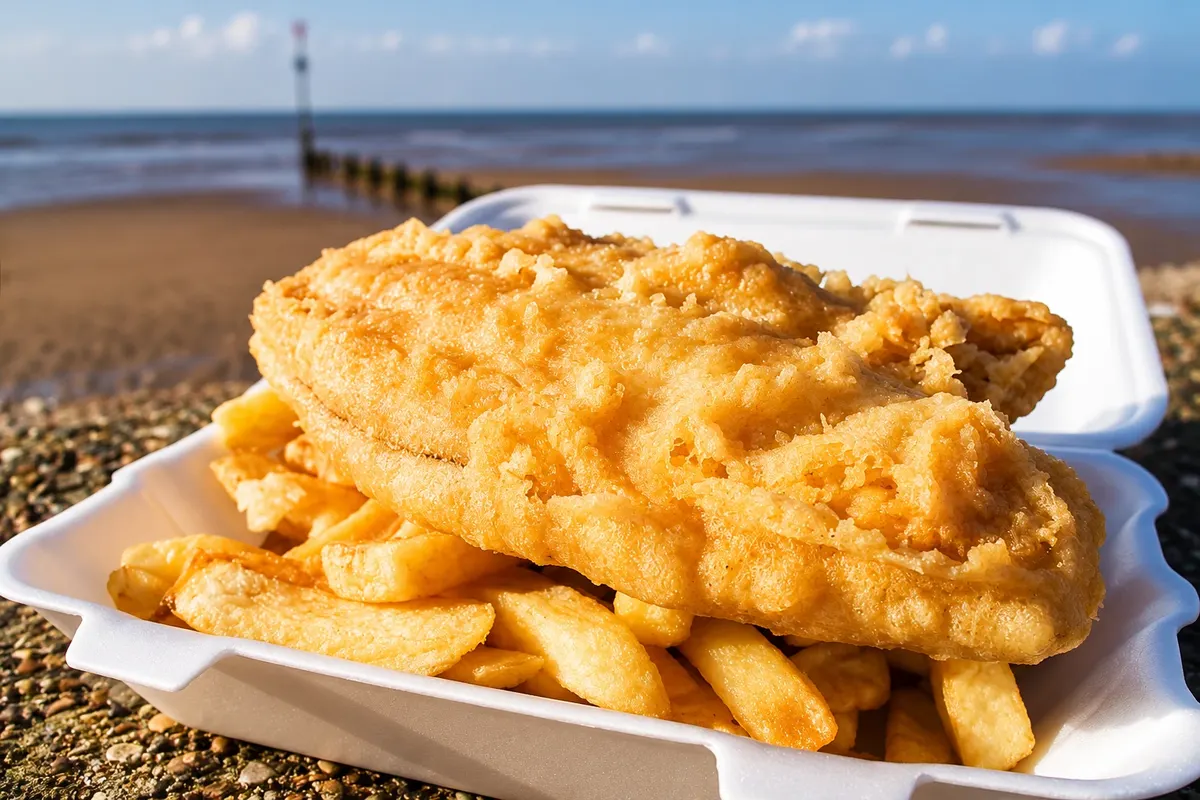
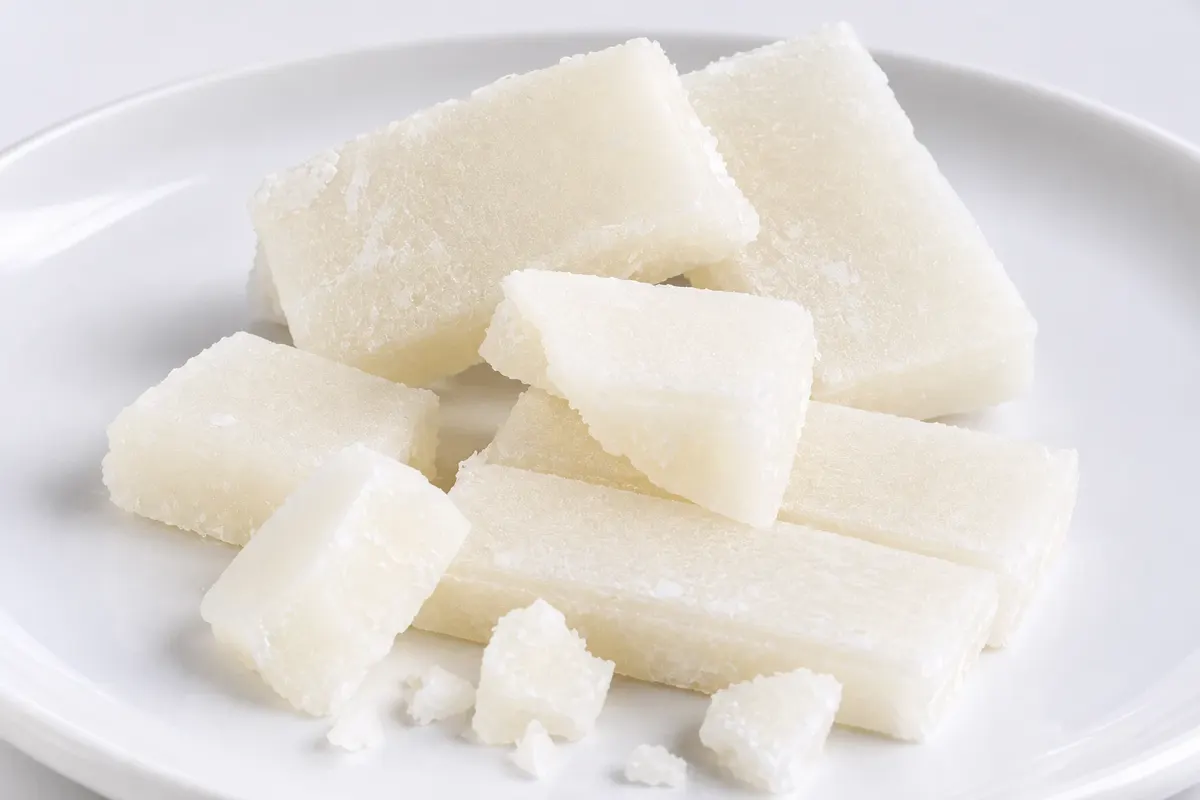
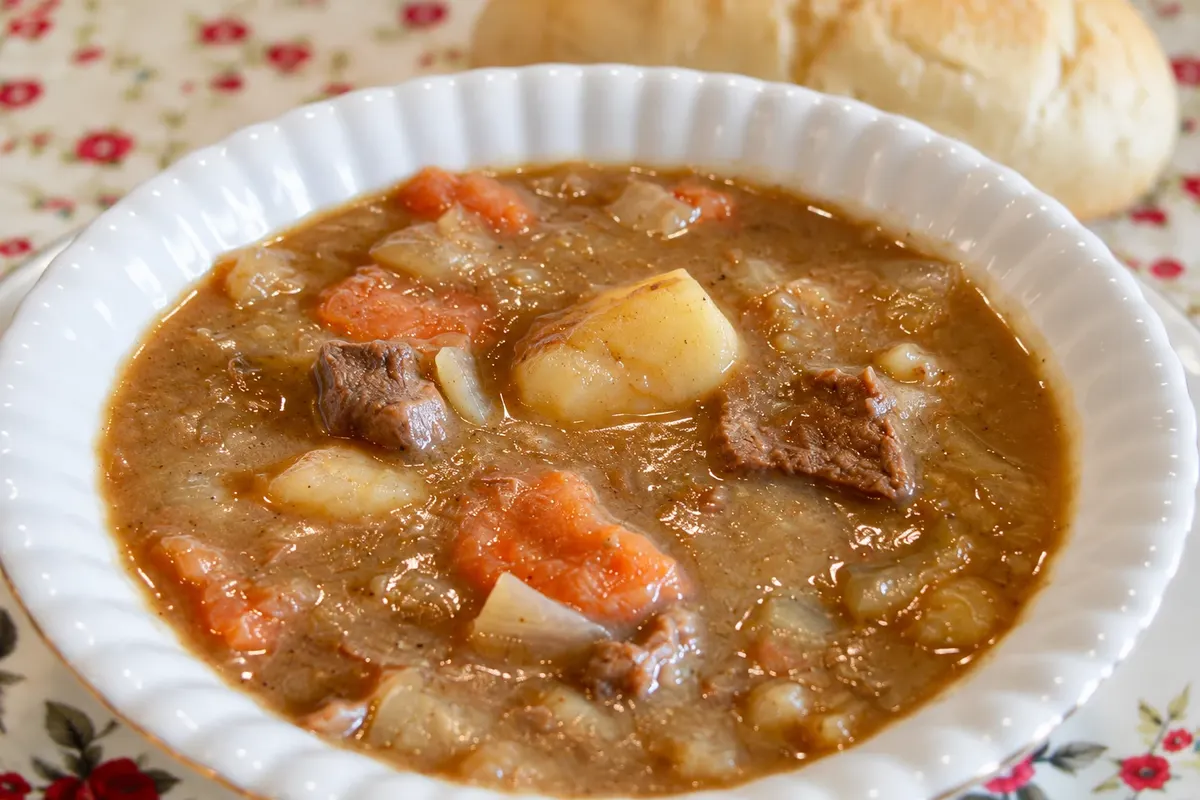
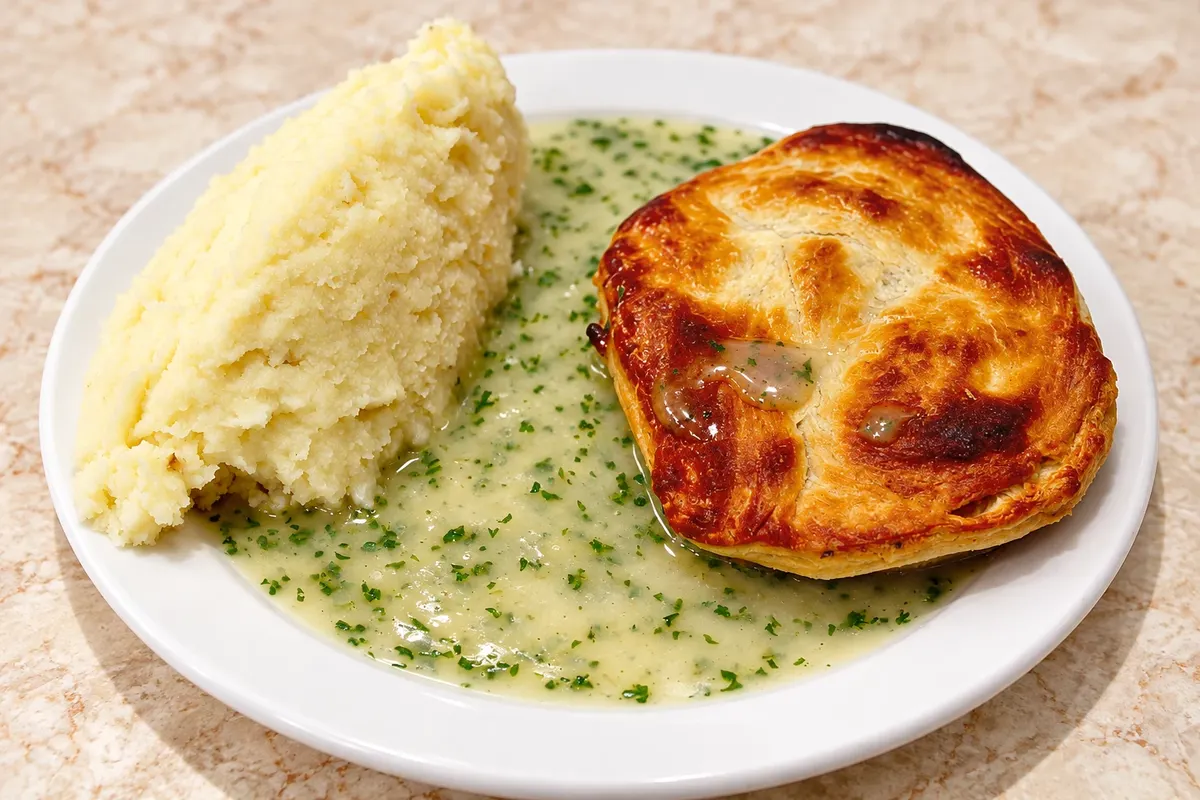
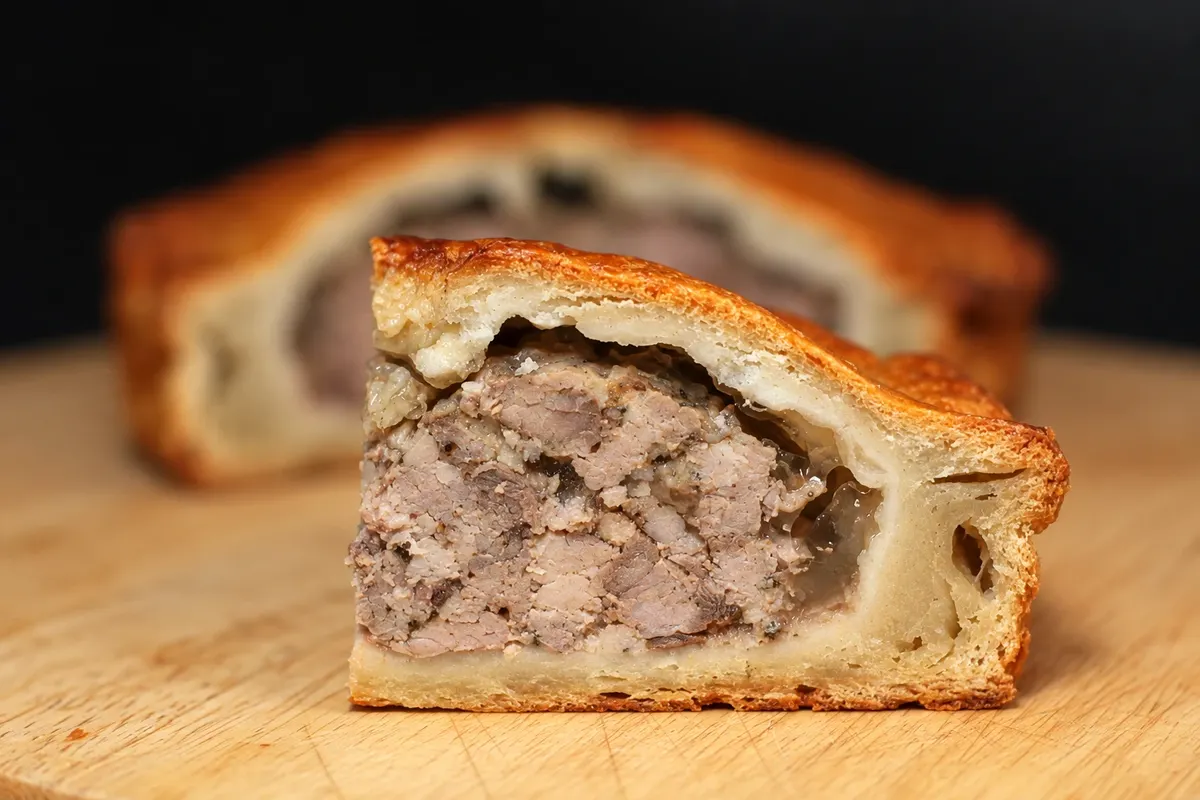
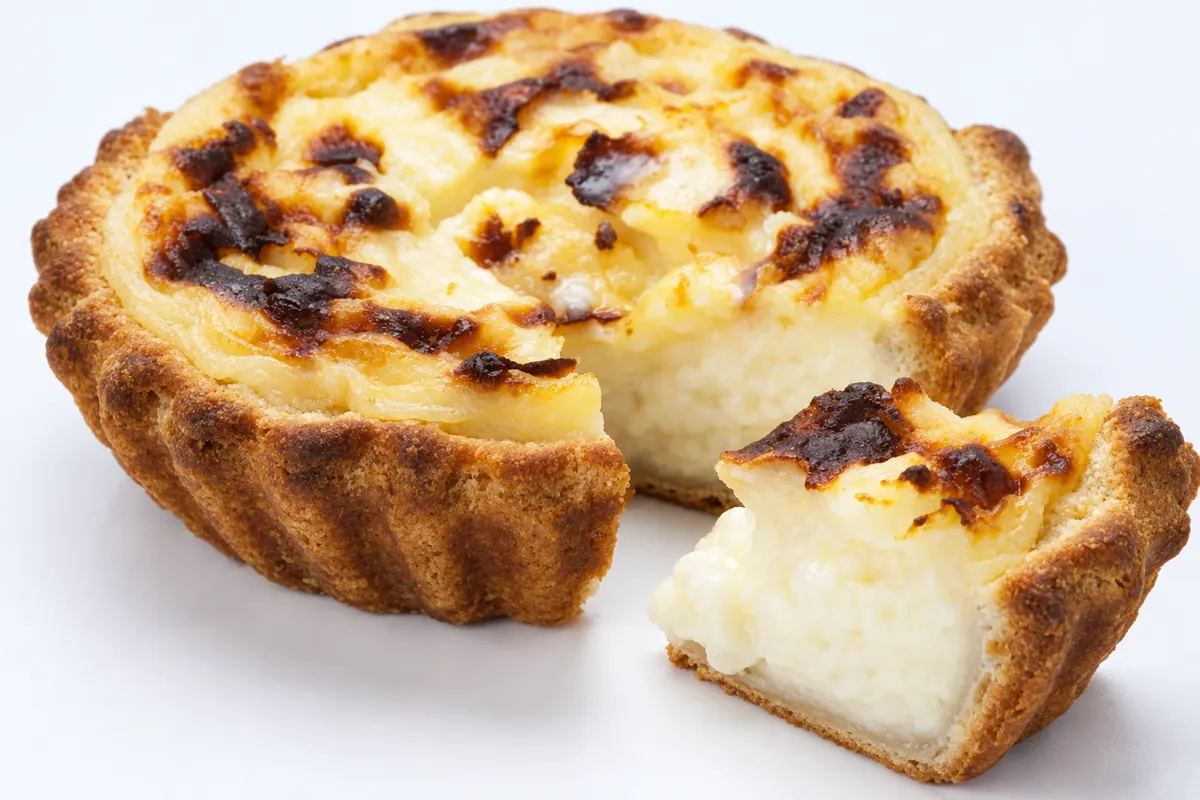
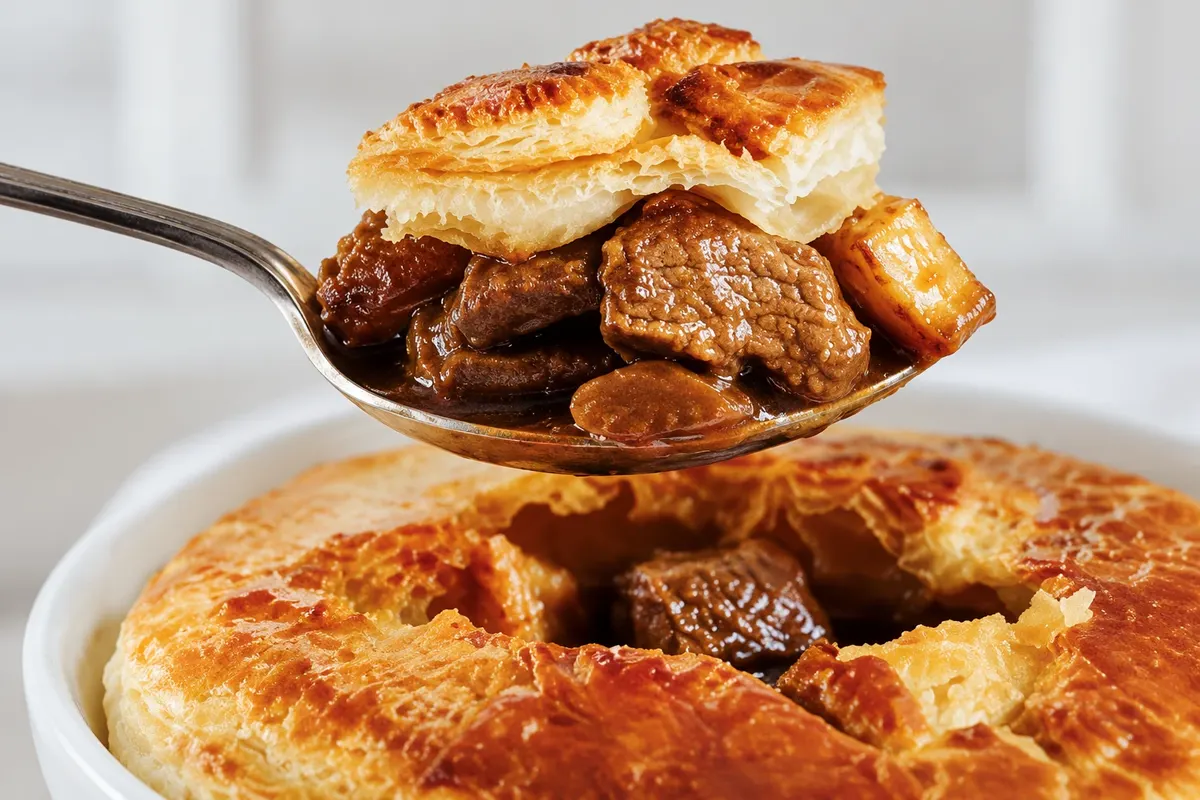
In England, fish and chips was born in the 19th century from the joining of fried fish—linked to the tradition of Sephardic Jews—with fried potatoes, and became food across the country. London has the pie and mash of East End houses; Liverpool, the scouse, a stew that gave its name to the locals; Bath, the Bath bun, an 18th-century sweet roll. Inland, Eccles, Kendal, Melton Mowbray and Bakewell lend their names to sweets and pies: the Eccles cake, the Kendal mint cake, the Melton Mowbray pork pie—protected by a geographical indication—and the Bakewell pudding.
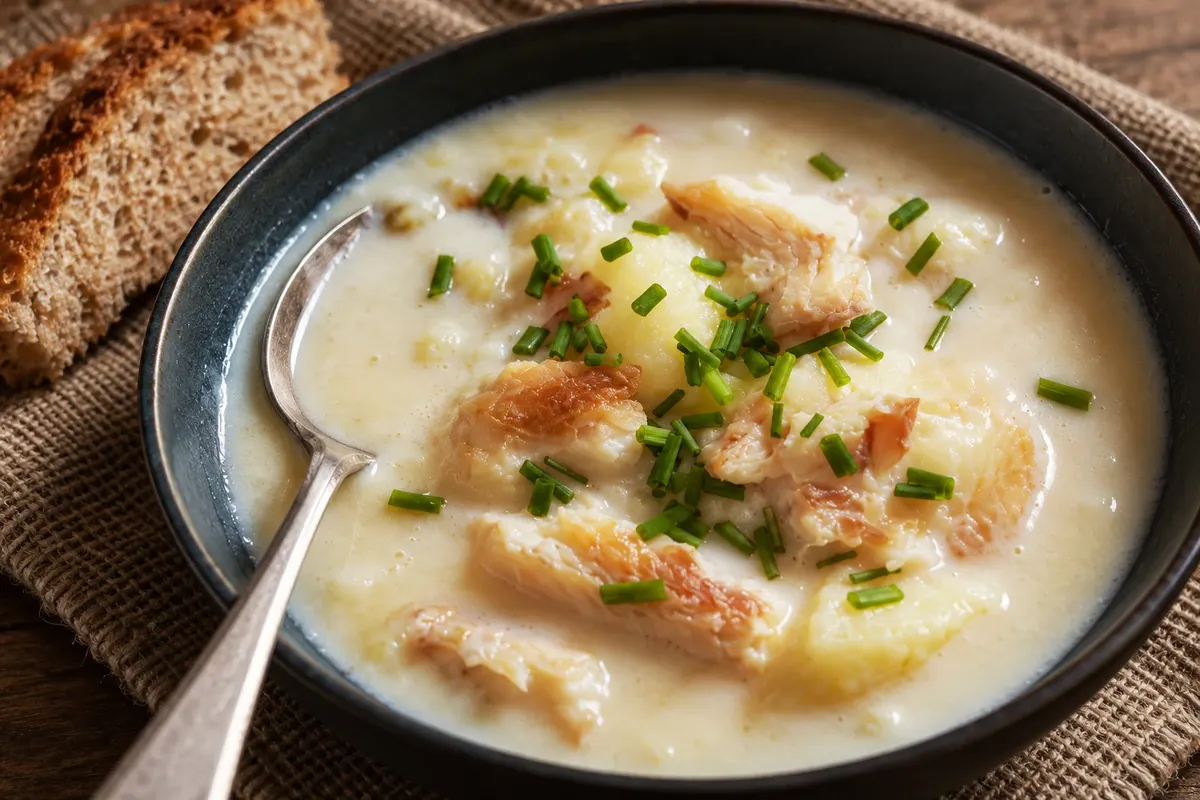
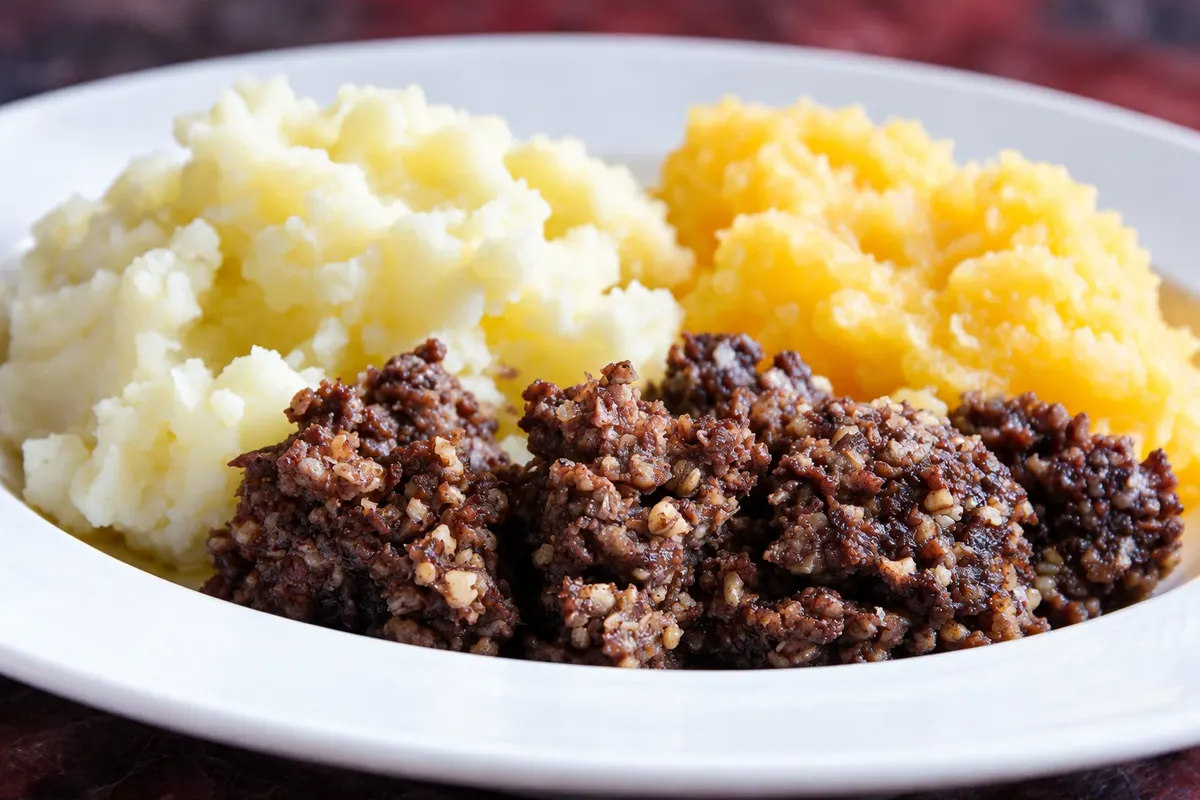
In Scotland, haggis is the dish of Burns Night on January 25. On the Moray coast, the village of Cullen gives its name to Cullen skink, a smoked haddock soup.
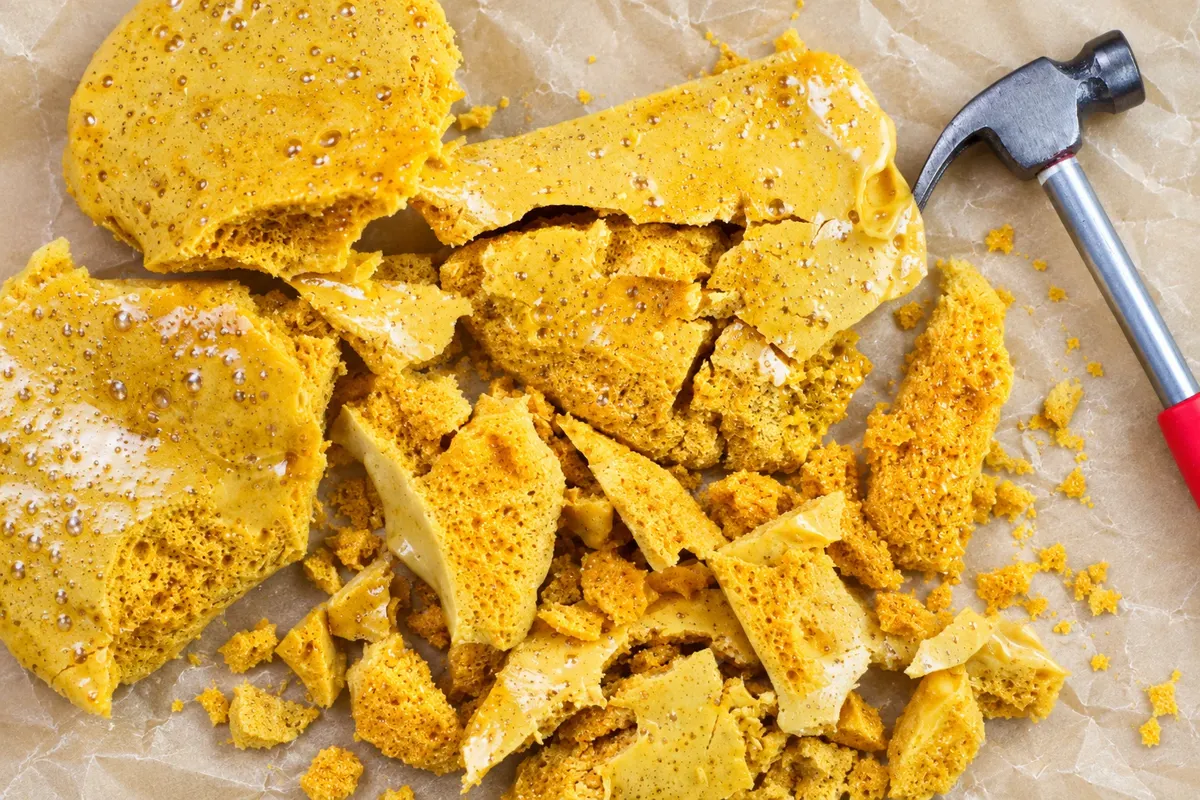
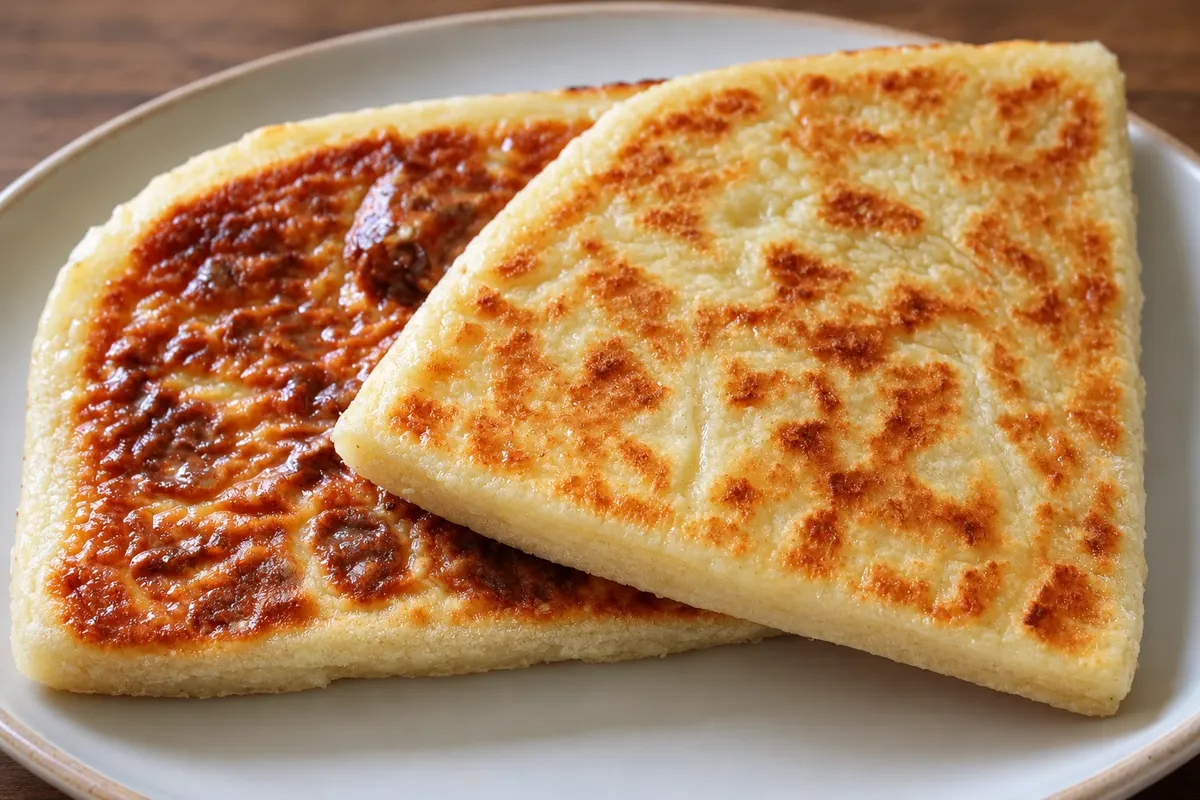
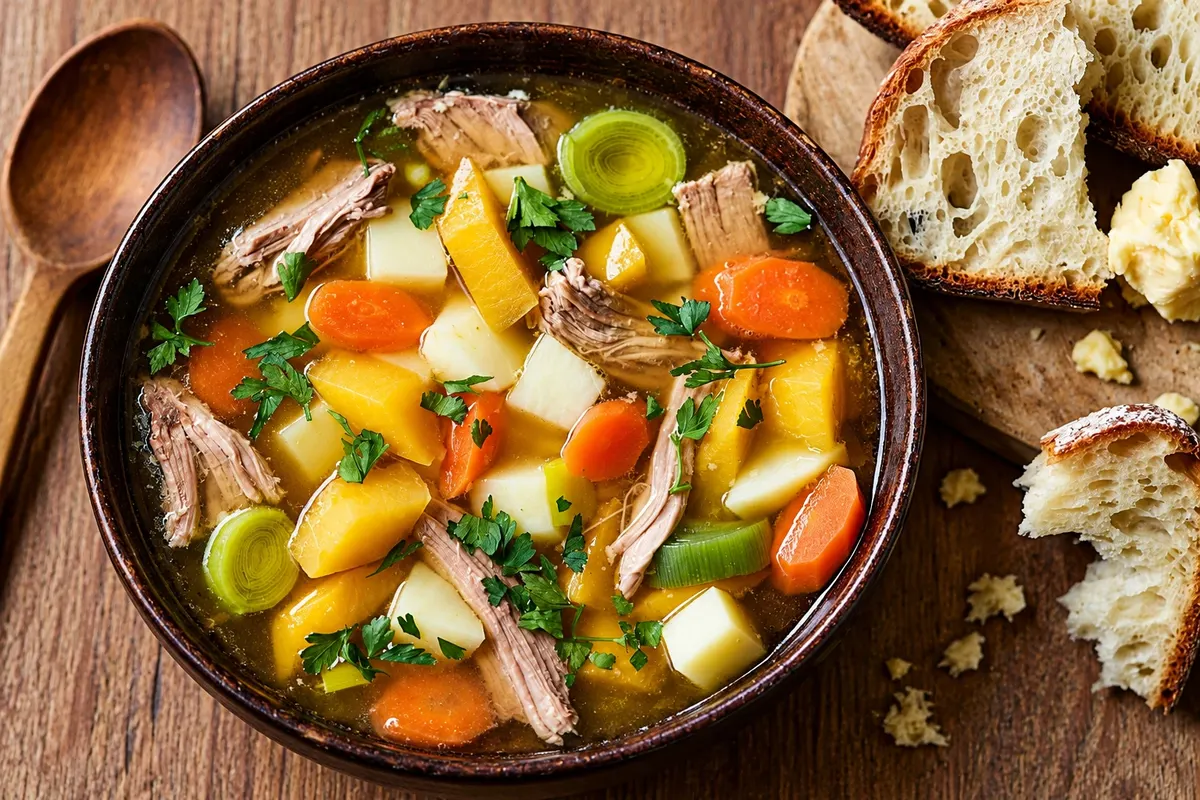
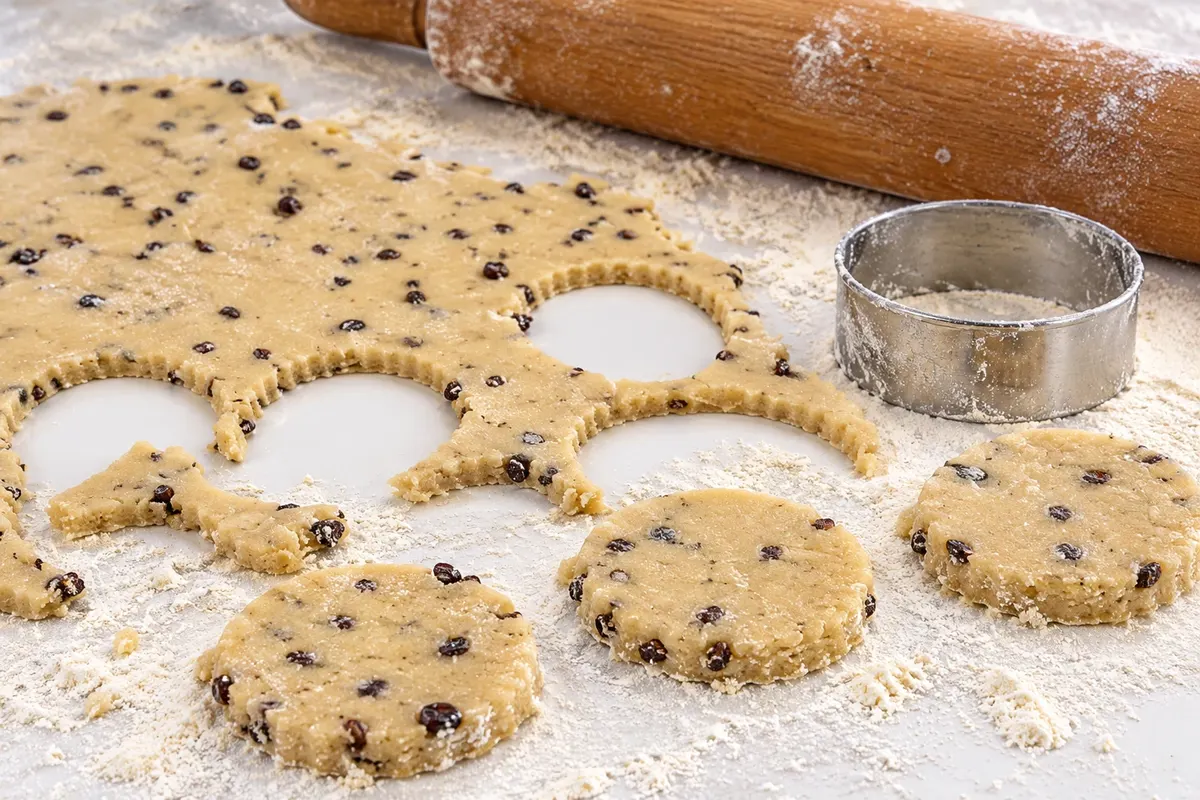
Wales has cawl, a meat-and-vegetable broth regarded as a national dish, and Welsh cakes, cooked on a cast-iron griddle. In Northern Ireland, the Ulster fry combines fried breakfast items with griddle breads, and in Ballycastle the yellowman is the sweet of the Ould Lammas Fair at the end of August.
Each specialty is presented here linked to a principal place, according to sources. That does not mean it is only eaten there: most are found throughout much of the country, with family, regional and seasonal variations.


 Brazil
 Argentina
 Bolivia
 Chile
 Colombia
 Ecuador
 Guyana
 French Guiana
 Falkland Islands (Malvinas)
 Paraguay
 Peru
 Suriname
 Uruguay
 Venezuela
 Germany
 Austria
 Belgium
 Croatia
 Denmark
 Spain
 Finland
 France
 Greece
 the Netherlands
 Hungary
 Ireland
 Iceland
 Italy
 Luxembourg
 Norway
 Poland
 Portugal
 the Czech Republic
 Sweden
 Switzerland
 Turkey
 the United States
 Mexico
 the Dominican Republic
 South Africa
 Australia
 Fiji
 New Zealand