Yellowman
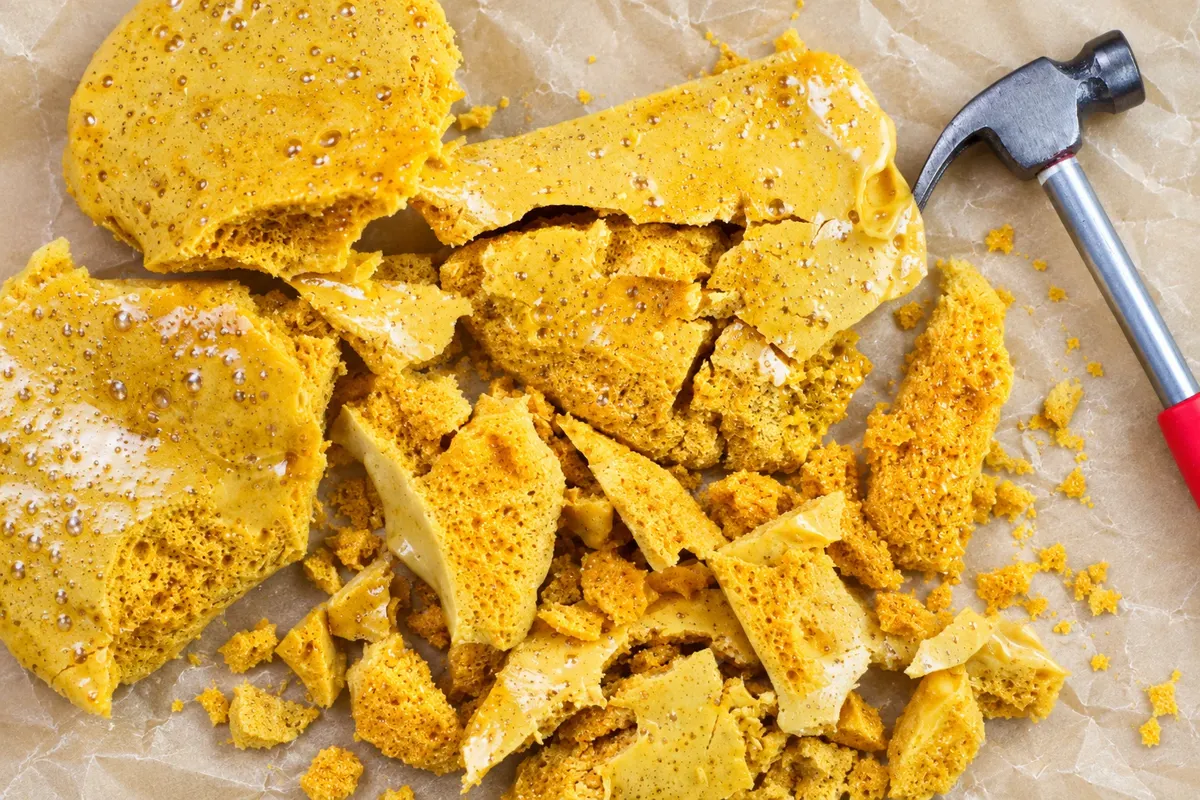
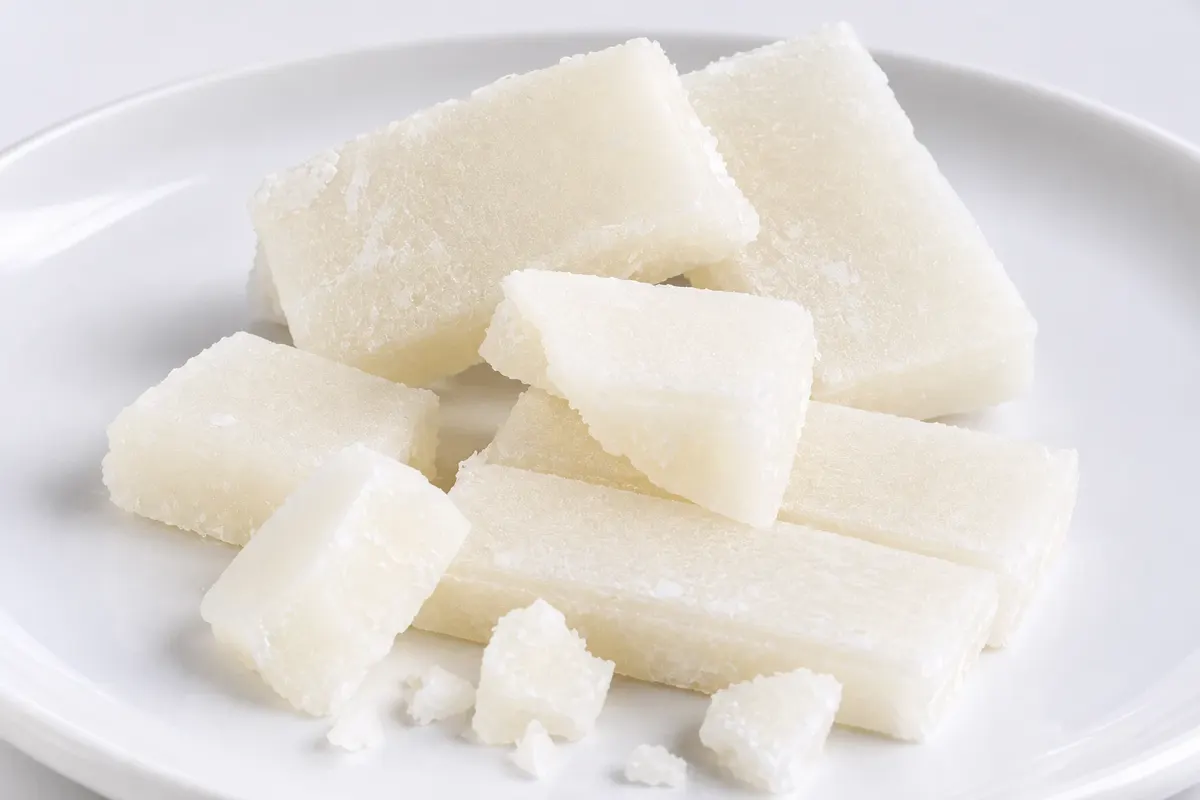
Crispy yellow candy made from sugar, golden syrup and baking soda, broken into pieces with a hammer. It is the candy of the Ould Lammas Fair, the late‑August fair in Ballycastle, sold alongside dulse, the dried seaweed.
Flavors · Bakewell
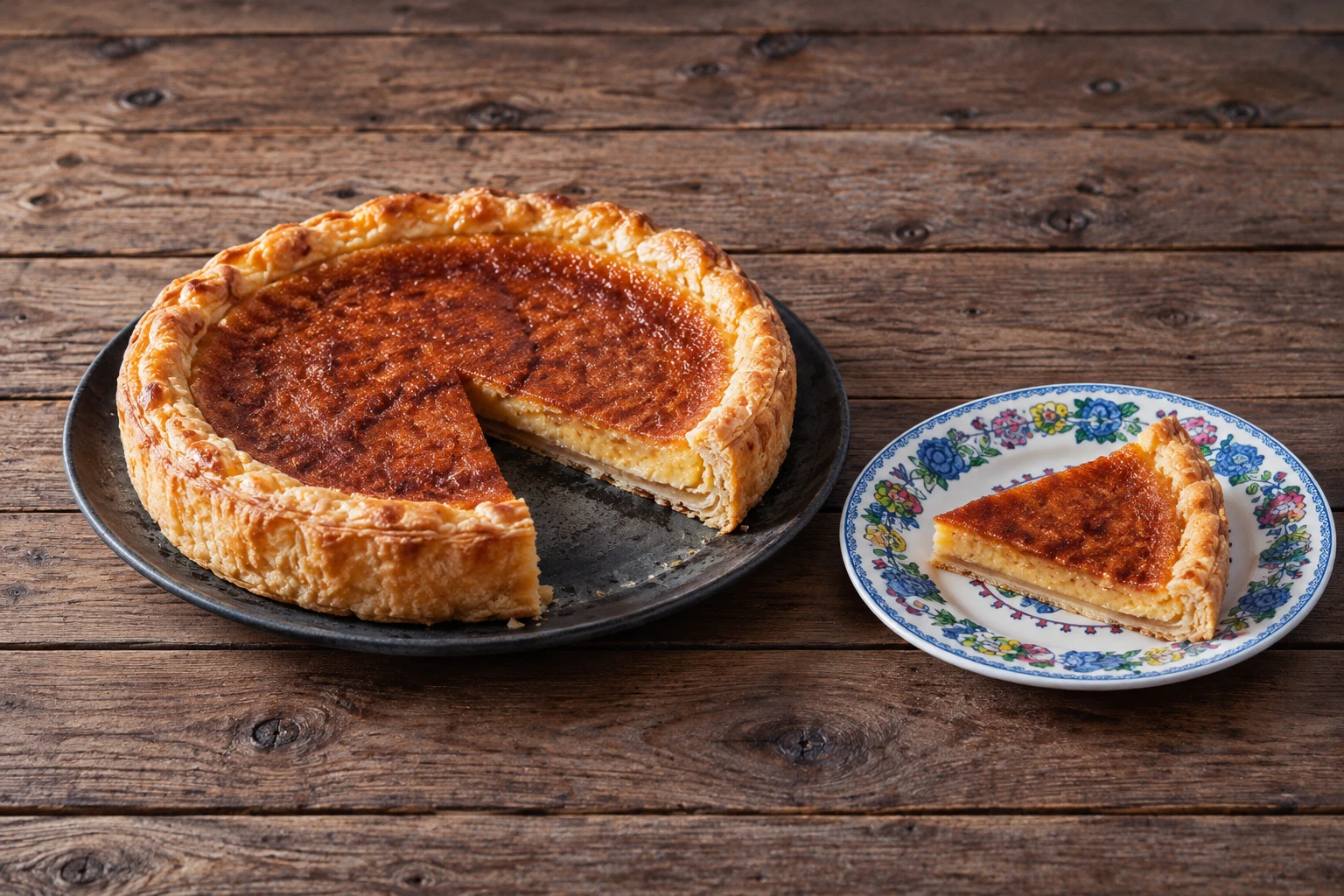
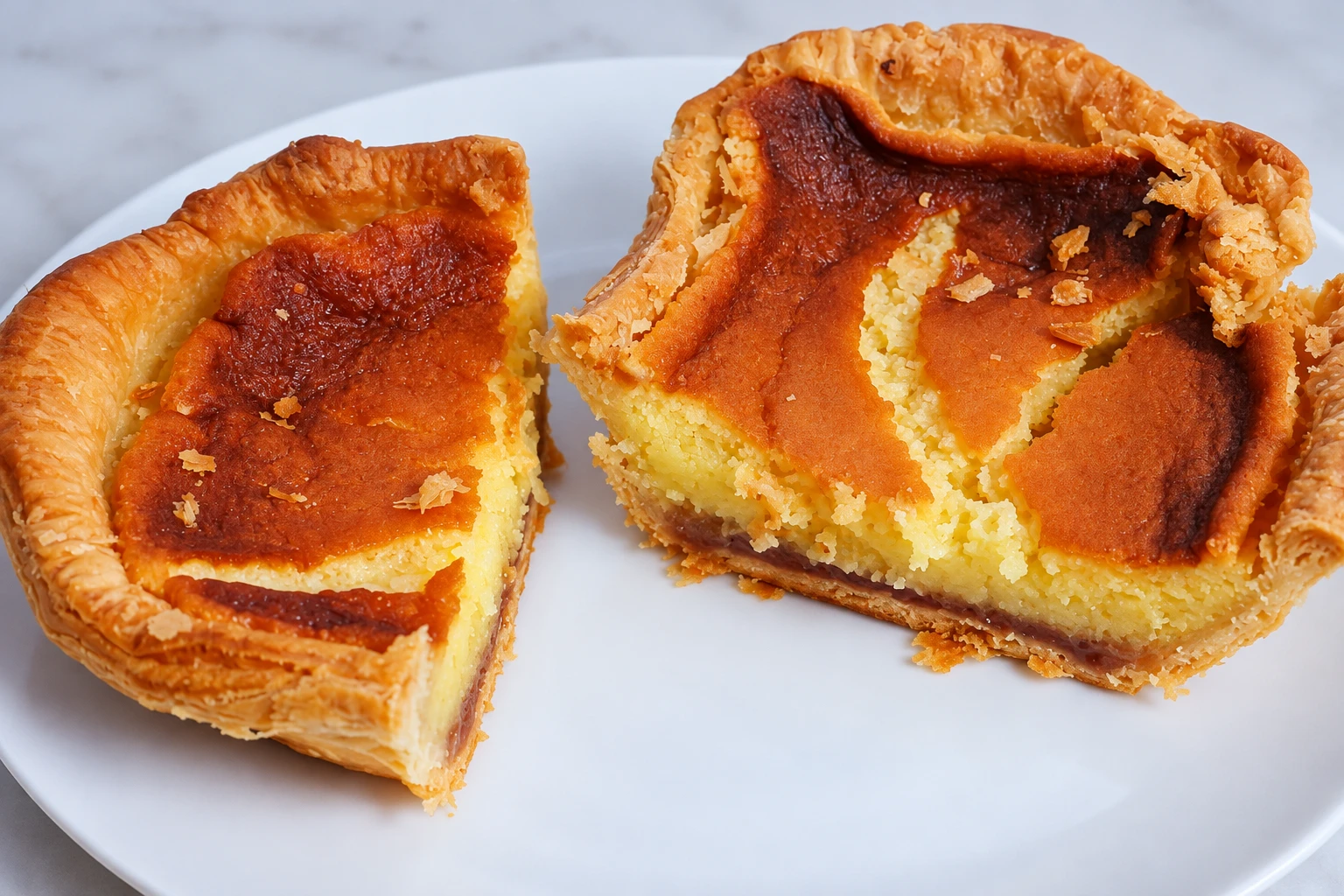
Sweet made with puff pastry topped with a layer of jam and filled with egg, butter, sugar and almond, with a texture between a custard and a cake. Associated with the town of Bakewell in the Peak District since the 19th century; it is not the same as the Bakewell tart.
Traditional sweet from Bakewell, Inglaterra
Also known as: Bakewell pud
Illustrative images. The pictures in this guide are illustrations based on the real place, not photographs, and may differ from it.
Click a photo to enlarge it.
Bakewell pudding — Bakewell, the United Kingdom
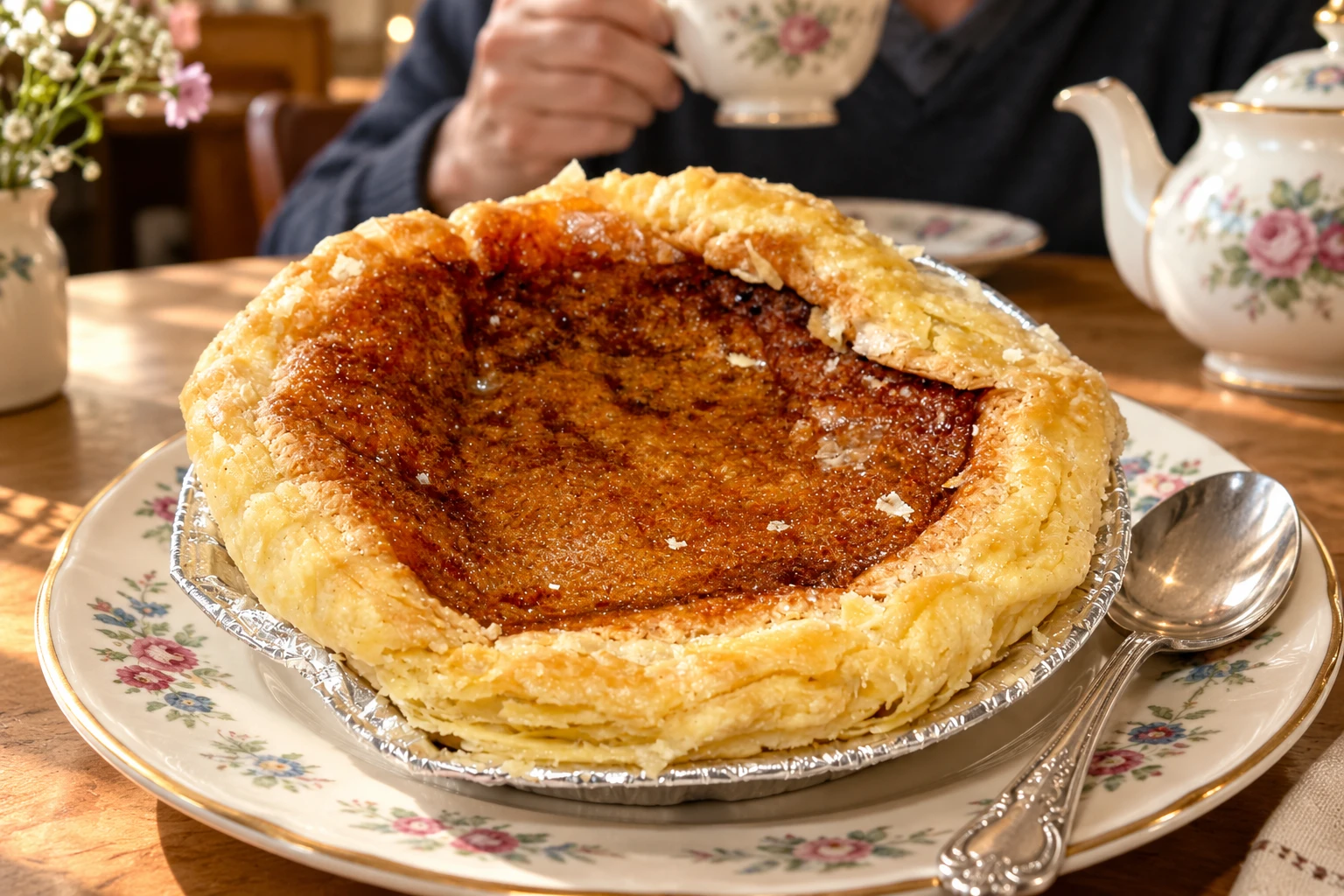
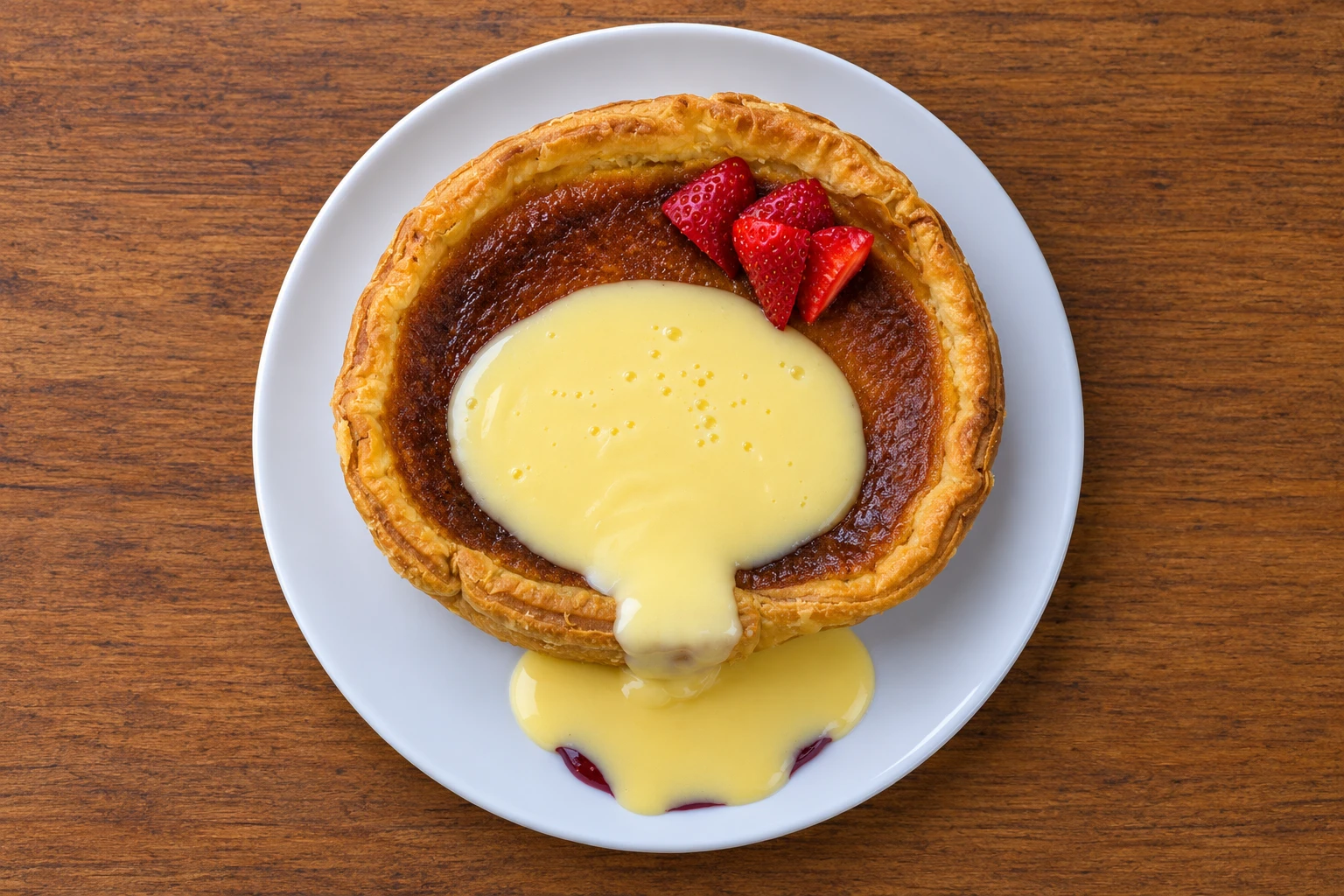
Bakewell pudding is made in a tart tin lined with puff pastry. A layer of jam, usually raspberry, is spread over the pastry and a filling of eggs, butter, sugar and almond is placed on top. In the oven the filling rises and ends up between a custard and a cake—moist inside with crisp pastry edges. It can be eaten hot or cold.
The story told in Bakewell says the pudding was born from a mistake in the kitchen of the Rutland Arms hotel around 1860: the cook allegedly misunderstood the recipe and spread the egg mixture over the jam instead of mixing it into the pastry. The national park authority presents the story as tradition, and some point to similar older recipes.
According to the Derbyshire heritage record, the pudding was later commercialized by the hotel cook around 1865, in a building on Rutland Square. Today more than one Bakewell establishment claims to have the original recipe, and the dispute is part of the town’s tradition.
Outside Bakewell, the Bakewell tart—made with shortcrust pastry, jam and an almond cake topping, often with icing—is more common. The pudding is the recipe linked to the town.

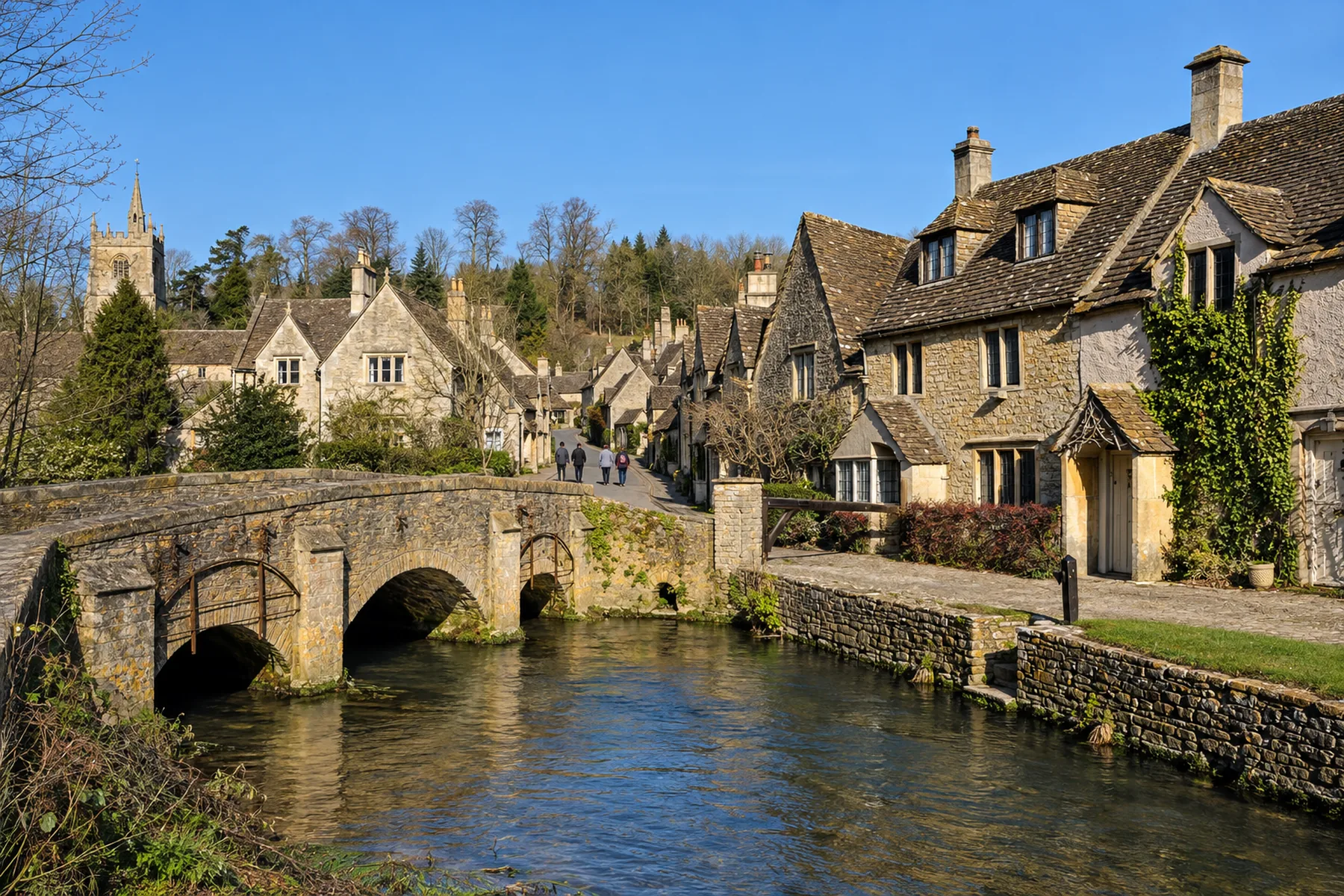
Bakewell , Inglaterra
Sweet associated with the town of Bakewell since the 19th century, traditionally linked to the Rutland Arms hotel.
Puff pastry; jam (usually raspberry); eggs; butter; sugar; ground almond or almond essence.
In slices, hot or cold, on its own or with custard or cream, accompanied by tea.
All year round, as a dessert or for afternoon tea.
Your questions
The pudding uses puff pastry, jam and an egg-and-almond filling with a texture between custard and cake. The tart is made with shortcrust pastry, jam and an almond cake topping, often with icing.
The tradition in Bakewell says it originated from a mistake in the kitchen of the Rutland Arms hotel around 1860, when the cook spread the egg mixture over the jam. It is a story told in the town, without documentary confirmation.
Both ways: in slices, on its own or with custard or cream.
Flavors of the United Kingdom

Crispy yellow candy made from sugar, golden syrup and baking soda, broken into pieces with a hammer. It is the candy of the Ould Lammas Fair, the late‑August fair in Ballycastle, sold alongside dulse, the dried seaweed.

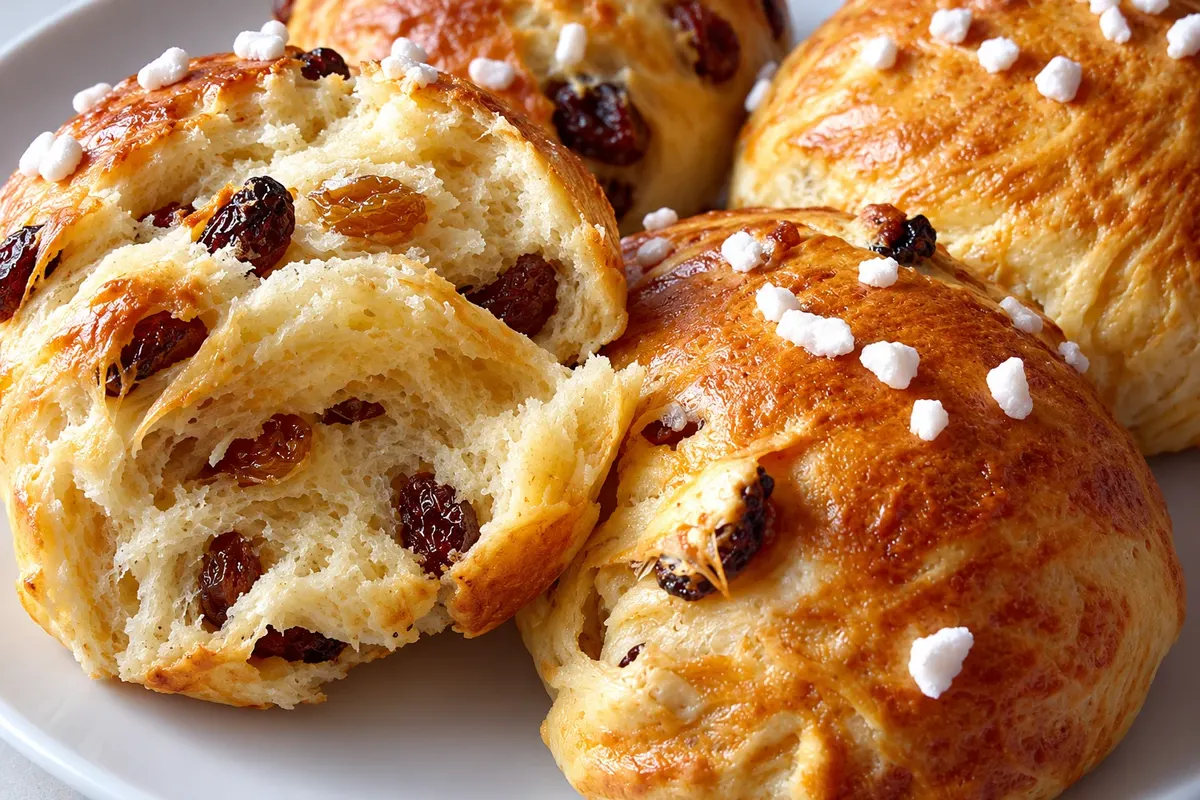
Sweet bread made from leavened dough with milk, eggs and butter, topped with crushed sugar and, in many versions, with currants and a sugar lump inside. Associated with the city of Bath since the 18th century, it is served at breakfast and at afternoon tea.

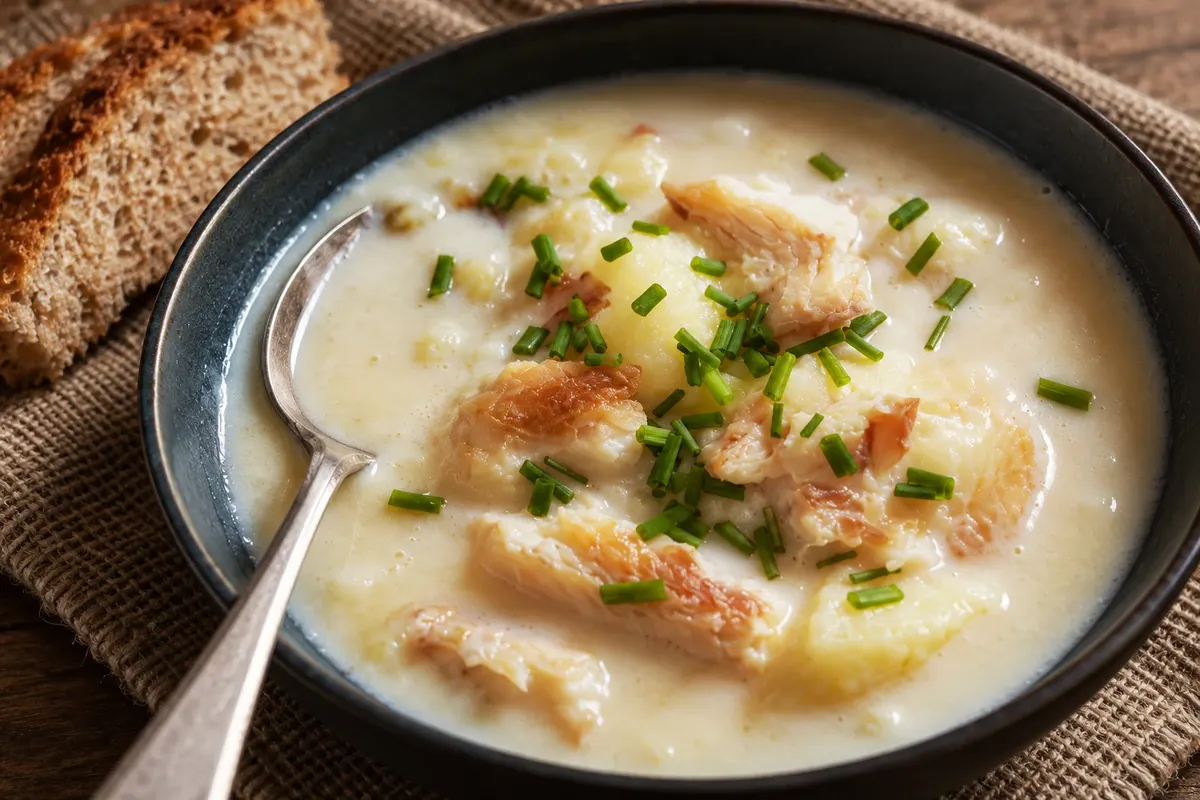
Thick soup of smoked haddock, potato, onion and milk, from the fishing village of Cullen on the Moray coast in northeast Scotland. It began as a beef broth and came to be made with smoked fish, cheaper in the region.

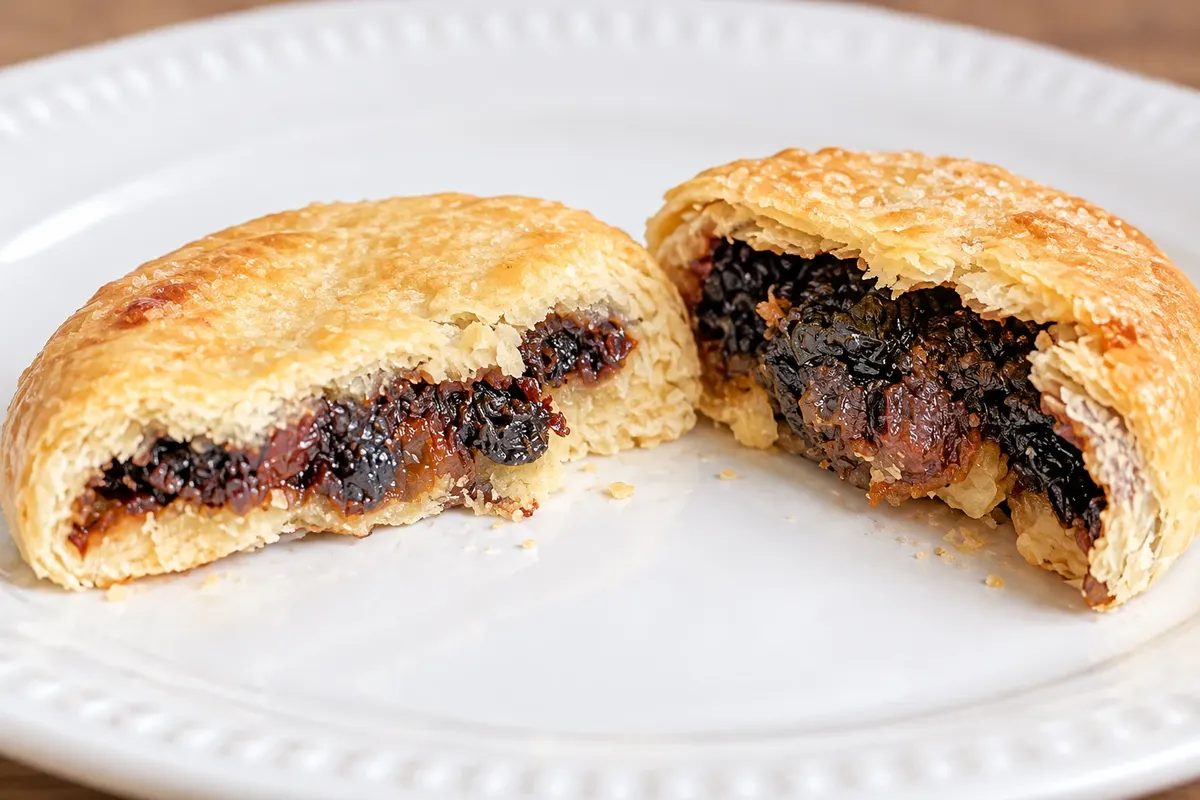
Round pastry bun made of buttery puff pastry filled with Corinth raisins, with cuts on top and crystallized sugar. It is named for the town of Eccles, near Manchester, where it began to be sold in shops at the end of the 18th century.

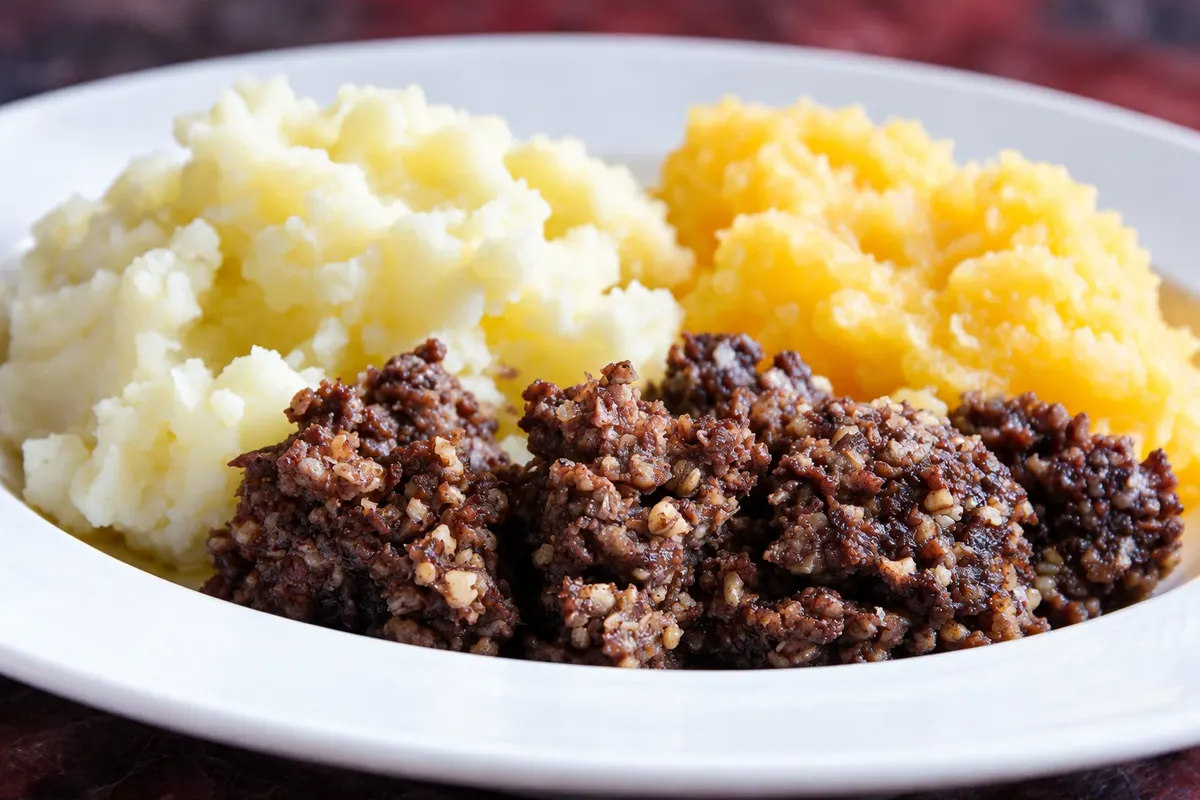
Sheep offal minced with oats, onion, fat and spices, cooked inside a casing, served with turnip and potato purées. It is Scotland’s national dish and the centrepiece of the Burns Supper on January 25.

Whisky distilled and aged in Scotland for at least three years in oak casks. The name is legally protected: only the beverage produced in the country under the rules set in 2009 may be called Scotch whisky.

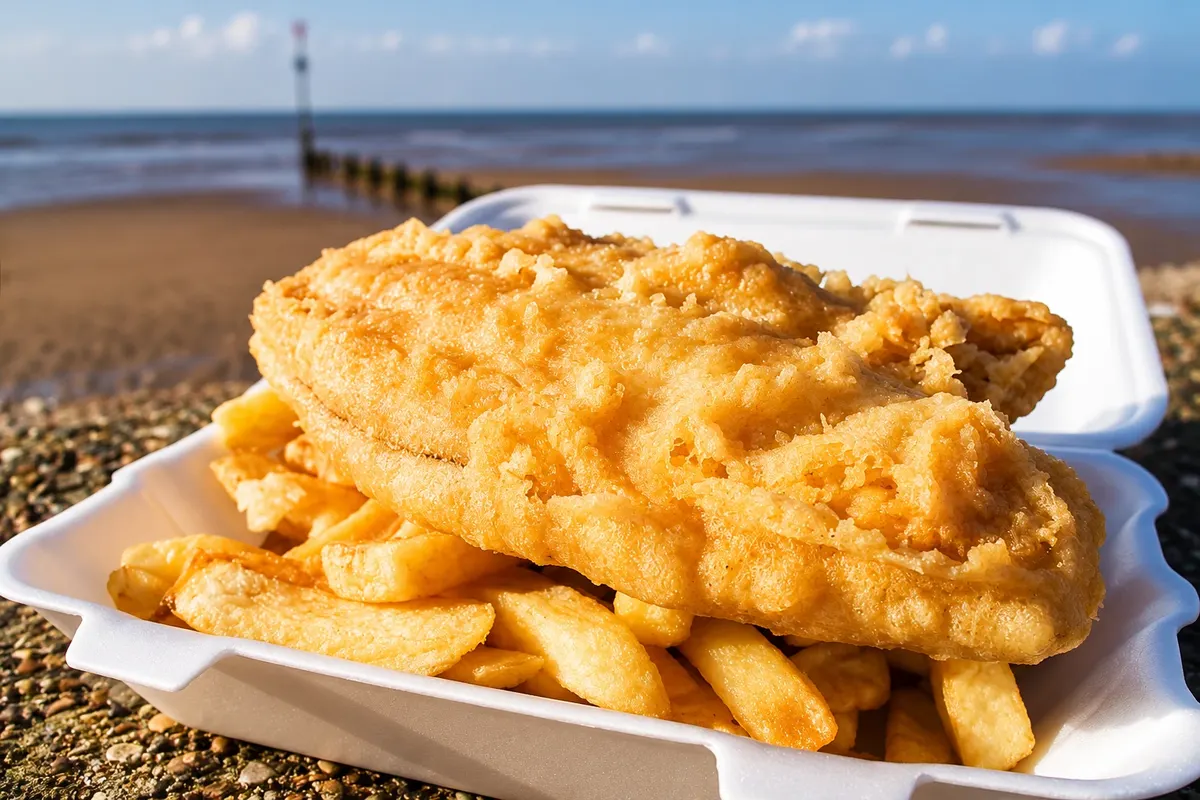
White fish battered and fried, served with thick-cut fries, salt and malt vinegar. It originated in England in the 19th century from combining fried fish linked to the tradition of Jewish immigrants with fried potatoes, and became the country's best-known takeaway dish.

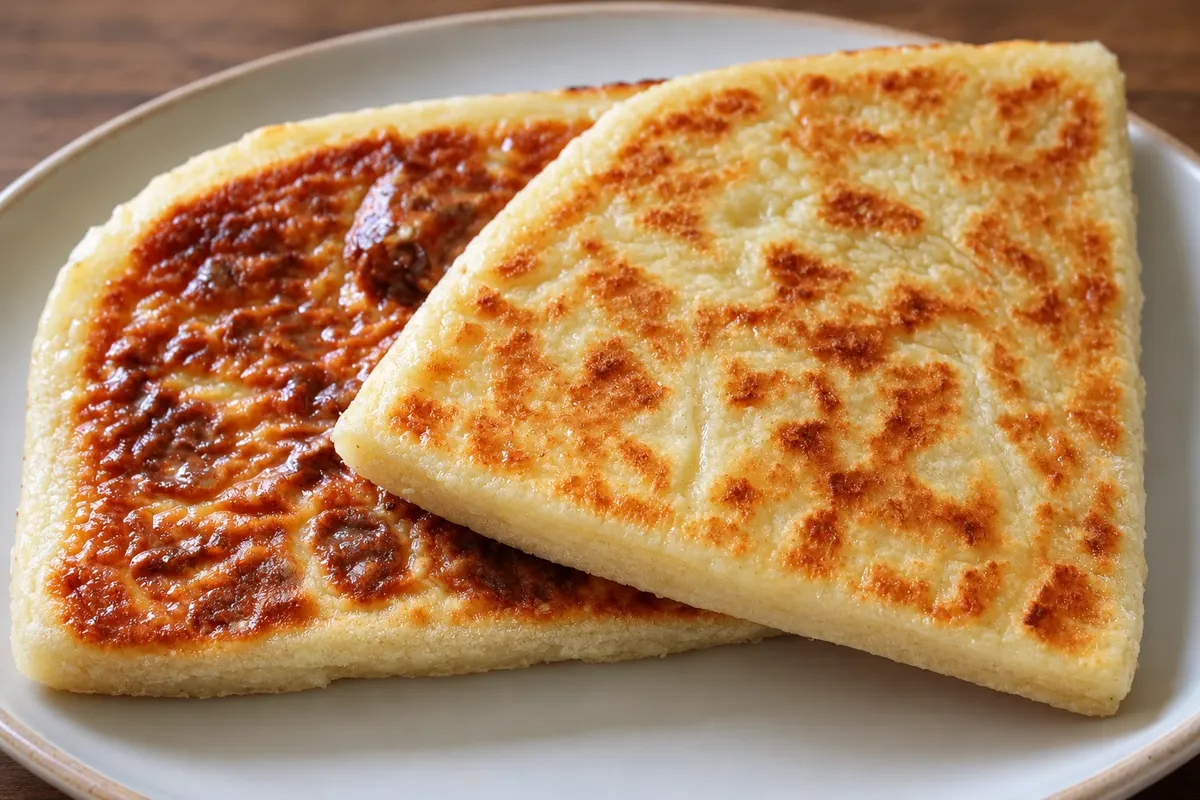
Fried breakfast from Northern Ireland, with bacon, sausage, egg and black pudding, distinguished by the fried griddle breads: soda farl and potato bread. It is one of Northern Ireland’s specialties.

Tablet of sugar flavored with peppermint oil, white or brown, sometimes coated in chocolate, made in Kendal since the 19th century. It became famous among mountaineers and was taken on the first ascent to the summit of Everest in 1953.

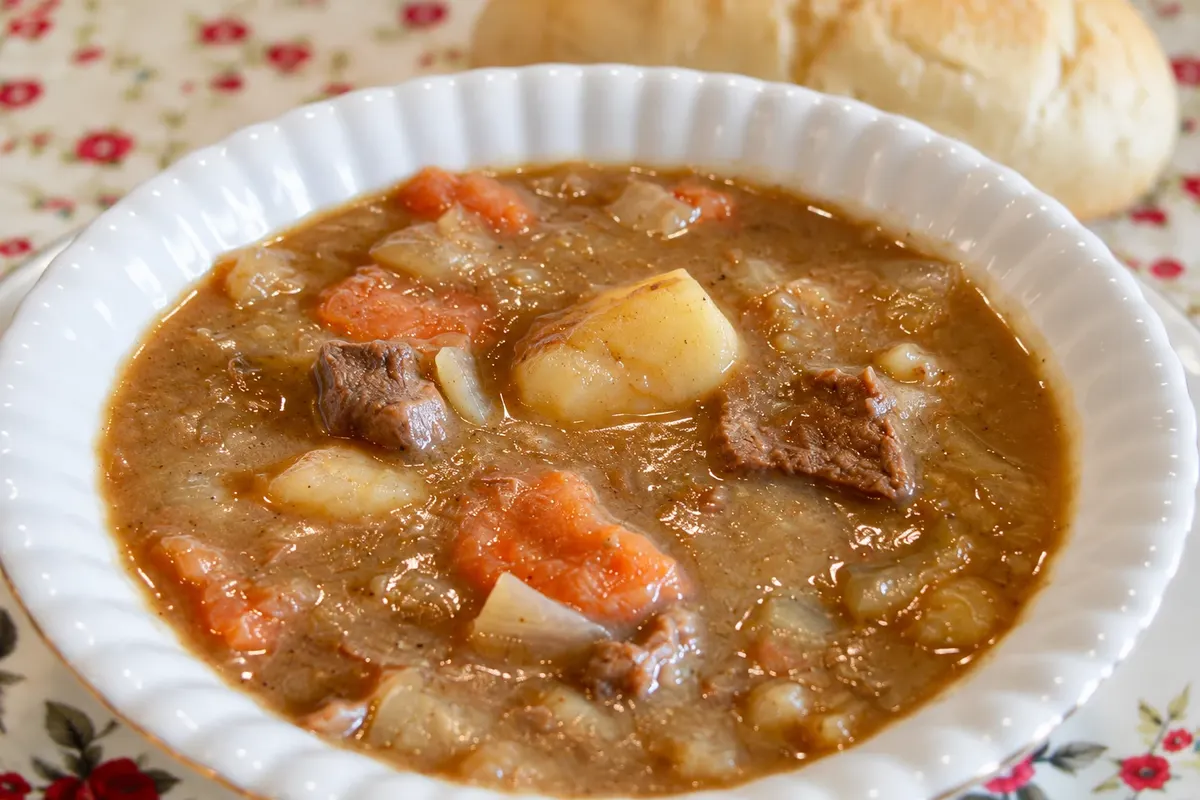
Stew of beef or lamb with potato, carrot and onion, cooked until thickened, served with pickled beetroot or red cabbage and bread. It is the dish of the port of Liverpool and gave the city’s inhabitants the nickname Scousers.

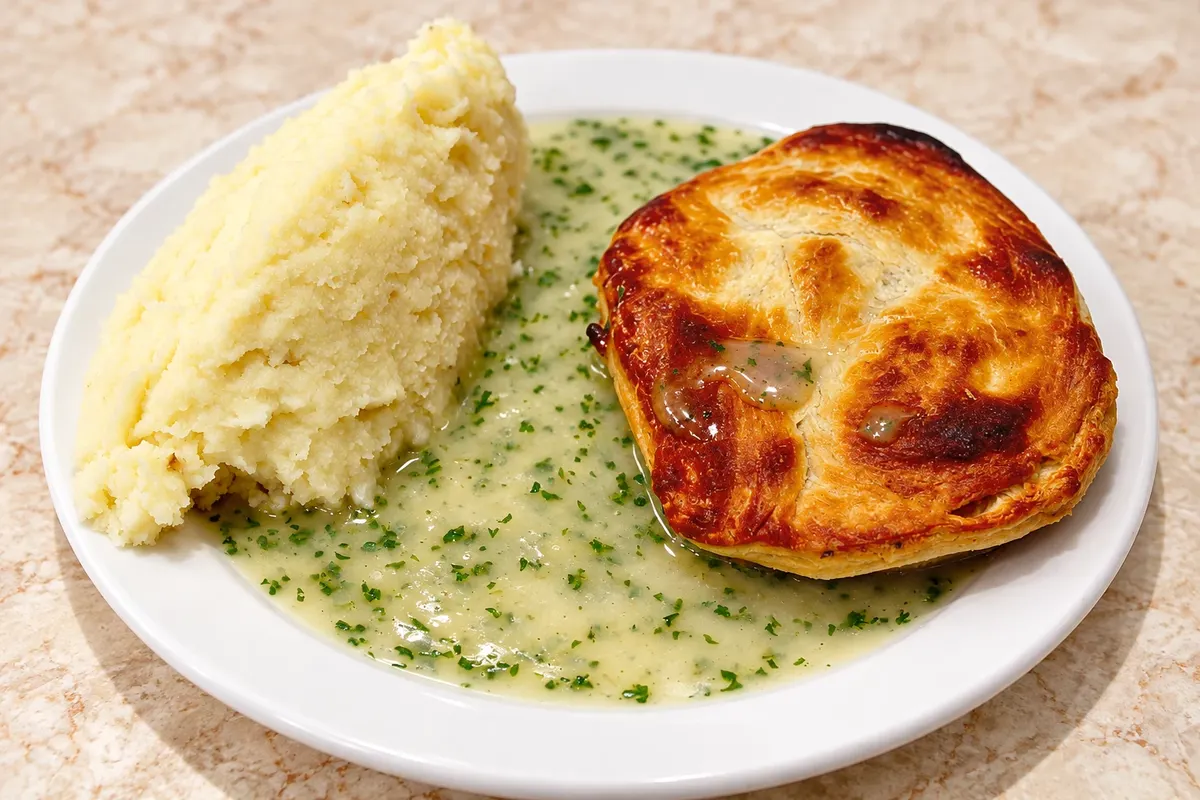
Minced meat pie in a simple pastry, served with mashed potato and the liquor, a green parsley sauce. It originated in East End homes of London in the 19th century, linked to the eels sold in the streets, and is one of the dishes most associated with London’s working class.

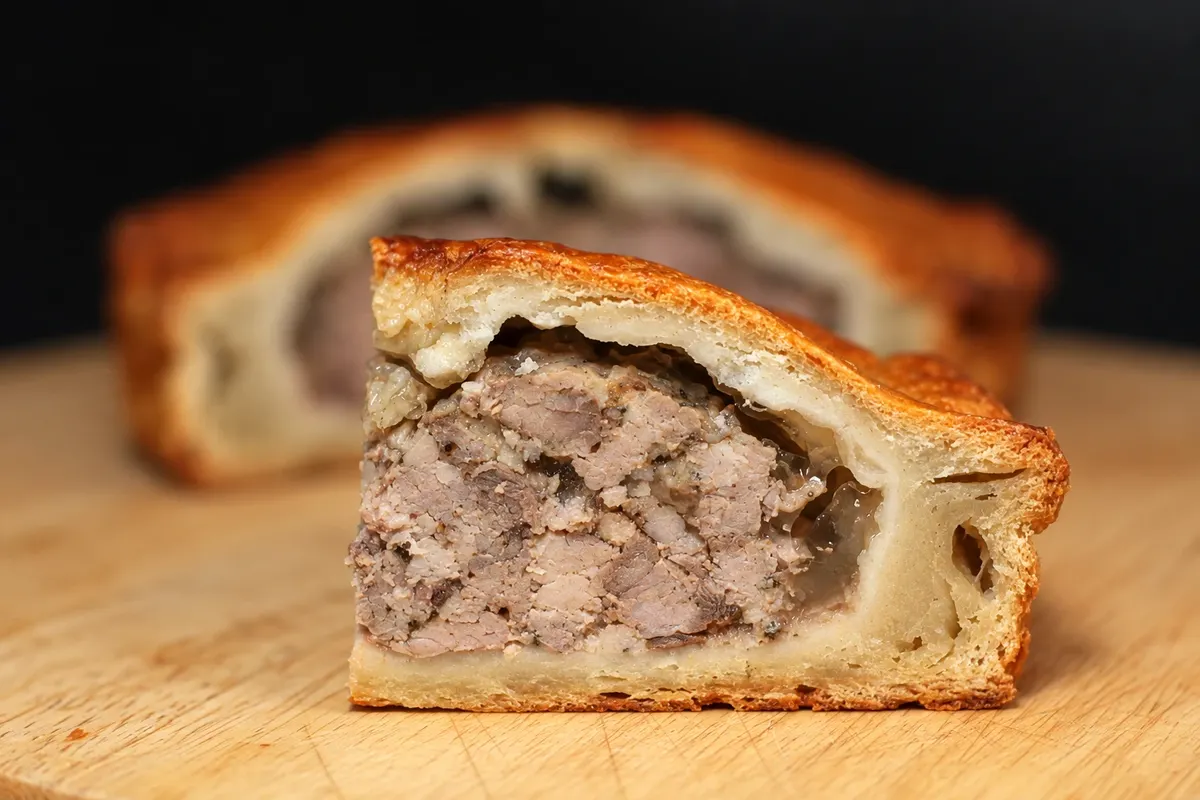
Pie of minced fresh pork, seasoned with pepper, in a golden pastry with arched walls, with a layer of jelly between the filling and the crust. It has protected geographical indication and originated connected to the fox hunts on horseback around Melton Mowbray.

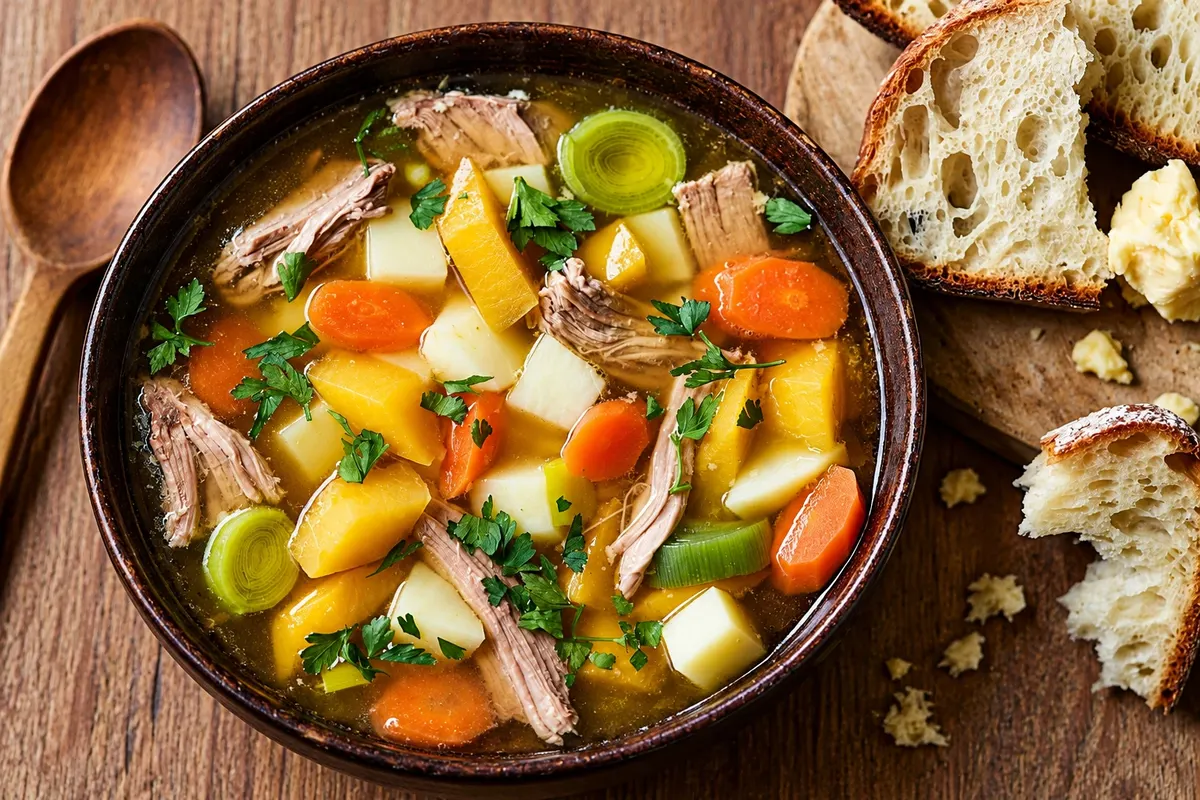
A thick broth of lamb or beef with leek, turnip, carrot and potato, slowly cooked and served with bread. It is regarded as the national dish of Wales and, in parts of the north, is called lobscows.

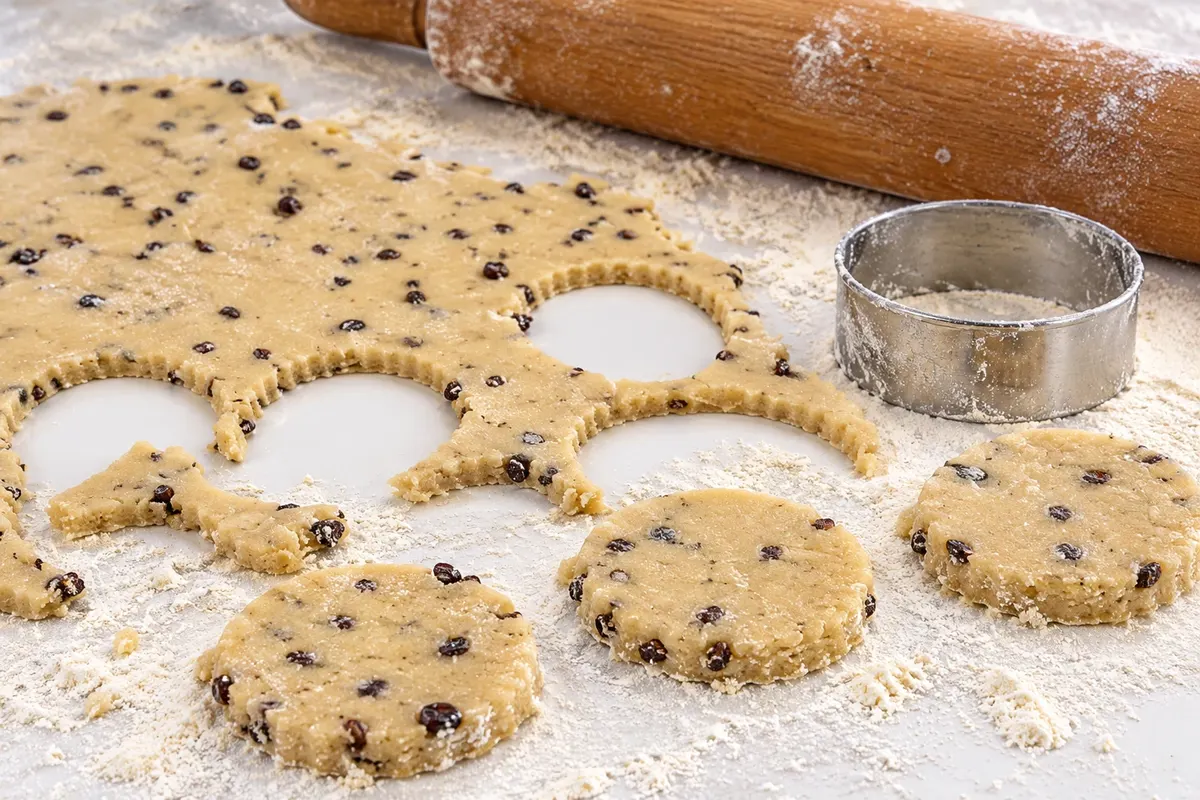
Round, flattened cakes made from flour, butter, sugar, raisins and spices, cooked on an iron griddle and dusted with sugar. The Welsh name, picau ar y maen, means cakes on the stone, referring to the griddle used to make them.