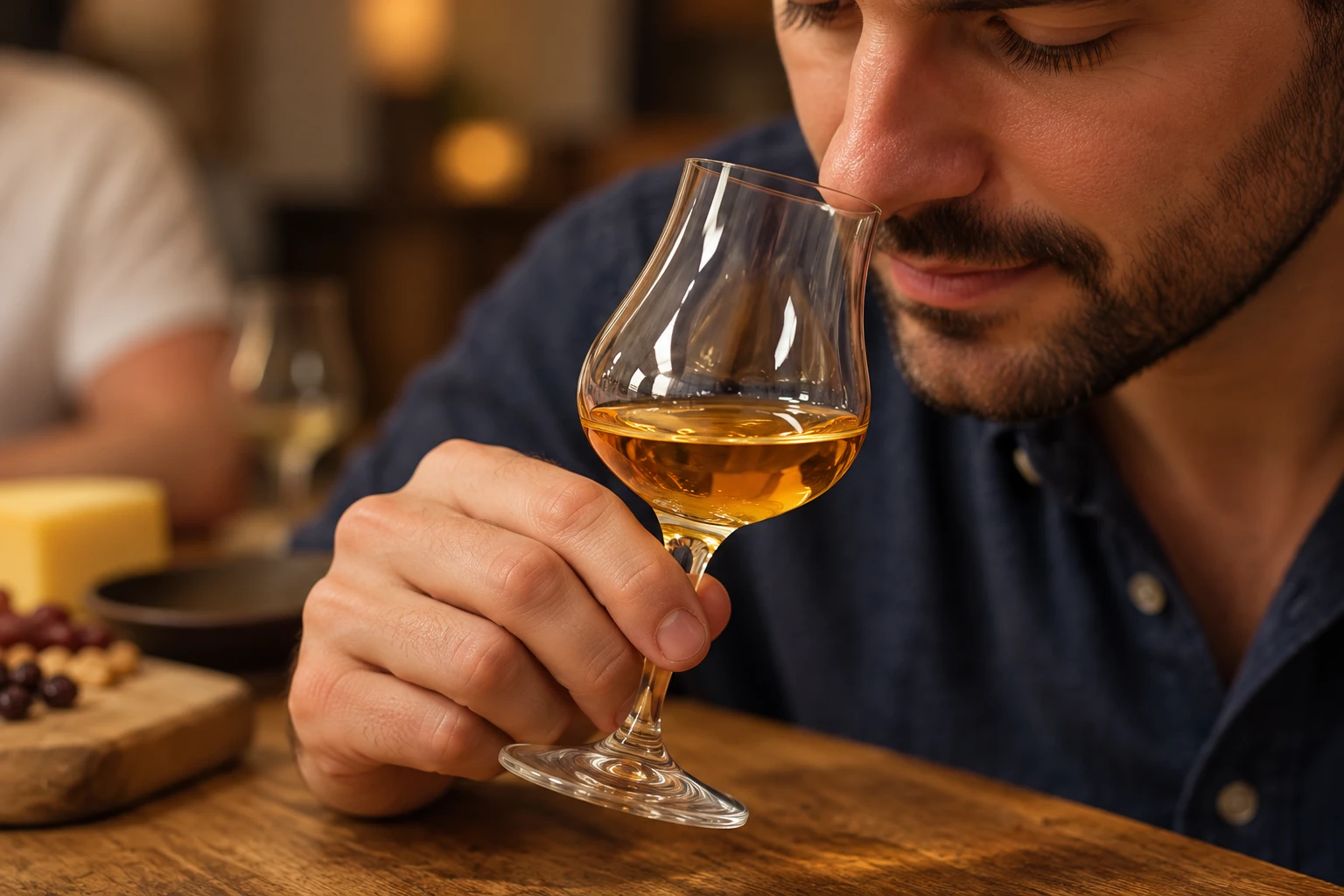
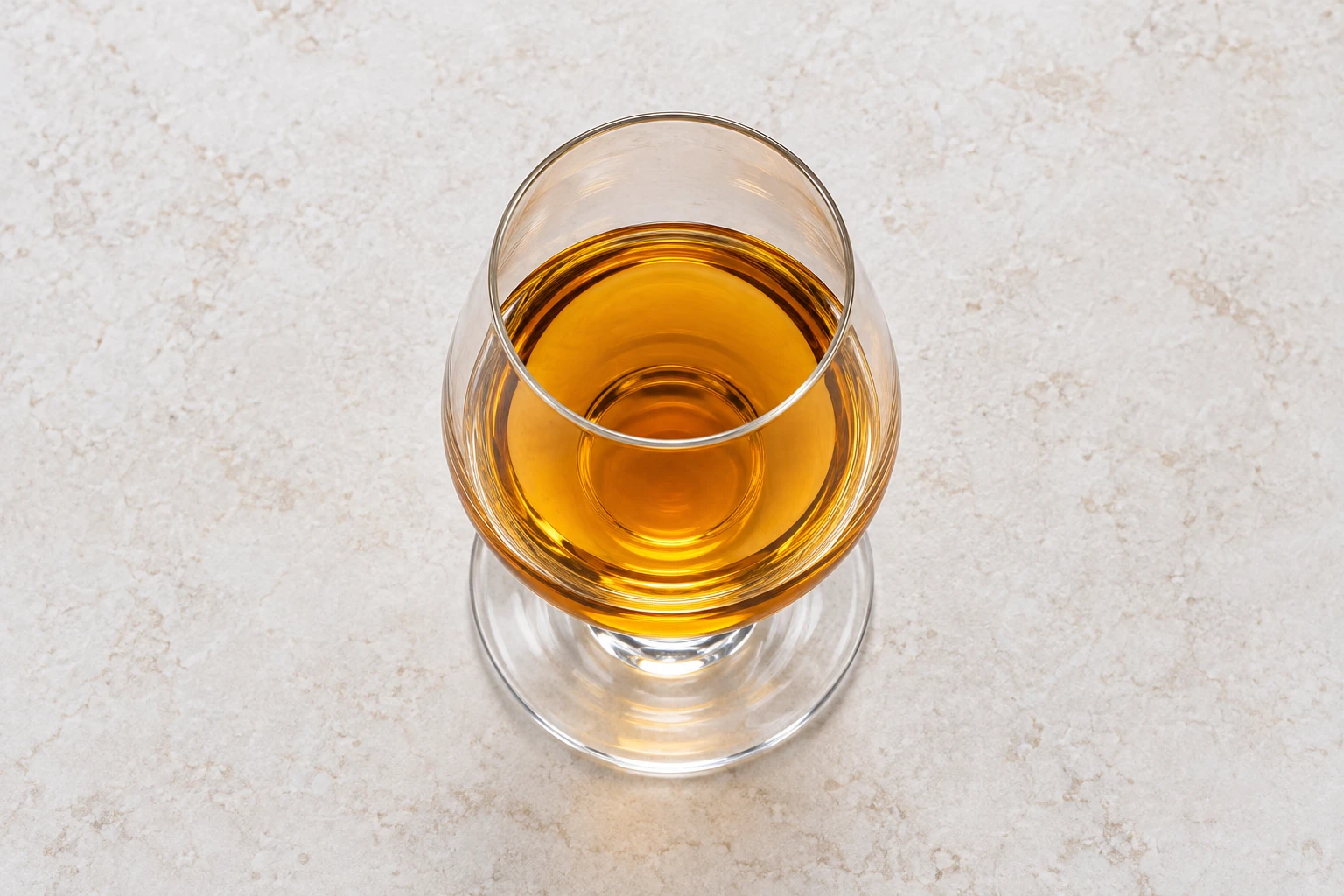
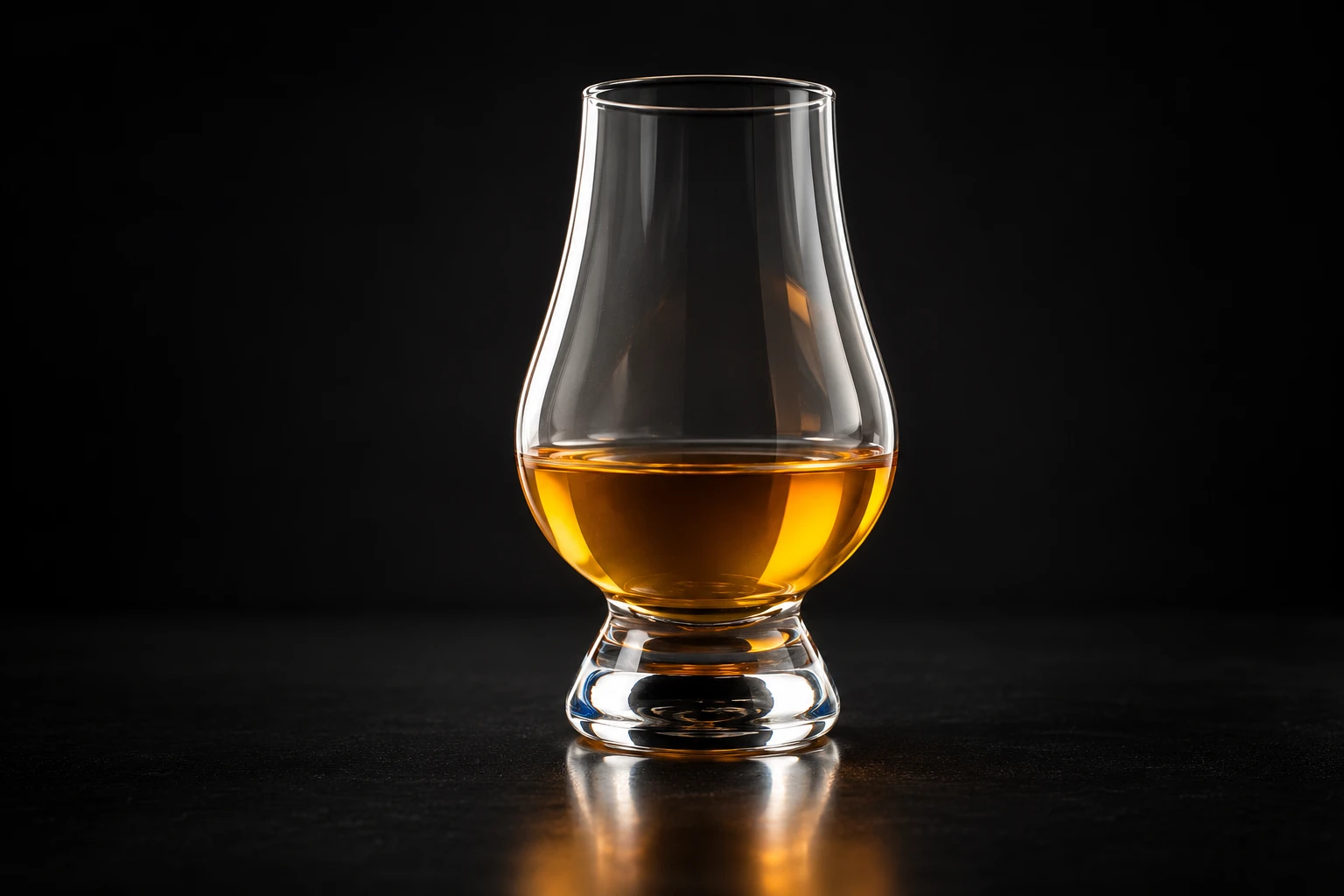
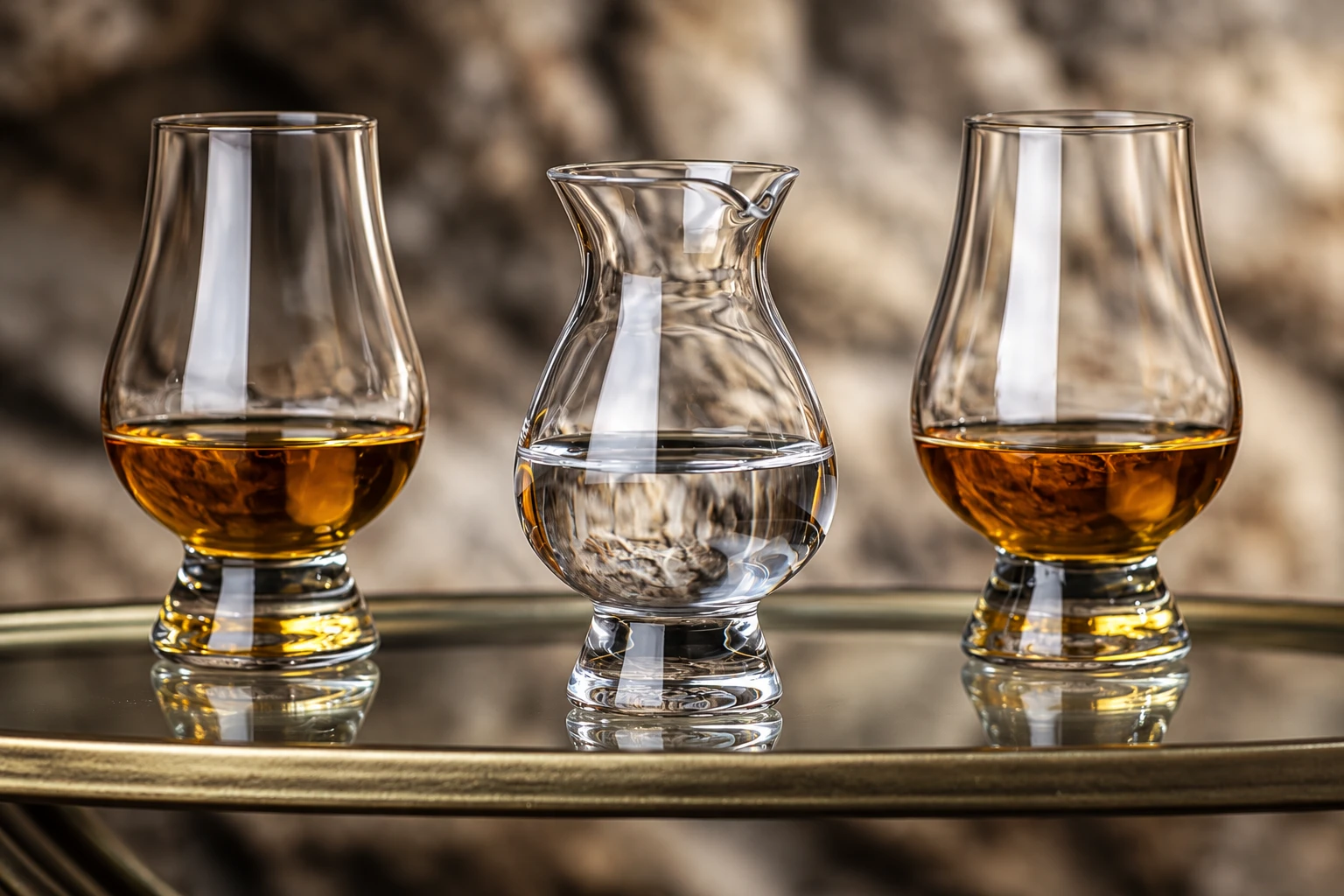
Scotch whisky is the drink most closely associated with Scotland. It is made from grains, water and yeast: malted barley is the base, and other whole grains may be used in grain whiskies. The mash is fermented and distilled, and the spirit is aged in oak casks up to 700 liters for a minimum of three years before bottling at no less than 40% alcohol.
The name is protected. Under the Scotch Whisky Regulations of 2009, only whisky distilled and aged in Scotland according to those rules may be called Scotch whisky, and its protection as a geographical indication is recognized in many countries. The law defines five categories: single malt, single grain, blended malt, blended grain and blended. Single malt is made only from malted barley at a single distillery and must be bottled in Scotland.
The law also protects the names of traditional production regions such as Speyside, Islay, Campbeltown, Highland and Lowland. Styles vary: there are light, floral whiskies and others that are full-bodied, and whiskies from some islands, like Islay, often have the smoky flavor from peat used to dry the barley.
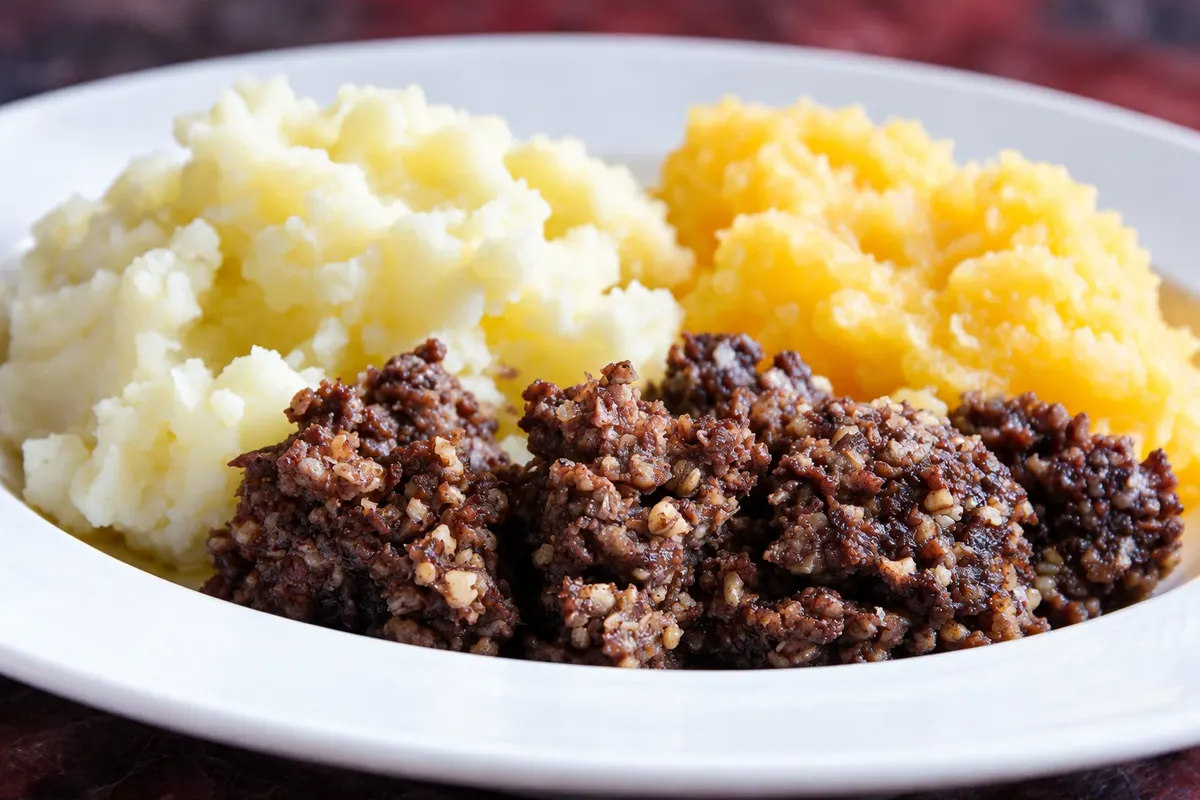
Distilleries across the country welcome visitors, and whisky also appears at the table: it accompanies haggis on Burns Night and is used in desserts such as cranachan.


 Brazil
 Argentina
 Bolivia
 Chile
 Colombia
 Ecuador
 Guyana
 French Guiana
 Falkland Islands (Malvinas)
 Paraguay
 Peru
 Suriname
 Uruguay
 Venezuela
 Germany
 Austria
 Belgium
 Croatia
 Denmark
 Spain
 Finland
 France
 Greece
 the Netherlands
 Hungary
 Ireland
 Iceland
 Italy
 Luxembourg
 Norway
 Poland
 Portugal
 the Czech Republic
 Sweden
 Switzerland
 Turkey
 the United States
 Mexico
 the Dominican Republic
 South Africa
 Australia
 Fiji
 New Zealand