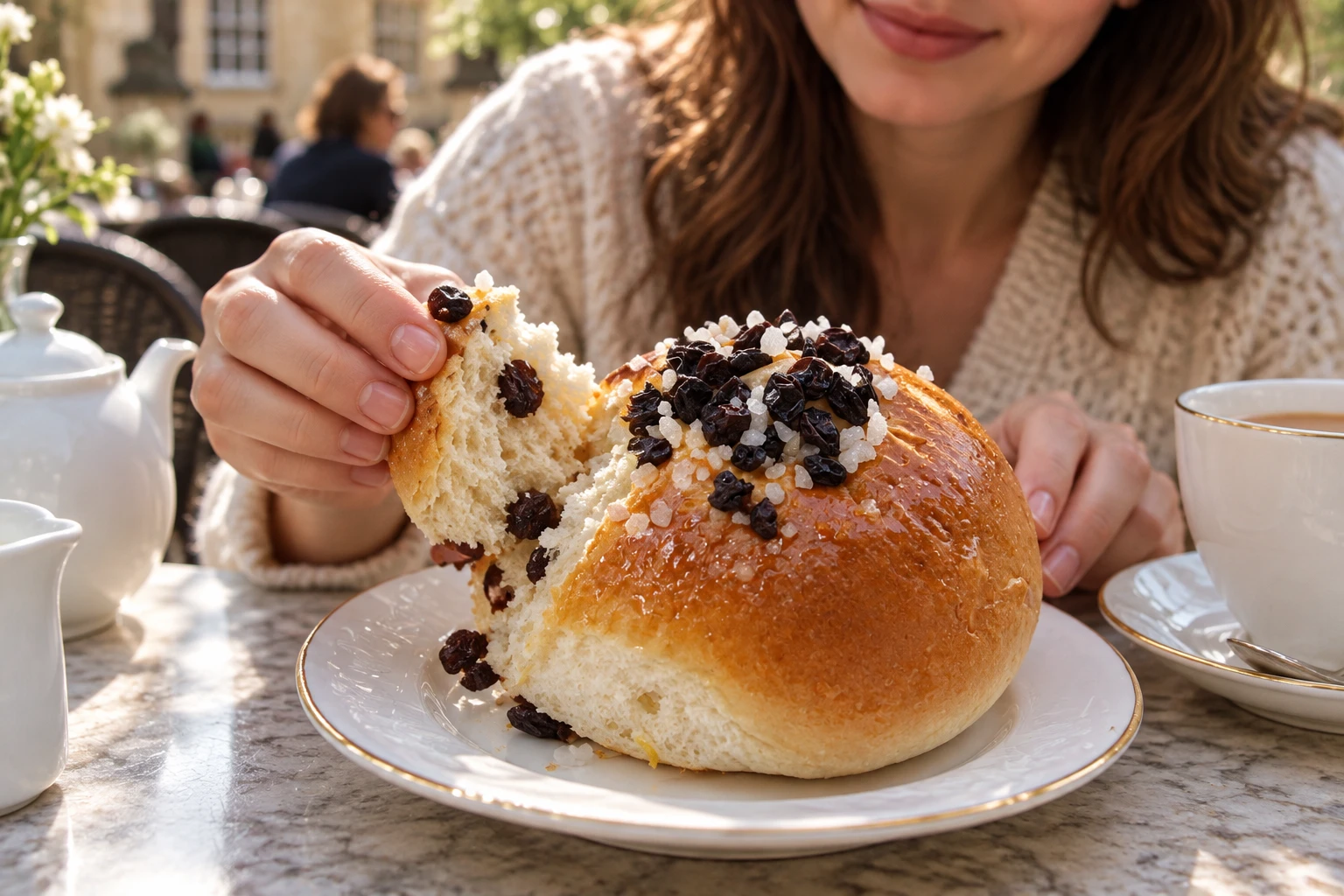
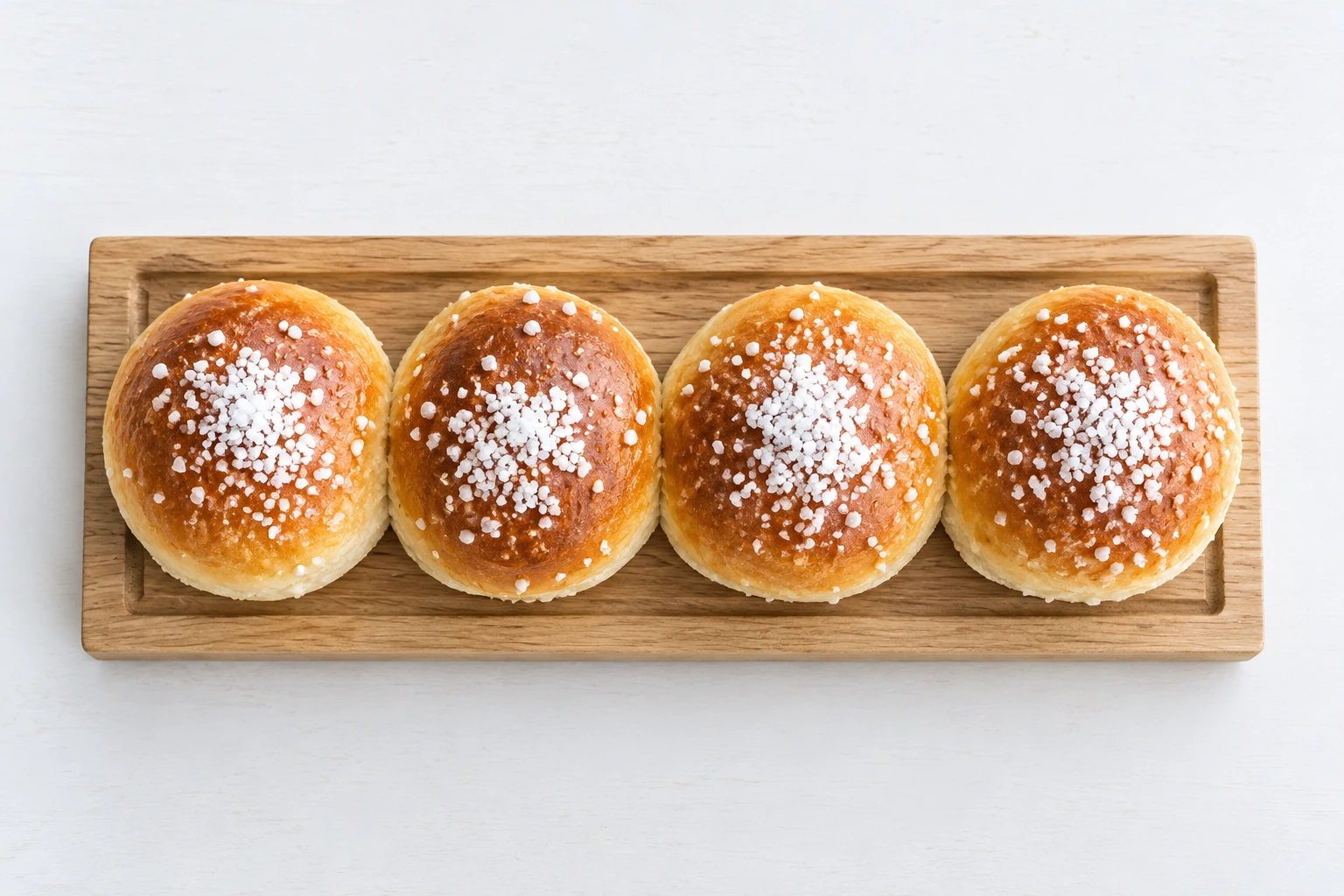
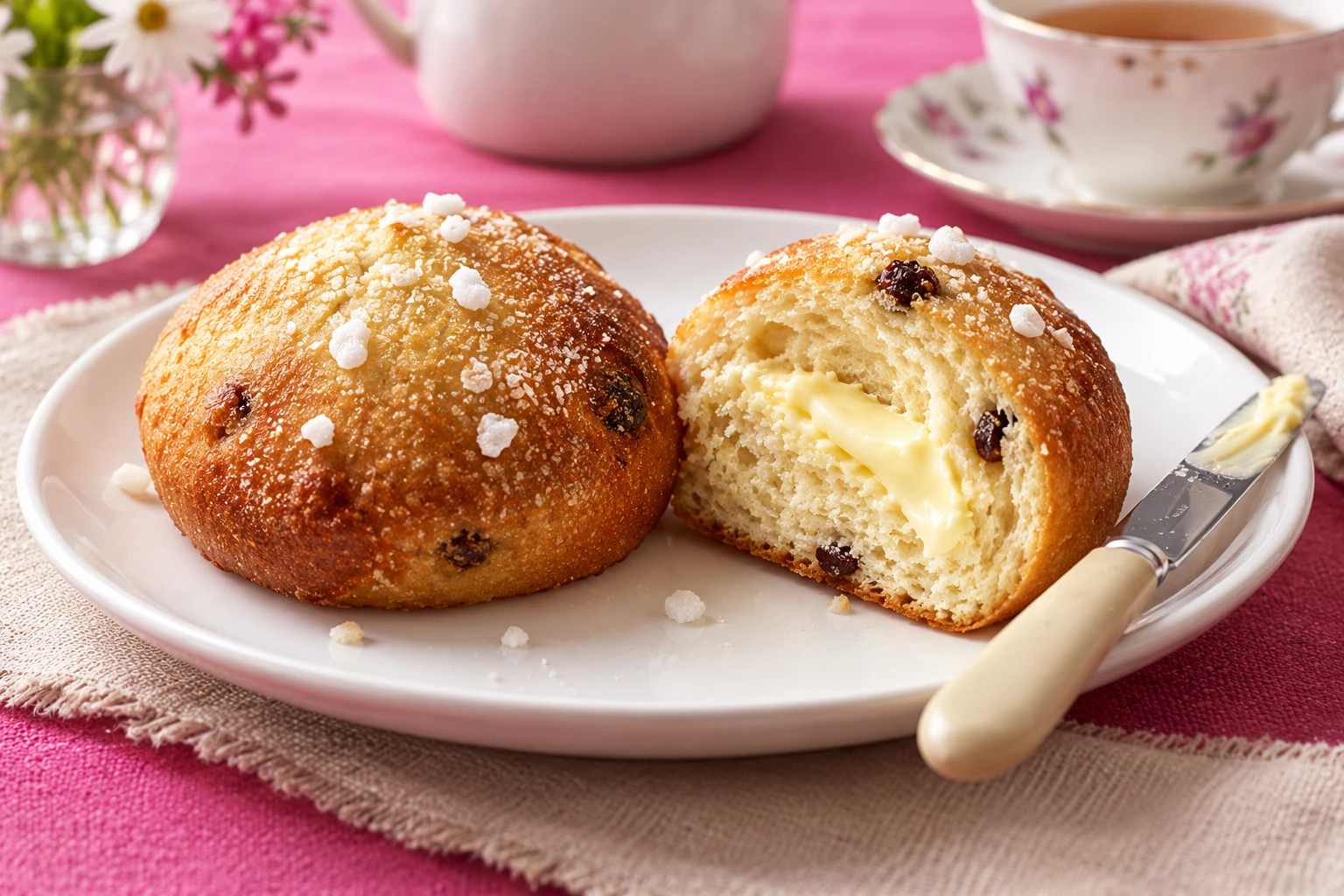
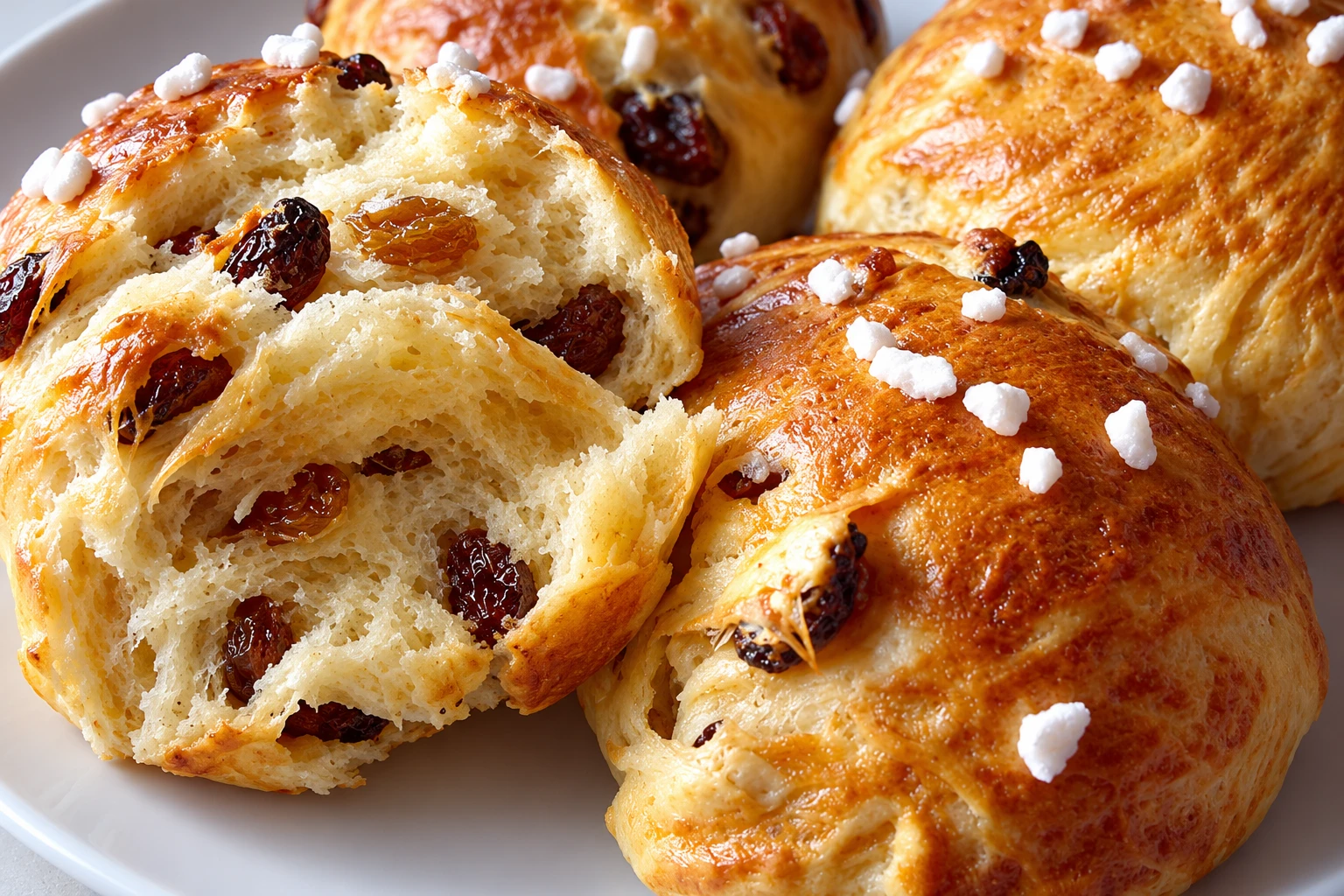
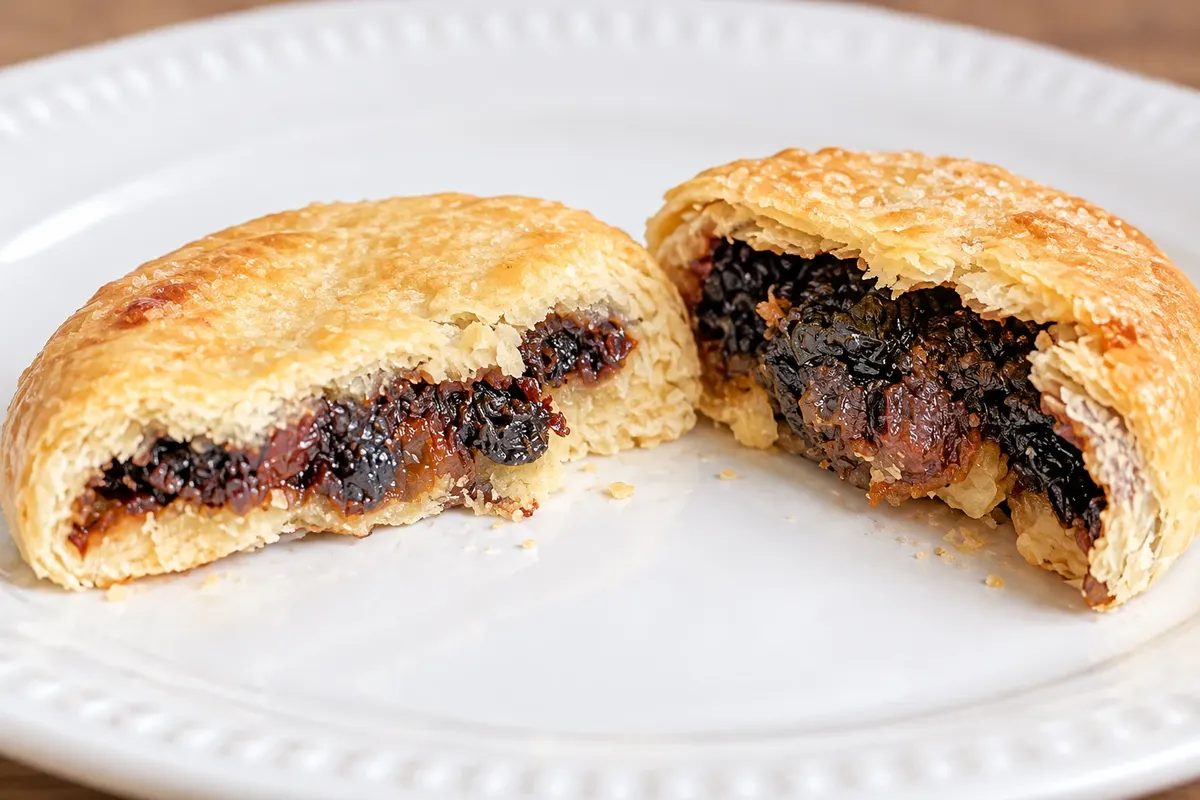
The Bath bun is a small, round sweet roll made from leavened dough enriched with milk, eggs and butter. On top it has crushed sugar in pieces and often Corinth raisins; in several recipes, a sugar lump is hidden in the base of the bun.
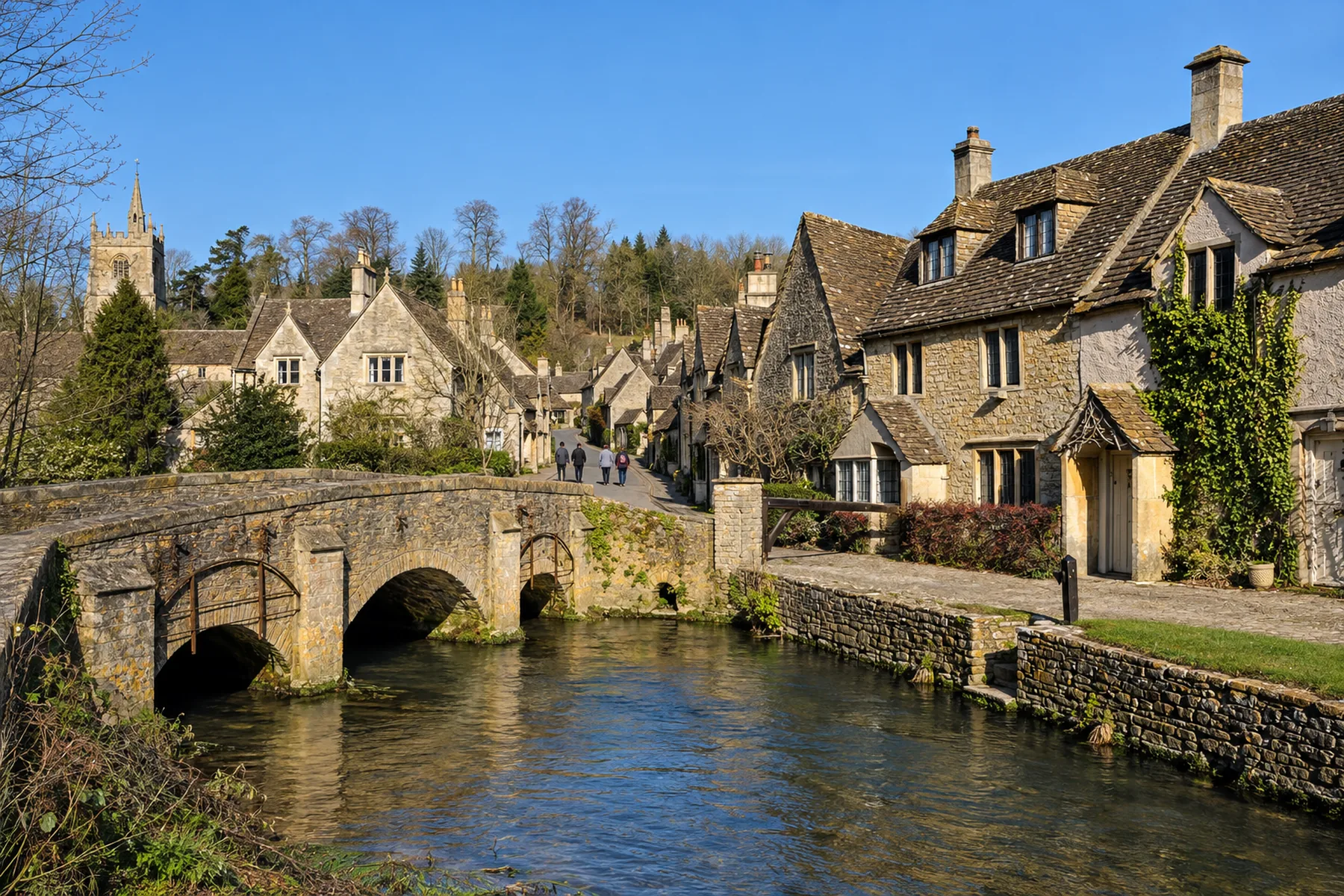
Bath buns appear in the 18th century, when Bath was the most frequented spa town in England. Older recipes used caraway seeds coated in sugar. A local account credits the creation to the physician William Oliver, who reportedly offered the buns to spa patients; this is a tradition without documentary confirmation. Jane Austen, who lived in Bath, wrote in an 1801 letter that she was spoiling her stomach with Bath buns.
In 1851, at the Great Exhibition in London, hundreds of thousands of Bath buns made at scale were consumed—heavier and with less butter. From then on, industrial versions spread across the country, and those who defend the old recipe distinguish the Bath bun of Bath from the so-called London Bath bun.
The Bath bun should also not be confused with the Sally Lunn bun, another town bread, large and soft like a brioche. In Bath, the Bath bun appears in bakeries and tea rooms and at the afternoon tea served in the Pump Room, beside the Roman baths.


 Brazil
 Argentina
 Bolivia
 Chile
 Colombia
 Ecuador
 Guyana
 French Guiana
 Falkland Islands (Malvinas)
 Paraguay
 Peru
 Suriname
 Uruguay
 Venezuela
 Germany
 Austria
 Belgium
 Croatia
 Denmark
 Spain
 Finland
 France
 Greece
 the Netherlands
 Hungary
 Ireland
 Iceland
 Italy
 Luxembourg
 Norway
 Poland
 Portugal
 the Czech Republic
 Sweden
 Switzerland
 Turkey
 the United States
 Mexico
 the Dominican Republic
 South Africa
 Australia
 Fiji
 New Zealand