Kaiserschmarrn
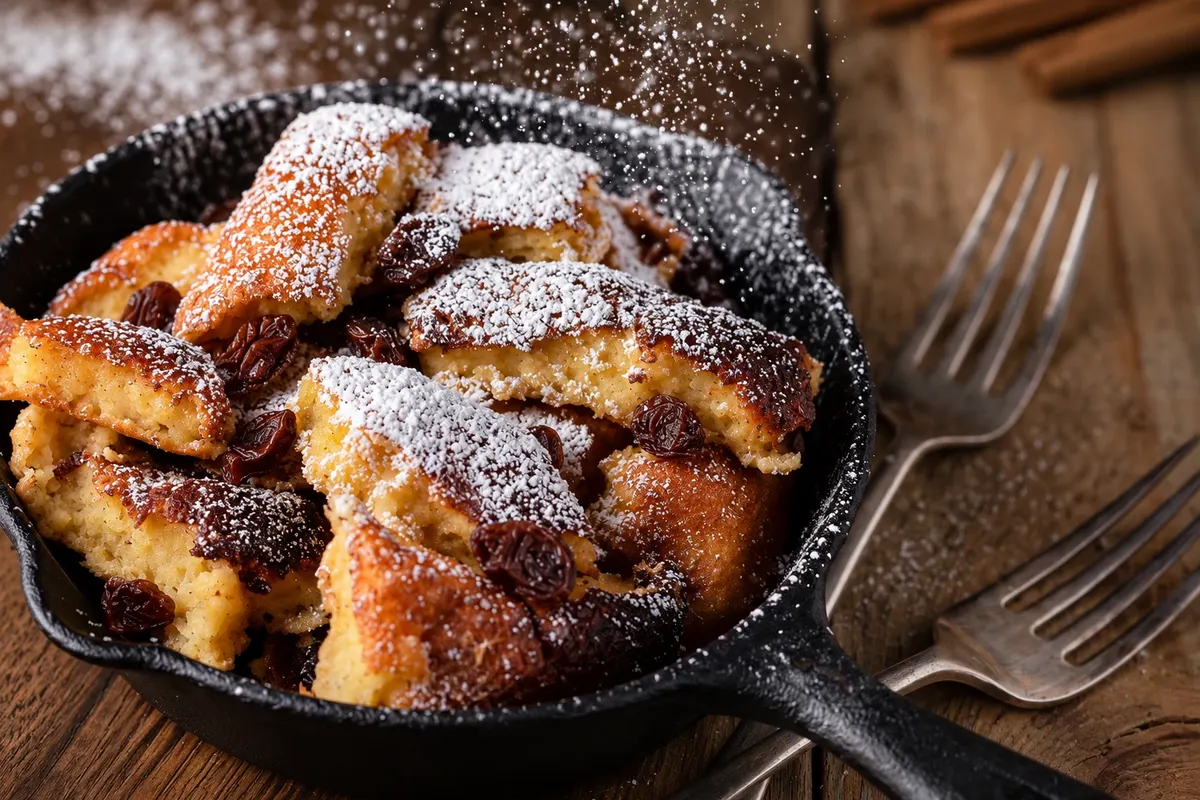
Thick, fluffy pancake fried in butter, shredded into pieces in the pan, caramelized and dusted with powdered sugar, served with raisins and plum jam. It is one of Austria’s best-known desserts, surrounded by legends about an emperor.
Antarctica
Traditional food · Austria
From Vienna's Wiener Schnitzel to the cheese dumplings of the Alps and the wines of Burgenland: dishes, sweets and drinks tied to Austrian cities and states, with the history and how to taste each one.
In the photo: Centro antigo de Salzburgo e Hohensalzburg, Salzburgo
Illustrative images. The pictures in this guide are illustrations based on the real place, not photographs, and may differ from it.
The cuisine
Austrian cuisine gathers what was eaten at the court of Vienna and what was eaten on mountain farms. For centuries, the capital of an empire received meat, flour, fruit and recipes from regions that today lie in Hungary, in Bohemia and northern Italy. From there come the breaded veal, the boiled meat served with broth and a pastry tradition of cakes, puff pastries and soufflés that the country calls Mehlspeisen.
In the Alps, the table is different. Day-old bread, mountain cheese, smoked bacon and eggs become dumplings (Knödel), stuffed pastas and spätzle with melted cheese. These were foods of people who worked in the fields and needed energy, and each valley has its cheese and its name for the same recipe.
Wine occupies the eastern slopes. In Vienna there are vineyards within the city limits, and wine taverns, called Heurigen, serve the house production. In Burgenland and Styria there are wines that only exist there, some with origin rules fixed by law. Where the vine does not reach, fruit takes its place: in Lower Austria, pears from old orchards become a fermented pear wine, the Most. Wine and Most should be enjoyed in moderation.
The Austrian Ministry of Agriculture maintains a register of traditional foods, with the history and the method of making each one. Many of the specialties on this page are in that register, and the origin information comes from it whenever possible. When a story is legend or oral tradition, the text says so.
Each specialty appears here linked to a city or a state that represents it. That does not mean it is only eaten there: many have spread across the country and to neighboring lands. Each page explains the relationship to the place, the ingredients and the custom of serving.

16 flavors

Thick, fluffy pancake fried in butter, shredded into pieces in the pan, caramelized and dusted with powdered sugar, served with raisins and plum jam. It is one of Austria’s best-known desserts, surrounded by legends about an emperor.

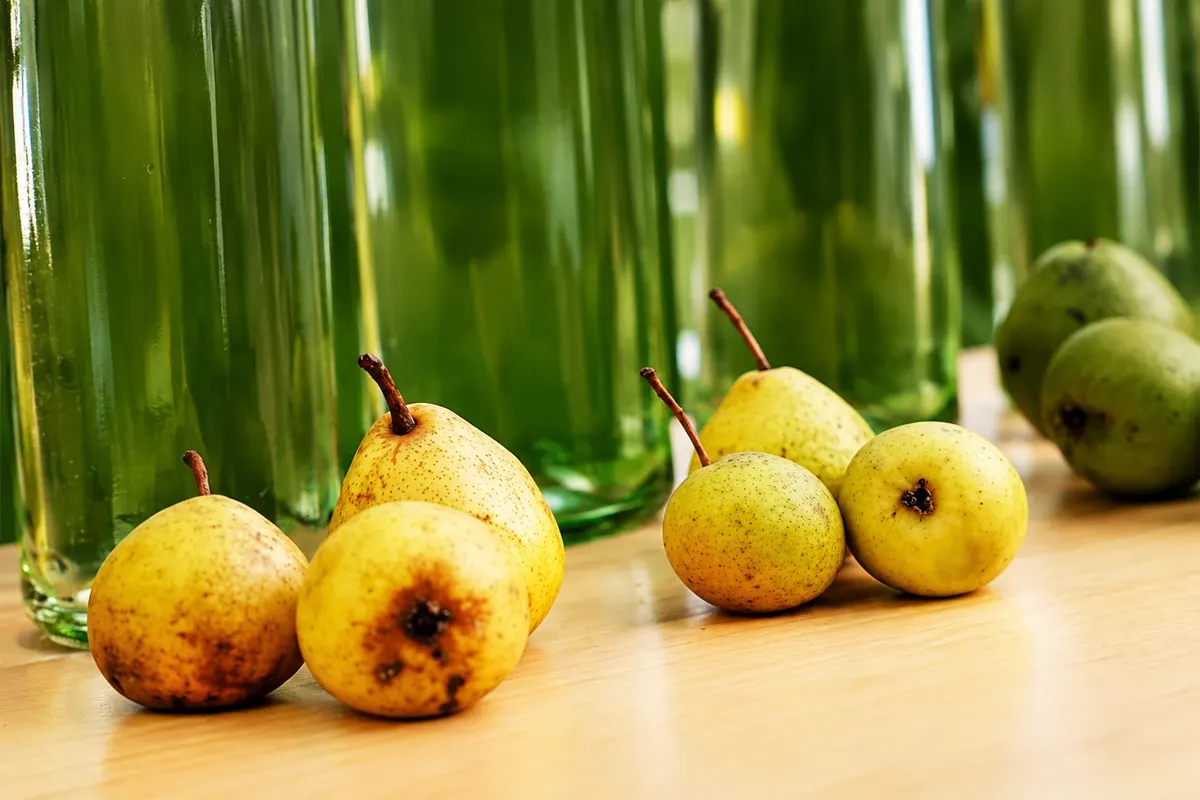
Pear wine from the Mostviertel in Lower Austria, fermented from local cider pear varieties. The region is named after the drink and blooms white in April.

Wine from the southern Burgenland made from American vines planted after the phylloxera outbreak, with aromas of strawberry and wild berries. It was banned for decades and returned to sale in 1992.

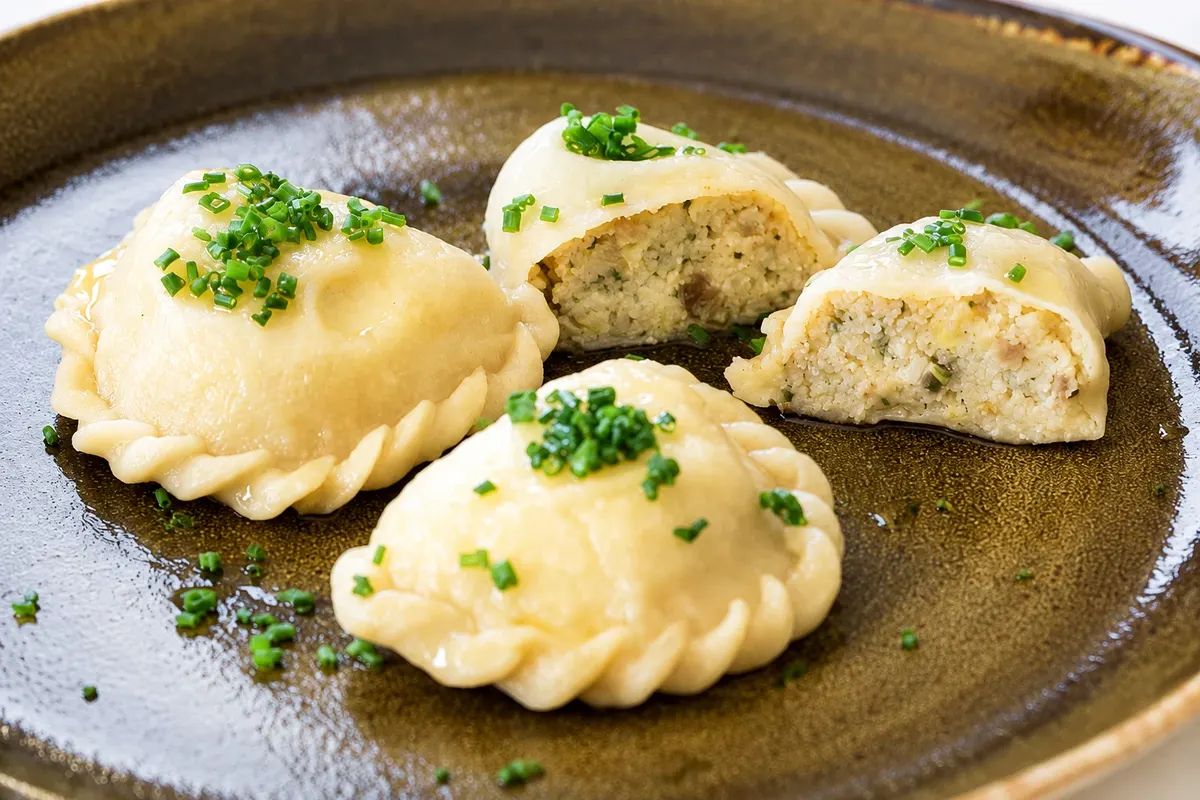
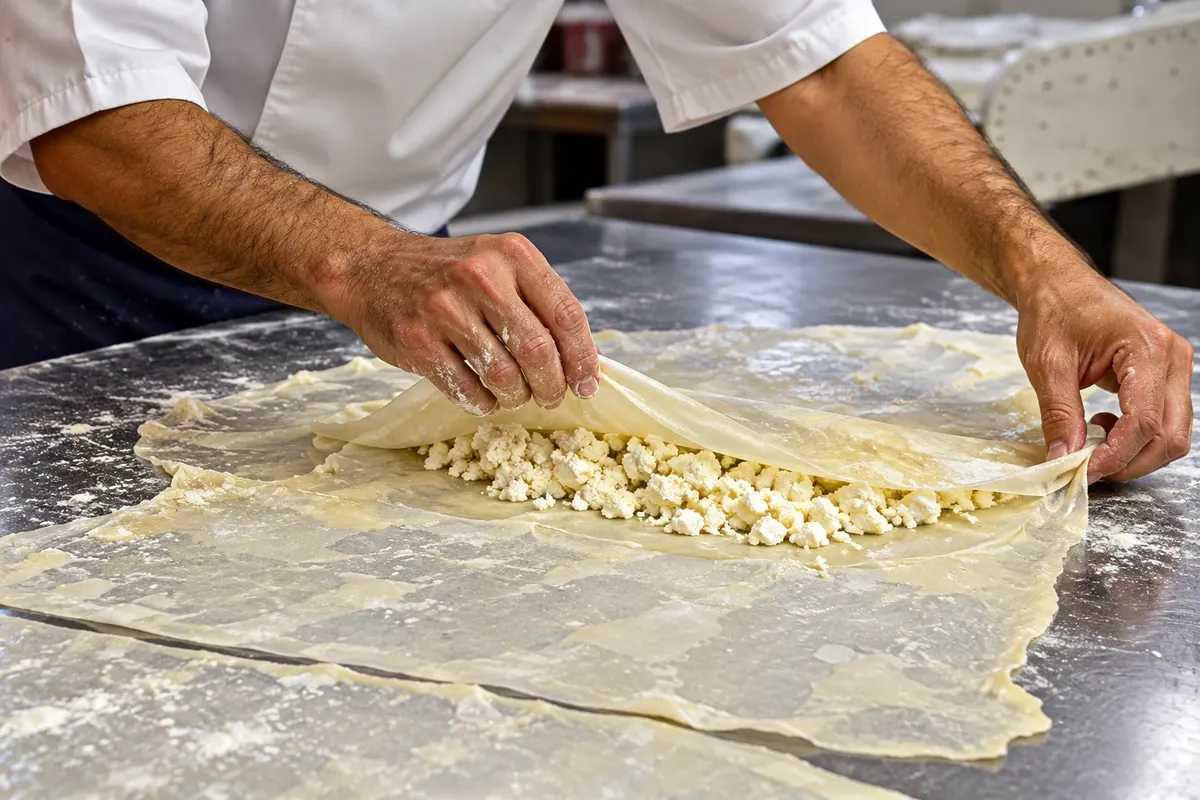
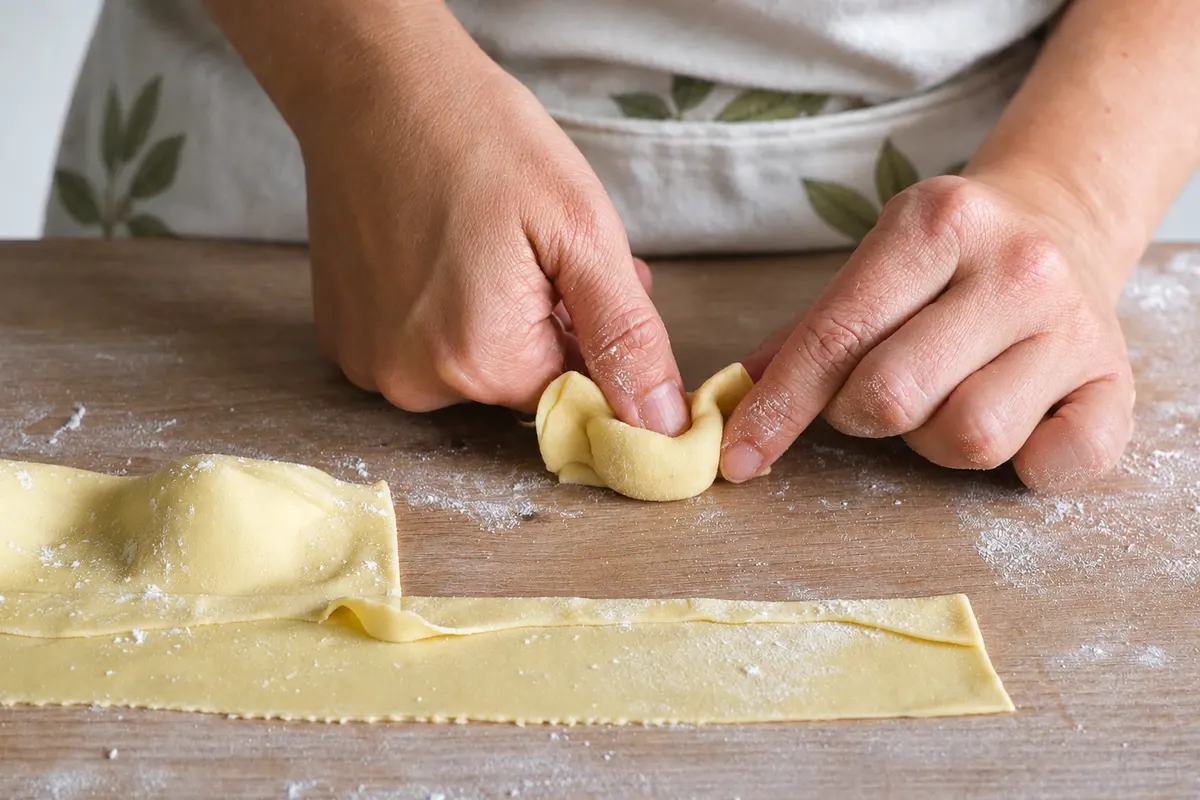
Dough filled with dry farmer’s cheese (requeijão seco), potato and herbs like mint and chervil, sealed with a hand-braided edge and served with melted butter. It is the dish most associated with Carinthia.

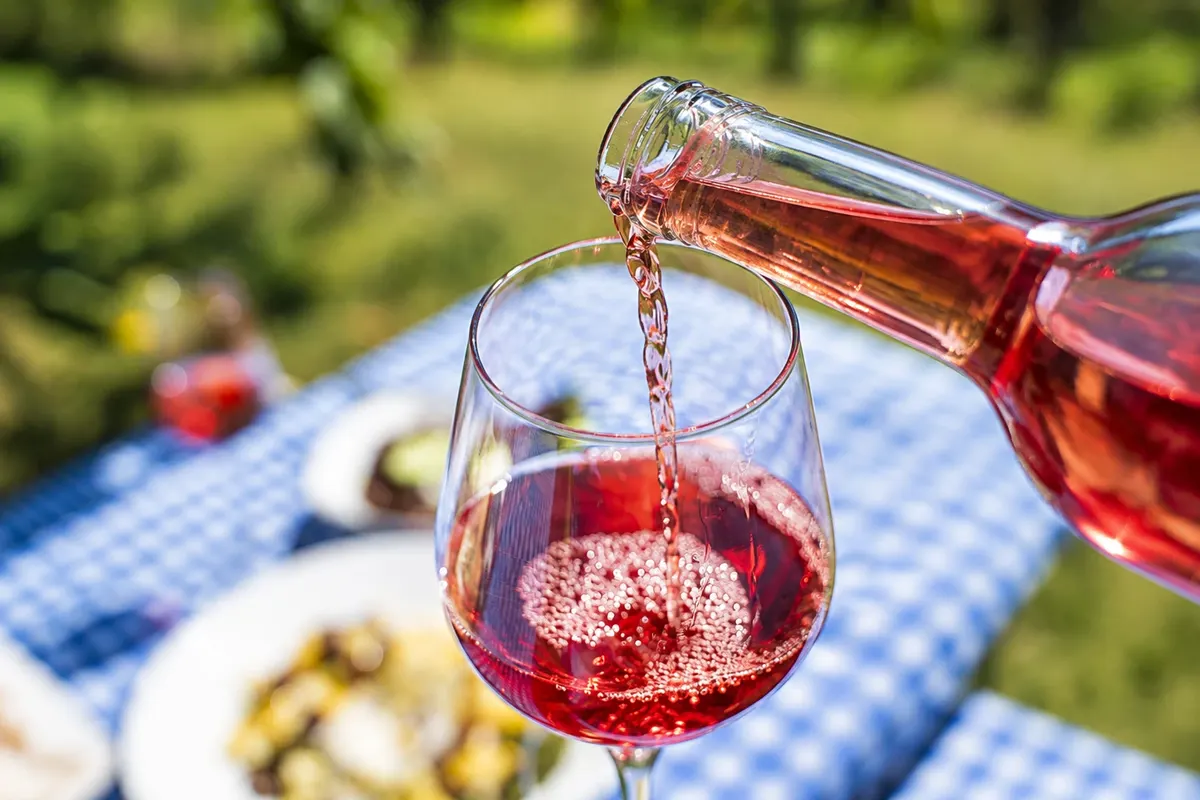
Rosé wine from Styria, with high acidity and a fruity aroma, made only from the Blauer Wildbacher grape. The name is protected by the European Union as a traditional term.

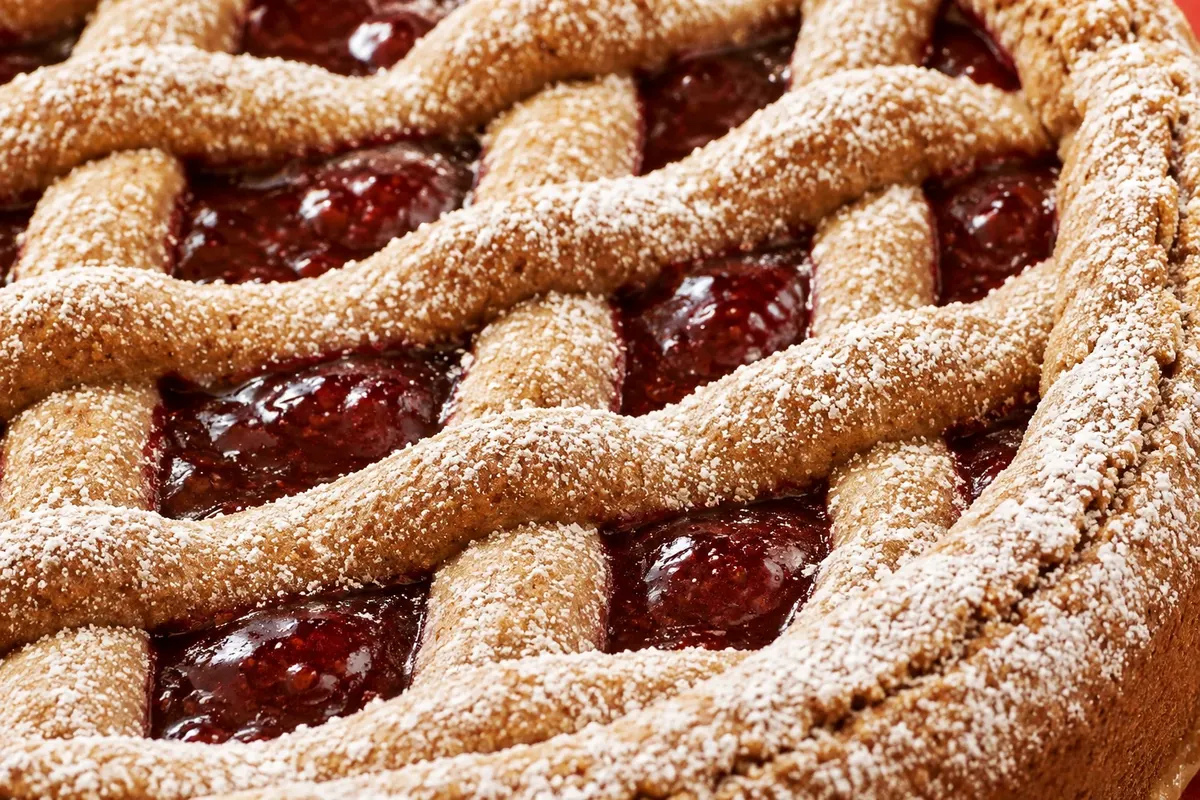
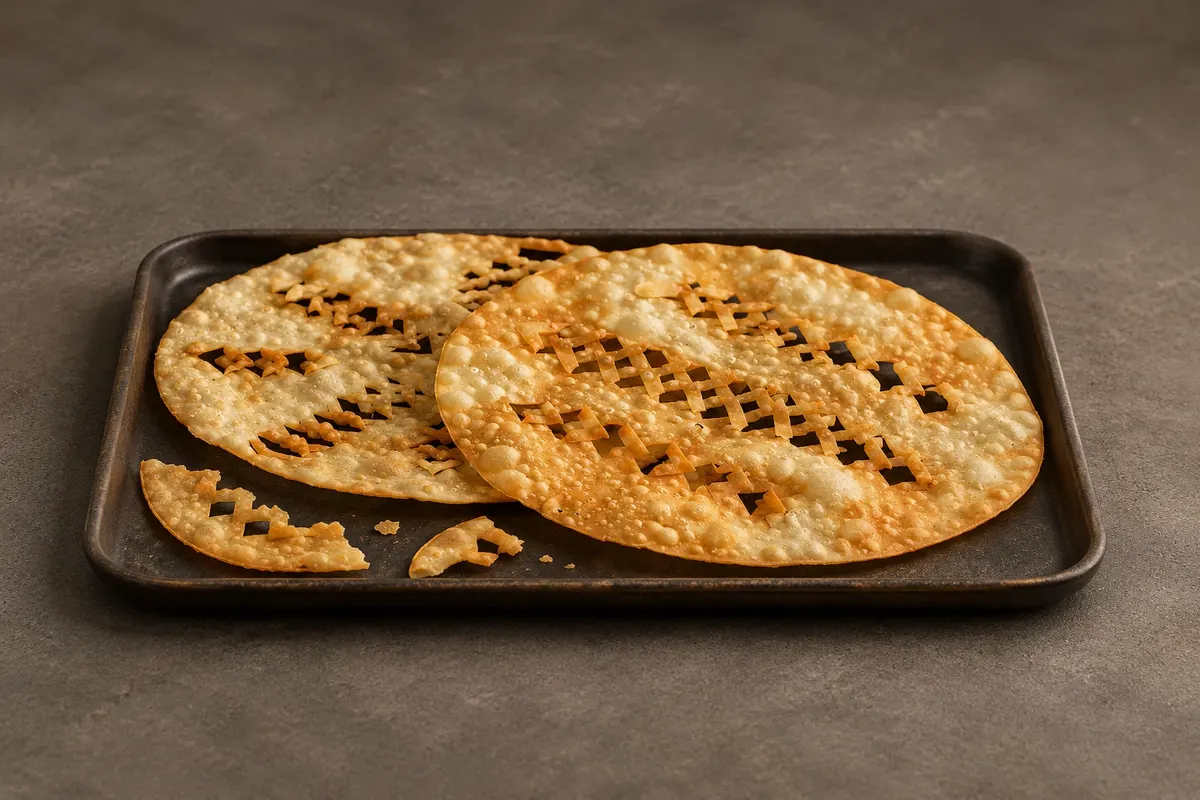
Shortcrust tart with butter dough and ground almonds or hazelnuts, filled with currant jam and topped with a lattice of dough. Its oldest known recipe dates from 1653.

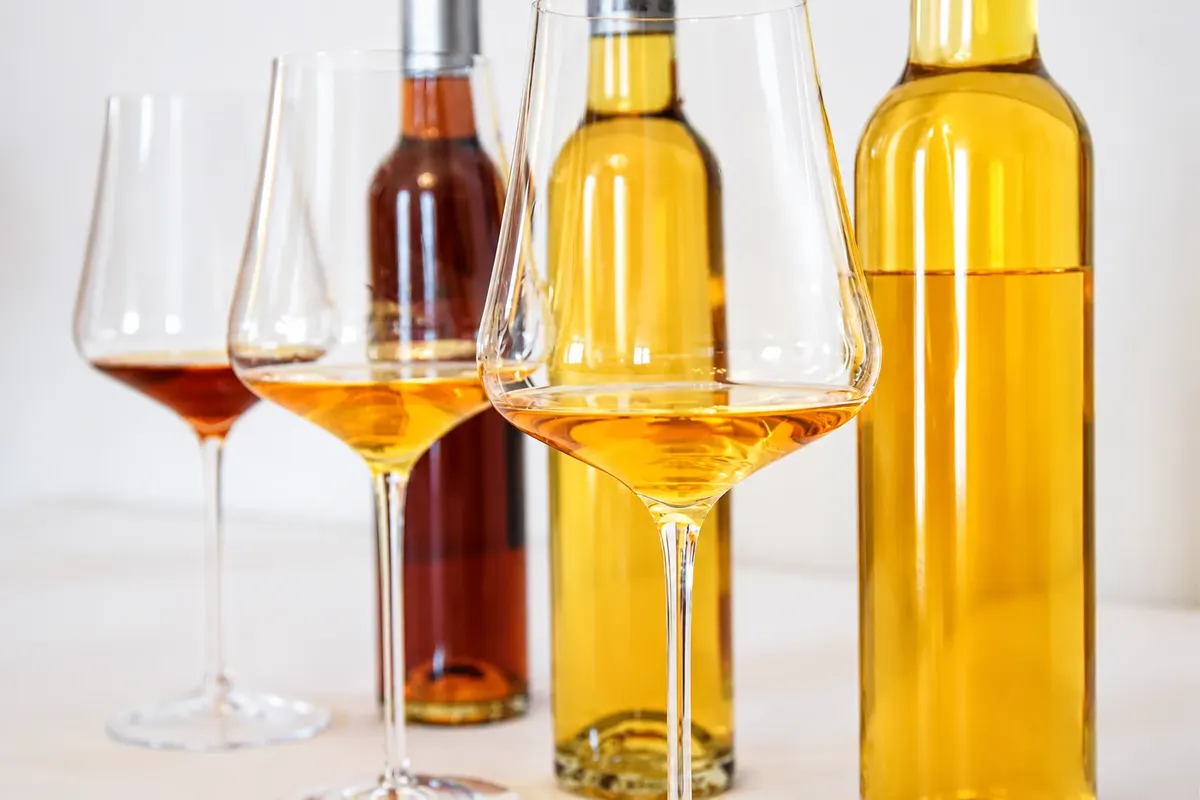
Sweet white wine from Rust, made with grapes affected by noble rot and dried on the vine, hand-harvested. It has origin rules in Austria (DAC) and in the European Union (PDO).

Round bonbon with a pistachio marzipan center, a layer of hazelnut nougat, and a dark chocolate coating, created in Salzburg and named in honor of Mozart.

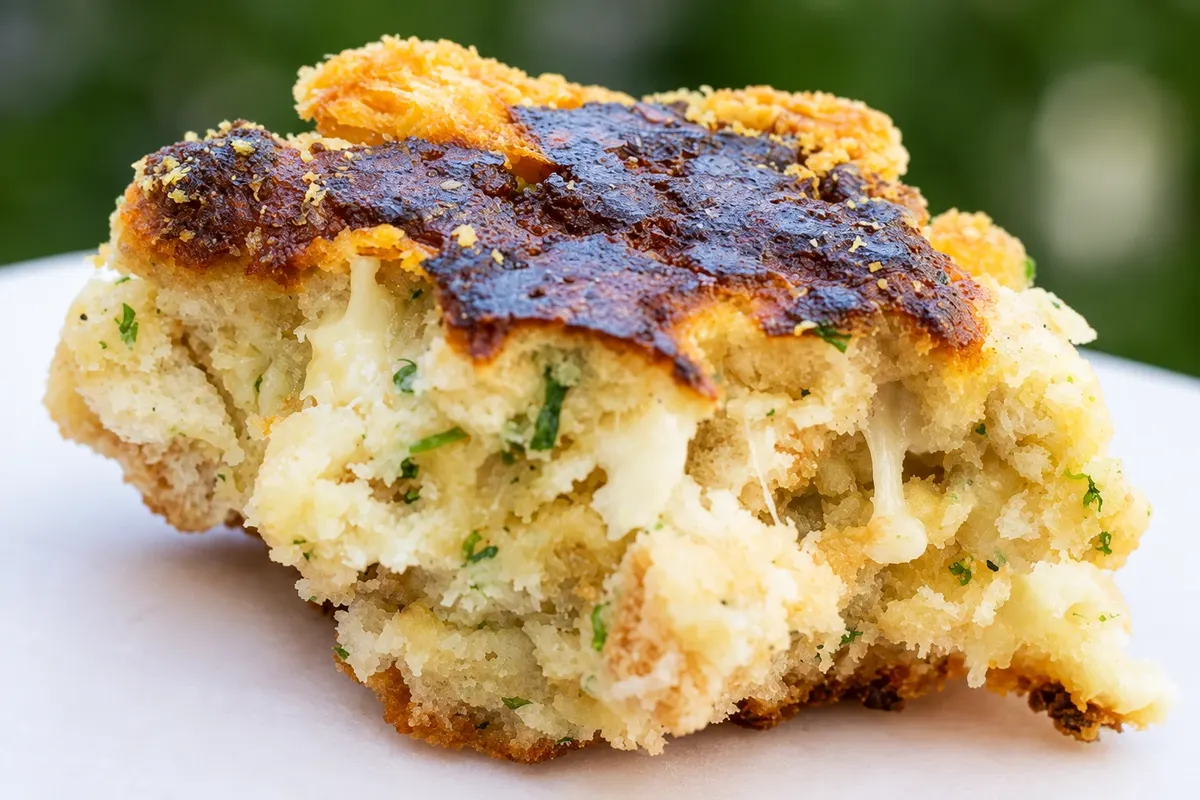
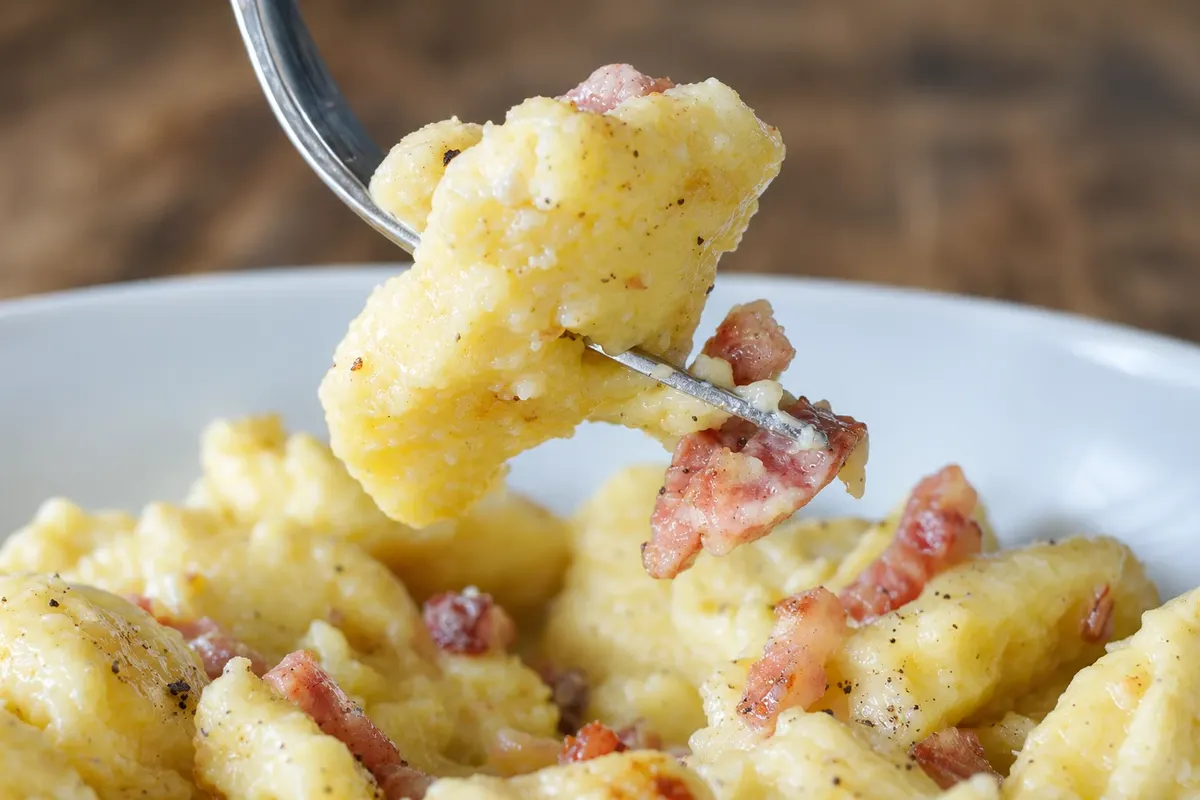
Flattened dumplings made from day‑old bread, cheese, eggs and onion, browned in butter and served in beef broth or with a green salad. A dish from the Pinzgau mountains in Salzburg.

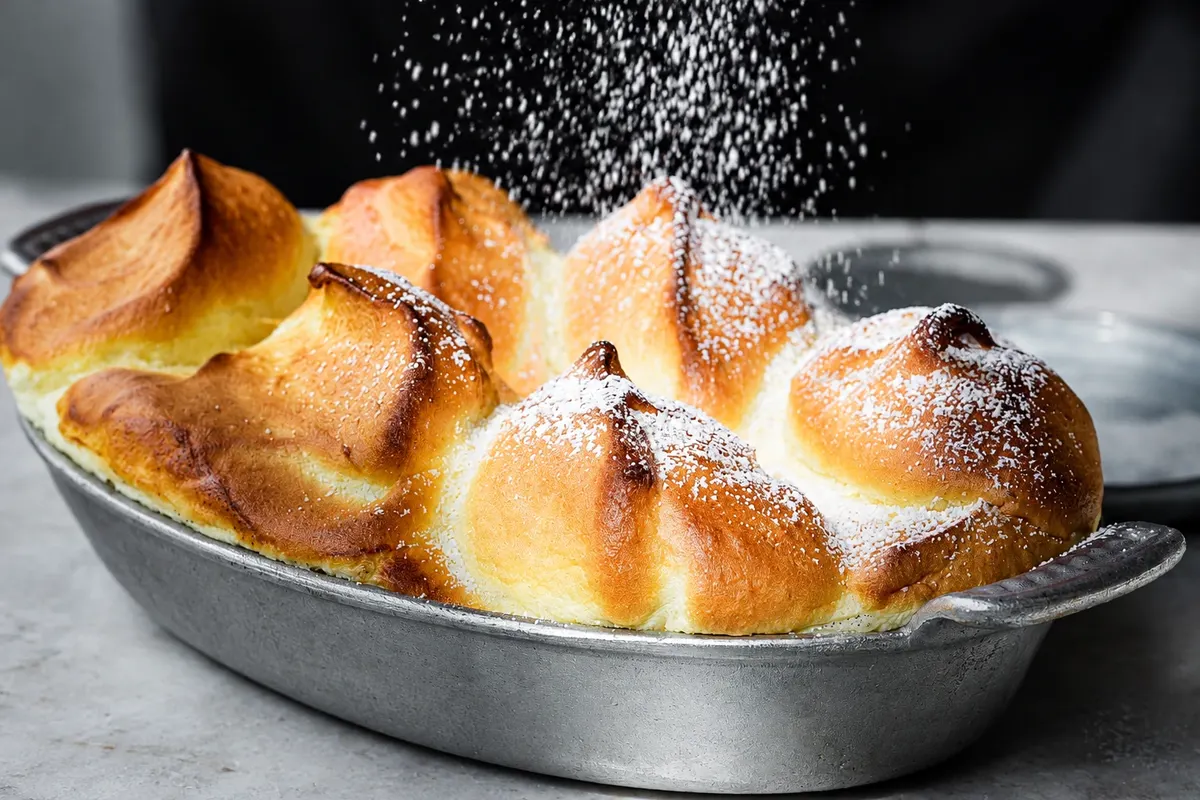
Sweet soufflé made from beaten egg whites, yolks, sugar and a little flour, baked into three golden mounds and dusted with sugar. It is brought to the table as soon as it comes out of the oven.

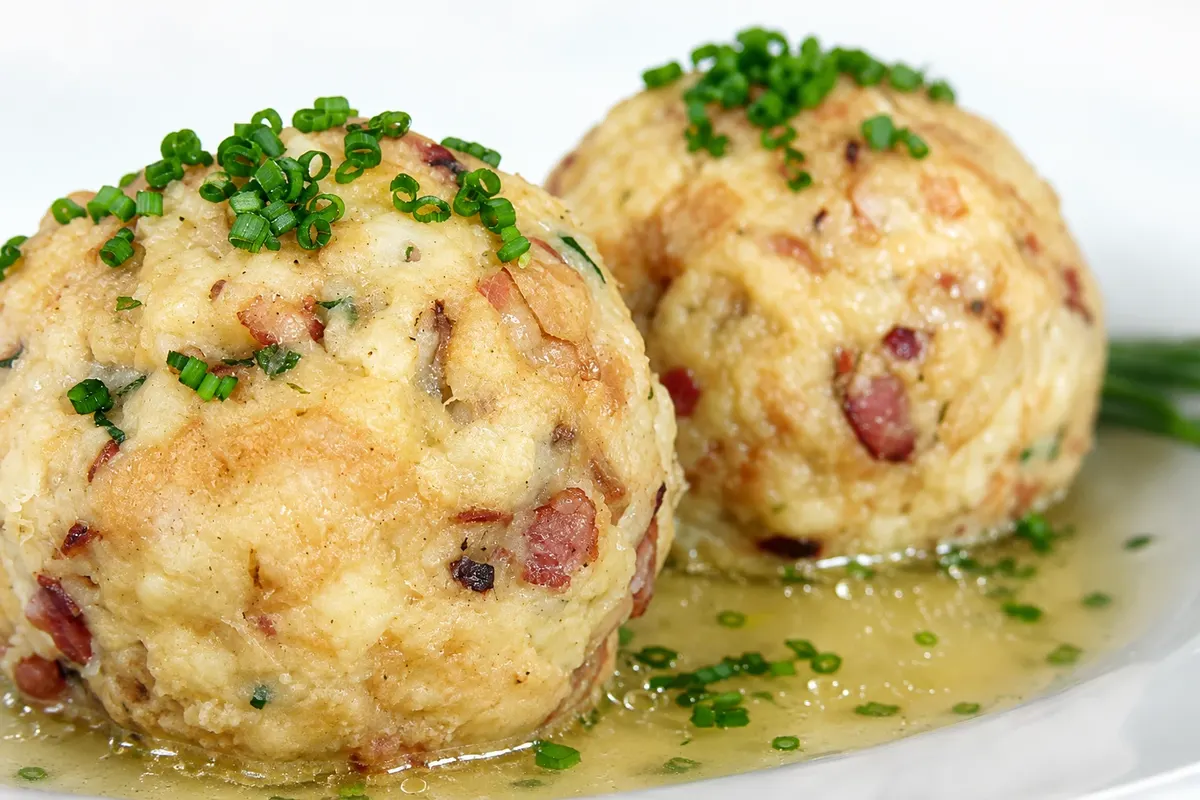
Bread dumplings made from day‑old bread with smoked bacon, eggs, milk and chives, cooked in water and served in the broth or with cabbage salad. Tirol tourism calls them a state classic.

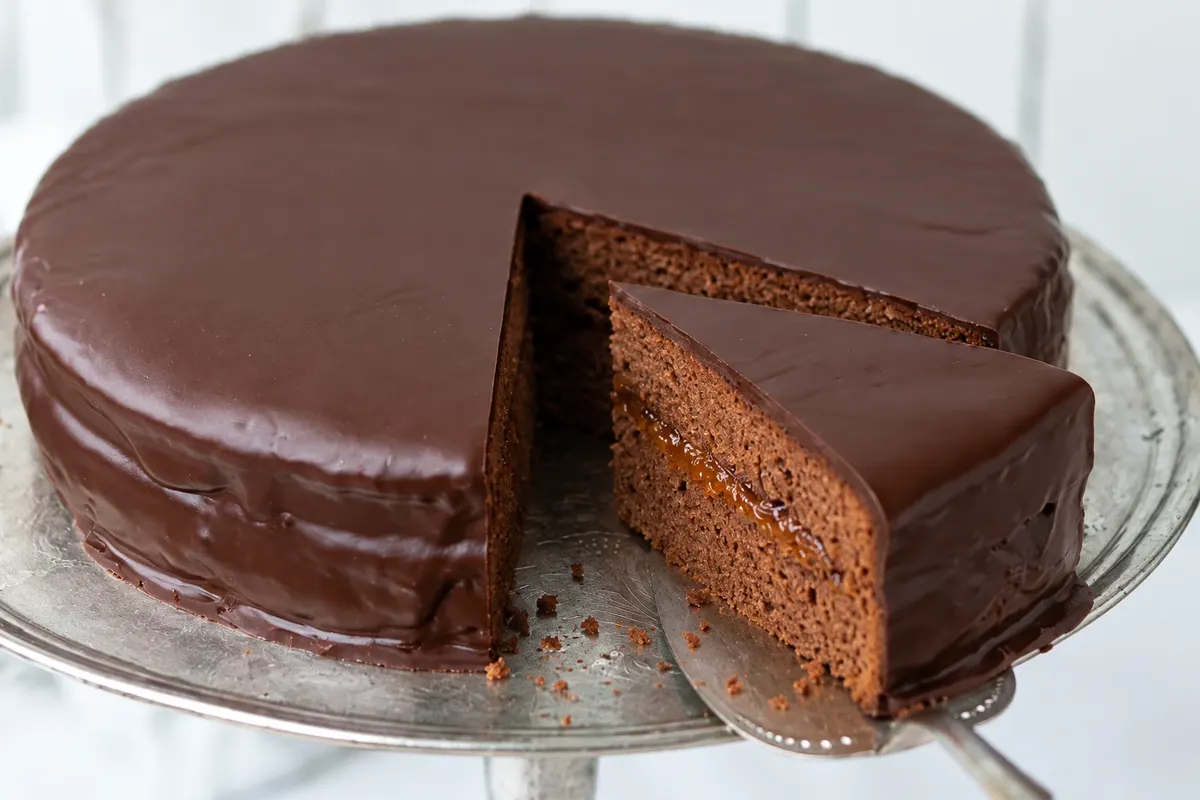
Dense chocolate cake, with apricot jam and a smooth chocolate coating, served with unsweetened whipped cream. The basic recipe is attributed to Franz Sacher, in 1832.

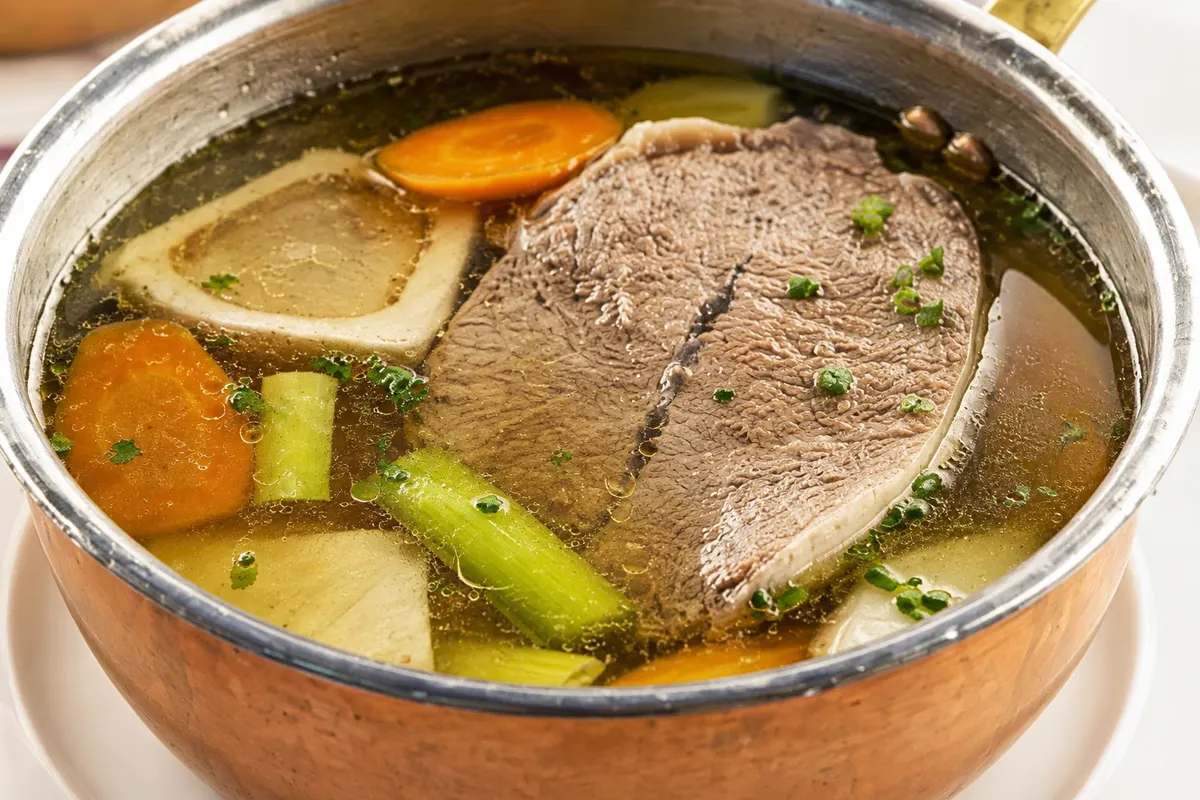
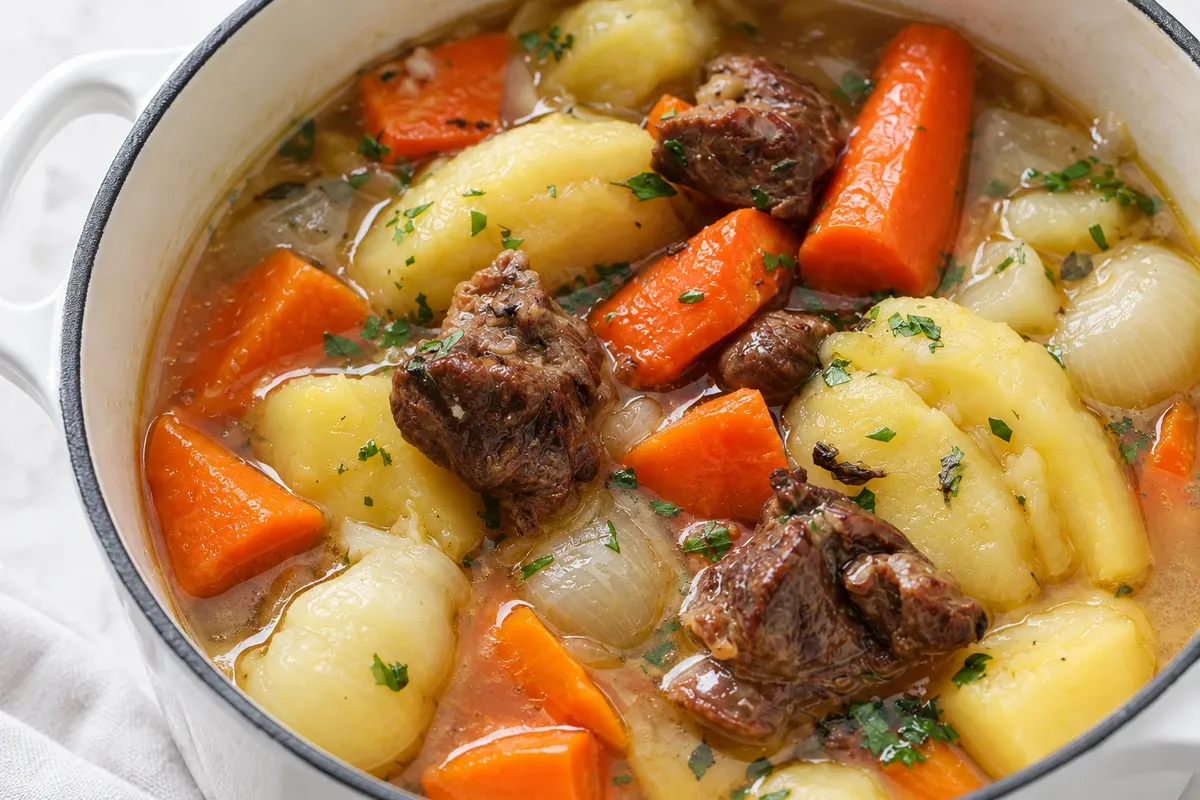
Beef cut slow-cooked for hours with roots and bones, served sliced with the broth, grated horseradish, chive sauce, and potatoes sautéed in butter.

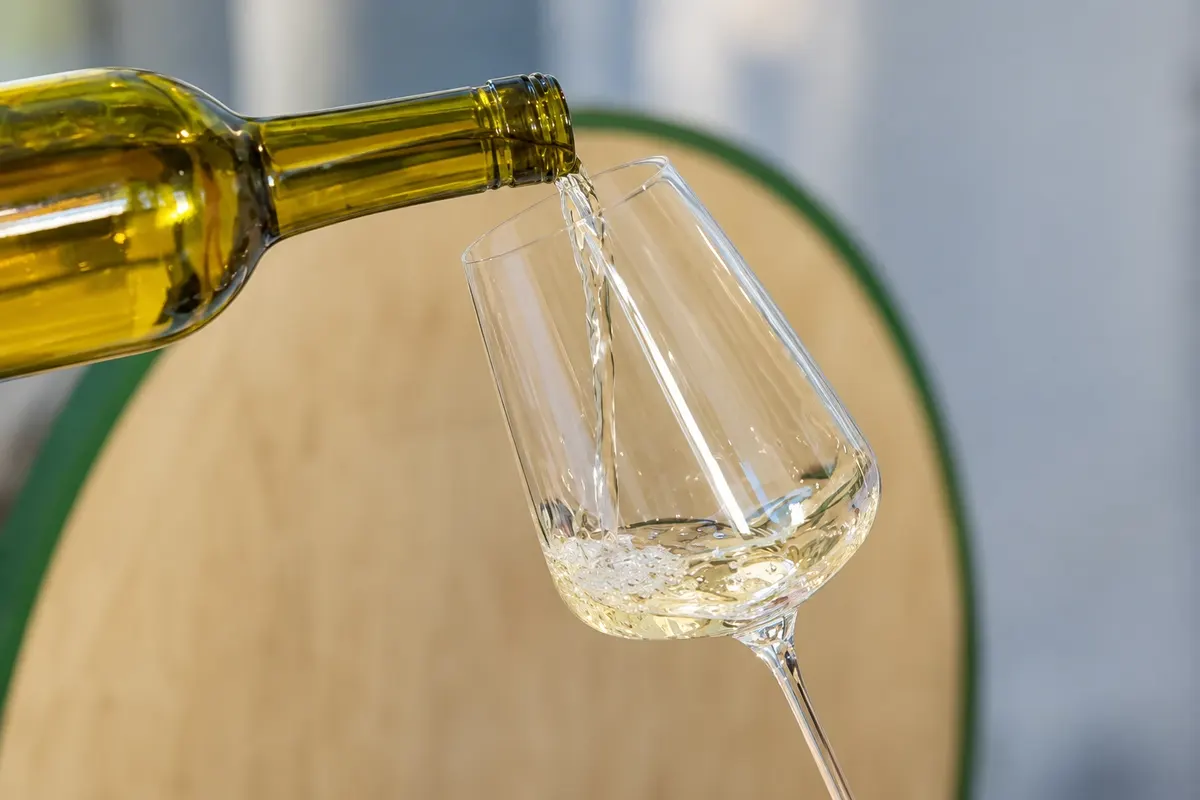
Dry white wine made from several grape varieties planted together in the same vineyard of Vienna, harvested and vinified together. It has a designation of origin (DAC) since 2013.

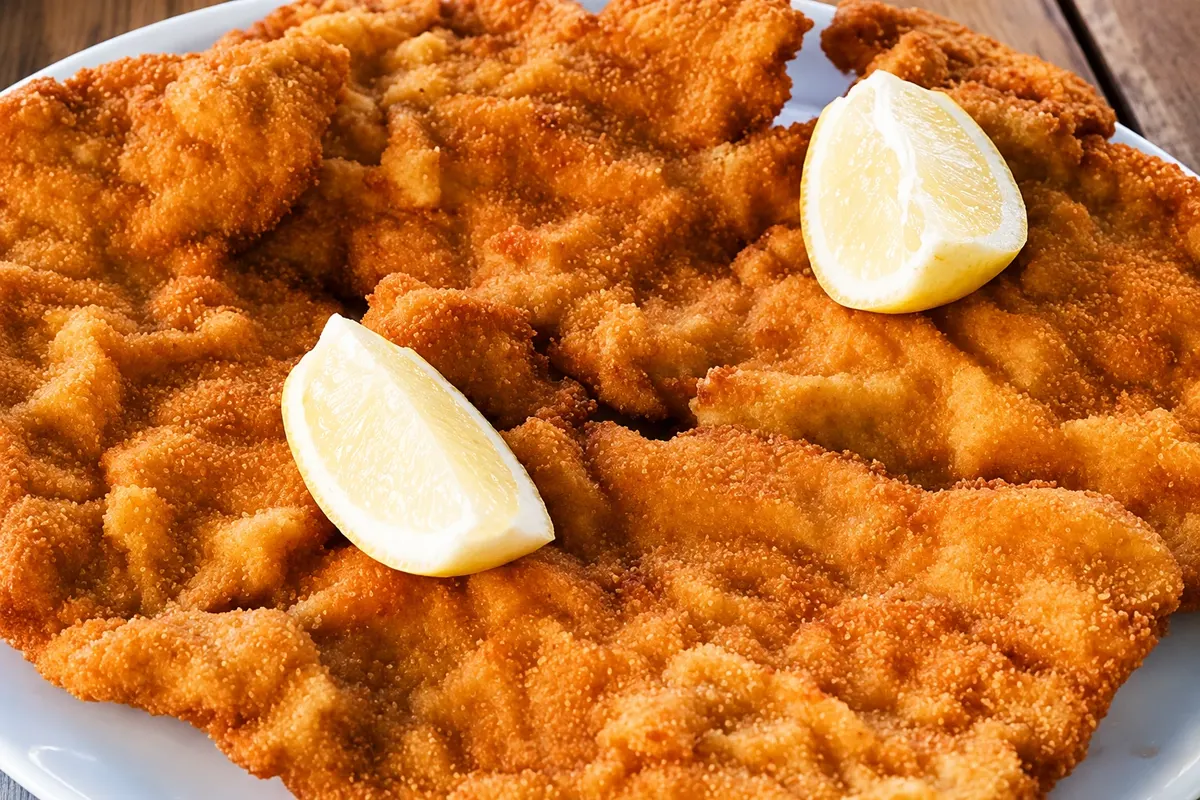
Veal pounded very thin, coated in flour, egg and breadcrumbs and fried until the crust is golden and separates from the meat. By Austrian regulation, the name applies only to the veal version.

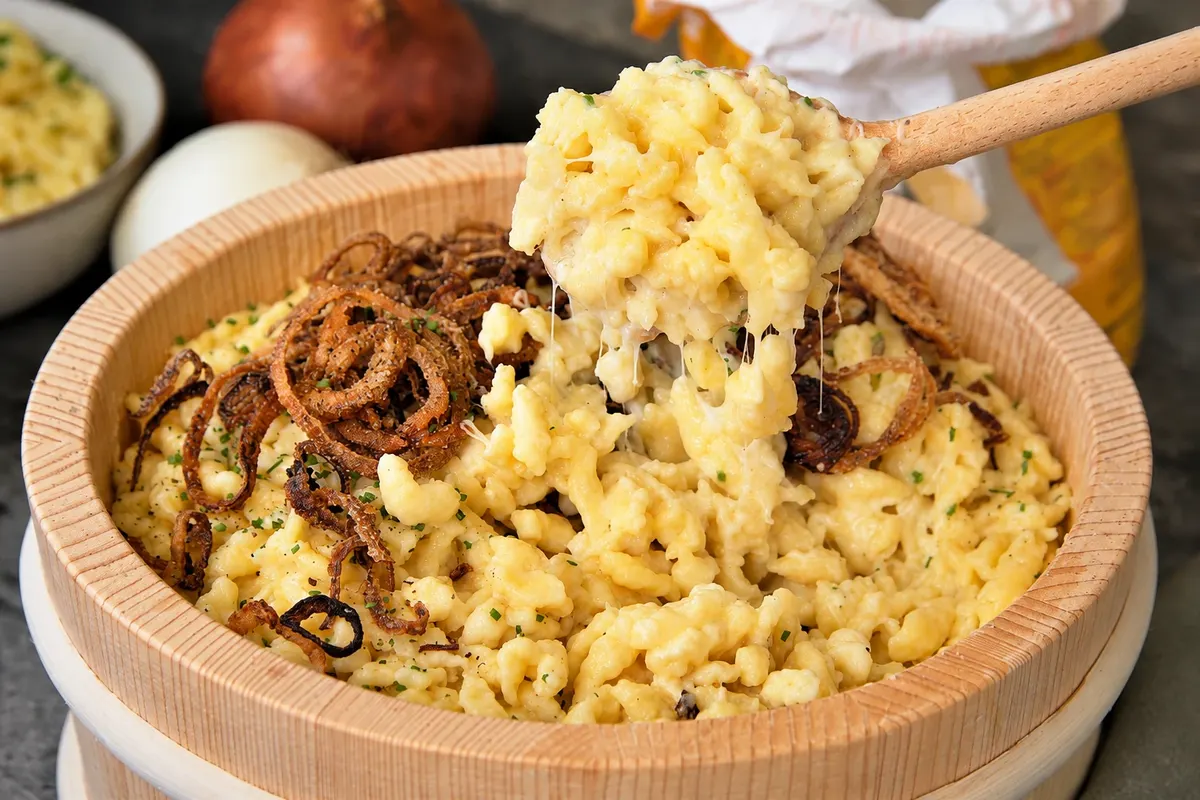
Small cooked egg dumplings assembled in layers with melted mountain cheeses, topped with fried onion. Vorarlberg tourism calls them the state's traditional cheese dish.
Suggest a traditional dish, sweet or drink of Austria that is not here. We check the sources before adding it.
Flavors of the countries
Pick a country to see its traditional dishes, sweets and drinks.


Your questions
It's how Austrians refer to the group of baked and stovetop sweets: cakes, strudel, sweet pastries and soufflés. The word literally means “flour dishes.”
It is a wine tavern, common in Vienna and in the eastern wine regions, where the producer serves the house wine, often with cold food. The name also denotes the wine of the year.
Knödel are round dumplings, usually made from day-old bread, potato or flour, cooked in water or broth. Nockerln are smaller portions of dough; in Salzburger Nockerln the word refers to a sweet soufflé.
Beyond the guide