

Drink · Burgenland
Uhudler
Wine from the southern Burgenland made from American vines planted after the phylloxera outbreak, with aromas of strawberry and wild berries. It was banned for decades and returned to sale in 1992.

 Search
 Brazil
 Argentina
 Bolivia
 Chile
 Colombia
 Ecuador
 Guyana
 French Guiana
 Falkland Islands (Malvinas)
 Paraguay
 Peru
 Suriname
 Uruguay
 Venezuela
 GermanyAustria
 Belgium
 Croatia
 Denmark
 Spain
 Finland
 France
 Greece
 the Netherlands
 Hungary
 Ireland
 Iceland
 Italy
 Luxembourg
 Norway
 Poland
 Portugal
 the United Kingdom
 the Czech Republic
 Sweden
 Switzerland
 Turkey
 the United States
 Mexico
 the Dominican RepublicTurkey
 South Africa
 Australia
 Fiji
Flavors · Caríntia
Dough filled with dry farmer’s cheese (requeijão seco), potato and herbs like mint and chervil, sealed with a hand-braided edge and served with melted butter. It is the dish most associated with Carinthia.
Traditional dish from Caríntia
Also known as: Kasnudeln, Kärntner Nudeln
Illustrative images. The pictures in this guide are illustrations based on the real place, not photographs, and may differ from it.

Click a photo to enlarge it.

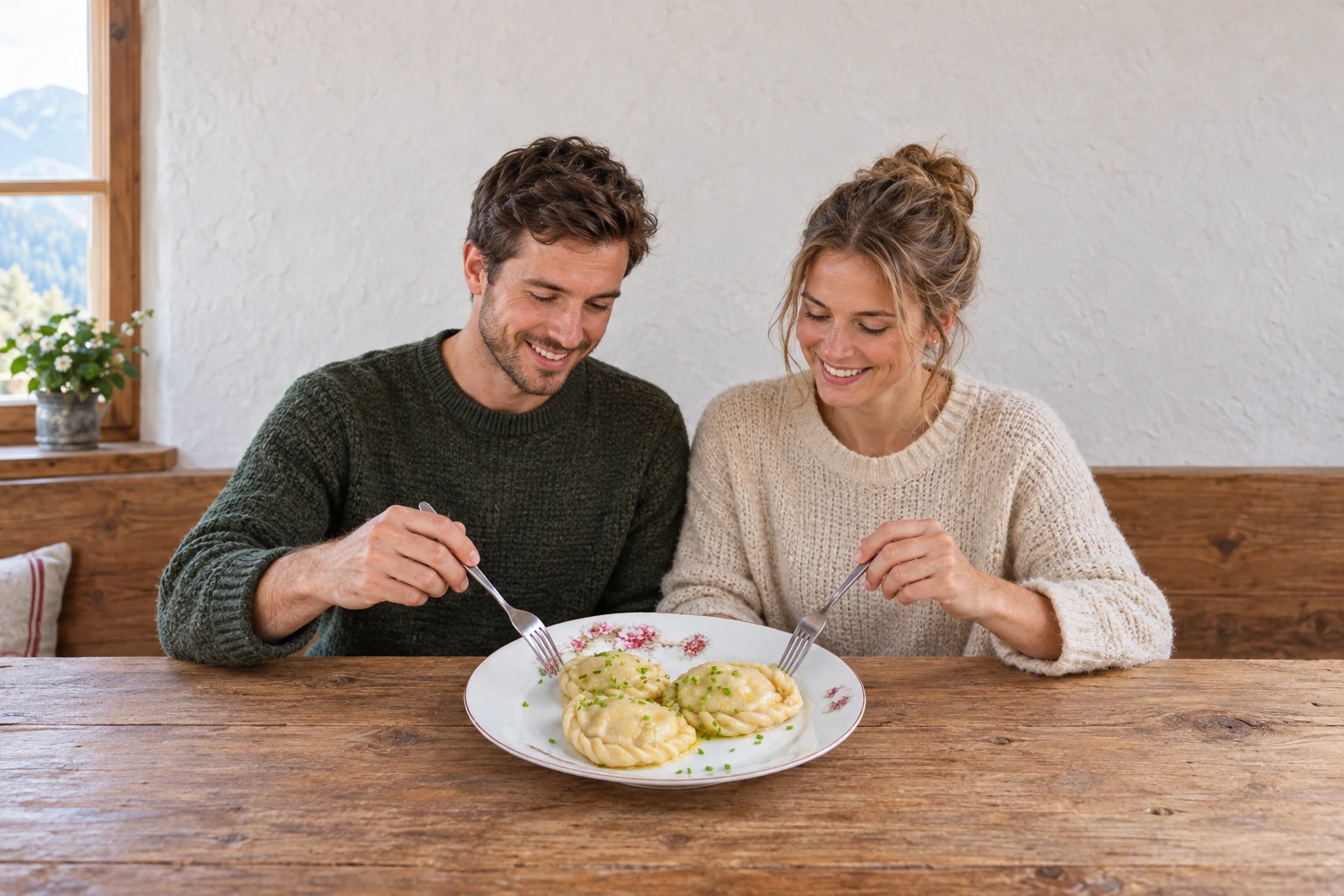
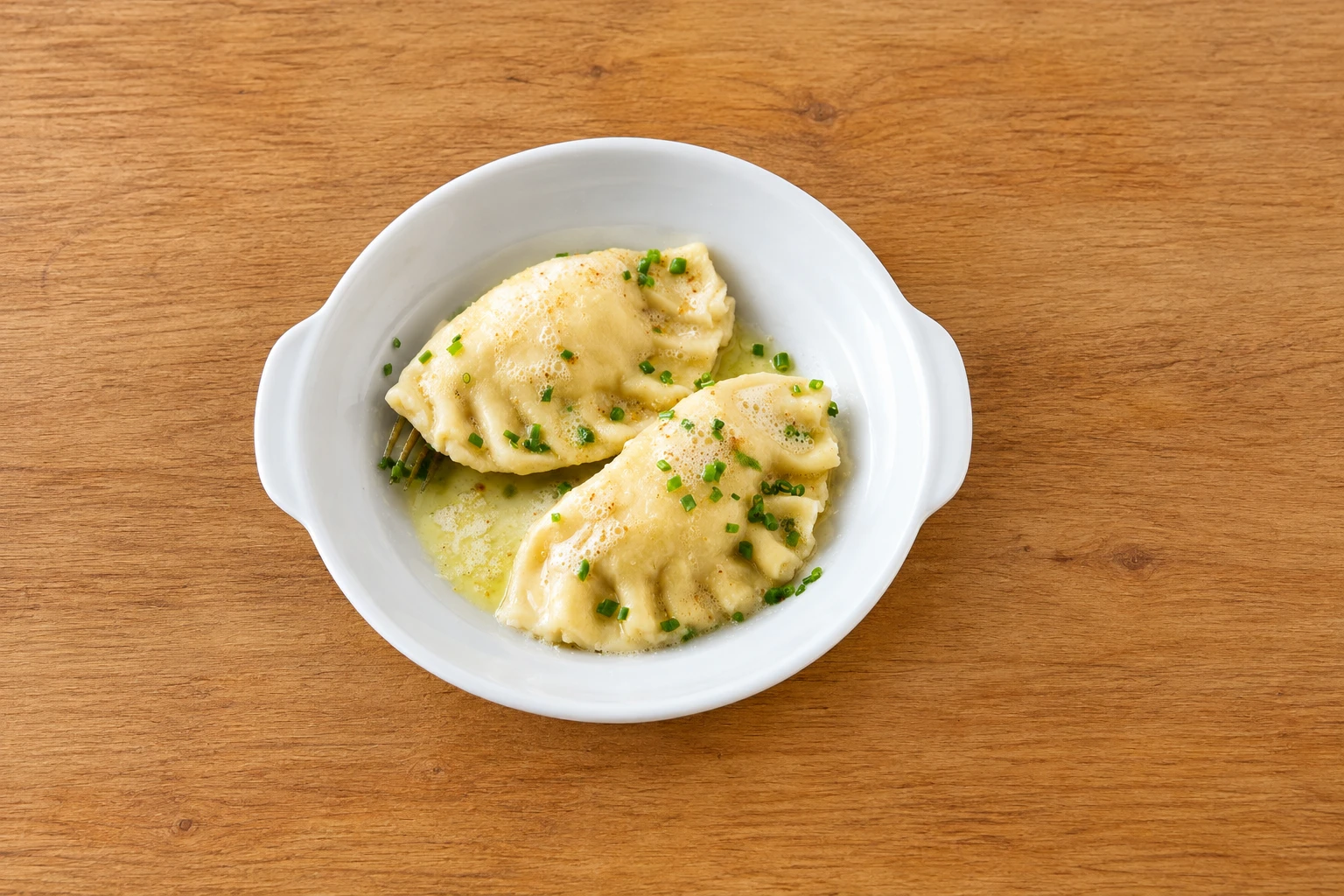
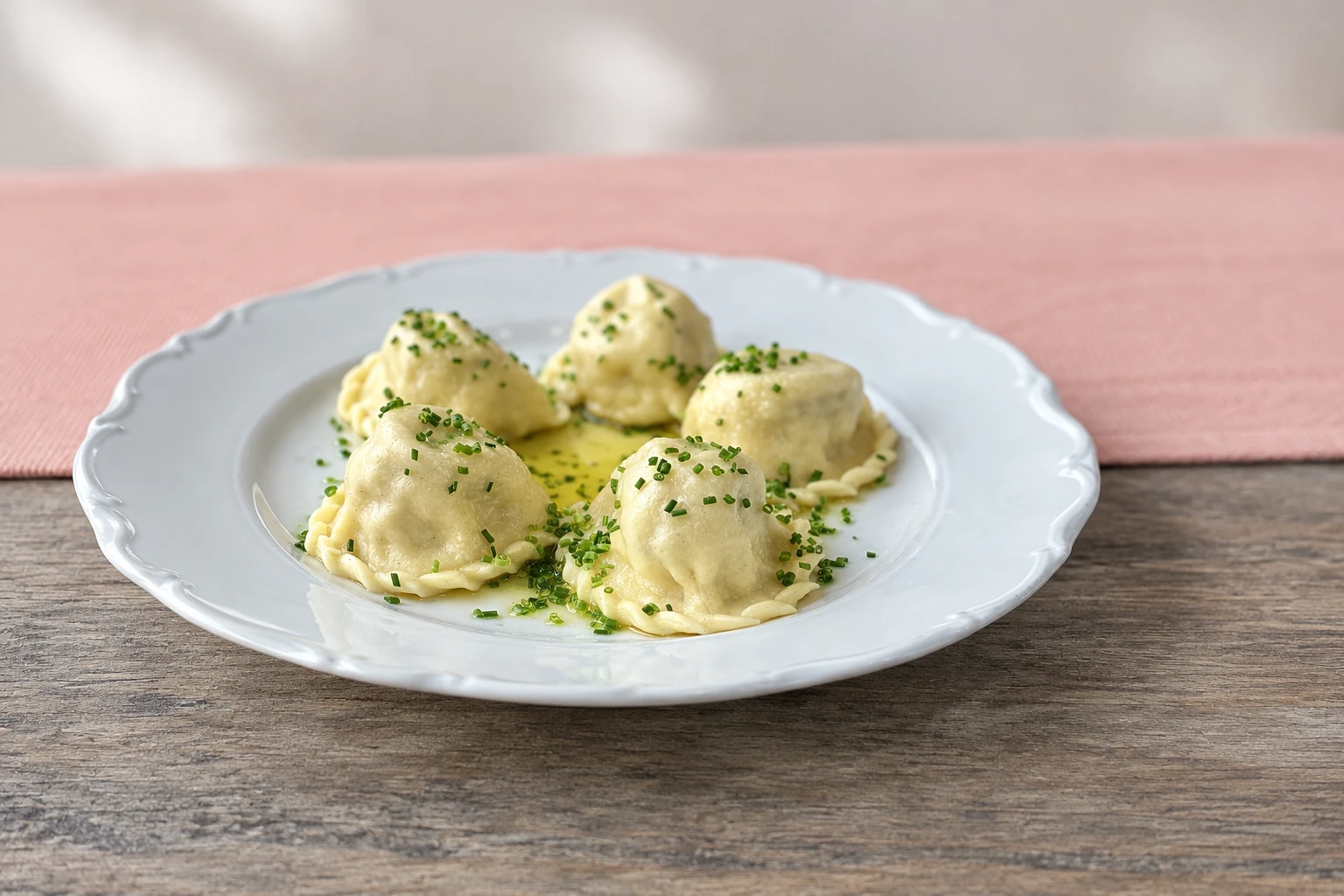
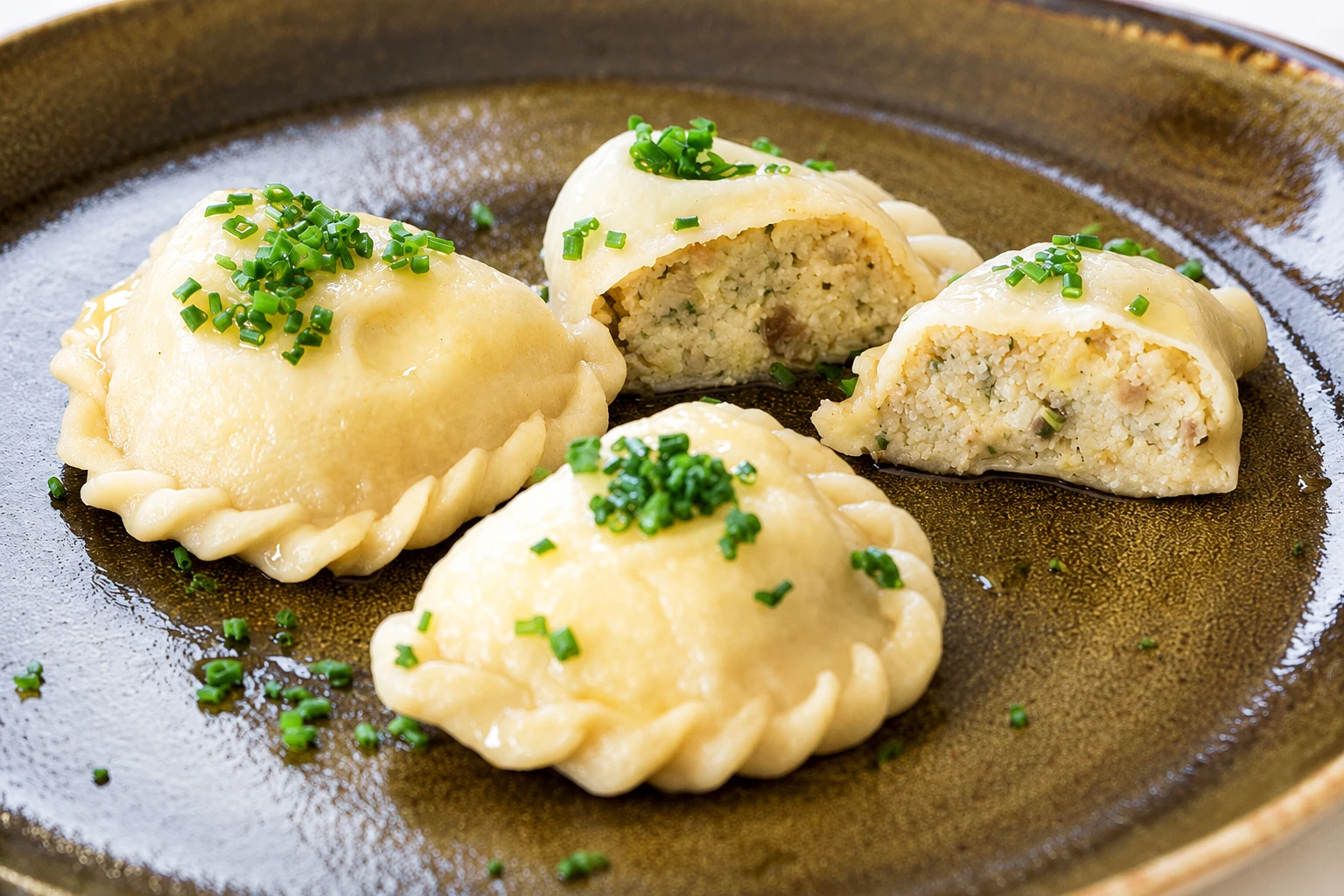
Kärntner Kasnudeln — Caríntia, Austria
Kärntner Kasnudeln are large thin-dough pastries made from flour, filled with a mixture of Bröseltopfen — a dry, crumbly farmer’s cheese — cooked potato and herbs. Mint and chervil give them their characteristic flavor; some recipes also include parsley. The pastries are boiled in salted water and served drizzled with melted butter or with cracklings.
The sealing is part of the tradition. In Upper Carinthia the edge is folded with the fingers into small pleats that form a braid, a technique called “krendeln,” and the pastries reach almost hand size. In Lower Carinthia it is common to trim the edge with a fluted cutter.
According to the Traditional Foods Register of the Austrian Ministry of Agriculture, the Italian traveller Paolo Santonino already described, around 1485, stuffed pastas made by women in the Drava valley. A 1753 document from Spittal mentions them again. Over time sweet and savory variants appeared, such as Kletzennudeln, filled with dried pear, and Mohnnudeln, made with poppy seeds.
Since 2002 the town of Oberdrauburg has held a festival dedicated to Carinthian dumplings.
Caríntia
The Traditional Foods Register of the Austrian Ministry of Agriculture links Kasnudeln to Carinthia, where there are records of stuffed pastas dating back to the 15th century.
Wheat flour, eggs, water and salt for the dough; dry farmer’s cheese (Bröseltopfen), cooked potato, onion, mint, chervil and sometimes parsley for the filling; melted butter or cracklings for serving.
Freshly cooked, drizzled with melted butter or with cracklings (Grammeln).
A Carinthian specialty; Oberdrauburg holds a festival dedicated to the region’s dumplings.
Your questions
It is the technique of sealing the edge of Kasnudeln by folding the dough with the fingers into small pleats, like a braid. It is typical of Upper Carinthia.
Dry, crumbly farmer’s cheese, cooked potato and herbs, mainly mint and chervil.
There are descriptions of stuffed pastas in the Drava valley in Carinthia around 1485, recorded by an Italian traveller.
Flavors of Austria
Wine from the southern Burgenland made from American vines planted after the phylloxera outbreak, with aromas of strawberry and wild berries. It was banned for decades and returned to sale in 1992.
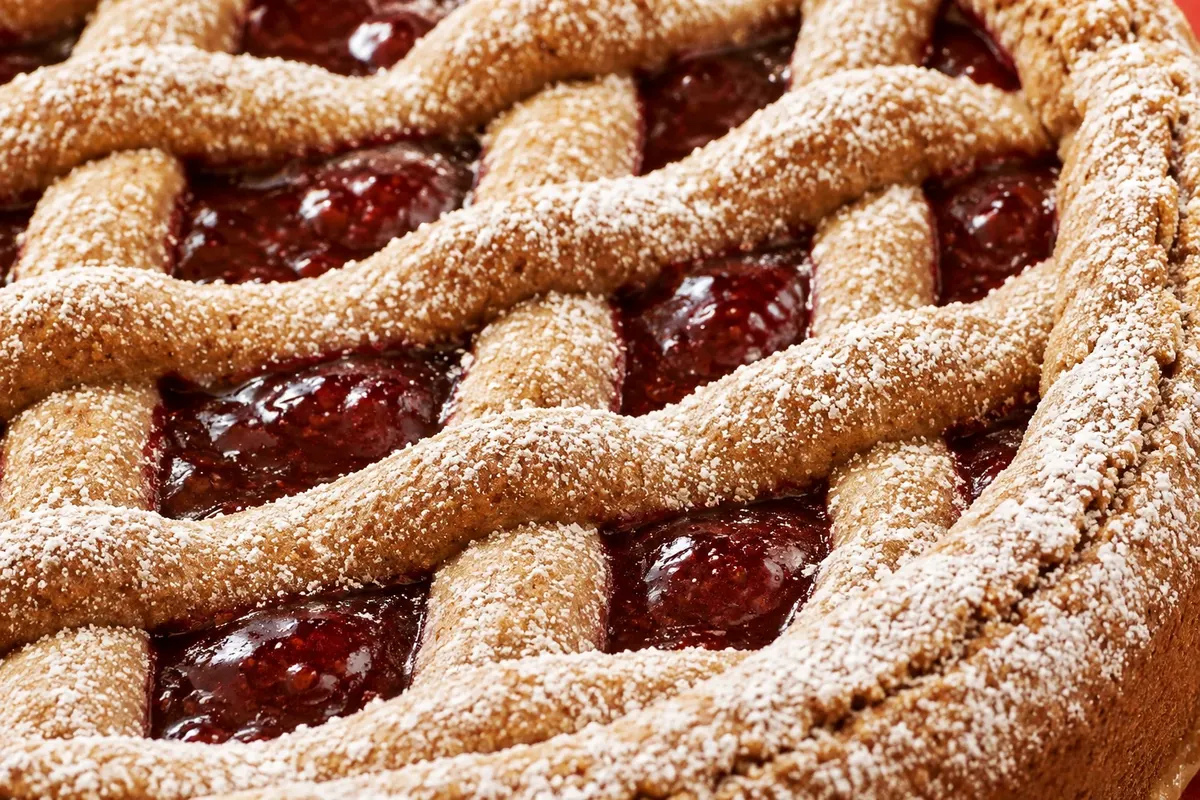
Shortcrust tart with butter dough and ground almonds or hazelnuts, filled with currant jam and topped with a lattice of dough. Its oldest known recipe dates from 1653.
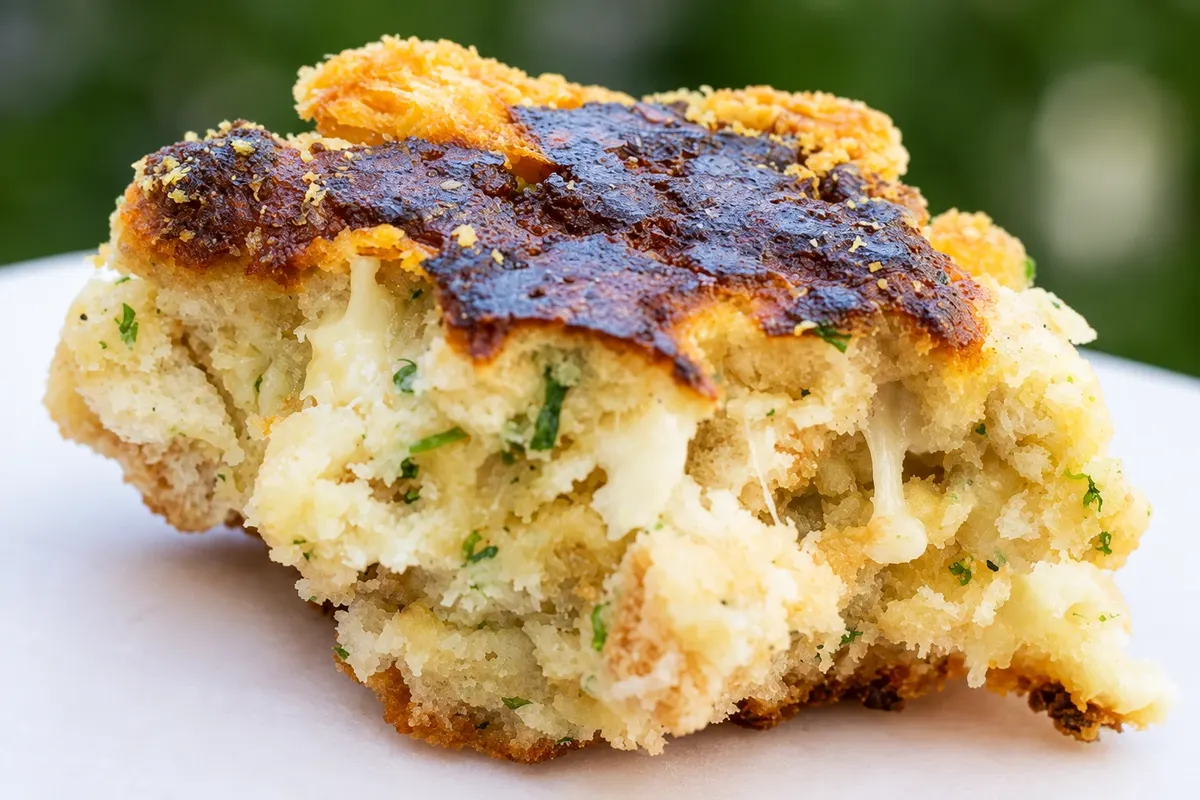
Flattened dumplings made from day‑old bread, cheese, eggs and onion, browned in butter and served in beef broth or with a green salad. A dish from the Pinzgau mountains in Salzburg.
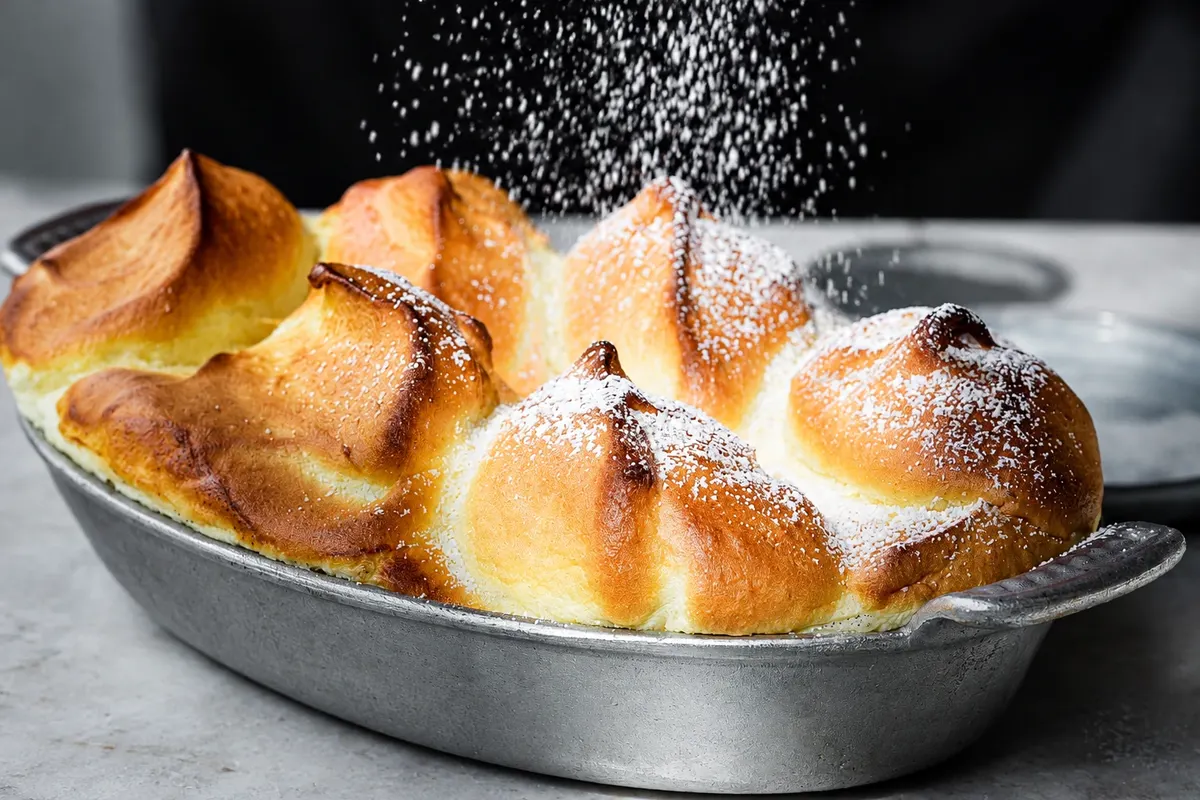
Sweet soufflé made from beaten egg whites, yolks, sugar and a little flour, baked into three golden mounds and dusted with sugar. It is brought to the table as soon as it comes out of the oven.
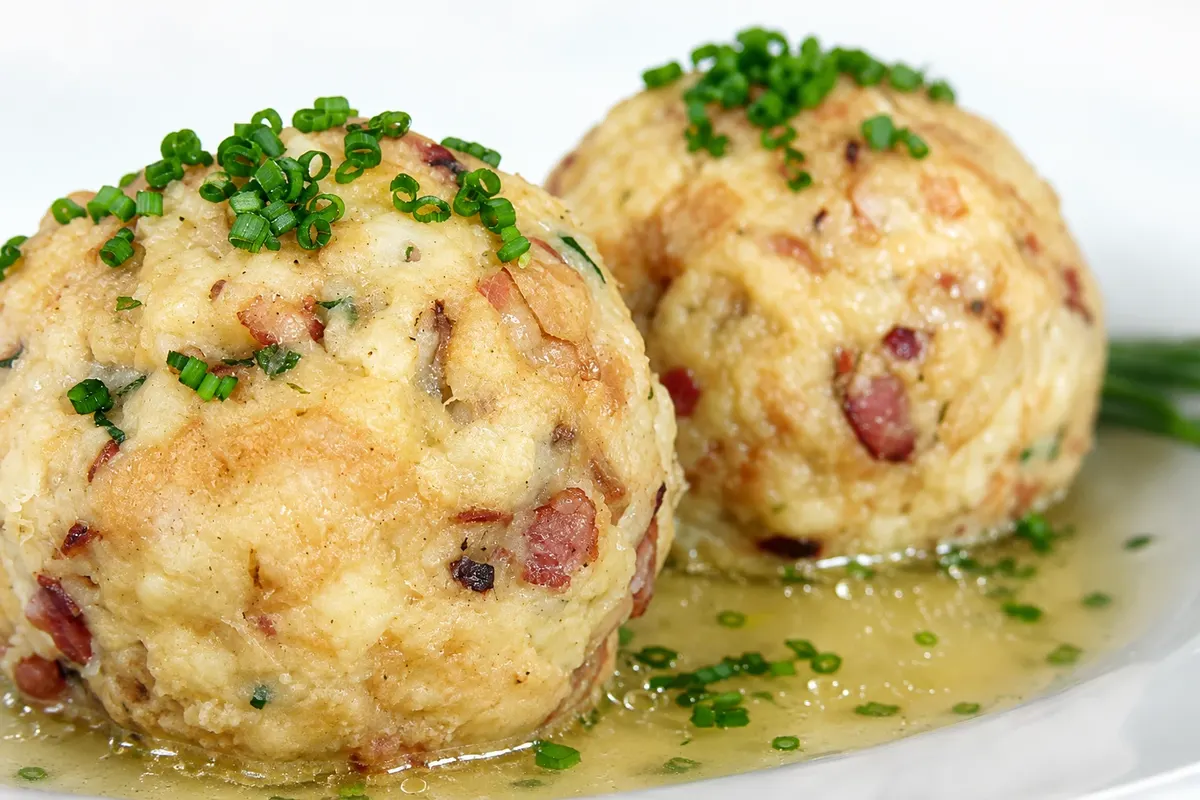
Bread dumplings made from day‑old bread with smoked bacon, eggs, milk and chives, cooked in water and served in the broth or with cabbage salad. Tirol tourism calls them a state classic.
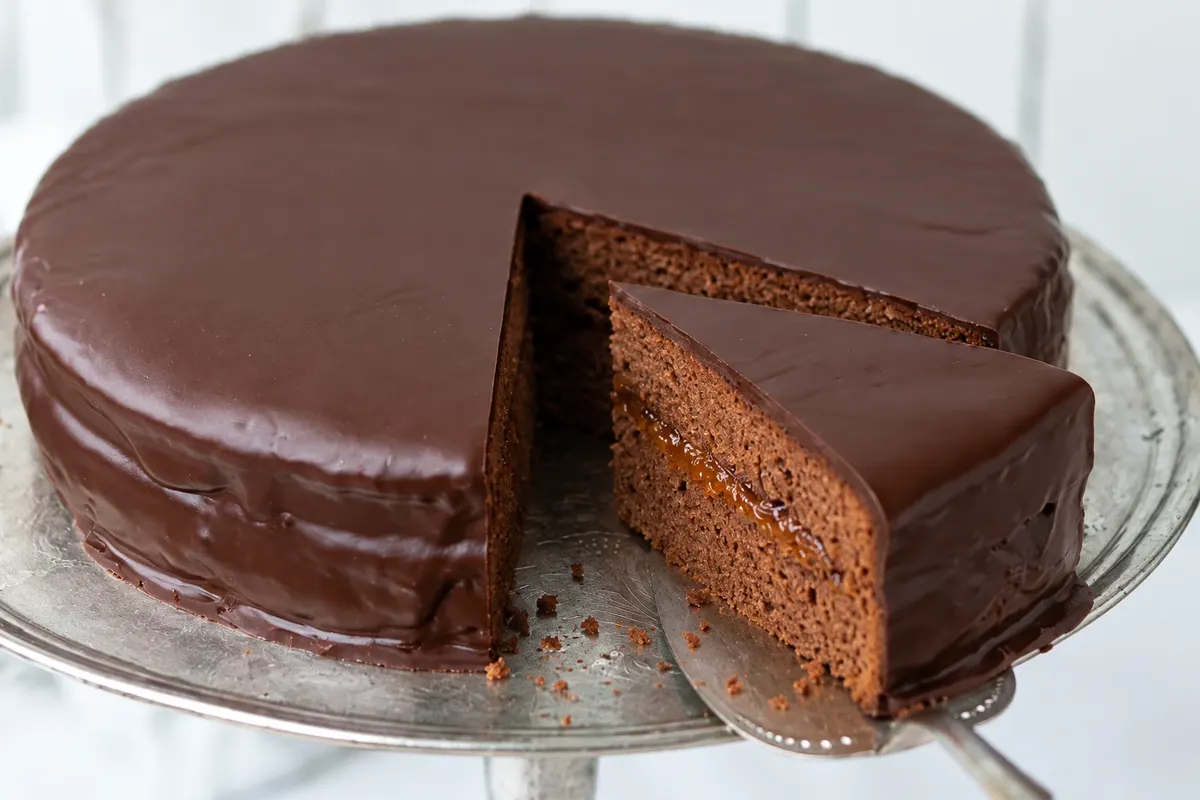
Dense chocolate cake, with apricot jam and a smooth chocolate coating, served with unsweetened whipped cream. The basic recipe is attributed to Franz Sacher, in 1832.
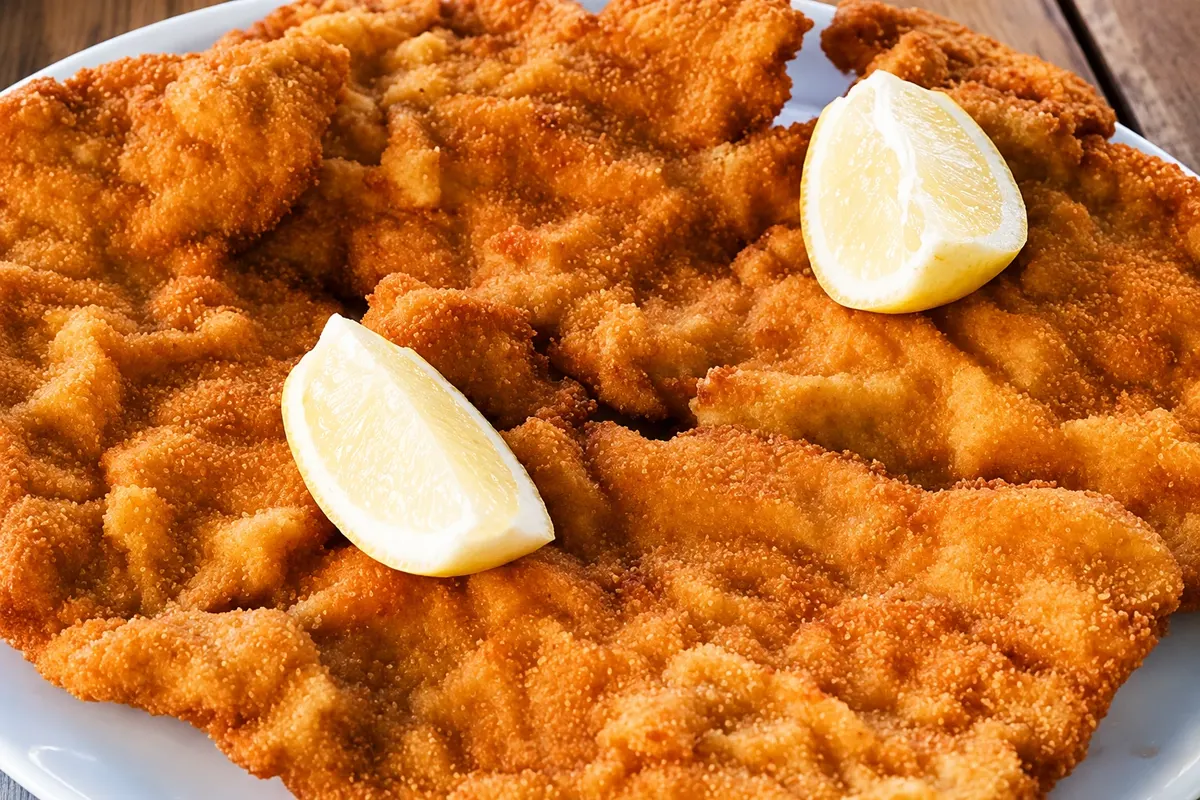
Veal pounded very thin, coated in flour, egg and breadcrumbs and fried until the crust is golden and separates from the meat. By Austrian regulation, the name applies only to the veal version.
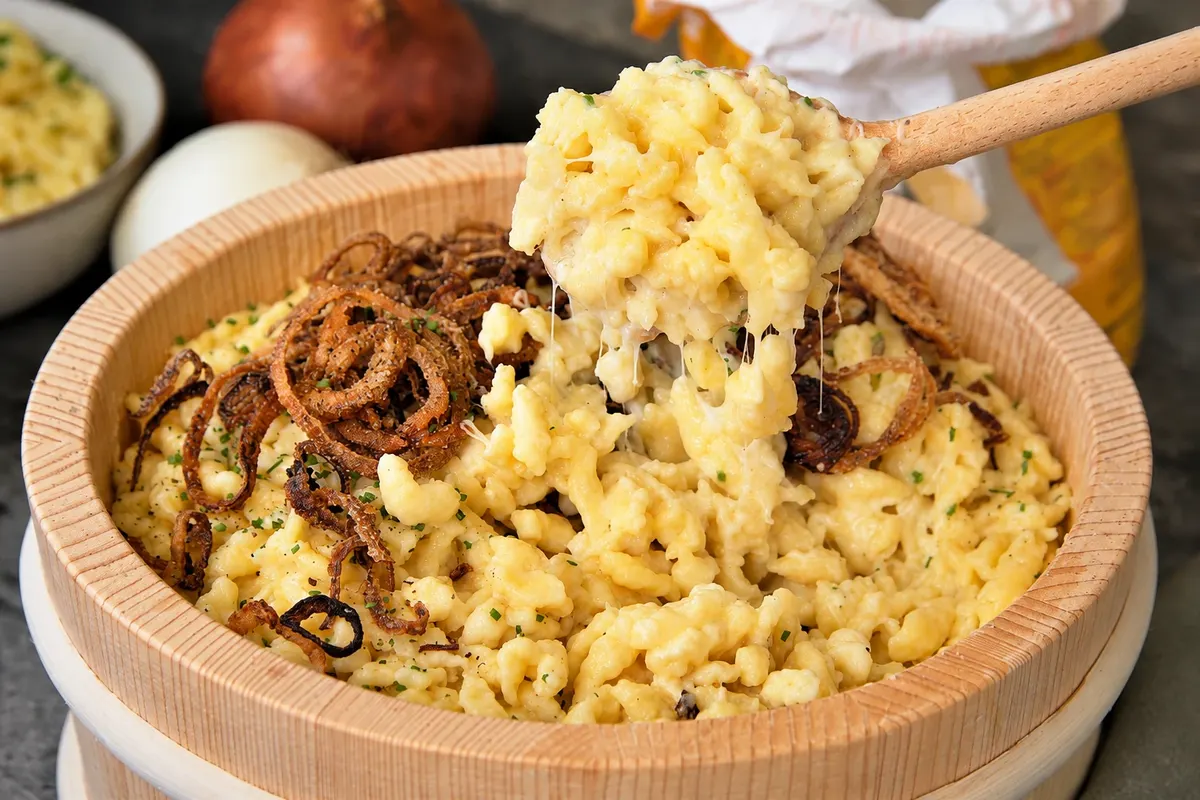
Small cooked egg dumplings assembled in layers with melted mountain cheeses, topped with fried onion. Vorarlberg tourism calls them the state's traditional cheese dish.