Kärntner Kasnudeln
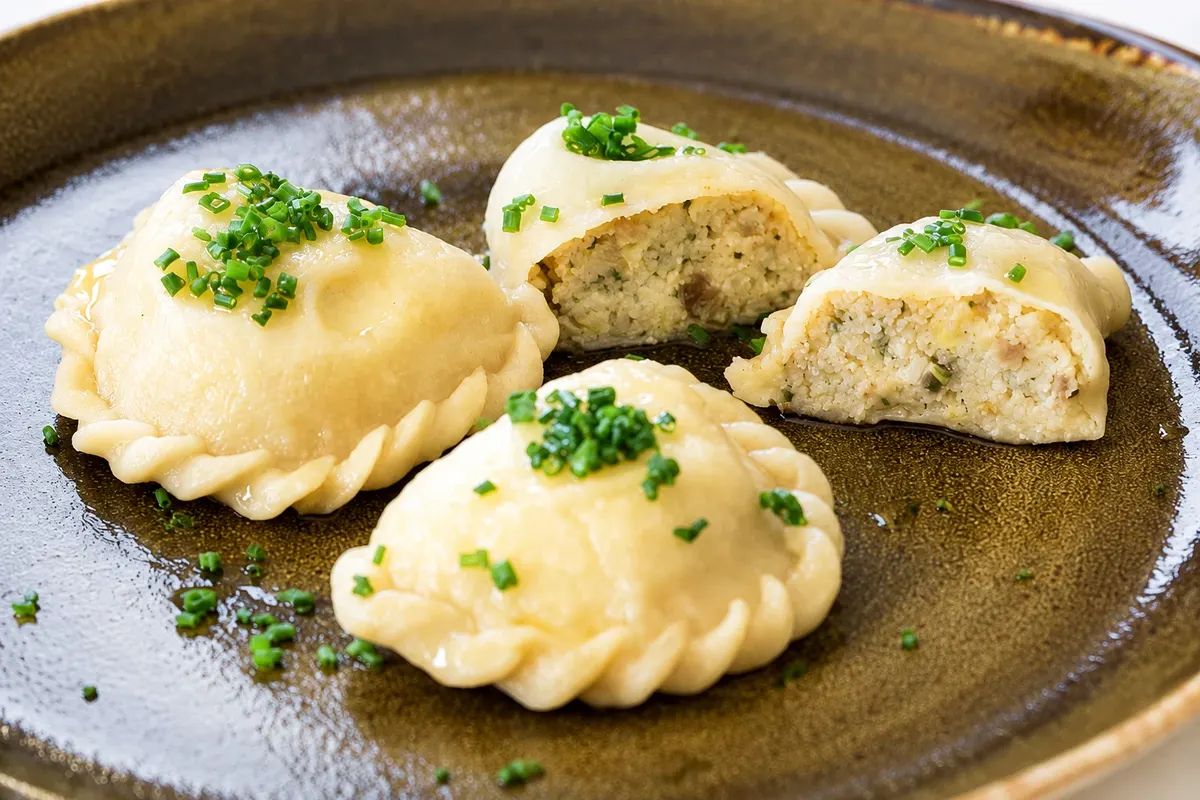
Dough filled with dry farmer’s cheese (requeijão seco), potato and herbs like mint and chervil, sealed with a hand-braided edge and served with melted butter. It is the dish most associated with Carinthia.
Flavors · Burgenland
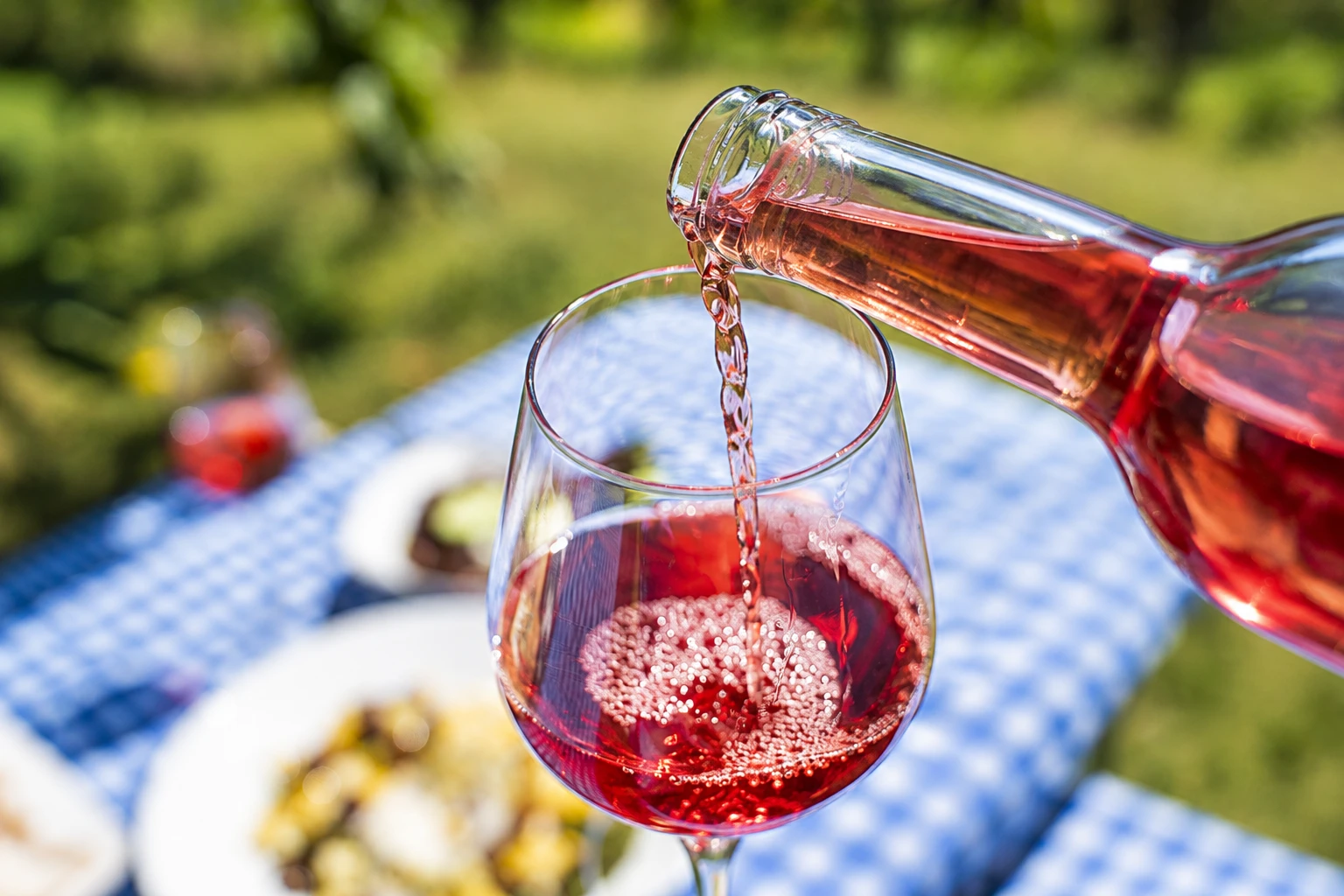
Wine from the southern Burgenland made from American vines planted after the phylloxera outbreak, with aromas of strawberry and wild berries. It was banned for decades and returned to sale in 1992.
Traditional drink from Burgenland
Also known as: Uhudlerwein
Illustrative images. The pictures in this guide are illustrations based on the real place, not photographs, and may differ from it.
Click a photo to enlarge it.
Uhudler — Burgenland, Austria
Uhudler is made from American grapevines on their own roots, such as Concord, Delaware, Elvira and Ripatella, often planted and vinified together. Most is rosé, from pink to brick-red; there is also white Uhudler, straw-colored. The aroma recalls strawberry, raspberry and wild berries, a profile experts call “foxy,” typical of these vines.
According to the Traditional Foods Register of the Austrian Ministry of Agriculture, these vines arrived in southern Burgenland at the end of the 19th century, when phylloxera destroyed European vineyards. The American plants resisted the pest and did not need grafting, and farmers began making wine with them for personal consumption. The wine is produced mainly in the districts of Jennersdorf and Güssing, notably in the villages of Heiligenbrunn and Eltendorf.
The origin of the name comes from oral tradition. One version links the name to the phrase “Du siehst aus wie ein Uhu” (“you look like an owl”), said to someone who had drunk too much. Another ties the name to an old clay vessel.
In the 20th century, wine laws restricted direct-producing vines: first labeling, then a ban on new plantings, orders to pull up vineyards and a ban on sales. Producers organized an association in 1987, and in 1992 Uhudler was reinstated under wine law and could be sold again.

Burgenland
The Traditional Foods Register of the Austrian Ministry of Agriculture links Uhudler to southern Burgenland, in the districts of Jennersdorf and Güssing.
Grapes from American direct-producing vines, such as Concord, Delaware, Elvira and Ripatella.
Drink chilled, in a wine glass, on its own or with meals.
Everyday wine in southern Burgenland, tasted annually by the producers' association. It should be enjoyed in moderation.
Your questions
Because it comes from American vines, not the European vine. These grapes have a characteristic aroma of strawberry and wild berries that experts call “foxy.”
Yes. During the 20th century, Austrian laws restricted and later banned the sale of wine from direct-producing vines. Uhudler was allowed again in 1992.
From the oral tradition of southern Burgenland. One version links the name to the owl (Uhu in German): “you look like an owl” would be what was said to someone who had drunk too much.
Flavors of Austria

Dough filled with dry farmer’s cheese (requeijão seco), potato and herbs like mint and chervil, sealed with a hand-braided edge and served with melted butter. It is the dish most associated with Carinthia.

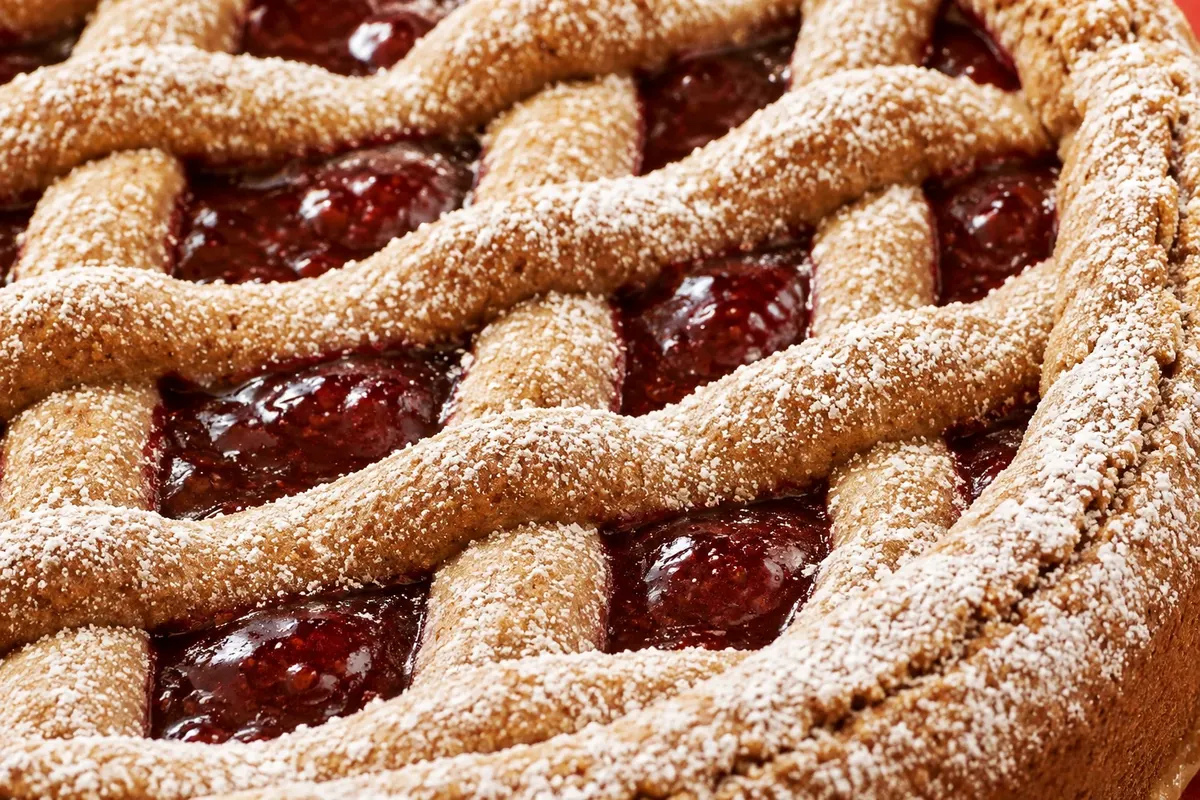
Shortcrust tart with butter dough and ground almonds or hazelnuts, filled with currant jam and topped with a lattice of dough. Its oldest known recipe dates from 1653.

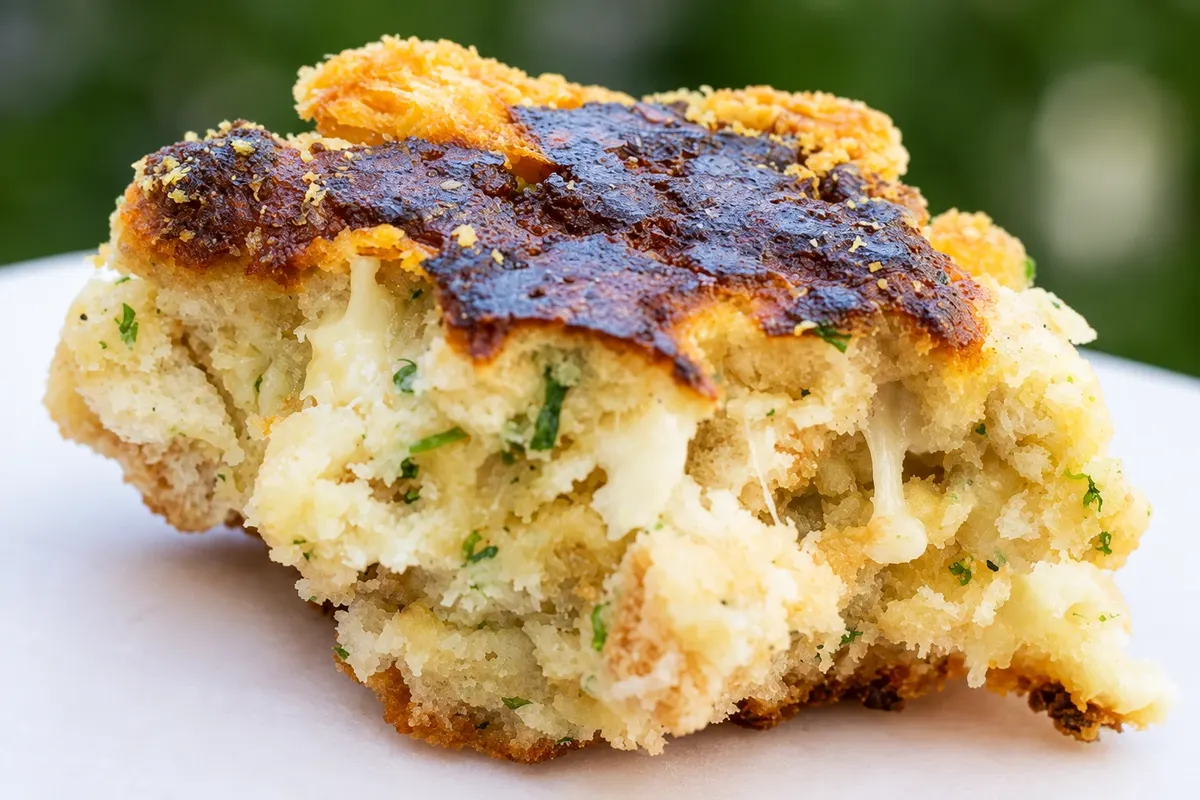
Flattened dumplings made from day‑old bread, cheese, eggs and onion, browned in butter and served in beef broth or with a green salad. A dish from the Pinzgau mountains in Salzburg.

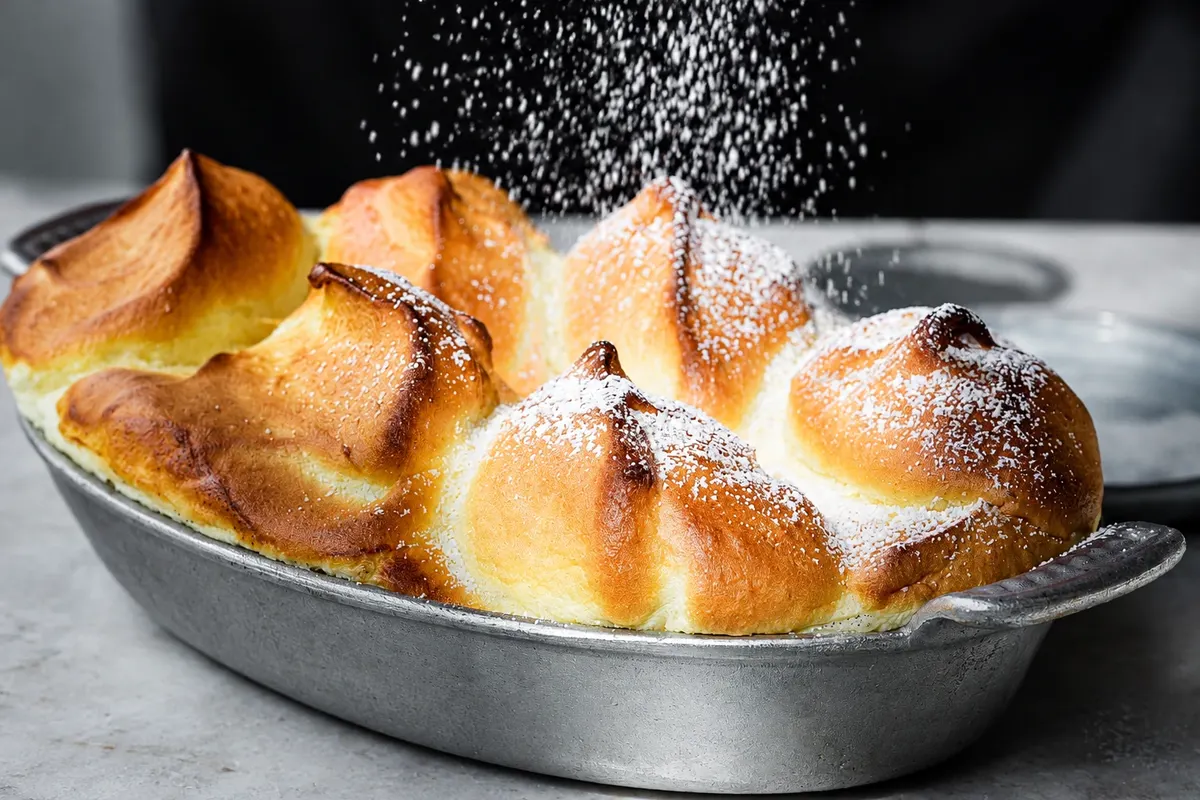
Sweet soufflé made from beaten egg whites, yolks, sugar and a little flour, baked into three golden mounds and dusted with sugar. It is brought to the table as soon as it comes out of the oven.

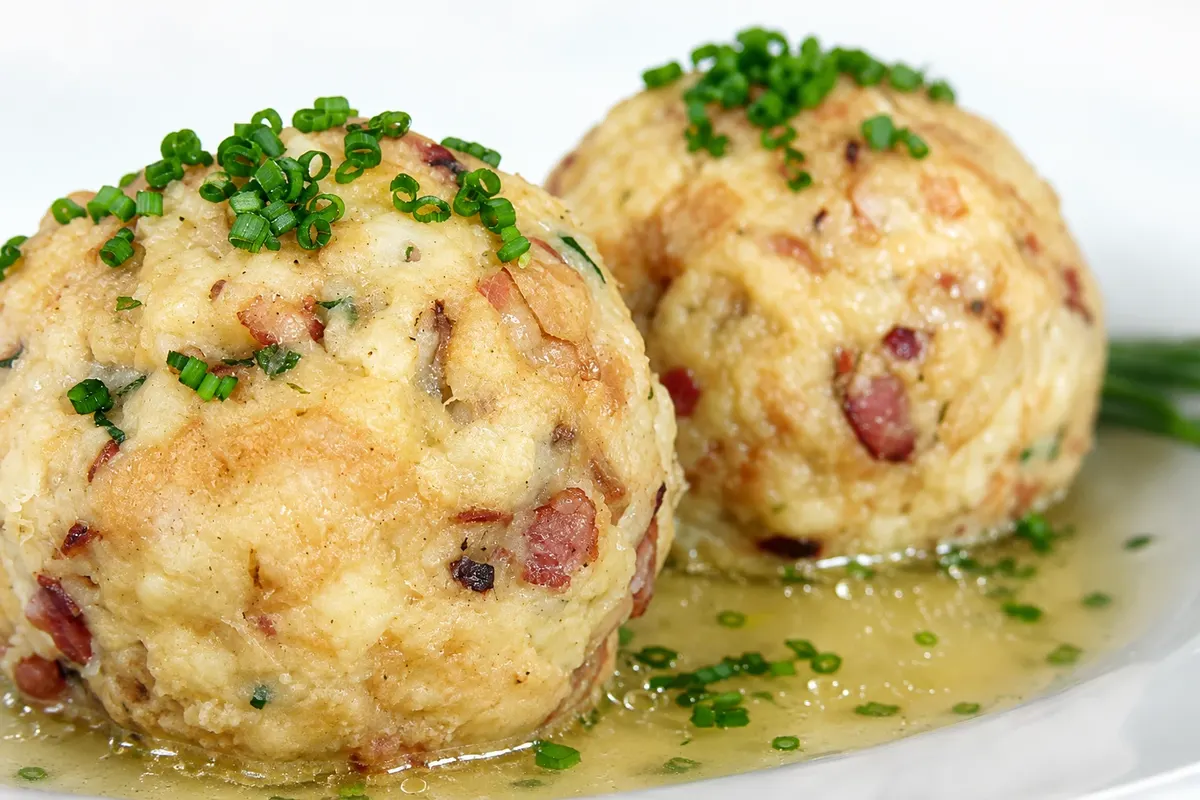
Bread dumplings made from day‑old bread with smoked bacon, eggs, milk and chives, cooked in water and served in the broth or with cabbage salad. Tirol tourism calls them a state classic.

Dense chocolate cake, with apricot jam and a smooth chocolate coating, served with unsweetened whipped cream. The basic recipe is attributed to Franz Sacher, in 1832.

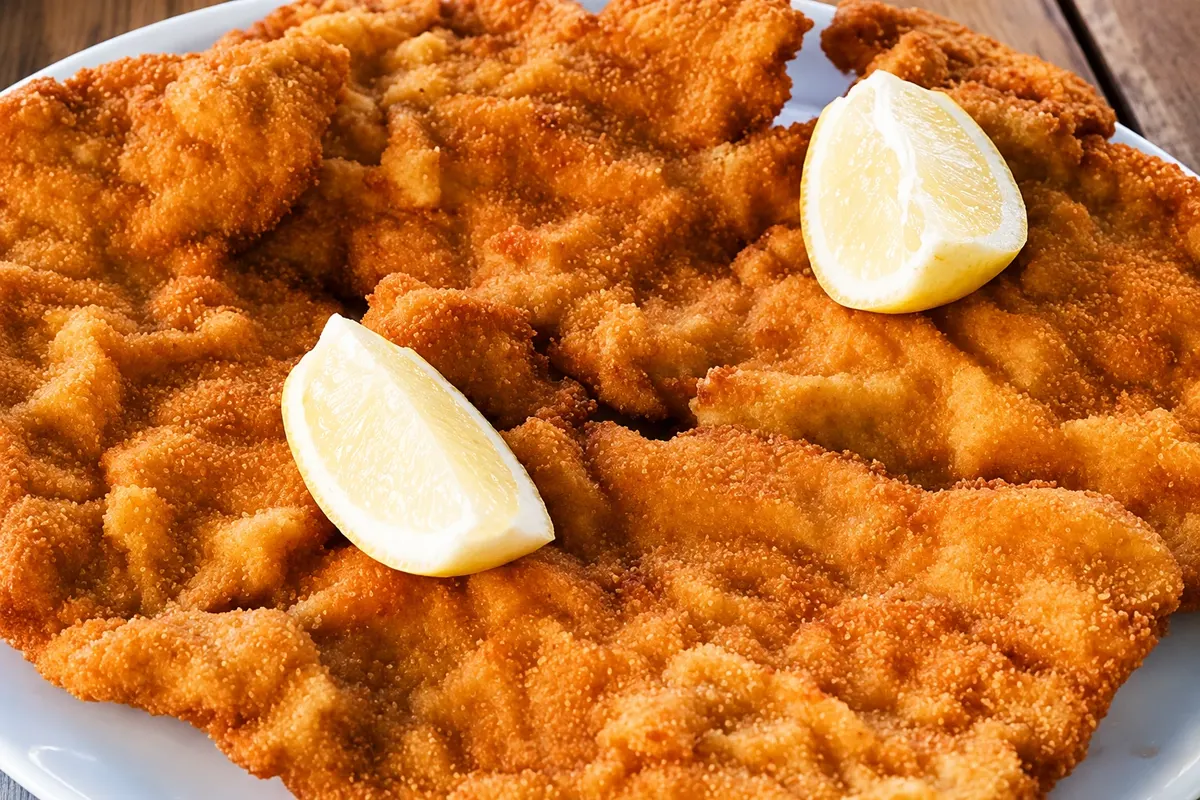
Veal pounded very thin, coated in flour, egg and breadcrumbs and fried until the crust is golden and separates from the meat. By Austrian regulation, the name applies only to the veal version.

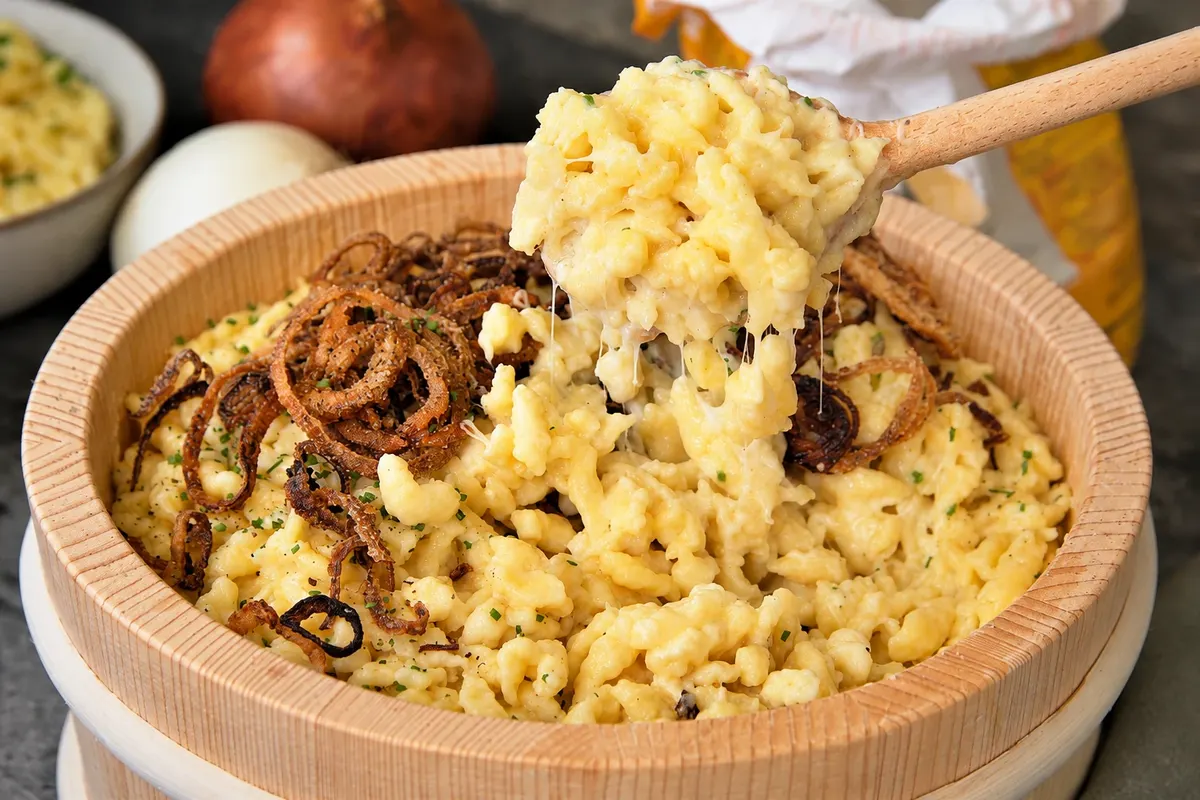
Small cooked egg dumplings assembled in layers with melted mountain cheeses, topped with fried onion. Vorarlberg tourism calls them the state's traditional cheese dish.