
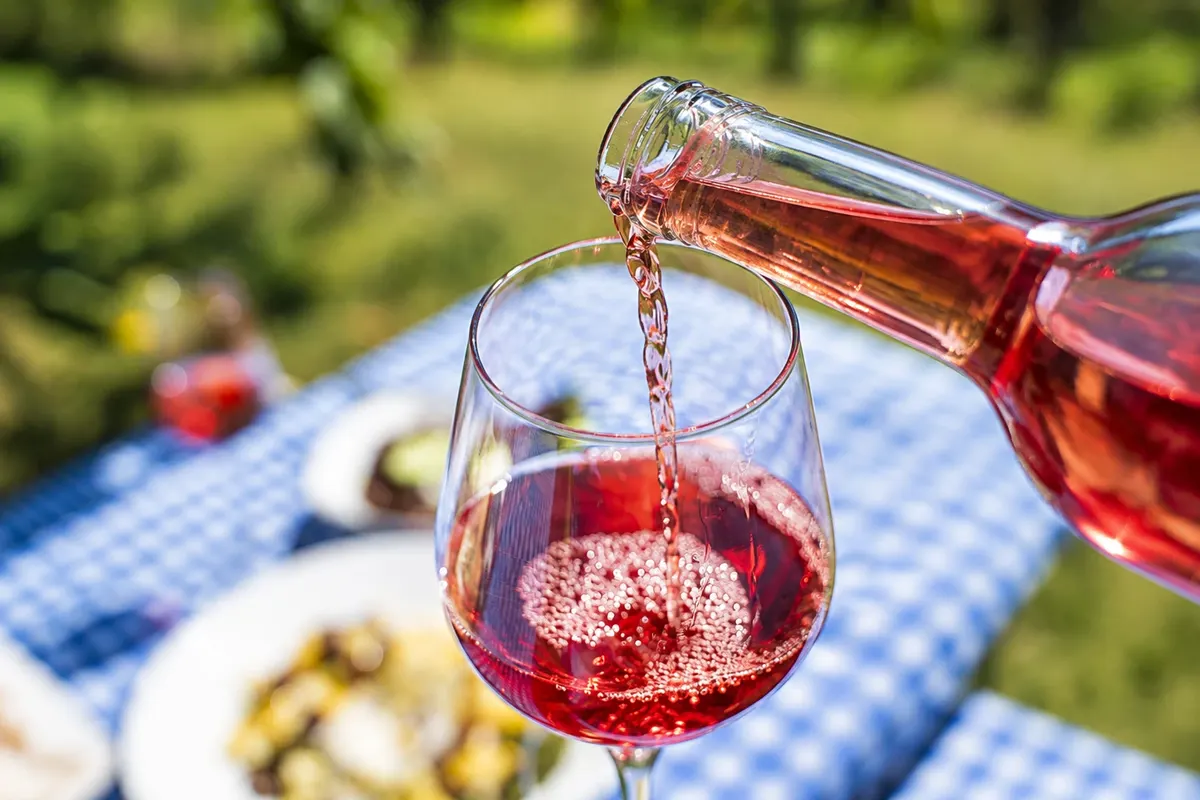
Drink · Burgenland
Uhudler
Wine from the southern Burgenland made from American vines planted after the phylloxera outbreak, with aromas of strawberry and wild berries. It was banned for decades and returned to sale in 1992.

 Search
 Brazil
 Argentina
 Bolivia
 Chile
 Colombia
 Ecuador
 Guyana
 French Guiana
 Falkland Islands (Malvinas)
 Paraguay
 Peru
 Suriname
 Uruguay
 Venezuela
 GermanyAustria
 Belgium
 Croatia
 Denmark
 Spain
 Finland
 France
 Greece
 the Netherlands
 Hungary
 Ireland
 Iceland
 Italy
 Luxembourg
 Norway
 Poland
 Portugal
 the United Kingdom
 the Czech Republic
 Sweden
 Switzerland
 Turkey
 the United States
 Mexico
 the Dominican RepublicTurkey
 South Africa
 Australia
 Fiji
Flavors · Viena
Beef cut slow-cooked for hours with roots and bones, served sliced with the broth, grated horseradish, chive sauce, and potatoes sautéed in butter.
Traditional dish from Viena, Viena
Also known as: carne cozida à vienense
Illustrative images. The pictures in this guide are illustrations based on the real place, not photographs, and may differ from it.

Click a photo to enlarge it.

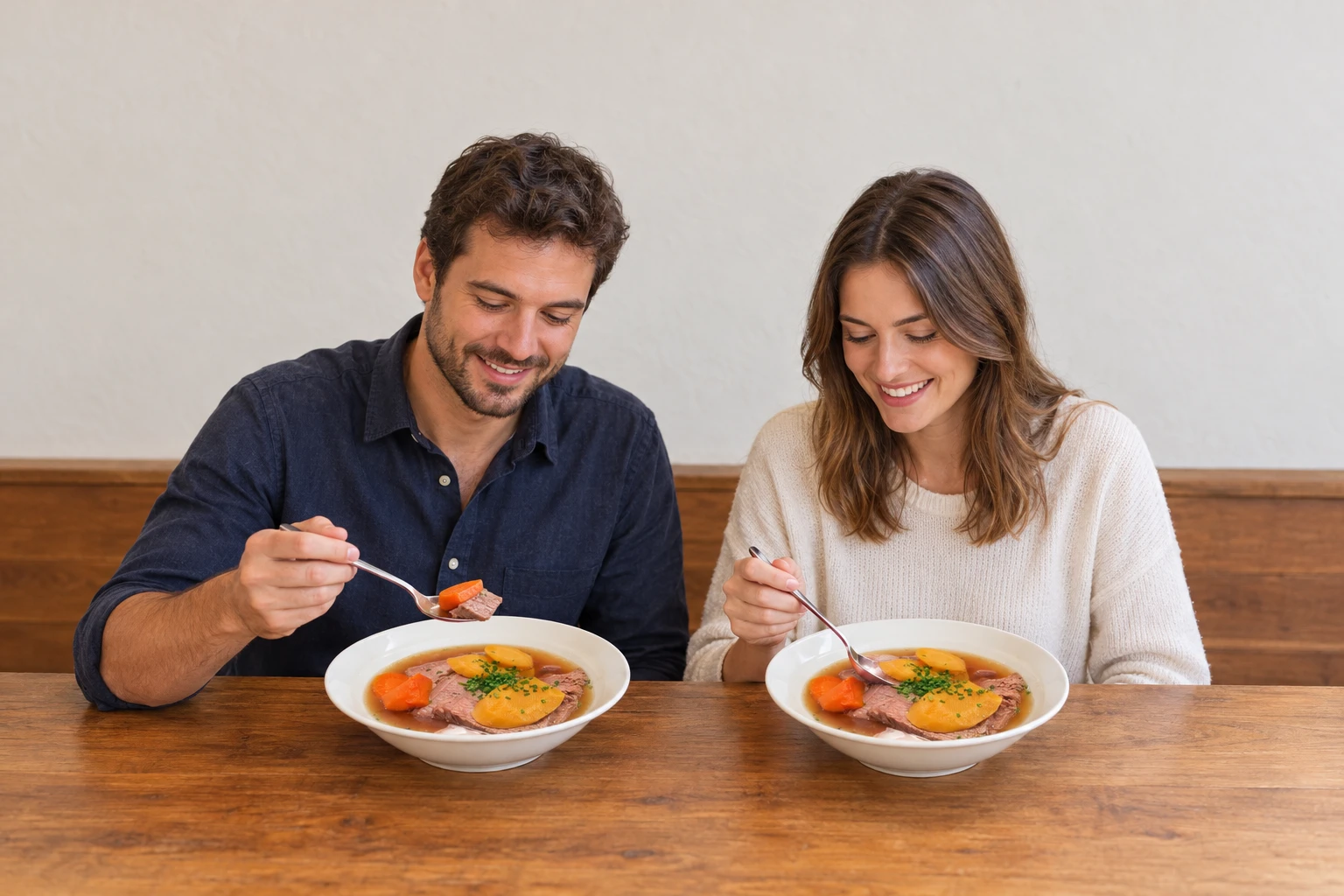
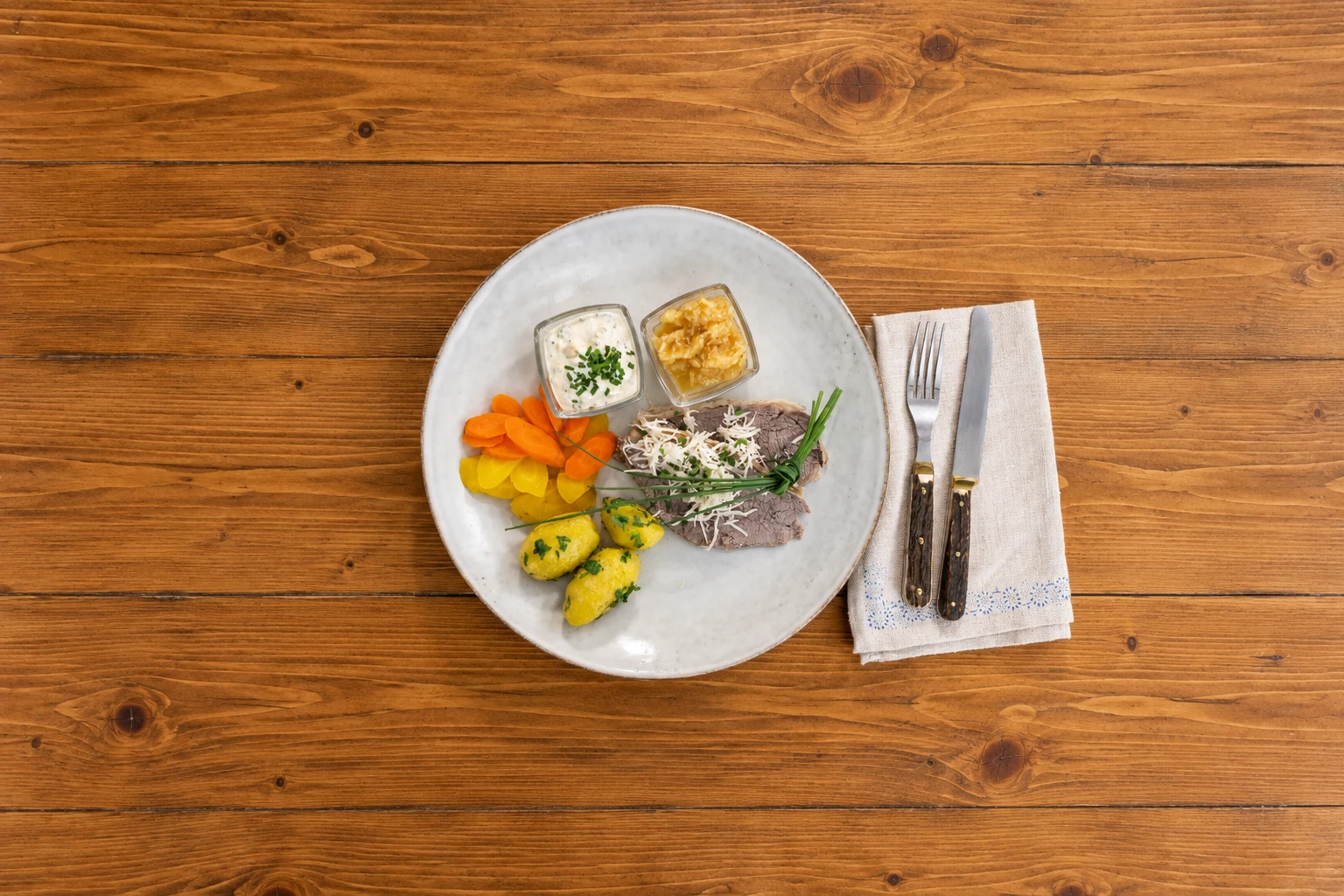
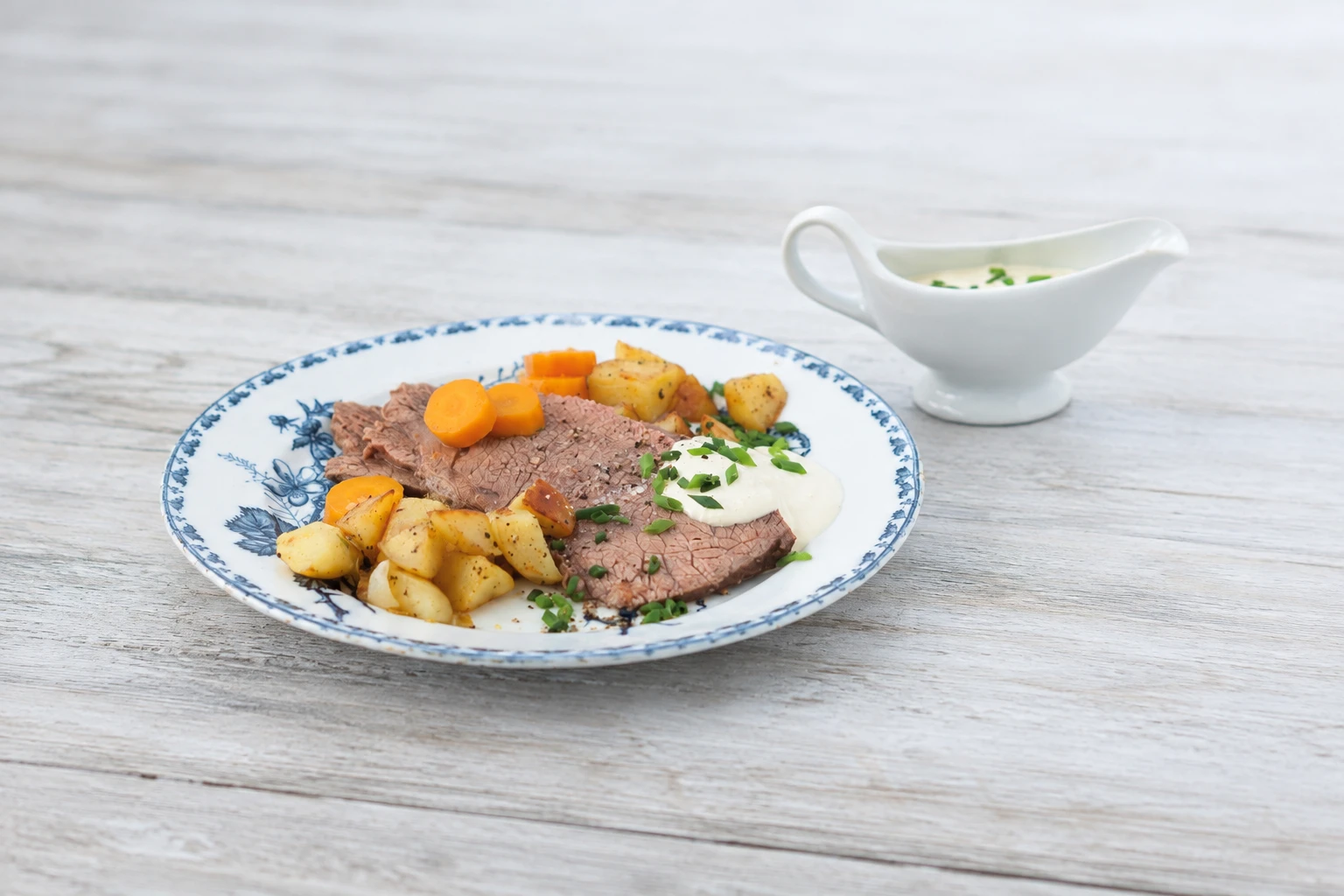
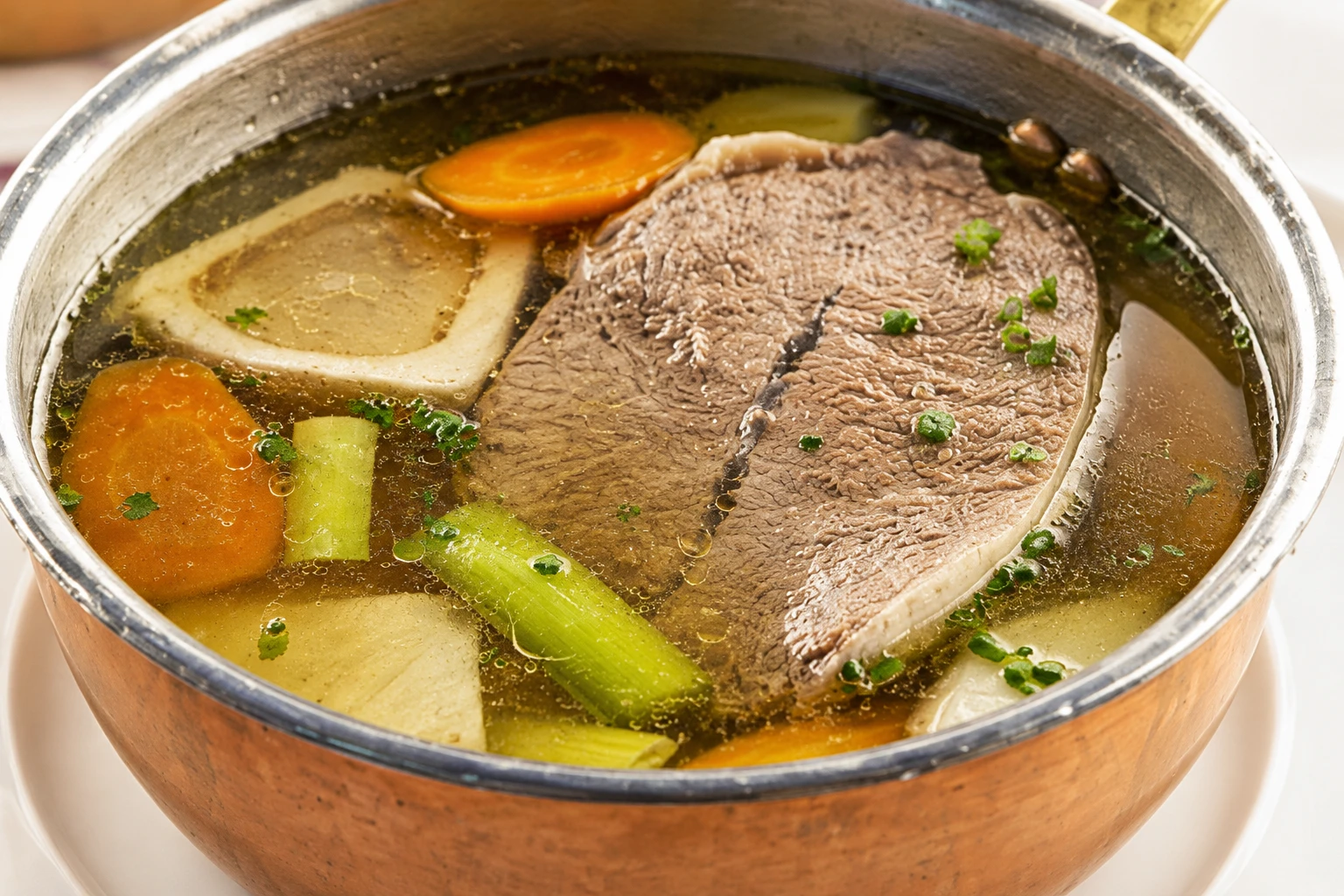
Tafelspitz — Viena, Austria
Tafelspitz is the name of a cut from the rear of the beef, with a strip of fat on top, and of the dish made from it. The meat is cooked over low heat for three to four hours, together with bones, roots such as celery, carrot and parsnip, roasted onion, leek and pepper. At the end it is sliced against the grain and brought to the table covered with its own strained broth.
The register of traditional foods of the Austrian Ministry of Agriculture explains why boiled beef became a Viennese dish. From the 16th century, large cattle herds coming from Hungary supplied the city, and in the 19th century the St. Marx cattle market ensured abundant beef. Boiled beef, in its various cuts, began to be served daily at the court table. According to the same register, Emperor Franz Joseph favored it.
The name Tafelspitz appears in writing in 1911. There is a story attributing the creation of the dish to a Vienna hotel; the register treats it as a legend. After World War II boiled beef lost ground in households and returned to the city's menus from the 1950s onward.
The dish is served in stages: first the broth, sometimes with noodles or dumplings, then the meat with its accompaniments.
Viena , Viena
The register of traditional foods of the Austrian Ministry of Agriculture presents Tafelspitz as one of the best-known specialties of Viennese cuisine.
Tafelspitz cut of beef, bones, celery, carrot, parsnip, leek, roasted onion, peppercorns and salt. To accompany: grated horseradish with bread or with apple, chive sauce (Schnittlauchsauce), vegetables and potatoes sautéed in butter (Röstkartoffeln).
The meat is served sliced, covered by the strained broth. On the side, horseradish with apple (Apfelkren) or with bread (Semmelkren), chive sauce, boiled vegetables and potatoes sautéed in butter (Röstkartoffeln). Often the broth is served first, as a soup.
A lunchtime dish, found on the menus of Viennese cuisine restaurants.
Your questions
It is the name of a cut from the rear of the beef, with a layer of fat, and also of the boiled beef dish made from it.
With the cooking broth, grated horseradish with apple or with bread, chive sauce, vegetables and potatoes sautéed in butter.
It is a story told in the city, treated as a legend by the Austrian register of traditional foods. Boiled beef was already being served at the court table in the early 19th century.
Flavors of Austria
Wine from the southern Burgenland made from American vines planted after the phylloxera outbreak, with aromas of strawberry and wild berries. It was banned for decades and returned to sale in 1992.
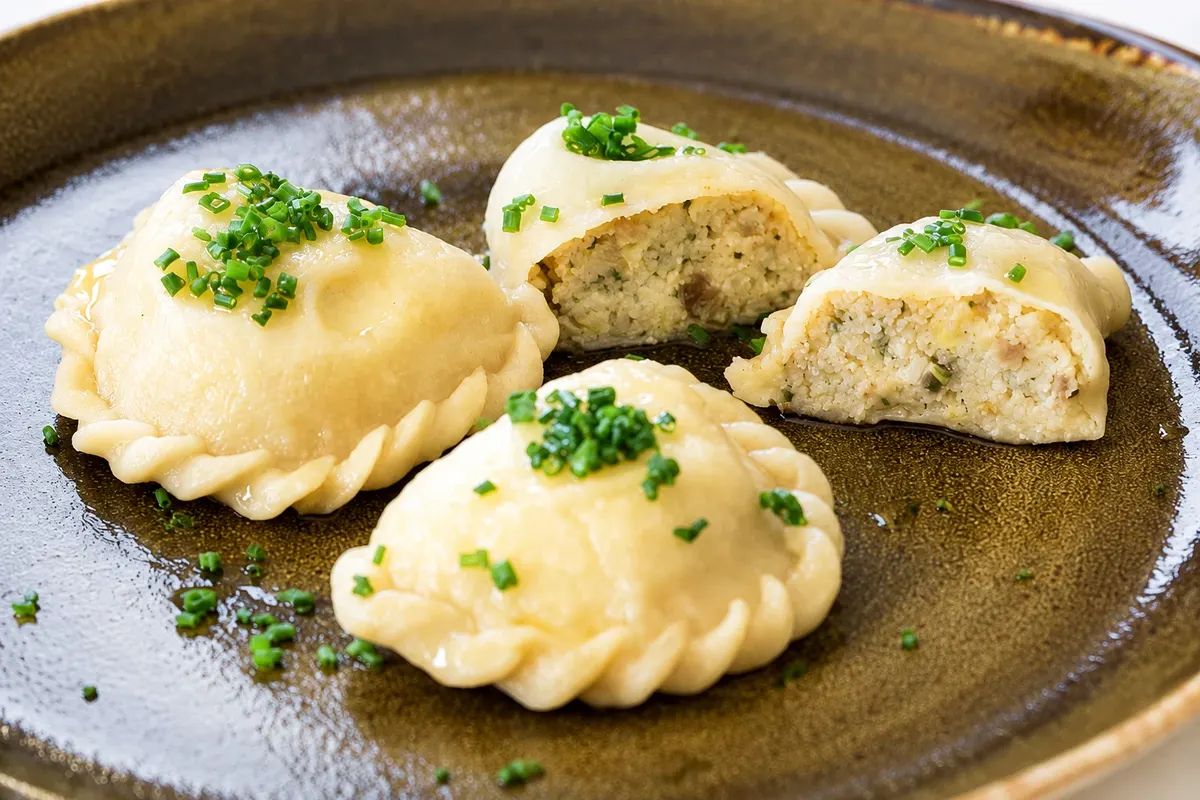
Dough filled with dry farmer’s cheese (requeijão seco), potato and herbs like mint and chervil, sealed with a hand-braided edge and served with melted butter. It is the dish most associated with Carinthia.
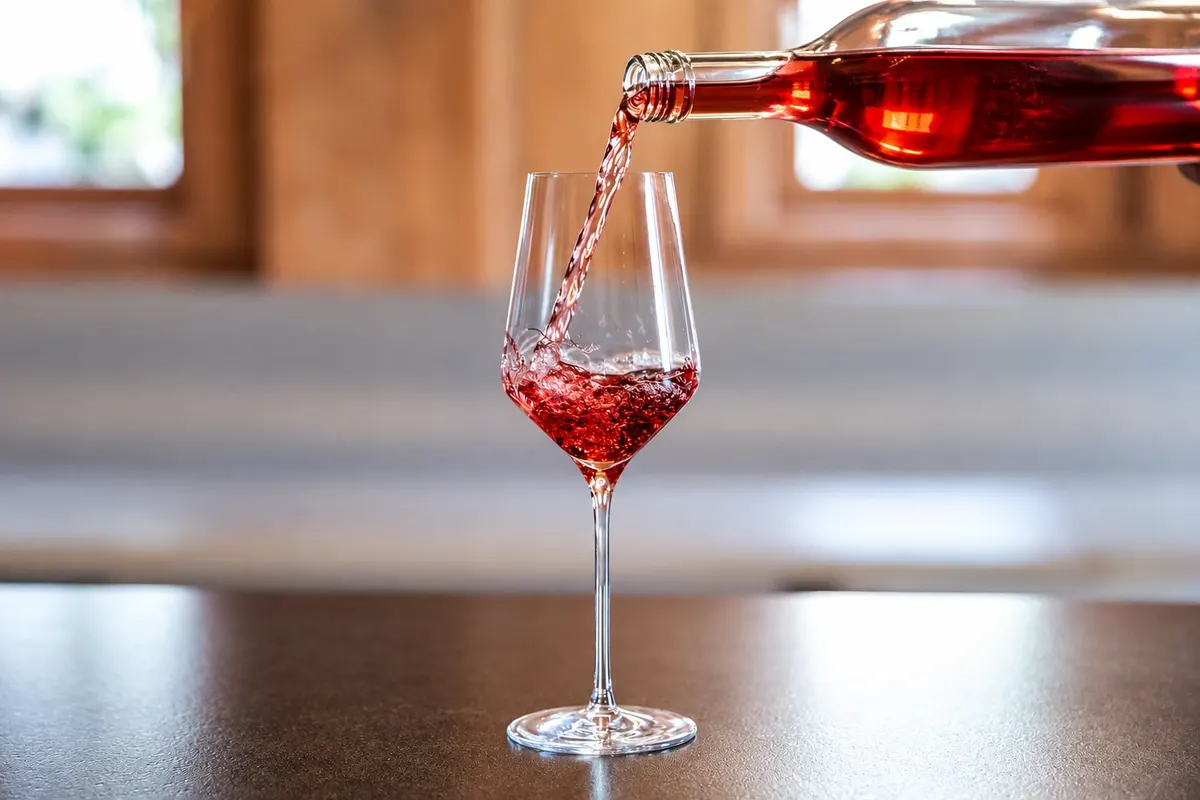
Rosé wine from Styria, with high acidity and a fruity aroma, made only from the Blauer Wildbacher grape. The name is protected by the European Union as a traditional term.
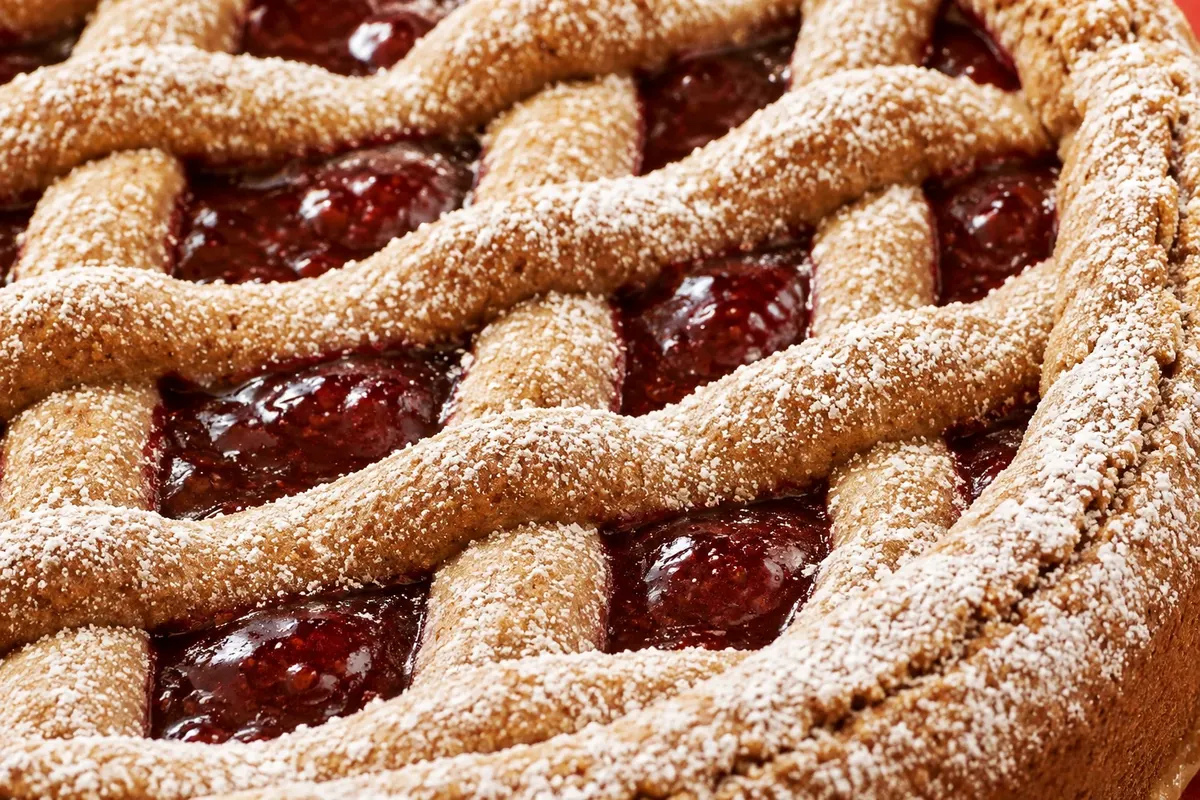
Shortcrust tart with butter dough and ground almonds or hazelnuts, filled with currant jam and topped with a lattice of dough. Its oldest known recipe dates from 1653.
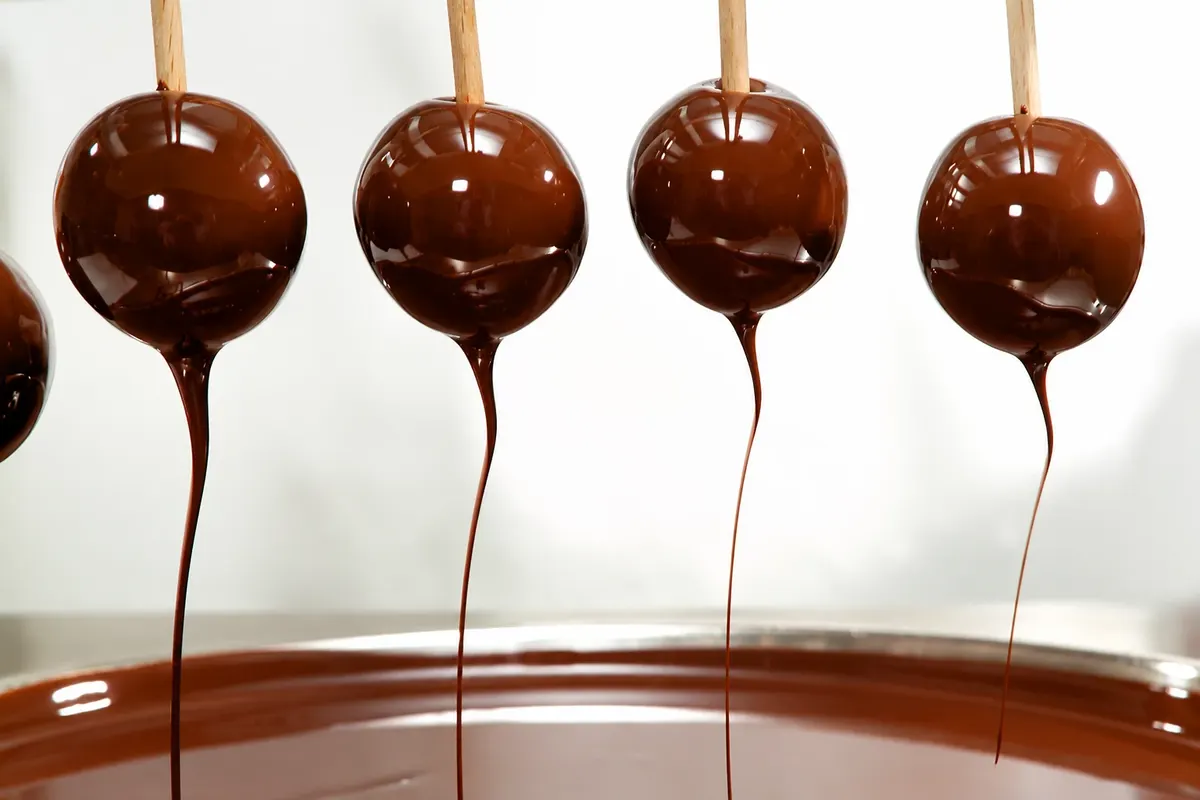
Round bonbon with a pistachio marzipan center, a layer of hazelnut nougat, and a dark chocolate coating, created in Salzburg and named in honor of Mozart.
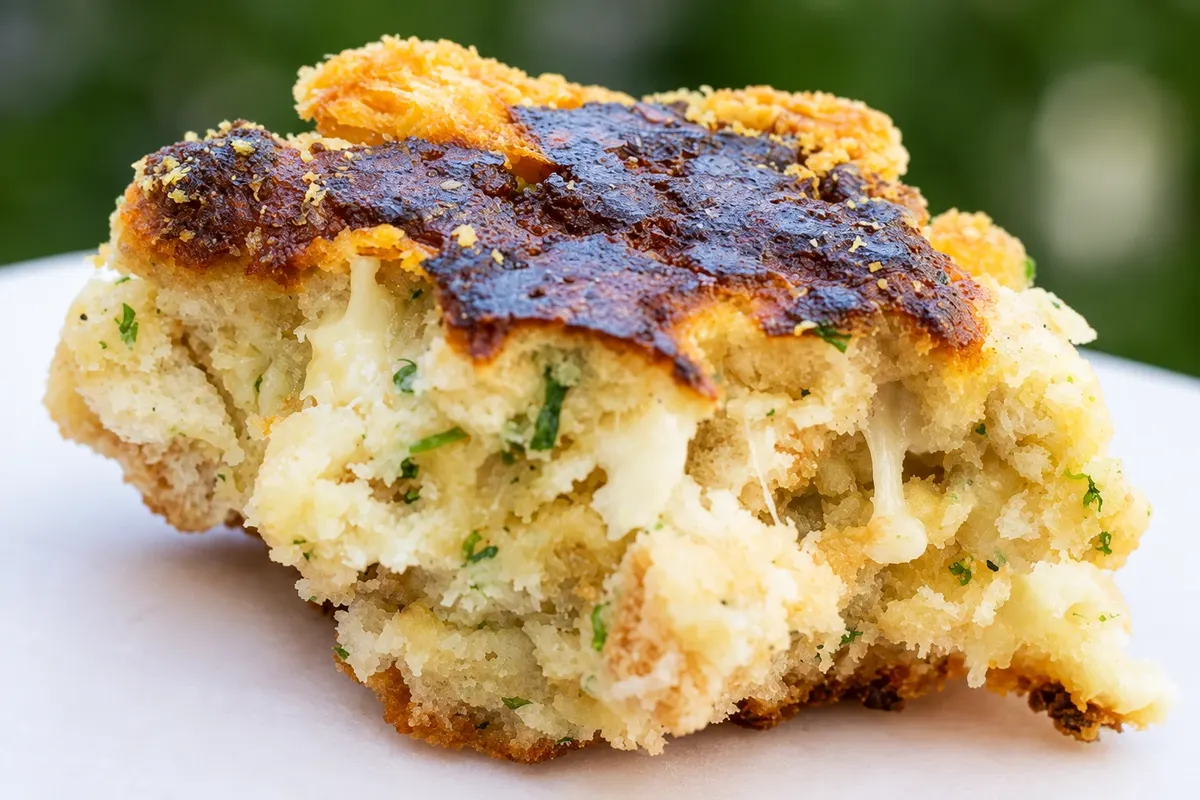
Flattened dumplings made from day‑old bread, cheese, eggs and onion, browned in butter and served in beef broth or with a green salad. A dish from the Pinzgau mountains in Salzburg.
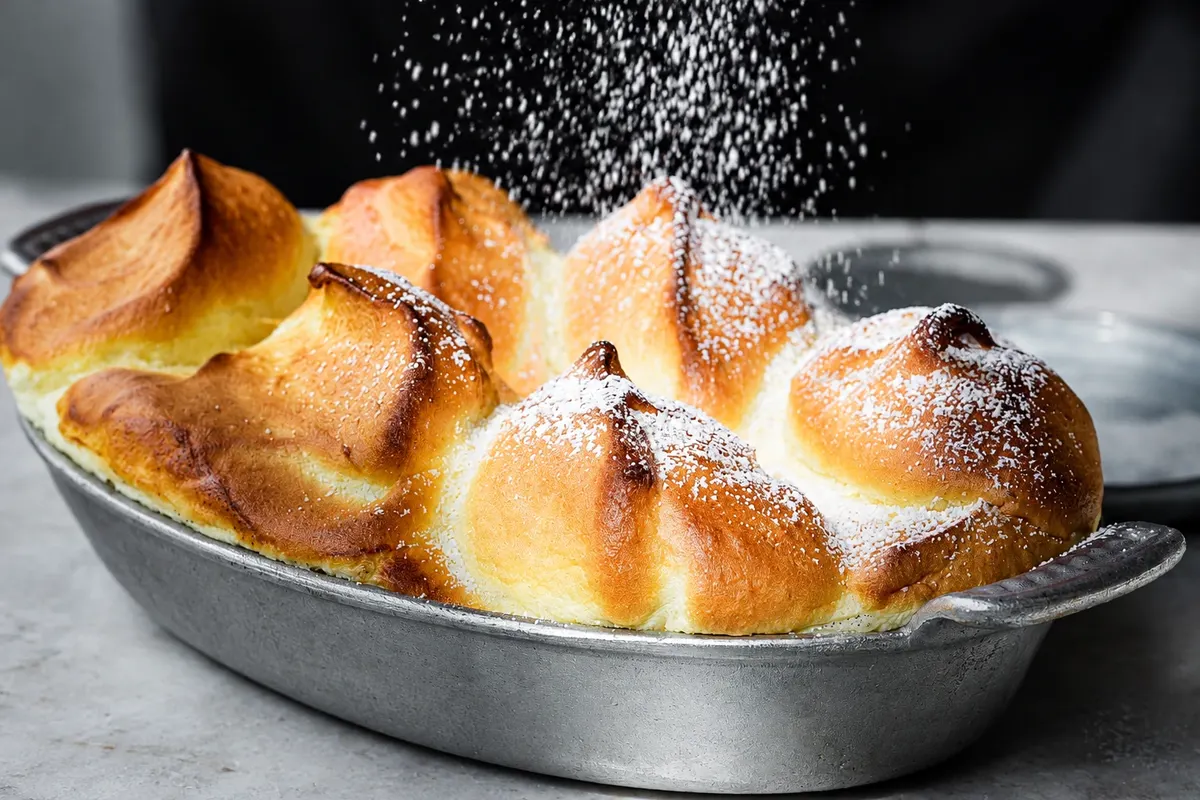
Sweet soufflé made from beaten egg whites, yolks, sugar and a little flour, baked into three golden mounds and dusted with sugar. It is brought to the table as soon as it comes out of the oven.
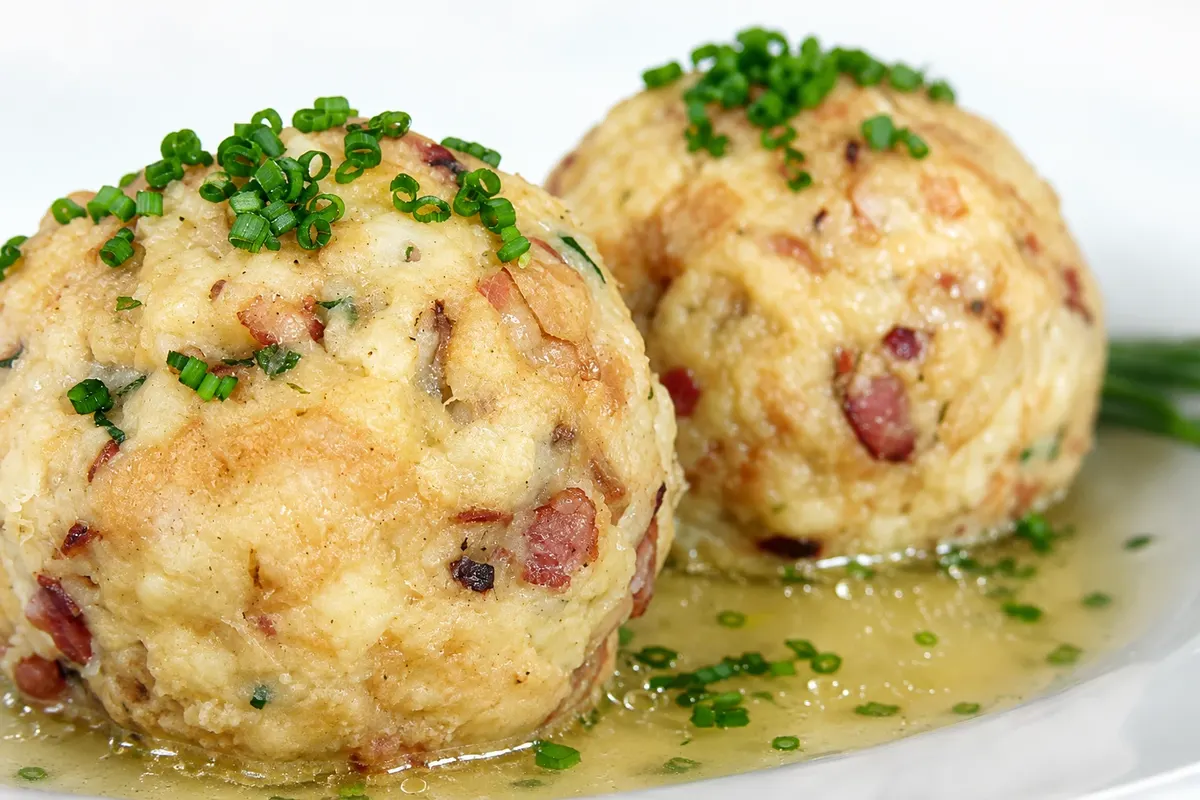
Bread dumplings made from day‑old bread with smoked bacon, eggs, milk and chives, cooked in water and served in the broth or with cabbage salad. Tirol tourism calls them a state classic.

Dense chocolate cake, with apricot jam and a smooth chocolate coating, served with unsweetened whipped cream. The basic recipe is attributed to Franz Sacher, in 1832.
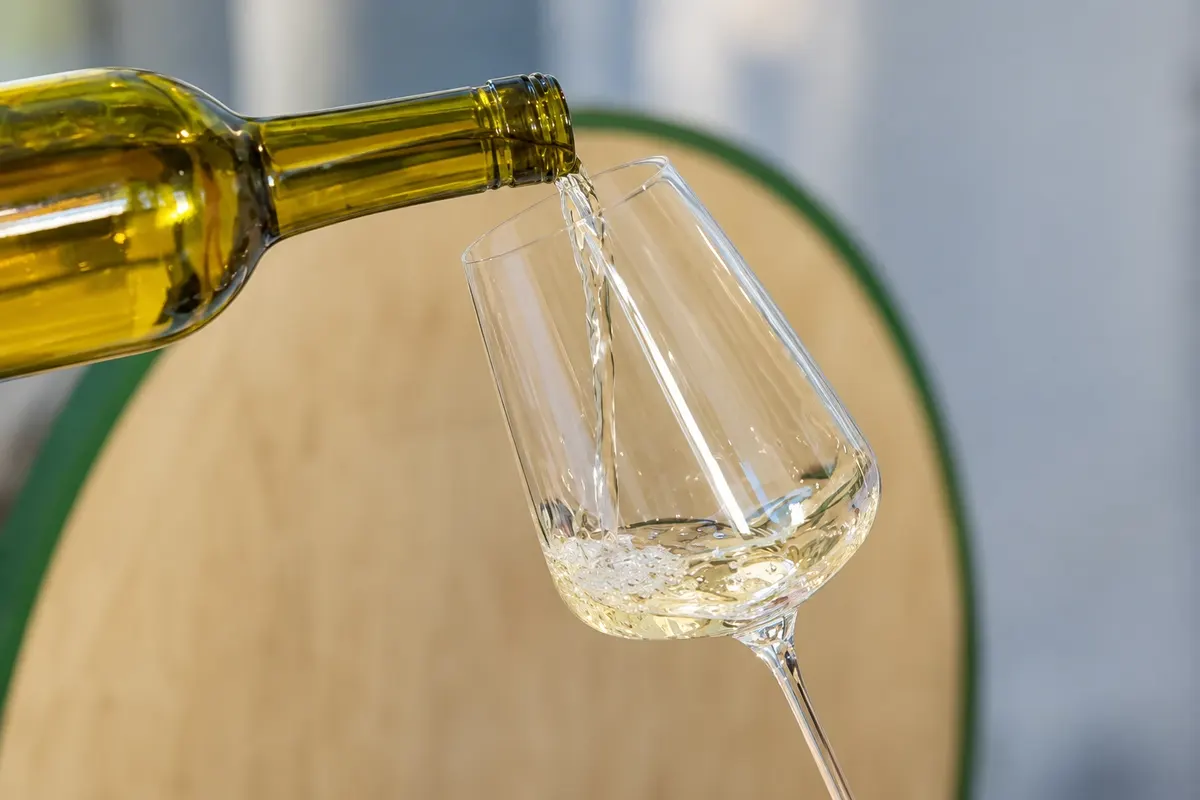
Dry white wine made from several grape varieties planted together in the same vineyard of Vienna, harvested and vinified together. It has a designation of origin (DAC) since 2013.
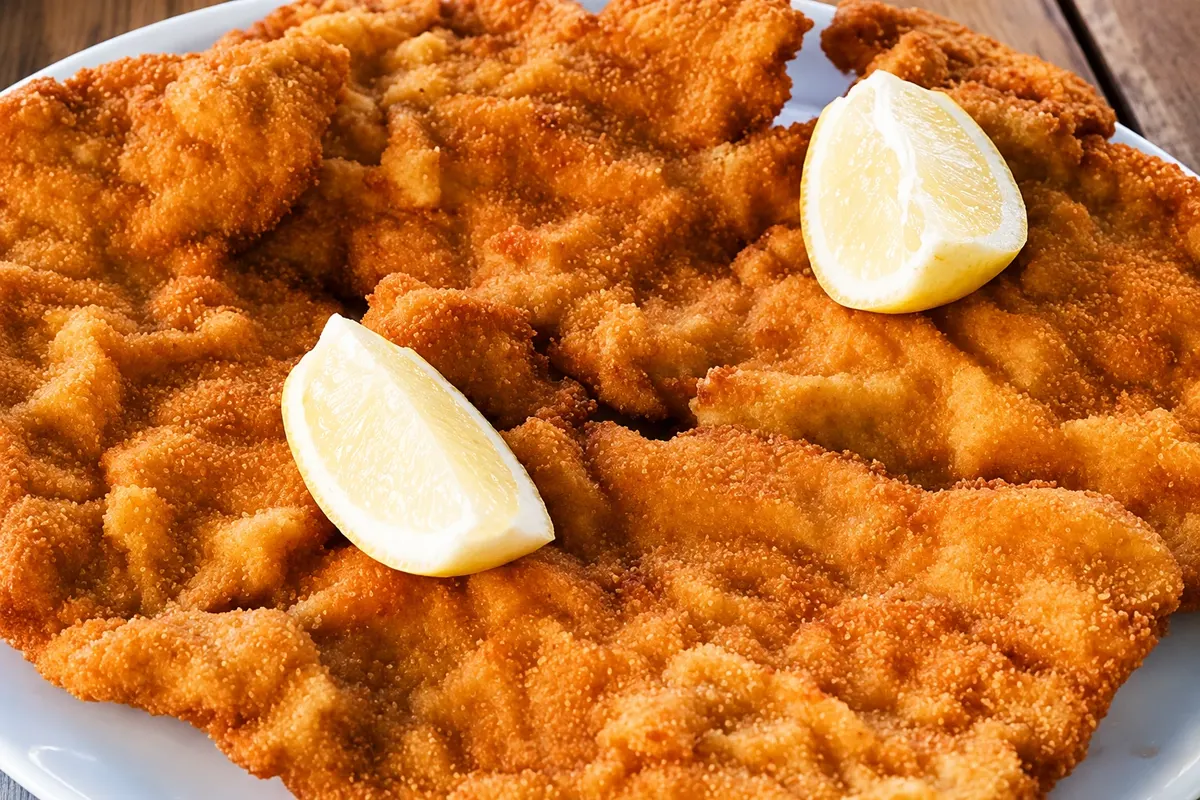
Veal pounded very thin, coated in flour, egg and breadcrumbs and fried until the crust is golden and separates from the meat. By Austrian regulation, the name applies only to the veal version.
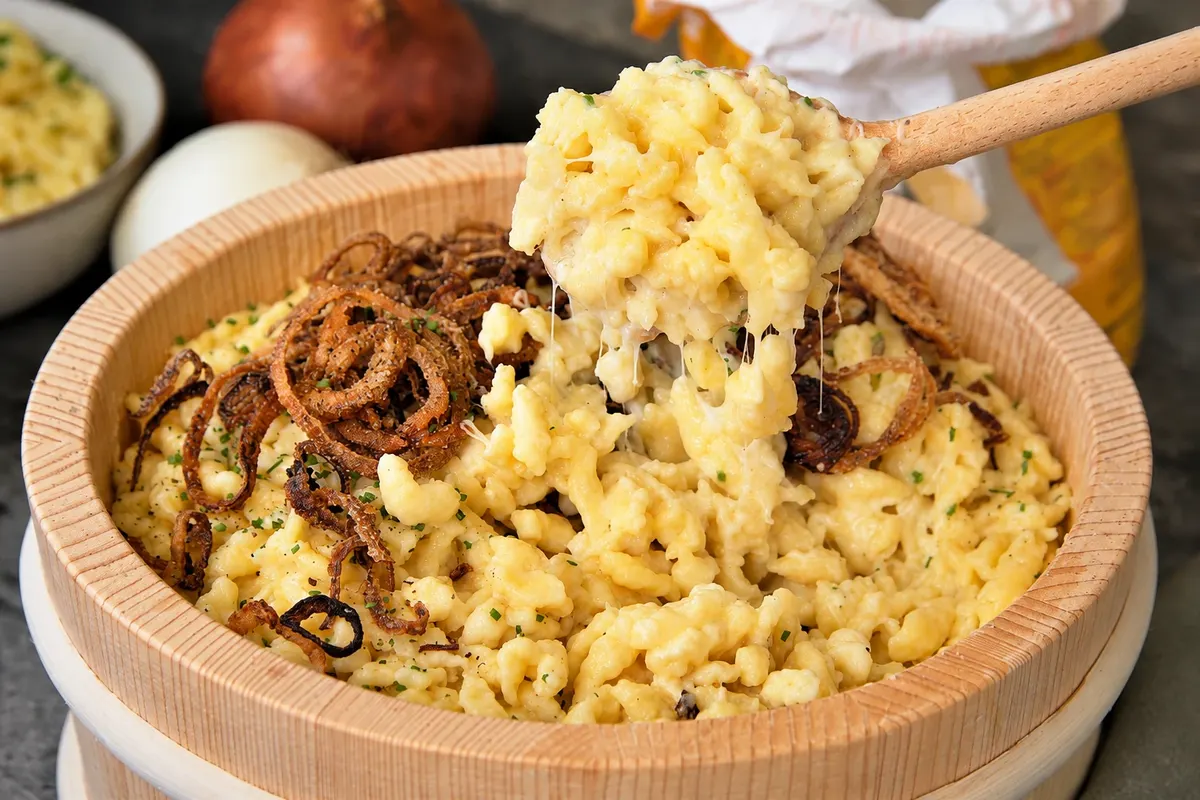
Small cooked egg dumplings assembled in layers with melted mountain cheeses, topped with fried onion. Vorarlberg tourism calls them the state's traditional cheese dish.