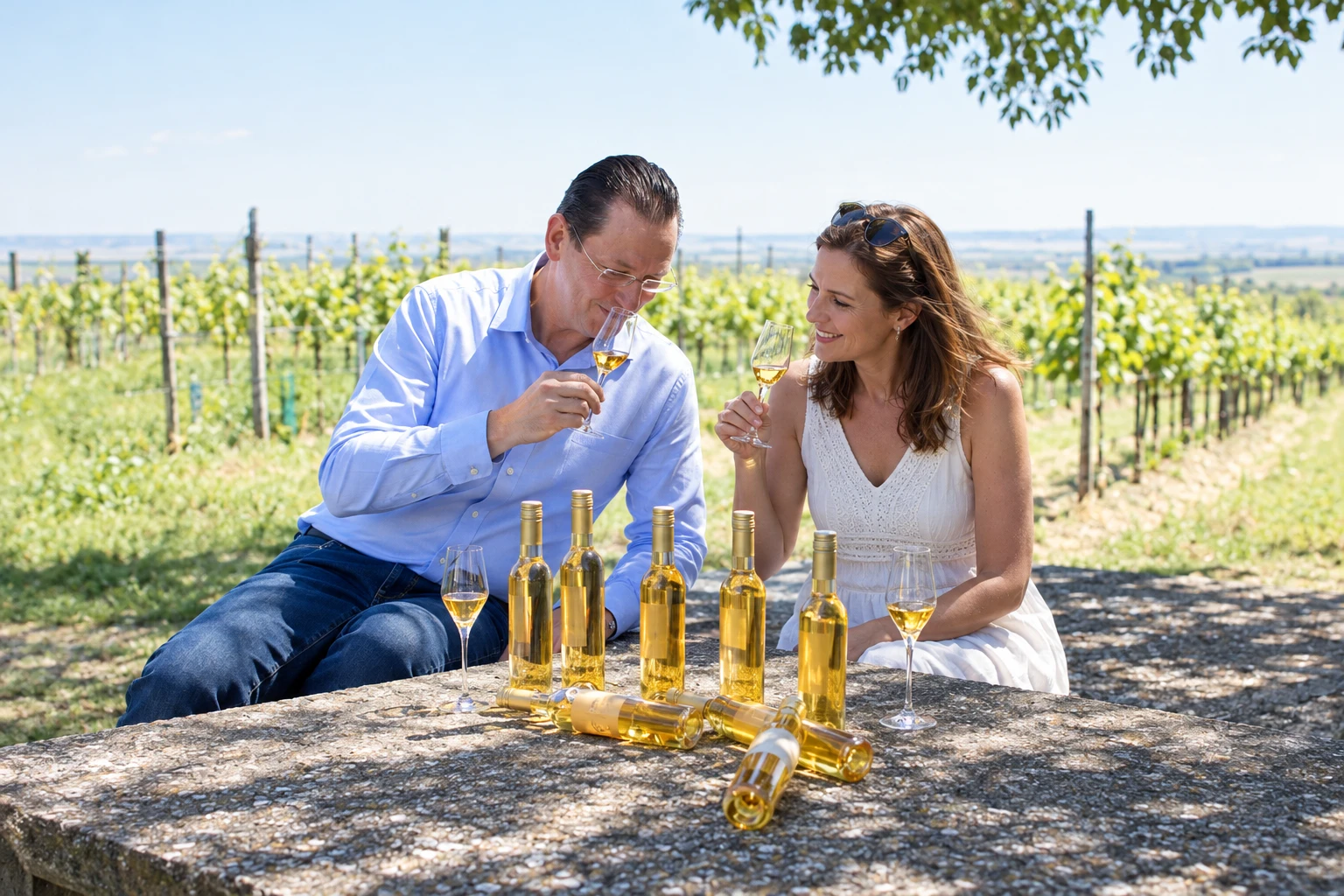
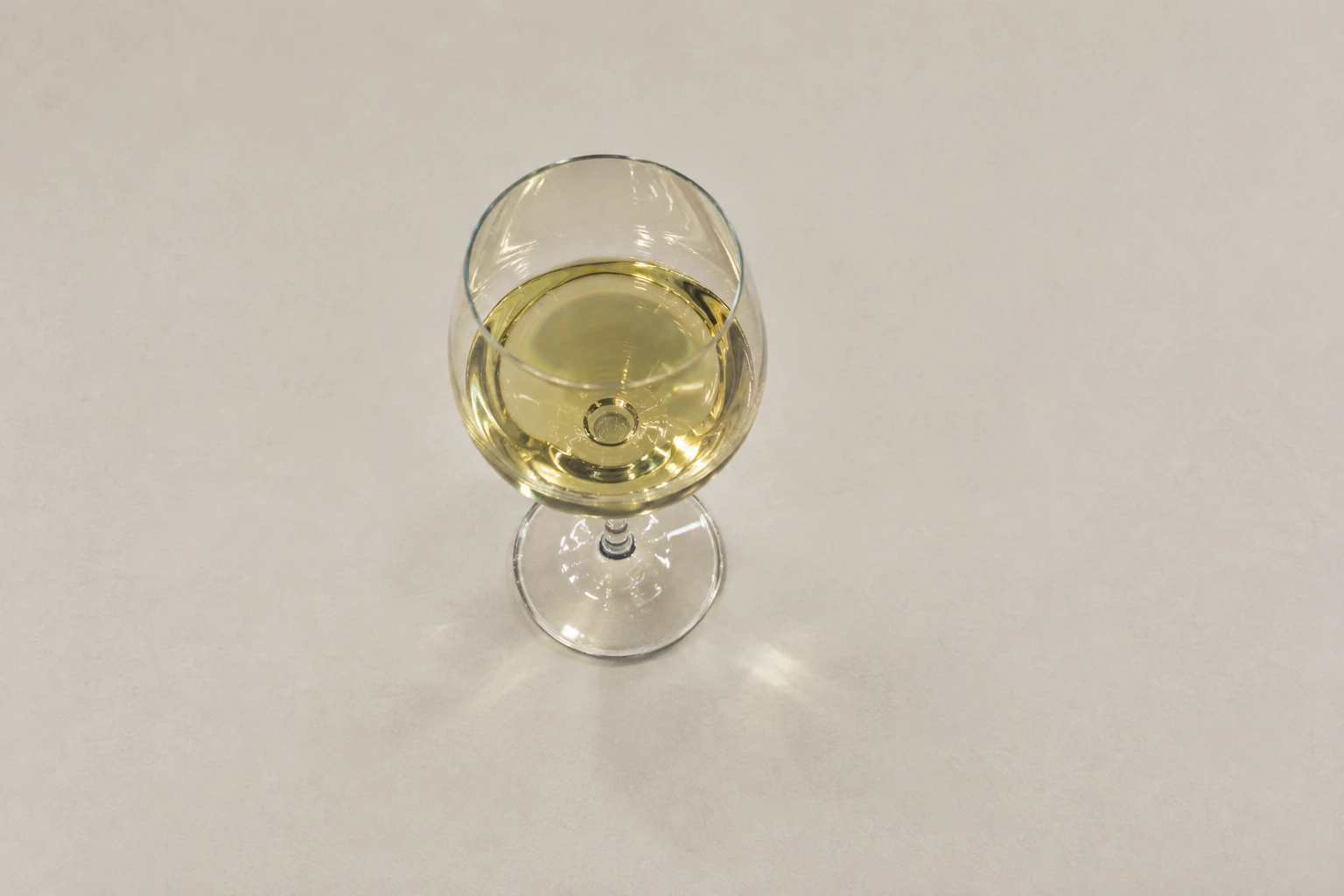
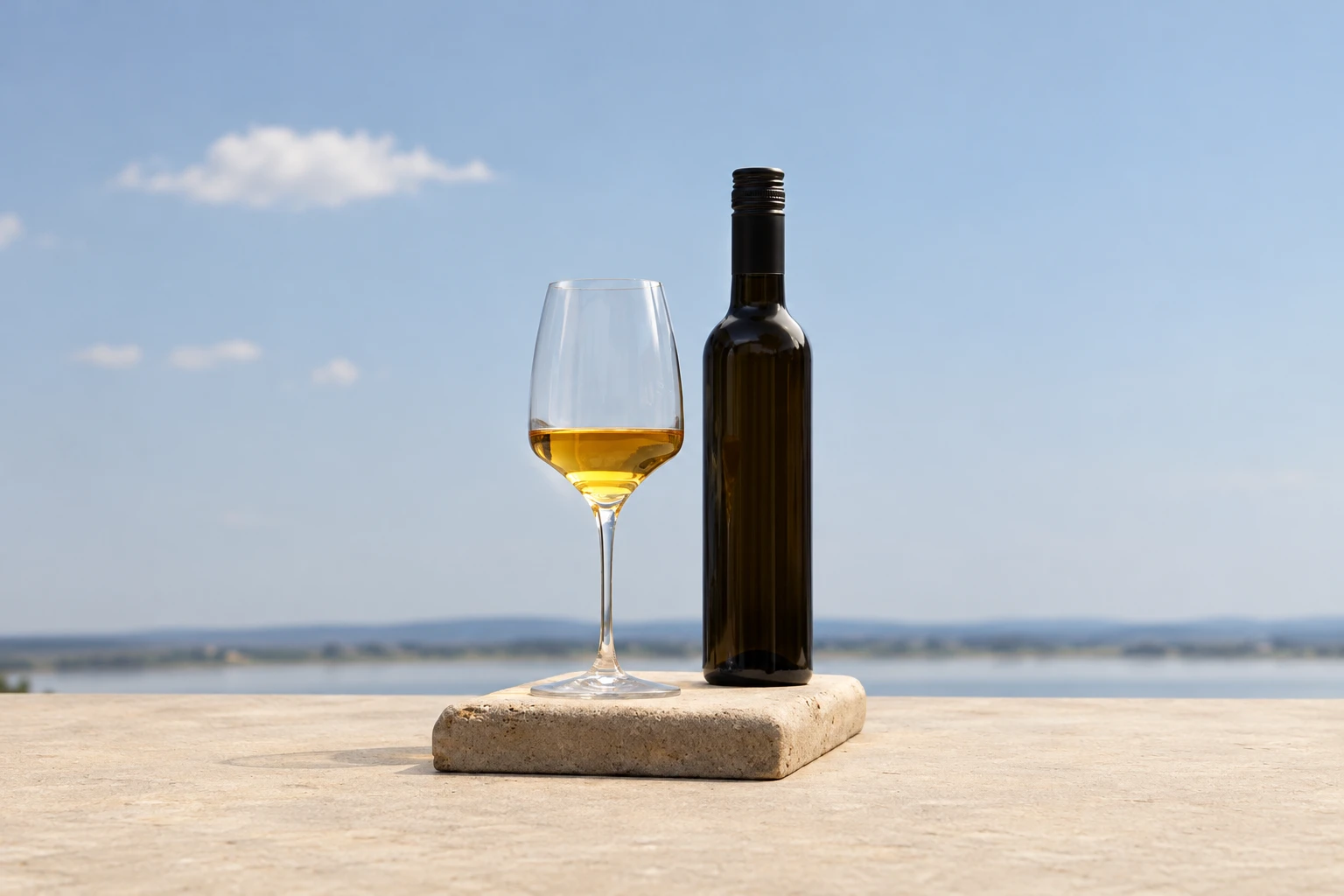
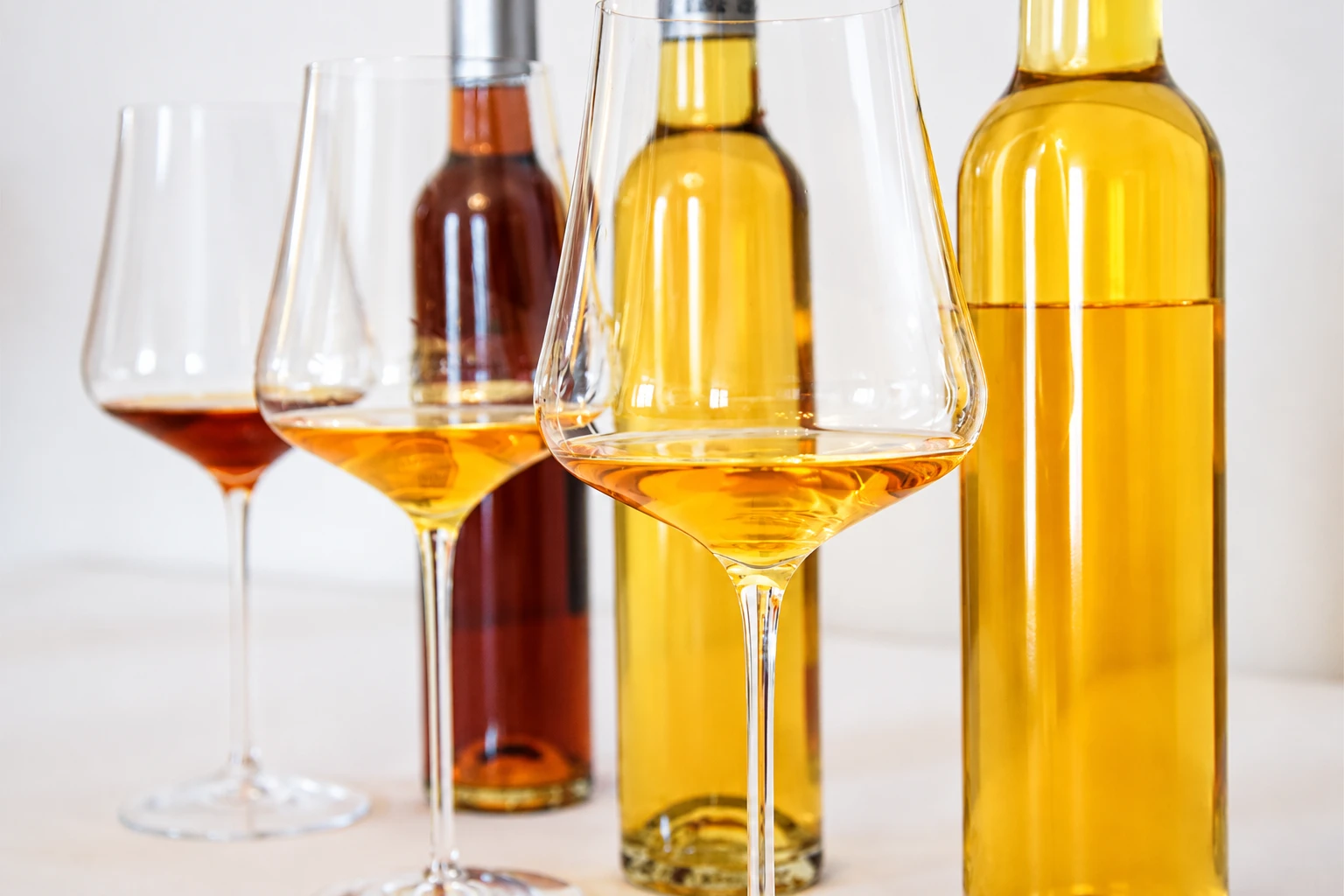
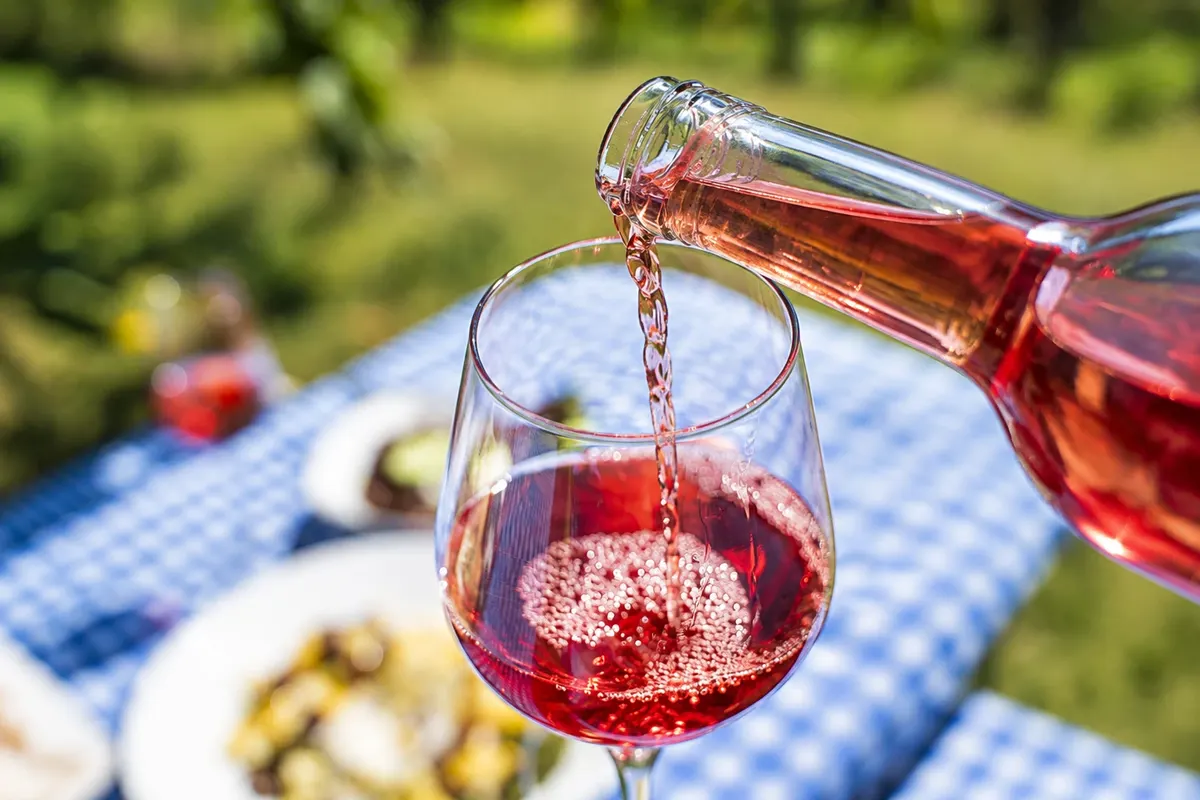
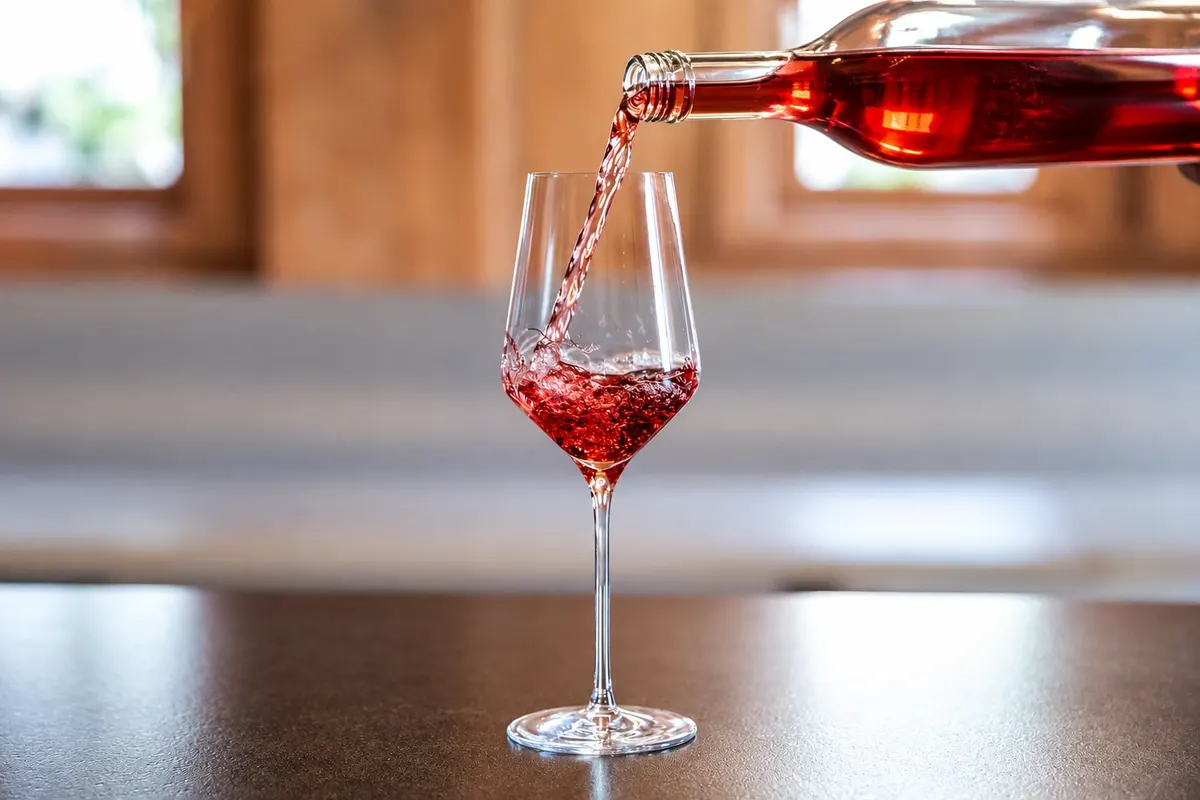
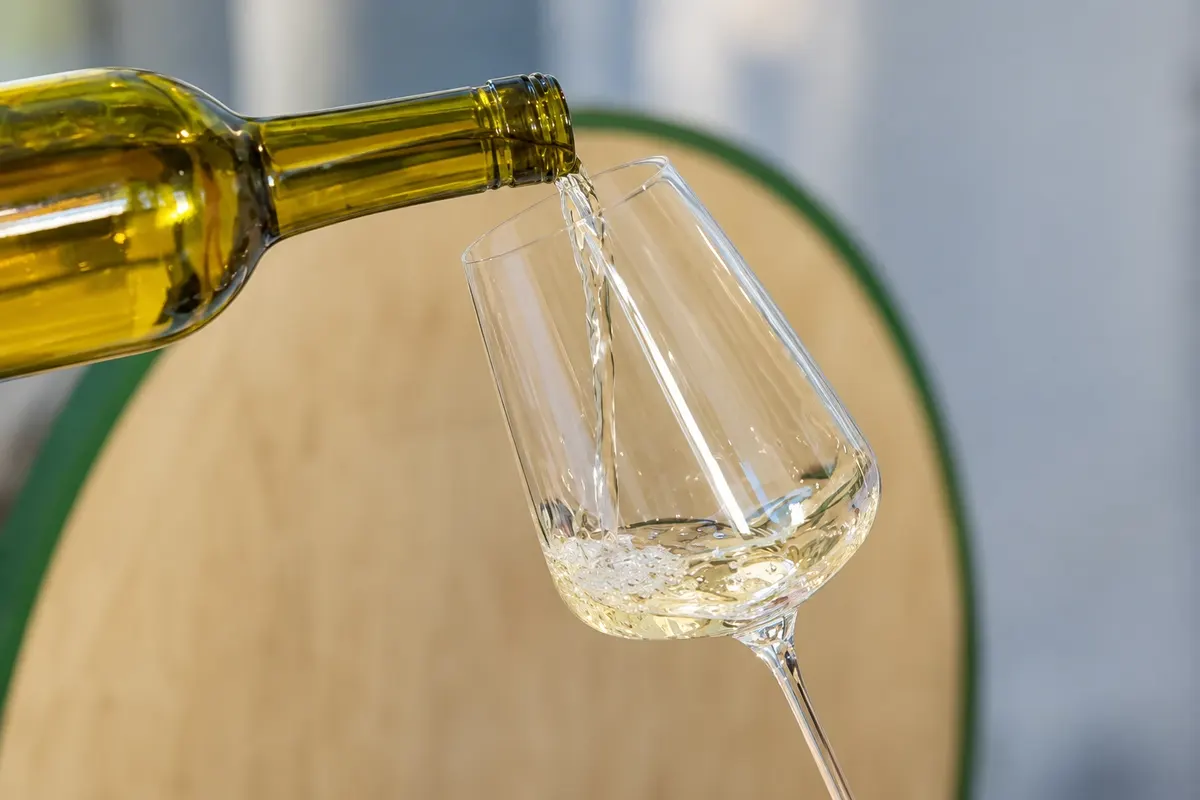
Ruster Ausbruch is a sweet white wine made only from grapes that dried on the vine, almost like raisins, after being struck by a fungus called noble rot (Botrytis cinerea). The fungus concentrates the sugar and acidity. The grapes are hand-selected, berry by berry, in several passes through the vineyard; one hundred kilos yield about twenty liters. The wine ranges from golden to amber, with flavors of dried fruit, honey and an acidity that balances the sweetness.
Rust lies on the west shore of Lake Neusiedl. According to the Traditional Food Register of Austria's Ministry of Agriculture, the lake acts as a reservoir of heat and moisture, and autumn mists favor the fungus. Noble rot does not appear properly every year, and the wine is only made when conditions allow.
The same register records the wine's history. In 1524, Rust's producers gained the right to brand their barrels with an “R” by fire. The first written record of Ausbruch is an account from 1634. In 1681 the town obtained from Emperor Leopold I the title of free city, paid for with money and barrels of its own wine. After phylloxera at the end of the 19th century, production declined and was resumed at the end of the 20th century.
Since 2020 the name has been protected in Austria as Ruster Ausbruch DAC, and in 2024 it entered the European Union's register of protected designations of origin. The grapes must come from Rust, be hand-harvested, meet a legally fixed minimum sugar level, and the wine must be sweet and display the vintage on the label.


 Brazil
 Antarctica
 Argentina
 Bolivia
 Chile
 Colombia
 Ecuador
 Guyana
 French Guiana
 Falkland Islands (Malvinas)
 Paraguay
 Peru
 Suriname
 Uruguay
 Venezuela
 Germany
 Belgium
 Croatia
 Denmark
 Slovakia
 Slovenia
 Spain
 Finland
 France
 Greece
 the Netherlands
 Hungary
 Ireland
 Iceland
 Italy
 Luxembourg
 Norway
 Poland
 Portugal
 the United Kingdom
 the Czech Republic
 Sweden
 Switzerland
 Turkey
 Bermuda
 Canada
 the United States
 Greenland
 Mexico
 Saint Pierre and Miquelon
 the Dominican Republic
 Japan
 South Africa
 Egypt
 Australia
 Fiji
 New Zealand
 Papua New Guinea