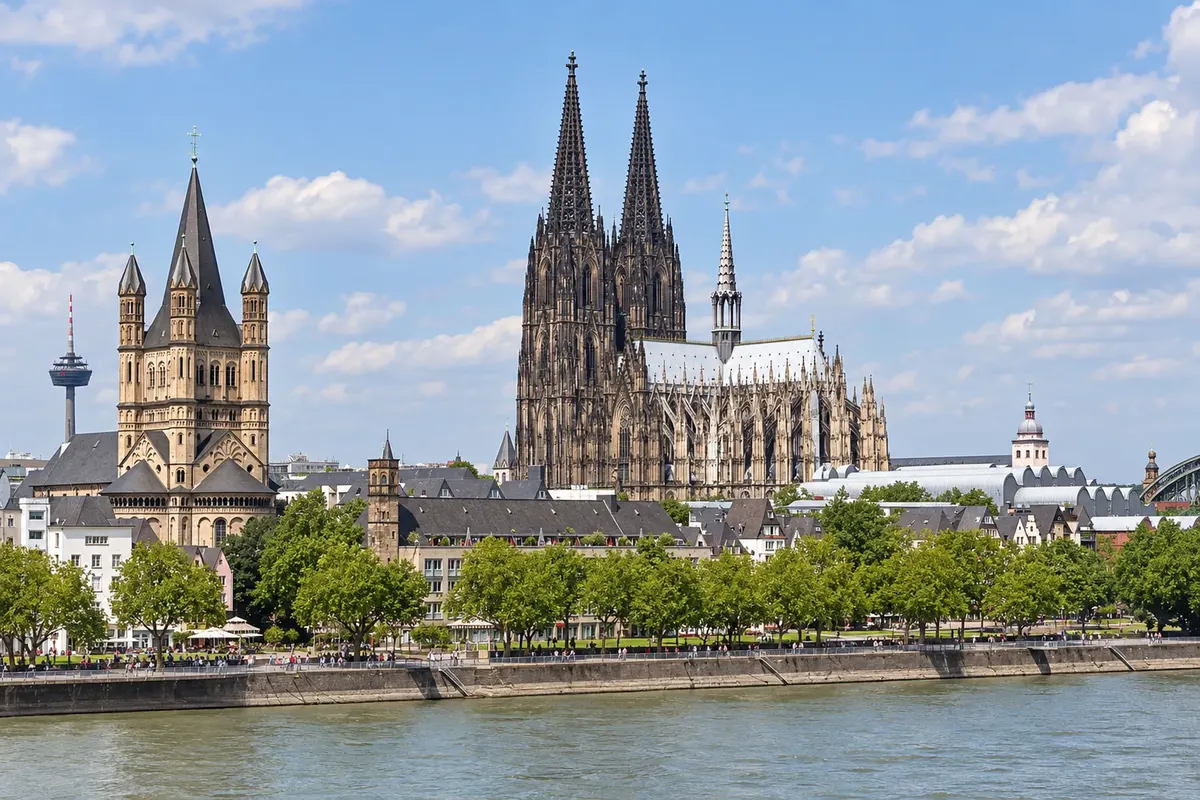
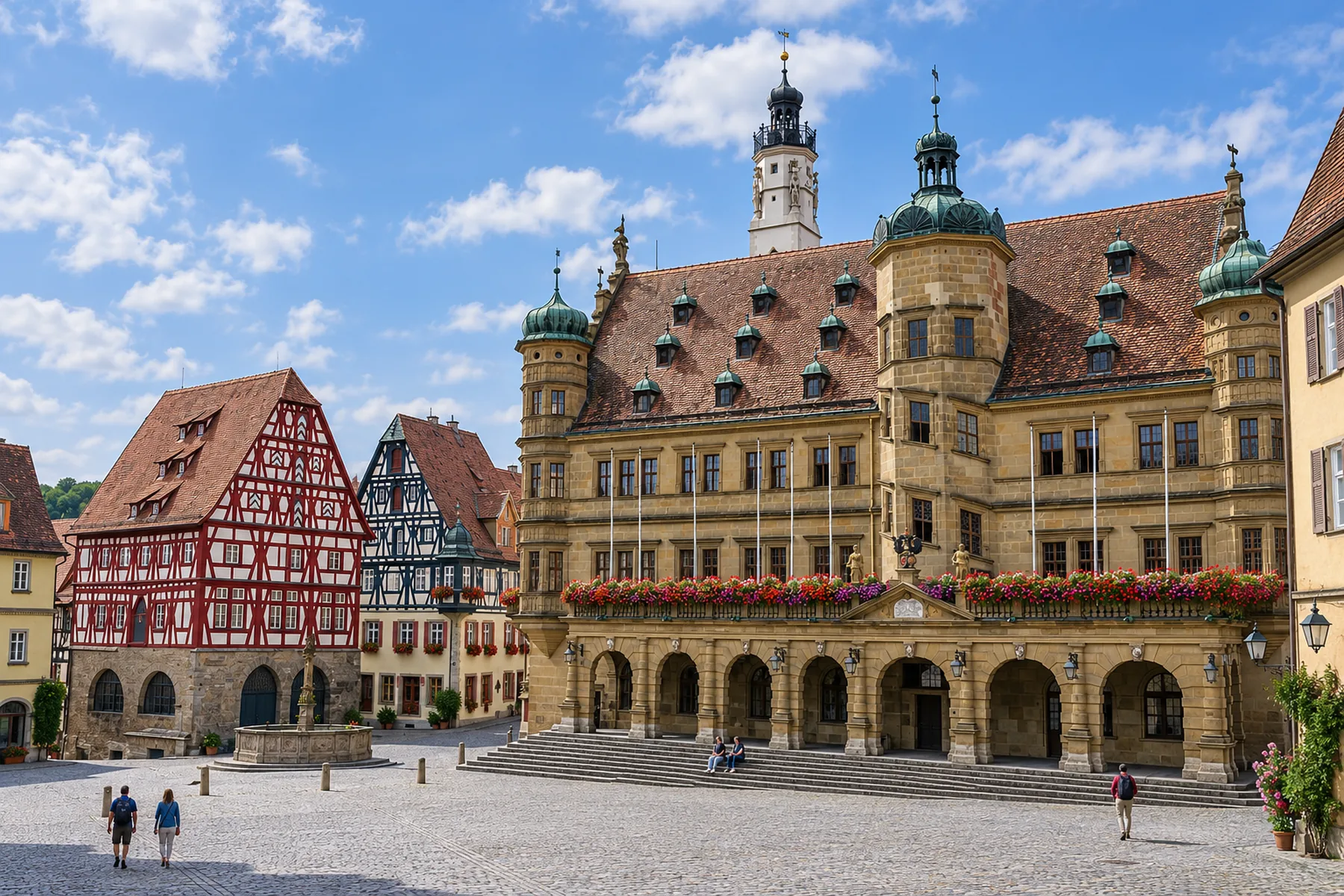
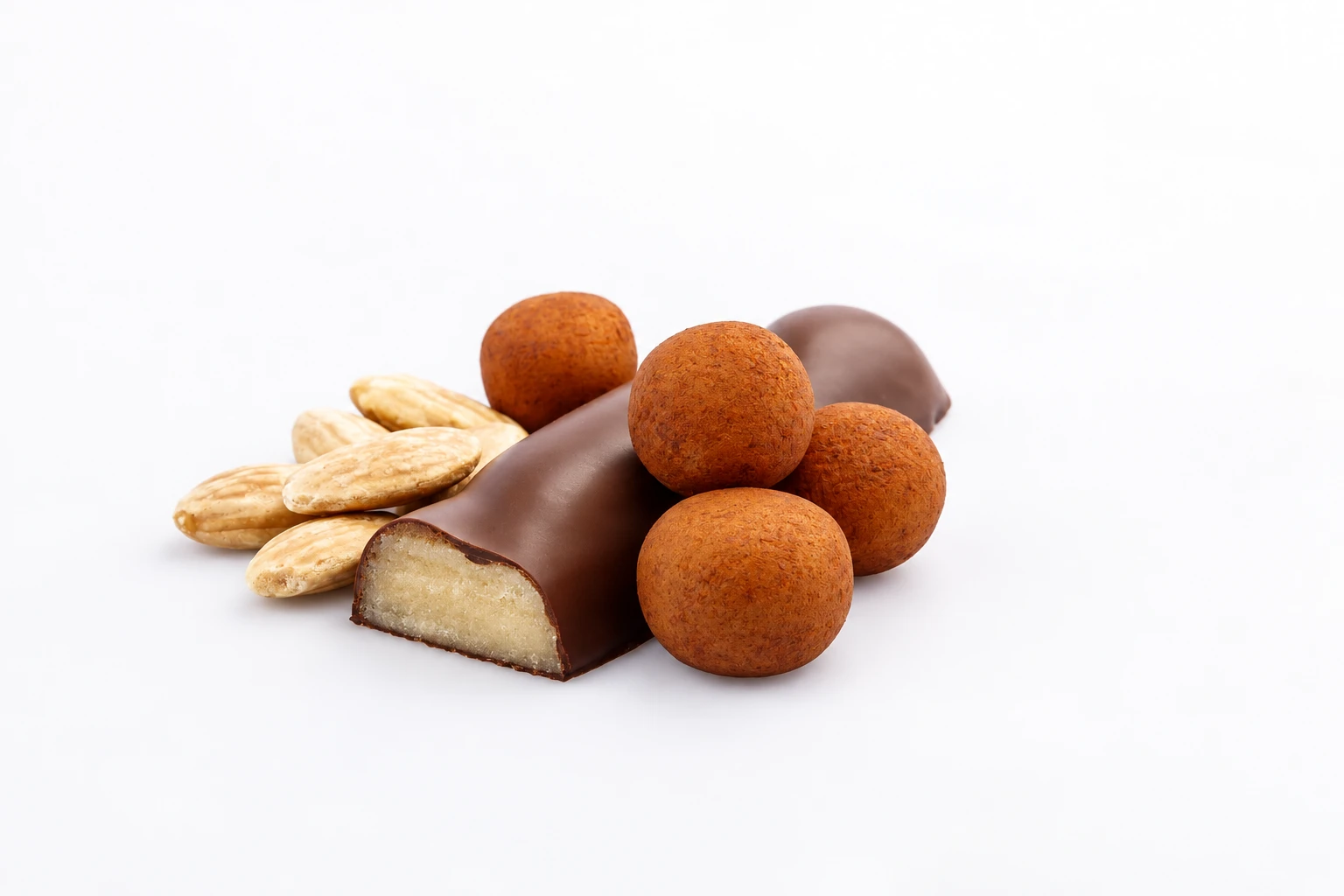
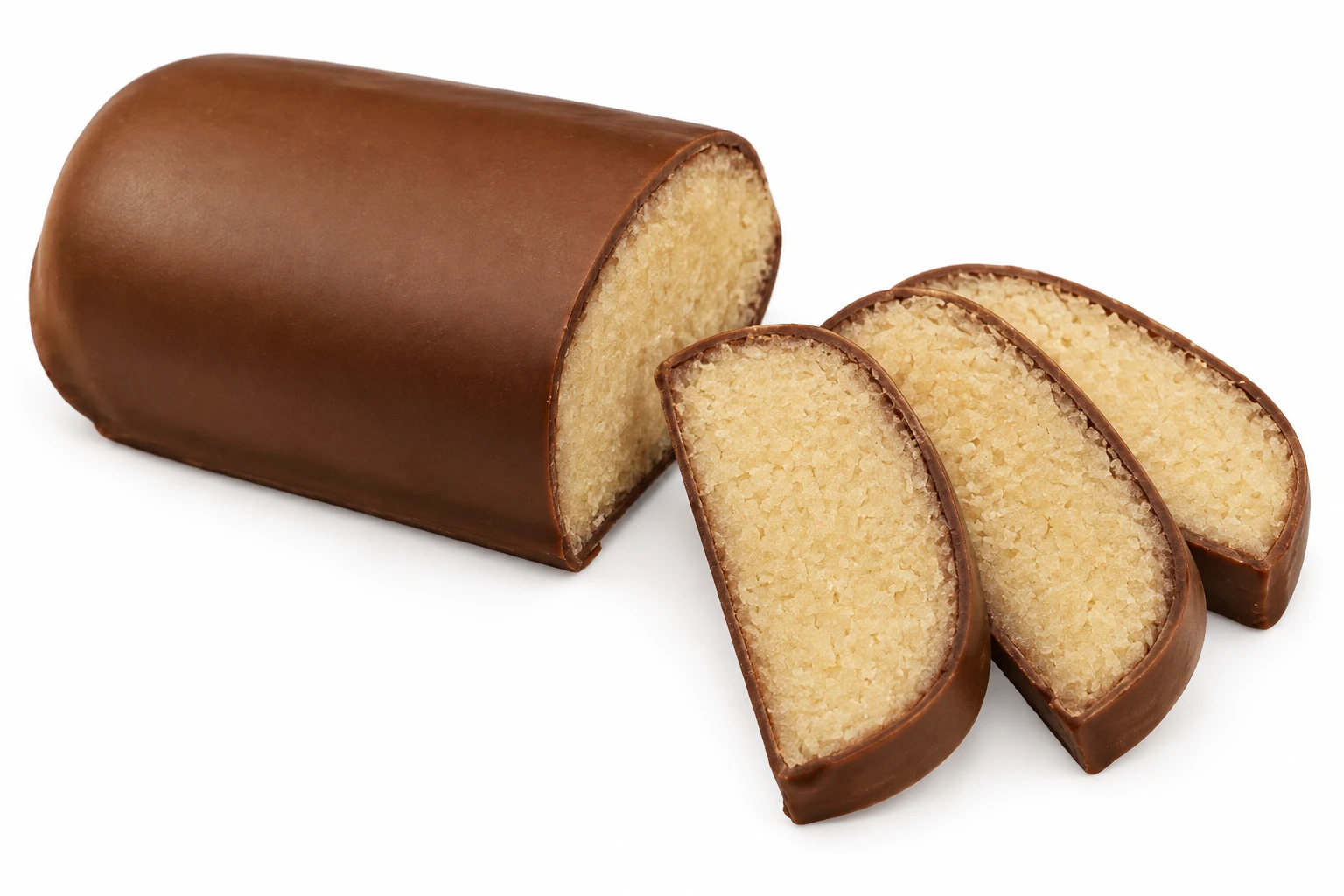
Lübecker Marzipan is the marzipan from the Hanseatic city of Lübeck in northern Germany. Like all marzipan, it starts from an almond paste made of ground almonds and sugar, the Marzipanrohmasse. What sets it apart is the proportion: in Lübecker Marzipan, at least 70% is that almond paste and at most 30% is added sugar. In Lübecker Edelmarzipan the rule is even stricter, with 90% paste and only 10% sugar. The less sugar, the stronger the almond flavor.
The name is a protected geographical indication of the European Union and may only be used for marzipan made in Lübeck and parts of the neighboring towns of Bad Schwartau and Stockelsdorf. An association of Lübeck manufacturers, founded in 1974, oversees the protection. The specification notes that the region became a center of quality marzipan production in the 19th century, with a tradition of more than a hundred years preserved by current producers.
Marzipan was not invented in Lübeck. The mixture of almonds and sugar originated in the East and came to Europe via trade. In Lübeck there is a legend that, in a time of famine, flour ran out and bakers made bread with the almonds stored in warehouses. It is a city story without documentary proof.
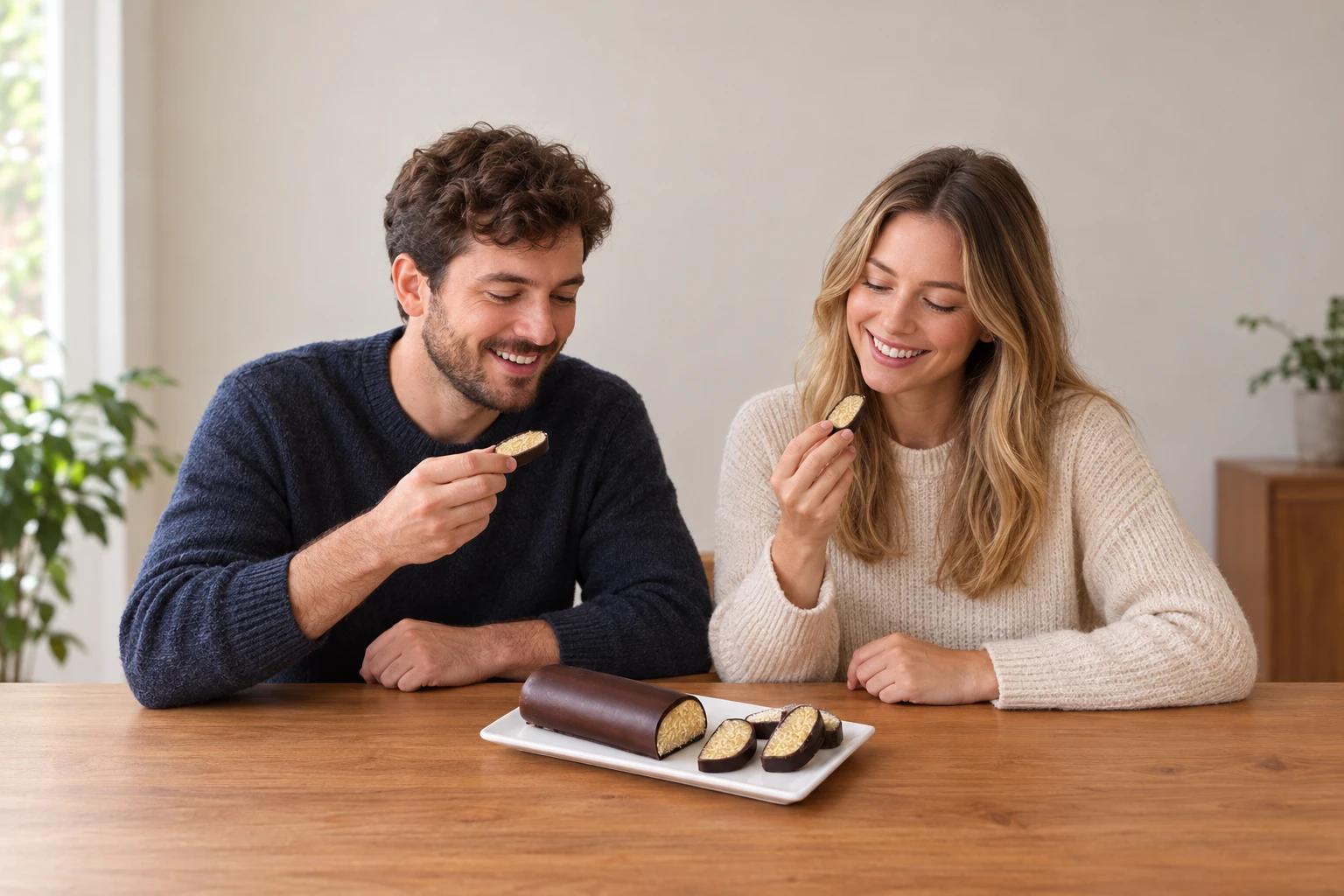
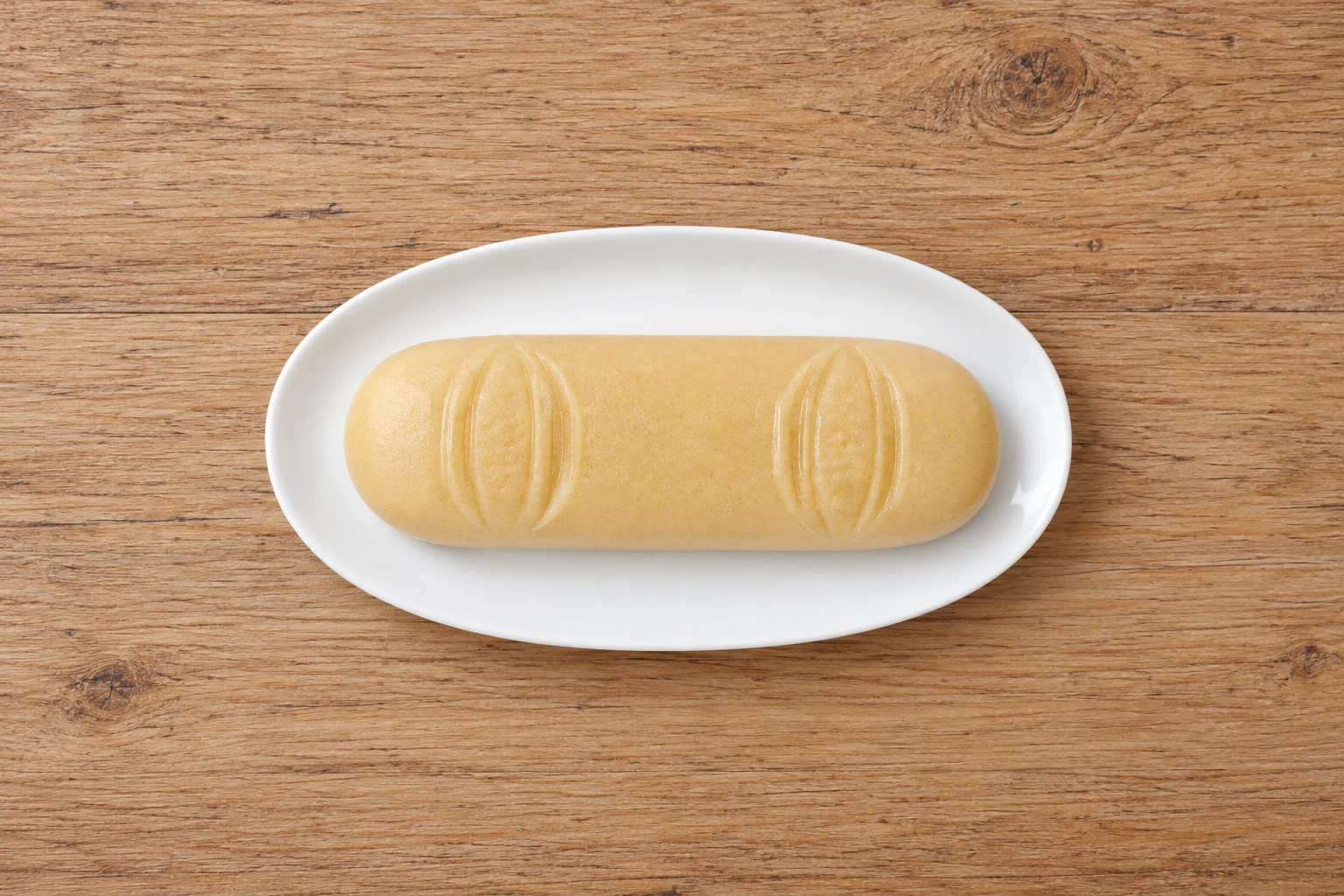
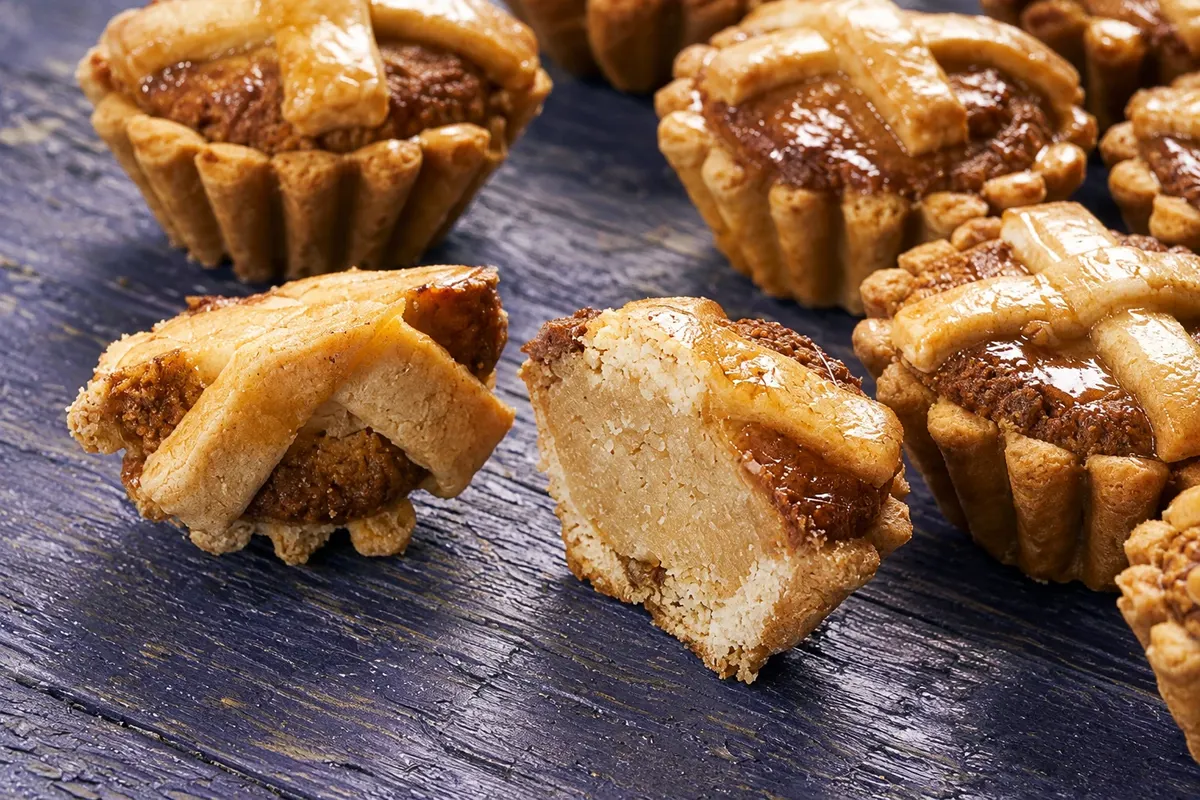
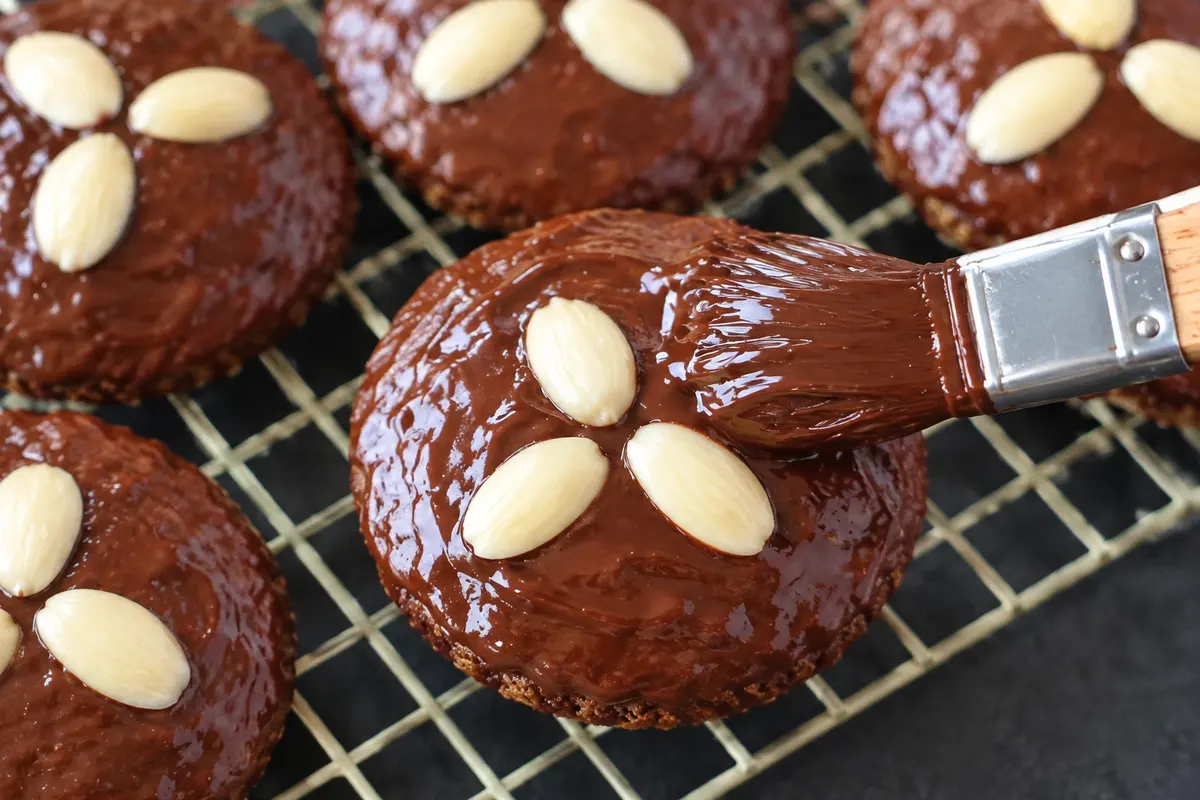
Marzipan appears in many forms: bars covered in chocolate, small loaves, marzipan “potatoes” dusted with cinnamon, and figures of fruits and animals, especially at Christmas. In Lübeck’s old town, a UNESCO World Heritage site, there are shops and cafés dedicated to marzipan, some with small museums about the sweet’s history.


 Brazil
 Argentina
 Bolivia
 Chile
 Colombia
 Ecuador
 Guyana
 French Guiana
 Falkland Islands (Malvinas)
 Paraguay
 Peru
 Suriname
 Uruguay
 Venezuela
 Austria
 Belgium
 Croatia
 Denmark
 Spain
 Finland
 France
 Greece
 the Netherlands
 Hungary
 Ireland
 Iceland
 Italy
 Luxembourg
 Norway
 Poland
 Portugal
 the United Kingdom
 the Czech Republic
 Sweden
 Switzerland
 Turkey
 the United States
 Mexico
 the Dominican Republic
 South Africa
 Australia
 Fiji