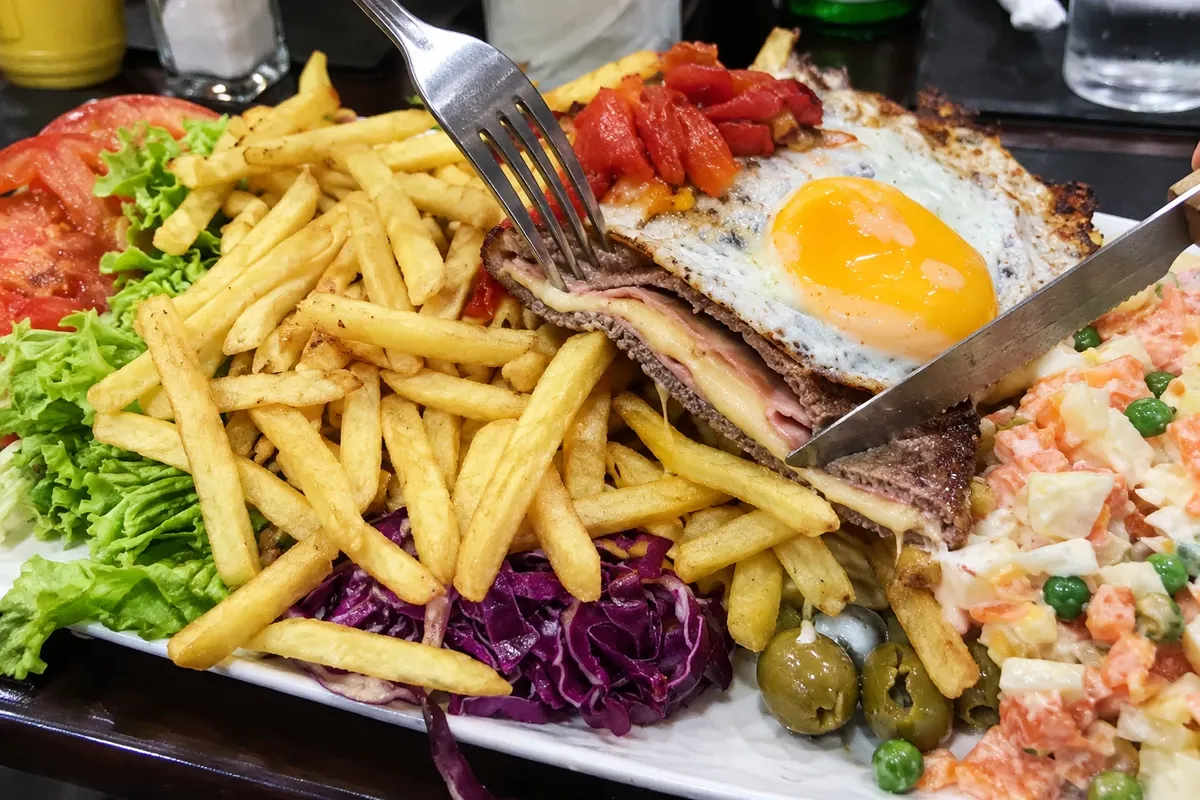
Asado
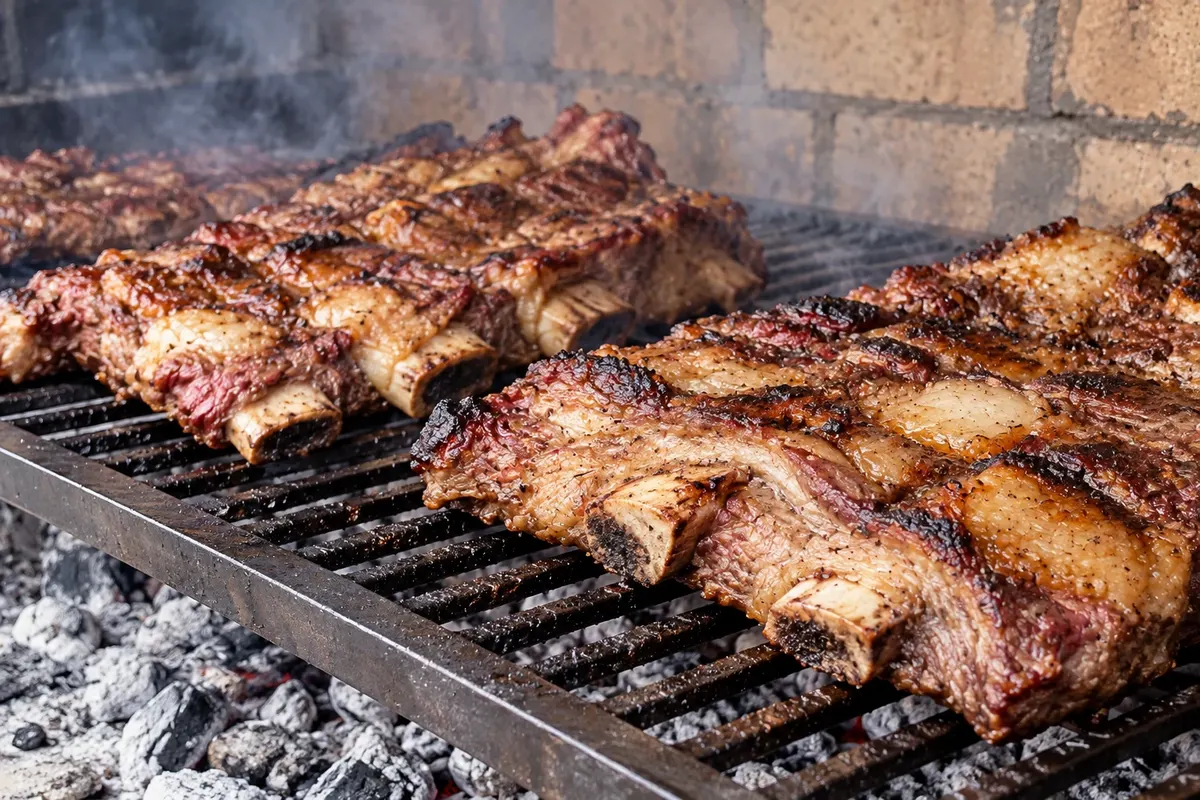
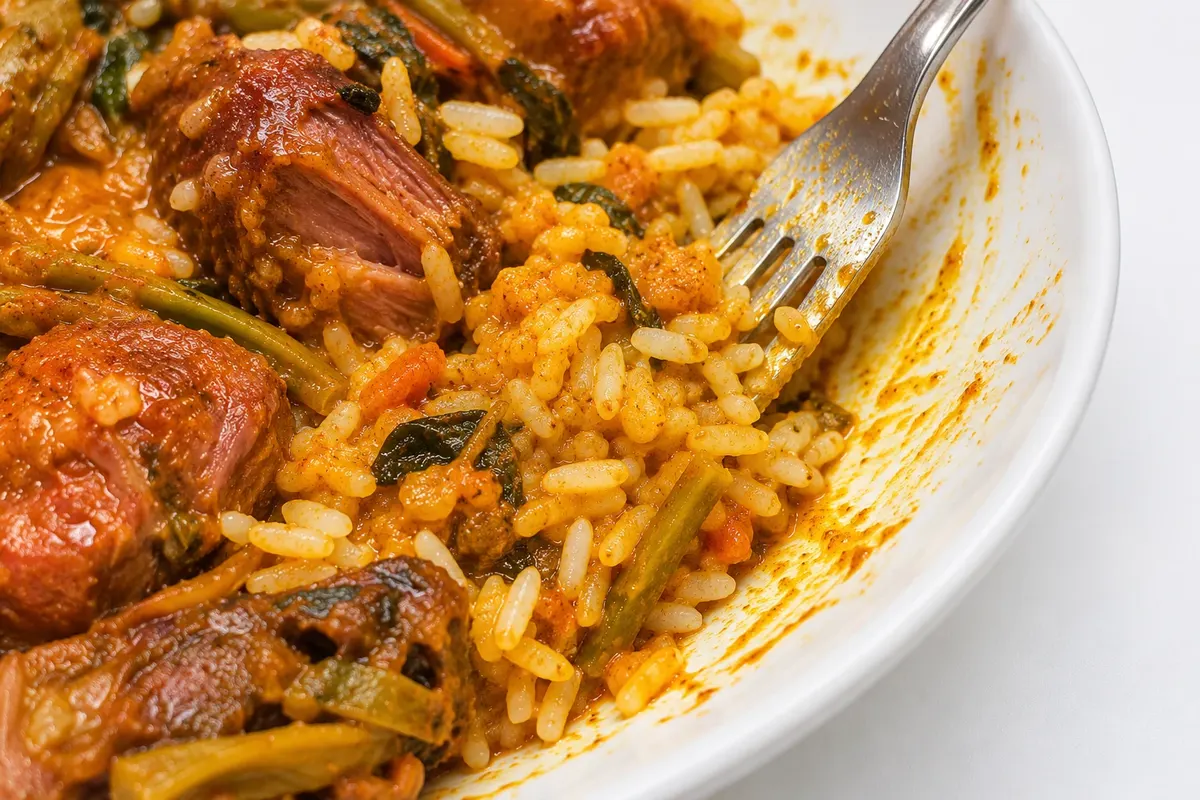
Beef and pork cuts, sausages and offal slowly roasted over embers, on a grate or on a cross. More than a dish, it’s a gathering around the fire led by the asador, and it bears the seal of Argentina’s cultural, food and gastronomic heritage.
Antarctica
Traditional food · Argentina
From the salteña empanada to the tucumana, from Cafayate Torrontés to Luján de Cuyo Malbec, from porteña pizza to Chubut’s Welsh black cake: dishes, sweets and drinks tied to Argentina’s cities and provinces.
In the photo: Glaciar Perito Moreno, El Calafate (Santa Cruz)
Illustrative images. The pictures in this guide are illustrations based on the real place, not photographs, and may differ from it.
The cuisine
Argentine cuisine varies a lot across the country. In the northwest, in the Andean provinces of Salta, Jujuy and Tucumán, corn, potato, squash and stewed meats show Andean and criollo roots, and the empanada has its own recipe in each place. In Cuyo, at the foot of the mountain range, the irrigated oases concentrate much of the country’s vineyards. On the northeastern coast, near Paraguay and Brazil, Guarani heritage appears in cassava, simple pastas and yerba mate. In Patagonia, immigrant communities left recipes that became a regional identity.
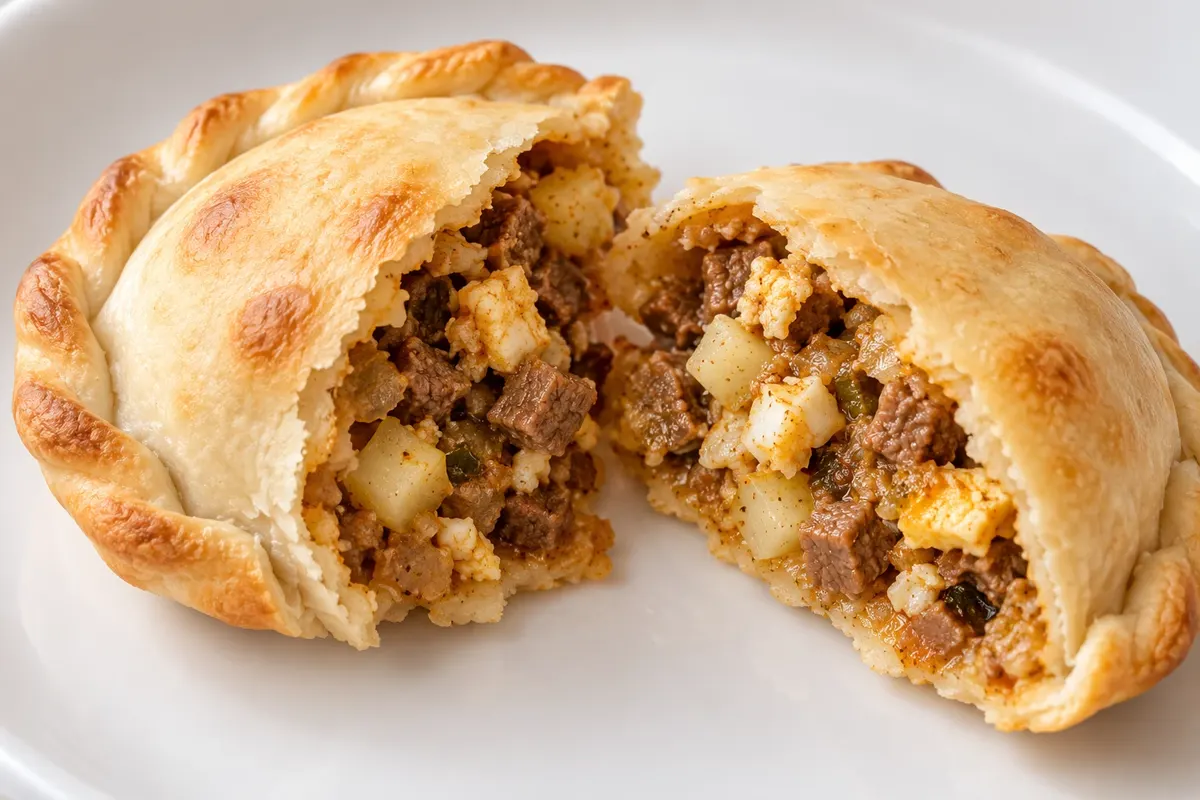
The empanada is a good example of this variety. Empanadas are eaten in almost the whole country, but the salteña includes potato and hand-cut meat, while the tucumana uses matambre and does not accept potato or olive. Each province defends its own, with contests, festivals and judging rules.
Wine is part of the culture of several provinces. Malbec, a grape of French origin, became the variety most associated with the country, and in Luján de Cuyo, Mendoza, it has the first controlled designation of origin in the Americas. Torrontés is a grape born in Argentina and found one of its best-known expressions in the high valleys of Salta, around Cafayate. Enjoy in moderation.
Immigration is also on the table. The Genoese of La Boca helped create Buenos Aires’ pizza porteña, with a thick crust and lots of cheese. The Welsh settlers who arrived in Chubut in 1865 originated the Welsh black cake, served at the tea houses of the valley. In Córdoba, the alfajor gained icing and fruit jam filling; in Misiones, the reviro fed workers in the yerba plantations.
Each specialty here is linked to a city or a province that represents it. That does not mean it is only eaten there: many have spread across the country. Asado, dulce de leche and mate, for example, are found throughout the territory and do not belong to a single place. Each specialty’s page explains its relation to the place, the ingredients and how it is served.

11 flavors

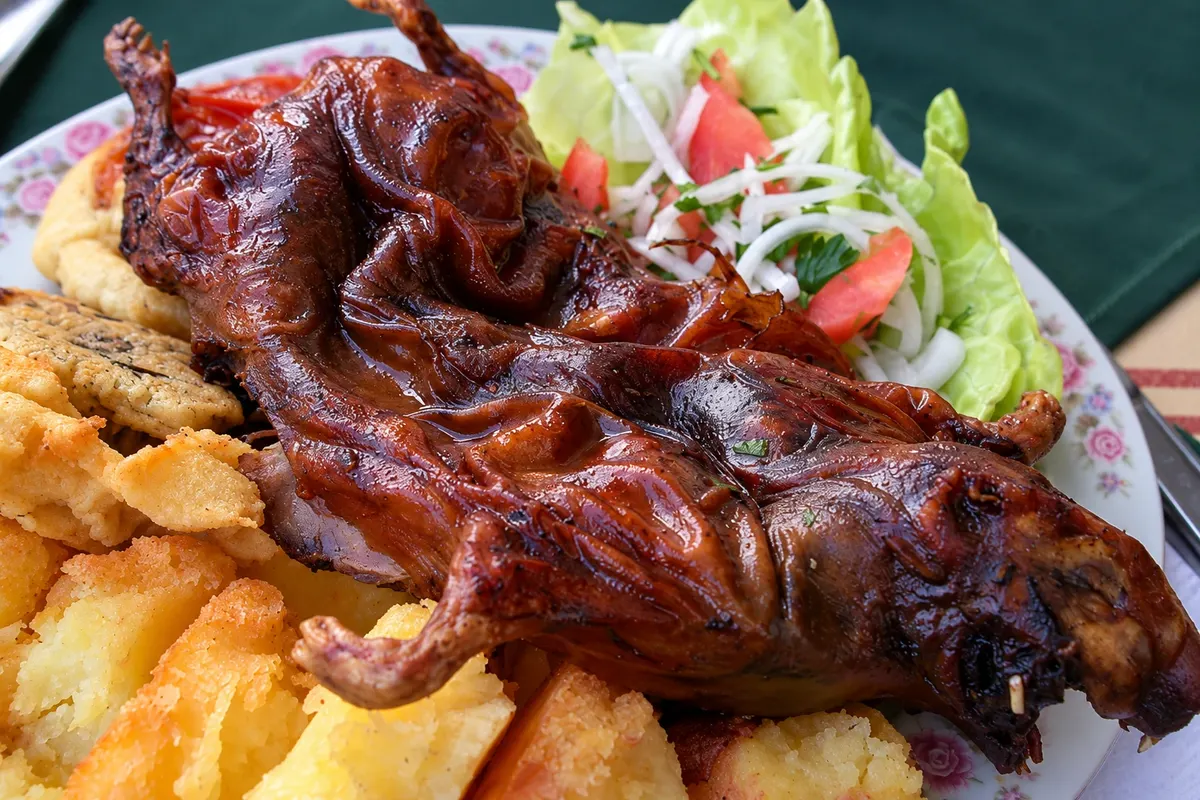
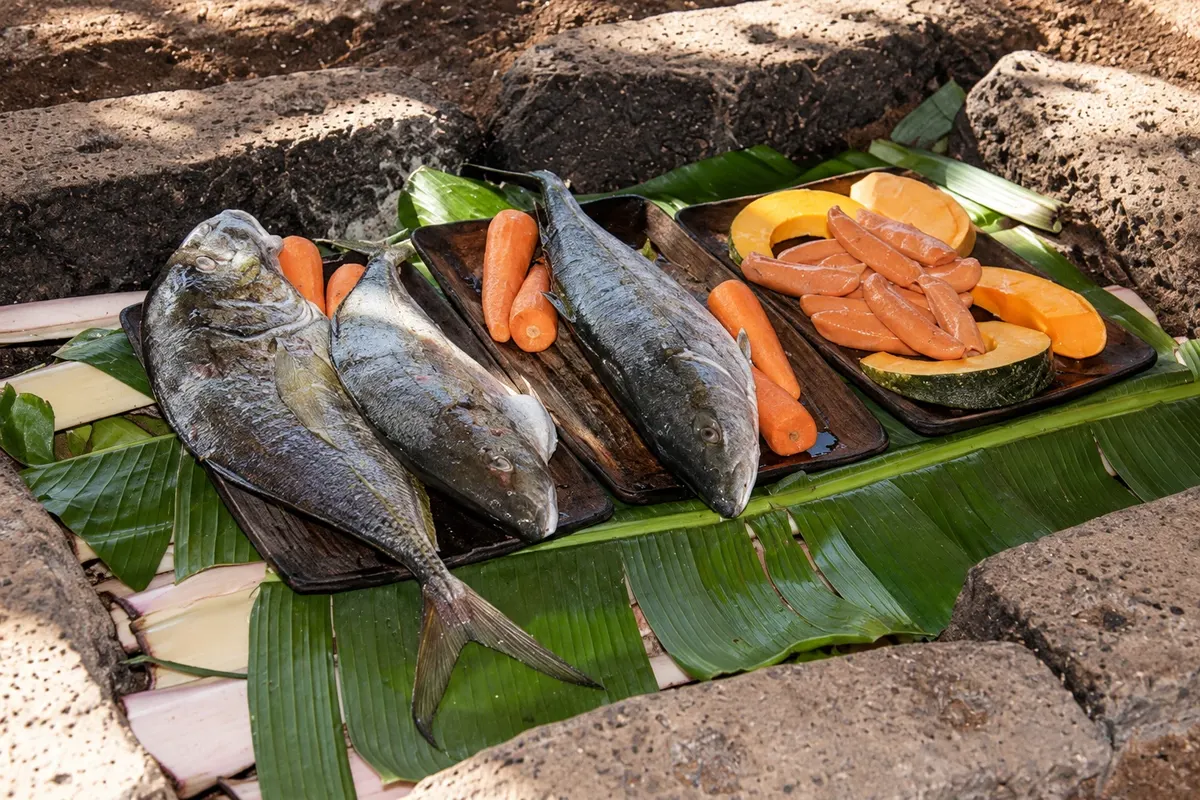
Beef and pork cuts, sausages and offal slowly roasted over embers, on a grate or on a cross. More than a dish, it’s a gathering around the fire led by the asador, and it bears the seal of Argentina’s cultural, food and gastronomic heritage.

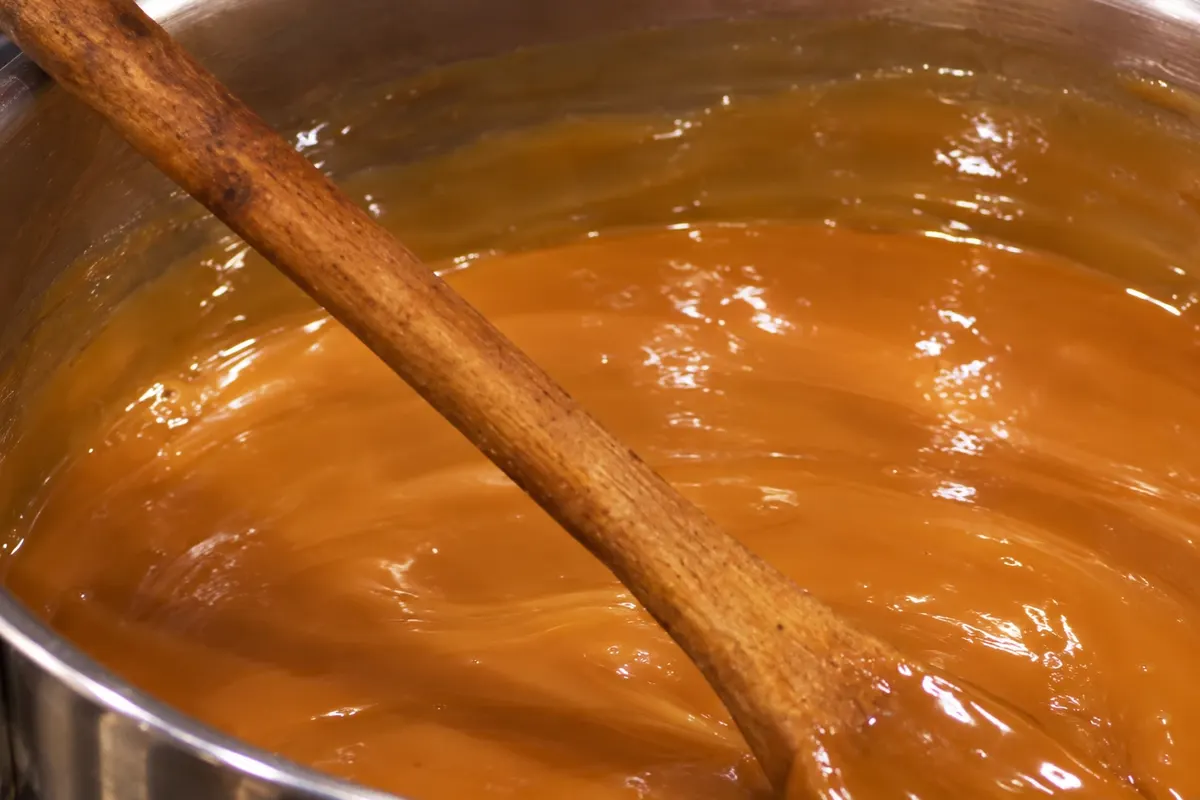
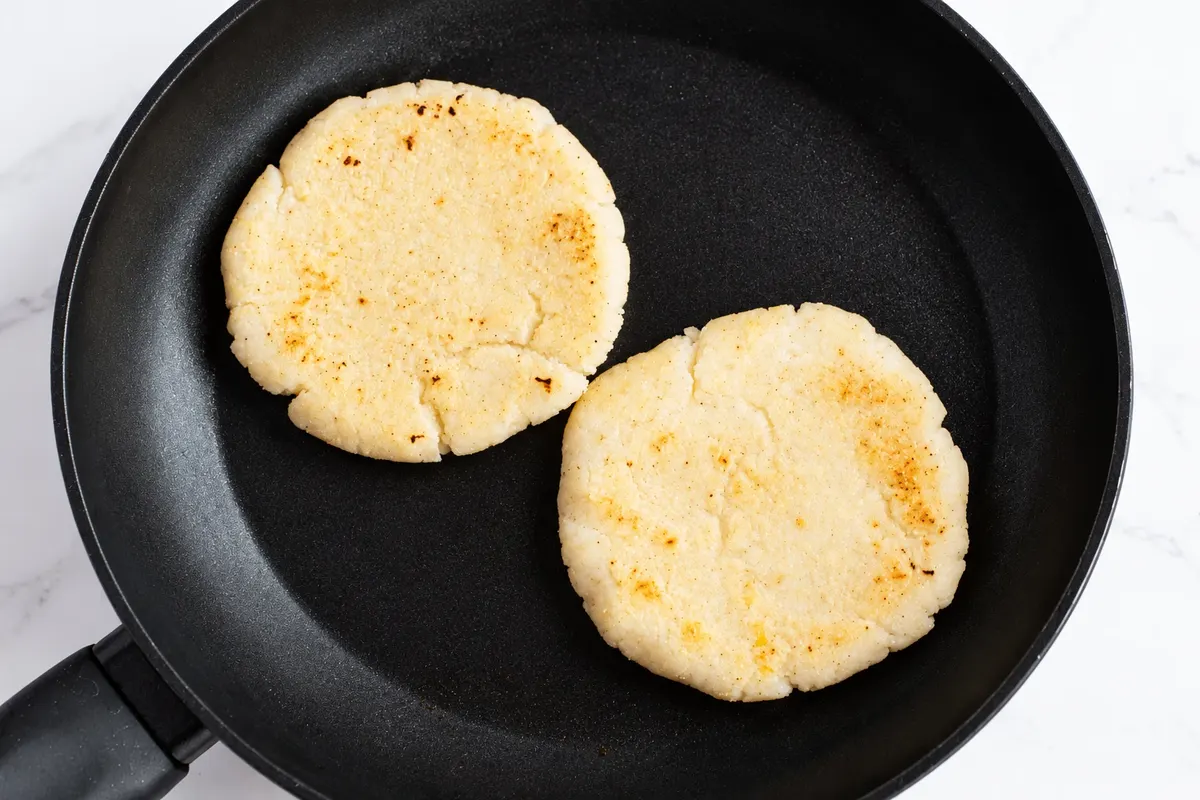
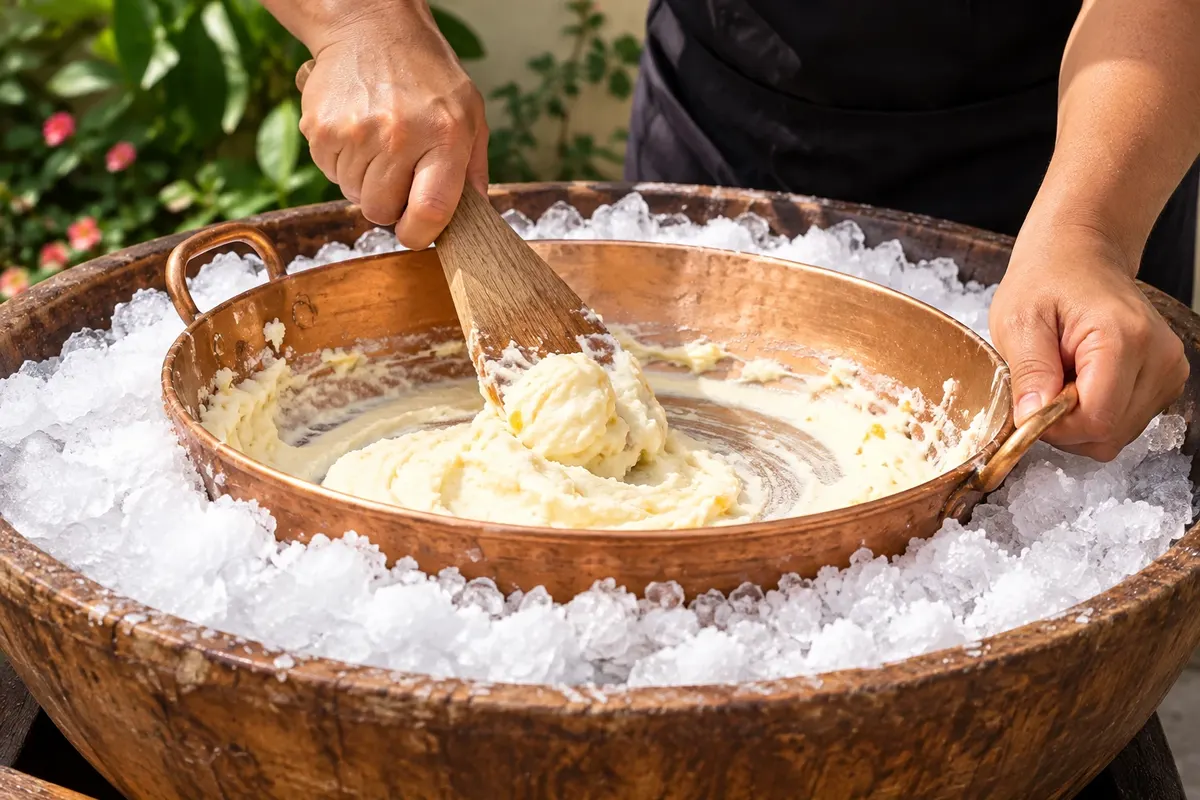
Milk and sugar cooked slowly while stirring until they form a thick, caramel-colored cream. In Argentina it fills alfajores, pancakes and cakes and is spread on bread at breakfast; the country recognizes it as culinary and food heritage and Uruguay also claims it as its own.

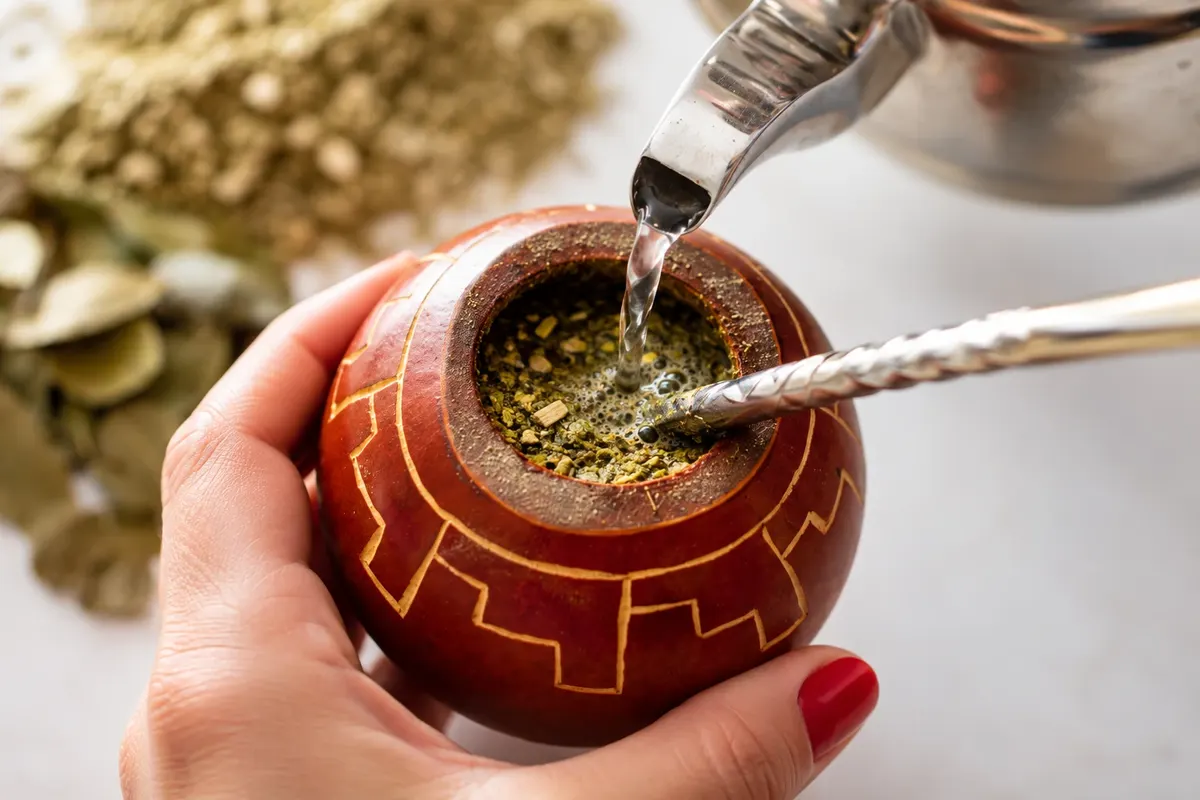
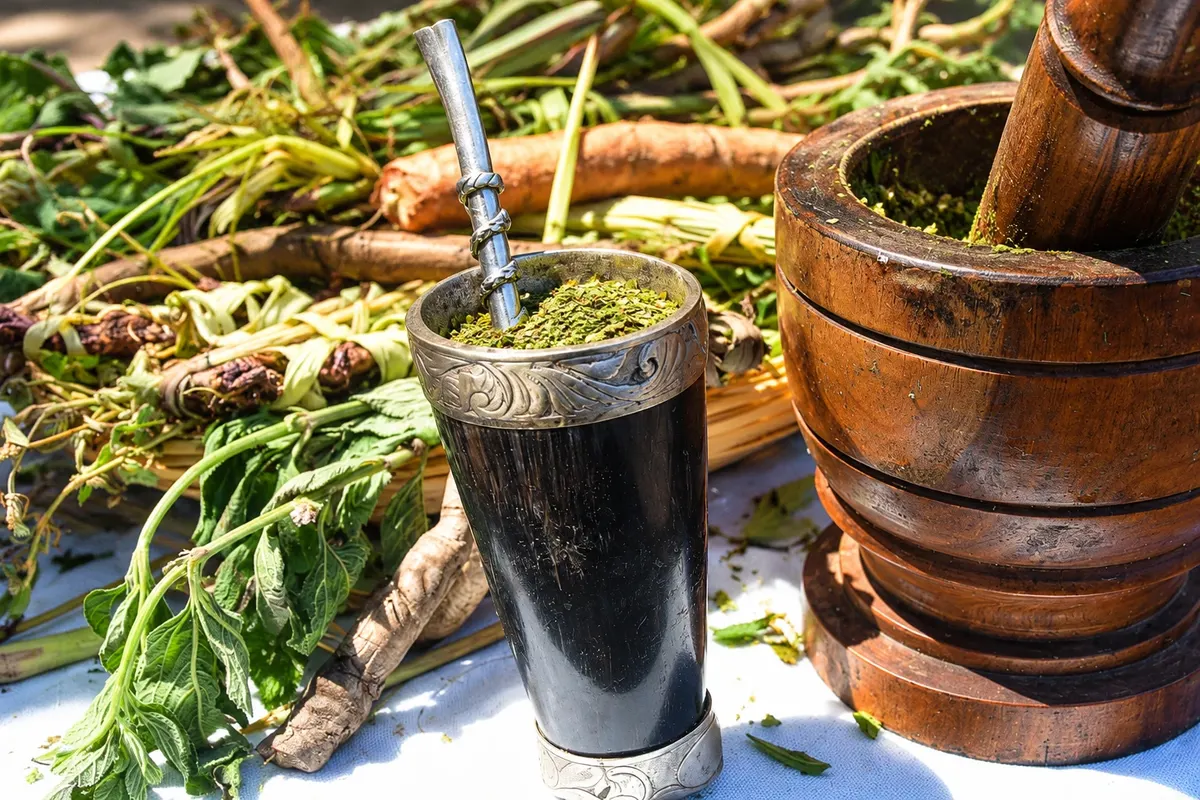
Infusion of yerba mate with hot water, drunk through a bombilla from a container also called a mate and shared in a circle. A 2013 law declared it Argentina’s national infusion, and November 30 is National Mate Day.

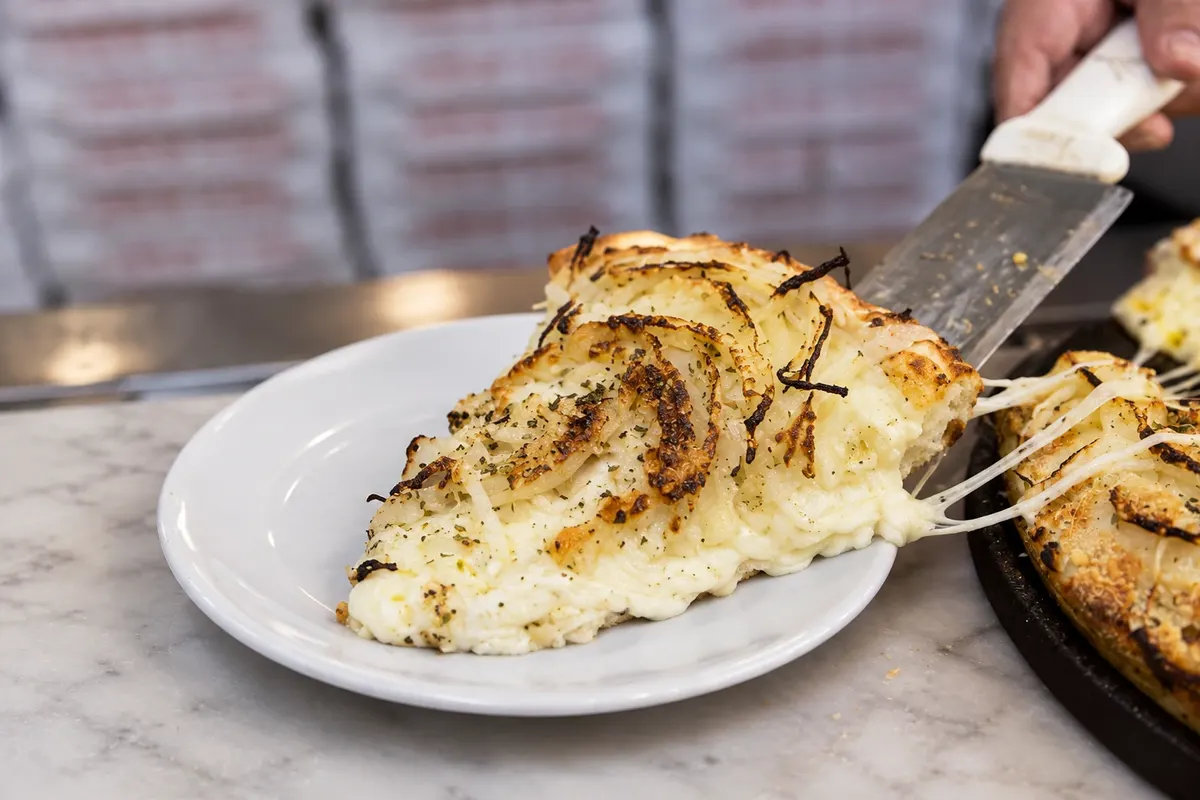
The Buenos Aires pizza: thick dough baked in a pan, topped with plenty of mozzarella and eaten in portions, often standing at the counter. It includes the fugazzeta, filled with cheese and topped with onion, and the fainá made from chickpea flour that accompanies it.

Aromatic white wine from a grape born in Argentina, with floral and fruity aroma. In the high vineyards of the Cafayate valley, in Salta, it has one of its best-known expressions and an annual week of celebrations.

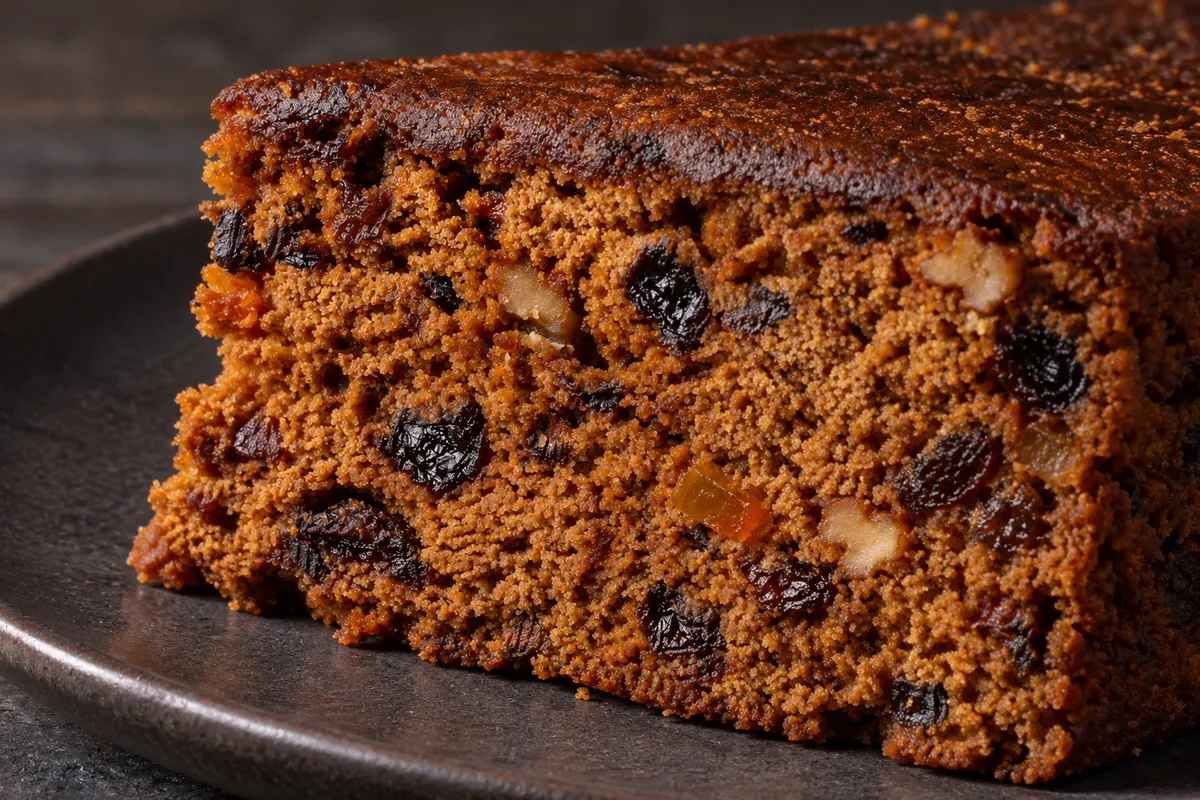
Dark, dense cake fragrant with dried fruit, nuts, brown sugar and spices — a legacy of the Welsh settlers who arrived in Chubut in 1865. It is the centerpiece of the Welsh tea and can be kept for a long time.

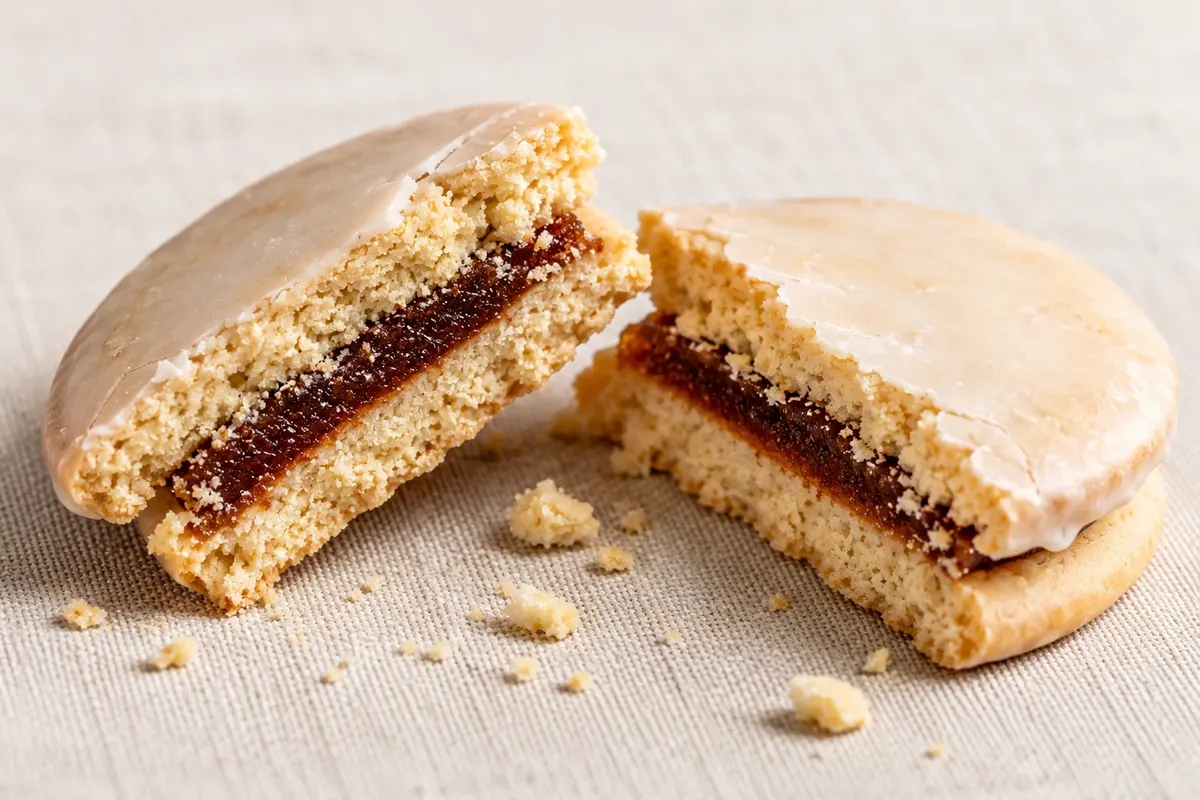
Alfajor from the province of Córdoba, with a soft dough made with honey, filled with fruit jam such as quince or pear, or with dulce de leche, and covered by a thin layer of white icing, without chocolate.

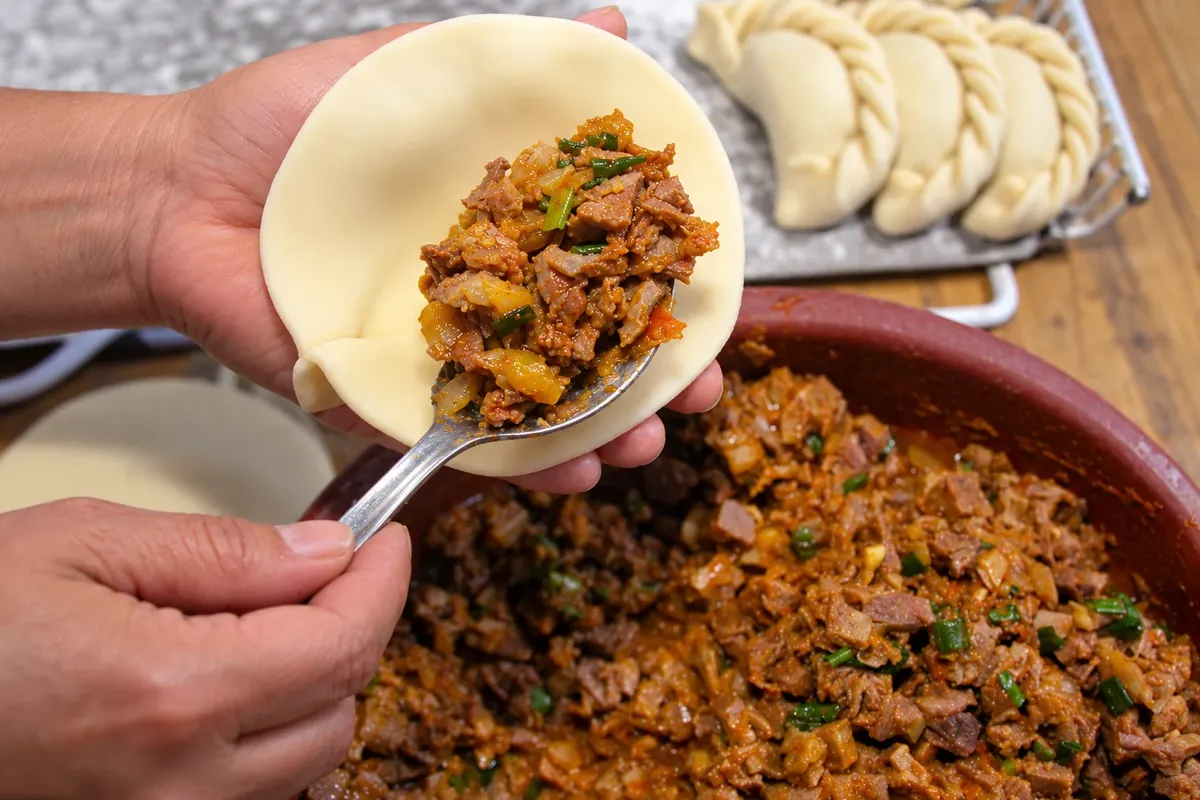
Tucumán empanada filled with matambre cut with a knife, cooked in broth, with onion, scallion, hard‑boiled egg, cumin and paprika, without potato or olive. Famaillá, the National Capital of the Empanada, hosts the festival and the national contest.

Malbec red wine from the old vineyards of Luján de Cuyo, in Mendoza, protected by the Denominación de Origen Controlada Luján de Cuyo, considered the first of the Americas, with rules on grape variety, alcohol content and aging.

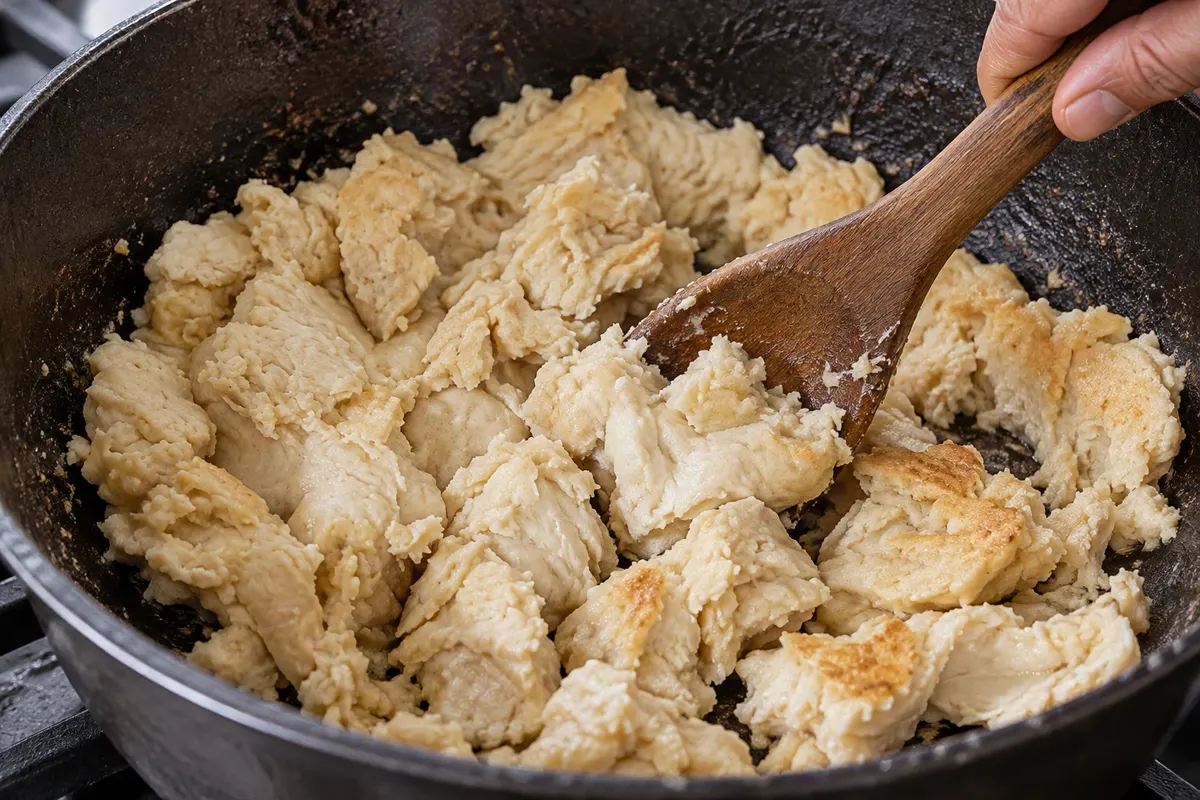
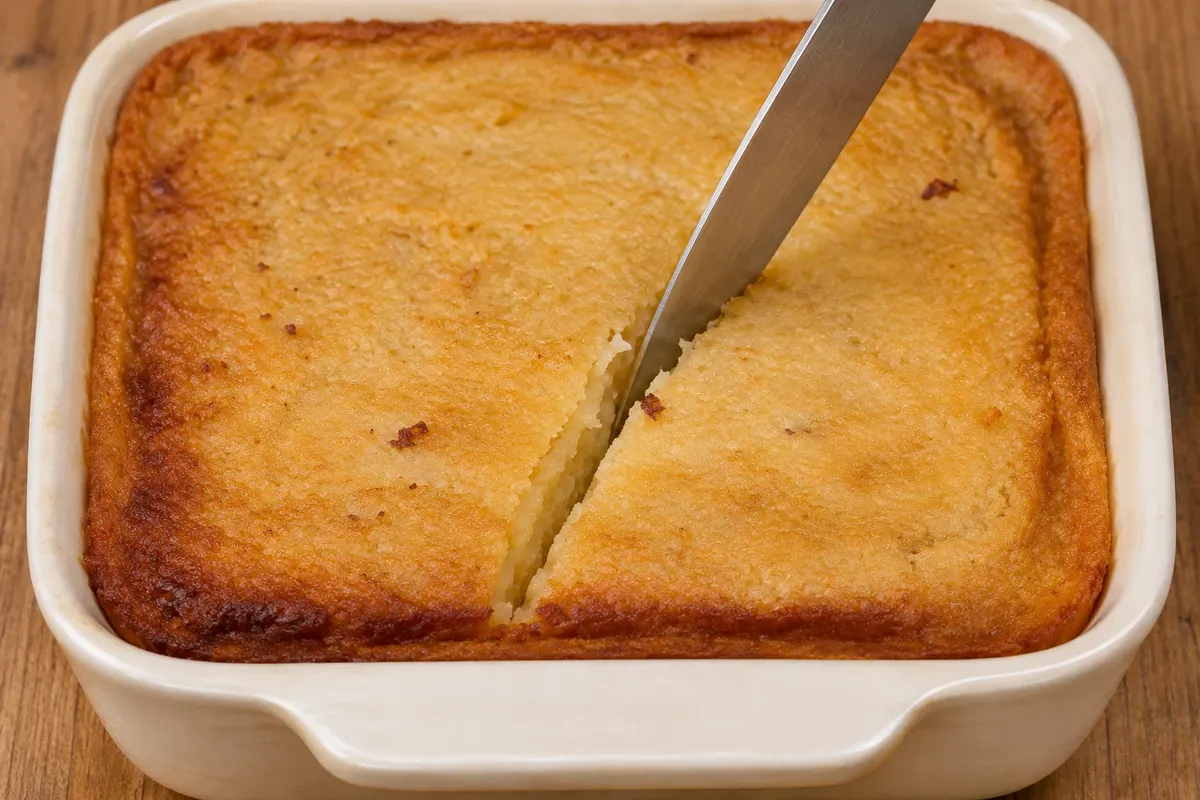
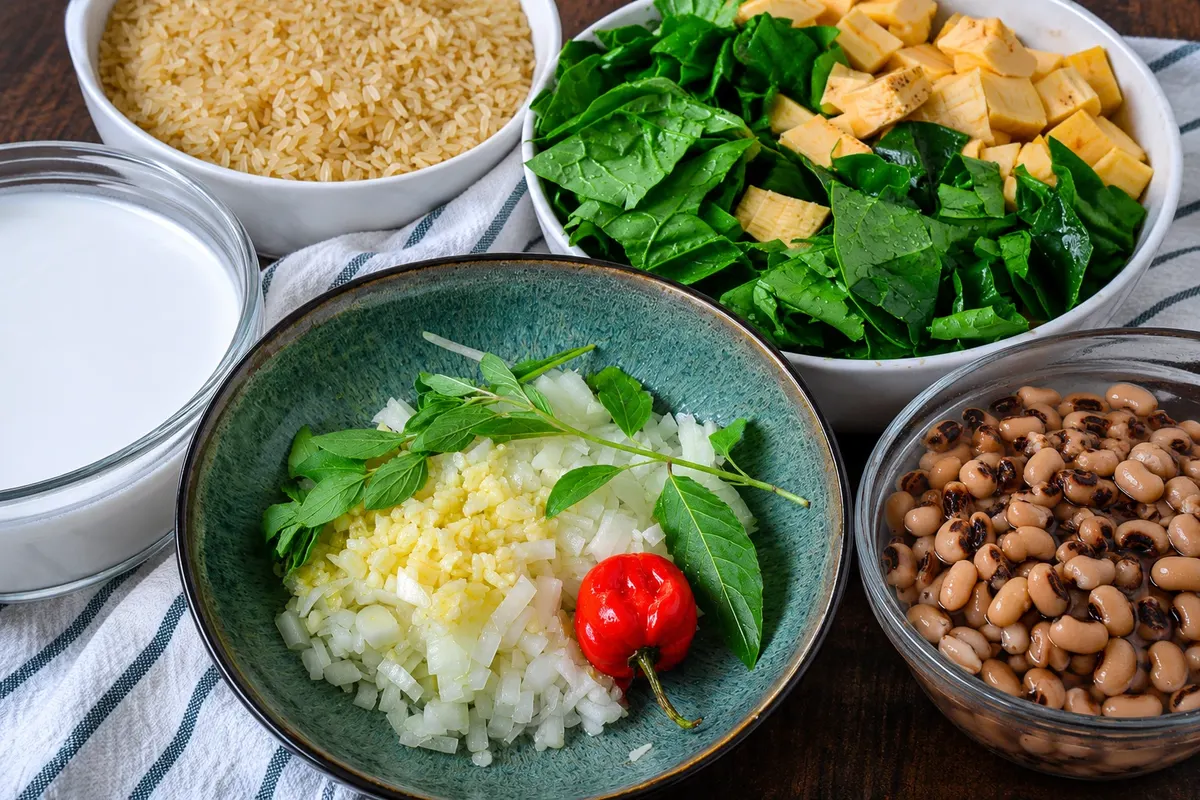
A simple dish from Misiones, made of flour, water and salt, sometimes with egg, stirred in the pot until it becomes a crumbly mass. It was born in the province’s yerba mate plantations, among the yerba-mate workers, and is eaten with mate cocido at breakfast.

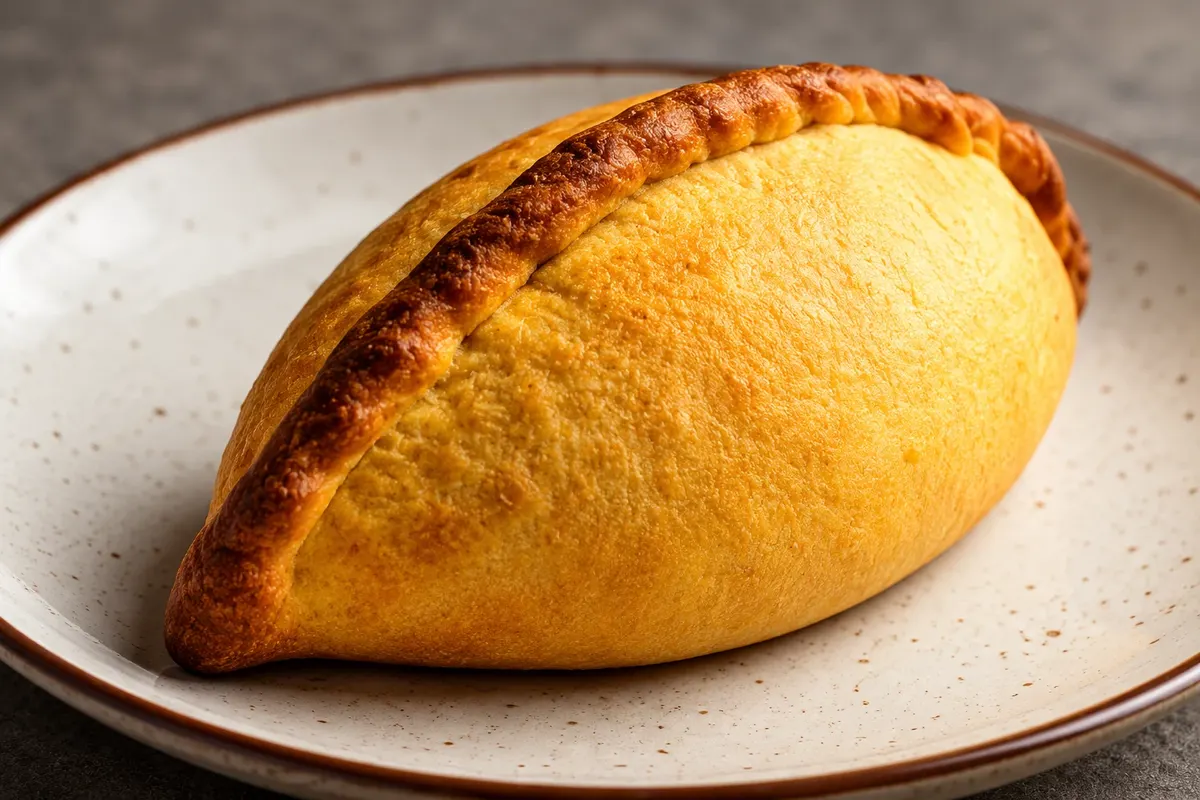
Small, very juicy empanada from Salta, filled with knife-cut beef in small cubes, potato, scallion, hard‑boiled egg, paprika and cumin, preferably baked in a clay oven and served very hot, with spicy sauce on the side.
Suggest a traditional dish, sweet or drink of Argentina that is not here. We check the sources before adding it.
Flavors of the countries
Pick a country to see its traditional dishes, sweets and drinks.
Your questions
The salteña is small, contains meat cut by knife into small cubes, potato, scallion and egg, and is usually baked in a clay oven. The tucumana includes matambre cut by knife, cooked in broth, onion, scallion and egg, without potato or olive, and can be baked or fried.
Malbec, a red that became the wine most associated with the country, especially in Mendoza; and Torrontés, an aromatic white from a grape born in Argentina, closely linked to the high valleys of Salta around Cafayate. Enjoy in moderation.
It is the custom brought by Welsh settlers who arrived in Chubut in 1865: tea served with breads, sweets and the Welsh black cake. Today it is offered in tearooms in towns such as Gaiman and Trevelin.
Beyond the guide