Dish · Cochabamba
Pique macho
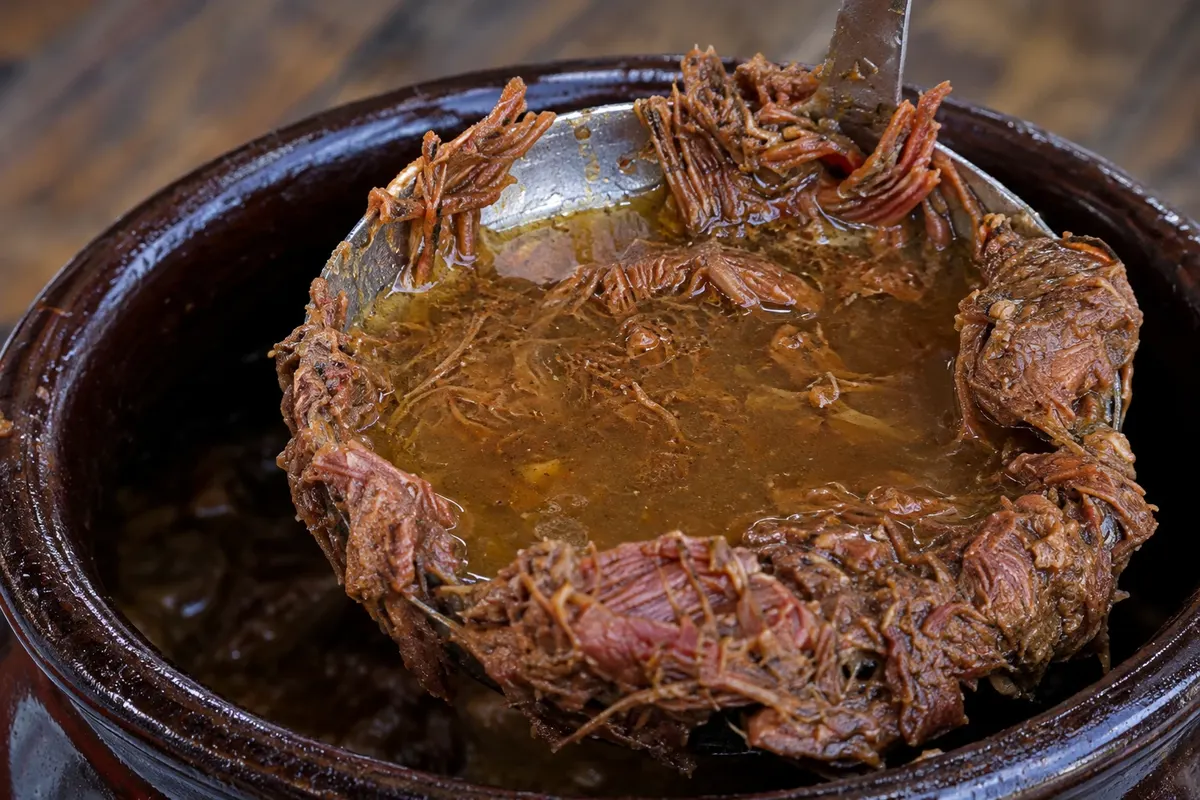
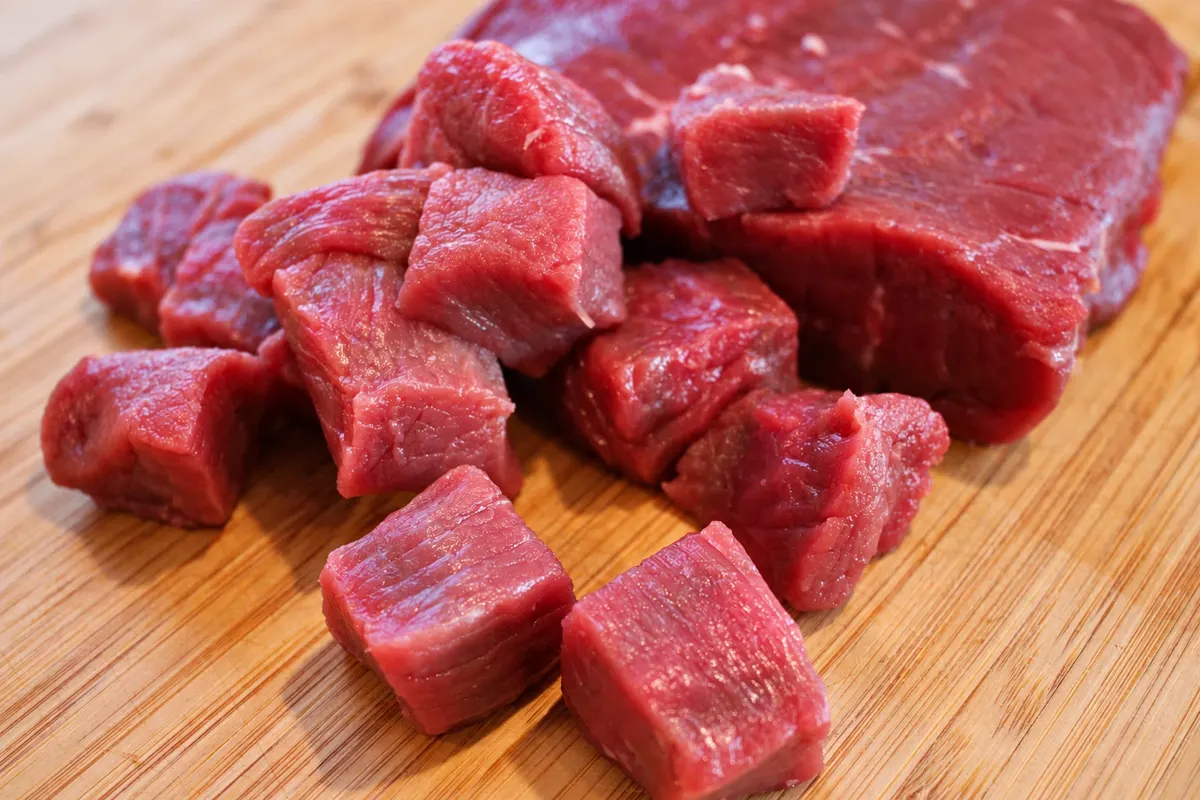
Platter to share, with beef strips, sausage, French fries, onion, tomato, locoto and boiled egg. Created in Cochabamba, it was chosen in 2019 as the department's most representative dish.

 Search
 Brazil
 ArgentinaBolivia
 Chile
 Colombia
 Ecuador
 Guyana
 French Guiana
 Falkland Islands (Malvinas)
 Paraguay
 Peru
 Suriname
 Uruguay
 Venezuela
 Germany
 Austria
 Belgium
 Croatia
 Denmark
 Spain
 Finland
 France
 Greece
 the Netherlands
 Hungary
 Ireland
 Iceland
 Italy
 Luxembourg
 Norway
 Poland
 Portugal
 the United Kingdom
 the Czech Republic
 Sweden
 Switzerland
 Turkey
 the United States
 Mexico
 the Dominican RepublicTurkey
 South Africa
 Australia
 Fiji
Traditional food · Bolivia
Dishes, sweets, and drinks that represent cities and departments of Bolivia, from the high plateau of La Paz and Oruro to the valleys of Cochabamba and Tarija and the Lowlands (Oriente) of Santa Cruz.
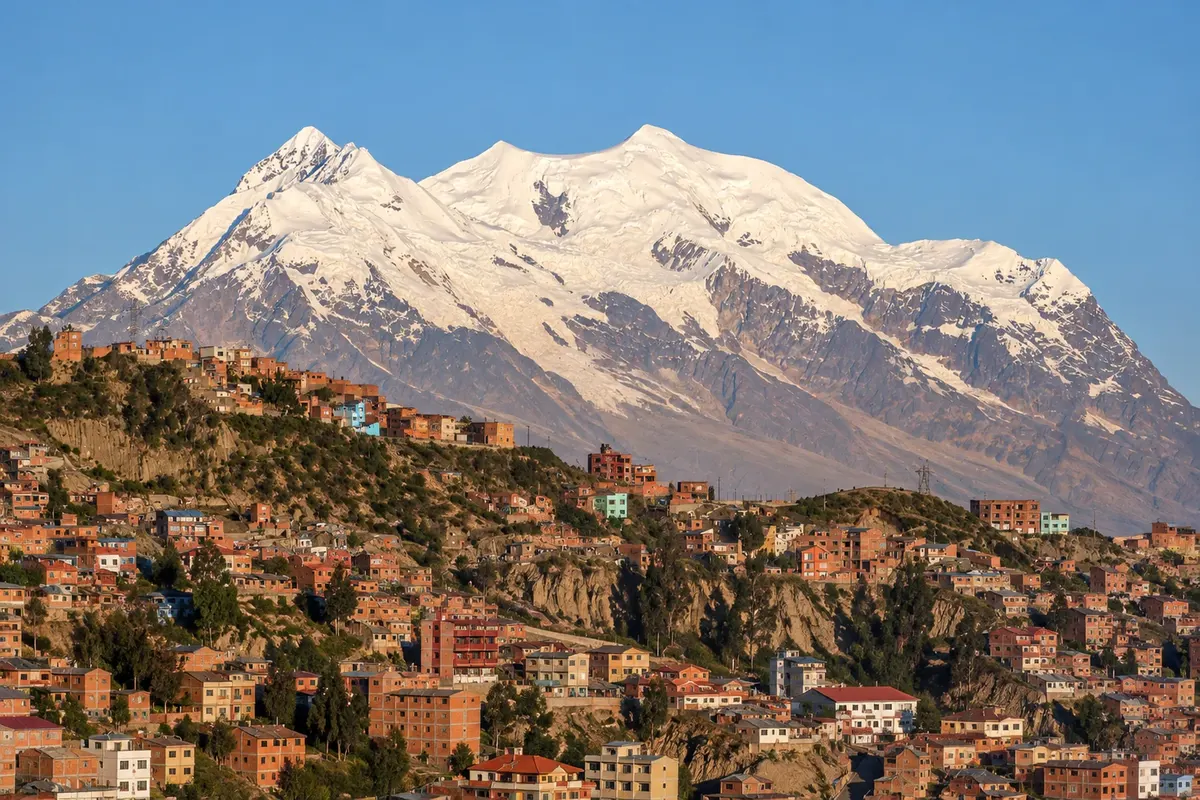
In the photo: La Paz e o Illimani, La Paz
Illustrative images. The pictures in this guide are illustrations based on the real place, not photographs, and may differ from it.

The cuisine
Bolivian cuisine changes with altitude. On the high plateau, above 3,500 meters, the staples are potato in many varieties, chuño (potato dehydrated by freezing), corn, and llama meat. In the valleys, roughly between 1,800 and 2,800 meters, there is more pork and beef, fruits, and ají, the chili that gives color and heat to stews. In the Lowlands (Oriente), in the lowlands, rice, cassava, and plantain appear.
This selection brings together specialties linked to cities and departments by cultural ties, heritage laws, or official choices of flag dishes. In La Paz, the plato paceño and fricasé are part of the traditional gastronomy declared a municipal heritage. In Potosí, k'alapurka is served boiling with a hot stone, and the salteña, the broth-filled empanada eaten mid-morning, has there one of the oldest versions of its history, a claim contested with La Paz.
In Sucre, mondongo chuquisaqueño uses the red ají from the valleys. Cochabamba, known for hearty food, is the city of origin of pique macho and silpancho. In Tarija, saice tarijeño is the city’s flag dish, and the department’s valleys produce singani, the grape spirit with Bolivian denomination of origin. In Oruro, charquekan brings together llama charque, corn, and potato from the altiplano. In the Oriente, majadito is the rice-and-charque dish of cruceña cuisine.
Many dishes are served with llajwa, a spicy sauce of tomato and locoto, an Andean pepper. The association of each specialty with a place is an editorial choice: most are eaten throughout the country, and some have disputed origins between cities.
11 flavors
Platter to share, with beef strips, sausage, French fries, onion, tomato, locoto and boiled egg. Created in Cochabamba, it was chosen in 2019 as the department's most representative dish.
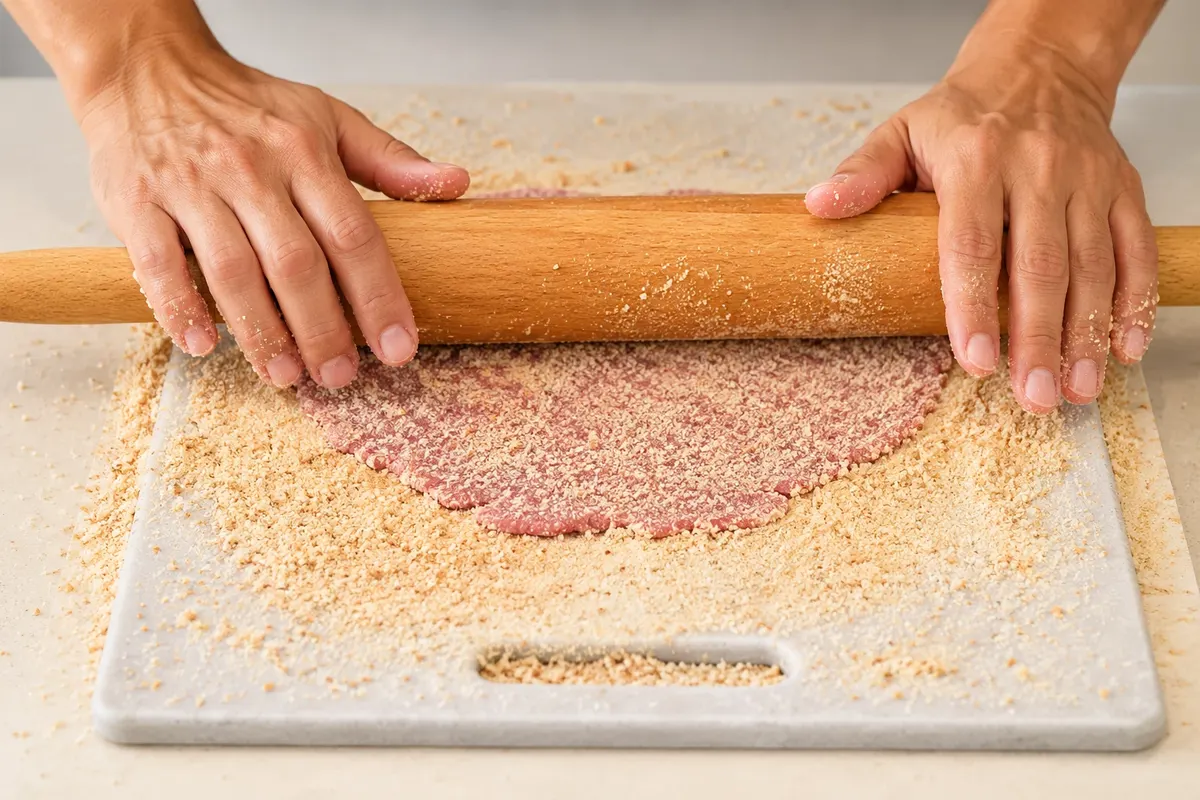
Layered dish from Cochabamba: rice, boiled and fried potato, a very thin breaded steak, fried egg and a salad of onion, tomato and locoto. The name comes from Quechua and means flattened and thin.
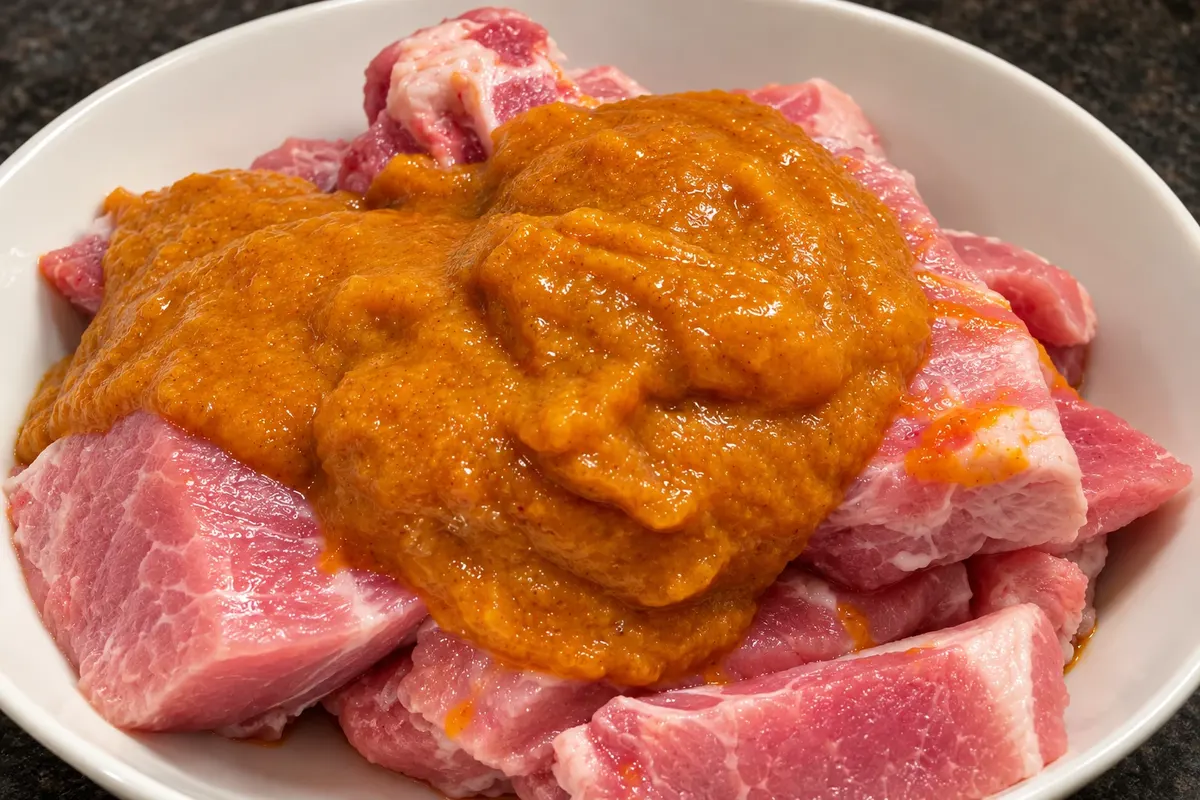
Thick soup from La Paz with pieces of pork cooked in a yellow ají broth, served with mote of white corn and chuño. It is part of the traditional cuisine declared a municipal heritage.
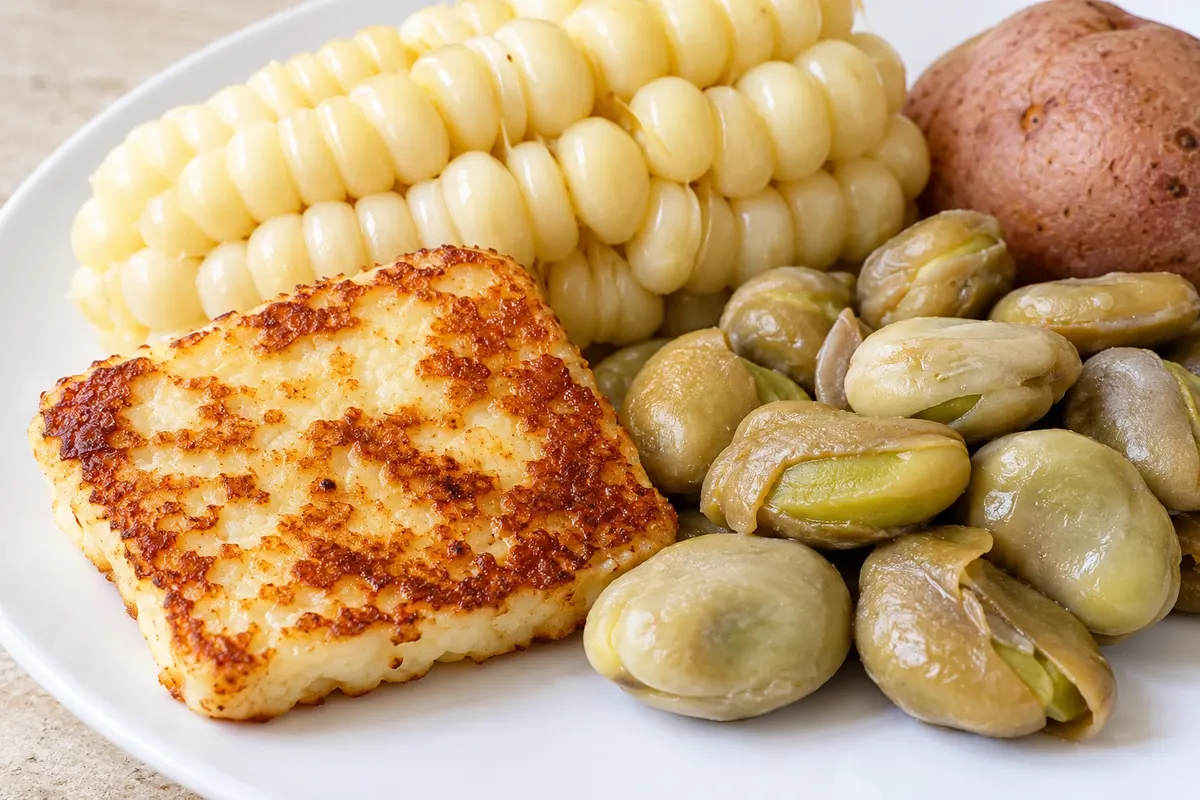
Dish from La Paz with an ear of Andean corn, fava beans in the pod, potatoes and a slice of fried cheese, sometimes with meat, served with llajwa. It is part of the traditional gastronomy declared a municipal heritage.
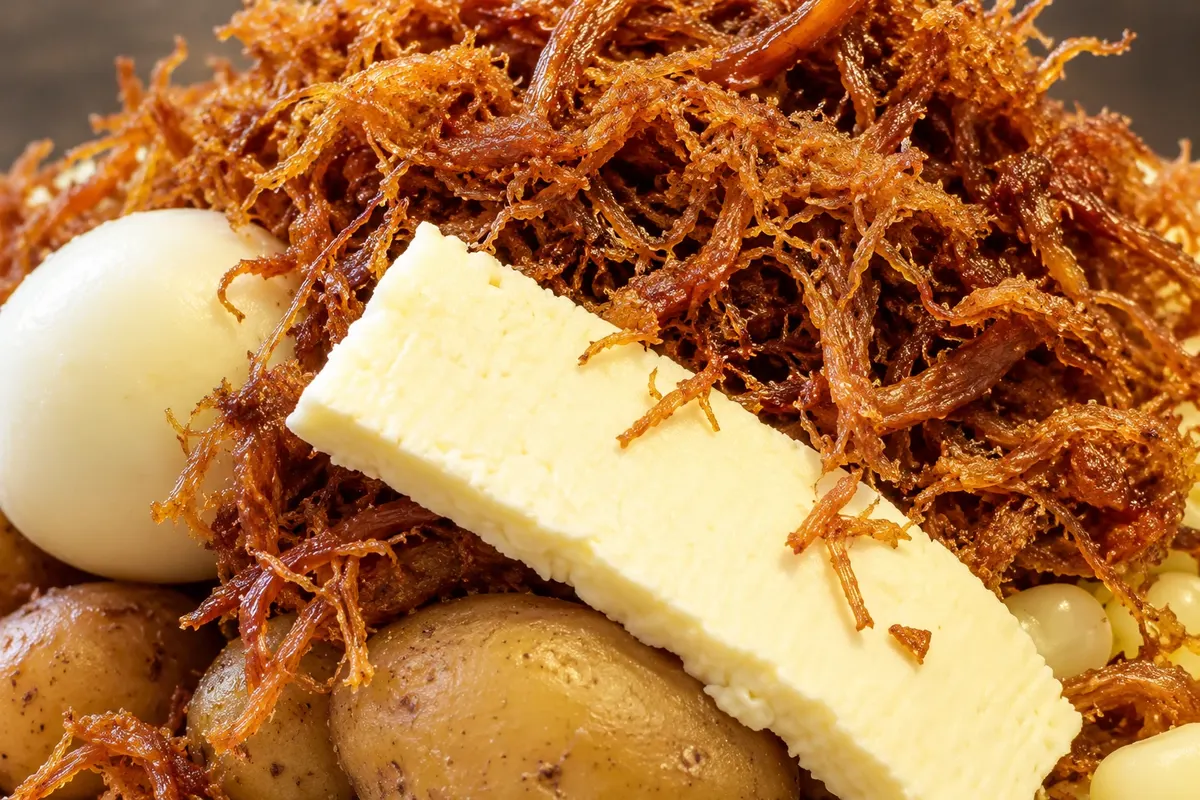
Oruro dish of shredded llama charque fried until crispy, served with mote (corn), potato, hard‑boiled egg, cheese and llajwa. It is a traditional specialty of the city of Oruro.
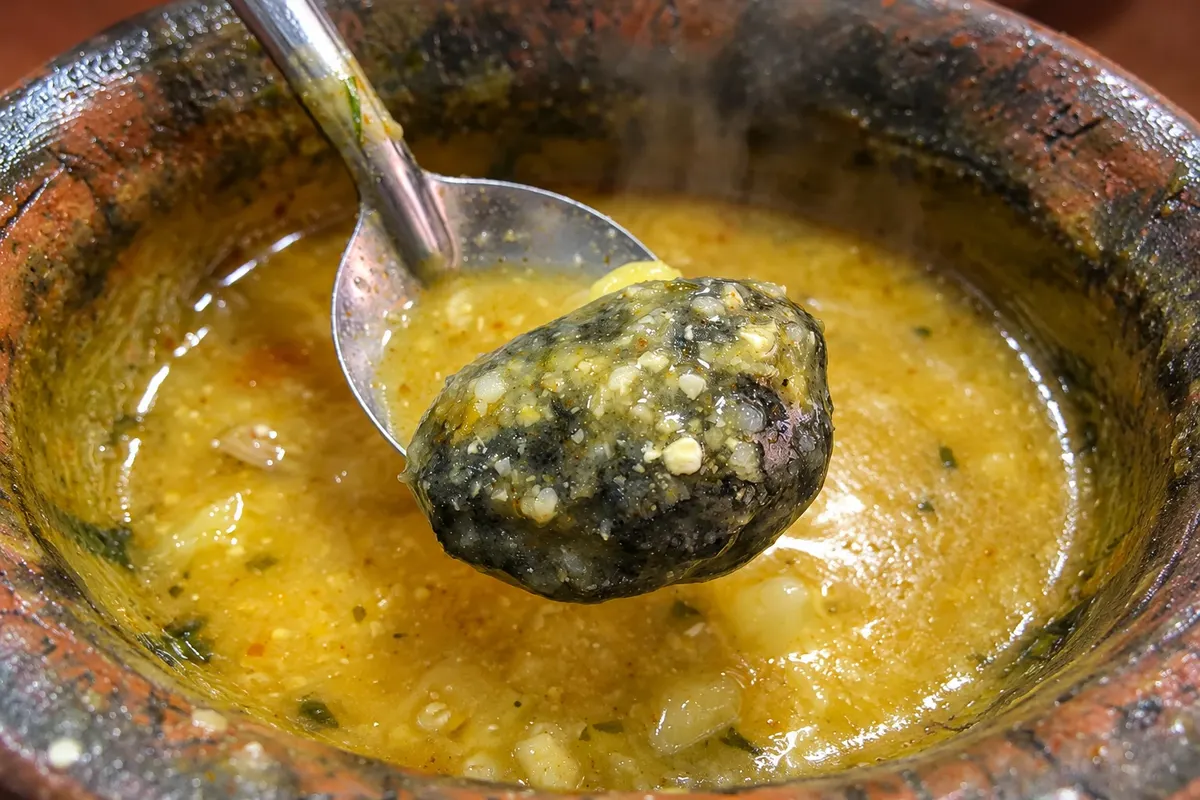
Thick soup made from white cornmeal with meat, potato and red ají, served in a clay bowl with a very hot volcanic stone inside that makes the broth boil at the table. It is a national heritage dish as representative cuisine of Potosí.
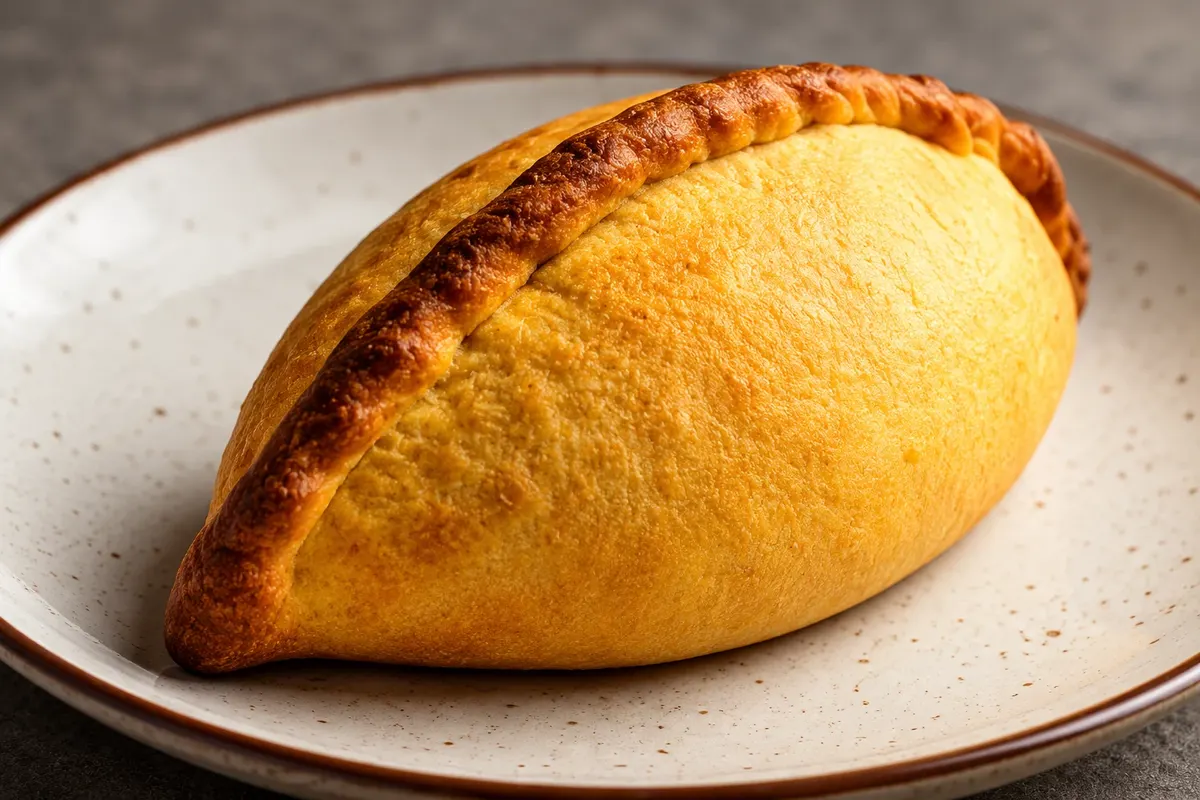
Baked empanada with a slightly sweet dough and a juicy filling of meat, potato, ají and broth, eaten mid-morning throughout Bolivia. Law 485 declared the salteña potosina a national heritage; its origin is disputed.
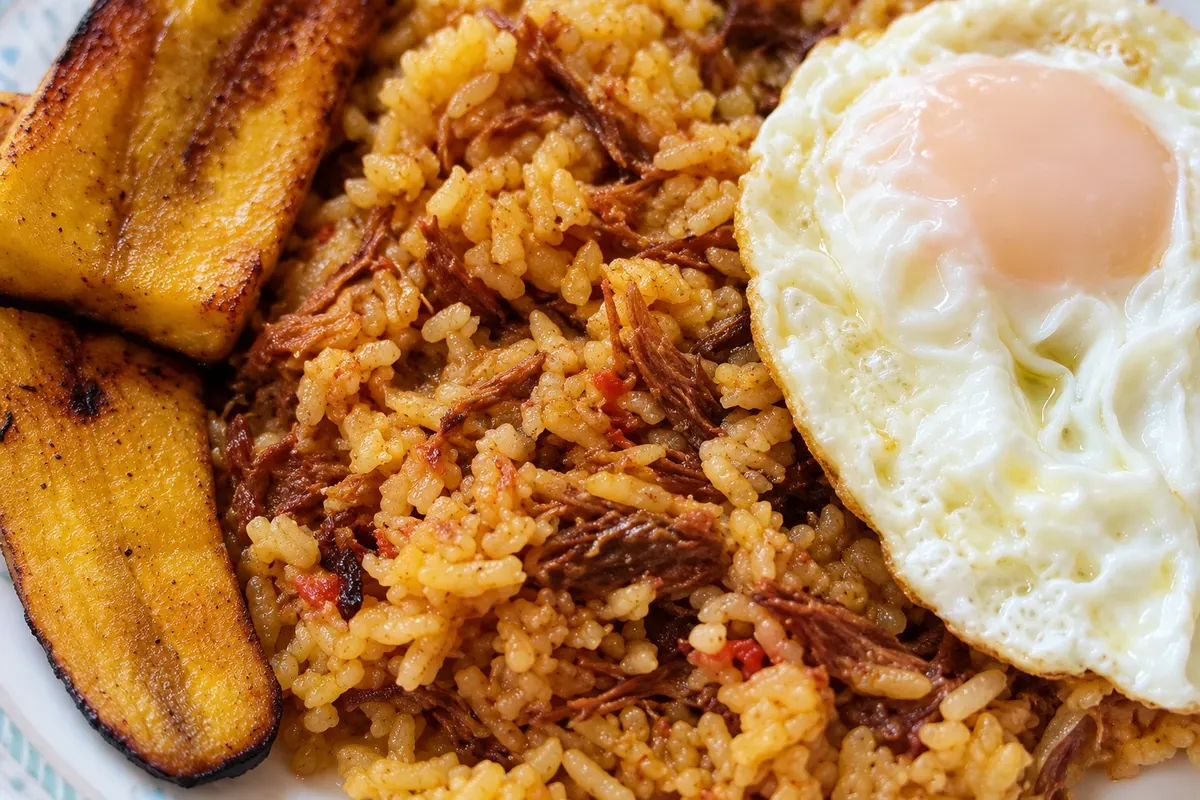
Cooked rice with shredded charque or other meats, served with a fried egg and fried cooking banana. It is the most consumed dish of cruceña cuisine from the Bolivian Lowlands (Oriente).
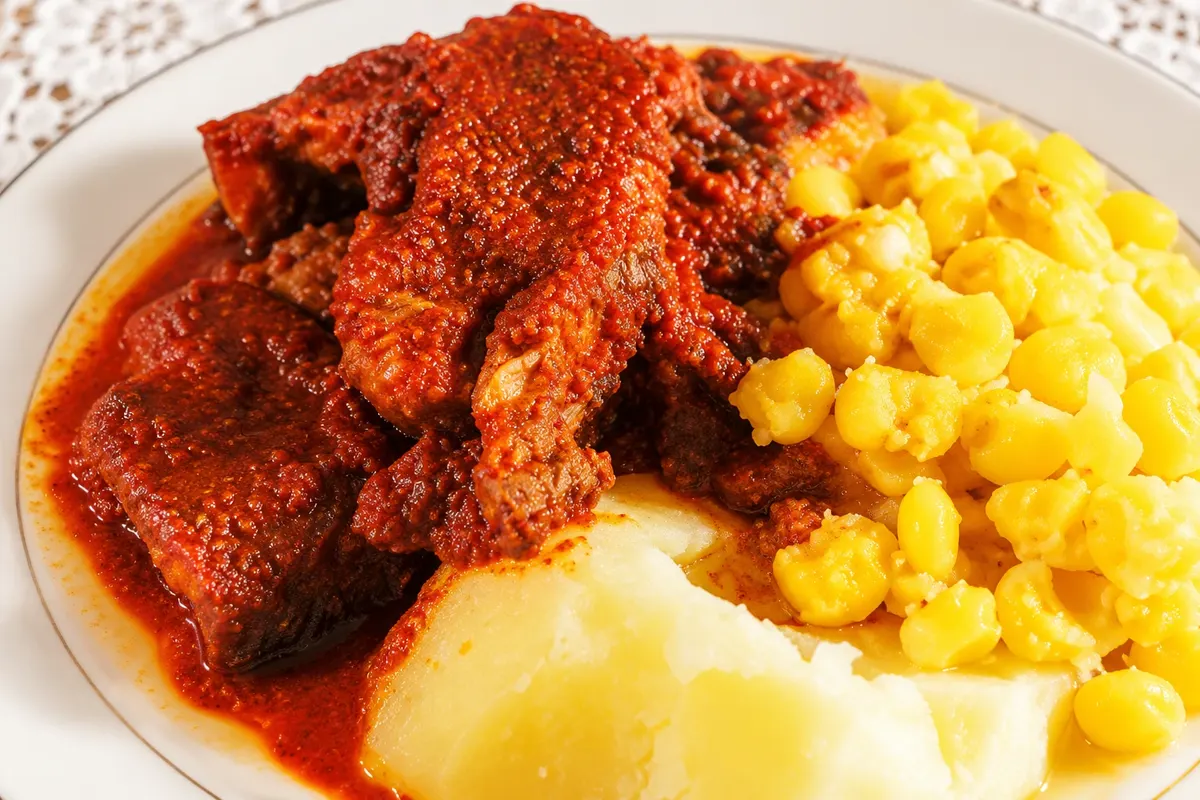
Pork stew in a red ají sauce, served with mote of white corn and potato. It is listed among Sucre’s emblematic dishes and has its own fairs in the city.
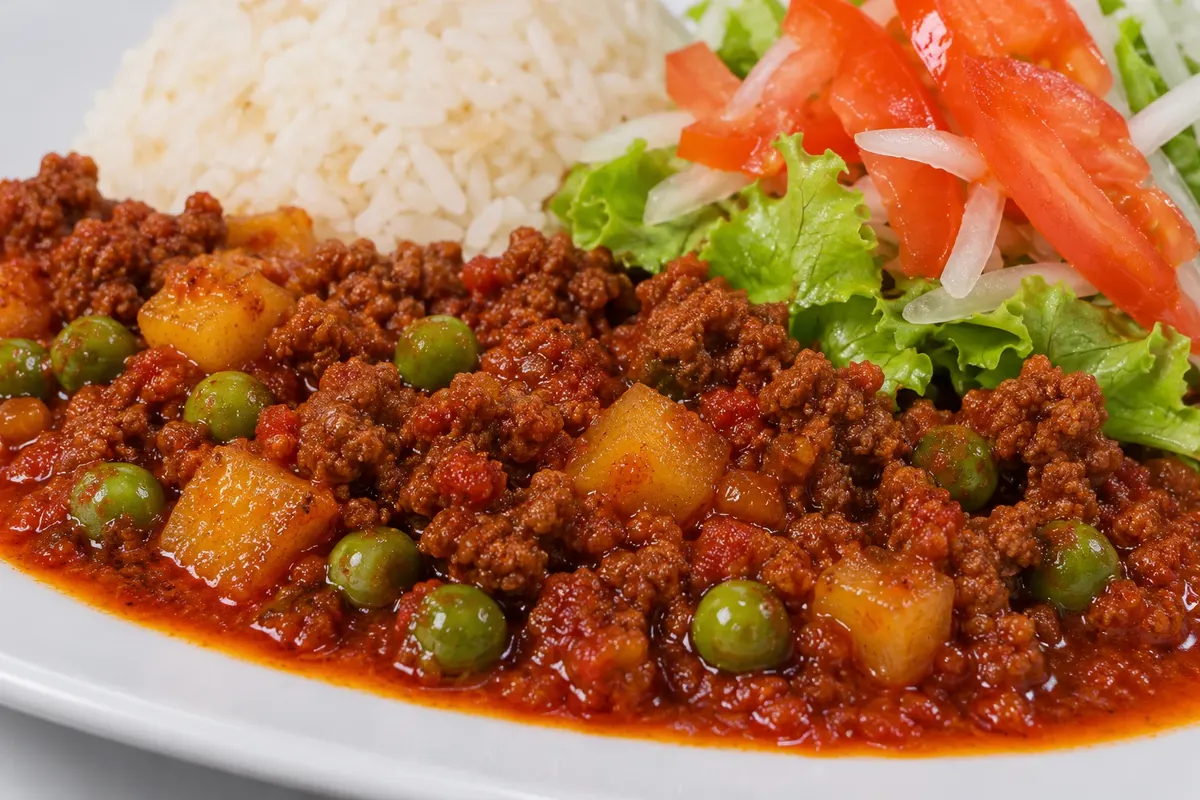
Spicy stew of ground beef with diced potato, peas and red ají, served with rice and a fresh salad. It is Tarija’s signature dish and the most representative of Tarija cuisine, according to the municipality.

Brandy (aguardiente) from Moscatel de Alexandria grapes with Bolivian denomination of origin, produced in high-altitude valleys. The Tarija valleys are the primary production zone of the denomination and the center of the Wine and Singani Route.
Suggest a traditional dish, sweet or drink of Bolivia that is not here. We check the sources before adding it.
Flavors of the world
Pick a country to see its traditional dishes, sweets and drinks.
Your questions
They vary by region. On the altiplano, dishes with potato, chuño, corn, and llama meat, such as plato paceño and charquekan. In the valleys, stews with ají, like saice tarijeño and mondongo chuquisaqueño, as well as Cochabamba’s pique macho and silpancho. In the Oriente, majadito, rice with charque. Salteñas are eaten throughout the country.
It is Bolivia’s most common spicy sauce, made from tomato and locoto, an Andean pepper, sometimes with herbs. It accompanies many dishes, such as plato paceño, charquekan, and salteña.
Many dishes include ají, which gives color and some heat, and llajwa is usually served on the side so each person can add as much as they want. Dishes from the valleys, like saice and mondongo, tend to be spicier than those from the Oriente.
Singani, a spirit made from Muscat of Alexandria grapes with Bolivian denomination of origin, produced in the high valleys, especially in Tarija. Also traditional are chicha de maíz in the valleys and api, a hot drink made from purple corn.
In the mid-morning. Salteñas are typically sold from early morning until close to noon and are eaten as a snack before lunch.