
Dish · Cochabamba
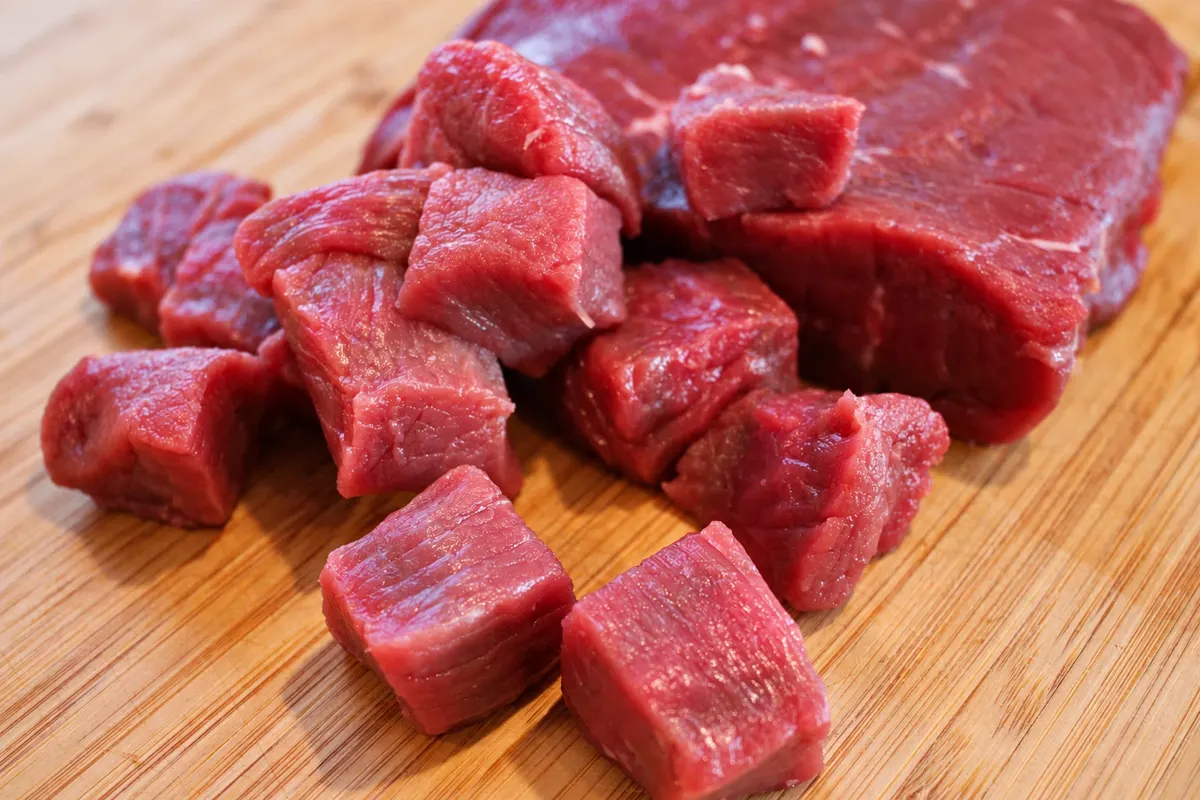
Pique macho
Platter to share, with beef strips, sausage, French fries, onion, tomato, locoto and boiled egg. Created in Cochabamba, it was chosen in 2019 as the department's most representative dish.

 Search
 Brazil
 ArgentinaBolivia
 Chile
 Colombia
 Ecuador
 Guyana
 French Guiana
 Falkland Islands (Malvinas)
 Paraguay
 Peru
 Suriname
 Uruguay
 Venezuela
 Germany
 Austria
 Belgium
 Croatia
 Denmark
 Spain
 Finland
 France
 Greece
 the Netherlands
 Hungary
 Ireland
 Iceland
 Italy
 Luxembourg
 Norway
 Poland
 Portugal
 the United Kingdom
 the Czech Republic
 Sweden
 Switzerland
 Turkey
 the United States
 Mexico
 the Dominican RepublicTurkey
 South Africa
 Australia
 Fiji
Flavors · Potosí
Baked empanada with a slightly sweet dough and a juicy filling of meat, potato, ají and broth, eaten mid-morning throughout Bolivia. Law 485 declared the salteña potosina a national heritage; its origin is disputed.
Traditional dish from Potosí, Potosí
Also known as: Salteña potosina, Salteñas
Illustrative images. The pictures in this guide are illustrations based on the real place, not photographs, and may differ from it.

Click a photo to enlarge it.
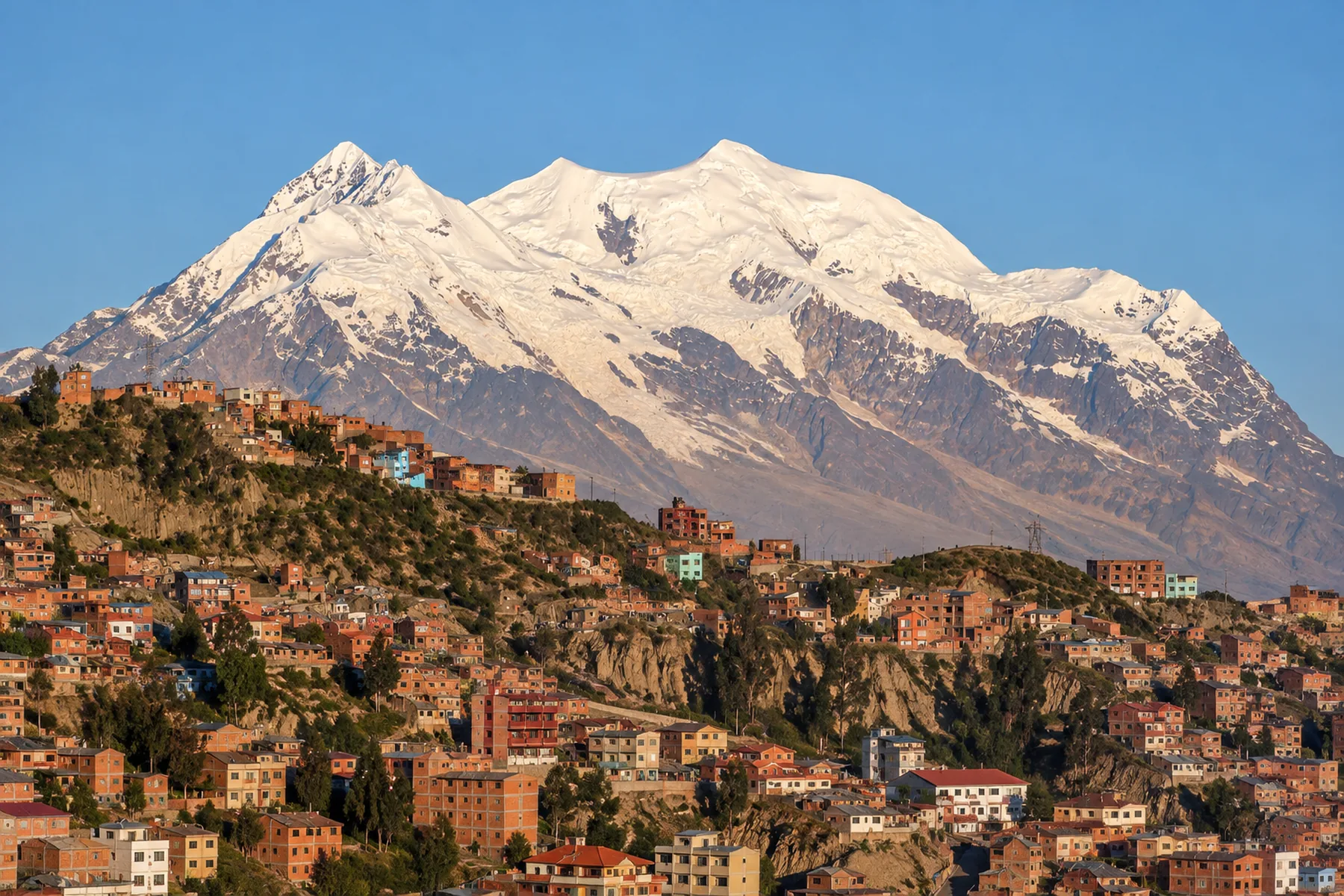
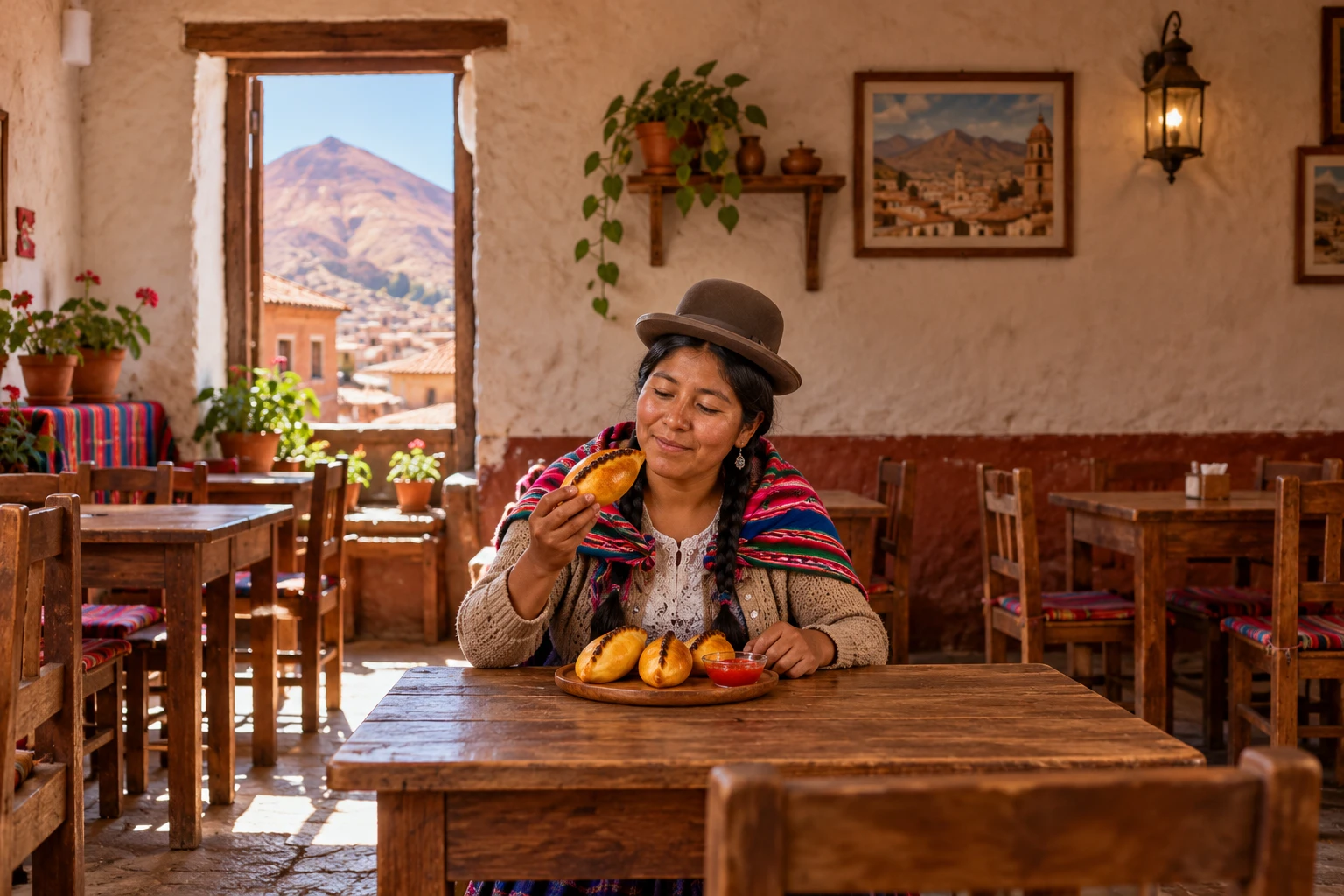
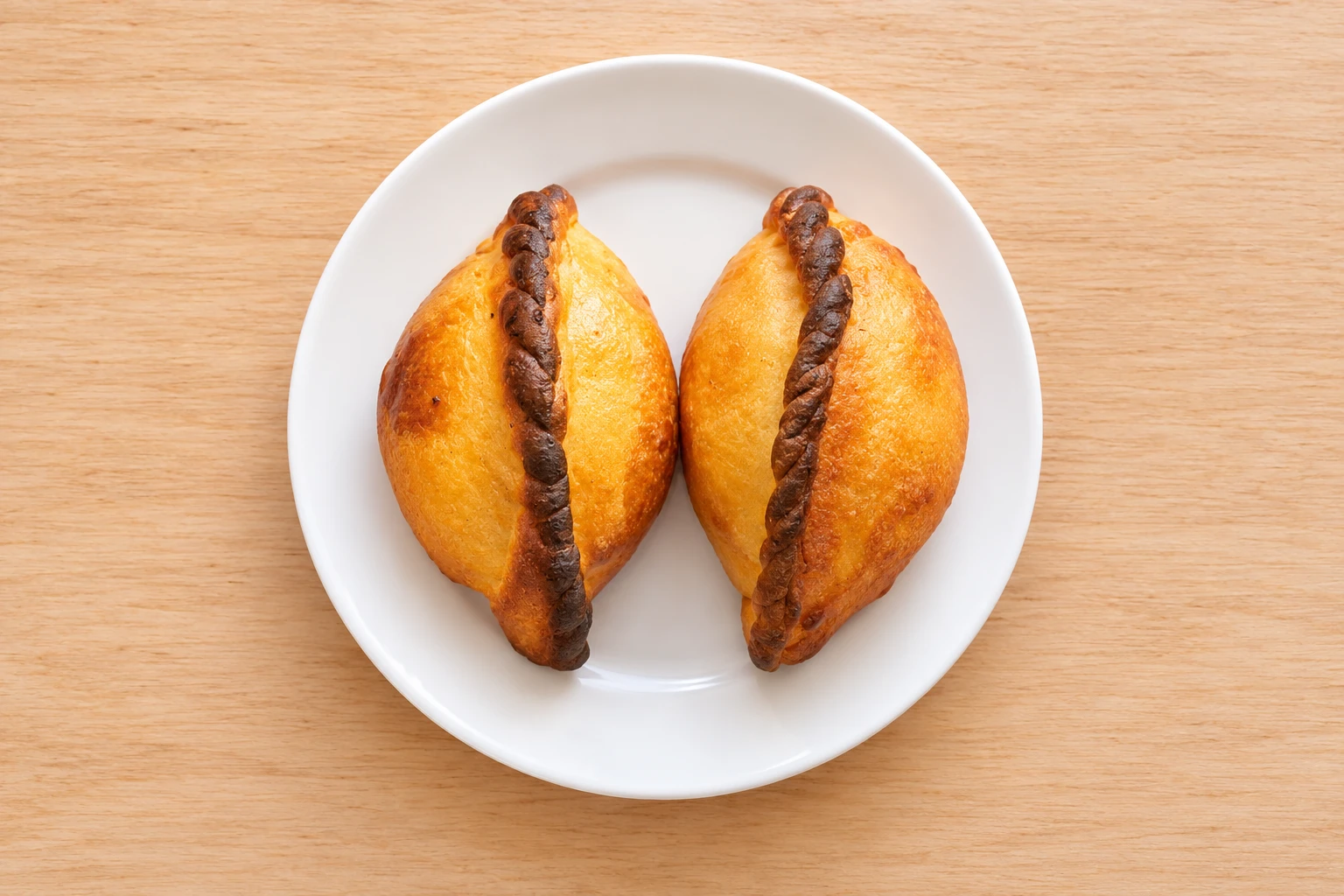
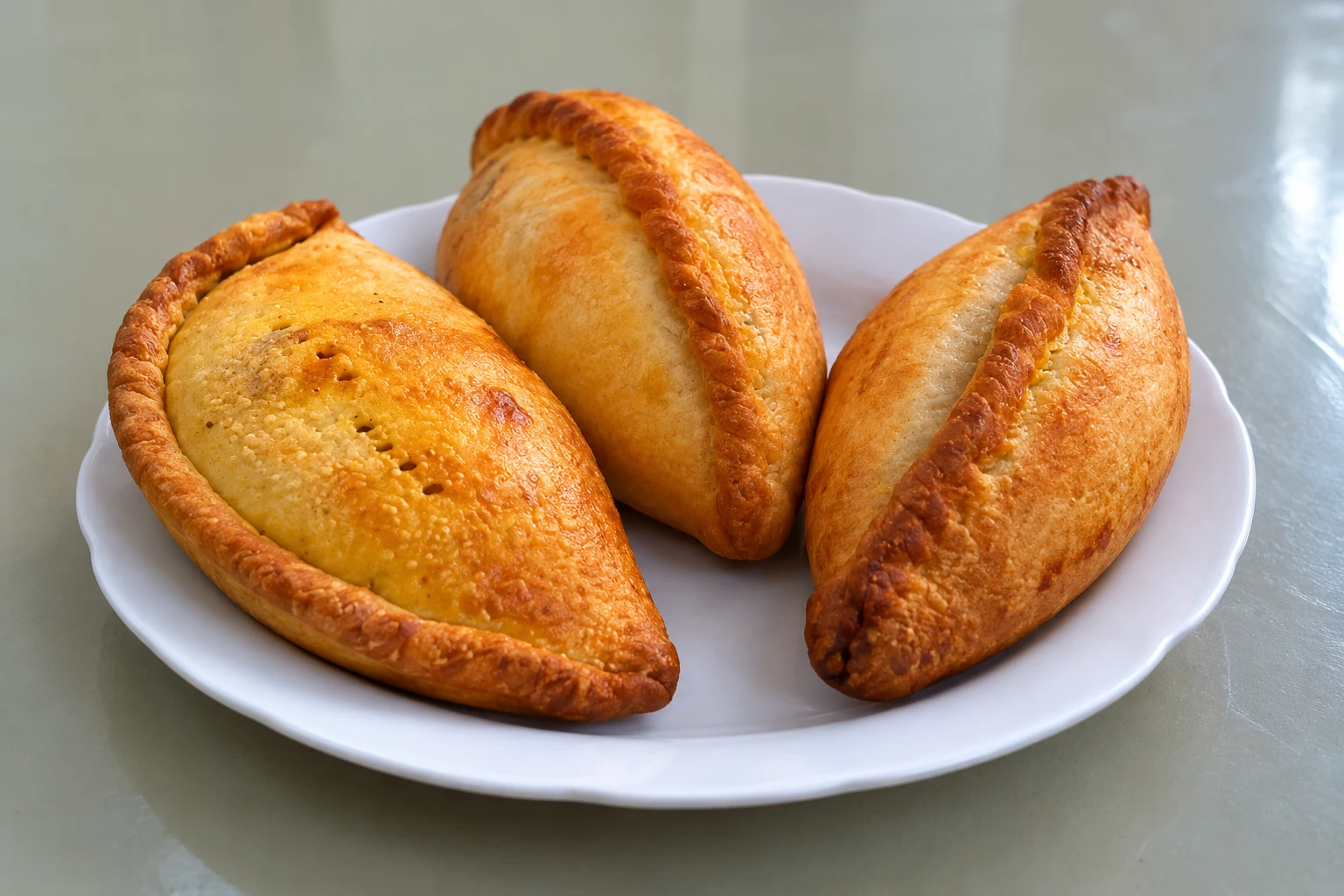
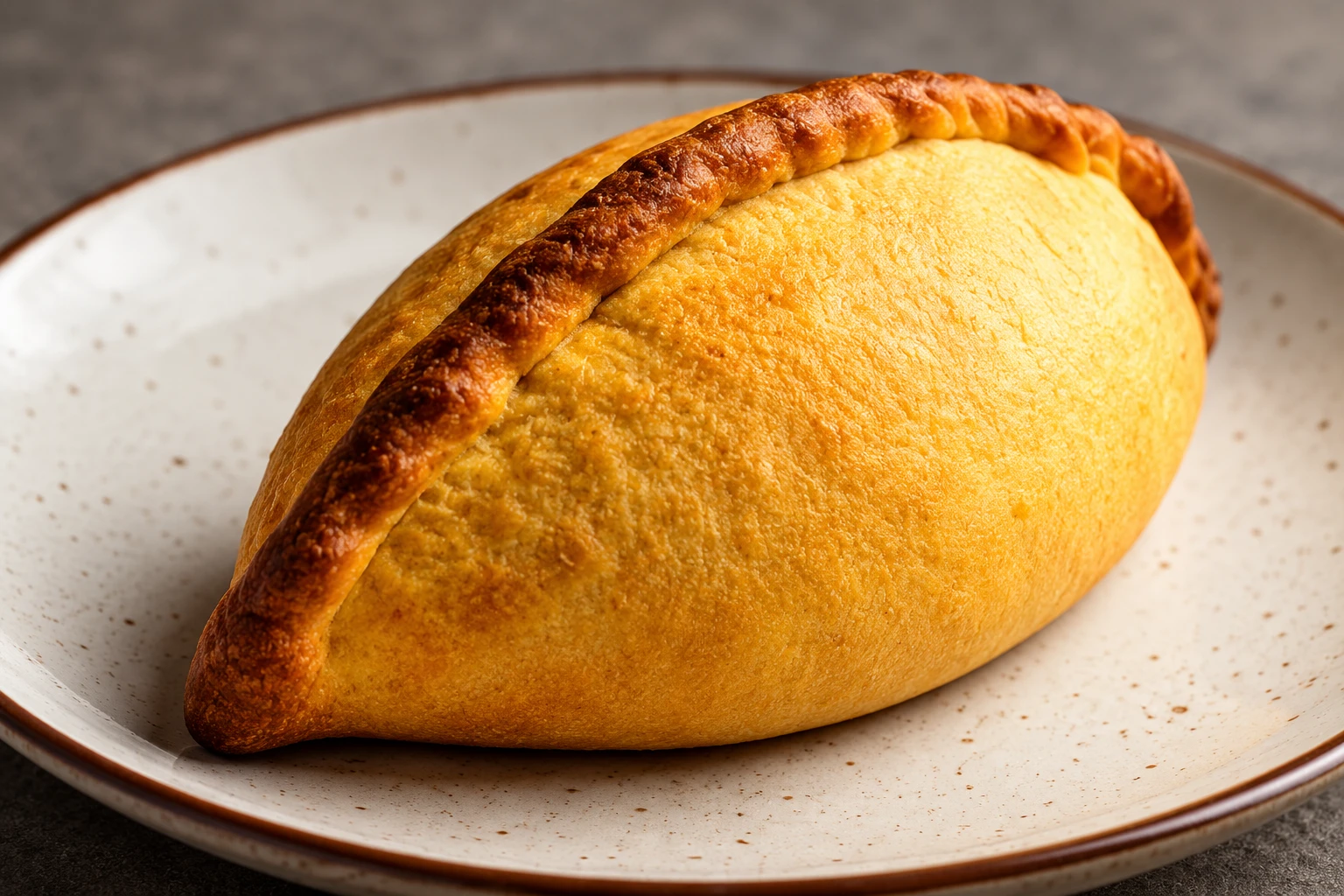
Salteña — Potosí, Bolivia
The salteña is a baked empanada with a golden, slightly sweet dough, sealed with a braided edge. The filling, called jigote, is juicy: chopped meat or chicken, potato, red ají, onion, cumin, oregano, olive, raisin and hard-boiled egg, in a thickened broth that becomes liquid after baking. It is eaten mid-morning, as a snack before lunch, across the country.
In 2014, Law 485 declared the “Salteña Potosina” a national heritage of Bolivia, along with other dishes from the Potosí department. The Potosí Gobernación points to it as a dish of the central region, of the city. The Potosí recipe registered by the Gobernación uses flour, egg, sugar and fat in the dough, and ox feet in the broth.
The origin is disputed. Potosí historians cite the 1776 cookbook of doña Josepha de Escurrechea, considered the only colonial recipe book found in Bolivia: it already contains empanadas, which confirms they were made in Potosí, though it does not prove the current broth-filled form. In 2012, the municipality of La Paz also included the salteña on its list of traditional gastronomy declared a municipal heritage, which provoked protests in Potosí.
The name is another point of debate. The best-known version says “salteña” recalls families who came from Salta, Argentina, in the 19th century, including the family of writer Juana Manuela Gorriti, who are said to have sold empanadas in Tarija or La Paz. Potosí researchers maintain that the Bolivian empanada already existed and only later received that name. The Bolivian salteña, with broth, is different from the Argentine empanada salteña.
Eating it without spilling the broth is part of the custom: hold the salteña upright with the braided edge up, make a small bite at the tip and sip the broth before continuing with the filling.
Potosí, Potosí
The salteña potosina is national heritage under Law 485 of 2014; its origin is disputed with La Paz.
Dough of wheat flour, egg, sugar and fat. Filling (jigote) of chopped meat or chicken, potato, red ají, onion, cumin, oregano, olive, raisin and hard-boiled egg, in a thickened broth.
By hand, holding the salteña upright with the braided edge up. Bite the tip, sip the broth slowly, then eat the filling. Some people use a spoon.
Mid-morning, as a snack before lunch. It is usually sold from early morning until around midday.
Your questions
The Bolivian salteña has a juicy filling with broth, potato, ají and sometimes olive and raisin, and a slightly sweet dough. The Argentine empanada salteña belongs to a different culinary tradition linked to Salta.
The origin is disputed. Potosí has the salteña potosina declared national heritage by Law 485 of 2014, and historians cite a Potosí recipe book from 1776 containing empanadas. La Paz included the salteña in its traditional gastronomy declared municipal heritage in 2012.
Hold the salteña upright with the braided edge up, bite the tip and sip the broth before eating the filling.
Mid-morning, as a snack before lunch. Many salteña shops sell them from early morning until around midday.
Flavors of Bolivia
Platter to share, with beef strips, sausage, French fries, onion, tomato, locoto and boiled egg. Created in Cochabamba, it was chosen in 2019 as the department's most representative dish.
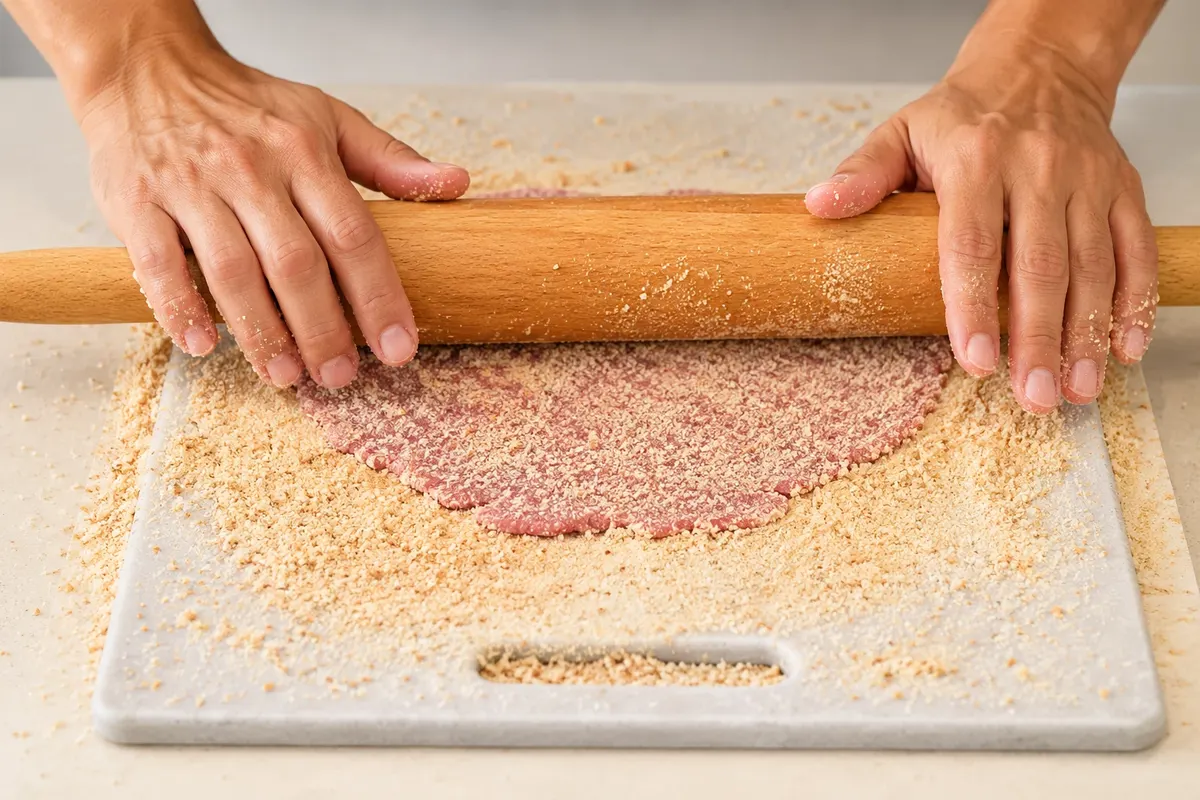
Layered dish from Cochabamba: rice, boiled and fried potato, a very thin breaded steak, fried egg and a salad of onion, tomato and locoto. The name comes from Quechua and means flattened and thin.
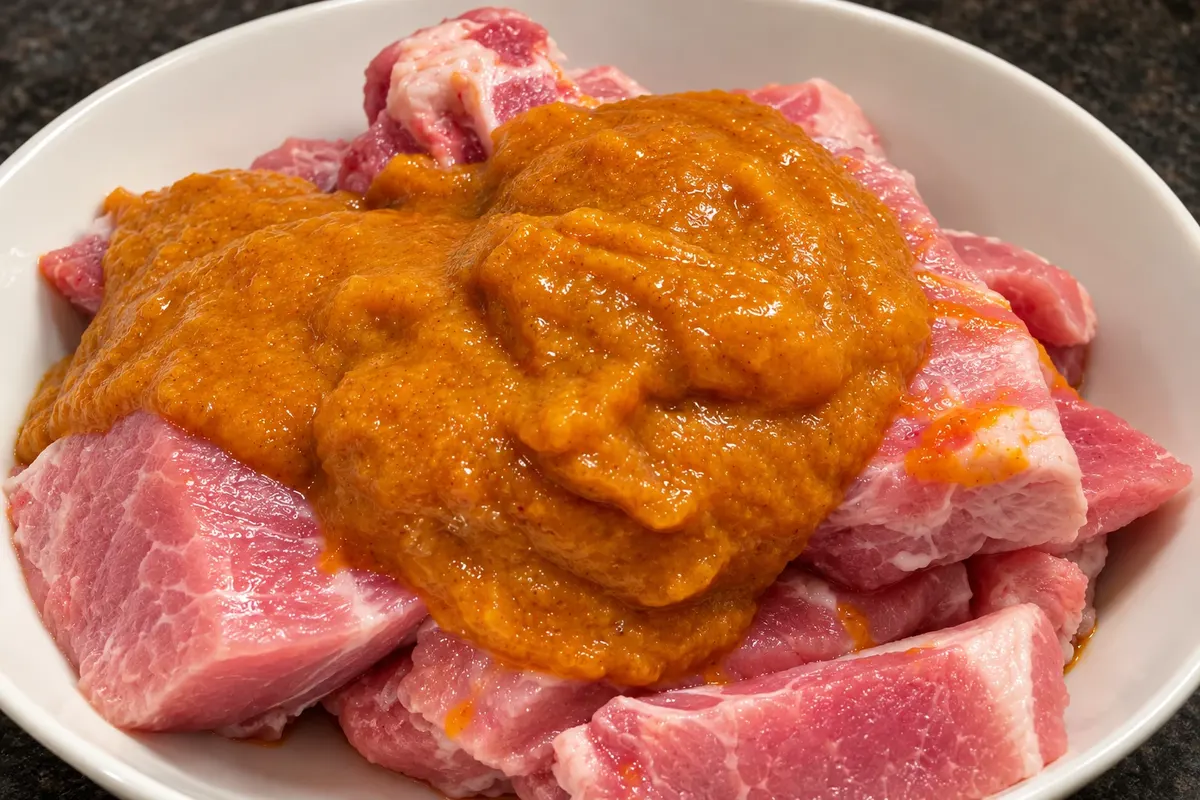
Thick soup from La Paz with pieces of pork cooked in a yellow ají broth, served with mote of white corn and chuño. It is part of the traditional cuisine declared a municipal heritage.
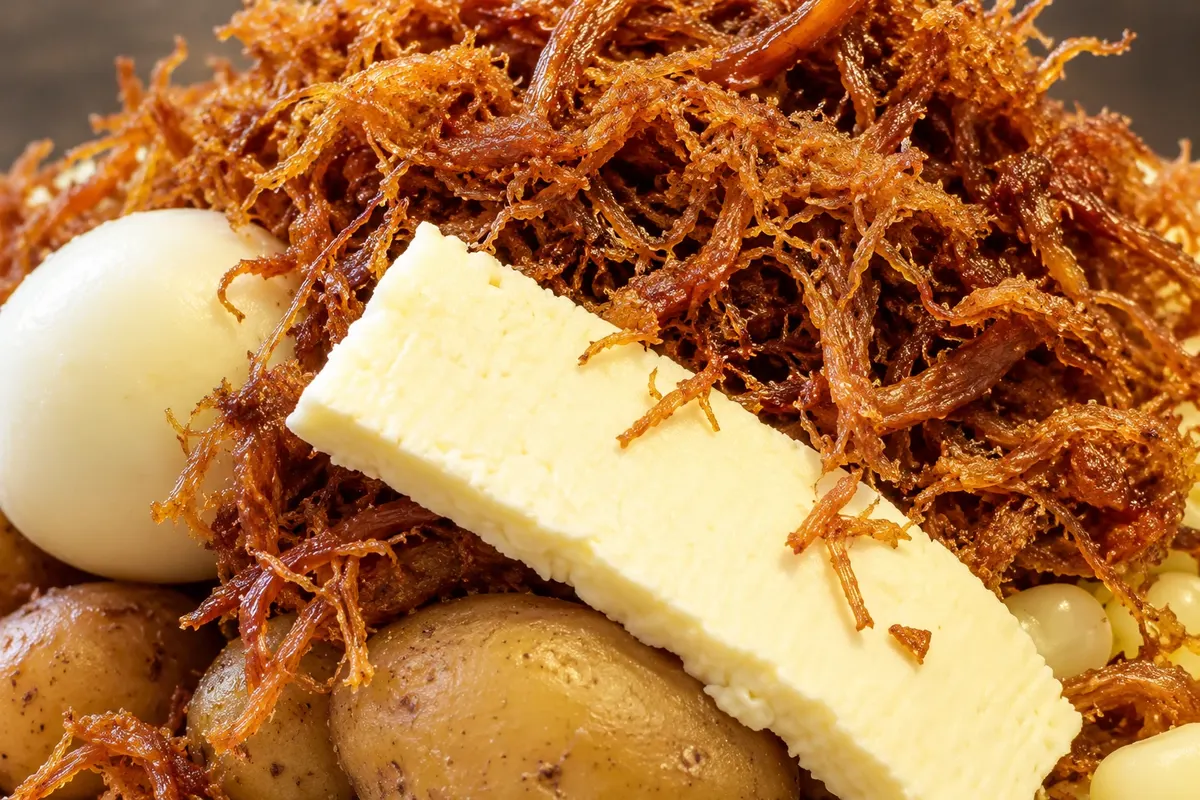
Oruro dish of shredded llama charque fried until crispy, served with mote (corn), potato, hard‑boiled egg, cheese and llajwa. It is a traditional specialty of the city of Oruro.
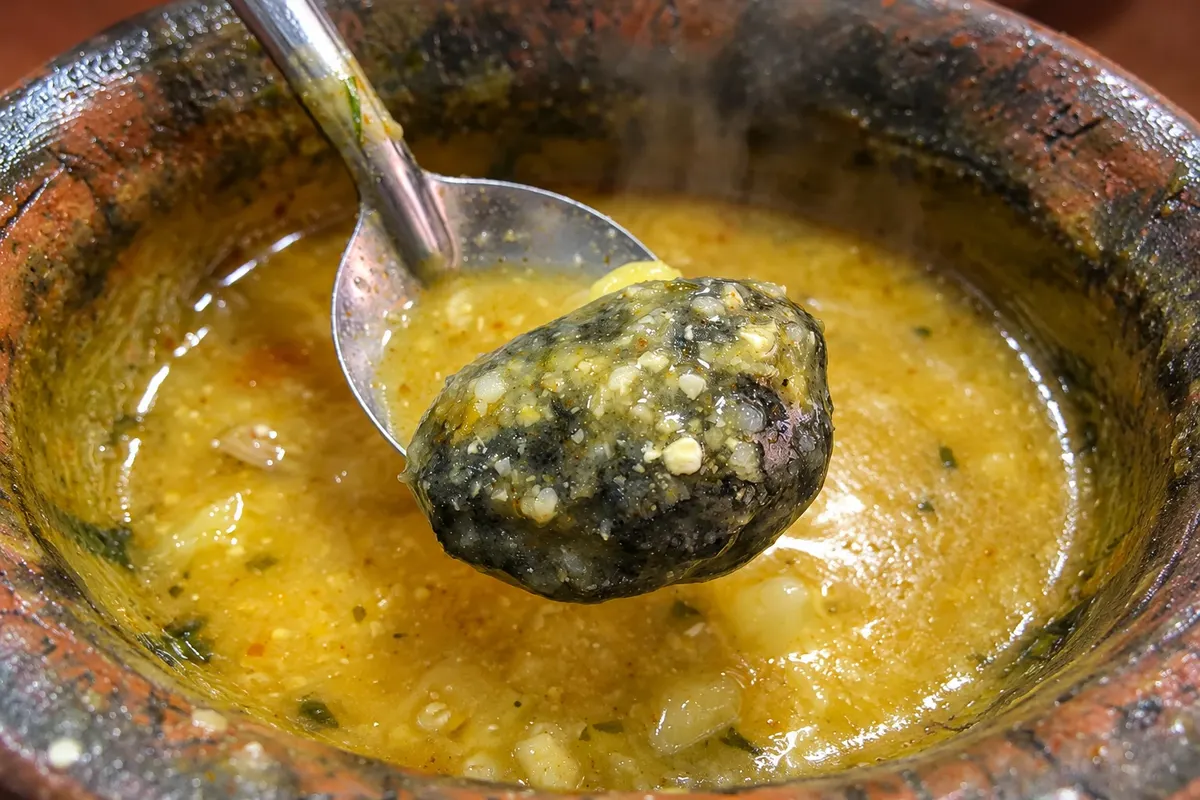
Thick soup made from white cornmeal with meat, potato and red ají, served in a clay bowl with a very hot volcanic stone inside that makes the broth boil at the table. It is a national heritage dish as representative cuisine of Potosí.
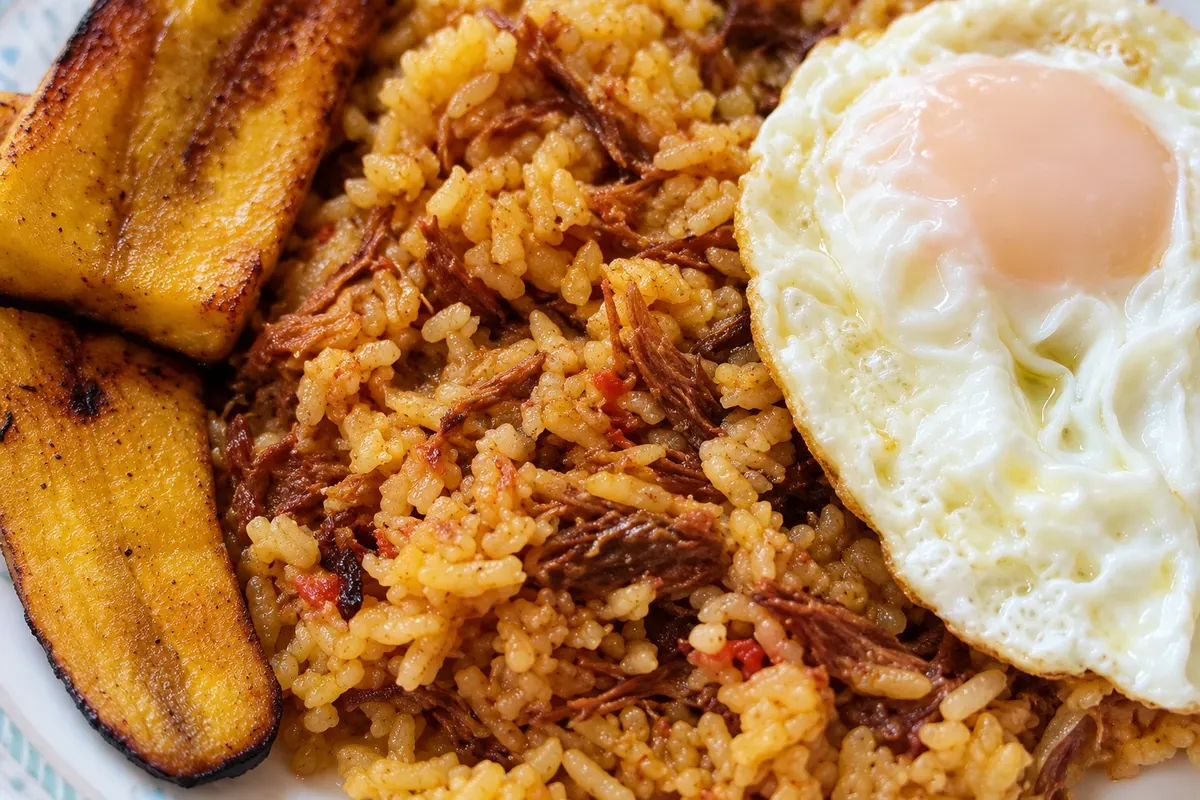
Cooked rice with shredded charque or other meats, served with a fried egg and fried cooking banana. It is the most consumed dish of cruceña cuisine from the Bolivian Lowlands (Oriente).
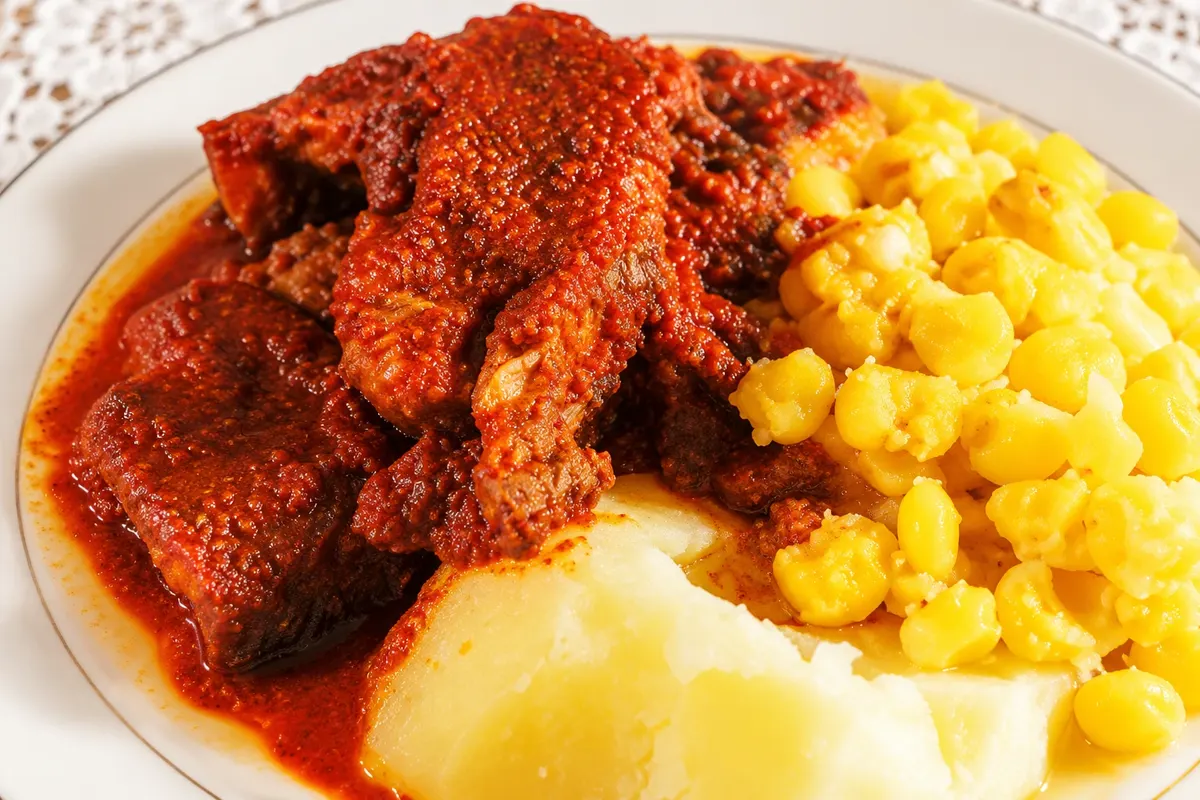
Pork stew in a red ají sauce, served with mote of white corn and potato. It is listed among Sucre’s emblematic dishes and has its own fairs in the city.
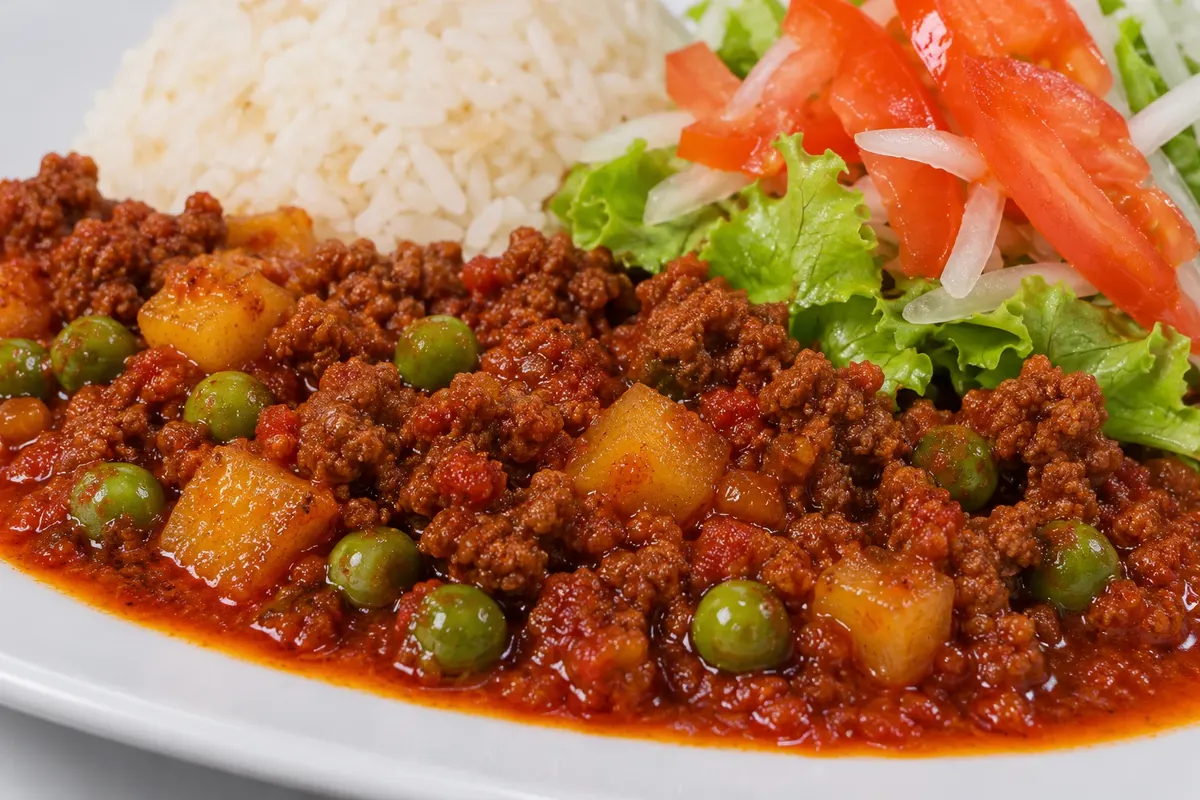
Spicy stew of ground beef with diced potato, peas and red ají, served with rice and a fresh salad. It is Tarija’s signature dish and the most representative of Tarija cuisine, according to the municipality.

Brandy (aguardiente) from Moscatel de Alexandria grapes with Bolivian denomination of origin, produced in high-altitude valleys. The Tarija valleys are the primary production zone of the denomination and the center of the Wine and Singani Route.