
Dish · Cochabamba
Pique macho
Platter to share, with beef strips, sausage, French fries, onion, tomato, locoto and boiled egg. Created in Cochabamba, it was chosen in 2019 as the department's most representative dish.

 Search
 Brazil
 ArgentinaBolivia
 Chile
 Colombia
 Ecuador
 Guyana
 French Guiana
 Falkland Islands (Malvinas)
 Paraguay
 Peru
 Suriname
 Uruguay
 Venezuela
 Germany
 Austria
 Belgium
 Croatia
 Denmark
 Spain
 Finland
 France
 Greece
 the Netherlands
 Hungary
 Ireland
 Iceland
 Italy
 Luxembourg
 Norway
 Poland
 Portugal
 the United Kingdom
 the Czech Republic
 Sweden
 Switzerland
 Turkey
 the United States
 Mexico
 the Dominican RepublicTurkey
 South Africa
 Australia
 Fiji
Flavors · Tarija
Spicy stew of ground beef with diced potato, peas and red ají, served with rice and a fresh salad. It is Tarija’s signature dish and the most representative of Tarija cuisine, according to the municipality.
Traditional dish from Tarija, Tarija
Also known as: Saice, Saice chapaco
Illustrative images. The pictures in this guide are illustrations based on the real place, not photographs, and may differ from it.

Click a photo to enlarge it.
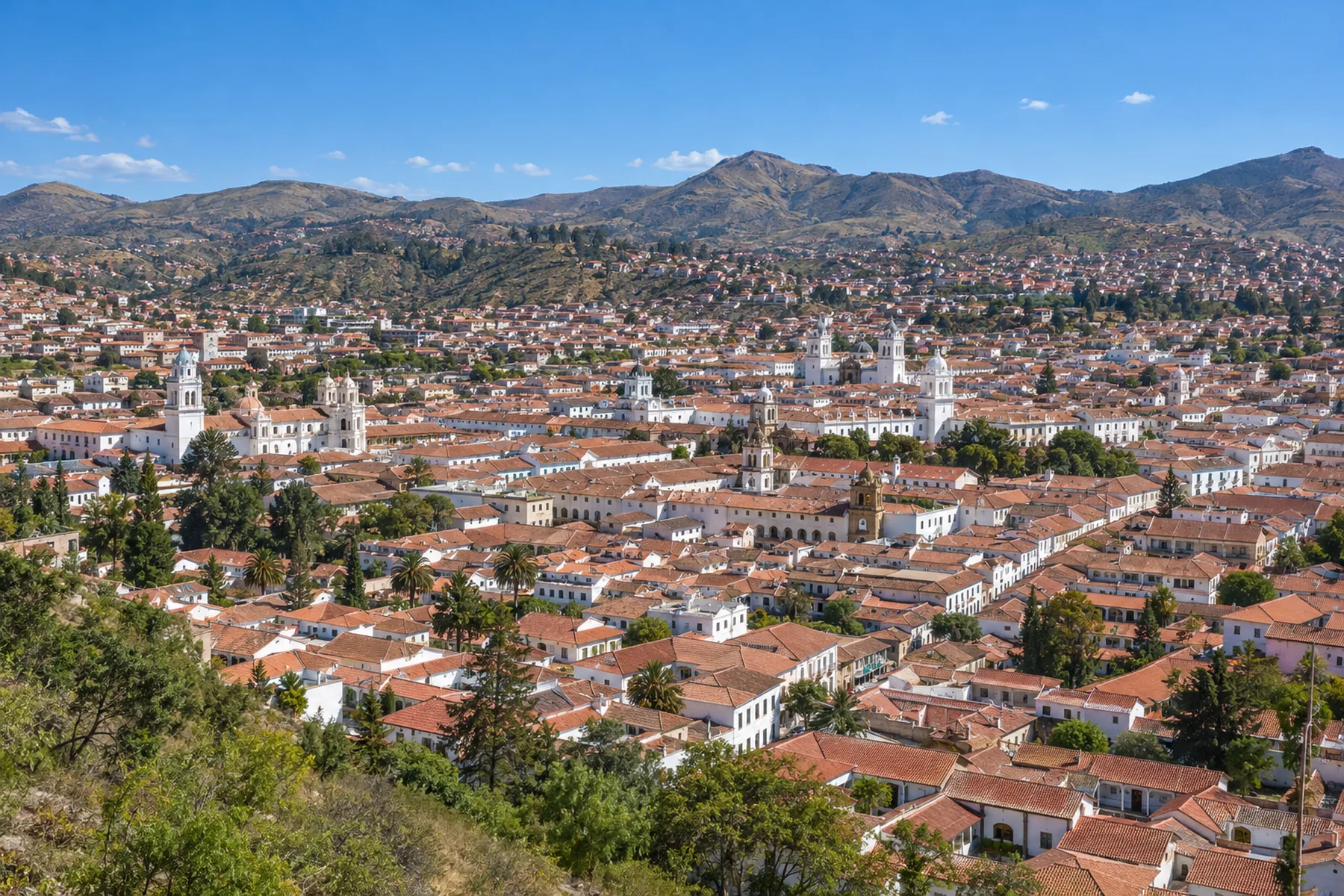
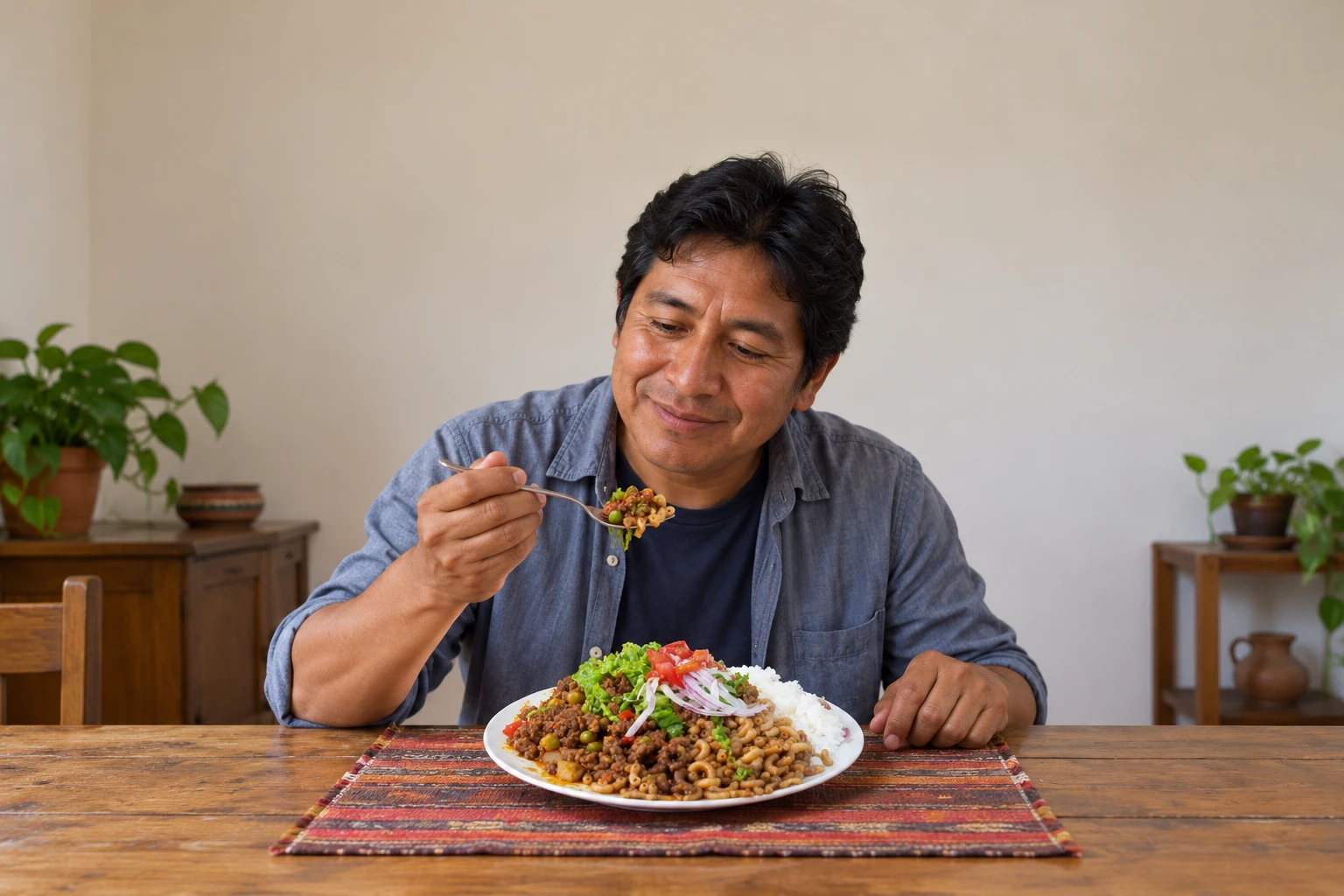
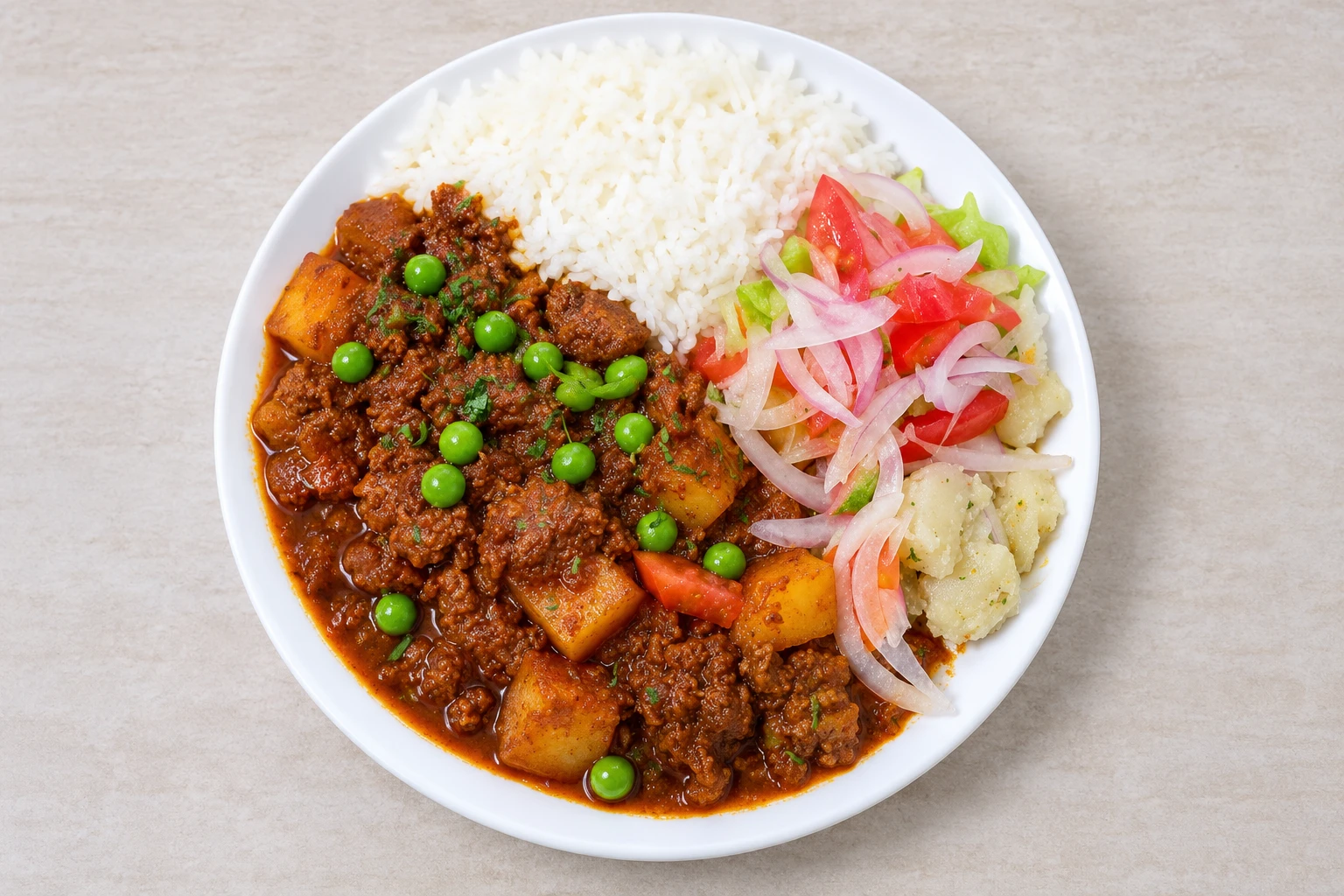
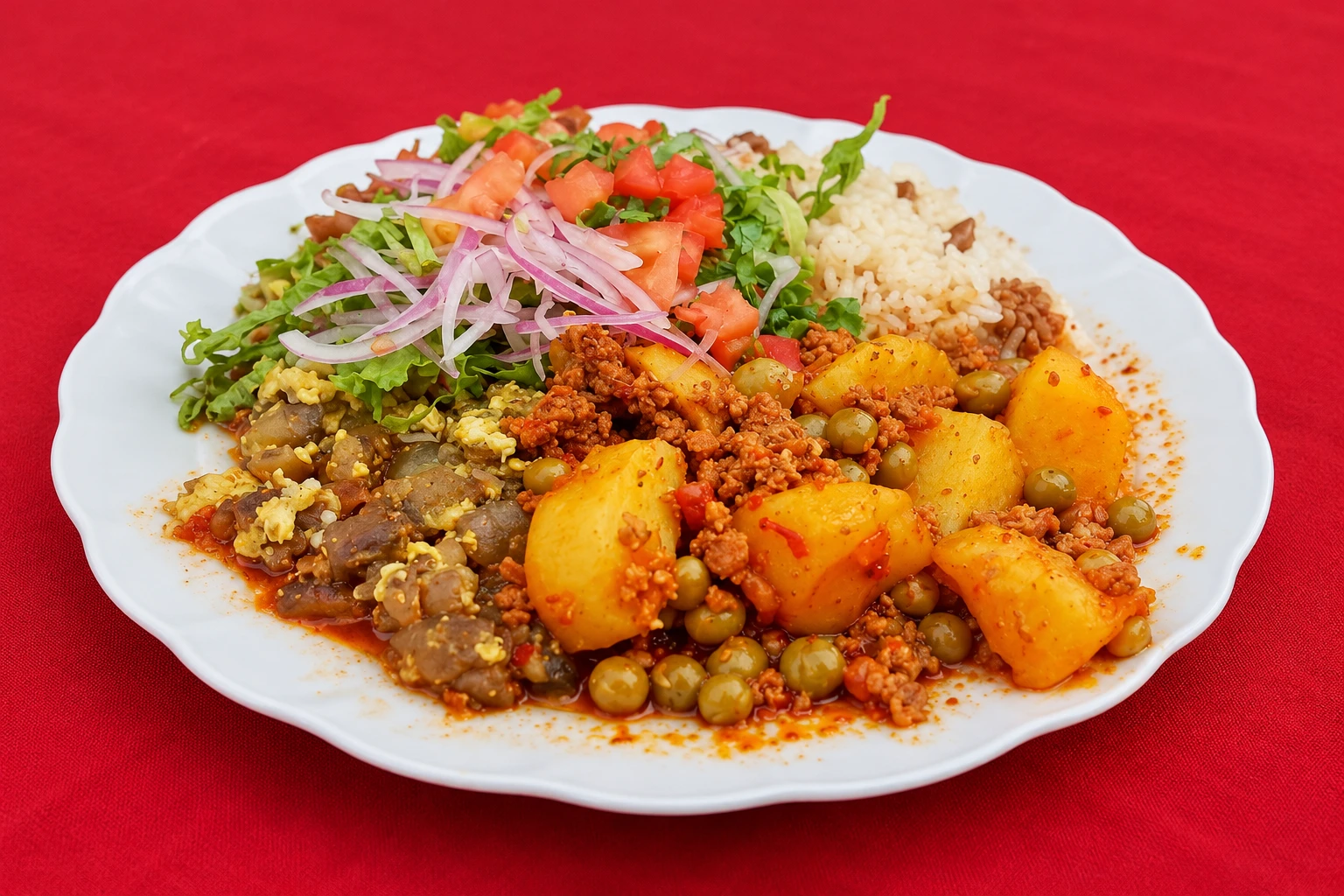
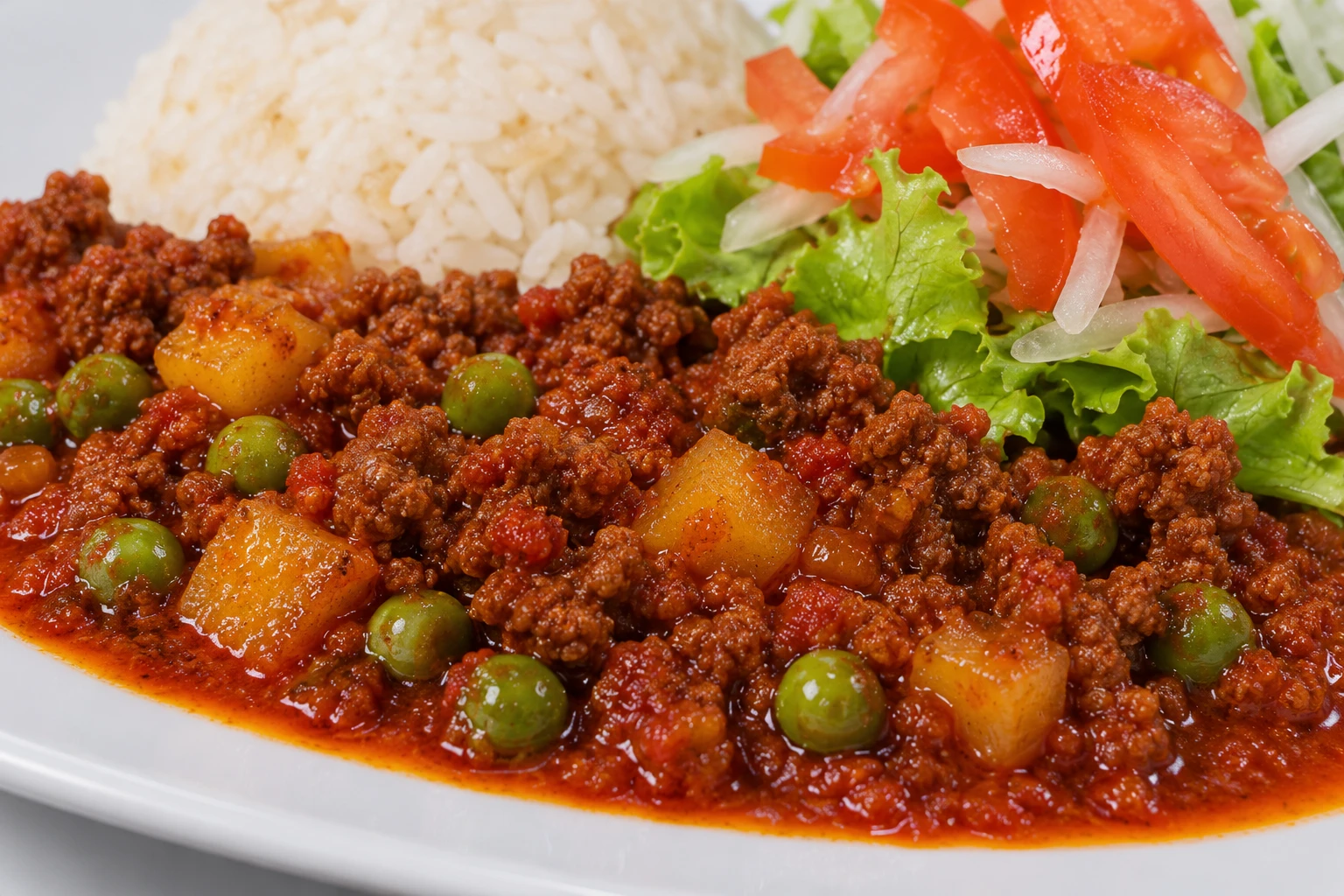
Saice tarijeño — Tarija, Bolivia
Saice tarijeño is a stew of chopped or ground beef, cooked with diced potato, peas, onion and red ají, seasoned with cumin and pepper. Many kitchens use cow’s foot in the broth to give it body. It is served with rice, sometimes noodles, and a salad of tomato, onion and locoto; some versions include chuño with peanuts.
The Directorate of Tourism and Culture of the municipality of Tarija presents saice as the most representative dish of Tarija cuisine. In 2019, in a process led by the Gobernación, the municipality, gastronomic associations and the Ministry of Cultures and Tourism, saice was chosen from 14 proposals as the department’s signature dish.
Regarding its origin, the director of the Historical Archive of Tarija, Elías Vacaflor Dorakis, points to the influence of Spanish stews in the development of the dish, prepared with ingredients available both in the countryside and the city. One version reported in the press links the popularization of saice to the 1930s, when it was prepared in large quantities for those passing through Tarija on their way to the Chaco War.
Chapaco is the popular demonym for people from Tarija, and saice chapaco is another way to call the dish. The city’s central market is one of the traditional places where it is served.
Saice is a lunchtime dish, hearty and as spicy as the ají colorado. Because it is made with chopped meat, it is quick to serve, which helped make it popular in market kitchens.
Tarija , Tarija
Tarija’s signature dish since 2019 and, according to the municipality, the most representative of Tarija cuisine.
Chopped or ground beef, diced potato, peas, onion, red ají, cumin, pepper and salt; often cow’s foot in the broth. Served with rice or noodles, a salad of tomato, onion and locoto and, in some versions, chuño with peanuts.
At lunch, with the stew on top of or beside the rice and the fresh salad on the side. It is eaten with a fork.
Year-round, served as a lunch dish.
Your questions
A spicy stew of chopped beef with diced potato, peas, onion and red ají, served with rice and a salad of tomato, onion and locoto. It is Tarija’s signature dish.
Yes, the red ají gives a medium level of spiciness, and the salad with locoto adds more. Intensity varies from kitchen to kitchen.
Chapaco is the popular demonym for people from Tarija. Saice chapaco is another way to refer to saice tarijeño.
Flavors of Bolivia
Platter to share, with beef strips, sausage, French fries, onion, tomato, locoto and boiled egg. Created in Cochabamba, it was chosen in 2019 as the department's most representative dish.
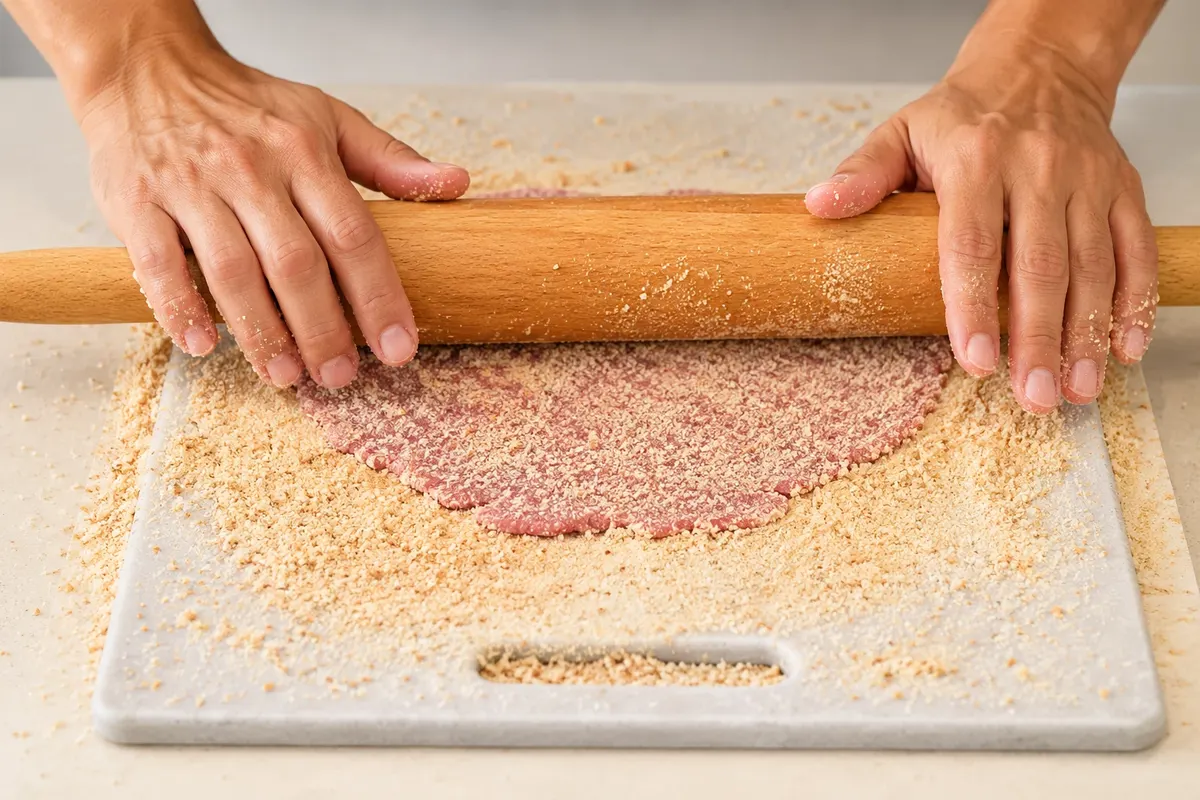
Layered dish from Cochabamba: rice, boiled and fried potato, a very thin breaded steak, fried egg and a salad of onion, tomato and locoto. The name comes from Quechua and means flattened and thin.
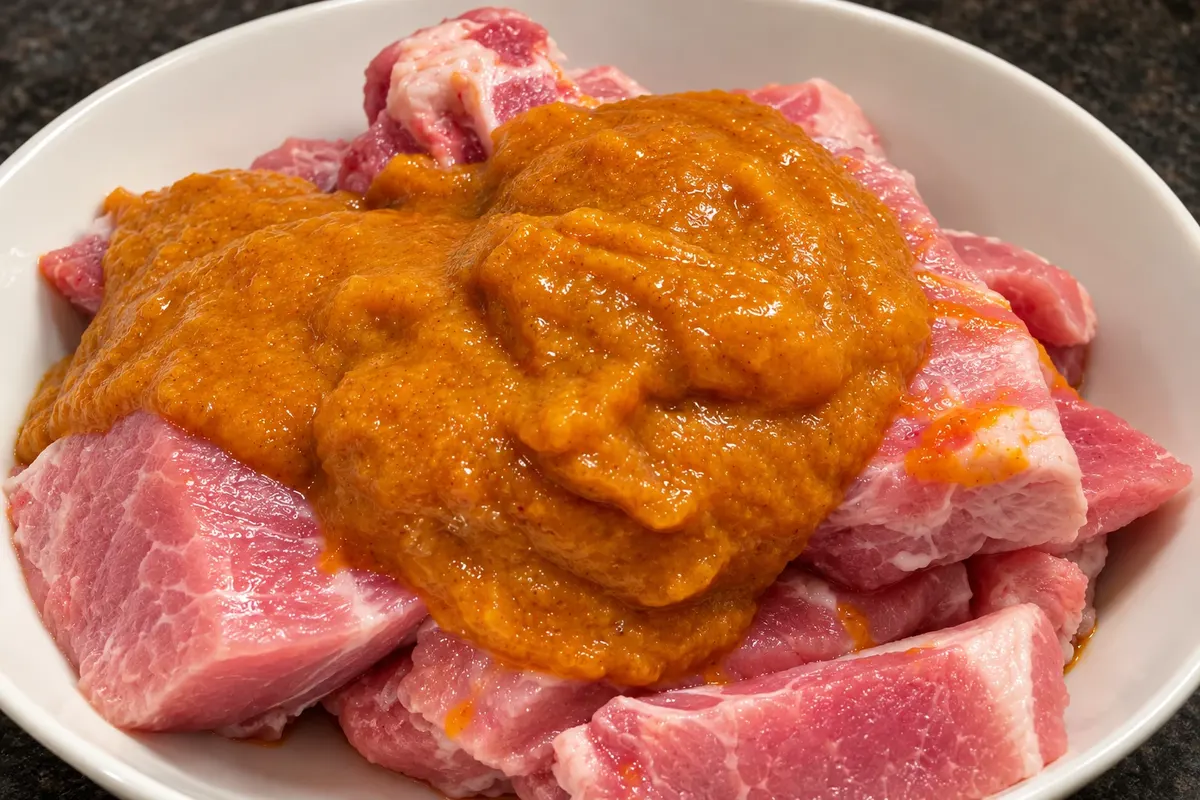
Thick soup from La Paz with pieces of pork cooked in a yellow ají broth, served with mote of white corn and chuño. It is part of the traditional cuisine declared a municipal heritage.
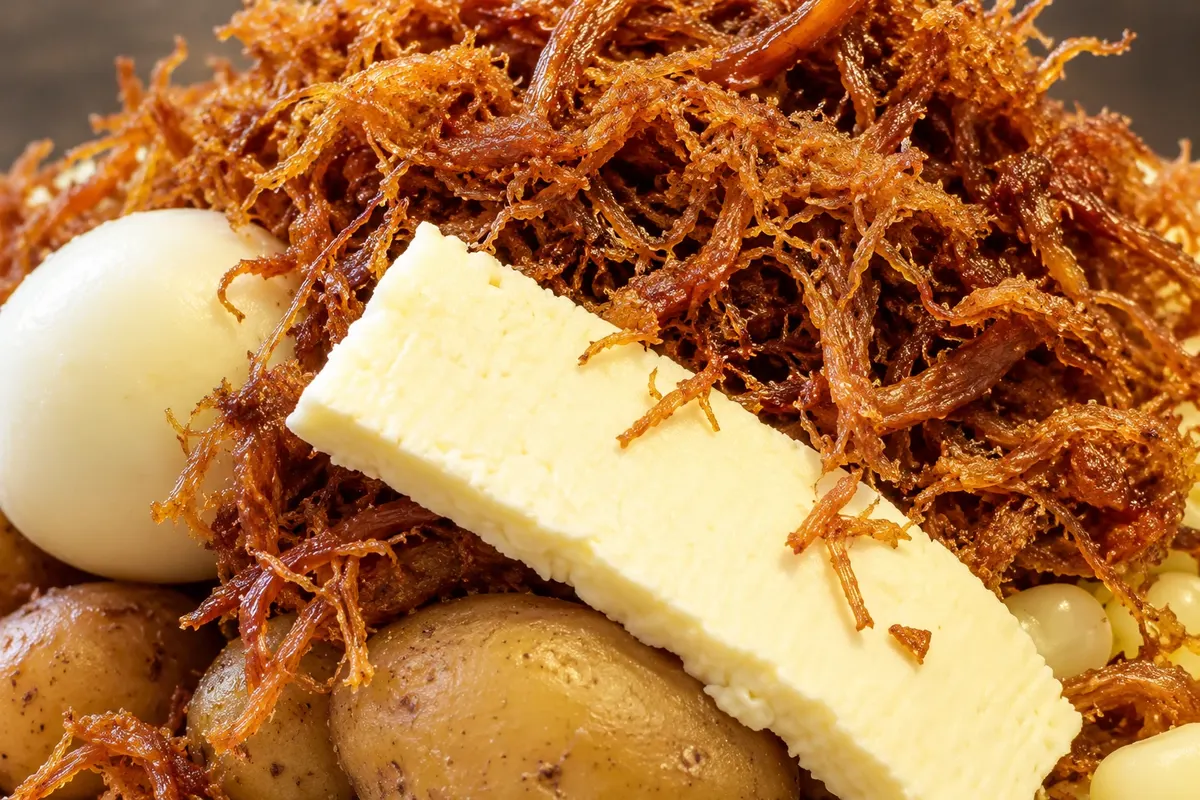
Oruro dish of shredded llama charque fried until crispy, served with mote (corn), potato, hard‑boiled egg, cheese and llajwa. It is a traditional specialty of the city of Oruro.
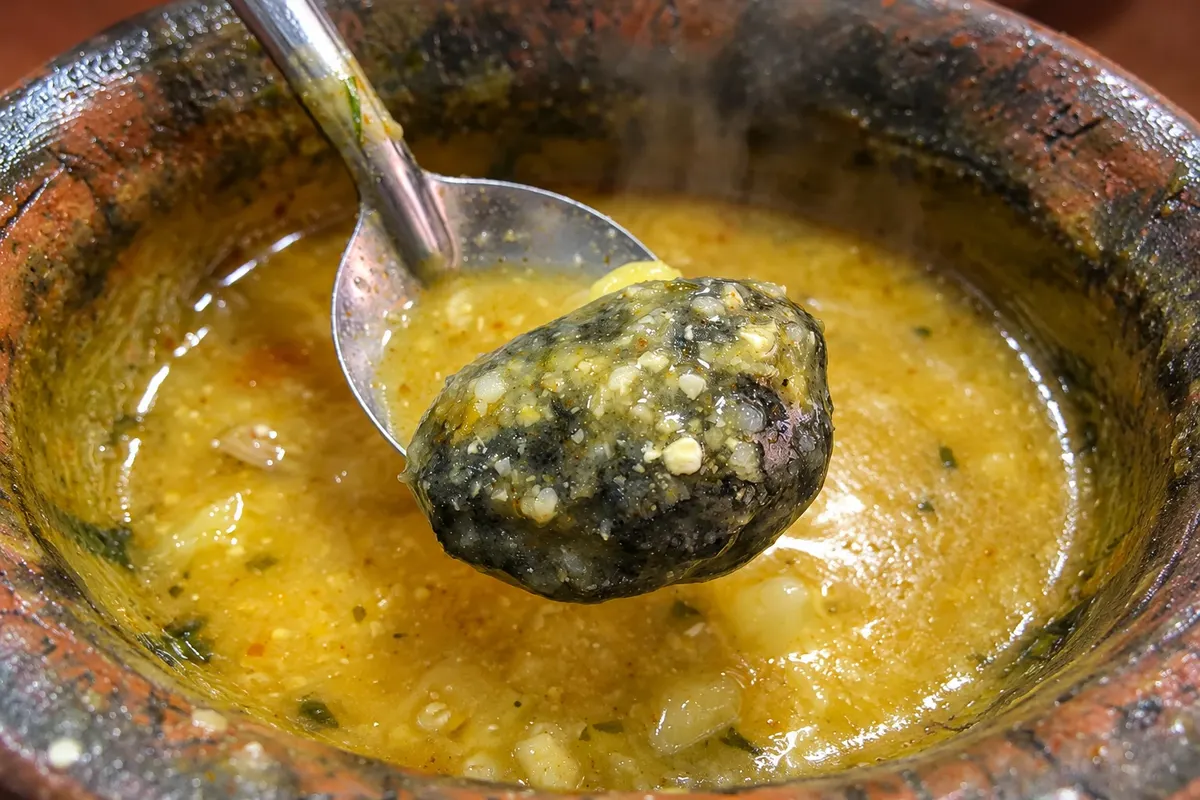
Thick soup made from white cornmeal with meat, potato and red ají, served in a clay bowl with a very hot volcanic stone inside that makes the broth boil at the table. It is a national heritage dish as representative cuisine of Potosí.
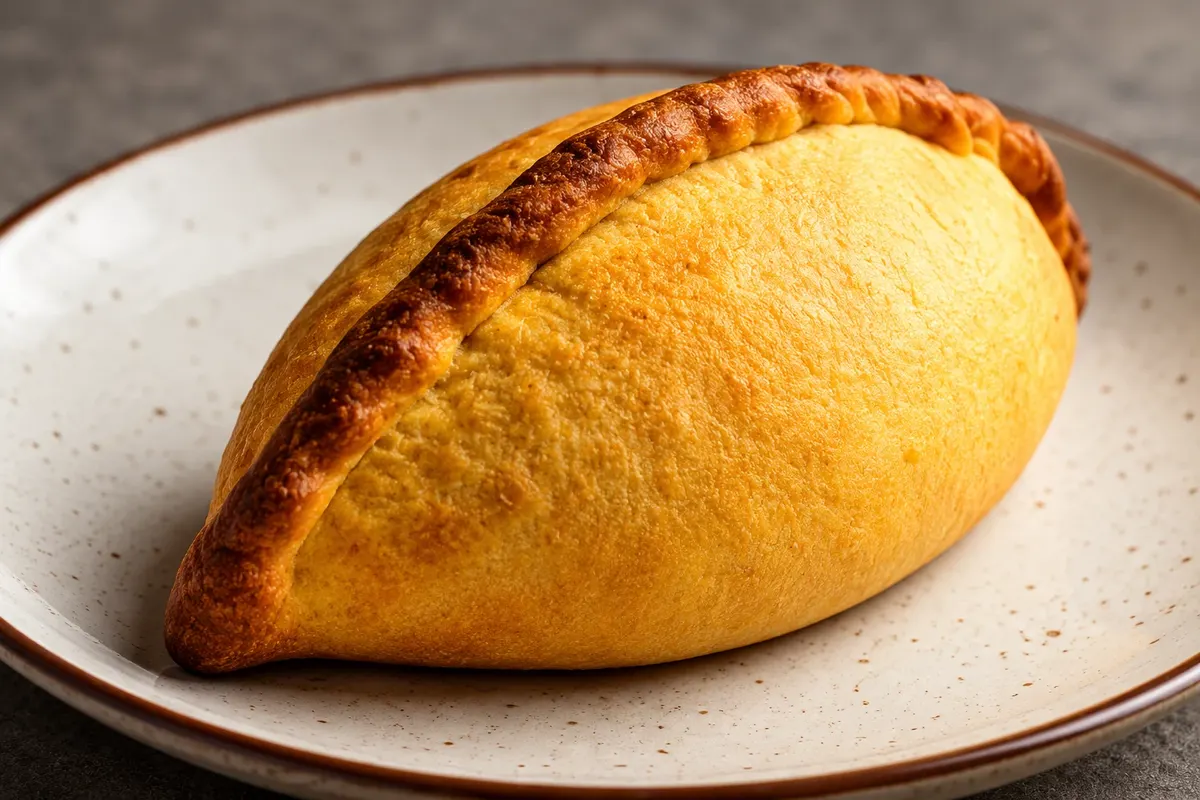
Baked empanada with a slightly sweet dough and a juicy filling of meat, potato, ají and broth, eaten mid-morning throughout Bolivia. Law 485 declared the salteña potosina a national heritage; its origin is disputed.
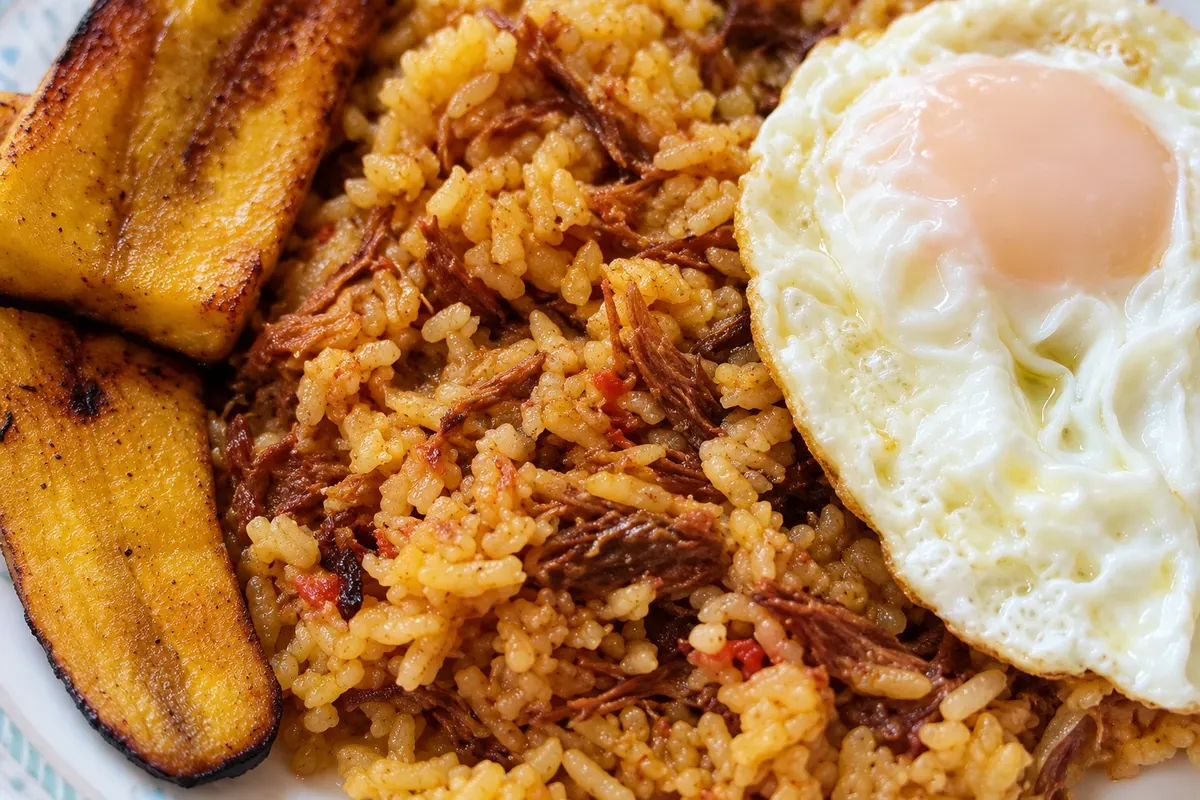
Cooked rice with shredded charque or other meats, served with a fried egg and fried cooking banana. It is the most consumed dish of cruceña cuisine from the Bolivian Lowlands (Oriente).
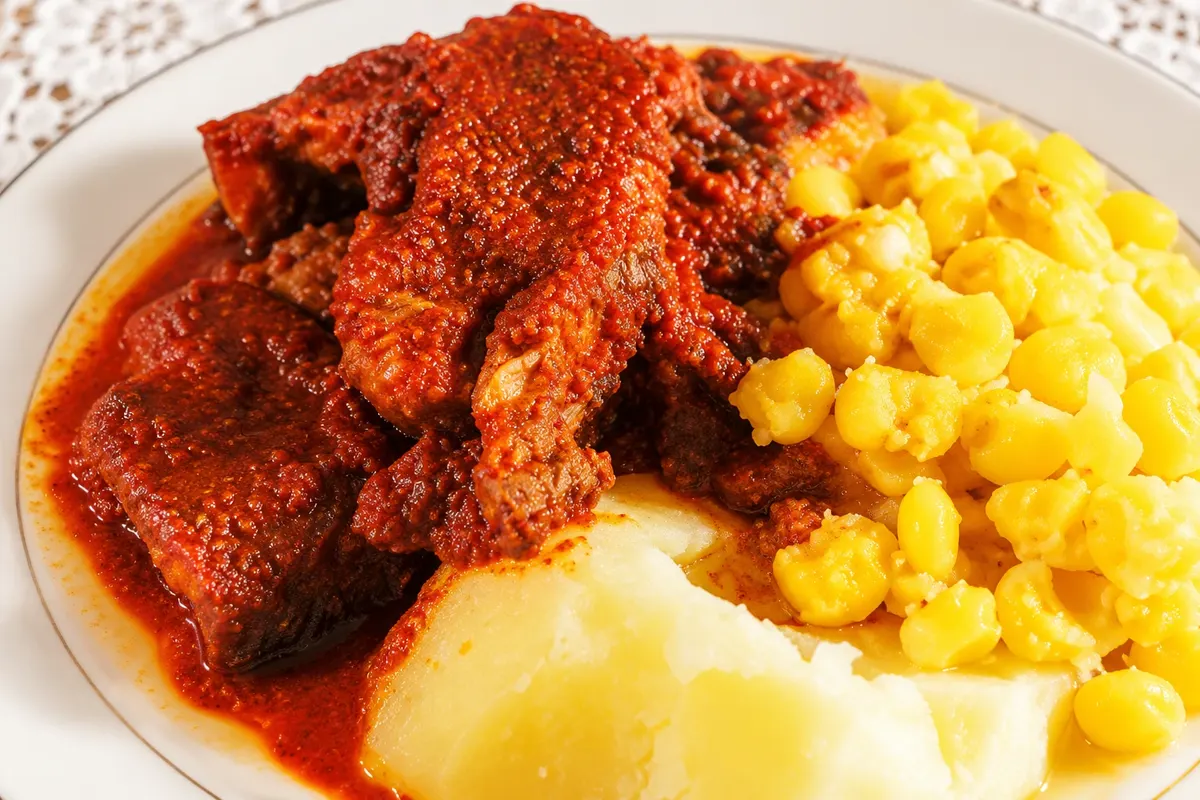
Pork stew in a red ají sauce, served with mote of white corn and potato. It is listed among Sucre’s emblematic dishes and has its own fairs in the city.

Brandy (aguardiente) from Moscatel de Alexandria grapes with Bolivian denomination of origin, produced in high-altitude valleys. The Tarija valleys are the primary production zone of the denomination and the center of the Wine and Singani Route.