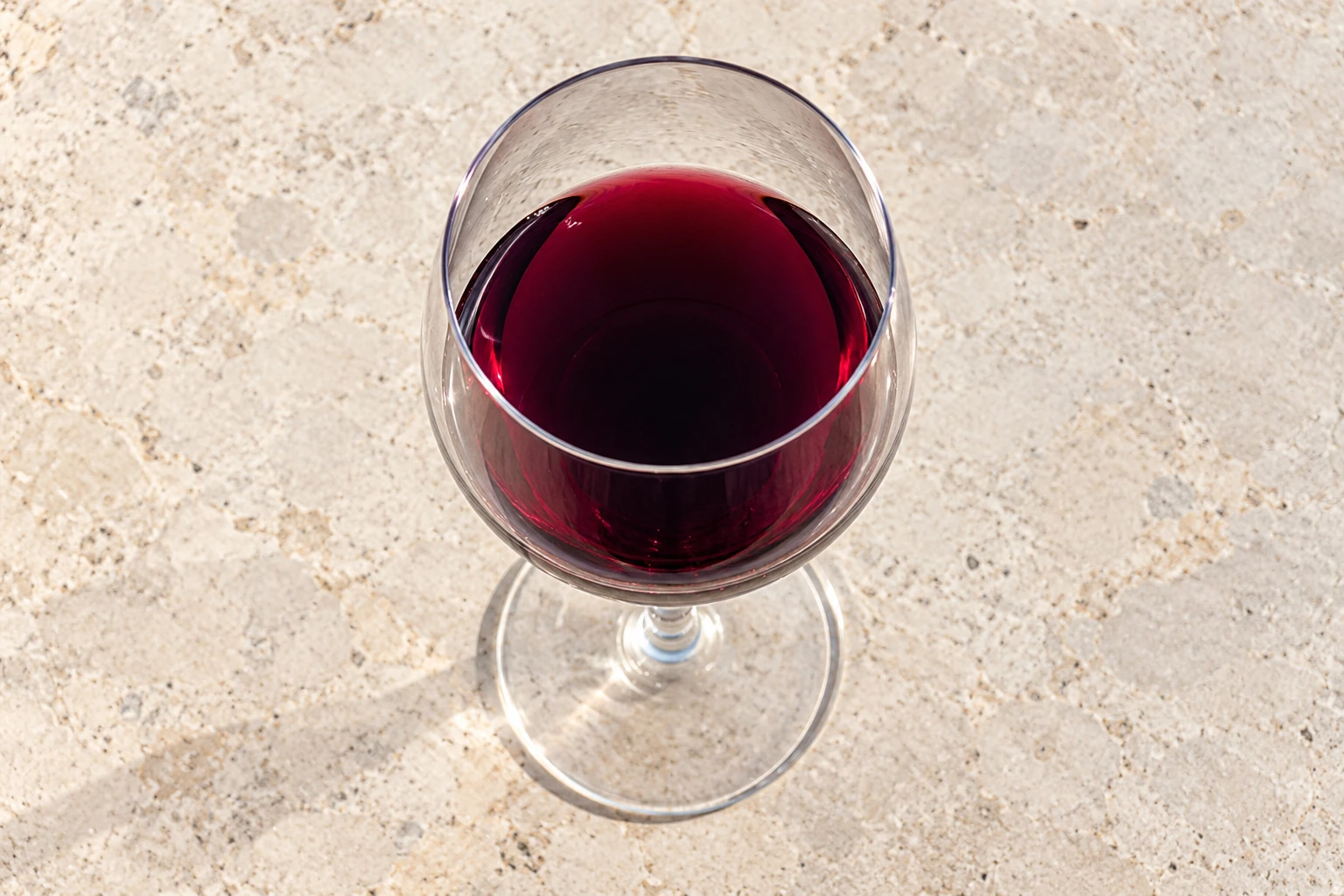
Malbec is a red grape of French origin that found its best-known home in Argentina. Mendoza contains most of the country’s vineyards, and Malbec has become the variety most associated with Argentine wine. Within Mendoza, Luján de Cuyo, south of the provincial capital, in the higher area of the Mendoza River, has a special relationship with this grape.
Luján de Cuyo and Maipú form the area traditionally called the Primera Zona, from which many of Mendoza’s most traditional Malbecs came. In Luján de Cuyo, moderate-altitude vineyards in districts such as Vistalba, Las Compuertas and Drummond preserve old vines, some centuries old. For producers in the region, these old vineyards are a heritage to protect.
To defend this wine, growers and winemakers in the region created the Denominación de Origen Controlada Luján de Cuyo in 1989, recognized by the Instituto Nacional de Vitivinicultura in 2005. It is presented as the first denominación de origen controlada in the Americas. Only wines that comply with the regulations may carry the DOC initials on the label, with oversight by the denominación’s council and the Instituto Nacional de Vitivinicultura and a numbered seal on each bottle.
In the regional category, the rules require at least 85% Malbec, a minimum alcohol level of 13.5%, grapes from Luján de Cuyo vineyards at least ten years old, vinification and bottling in the zone, and 18 months between harvest and sale, of which at least six must be in wood. The result is typically a wine with intense color, ripe fruit and soft tannins.
Malbec is also grown in other parts of Mendoza, such as the Valle de Uco, farther south and at higher altitude, and in other provinces, each with its own style. In Luján de Cuyo, the wine route brings together bodegas that welcome visitors. Enjoy in moderation.


 Brazil
 Bolivia
 Chile
 Colombia
 Ecuador
 Guyana
 French Guiana
 Falkland Islands (Malvinas)
 Paraguay
 Peru
 Suriname
 Uruguay
 Venezuela
 Germany
 Austria
 Belgium
 Croatia
 Denmark
 Spain
 Finland
 France
 Greece
 the Netherlands
 Hungary
 Ireland
 Iceland
 Italy
 Luxembourg
 Norway
 Poland
 Portugal
 the United Kingdom
 the Czech Republic
 Sweden
 Switzerland
 Turkey
 the United States
 Mexico
 the Dominican Republic
 South Africa
 Australia
 Fiji