Torrontés
Aromatic white wine from a grape born in Argentina, with floral and fruity aroma. In the high vineyards of the Cafayate valley, in Salta, it has one of its best-known expressions and an annual week of celebrations.
Flavors · Buenos Aires
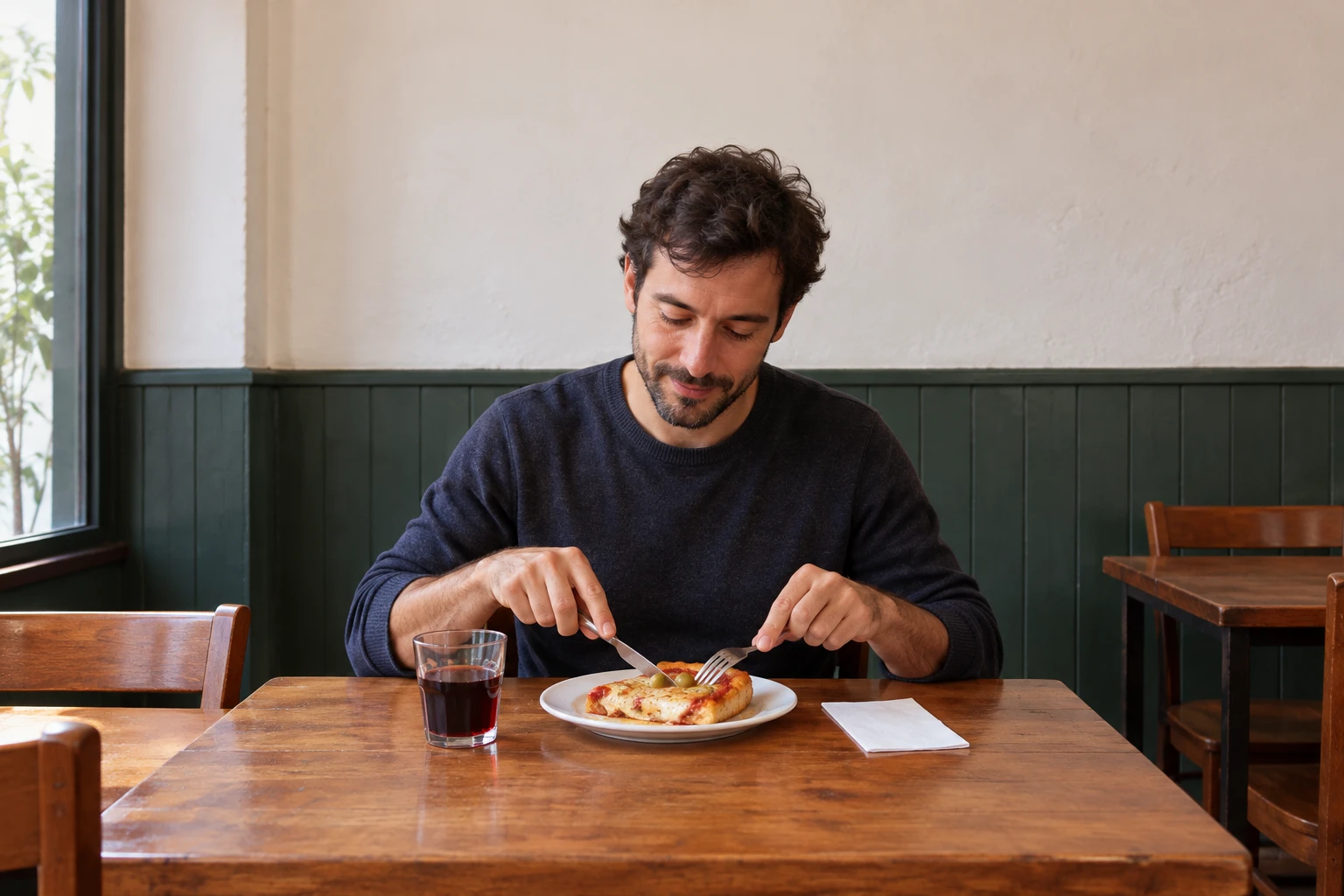
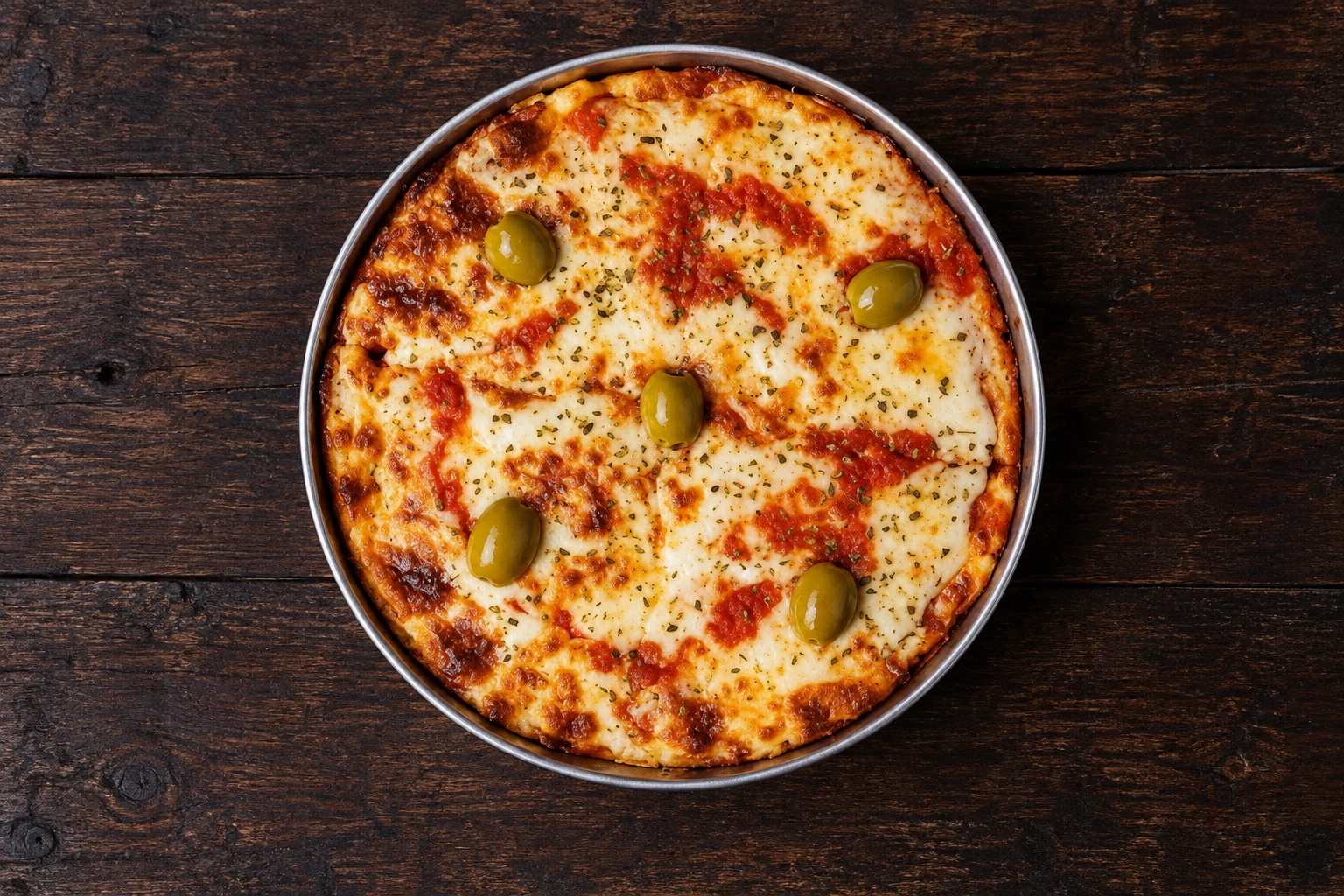
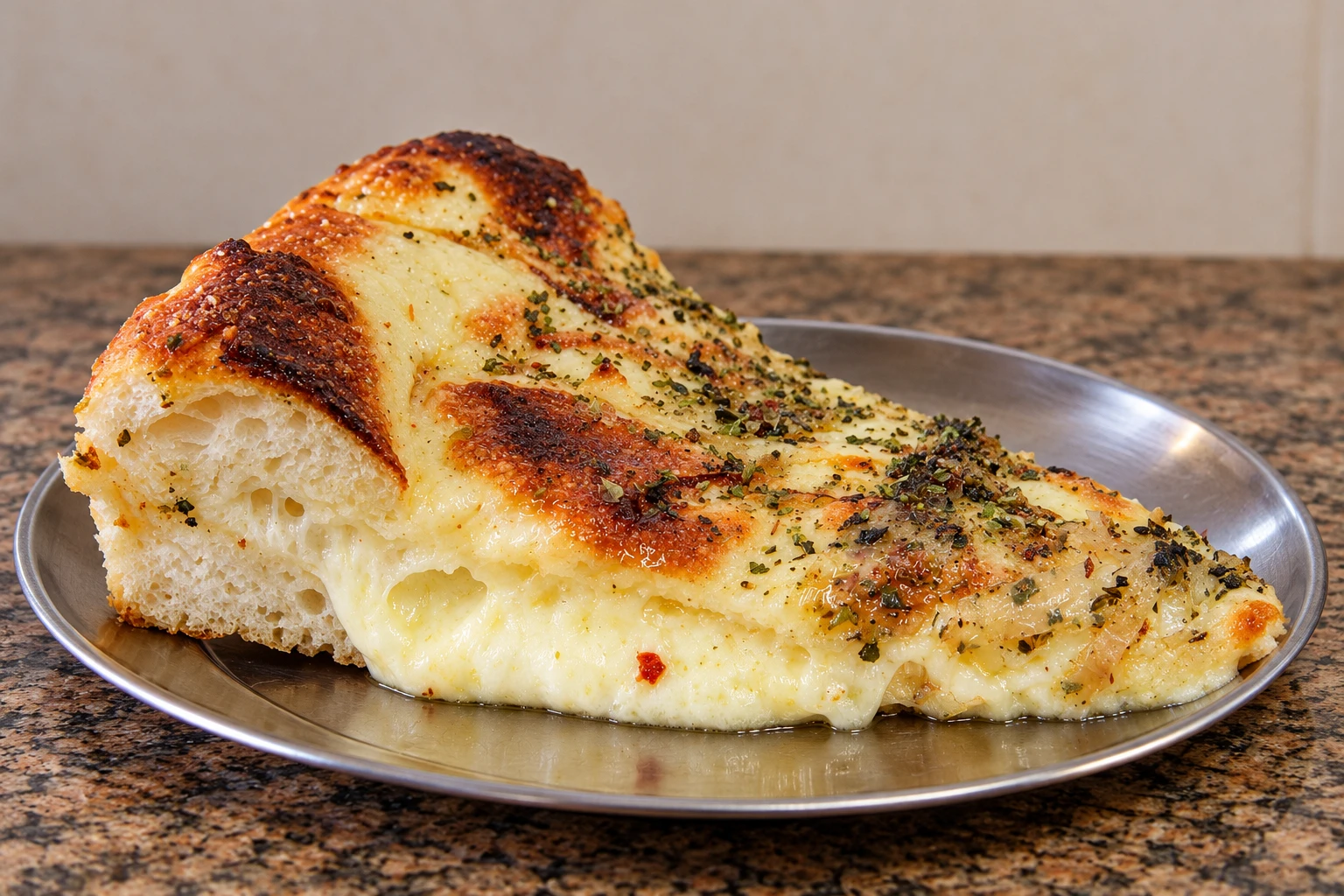
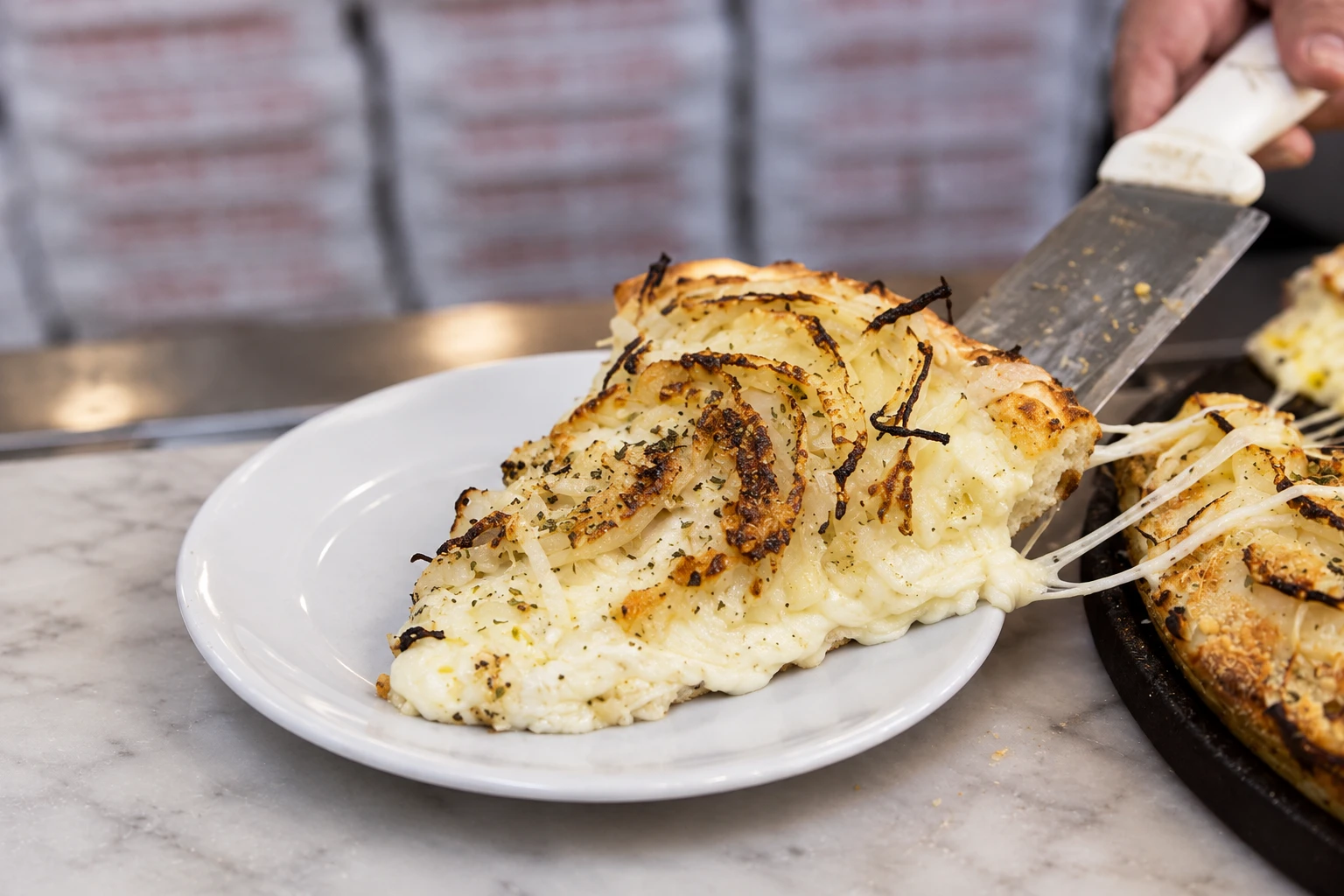
The Buenos Aires pizza: thick dough baked in a pan, topped with plenty of mozzarella and eaten in portions, often standing at the counter. It includes the fugazzeta, filled with cheese and topped with onion, and the fainá made from chickpea flour that accompanies it.
Traditional dish from Buenos Aires, Cidade de Buenos Aires
Also known as: pizza de muzzarella al molde, muzza, fugazzeta, pizza con fainá, pizza argentina
Illustrative images. The pictures in this guide are illustrations based on the real place, not photographs, and may differ from it.
Click a photo to enlarge it.
Pizza porteña — Buenos Aires, Argentina
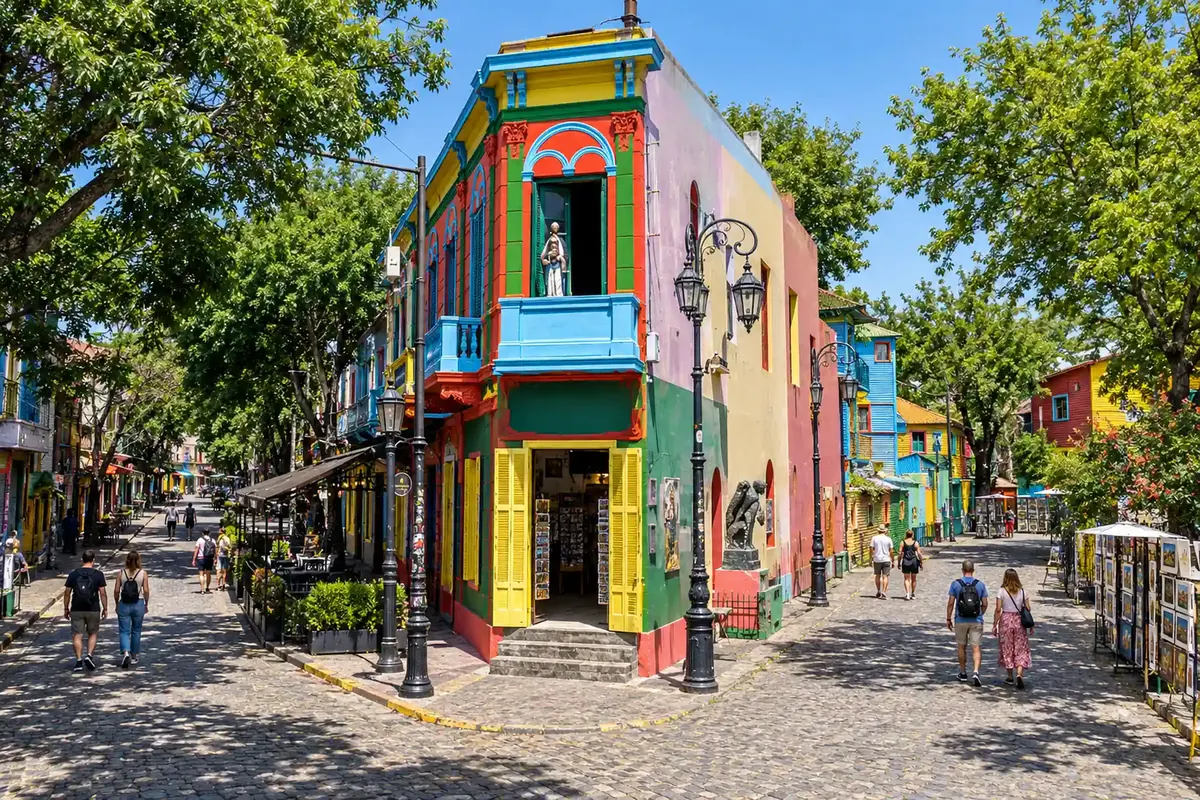
The porteña pizza is the pizza of Buenos Aires, created by Italian immigrants who arrived in the city between the late 19th and early 20th centuries. The most-cited starting point is the La Boca neighborhood, near the port, where many Genoese bakers lived. There the pizza arrived as a tradition and was transformed with local ingredients and the tastes of the city's residents.
The most typical style is pizza al molde: tall, fluffy dough baked in a pan, topped with a generous layer of mozzarella, which in Buenos Aires is written muzzarella and ordered as muzza. There is also media masa, with medium thickness, and a la piedra, with thin crust. Porteña pizza is meant to be shared or eaten quickly, in portions, often standing at the marble counters of old pizzerias.
The fugazzeta is the city's best-known creation. It comes from the Genoese fugassa, a bread with onion: in Buenos Aires it gained a lot of cheese, filling the dough, and onion on top. The most widespread tradition attributes the invention to the Banchero family, of Ligurian origin, in La Boca, and tells that Juan Banchero split an onion pizza in half and put cheese inside so it wouldn't be dry. The family's pizzeria was declared a Site of Cultural Interest by the city government in 2002.
The fainá, a thin batter of chickpea flour baked in the oven, is the classic companion to porteña pizza, also of Ligurian heritage. Some eat it on the side, some put it on top of the pizza slice in a custom called a caballo, and some use it as bread.
The Subsecretariat of Cultural Heritage of the City of Buenos Aires recognized dozens of pizzerias of patrimonial value and treated pizza as part of the residents' identity. Some establishments opened in the 1920s and 1930s still operate with ovens and dining rooms from that era.

Buenos Aires, Cidade de Buenos Aires
Porteña pizza was born among the Italian immigrants of Buenos Aires, with La Boca as its starting point, and the city recognizes pizzerias of patrimonial value.
Dough of wheat flour, yeast, water and salt; plenty of mozzarella; tomato sauce. In the fugazzeta, cheese in the filling and onion on top. In the fainá, chickpea flour, water, olive oil and salt.
In portions, at the table or standing at the counter, often with a slice of fainá beside or on top. Pairs well with beer, soft drinks or red wine.
All year round, at lunch, at dinner or after the movies and theater, on Avenida Corrientes and in the neighborhoods.
Your questions
Thick, fluffy dough baked in a pan, with lots of mozzarella. It is eaten in portions, often standing at the counter, and with a slice of fainá beside or on top.
A porteña pizza filled with cheese and topped with onion, derived from the Genoese fugassa. Tradition attributes its invention to the Banchero family from the La Boca neighborhood.
A thin batter of chickpea flour, baked in the oven. In Buenos Aires it accompanies pizza: served on the side, on top of a slice, or used as bread.
Flavors of Argentina

Aromatic white wine from a grape born in Argentina, with floral and fruity aroma. In the high vineyards of the Cafayate valley, in Salta, it has one of its best-known expressions and an annual week of celebrations.

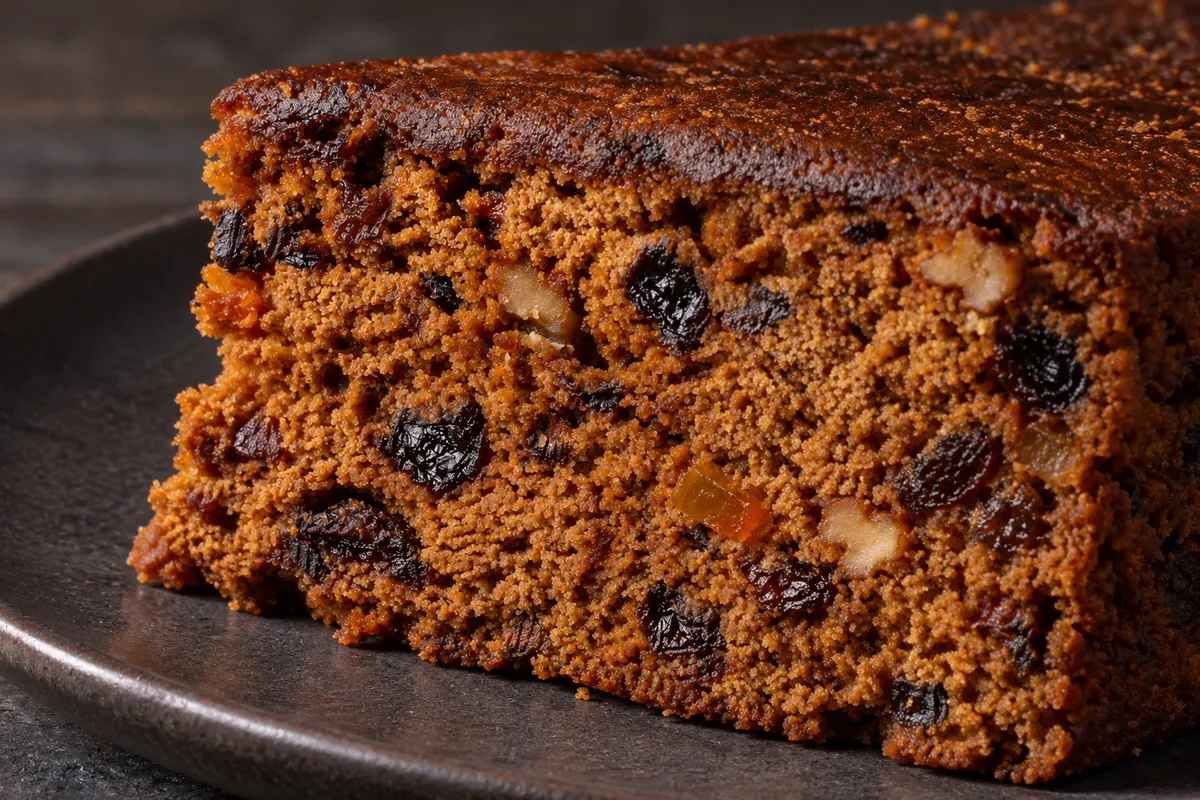
Dark, dense cake fragrant with dried fruit, nuts, brown sugar and spices — a legacy of the Welsh settlers who arrived in Chubut in 1865. It is the centerpiece of the Welsh tea and can be kept for a long time.

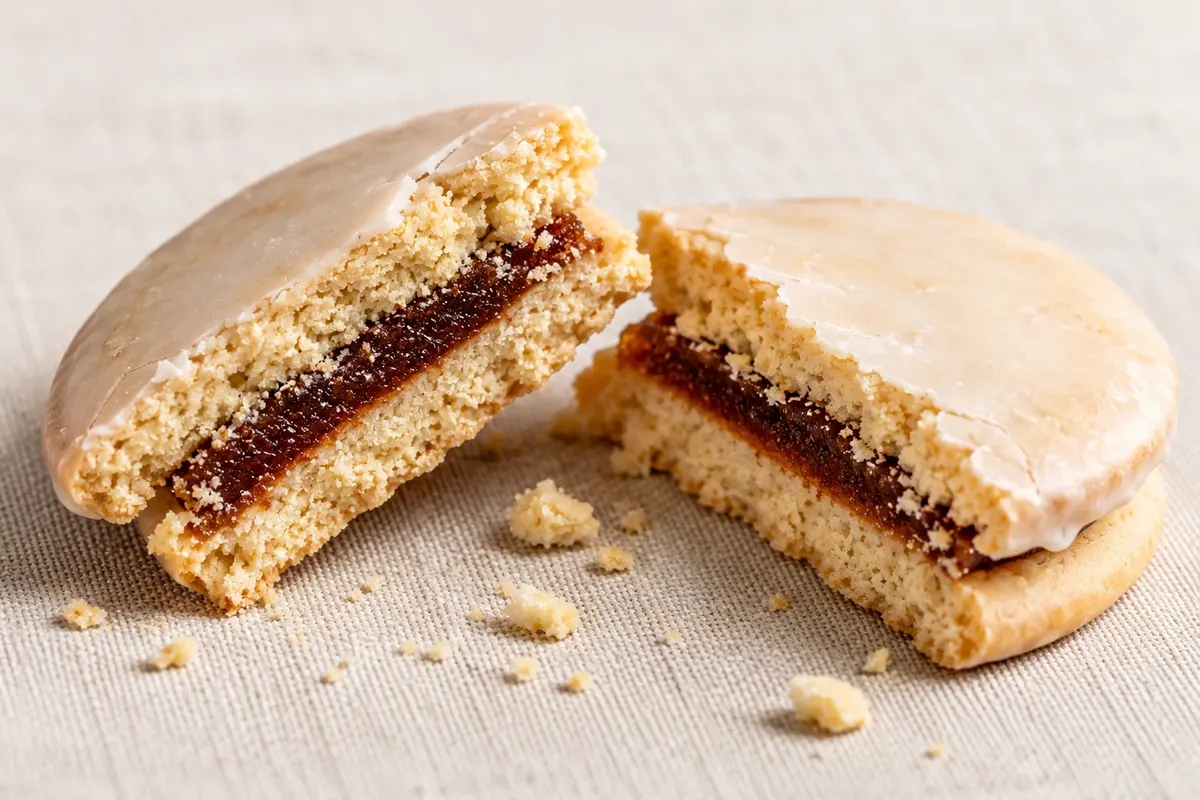
Alfajor from the province of Córdoba, with a soft dough made with honey, filled with fruit jam such as quince or pear, or with dulce de leche, and covered by a thin layer of white icing, without chocolate.

Malbec red wine from the old vineyards of Luján de Cuyo, in Mendoza, protected by the Denominación de Origen Controlada Luján de Cuyo, considered the first of the Americas, with rules on grape variety, alcohol content and aging.

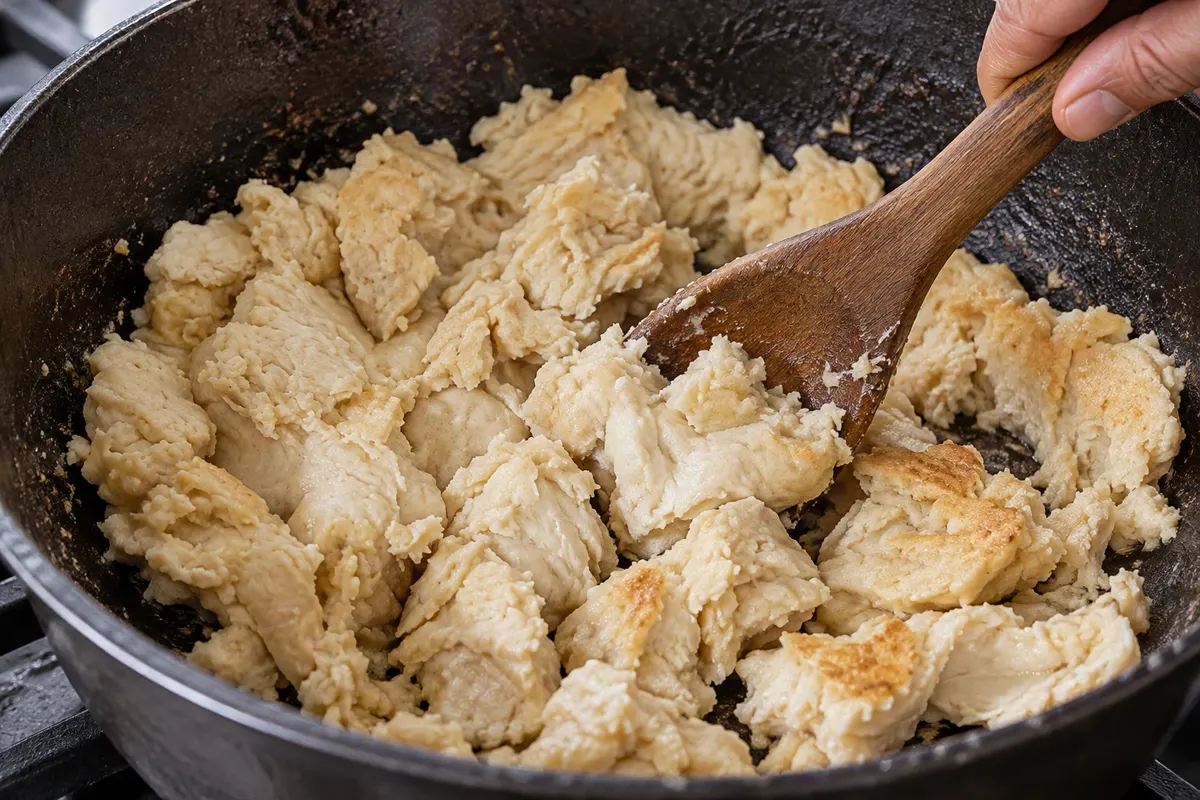
A simple dish from Misiones, made of flour, water and salt, sometimes with egg, stirred in the pot until it becomes a crumbly mass. It was born in the province’s yerba mate plantations, among the yerba-mate workers, and is eaten with mate cocido at breakfast.

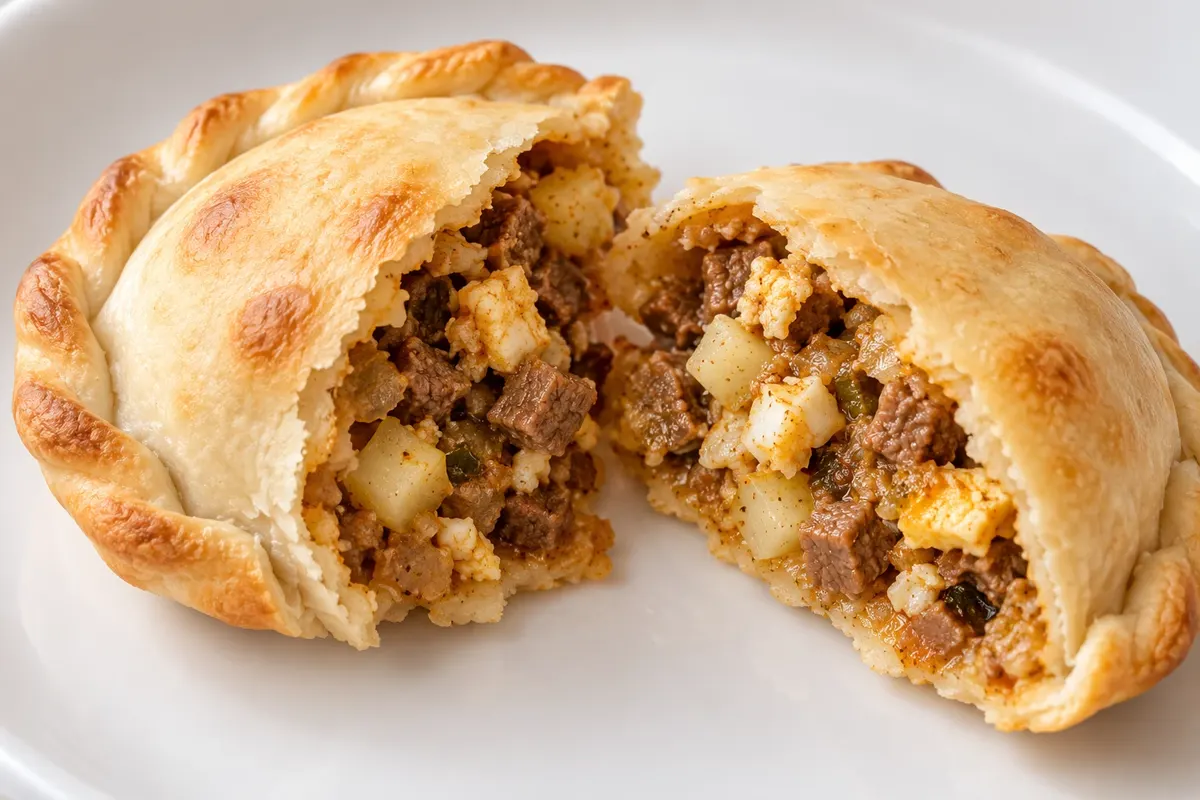
Small, very juicy empanada from Salta, filled with knife-cut beef in small cubes, potato, scallion, hard‑boiled egg, paprika and cumin, preferably baked in a clay oven and served very hot, with spicy sauce on the side.