Torrontés is the white wine most associated with Argentina. It comes from the Torrontés Riojano grape which, according to the National Institute of Vitiviniculture, is with a high degree of probability descended from a cross between Muscat of Alexandria and Criolla Chica, a grape introduced in the colonial period. For that reason it is treated in the country as an autochthonous variety. There are also Torrontés Sanjuanino and Mendocino, different varieties, but the Riojano accounts for the vast majority of vineyards.
Cafayate, in the southern Calchaquí Valleys in the province of Salta, is the town most linked to this wine. The valley’s vineyards sit above 1,700 meters, with strong sun during the day, cool nights and little rain. According to winemakers in the region, that temperature difference between day and night enhances the grape’s aromas. Argentina’s official tourism calls the valley the home of the variety.
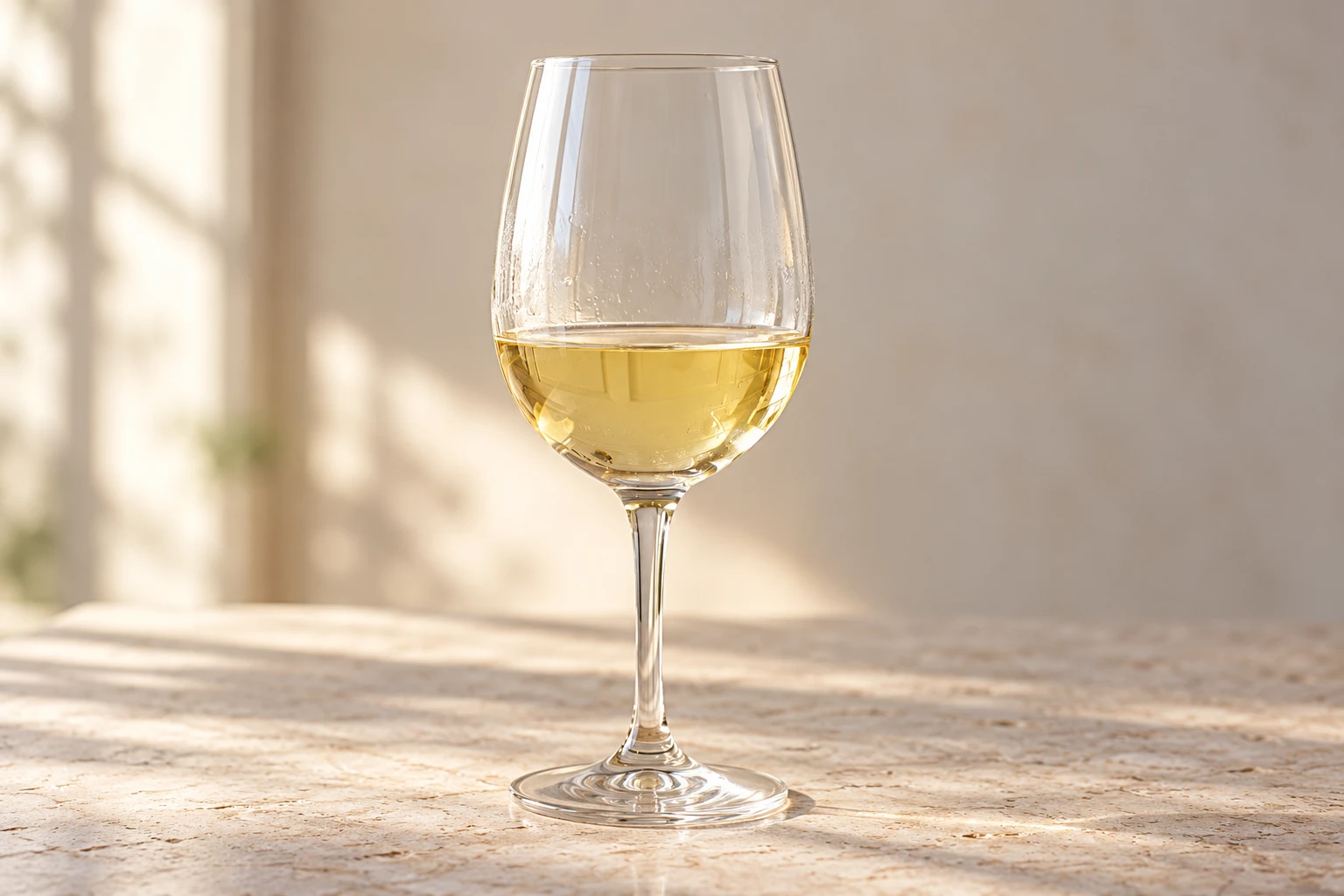
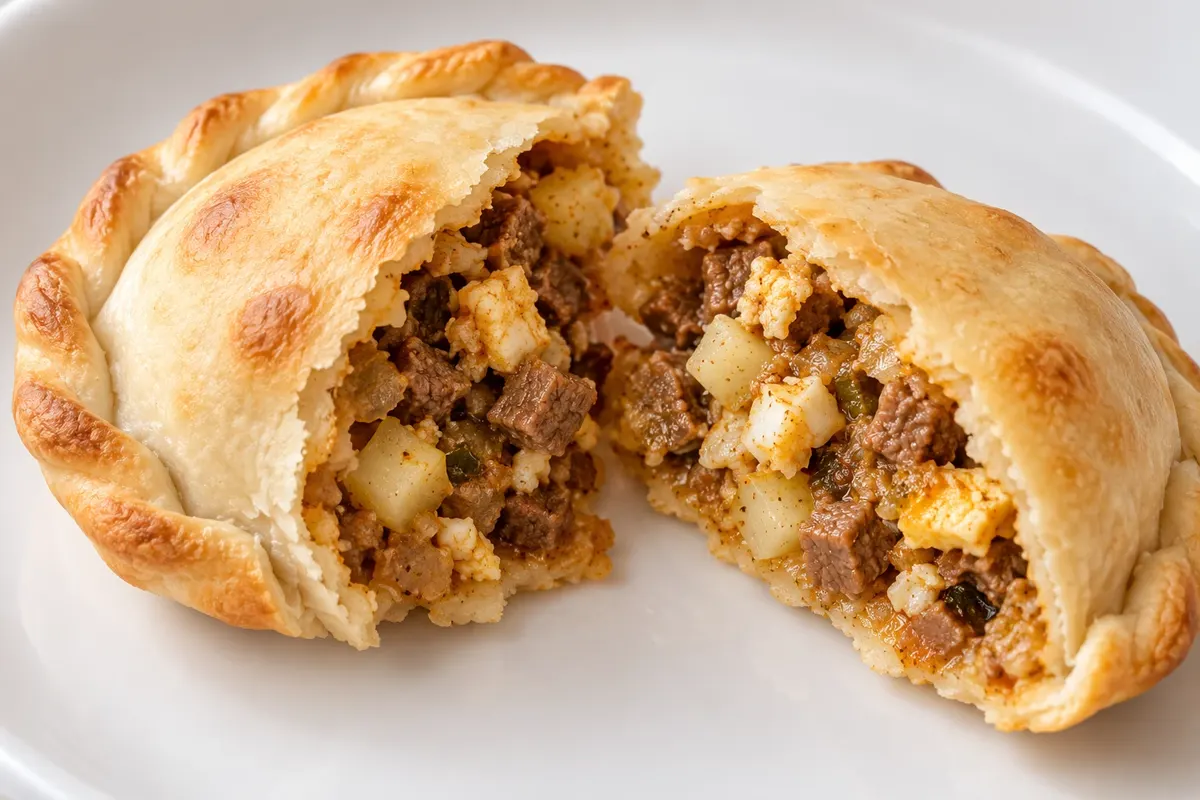
The wine typically has an intense perfume, floral and of white fruits, reminiscent of Muscat, with a dry palate and balanced acidity. It is served cold, as an aperitif or with light dishes, fish and seafood, and pairs well with northwest cuisine such as empanadas and humita. There are also sweet and sparkling versions.
In Cafayate, the high-altitude wine route brings together large and small bodegas, and many welcome visitors to see the vineyards and taste the wine. Every year in October the town hosts the Semana del Torrontés de Altura, a tourist and cultural event dedicated to the grape with tastings and wine-related activities.
Torrontés Riojano takes its name from the province of La Rioja, where it is also emblematic, and it is also grown in Mendoza, San Juan and other provinces. Each region gives the wine its own style. Enjoy in moderation.


 Brazil
 Bolivia
 Chile
 Colombia
 Ecuador
 Guyana
 French Guiana
 Falkland Islands (Malvinas)
 Paraguay
 Peru
 Suriname
 Uruguay
 Venezuela
 Germany
 Austria
 Belgium
 Croatia
 Denmark
 Spain
 Finland
 France
 Greece
 the Netherlands
 Hungary
 Ireland
 Iceland
 Italy
 Luxembourg
 Norway
 Poland
 Portugal
 the United Kingdom
 the Czech Republic
 Sweden
 Switzerland
 Turkey
 the United States
 Mexico
 the Dominican Republic
 South Africa
 Australia
 Fiji
 New Zealand