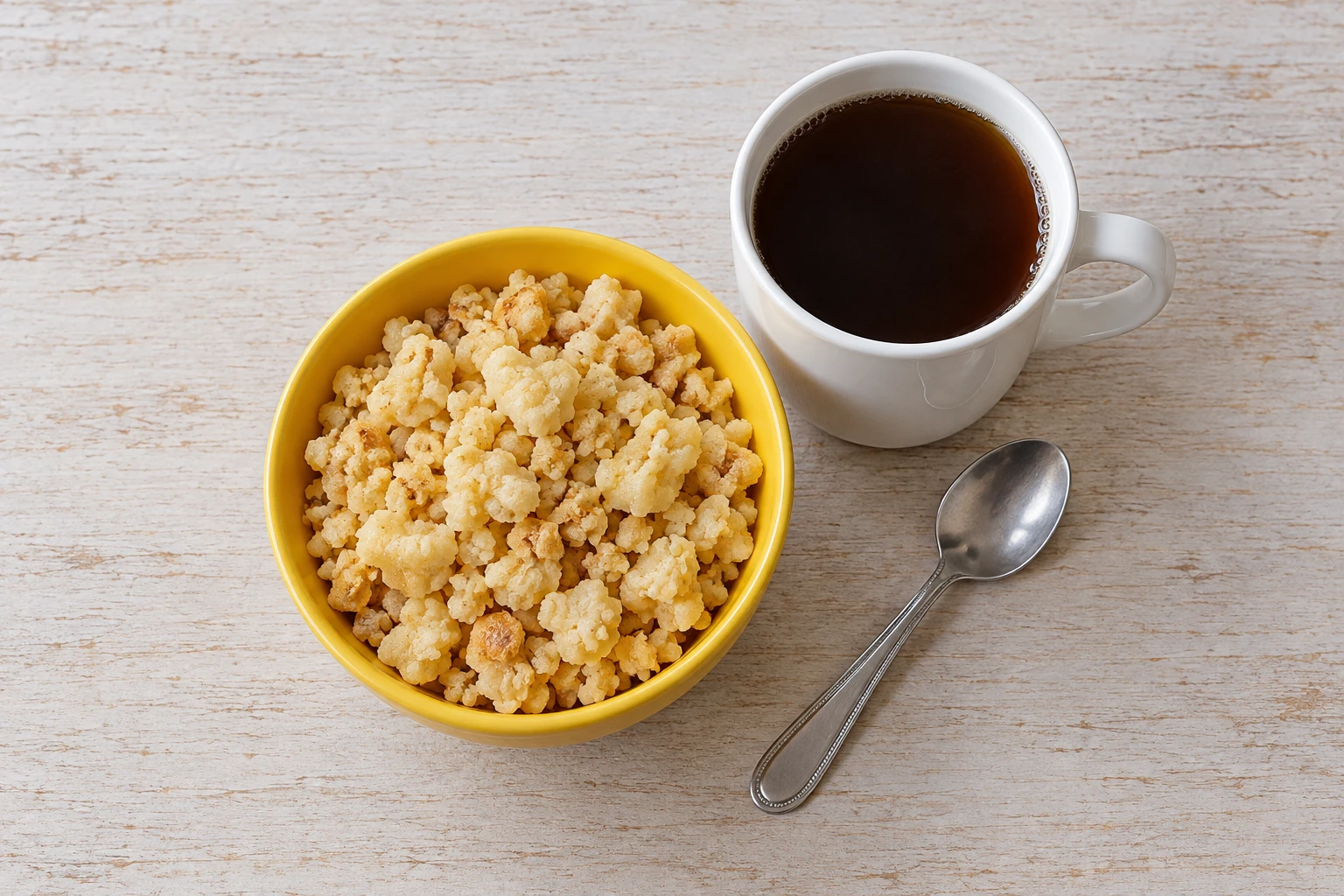
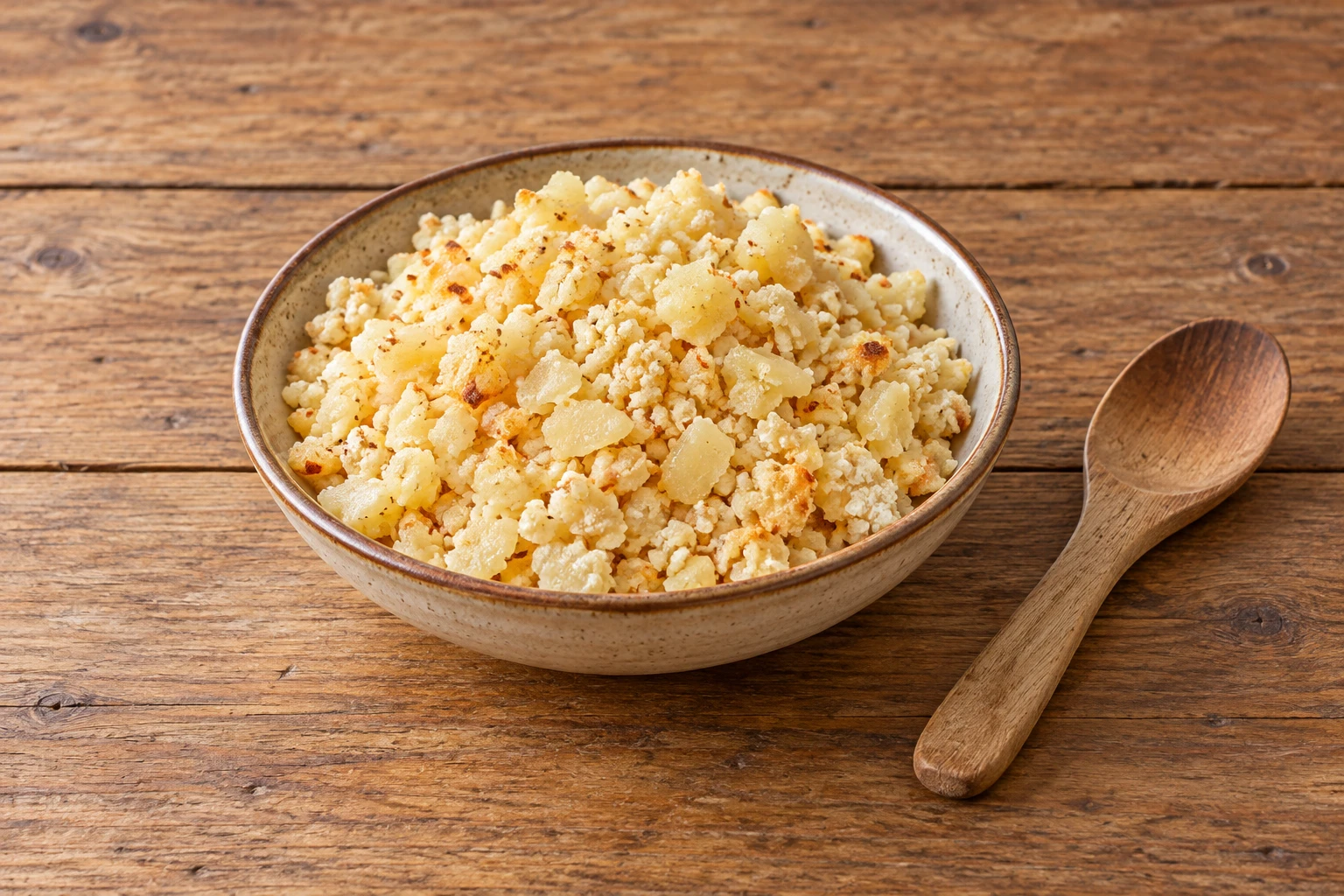
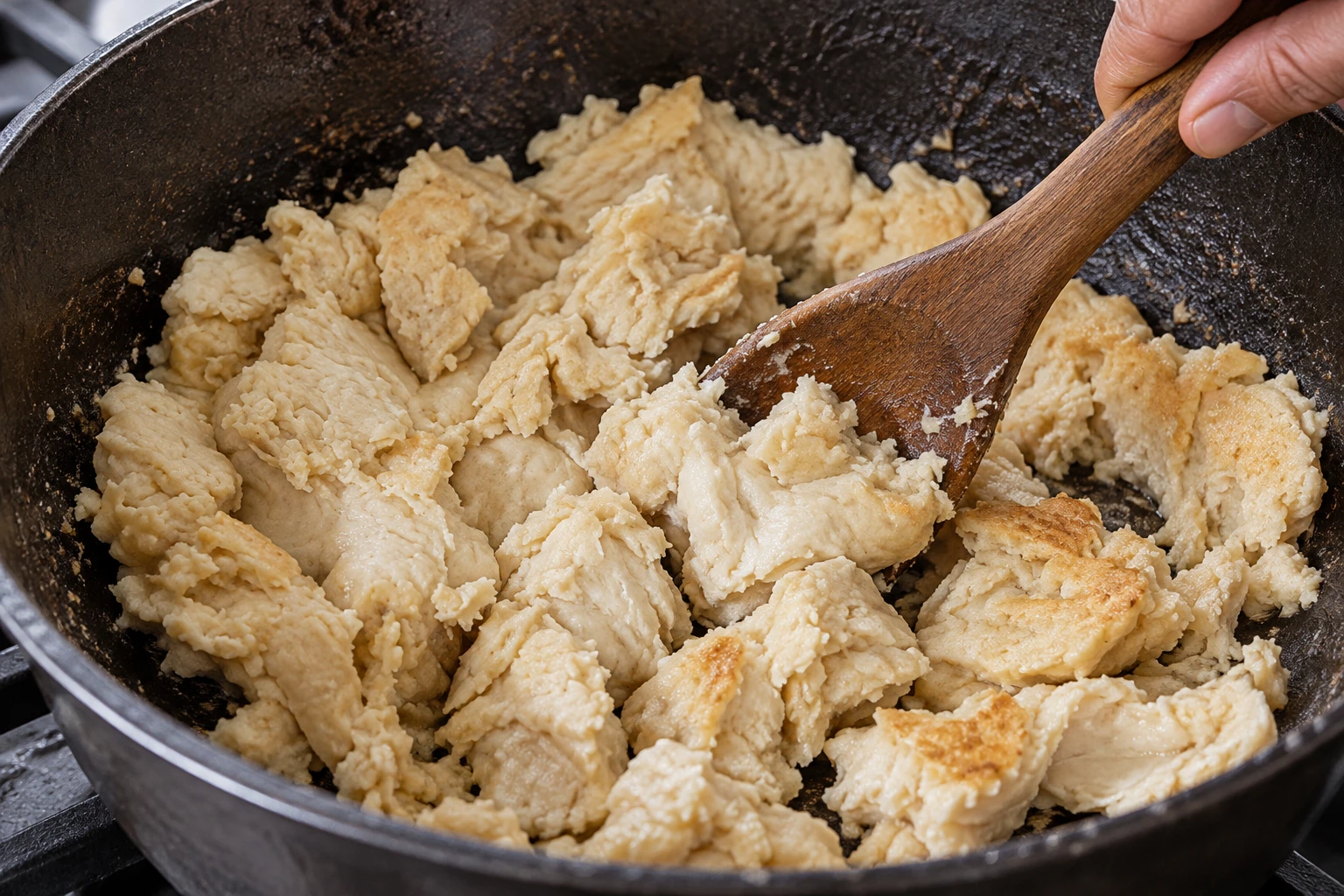
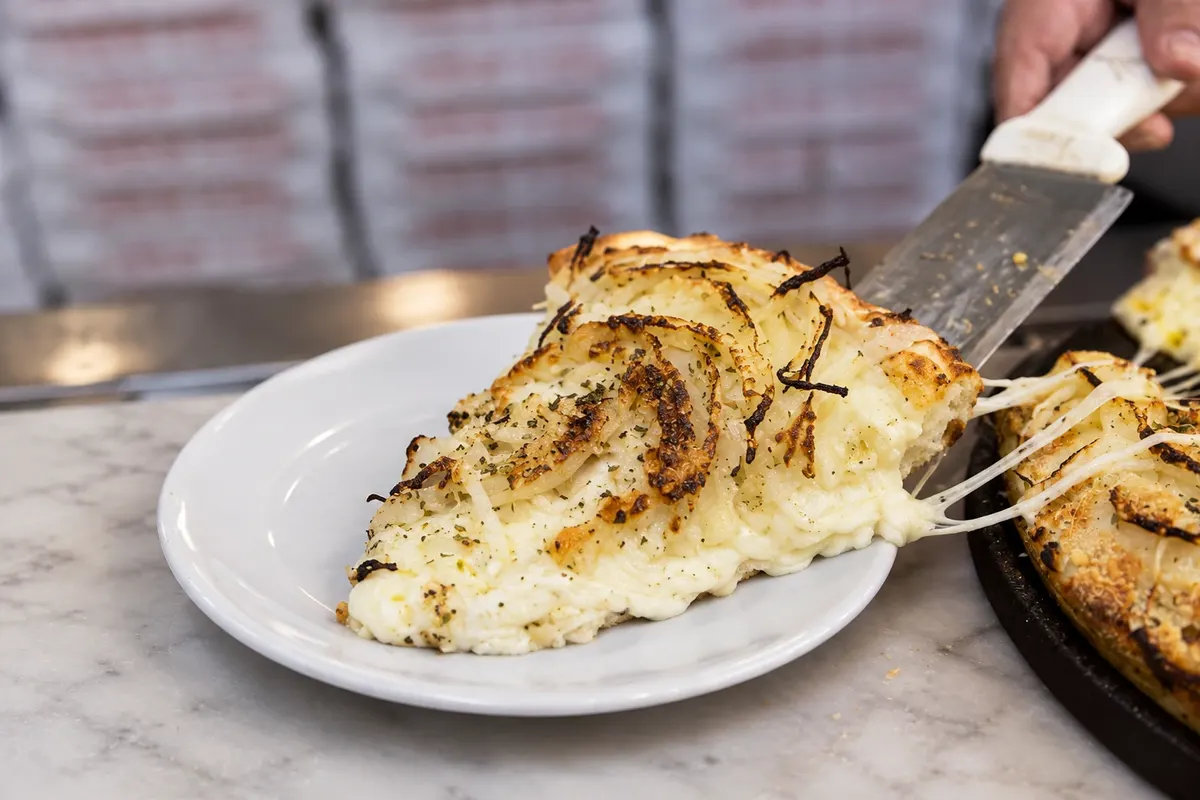
Reviro is one of the simplest dishes and is closely tied to the identity of Misiones province, in northeastern Argentina, between Paraguay and Brazil. The dough contains only flour, water and salt, sometimes an egg, and is cooked in an iron pot with fat, where it is stirred and turned until it falls apart into golden, loose pieces.
The history of reviro is tied to the yerba mate plantations, which for more than a century have been the center of Misiones’ agricultural production. Between the late 19th and early 20th centuries, the mensús, workers who harvested yerba in the forest, made a quick, calorie-dense food from flour and fat to face the working day, in heat or rain. The dish became a symbol of life in the yerbales.
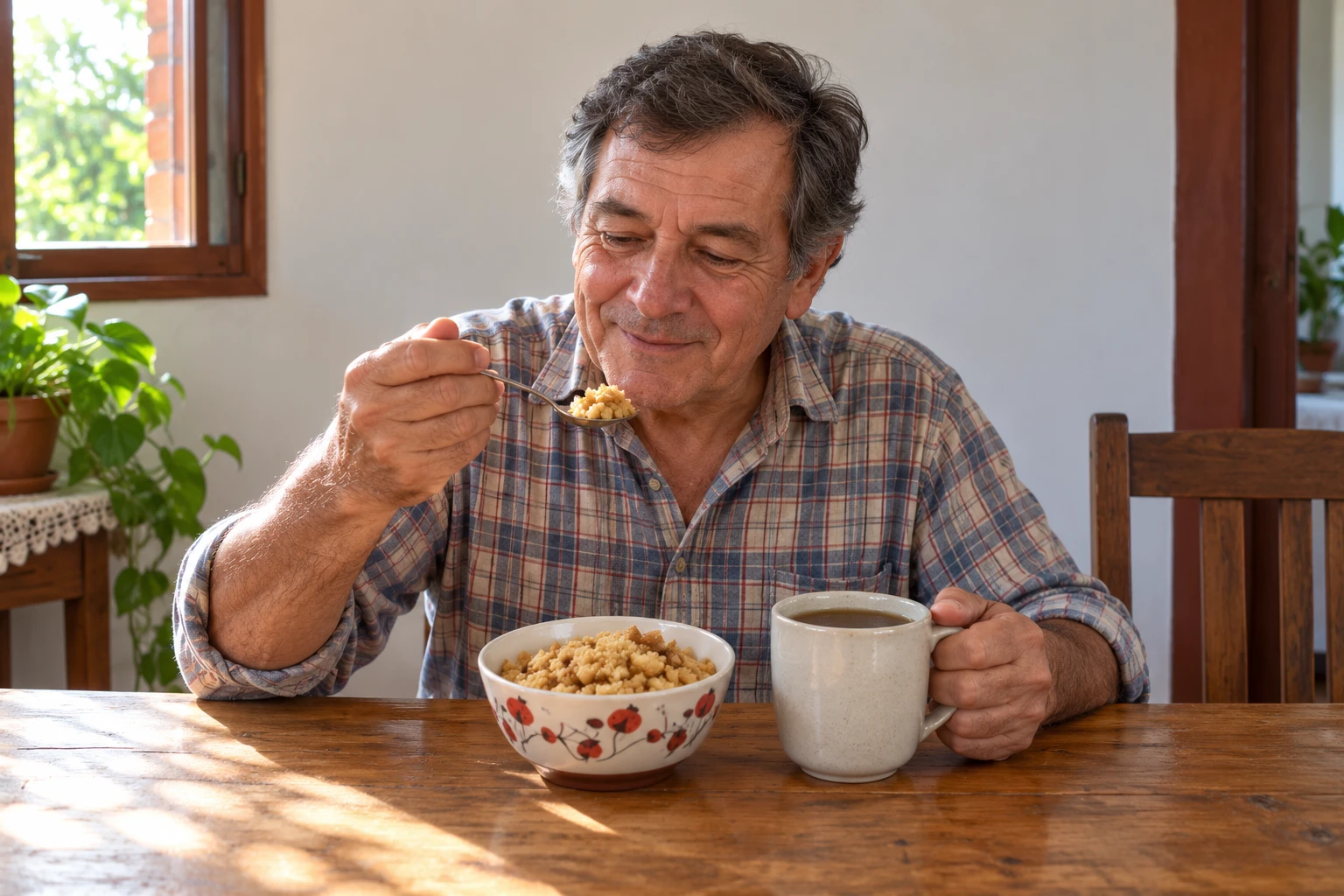
The traditional way to eat reviro is at breakfast, with a cup of mate cocido, yerba mate prepared like tea, served hot and sometimes with milk. It can also replace bread in meals, with a fried egg on top or alongside meat. Some prepare it sweet.
A legend told in Misiones says reviro was born from the tears of a mother who, having nothing to give her children, cried onto the flour she was stirring in the pot. The preparation has relatives in other places, such as Paraguay and the Spanish miga, but in Misiones it is treated as its own dish.
In Eldorado, in the north of the province, the Fiesta Interbarrial del Reviro brings neighbors together to cook reviro in a giant iron pot. The 2025 edition was declared of interest by the National Chamber of Deputies.


 Brazil
 Bolivia
 Chile
 Colombia
 Ecuador
 Guyana
 French Guiana
 Falkland Islands (Malvinas)
 Paraguay
 Peru
 Suriname
 Uruguay
 Venezuela
 Germany
 Austria
 Belgium
 Croatia
 Denmark
 Spain
 Finland
 France
 Greece
 the Netherlands
 Hungary
 Ireland
 Iceland
 Italy
 Luxembourg
 Norway
 Poland
 Portugal
 the United Kingdom
 the Czech Republic
 Sweden
 Switzerland
 Turkey
 the United States
 Mexico
 the Dominican Republic
 South Africa
 Australia
 Fiji