The Welsh black cake is the dessert most closely associated with the Welsh colonization of Argentine Patagonia. The first Welsh settlers landed on July 28, 1865 on the Chubut coast and settled in the lower Chubut River valley, where cities such as Rawson, Trelew and Gaiman later developed. Later, a group settled at the foot of the mountain range, where Esquel and Trevelin are now located.
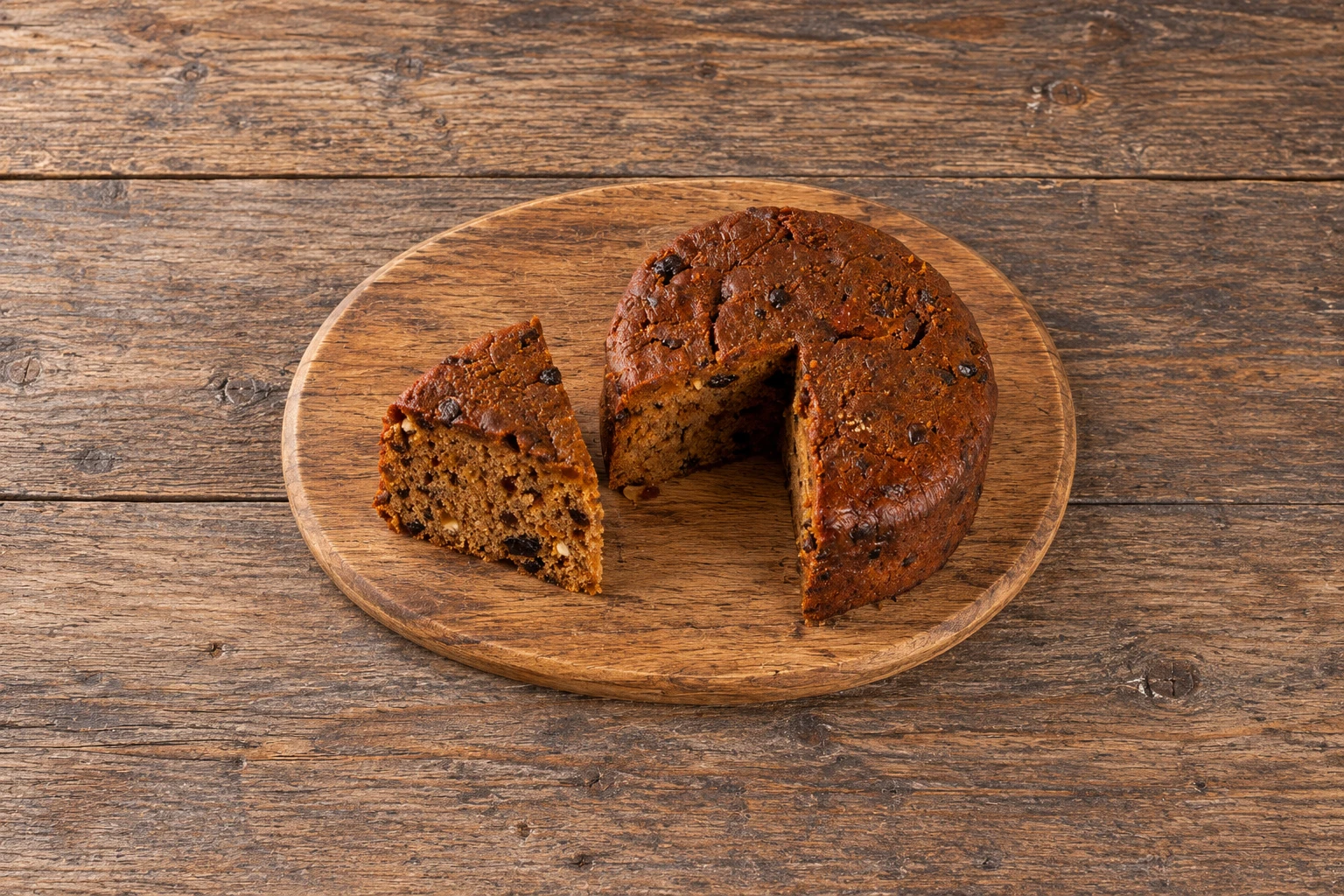
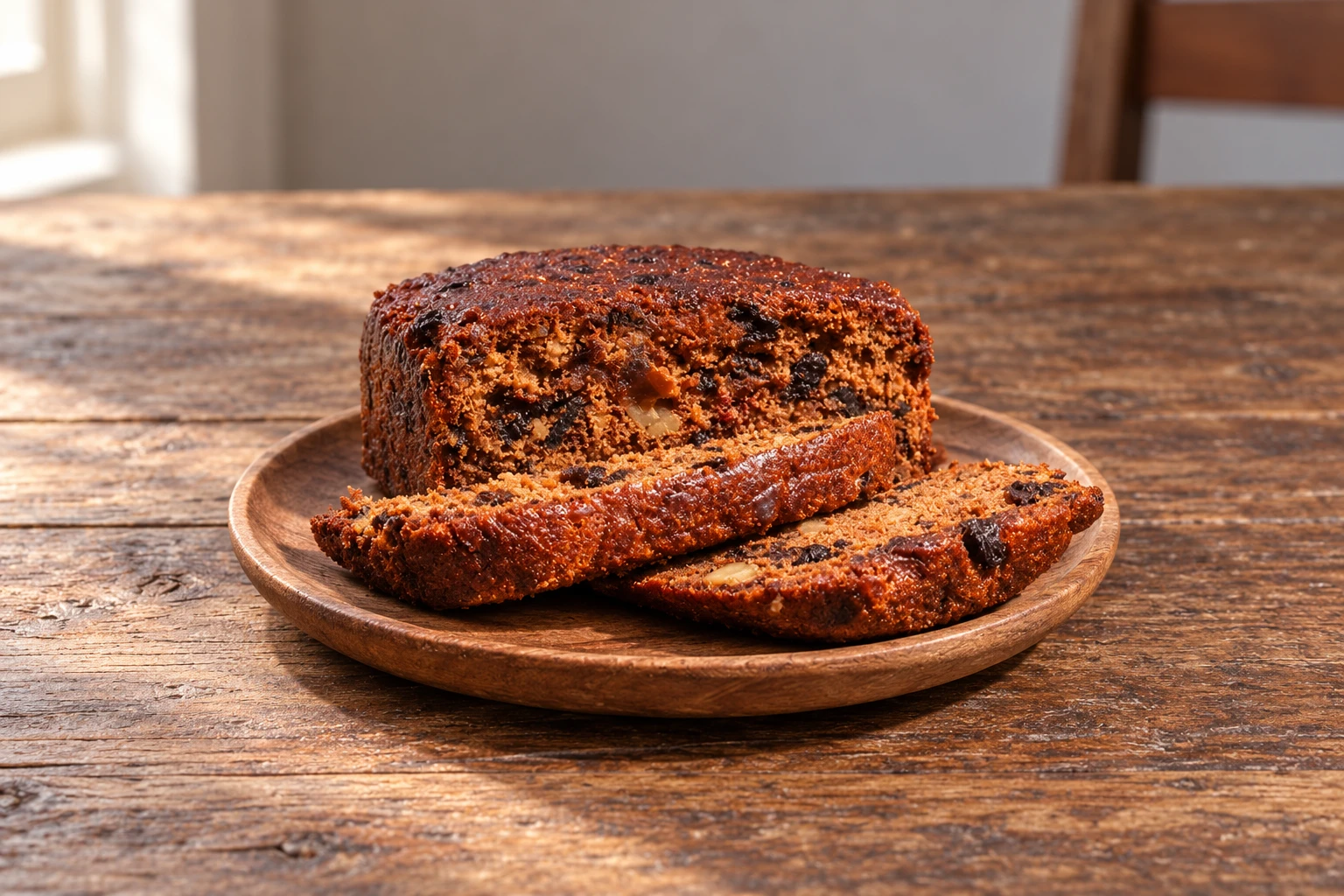
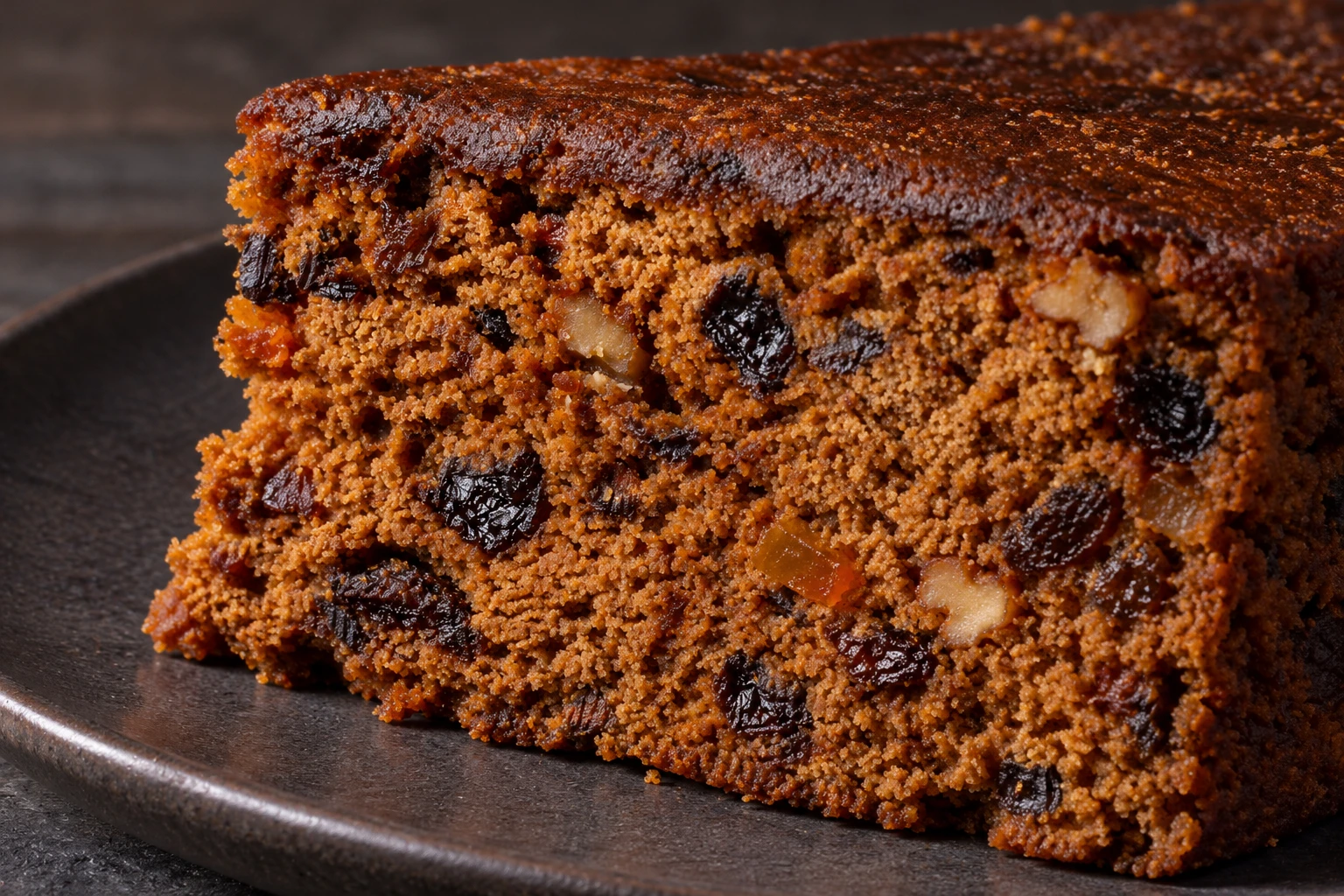
It is a round, tall cake, dark brown in color, with an amount of fruit similar to the amount of batter. It contains brown sugar, raisins, candied fruit, walnuts and almonds, and spices such as cinnamon, cloves and nutmeg; many recipes include an alcoholic beverage, such as whisky or brandy. It is baked slowly, often in a water bath. The recipe is often associated with the Welsh bara brith, but how it originated in Chubut is not precisely documented.
The cake keeps for a long time when well stored, which made it a travel gift and a dessert for special occasions. In Valle 16 de Octubre, near Trevelin, there is a custom of keeping part of the cake from a baptism or a wedding to eat long afterward. There they say the mountain-range version is different from the coastal one.
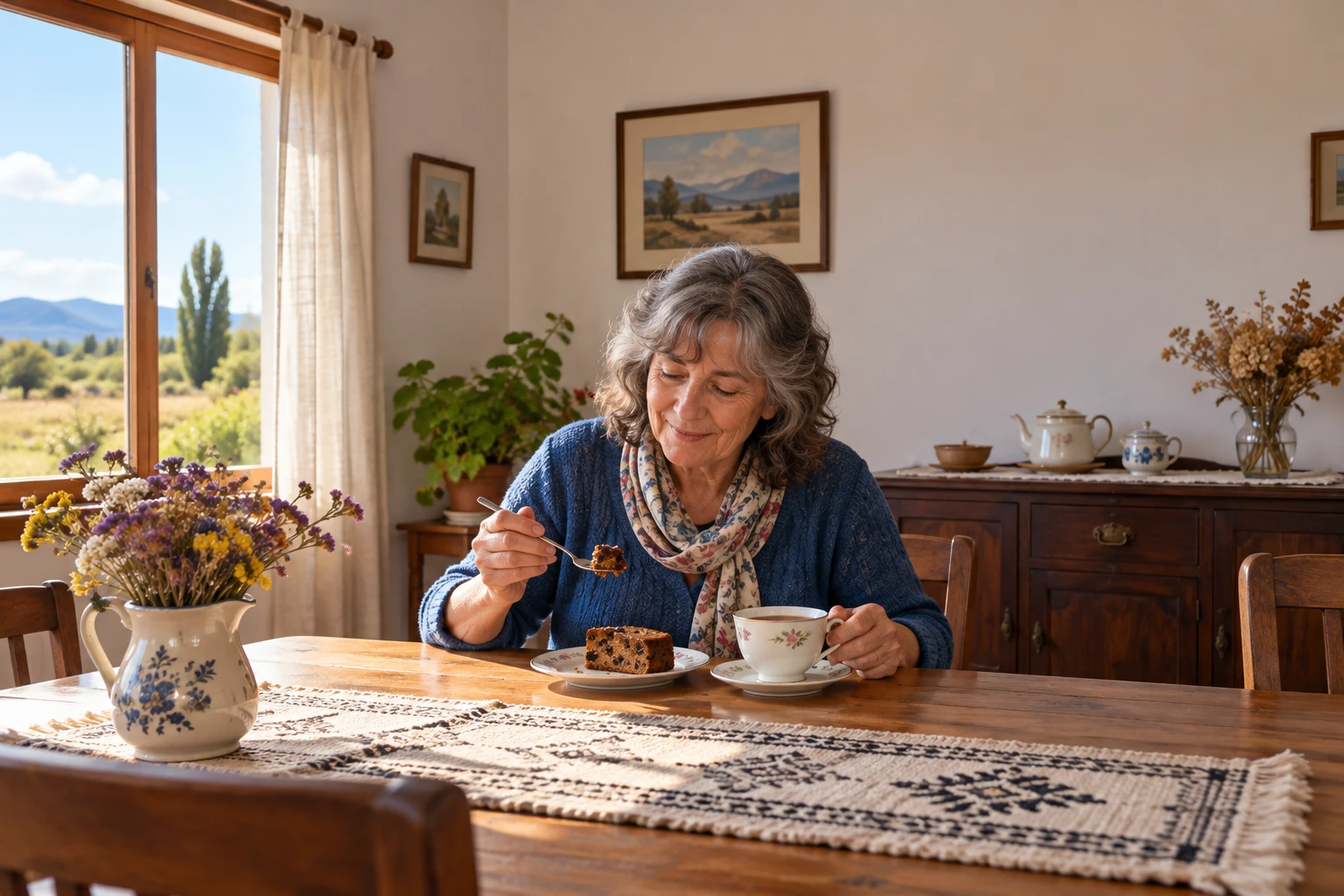
The cake is the centerpiece of Welsh tea, served with breads, scones and other cakes in the tearooms of Gaiman, Trevelin and other valley towns. Every July 28, a provincial holiday that commemorates the settlers’ arrival, Welsh chapels in Gaiman and Dolavon serve tea to the community.
The Chubut government, together with INTA and producers from several towns, is conducting a process to request recognition of the torta negra galesa del Chubut as a geographical indication. Trelew and Trevelin hold festivals dedicated to it.


 Brazil
 Bolivia
 Chile
 Colombia
 Ecuador
 Guyana
 French Guiana
 Falkland Islands (Malvinas)
 Paraguay
 Peru
 Suriname
 Uruguay
 Venezuela
 Germany
 Austria
 Belgium
 Croatia
 Denmark
 Spain
 Finland
 France
 Greece
 the Netherlands
 Hungary
 Ireland
 Iceland
 Italy
 Luxembourg
 Norway
 Poland
 Portugal
 the United Kingdom
 the Czech Republic
 Sweden
 Switzerland
 Turkey
 the United States
 Mexico
 the Dominican Republic
 South Africa
 Australia
 Fiji