The cuisine
Traditional food of Colombia
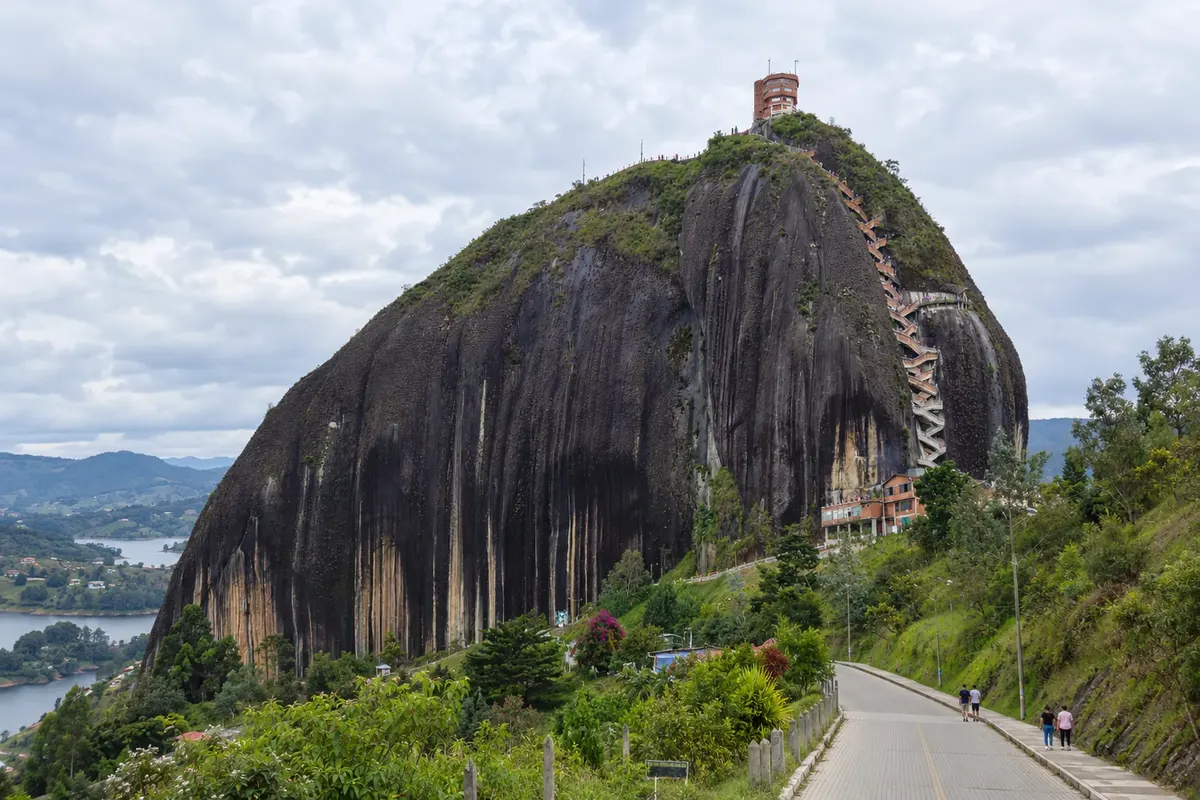
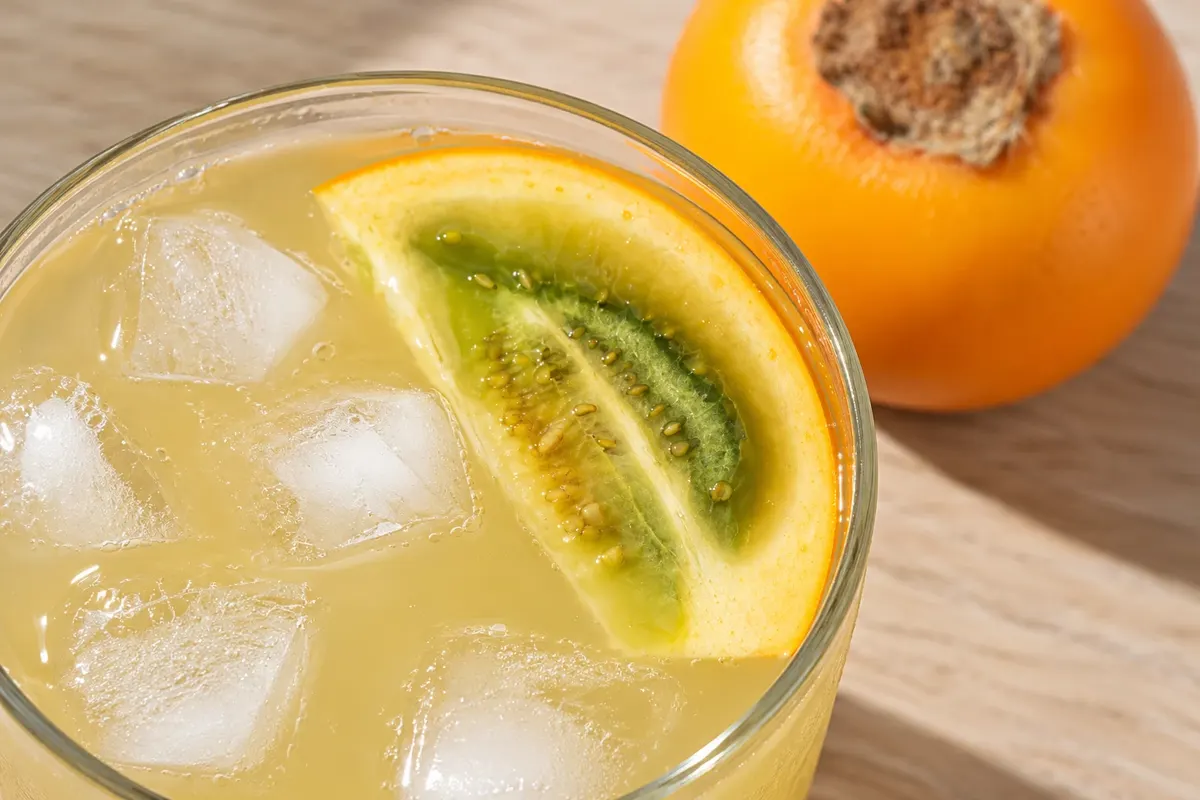
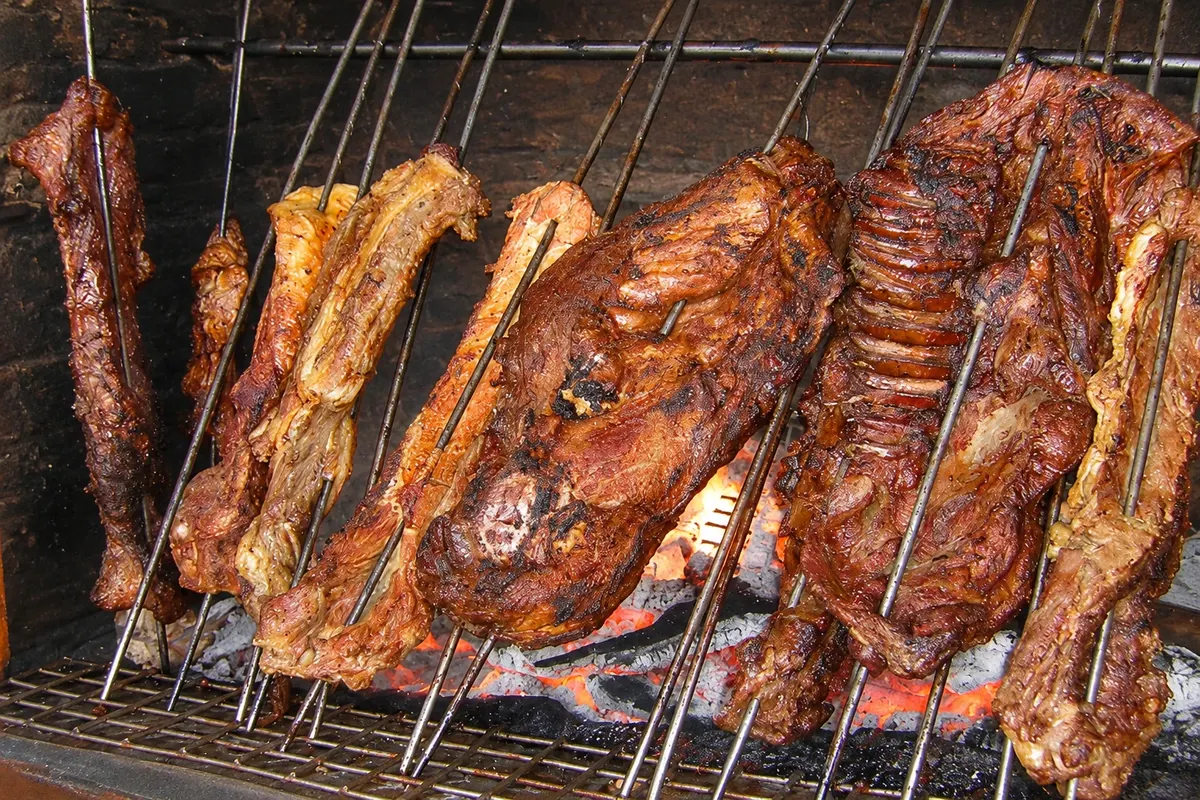
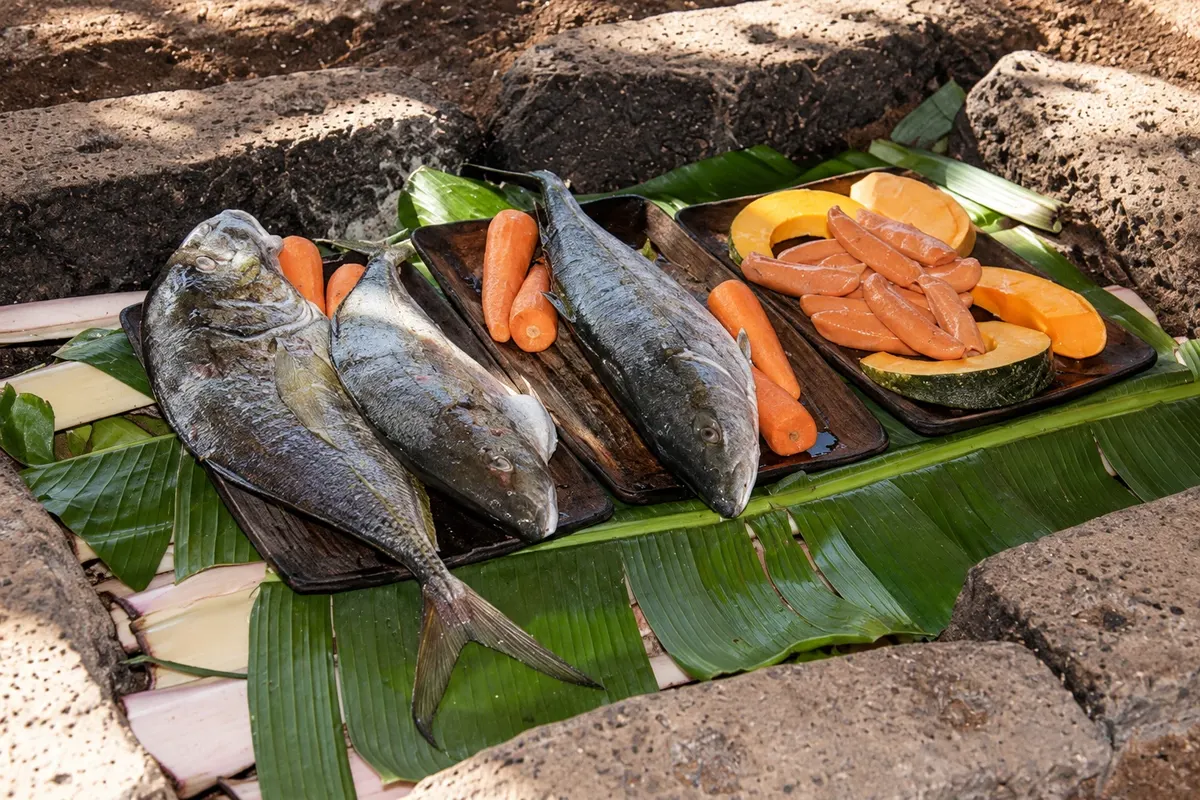
Colombia has coastline on the Caribbean and the Pacific, three branches of the Andes, the plains of the Llanos Orientales and the Amazon. Food changes with altitude and climate: in highlands, potatoes, corn and Andean tubers; on the coast, coconut, plantain, fish and tropical fruits; in the plains, meat roasted over fire.
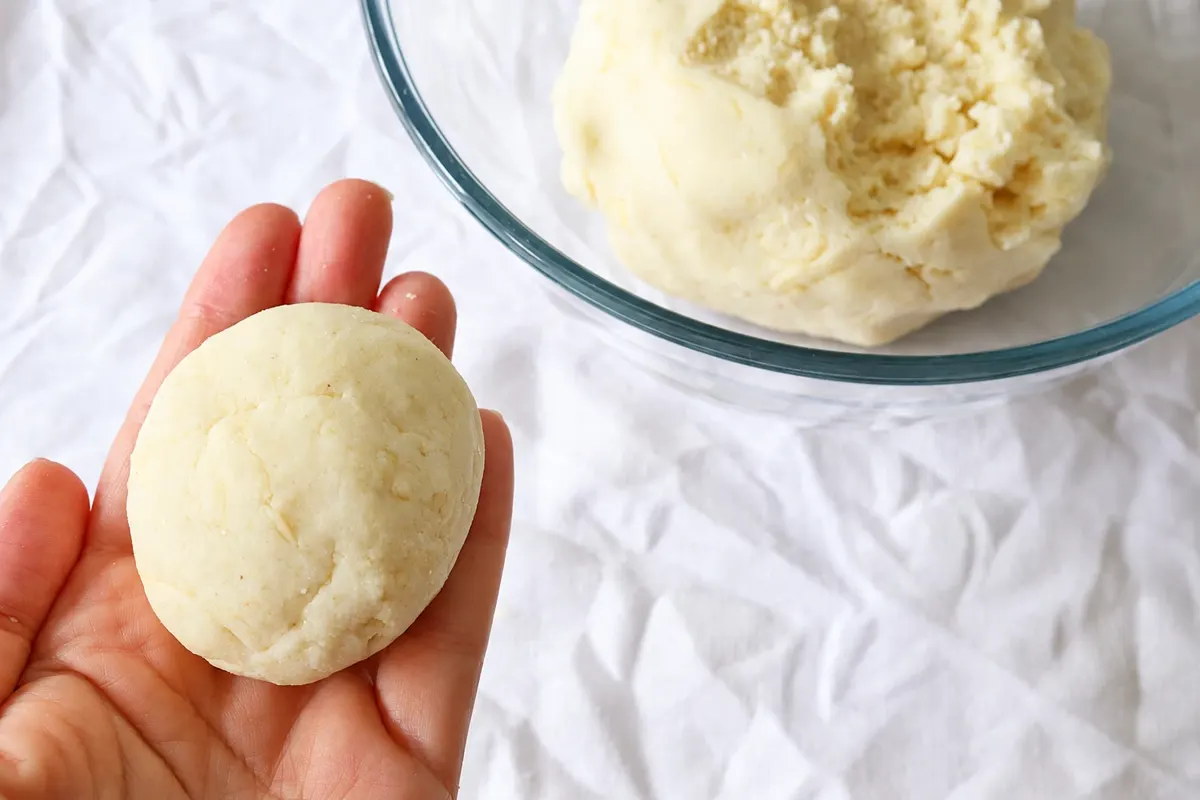
This cuisine was born from the meeting of Indigenous, Spanish and African peoples, and later received other influences. Andean peoples already cultivated corn and potato. Colonizers brought pork, cattle and Spanish stews. Afro-descendant communities left their mark on the Caribbean and the Pacific, with coconut, fried foods and fish stews.
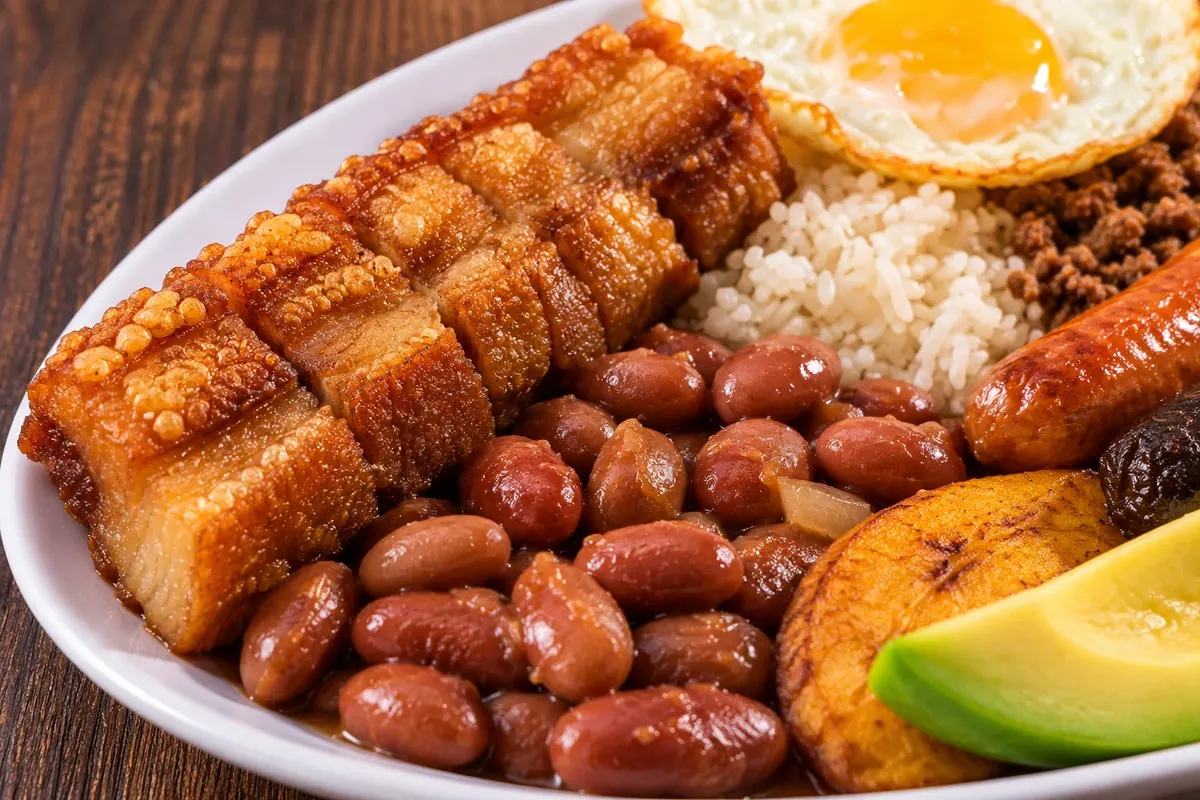
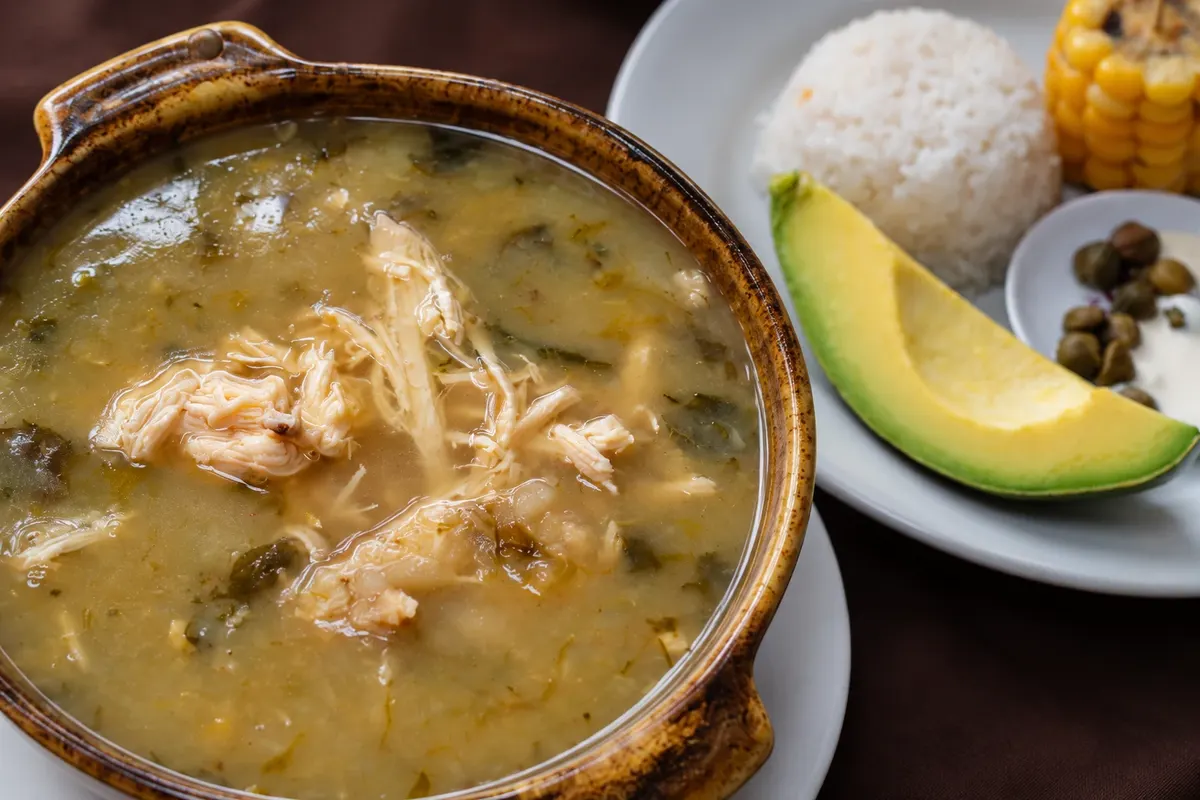
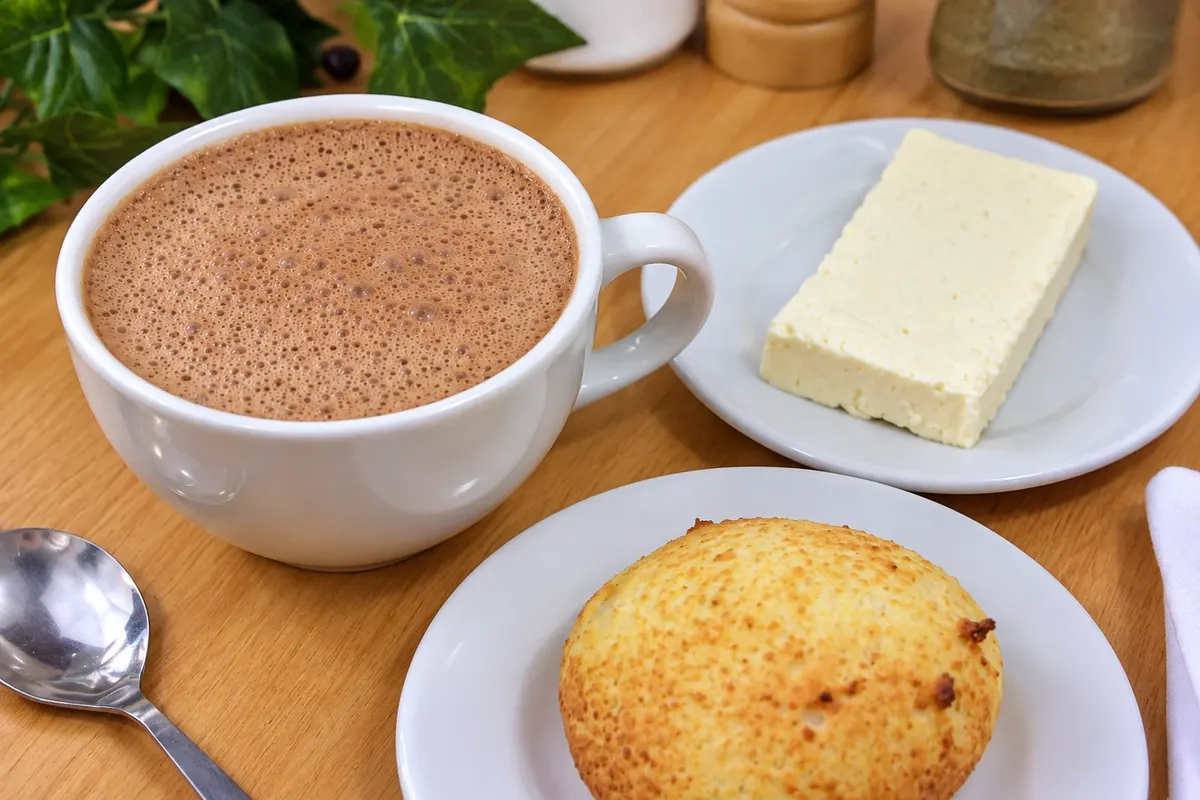
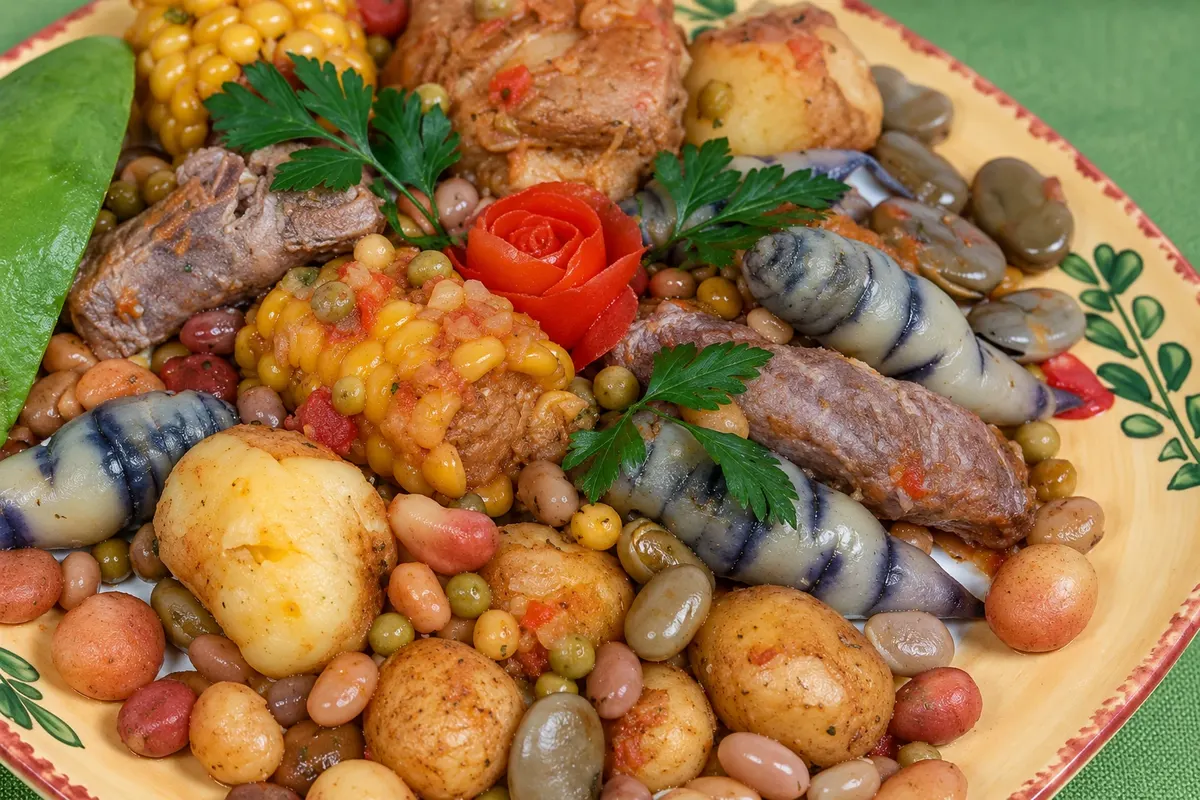
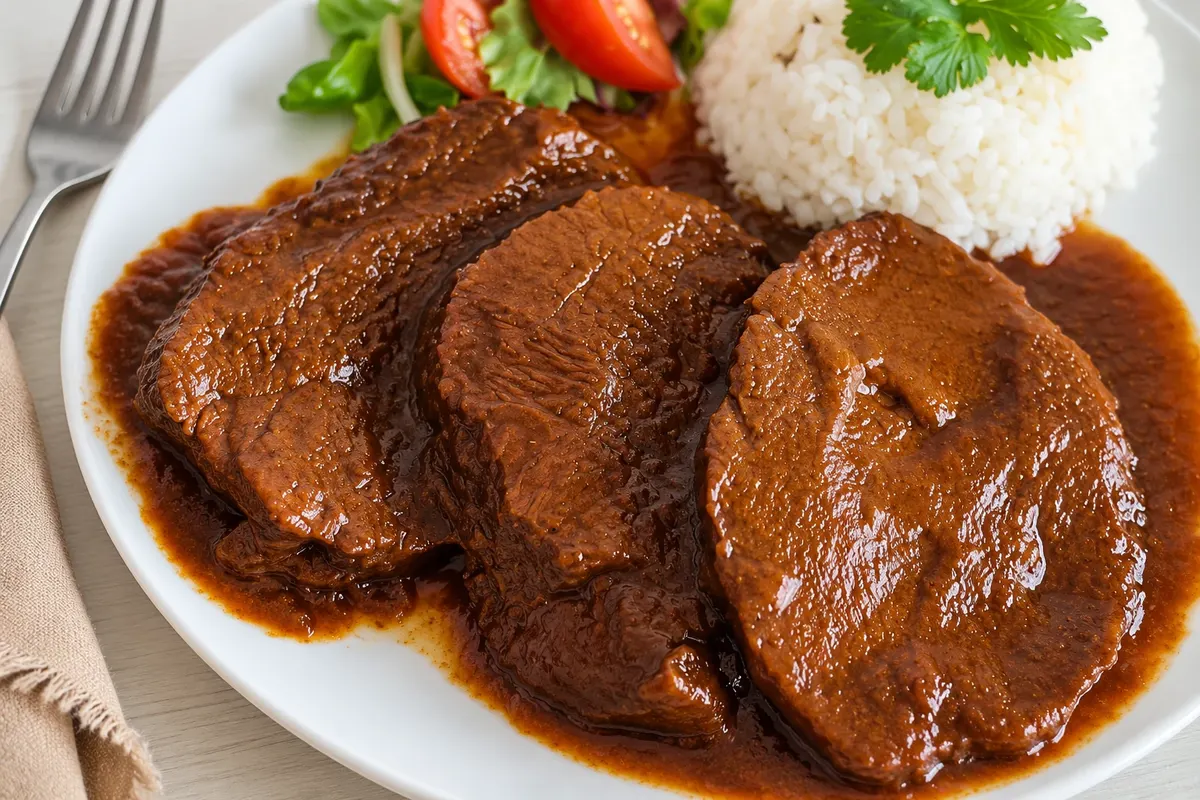
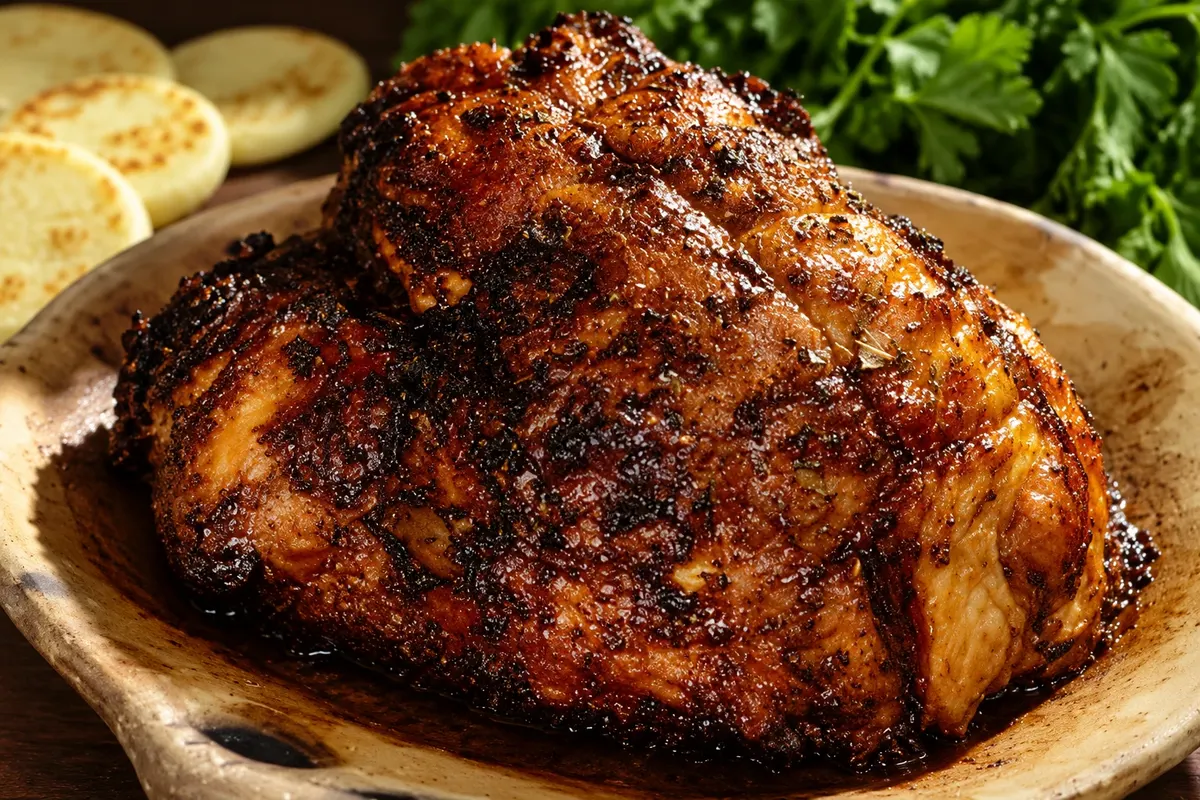
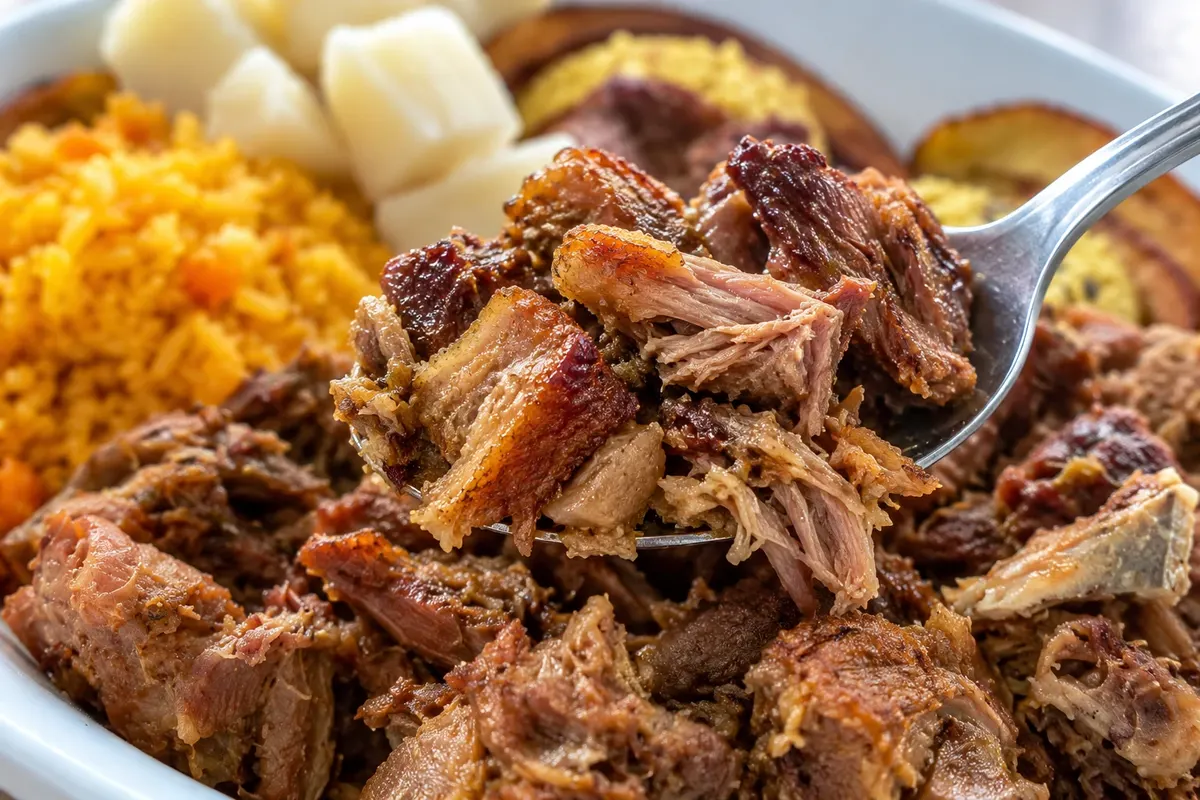
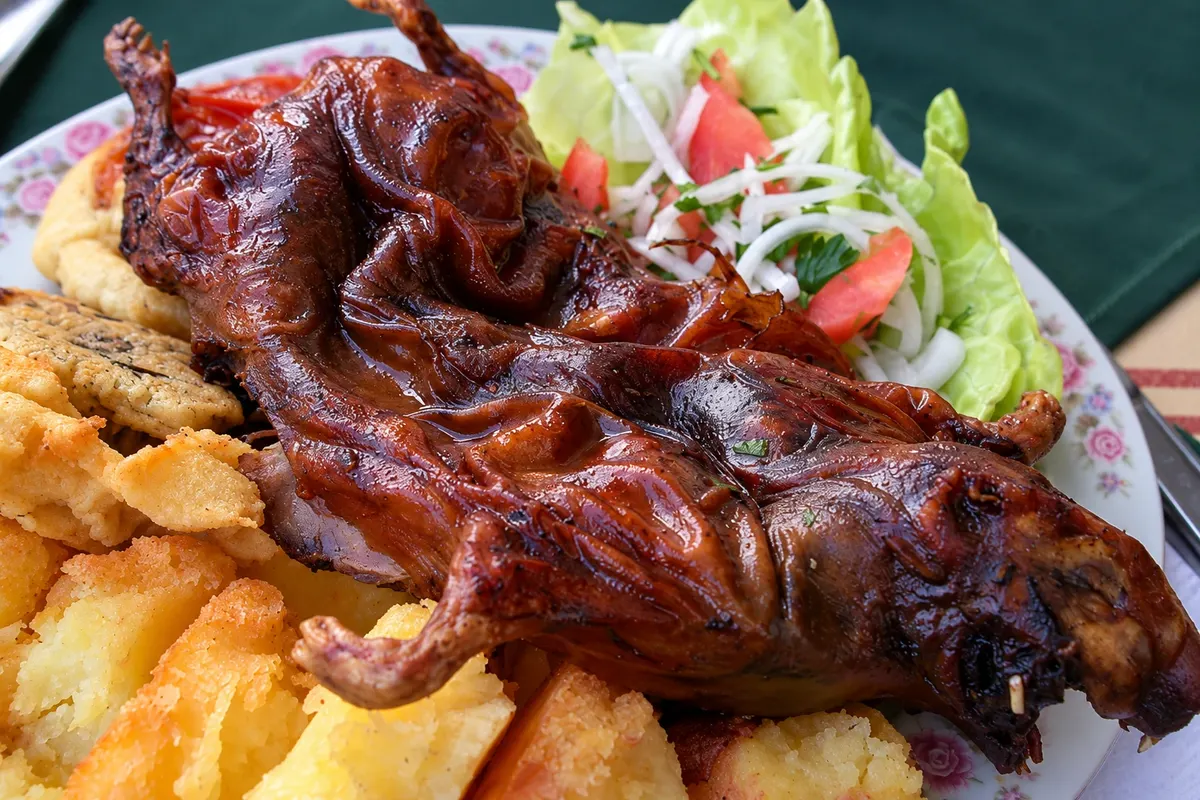
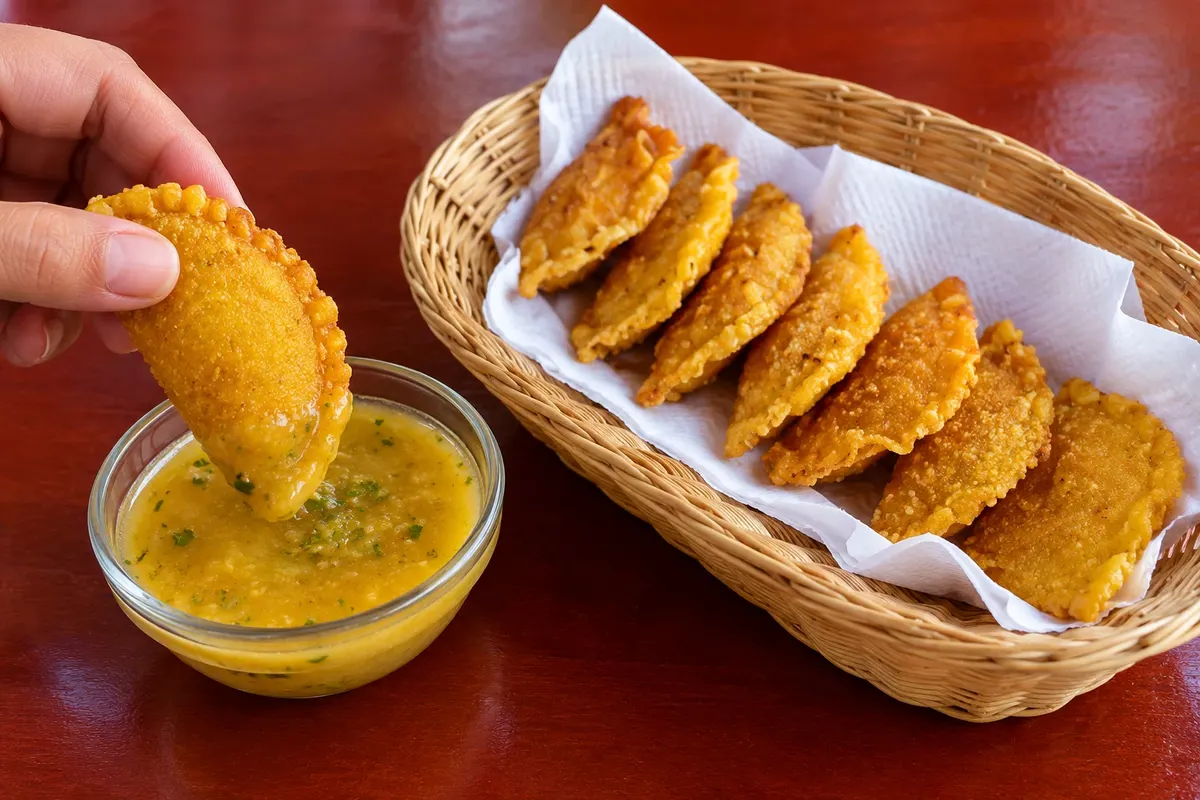
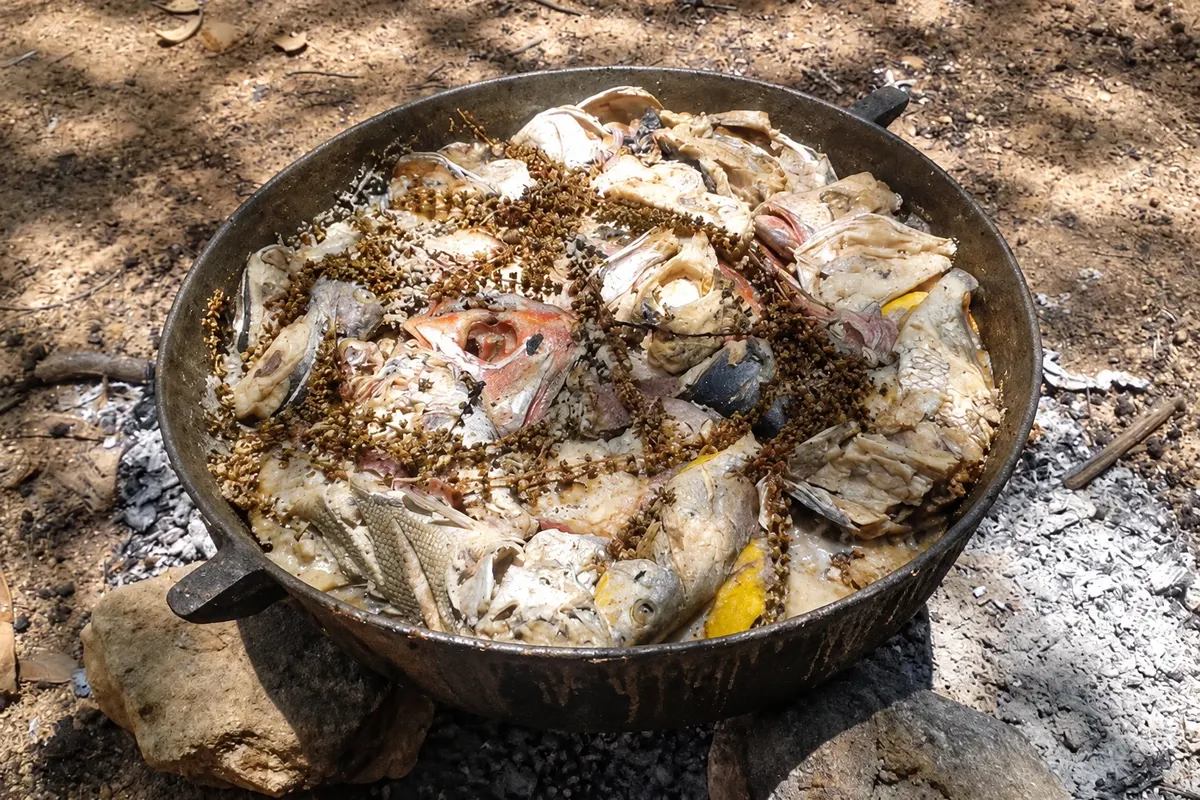
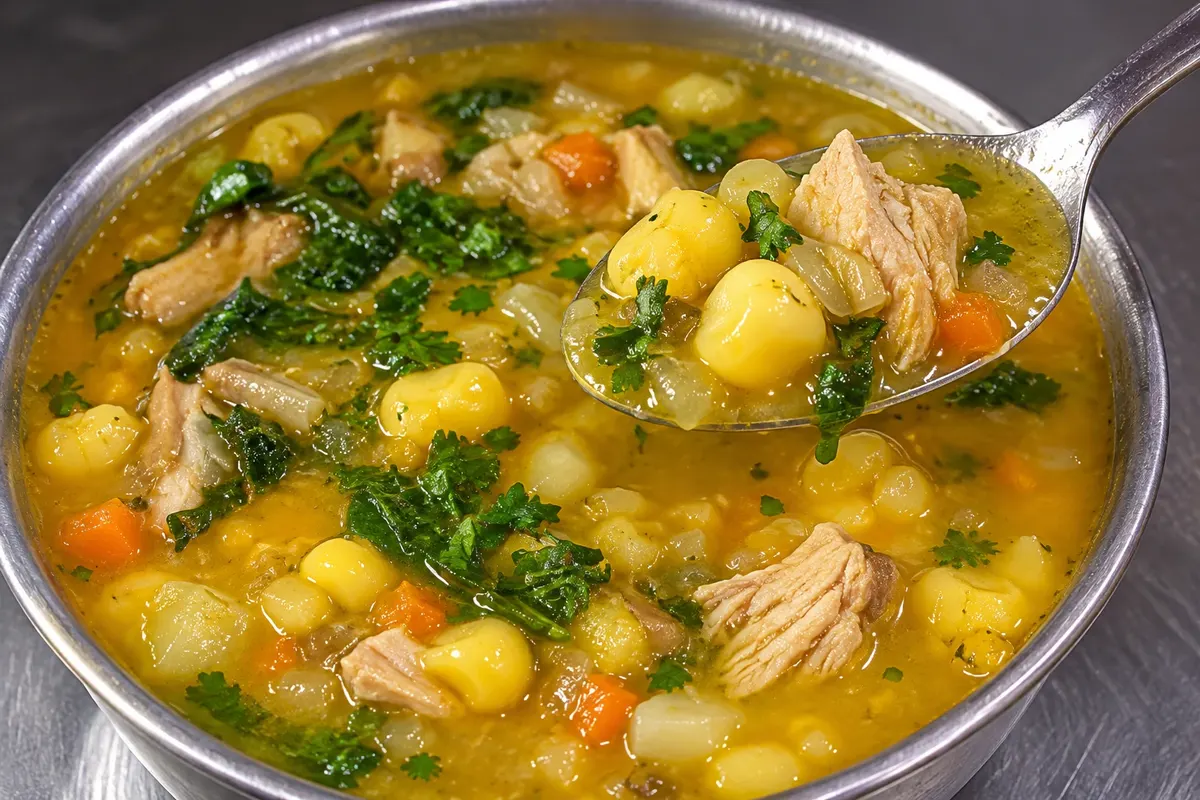
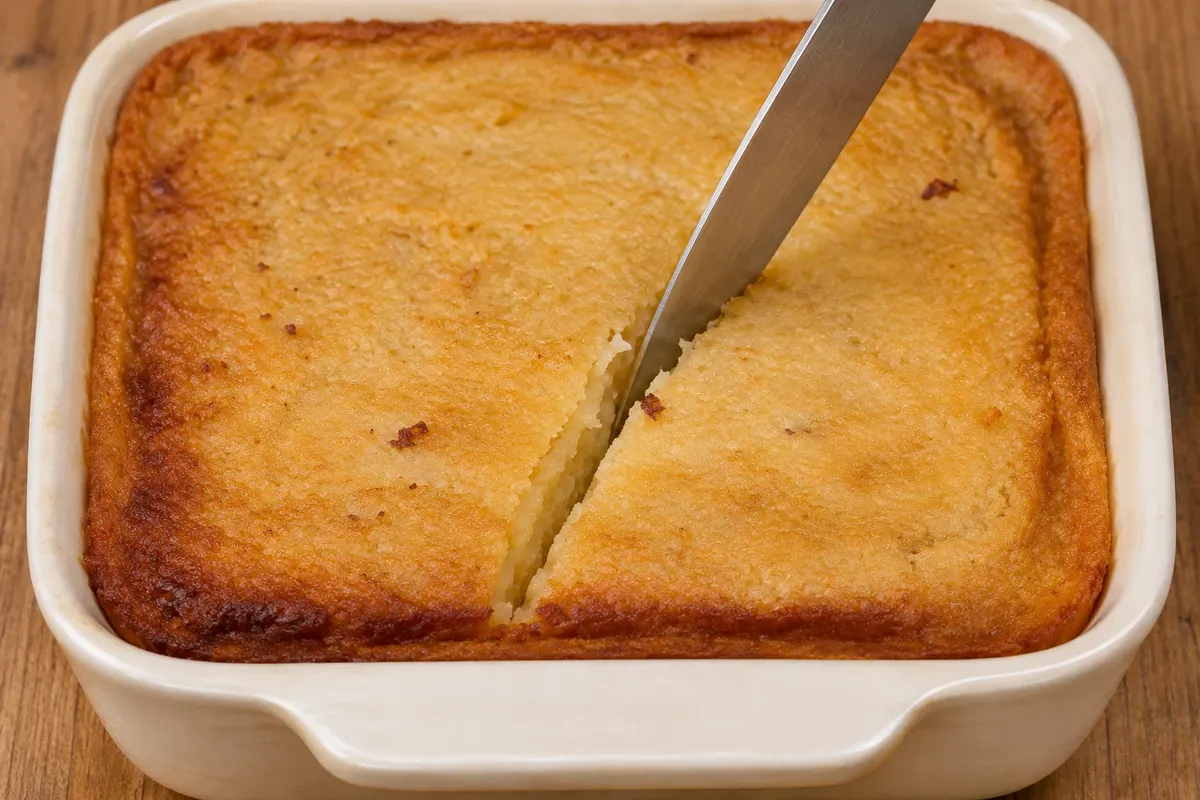
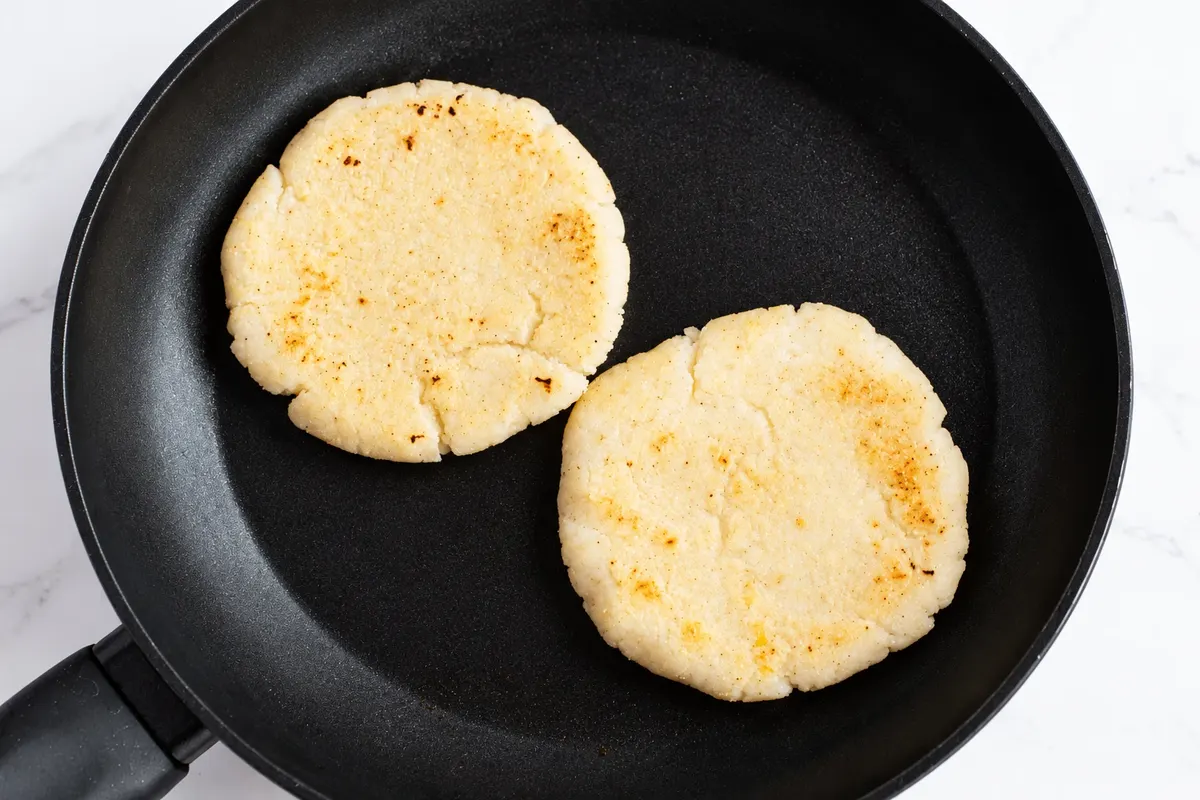
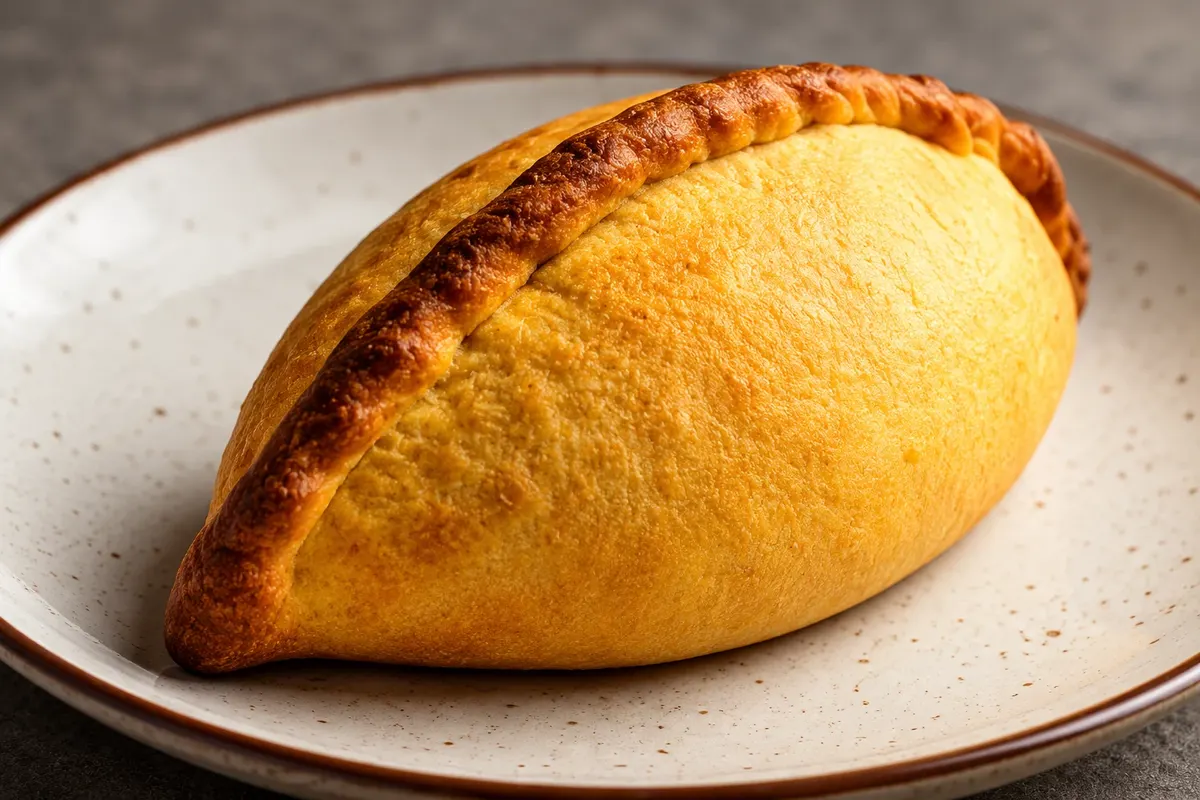
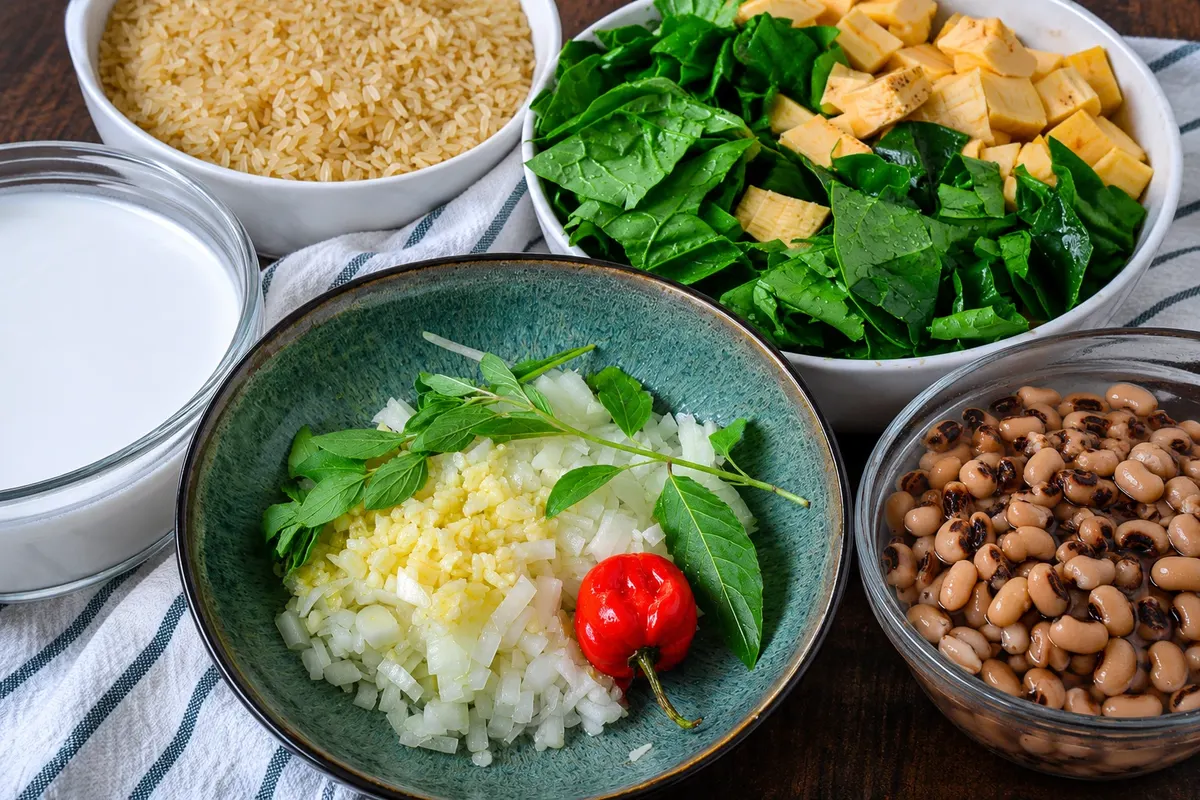
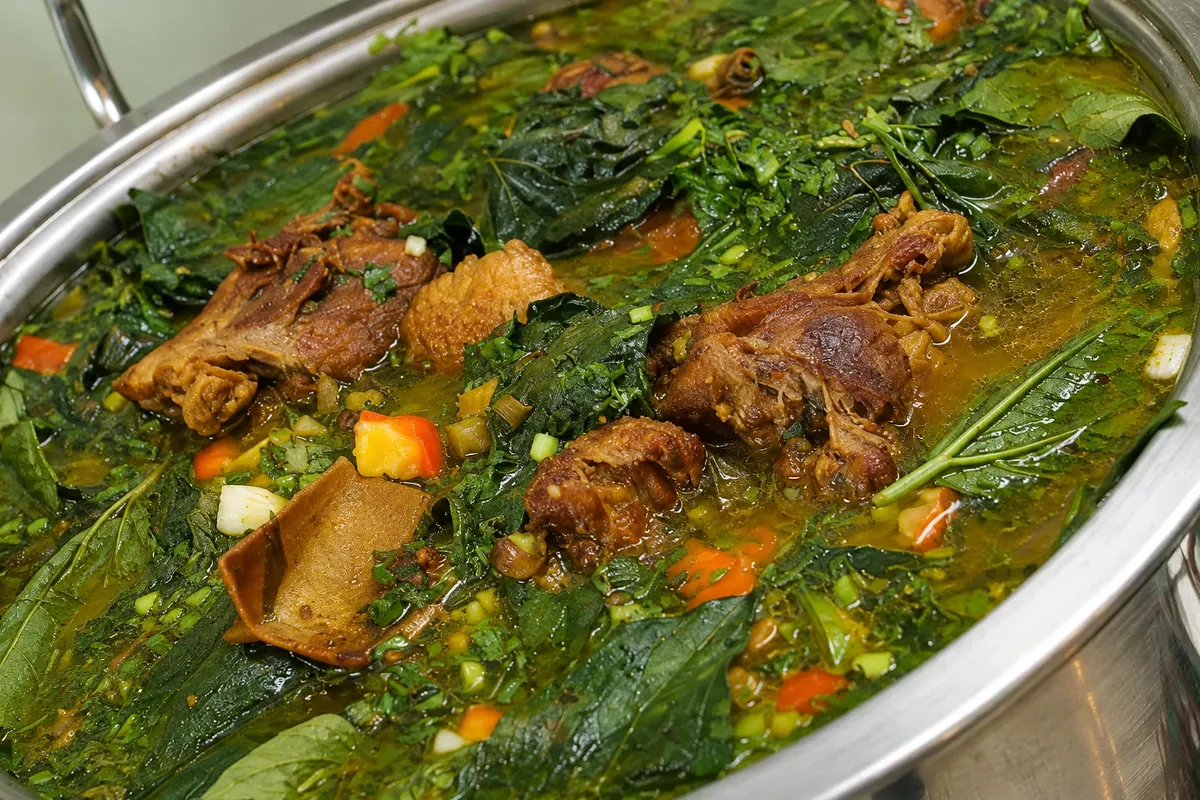
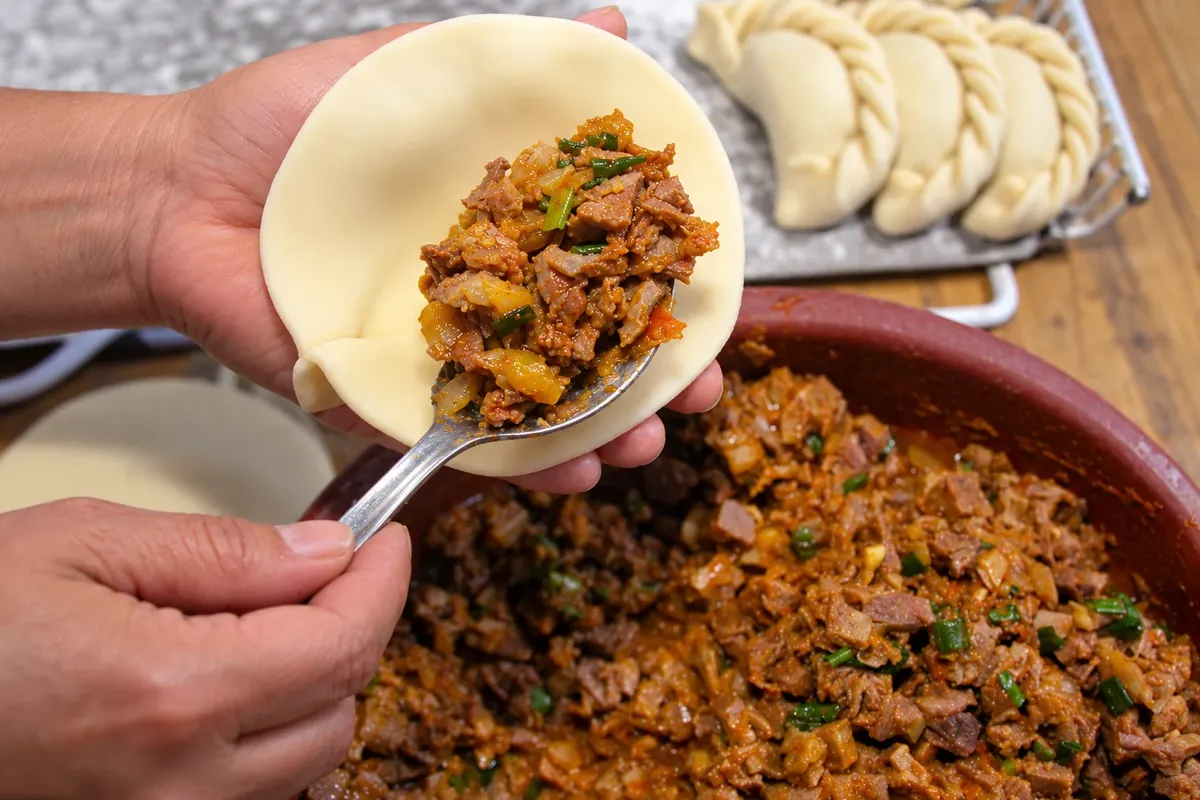
Each region has dishes that became part of its identity. In Bogotá, ajiaco and chocolate with cheese. In Antioquia, bandeja paisa. In Boyacá, cocido with native tubers. On the Caribbean coast, posta negra of Cartagena, cayeye from Magdalena and the rondón of the San Andrés islands. In the south, cuy from Nariño and the pipián empanadas of Popayán, the first city named a UNESCO Creative City of Gastronomy in 2005.
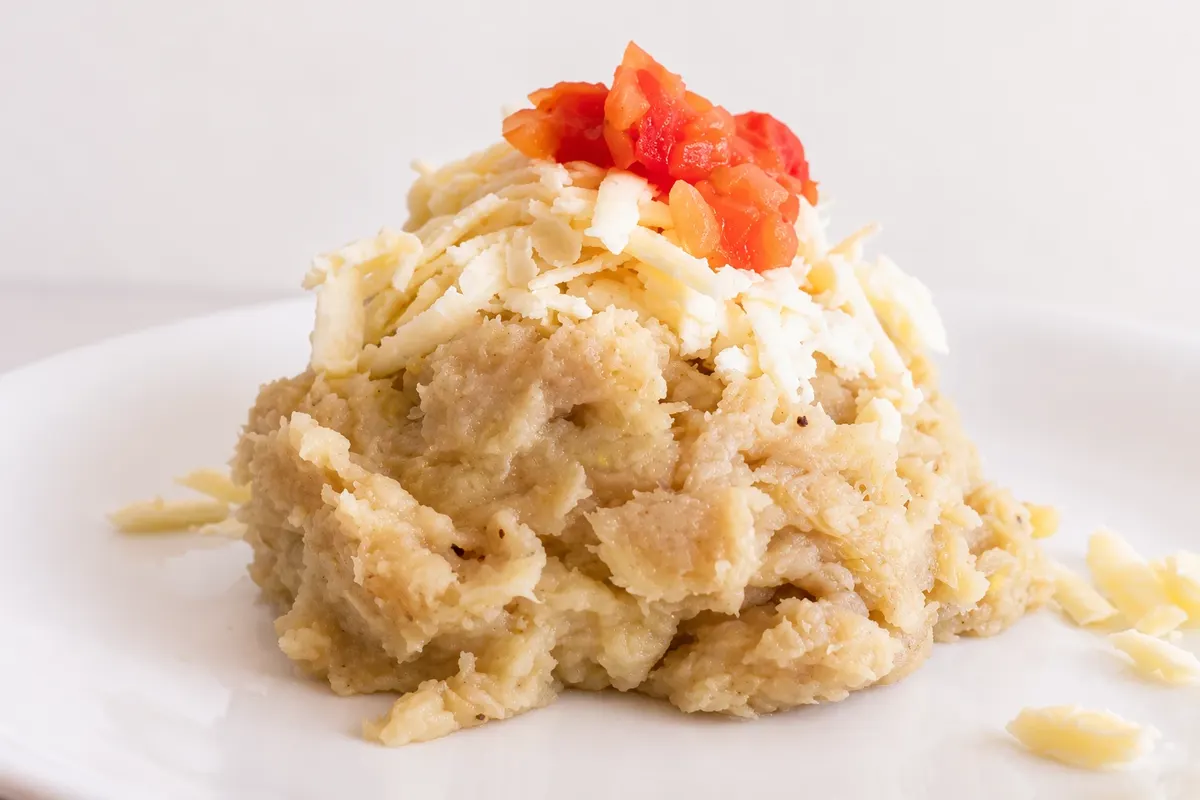
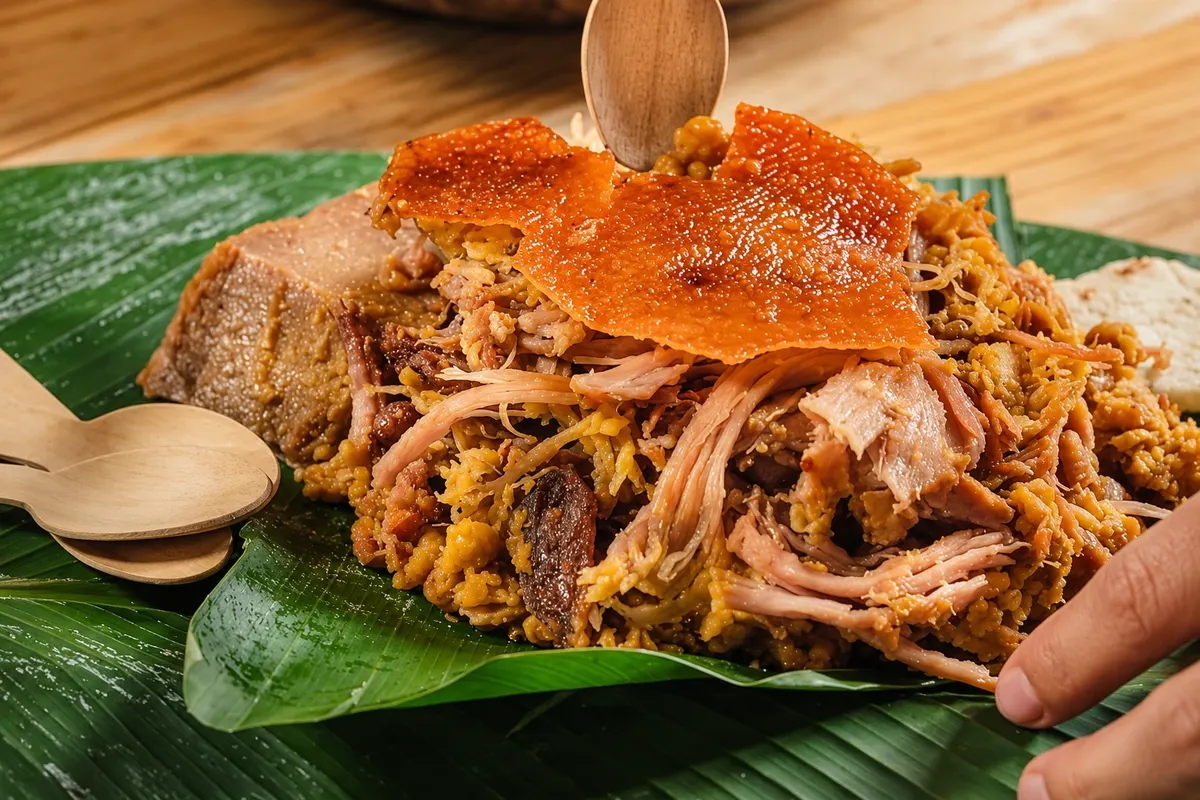
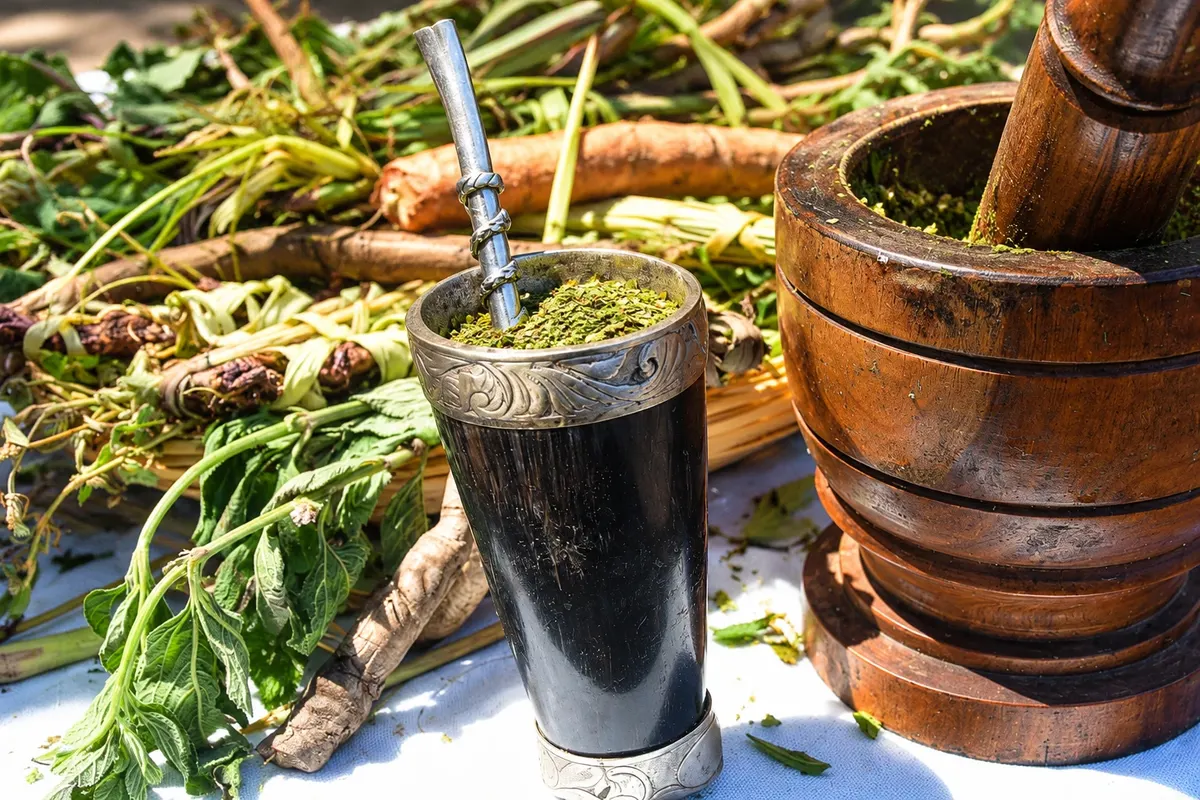
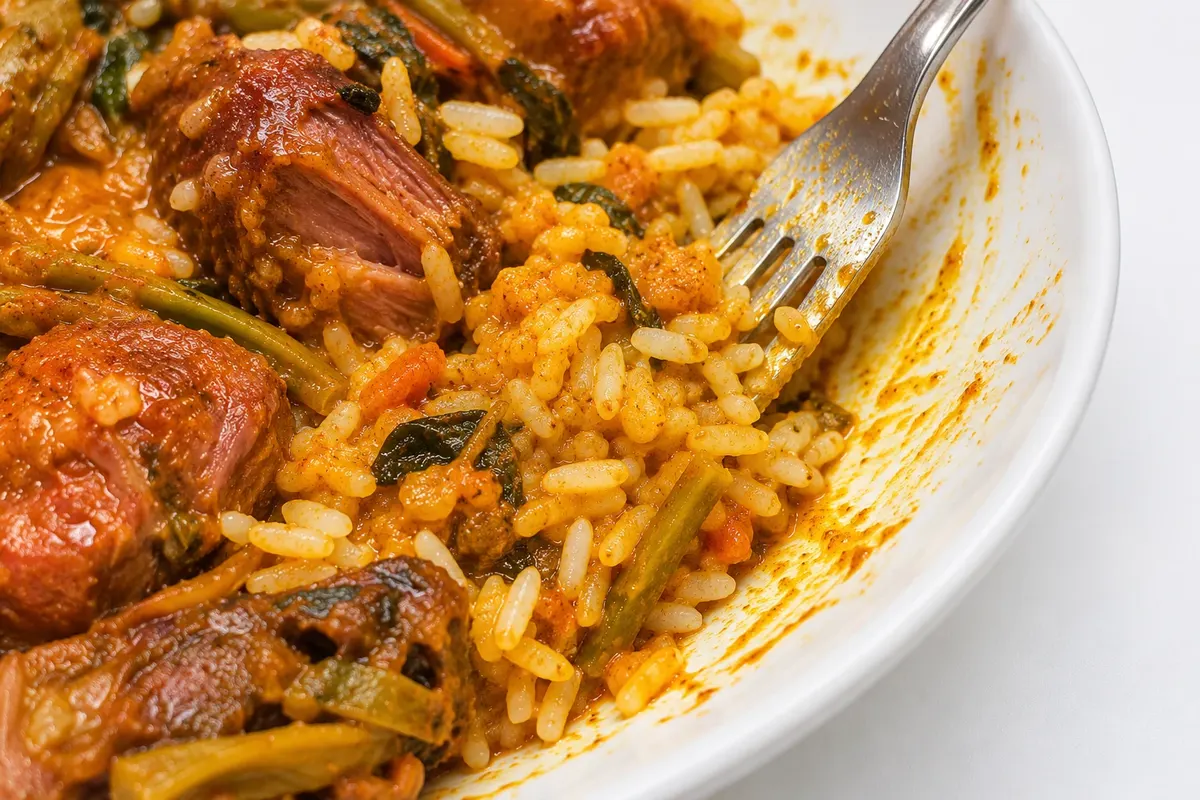
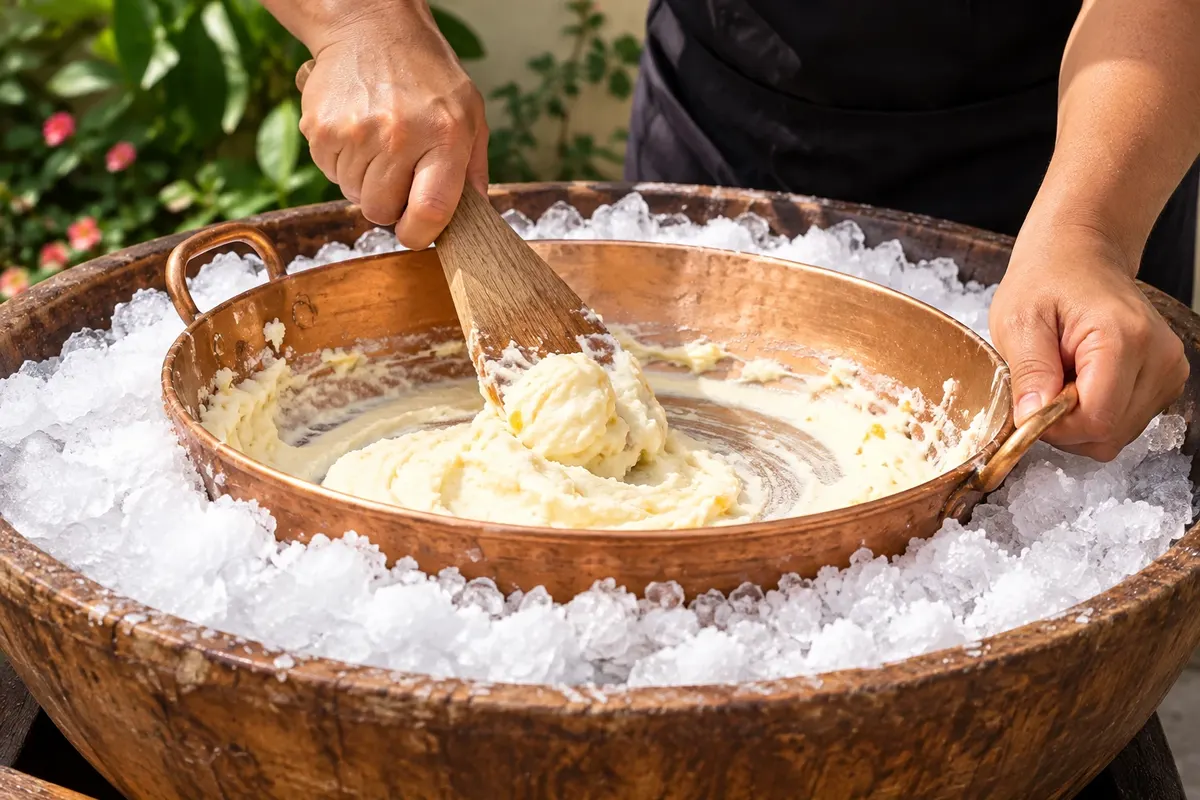
The selection also covers Tolima’s lechona, Huila’s asado, Santander’s mute, Cali’s lulada, the wayuu people’s friche in La Guajira and the mamona of the Llanos. Many other dishes are tied to places across the country, such as the arepa de huevo of the Atlántico, the mote de queso of the Caribbean savannas and Vélez’s guava bocadillo in Santander. On the Pacific coast, afro-descendant communities distill viche, a sugarcane spirit legally recognized as a collective heritage.


 Brazil
 Antarctica
 Argentina
 Bolivia
 Chile
 Ecuador
 Guyana
 French Guiana
 Falkland Islands (Malvinas)
 Paraguay
 Peru
 Suriname
 Uruguay
 Venezuela
 Germany
 Austria
 Belgium
 Croatia
 Denmark
 Slovakia
 Slovenia
 Spain
 Finland
 France
 Greece
 the Netherlands
 Hungary
 Ireland
 Iceland
 Italy
 Luxembourg
 Norway
 Poland
 Portugal
 the United Kingdom
 the Czech Republic
 Sweden
 Switzerland
 Turkey
 Bermuda
 Canada
 the United States
 Greenland
 Mexico
 Saint Pierre and Miquelon
 the Dominican Republic
 Japan
 South Africa
 Egypt
 Australia
 Fiji
 New Zealand
 Papua New Guinea