Casapueblo, Punta Ballena

Traditional food · Uruguay

Flavors of Uruguay

From the chivito of Punta del Este to the medio y medio of Montevideo, from the chajá of Paysandú to the seaweed fritters of Rocha: dishes, sweets and drinks tied to cities and departments of Uruguay.

In the photo: Casapueblo, Punta Ballena

Illustrative images. The pictures in this guide are illustrations based on the real place, not photographs, and may differ from it.

Get it on Google Play

The cuisine

Traditional food of Uruguay

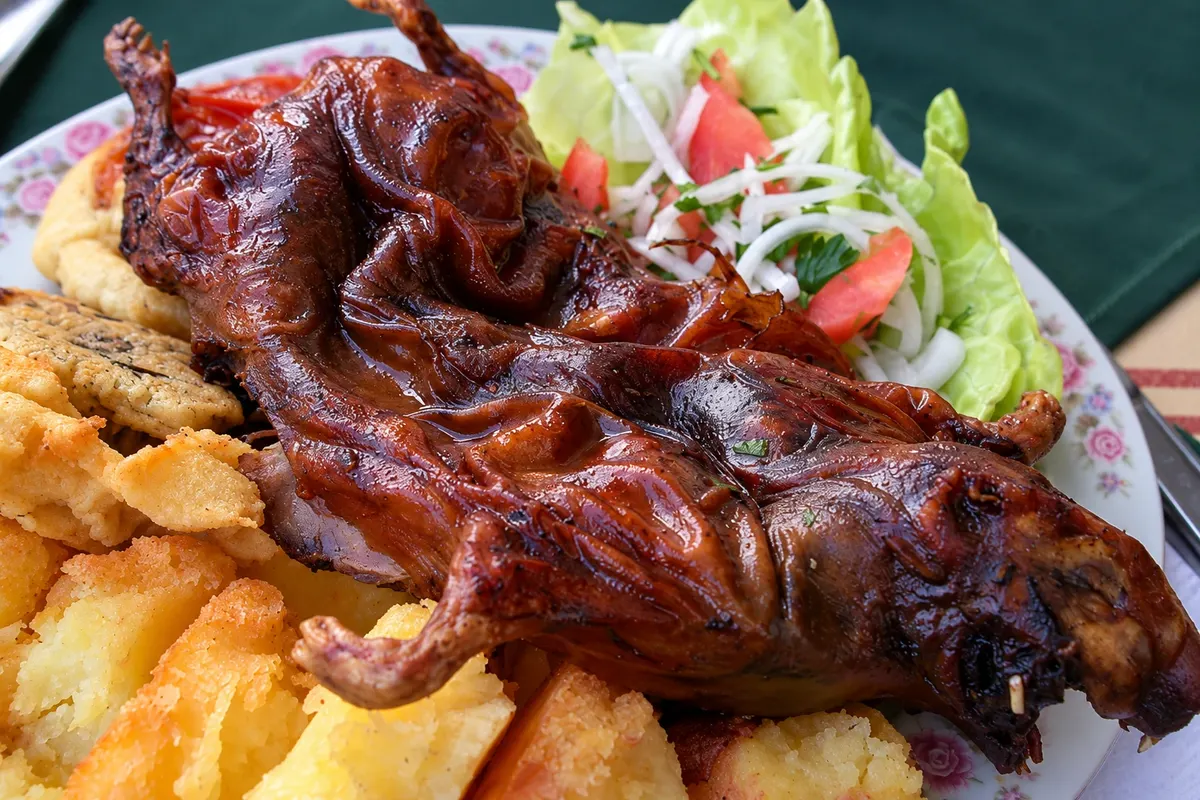
Uruguayan cuisine was born from the meeting of the countryside and the ports. Inland, cattle raising shaped a table of beef grilled over coals, the parrilla, found throughout the country. In the Río de la Plata cities, Spanish and Italian immigration brought pastas, sauces and pastries that took on their own forms.

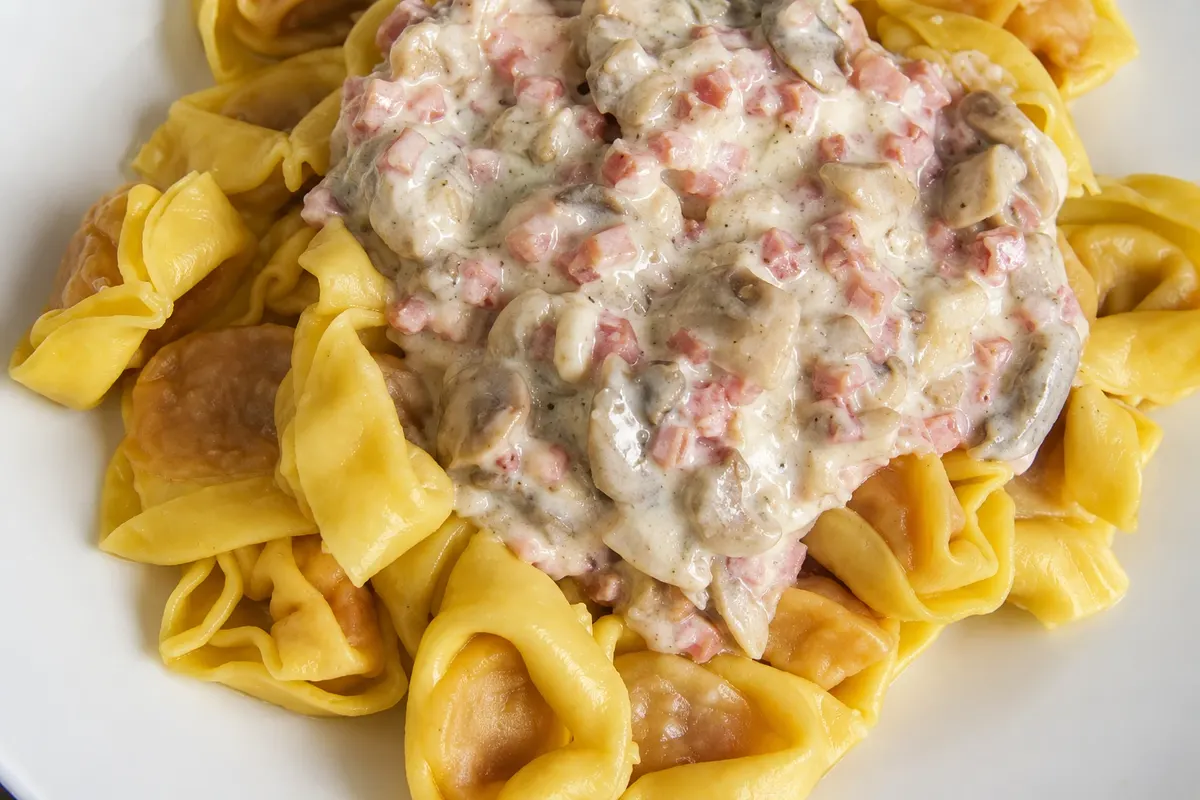
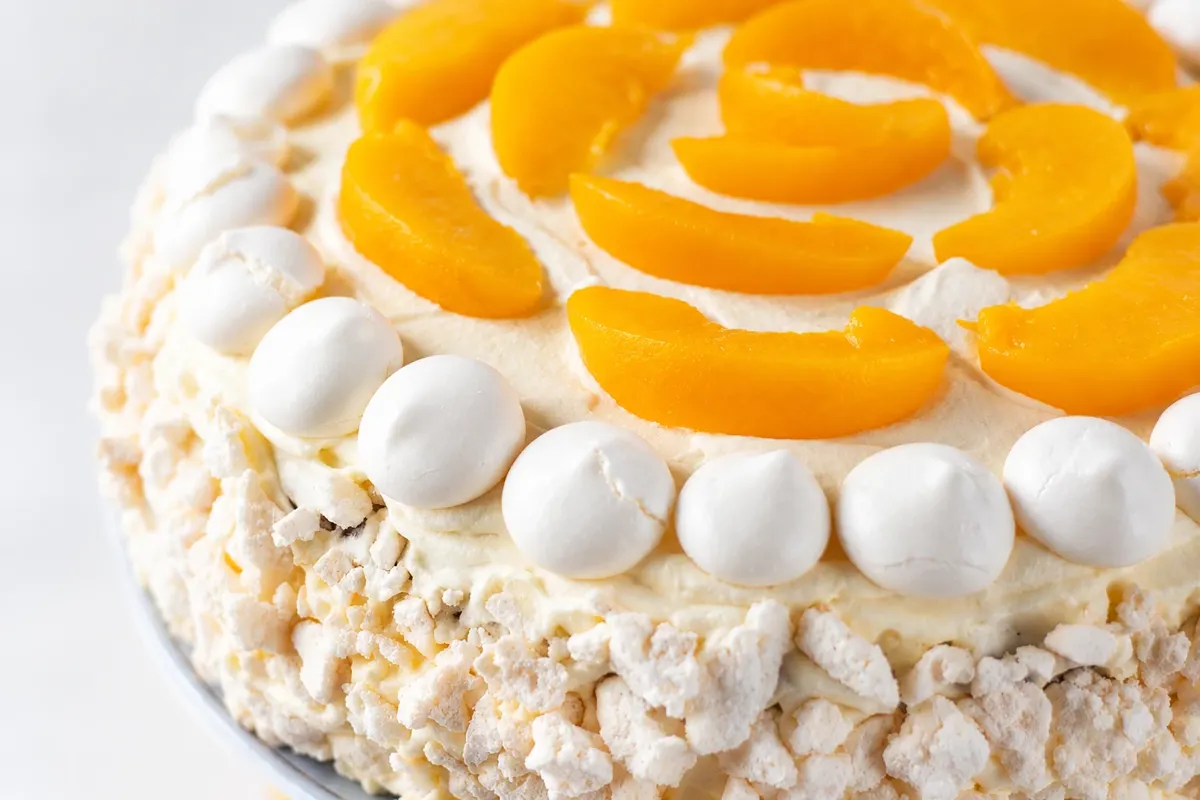
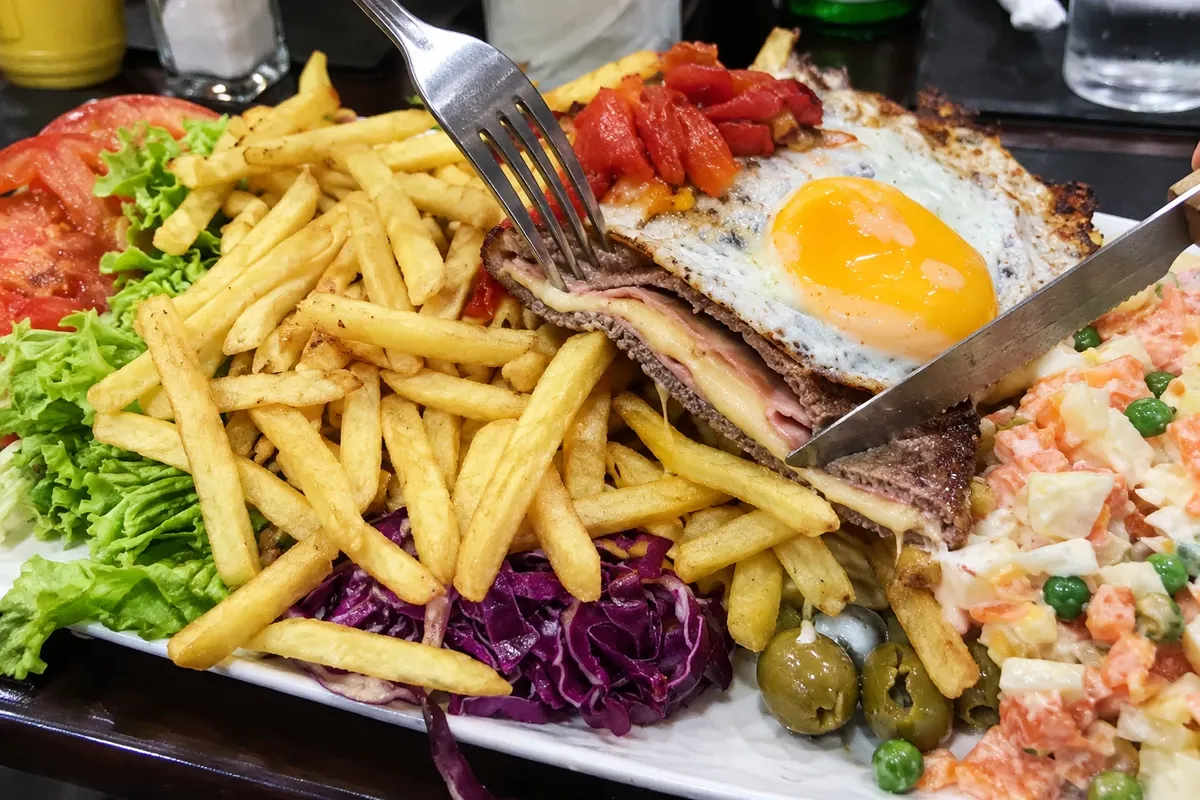
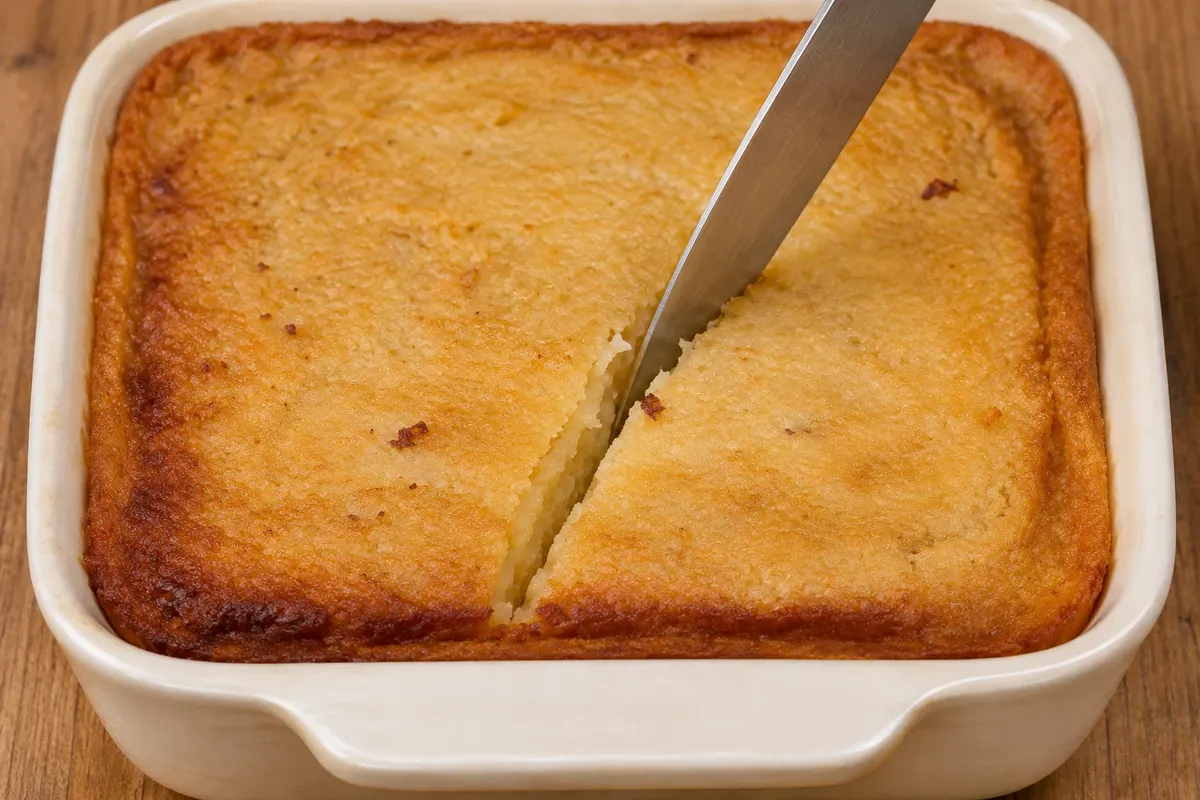
Several specialties have known times and places of origin. The chivito emerged in a bar in Punta del Este in the 1940s. Capeletis a la Caruso came from a Montevideo restaurant in the 1950s, and the chajá from a pastry shop in Paysandú in 1927. These are recent recipes that spread across the country and became part of Uruguayan identity.

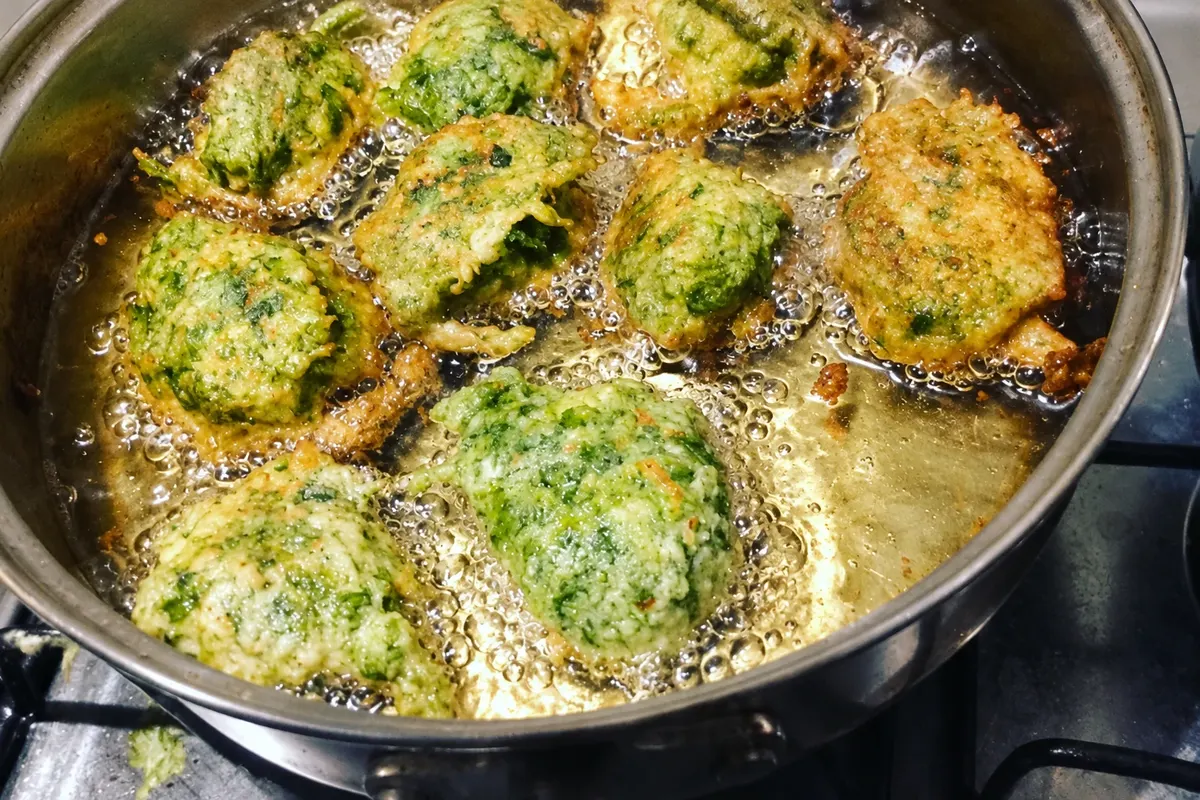
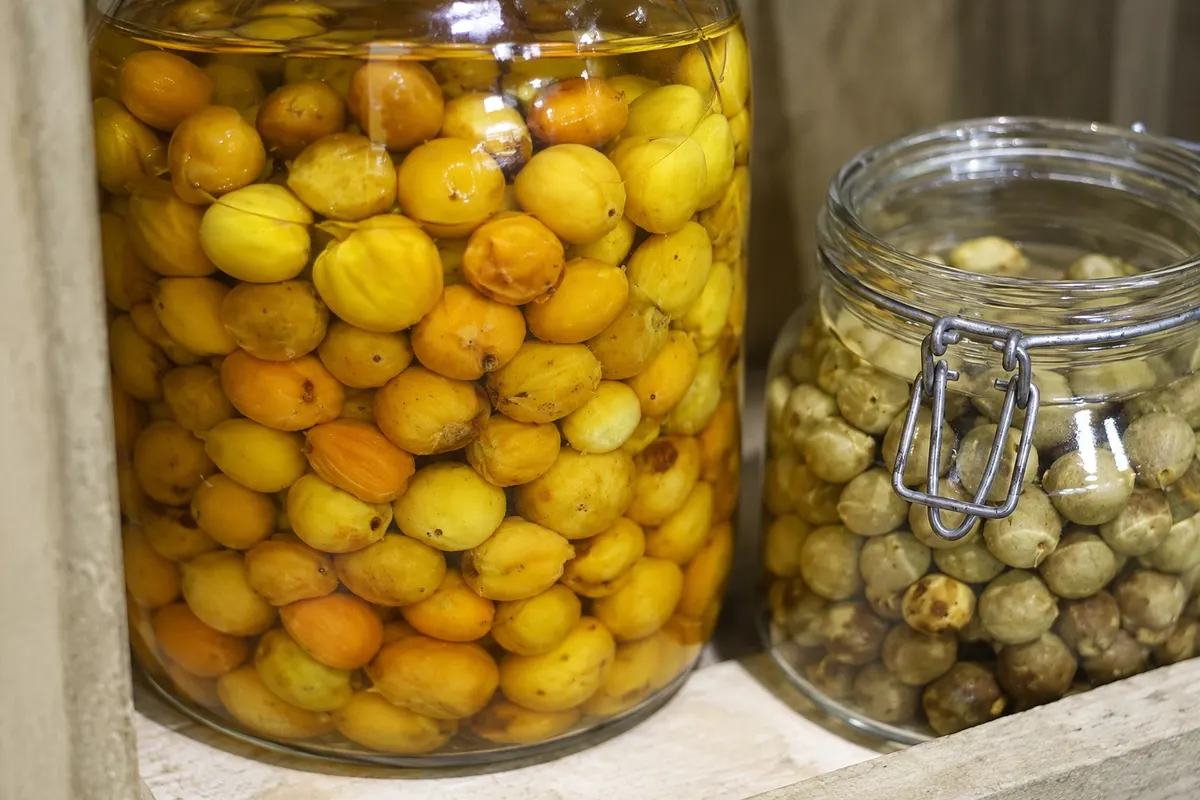
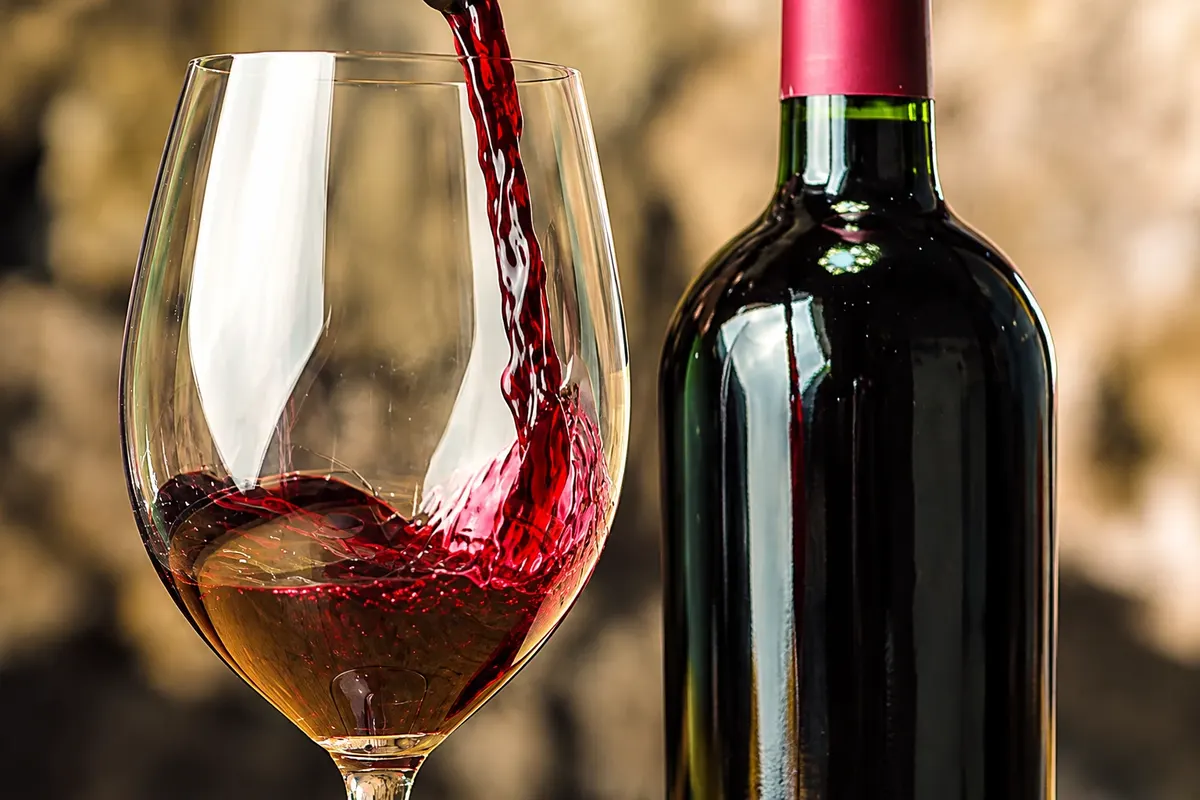
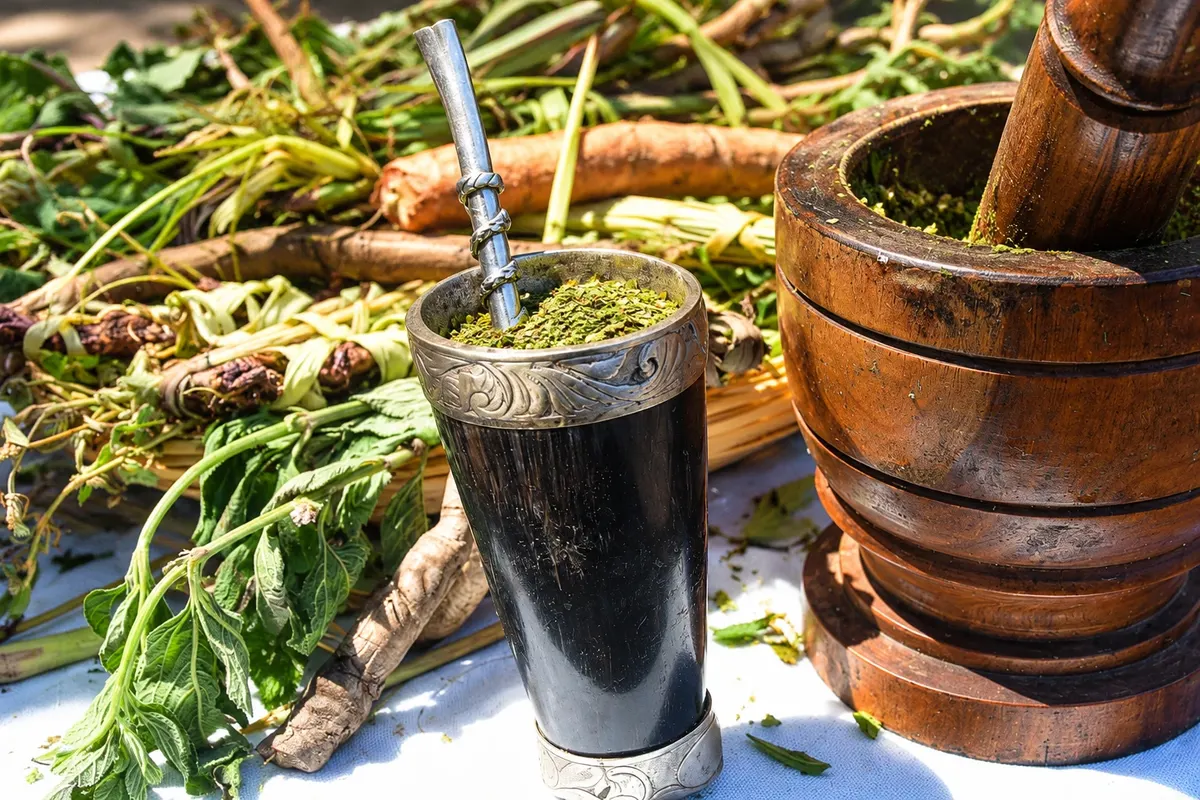
Wine has a place at the table. The Tannat grape, brought from southwestern France in the 19th century, became the country’s signature variety, and at Montevideo’s Mercado del Puerto people drink medio y medio, a mix of white wine and sparkling wine. On the eastern coast, in Rocha, the cuisine is that of fishermen and native fruits: seaweed fritters and a liqueur made from the fruit of the butiá palm. Wines and liqueurs should be enjoyed in moderation.

Each specialty here is linked to the city or department that represents it. That does not mean it is only eaten there: nearly all can be found in other parts of Uruguay. Each page explains the connection to the place, the ingredients and the way it is served; when the story is the account of its creator or an oral tradition, the text says so.

Share: WhatsApp

7 flavors

What to eat in Uruguay

Missing a flavor?

Suggest a traditional dish, sweet or drink of Uruguay that is not here. We check the sources before adding it.

Suggest a flavor

Flavors of the countries

Flavors from other countries

Pick a country to see its traditional dishes, sweets and drinks.

Your questions

Questions about the food of Uruguay

Why doesn’t the Uruguayan chivito use kid (goat) meat?

The name comes from an order: according to the creator, Antonio Carbonaro, a customer asked for kid meat (chivito, in Spanish) at his bar in Punta del Este. Because he didn’t have any, he improvised a steak sandwich, and the name stuck.

Which grape is most widely planted in Uruguay?

Tannat, a red grape from southwestern France that arrived in the country in the 19th century brought by Pascual Harriague in Salto. According to the National Institute of Viticulture, it accounts for more than a quarter of the country’s grape production.

What is the butiá?

It is the fruit of a native palm that forms large palm groves in the department of Rocha. It has a yellow-orange color and a sweet-tart flavor, and is used in liqueurs, sweets and jams.

Back to the guide of Uruguay

Beyond the guide