The cuisine
Traditional food of Chile
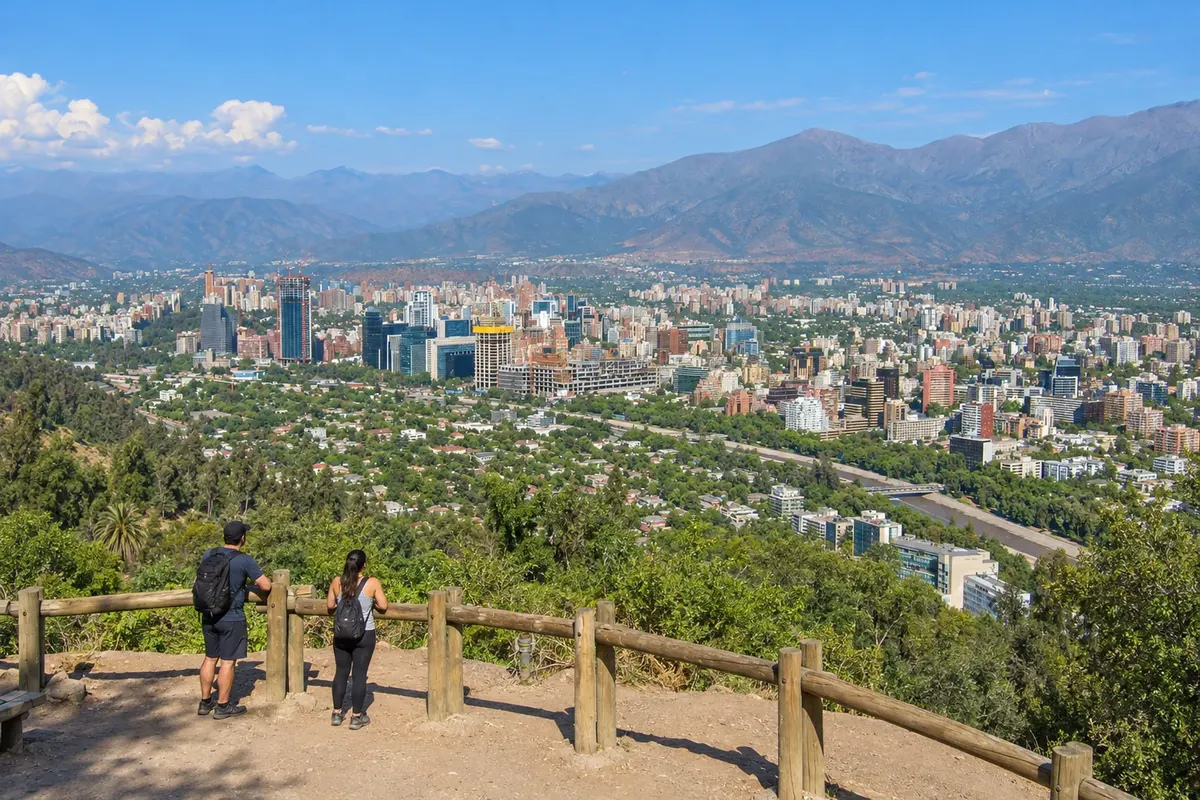
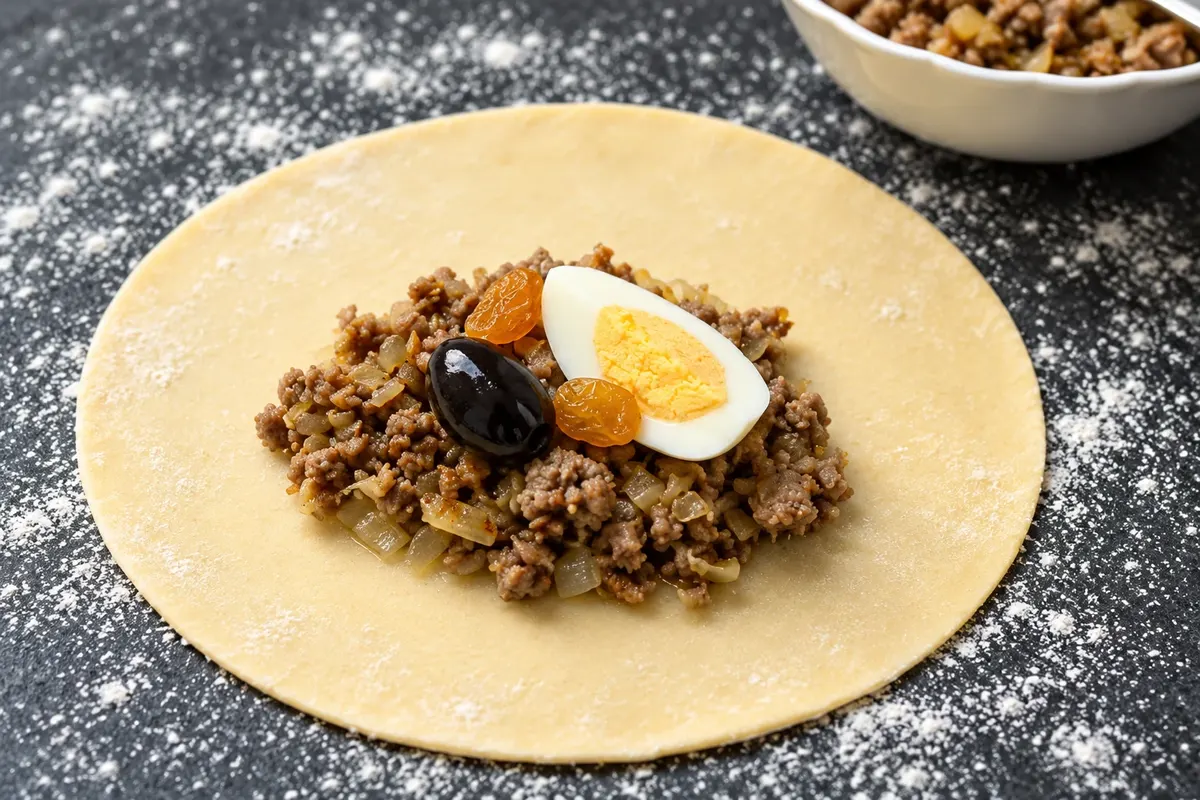
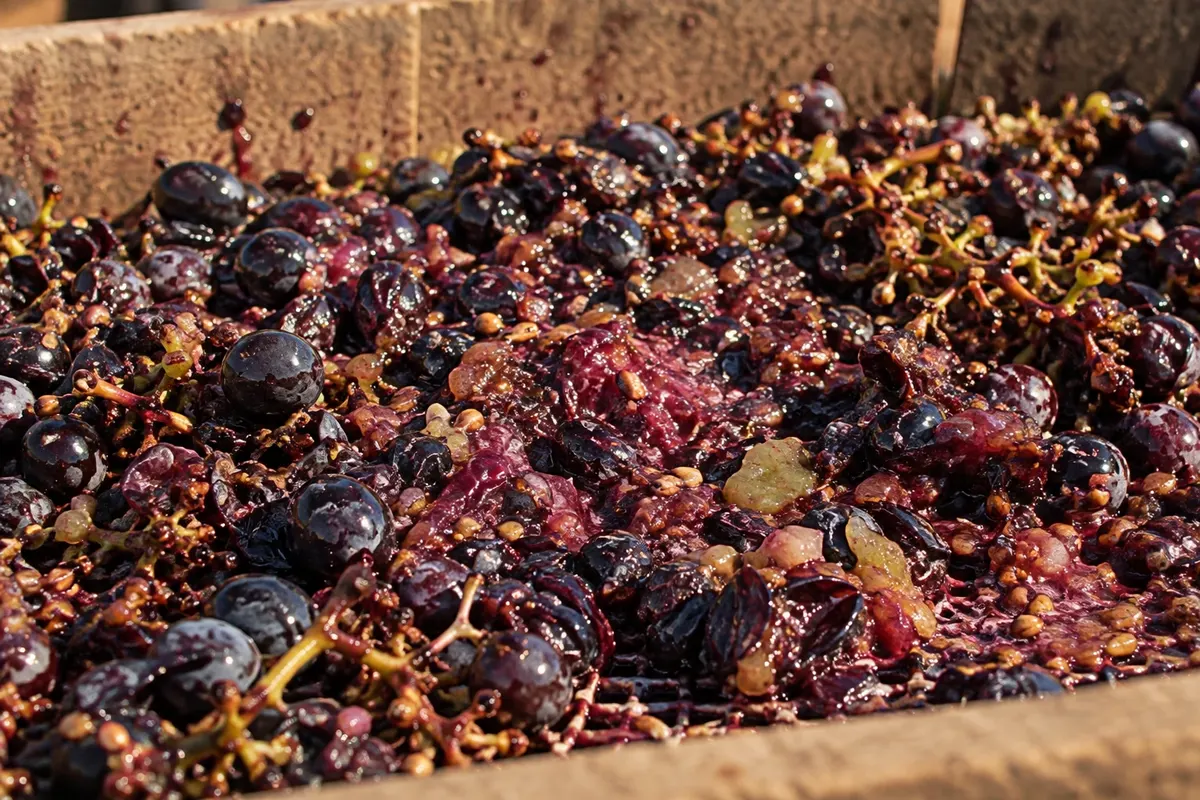
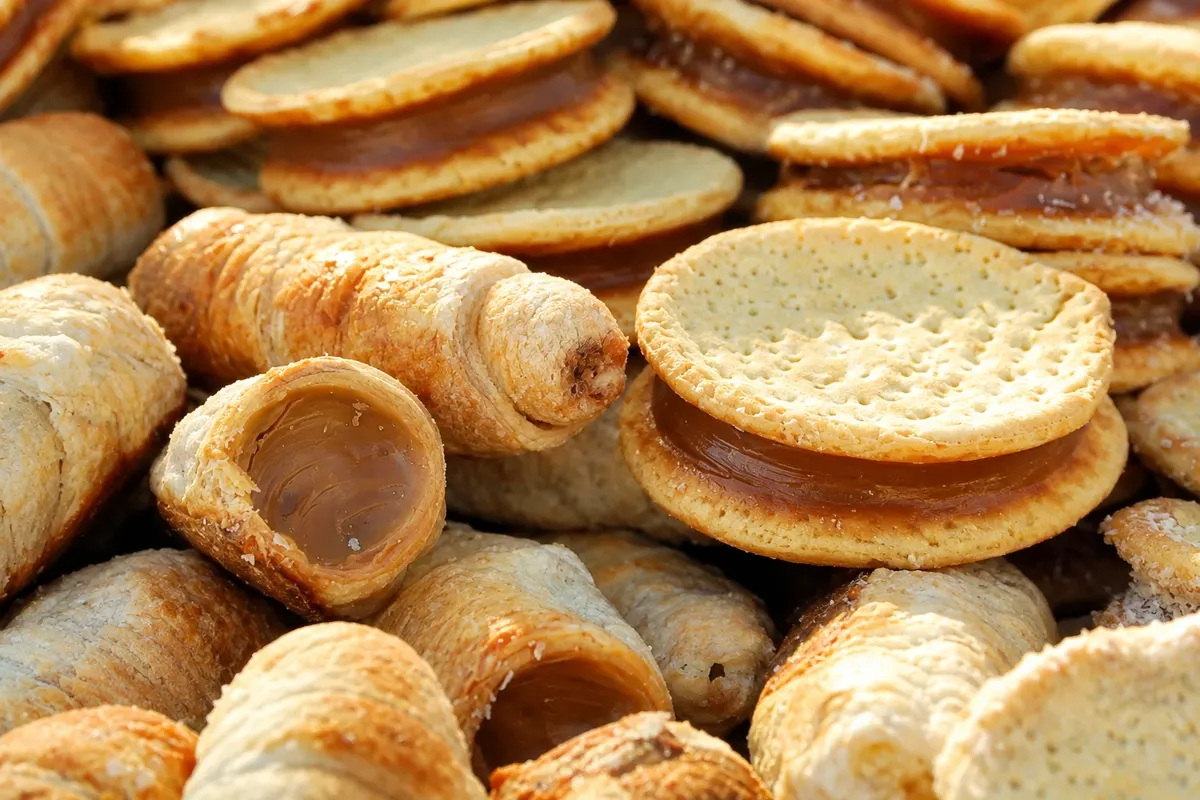
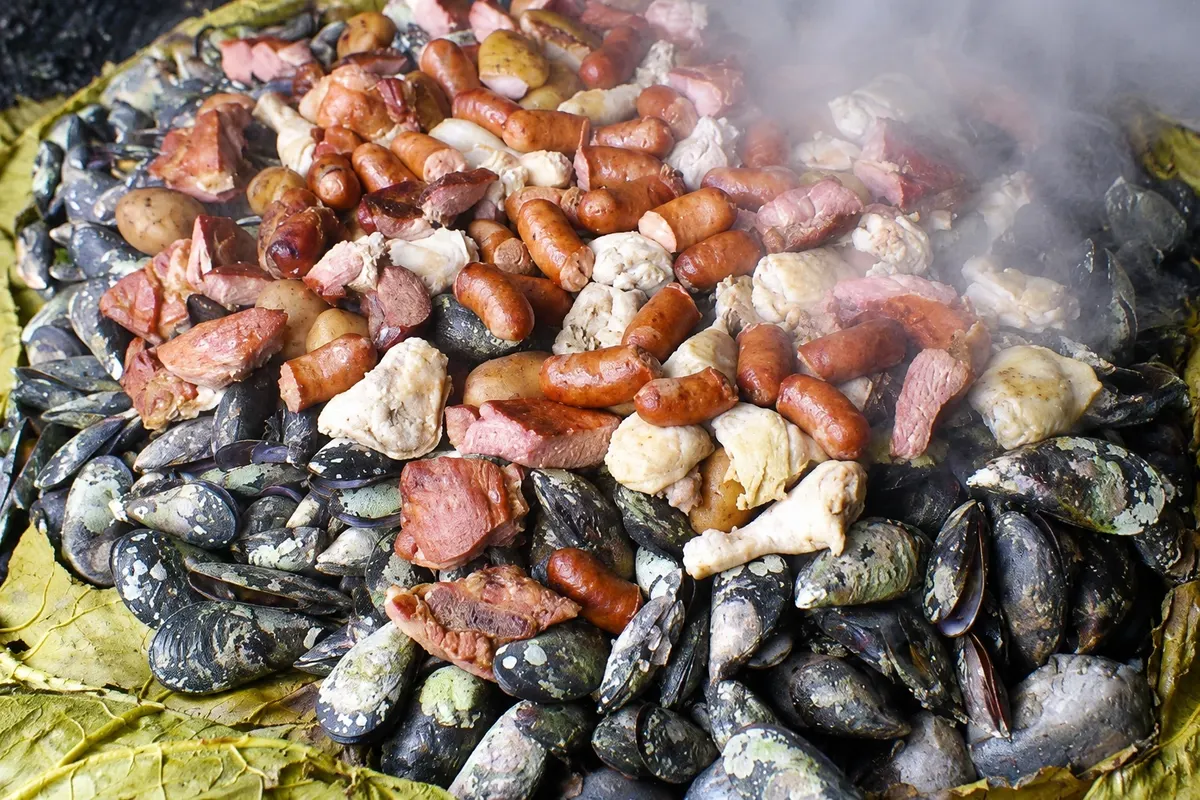
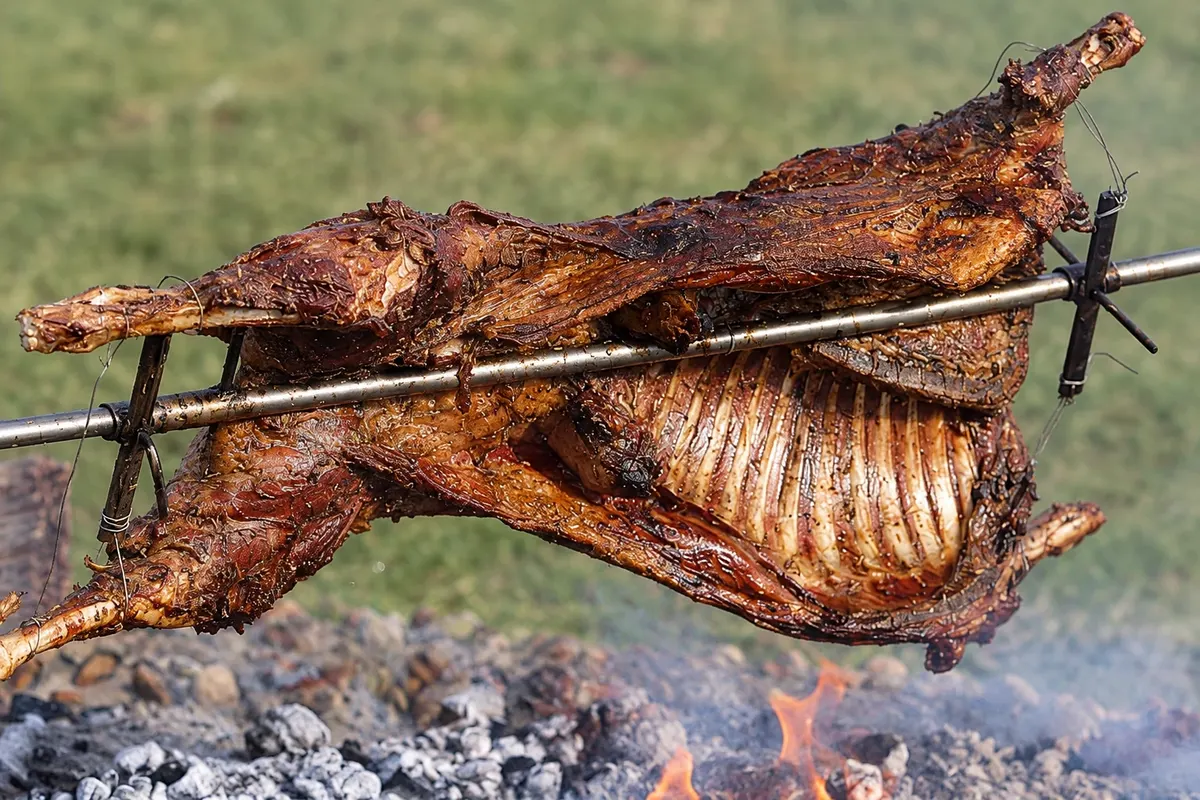
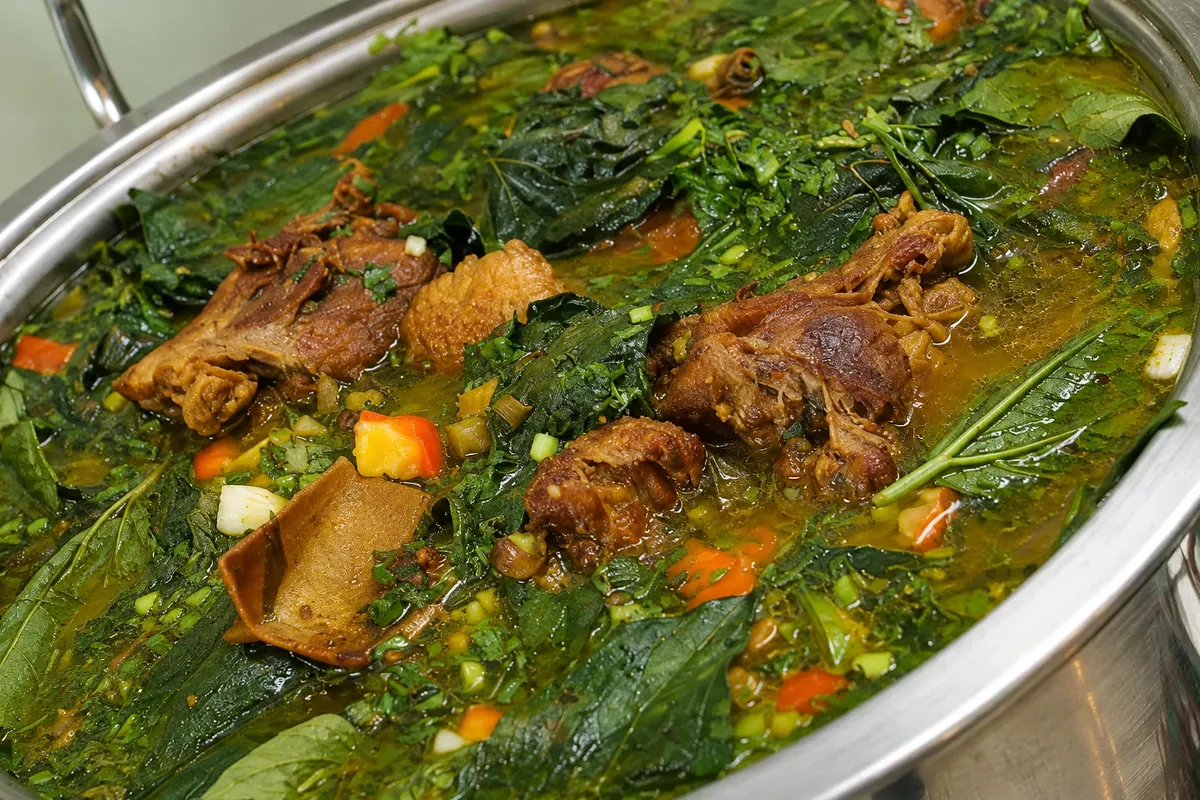
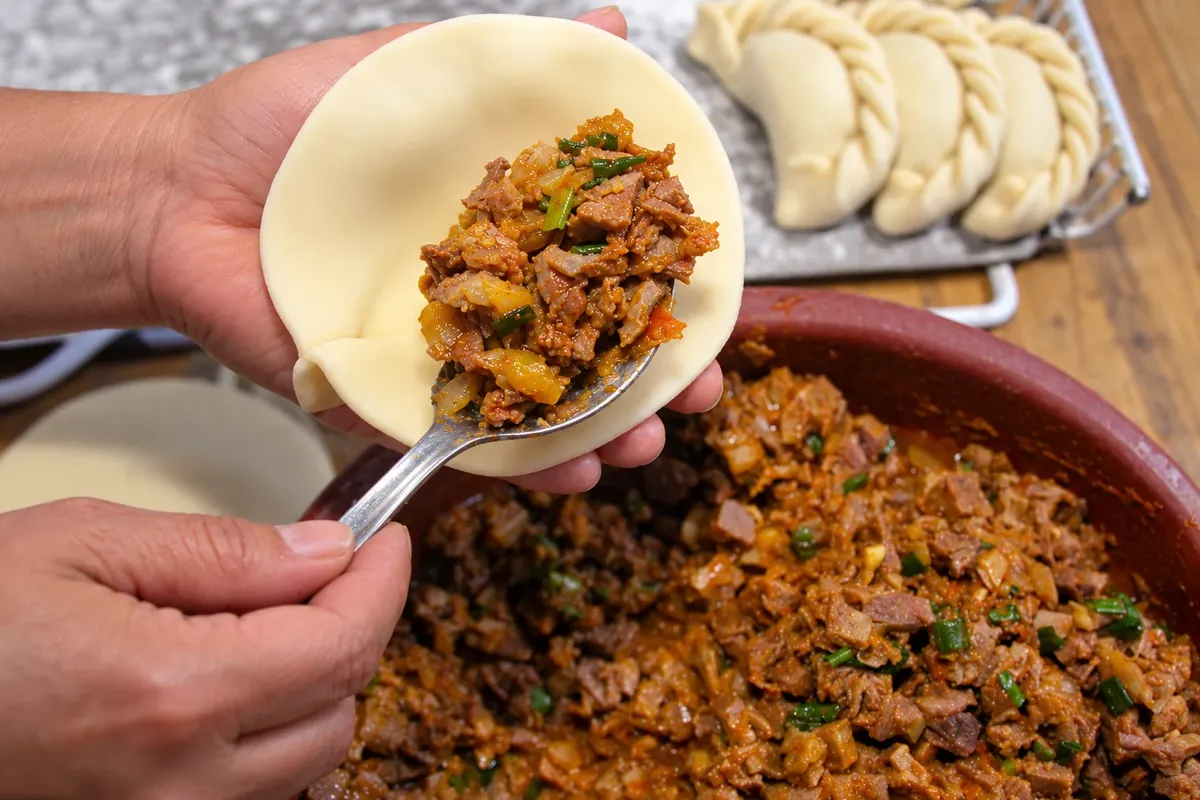
Chile stretches for more than 4,000 km between the northern desert and Patagonia, and the table changes with the landscape. In the north, irrigated valleys between the desert and the mountain range produce grapes that are turned into aguardiente. In the central region, the countryside inherited the cuisine of the Spanish settlers, with young wines, grape chicha and filled pastries with dulce de leche. In the south, rainy and full of islands, shellfish and potatoes are the basis of everything. In Patagonia, sheep farming left the tradition of lamb roasted over an open fire.
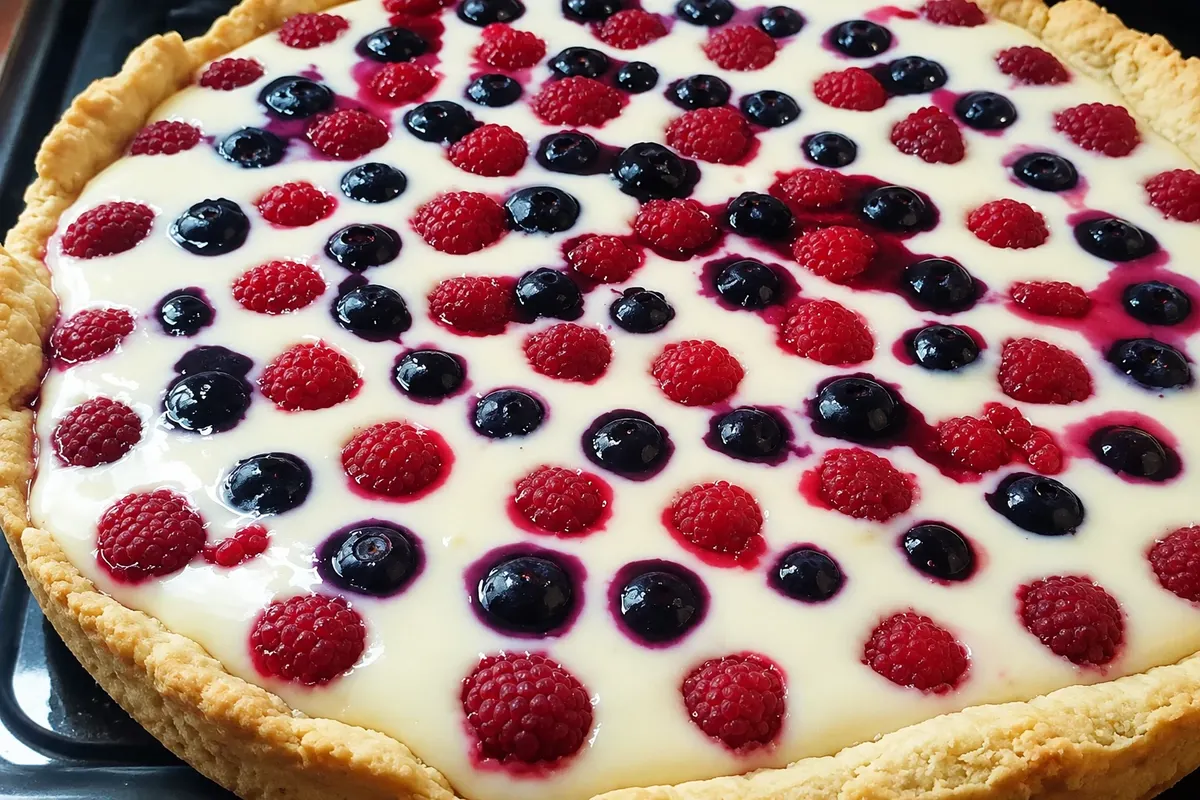
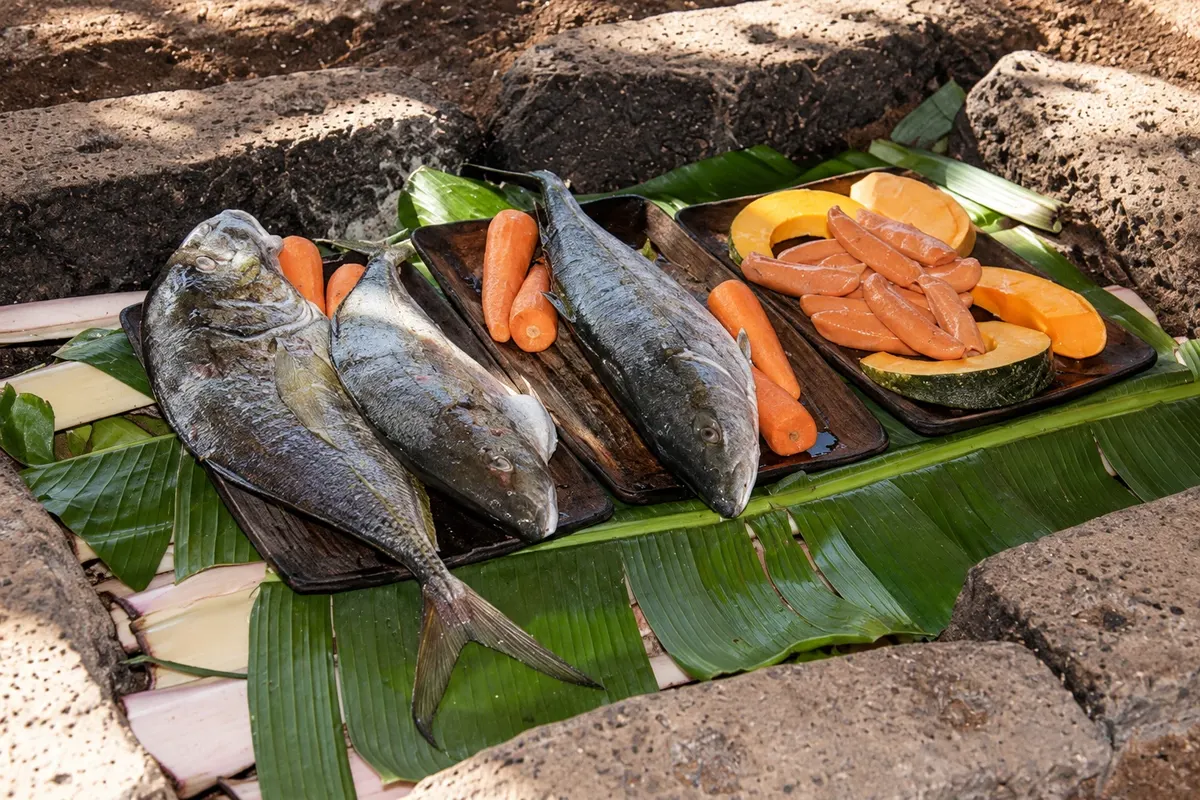
Indigenous peoples and immigrants also shaped this cuisine. In Chiloé, cooking in pits in the ground, on hot stones, is an old practice. On Rapa Nui, the Chilean Polynesian island in the Pacific, the earth oven has its own name and rituals. German settlers who arrived at Lake Llanquihue in the 19th century brought fruitcakes that became a tradition in the south’s tea houses.
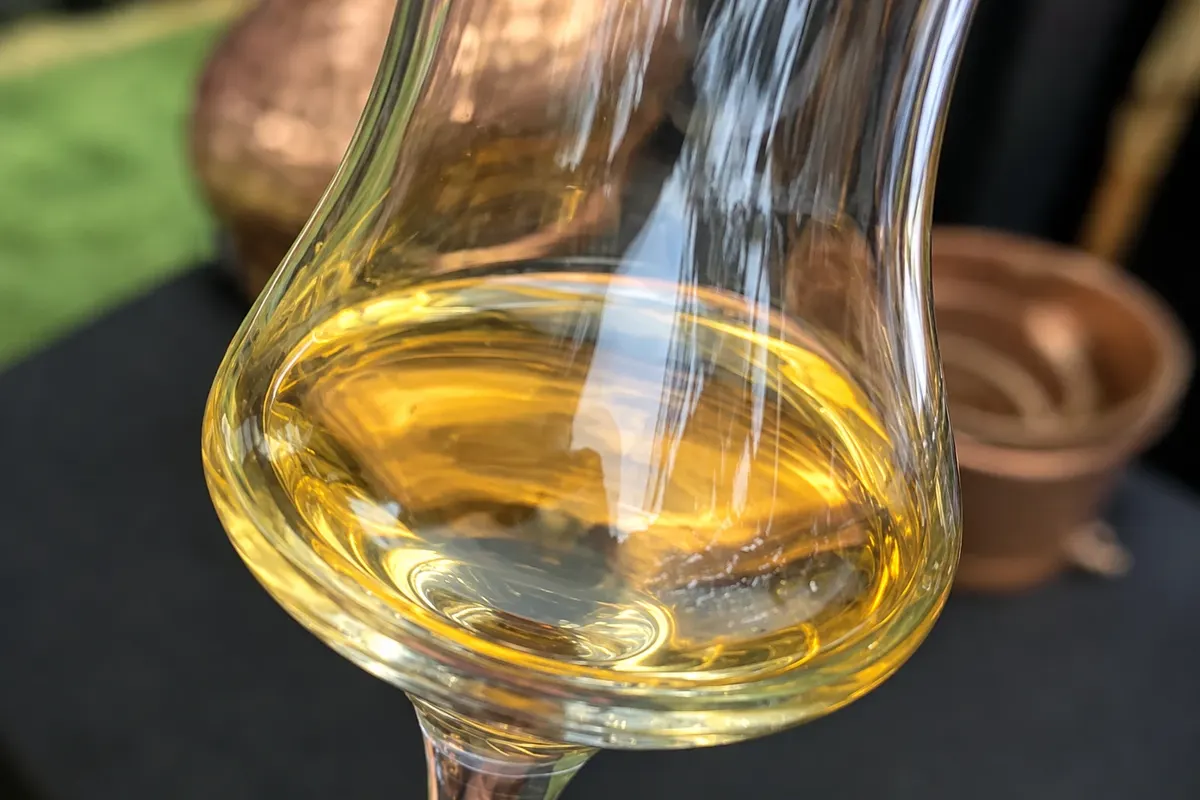
Some specialties have official protection. Pisco has a denomination of origin regulated by law, and Chile’s National Institute of Industrial Property registers origin seals for traditional products, such as the sweets of La Ligua and the chicha of Curacaví.
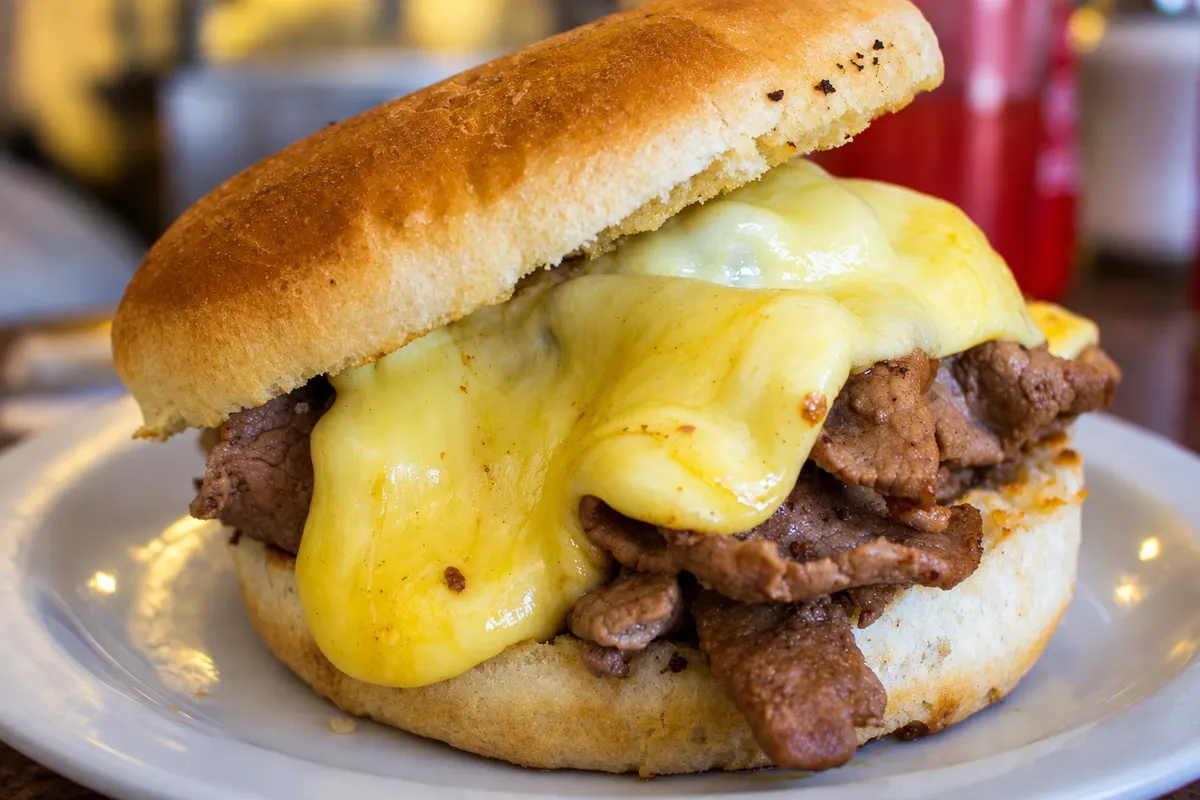
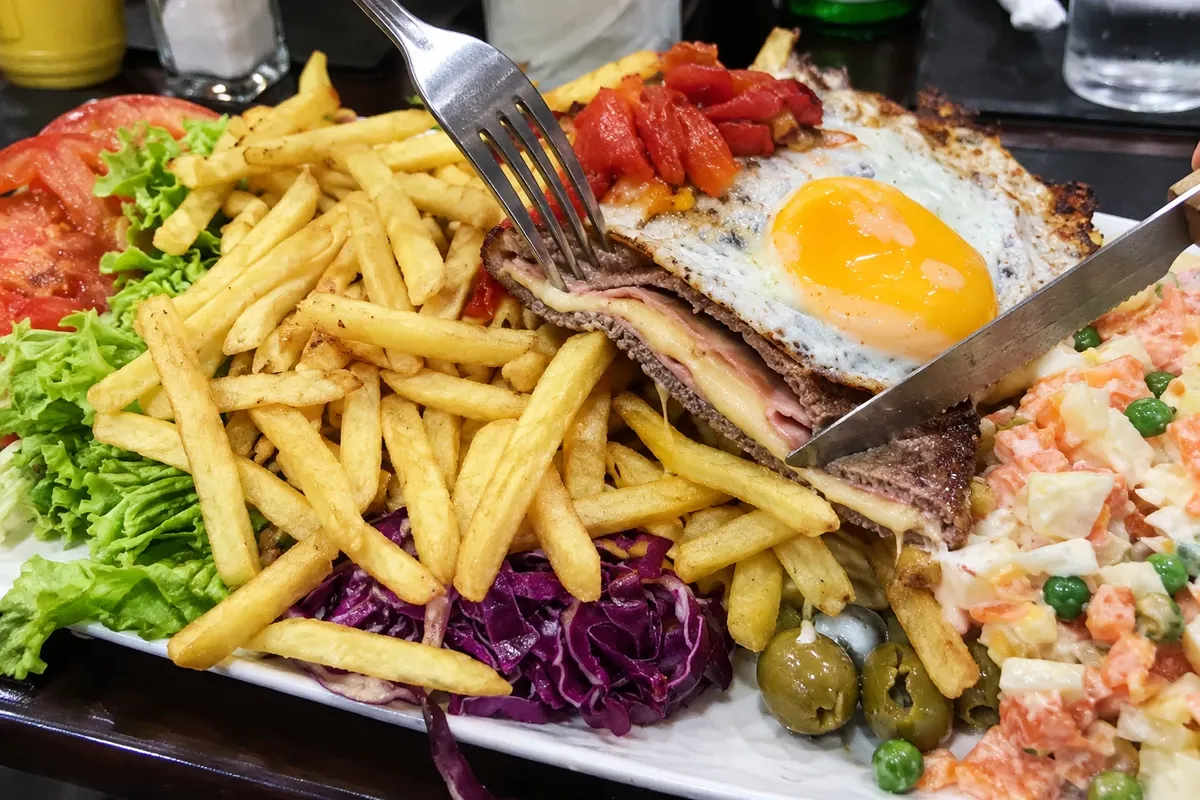
There are festive foods and everyday foods. At the Fiestas Patrias in September, the fondas serve chicha and wine-based mixed drinks; in the cities, sandwiches and shared platters are common meals. Pisco, wine and chicha are part of the country’s culture and are enjoyed in moderation.
Each specialty appears here linked to a city or a region that represents it. That does not mean it is only eaten there: many have spread across the country. Each page explains the connection to the place, the ingredients and the customary way of serving it.


 Brazil
 Antarctica
 Argentina
 Bolivia
 Colombia
 Ecuador
 Guyana
 French Guiana
 Falkland Islands (Malvinas)
 Paraguay
 Peru
 Suriname
 Uruguay
 Venezuela
 Germany
 Austria
 Belgium
 Croatia
 Denmark
 Slovakia
 Slovenia
 Spain
 Finland
 France
 Greece
 the Netherlands
 Hungary
 Ireland
 Iceland
 Italy
 Luxembourg
 Norway
 Poland
 Portugal
 the United Kingdom
 the Czech Republic
 Sweden
 Switzerland
 Turkey
 Bermuda
 Canada
 the United States
 Greenland
 Mexico
 Saint Pierre and Miquelon
 the Dominican Republic
 Japan
 South Africa
 Egypt
 Australia
 Fiji
 New Zealand
 Papua New Guinea