Chicha de Curacaví
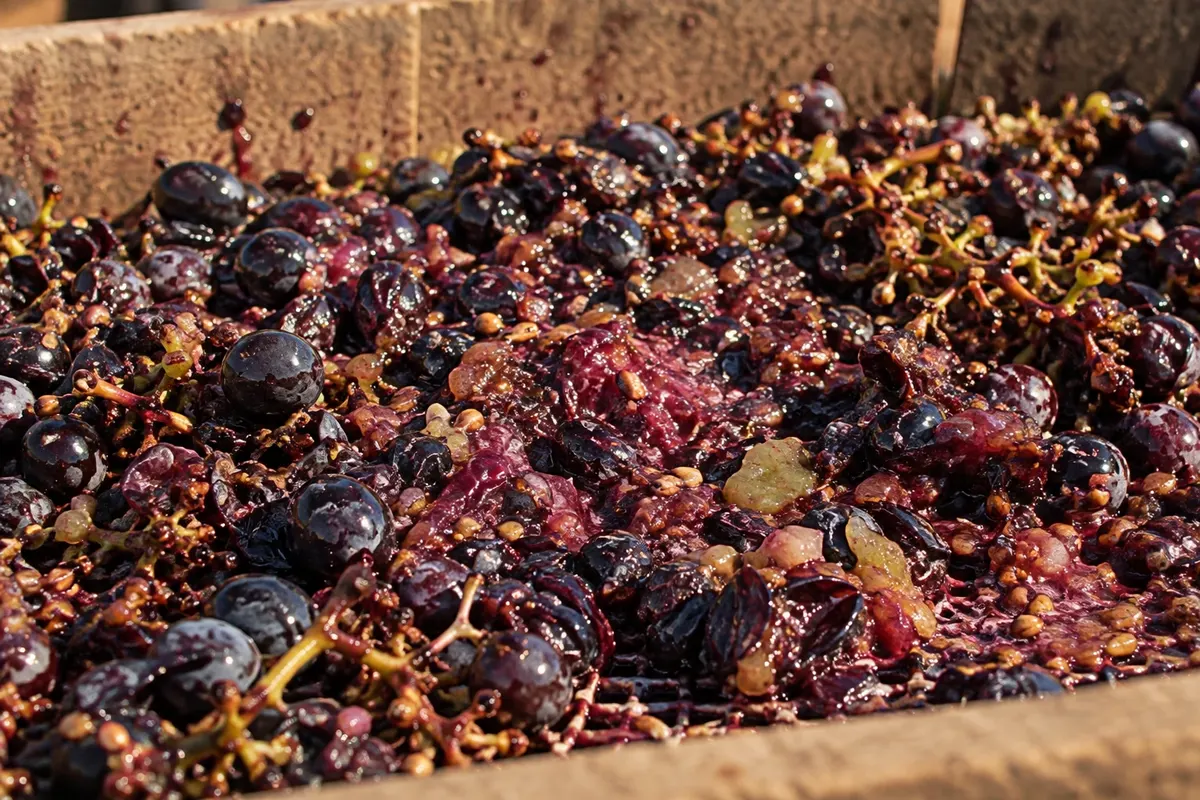
Drink made from fermented grape must, slightly sweet, produced in Curacaví, near Santiago, with cooking in copper or stainless-steel vats. It has a designation of origin since 2017 and an annual festival.
Flavors · Hanga Roa
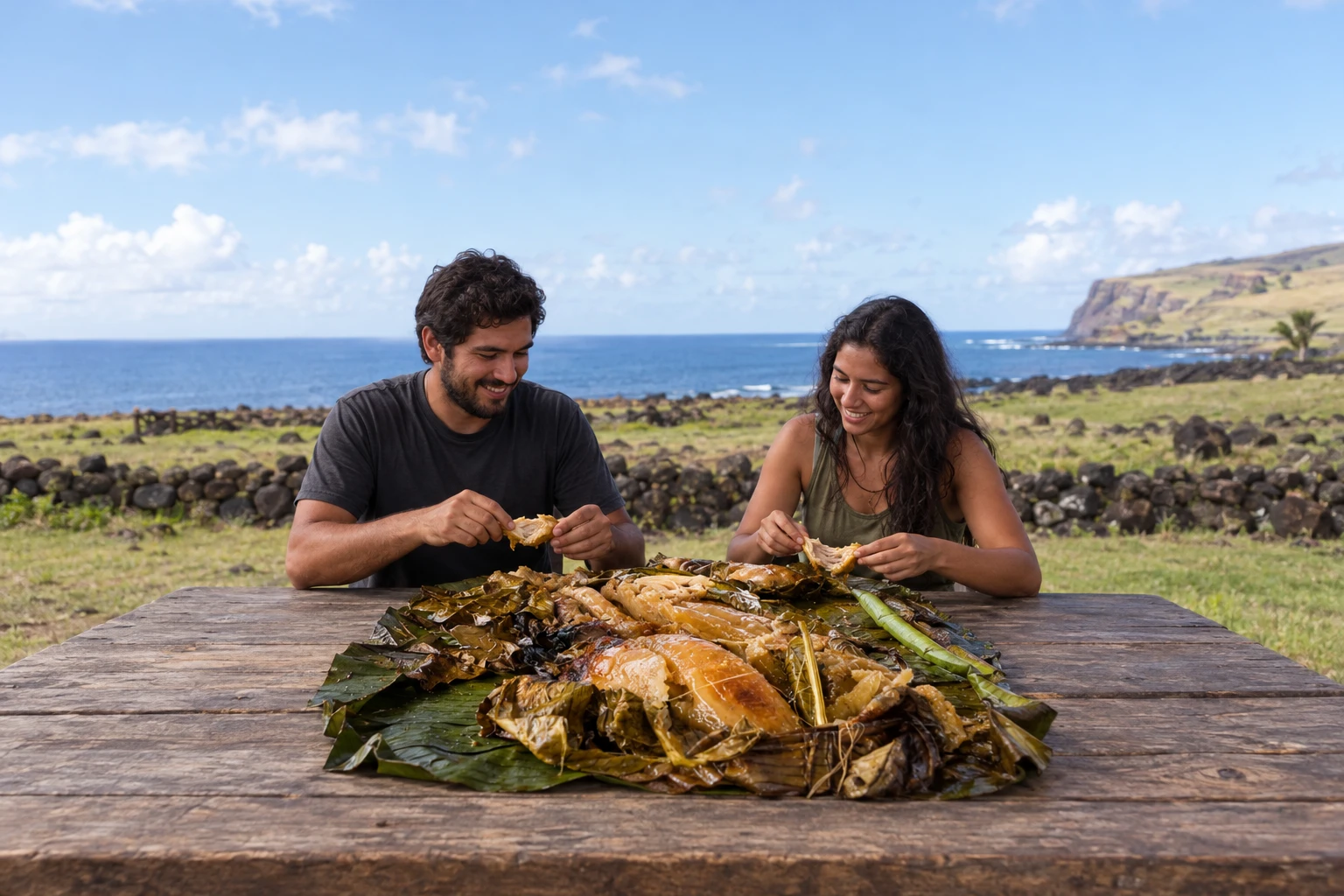
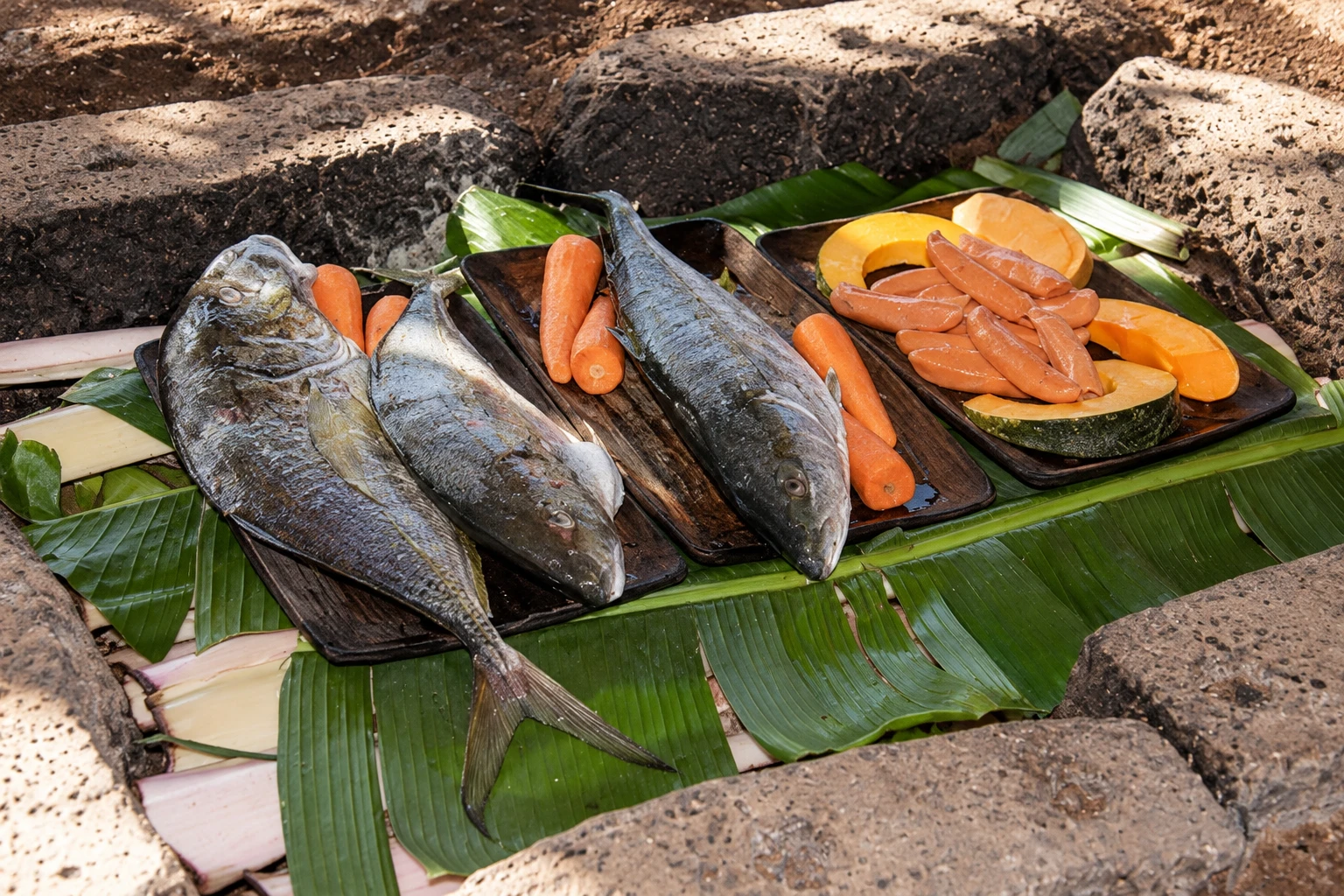
Earth oven of the Rapanui people: meats, fish, sweet potato, taro and banana slowly cooked on hot volcanic stones, wrapped in banana leaves. It is the most traditional preparation of Rapa Nui cuisine.
Traditional dish from Hanga Roa, Valparaíso
Also known as: 'umu, umu tahu, umu ta'o, curanto rapanui
Illustrative images. The pictures in this guide are illustrations based on the real place, not photographs, and may differ from it.
Click a photo to enlarge it.
Umu — Hanga Roa, Chile
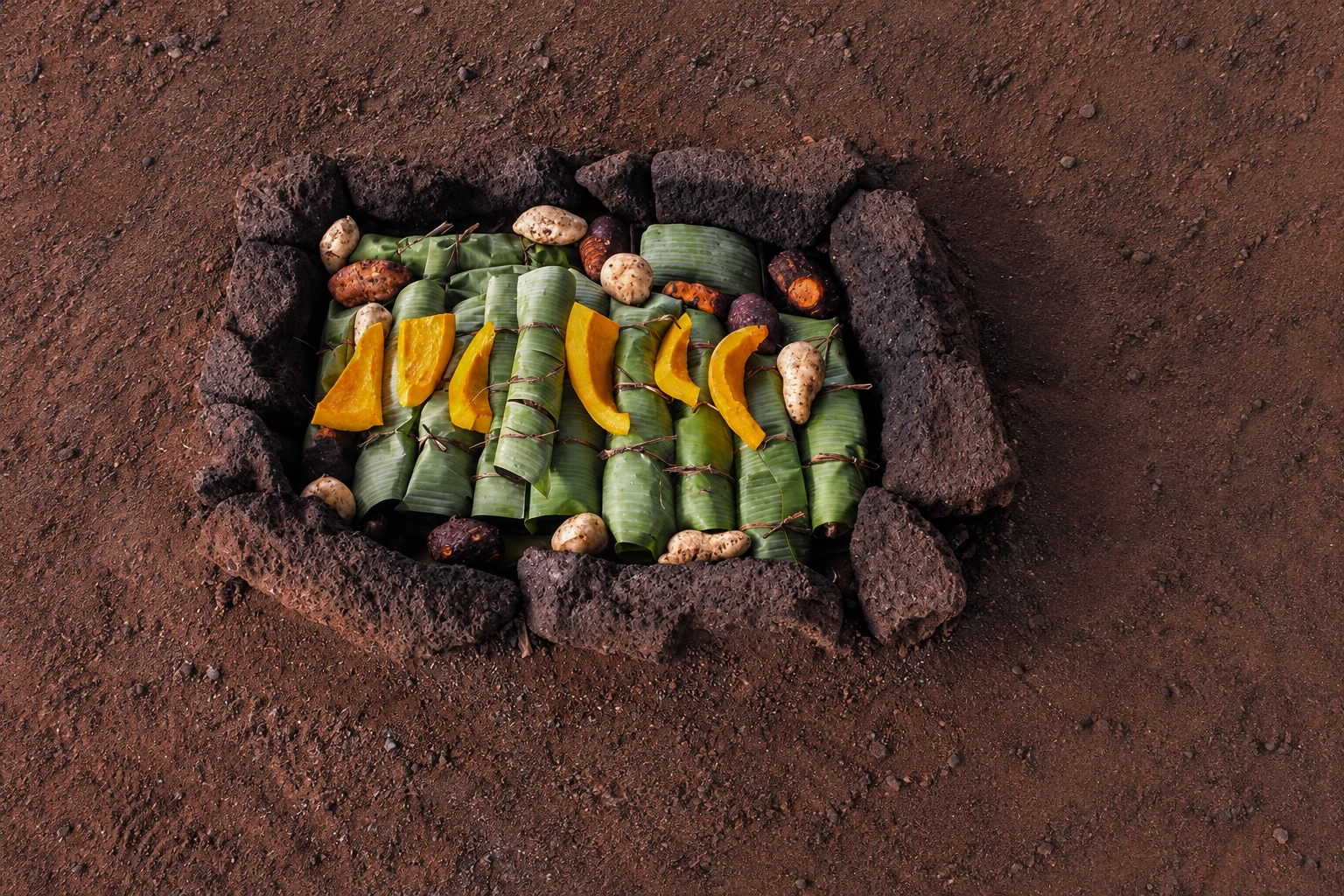
The umu is the traditional way of cooking on Rapa Nui, the Polynesian island of Chile in the middle of the Pacific. A hole is dug in the ground, lined with volcanic stones, and a fire is lit until the stones become very hot. Banana leaves are placed over them and, on top, the food: meats, fish, sweet potato, taro and banana. Everything is covered again with leaves and earth and cooks slowly from the steam and the heat of the stones.
Chile’s official tourism presents the umu as the most traditional preparation of Rapanui cuisine, whose staples are tuna, sweet potato, taro and banana. Educational materials from Chile’s Ministry of Education for the Rapanui language treat the "umu" as the equivalent of curanto and describe several types, each with its purpose.
The umu has a communal and ritual character. The umu tahu is made to ask for protection and good fortune at the start of an activity, such as the launching of a boat or the first use of a net; the umu hatu is to give thanks when it ends. There are umu for weddings, births and to honor the dead.
During the Tapati, the Rapanui cultural festival held in February in Hanga Roa, the umu is the central preparation for competitions and celebrations.

Hanga Roa , Valparaíso
Hanga Roa is the only town on Rapa Nui and the center of the Tapati, the island festival in which the umu is the traditional preparation; Chile’s official tourism presents it as the most traditional preparation of Rapanui cuisine.
Meats (chicken, pork or others), fish, sweet potato (kūmara), taro, banana and banana leaves, cooked on volcanic stones.
After the oven is opened, the food is distributed among those present, often on leaf plates or serving platters, and eaten together.
Family and community celebrations, beginnings and endings of important activities, and the Tapati festival in February.
Your questions
It is the traditional earth oven of the Rapanui people: food wrapped in banana leaves slowly cooked on hot volcanic stones, in a hole covered with earth.
The umu tahu is made to ask for protection and good fortune before an important activity; the umu hatu is to give thanks when it ends.
At community celebrations and, especially, during the Tapati, the Rapanui cultural festival held in February in Hanga Roa. Dates change each year; check before you travel.
Flavors of Chile

Drink made from fermented grape must, slightly sweet, produced in Curacaví, near Santiago, with cooking in copper or stainless-steel vats. It has a designation of origin since 2017 and an annual festival.

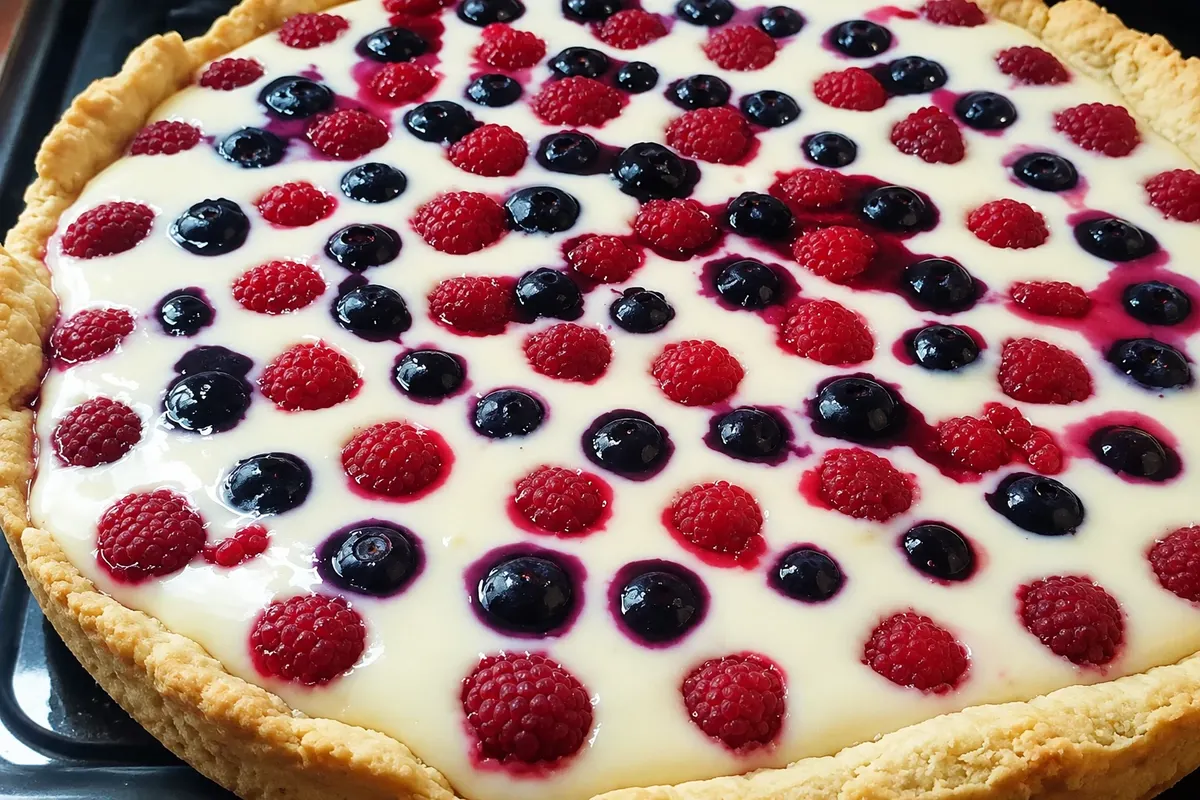
Sweet shortcrust tart topped with seasonal fruits such as raspberry, strawberry, murta and currant, inherited from the German settlers of southern Chile. In Frutillar, it is the pastry served in the tea houses.

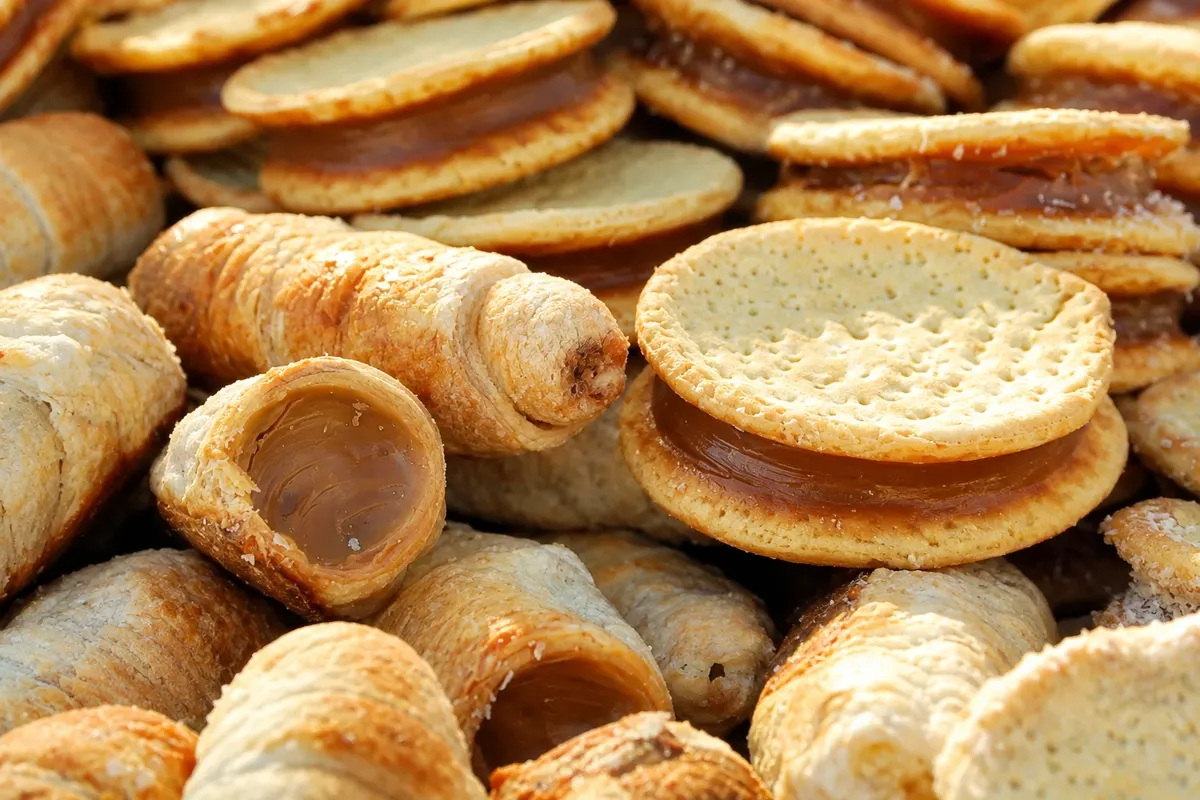
Artisanal sweets made by families of confectioners from La Ligua and sold by vendors wearing white aprons and carrying baskets, in town and along the road. They have a geographical indication and are Chile’s intangible cultural heritage.

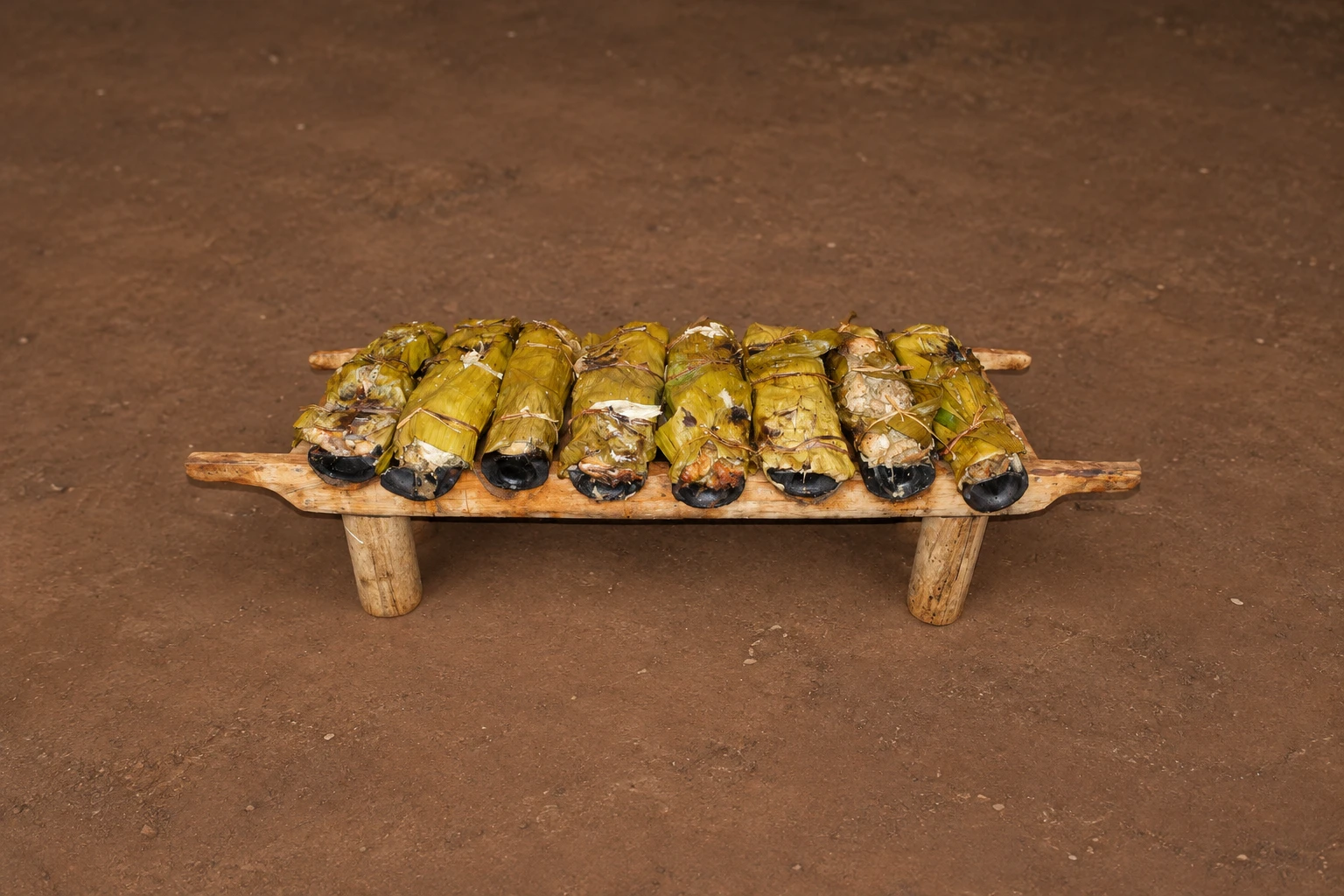
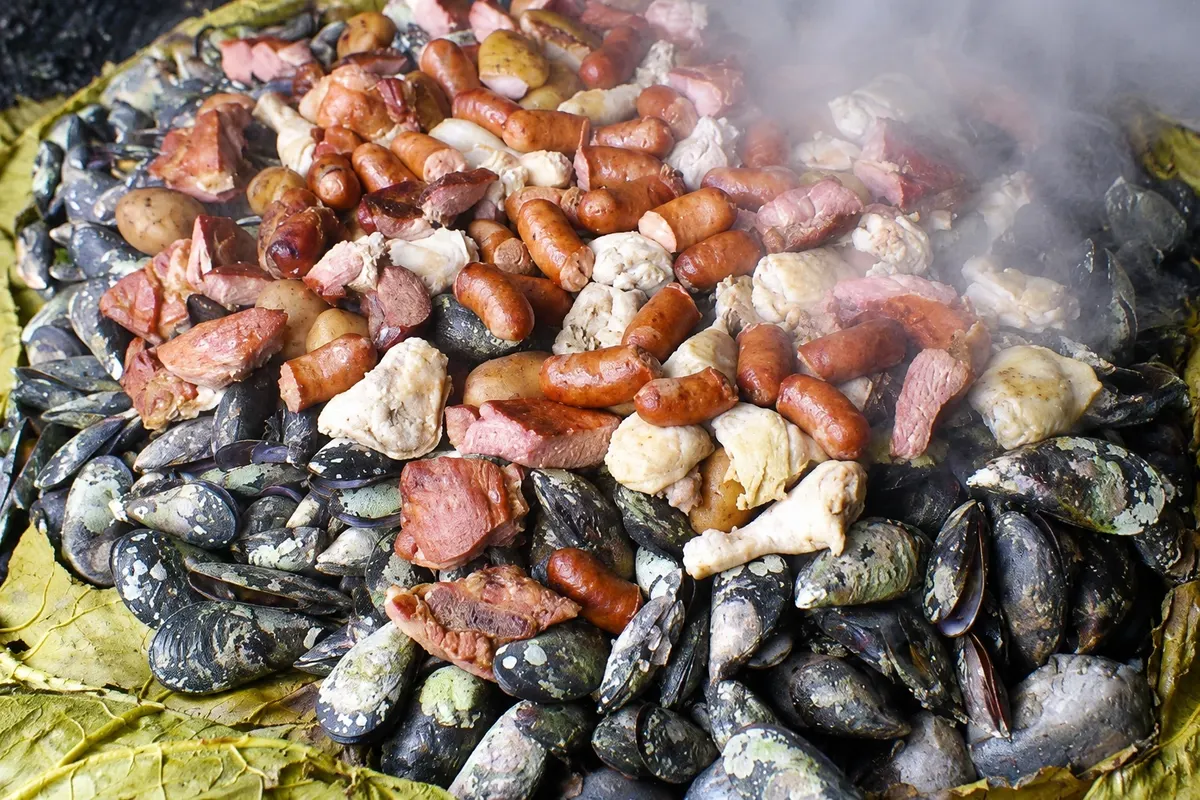
Shellfish, meats, sausage, potatoes and potato breads cooked in a hole in the ground, over hot stones, covered with large leaves. It is the dish most associated with Chiloé, in southern Chile.

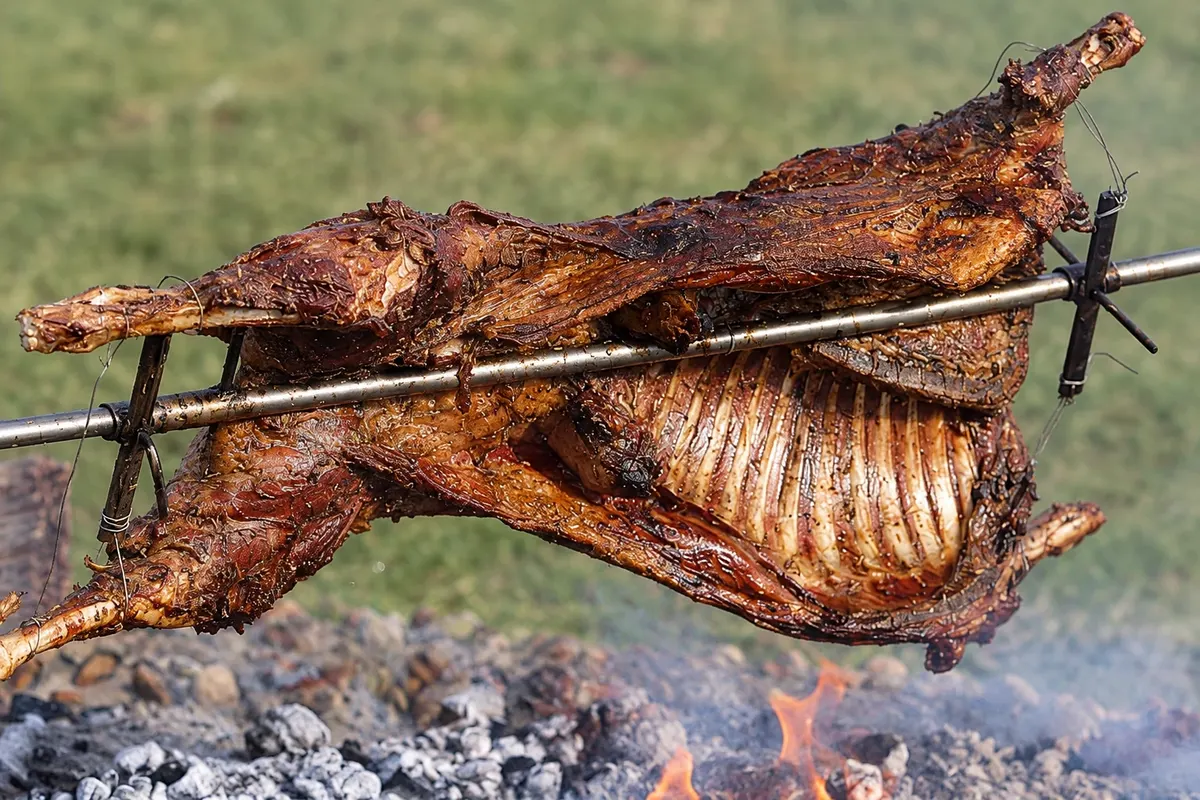
Whole lamb opened on an iron cross and slowly roasted beside the fire, a dish of the sheep estancias of the Chilean Patagonia. It is the one most associated with the gastronomy of Magallanes.

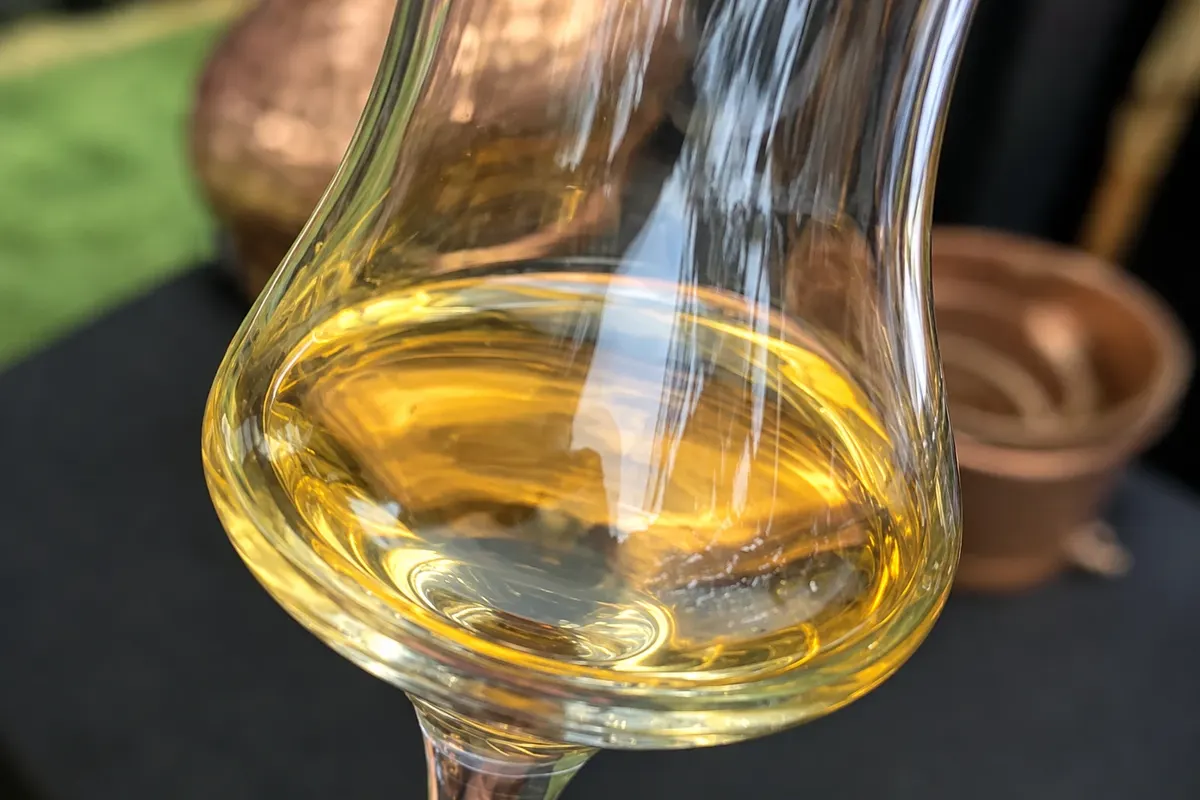
Grape brandy with Chilean designation of origin, distilled from wine made from grape varieties defined by law in the regions of Atacama and Coquimbo. The Elqui Valley and the village of Pisco Elqui are its heart.

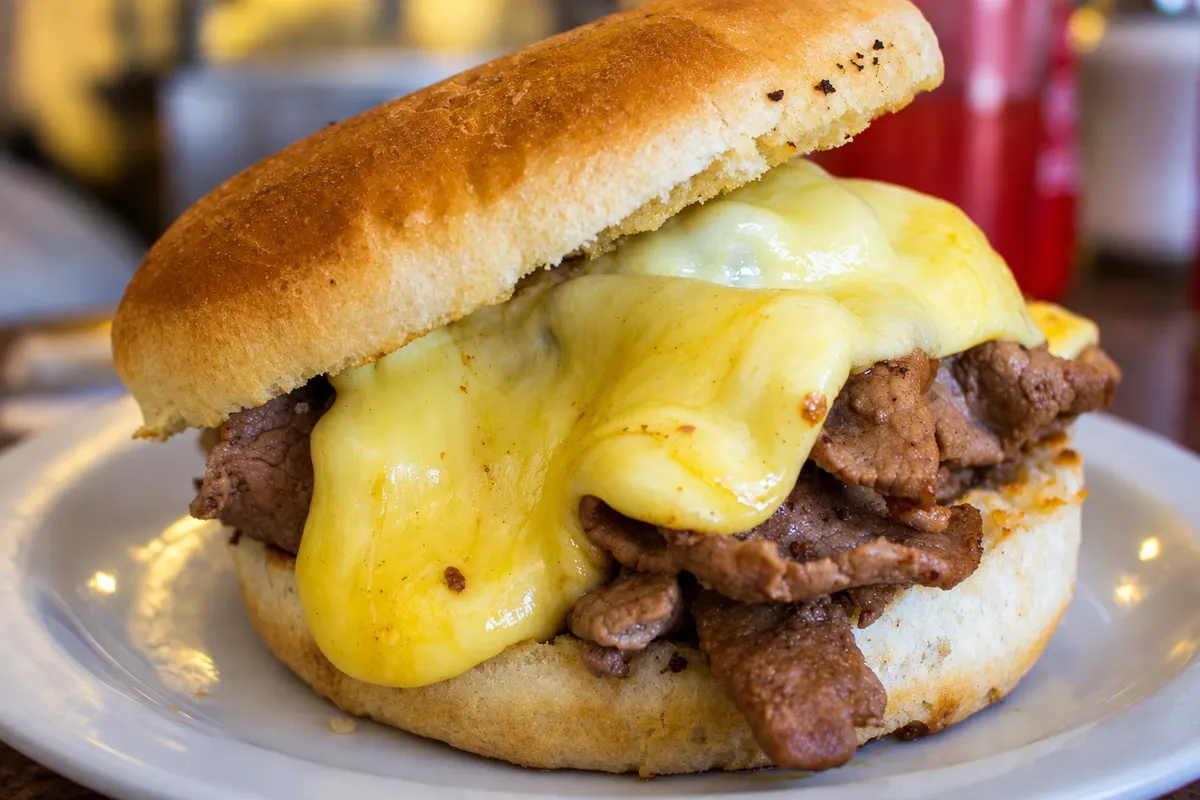
Hot sandwich of thin beef cooked on a griddle with melted cheese, usually served on marraqueta bread. It’s named after President Ramón Barros Luco, who used to order it in Santiago.

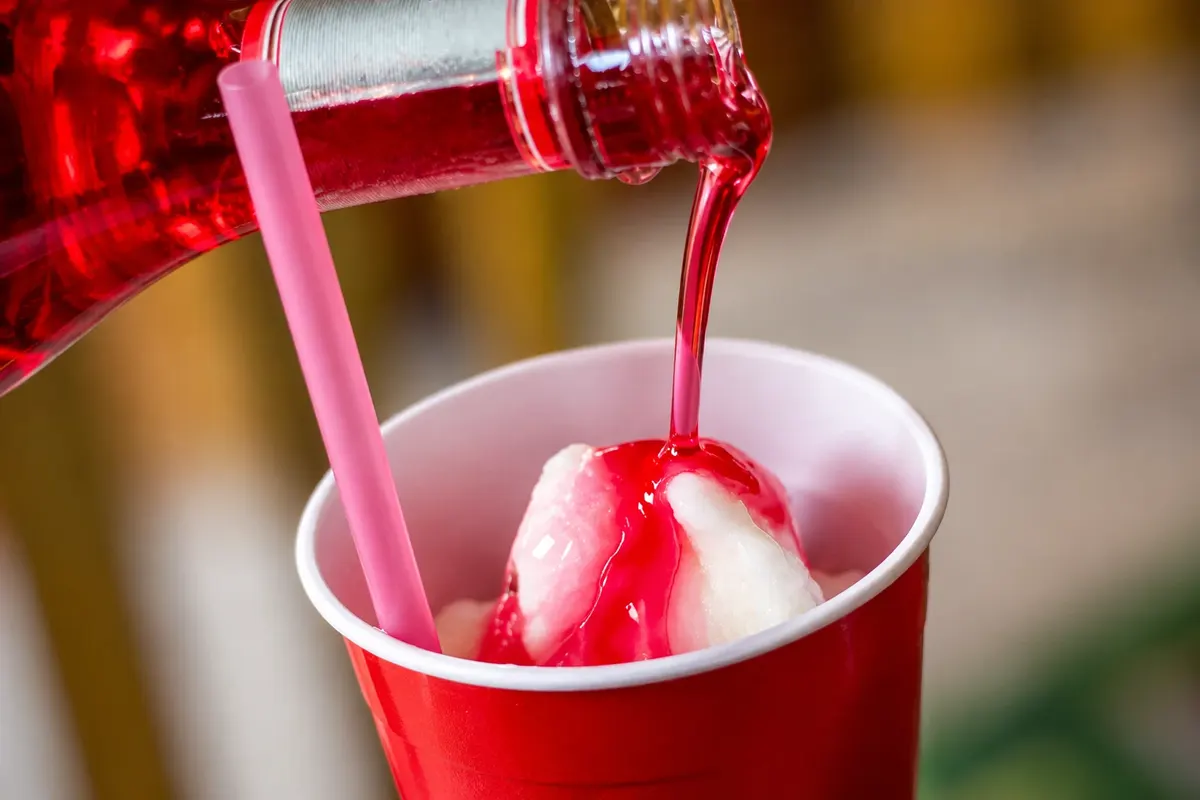
Pipeño wine drink with pineapple ice cream, sometimes with grenadine or fernet. Its name is linked to the bars of Santiago and the 1985 earthquake, and it became a drink of the Fiestas Patrias.

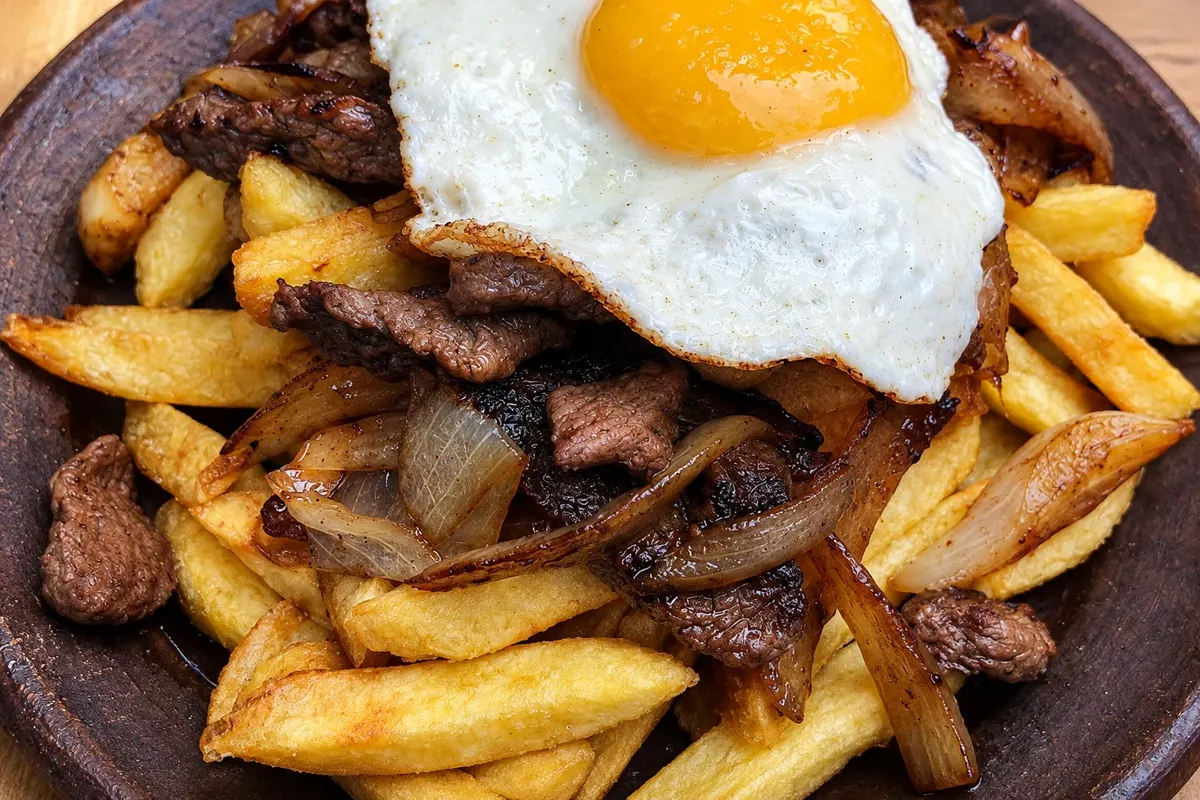
Platter of french fries topped with strips of beef, sautéed onion and egg, served for sharing. It is associated with Valparaíso’s traditional bars, where it became popular.