Chicha de Curacaví
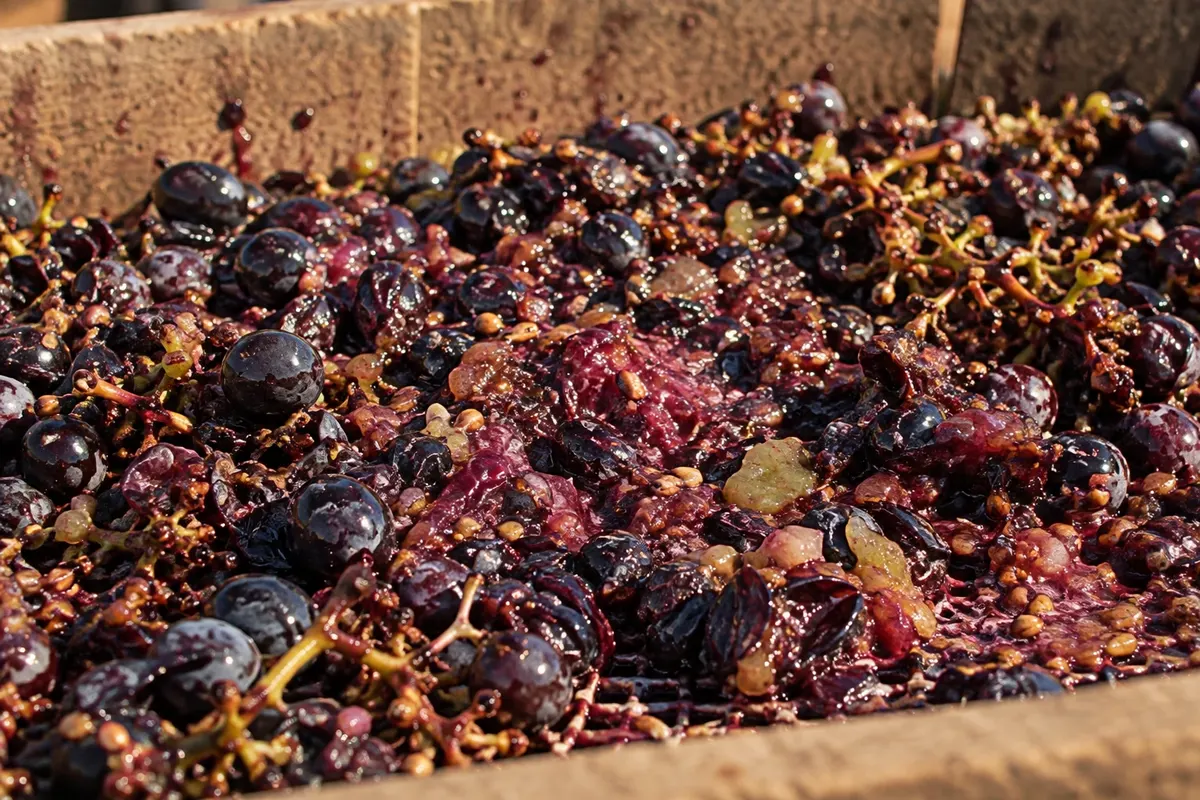
Drink made from fermented grape must, slightly sweet, produced in Curacaví, near Santiago, with cooking in copper or stainless-steel vats. It has a designation of origin since 2017 and an annual festival.
Flavors · Los Lagos
Shellfish, meats, sausage, potatoes and potato breads cooked in a hole in the ground, over hot stones, covered with large leaves. It is the dish most associated with Chiloé, in southern Chile.
Traditional dish from Los Lagos
Also known as: curanto en hoyo, curanto al hoyo, curanto en olla
Illustrative images. The pictures in this guide are illustrations based on the real place, not photographs, and may differ from it.
Click a photo to enlarge it.
Curanto — Los Lagos, Chile
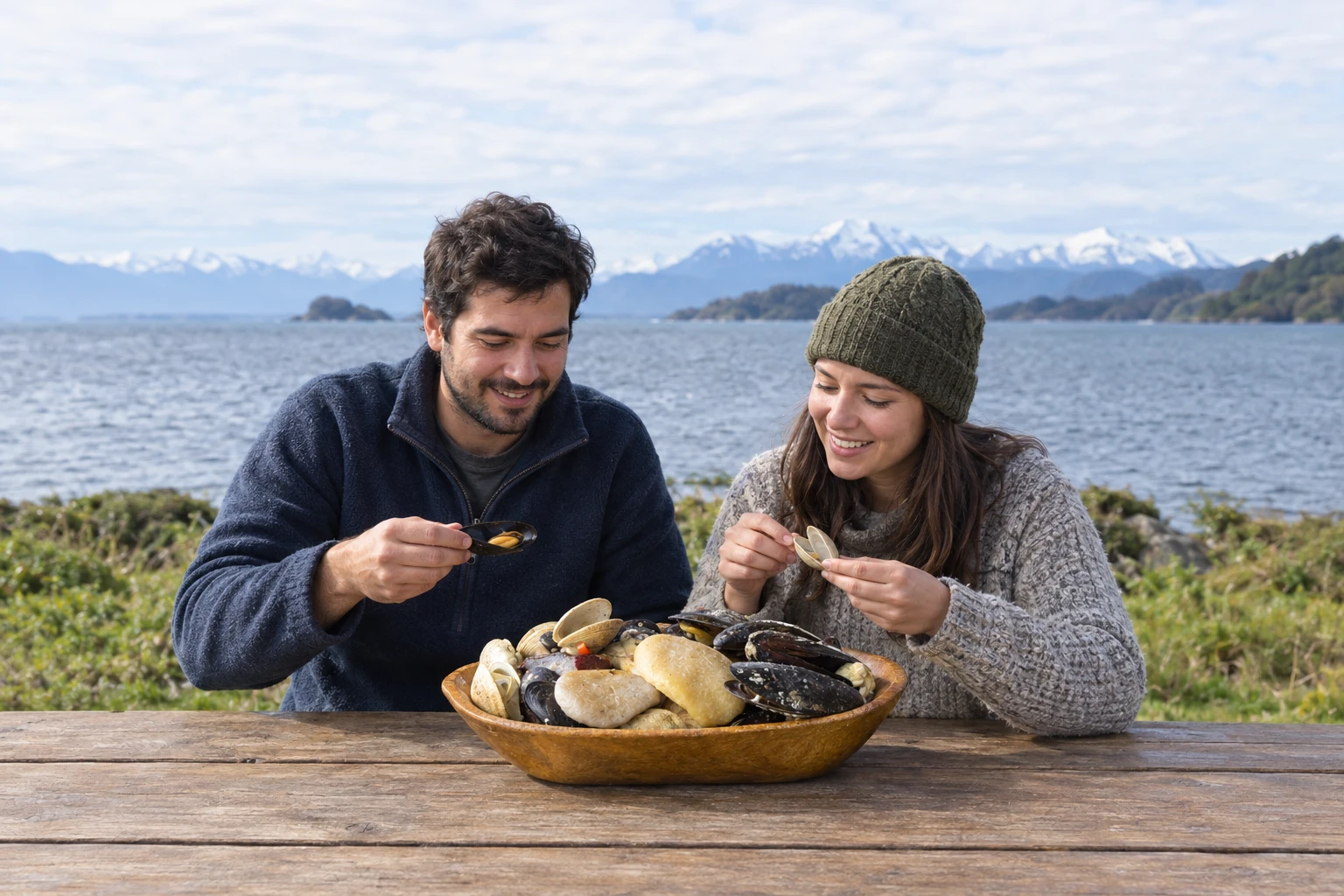
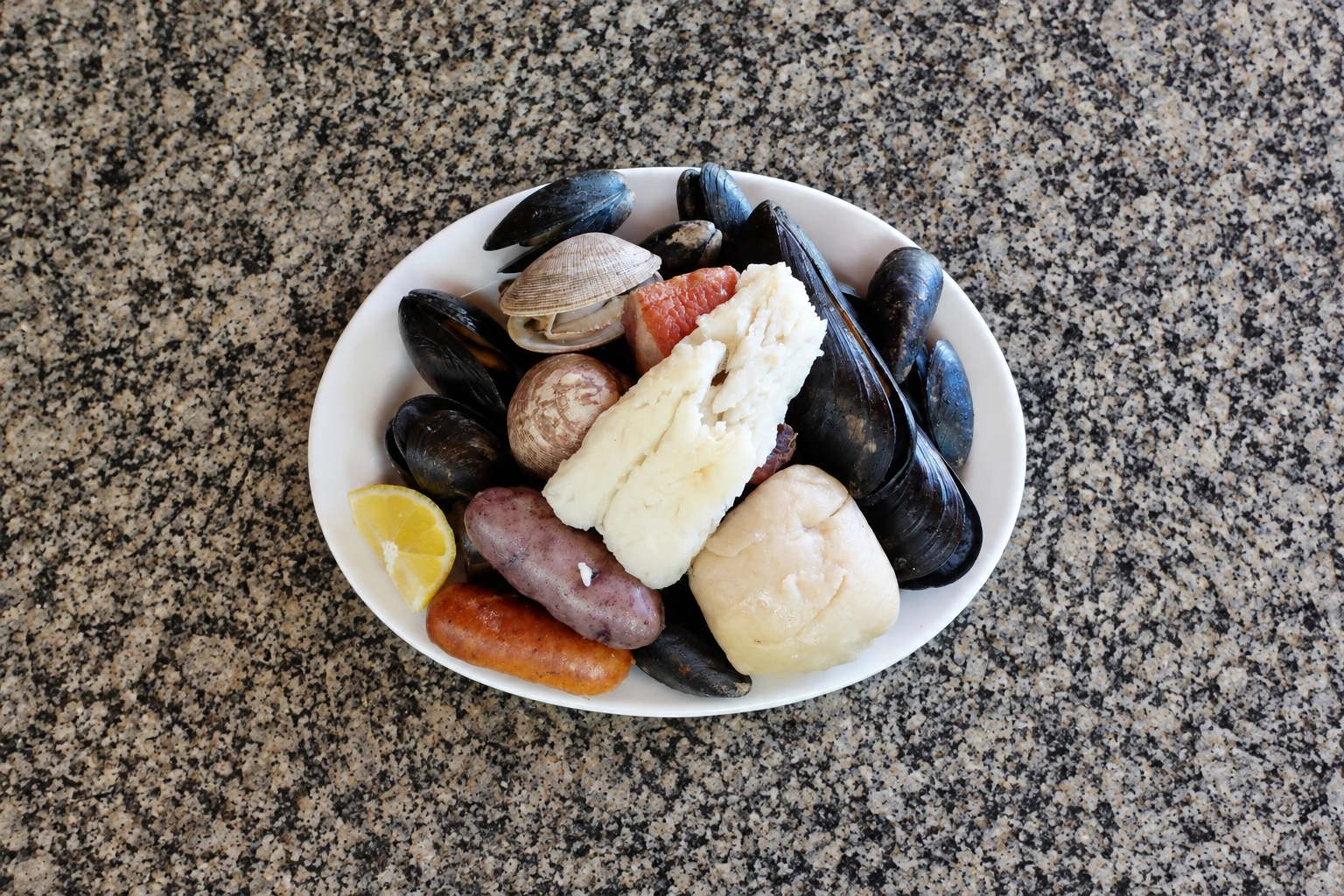
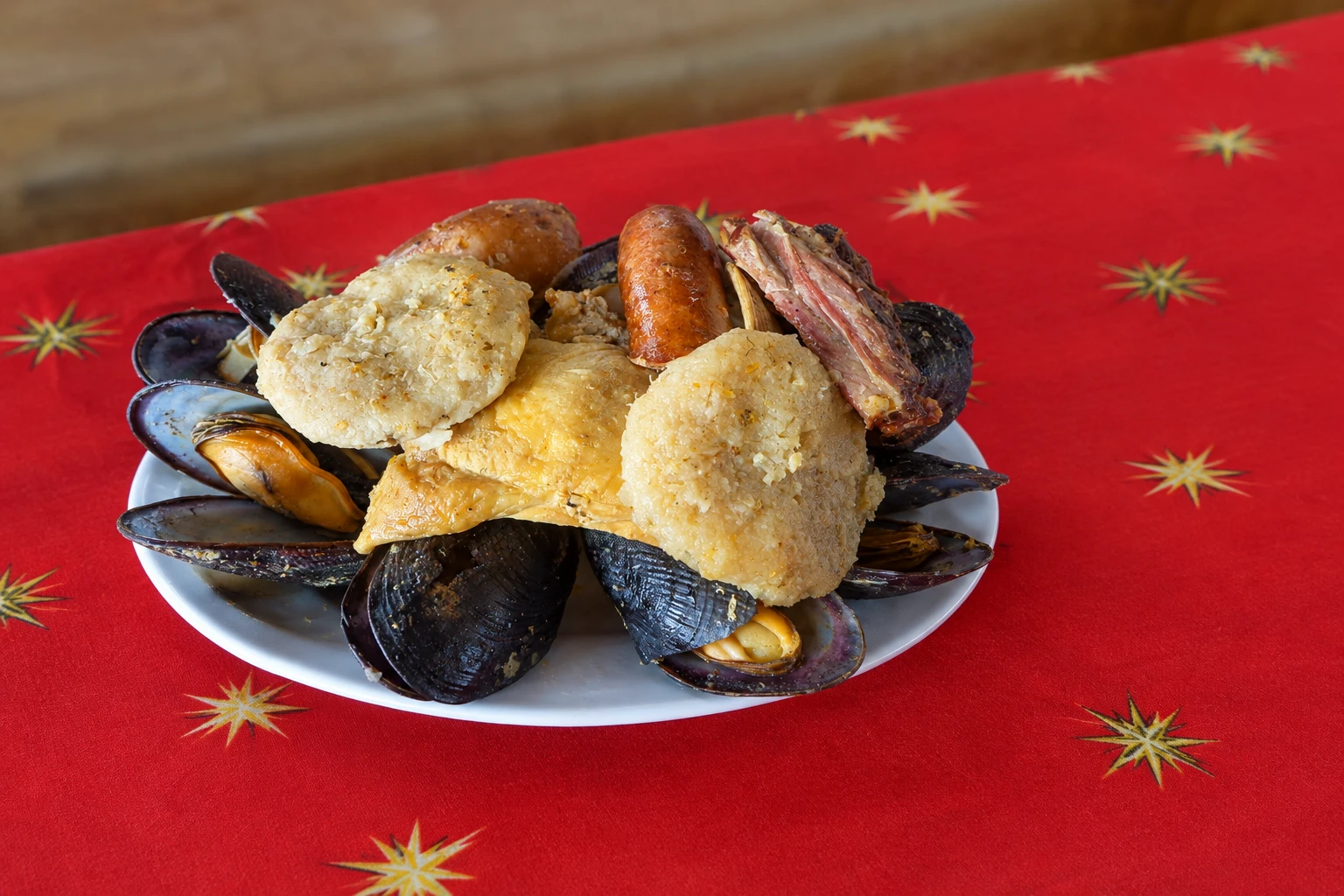
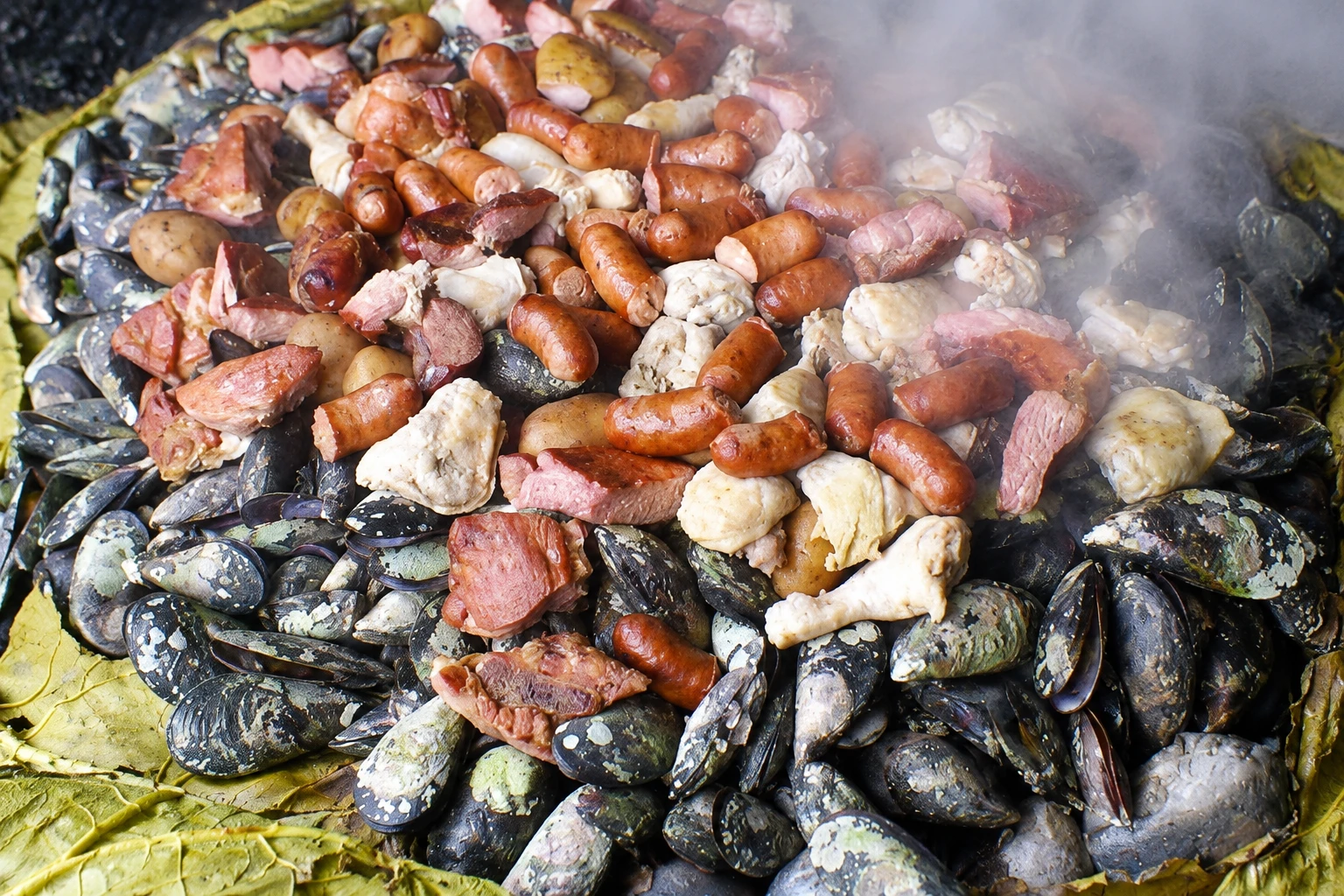
Curanto is a cooking method in an earth oven. A shallow pit is dug and lined with stones; a fire is lit until the stones are red-hot and the embers are removed. On the stones go layers of shellfish, mainly mussels and clams, then meats, sausage, potatoes and the potato breads typical of the archipelago, milcao and chapalele. Everything is covered with large nalca leaves, a regional plant, cloths or sacks and earth, and it cooks in the steam of the foods themselves.
Chile’s official tourism calls the curanto in a pit the flagship dish of Chiloé, the archipelago in the Los Lagos region where gastronomy is part of the culture, and describes it as more of a social event than a meal. Preparing a curanto requires several people and hours of work, so it usually brings together family and neighbors.
Cooking in pits with hot stones is an ancient practice in southern Chile. Besides Chiloé, curanto is common on the region’s continental coast, and in towns there is a pot version, curanto en olla, prepared in restaurants.

Los Lagos
Chile’s official tourism calls curanto the flagship dish of Chiloé, the archipelago in the Los Lagos region; it is also prepared on the region’s continental coast.
Mussels, clams and other shellfish; smoked pork, chicken and sausage; potatoes; milcao and chapalele (potato breads); nalca leaves for covering.
The curanto is opened in front of everyone and a bit of each layer is served.
Family and community gatherings in southern Chile and lunches at restaurants in Chiloé.
Your questions
It is curanto made the traditional Chiloé way: shellfish, meats and potatoes cooked over hot stones in a hole in the ground, covered with leaves and earth.
They are potato breads typical of Chiloé. They go into the curanto with the shellfish and meats and are also eaten separately.
Mainly in the Chiloé archipelago and on the coast of the Los Lagos region. In restaurants the pot version, curanto en olla, is common.
Flavors of Chile

Drink made from fermented grape must, slightly sweet, produced in Curacaví, near Santiago, with cooking in copper or stainless-steel vats. It has a designation of origin since 2017 and an annual festival.

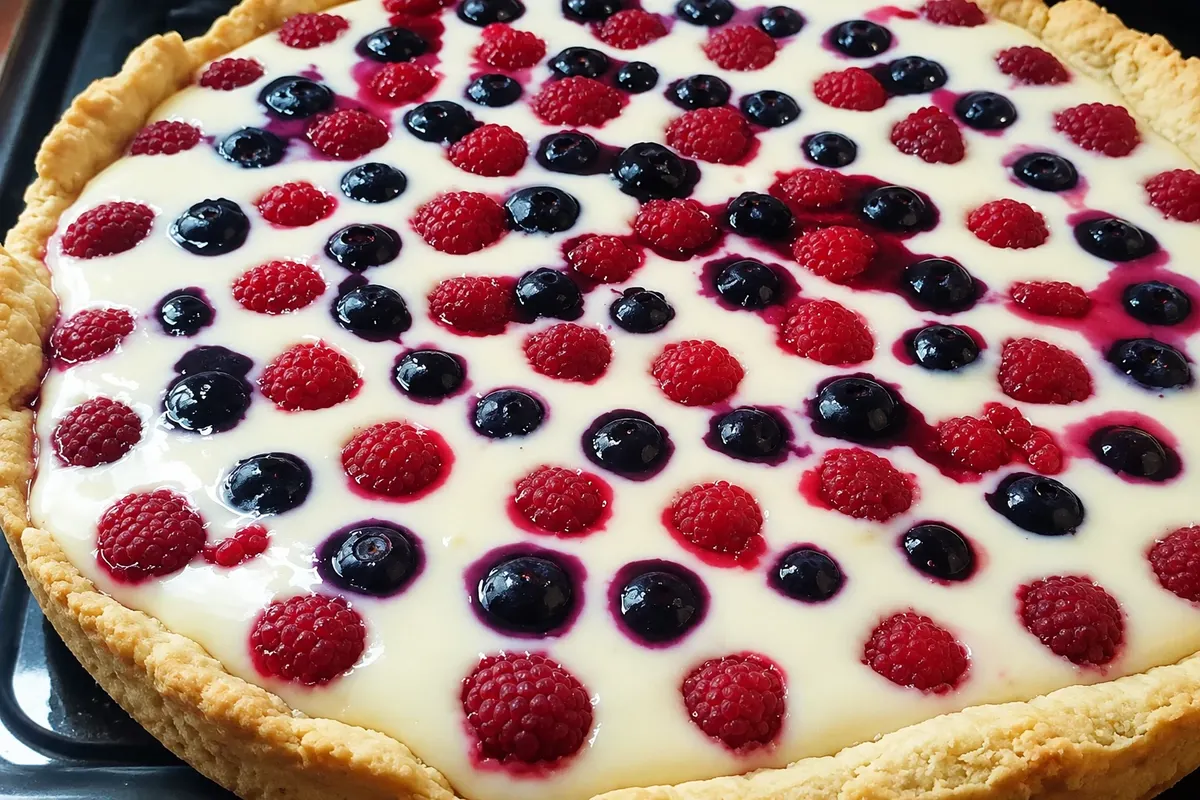
Sweet shortcrust tart topped with seasonal fruits such as raspberry, strawberry, murta and currant, inherited from the German settlers of southern Chile. In Frutillar, it is the pastry served in the tea houses.

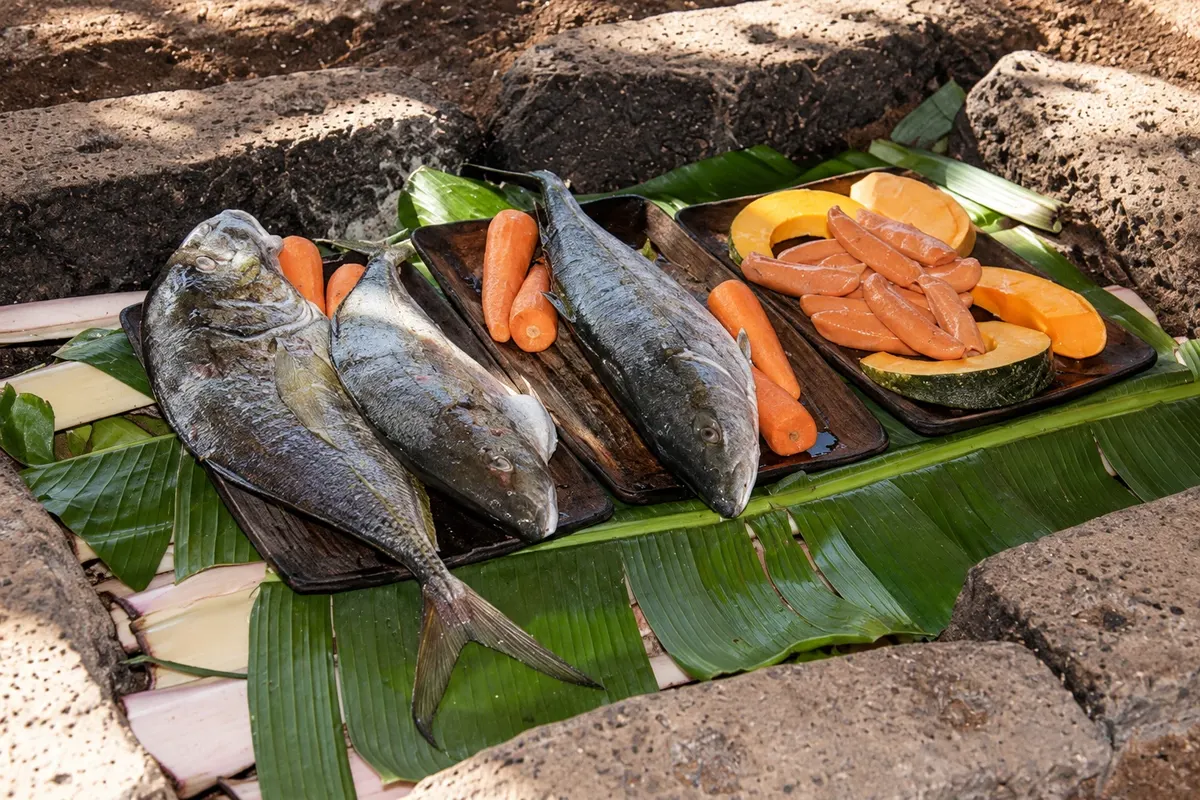
Earth oven of the Rapanui people: meats, fish, sweet potato, taro and banana slowly cooked on hot volcanic stones, wrapped in banana leaves. It is the most traditional preparation of Rapa Nui cuisine.

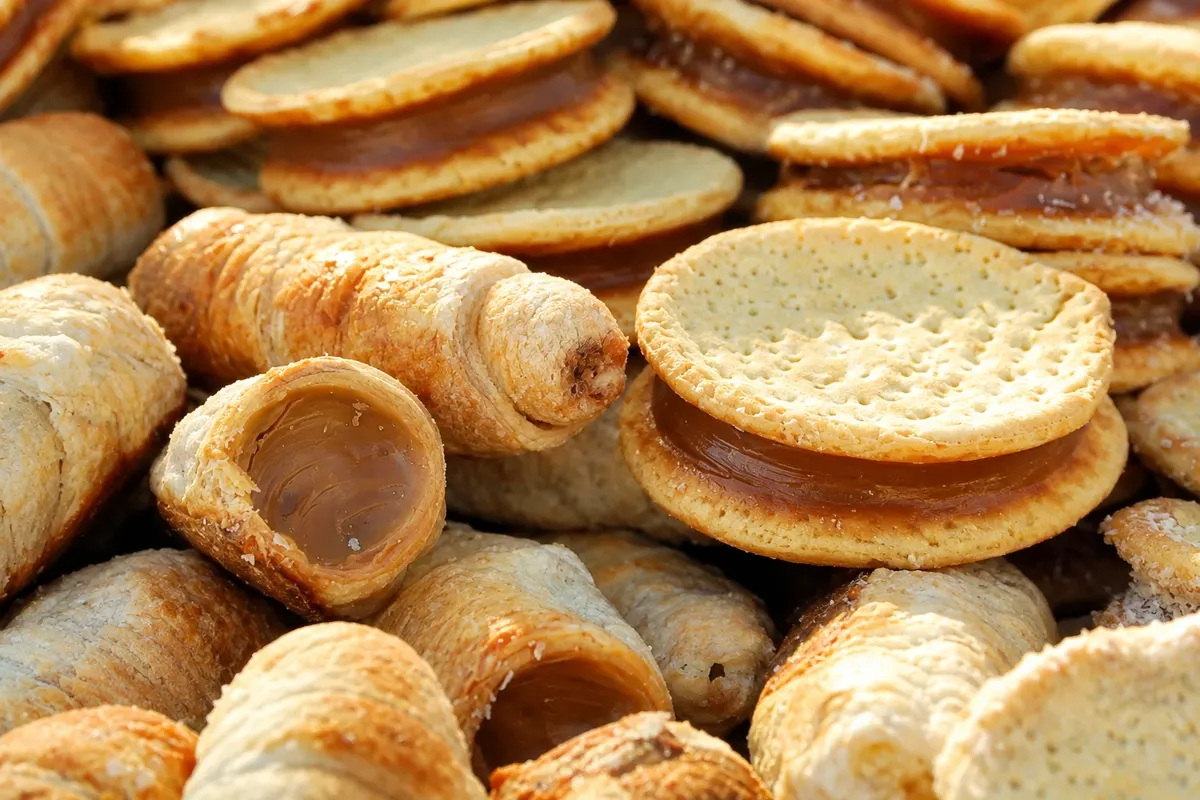
Artisanal sweets made by families of confectioners from La Ligua and sold by vendors wearing white aprons and carrying baskets, in town and along the road. They have a geographical indication and are Chile’s intangible cultural heritage.

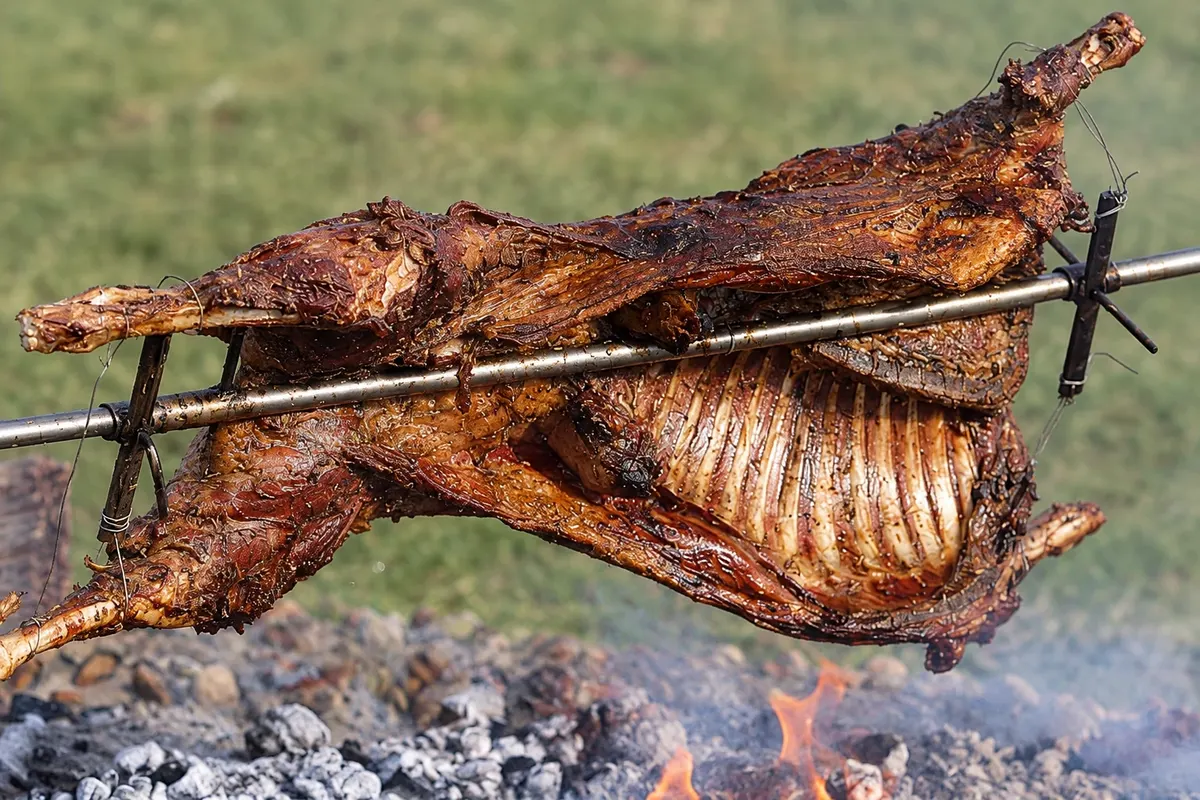
Whole lamb opened on an iron cross and slowly roasted beside the fire, a dish of the sheep estancias of the Chilean Patagonia. It is the one most associated with the gastronomy of Magallanes.

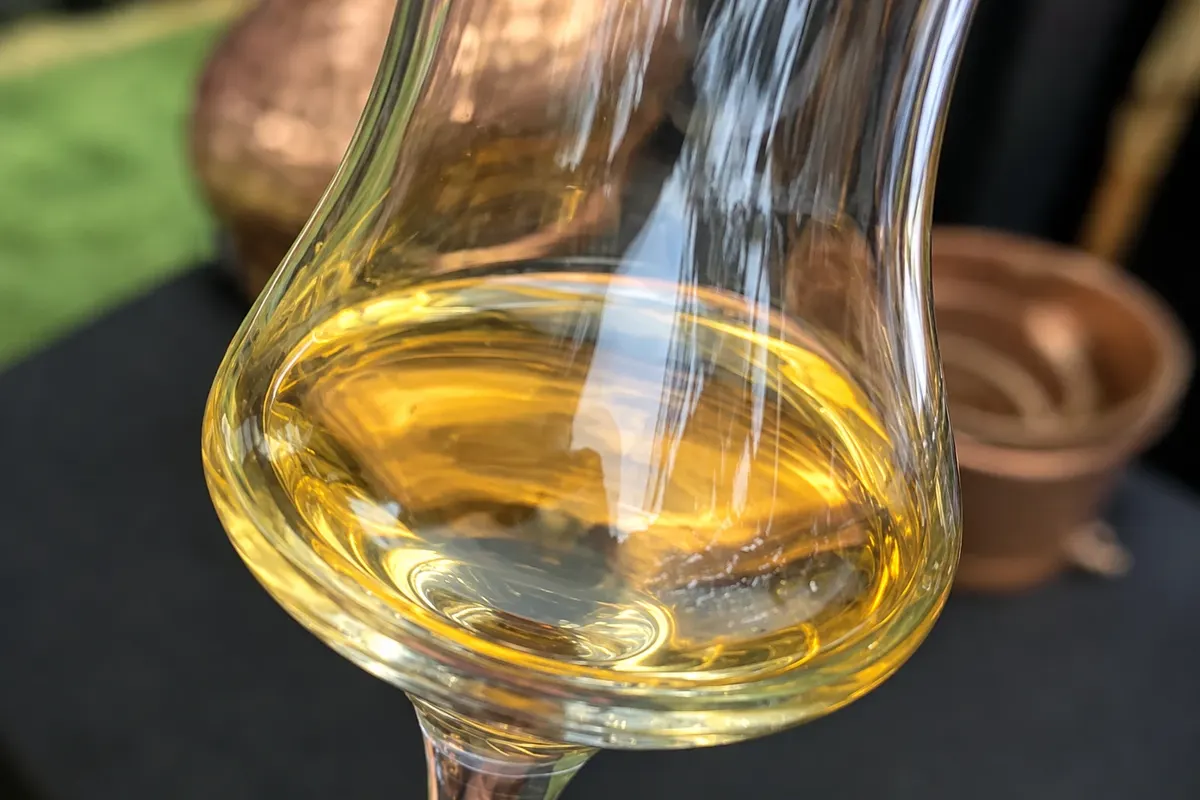
Grape brandy with Chilean designation of origin, distilled from wine made from grape varieties defined by law in the regions of Atacama and Coquimbo. The Elqui Valley and the village of Pisco Elqui are its heart.

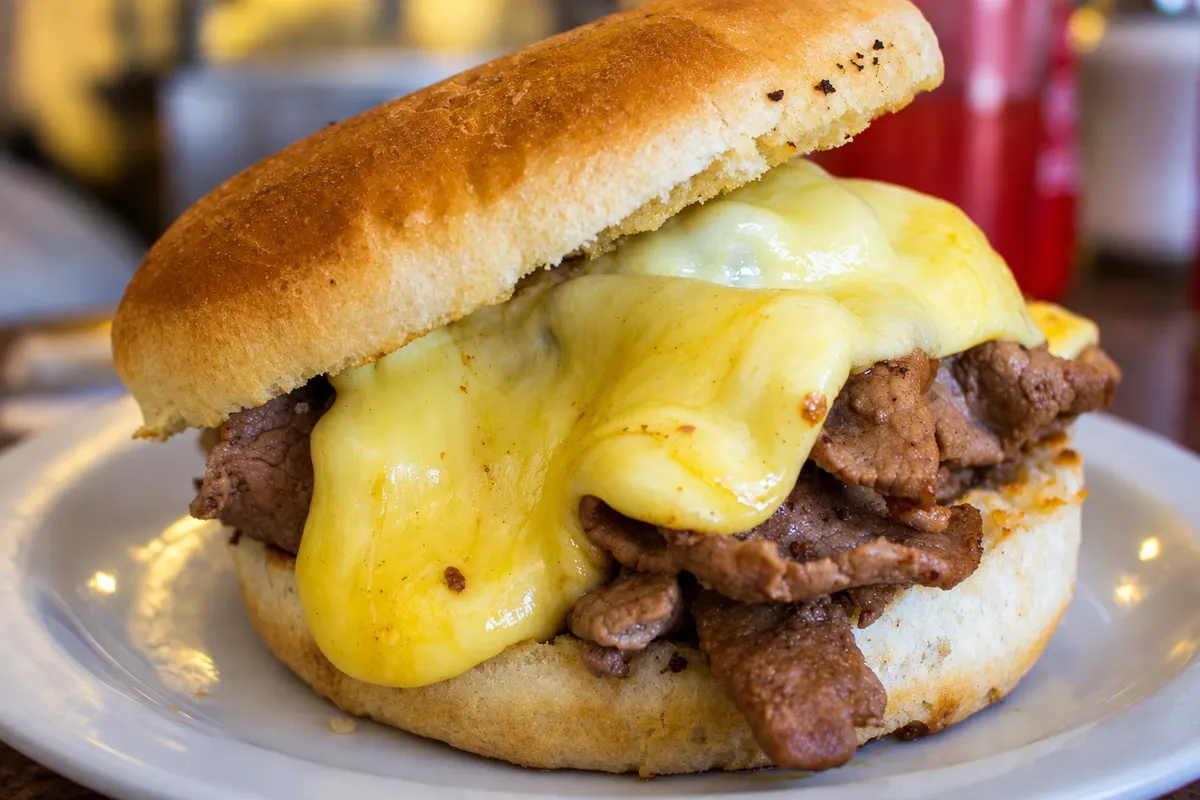
Hot sandwich of thin beef cooked on a griddle with melted cheese, usually served on marraqueta bread. It’s named after President Ramón Barros Luco, who used to order it in Santiago.

Pipeño wine drink with pineapple ice cream, sometimes with grenadine or fernet. Its name is linked to the bars of Santiago and the 1985 earthquake, and it became a drink of the Fiestas Patrias.

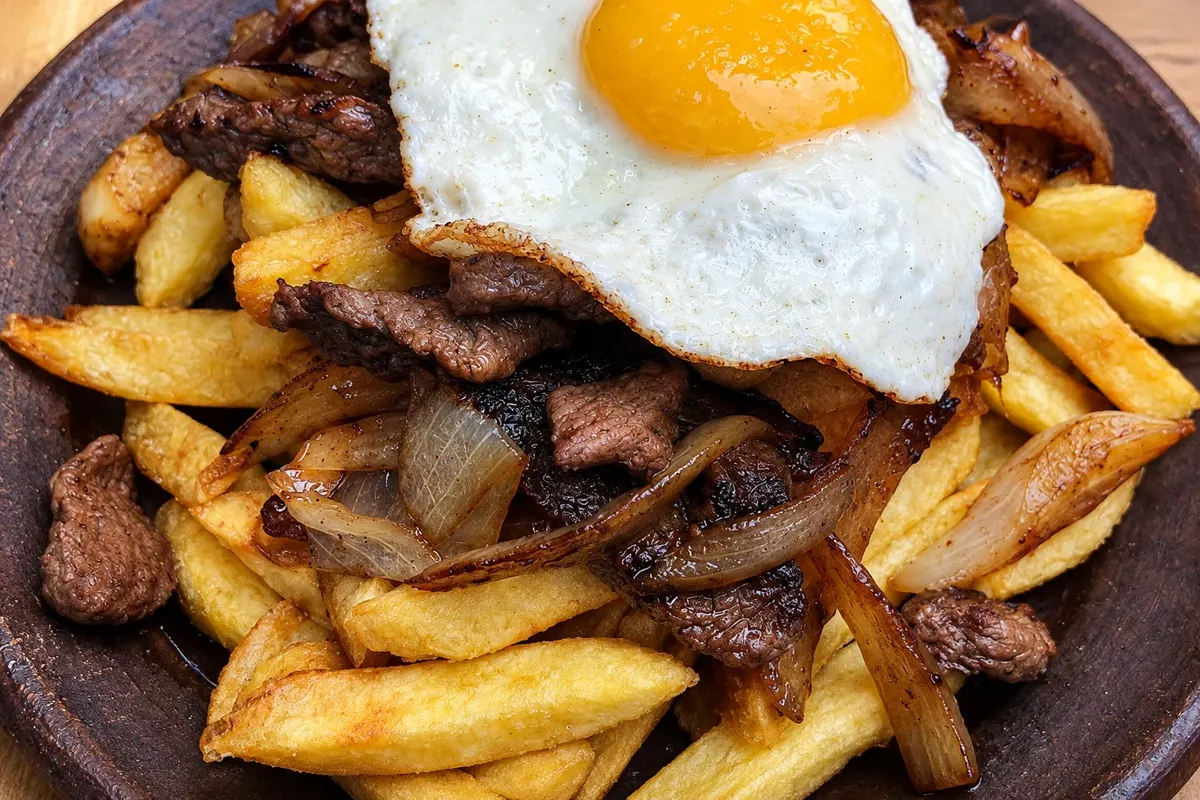
Platter of french fries topped with strips of beef, sautéed onion and egg, served for sharing. It is associated with Valparaíso’s traditional bars, where it became popular.