Chicha de Curacaví
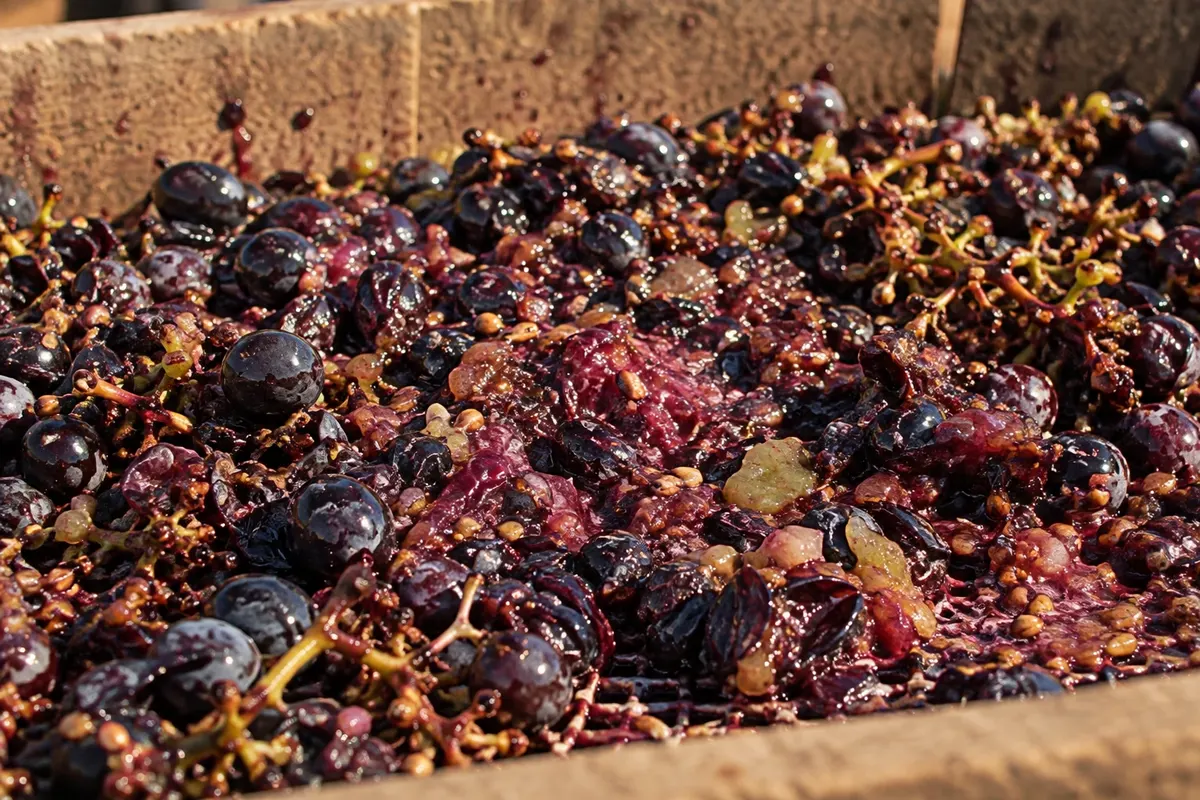
Drink made from fermented grape must, slightly sweet, produced in Curacaví, near Santiago, with cooking in copper or stainless-steel vats. It has a designation of origin since 2017 and an annual festival.
Flavors · Magalhães e Antártica Chilena
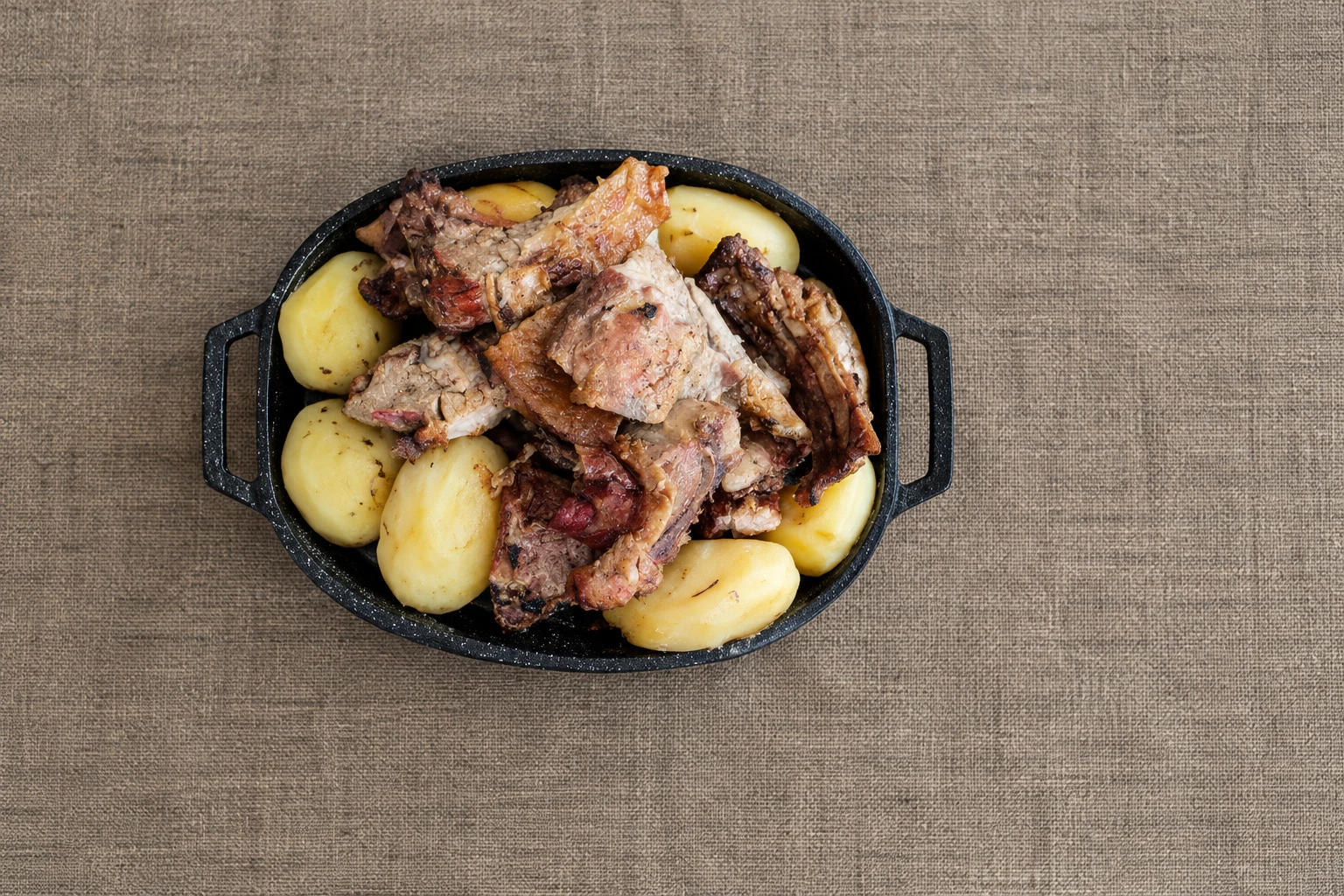
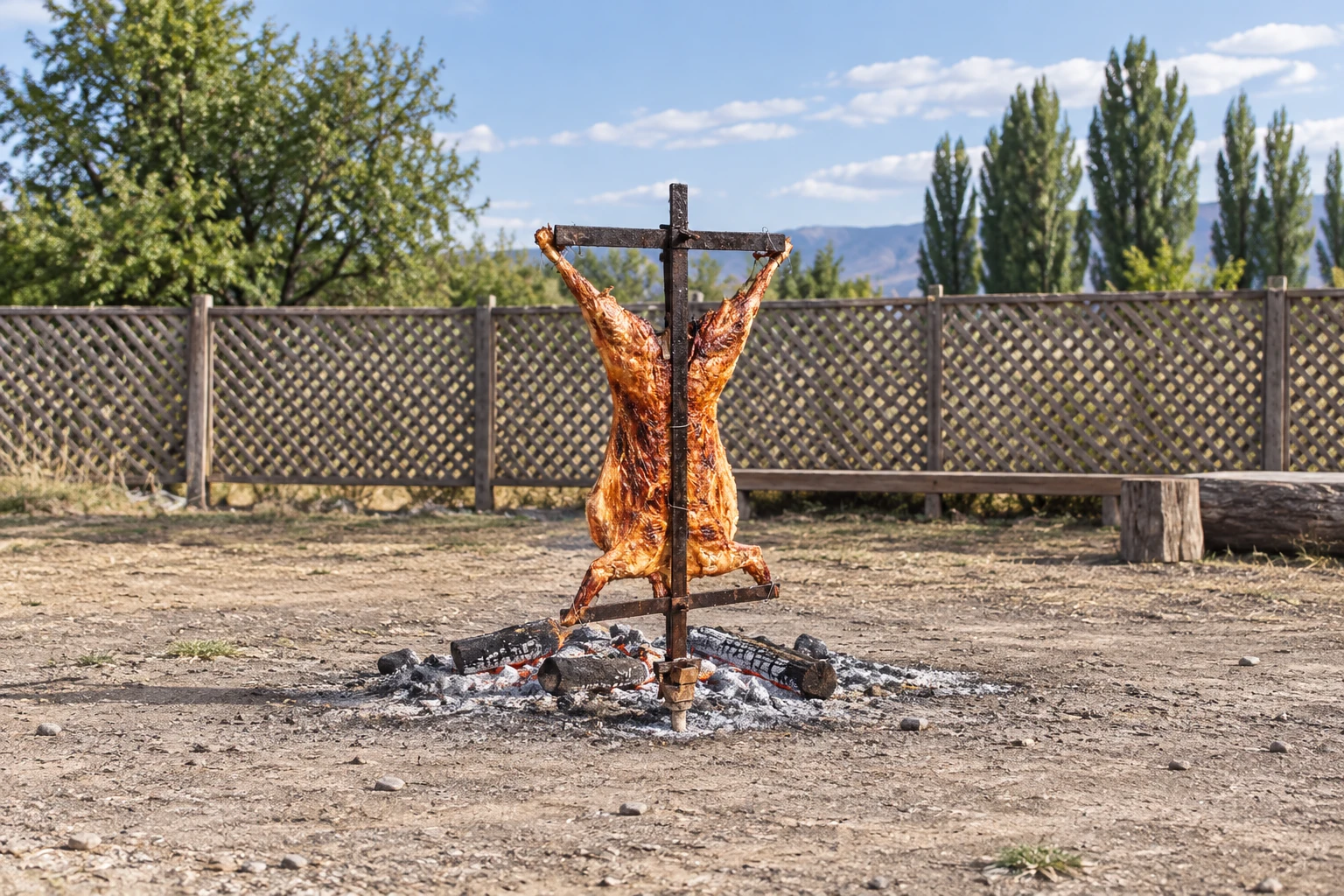
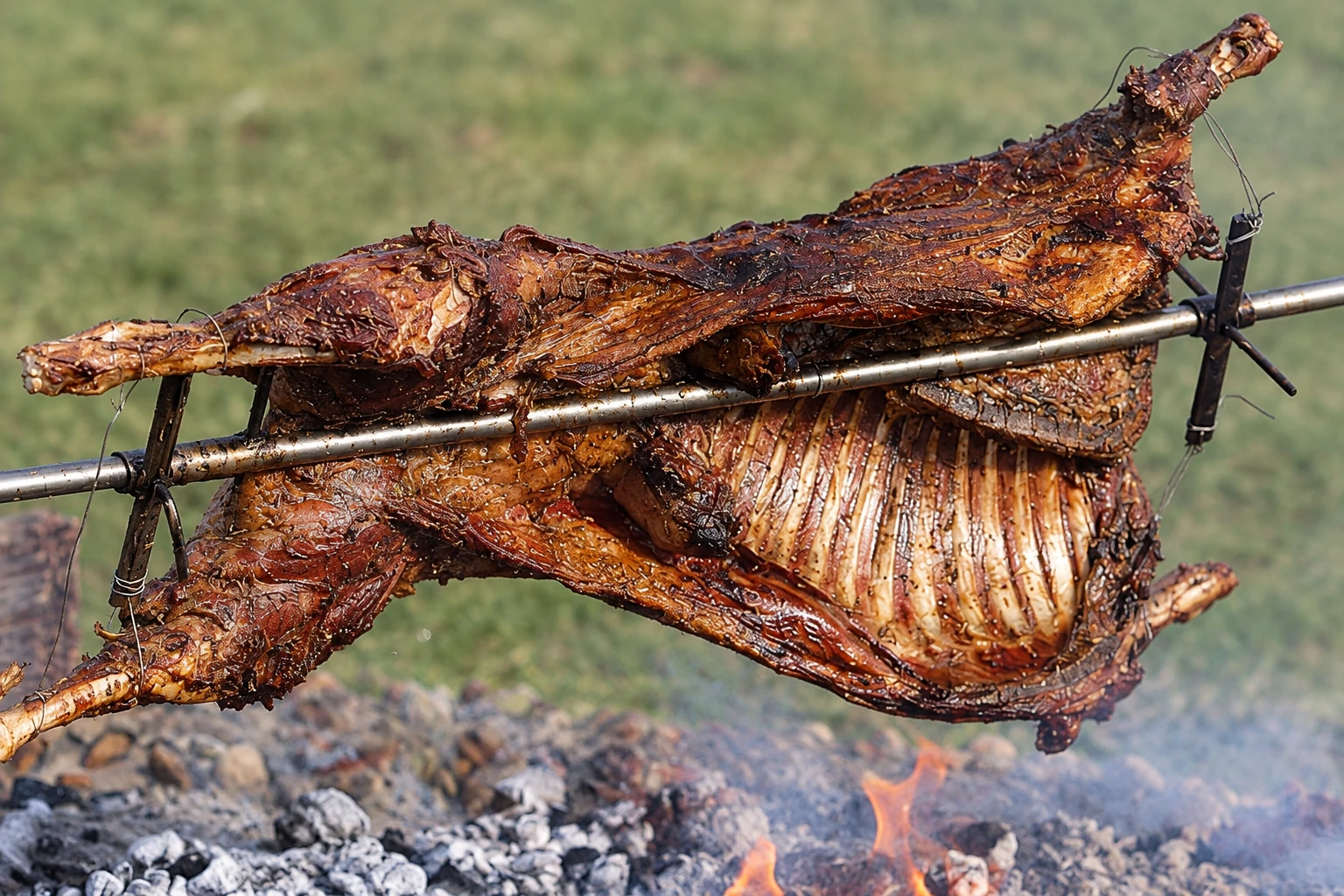
Whole lamb opened on an iron cross and slowly roasted beside the fire, a dish of the sheep estancias of the Chilean Patagonia. It is the one most associated with the gastronomy of Magallanes.
Traditional dish from Magalhães e Antártica Chilena
Also known as: cordero magallánico al palo, asado de cordero al palo
Illustrative images. The pictures in this guide are illustrations based on the real place, not photographs, and may differ from it.
Click a photo to enlarge it.
Cordero al palo — Magalhães e Antártica Chilena, Chile
In cordero al palo, the whole lamb is opened and fixed to an iron framework shaped like a cross, driven into the ground at an inclined angle next to a wood fire. The meat roasts slowly, over hours, with the heat of the embers rather than direct flame, and it is turned so both sides brown. The seasoning is simple, mainly salt.
The dish is connected to the estancias, the large sheep ranches that settled the Chilean Patagonia. Sheep farming began in Magallanes in 1876, when the region's governor brought the first flock from the Falkland Islands, and in the following decades wool and lamb meat became the basis of the regional economy.
Chile’s official tourism sources say that, within Magallanes cuisine, cordero al palo is the most applauded dish. Many estancias in the area, near Punta Arenas and Puerto Natales, welcome visitors with horseback rides, shearing demonstrations and a lamb roast in the quincho, the barbecue shed.

Magalhães e Antártica Chilena
Chile’s official tourism states that, in Magallanes gastronomy, cordero al palo is the most applauded dish; sheep farming on the estancias formed the region’s economy.
Whole lamb and salt.
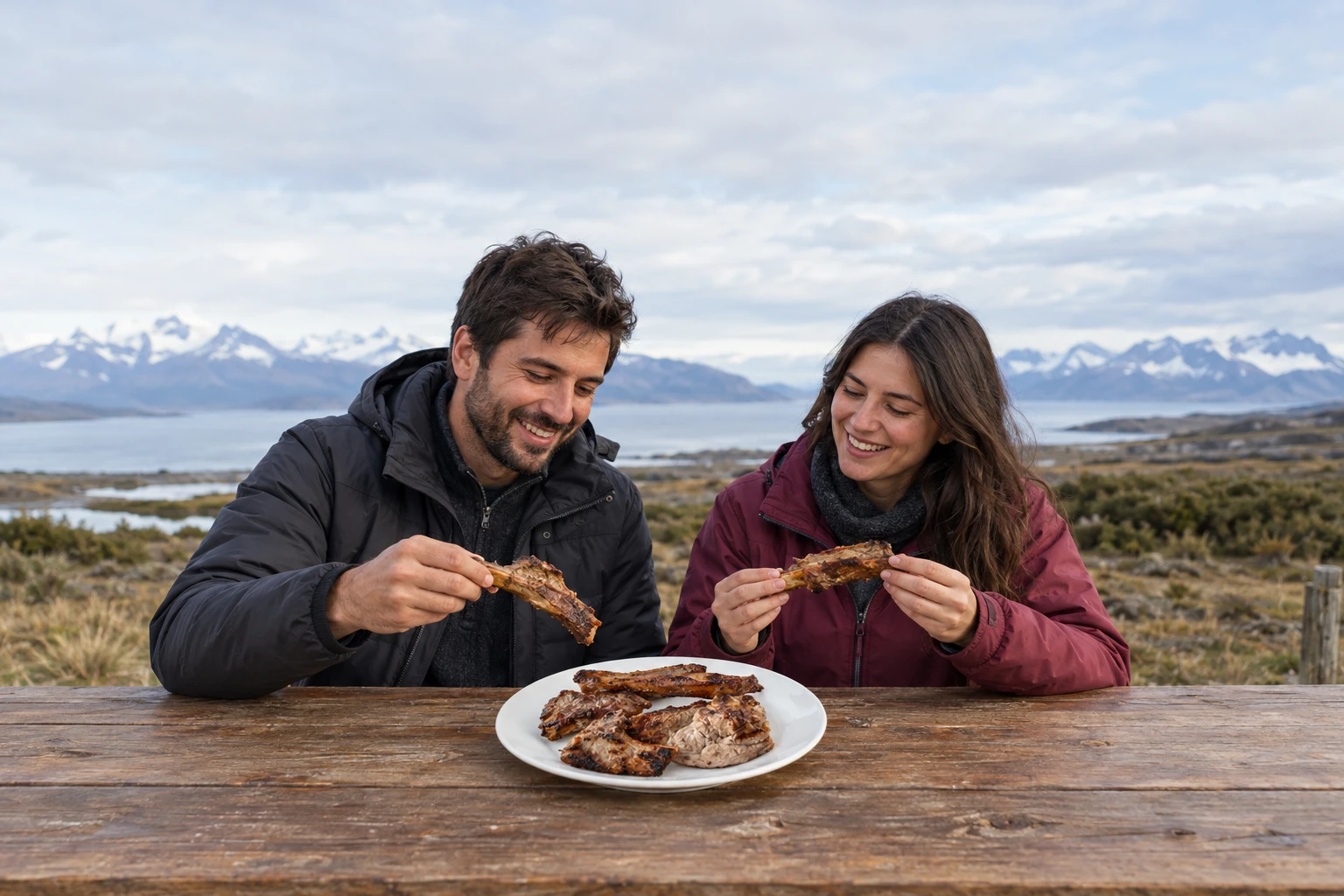
The meat is cut from the cross and served in pieces. It is eaten communally, around the fire or in the quincho.
Luncheons at estancias, country parties and gatherings, and during the austral summer from December to March, when more visitors arrive in the region.
Your questions
It is a whole lamb opened on an iron cross and slowly roasted beside the fire for hours. It is the typical dish of the estancias of the Chilean Patagonia.
In restaurants in Punta Arenas and Puerto Natales and at estancias in the region that receive visitors, often with a horseback ride and a shearing demonstration.
Because the region was settled by large sheep ranches from 1876 onward, and raising sheep for wool and meat became the basis of Magallanes’ economy.
Flavors of Chile

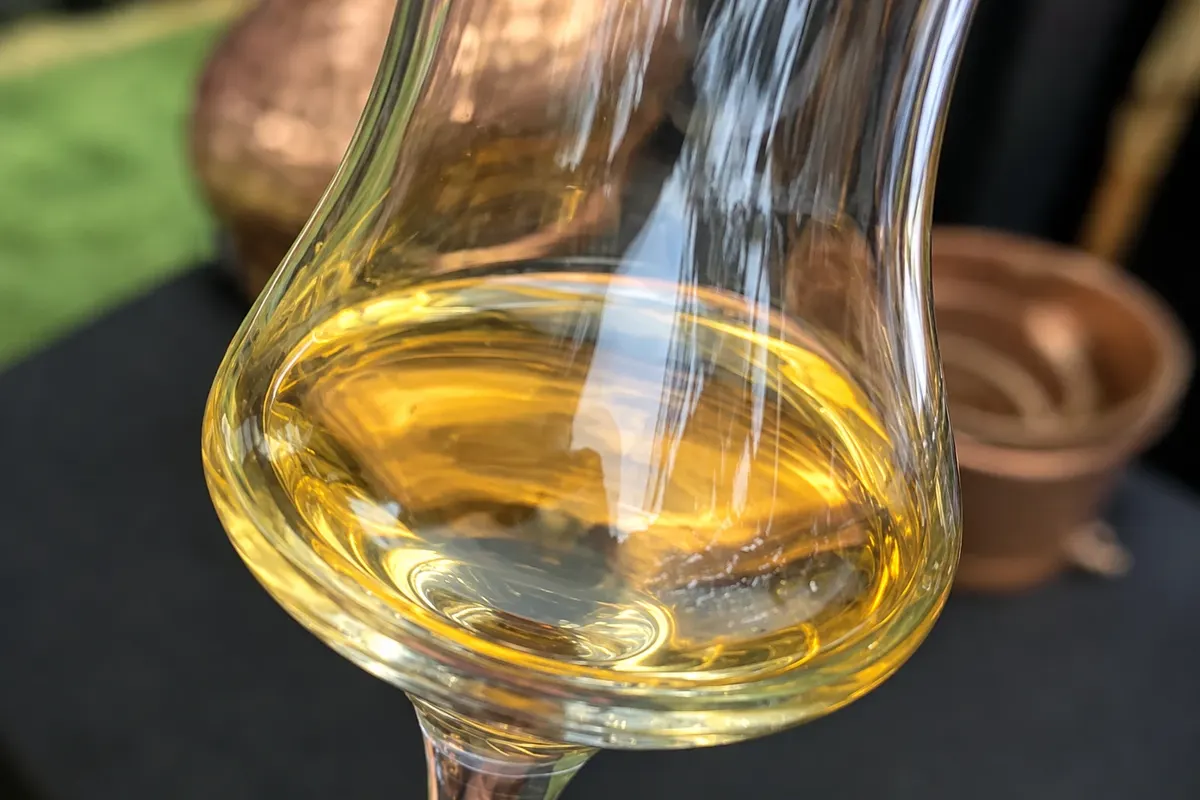
Drink made from fermented grape must, slightly sweet, produced in Curacaví, near Santiago, with cooking in copper or stainless-steel vats. It has a designation of origin since 2017 and an annual festival.

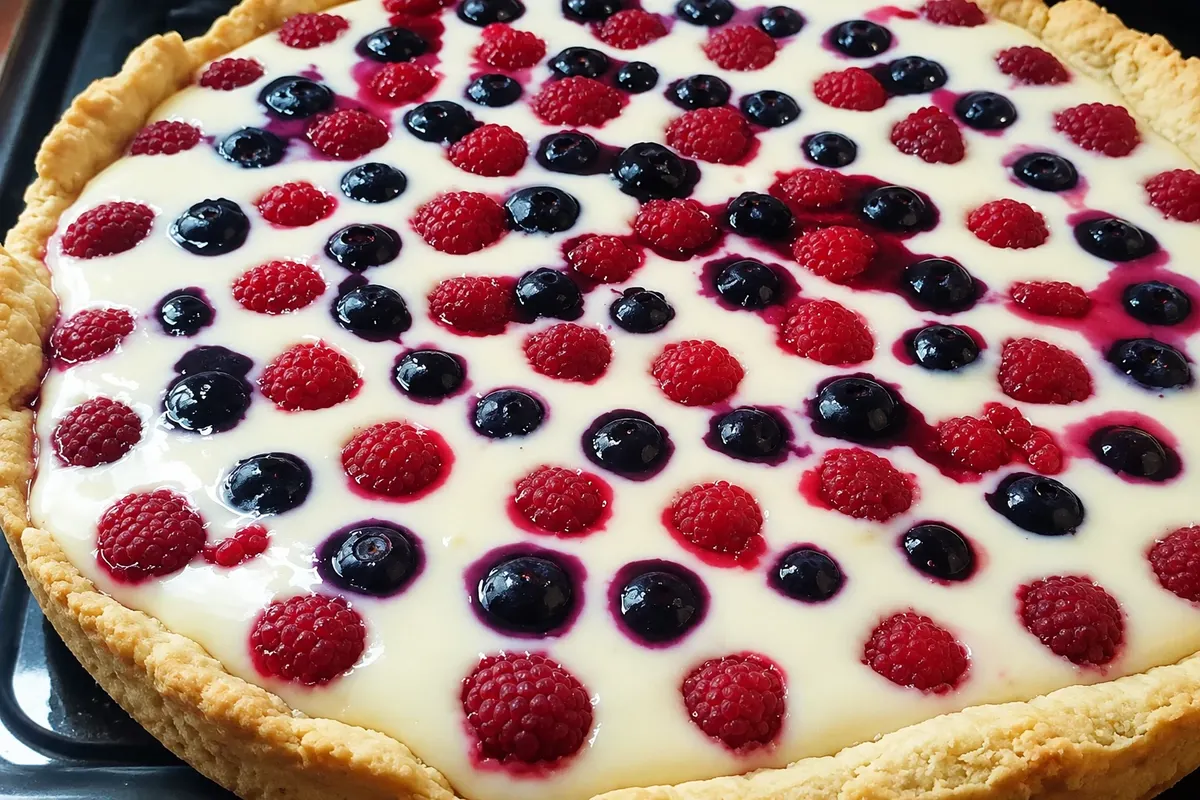
Sweet shortcrust tart topped with seasonal fruits such as raspberry, strawberry, murta and currant, inherited from the German settlers of southern Chile. In Frutillar, it is the pastry served in the tea houses.

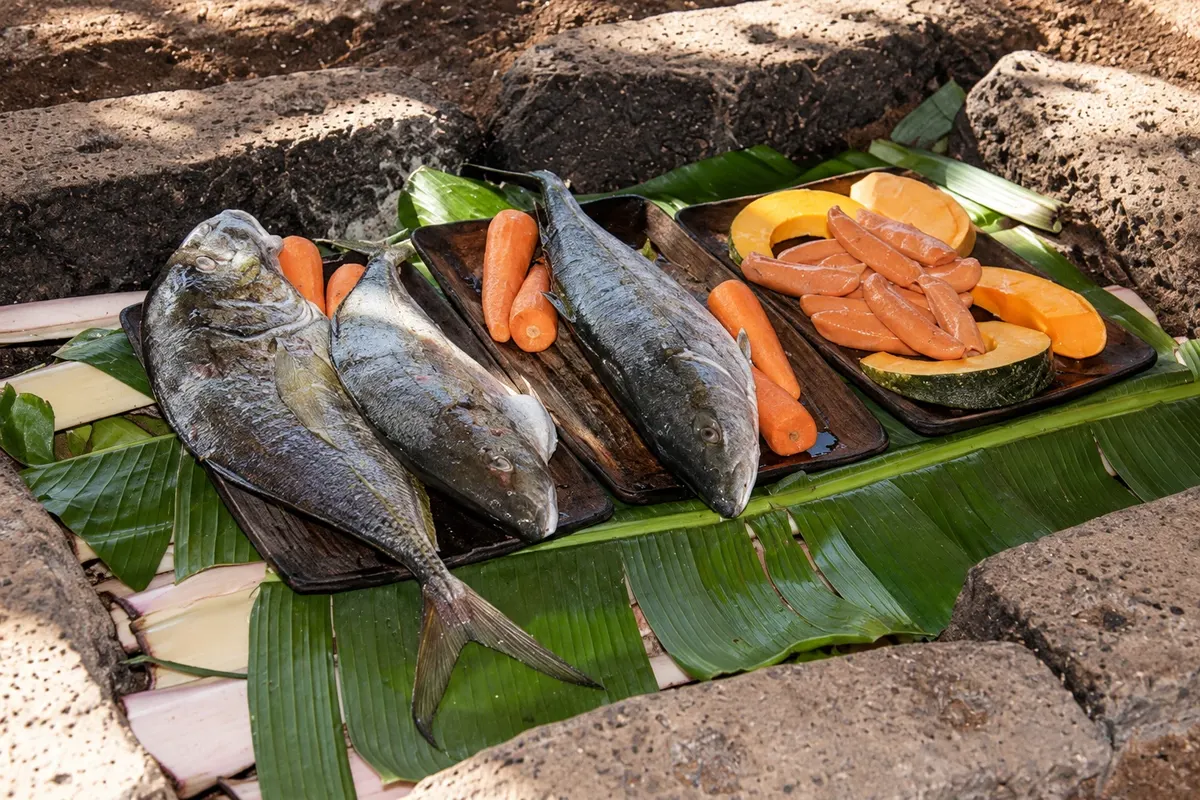
Earth oven of the Rapanui people: meats, fish, sweet potato, taro and banana slowly cooked on hot volcanic stones, wrapped in banana leaves. It is the most traditional preparation of Rapa Nui cuisine.

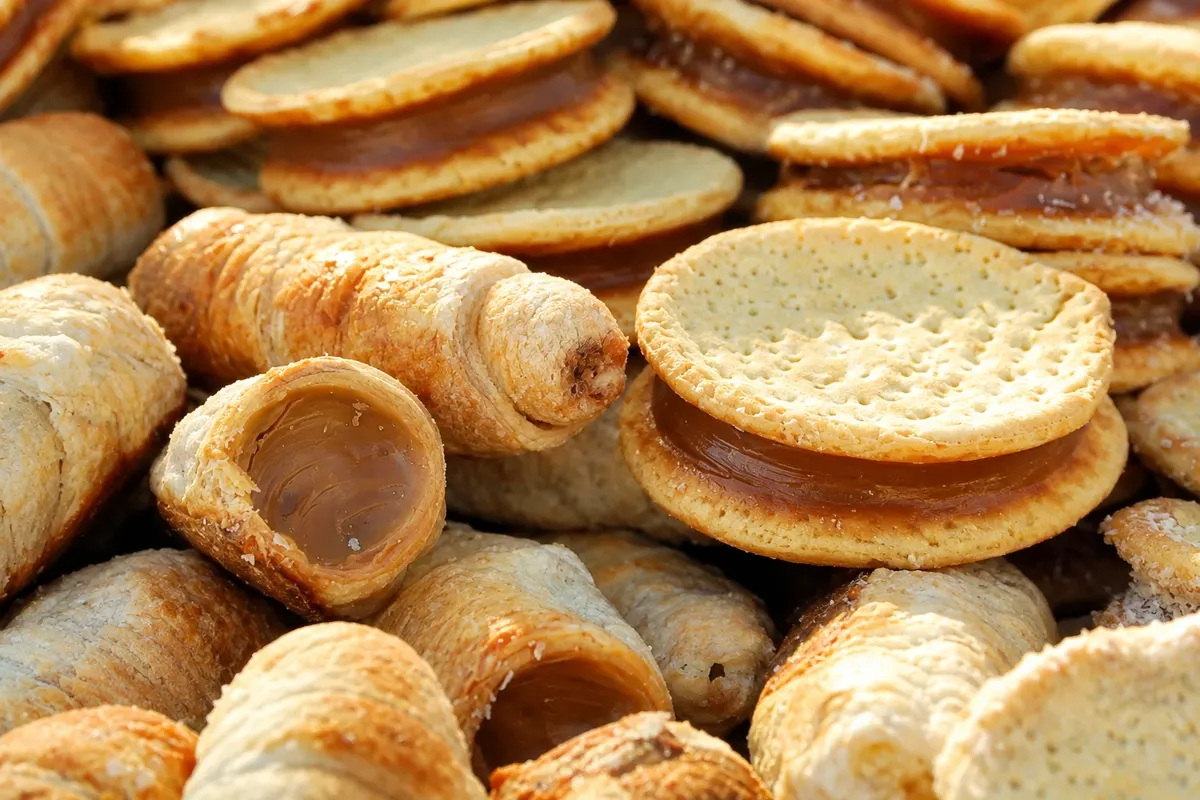
Artisanal sweets made by families of confectioners from La Ligua and sold by vendors wearing white aprons and carrying baskets, in town and along the road. They have a geographical indication and are Chile’s intangible cultural heritage.

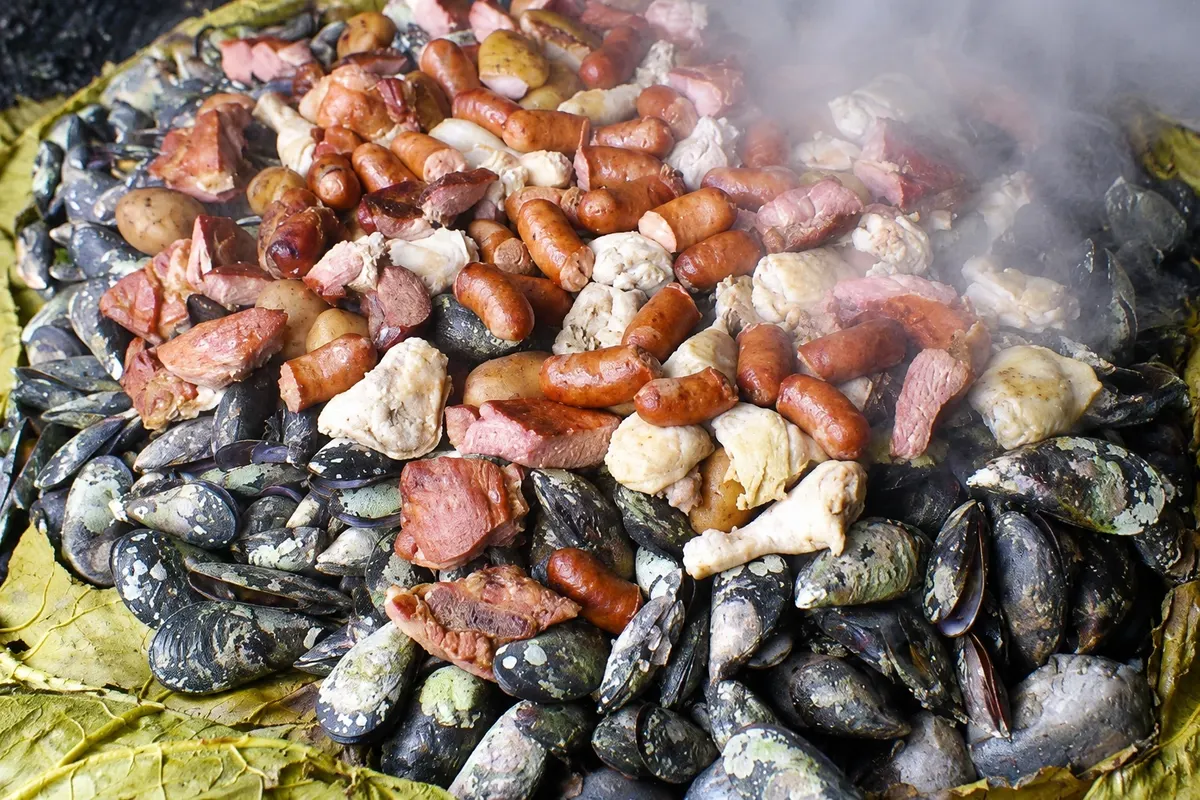
Shellfish, meats, sausage, potatoes and potato breads cooked in a hole in the ground, over hot stones, covered with large leaves. It is the dish most associated with Chiloé, in southern Chile.

Grape brandy with Chilean designation of origin, distilled from wine made from grape varieties defined by law in the regions of Atacama and Coquimbo. The Elqui Valley and the village of Pisco Elqui are its heart.

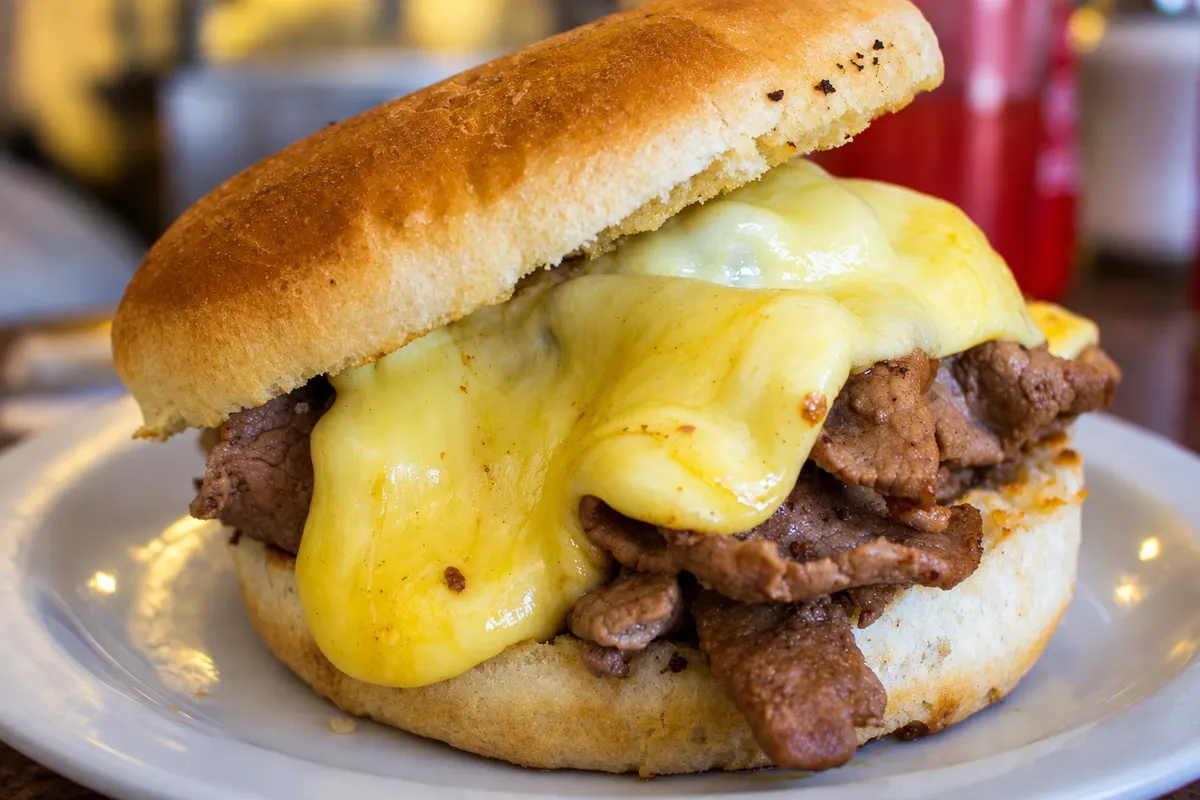
Hot sandwich of thin beef cooked on a griddle with melted cheese, usually served on marraqueta bread. It’s named after President Ramón Barros Luco, who used to order it in Santiago.

Pipeño wine drink with pineapple ice cream, sometimes with grenadine or fernet. Its name is linked to the bars of Santiago and the 1985 earthquake, and it became a drink of the Fiestas Patrias.

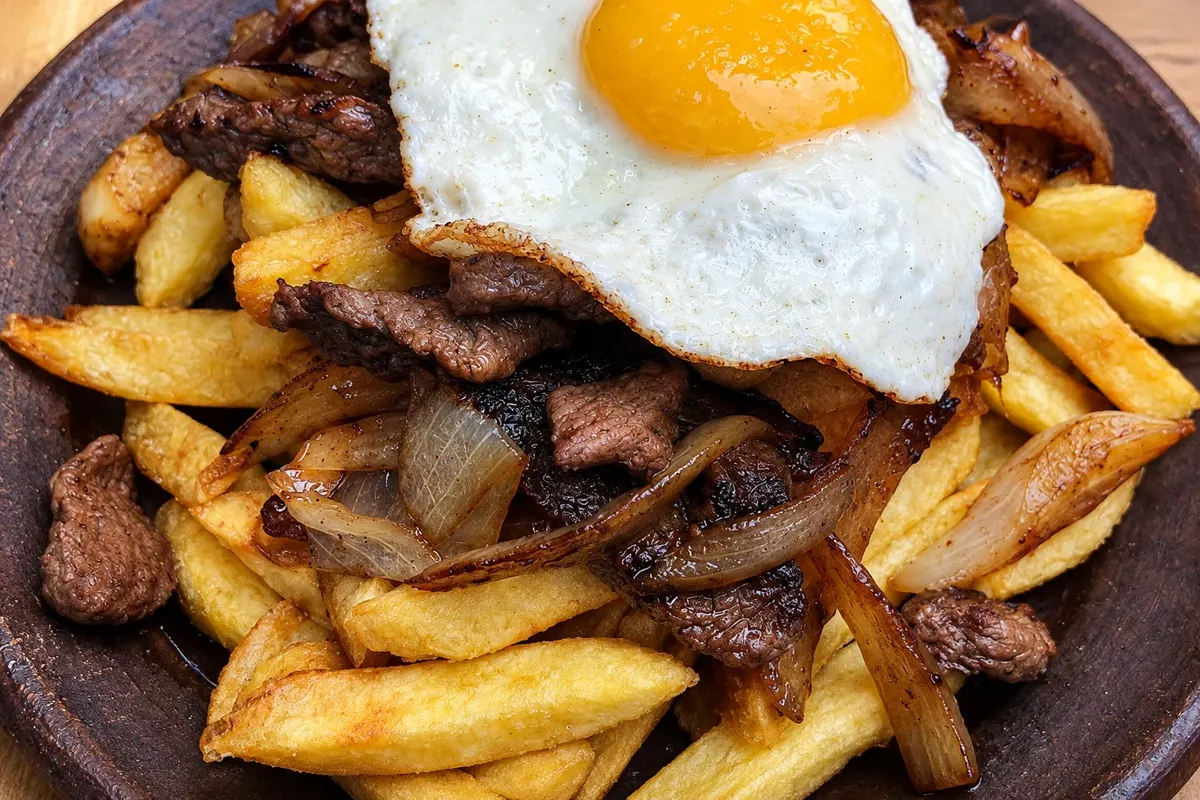
Platter of french fries topped with strips of beef, sautéed onion and egg, served for sharing. It is associated with Valparaíso’s traditional bars, where it became popular.