Chicha de Curacaví
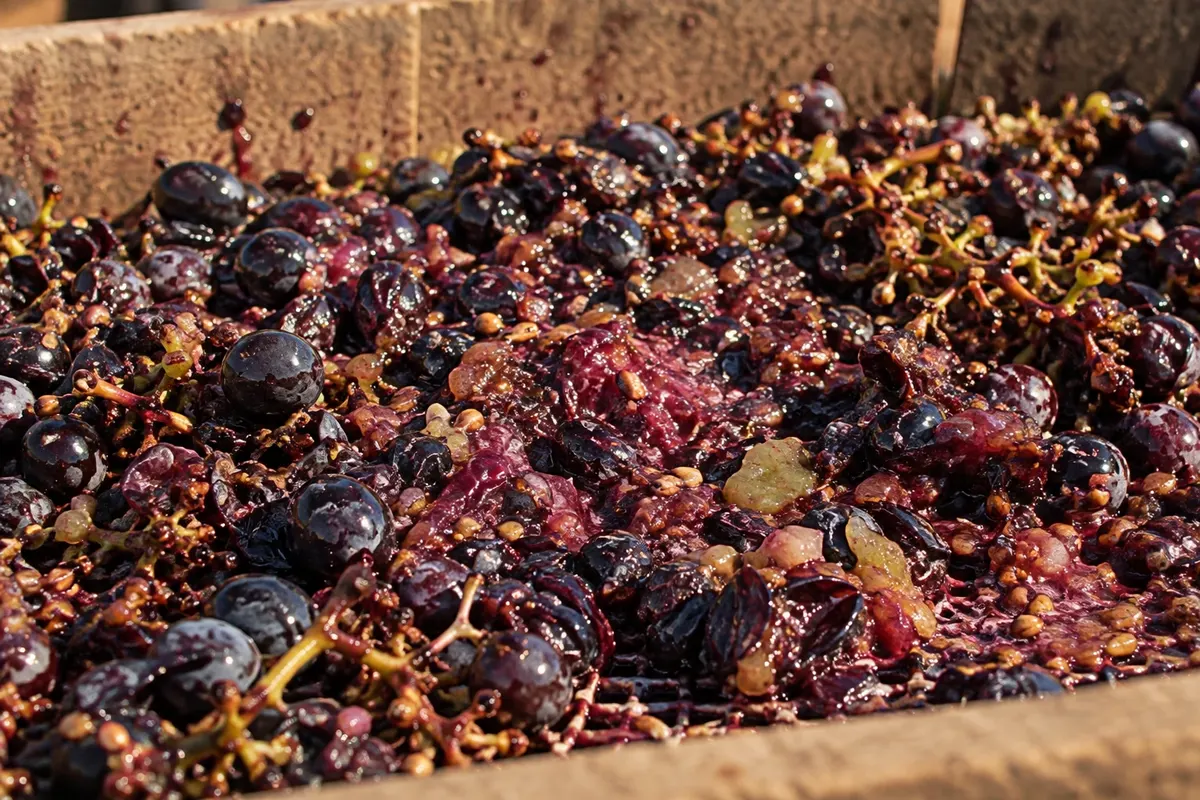
Drink made from fermented grape must, slightly sweet, produced in Curacaví, near Santiago, with cooking in copper or stainless-steel vats. It has a designation of origin since 2017 and an annual festival.
Flavors · Santiago
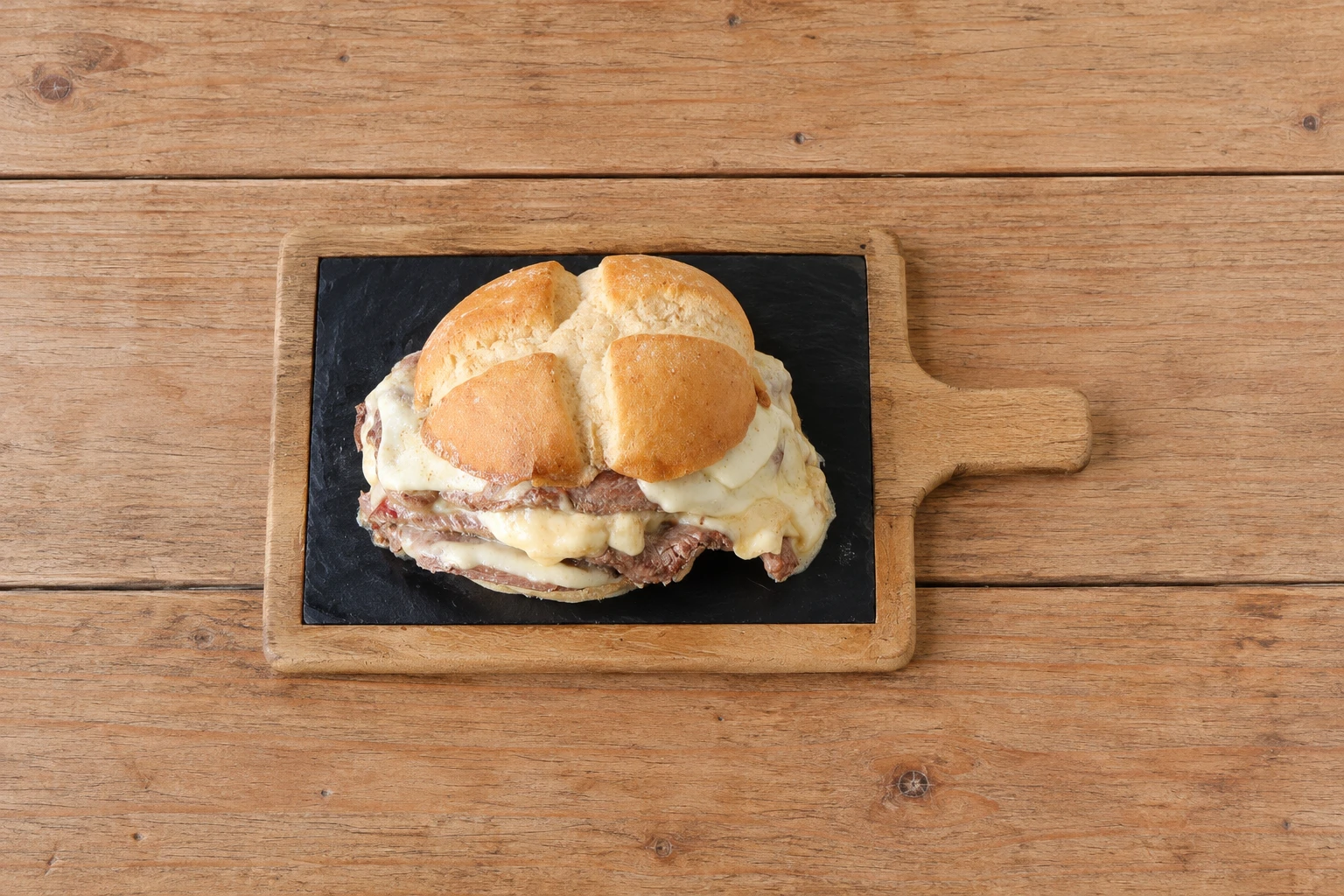
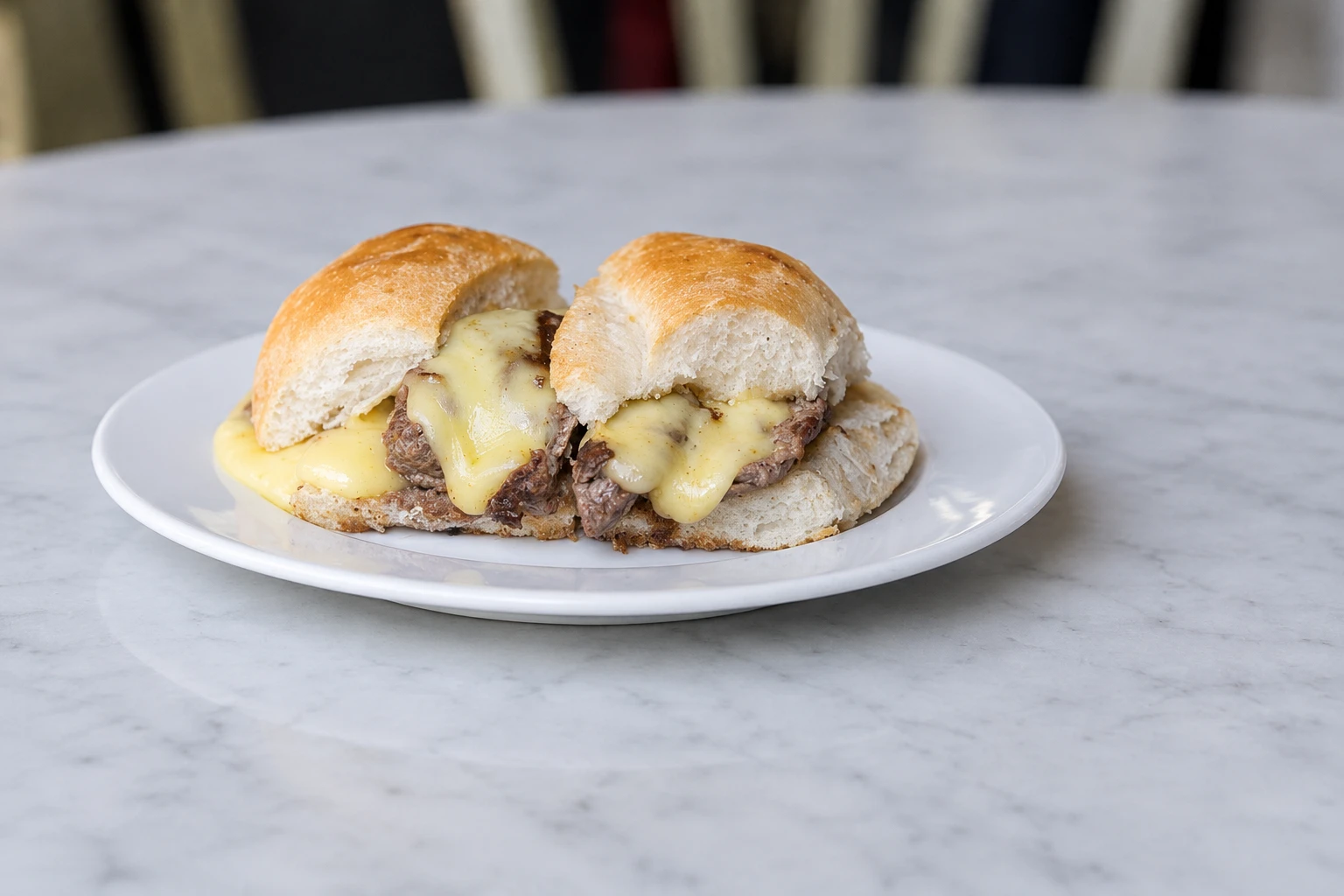
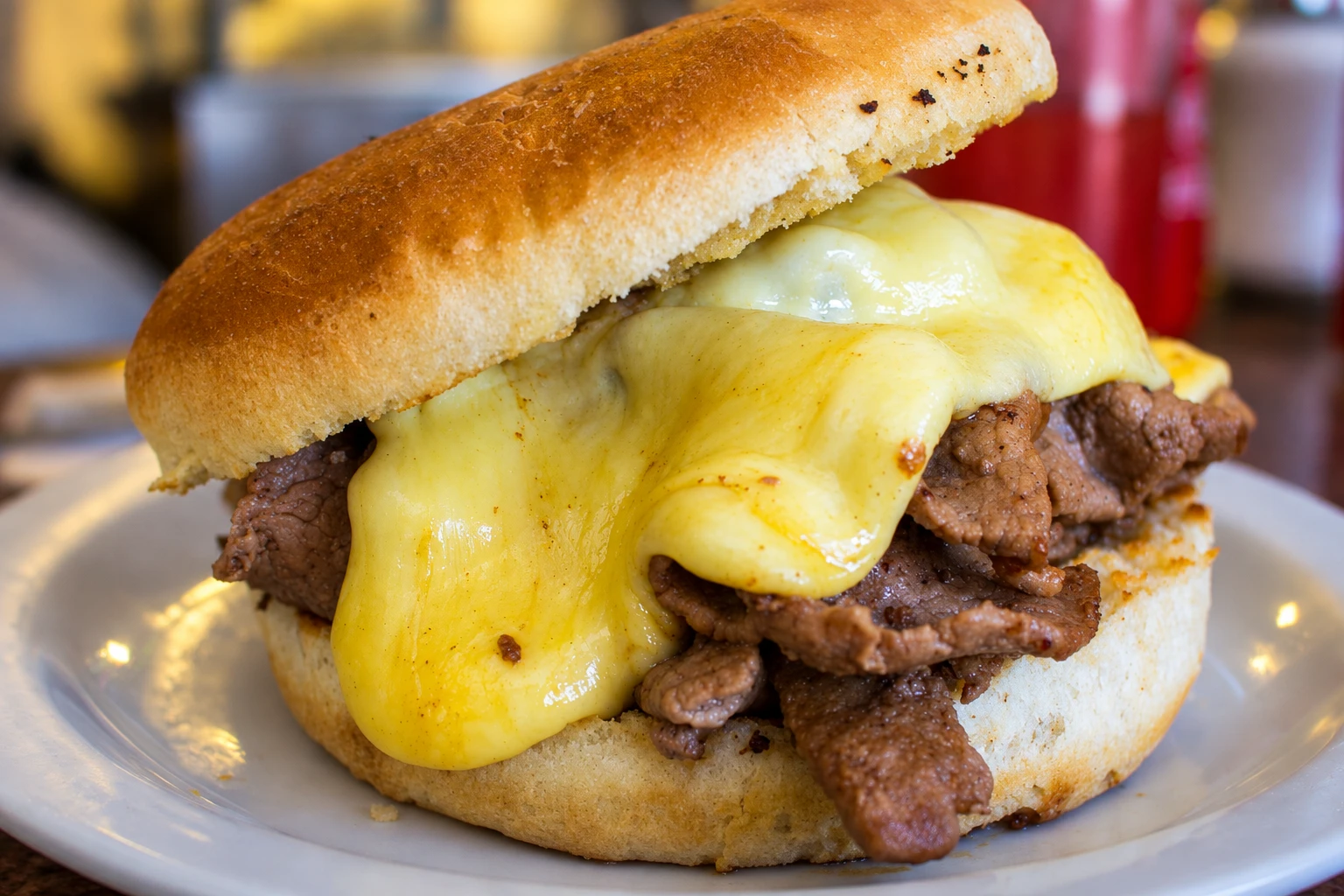
Hot sandwich of thin beef cooked on a griddle with melted cheese, usually served on marraqueta bread. It’s named after President Ramón Barros Luco, who used to order it in Santiago.
Traditional dish from Santiago, Metropolitana de Santiago
Also known as: sándwich Barros Luco, churrasco Barros Luco
Illustrative images. The pictures in this guide are illustrations based on the real place, not photographs, and may differ from it.
Click a photo to enlarge it.
Barros Luco — Santiago, Chile
The Barros Luco is a simple sandwich: thin slices of beef cooked on a griddle, topped with cheese that melts from the heat, inside a warm roll. The most common bread is marraqueta, the everyday crispy bread in Chile, but hallulla or sliced sandwich bread are also used. The cheese is typically a soft yellow cheese that melts well.
The name honors Ramón Barros Luco, president of Chile from 1910 to 1915. According to the country’s official tourism sources, he frequented a club in downtown Santiago and always ordered the same beef-and-cheese sandwich; other patrons began ordering the same, and the dish took his name. Other accounts place its origin at the old Congress restaurant or at a traditional pastry shop on the Alameda, all in Santiago.
The sandwich has a relative named after a politician: the Barros Jarpa, with ham and cheese, also named for a Chilean politician. Both became classics of Chilean fuentes de soda, and the Barros Luco is served throughout the country.

Santiago , Metropolitana de Santiago
The sandwich is named after President Ramón Barros Luco, who used to order it in Santiago, according to Chile’s official tourism sources.
Beef in thin slices, yellow cheese that melts well, marraqueta or hallulla bread, salt, and a little fat for the griddle.
Hot, right after it’s assembled, eaten with your hands. In many places you can request additions, such as avocado or tomato.
Quick lunch or snack at soda shops and traditional restaurants; it’s also ordered as part of a hearty breakfast.
Your questions
The Barros Luco has grilled beef with melted cheese; the Barros Jarpa has ham and cheese. Both are named after Chilean politicians.
Ramón Barros Luco was president of Chile from 1910 to 1915. The sandwich took his name because, according to tradition, he always ordered it in Santiago.
Usually marraqueta, the most common crispy bread in Chile, but it’s also made with hallulla or sliced sandwich bread.
Flavors of Chile

Drink made from fermented grape must, slightly sweet, produced in Curacaví, near Santiago, with cooking in copper or stainless-steel vats. It has a designation of origin since 2017 and an annual festival.

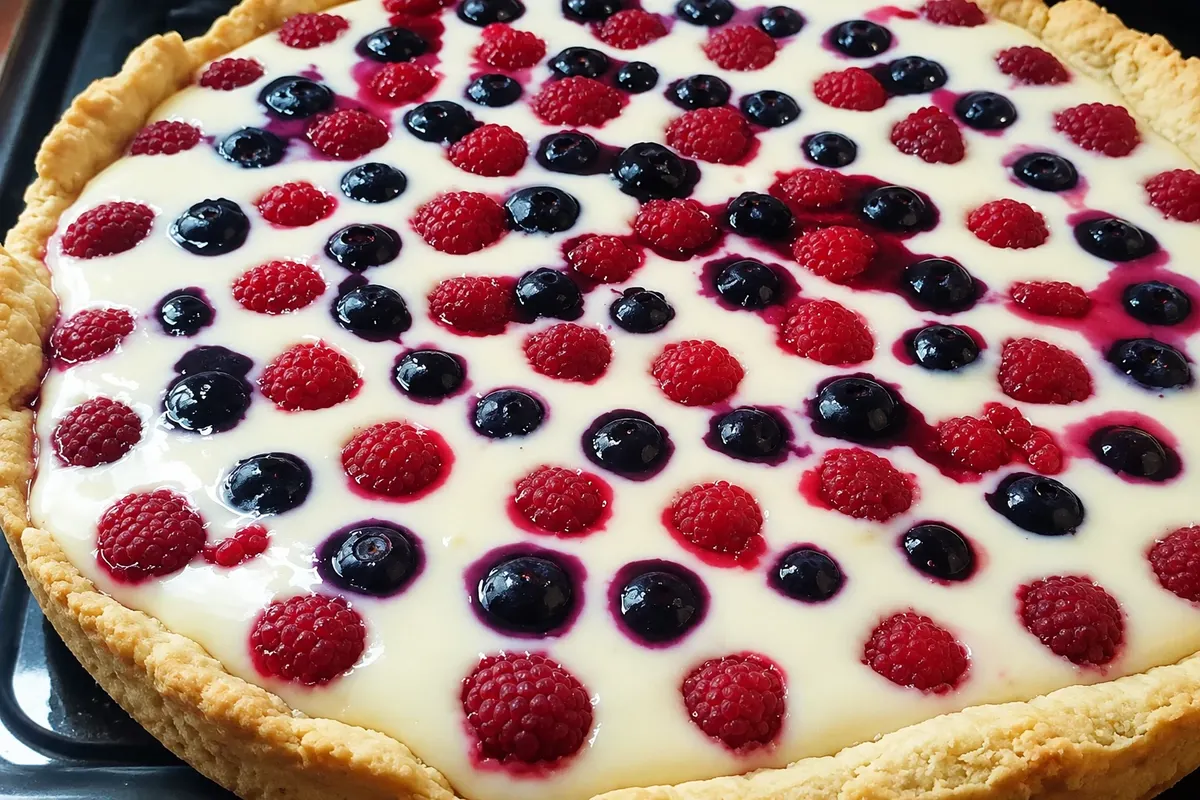
Sweet shortcrust tart topped with seasonal fruits such as raspberry, strawberry, murta and currant, inherited from the German settlers of southern Chile. In Frutillar, it is the pastry served in the tea houses.

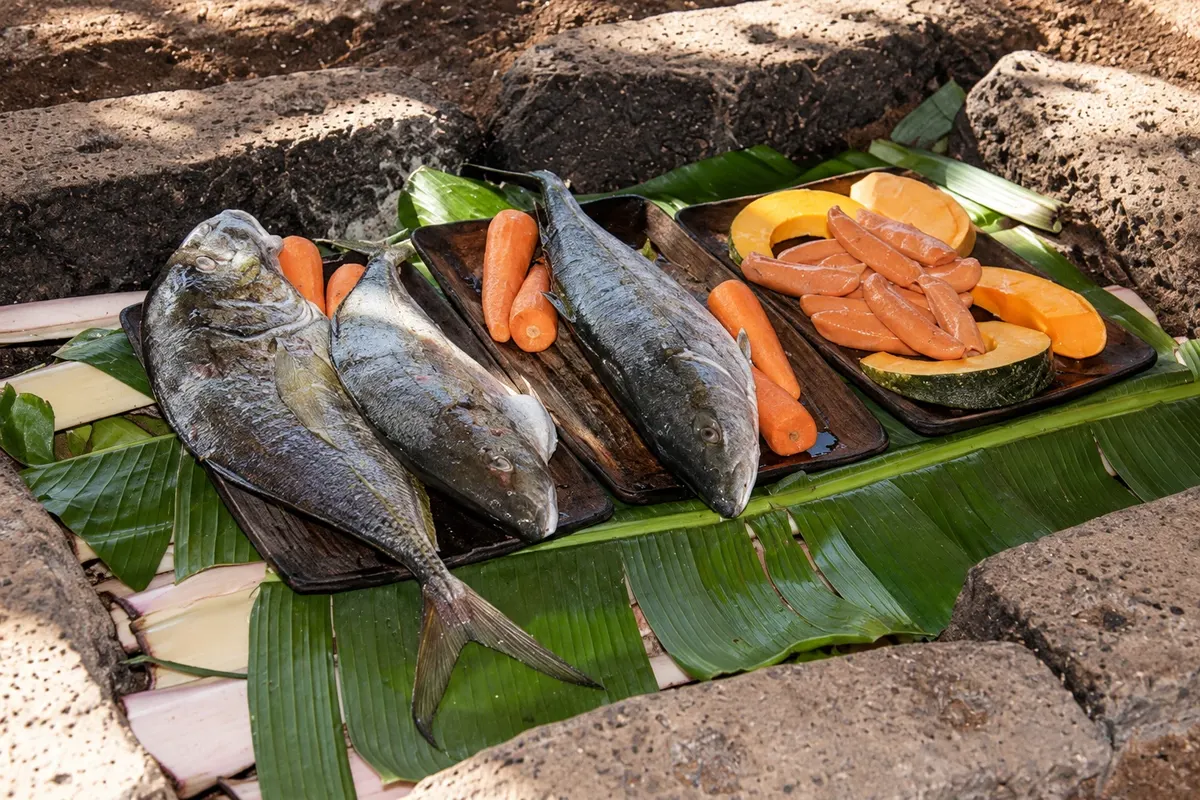
Earth oven of the Rapanui people: meats, fish, sweet potato, taro and banana slowly cooked on hot volcanic stones, wrapped in banana leaves. It is the most traditional preparation of Rapa Nui cuisine.

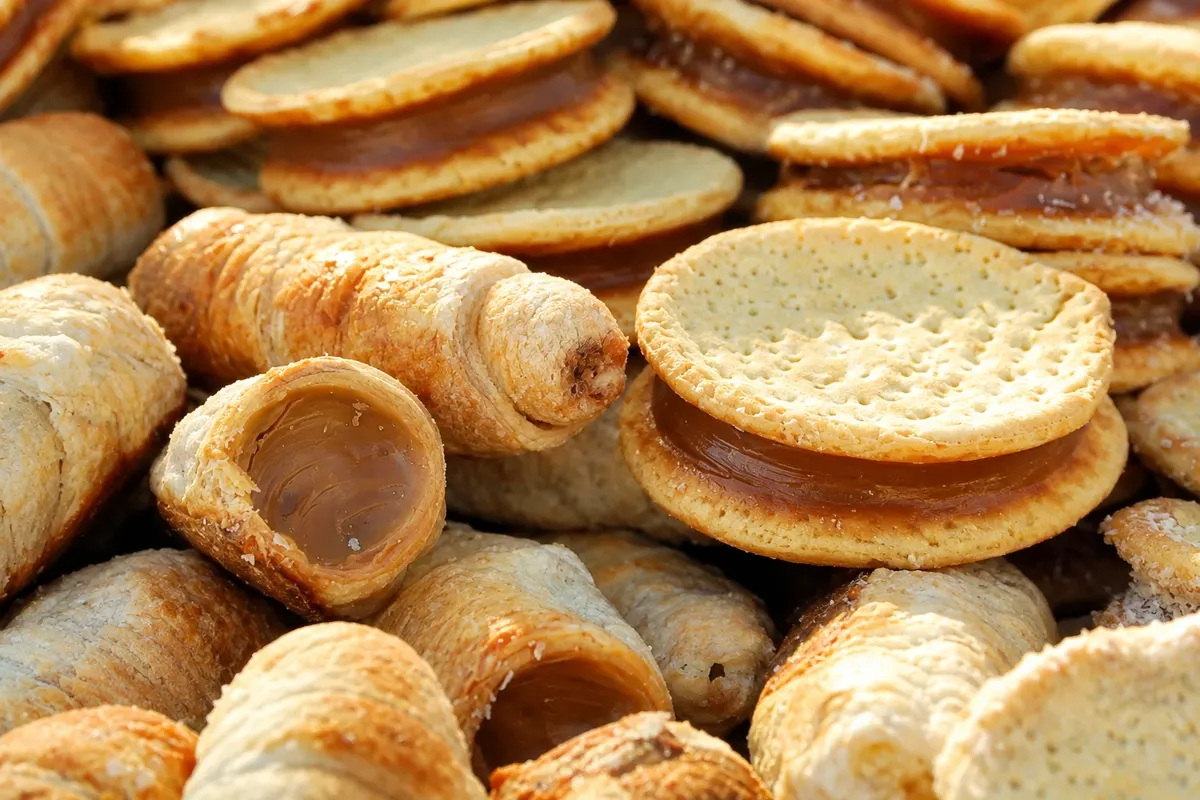
Artisanal sweets made by families of confectioners from La Ligua and sold by vendors wearing white aprons and carrying baskets, in town and along the road. They have a geographical indication and are Chile’s intangible cultural heritage.

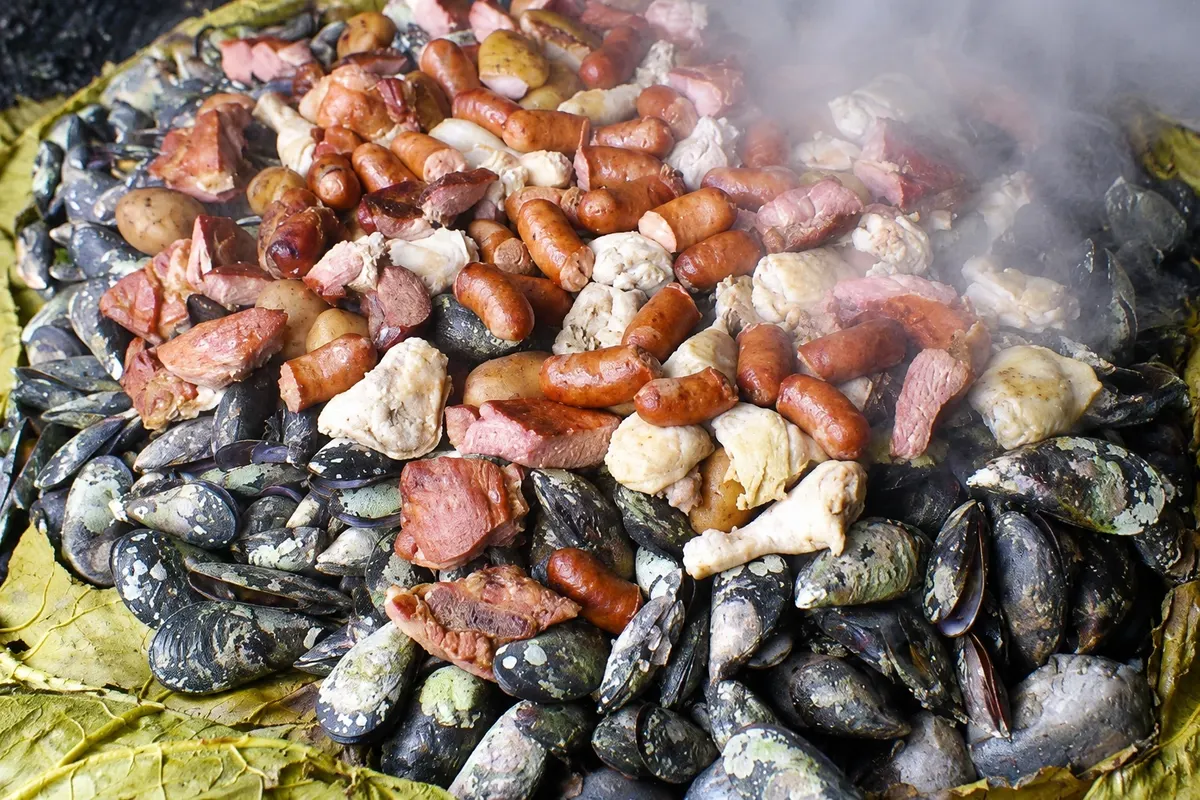
Shellfish, meats, sausage, potatoes and potato breads cooked in a hole in the ground, over hot stones, covered with large leaves. It is the dish most associated with Chiloé, in southern Chile.

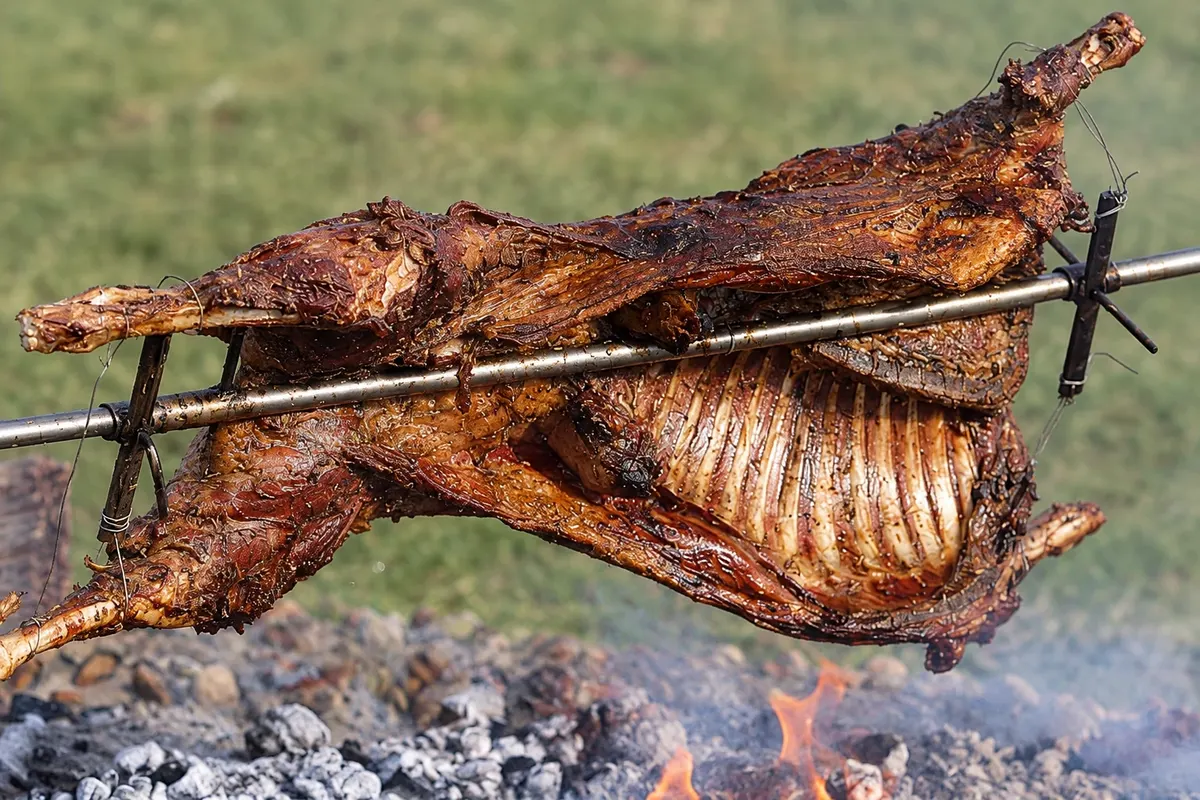
Whole lamb opened on an iron cross and slowly roasted beside the fire, a dish of the sheep estancias of the Chilean Patagonia. It is the one most associated with the gastronomy of Magallanes.

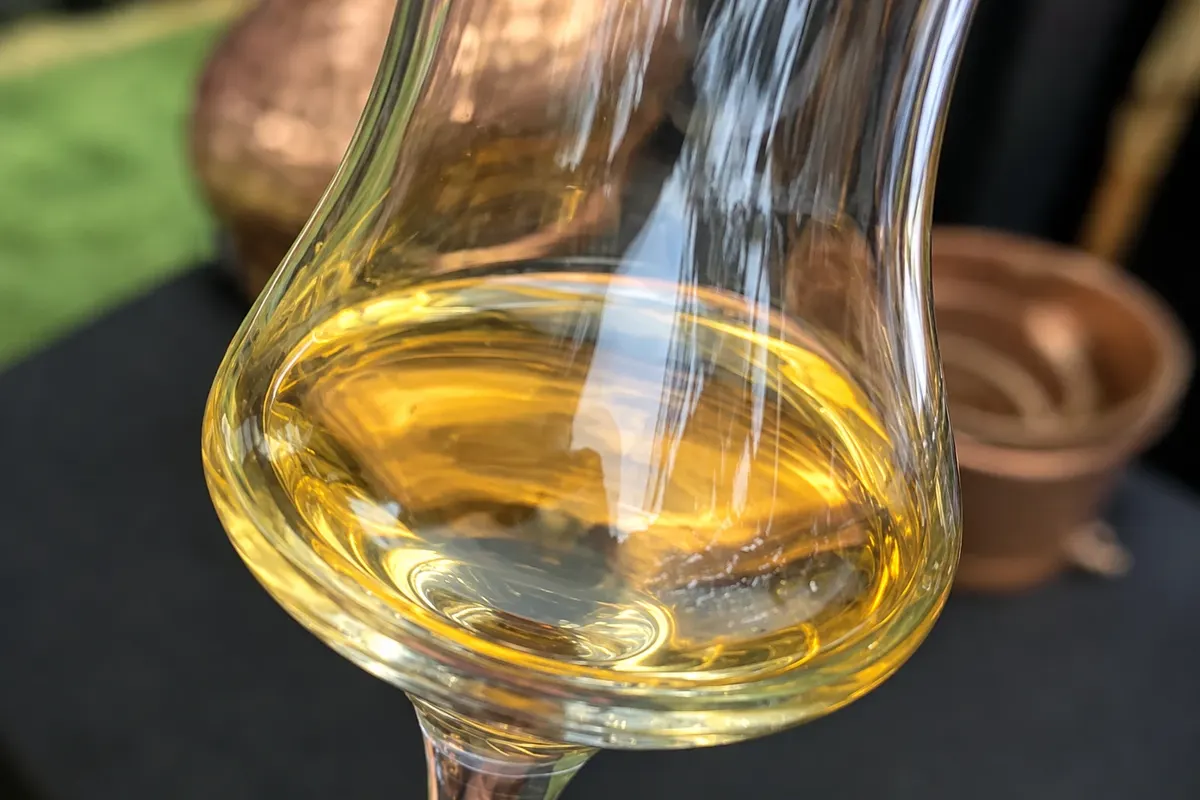
Grape brandy with Chilean designation of origin, distilled from wine made from grape varieties defined by law in the regions of Atacama and Coquimbo. The Elqui Valley and the village of Pisco Elqui are its heart.

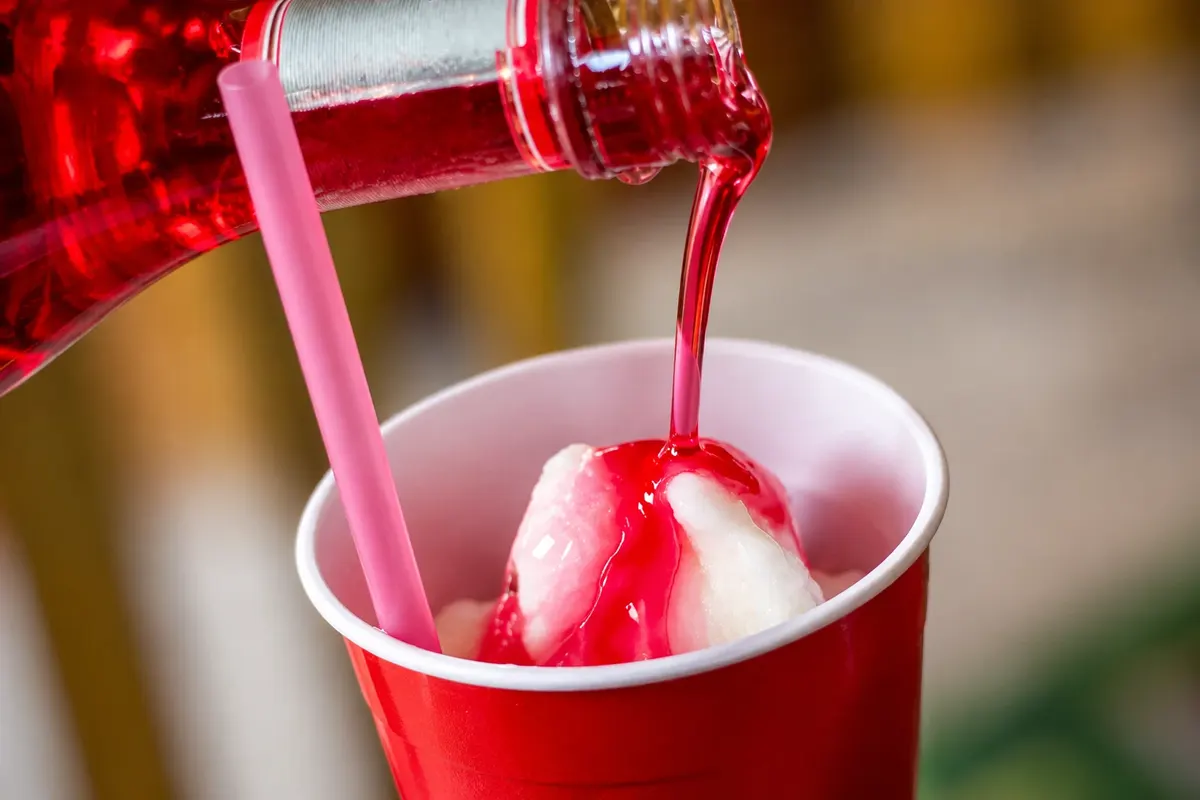
Pipeño wine drink with pineapple ice cream, sometimes with grenadine or fernet. Its name is linked to the bars of Santiago and the 1985 earthquake, and it became a drink of the Fiestas Patrias.

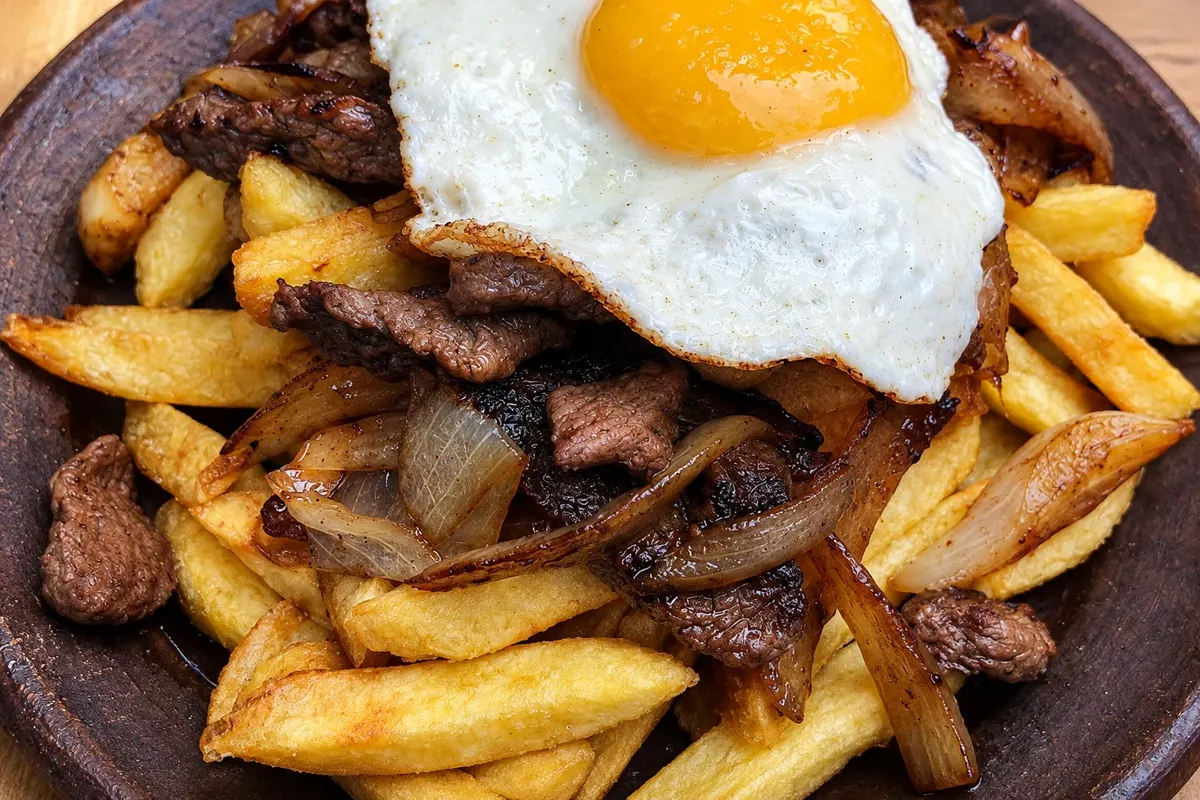
Platter of french fries topped with strips of beef, sautéed onion and egg, served for sharing. It is associated with Valparaíso’s traditional bars, where it became popular.