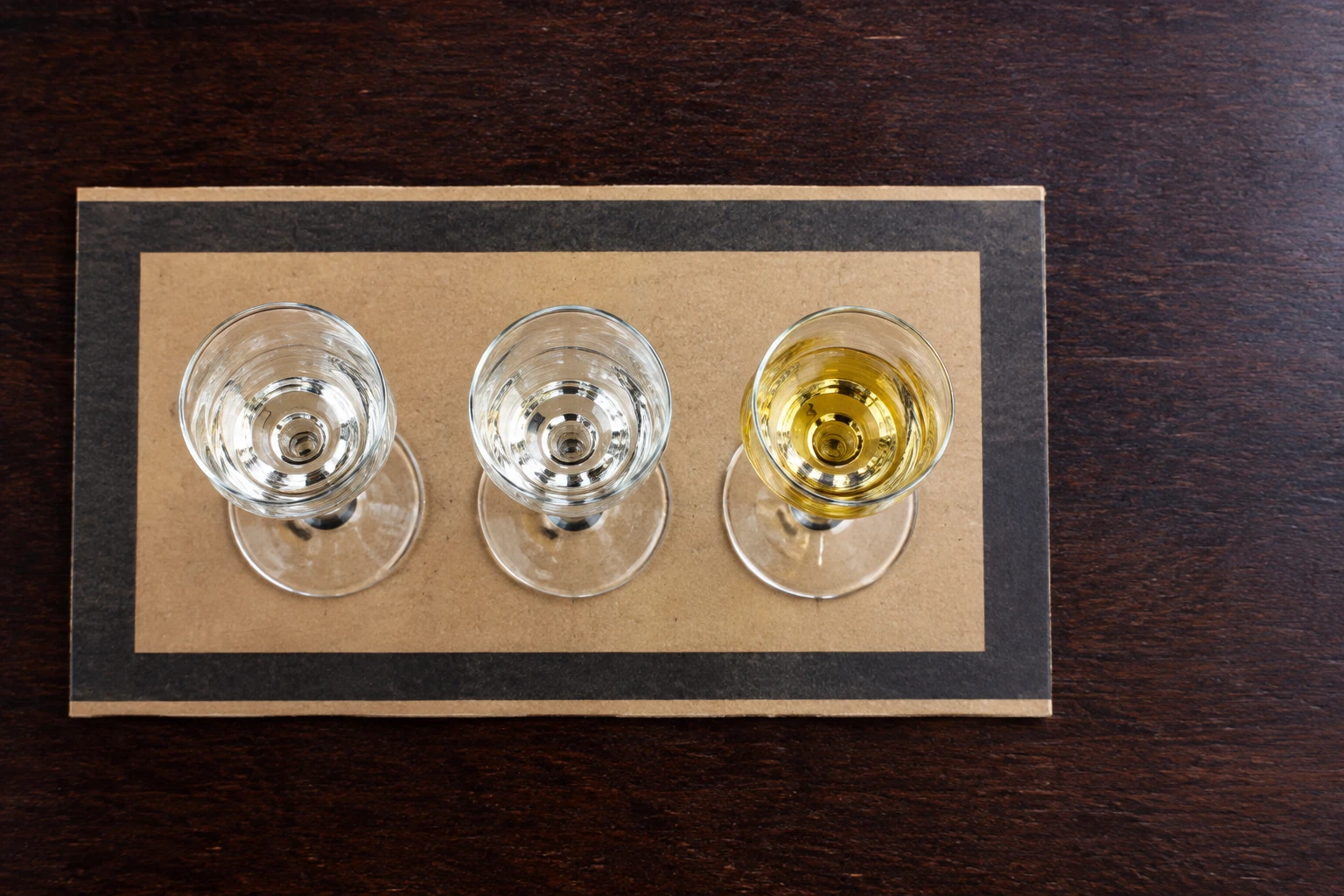
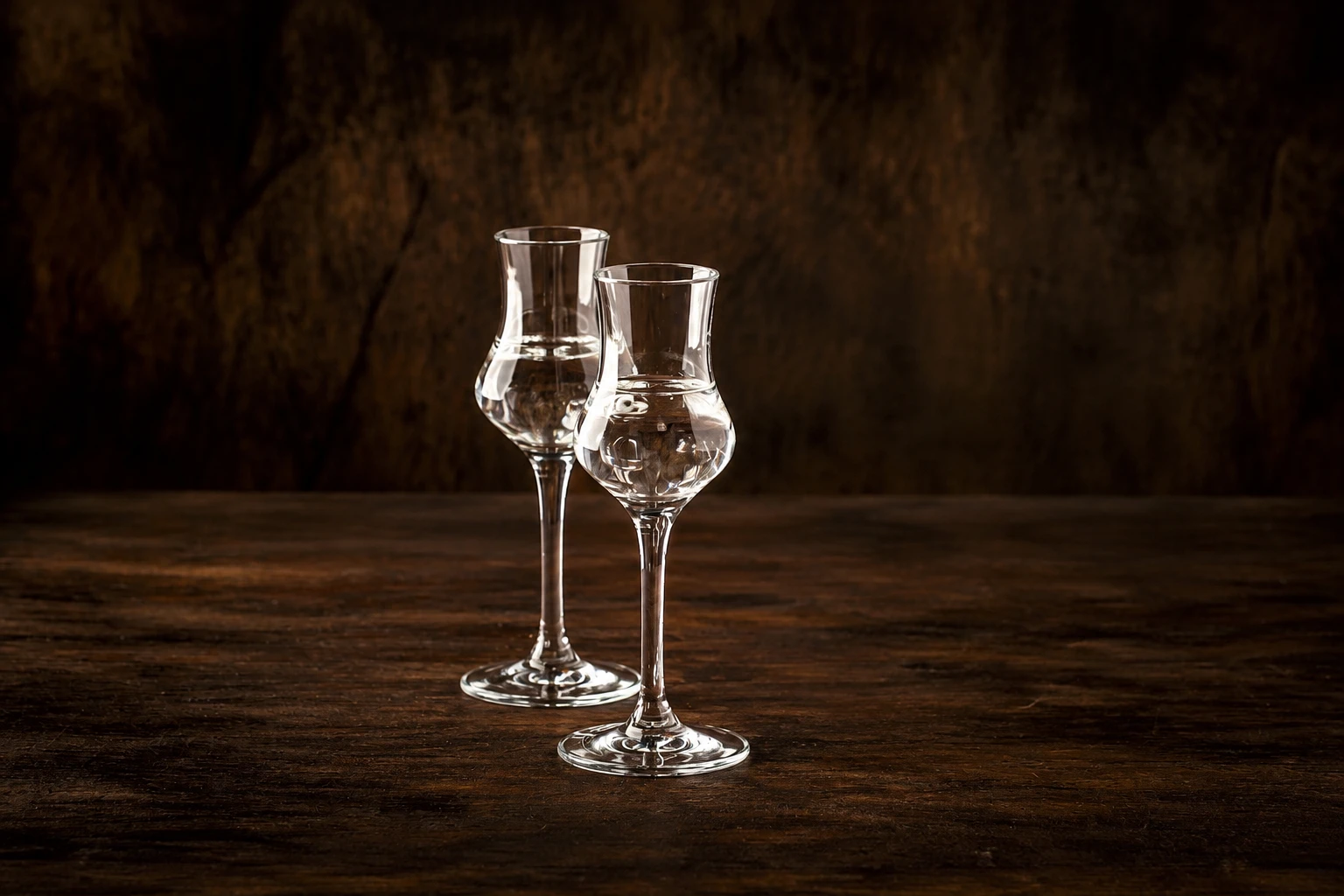
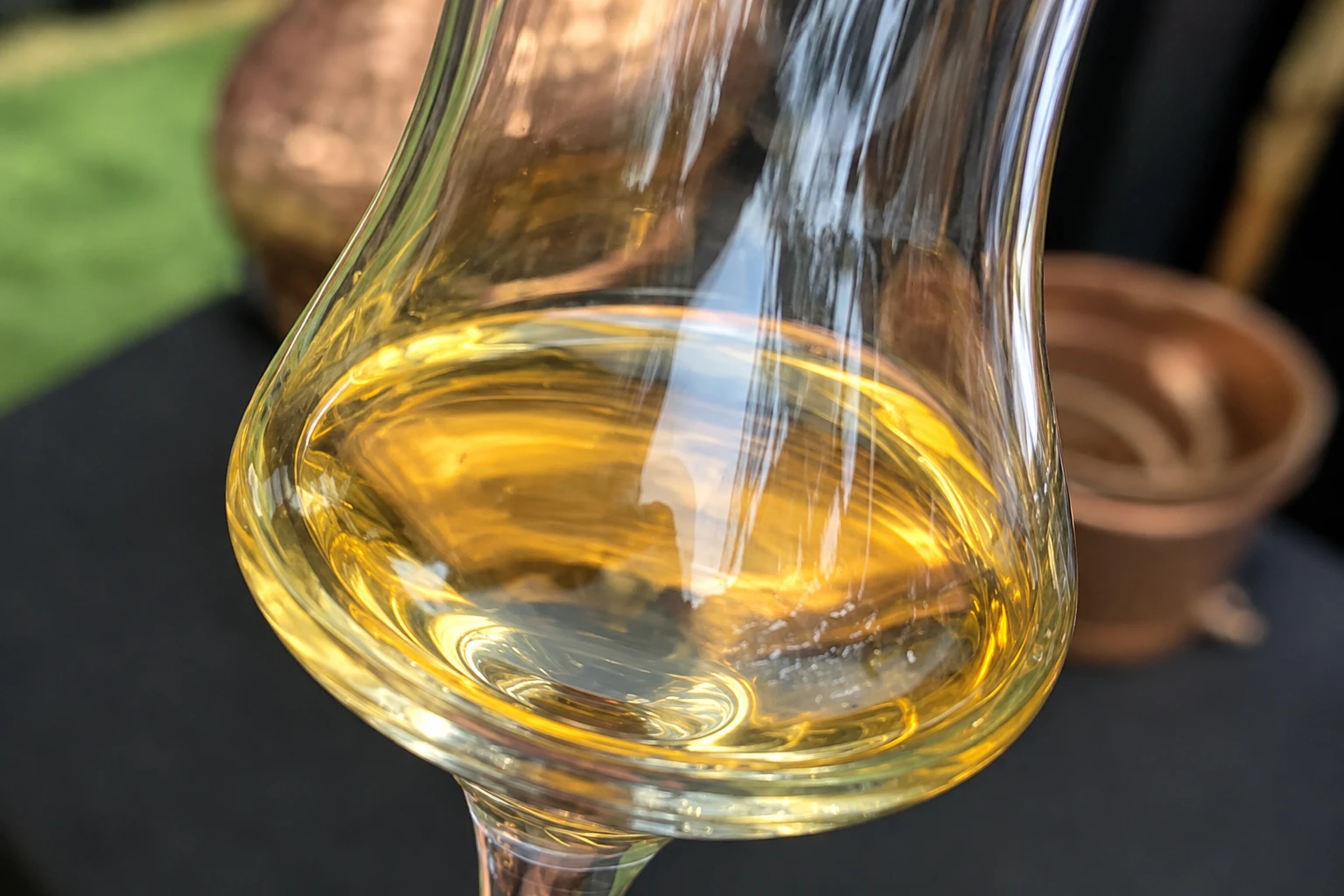
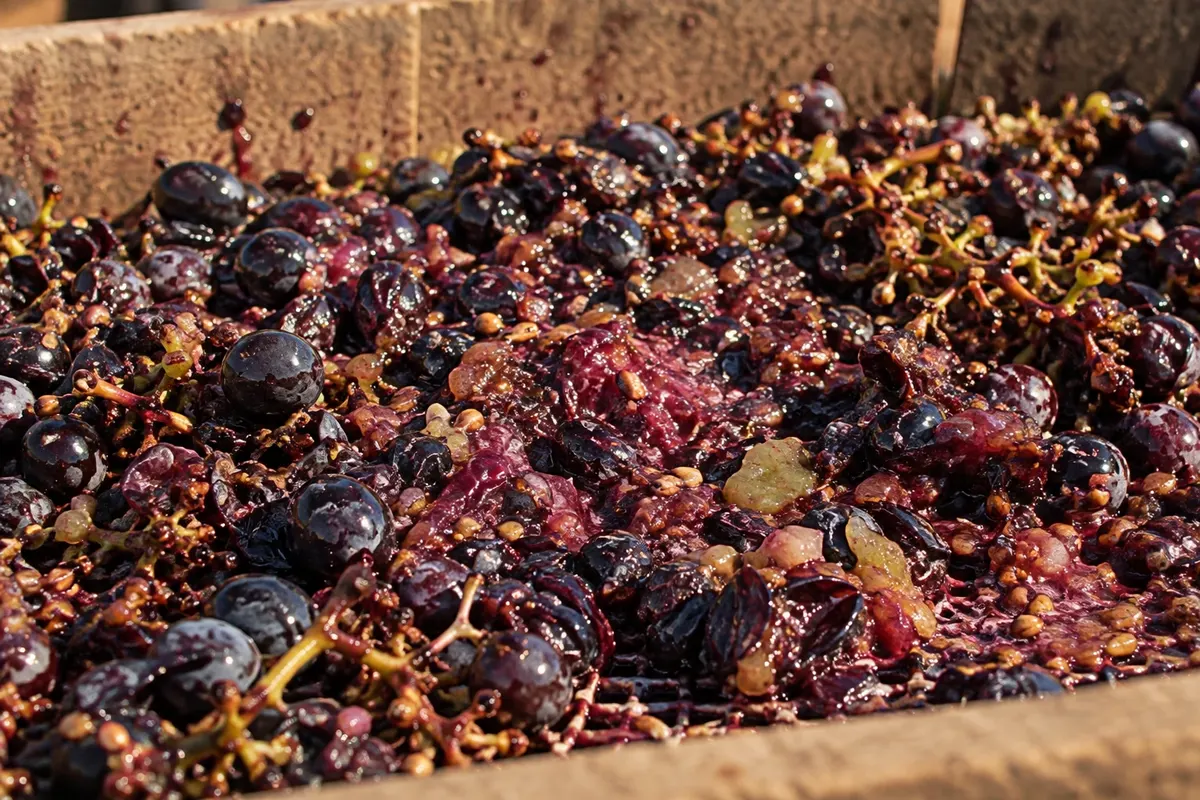
Pisco is a brandy obtained by distilling grape wine. In Chile, the name is protected by a designation of origin: under the regulation, only brandy produced and bottled in the regions of Atacama and Coquimbo, from wines made with grape varieties defined by law and planted in those regions, may be called pisco. The result can be clear or take on color and woody aromas when aged in barrels.
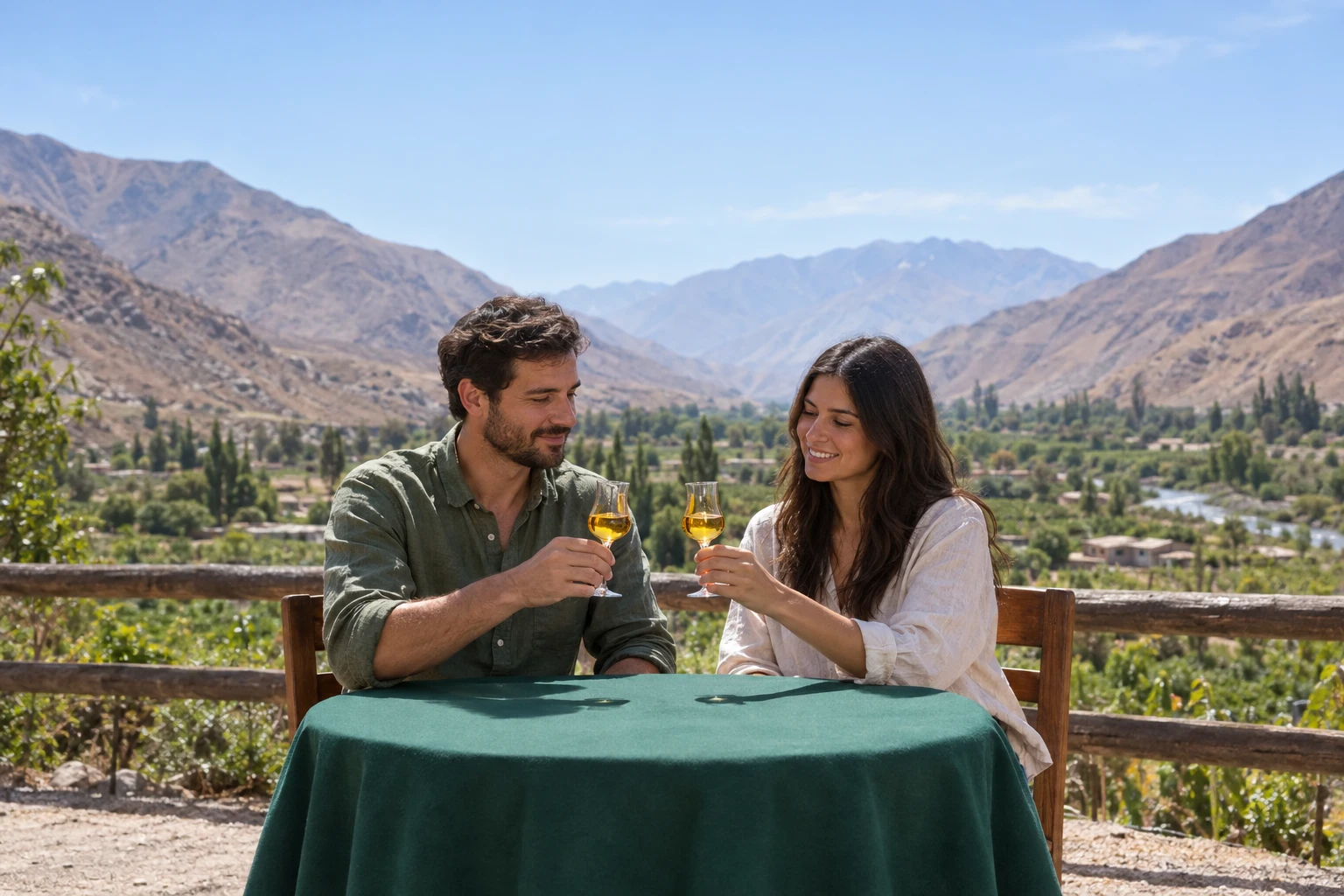
The Elqui Valley, in the Coquimbo region, is the area most associated with the drink. Chile’s official tourism presents Pisco Elqui, a village high in the valley, as the place where Chilean pisco was born; there are traditional distilleries that receive visitors and a museum dedicated to the drink. The village’s own name is an homage: it used to be called La Unión and was renamed Pisco Elqui in 1936 by law to reinforce the valley’s link with the spirit.
The name pisco is also used in Peru, which has its own designation of origin and its own rules. Each country regulates the pisco produced on its territory.
In Chile, pisco is drunk neat or in cocktails. The best known is the pisco sour, with lime juice and sugar; another common one is the piscola, with cola soda.


 Brazil
 Argentina
 Bolivia
 Colombia
 Ecuador
 Guyana
 French Guiana
 Falkland Islands (Malvinas)
 Paraguay
 Peru
 Suriname
 Uruguay
 Venezuela
 Germany
 Austria
 Belgium
 Croatia
 Denmark
 Spain
 Finland
 France
 Greece
 the Netherlands
 Hungary
 Ireland
 Iceland
 Italy
 Luxembourg
 Norway
 Poland
 Portugal
 the United Kingdom
 the Czech Republic
 Sweden
 Switzerland
 Turkey
 the United States
 Mexico
 the Dominican Republic
 South Africa
 Australia
 Fiji