The cuisine
Traditional food of Paraguay
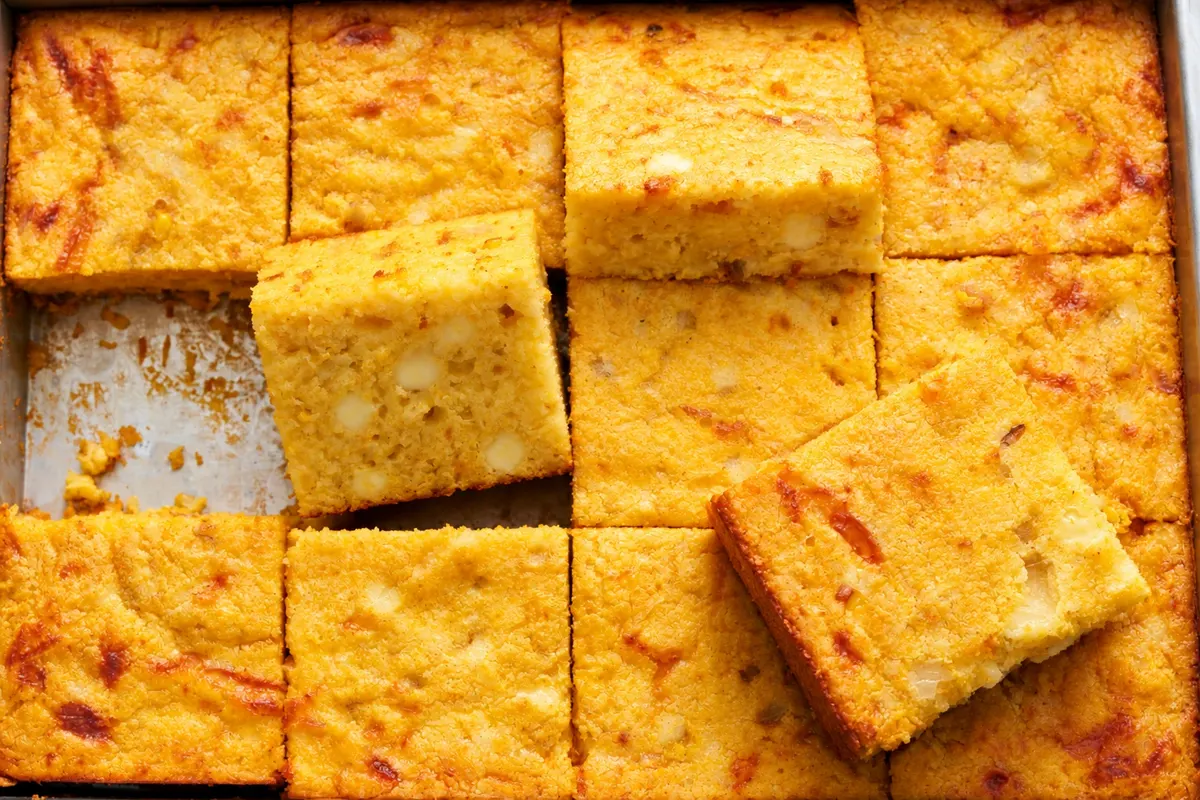
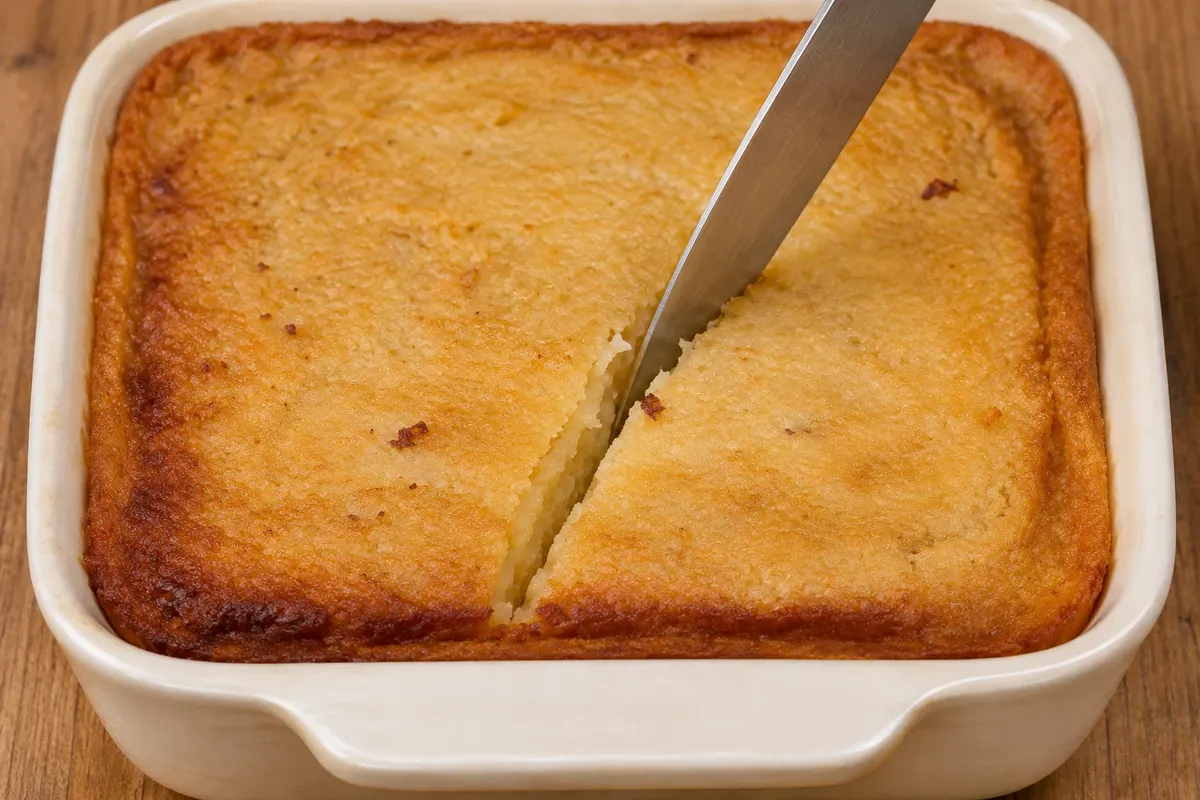
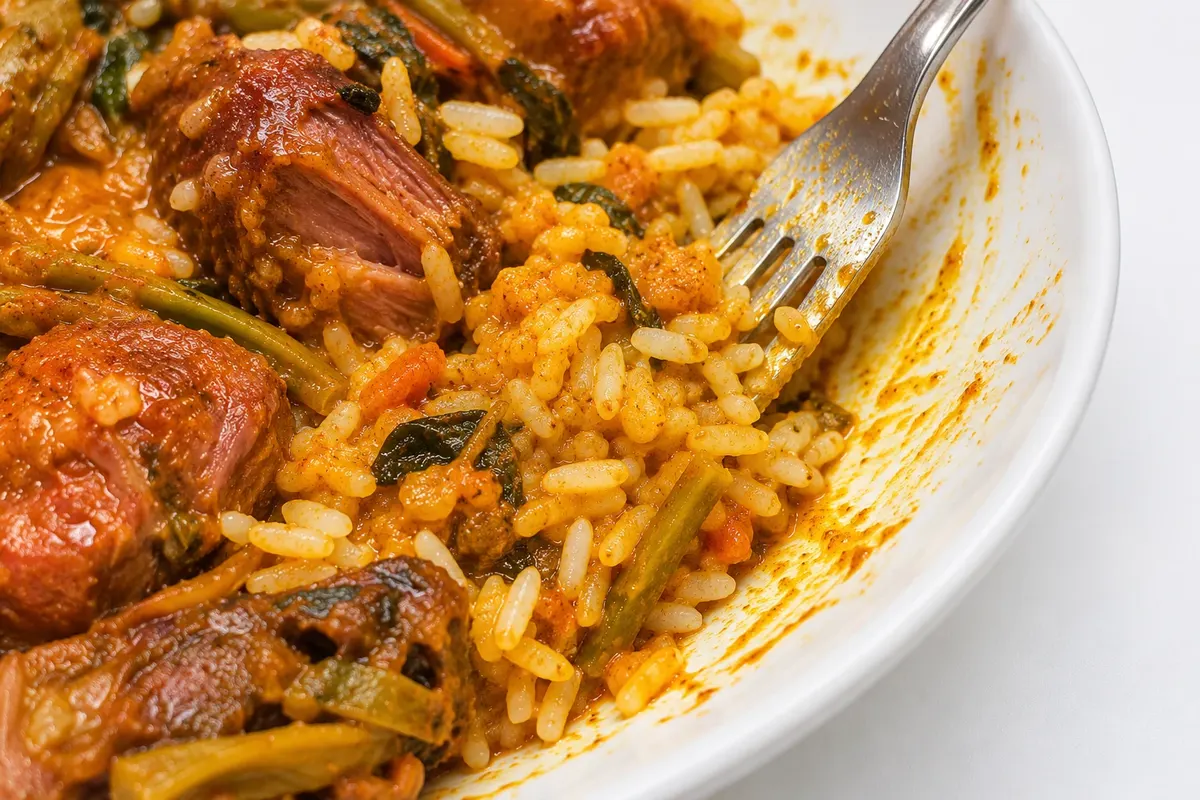
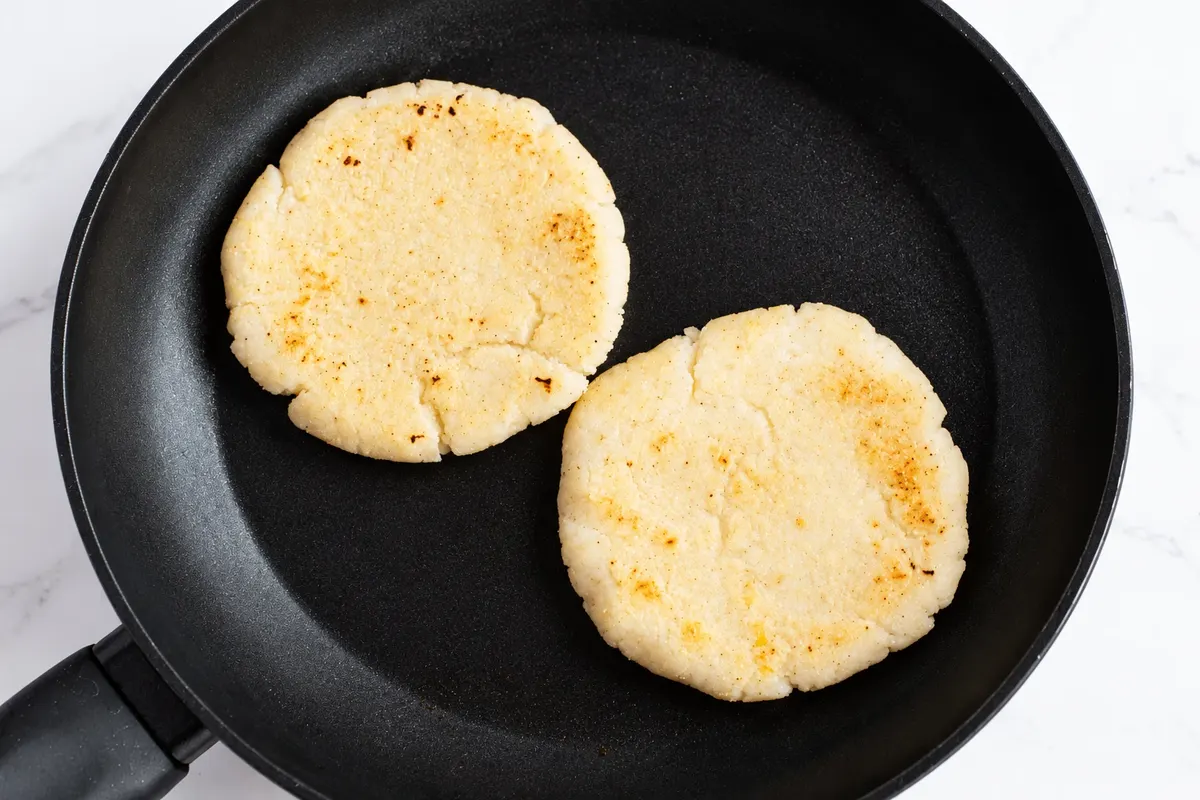
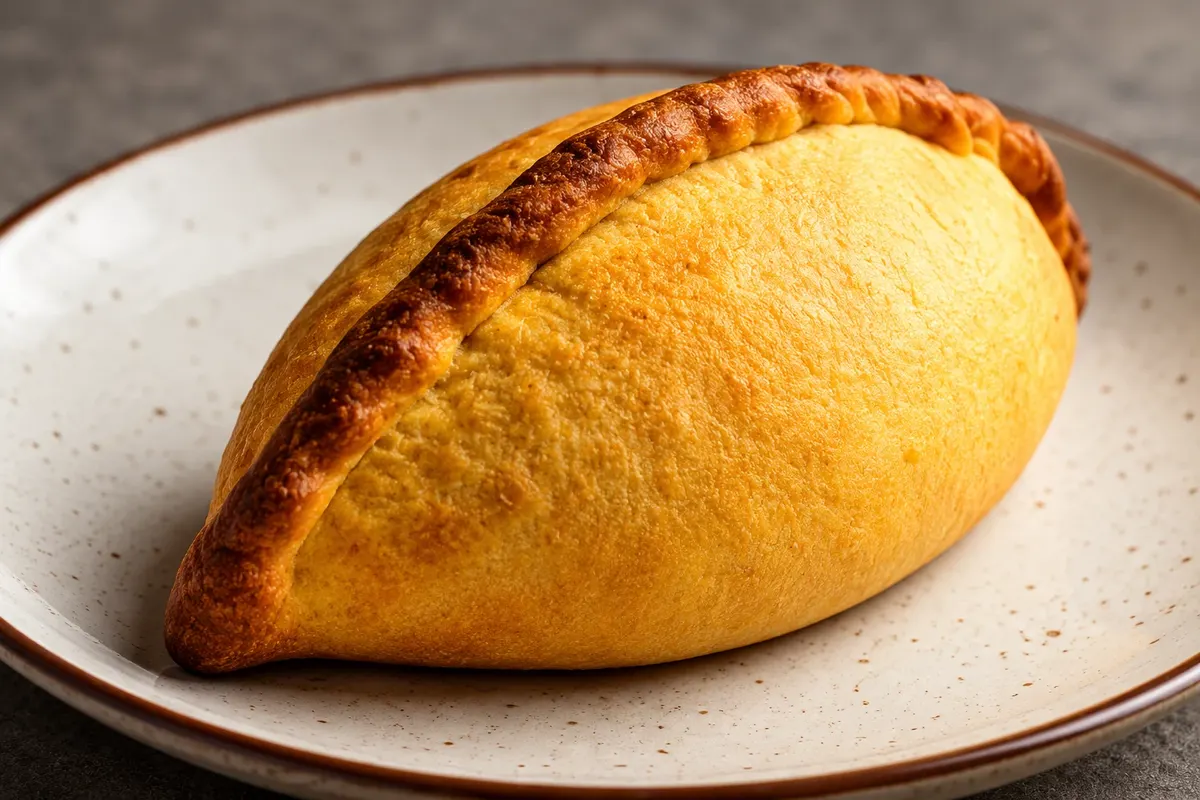
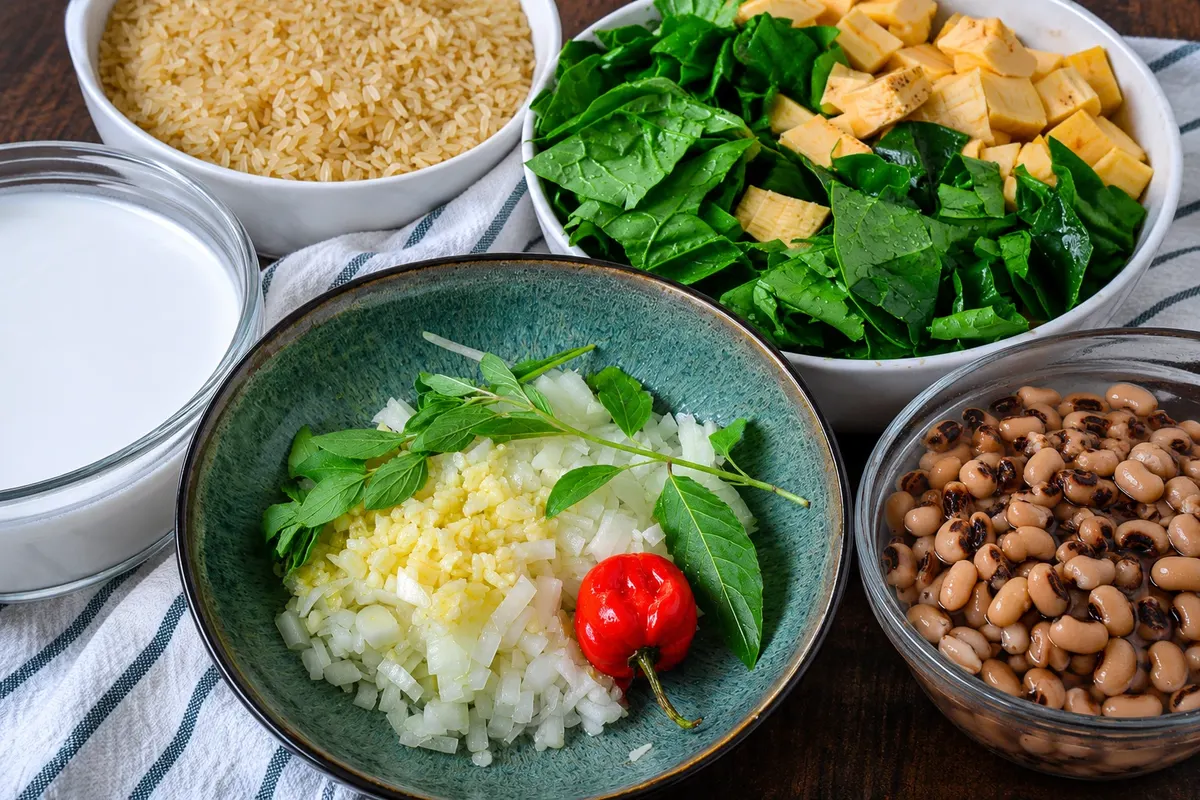
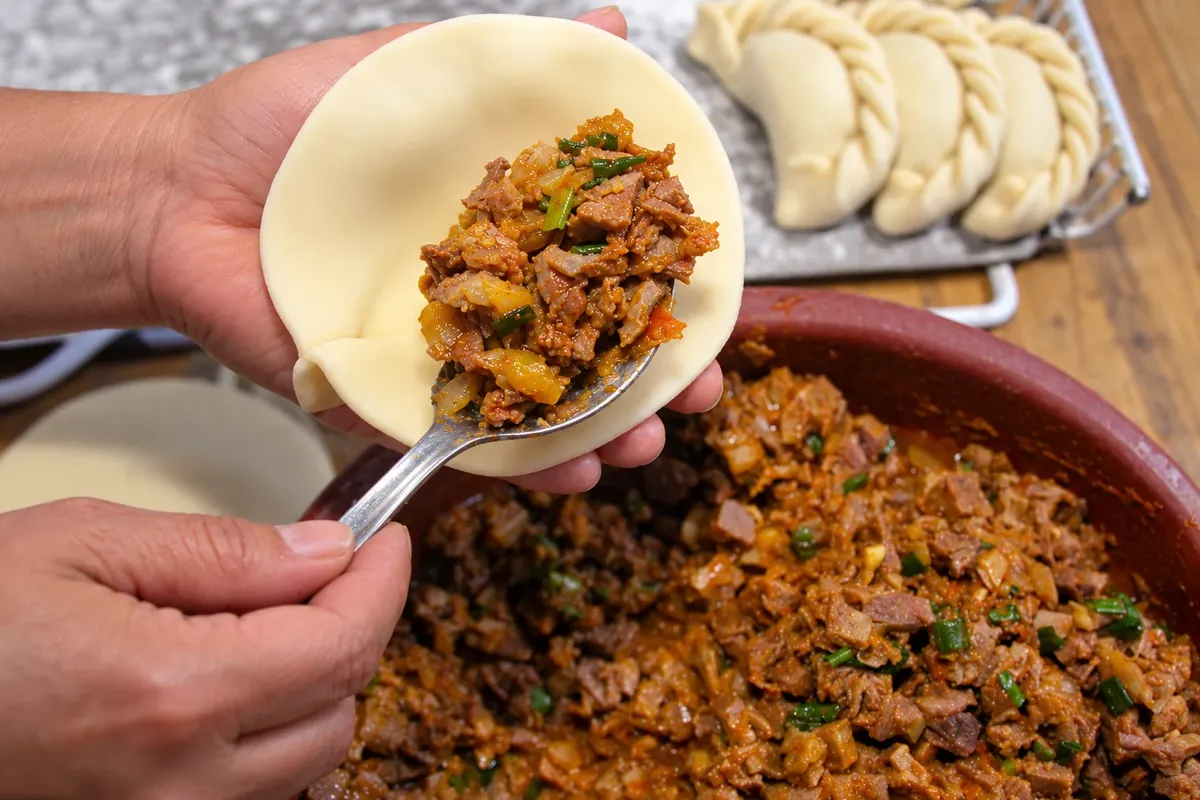
Paraguayan cuisine was born from the encounter between the Guaraní people and the Spanish. From the Guaraní came cassava, corn and many cooking techniques; from the colonizers came cattle, milk, cheese, wheat and sugarcane. From this mix emerged dishes eaten across the country, such as sopa paraguaya, a savory corn-and-cheese cake, mbeju, chipa guasu and vori vori.
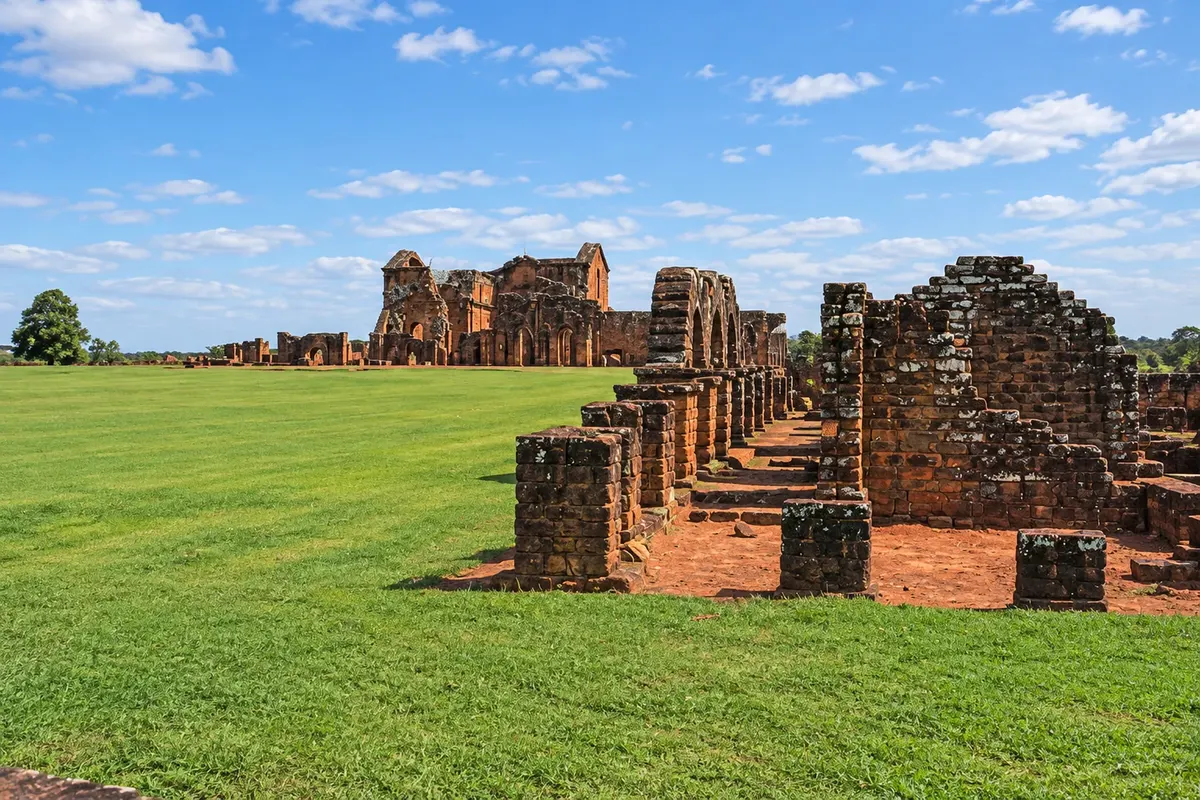
Many of these dishes are made in the tatakua, a dome-shaped clay oven used in rural homes. Meals are also shaped by religious festivals: at Easter, families gather for chipa apo, the communal preparation of chipa, and eat meatless dishes, a custom tradition links to the time of the missions.
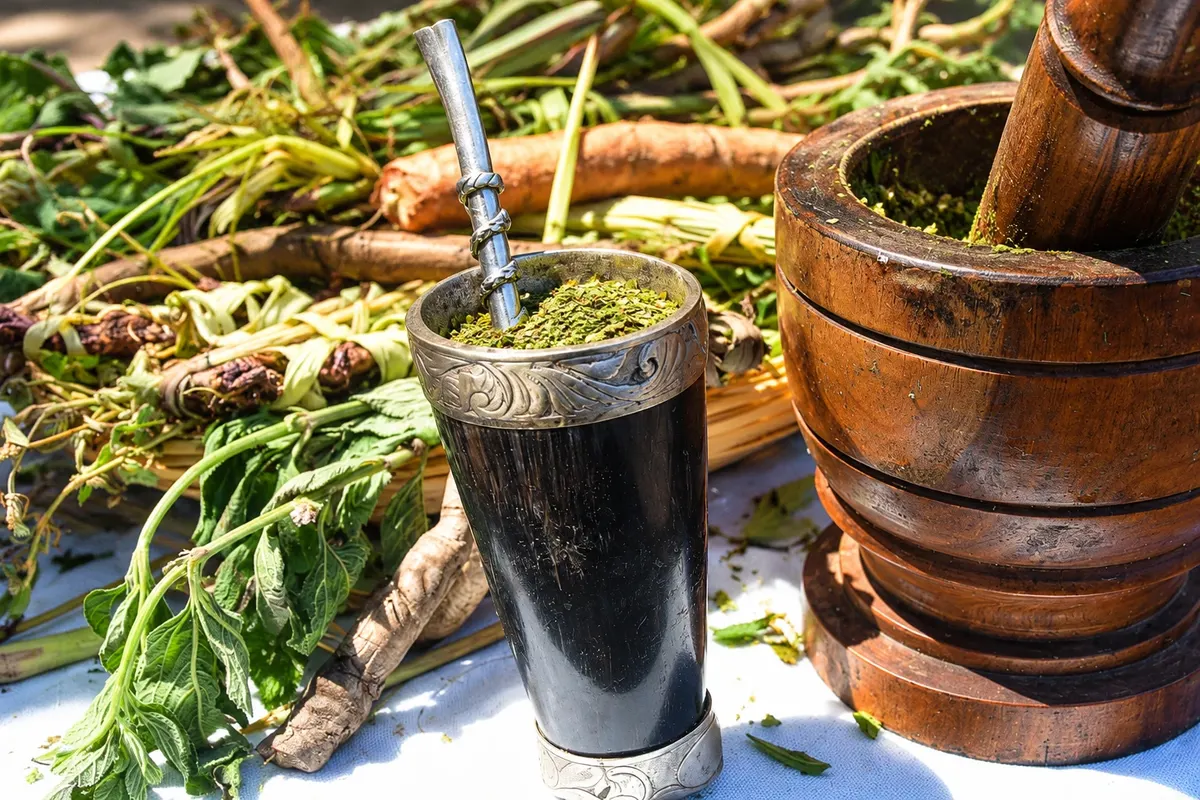
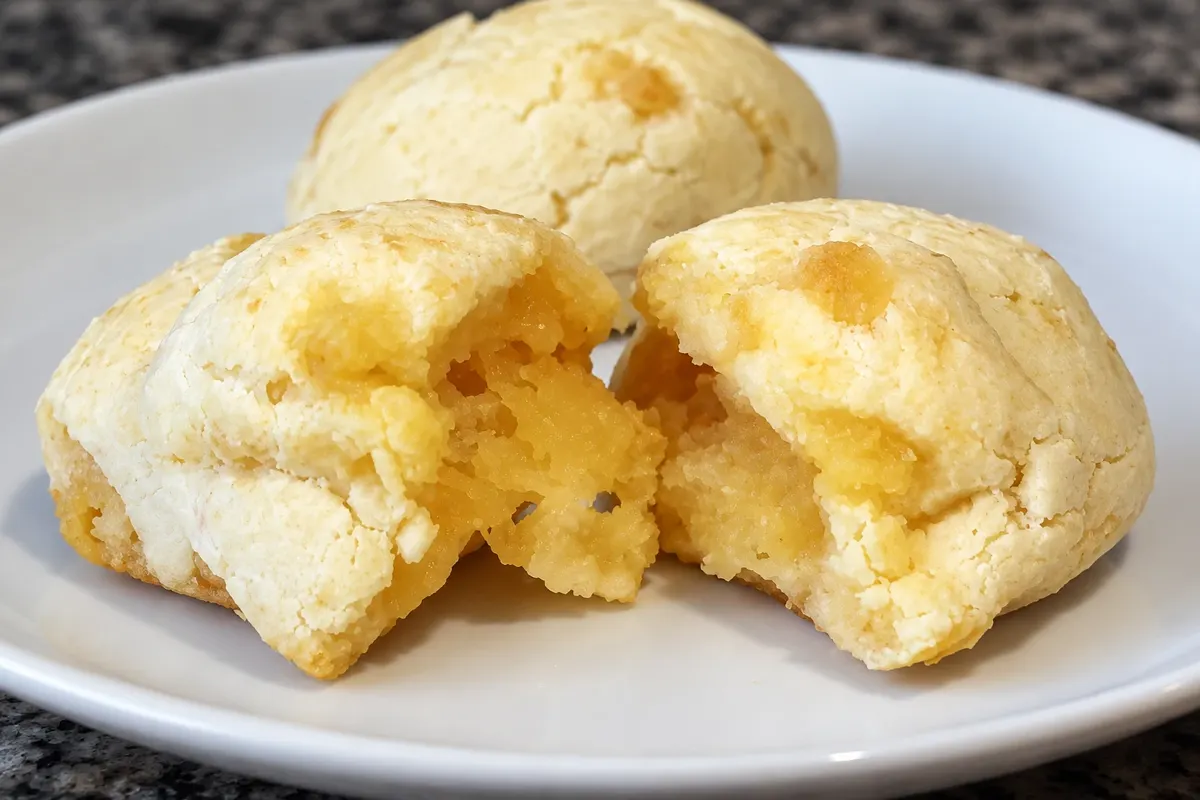
The Paraguayan state protects part of this heritage. In 2018, the Dirección Nacional de Propiedad Intelectual recognized dozens of dishes as the country’s gastronomic and culinary heritage, from sopa paraguaya to tereré. Chipa was declared the national food by law in 2014, and the practices around tereré, the cold yerba mate drink served with herbs, were inscribed by UNESCO as intangible heritage in 2020.
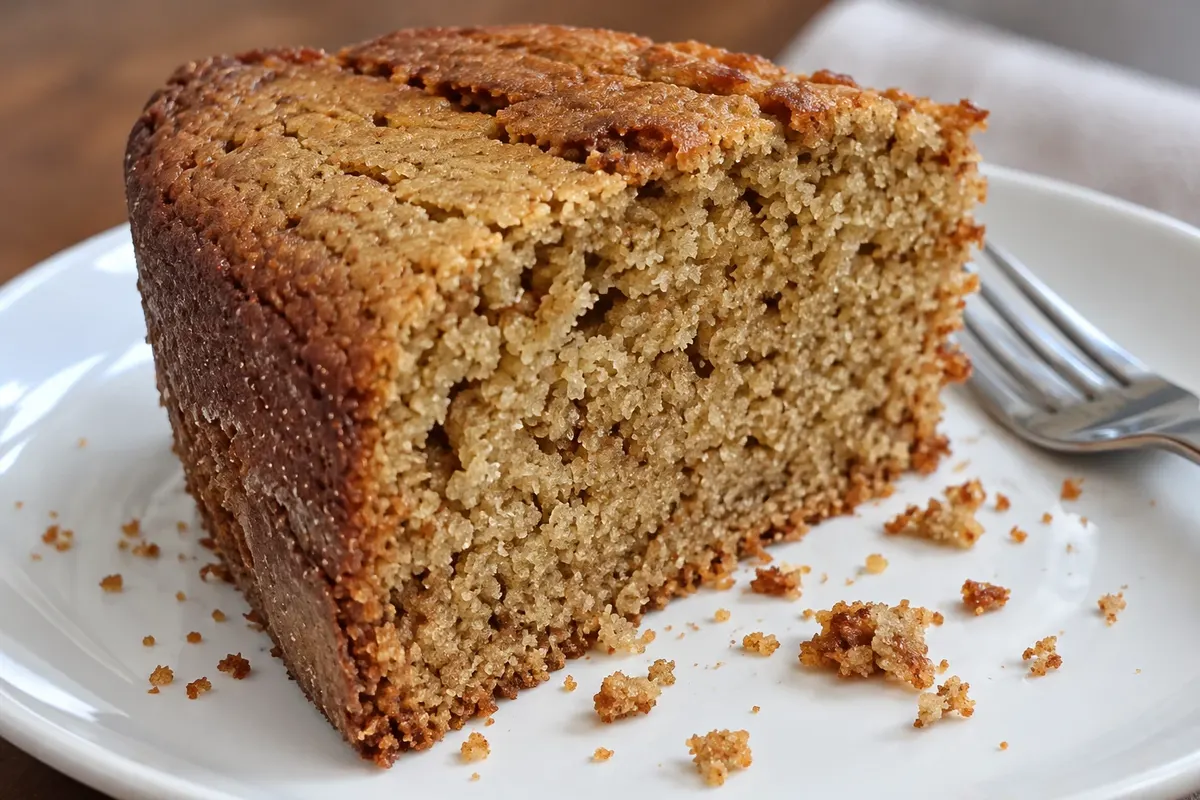
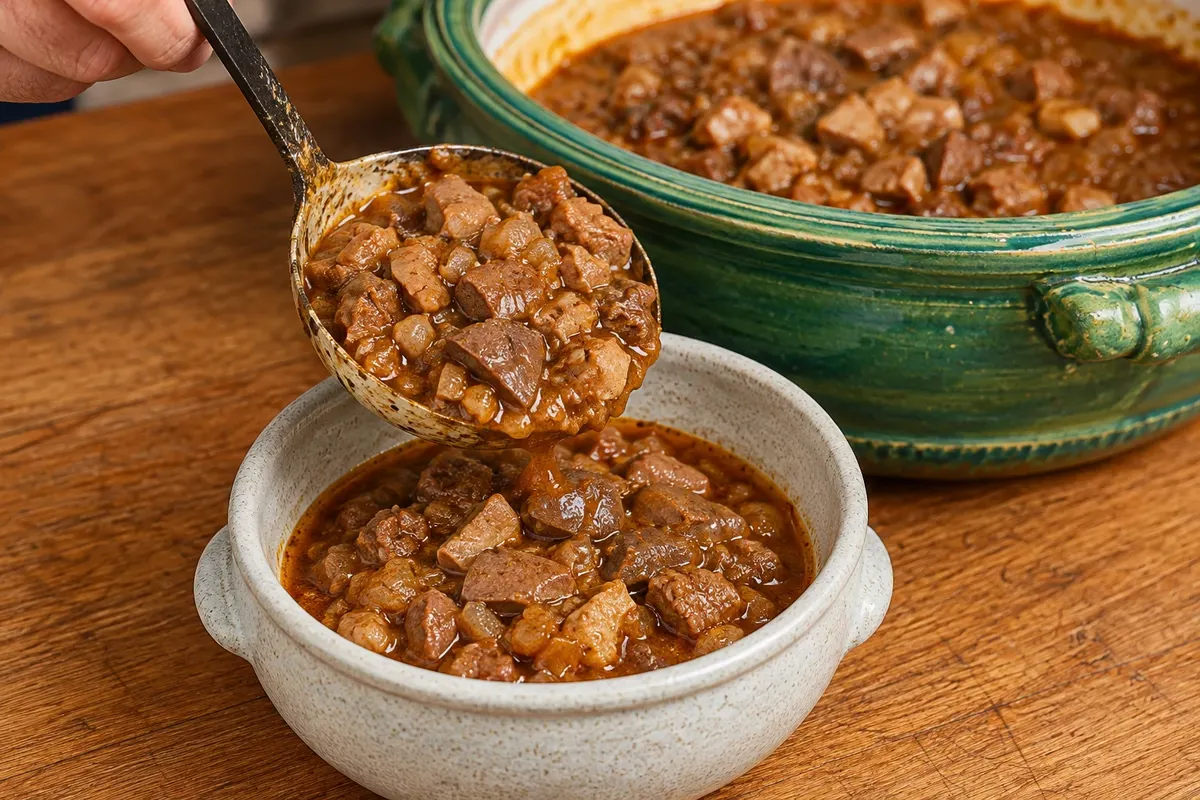
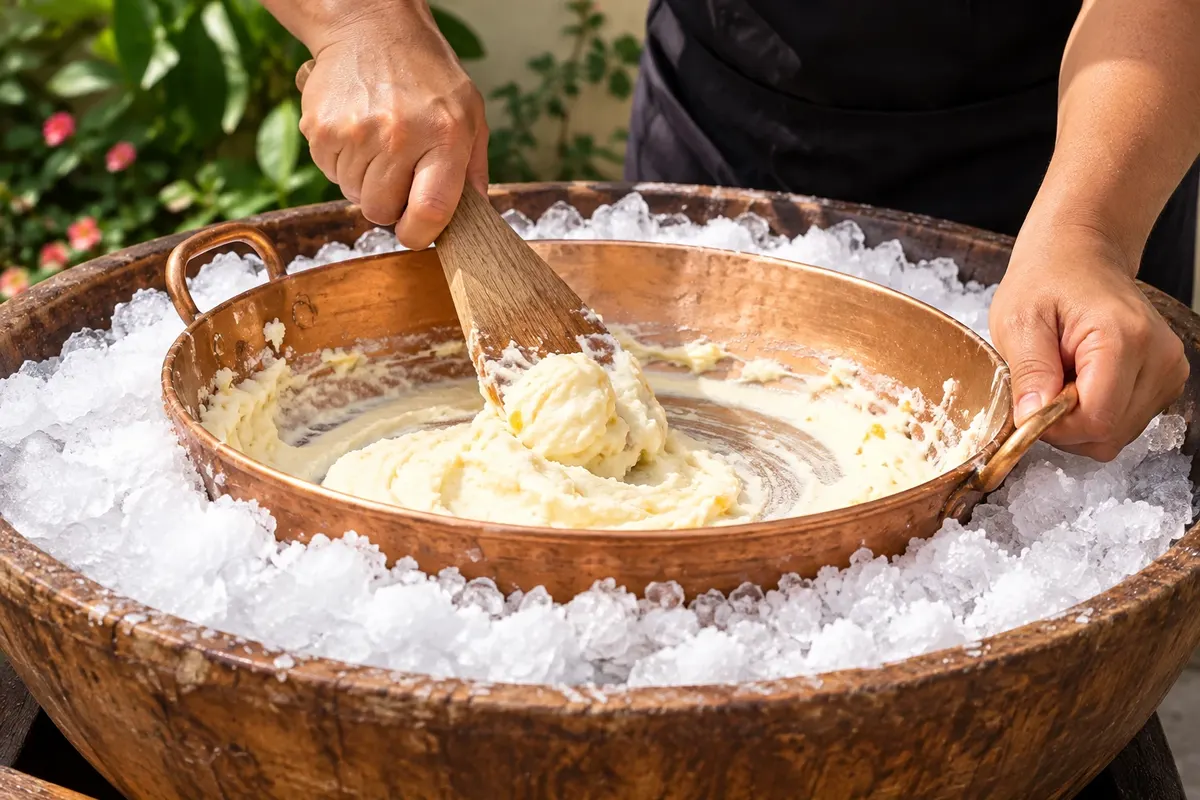
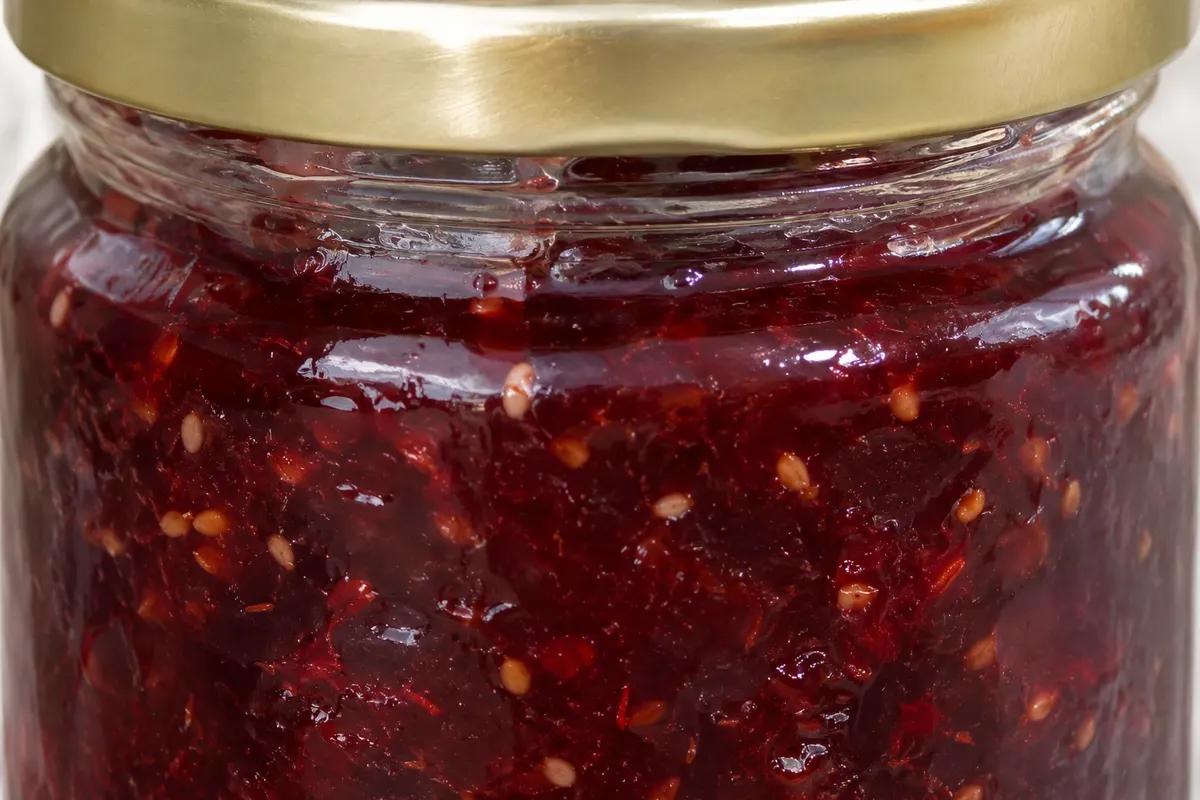
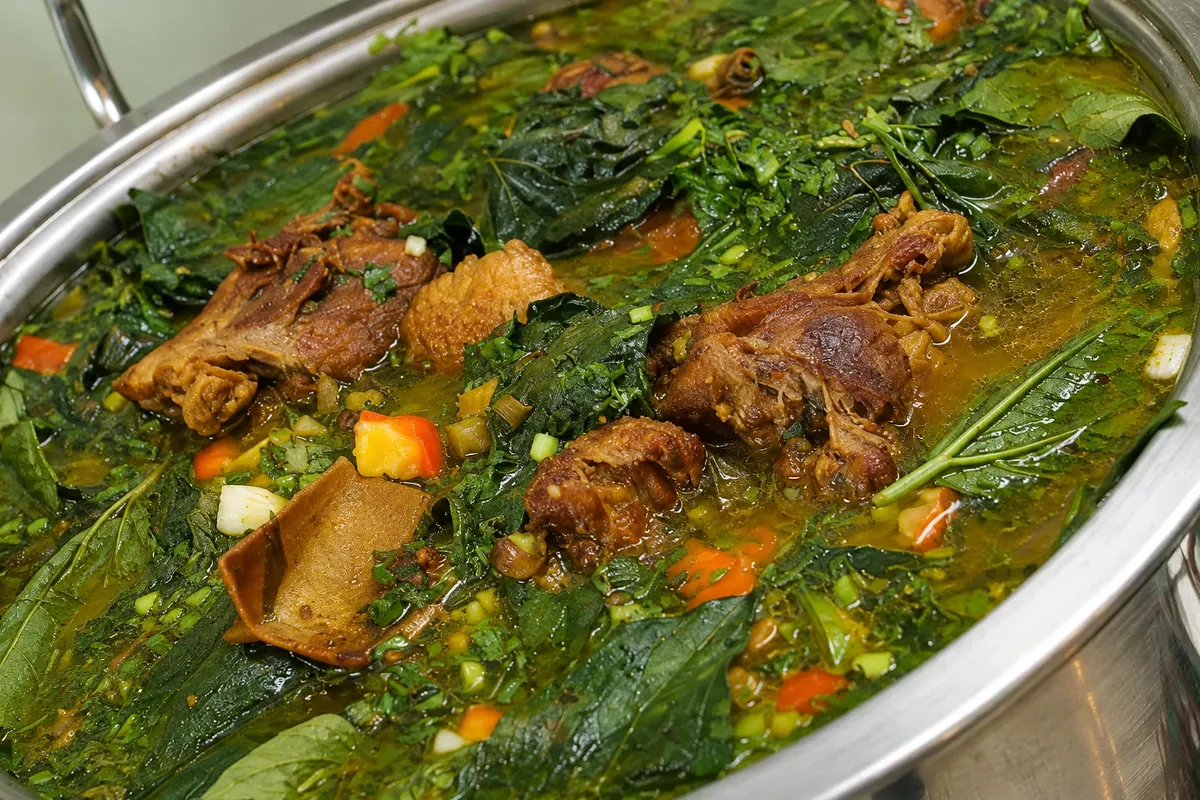
The specialties on this page are associated with towns that sources recognize as their place of origin. Coronel Bogado, in the south, is the official chipa capital. Itá, near Asunción, is the town of cane molasses and torta de miel. San Juan Bautista, in Misiones, makes batiburrillo, a stew of offal of Basque origin, the dish of its festival. That does not mean these foods are only eaten there: chipa, for example, is found throughout Paraguay. Each place’s page explains the connection to the town, the ingredients and the customary way of serving.


 Brazil
 Antarctica
 Argentina
 Bolivia
 Chile
 Colombia
 Ecuador
 Guyana
 French Guiana
 Falkland Islands (Malvinas)
 Peru
 Suriname
 Uruguay
 Venezuela
 Germany
 Austria
 Belgium
 Croatia
 Denmark
 Slovakia
 Slovenia
 Spain
 Finland
 France
 Greece
 the Netherlands
 Hungary
 Ireland
 Iceland
 Italy
 Luxembourg
 Norway
 Poland
 Portugal
 the United Kingdom
 the Czech Republic
 Sweden
 Switzerland
 Turkey
 Bermuda
 Canada
 the United States
 Greenland
 Mexico
 Saint Pierre and Miquelon
 the Dominican Republic
 Japan
 South Africa
 Egypt
 Australia
 Fiji
 New Zealand
 Papua New Guinea