Dish · Coronel Bogado
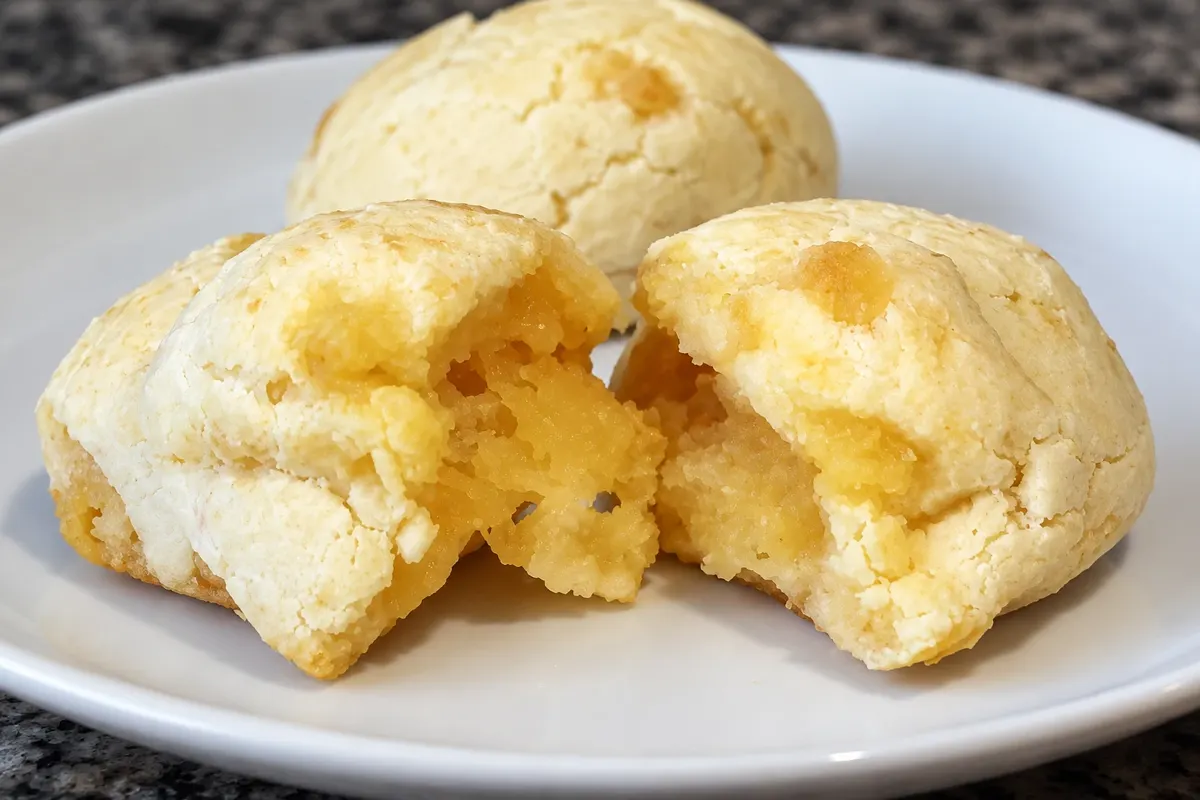
Chipa
Small bread made from cassava starch with cheese, egg and fat, baked in a ring or ball shape. It is Paraguay’s national food, and Coronel Bogado holds the official title of National Capital of the Chipa.

 Search
 Brazil
 Argentina
 Bolivia
 Chile
 Colombia
 Ecuador
 Guyana
 French Guiana
 Falkland Islands (Malvinas)Paraguay
 Peru
 Suriname
 Uruguay
 Venezuela
 Germany
 Austria
 Belgium
 Croatia
 Denmark
 Spain
 Finland
 France
 Greece
 the Netherlands
 Hungary
 Ireland
 Iceland
 Italy
 Luxembourg
 Norway
 Poland
 Portugal
 the United Kingdom
 the Czech Republic
 Sweden
 Switzerland
 Turkey
 the United States
 Mexico
 the Dominican RepublicTurkey
 South Africa
 Australia
 Fiji
Flavors · San Juan Bautista
Stew of chopped offal, such as liver, heart, kidney, tongue and tripe, seasoned with onion, bell pepper, garlic, pepper and red wine.
Traditional dish from San Juan Bautista, Missões
Also known as: batisburrillo, batiburrillo sanjuanino
Illustrative images. The pictures in this guide are illustrations based on the real place, not photographs, and may differ from it.

Click a photo to enlarge it.
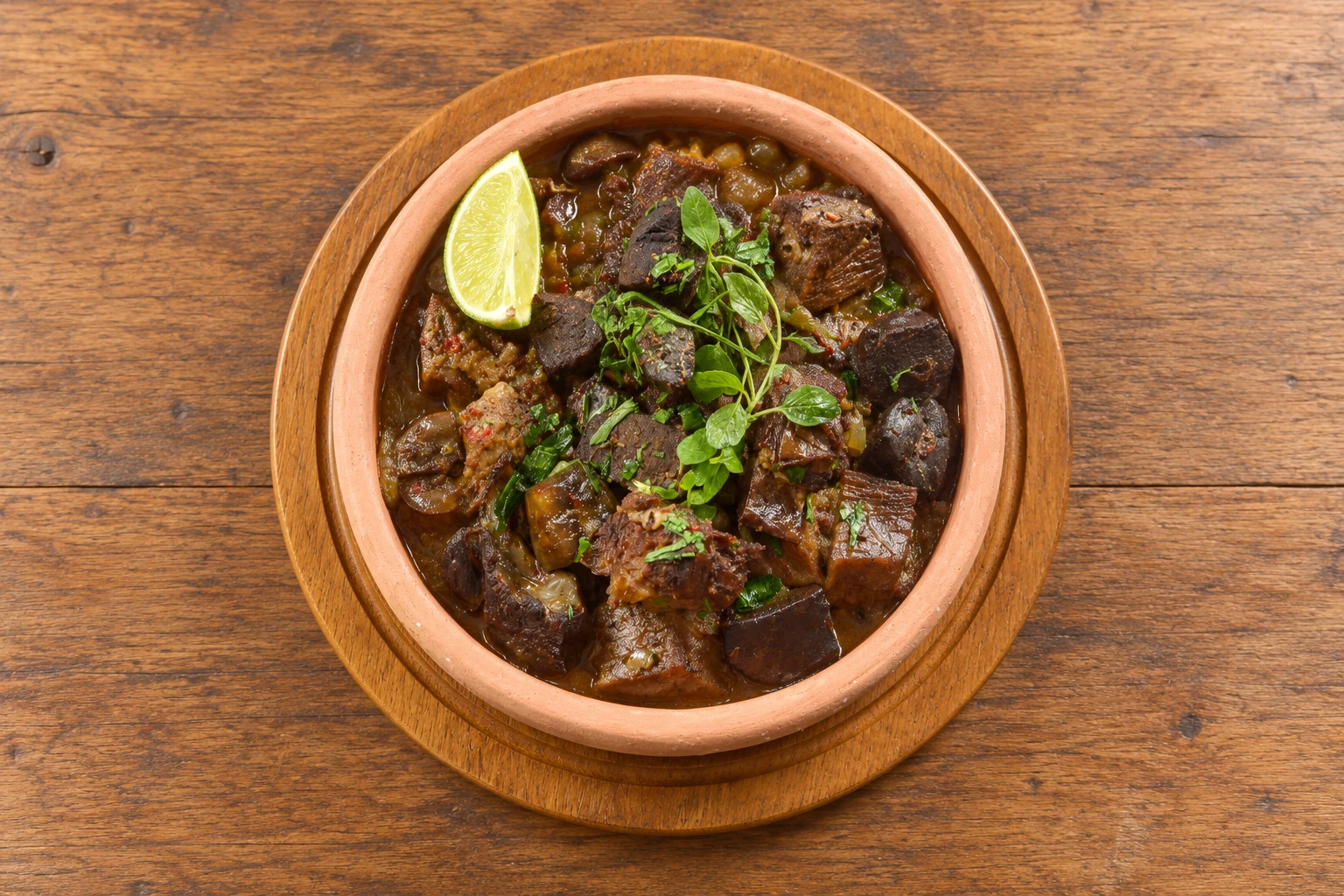
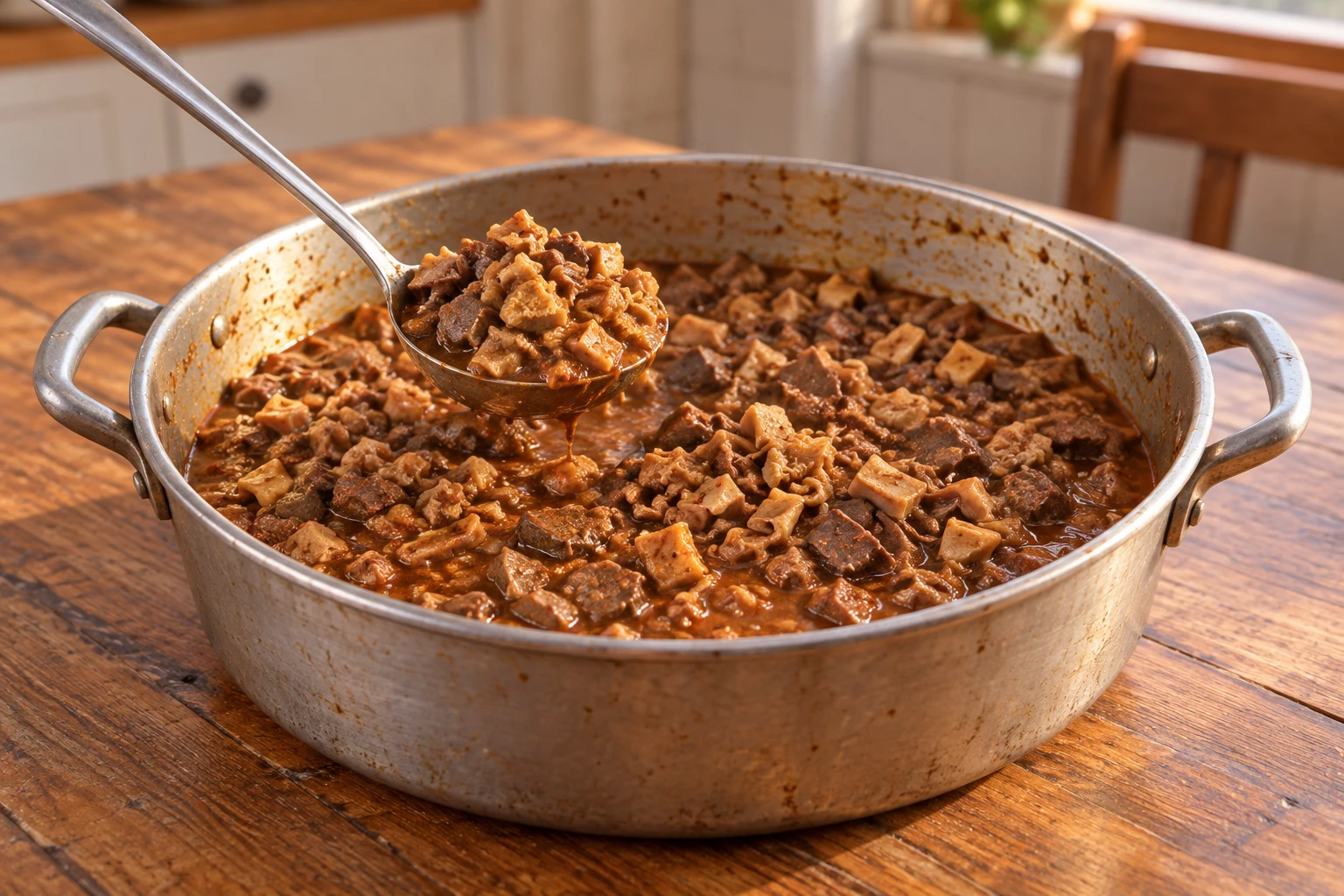
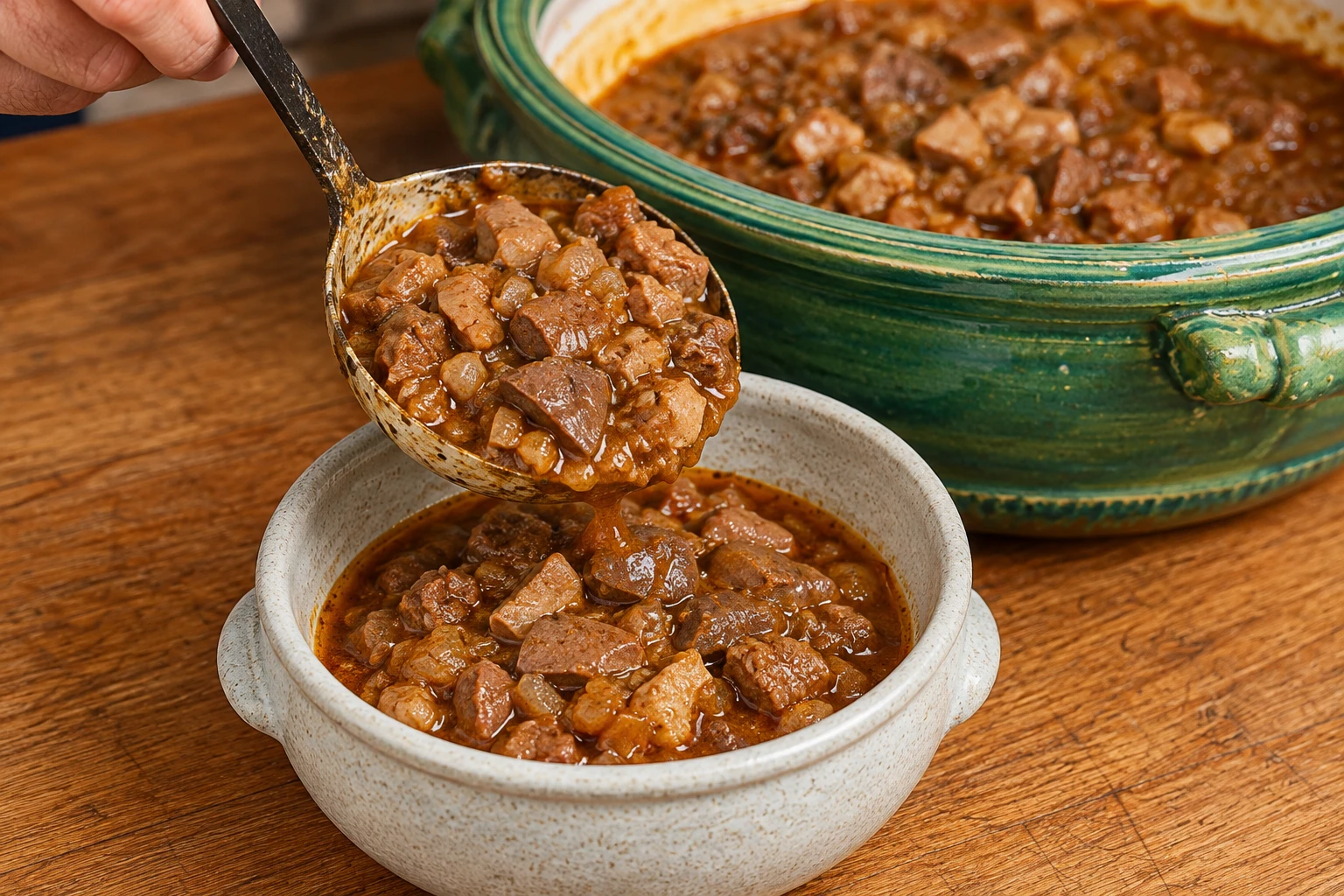
Batiburrillo — San Juan Bautista, Paraguay
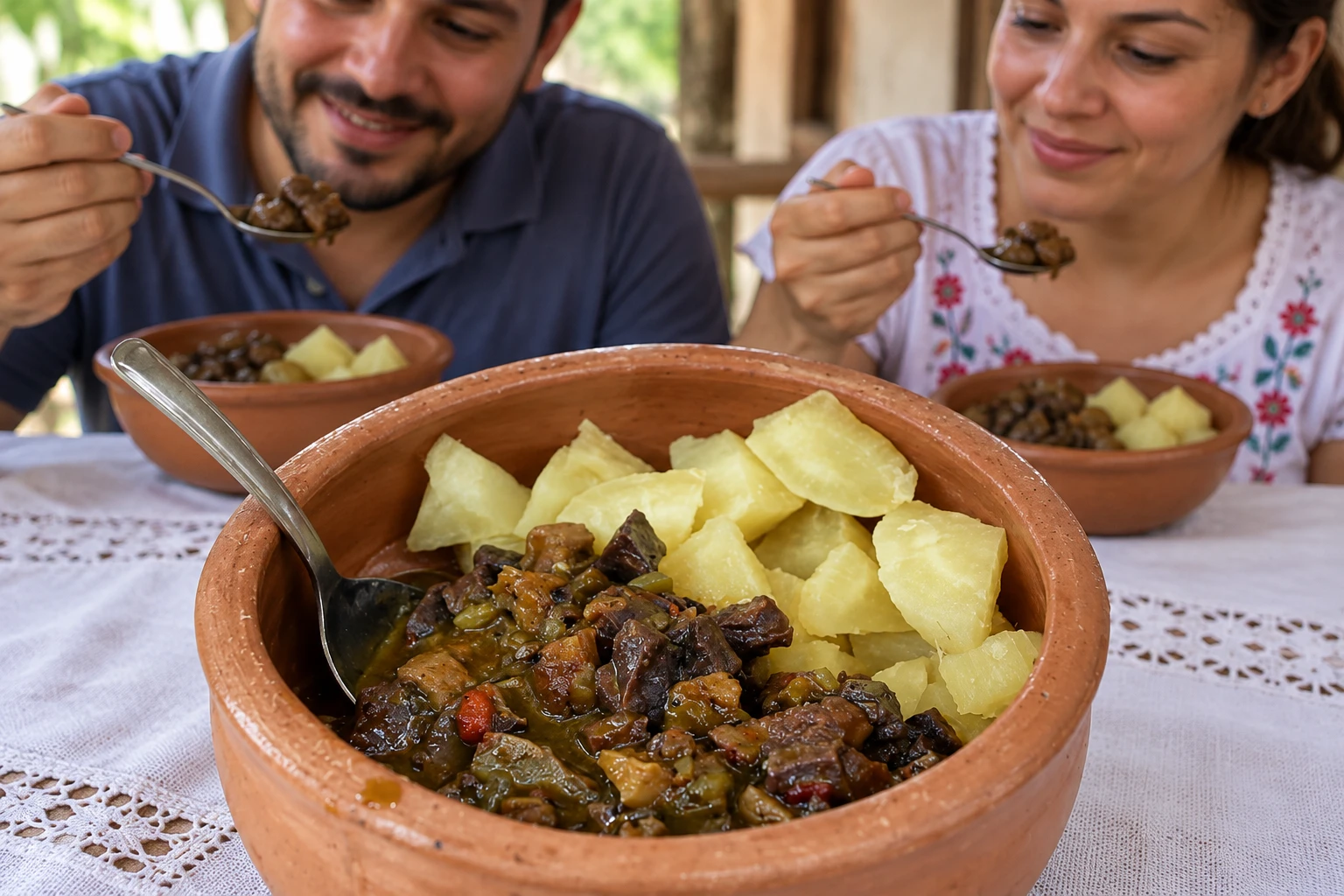
Batiburrillo is a stew of offal chopped into small pieces. It includes liver, heart, kidney, tongue and tripe, sautéed in pork fat or oil with onion, sweet bell pepper, the locote ky'ỹi (a small spicy chili), garlic, black pepper and salt, and cooked with red wine. The liver is added last, near the end of cooking. The result is a dark, well-seasoned stew.
In San Juan Bautista, capital of the Misiones department, the dish's origin is told by the family that brought it. Local tradition says it was introduced in 1926 by Sebastián Sasiain Zubillaga, an immigrant from the Basque Country who settled in the town with his wife, Brígida Zubia Erostarbe. He prepared the stew at gatherings he hosted for neighbors and friends, as a reminder of pilgrimages from his homeland, and she served it in clay pots, with bread and wine for the Basques and with manioc for the neighbors.
The original recipe used pork and sheep offal from the region's estancias. Over time it came to use cattle offal, which were easier to find, and pre‑cooked tripe was added to the pot. In town, batiburrillo became a starter for large occasions, served before the aperitif and the roast. Historian Margarita Miró Ibars sees it as an example of how a foreign recipe adapts to local ingredients and becomes part of a community's identity.
Since 2002 the municipality has organized the Festival del Batiburrillo, Siriki y Chorizo Sanjuanino in Plaza Boquerón to celebrate the municipality’s anniversary on January 26. For two nights there is music, a typical foods fair and a contest for the most flavorful batiburrillo. The siriki, an aperitif of caña blanca with lime, ice and soda, is also attributed to Sasiain, and the chorizo sanjuanino, a pork-and-beef sausage, completes the celebration.
San Juan Bautista , Missões
Typical dish of San Juan Bautista, where tradition attributes it to the Basque immigrant Sebastián Sasiain and the municipality has organized the Festival del Batiburrillo since 2002.
Beef offal (in the original recipe, pork and sheep): liver, heart, kidney, tongue and tripe. Onion, sweet bell pepper, locote ky'ỹi (spicy chili), garlic, black pepper, salt, red wine and pork fat or oil.
Hot, as a starter, served in a deep bowl or clay pot, with boiled manioc or bread. In San Juan Bautista it is usually served before the roast, accompanied by siriki or wine.
At parties and family gatherings. The Festival del Batiburrillo, Siriki y Chorizo Sanjuanino takes place in San Juan Bautista between late January and early February, on the municipality’s anniversary.
Your questions
A Paraguayan stew of chopped offal, such as liver, heart, kidney, tongue and tripe, cooked with onion, bell pepper, chili, garlic and red wine. It is the typical dish of San Juan Bautista, in Misiones.
The tradition of San Juan Bautista attributes it to the Basque immigrant Sebastián Sasiain Zubillaga, who arrived in the town in 1926 and prepared the stew at gatherings with neighbors.
The Festival del Batiburrillo, Siriki y Chorizo Sanjuanino takes place in San Juan Bautista between late January and early February, on the municipality’s anniversary. Check the dates each year.
An aperitif of caña blanca with lime, ice and soda, served in San Juan Bautista alongside batiburrillo and chorizo sanjuanino. Tradition also attributes it to Sebastián Sasiain.
Flavors of Paraguay
Small bread made from cassava starch with cheese, egg and fat, baked in a ring or ball shape. It is Paraguay’s national food, and Coronel Bogado holds the official title of National Capital of the Chipa.
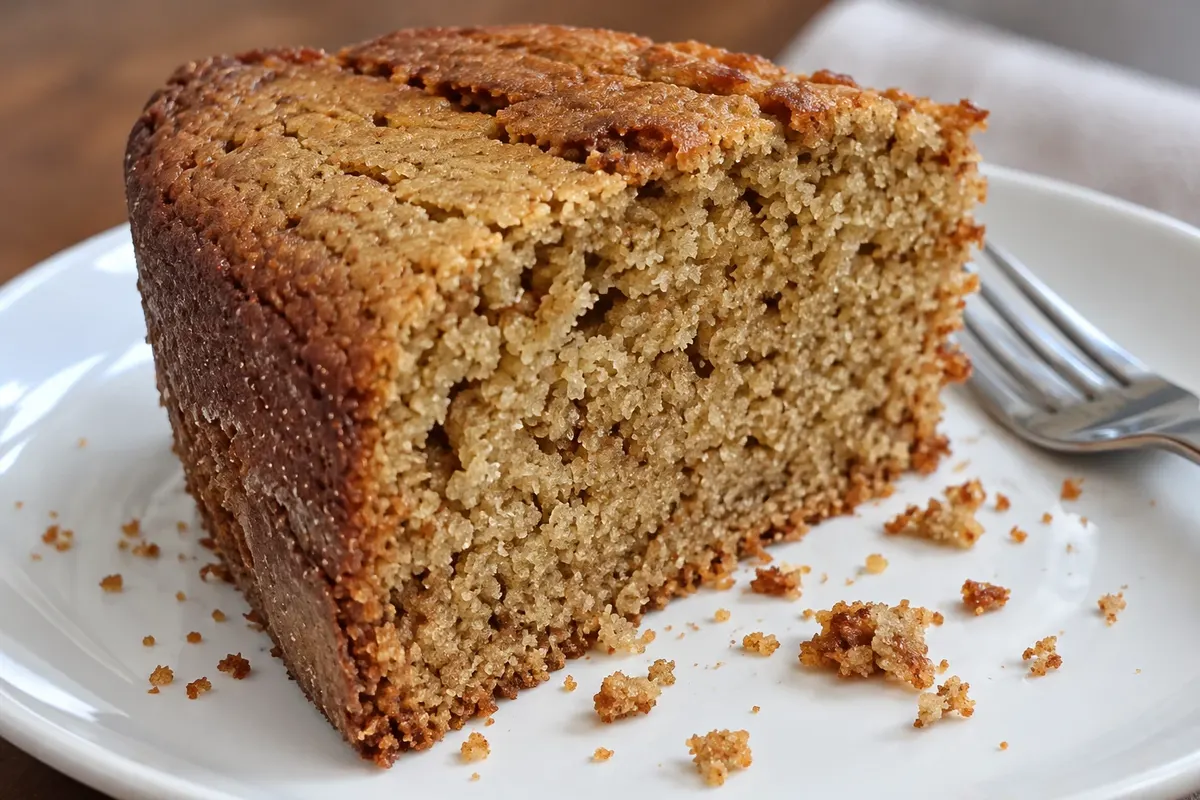
Dark wheat-flour cake sweetened with miel de caña, the dark cane molasses, instead of sugar. In a roll version it’s called pan hũ or boquerón. Itá, the city of the clay water jar and honey, keeps the tradition of making it.