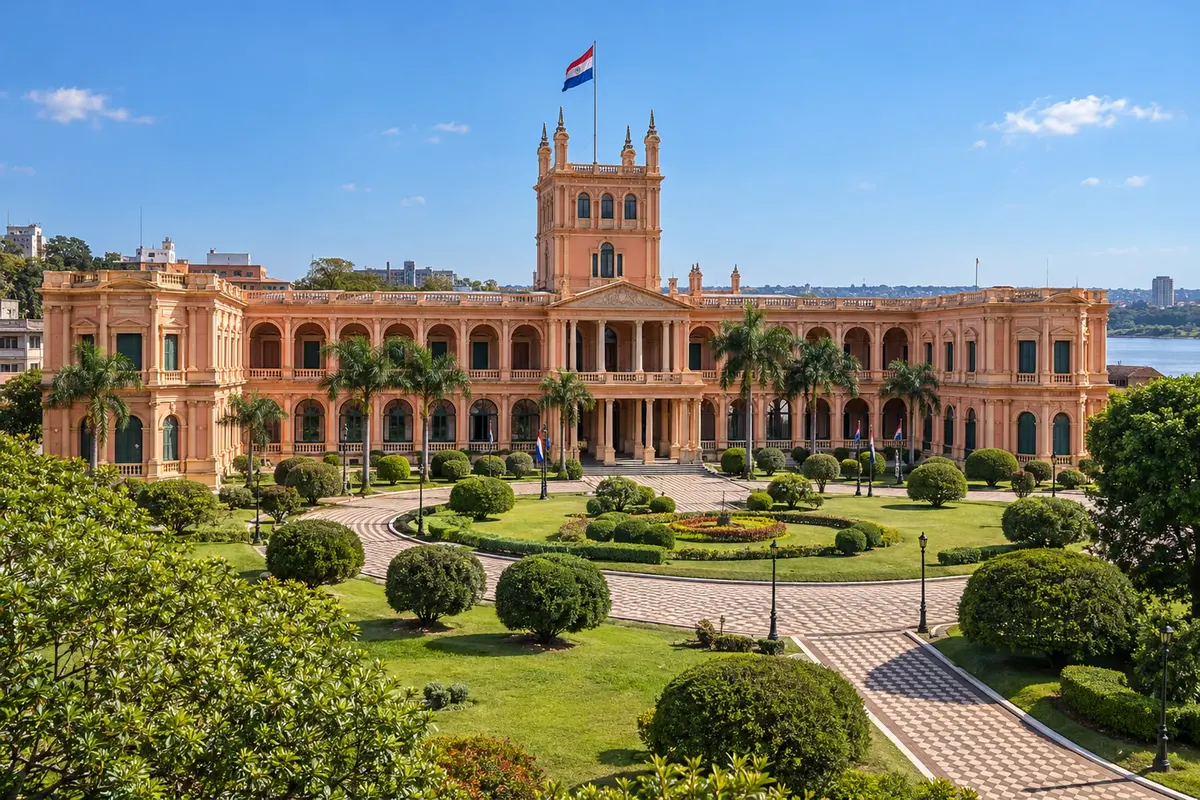
Dish · Coronel Bogado
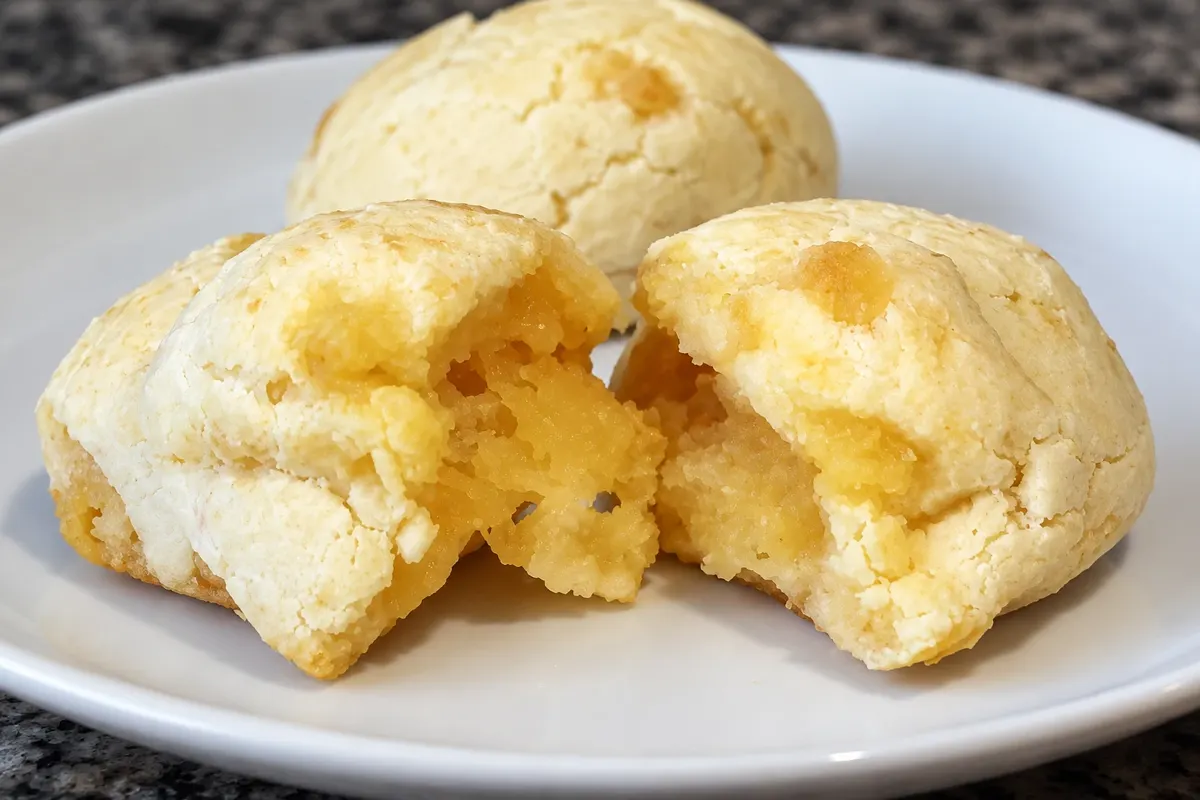
Chipa
Small bread made from cassava starch with cheese, egg and fat, baked in a ring or ball shape. It is Paraguay’s national food, and Coronel Bogado holds the official title of National Capital of the Chipa.

 Search
 Brazil
 Argentina
 Bolivia
 Chile
 Colombia
 Ecuador
 Guyana
 French Guiana
 Falkland Islands (Malvinas)Paraguay
 Peru
 Suriname
 Uruguay
 Venezuela
 Germany
 Austria
 Belgium
 Croatia
 Denmark
 Spain
 Finland
 France
 Greece
 the Netherlands
 Hungary
 Ireland
 Iceland
 Italy
 Luxembourg
 Norway
 Poland
 Portugal
 the United Kingdom
 the Czech Republic
 Sweden
 Switzerland
 Turkey
 the United States
 Mexico
 the Dominican RepublicTurkey
 South Africa
 Australia
 Fiji
Flavors · Itá
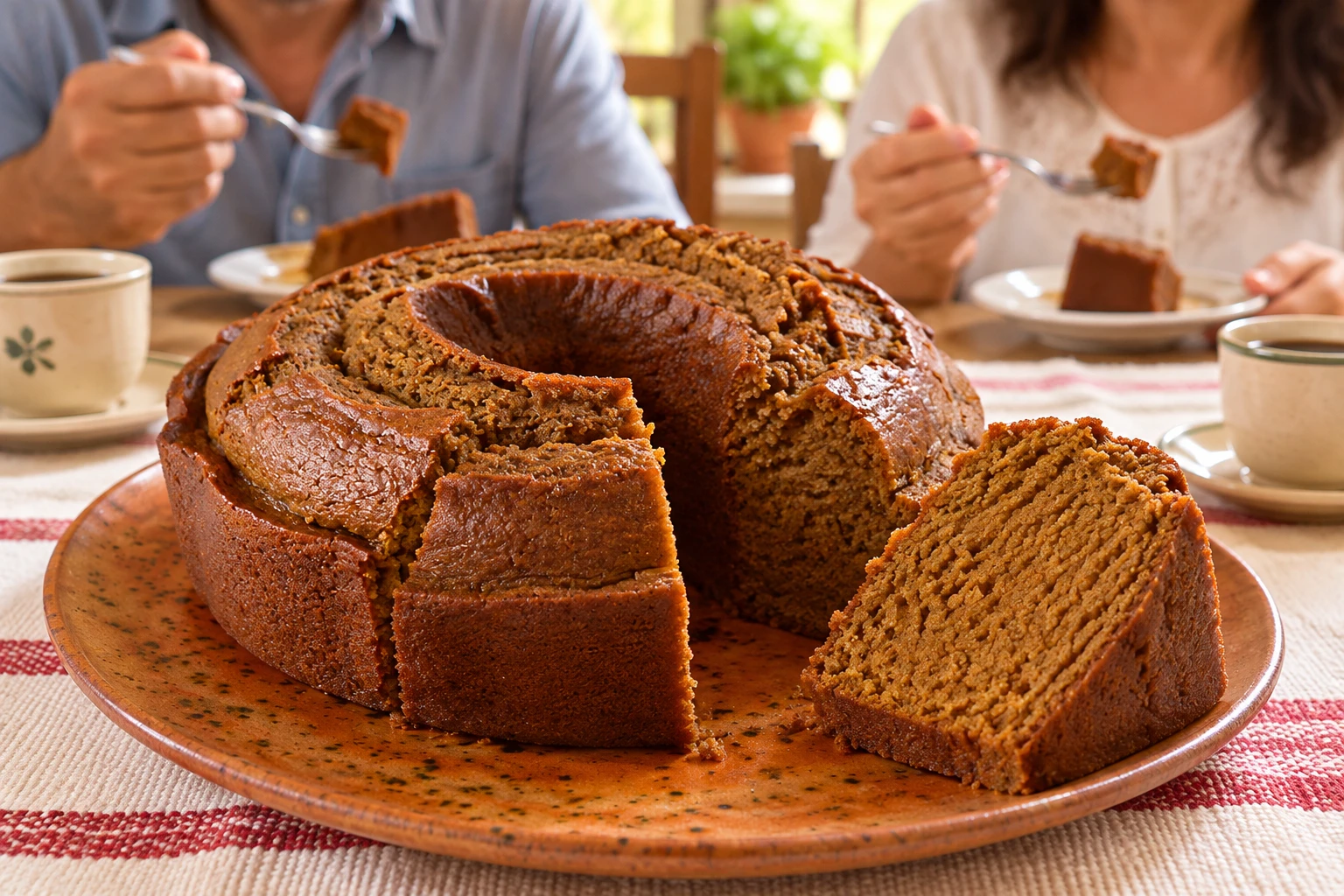
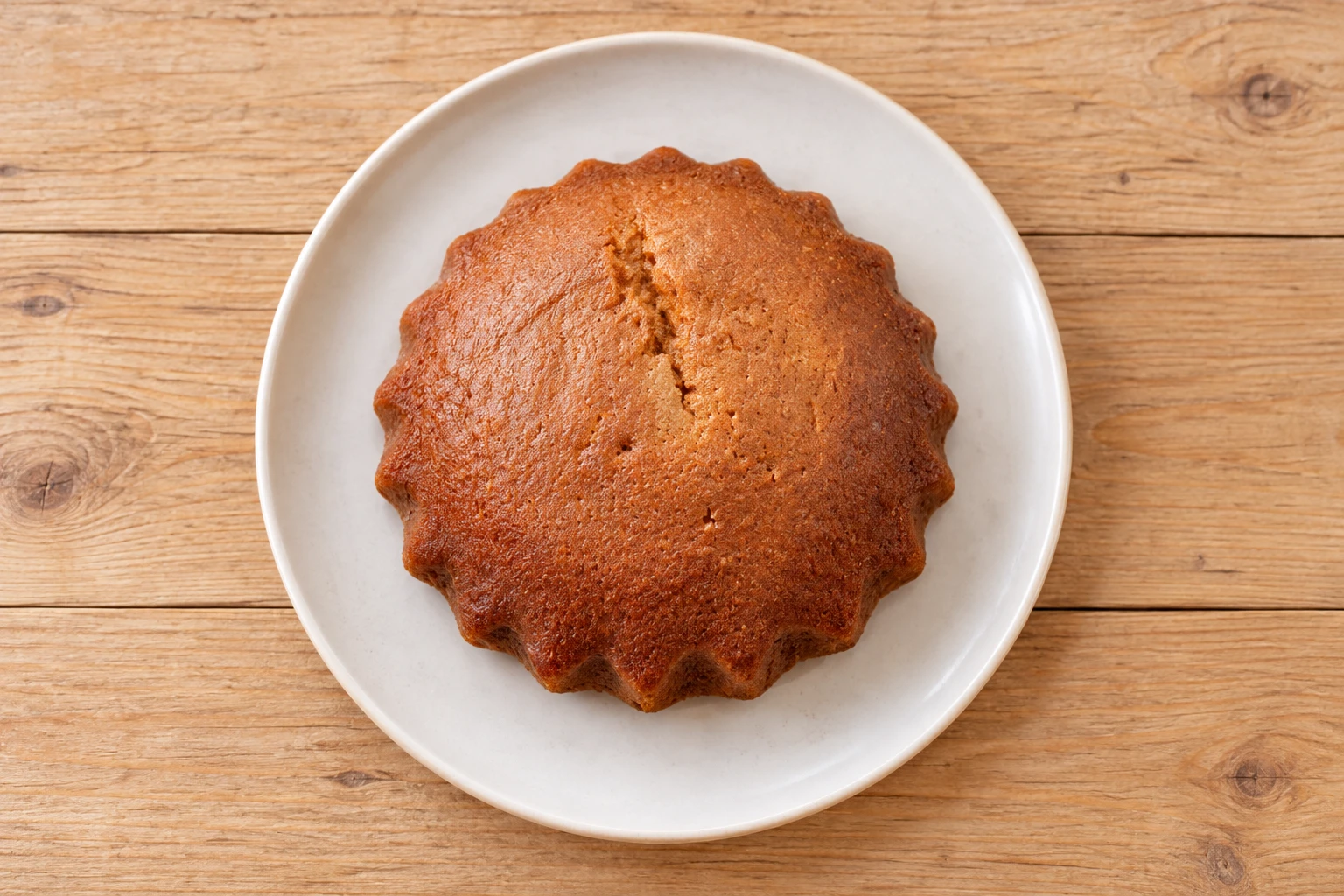
Dark wheat-flour cake sweetened with miel de caña, the dark cane molasses, instead of sugar. In a roll version it’s called pan hũ or boquerón. Itá, the city of the clay water jar and honey, keeps the tradition of making it.
Traditional sweet from Itá, Central
Also known as: torta hũ, torta hu, pan hũ, pan hu, boquerón
Illustrative images. The pictures in this guide are illustrations based on the real place, not photographs, and may differ from it.

Click a photo to enlarge it.

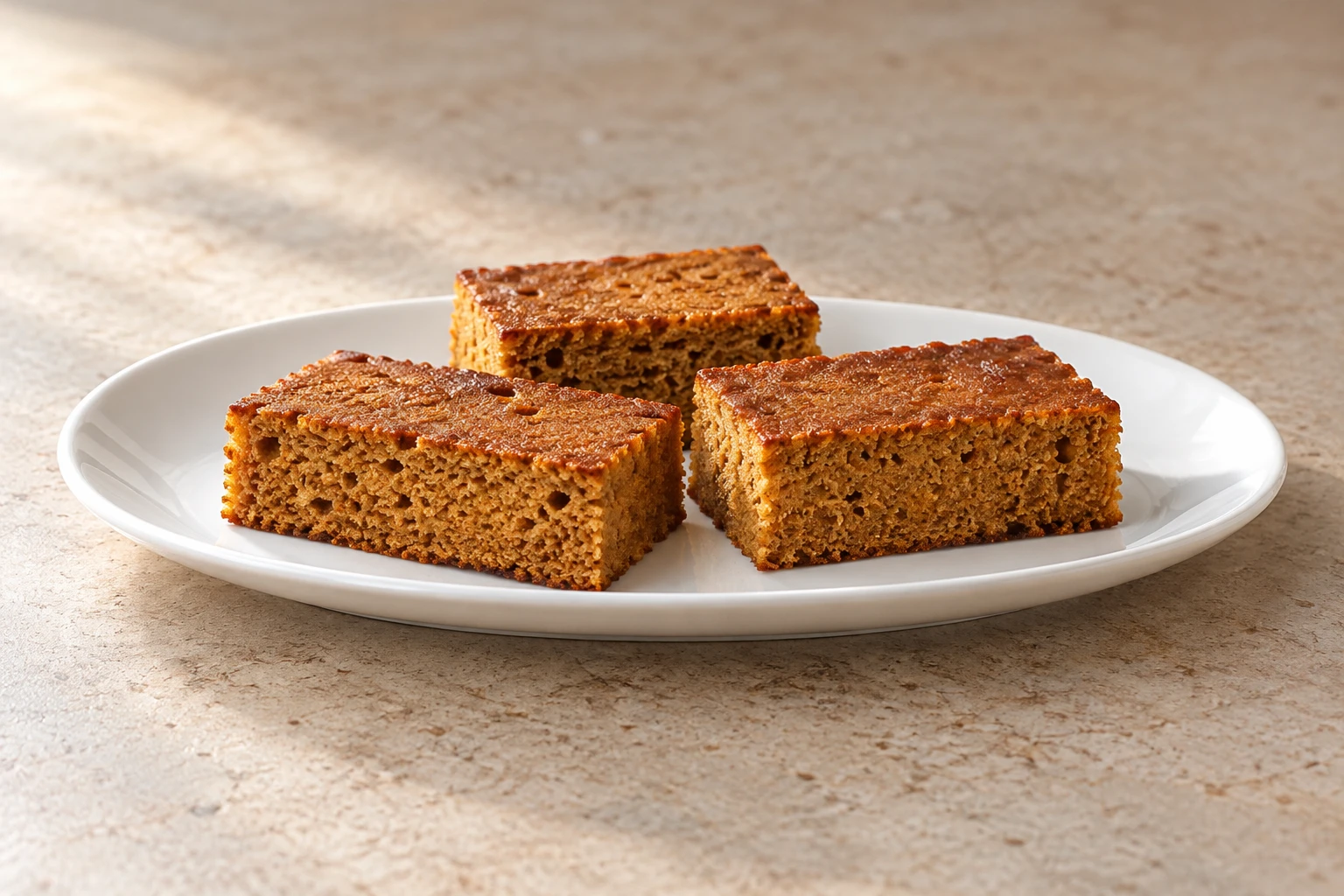
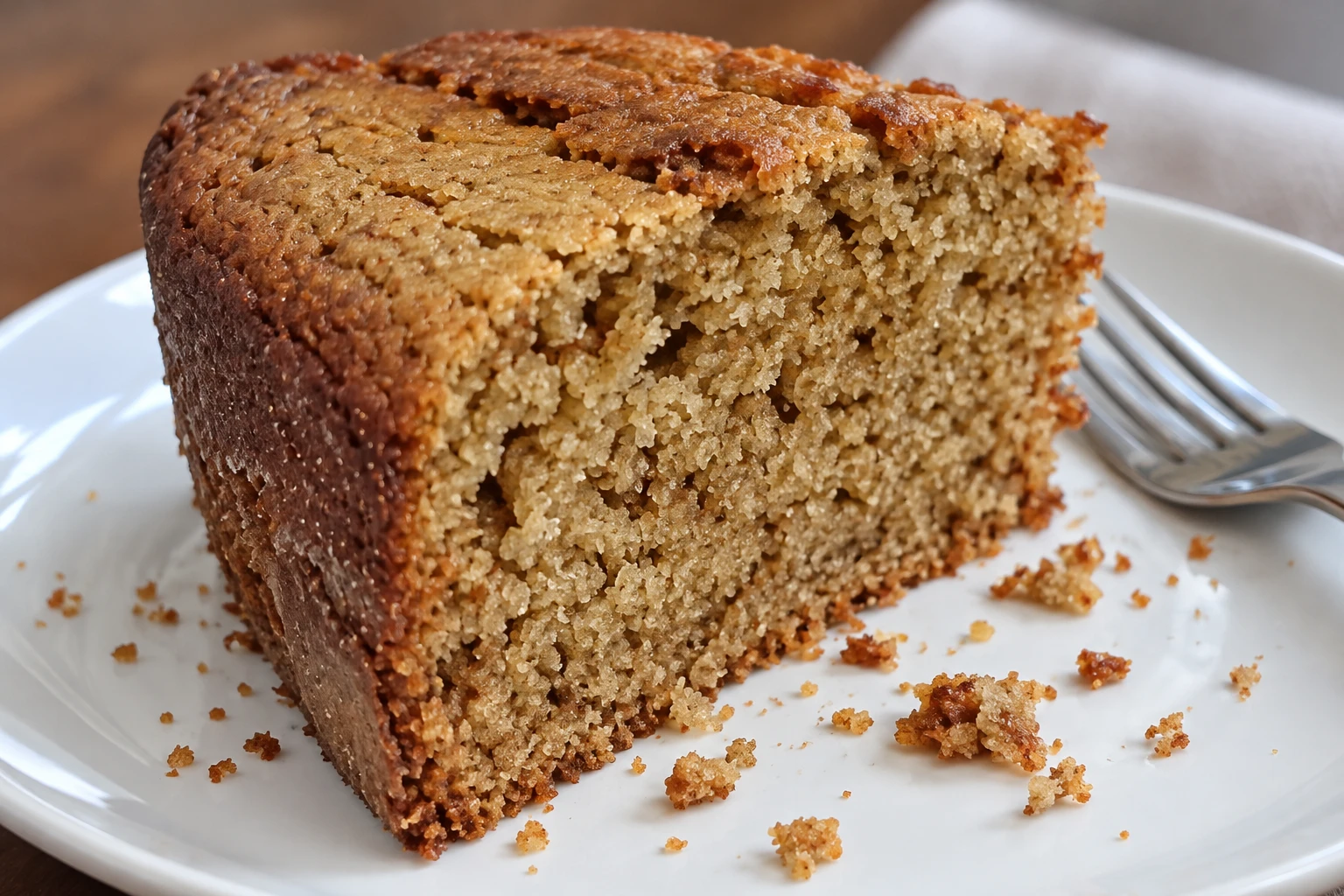
Torta de miel — Itá, Paraguay
The torta de miel, also called torta hũ, is a wheat-flour cake sweetened with miel de caña, the dark molasses obtained by boiling sugarcane juice. The batter also contains a little fat or oil and baking soda, which makes it rise without yeast. Many recipes add orange or lemon zest or juice, and some people add chopped banana.
According to Paraguayan historian Margarita Miró Ibars, the sweet originated as an adaptation: neither wheat nor sugarcane are native to the country, but the molasses was made in almost every community and was always on hand. The confection spread further with immigrants who arrived after the War of the Triple Alliance, in the late 19th century.
The same batter makes pan hũ and boquerón, small round or rectangular honey rolls. Boquerón was sold in schools at recess and in neighborhood stores; no one knows for sure where the name comes from.
Itá, 37 km from Asunción, officially presents itself as the city of the clay water jar and honey. The historian records that, for several decades, the municipality has been the keeper of the production of melado, pan hũ, boquerón and peanut sweet. The production of miel de caña follows the cultivation of cane on the fertile lands of the municipality, and the mel and cake factories, in Itá’s rural compañías, are part of what the city shows visitors.
Itá , Central
Itá presents itself as the city of the clay water jar and honey; according to historian Margarita Miró Ibars, the municipality preserves the production of melado, pan hũ and boquerón.
Wheat flour, miel de caña (cane molasses), fat or oil and baking soda. Orange or lemon zest or juice are common; there are versions with chopped banana.
In slices or as a roll, for a snack, with cocido, coffee or mate. Pan hũ and boquerón fit in the hand and are sold already packaged.
All year round, for snack time. In Itá, the feast of San Blas on February 3 attracts many visitors to the town.
Your questions
A dark wheat-flour cake sweetened with miel de caña, the cane molasses, instead of sugar. It is also called torta hũ.
The batter is the same, made of flour and cane molasses. The torta is baked whole and cut into slices; pan hũ and boquerón are small round or rectangular rolls.
Itá presents itself as the city of the clay water jar and honey. Historian Margarita Miró Ibars records that the municipality has been, for decades, the keeper of the production of melado, pan hũ and boquerón.
Not in the traditional recipe: the miel is cane molasses, obtained by boiling sugarcane juice.
Flavors of Paraguay
Small bread made from cassava starch with cheese, egg and fat, baked in a ring or ball shape. It is Paraguay’s national food, and Coronel Bogado holds the official title of National Capital of the Chipa.
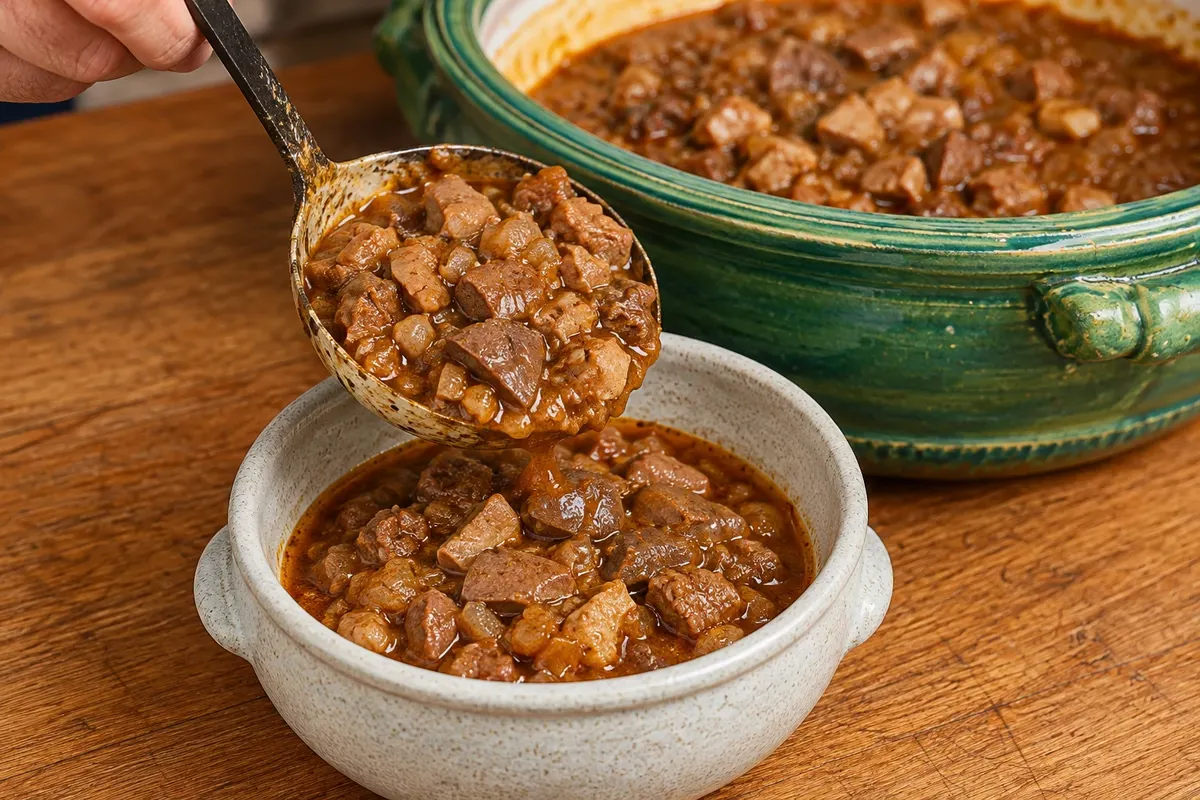
Stew of chopped offal, such as liver, heart, kidney, tongue and tripe, seasoned with onion, bell pepper, garlic, pepper and red wine.