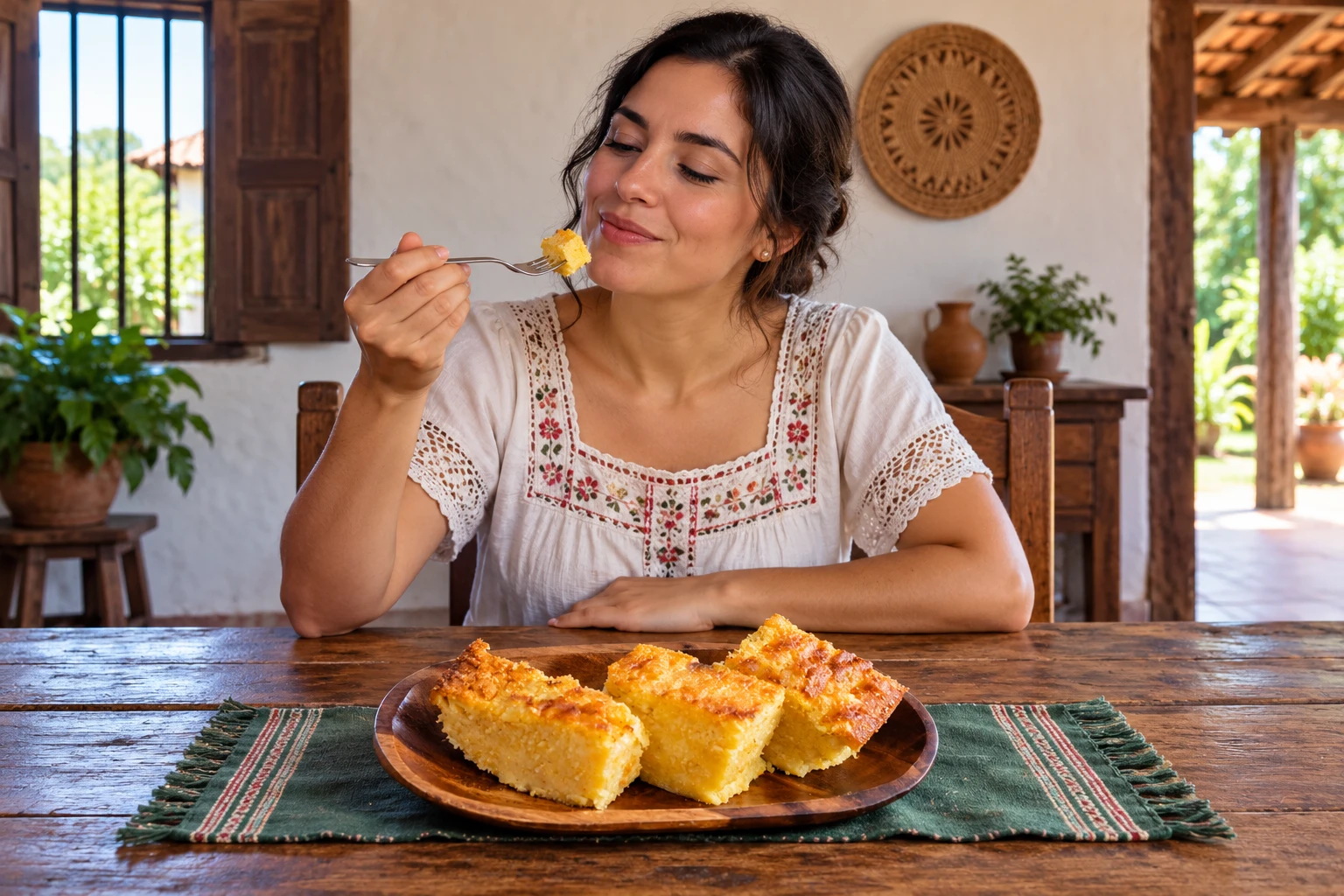
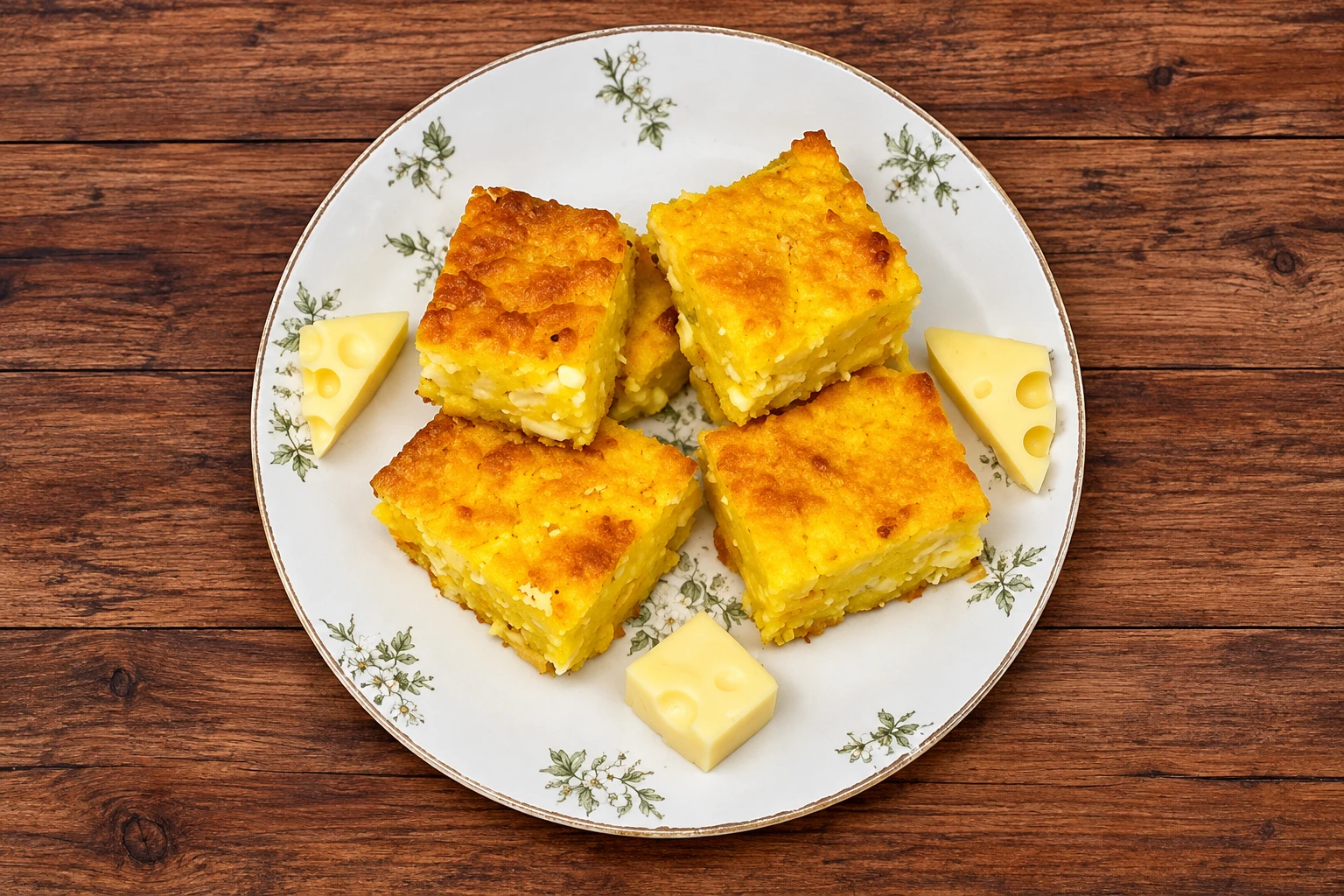
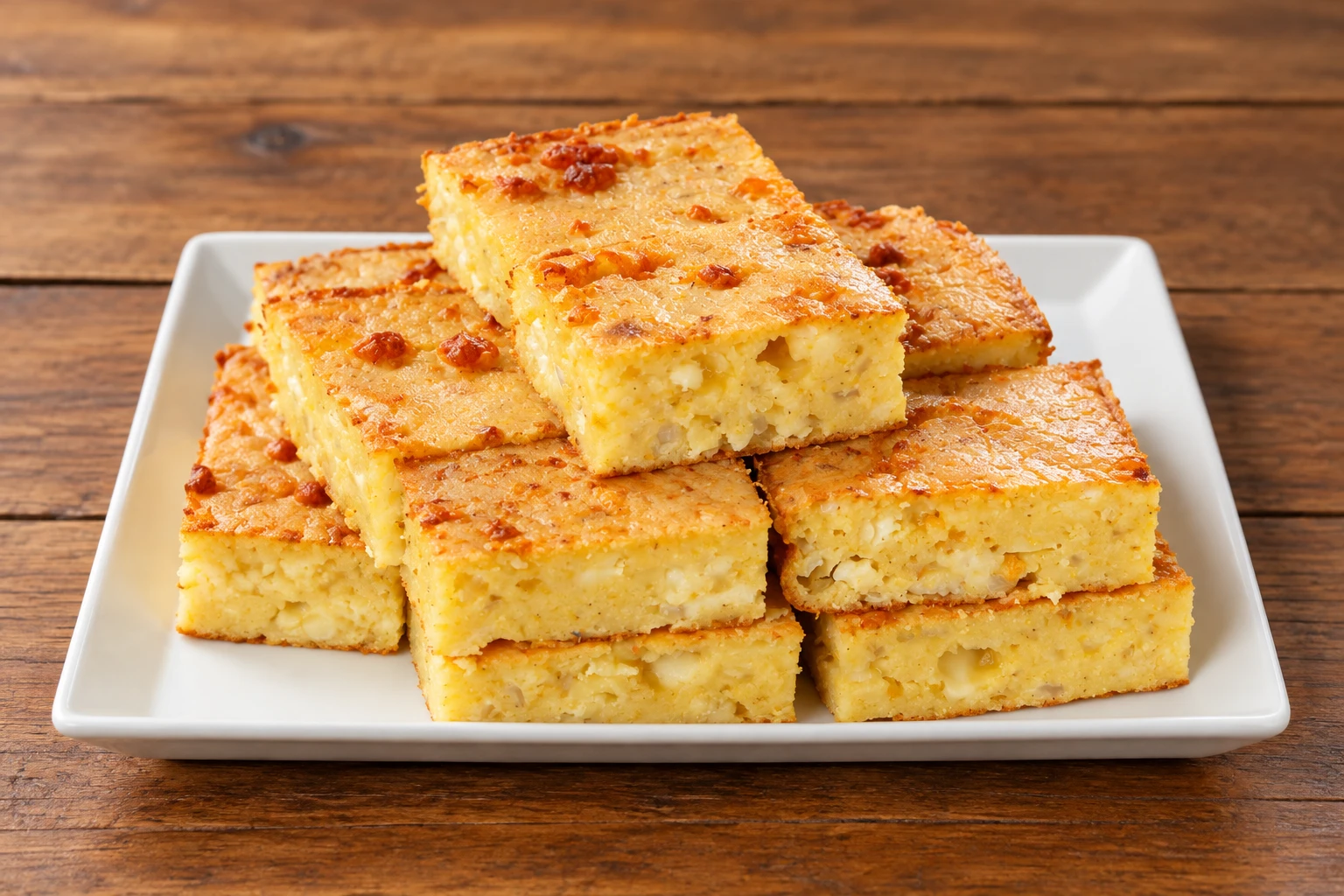
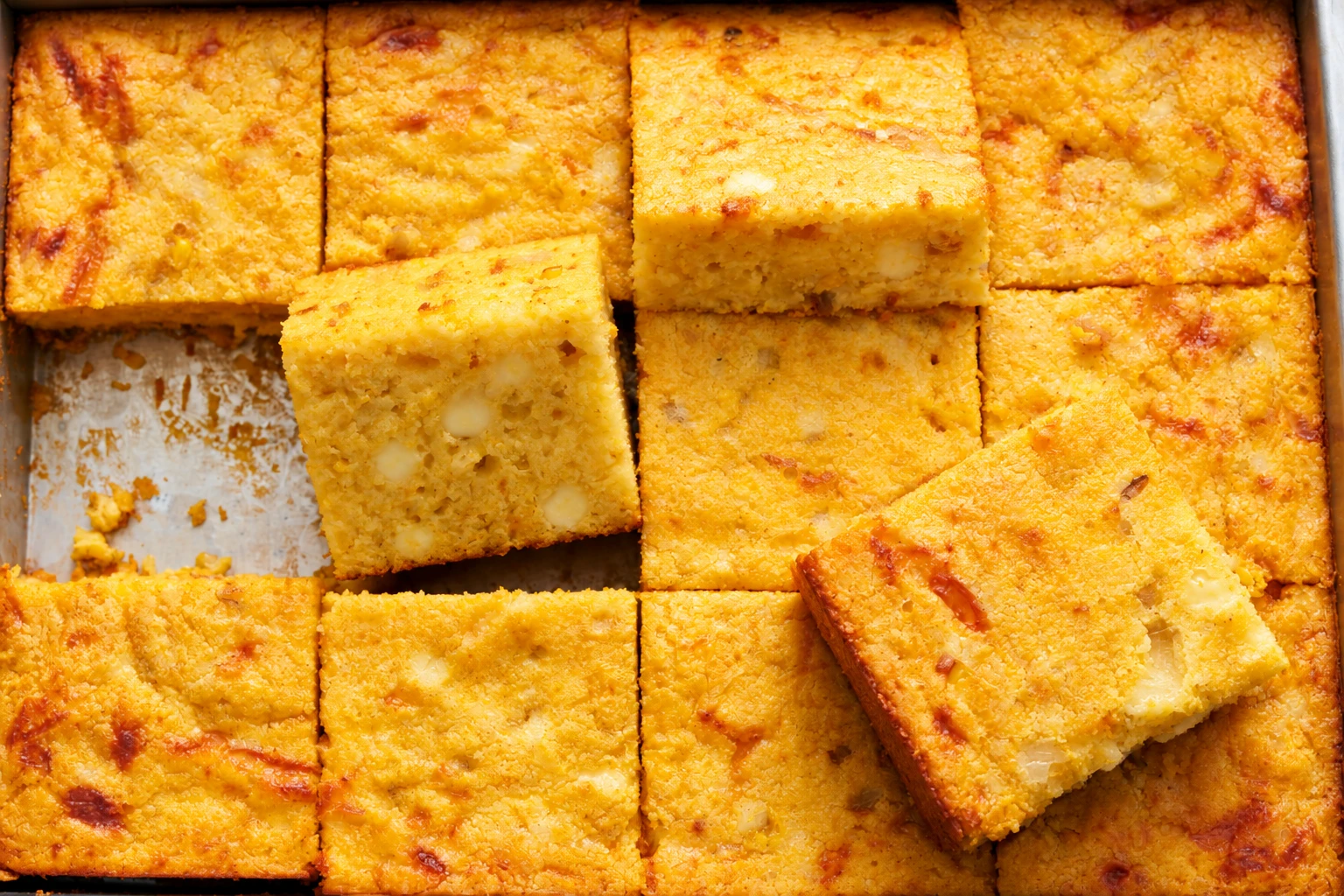
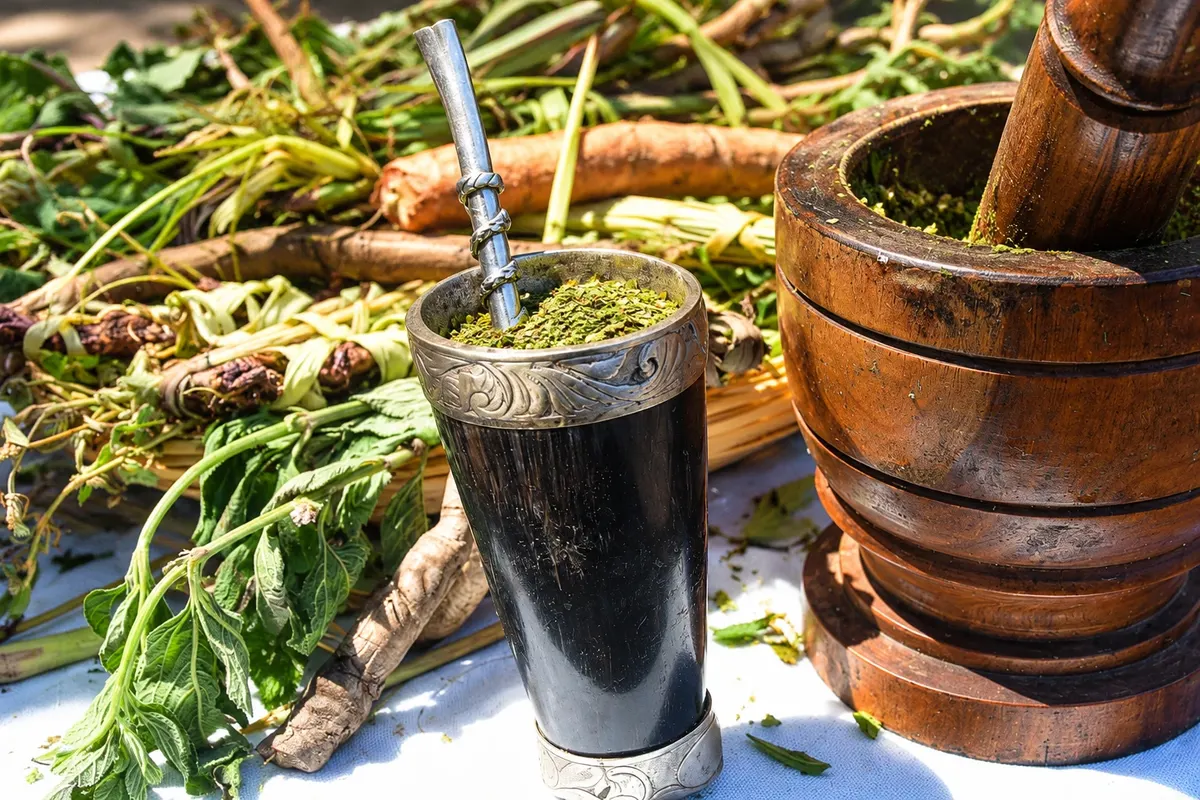
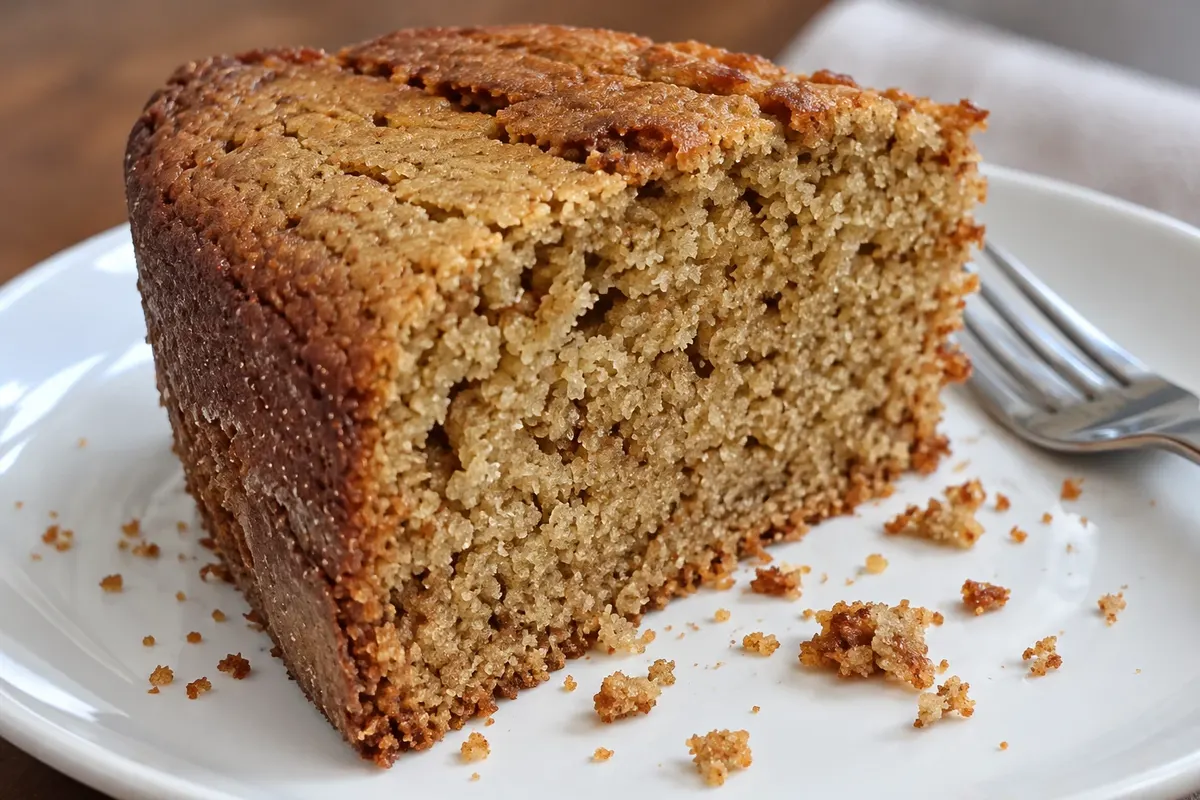
Sopa paraguaya is a cornmeal cake. The onion is slowly cooked in fat until soft and mixed with cornmeal, Paraguayan fresh cheese, milk or buttermilk, eggs and salt. The batter is baked in a pan until golden on top and moist inside. It is cut into squares and served hot or at room temperature. It is the obligatory side dish for asado and the staple dish at weddings, birthdays and family gatherings; it is also eaten on its own as a snack, with mate cocido.
The name confuses outsiders: it is the only “soup” eaten with a fork, or with the hands. The most repeated explanation is a legend. The cook of Carlos Antonio López, president of the country in the 19th century, is said to have added too much cornmeal to the president’s white soup and, to avoid wasting the preparation, put the mixture in the oven; López is said to have approved the result and named it sopa paraguaya. There is no document that confirms the story.
In August 2017, the National Secretariat of Culture declared sopa paraguaya intangible cultural heritage of Paraguay by Resolution 592, together with vori vori, locro and jopara. According to the secretariat, the aim was to safeguard dishes considered part of the national identity. The declaration applies to the entire country: the sopa is prepared in all departments, in homes, canteens and bakeries.
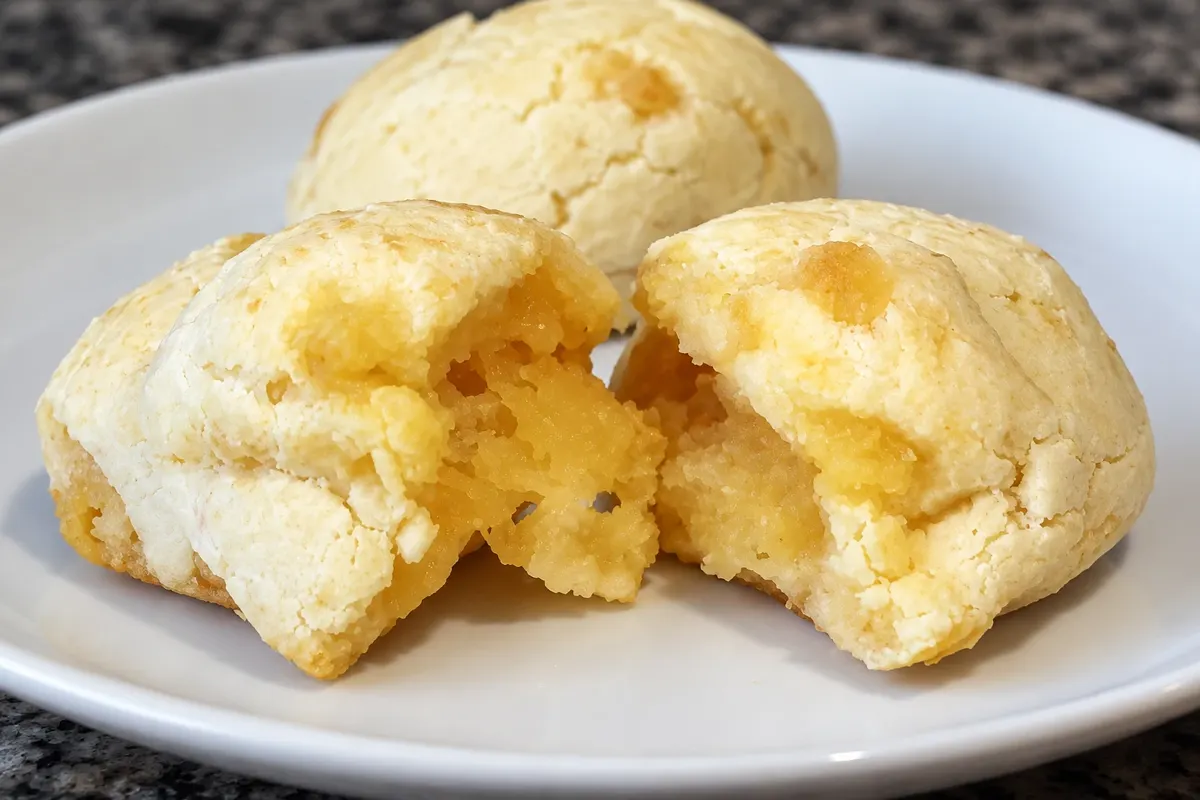
The sopa has close relatives. Chipa guasu uses grated fresh corn instead of cornmeal and is moister; mbeju is a cassava-starch and cheese pancake. Paraguayan families took the recipe to neighboring regions where it is also prepared, and a 2017 municipal law in Dourados, Mato Grosso do Sul, that declared it a local heritage provoked a reaction in Paraguay.


 Brazil
 Argentina
 Bolivia
 Chile
 Colombia
 Ecuador
 Guyana
 French Guiana
 Falkland Islands (Malvinas)
 Peru
 Suriname
 Uruguay
 Venezuela
 Germany
 Austria
 Belgium
 Croatia
 Denmark
 Spain
 Finland
 France
 Greece
 the Netherlands
 Hungary
 Ireland
 Iceland
 Italy
 Luxembourg
 Norway
 Poland
 Portugal
 the United Kingdom
 the Czech Republic
 Sweden
 Switzerland
 Turkey
 Canada
 the United States
 Mexico
 the Dominican Republic
 South Africa
 Australia
 Fiji
 New Zealand
 Papua New Guinea