Sweet · Suriname
Bojo
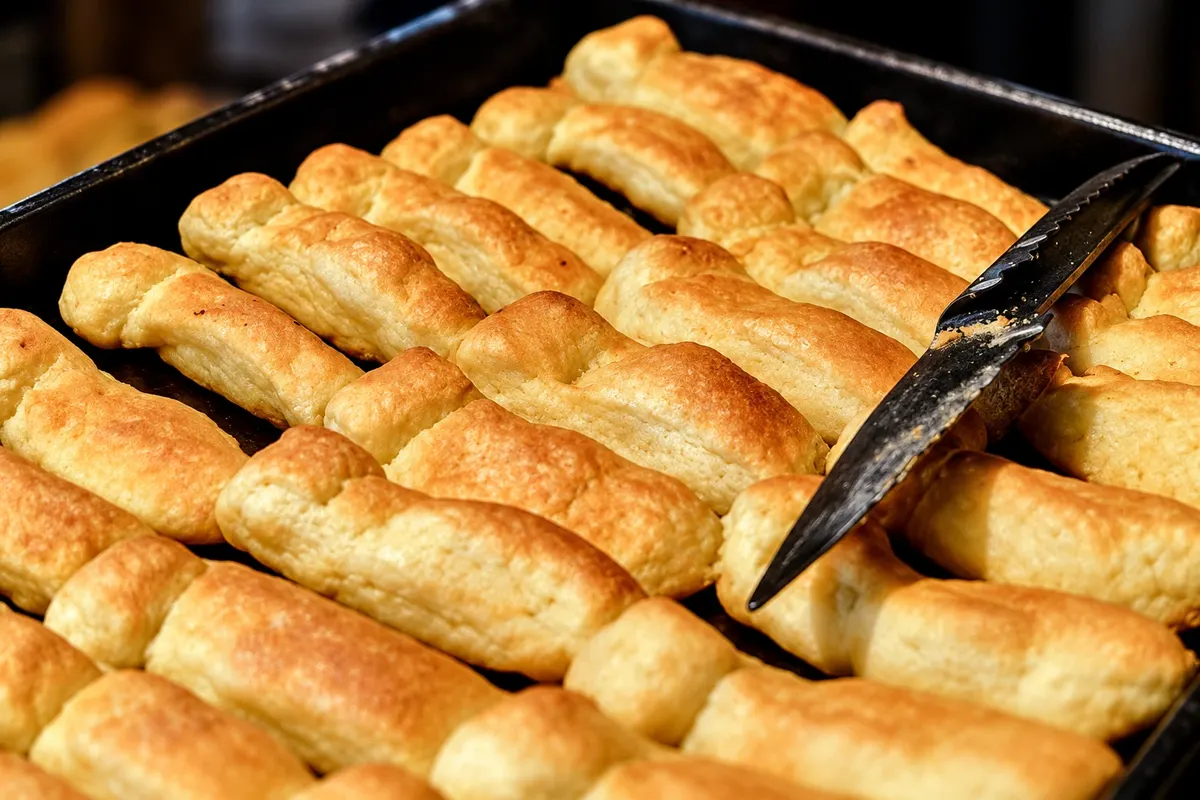
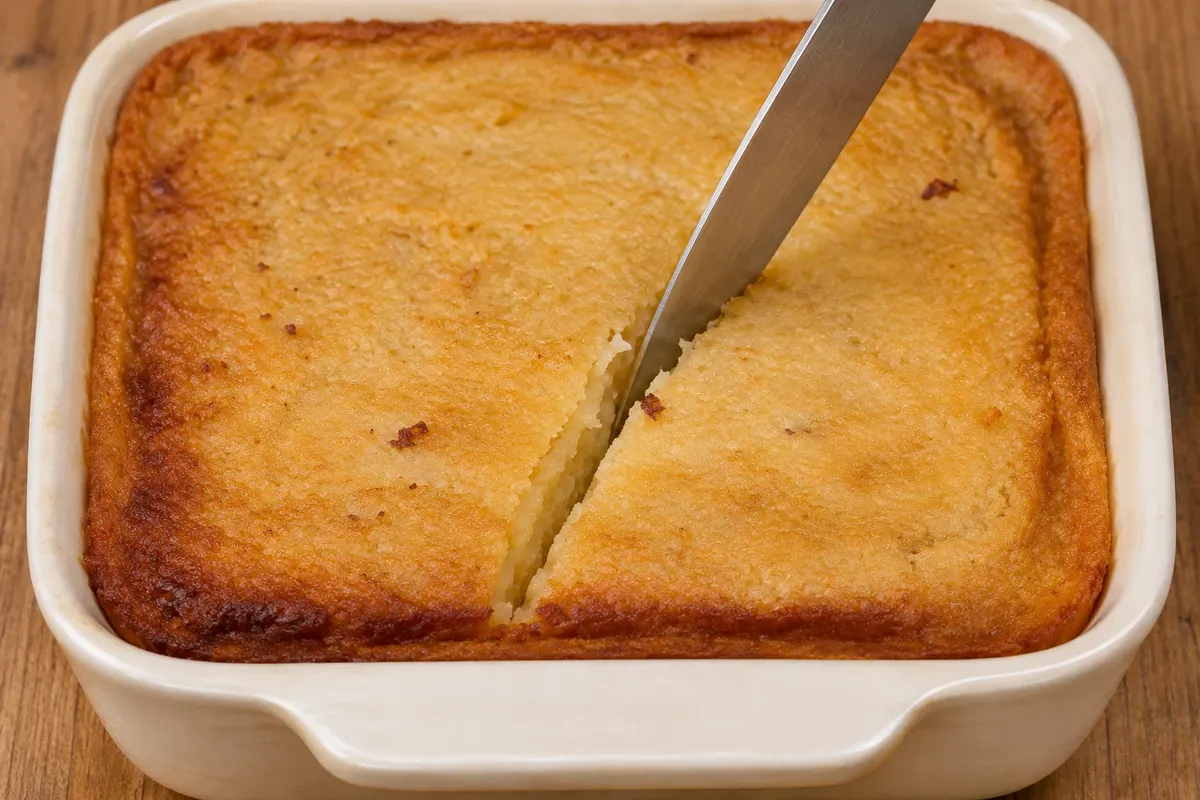
Dense cake made from grated cassava and coconut, without egg or leavening, with an elastic crumb and crunchy crust. A sweet from the Surinamese Creole tradition, commonly served at birthdays and celebrations.

 Search
 Brazil
 Argentina
 Bolivia
 Chile
 Colombia
 Ecuador
 Guyana
 French Guiana
 Falkland Islands (Malvinas)
 Paraguay
 PeruSuriname
 Uruguay
 Venezuela
 Germany
 Austria
 Belgium
 Croatia
 Denmark
 Spain
 Finland
 France
 Greece
 the Netherlands
 Hungary
 Ireland
 Iceland
 Italy
 Luxembourg
 Norway
 Poland
 Portugal
 the United Kingdom
 the Czech Republic
 Sweden
 Switzerland
 Turkey
 Canada
 the United States
 Mexico
 the Dominican RepublicTurkey
 South Africa
 Australia
 Fiji
 New Zealand
 Papua New Guinea
Traditional food · Suriname
Pom, roti, saoto, heri heri, pindasoep and bojo: dishes and sweets that tell the story of Suriname, with the origin, the ingredients and how to eat each one.
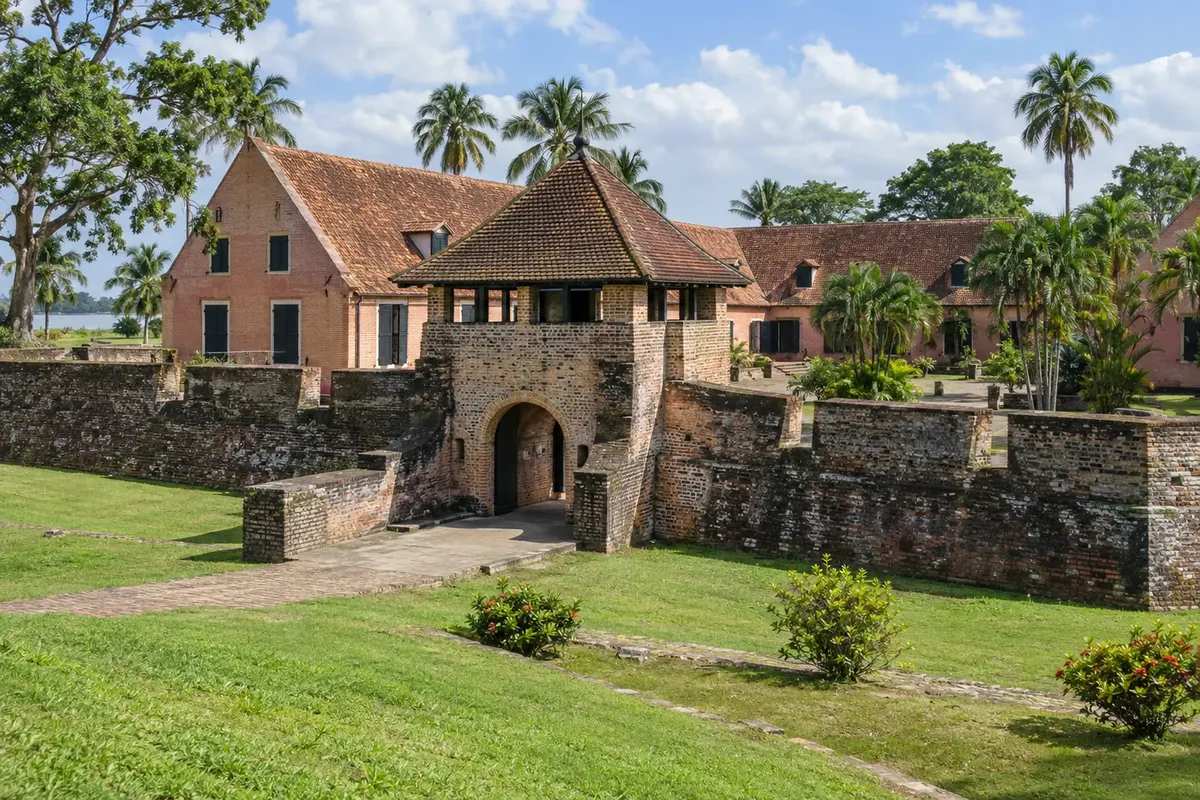
In the photo: Forte Zeelandia, Paramaribo
Illustrative images. The pictures in this guide are illustrations based on the real place, not photographs, and may differ from it.

The cuisine
Surinamese cuisine brings together the inheritances of peoples who arrived in the country at different moments in history. Indigenous peoples were already cultivating cassava. Enslaved Africans on the plantations created the foundation of Creole cooking. After the abolition of slavery in 1863, indentured workers came from British India, beginning in 1873, and from Java, beginning in 1890, as well as Chinese immigrants. Dutch and Portuguese Jewish settlers also left their marks on the table.
Each dish was born from one of these traditions and changed with the ingredients of the land. Pom, a baked dish made with a local root called pomtajer, is the best-known festive dish. Roti arrived with workers from India; saoto came with those from Java. Heri heri recalls plantation food and is associated with Keti Koti, July 1st, the date that marks the abolition of slavery in 1863. Each group brought its recipes, but today they are prepared in homes of all backgrounds.
Rice, chicken, cassava, plantain, peanut, coconut and the madame jeanette pepper appear in many recipes. In Paramaribo, the capital, kitchens stand side by side: there are houses specialized in roti, Javanese warungs in the Blauwgrond neighborhood and food stalls along the Waterkant, by the Suriname River.
Among the drinks, Parbo beer has been brewed in Paramaribo since 1955 by Surinaamse Brouwerij; like any alcoholic beverage, it is to be enjoyed in moderation. Dawet, a chilled coconut milk drink, is common in the warungs.
The specialties appear here as cuisine from all over Suriname, not tied to a single city or district. each page of a specialty describes its origin as recorded by sources, the ingredients and how to eat it.
6 flavors
Dense cake made from grated cassava and coconut, without egg or leavening, with an elastic crumb and crunchy crust. A sweet from the Surinamese Creole tradition, commonly served at birthdays and celebrations.
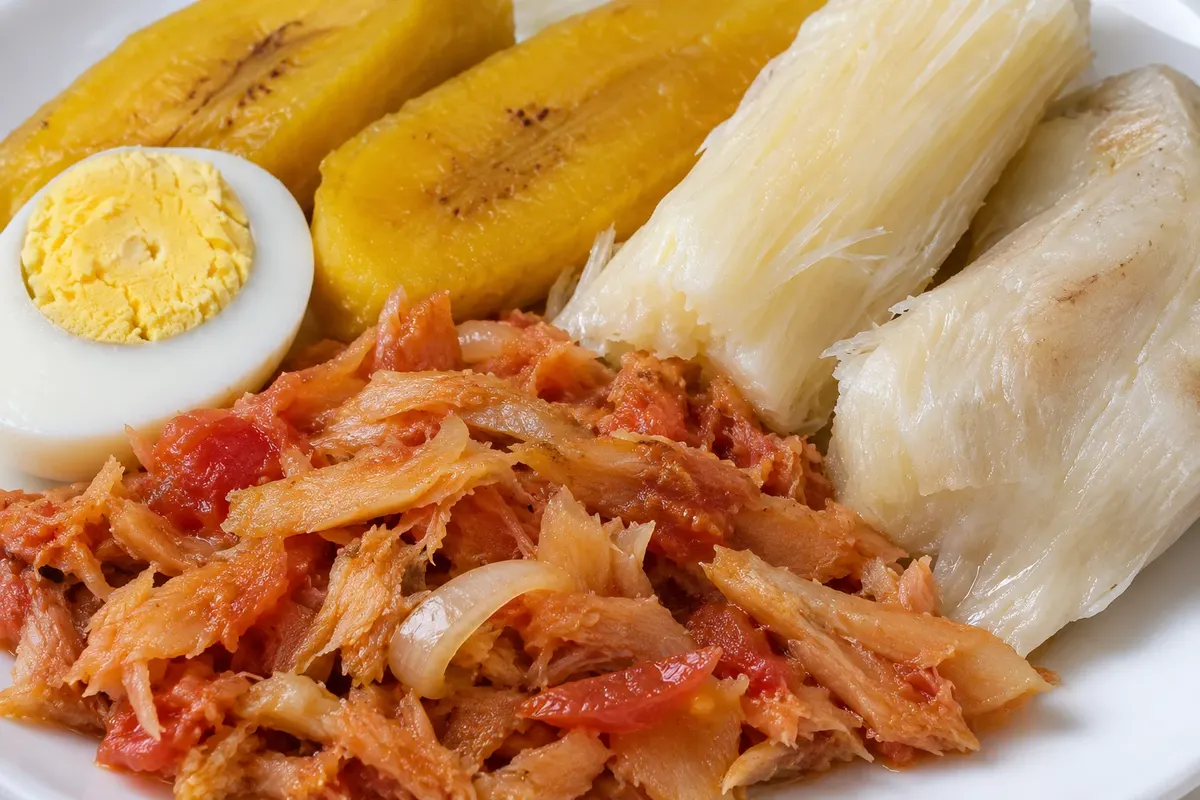
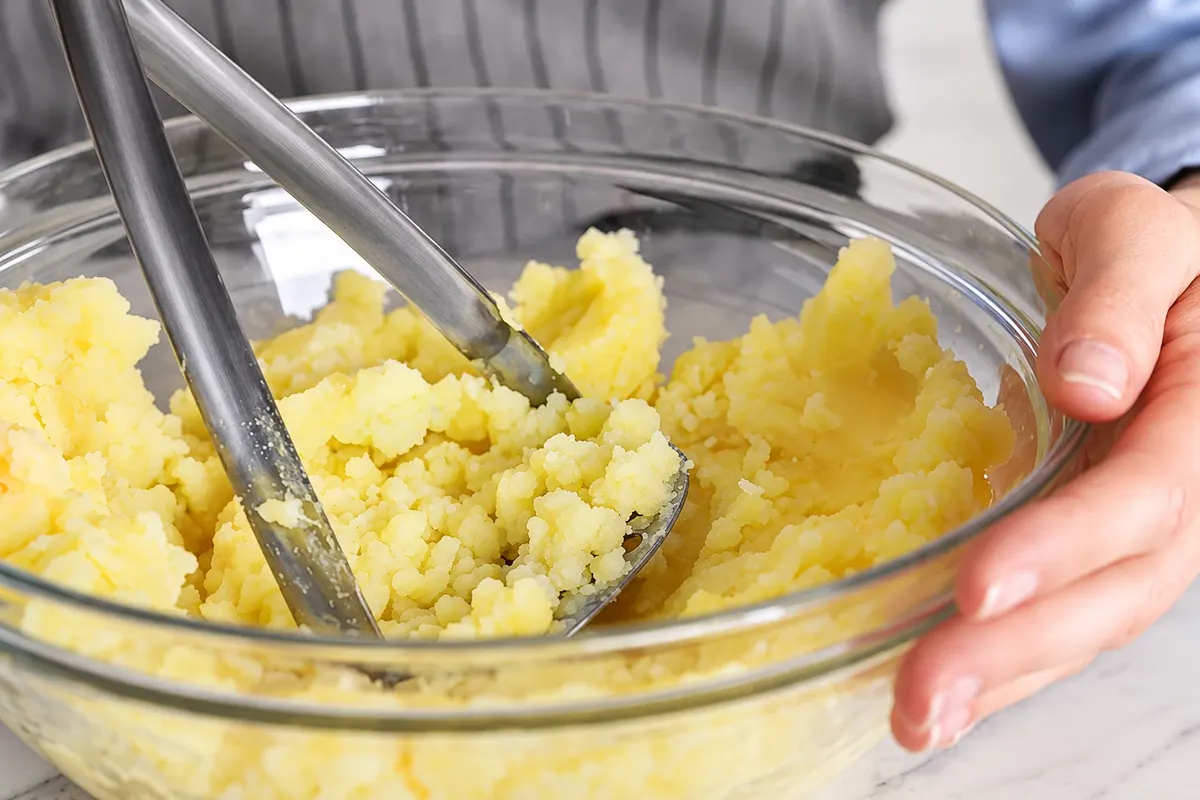
Dish of cassava, sweet potato, green and ripe plantain, salted cod and boiled egg. It originated from plantation food in the time of slavery and is associated with Keti Koti, July 1st.
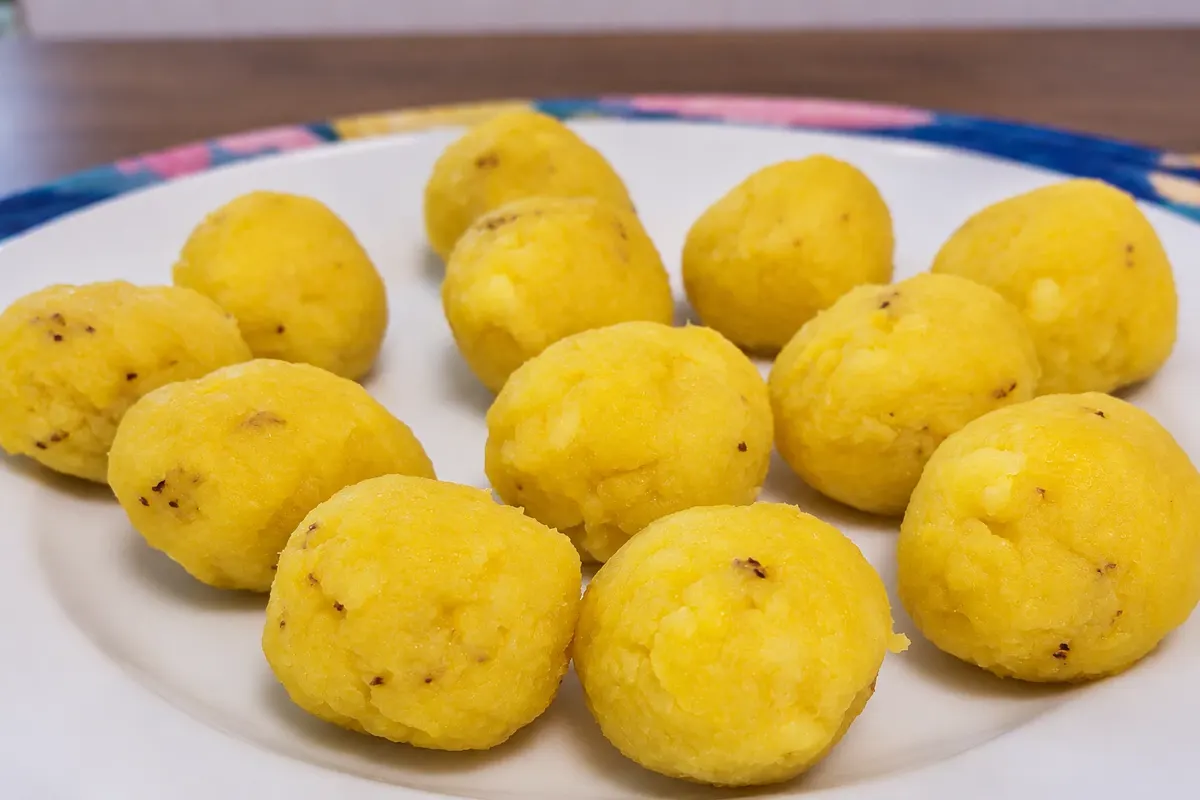
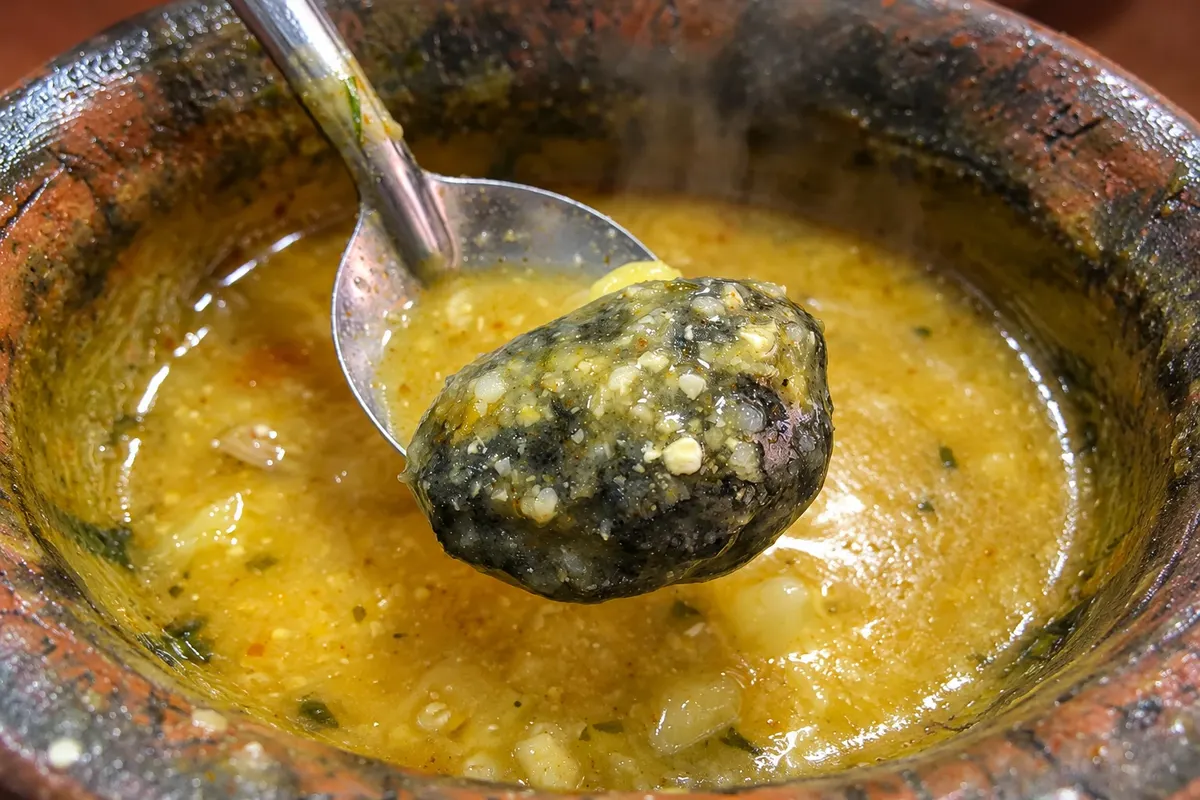
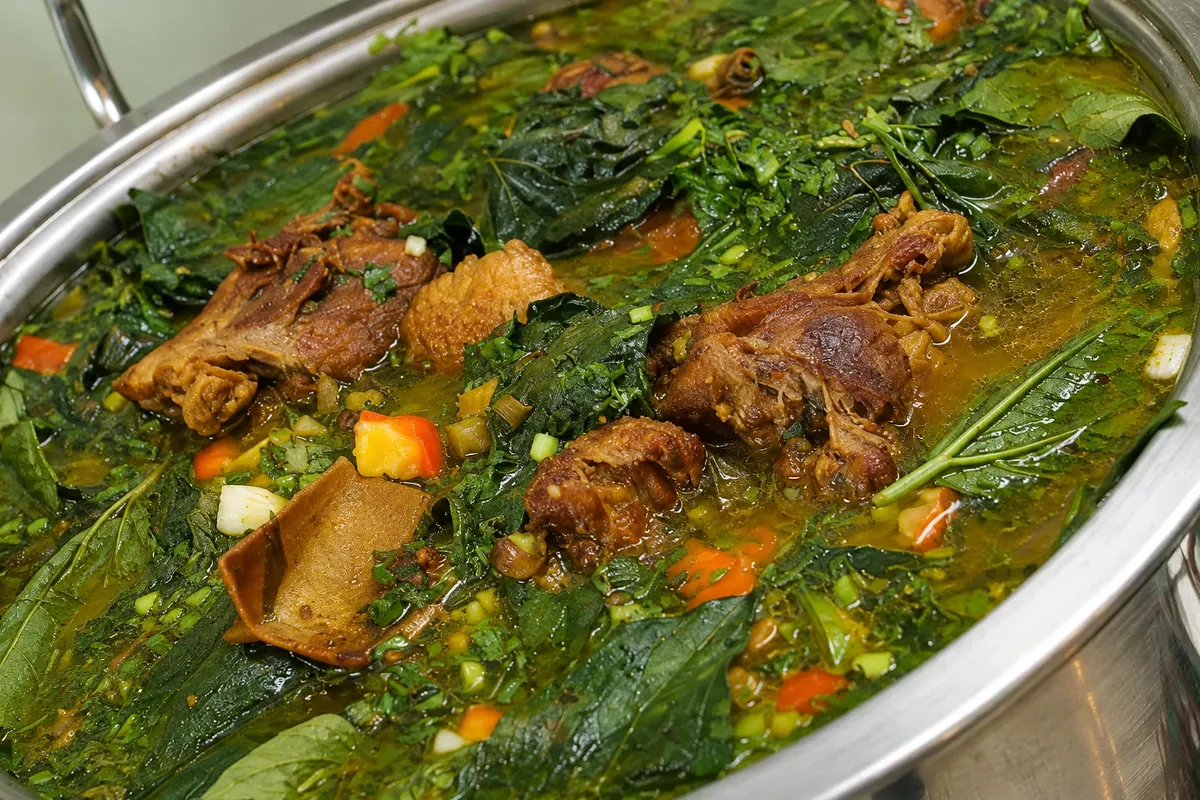
Peanut soup with chicken broth, served with tomtom — small balls of cooked, mashed plantain. It has roots in West African cuisine and is part of Suriname’s Creole culinary tradition.
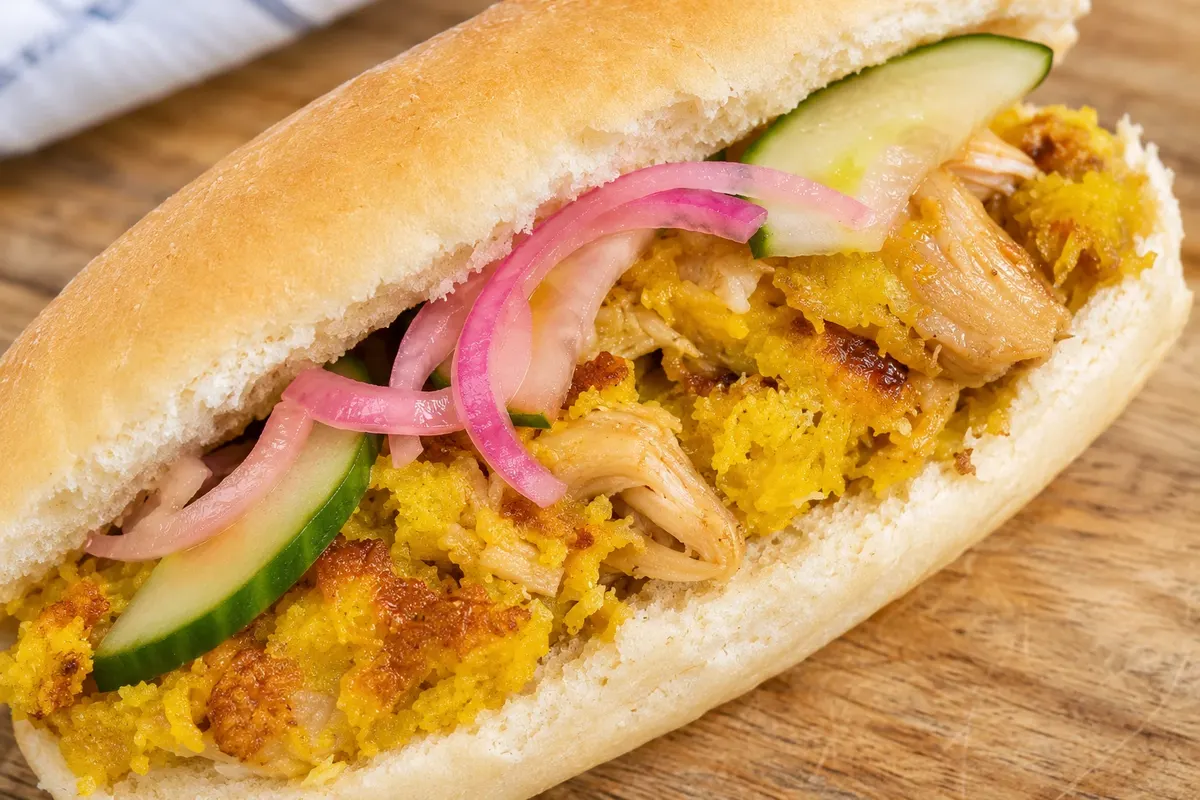
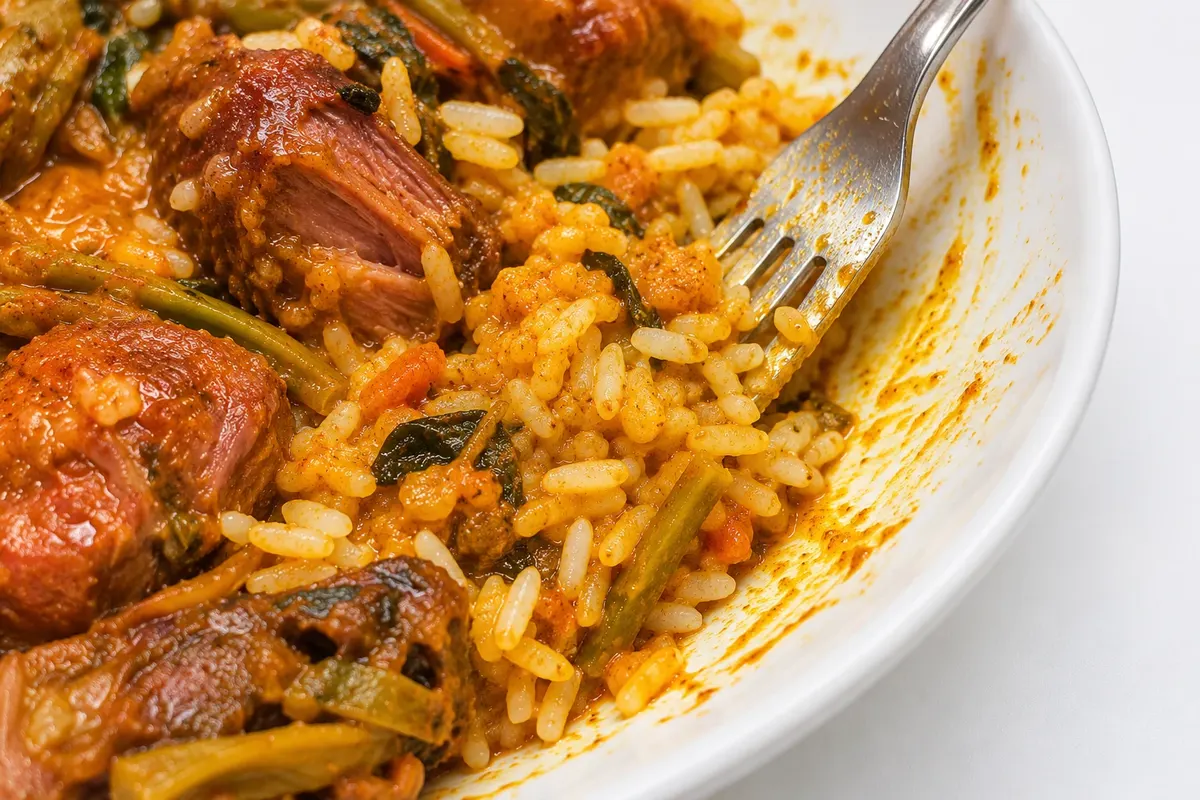
Baked dish made with pomtajer, a regional root, grated and mixed with citrus juice, layered with sautéed chicken. It is Suriname’s best-known festive dish and is often called the national dish.
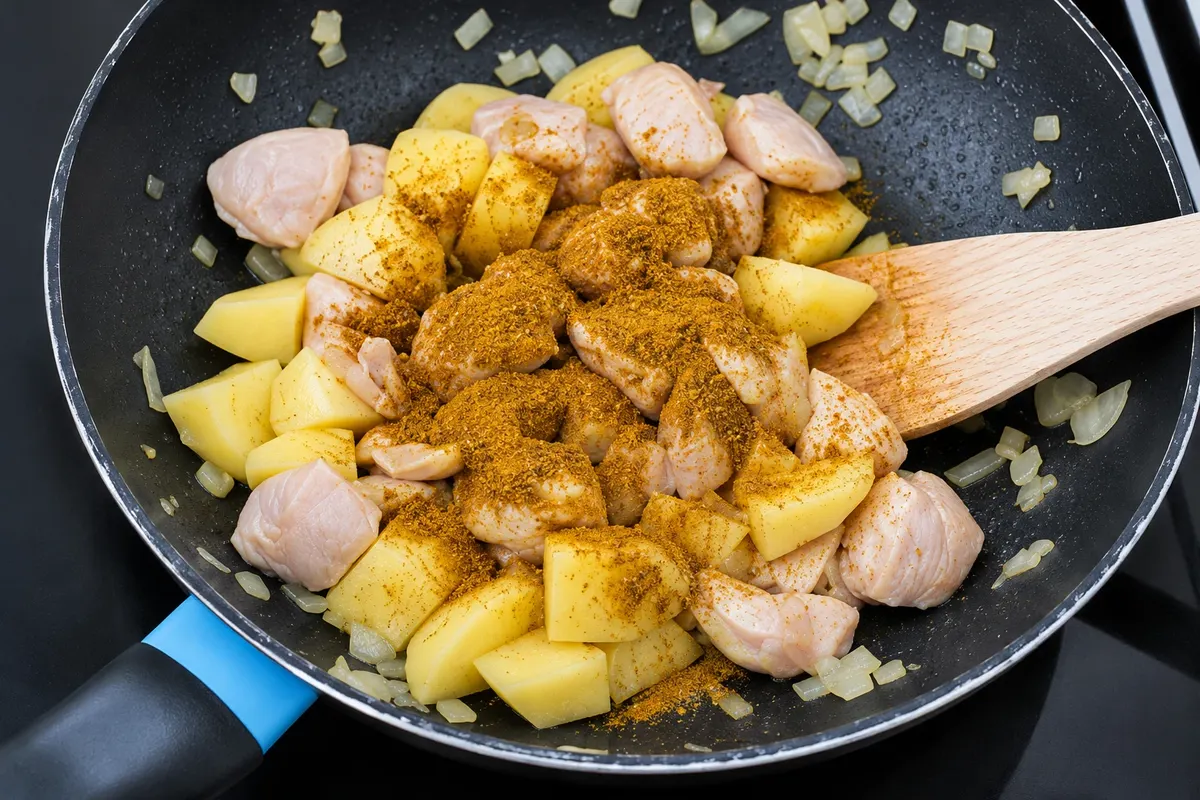
Flat thin bread of Indian origin, served with curried chicken, potato and kousenband, a long bean. It arrived in Suriname with indentured workers from British India starting in 1873, and today it is eaten throughout the country.
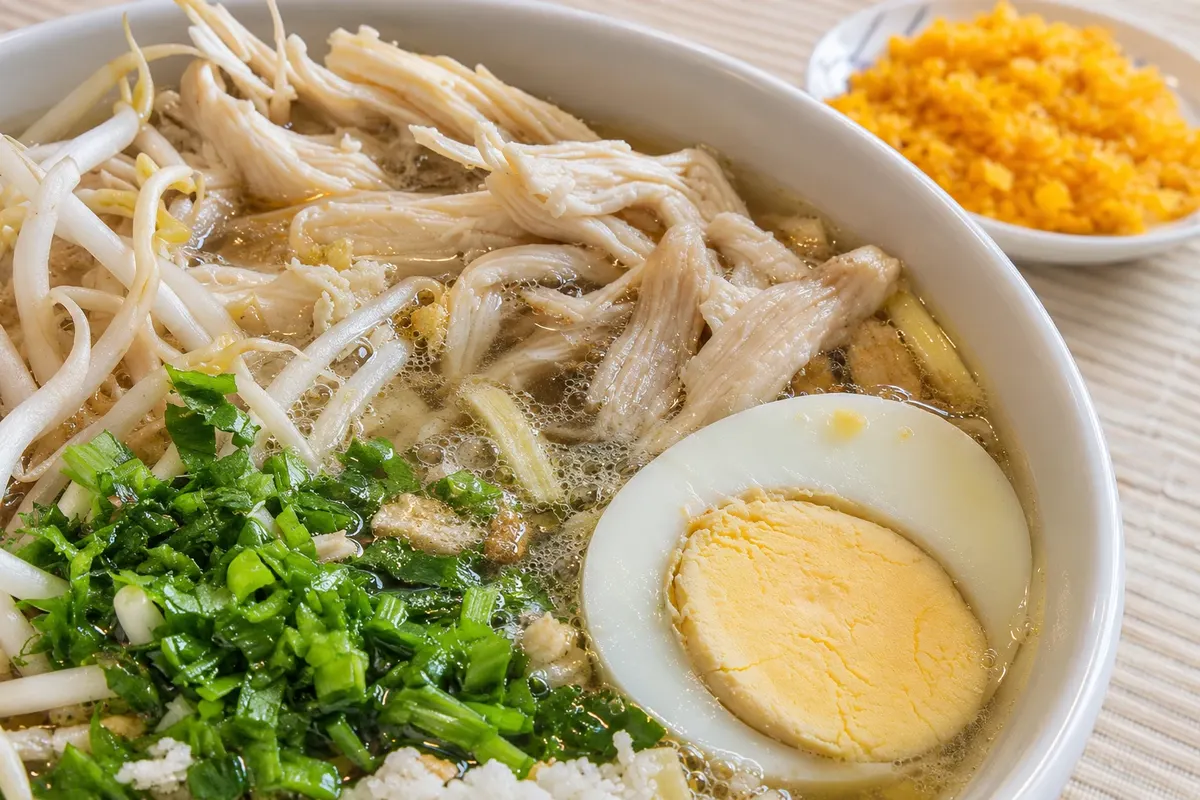
Clear chicken broth served over rice, with shredded chicken, bean sprouts, hard‑boiled egg, fried rice vermicelli and thin stick fries. It is the Surinamese version of Javanese soto, brought by Javanese workers from 1890.
Suggest a traditional dish, sweet or drink of Suriname that is not here. We check the sources before adding it.
Flavors of the world
Pick a country to see its traditional dishes, sweets and drinks.
Your questions
Pom, a baked dish made with pomtajer and chicken, is often called the national dish and is the country’s best-known festive dish. Roti, saoto and other dishes of different origins are also part of daily life throughout Suriname.
Because the population formed from indigenous peoples, enslaved Africans, indentured workers from British India and Java, Chinese immigrants and Europeans. Each group brought recipes that adapted to the country’s ingredients and came to be made in homes of all backgrounds.
Keti Koti, in Sranan Tongo, means ‘broken chains’. July 1st marks the abolition of slavery in Suriname in 1863 and is a national holiday, with parades and street celebrations in Paramaribo. Heri heri is the dish associated with that date.