Arepa
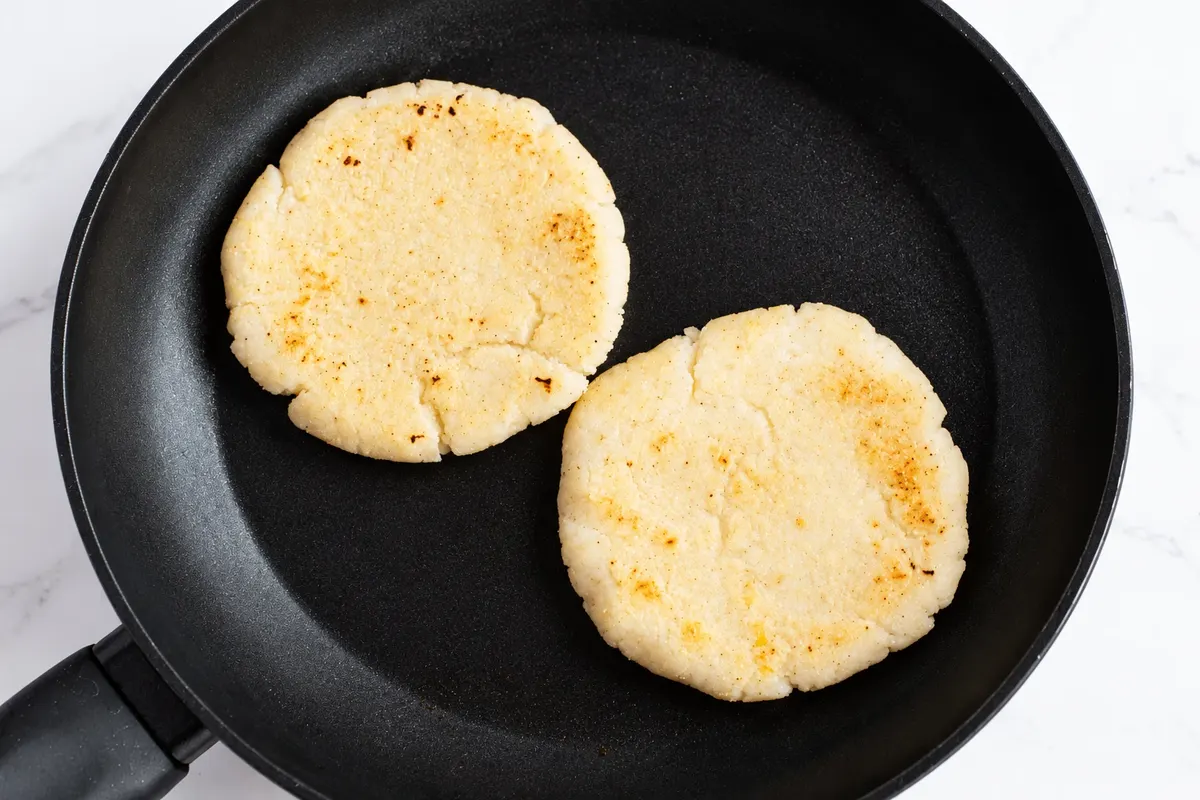
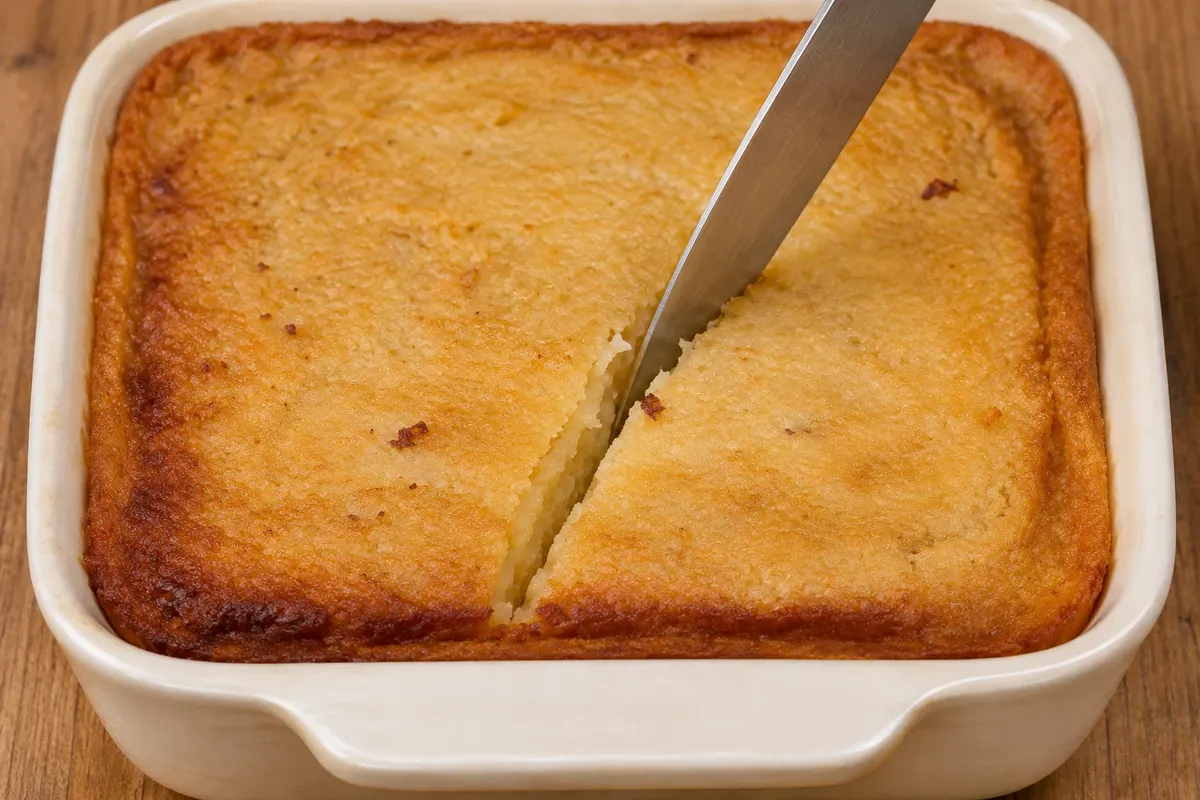
Corn dough disk grilled on a griddle, split open and filled like a sandwich. It’s an everyday food in Venezuela, eaten from breakfast into the early hours, with fillings that have specific names, such as reina pepiada and pelúa.
Antarctica
Traditional food · Venezuela
Caracas Christmas bread, cheese snack from the Altos Mirandinos, Maracaibo plantain sandwich and the agave spirit from Lara: Venezuelan flavors tied to the places where they originated.
In the photo: Salto Ángel, Canaima
Illustrative images. The pictures in this guide are illustrations based on the real place, not photographs, and may differ from it.
The cuisine
Venezuelan cuisine brings together Indigenous, African and European inheritances, with corn, plantain, cassava, white cheese and, on the coast, fish and coconut. The arepa, pabellón criollo and hallaca are found throughout the country. But there are dishes, sweets and drinks that have an address: they were born in a city or a region and are still associated with it today.
In Caracas, pan de jamón has a known date and place of origin: research by food journalist Miro Popić points to an advertisement from December 1905 in a bakery in the city center. It became Venezuela’s Christmas bread, served alongside the hallaca.
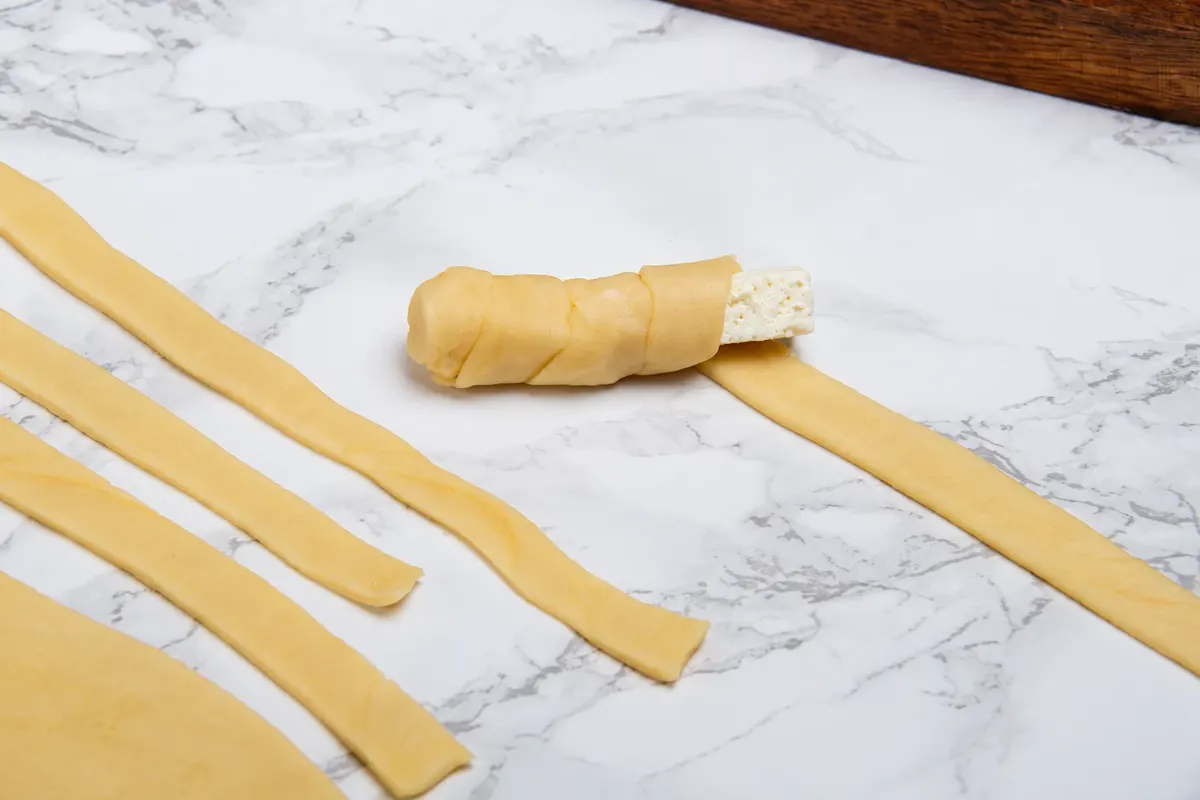
In the Altos Mirandinos, the mountain range southwest of the capital, Los Teques gives its name to the tequeño, the cheese-filled dough stick that appears at almost every celebration in the country and was registered in 2023 in Venezuela’s cultural heritage registry. The most widespread version places its origin in the city; others link it to Zulia and Caracas.
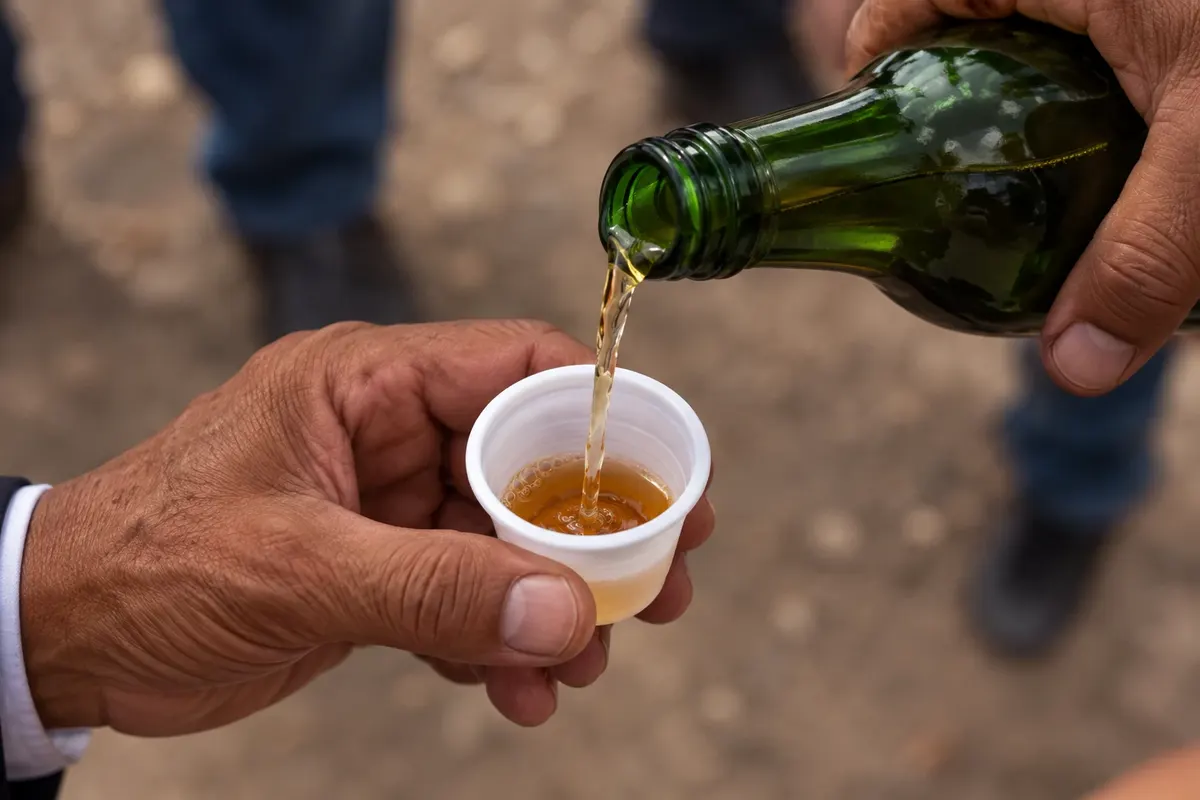
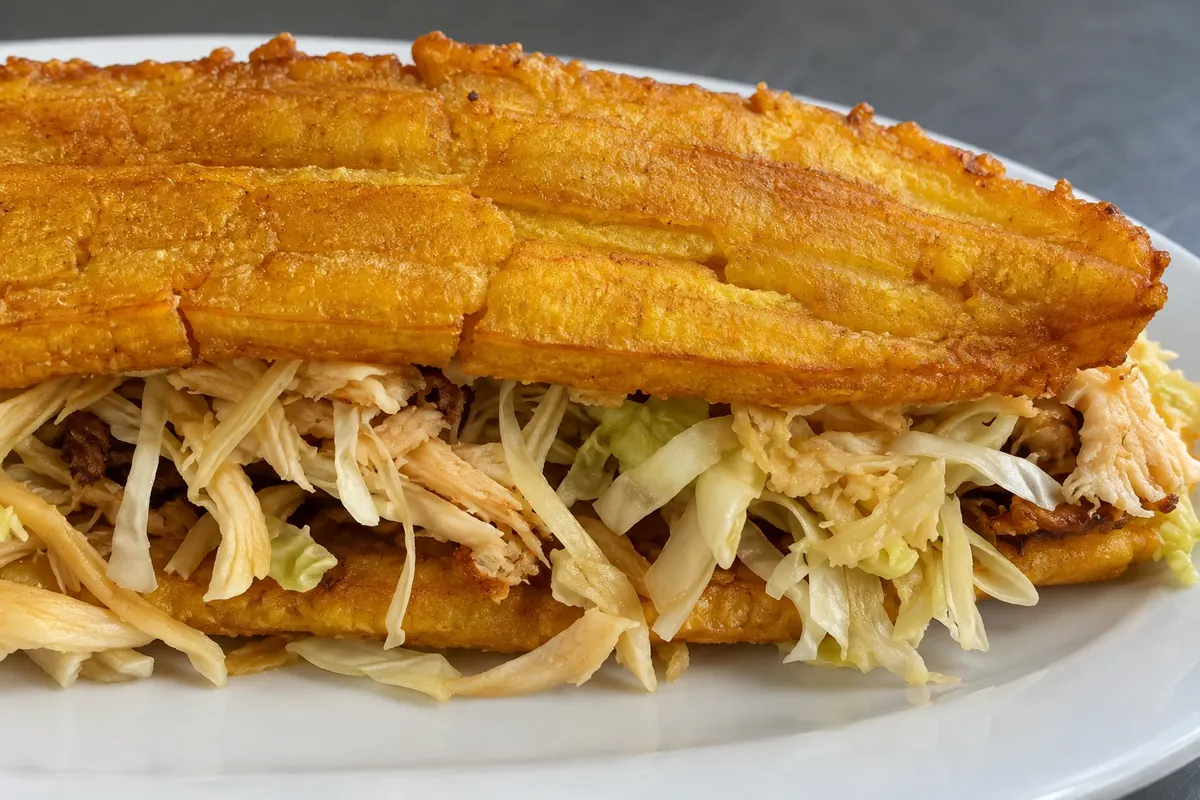
In Zulia, the patacón maracucho swaps bread for two slices of fried plantain and is filled with meat, cheese and salad. It became popular in Maracaibo snack bars and is considered the dish that sums up the region’s cuisine. In Lara, in the semi-arid west, cocuy is an artisanal agave distillate; Lara cocuy has a protected geographical indication linked to the state of Lara.
6 flavors

Corn dough disk grilled on a griddle, split open and filled like a sandwich. It’s an everyday food in Venezuela, eaten from breakfast into the early hours, with fillings that have specific names, such as reina pepiada and pelúa.

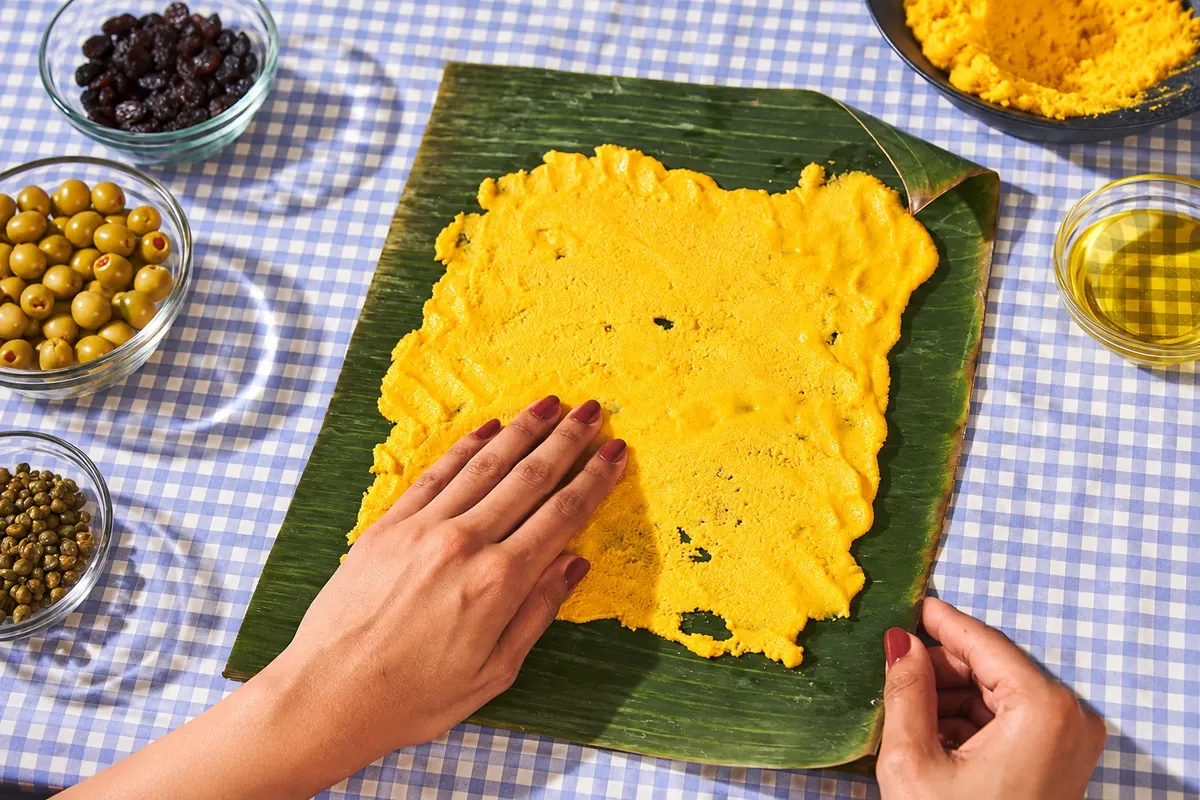
Corn dough dyed with annatto, filled with a meat stew, capers, olives and raisins, wrapped in a banana leaf, tied and cooked. It is the Venezuelan Christmas dish, prepared by families across the country in December.

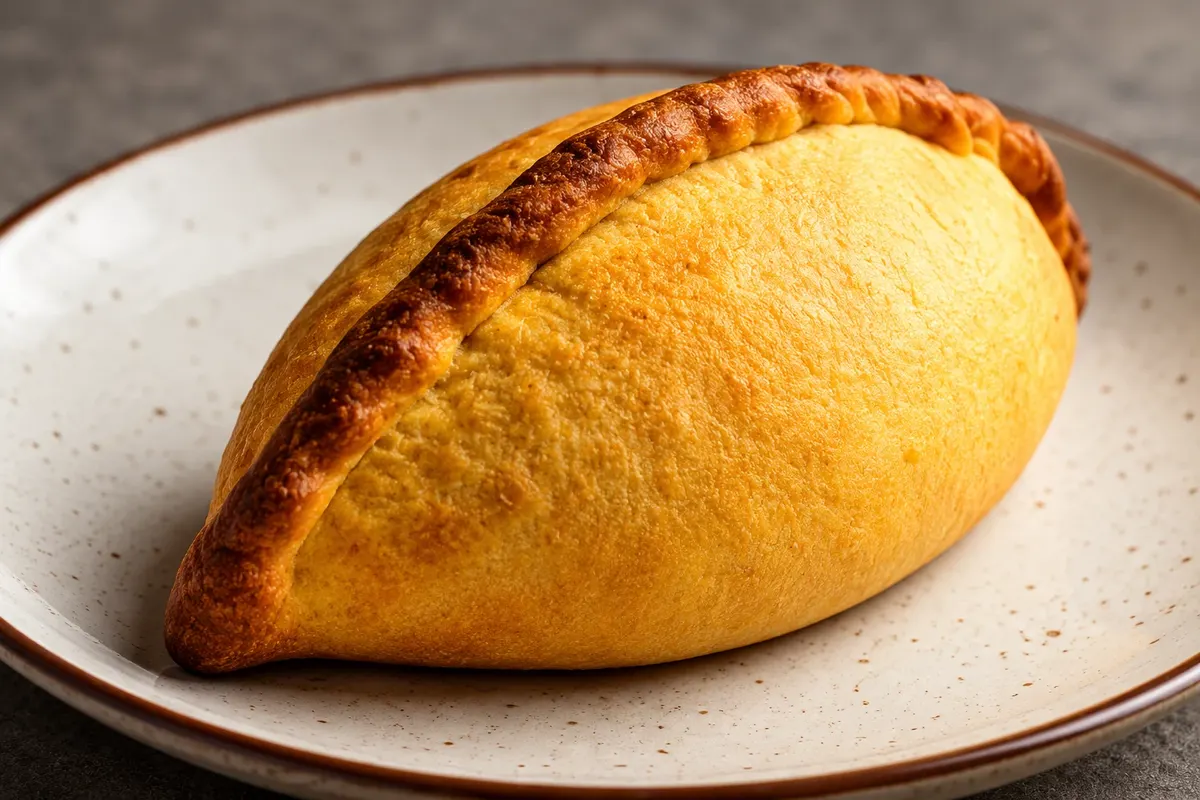
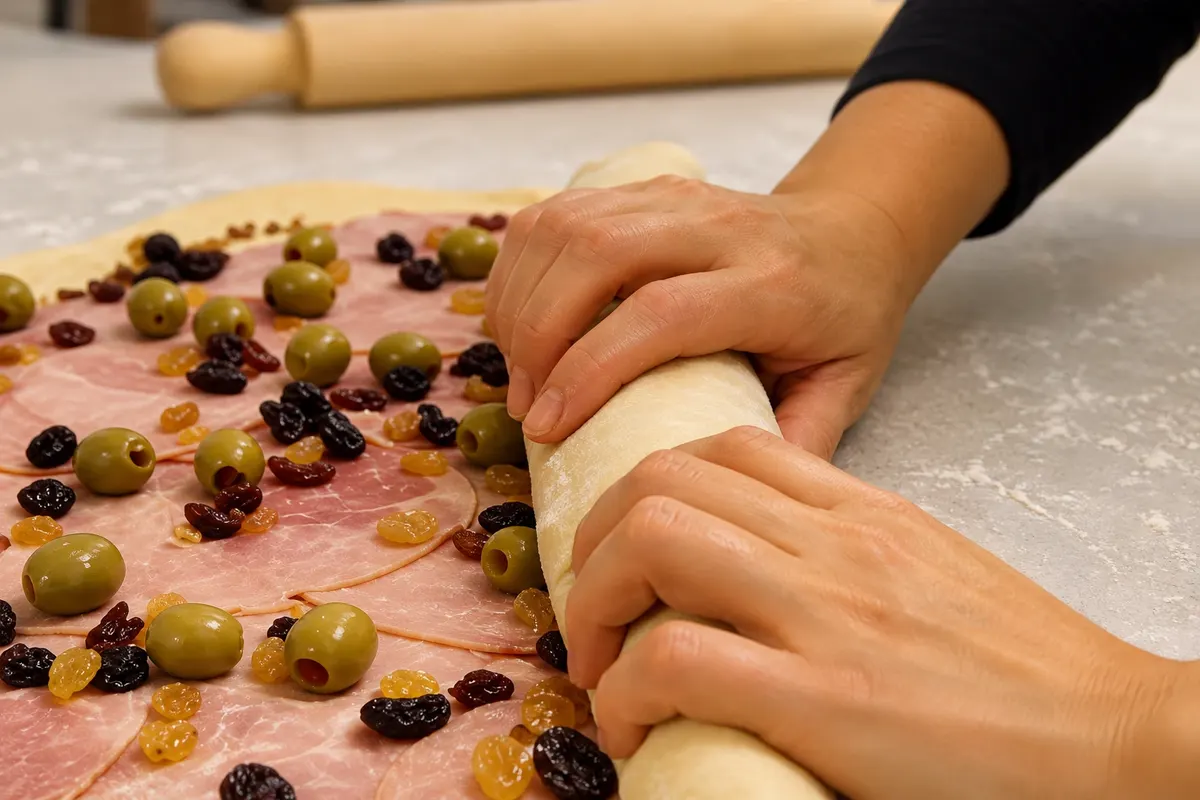
Bread made from a slightly sweet dough rolled with ham, raisins and olives — the Venezuelan Christmas bread. Miro Popić’s research places the first record in a December 1905 advertisement for a bakery in downtown Caracas.

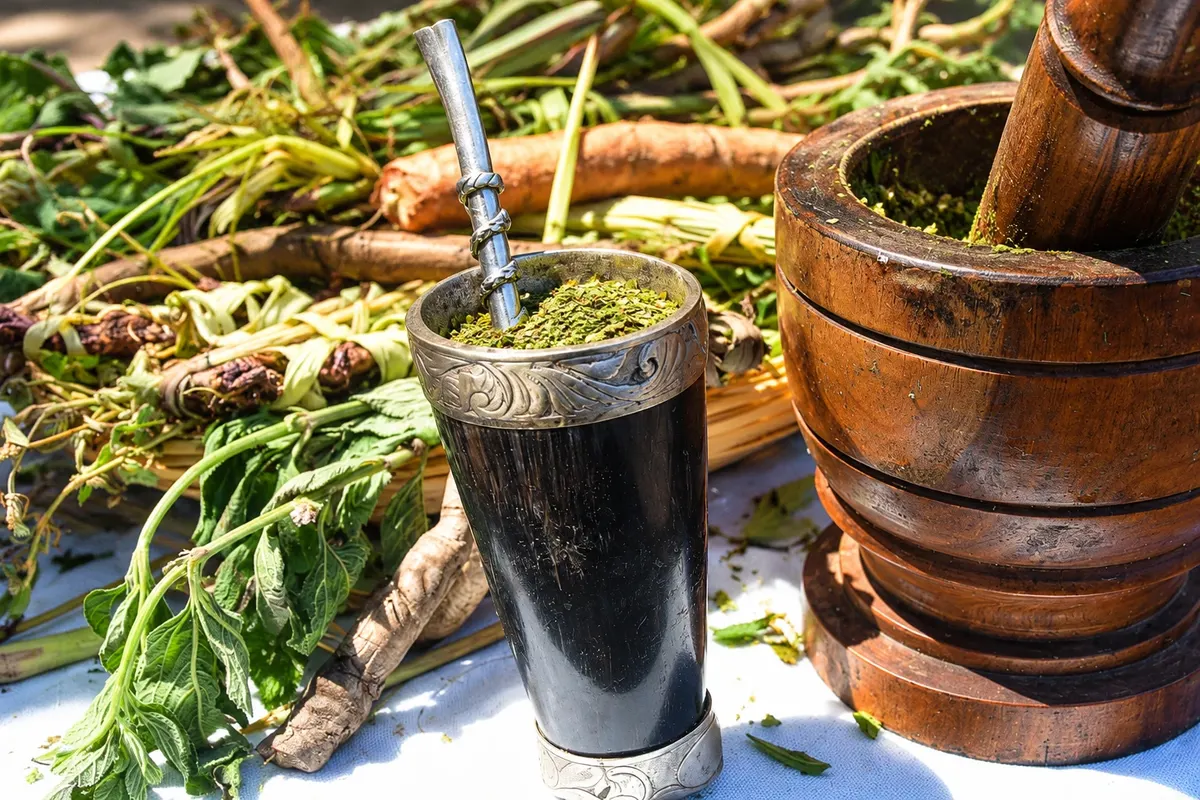
Artisanal distillate from the agave Agave cocui, made in the semi-arid region of Lara from cooked, fermented, and distilled piñas. It has a protected geographical indication in the state of Lara.

Stick of wheat dough wrapped around a stick of white cheese and fried until golden, found at almost every Venezuelan party. The most widespread version says it was born in Los Teques, which gives it its name.

Sandwich in which the bread is replaced by two large slices of fried plantain, filled with meat, cheese, salad and sauces. Popularized in the snack bars of Maracaibo, it is the dish that sums up Zulia cuisine.
Suggest a traditional dish, sweet or drink of Venezuela that is not here. We check the sources before adding it.
Flavors of the countries
Pick a country to see its traditional dishes, sweets and drinks.
Your questions
Across the country people eat arepas, pabellón criollo and, at Christmas, hallacas and pan de jamón. Some specialties are tied to places: pan de jamón to Caracas, tequeño to Los Teques, patacón to Maracaibo and cocuy to the state of Lara.
The hallaca and pan de jamón, served together on the so‑called Christmas plate. Pan de jamón originated in Caracas, according to research by Miro Popić, appearing in an advertisement from December 1905.
The most widespread version says it was born in Los Teques, capital of the state of Miranda, in the early 20th century. Other versions attribute it to Zulia and Caracas. In 2023 it was registered in Venezuela’s cultural heritage registry.
A sandwich in which the bread is replaced by two large slices of fried plantain, filled with meat, cheese, salad and sauces. It is the best‑known specialty of Maracaibo and Zulia.
An artisanal agave distillate (Agave cocui), produced mainly in the states of Lara and Falcón. Larense cocuy has a protected geographical indication linked to the state of Lara.
Beyond the guide