Pan de jamón
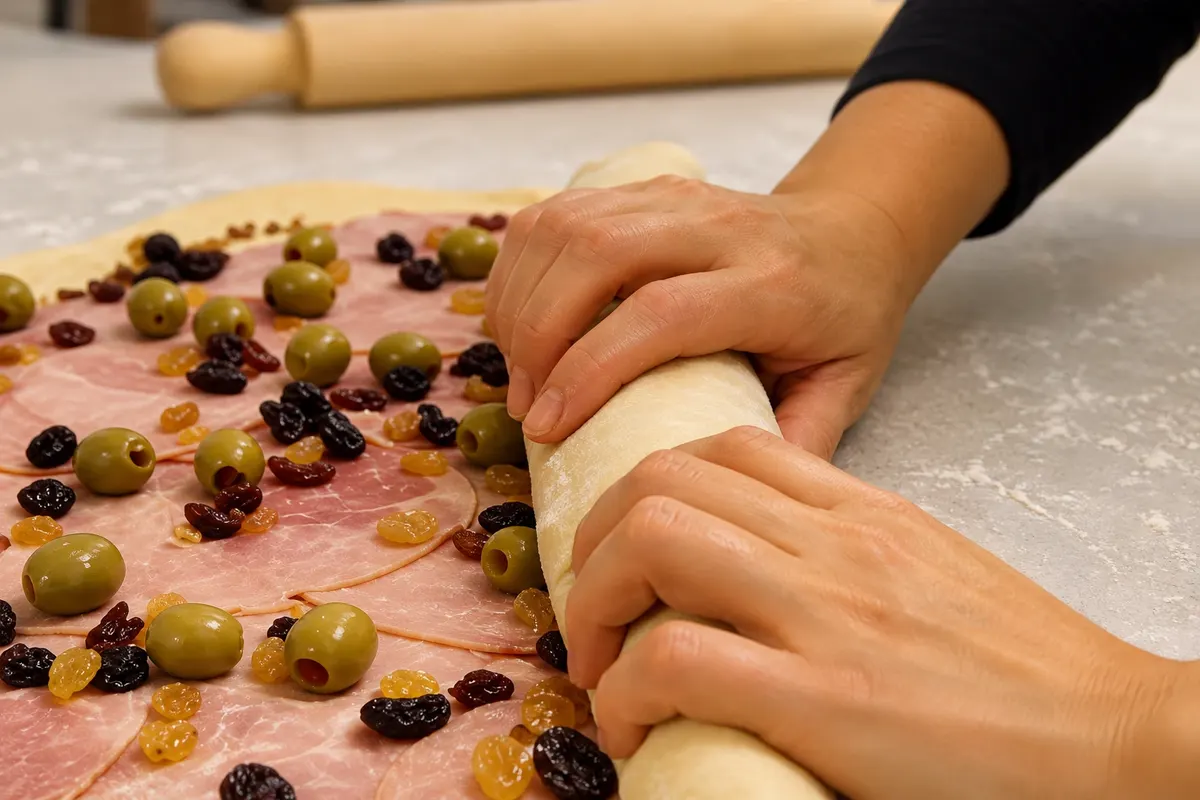
Bread made from a slightly sweet dough rolled with ham, raisins and olives — the Venezuelan Christmas bread. Miro Popić’s research places the first record in a December 1905 advertisement for a bakery in downtown Caracas.
Flavors · Los Teques
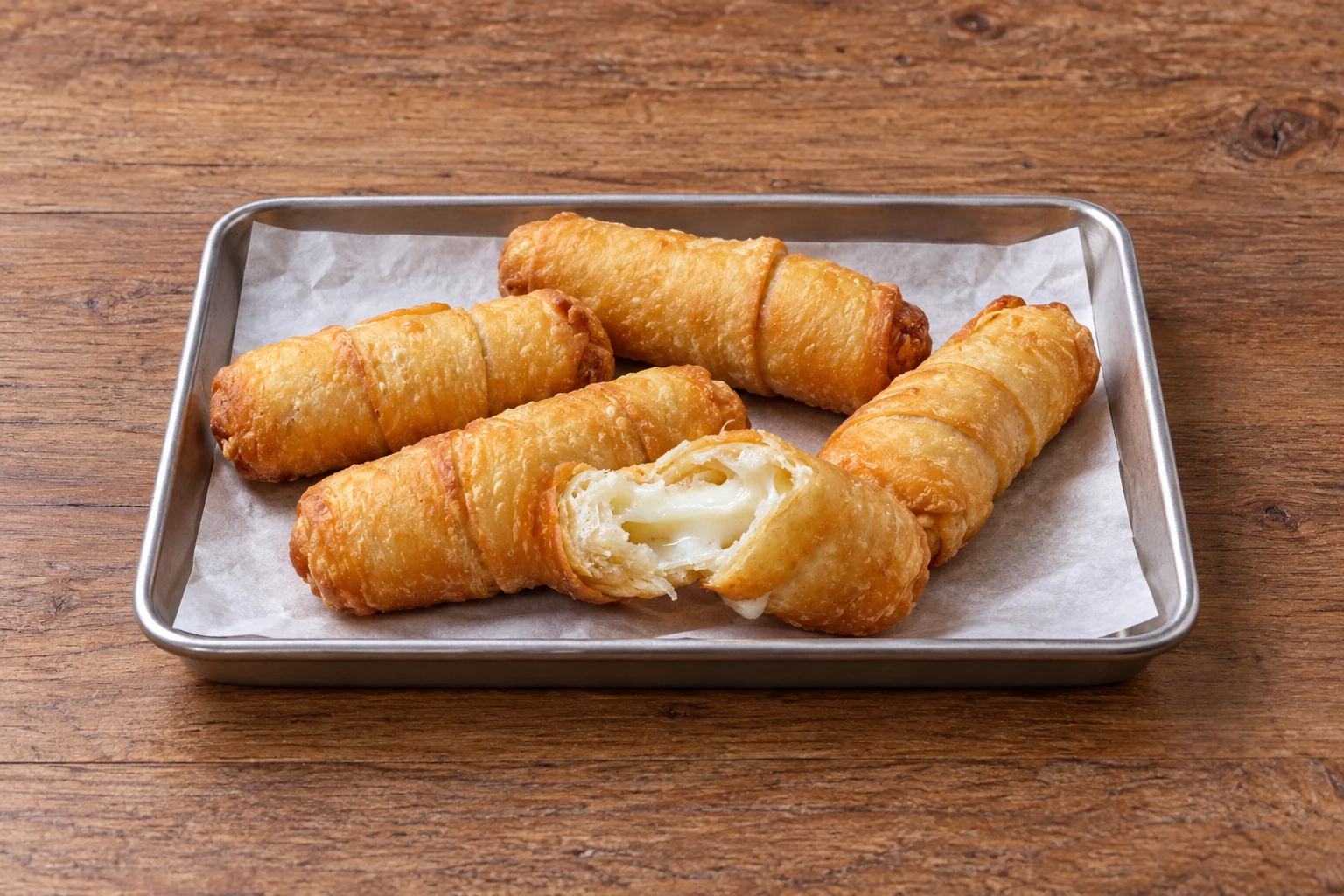
Stick of wheat dough wrapped around a stick of white cheese and fried until golden, found at almost every Venezuelan party. The most widespread version says it was born in Los Teques, which gives it its name.
Traditional dish from Los Teques, Miranda
Also known as: tequeños
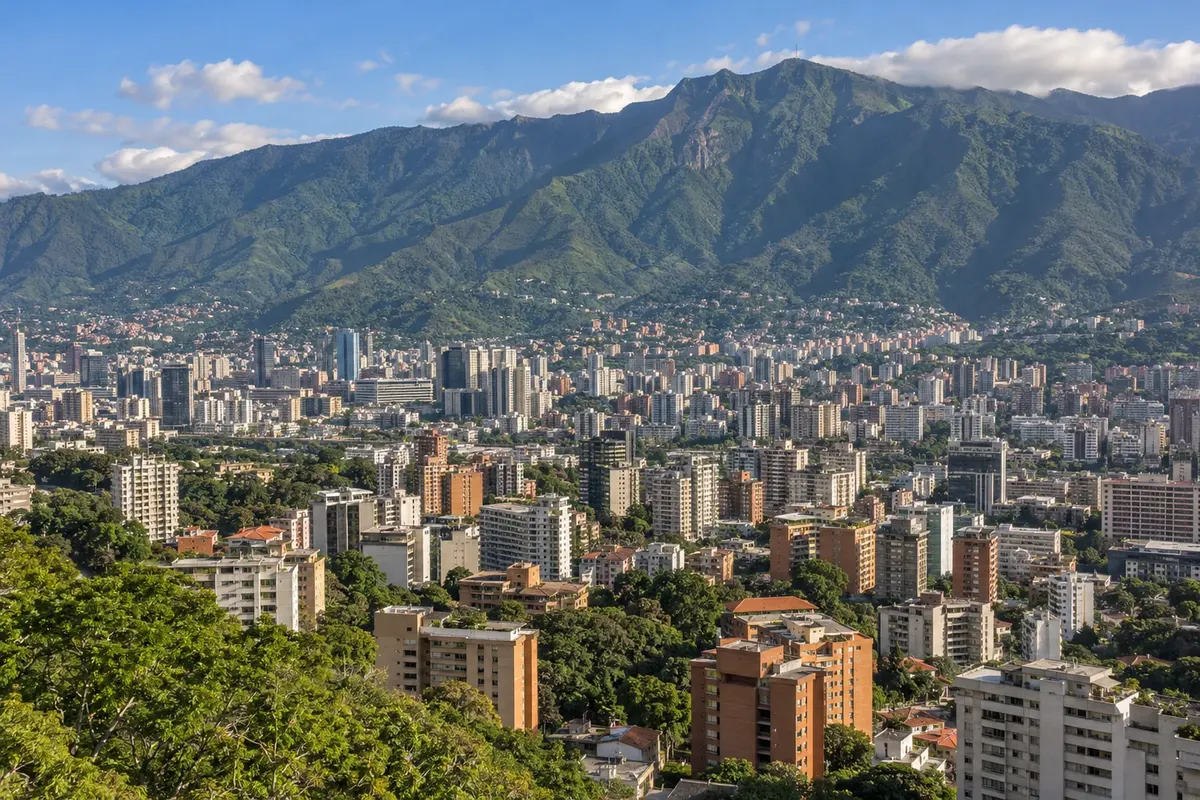
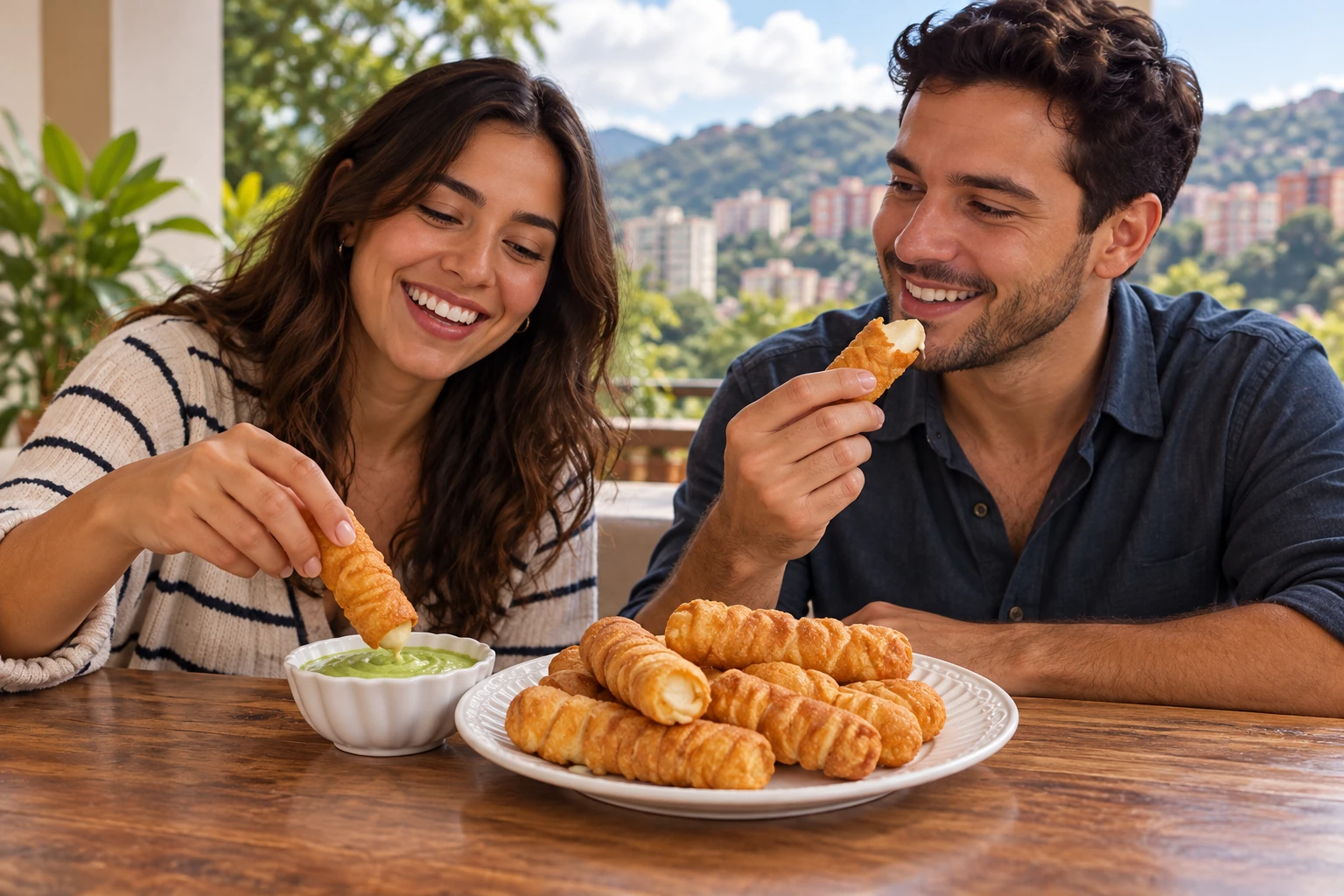
Illustrative images. The pictures in this guide are illustrations based on the real place, not photographs, and may differ from it.
Click a photo to enlarge it.
Tequeño — Los Teques, Venezuela
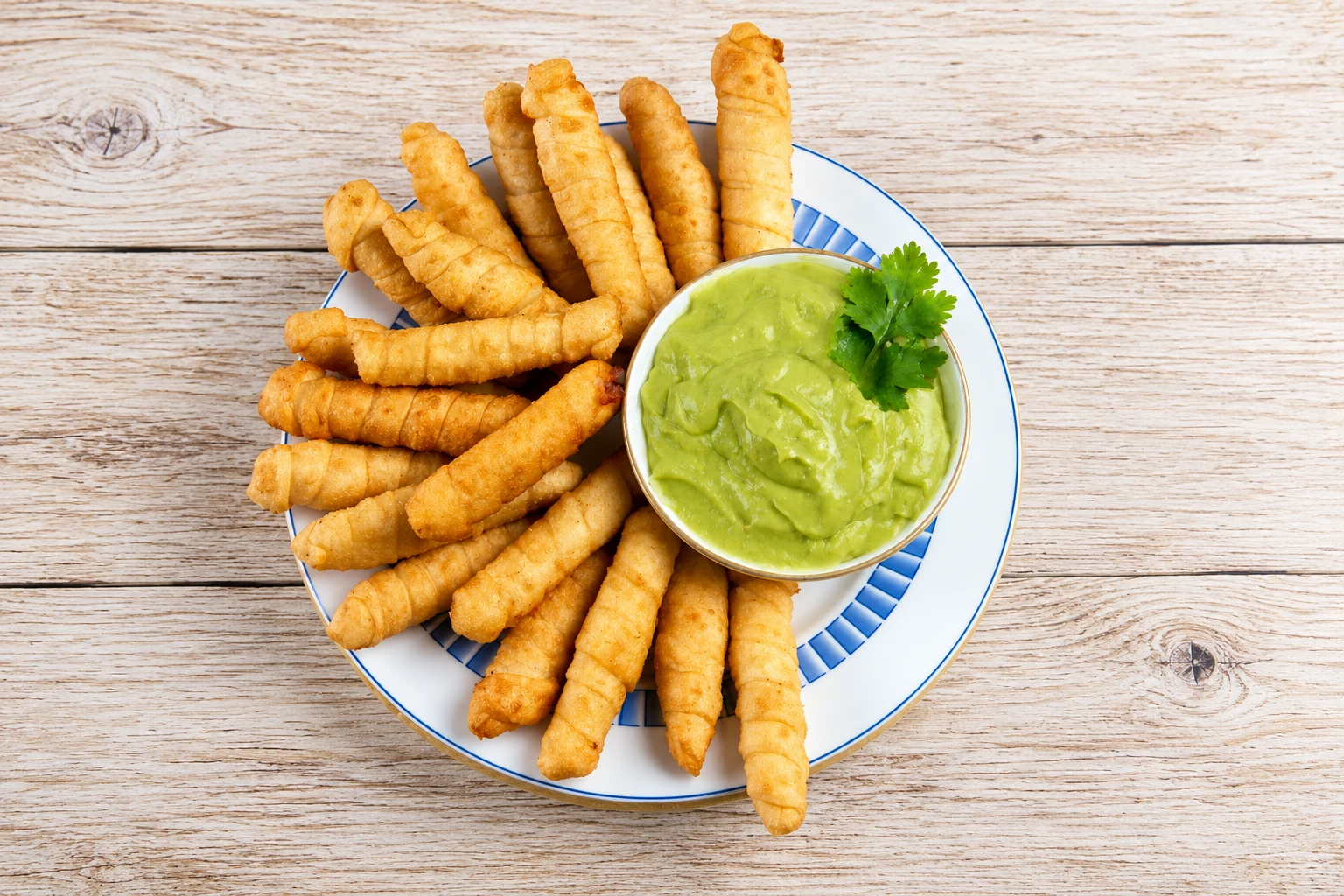
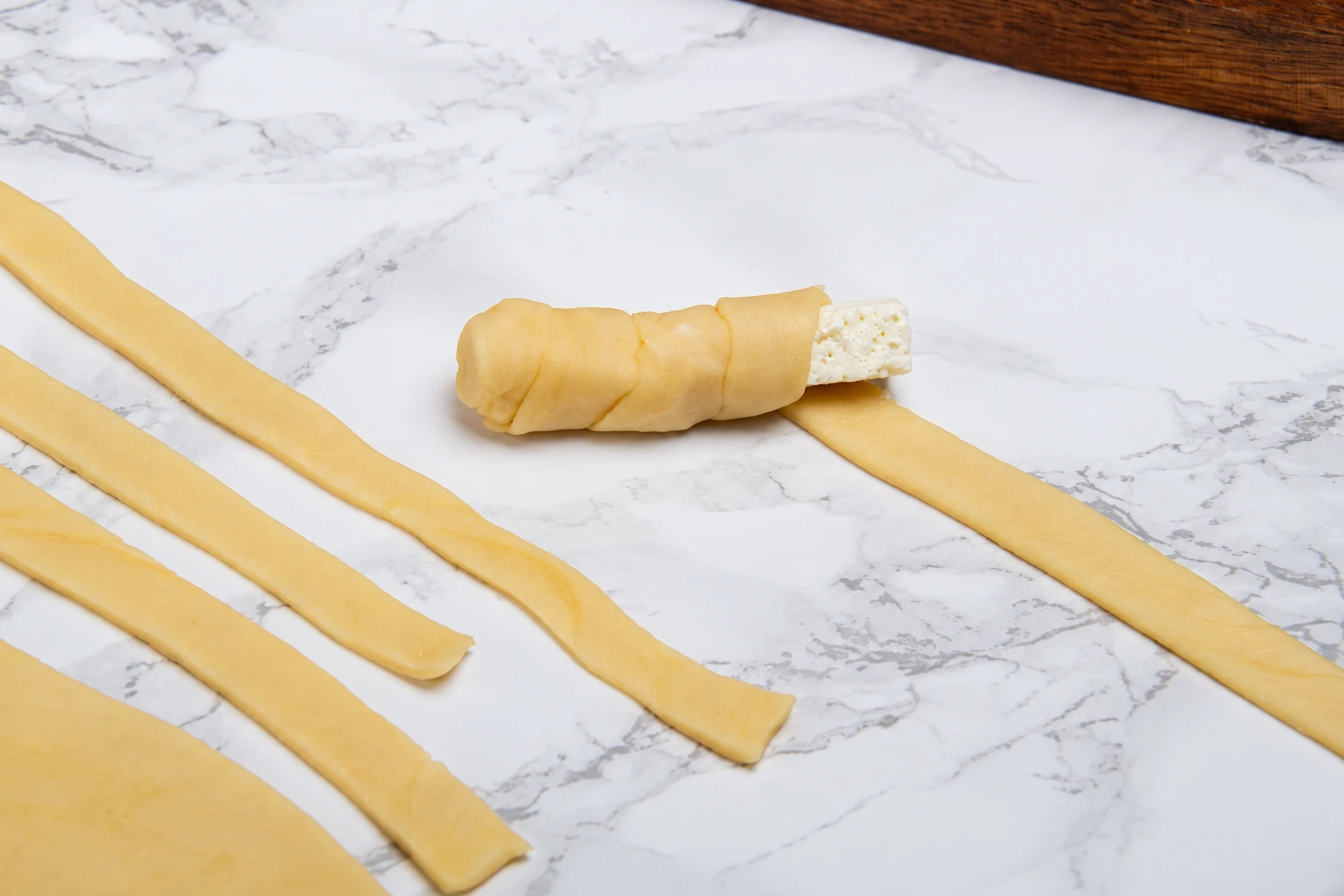
The tequeño is a stick of firm white cheese wrapped in a strip of wheat dough rolled into a spiral and fried until the dough is golden and crispy, with the cheese melting inside. In Venezuela it is the pasapalo, the quintessential party snack: it appears at birthdays, weddings and gatherings, and also at breakfast and as a snack.
The name comes from Los Teques, capital of the state of Miranda, in the Altos Mirandinos, and the most widespread origin story does too. It says that in the early 20th century a family named Báez prepared the sticks in Los Teques and sold them in Caracas; buyers began to call them “tequeños,” the same term used for residents of the city. There are other versions that attribute the snack to Zulia or to Caracas itself, and there is no definitive proof.
On April 20, 2023 the Ministry of Culture announced the registration of the tequeño as an item of cultural interest in the Venezuelan Cultural Heritage Register, presenting it as a delicacy of the Altos Mirandinos. The certificate was handed to the mayor’s office of Los Teques on October 21 that year, the city’s foundation anniversary, a date that also celebrates International Tequeño Day.
On the same day, Los Teques prepared a tequeño over 15 meters long, recognized by Guinness as the longest in the world.
With Venezuelan emigration, the tequeño spread to other countries and also gained baked oven versions.

Los Teques , Miranda
The most widespread version of the tequeño’s origin links it to a family from Los Teques, in the early 20th century; the snack’s name comes from the city.
Wheat flour dough (with butter or oil, egg and water or milk) and hard or semi-hard white cheese, cut into sticks. Fried in oil; sometimes baked in the oven.
Hot, just after frying, eaten with the hands. It is usually served with dipping sauces and appears on pasapalo trays at parties. It is also eaten for breakfast or as a snack.
Parties, birthdays, weddings and gatherings, all year round. October 21 is celebrated as International Tequeño Day, the anniversary of Los Teques.
Your questions
From Los Teques, capital of the state of Miranda: the city’s inhabitants are called tequeños. The most widespread version says the snack was born there, prepared by a family that sold it in Caracas.
Yes. In 2023 the Ministry of Culture announced its registration as an item of cultural interest in the Venezuelan Cultural Heritage Register.
Hard or semi-hard white cheese, cut into sticks and wrapped in the wheat dough before frying.
On October 21, the same date as the foundation anniversary of Los Teques.
Flavors of Venezuela

Bread made from a slightly sweet dough rolled with ham, raisins and olives — the Venezuelan Christmas bread. Miro Popić’s research places the first record in a December 1905 advertisement for a bakery in downtown Caracas.

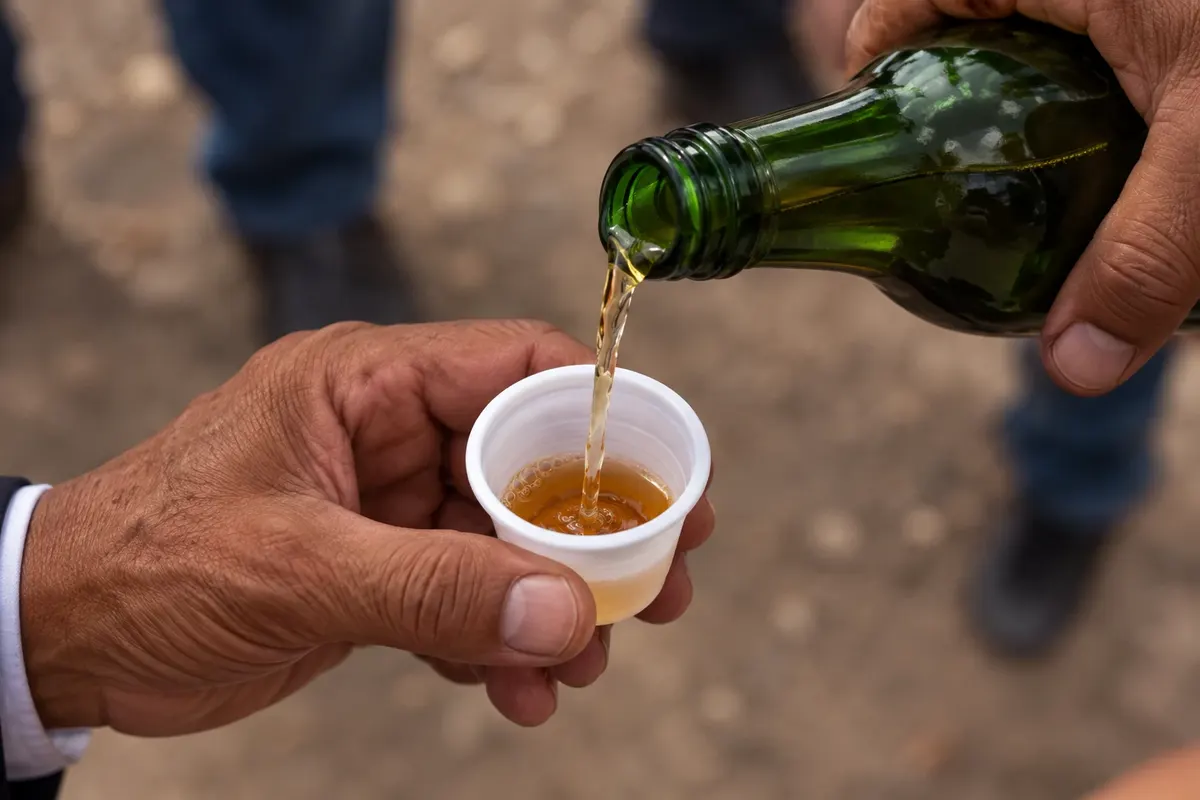
Artisanal distillate from the agave Agave cocui, made in the semi-arid region of Lara from cooked, fermented, and distilled piñas. It has a protected geographical indication in the state of Lara.