Arepa
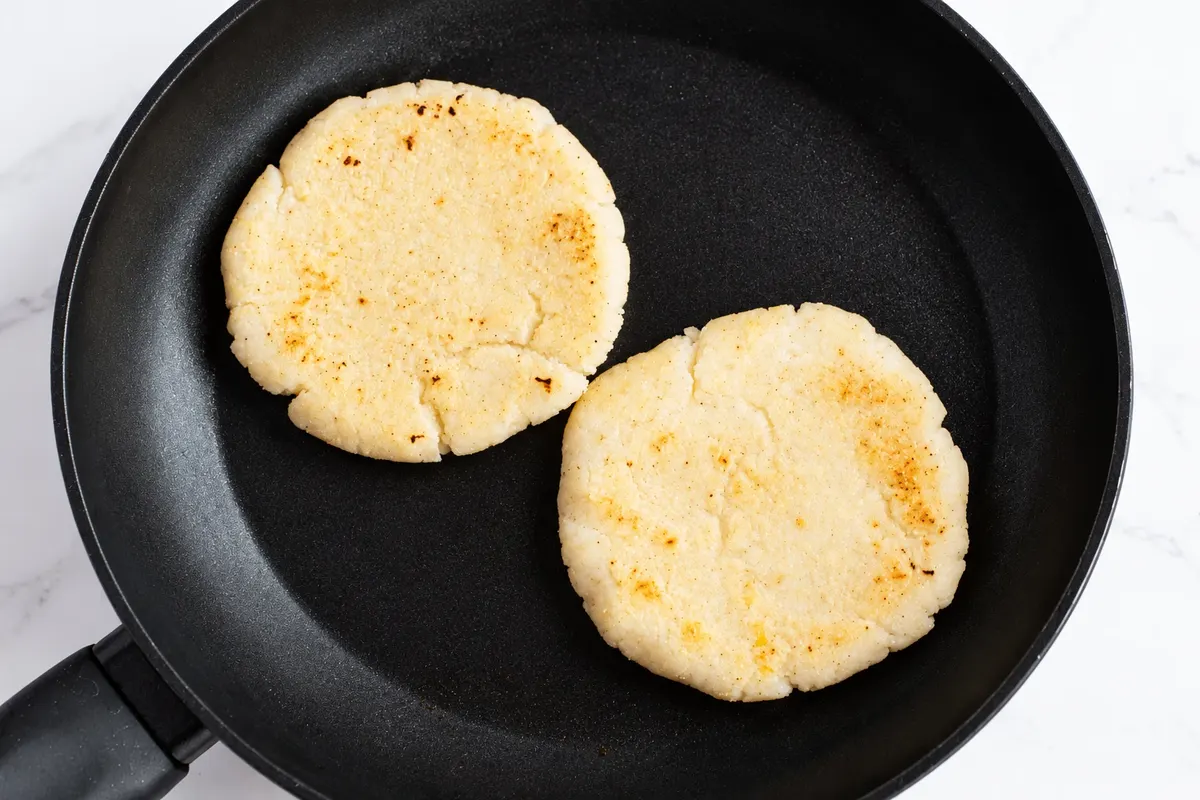
Corn dough disk grilled on a griddle, split open and filled like a sandwich. It’s an everyday food in Venezuela, eaten from breakfast into the early hours, with fillings that have specific names, such as reina pepiada and pelúa.
AntarcticaFlavors · Maracaibo
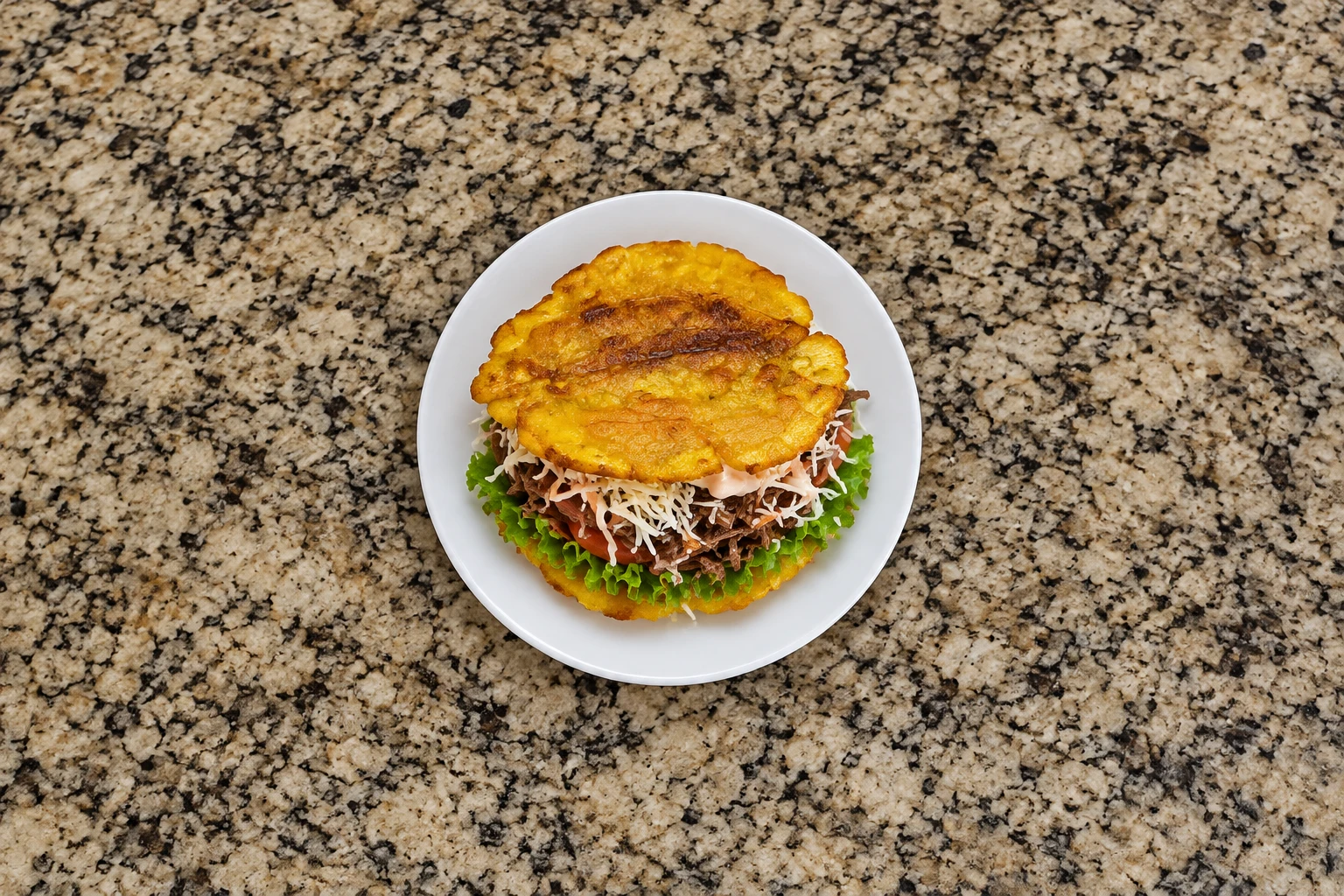
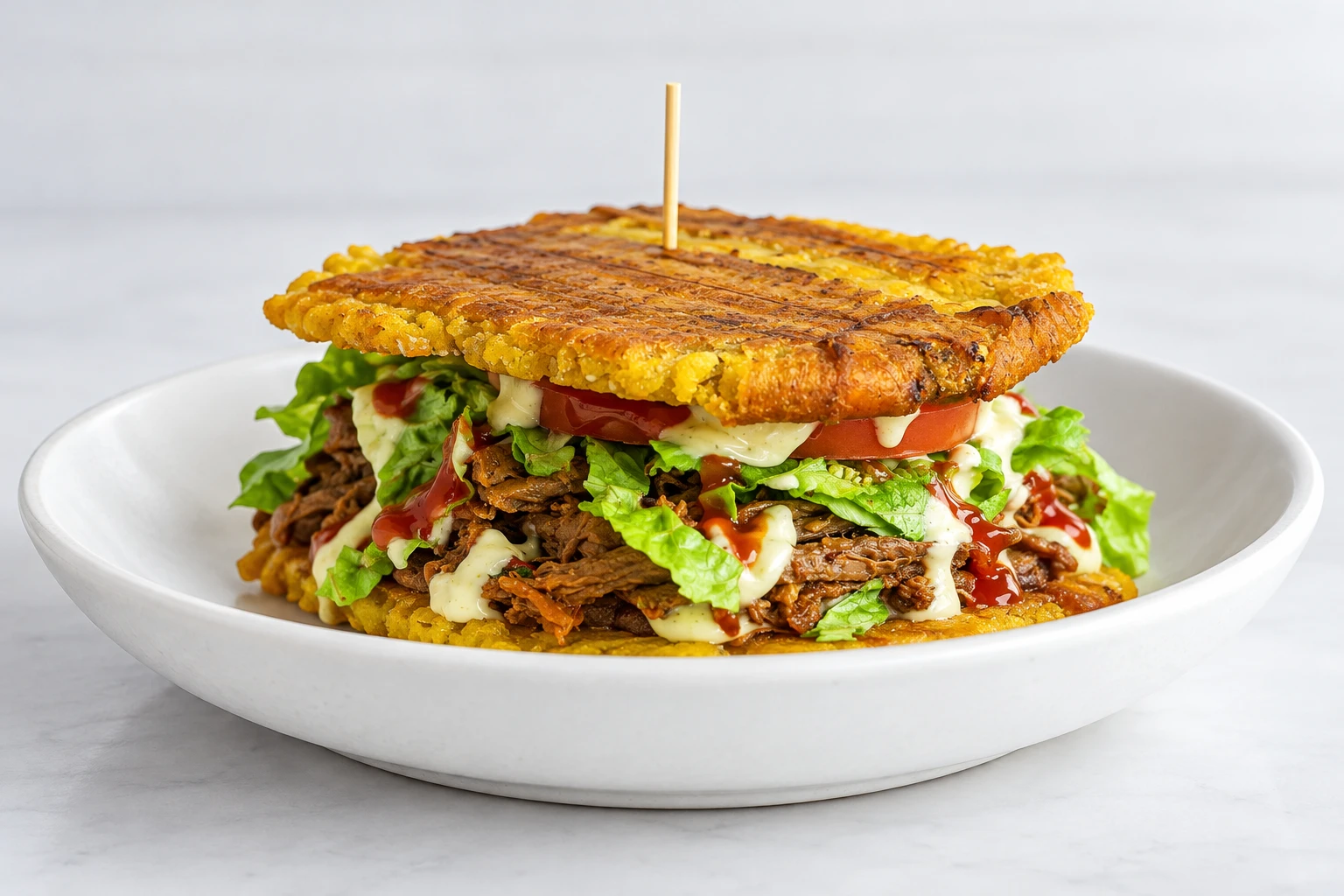
Sandwich in which the bread is replaced by two large slices of fried plantain, filled with meat, cheese, salad and sauces. Popularized in the snack bars of Maracaibo, it is the dish that sums up Zulia cuisine.
Traditional dish of Maracaibo, Zulia
Also known as: patacón zuliano, patacon maracucho
Illustrative images. The pictures in this guide are illustrations based on the real place, not photographs, and may differ from it.
Click the picture to enlarge it.
Patacón maracucho — Maracaibo, Venezuela
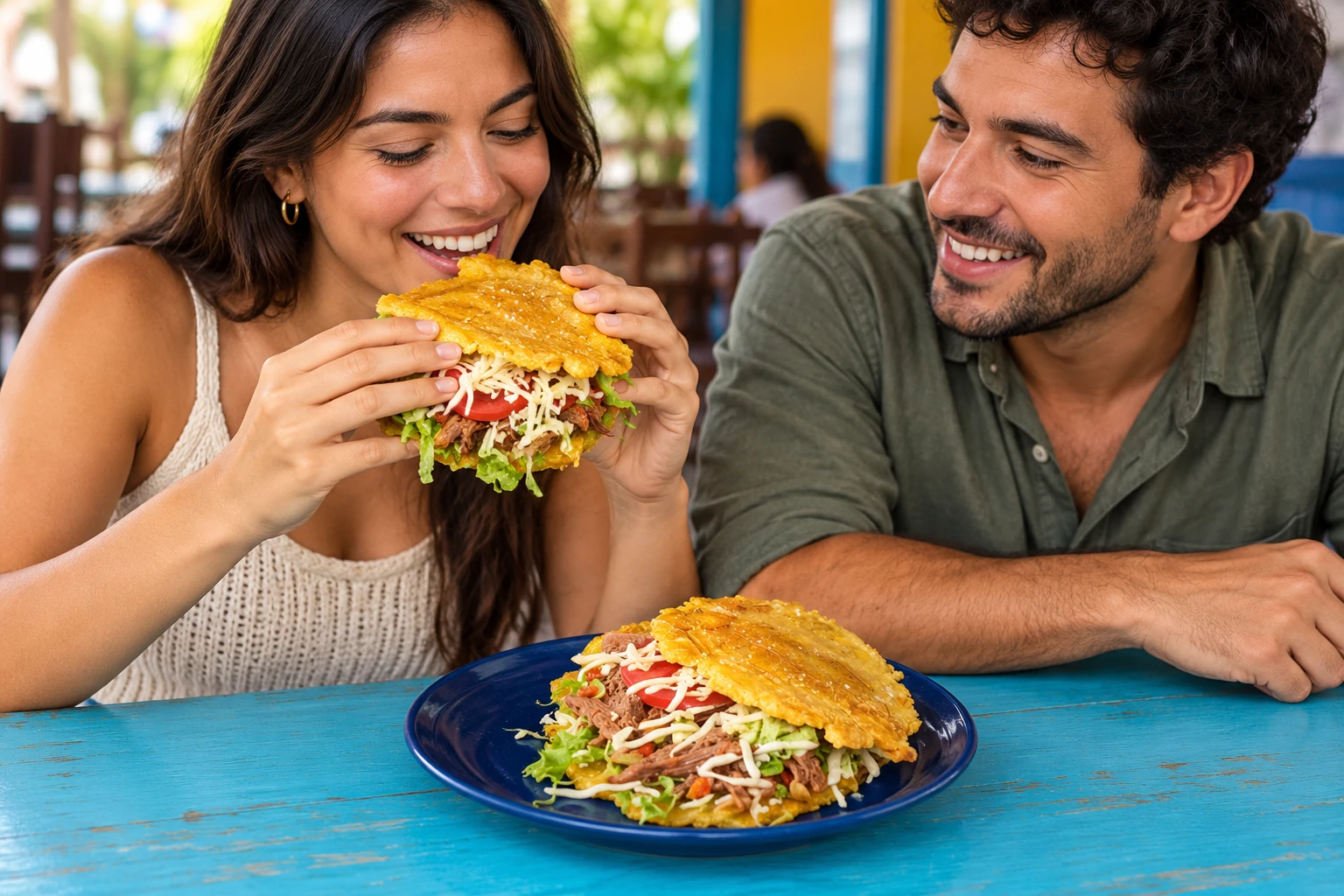
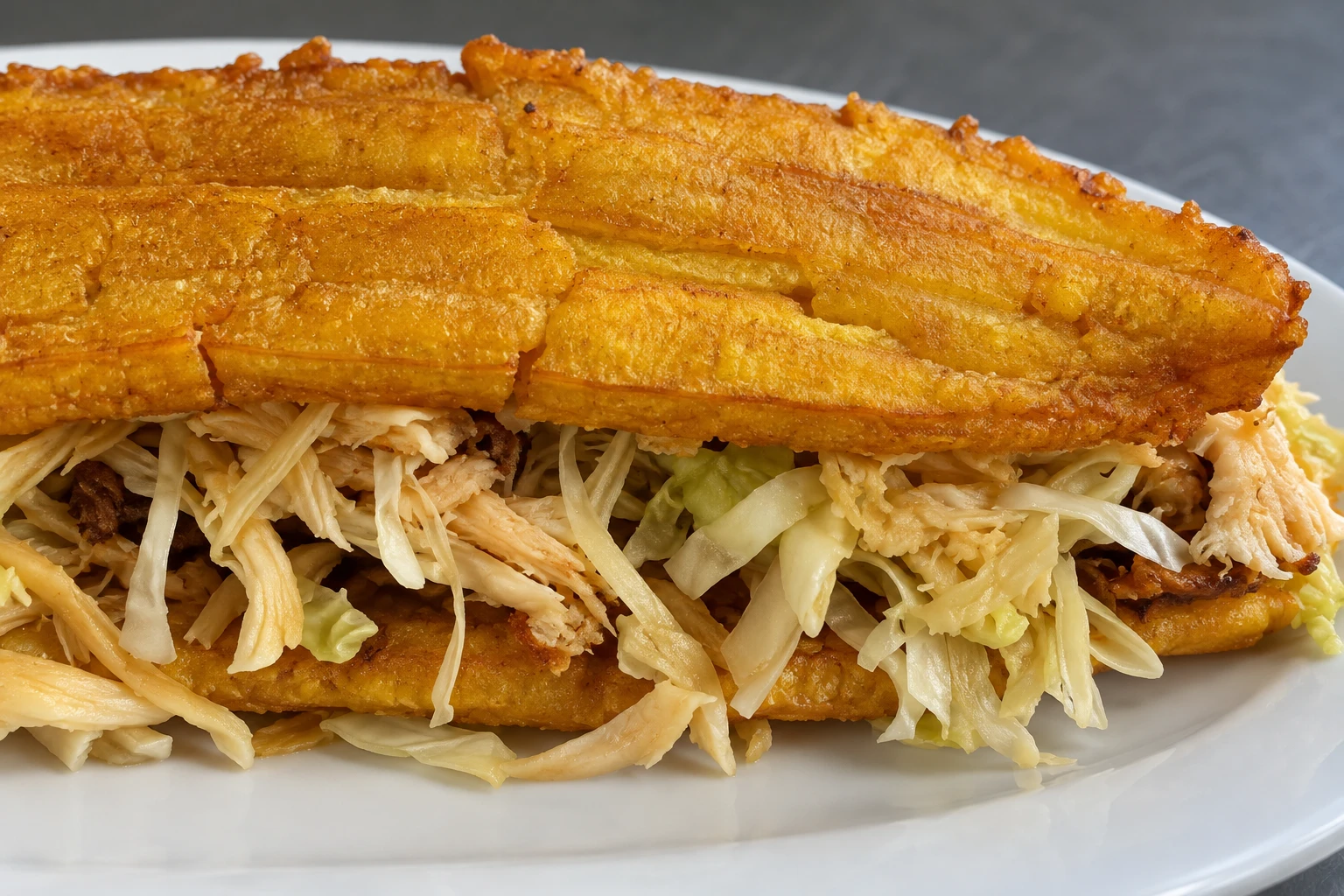
The patacón maracucho is a sandwich without bread: instead there are two large slices of plantain, usually green, flattened and fried until they become crispy. Between them goes shredded or grilled meat, chicken, pork leg, ham or bacon, white cheese, lettuce, tomato and sauces. “Maracucho” is what people and things from Maracaibo, the capital of Zulia, are called.
Fried plantain exists in almost all of Latin America and, elsewhere in Venezuela, the fried slice is called tostón. In Maracaibo the name patacón stuck, and the city turned what is usually a side dish into a main dish. According to a special report by the newspaper Últimas Noticias, the stuffed patacón began to gain popularity in the 1970s at Maracaibo snack bars that sold sandwiches and hamburgers for dinner, as a local response to them.
The Ministry of Tourism of Venezuela presents the patacón as the flagship dish of Zulia cuisine. In Maracaibo there are countless snack bars and street stalls that serve it, and each defends its own recipe.
Zulia’s cuisine makes heavy use of plantain, coconut and lake fish. From the same family of recipes come yoyos, with cheese between two breaded and fried plantain slices, and tajadas, which accompany many dishes.
The origin of the word patacón is debated: the most repeated explanation links it to an old coin, because of the round shape of the slices, but there is no confirmation.

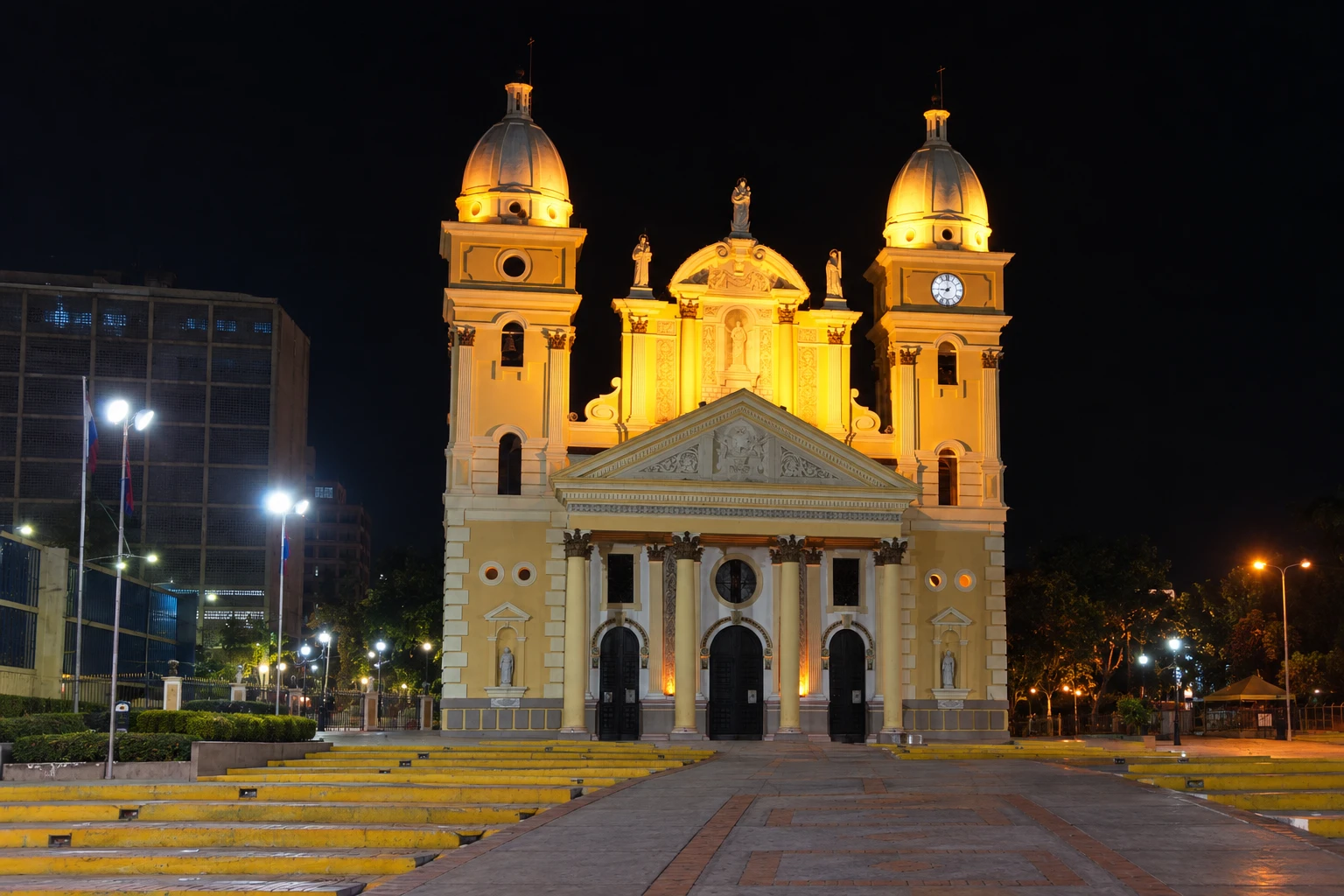
Maracaibo , Zulia
The stuffed patacón became popular in Maracaibo's snack bars in the 1970s and carries the city's demonym in its name.
Plantain, generally green, cut into large slices, flattened and fried (in some recipes, cooked beforehand); filling of shredded or grilled meat, chicken, pork shoulder, ham or bacon; white cheese; lettuce, tomato and sauces.
Like a sandwich, eaten with your hands while still hot. It is a dinner dish, served in snack bars and street stalls, and is usually large enough for a full meal.
All year round, especially at night, as dinner or after going out.
Your questions
A sandwich in which the bread is replaced by two large slices of fried plantain, filled with meat, cheese, salad and sauces. It is Maracaibo's best-known specialty.
Because maracucho is the demonym for Maracaibo, capital of Zulia, where the stuffed patacón became popular in the 1970s.
Generally with green plantain, firmer and crispier after frying; some recipes use ripe plantain.
Mainly at night, as dinner, in the city's snack bars and street stalls.
Flavors of Venezuela

Corn dough disk grilled on a griddle, split open and filled like a sandwich. It’s an everyday food in Venezuela, eaten from breakfast into the early hours, with fillings that have specific names, such as reina pepiada and pelúa.

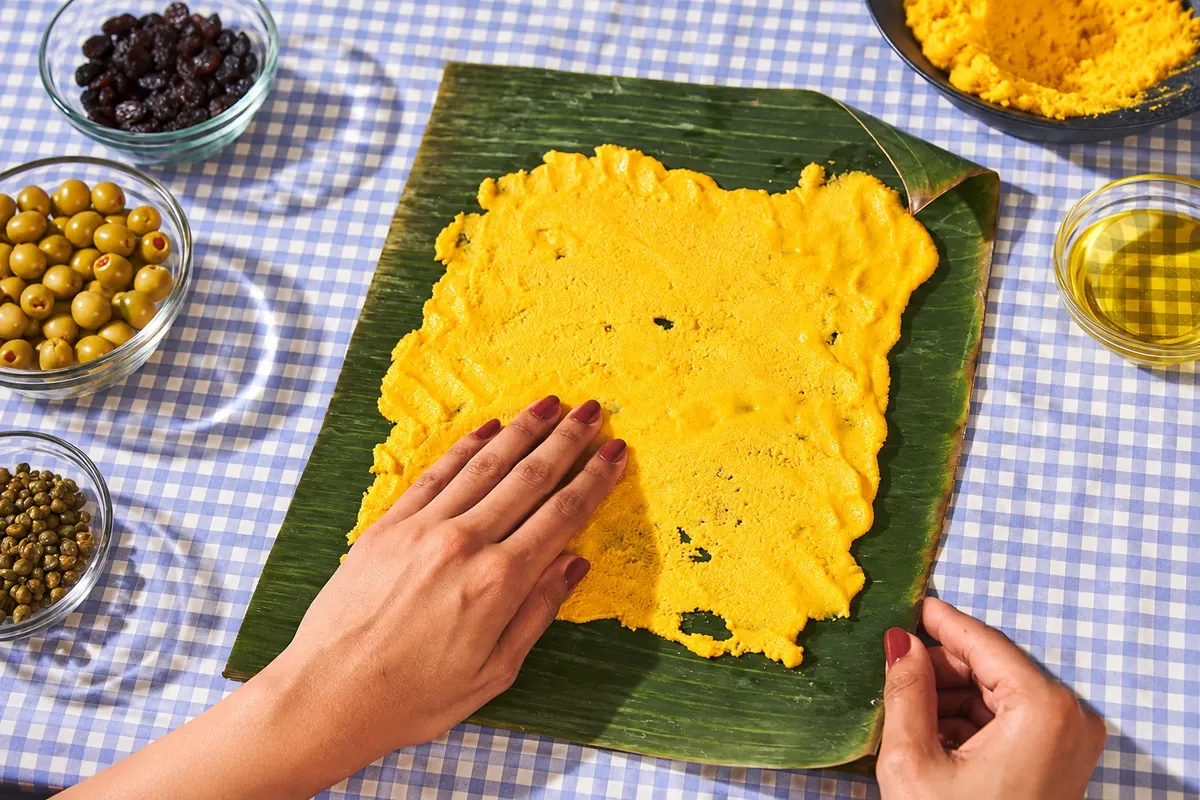
Corn dough dyed with annatto, filled with a meat stew, capers, olives and raisins, wrapped in a banana leaf, tied and cooked. It is the Venezuelan Christmas dish, prepared by families across the country in December.

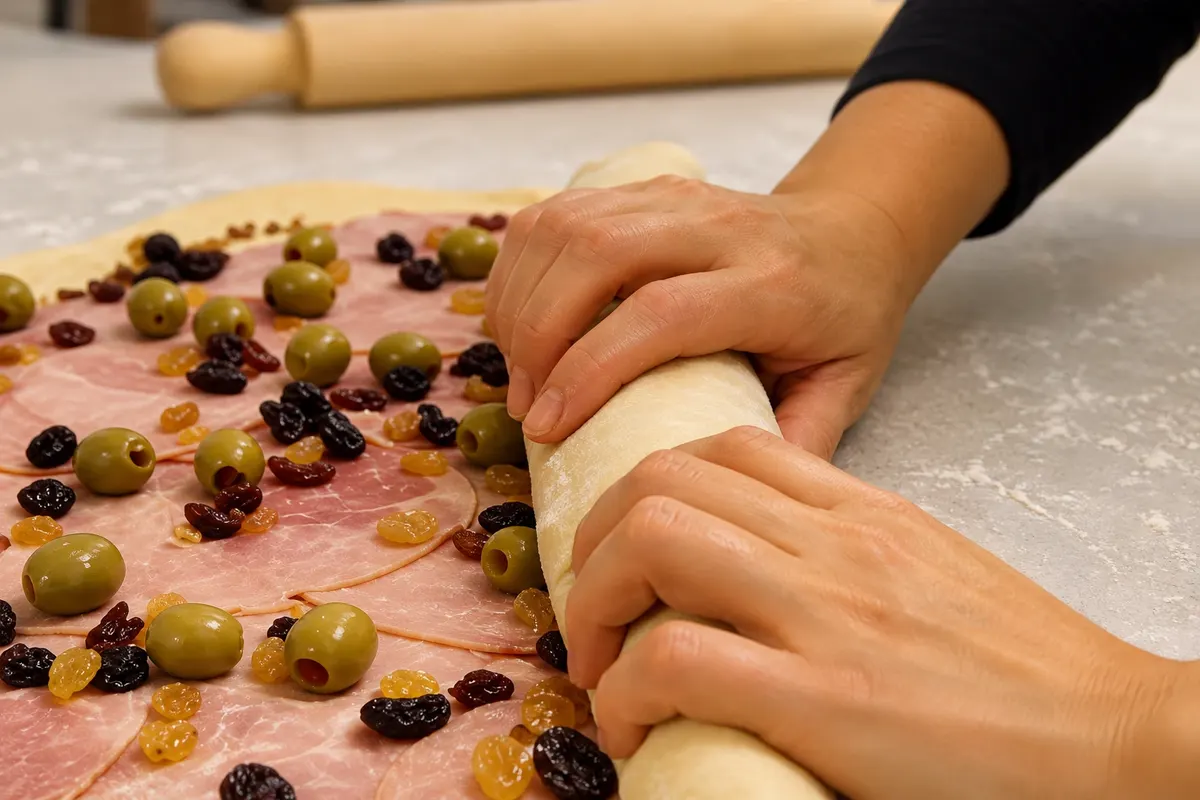
Bread made from a slightly sweet dough rolled with ham, raisins and olives — the Venezuelan Christmas bread. Miro Popić’s research places the first record in a December 1905 advertisement for a bakery in downtown Caracas.

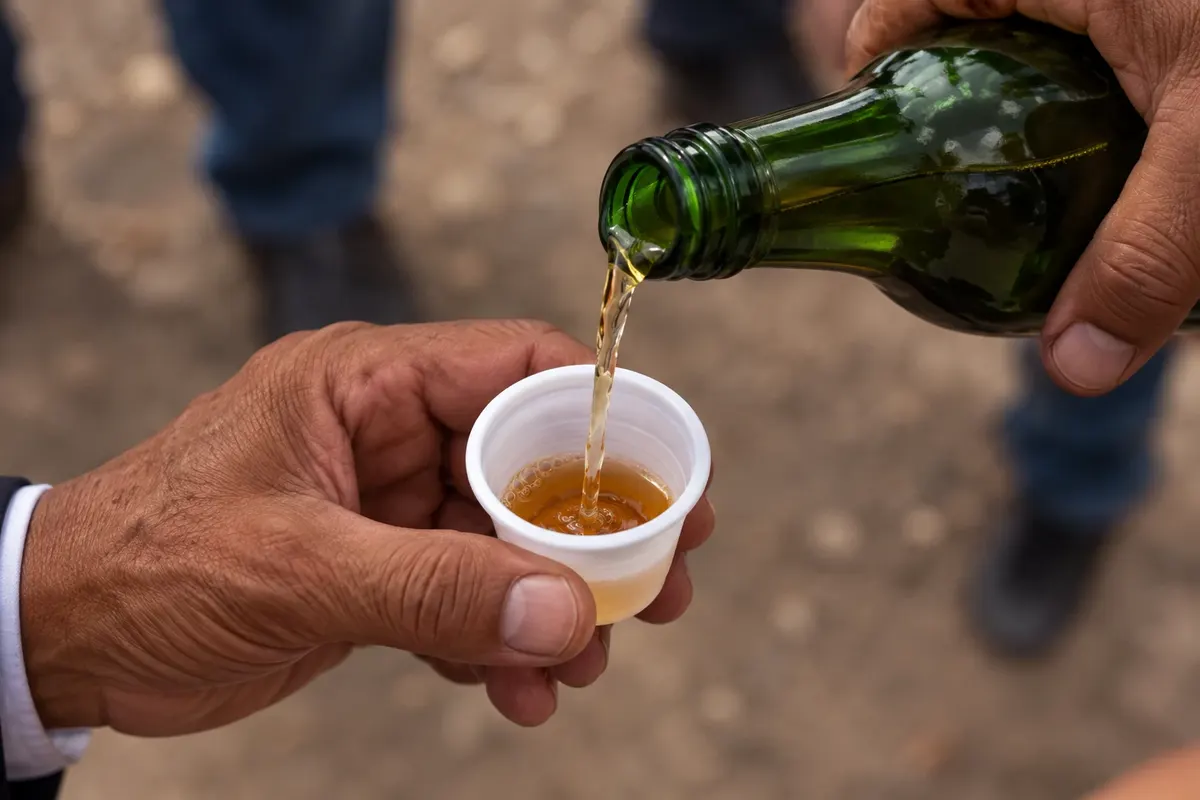
Artisanal distillate from the agave Agave cocui, made in the semi-arid region of Lara from cooked, fermented, and distilled piñas. It has a protected geographical indication in the state of Lara.

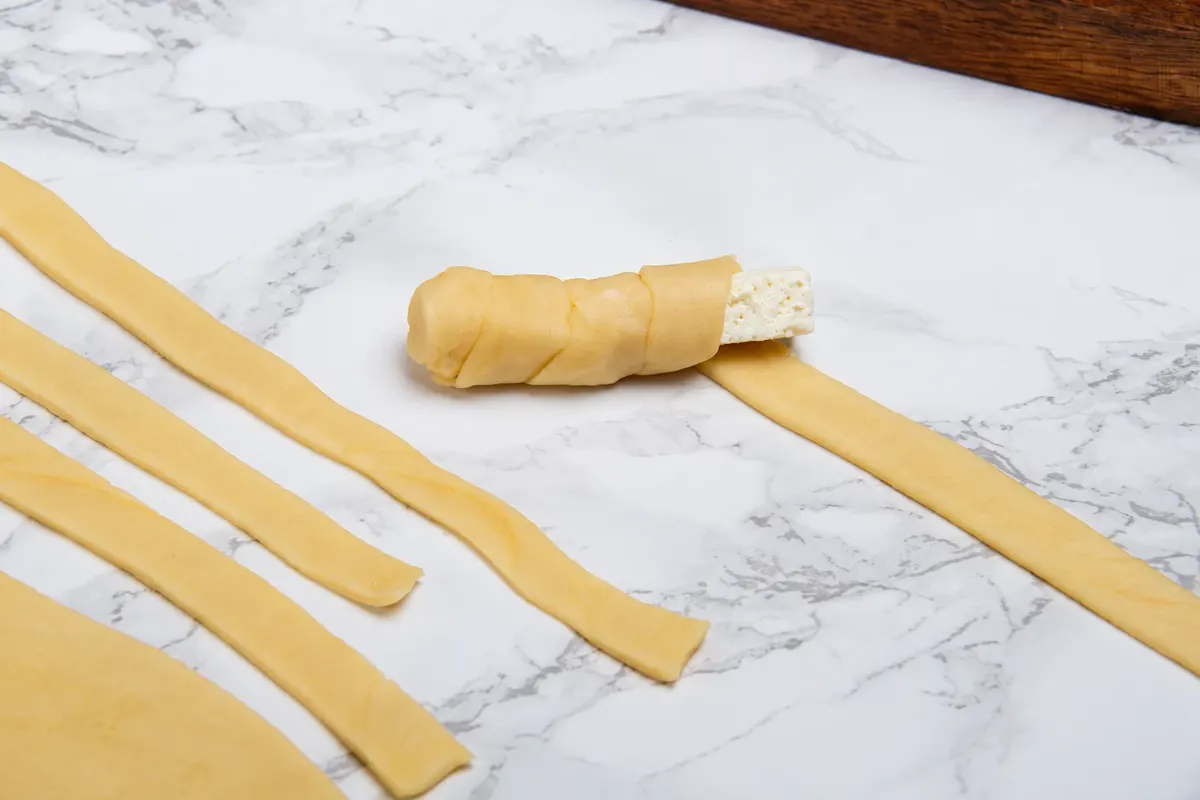
Stick of wheat dough wrapped around a stick of white cheese and fried until golden, found at almost every Venezuelan party. The most widespread version says it was born in Los Teques, which gives it its name.
Beyond the guide