Chicha de Curacaví
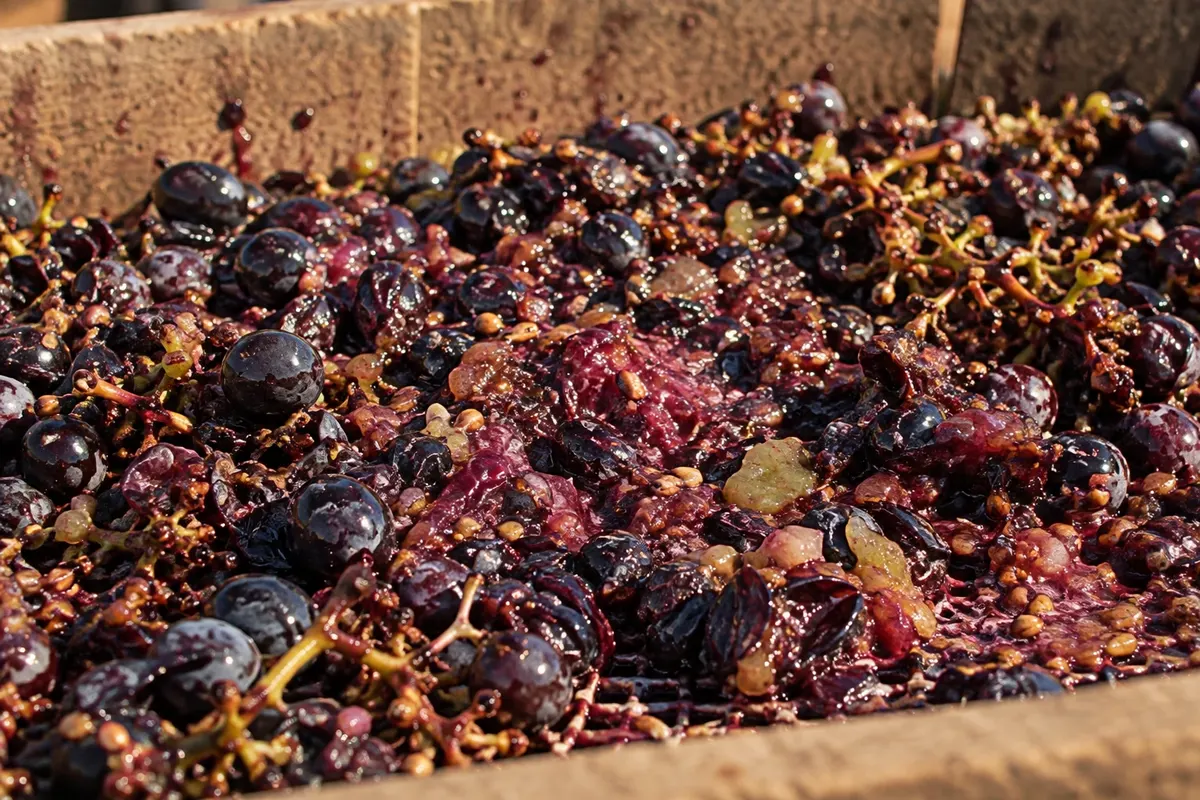
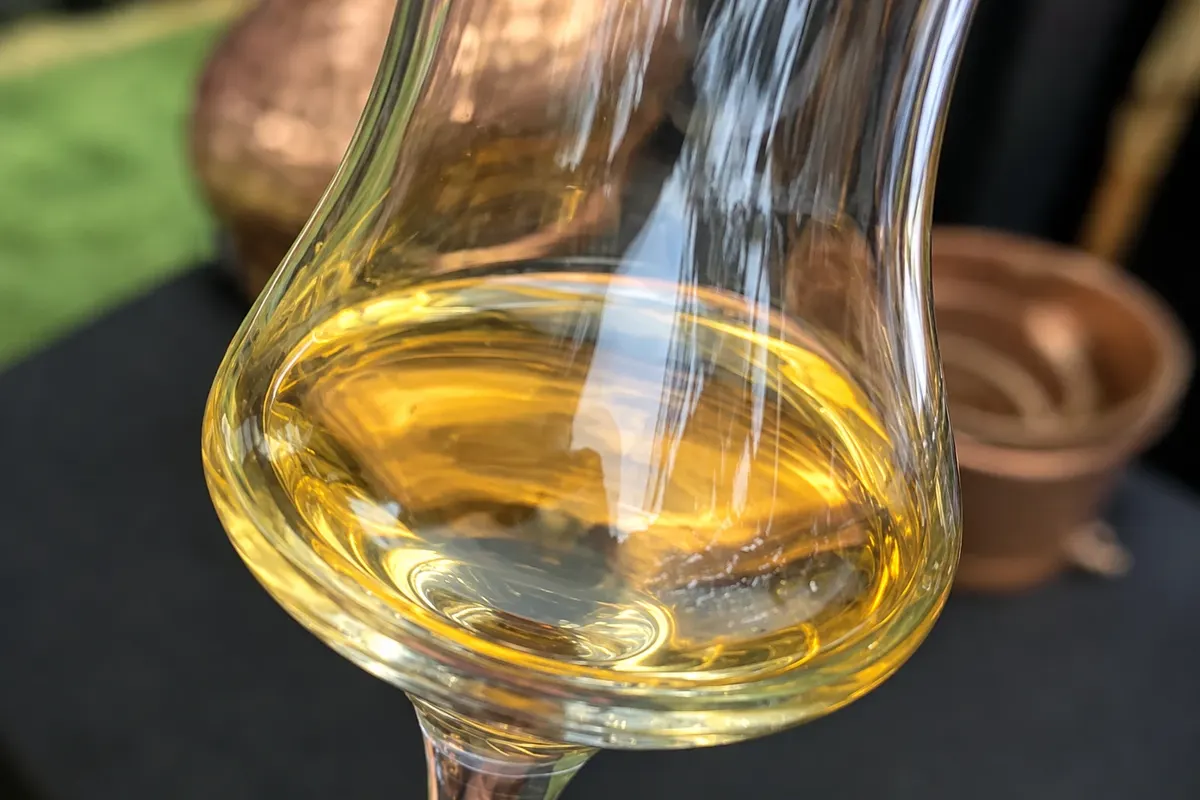
Drink made from fermented grape must, slightly sweet, produced in Curacaví, near Santiago, with cooking in copper or stainless-steel vats. It has a designation of origin since 2017 and an annual festival.
Flavors · Chile
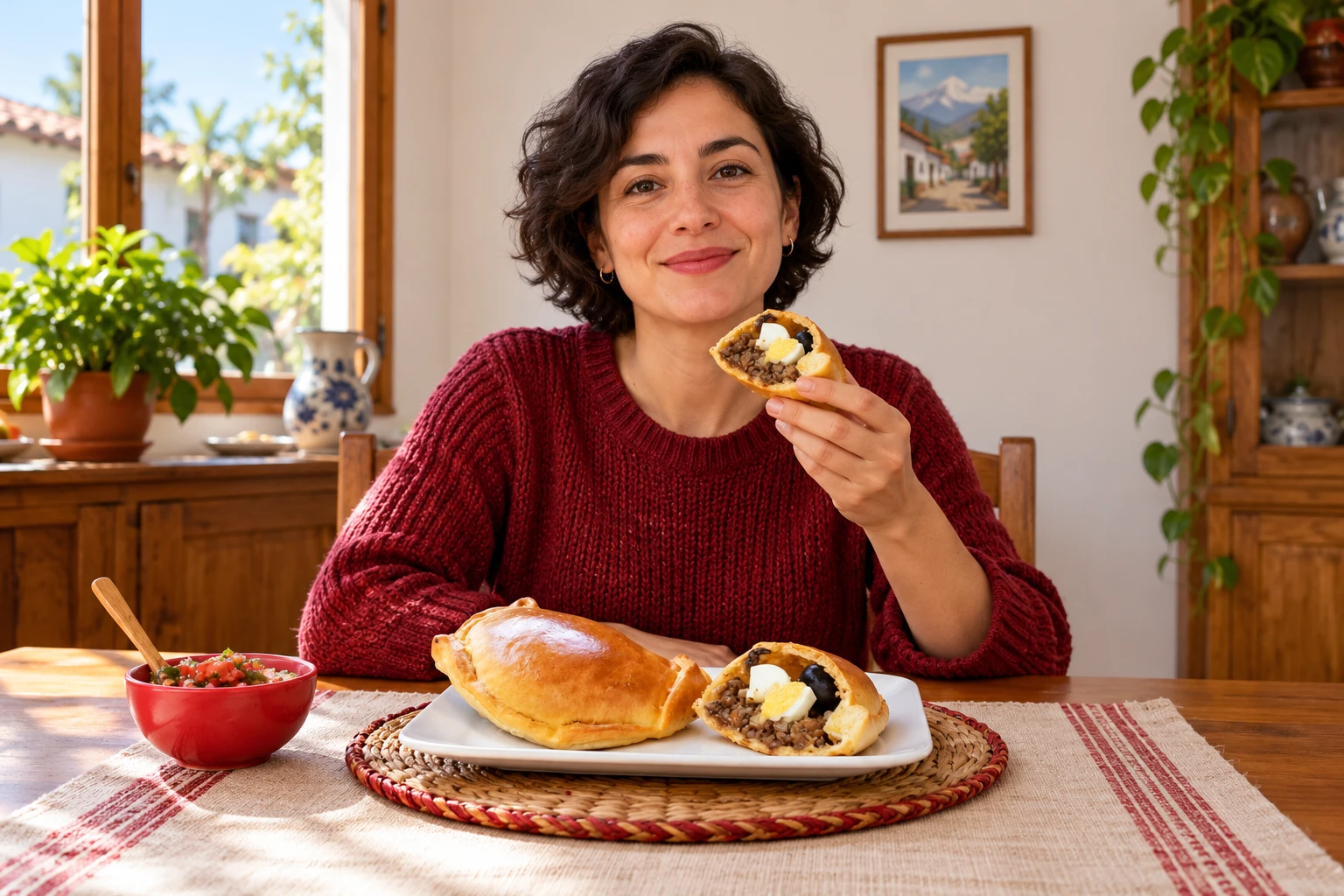
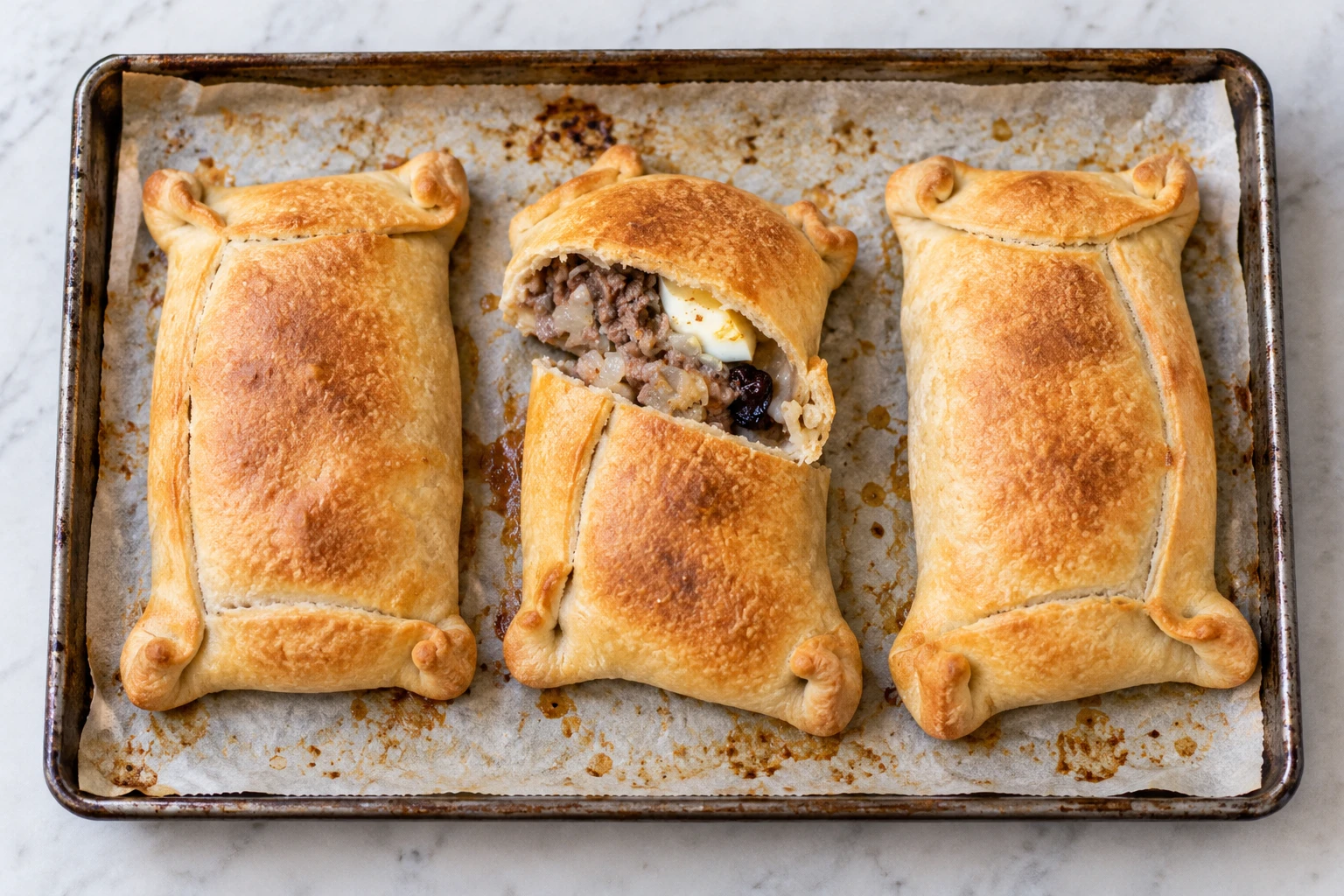
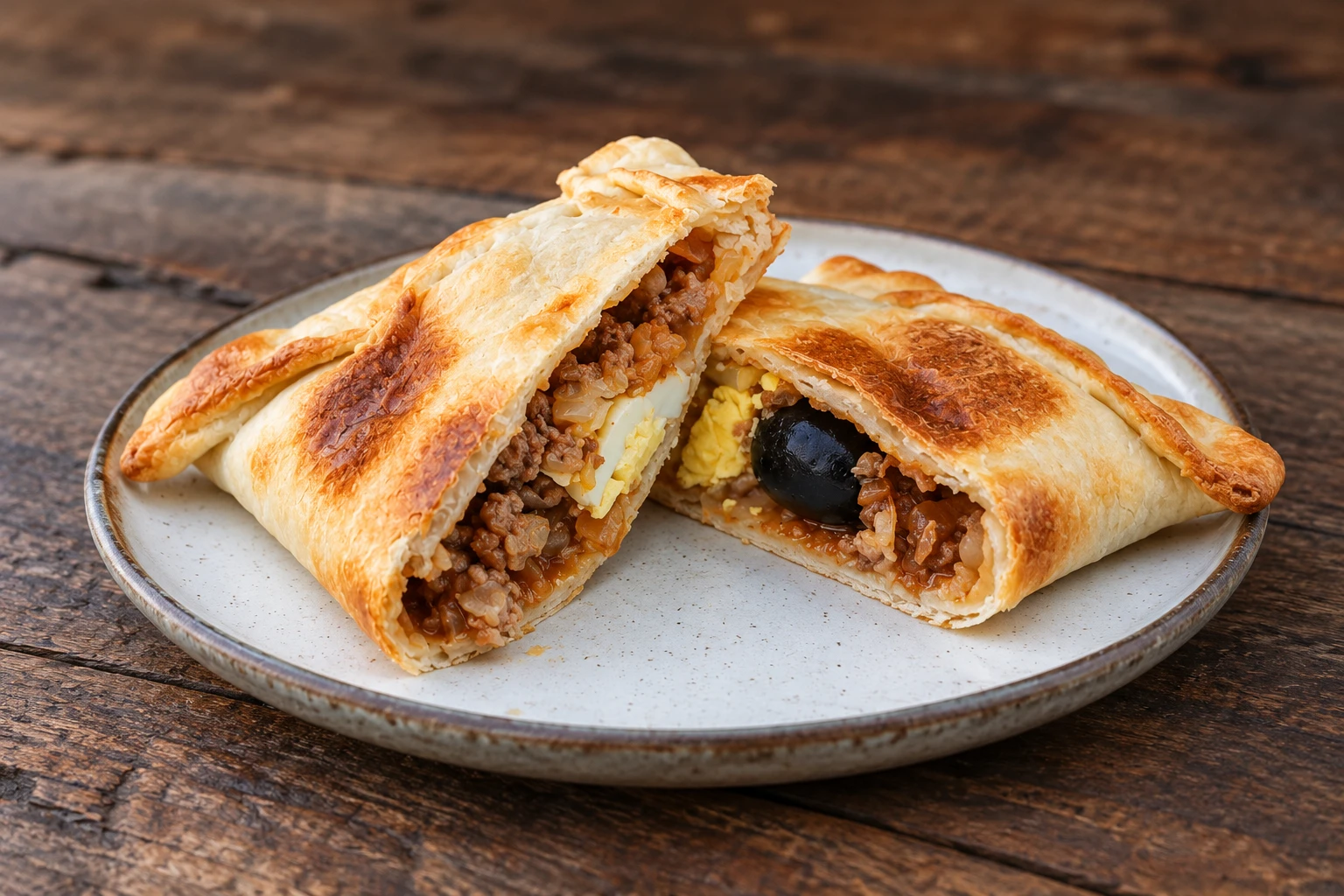
Large wheat-flour empanada baked in the oven, filled with pino: minced beef sautéed with lots of onion, with hard‑boiled egg, a black olive and, for those who like it, raisins. It’s the food of the September Fiestas Patrias and of Sunday lunch across Chile.
Traditional dish from Chile
Also known as: empanada chilena
Illustrative images. The pictures in this guide are illustrations based on the real place, not photographs, and may differ from it.
Click a photo to enlarge it.
Empanada de pino — Chile
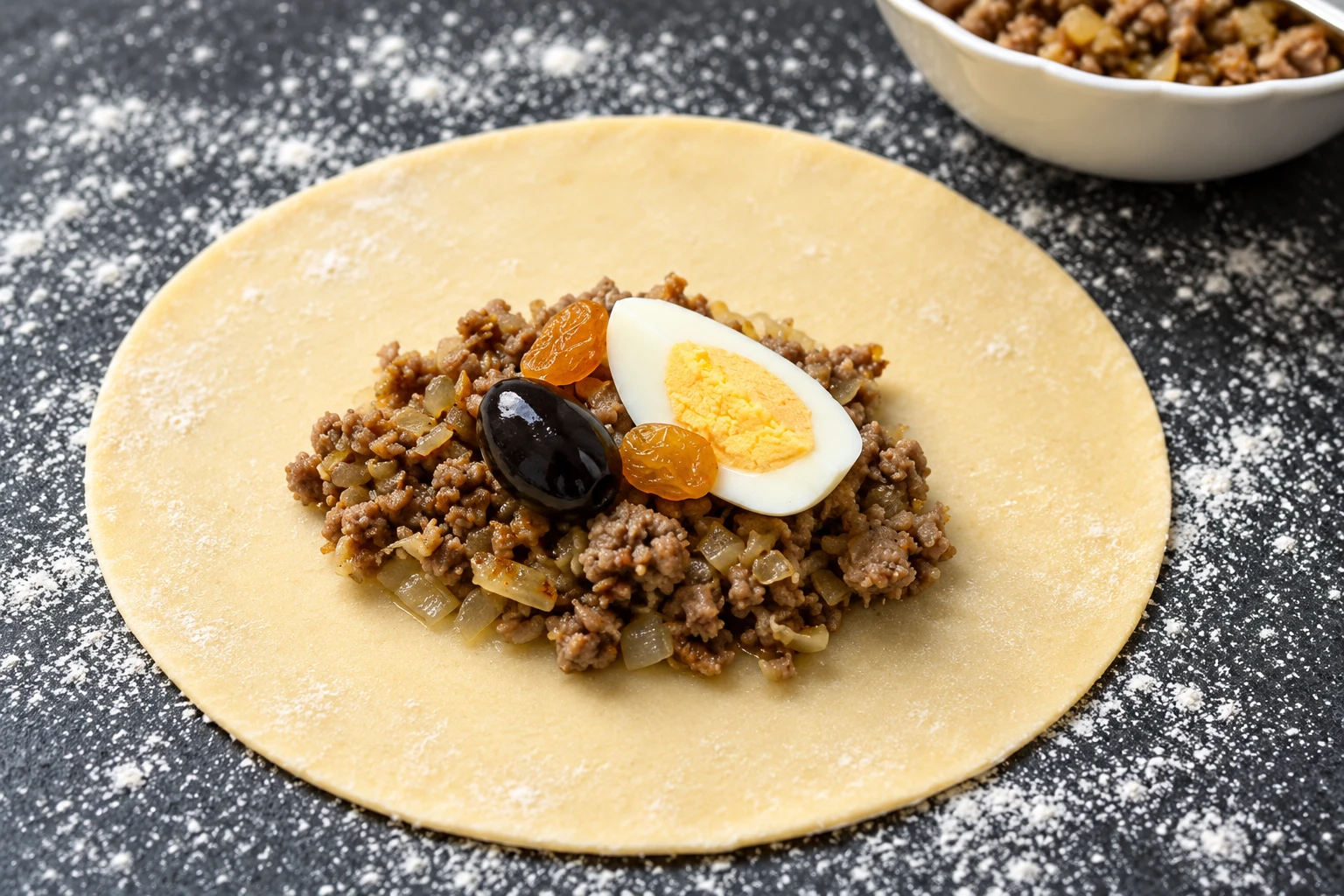
The heart of the Chilean empanada is the pino, the filling. Chopped or ground beef is sautéed with plenty of diced onion, fat, cumin, paprika and salt until it forms a moist stew that often rests overnight. When assembling, each empanada receives a portion of pino, a piece of hard‑boiled egg, a black olive and, according to taste, some raisins. The dough, made from wheat flour and fat, is folded over at the edges, brushed and baked in the oven until golden. Pino empanadas are large and are eaten hot, straight from the oven.
The name of the filling has different explanations. Chile Travel, the country’s official tourism promotion agency, links the word pino to the Mapuche term pirru, used for the mixture of chopped meat with onion. Folklorist Oreste Plath suggested another Mapuche origin, pinu, which would mean tiny pieces. Raisins are the biggest debate: some people won’t give them up, others remove them one by one, and many homes and bakeries sell both versions.
The empanada arrived with the Spaniards, who brought the technique of stuffed and baked dough. In Chile, it acquired the pino and a special place on the table. A legend attributes the first Chilean empanada to Inés de Suárez, companion of the conquistador Pedro de Valdivia, but there is no documentary evidence. Other South American countries have their empanadas with different fillings, doughs and sizes; the pino version is the one Chileans recognize as theirs.
In September, during the Fiestas Patrias, which celebrate the first government junta of 1810, the pino empanada is the mandatory food at the fondas, the large festival venues with food, cueca and music set up across the country. The rest of the year, it is many families’ Sunday lunch, bought at the bakery or made at home. In the north, there are versions with llama or lamb meat; on the coast, seafood and cheese empanadas, usually fried, share the counter with pino empanadas.

Chile
The pino empanada is the food of the Fiestas Patrias and of Sunday lunch in all regions of Chile, with variations in the north, centre and south, without a single city of origin.
Dough of wheat flour and fat; pino of chopped or ground beef, plenty of onion, cumin, paprika and salt; hard‑boiled egg, black olive and, optionally, raisins.
Hot, straight from the oven, eaten with the hands or with fork and knife, often accompanied by pebre, a sauce of tomato, onion, cilantro and chili, and by red wine.
Fiestas Patrias, on September 18 and 19, especially at the fondas; year‑round for Sunday lunch.
Your questions
It’s the filling: chopped or ground beef sautéed with plenty of onion, cumin and paprika. When assembled, each empanada also receives hard‑boiled egg, a black olive and, if the person wants, raisins.
It depends on the place. Raisins are part of the traditional recipe for many Chileans, but others don’t want them, and bakeries usually sell both versions.
The pino empanada is the signature food of the September national celebration and is never missing at the fondas, the festival venues set up across the country alongside cueca and wine.
Baked in the oven. Fried empanadas, common on the coast, are usually cheese or seafood.
Flavors of Chile

Drink made from fermented grape must, slightly sweet, produced in Curacaví, near Santiago, with cooking in copper or stainless-steel vats. It has a designation of origin since 2017 and an annual festival.

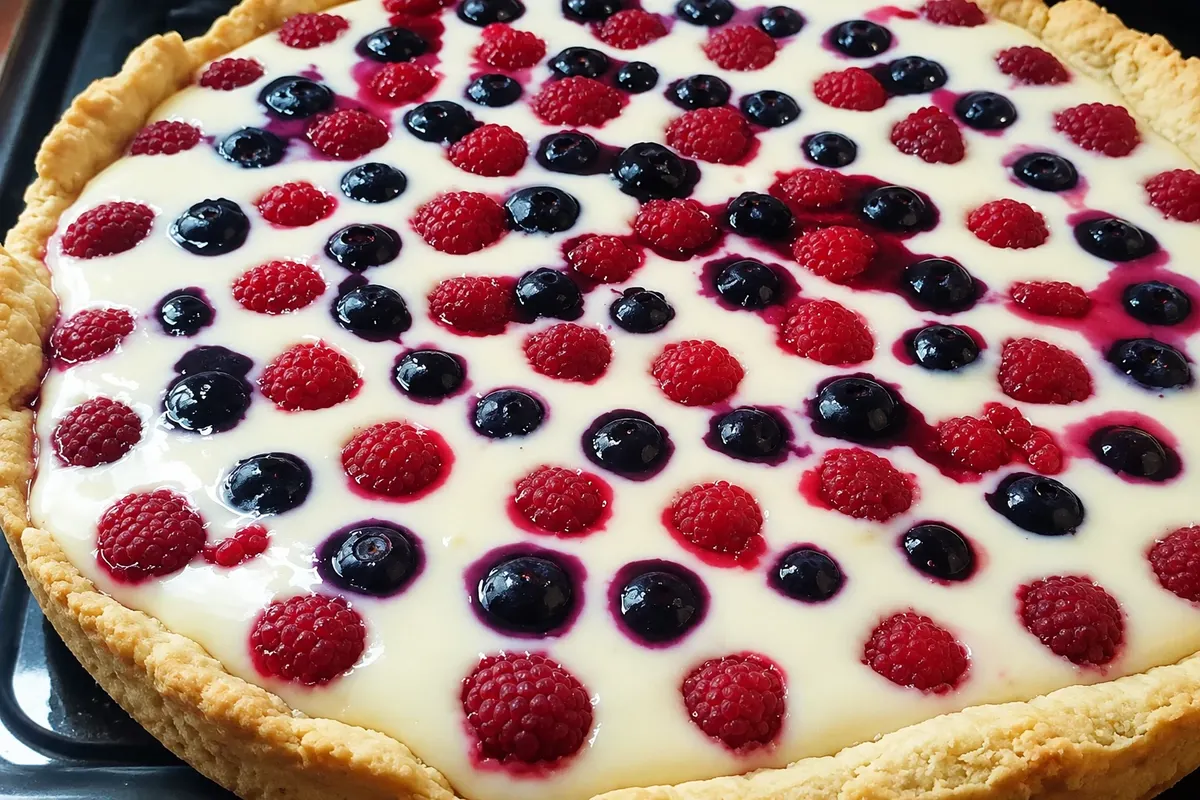
Sweet shortcrust tart topped with seasonal fruits such as raspberry, strawberry, murta and currant, inherited from the German settlers of southern Chile. In Frutillar, it is the pastry served in the tea houses.

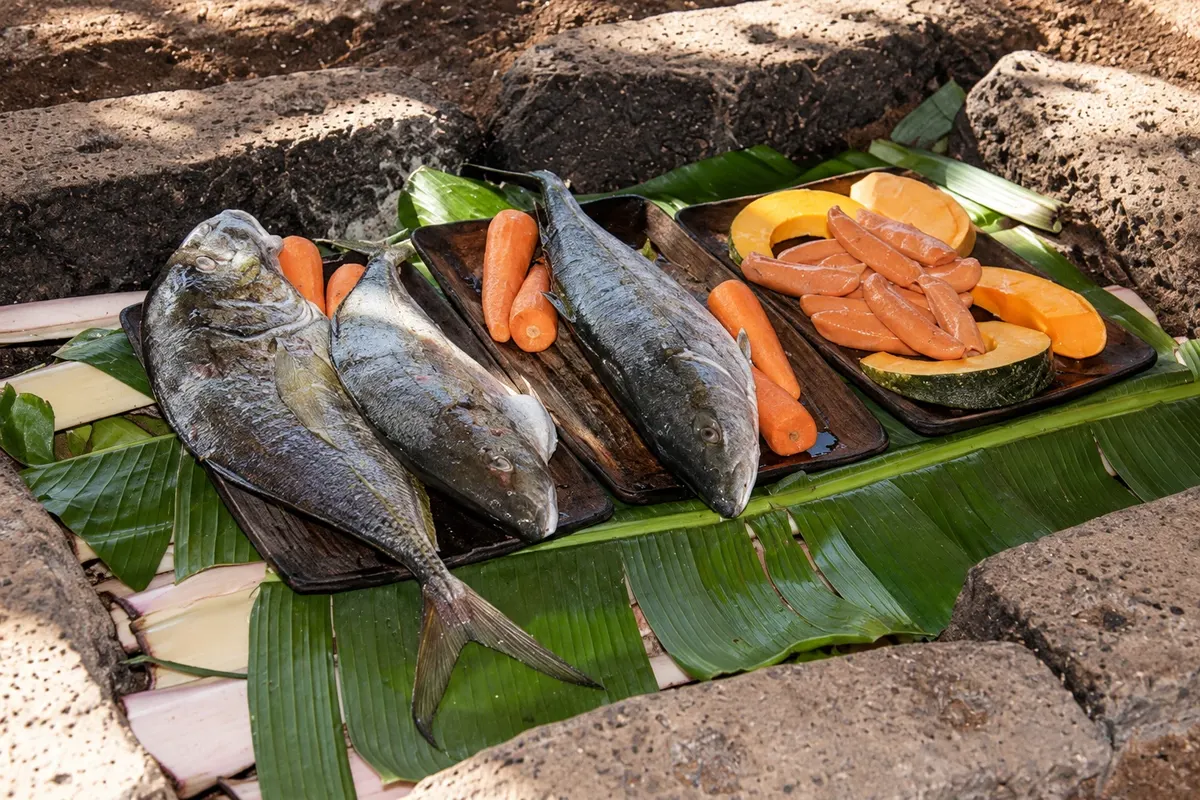
Earth oven of the Rapanui people: meats, fish, sweet potato, taro and banana slowly cooked on hot volcanic stones, wrapped in banana leaves. It is the most traditional preparation of Rapa Nui cuisine.

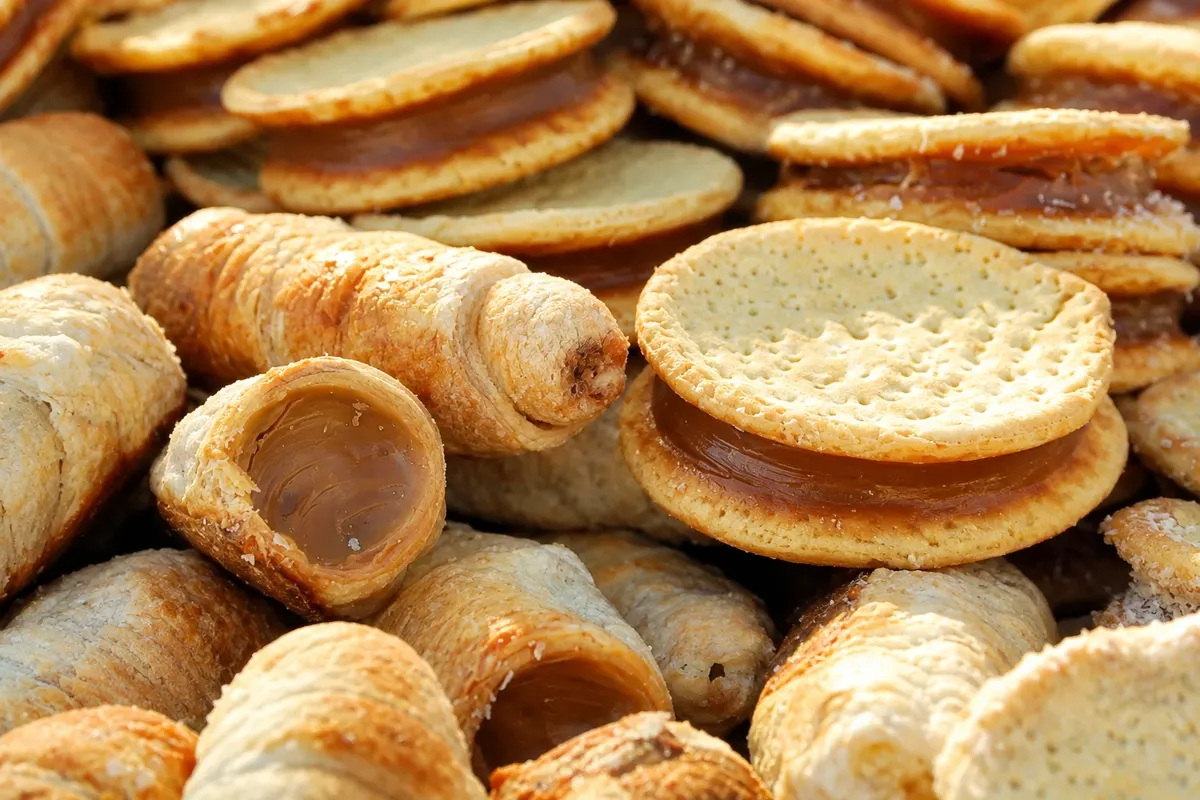
Artisanal sweets made by families of confectioners from La Ligua and sold by vendors wearing white aprons and carrying baskets, in town and along the road. They have a geographical indication and are Chile’s intangible cultural heritage.

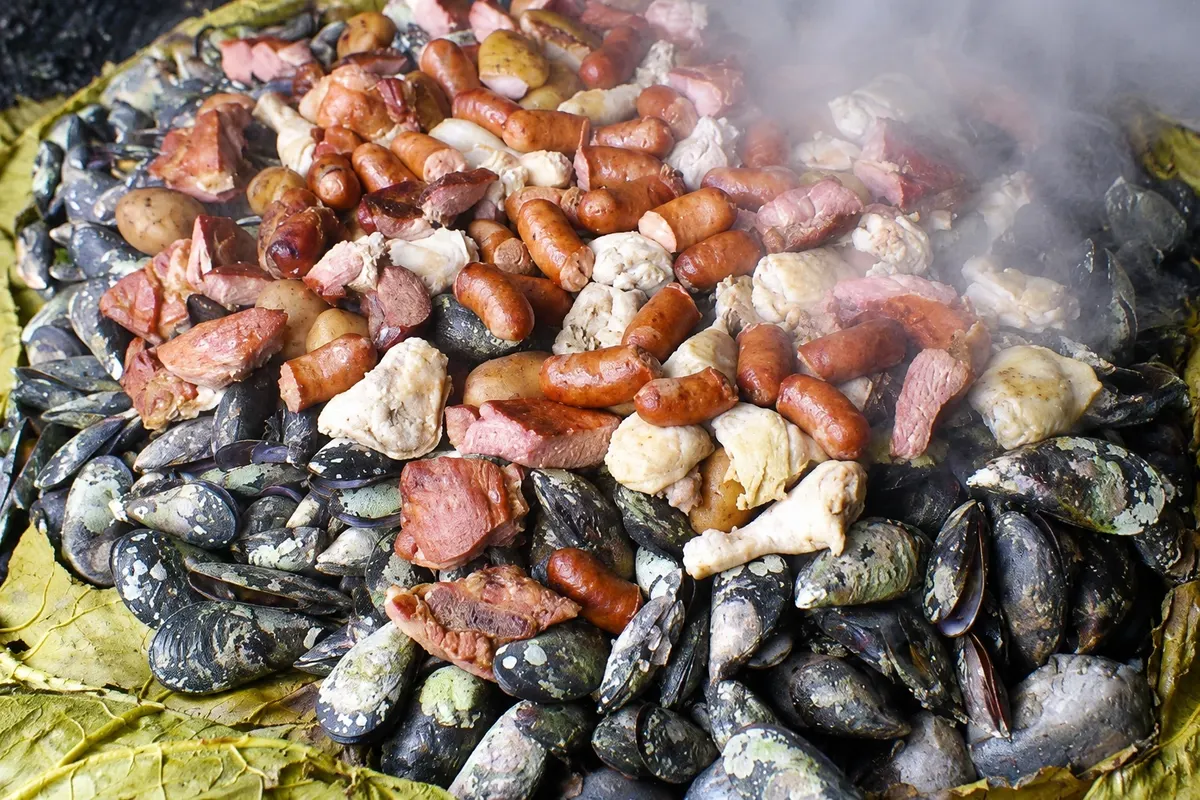
Shellfish, meats, sausage, potatoes and potato breads cooked in a hole in the ground, over hot stones, covered with large leaves. It is the dish most associated with Chiloé, in southern Chile.

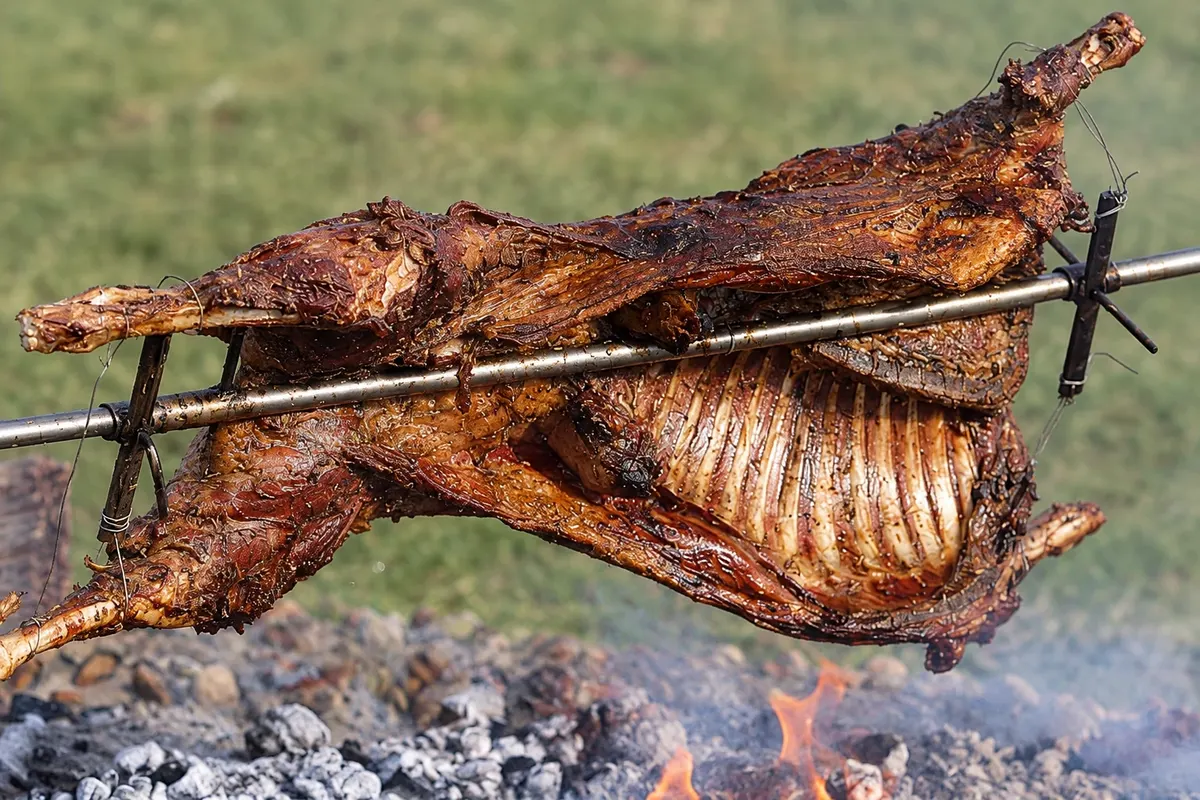
Whole lamb opened on an iron cross and slowly roasted beside the fire, a dish of the sheep estancias of the Chilean Patagonia. It is the one most associated with the gastronomy of Magallanes.

Grape brandy with Chilean designation of origin, distilled from wine made from grape varieties defined by law in the regions of Atacama and Coquimbo. The Elqui Valley and the village of Pisco Elqui are its heart.

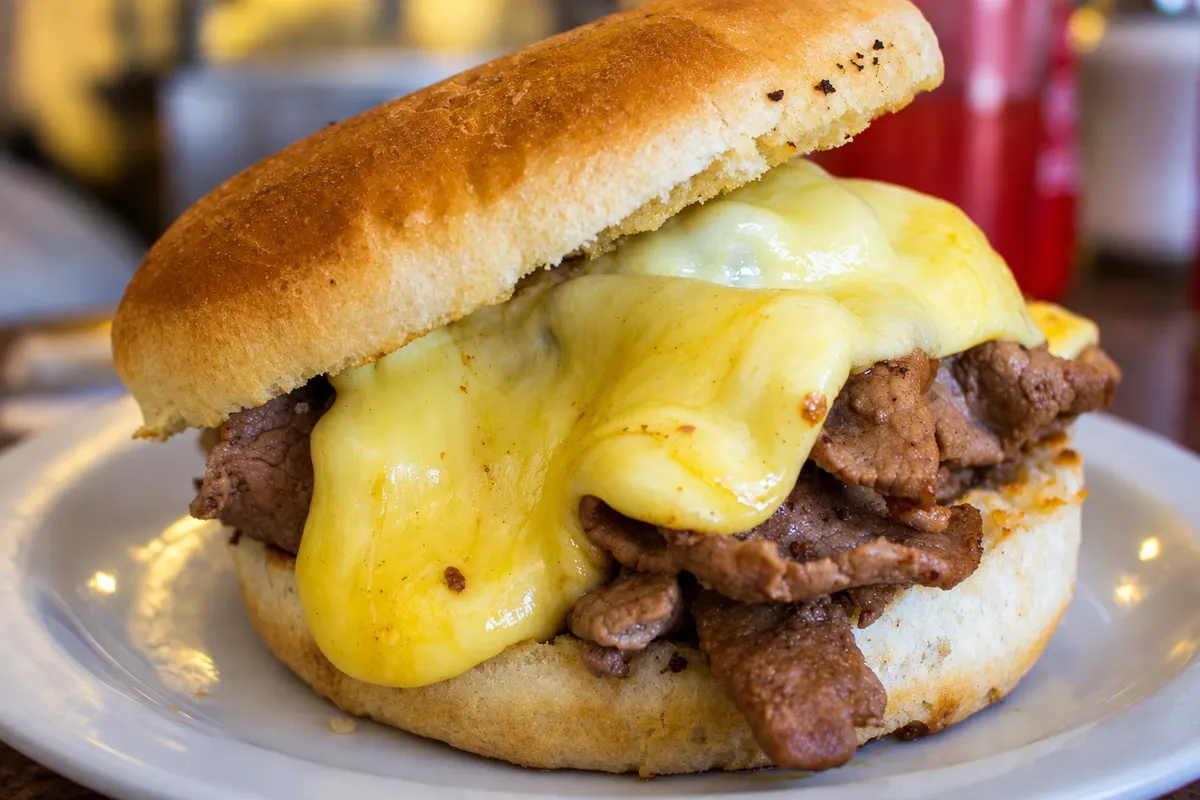
Hot sandwich of thin beef cooked on a griddle with melted cheese, usually served on marraqueta bread. It’s named after President Ramón Barros Luco, who used to order it in Santiago.

Pipeño wine drink with pineapple ice cream, sometimes with grenadine or fernet. Its name is linked to the bars of Santiago and the 1985 earthquake, and it became a drink of the Fiestas Patrias.

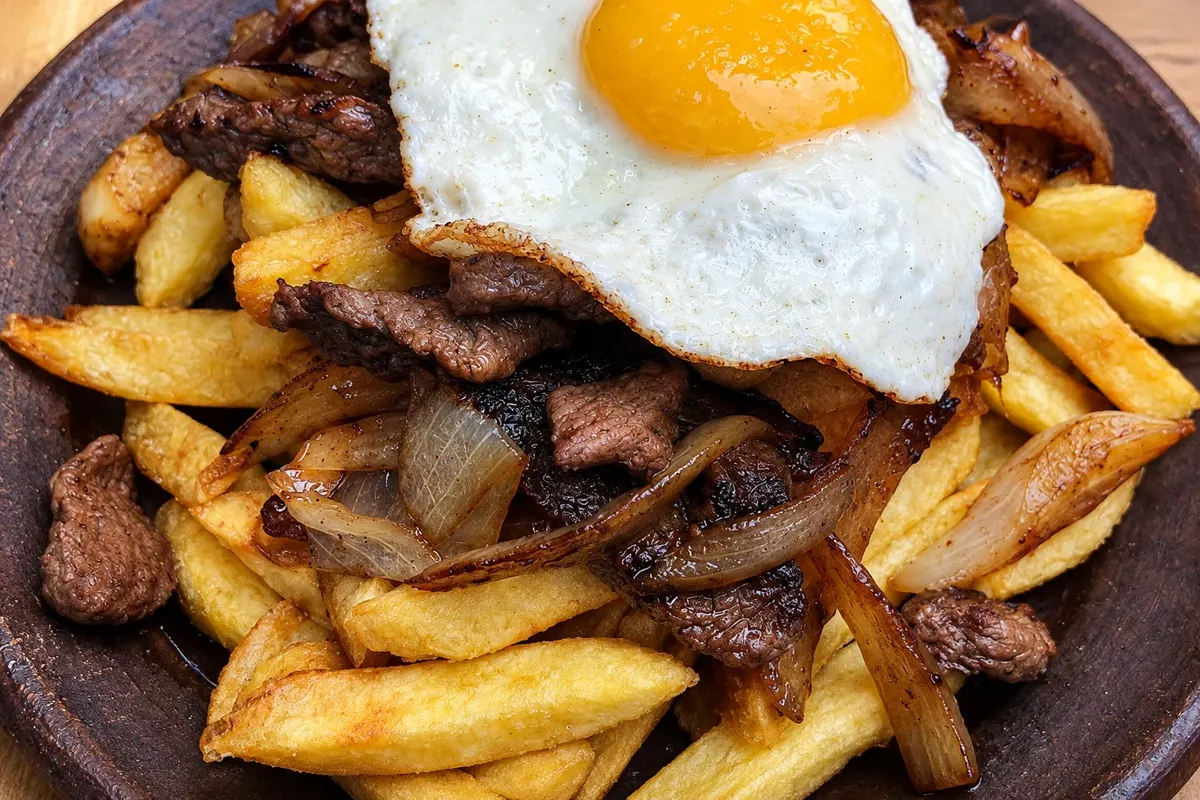
Platter of french fries topped with strips of beef, sautéed onion and egg, served for sharing. It is associated with Valparaíso’s traditional bars, where it became popular.