Capeletis a la Caruso
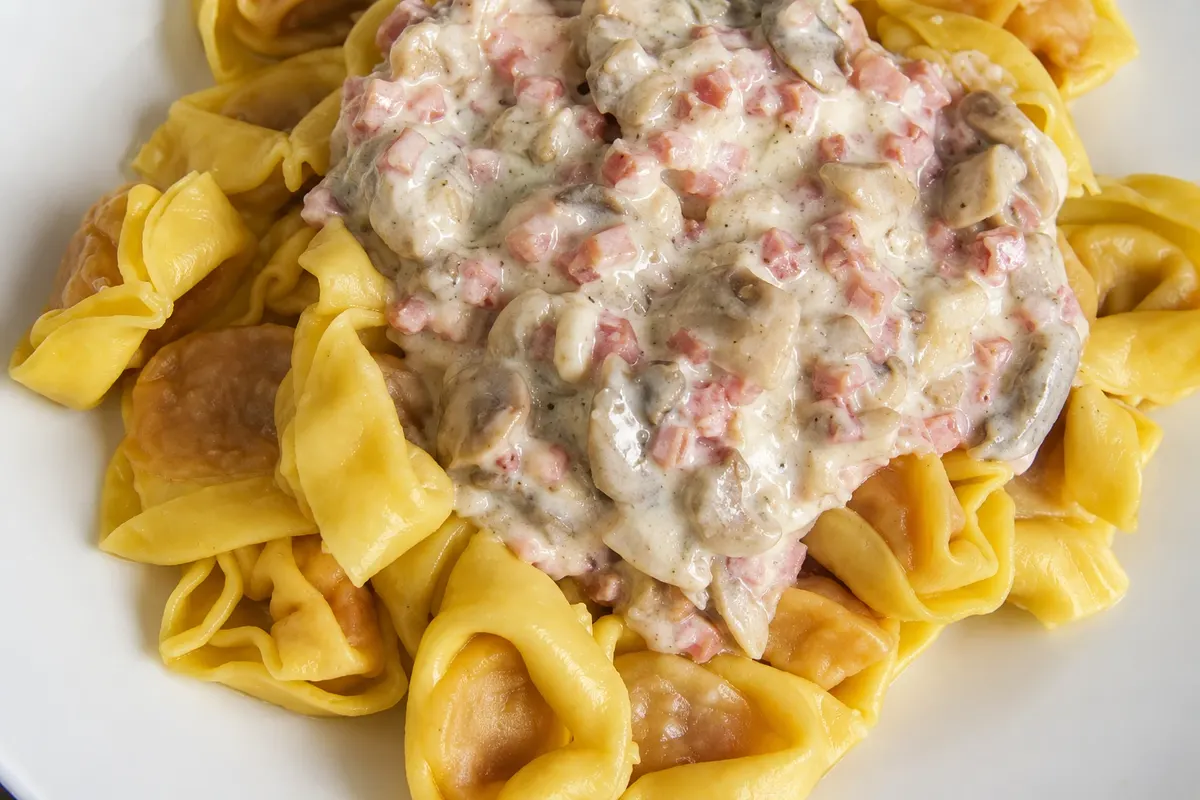
Pasta stuffed with meat with Caruso sauce, made with heavy cream, ham, mushrooms, cheese and meat extract. The sauce was created in Montevideo in the 1950s and is named for the tenor Enrico Caruso.
Flavors · Punta del Este
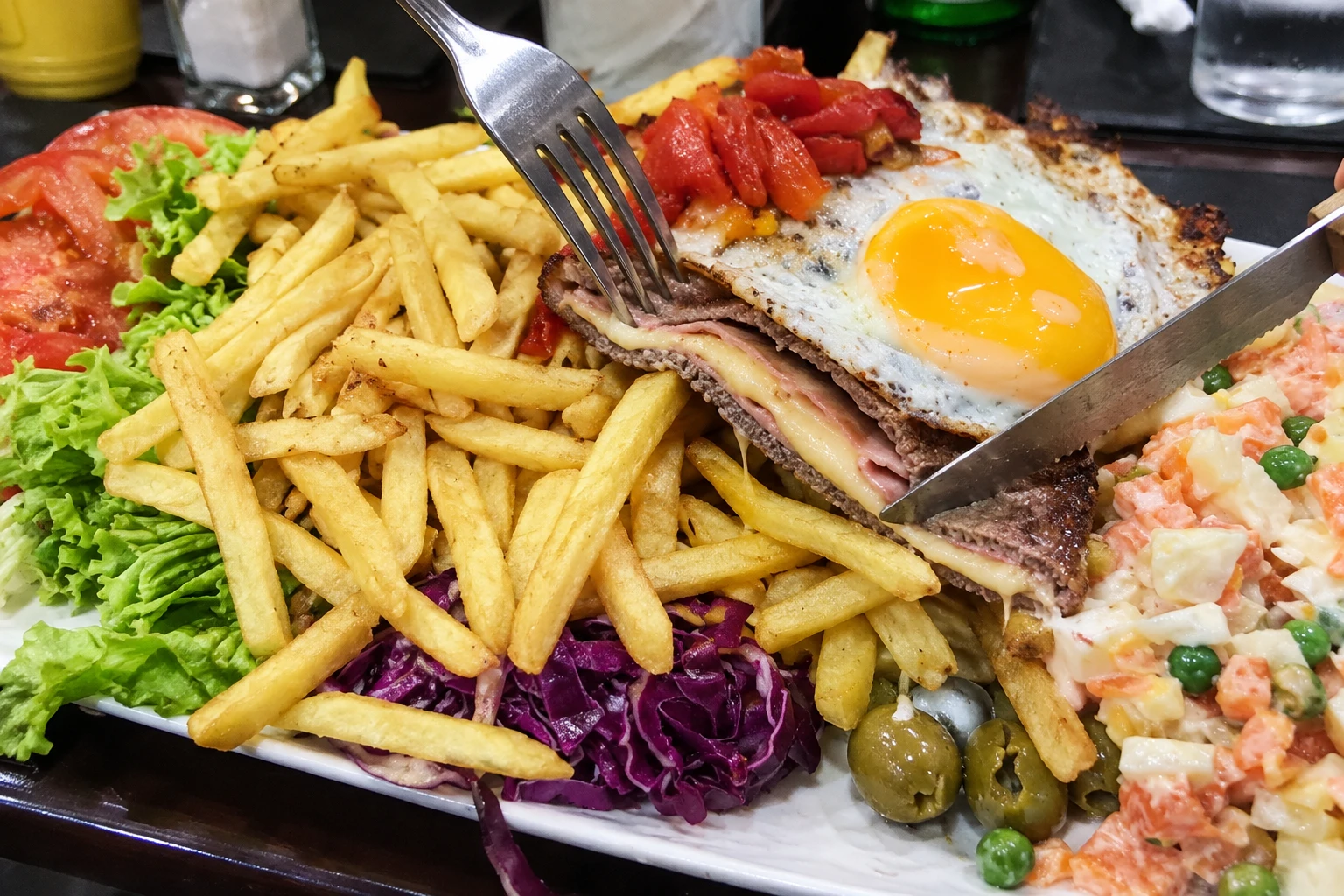
Hot sandwich of thin beef steak, ham, cheese, lettuce, tomato, egg and mayonnaise, also served on a plate with French fries. It was born in a bar in Punta del Este in the 1940s and, despite the name, does not contain goat.
Traditional dish from Punta del Este, Maldonado
Also known as: chivito uruguayo, chivito al pan
Illustrative images. The pictures in this guide are illustrations based on the real place, not photographs, and may differ from it.
Click a photo to enlarge it.
Chivito — Punta del Este, Uruguay
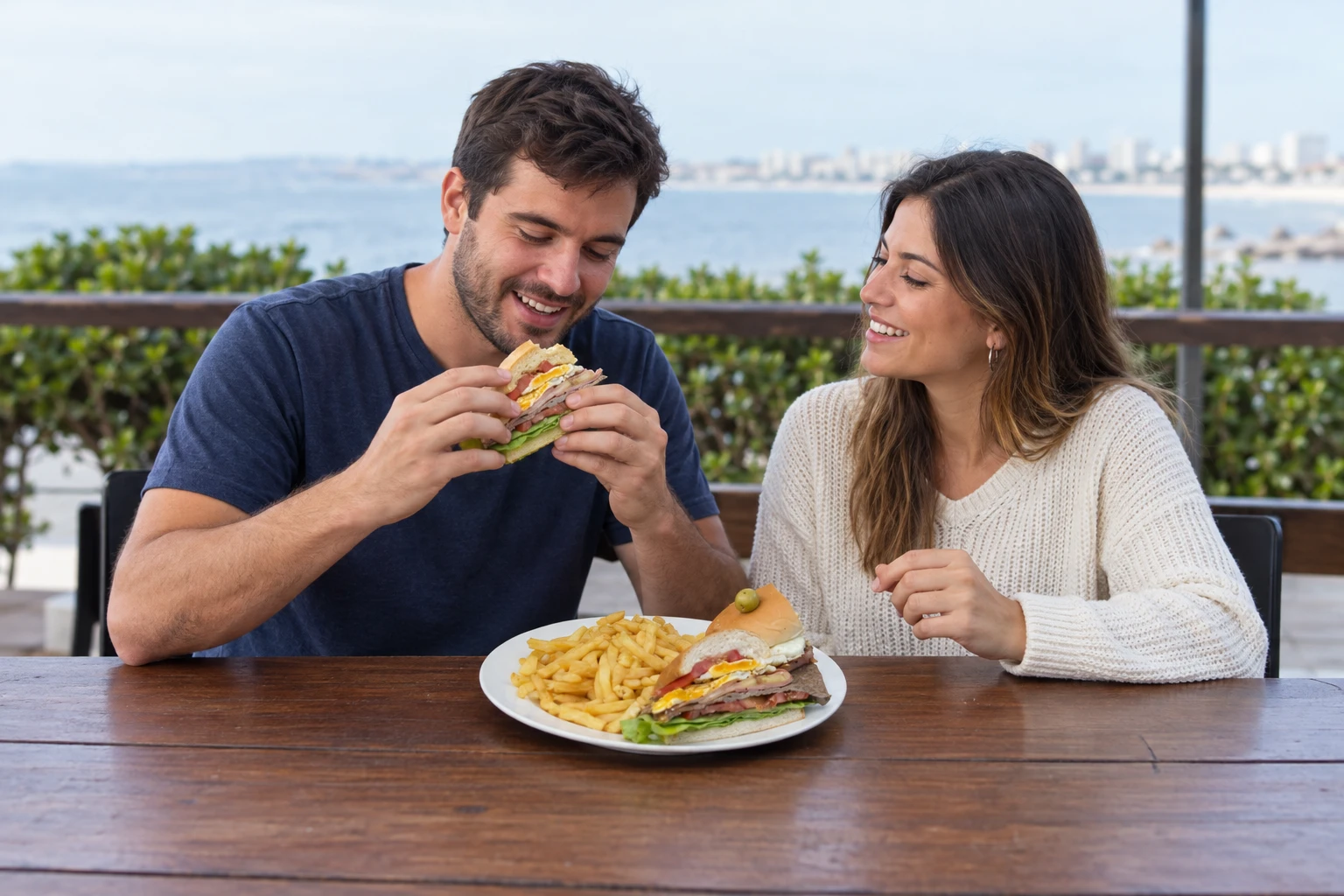
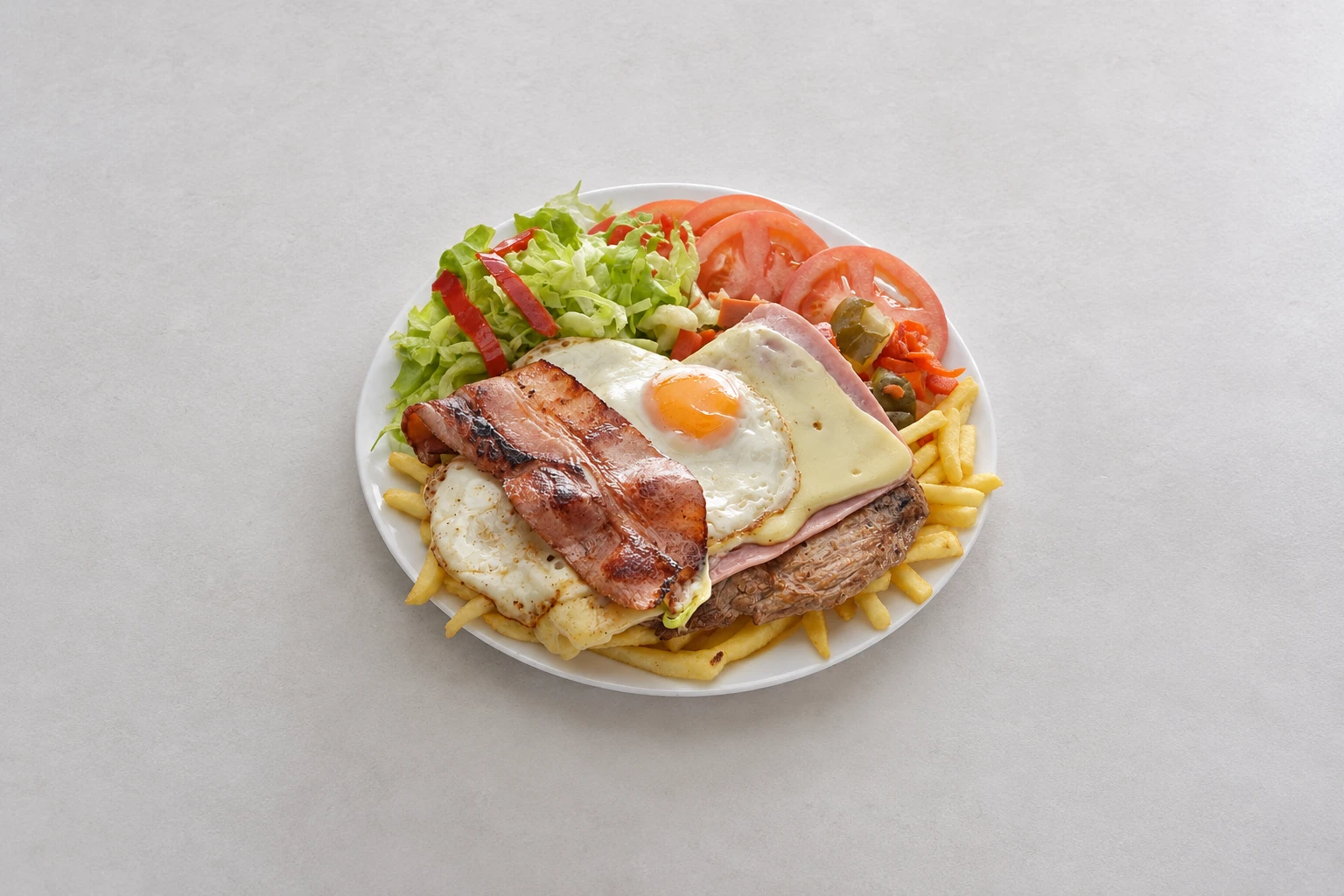
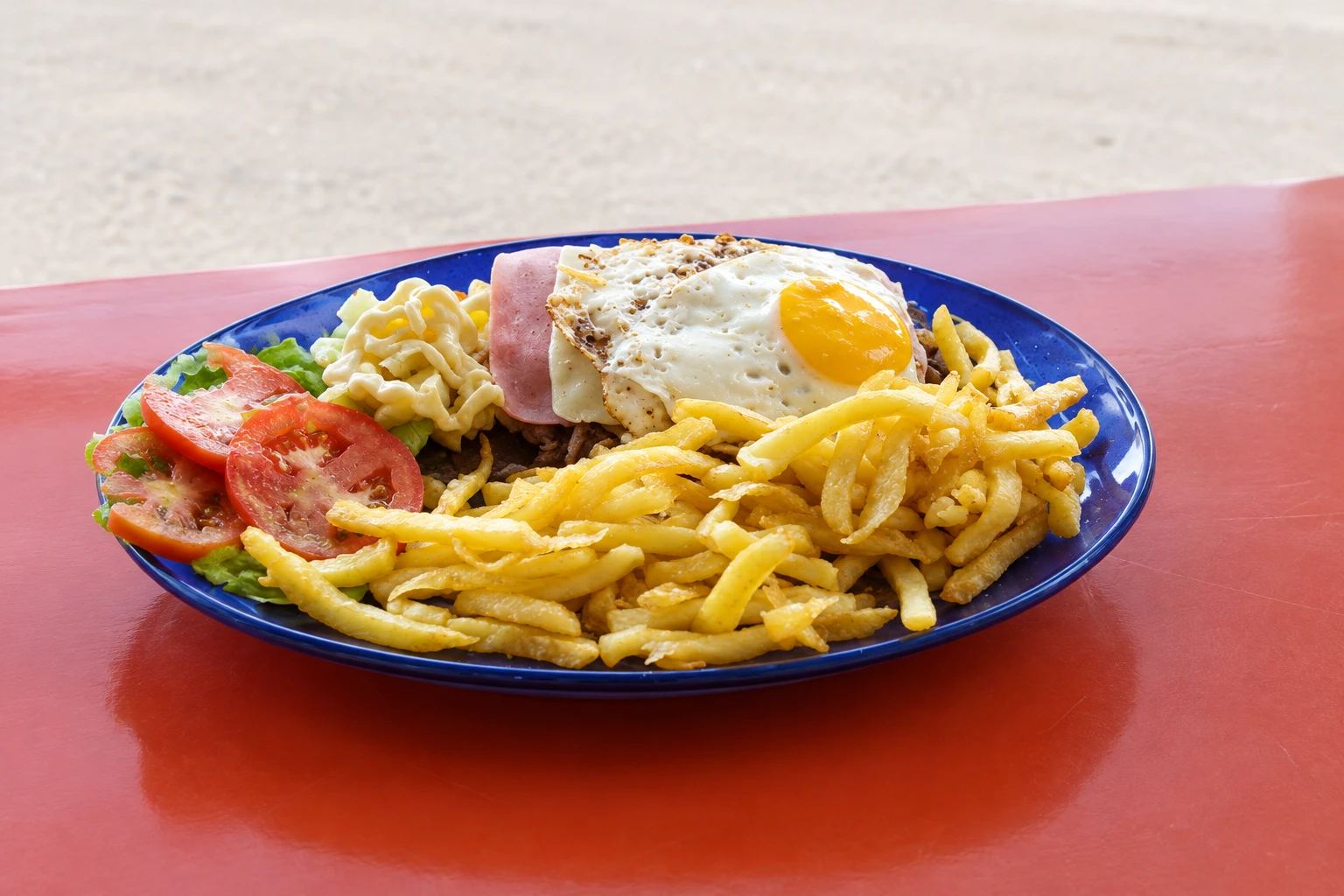
The chivito is a sandwich of very thin beef steak, quickly seared on the griddle and served in a soft roll with ham, mozzarella cheese, lettuce, tomato, egg and mayonnaise. Many versions add bacon, olives or bell pepper. It is also ordered “al plato”: the same ingredients on a plate, usually with French fries on the side. In Spanish, chivito means kid (young goat), but the sandwich does not contain goat meat.
The name comes from the story told by its creator, Antonio Carbonaro, owner of the bar El Mejillón in Punta del Este. According to him, on a blackout night in the 1940s a female customer, whom he remembered as being from northern Argentina or Chile, asked for kid meat, which she had tried in Córdoba. The bar did not have it. The kitchen improvised toasted bread with butter, a slice of ham and a juicy steak, and Carbonaro would later say they had invented the chivito by accident. The exact year varies among accounts, from 1944 to 1946.
El Mejillón was located on the peninsula of Punta del Este, near Playa Mansa, and was one of the few bars open day and night. The sandwich entered the menu and, according to Carbonaro, reached a thousand units per day, to the point that two butcher shops in town relied on the meat sold to the bar. The name was never registered as a trademark, and other bars began making their versions.
Over time, the chivito gained ingredients and variants, such as the “canadiense,” with Canadian bacon, and the version served on a plate with French fries. It spread throughout Uruguay, from snack bars to restaurants, and the Ministry of Tourism calls it a recipe of national heritage.

Punta del Este , Maldonado
The chivito was born in Punta del Este, at the El Mejillón bar of Antonio Carbonaro, in the 1940s.
Thin beef filet steak, soft roll, ham, mozzarella cheese, lettuce, tomato, egg and mayonnaise; versions with bacon, olives or bell pepper.
In the roll, held with both hands, or al plato, with French fries on the side. It is bar and snack-bar food.
All year round, at lunch, at dinner or late at night.
Your questions
According to the creator, Antonio Carbonaro, a female customer asked for kid meat (chivito) at his bar in Punta del Este. Without that ingredient, he served a steak sandwich with ham, and the name stuck.
Al pan is the sandwich, with the ingredients inside the roll. Al plato has the same ingredients served on a plate, usually with French fries.
At the El Mejillón bar in Punta del Este in the 1940s. The bar no longer exists, and the sandwich spread throughout Uruguay.
Flavors of Uruguay

Pasta stuffed with meat with Caruso sauce, made with heavy cream, ham, mushrooms, cheese and meat extract. The sauce was created in Montevideo in the 1950s and is named for the tenor Enrico Caruso.

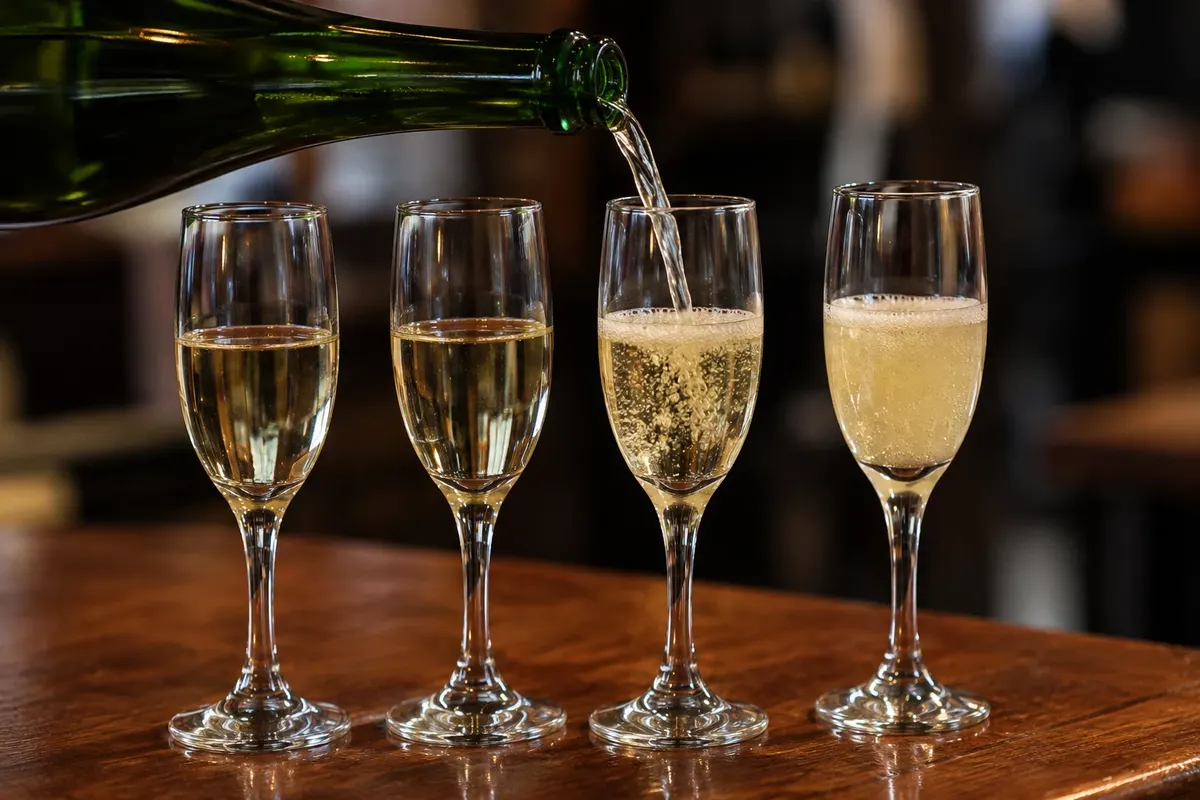
A mix of dry white wine and sweet sparkling wine in equal parts, served very chilled. It’s associated with the Mercado del Puerto in Montevideo, where it’s drunk at the counter before lunch and at year-end celebrations.

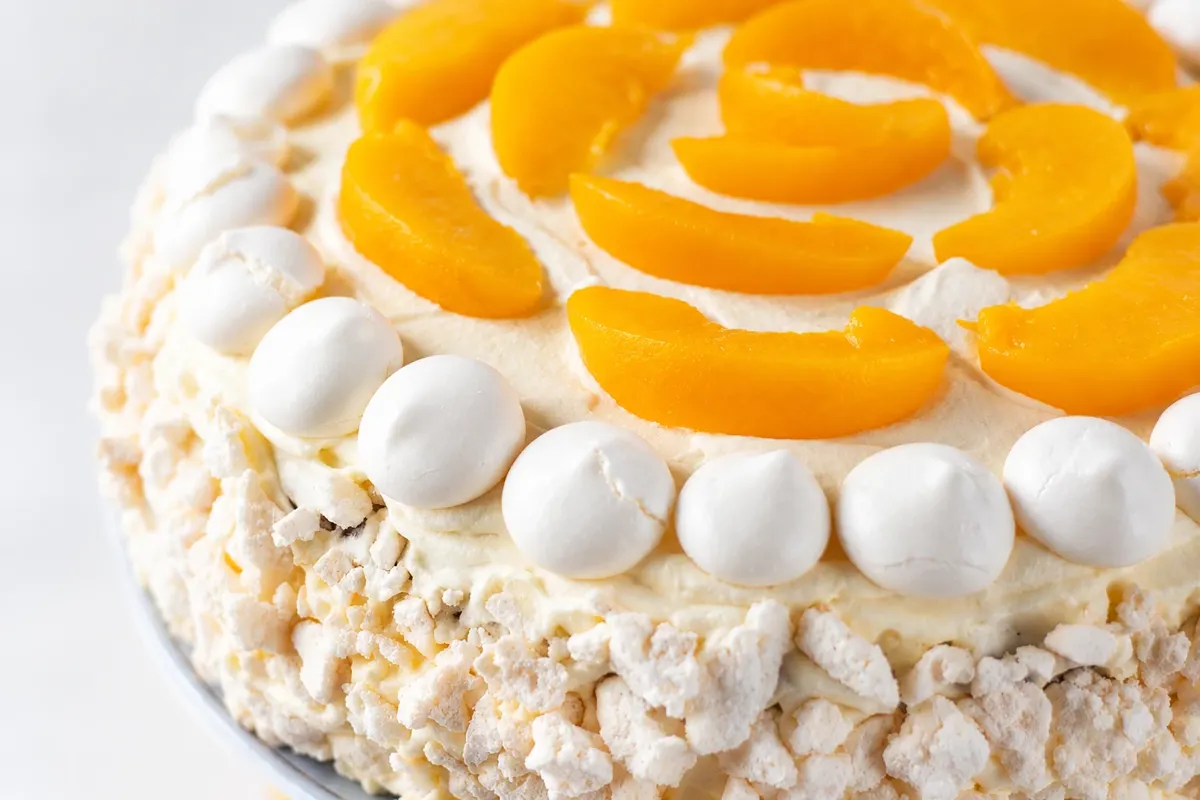
Sponge cake tart, whipped cream, crunchy meringue and peaches in syrup, light and airy. It was created in Paysandú in 1927 and is named after a local bird.

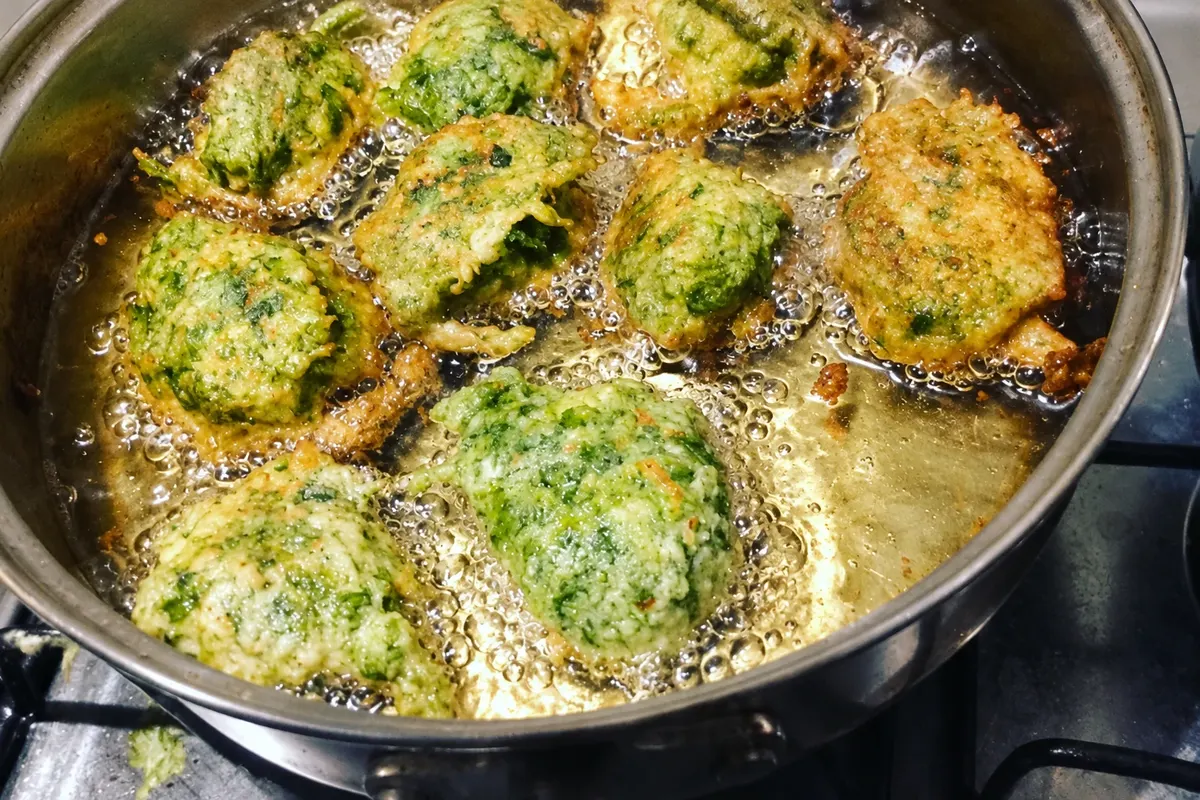
Fried patties of a light batter with chopped fresh green seaweed, typical of the resort towns along Rocha’s coast, such as Cabo Polonio, Valizas and La Pedrera. Served hot, as a starter or snack.

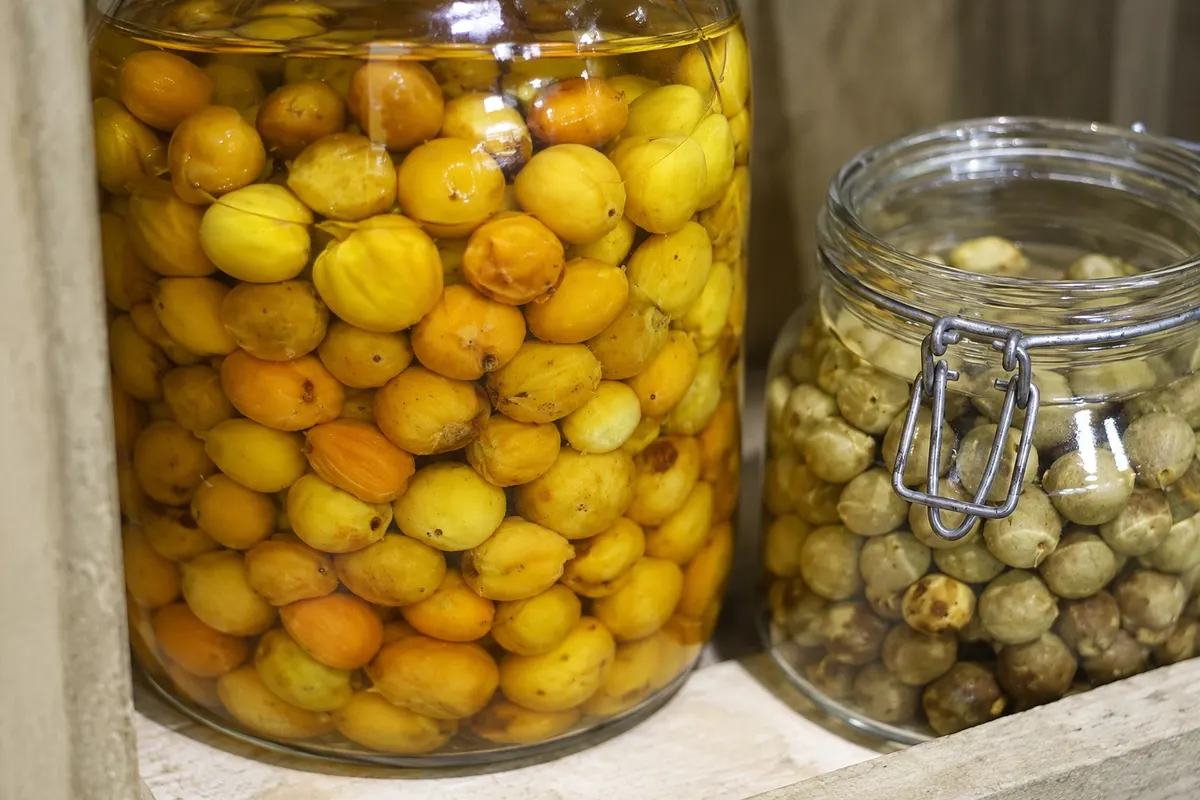
Liqueur made from the orange, sweet-and-sour fruit of the butiá palm, which forms large palm groves in the department of Rocha. The town of Castillos, amid the groves, is known as the “butiá city.”

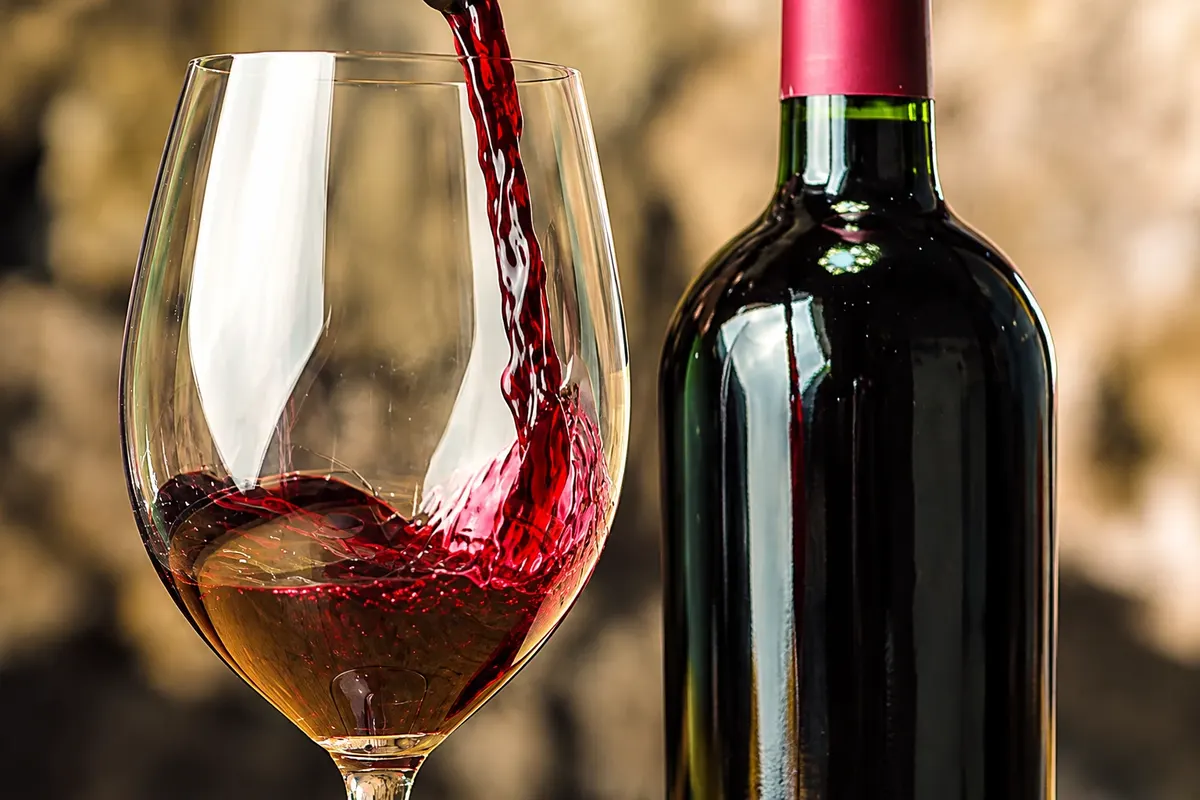
Red wine from the Tannat grape, with intense color and pronounced tannins, the signature grape of Uruguay. The grape arrived in the country with Pascual Harriague, who adapted it in Salto in the 19th century.