Capeletis a la Caruso
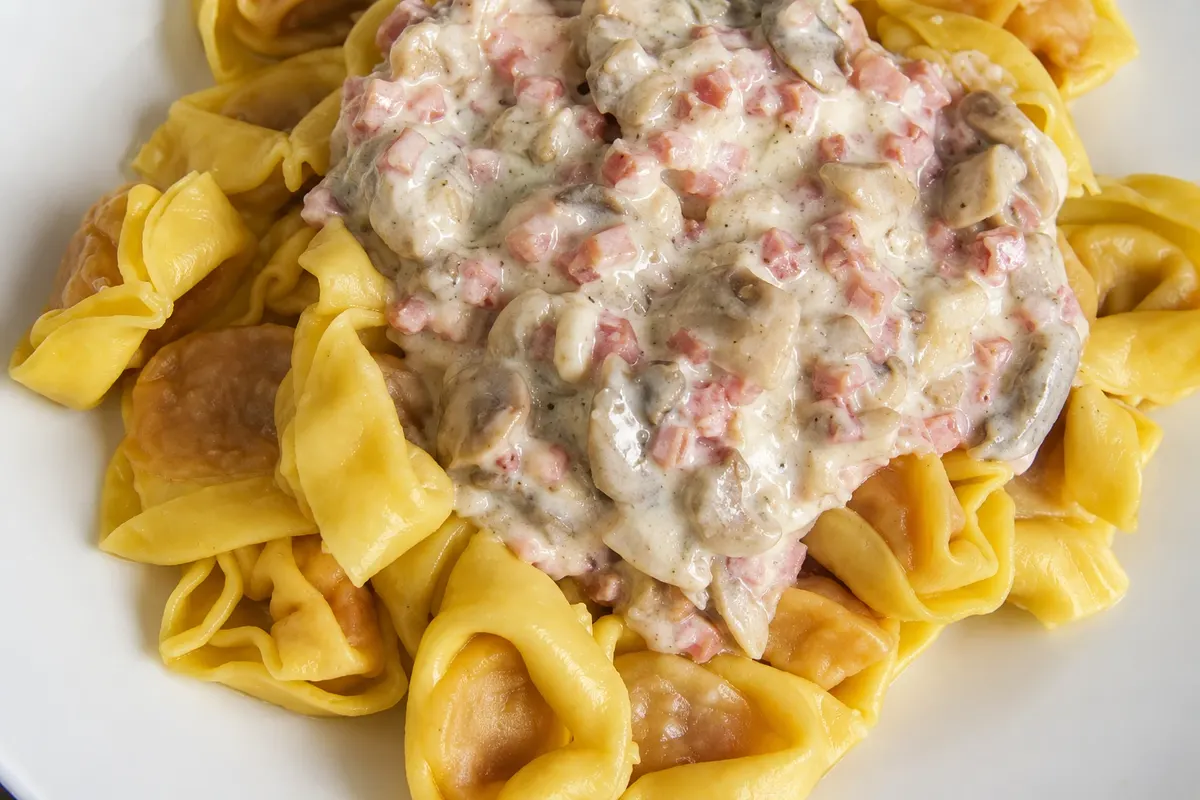
Pasta stuffed with meat with Caruso sauce, made with heavy cream, ham, mushrooms, cheese and meat extract. The sauce was created in Montevideo in the 1950s and is named for the tenor Enrico Caruso.
Flavors · Rocha
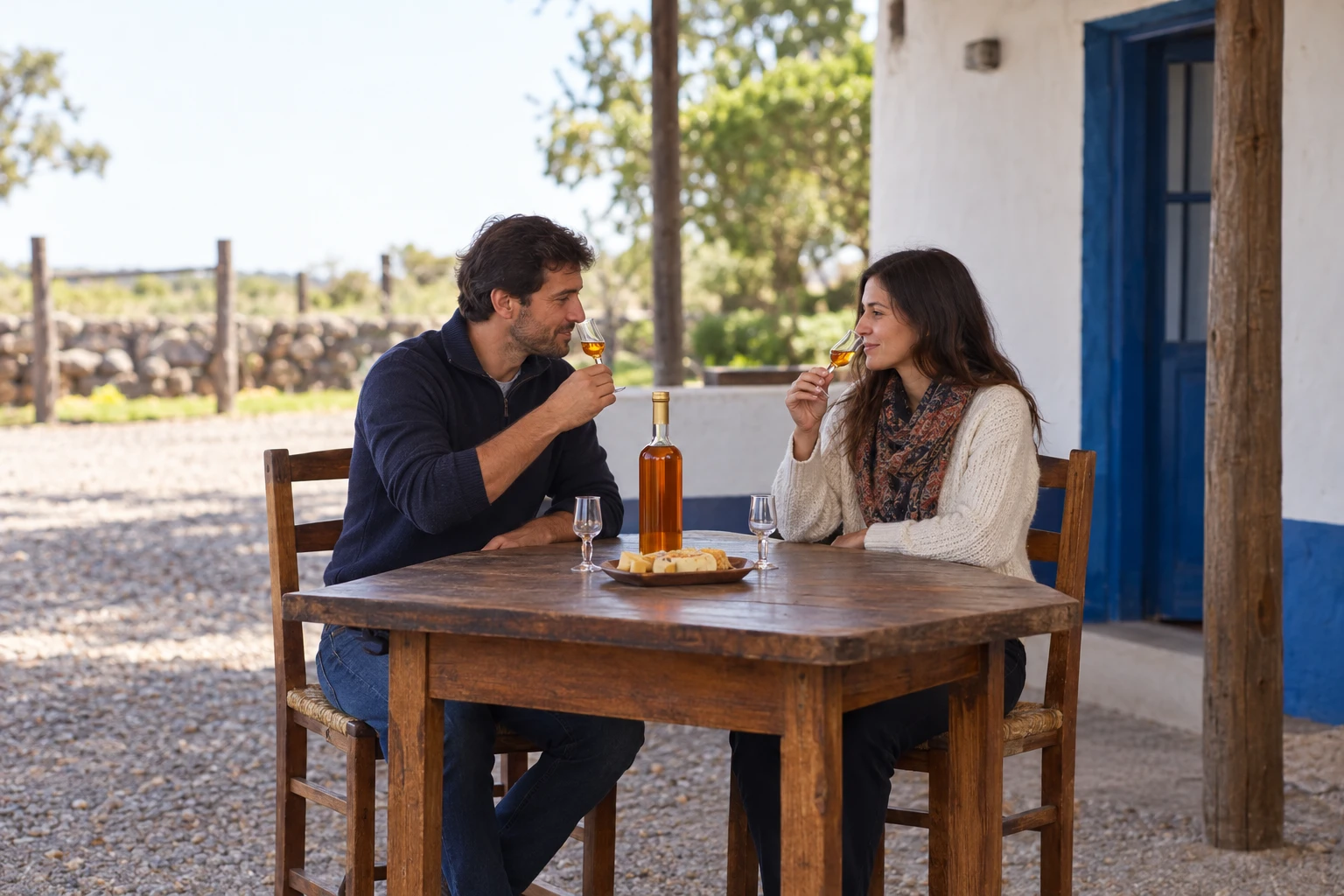
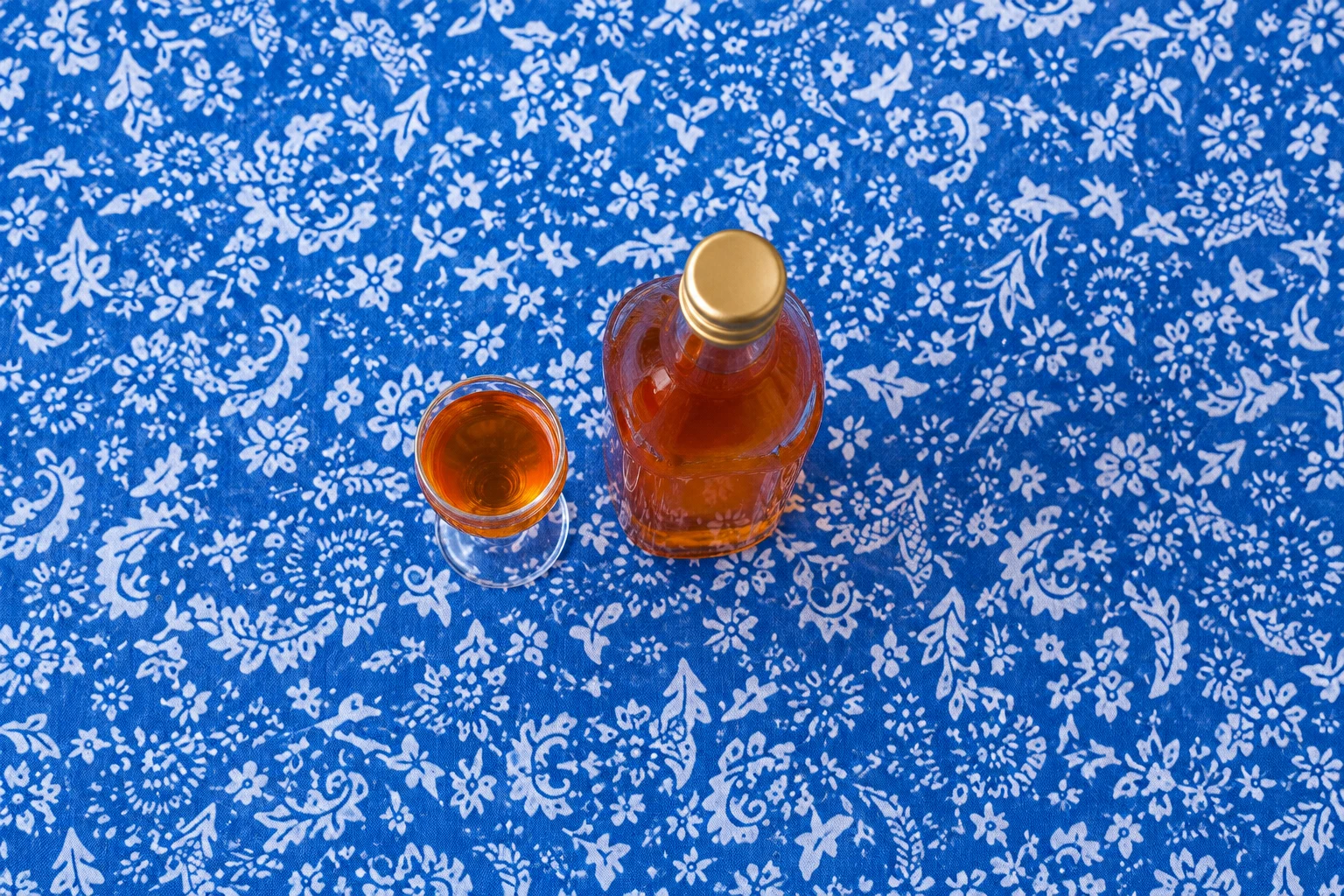
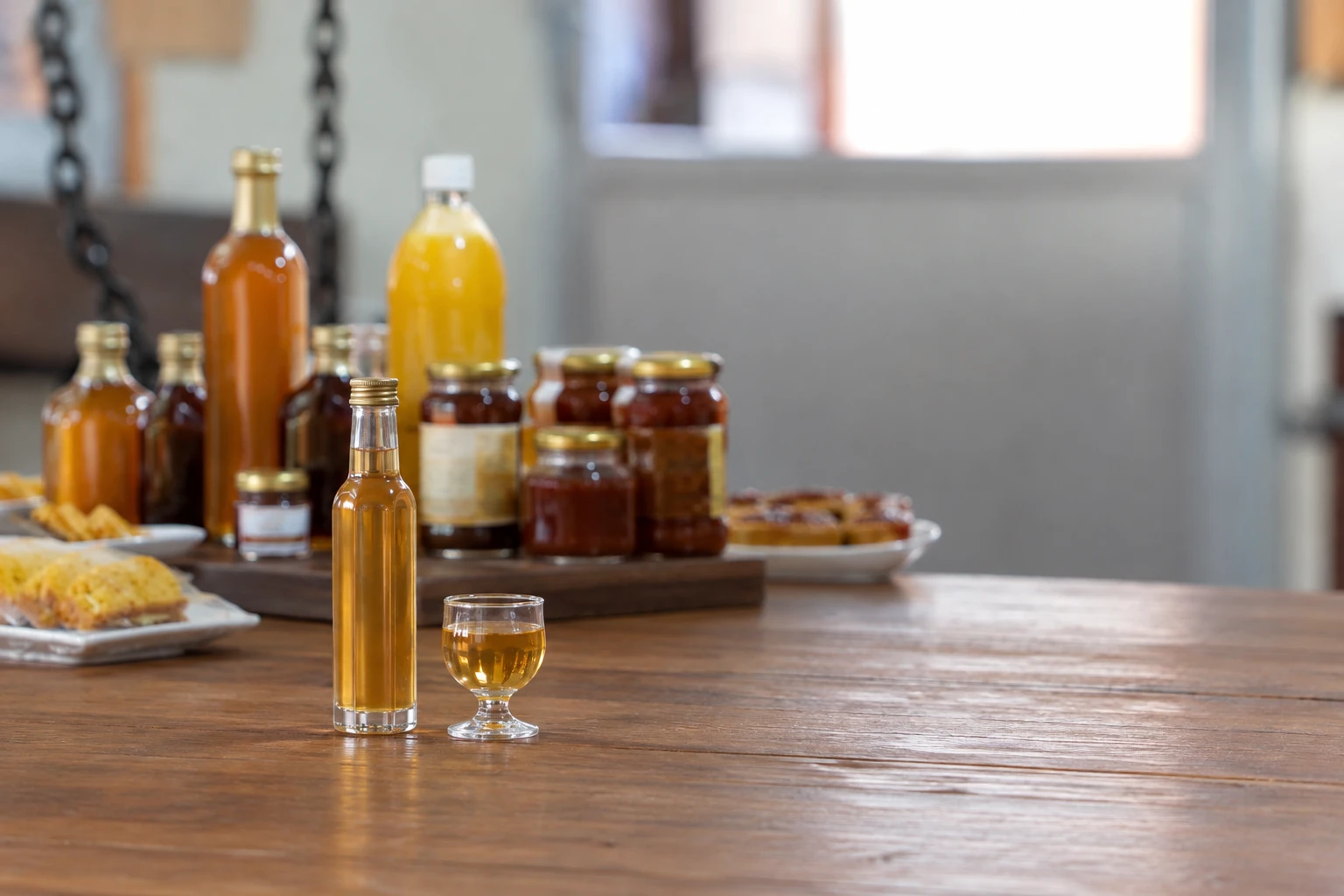
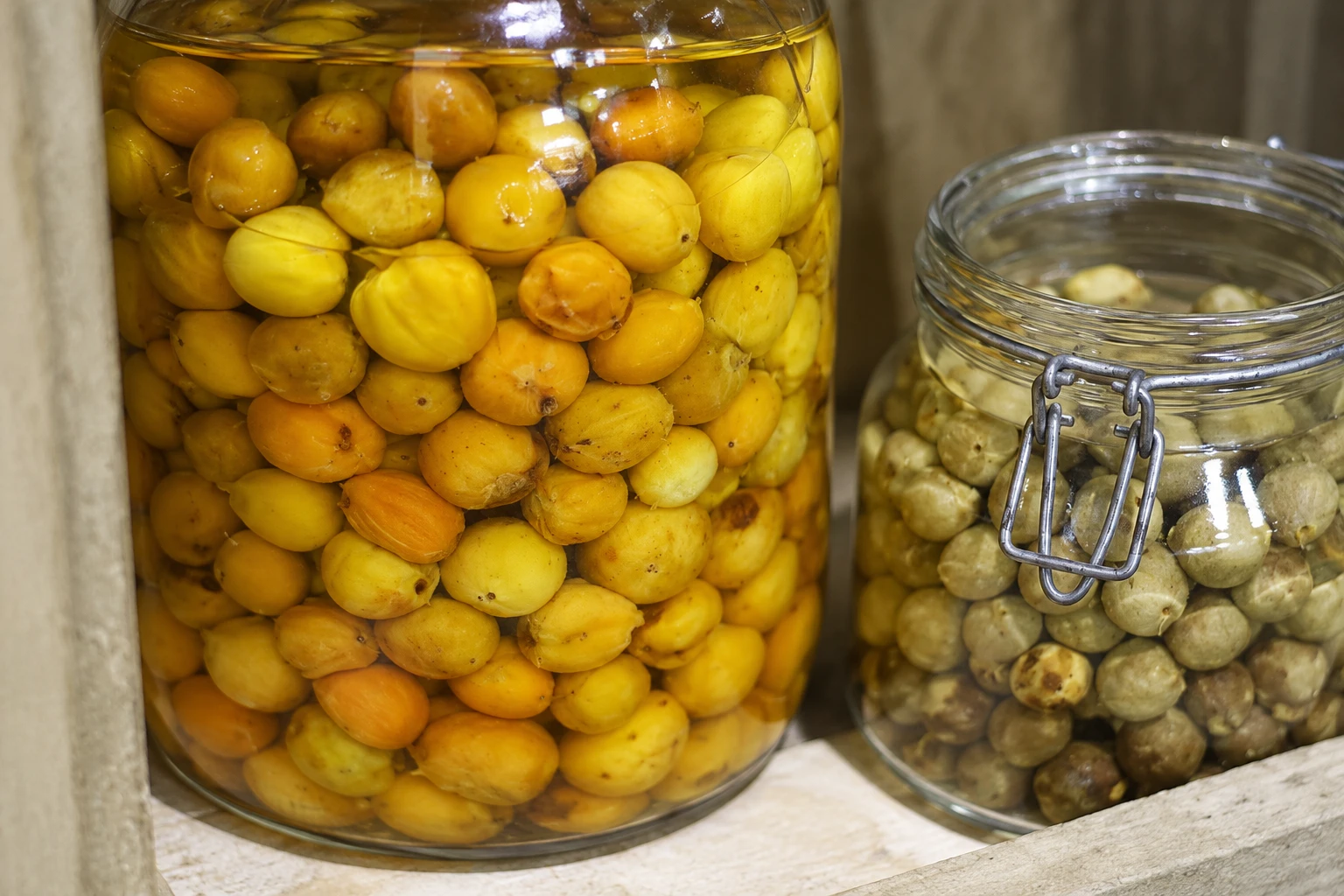
Liqueur made from the orange, sweet-and-sour fruit of the butiá palm, which forms large palm groves in the department of Rocha. The town of Castillos, amid the groves, is known as the “butiá city.”
Traditional drink from Rocha
Illustrative images. The pictures in this guide are illustrations based on the real place, not photographs, and may differ from it.
Click a photo to enlarge it.
Licor de butiá — Rocha, Uruguay
Butiá liqueur is made from the fruit of the palm Butia odorata, native to southeastern Uruguay and southern Brazil. The fruit is small and ovoid, about 2.5 centimeters, yellow-orange in color, with a strong aroma and a sweet-and-sour taste. The Uruguayan government presents the liqueur as a unique national product.
Butiá palm groves cover about 70,000 hectares in the department of Rocha, near Castillos, San Luis, Barra de Valizas and Aguas Dulces, with palms over 300 years old. They are part of the Bañados del Este Biosphere Reserve, recognized by UNESCO in 1976. The palm appears on the department’s coat of arms and in its anthem, and Castillos is called the “butiá city.”
The palm flowers from January onward, and the fruit ripens in early autumn, usually in April, in a single harvest each year. There are no plantations: all fruit is gathered from the groves by the butiaceros. Archaeological evidence indicates butiá consumption from about 5,000 years ago. Traditional uses include the fresh fruit, caña con butiá, the liqueur, and homemade sweets, jams and preserves.
Aging groves with few young palms worry researchers, who study ways to regenerate them. March 13 is National Butiá Day in Uruguay, declared by Law 20.170, promulgated in July 2023. As with any liqueur, it is enjoyed in moderation.

Rocha
Butiá liqueur comes from the palm groves of the department of Rocha, where the palm is a departmental symbol.
Ripe butiá fruit and an alcoholic base beverage; proportions vary between producers.
In small doses, as a dessert liqueur.
All year round; the fruit is harvested in early autumn, usually in April.
Your questions
From the fruit of the butiá palm, small, orange and sweet-and-sour, collected in the palm groves of the department of Rocha.
In the department of Rocha, especially near Castillos, San Luis, Barra de Valizas and Aguas Dulces. They cover about 70,000 hectares.
In early autumn, usually in April. The palm flowers from January onward and yields a single harvest per year.
Flavors of Uruguay

Pasta stuffed with meat with Caruso sauce, made with heavy cream, ham, mushrooms, cheese and meat extract. The sauce was created in Montevideo in the 1950s and is named for the tenor Enrico Caruso.

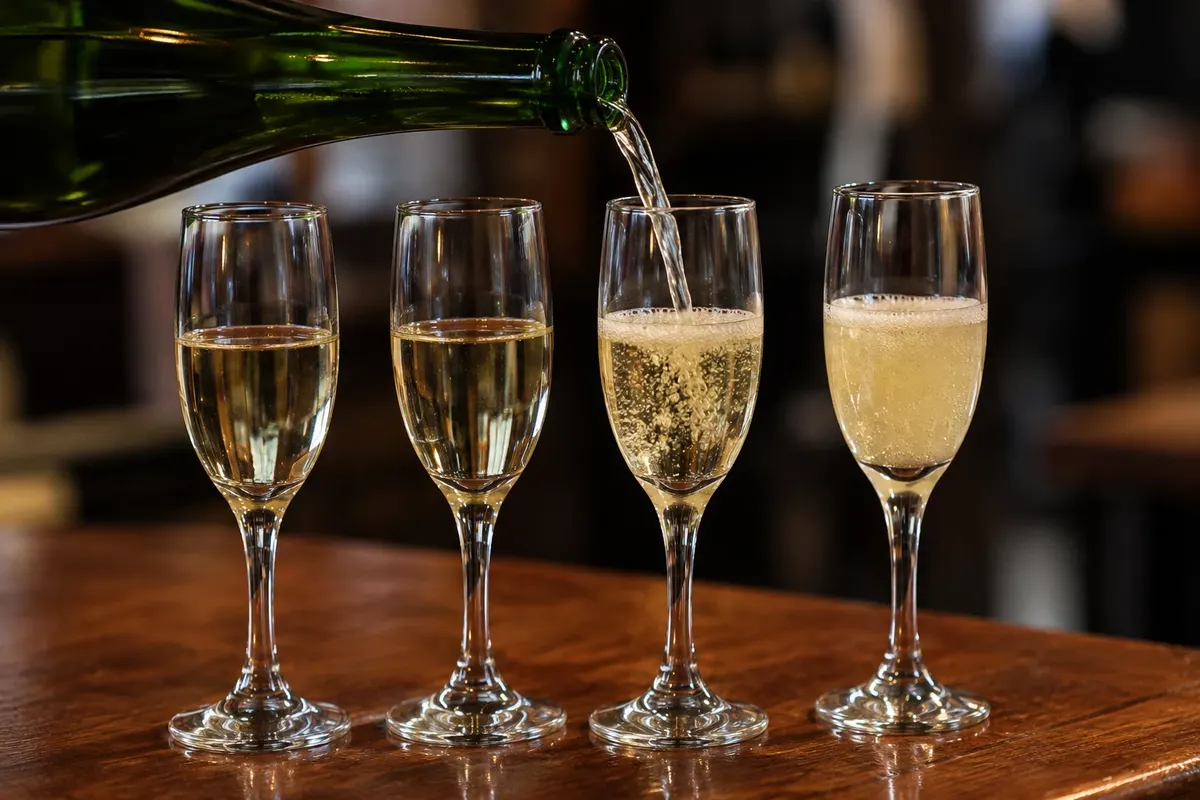
A mix of dry white wine and sweet sparkling wine in equal parts, served very chilled. It’s associated with the Mercado del Puerto in Montevideo, where it’s drunk at the counter before lunch and at year-end celebrations.

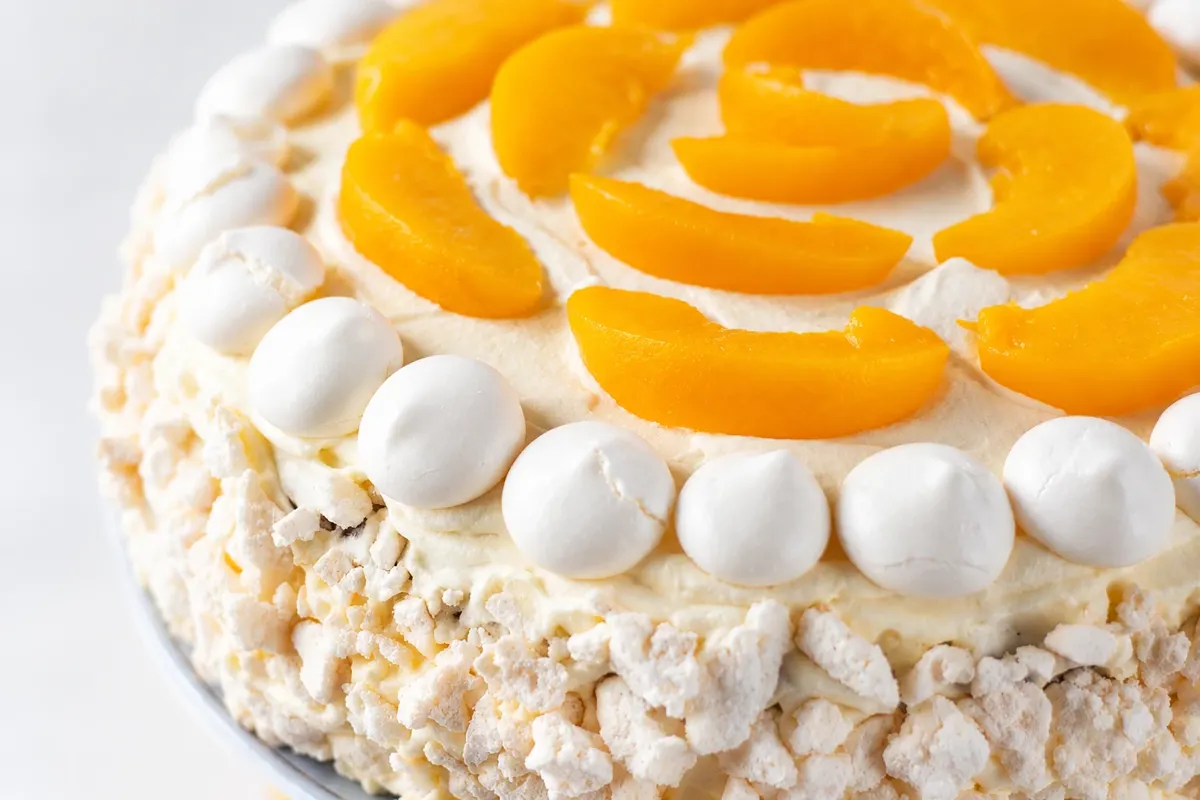
Sponge cake tart, whipped cream, crunchy meringue and peaches in syrup, light and airy. It was created in Paysandú in 1927 and is named after a local bird.

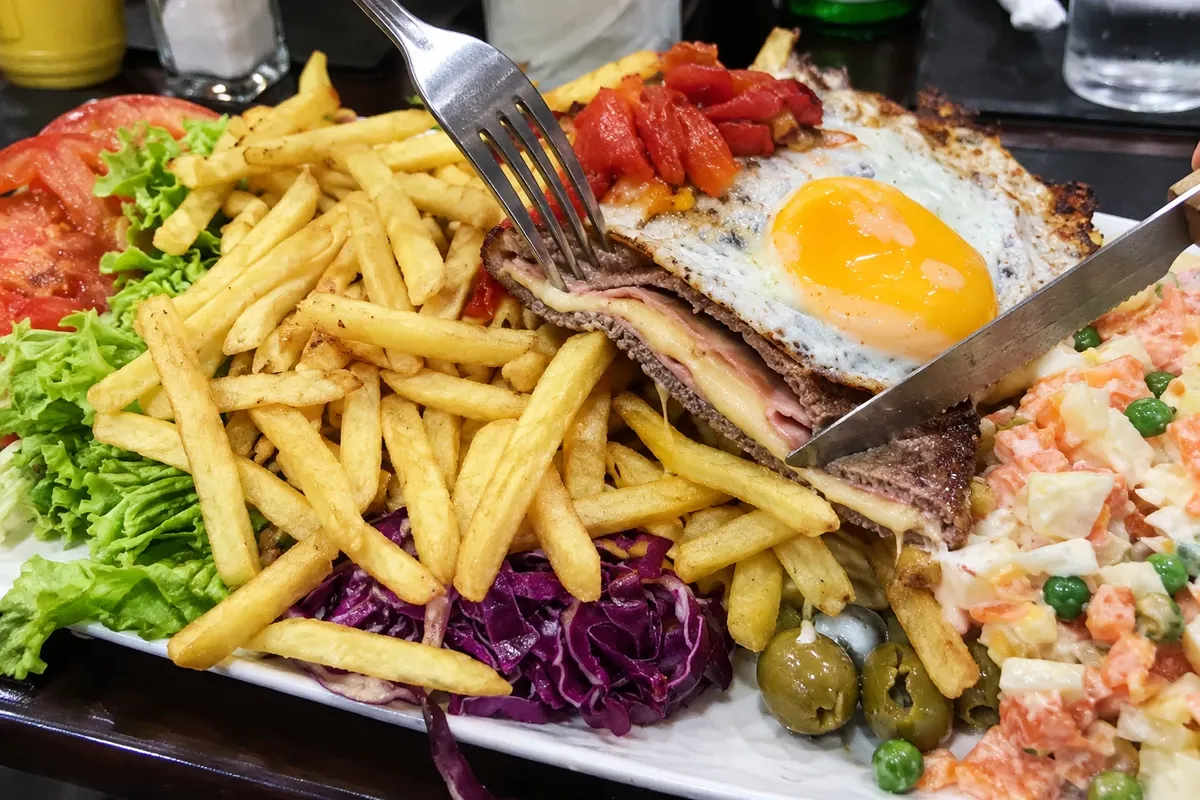
Hot sandwich of thin beef steak, ham, cheese, lettuce, tomato, egg and mayonnaise, also served on a plate with French fries. It was born in a bar in Punta del Este in the 1940s and, despite the name, does not contain goat.

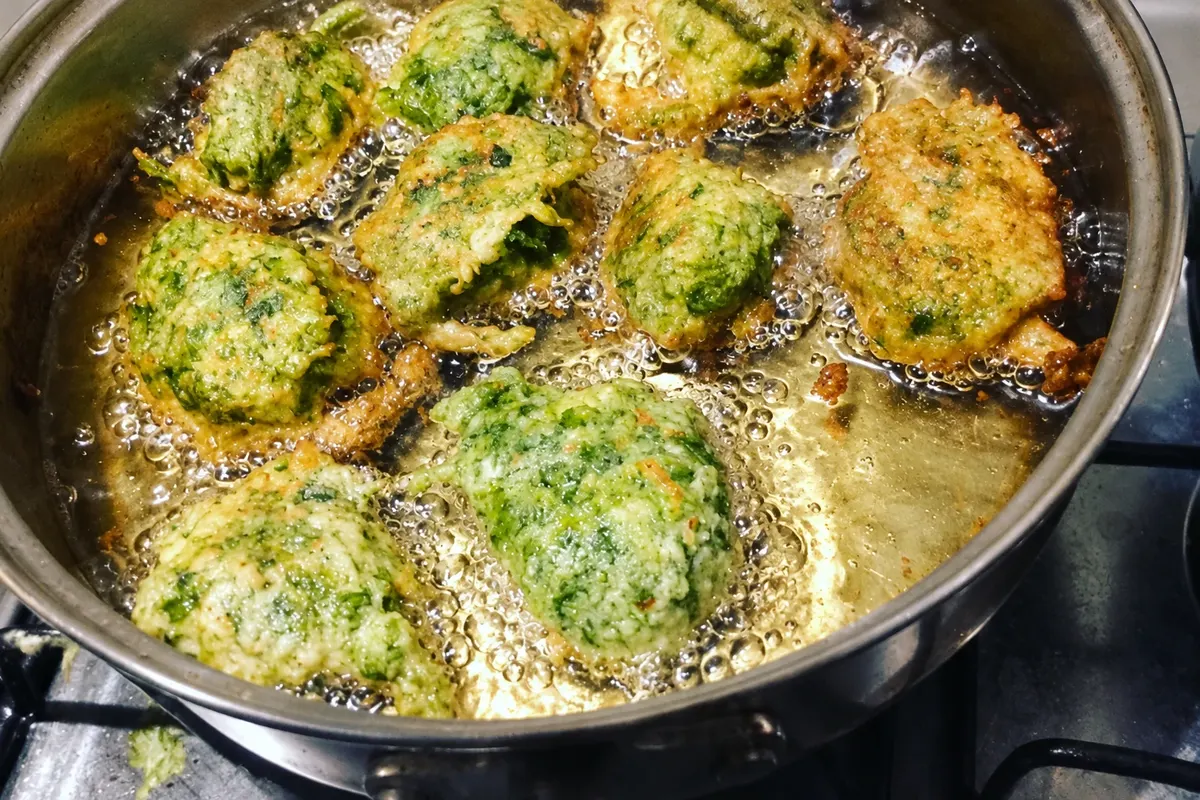
Fried patties of a light batter with chopped fresh green seaweed, typical of the resort towns along Rocha’s coast, such as Cabo Polonio, Valizas and La Pedrera. Served hot, as a starter or snack.

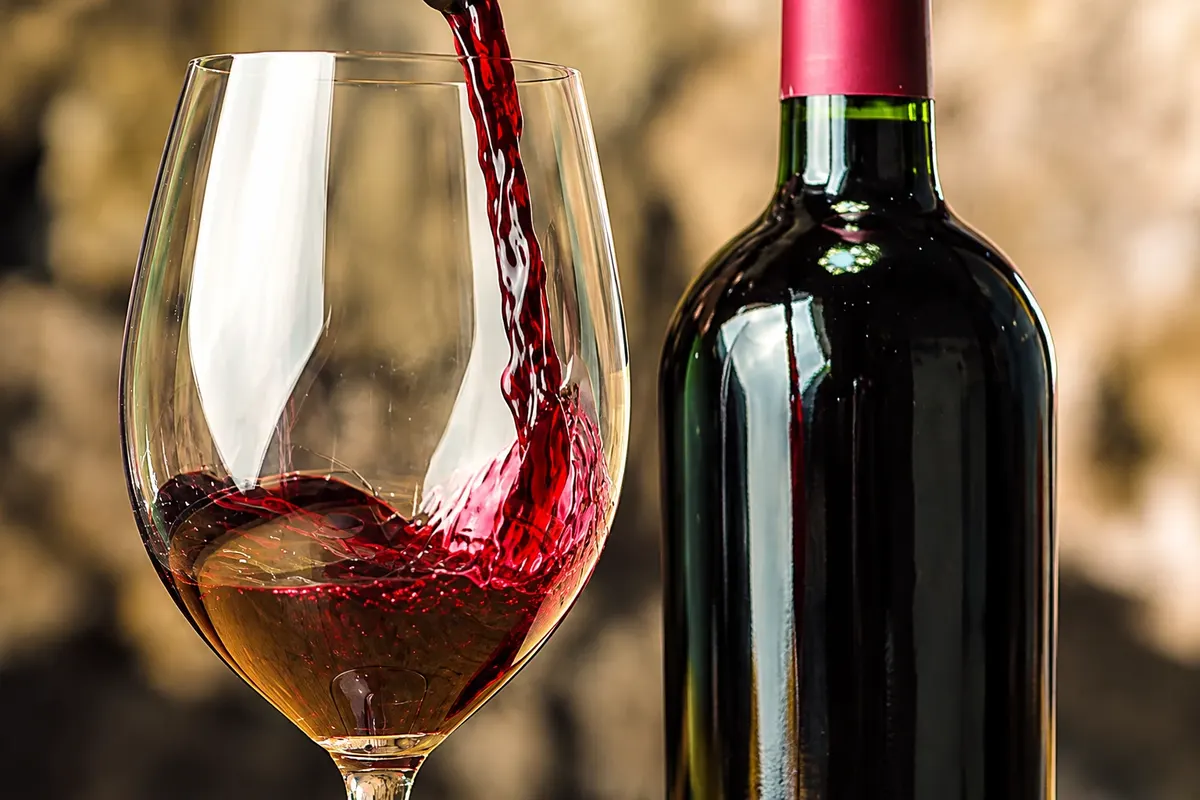
Red wine from the Tannat grape, with intense color and pronounced tannins, the signature grape of Uruguay. The grape arrived in the country with Pascual Harriague, who adapted it in Salto in the 19th century.