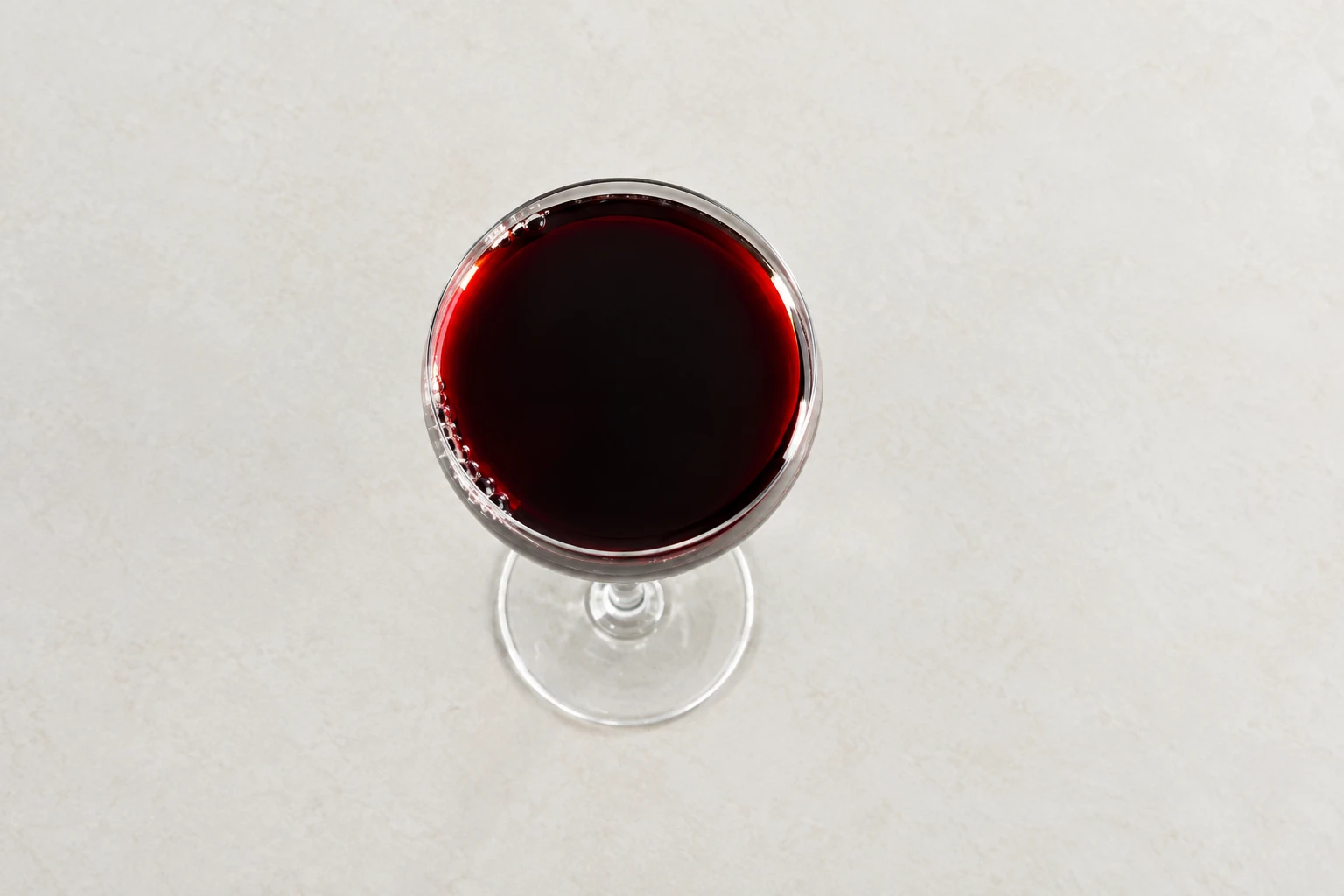
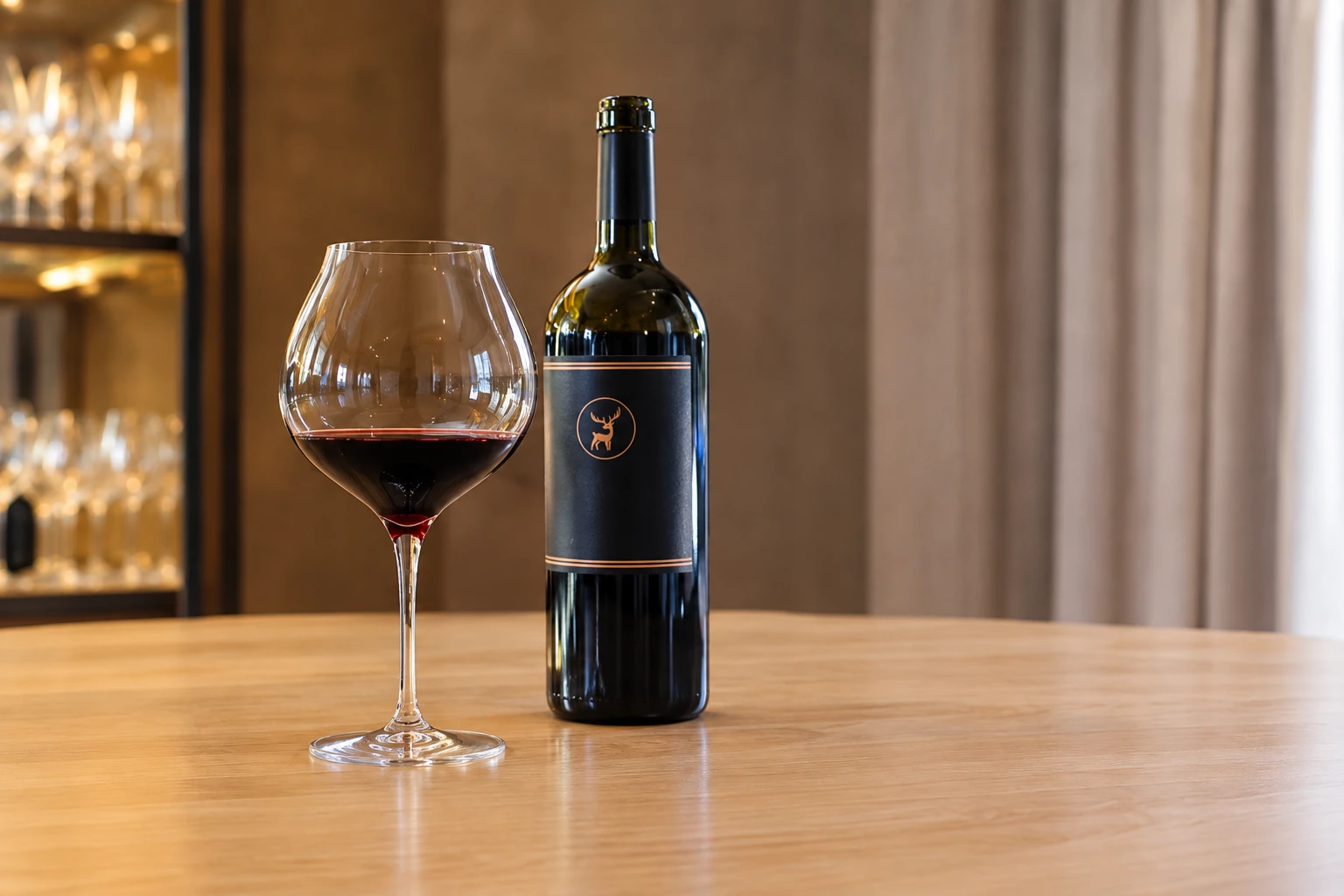
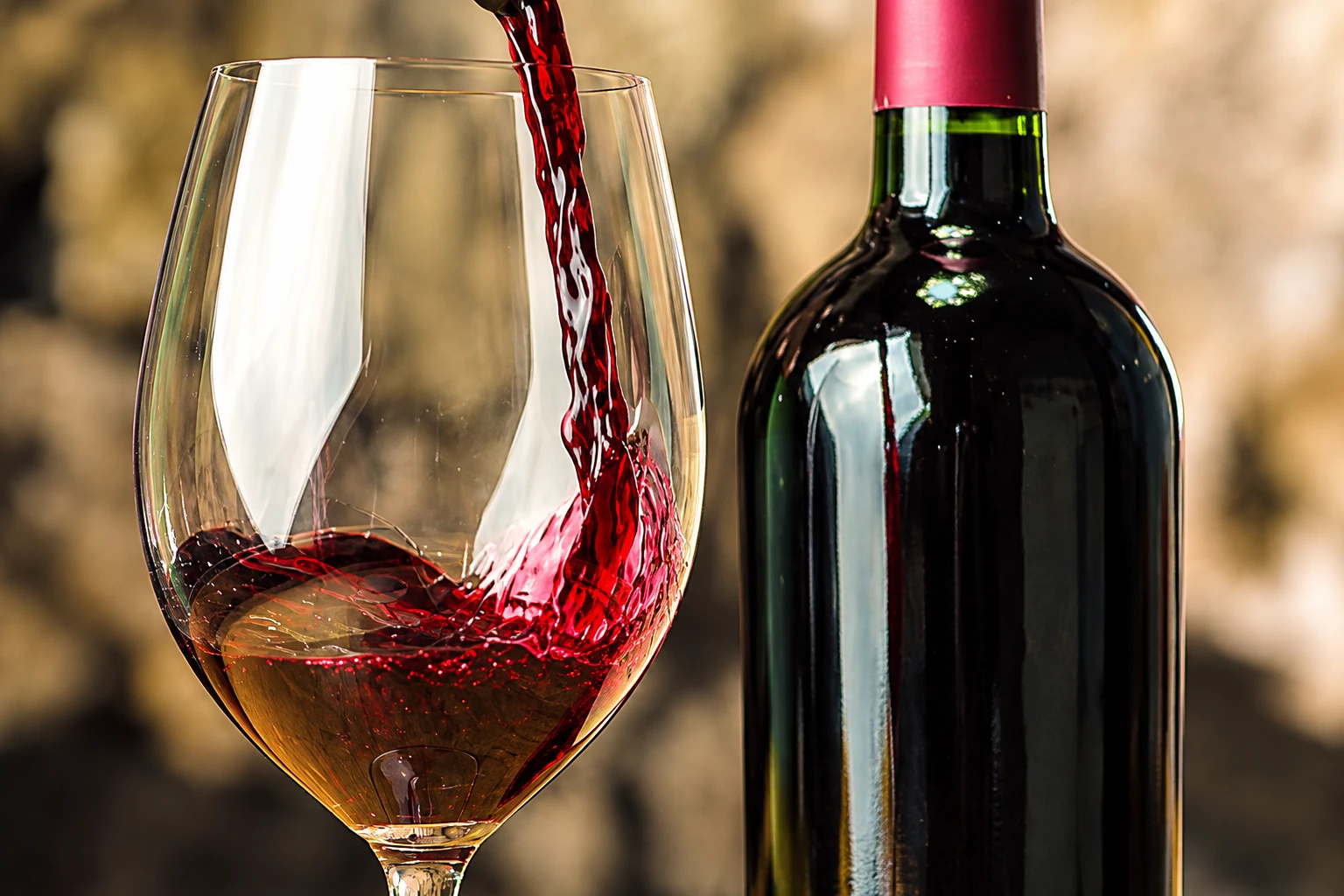
Tannat is a red grape originally from southwestern France that became Uruguay’s signature variety. It yields wines of deep red color, with body and pronounced tannins; astringency is the defining trait of the grape. Uruguayan producers now make a range of styles: young, fruity reds, barrel-aged wines, rosés, sparkling wines and even sweet versions.
The grape’s story in Uruguay starts in Salto. The French Basque Pascual Harriague, from the Iruleguy region in the Lower Pyrenees, arrived in the country in 1838 at age 18. He worked in mining, land and cattle, and established a saladero, a salted meat factory, in the department of Salto. There he tested several grape varieties seeking a great red wine and found that Tannat adapted best. For a long time the grape was called by his surname, Harriague. There are accounts that the vine cuttings came from Concordia, Argentina, via Juan Jáuregui, known as "Lorda."
According to the National Institute of Viticulture (INAVI), Uruguay has had a "flagship vine" since 1870. Tannat is the most planted grape in the country, accounting for more than a quarter of production, and makes up much of the red wine exports. Today it is grown in several regions, from Salto in the north to Canelones near Montevideo.
Harriague died in Paris on April 14, 1894. In his honor, INAVI dedicates April to Tannat, with a week around the 14th recognized by the International Organisation of Vine and Wine. As with any wine, it should be enjoyed in moderation.


 Brazil
 Argentina
 Bolivia
 Chile
 Colombia
 Ecuador
 Guyana
 French Guiana
 Falkland Islands (Malvinas)
 Paraguay
 Peru
 Suriname
 Venezuela
 Germany
 Austria
 Belgium
 Croatia
 Denmark
 Spain
 Finland
 France
 Greece
 the Netherlands
 Hungary
 Ireland
 Iceland
 Italy
 Luxembourg
 Norway
 Poland
 Portugal
 the United Kingdom
 the Czech Republic
 Sweden
 Switzerland
 Turkey
 the United States
 Mexico
 the Dominican Republic
 South Africa
 Australia
 Fiji