Capeletis a la Caruso
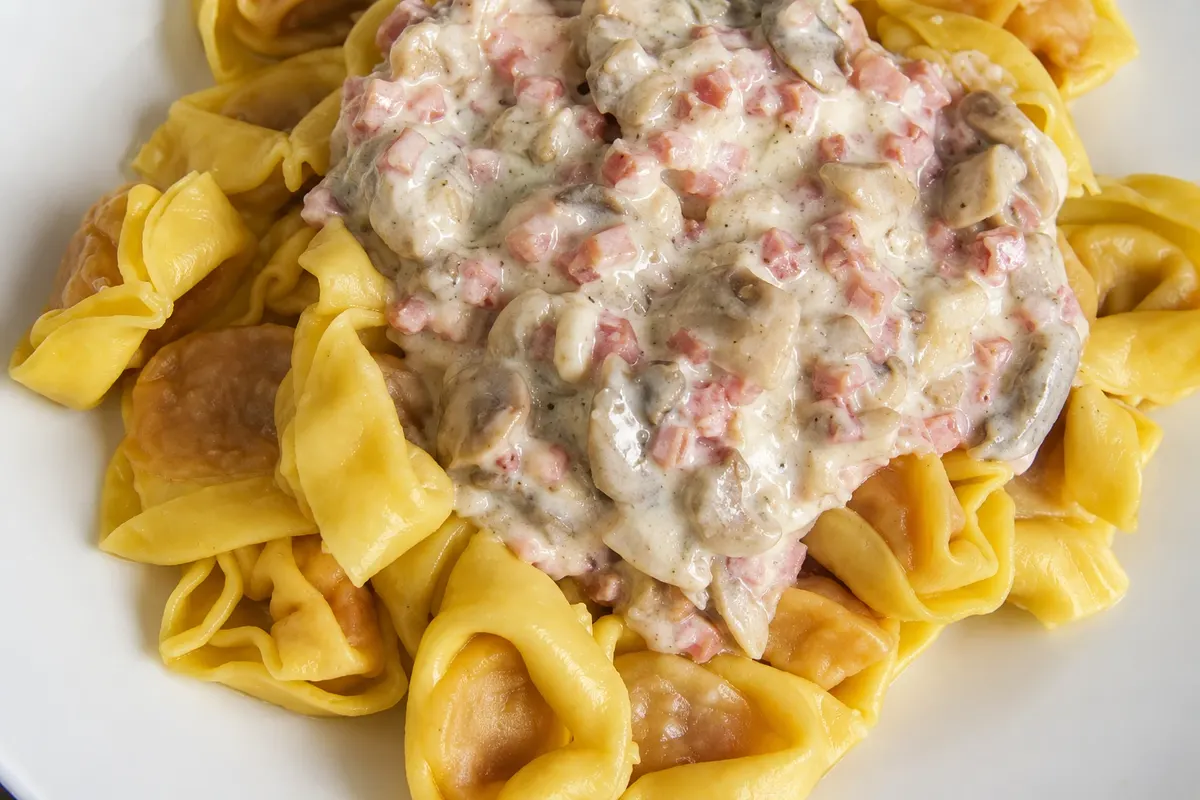
Pasta stuffed with meat with Caruso sauce, made with heavy cream, ham, mushrooms, cheese and meat extract. The sauce was created in Montevideo in the 1950s and is named for the tenor Enrico Caruso.
Flavors · Montevidéu
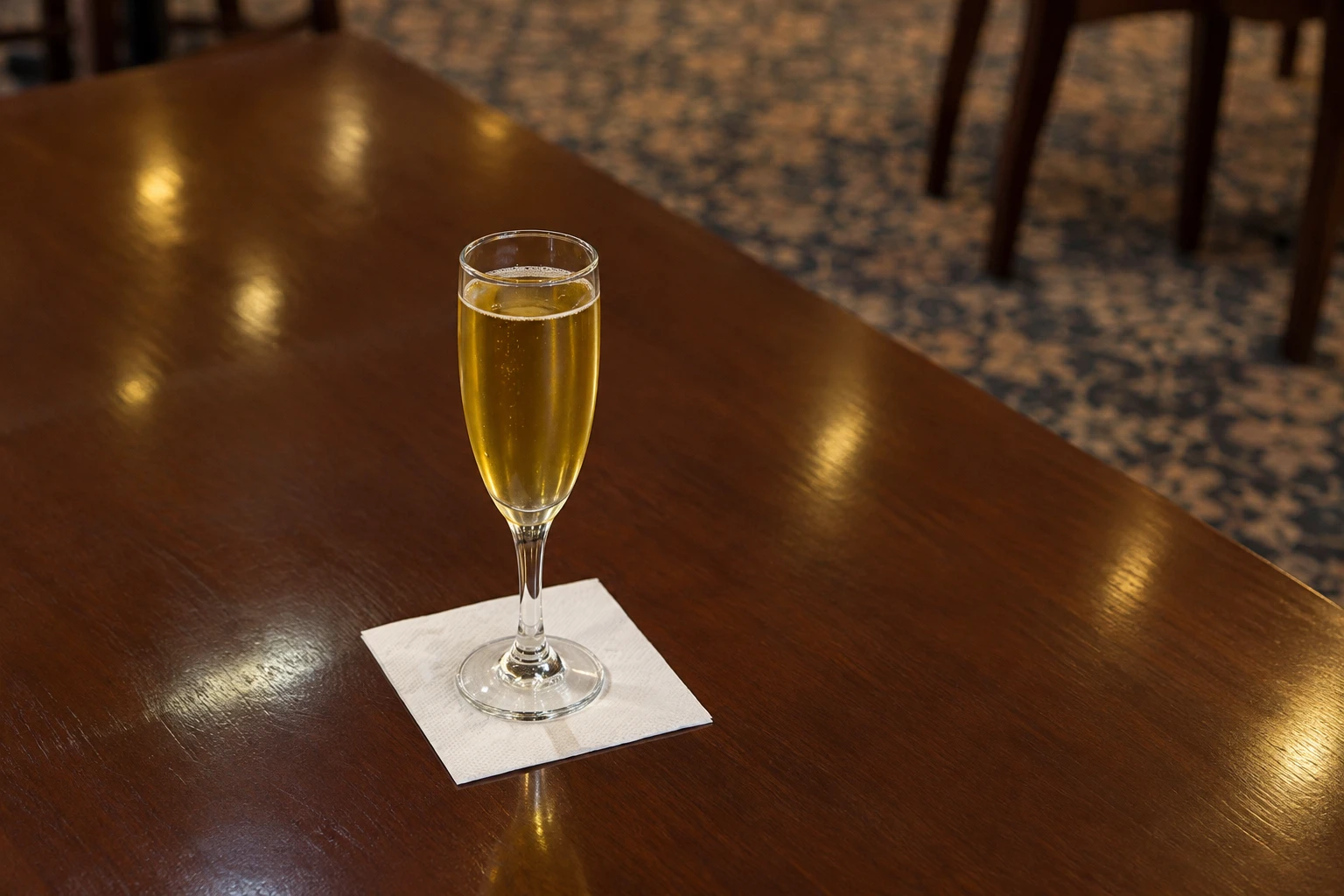
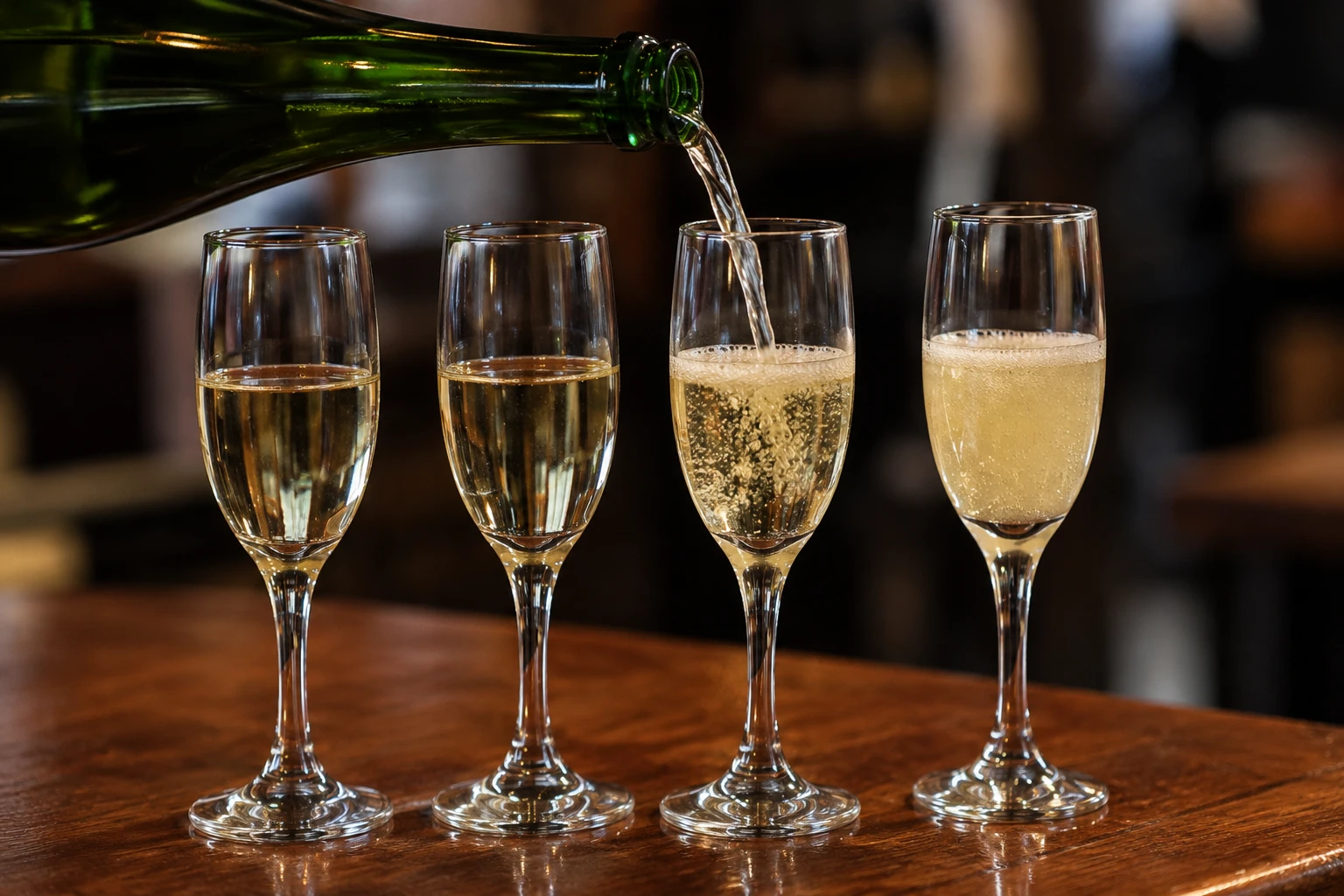
A mix of dry white wine and sweet sparkling wine in equal parts, served very chilled. It’s associated with the Mercado del Puerto in Montevideo, where it’s drunk at the counter before lunch and at year-end celebrations.
Traditional drink from Montevidéu, Montevidéu
Illustrative images. The pictures in this guide are illustrations based on the real place, not photographs, and may differ from it.
Click a photo to enlarge it.
Medio y medio — Montevidéu, Uruguay
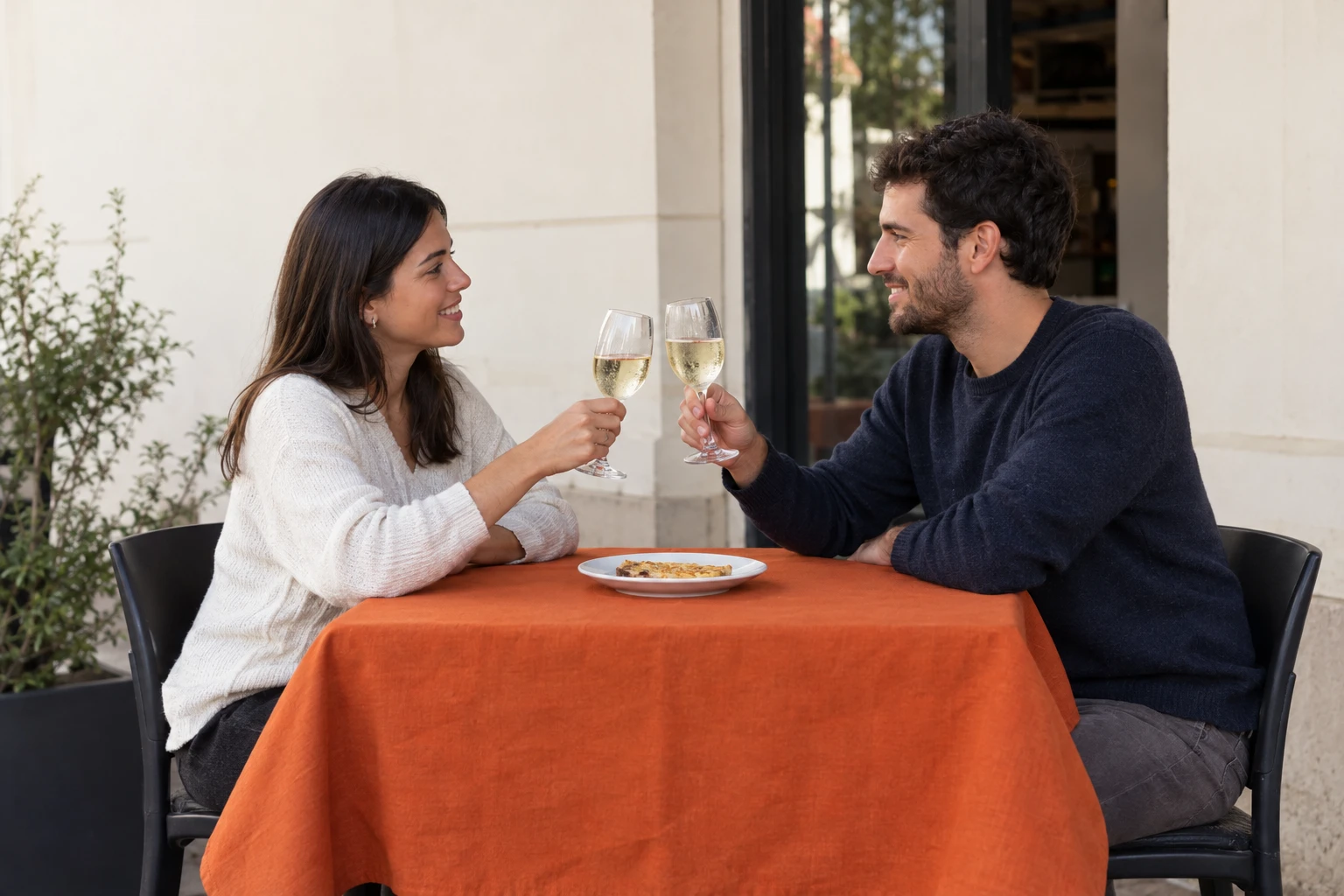
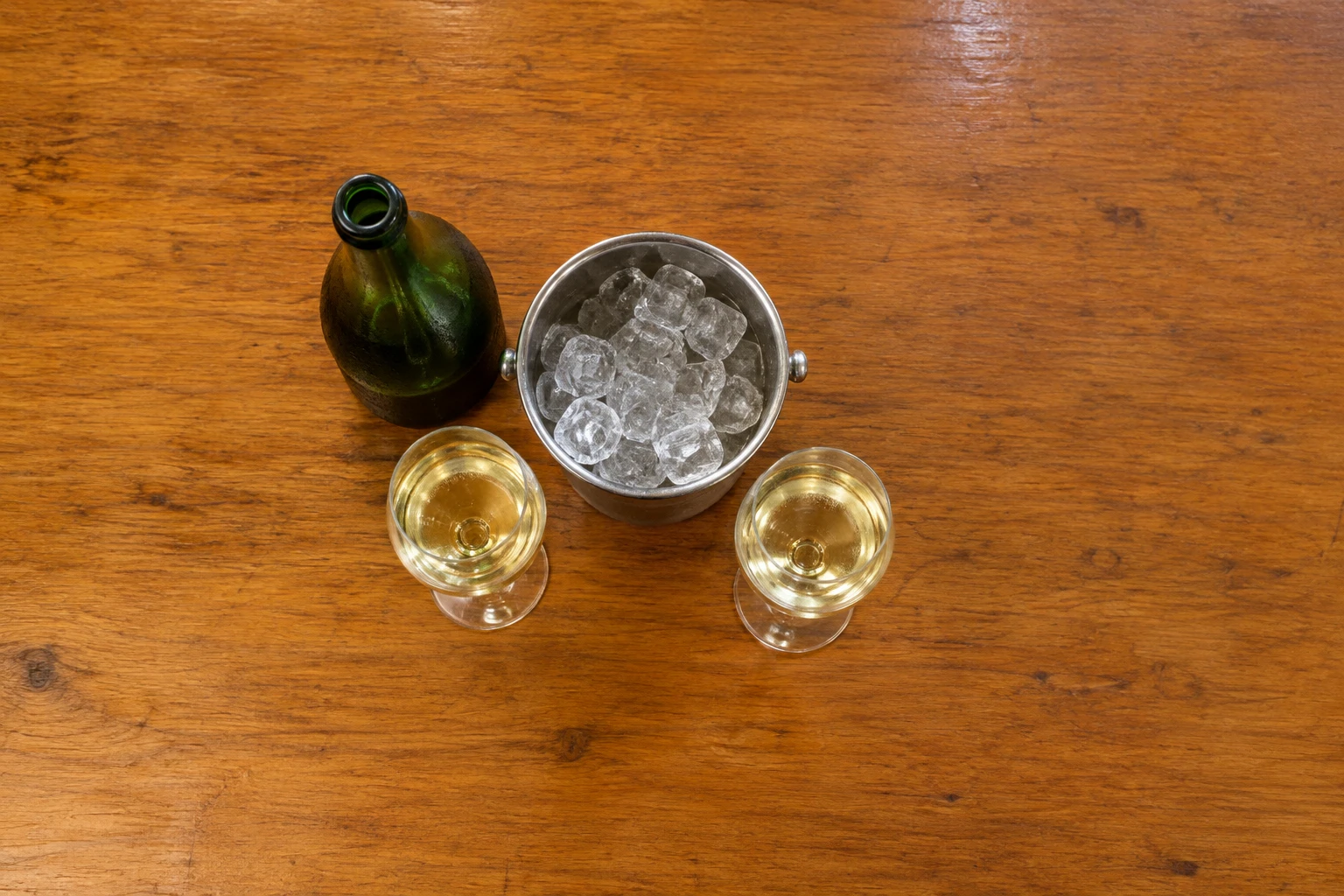
The medio y medio, literally “half and half” in Spanish, is a drink of dry white wine and sweet sparkling wine in equal parts. It is served very chilled, in a glass. The white version is the original and the most consumed; there are also rosé and red versions. Several producers sell the blend already bottled.
The drink is associated with the Mercado del Puerto in the Ciudad Vieja neighborhood of Montevideo. The market was inaugurated on October 10, 1868, with an iron structure designed by British engineer R. V. Mesures and manufactured at a foundry in Liverpool. There Juan Roldós ran a general store that sold everything from boots and wines to cured meats, liqueurs, and yerba mate. In 1930 his son, Juan Bautista, converted the shop into a bar. The establishment claims to have created the blend; there is no independent record of the date.
At the old wooden counter, the medio y medio accompanied sandwiches before the grilled meat. Over time the market stopped selling vegetables and became a collection of parrilla restaurants, declared a national historic monument in 1975. The drink remained the venue’s signature and is much requested at year-end celebrations.
In some older bars, the name medio y medio also refers to another mix—white vermouth with caña, sugarcane aguardiente. As with any wine, medio y medio should be enjoyed in moderation.

Montevidéu , Montevidéu
Medio y medio is tied to the Mercado del Puerto in Montevideo, where it has been drunk at the counter since the 20th century.
Dry white wine and sweet sparkling wine, in equal parts; rosé and red versions exist.
Very chilled, in a glass, as an aperitif before lunch or to accompany sweets and snacks.
Year-round, and especially during year-end celebrations.
Your questions
A drink of dry white wine and sweet sparkling wine in equal parts, served chilled. The white version is the original; there are also rosé and red versions.
At the Mercado del Puerto in Montevideo. The bar operating since 1930 in the former Juan Roldós store claims to have created the blend.
Year-round, as an aperitif, and especially during year-end celebrations, when demand rises.
Flavors of Uruguay

Pasta stuffed with meat with Caruso sauce, made with heavy cream, ham, mushrooms, cheese and meat extract. The sauce was created in Montevideo in the 1950s and is named for the tenor Enrico Caruso.

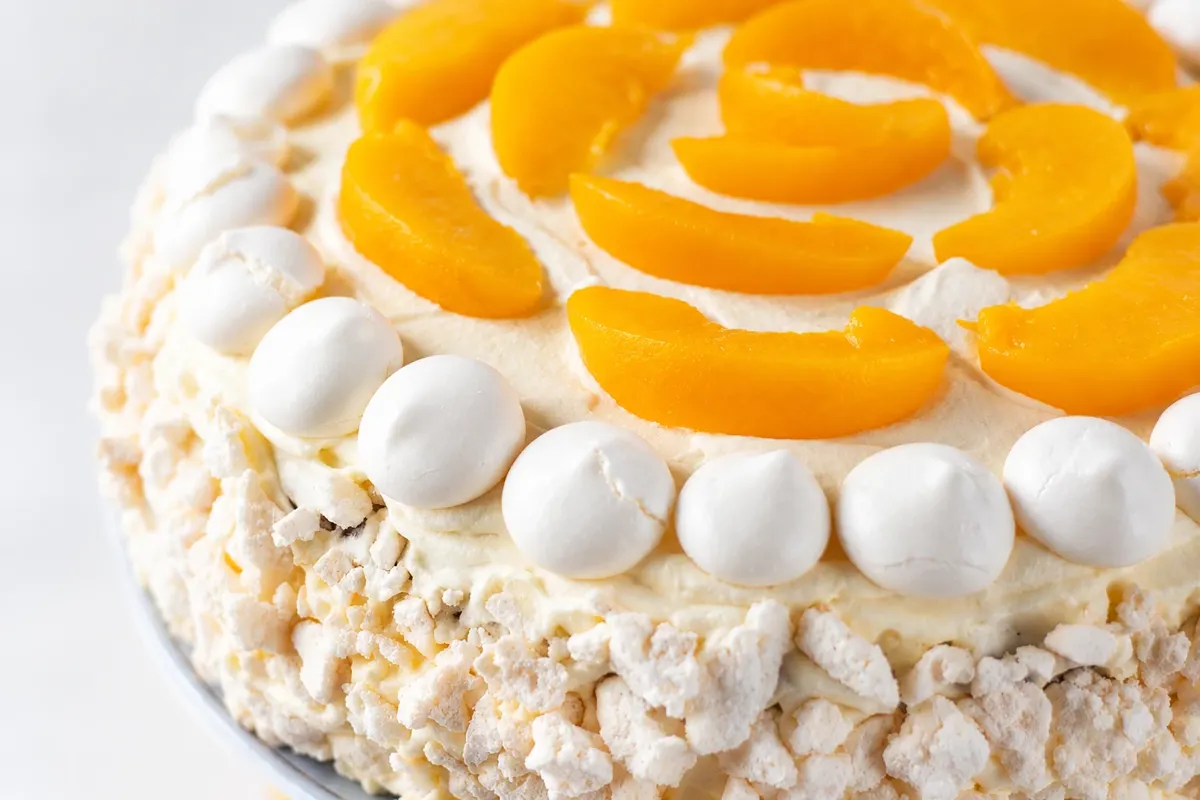
Sponge cake tart, whipped cream, crunchy meringue and peaches in syrup, light and airy. It was created in Paysandú in 1927 and is named after a local bird.

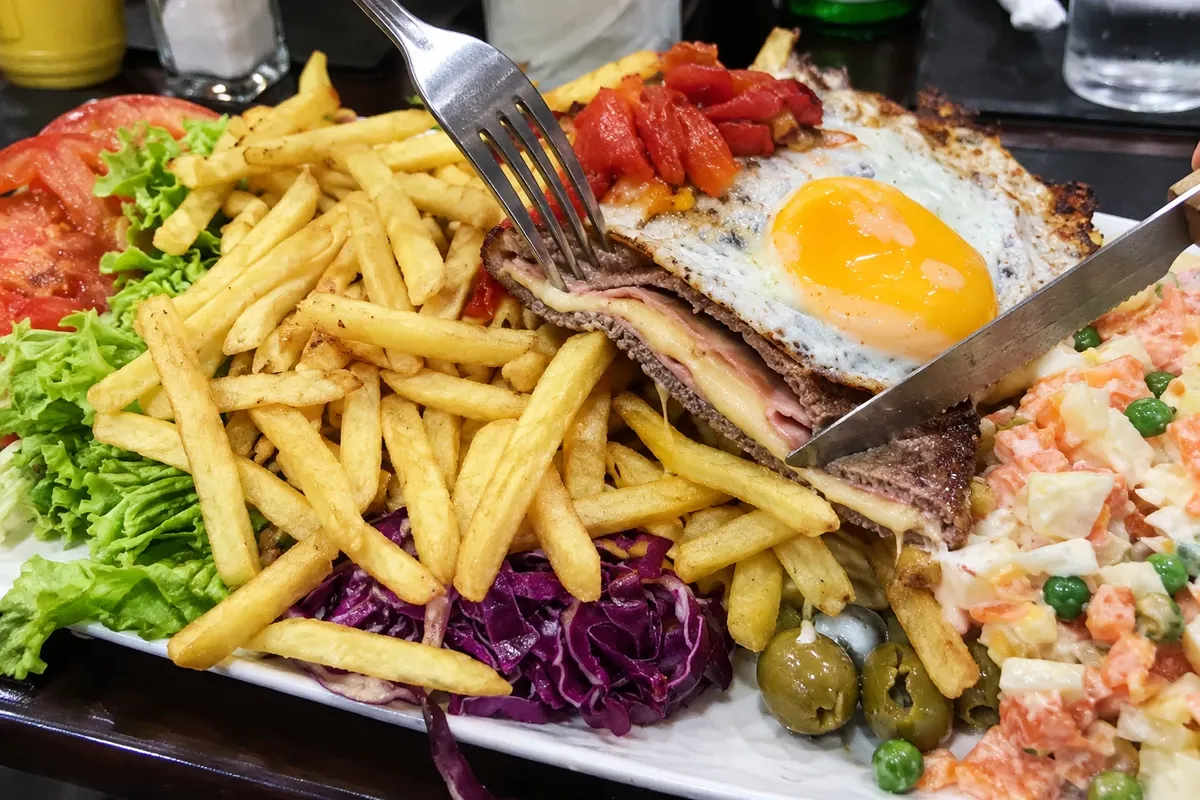
Hot sandwich of thin beef steak, ham, cheese, lettuce, tomato, egg and mayonnaise, also served on a plate with French fries. It was born in a bar in Punta del Este in the 1940s and, despite the name, does not contain goat.

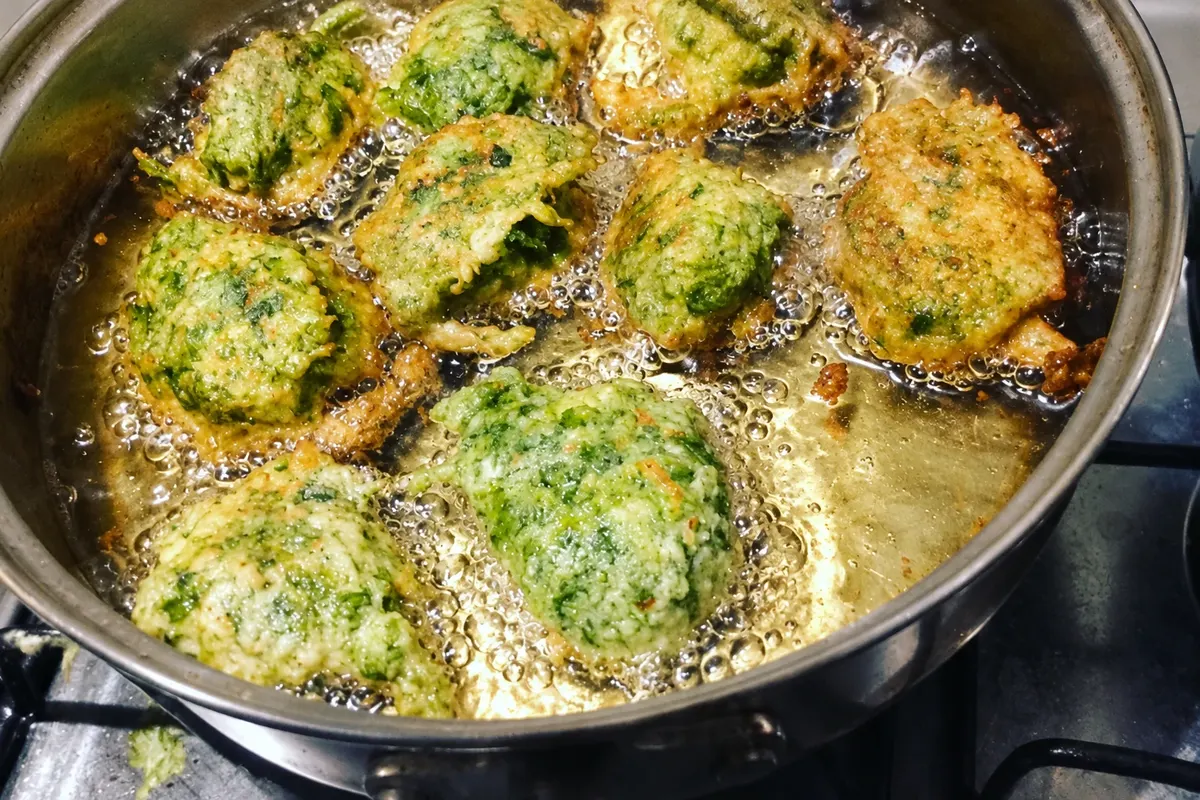
Fried patties of a light batter with chopped fresh green seaweed, typical of the resort towns along Rocha’s coast, such as Cabo Polonio, Valizas and La Pedrera. Served hot, as a starter or snack.

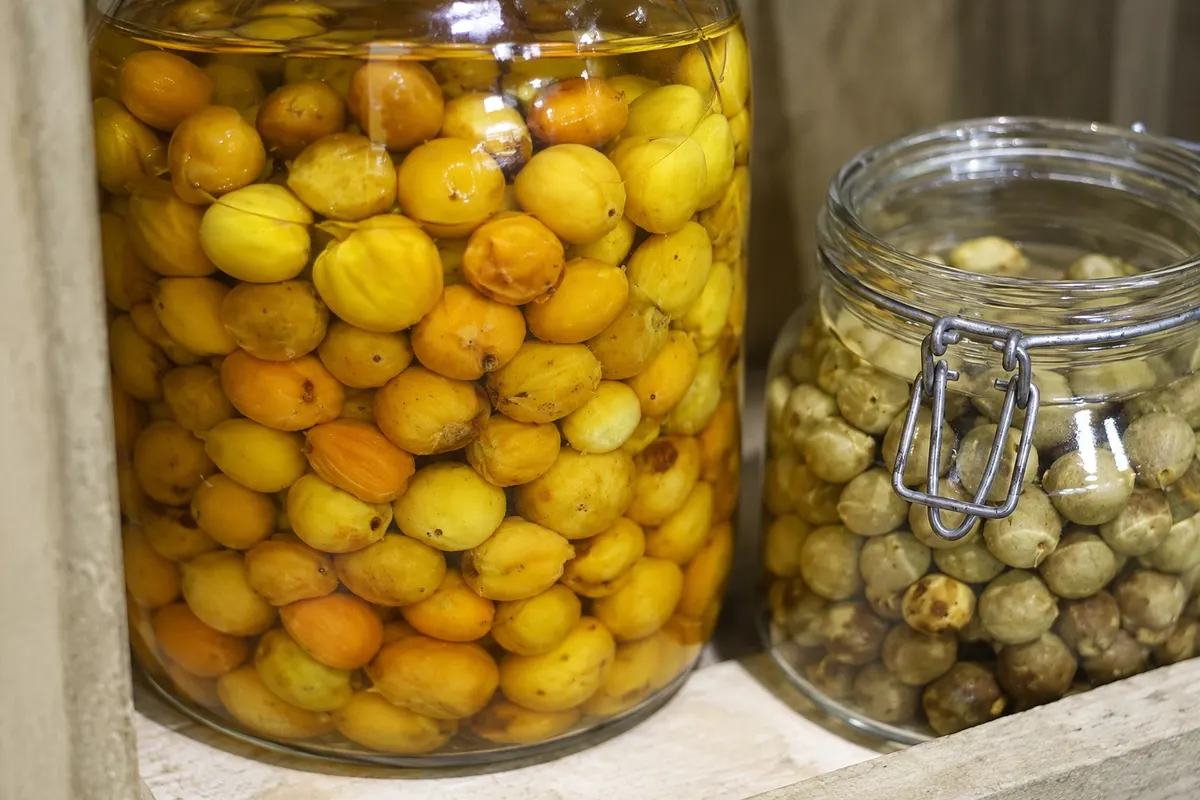
Liqueur made from the orange, sweet-and-sour fruit of the butiá palm, which forms large palm groves in the department of Rocha. The town of Castillos, amid the groves, is known as the “butiá city.”

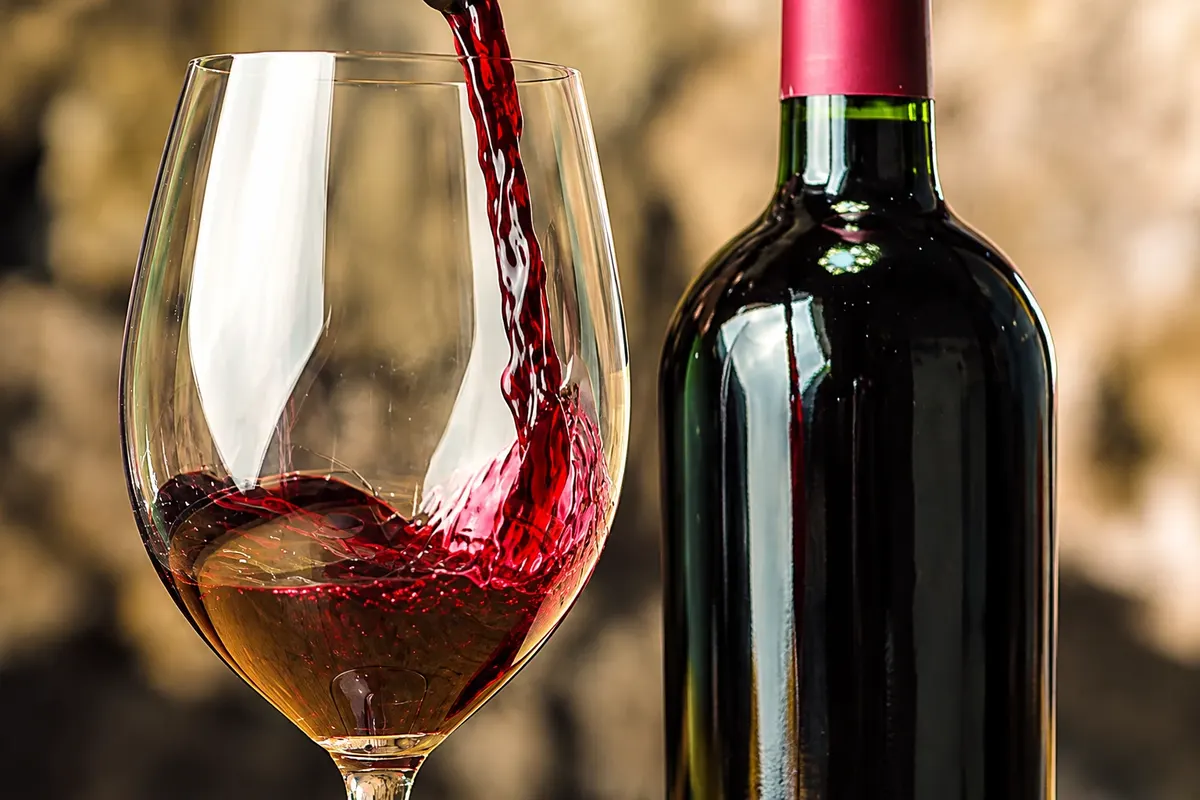
Red wine from the Tannat grape, with intense color and pronounced tannins, the signature grape of Uruguay. The grape arrived in the country with Pascual Harriague, who adapted it in Salto in the 19th century.