Capeletis a la Caruso
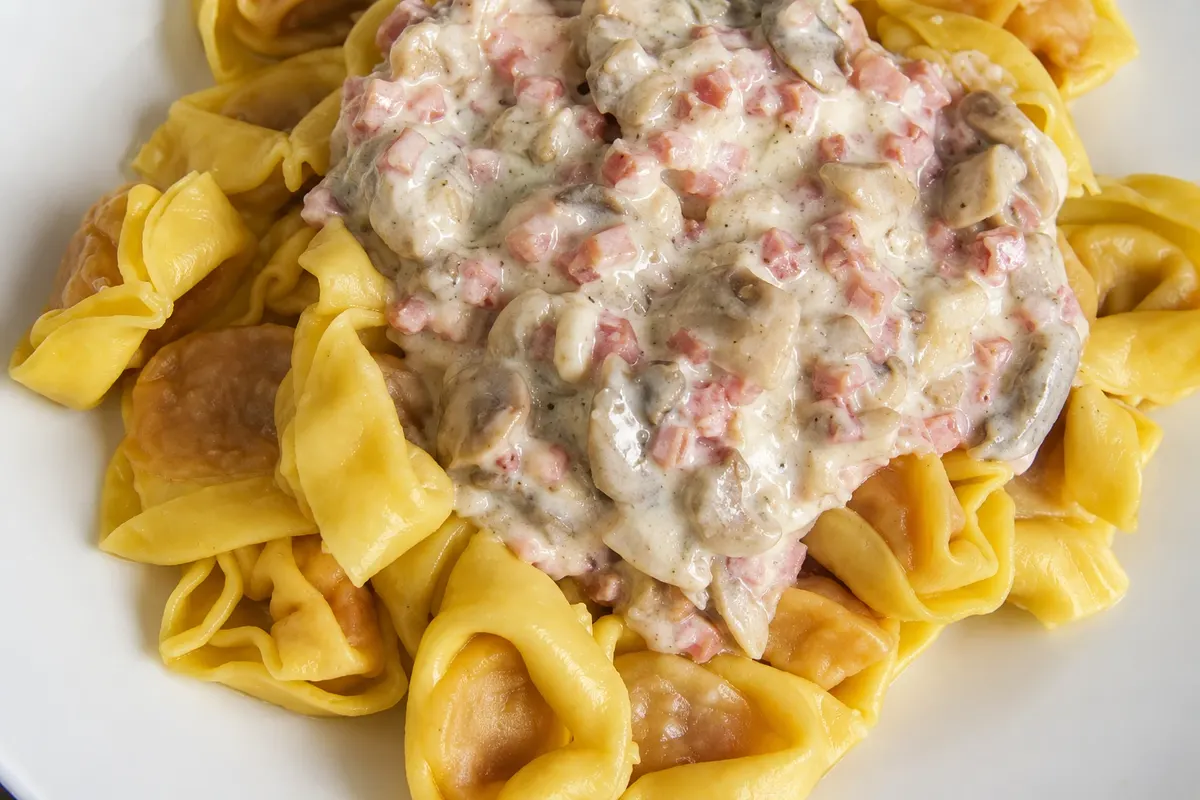
Pasta stuffed with meat with Caruso sauce, made with heavy cream, ham, mushrooms, cheese and meat extract. The sauce was created in Montevideo in the 1950s and is named for the tenor Enrico Caruso.
Flavors · Rocha
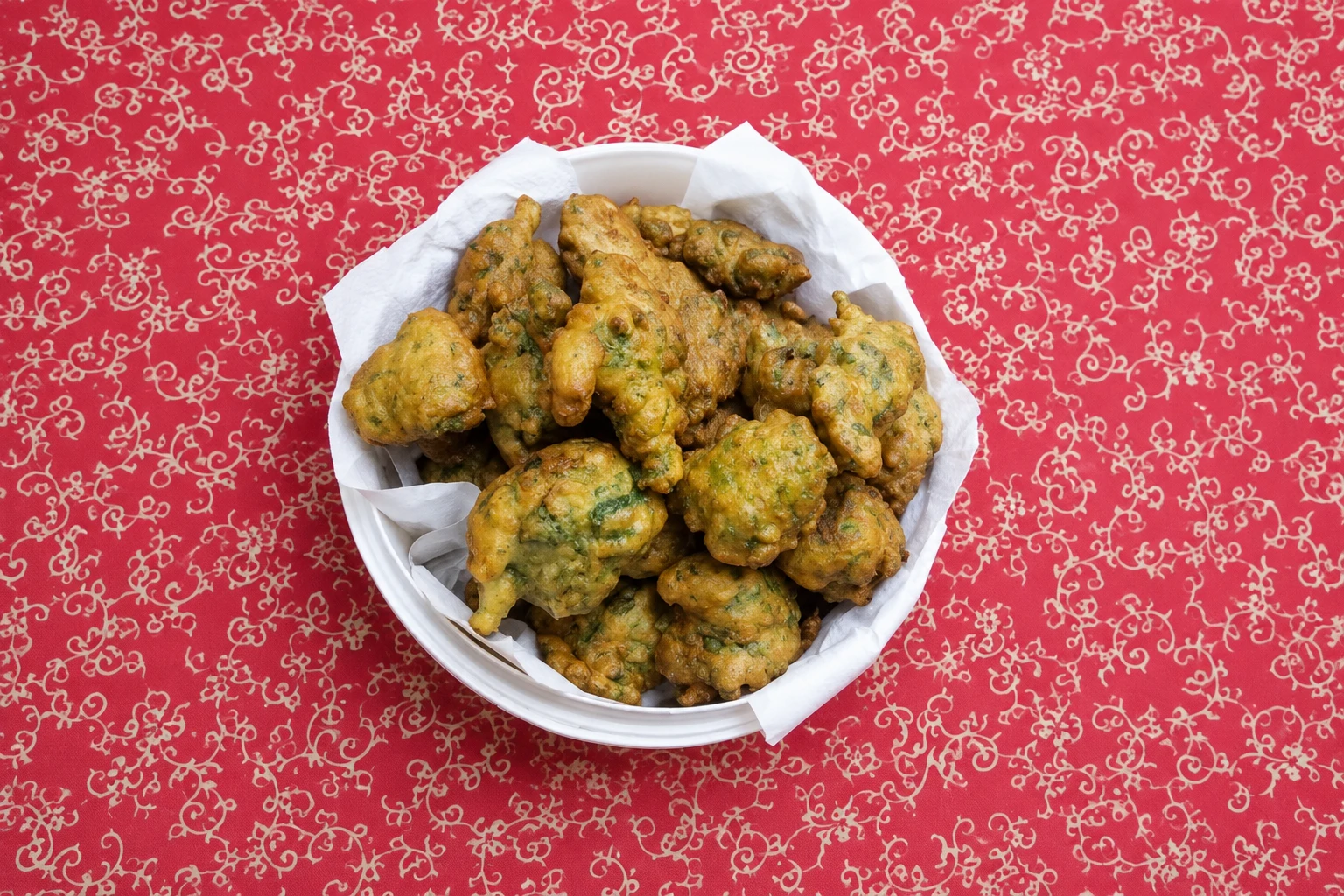
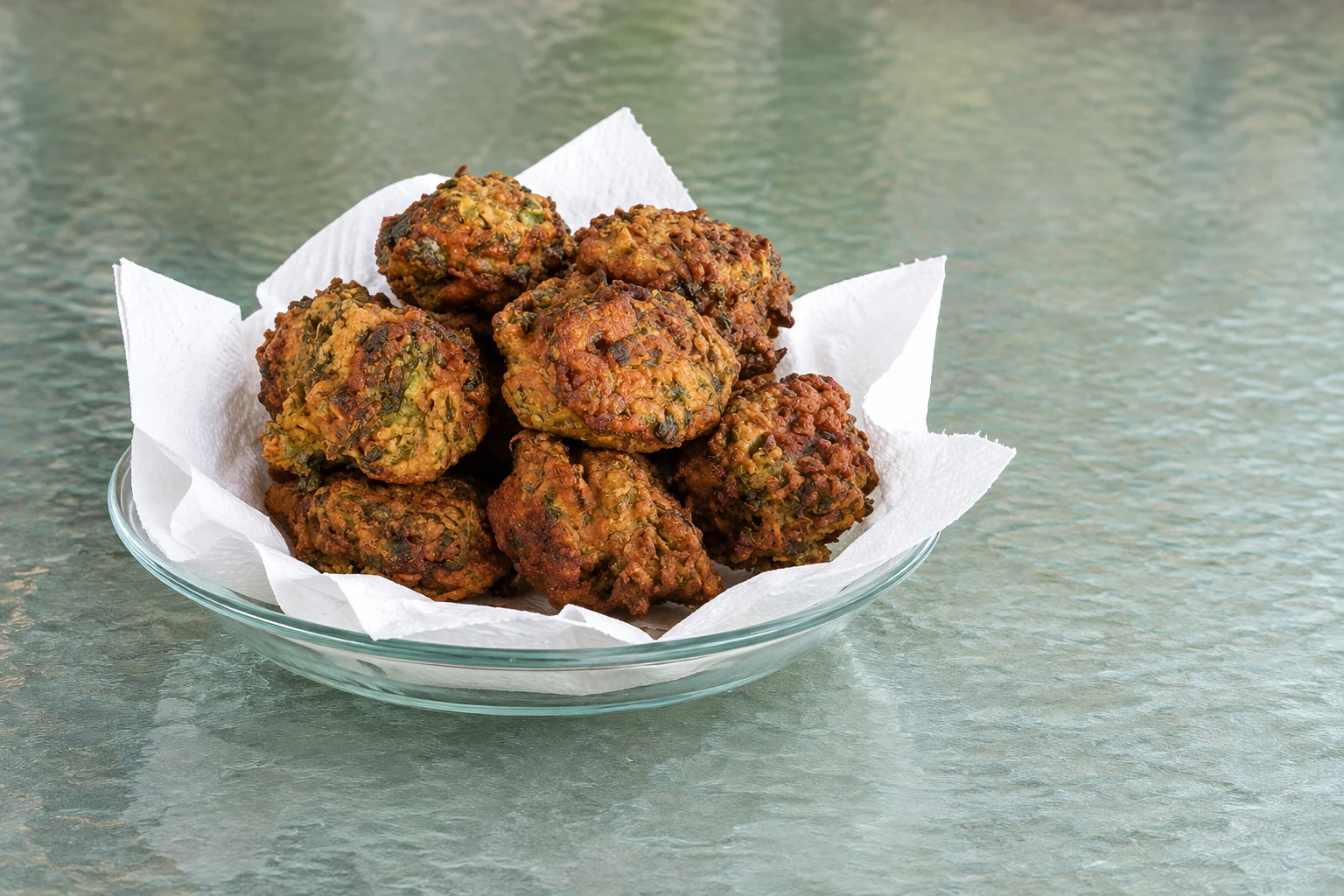
Fried patties of a light batter with chopped fresh green seaweed, typical of the resort towns along Rocha’s coast, such as Cabo Polonio, Valizas and La Pedrera. Served hot, as a starter or snack.
Traditional dish from Rocha
Also known as: buñuelitos de algas
Illustrative images. The pictures in this guide are illustrations based on the real place, not photographs, and may differ from it.
Click a photo to enlarge it.
Buñuelos de algas — Rocha, Uruguay
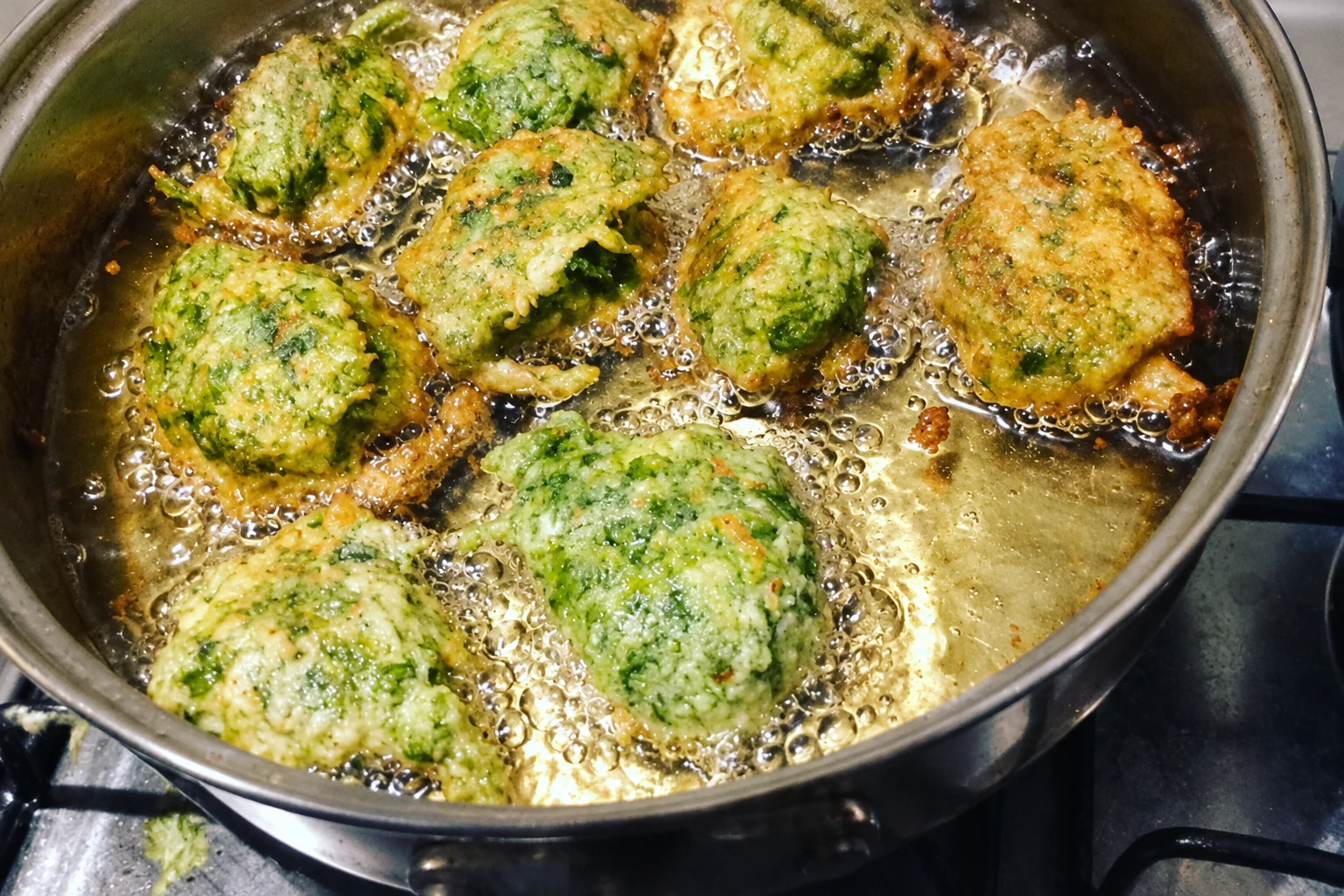
Algae buñuelos are fried fritters made from a batter of eggs, flour, baking powder and milk, mixed with chopped fresh green seaweed. They are spooned into hot oil and fried until golden. Crispy on the outside; soft inside, with a briny, sea-like flavor.
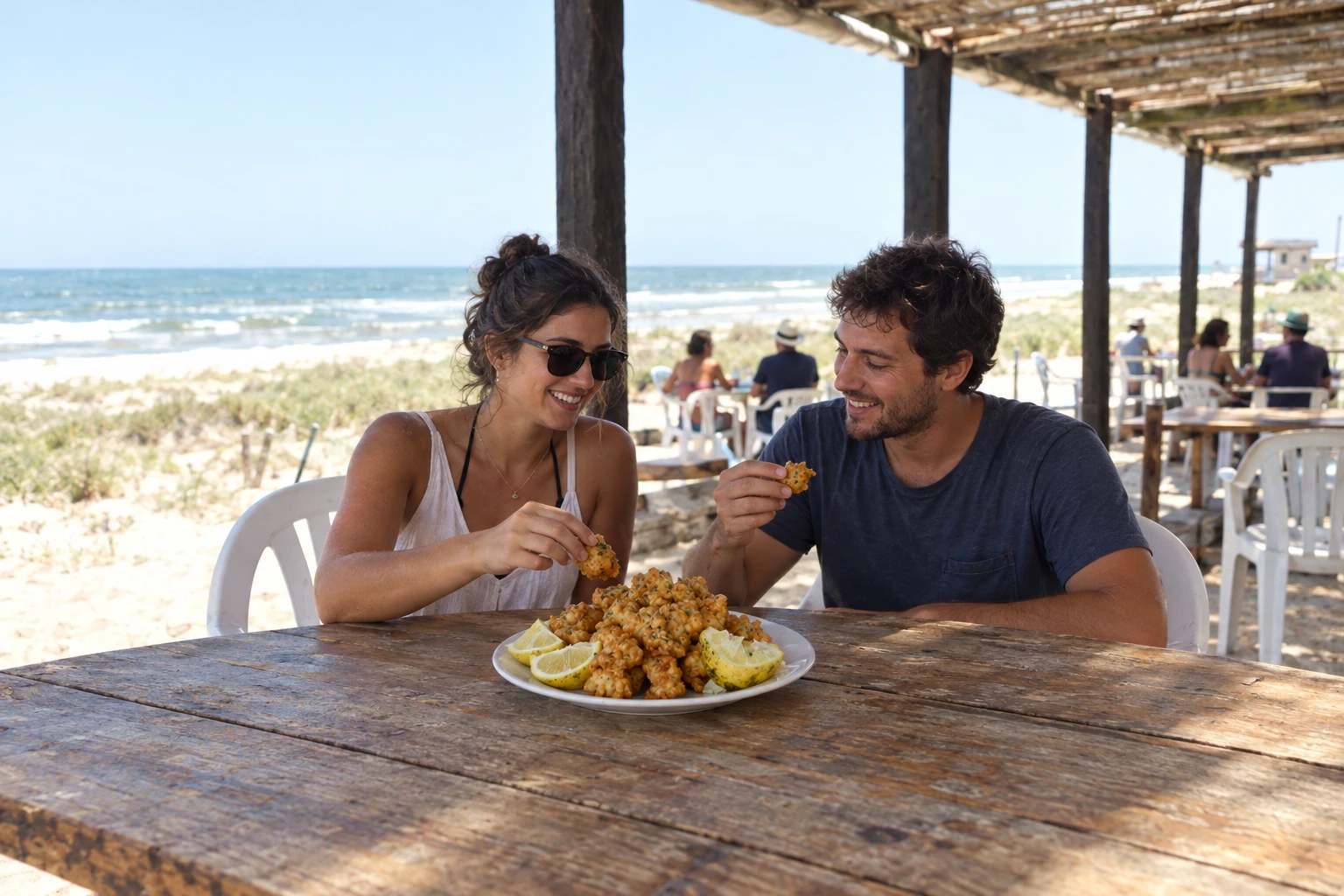
They are a typical dish of the resort towns along Rocha’s coast in eastern Uruguay: Cabo Polonio, Valizas, La Pedrera and less crowded beaches in the area. On those beaches the seaweed is easily gathered early in the morning or late in the afternoon. Buñuelos are sold both at fishermen’s stalls and at seaside restaurants.
The seaweed used is the green kind, with a lettuce-like appearance, attached to rocks in areas submerged at high tide and exposed at low tide. Before being added to the batter it is washed, soaked briefly in water with vinegar, drained and chopped very finely.
The recipe appears in books by writer Juan Antonio Varese about the cuisine of Rocha’s coast. Since "Las recetas de Valizas" (1993) he describes a Rocha gastronomy based on seafood and native produce, alongside dishes such as crab and coastal fish.

Rocha
Algae buñuelos are a typical dish of the resort towns on the coast of the Rocha department.
Fresh green seaweed, eggs, wheat flour, baking powder, milk, salt, pepper and nutmeg; oil for frying.
Hot, right after frying, as a starter or snack to share.
Mainly in summer, when the coastal resorts are busy.
Your questions
Fried patties made from a batter of eggs, flour and milk with chopped fresh green seaweed, typical of the resort towns along Rocha’s coast.
At the resort towns on Rocha’s coast — such as Cabo Polonio, Valizas and La Pedrera — at stalls and seaside restaurants, especially in summer.
Green seaweed, with a lettuce-like appearance, attached to rocks at the shoreline. They are washed thoroughly and chopped before being added to the batter.
Flavors of Uruguay

Pasta stuffed with meat with Caruso sauce, made with heavy cream, ham, mushrooms, cheese and meat extract. The sauce was created in Montevideo in the 1950s and is named for the tenor Enrico Caruso.

A mix of dry white wine and sweet sparkling wine in equal parts, served very chilled. It’s associated with the Mercado del Puerto in Montevideo, where it’s drunk at the counter before lunch and at year-end celebrations.

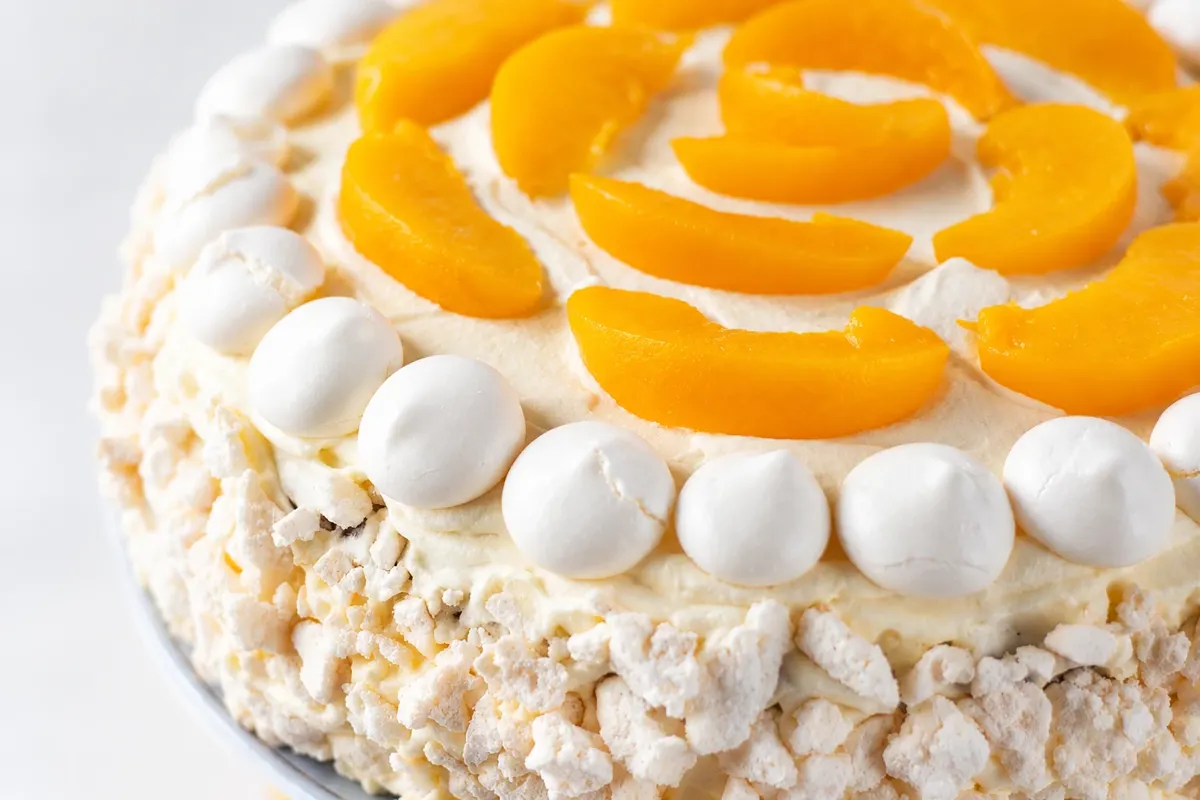
Sponge cake tart, whipped cream, crunchy meringue and peaches in syrup, light and airy. It was created in Paysandú in 1927 and is named after a local bird.

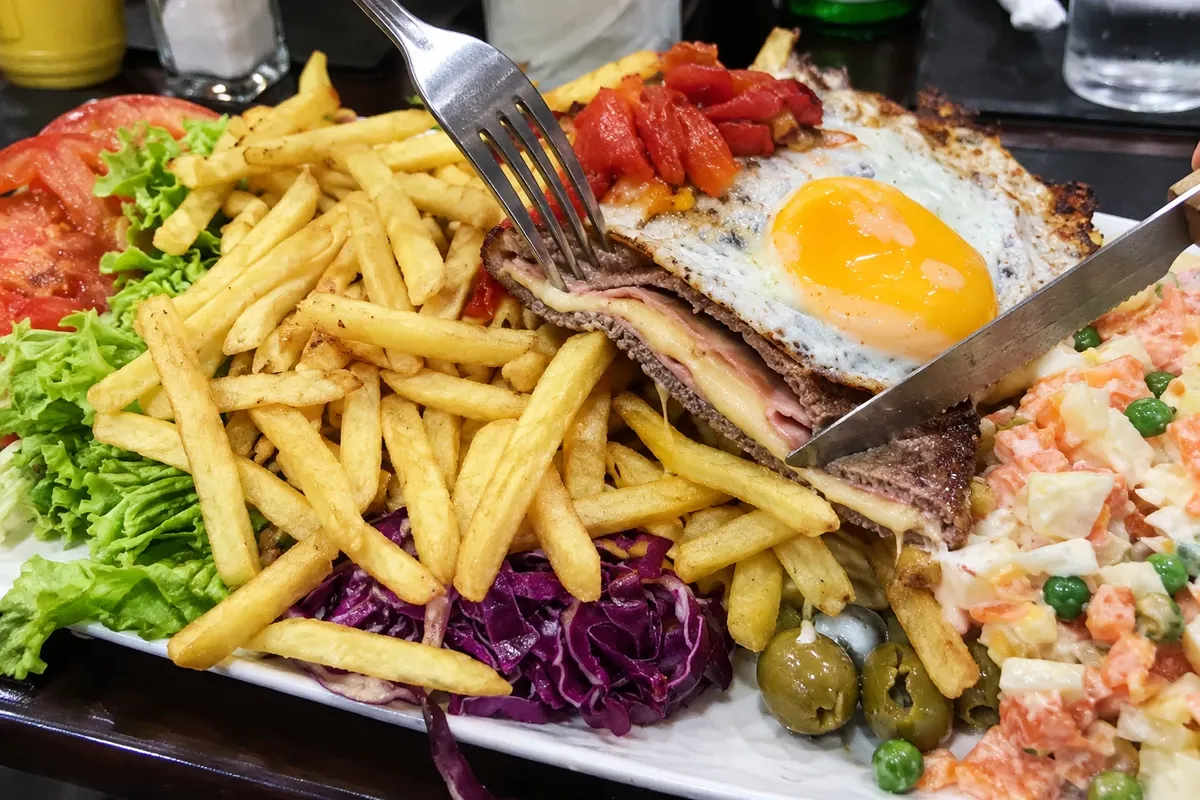
Hot sandwich of thin beef steak, ham, cheese, lettuce, tomato, egg and mayonnaise, also served on a plate with French fries. It was born in a bar in Punta del Este in the 1940s and, despite the name, does not contain goat.

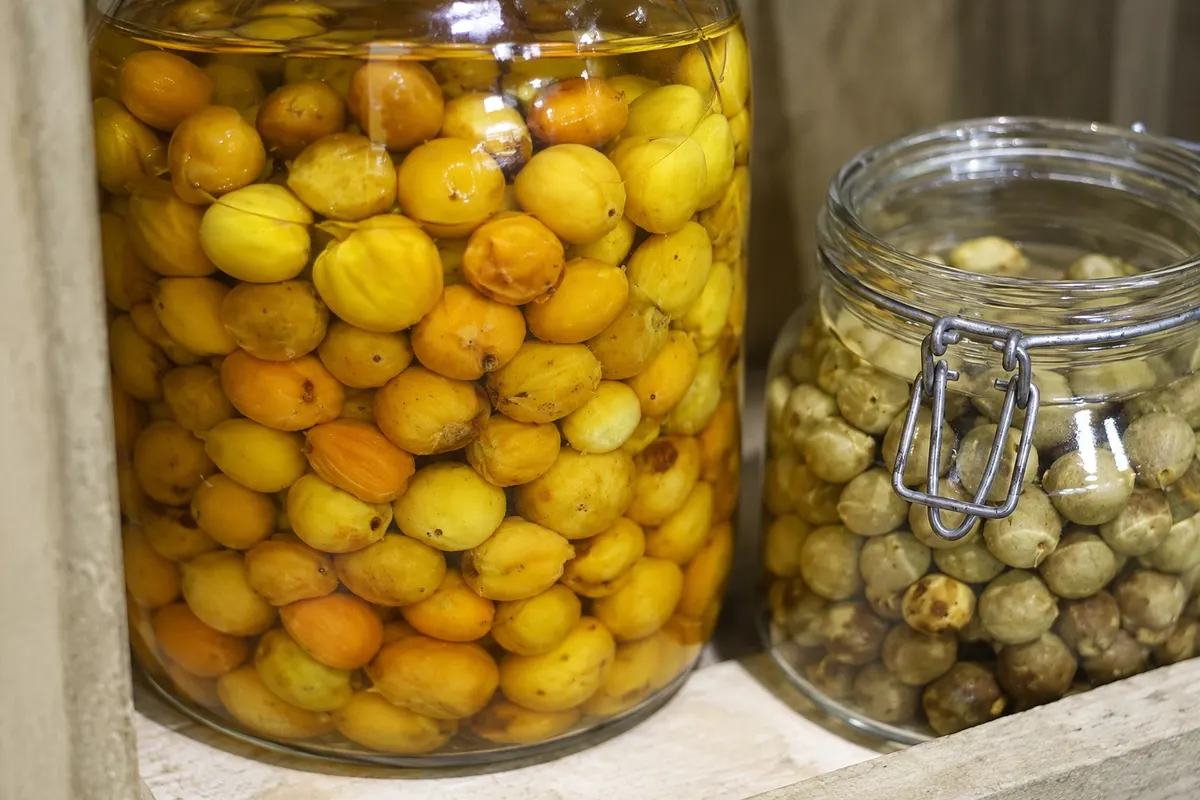
Liqueur made from the orange, sweet-and-sour fruit of the butiá palm, which forms large palm groves in the department of Rocha. The town of Castillos, amid the groves, is known as the “butiá city.”

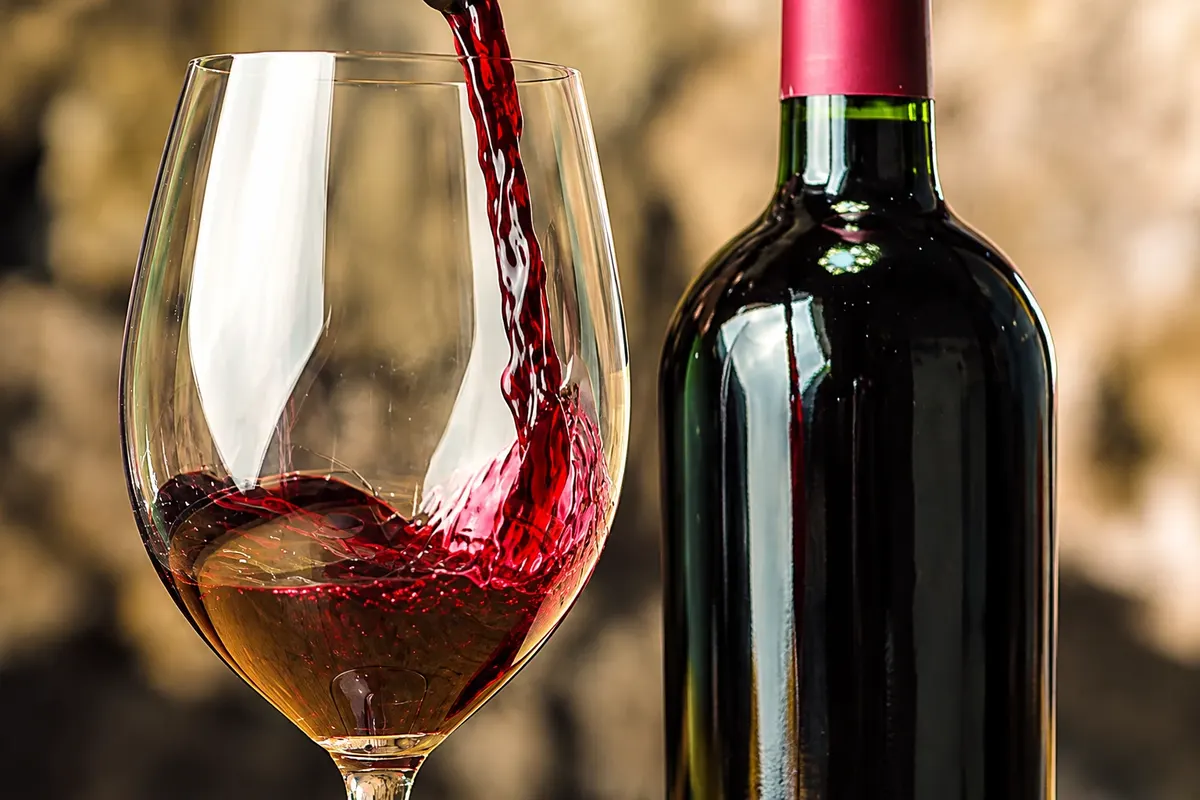
Red wine from the Tannat grape, with intense color and pronounced tannins, the signature grape of Uruguay. The grape arrived in the country with Pascual Harriague, who adapted it in Salto in the 19th century.